

Choosing between Pivotal CRM and Salesforce often comes down to five questions:
Do you need full control over where your CRM data lives, or are you comfortable in the cloud?
Is your priority keeping costs low on a system you already know, or investing in the market's broadest feature set?
Are you in a regulated industry where on-premise deployment is mandatory?
How important is a modern interface and mobile access for your sales team?
Does your CRM help reps find and close deals, or does it just record what already happened?
In short, here's what we recommend:
Pivotal CRM serves organizations that need on-premise deployment, Microsoft integration, and lower licensing costs than Salesforce. Originally built in 1994, Pivotal now sits inside Aurea Software's product library, where a single subscription unlocks the entire portfolio.
Its strength is deployment flexibility: companies in regulated industries (financial services, insurance, manufacturing) can keep CRM data entirely within their own infrastructure. The trade-offs are real. Pivotal's interface still requires Internet Explorer, its mobile access is limited, and advanced customization demands .NET developers.
For organizations already running Pivotal and not ready for a migration, it remains a practical choice. For teams evaluating CRM options fresh, its limitations are hard to overlook.
Salesforce leads the market for a reason. With $41.5 billion in annual revenue, 150,000+ customers, and Gartner Magic Quadrant Leader status for 19 consecutive years in Sales Force Automation, it covers sales, service, marketing, and commerce more broadly than any competitor. Agentforce, its AI agent platform, already handles millions of customer conversations autonomously.
But Salesforce's depth creates its own problems: pricing that surprises buyers, implementations that require dedicated partners, and a platform so feature-rich that many teams use only a fraction of what they pay for.
Both platforms manage customer relationships. Neither generates the buyer intelligence that fills your pipeline in the first place. That's a different problem, and it's where ZoomInfo comes in.
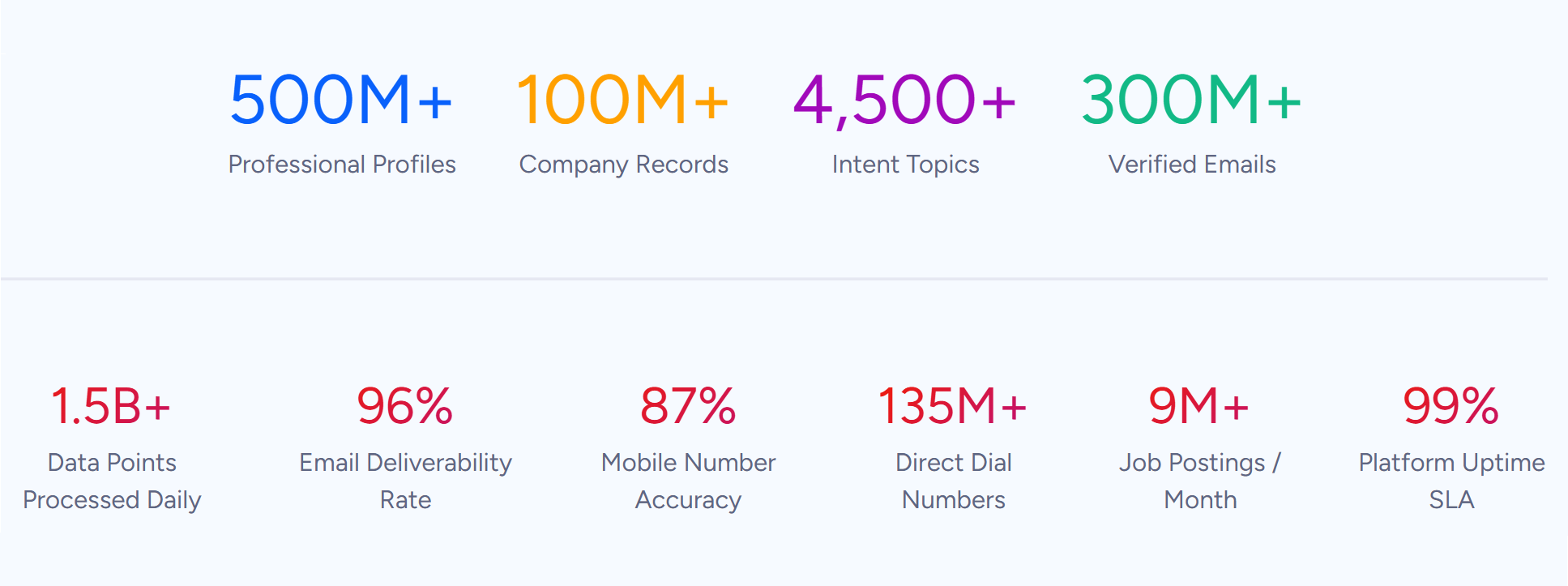
ZoomInfo is a go-to-market intelligence platform that gives your sales team the data your CRM was never designed to provide. Built on the largest B2B dataset in the industry (500M contacts, 100M companies, 135M+ verified phone numbers, and 200M+ verified business email addresses), ZoomInfo delivers accurate contact data, buyer intent signals, and account intelligence that make your CRM productive.
Its GTM Context Graph processes 1.5B+ data points daily, fusing your CRM records with conversation transcripts, intent signals, and behavioral data to reveal not just what happened in a deal, but why.
That intelligence reaches your team through GTM Workspace for sellers, GTM Studio for marketers and RevOps, or APIs and MCP in any tool. ZoomInfo integrates directly with Salesforce, HubSpot, and Microsoft Dynamics, turning your CRM from a system of record into a system of action.
To see how intelligence-powered CRM works, explore ZoomInfo's platform.
Pivotal CRM vs. Salesforce vs. ZoomInfo at a glance
Pivotal CRM | Salesforce | ZoomInfo | |
|---|---|---|---|
Primary function | CRM with on-premise deployment | Cloud CRM platform + AI agents | B2B data and GTM intelligence |
Deployment | On-premise or push-to-cloud | Cloud-only (multi-tenant) | Cloud with API/MCP access |
AI capabilities | None documented in current release | Agentforce with autonomous agents | GTM Context Graph, AI-drafted outreach, intent signals |
Contact database | Internal CRM records only | Internal CRM records only | 500M contacts, 200M+ verified emails, 135M+ verified phones |
Buyer intent signals | None | Available via add-ons | Native, with Guided Intent and signal stacking |
Mobile access | Limited (Citrix/browser only) | Full native iOS/Android app | Mobile app and Chrome extension |
Ecosystem | Microsoft stack (Outlook, SharePoint) | 9,000+ AppExchange apps | 120+ integrations, API/MCP for any tool |
Pricing | Quote-only (Aurea Unlimited bundle) | $25–$550/user/month + add-ons | Consumption-based, free tier available |
Best for | Regulated industries, legacy deployments | Mid-market to enterprise, any industry | Sales, marketing, and RevOps teams needing buyer intelligence |
A CRM records what happened. It doesn't tell you what to do next.
This is the gap most CRM comparisons ignore.
Pivotal CRM stores your accounts, contacts, opportunities, and activities. Salesforce does the same with more sophistication, adding AI scoring, automation, and analytics. Both track your pipeline. Both log your customer interactions. Both produce reports.
Neither tells you which accounts are researching your product category right now. Neither identifies the new VP of Finance who just joined your target account and has budget authority. Neither provides verified direct-dial phone numbers so your reps can reach decision-makers instead of leaving voicemails at a general line.
Your CRM is a container. The question is what fills it.
ZoomInfo fills it with intelligence: 500M contacts with up to 95% accuracy on first-party data, verified by 300+ human researchers and automated ML scanning of 28 million site domains daily. In a Fortune 500 competitive RFP analyzing 25 million contacts across vendors, the independent consultant concluded that "no other competitor came even close."
Source: ZoomInfo
That data flows directly into your CRM (Salesforce, HubSpot, or Dynamics) through native integrations, keeping records enriched and current without manual research.
Seismic's sales team attributed 39% of active pipeline to opportunities identified or influenced by ZoomInfo signals, while saving 11.5 hours per week per seller. (Seismic Case Study)
Pivotal CRM: built for a different era
Pivotal CRM has a legitimate history. Founded in 1994, Pivotal Corporation pioneered "360-degree" CRM when the industry was still young. Its founder, Norm Francis, was named one of the ten most influential people in CRM's development by CRM Magazine.

Source: Pivotal CRM
Today, Pivotal sits inside Aurea Software, part of the ESW Capital / Trilogy family. Aurea calls it "a powerful and comprehensive CRM that is a better financial alternative to Salesforce", emphasizing three things: on-premise deployment, customization without expensive professional services, and lower total cost of ownership.
For organizations in regulated industries (banking, insurance, industrial manufacturing) that cannot place CRM data in a vendor-controlled cloud, Pivotal's on-premise option is a genuine differentiator. Aurea states directly: "While many leading CRMs are cloud-only, Pivotal offers customers the choice." The push-to-cloud option allows incremental migration without a forced rip-and-replace.
Pivotal's Microsoft integration is another strength. Built on the .NET Framework, it embeds with Outlook, SharePoint, and Office. For organizations standardized on the Microsoft stack, CRM activity happens inside familiar tools. Pivotal 6.6 added Office 365 integration, synchronizing contacts and activities captured in Exchange.
The Key Account Management Dashboard aggregates all account-level data into one screen: activities, open tasks, offers, tickets, an opportunity matrix, and a costs-versus-revenue comparison.
It even flags companies whose annual order value exceeded EUR 250,000 that haven't been designated as key accounts. These features reflect Pivotal's design for complex B2B relationships with layered account hierarchies.
But the limitations are significant.
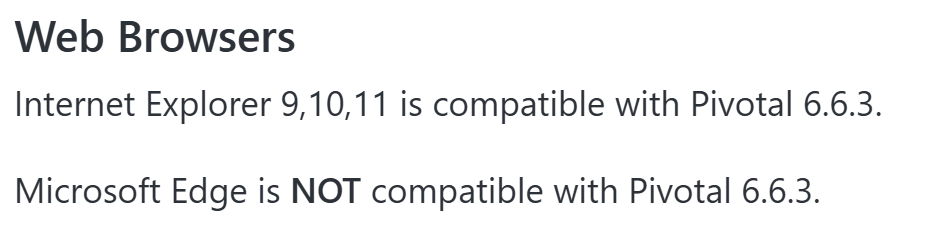
The current version (6.6.3) only supports Internet Explorer 9 through 11 as a compatible browser; Microsoft Edge is explicitly listed as NOT compatible. Microsoft discontinued Internet Explorer in June 2022. For organizations that have already dropped IE, this creates a real deployment problem.
Source: Pivotal CRM
Mobile access is another gap. While Aurea lists mobile access as a capability, the compatibility guide lists only Windows operating systems for client machines. No native iOS or Android apps are documented. Mobile delivery reportedly relies on Citrix virtualization or browser access.
On integrations, Pivotal's ecosystem centers on enterprise middleware (BizTalk Server, Pervasive Data Integrator, SSIS Connector). No documented REST API, webhook system, or connectors to modern SaaS tools like Zapier or Slack were found in publicly available sources.
Pivotal's ownership history also warrants consideration. Six parent entities across 30 years (Pivotal Corporation, CDC Corporation, CDC Software, Aptean, Avolin, Aurea) is consistent with ESW Capital's model of acquiring and maintaining mature enterprise software.
Aurea's stated acquisition rationale focuses on serving customers who "aren't ready to fully migrate to the cloud," not on aggressive product investment.
Salesforce: the market leader comes with market-leader complexity
Salesforce dominates CRM by every measurable standard. Number one in IDC CRM market share worldwide. Over 150,000 customers. A product suite spanning sales, service, marketing, commerce, analytics (Tableau), integration (MuleSoft), collaboration (Slack), and autonomous AI agents (Agentforce).
For enterprise buyers evaluating CRM, Salesforce is the default consideration for good reasons.
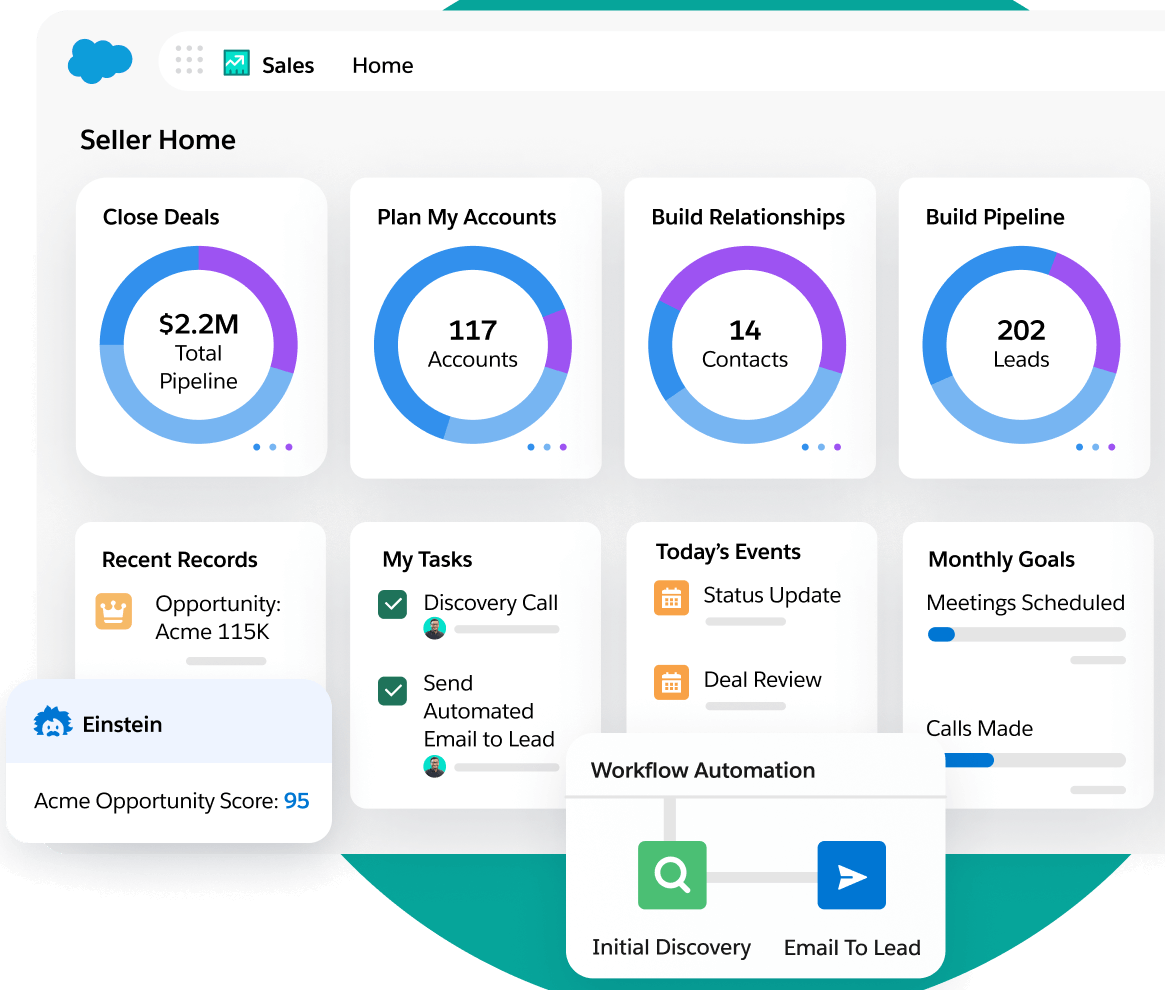
Sales Cloud centralizes lead management, opportunity tracking, pipeline management, and forecasting with AI-driven insights. Einstein Activity Capture auto-syncs emails and calendar from Gmail and Outlook. Pipeline views surface AI-generated deal insights and change signals. Revenue Lifecycle Management covers everything from CPQ to subscription management.
Source: Salesforce
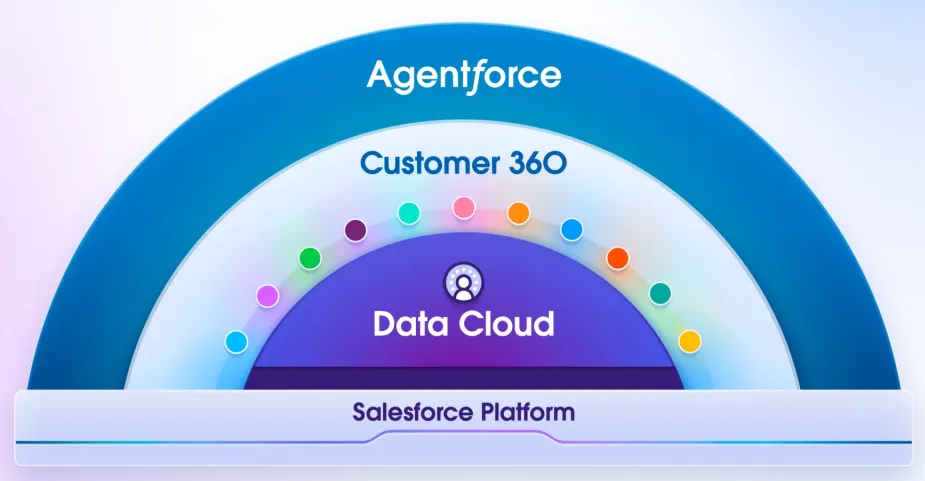
Agentforce, Salesforce's AI agent platform, has reached $800M ARR growing 169% year-over-year. It deploys autonomous agents that handle customer service, sales prospecting, and marketing campaigns. On Salesforce's own help site, 85% of support requests are resolved without escalation.
Source: Salesforce
AppExchange provides 9,000+ partner apps with 14+ million installs, and 91% of customers use at least one. Whatever you need, there's probably a connector for it.
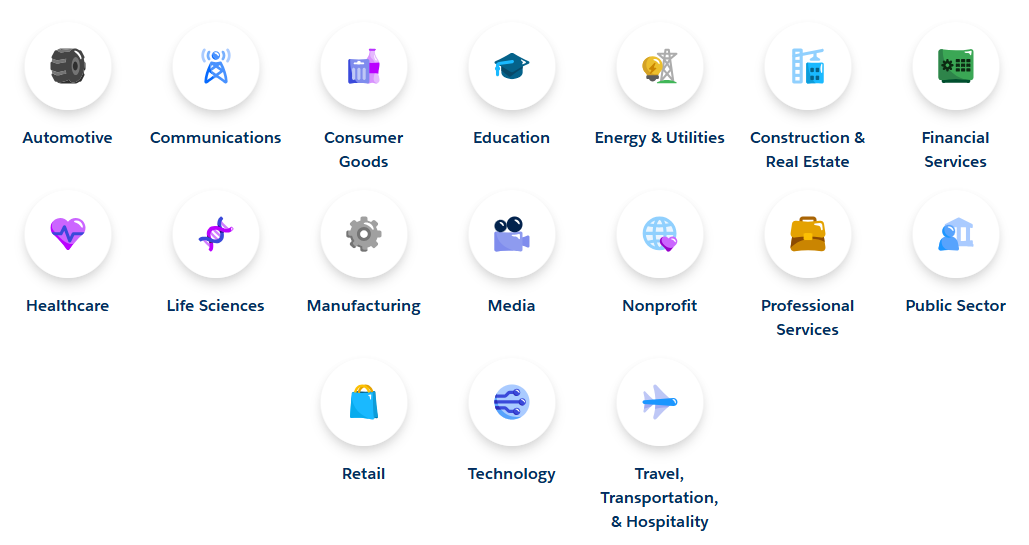
Industry Clouds across 17 verticals (financial services, healthcare, manufacturing, retail, and more) provide industry-specific data models and workflows.
Source: Salesforce
But Salesforce's breadth creates real friction.
Pricing is complex. Sales Cloud ranges from $25/user/month (Starter Suite) to $550/user/month (Agentforce 1). But that's just the seat cost. Agentforce AI consumption runs $500 per 100,000 Flex Credits. Data Cloud credits are separate.
The Premier Success Plan (which many companies need) adds 30% on top of net license fees. A June 2025 pricing restructuring raised Enterprise and Unlimited list prices by 6%. Salesforce itself acknowledged its pricing model "needed to be easier to understand, more predictable, and more flexible."
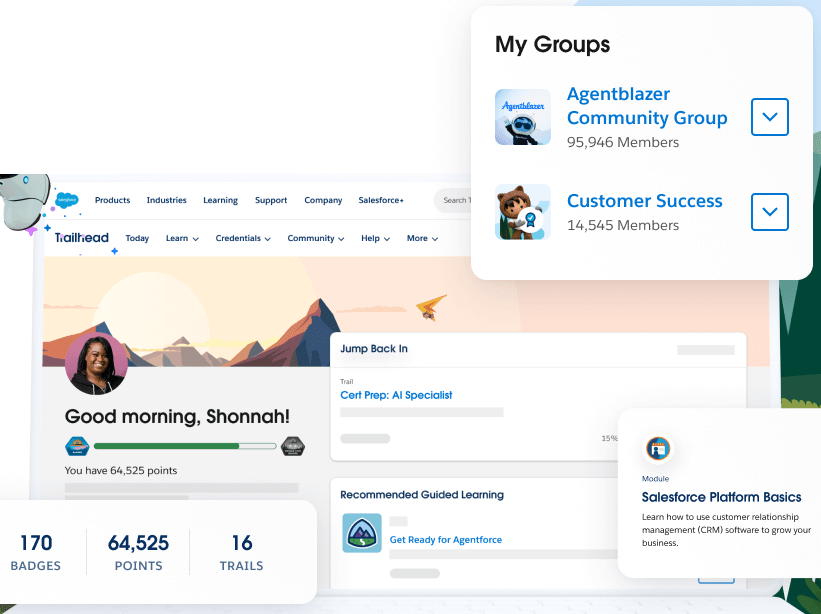
Implementation requires partners. Over 70% of deployments are partner-led, adding significant cost. Enterprise multi-cloud implementations run 3 to 12 months. Salesforce's own learning platform, Trailhead, offers 1,500+ badges and 60+ certifications, which is both a strength and a sign of how much there is to learn.
Features don't equal pipeline. Salesforce excels at managing the deals in your pipeline. It does not find those deals for you. The CRM records that a deal moved to Stage 3. It does not tell you that five other companies matching your ideal customer profile just started researching your product category, or that the champion at your biggest opportunity just changed jobs.
For a deeper look at how Salesforce and ZoomInfo fit together as part of a complete go-to-market stack, see our Salesforce vs. ZoomInfo comparison.
ZoomInfo gives your CRM the intelligence it lacks
The comparison between Pivotal CRM and Salesforce is about which system manages your customer relationships. ZoomInfo answers a different question: where do those relationships come from?
CRMs are backward-looking. They store what your team already knows. ZoomInfo is forward-looking. It reveals what your team doesn't know yet: which accounts are in-market, who the decision-makers are, how to reach them, and what signals suggest they're ready to buy.
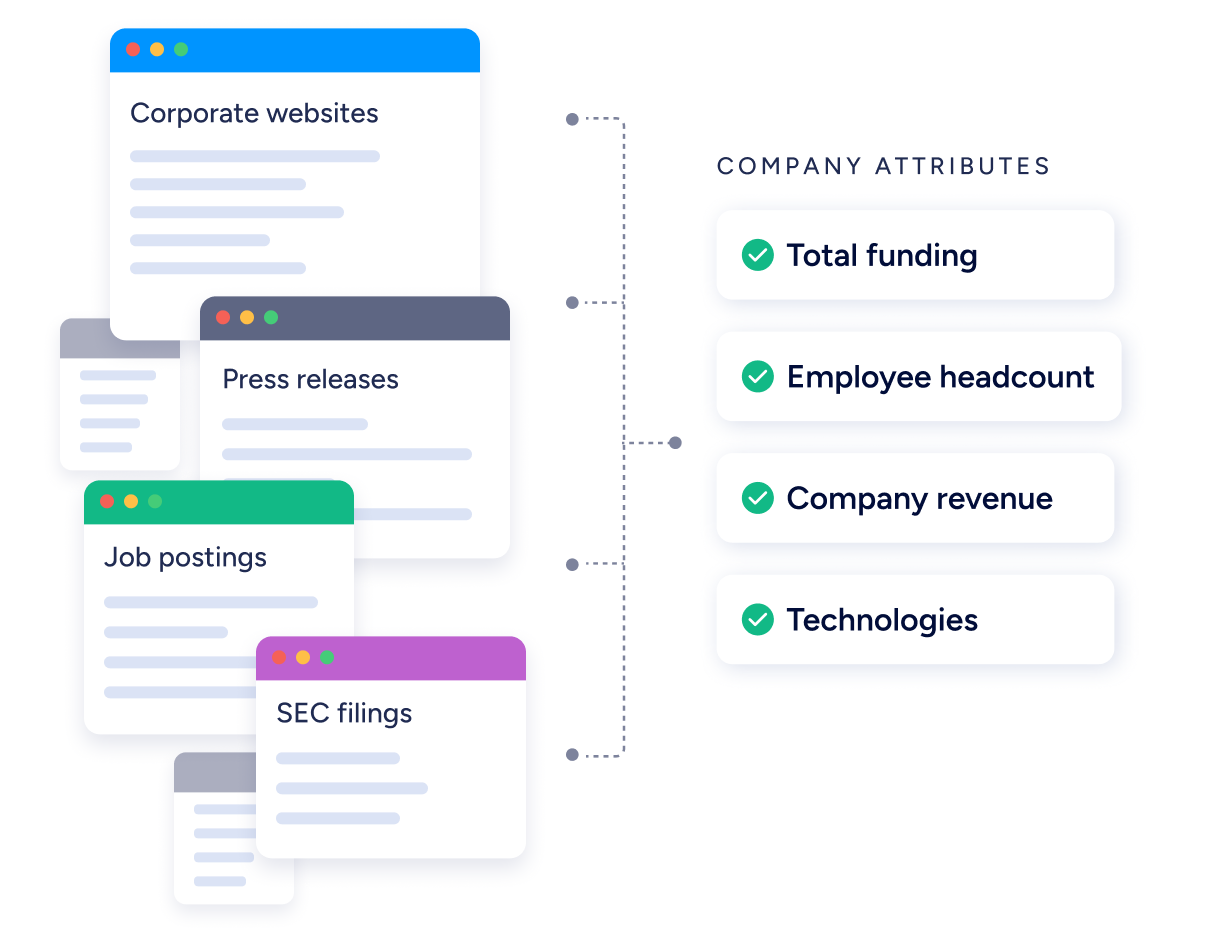
The data foundation. ZoomInfo operates the largest B2B data platform in the industry: 500M contacts, 100M companies, 135M+ verified phone numbers, 120M direct-dial phone numbers, and 200M+ verified business email addresses.
A multi-source verification pipeline backed by 300+ human researchers delivers up to 95% accuracy on first-party data. Automated ML scans 28 million site domains to detect changes in real time.
Source: ZoomInfo
For sales reps, the difference is immediate. The direct dial rings. The email lands. Reps spend time selling instead of researching.
Vensure's VP of Revenue Operations described the impact: "ZoomInfo gives us the information we need to execute. We don't have to go through and spend our time digging. It's already there, so we can be three steps ahead." (Vensure Case Study)
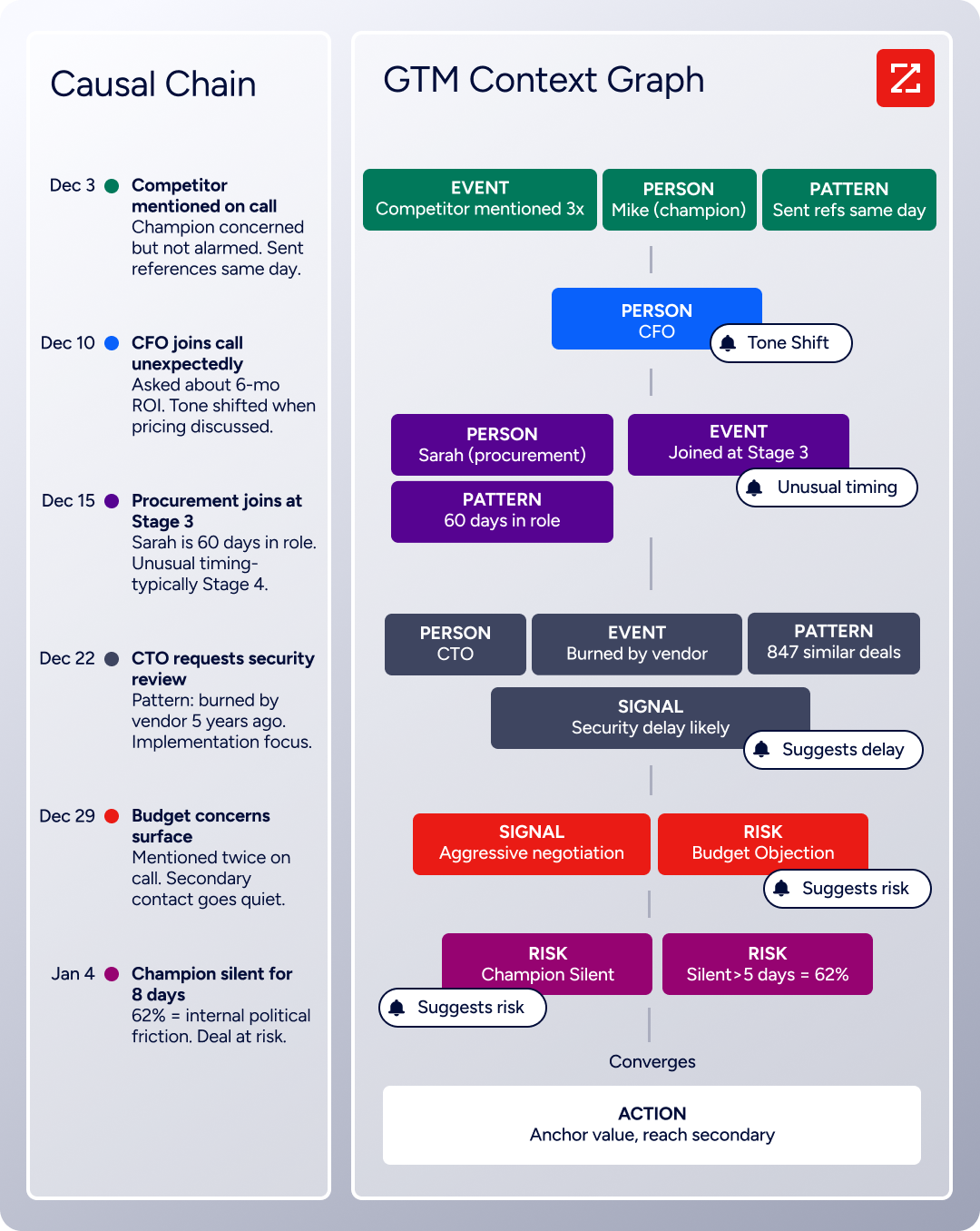
The GTM Context Graph. ZoomInfo's GTM Context Graph processes 1.5B + data points daily, unifying a customer's CRM records, conversation transcripts, email threads, and product usage data with ZoomInfo's third-party intelligence. It captures not just what happened in a deal but why. A CRM records that a deal's stage moved from 3 to 4.
Source: ZoomInfo
The GTM Context Graph reasons that executive sponsorship entering at this stage, combined with ROI-focused questions and third-party signals showing the company is hiring new VPs and researching your competitor, matches the pattern behind closed-won deals in your segment. That reasoning shapes every follow-up email, every account play, and every forecast.
Buyer intent signals. ZoomInfo Intent tracks signals from 210 million IP-to-Organization pairings and 6 trillion+ keyword-to-device pairings sourced monthly. Guided Intent, exclusive to ZoomInfo, identifies topics historically correlated with deal success rather than requiring manual topic selection. Your team reaches accounts while they're evaluating, not after they've already chosen a competitor.

Source: ZoomInfo
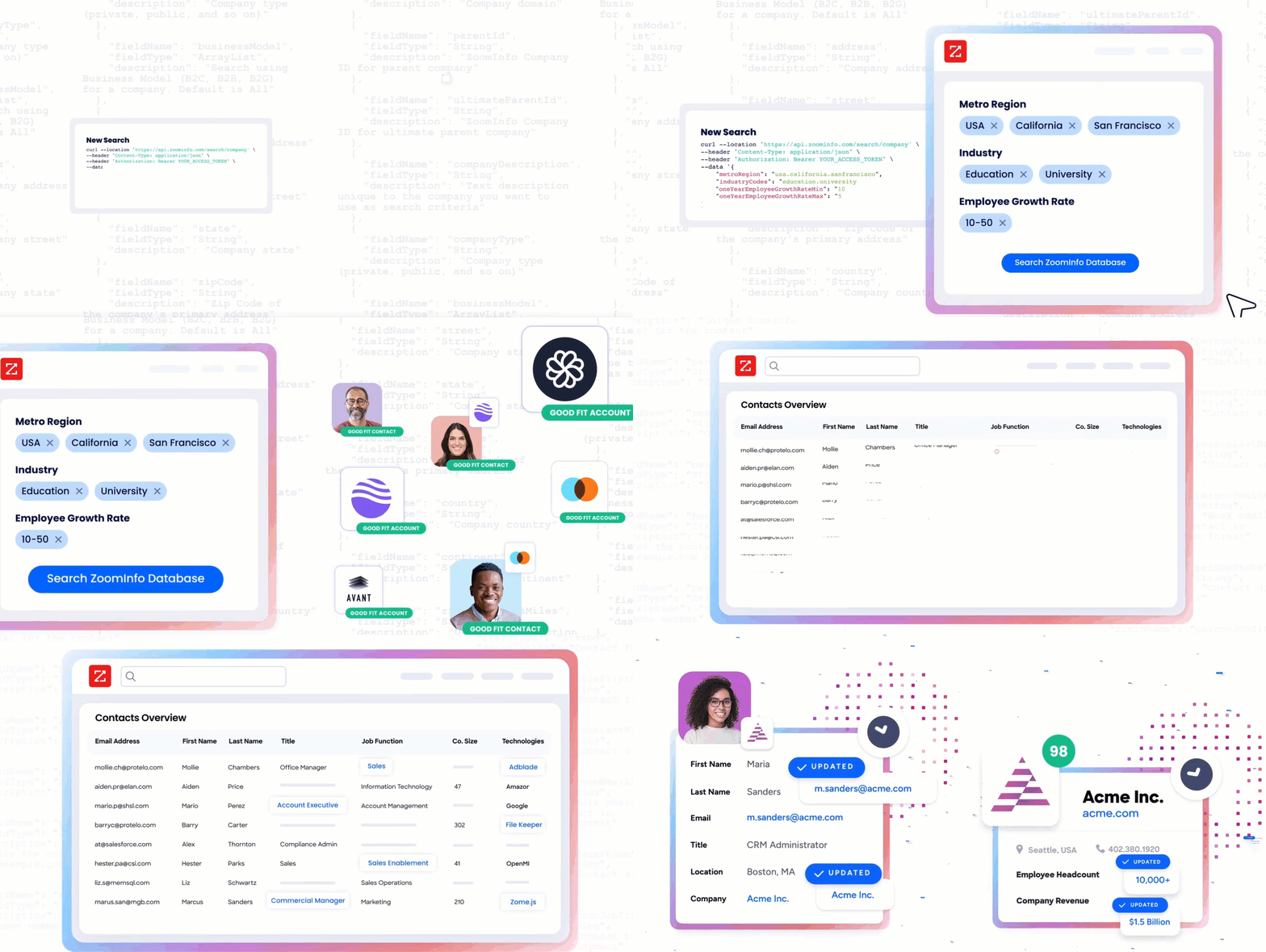
Universal access. ZoomInfo works wherever your team works. GTM Workspace gives sellers a single view of prioritized accounts with AI-drafted outreach. GTM Studio gives marketers and RevOps a canvas for building and launching GTM plays. APIs and MCP deliver the same intelligence into any tool, workflow, or AI agent.
Source: ZoomInfo
The same data flows through every surface, and native integrations with Salesforce, HubSpot, and Microsoft Dynamics 365 keep your CRM enriched automatically.
Smartsheet's Senior Manager of Sales Technology Enablement put it plainly: "ZoomInfo is our one source of truth for account data, and even more so for contact data. There's no other provider in the market that provides you with that level of detail." (Smartsheet Case Study)
User experience reflects each platform's era
Pivotal CRM was designed for a world of desktop Windows machines, Outlook, and Internet Explorer. Its Pivotal UX Client is a Windows-installed application that connects to the Pivotal Business Server. Installation follows a specific sequence: Smart Client Framework first, then Pivotal Client, then Office Integration.
On G2 (58+ reviews, 3.5/5 overall), the most consistent criticism is an outdated interface that non-technical users find steep to learn. Customization scores well (9.2 on G2), but that customization requires either admin-level configuration skills or .NET/C# developers for complex workflows.
Salesforce's Lightning Experience is modern, component-based, and accessible from any browser. The Salesforce mobile app provides full CRM access on iOS and Android. But the platform's depth means configuration beyond out-of-the-box requires trained administrators.
Many organizations end up hiring specialists or consultants. The learning curve is steep enough that Salesforce built an entire free learning platform (Trailhead) with 6+ million learners and 1,500+ badges.
Source: Salesforce
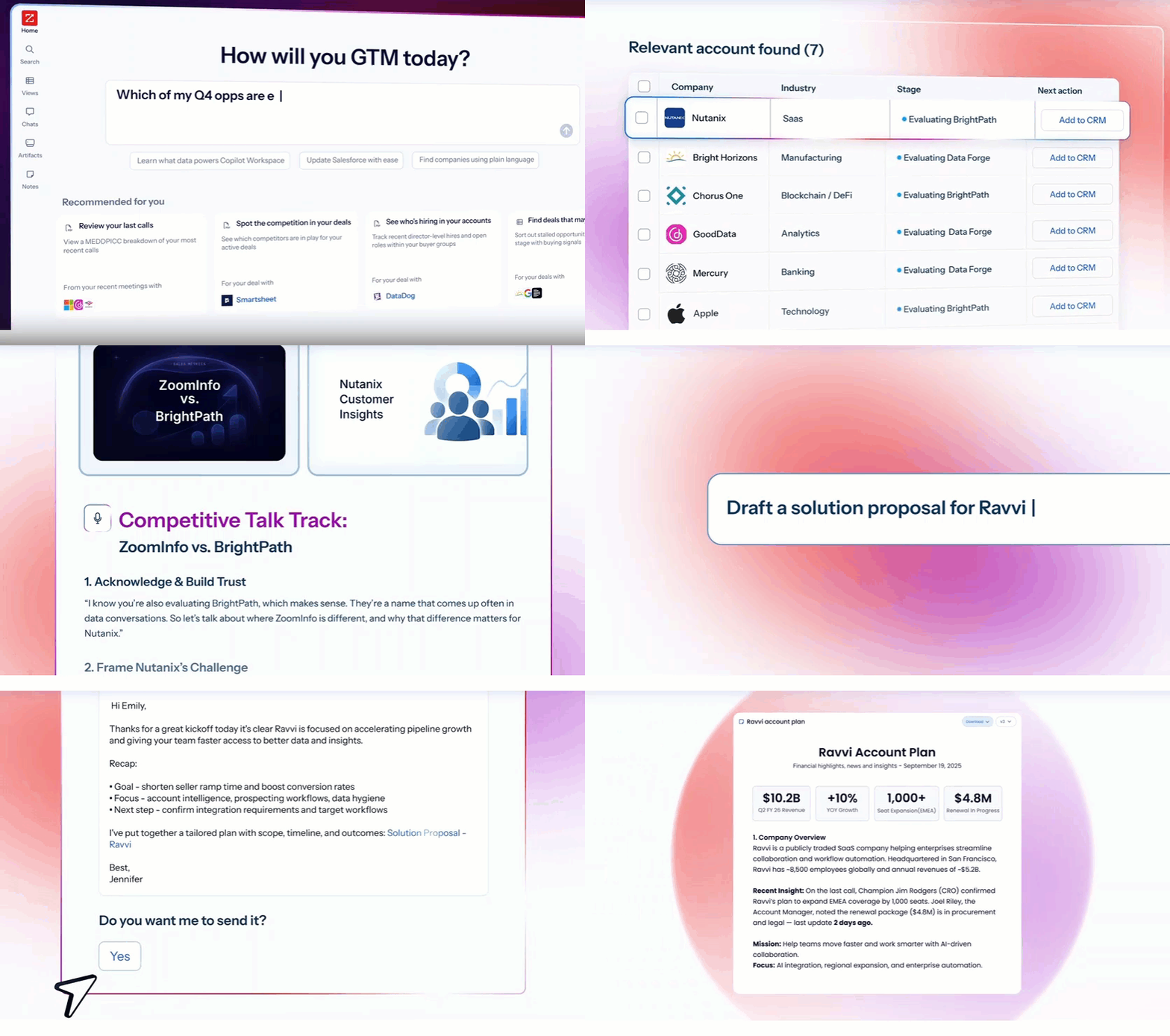
ZoomInfo's interfaces are built for speed. GTM Workspace surfaces prioritized accounts, AI-drafted outreach, and deal execution in a single view. It deploys in weeks, not months.
Source: ZoomInfo
ZoomInfo's redesigned onboarding program, structured across a planning-to-adoption arc over 30 to 90 days, produced a 25% improvement in customer satisfaction scores and won the Rocketlane Golden Comet award for Best Customer Onboarding Team of 2024.
Integration and ecosystem differences
How each platform connects to your broader tech stack reveals its architectural philosophy.
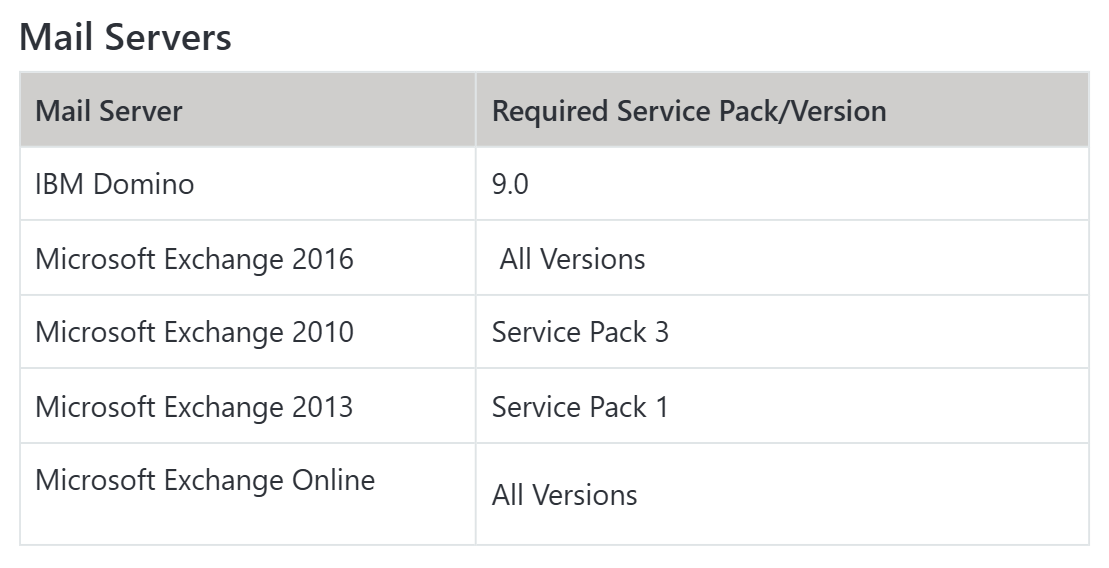
Pivotal CRM integrates deeply but narrowly. Its compatibility stack includes Microsoft Exchange 2010 SP3 through Exchange Online, Outlook 2010 through 2016, SharePoint Server 2010 and 2013, and even IBM Domino/Notes 9.0. For enterprise middleware, it supports BizTalk Server and SSIS Connector. SAML-based SSO with Azure Active Directory covers enterprise identity.
Source: Pivotal CRM
For organizations already invested in Microsoft and enterprise middleware, these integrations are well-worn. But outside that ecosystem, options are thin. No Zapier, no Slack, no modern iPaaS connectors.
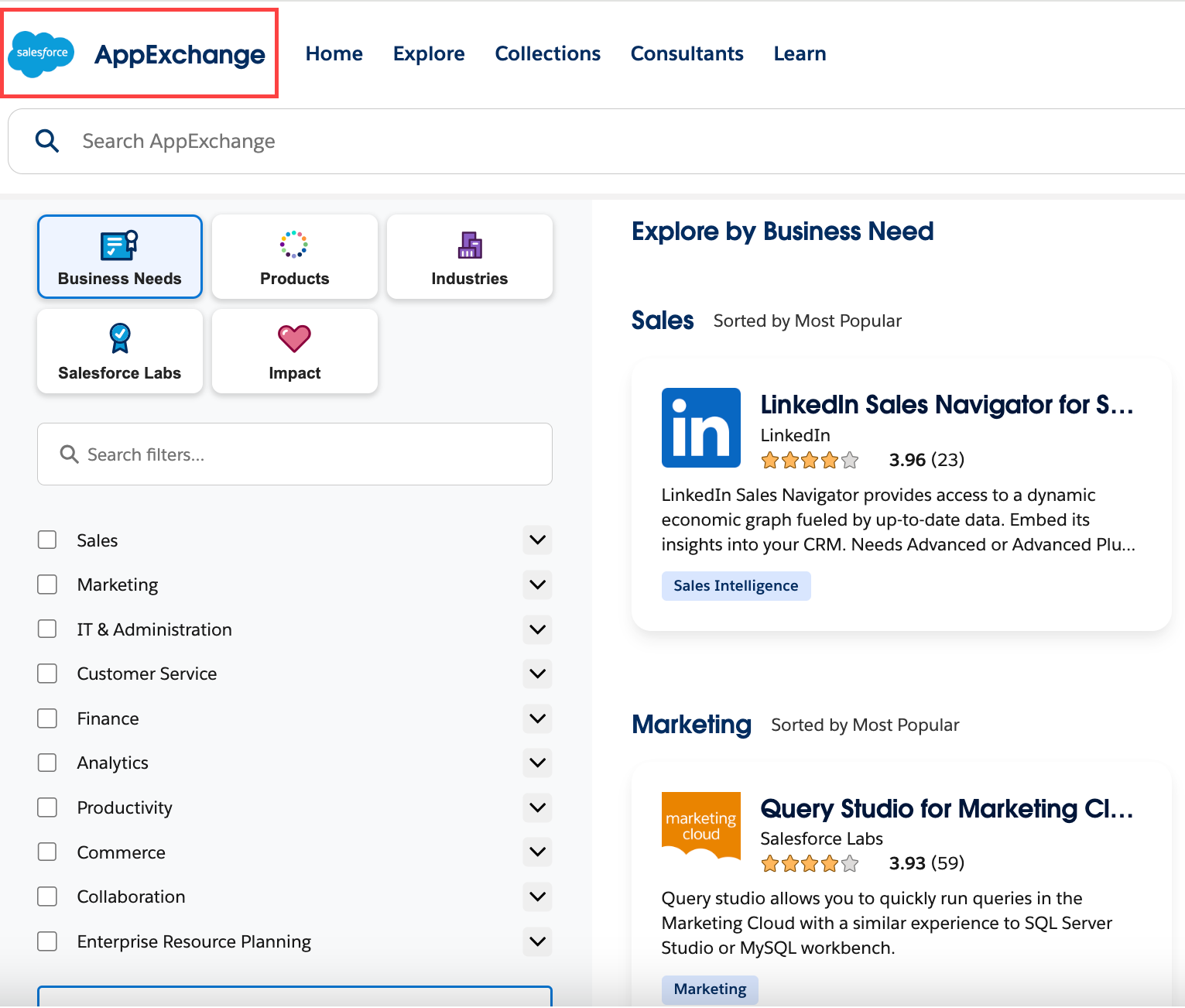
Salesforce has the largest enterprise app ecosystem in the industry. AppExchange lists 9,000+ apps. MuleSoft provides hundreds of pre-built connectors. REST, SOAP, Bulk, Metadata, and Pub/Sub APIs cover virtually any integration scenario.
Source: Salesforce
Enterprise Edition starts at 100,000 API requests per rolling 24-hour period. If a tool exists in the enterprise software world, it almost certainly connects to Salesforce.
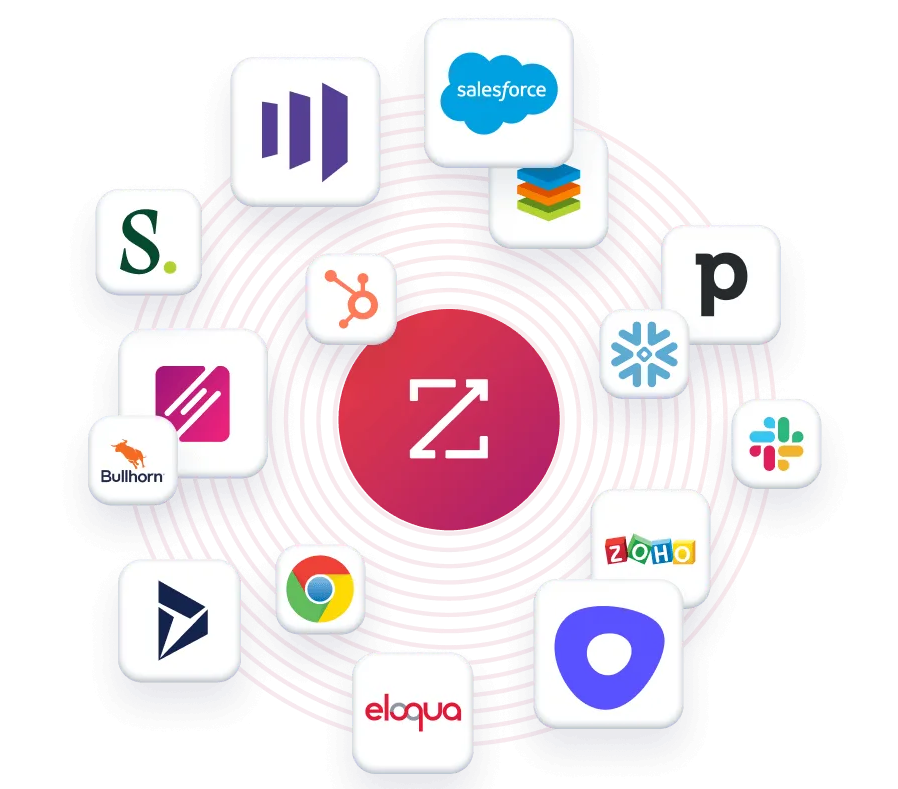
ZoomInfo connects to both CRMs and operates independently. The ZoomInfo App Marketplace lists 120+ partner integrations across CRM, marketing automation, sales engagement, revenue intelligence, and data warehouse categories. Native integrations with Salesforce, HubSpot, and Microsoft Dynamics 365 push enriched data directly into CRM records.
Source: ZoomInfo
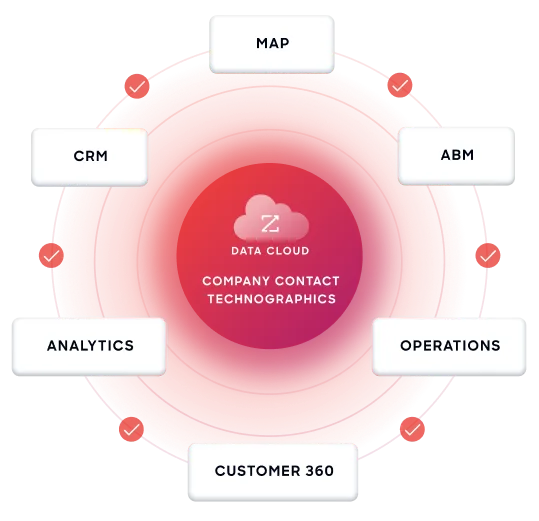
Cloud Partners enables direct data ingestion into AWS, Google Cloud, Snowflake, and Databricks. The MCP server connects AI models to ZoomInfo's data through natural language, and the Enterprise API provides programmatic access with OAuth 2.0 authentication and tiered rate limits. API access is included in all plans.
Source: ZoomInfo
BDO Canada's Senior Marketing Intelligence Analyst: "The plug-and-play aspect of the API means I can integrate it very easily into any process and get information at a moment's notice." The result: an 87% reduction in time spent on internal data dashboard updates. (BDO Canada Case Study)
Pricing comparison
Pivotal CRM does not publish pricing. It is sold exclusively through Aurea's Unlimited subscription model, described as "Netflix for enterprise software": one annual subscription unlocks access to every product in Aurea's 25-product library, with basic onboarding included at no extra cost. If you already spend money with Aurea, that amount applies credit-for-credit to every other product.
For organizations already in the Aurea ecosystem, this creates real TCO leverage. Platinum Support (24/7 support, 60-minute response for critical issues) is available as a paid upgrade. No public free trial exists for non-customers.
Salesforce publishes list prices, but the actual cost is harder to predict. Sales Cloud tiers:
Edition | Price |
|---|---|
Free Suite | $0/user/month (max 2 users) |
Starter Suite | |
Pro Suite | |
Enterprise | |
Unlimited | |
Agentforce 1 |
Add-ons stack quickly: Agentforce AI consumption at $500 per 100,000 Flex Credits, Data Cloud at $500 per 100,000 credits plus $23/month per TB storage, Premier Success at 30% of net license fees, and various channel-specific add-ons ($75-$175/user/month). A mid-sized sales team on Enterprise edition with essential add-ons can quickly exceed the list price per user.
ZoomInfo uses custom-quoted, consumption-based pricing with no publicly listed prices. Costs depend on number of users, monthly credit volume, features selected, and contract length.
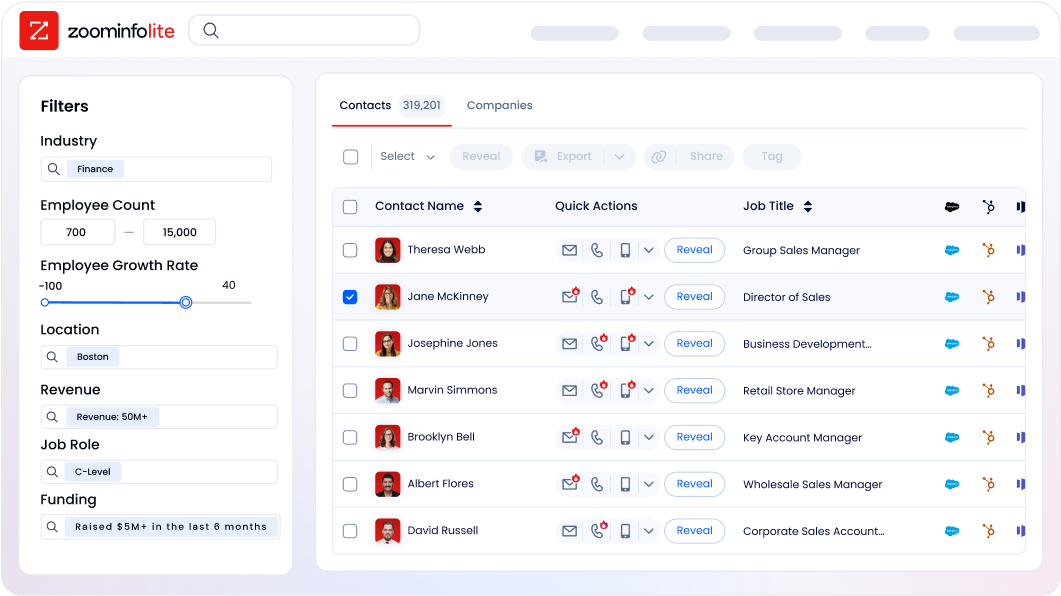
ZoomInfo offers two free entry points: ZoomInfo Lite (permanent free tier with 10 monthly export credits and access to the B2B database) and a 7-day free trial with broader feature access. Neither Pivotal nor Salesforce offers a permanent free data access tier.
Source: ZoomInfo
AI and automation capabilities
AI is where the gap between these platforms is widest.
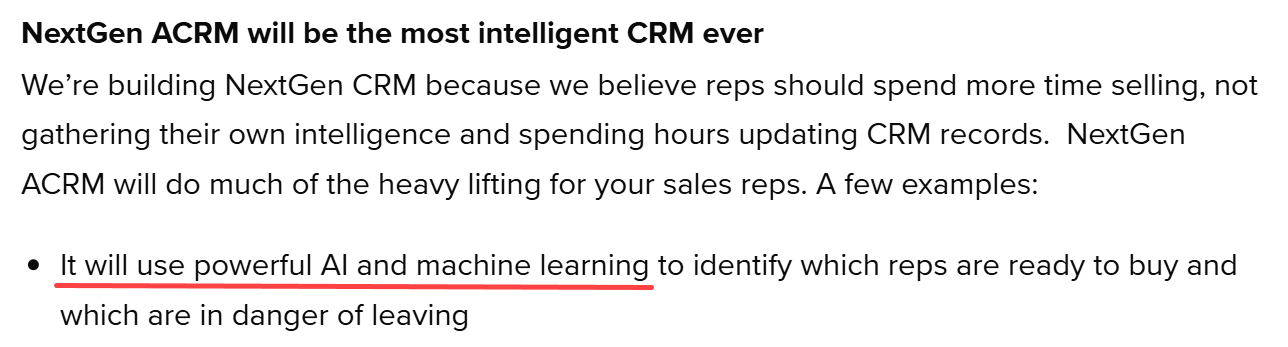
Pivotal CRM has no documented AI features in its current release. Aurea has disclosed that NextGen Aurea CRM, built on AWS, will use AI and machine learning to analyze data and predict opportunities, including AI-driven churn prediction. Whether and when these capabilities apply to Pivotal is not confirmed.
Source: Aurea
Salesforce has invested heavily in AI. Agentforce agents handle prospecting, service, coaching, and campaign creation autonomously. Einstein Lead Scoring prioritizes leads. Einstein Activity Capture auto-syncs emails and calendar. Call Explorer provides AI-driven conversation insights. The Atlas Reasoning Engine uses a reason-act-observe-adapt loop for agentic decision-making.
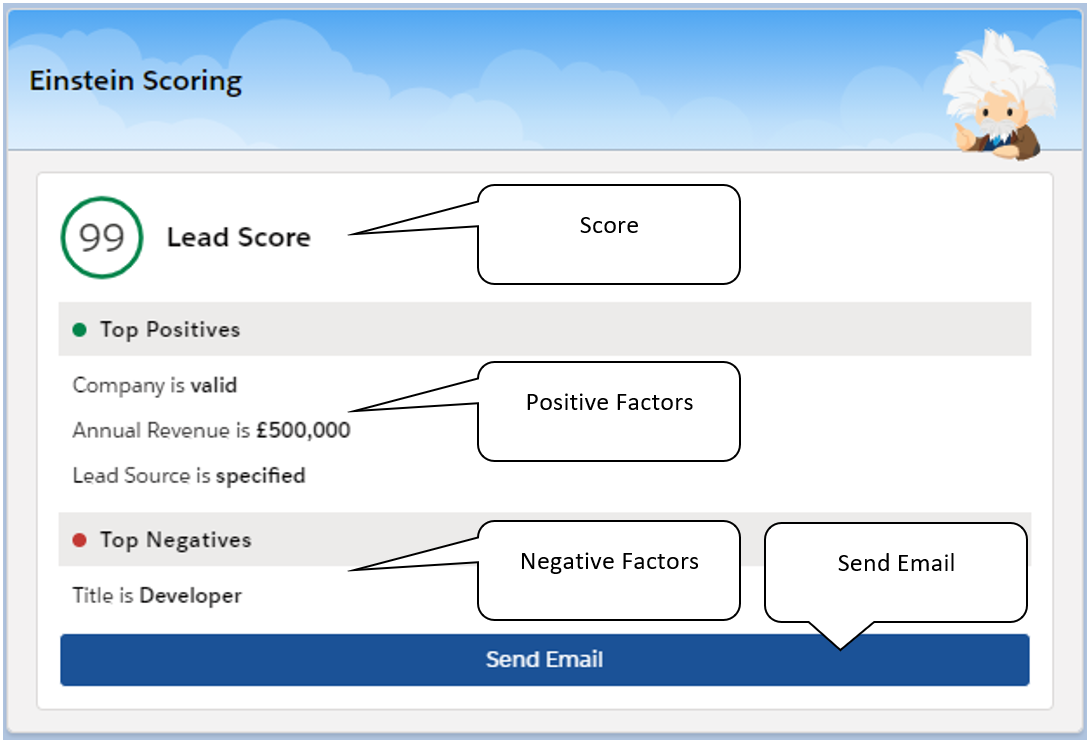
Source: Salesforce
The Einstein Trust Layer provides zero data retention with LLM partners, PII masking, and toxicity detection. Salesforce's AI is real and increasingly capable, but accessing it at full strength requires Unlimited or Agentforce 1 editions ($350-$550/user/month) plus consumption-based Flex Credits.
ZoomInfo approaches AI from the intelligence side. Its GTM Context Graph processes 1.5B + data points daily, reasoning across CRM data, conversation intelligence (via Chorus), intent signals, and behavioral data.

Source: ZoomInfo
The AI doesn't just score leads; it explains why a deal is moving, identifies which signal combinations match your actual win patterns, and drafts outreach that addresses the specific concern raised on the last call. GTM Workspace's AI agents handle account research, outreach generation, CRM updates, and signal monitoring.
GTM Studio lets marketers describe audiences in plain language and launch multi-channel plays without engineering tickets. Where expansion plays used to take three weeks, they now launch in 30 minutes.
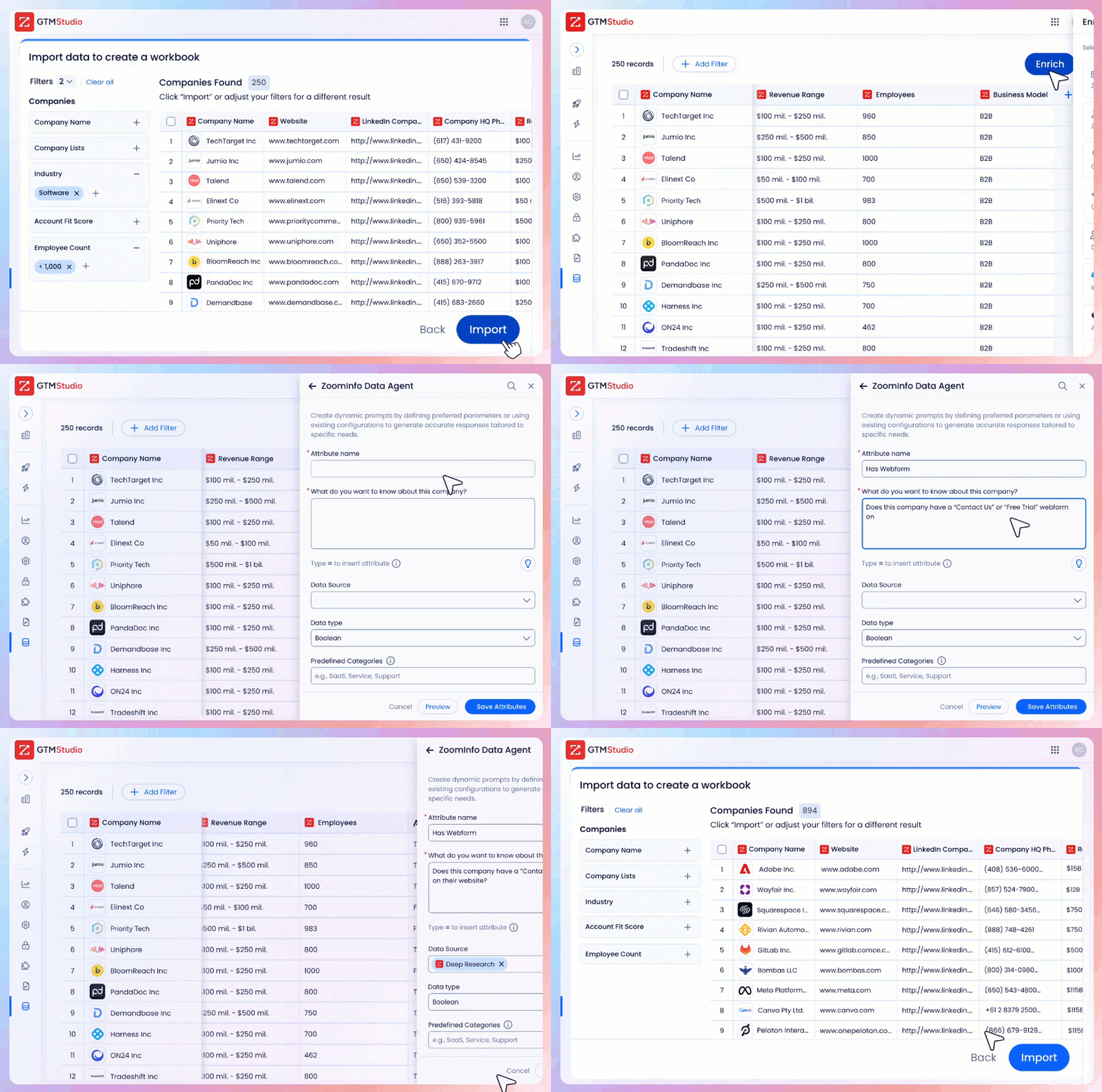
Source: ZoomInfo
Salesforce's AI operates on what's already in your CRM. ZoomInfo's AI operates on the full market: your CRM data combined with the largest B2B intelligence layer. These aren't competing approaches; they're complementary.
Security and compliance
Pivotal CRM's primary security differentiator is data sovereignty. On-premise deployment keeps all CRM data within the customer's own infrastructure, giving complete control over sensitive data. SAML-based SSO with Azure Active Directory handles authentication.
However, Aurea CRM web does not natively encrypt data transferred between client and web server; security relies on SSL or VPN at the infrastructure layer. No public documentation of SOC 2, ISO 27001, HIPAA, or PCI DSS certifications specific to Pivotal CRM or Aurea Software was found.
Salesforce holds ISO 27001/27017/27018, SOC 1/2/3, FedRAMP, and HITRUST certifications. Salesforce Shield (premium add-on) provides event monitoring, platform encryption with bring-your-own-key, and field audit trail.
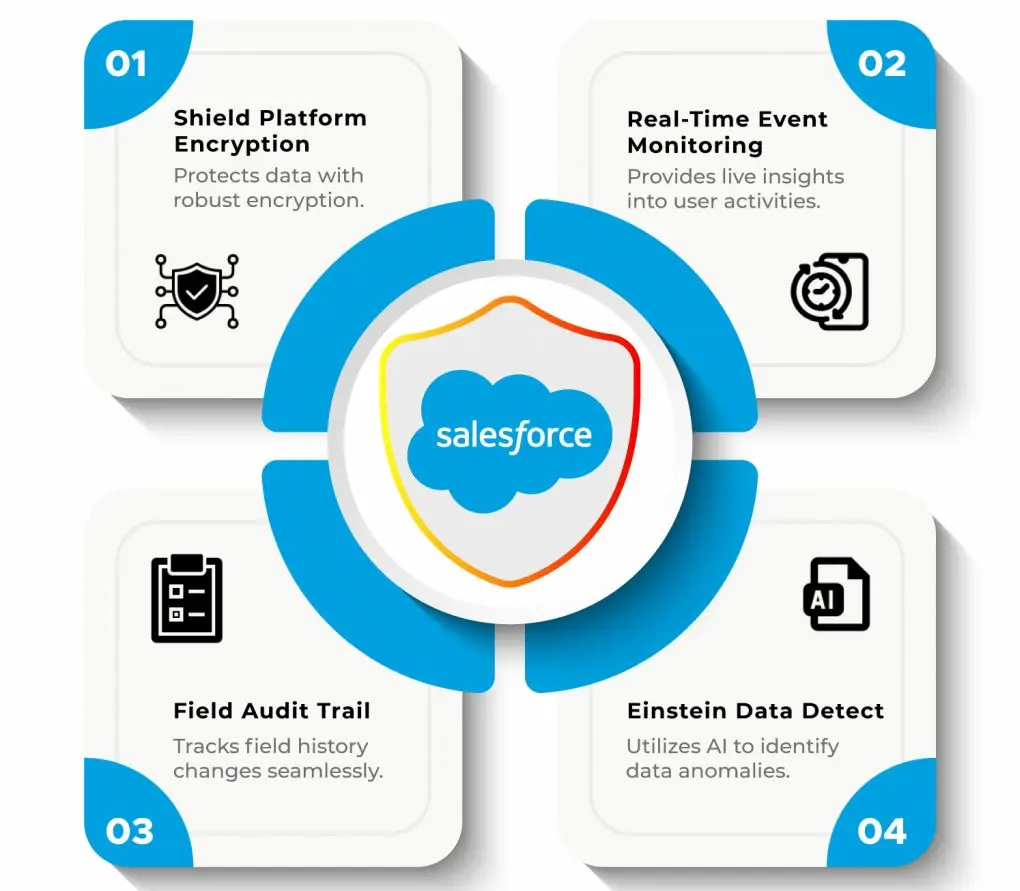
Source: Salesforce
Hyperforce enables deployment on public cloud infrastructure with regional data residency. trust.salesforce.com provides real-time system status and compliance documentation.
ZoomInfo maintains certifications renewed annually: ISO 27001, ISO 27701, SOC 2 Type II, TRUSTe GDPR and CCPA Practices Validation. ZoomInfo is a registered data broker in California and Vermont. A dedicated Trust Center covers privacy, security, and compliance documentation. For enterprises in regulated industries, the compliance infrastructure is built into the data layer itself.
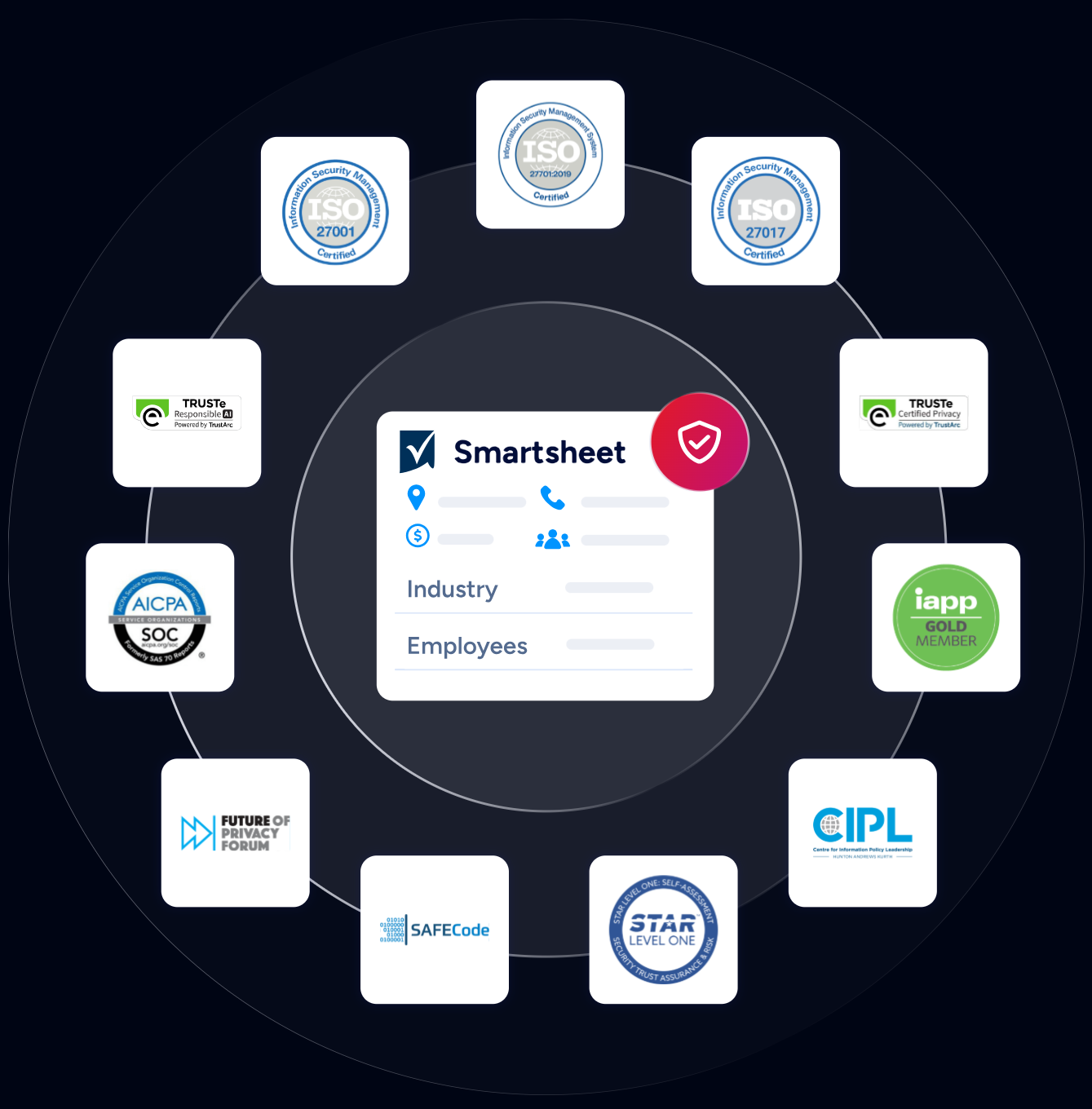
Source: ZoomInfo
Pivotal CRM vs. Salesforce vs. ZoomInfo: Which should you choose?
The right choice depends on where you are and where you're going.
Choose Pivotal CRM if:
You're in a regulated industry that requires on-premise CRM data residency
You're already running Pivotal and need continued support without a forced migration
Your team works entirely within the Microsoft ecosystem (Outlook, SharePoint, Office)
You need a CRM that costs less than Salesforce and your requirements are stable
You have .NET developers available for customization work
Choose Salesforce if:
You need the broadest CRM feature set across sales, service, marketing, and commerce
Your organization requires industry-specific solutions (financial services, healthcare, manufacturing)
You want access to the largest enterprise app ecosystem (9,000+ AppExchange apps)
You're ready to invest in a dedicated Salesforce admin or implementation partner
Autonomous AI agents for customer service and sales are a priority
Add ZoomInfo to either CRM if:
You need accurate, verified contact data to fill your pipeline (not just manage it)
Your reps spend too much time researching accounts instead of selling
You want buyer intent signals that reveal which accounts are in-market right now
You need your CRM data enriched and maintained automatically
You want AI that reasons across your CRM data and the full B2B market together
The CRM debate between Pivotal and Salesforce is about managing relationships you already have. ZoomInfo is about finding the relationships you don't have yet. The most effective go-to-market teams don't choose between intelligence and CRM. They use both: a CRM to manage the pipeline, and ZoomInfo to fill it with the right accounts, the right contacts, and the right timing.
Ready to see how ZoomInfo turns your CRM from a system of record into a revenue engine? Get started with ZoomInfo.
Pivotal CRM vs. Salesforce vs. ZoomInfo FAQ
What is the core difference between Pivotal CRM, Salesforce, and ZoomInfo?
Pivotal CRM and Salesforce are both customer relationship management platforms that store and manage your accounts, contacts, opportunities, and customer interactions. Pivotal is an on-premise-first CRM owned by Aurea Software, designed for regulated industries that need data residency control. Salesforce is the market-leading cloud CRM with the broadest feature set and largest app ecosystem.
ZoomInfo is not a CRM. It is a B2B data and go-to-market intelligence platform that provides the contact data, buyer intent signals, and account intelligence that feeds into your CRM.
Can ZoomInfo replace Pivotal CRM or Salesforce?
No. ZoomInfo is not a CRM replacement. It is a complementary intelligence layer that integrates with CRM systems to provide verified contact data, buyer intent signals, and AI-driven account insights.
ZoomInfo has native integrations with Salesforce, HubSpot, and Microsoft Dynamics 365. It enriches your CRM records automatically and surfaces accounts that are in-market, giving your sales team the intelligence your CRM alone cannot generate.
Is Pivotal CRM still actively developed?
Pivotal CRM is maintained by Aurea Software as part of the ESW Capital / Trilogy portfolio. Aurea has announced that a next-generation CRM built on AWS will include AI and machine learning capabilities, but no confirmed timeline or product-specific roadmap exists for Pivotal.
Aurea's stated focus is on providing legacy CRM customers a path to the cloud without forcing a disruptive migration, which reflects a maintenance posture rather than new feature development.
How does Salesforce pricing compare to Pivotal CRM?
Salesforce publishes list prices starting at $25 per user per month (Starter Suite) up to $550 per user per month (Agentforce 1), with additional costs for AI consumption credits, Data Cloud, Premier Support, and various add-ons.
Pivotal CRM does not publish pricing and is sold through Aurea's Unlimited subscription model, where one annual subscription unlocks the entire Aurea product library. Pivotal is marketed as a lower total-cost-of-ownership alternative to Salesforce.
Which platform has better AI capabilities?
Salesforce has the most developed AI capabilities among the three, with Agentforce autonomous agents reaching $800 million in annual recurring revenue and handling millions of customer conversations. Pivotal CRM has no documented AI features in its current release.
ZoomInfo's AI operates from a different angle, using its GTM Context Graph to reason across CRM data, conversation intelligence, intent signals, and behavioral data to surface buyer insights, draft personalized outreach, and identify which accounts match proven win patterns.
Which platform is best for regulated industries requiring on-premise deployment?
Pivotal CRM is the only option among the three that offers full on-premise deployment, keeping all CRM data within the customer's own infrastructure. Salesforce is cloud-only, though Hyperforce enables regional data residency on public cloud infrastructure.
ZoomInfo is a cloud-based intelligence platform, though its data can be consumed via API and delivered into any on-premise system through the Enterprise API or Data as a Service offerings.
Does ZoomInfo work with both Pivotal CRM and Salesforce?
ZoomInfo has a documented native integration with Salesforce and is listed in the ZoomInfo App Marketplace. No documented direct integration between ZoomInfo and Pivotal CRM exists in publicly available sources.
However, ZoomInfo's Enterprise API and Data as a Service products can push data into virtually any system, including those built on Microsoft SQL Server or Oracle databases that Pivotal supports. Organizations using Pivotal could consume ZoomInfo data through API or data feed delivery.
How large is ZoomInfo's contact database compared to what's in a typical CRM?
ZoomInfo maintains 500 million contacts, 100 million companies, 135 million verified phone numbers, and 200 million verified business email addresses. A typical CRM contains only the contacts a company has already encountered through its own sales and marketing activities.
ZoomInfo's value is in providing access to the broader market of potential buyers that your CRM does not yet contain, enriched with data attributes like direct dials, technographics, org charts, and real-time buying signals.
More Salesforce comparisons:
