
Choosing between ActiveCampaign vs. GetResponse for your email marketing and automation often comes down to five questions:
Do you need branching automation workflows, or are simpler sequences enough?
Is a built-in CRM important, or do you already have one?
Are you a B2B team that needs verified prospect data feeding your campaigns, or are you building a consumer email list from scratch?
Does your budget allow for a premium platform, or do you need something that stays affordable as your contact list grows?
Do you need content monetization tools like webinars and course creation, or is email and automation your primary focus?
In short, here's what we recommend:
ActiveCampaign is the automation-first platform for marketing teams that have outgrown basic email tools. Its visual automation builder supports branching workflows with behavioral triggers, and its built-in CRM keeps sales and marketing data in one place. The 2025 launch of Active Intelligence, a suite of AI agents that build campaigns from plain-language goals, marks a shift toward what ActiveCampaign calls "autonomous marketing." Pricing climbs quickly as contact lists grow, though, advanced features carry a real learning curve, and the landing page builder lags behind dedicated tools.
GetResponse is the all-in-one platform for businesses and creators who want email marketing, automation, webinars, and course creation under one roof. At $19/month for 1,000 contacts with unlimited email sends, it stays cheaper than ActiveCampaign at scale. Built-in webinar hosting, an AI Course Creator, and conversion funnels give it a breadth few email platforms match. The trade-off: automation workflows lack the depth of ActiveCampaign's builder, segmentation is more limited, and the interface can feel dated.
Both platforms turn contacts into engaged customers. But for B2B teams, the harder problem isn't sending the email. It's knowing who to send it to, when they're ready to hear from you, and what they care about right now. That's a data problem, and it's where ZoomInfo comes in.
ZoomInfo is a B2B data intelligence and GTM platform that sits upstream of your email marketing. With 500M contacts, 100M companies, 135M+ verified phone numbers, and 200M+ verified business email addresses, ZoomInfo gives B2B marketing and sales teams the contact data, buyer intent signals, and account intelligence they need before a single campaign goes out. Its GTM Context Graph fuses this data with your CRM records and behavioral signals to reveal which accounts are actively in-market. Feed that intelligence into ActiveCampaign or GetResponse, and your campaigns reach the right people with the right message at the right time, instead of spraying into a list you hope is accurate.
If building campaigns on verified B2B data and real-time buying signals sounds like the missing piece, see how ZoomInfo works.
ActiveCampaign vs. GetResponse vs. ZoomInfo at a glance
ActiveCampaign | GetResponse | ZoomInfo | |
|---|---|---|---|
Primary function | Marketing automation + CRM | Email marketing + content monetization | B2B data intelligence + GTM platform |
Automation depth | Advanced branching, conditional logic | Mid-complexity workflows | Signal-triggered GTM plays |
Built-in CRM | Yes | No | Yes (sales intelligence + deal tracking) |
Email deliverability | 93% report better than competitors | 99% claimed deliverability rate | N/A (data feeds into your ESP) |
Content monetization | No | Webinars, courses, premium newsletters | No |
B2B contact data | No native database | No native database | 500M contacts, 200M+ verified emails |
Buyer intent signals | No | No | Yes (210M IP-to-org pairings) |
Integrations | 1,000+ apps | 170+ integrations | 120+ marketplace partners + API/MCP |
Starting price | $15/mo (1,000 contacts) | $19/mo (1,000 contacts) | Free tier (ZoomInfo Lite); paid plans custom-quoted |
Free plan | 14-day trial only | Free forever (500 contacts) | ZoomInfo Lite (permanent, free) |
Best for | SMBs needing advanced automation | SMBs and creators wanting all-in-one simplicity | B2B teams needing verified data and intent signals |
Automation depth separates the two platforms
ActiveCampaign and GetResponse both offer visual automation builders. The difference is how far you can push them.
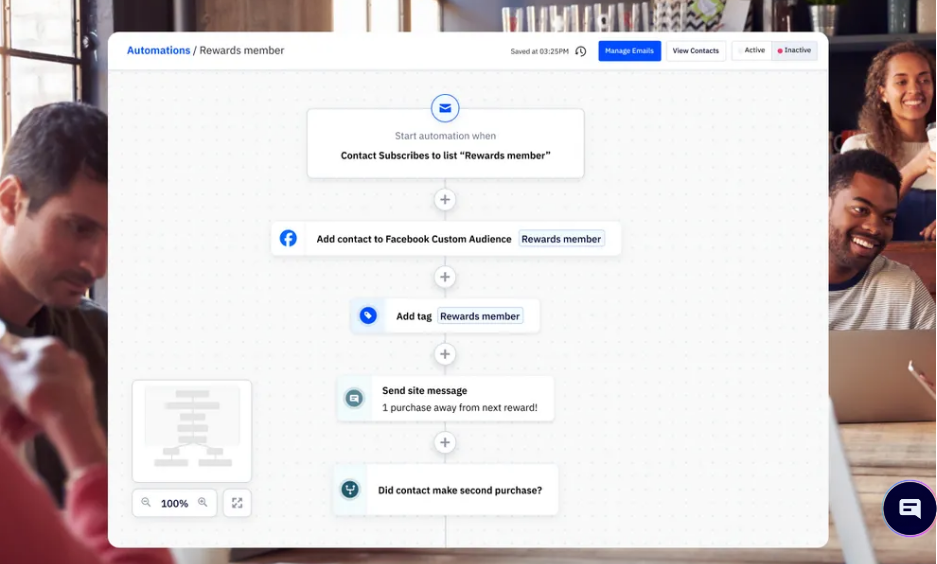
ActiveCampaign's automation builder is the platform's centerpiece.
It supports unlimited automation actions on Plus plans and above, with conditional branching that routes contacts based on email opens, link clicks, site visits, purchase history, custom field changes, and lead score thresholds. The builder handles multi-step, multi-branch workflows where a single trigger can split contacts across dozens of paths based on real-time behavior.
For teams running complex lifecycle sequences (trial-to-paid conversions, multi-stage nurture campaigns, re-engagement flows tied to scoring thresholds), this depth is hard to match.
Source: ActiveCampaign
The AI Campaign Builder goes further. Describe a goal in plain language, and Active Intelligence generates a complete automation (wait periods, branching paths, and action steps) without manual configuration. Predictive Sending analyzes each contact's engagement history to deliver emails at the moment that person is most likely to open, rather than choosing a single send time for the entire list.
GetResponse's marketing automation handles the workflows most businesses need: welcome sequences, abandoned cart recovery, tag-based routing, and lead scoring.
The visual canvas uses conditions, actions, and filters that are straightforward to assemble. Ecommerce conditions like Abandoned Cart and Purchase are built in, not add-ons, and the builder can display cart contents inside recovery emails.

Source: GetResponse
Where GetResponse differs is its Email and Web channel automation.
A single workflow can react to anonymous website visitors (showing popups, prompting push notification opt-ins) and transition them into email nurture once they subscribe. For businesses focused on converting site traffic, this is a useful approach.
But for highly branched sequences with conditional logic, GetResponse falls short. Reviewers on G2 consistently rate ActiveCampaign higher for automation sophistication.
If your marketing depends on 15-step workflows with multiple branching paths tied to behavioral scoring, ActiveCampaign is the stronger choice. If your automations are simpler (abandoned carts, welcome series, tag-based routing), GetResponse covers the essentials at a lower price.
The data problem neither platform solves
ActiveCampaign and GetResponse are execution engines. They send emails, run automations, and track engagement. What they don't do is tell you who should be in your database in the first place.
For B2C businesses building lists through opt-in forms, this isn't an issue. But for B2B teams, the quality of the contact data feeding your campaigns determines everything downstream. Send a nurture sequence to outdated email addresses, and you burn the sender reputation. Target the wrong job titles, and open rates collapse. Miss the fact that a prospect company just raised a funding round, and your competitor reaches them first.
This is the gap ZoomInfo fills.
ZoomInfo operates upstream of your email marketing stack, providing the verified contact data, company context, and buying signals that make campaigns effective.
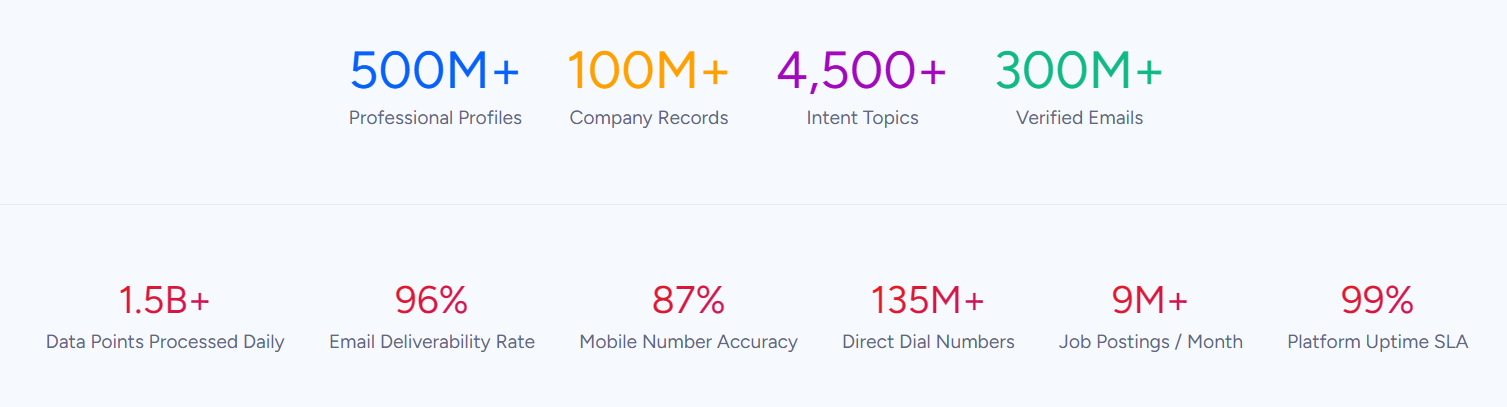
The data is substantial: 500M contacts, 100M companies, 135M+ verified phone numbers, and 200M+ verified business email addresses, maintained by a verification pipeline backed by 300+ human researchers with up to 95% accuracy on first-party data. In a Fortune 500 competitive RFP analyzing 25 million contacts across vendors, the independent consultant concluded that "no other competitor came even close."
Source: ZoomInfo
But raw data is only the starting point.
ZoomInfo's GTM Context Graph processes 1.5B+ data points daily, fusing ZoomInfo's B2B data with your CRM records, conversation transcripts, and behavioral signals. The result is intelligence that captures not just what happened in a deal, but why.
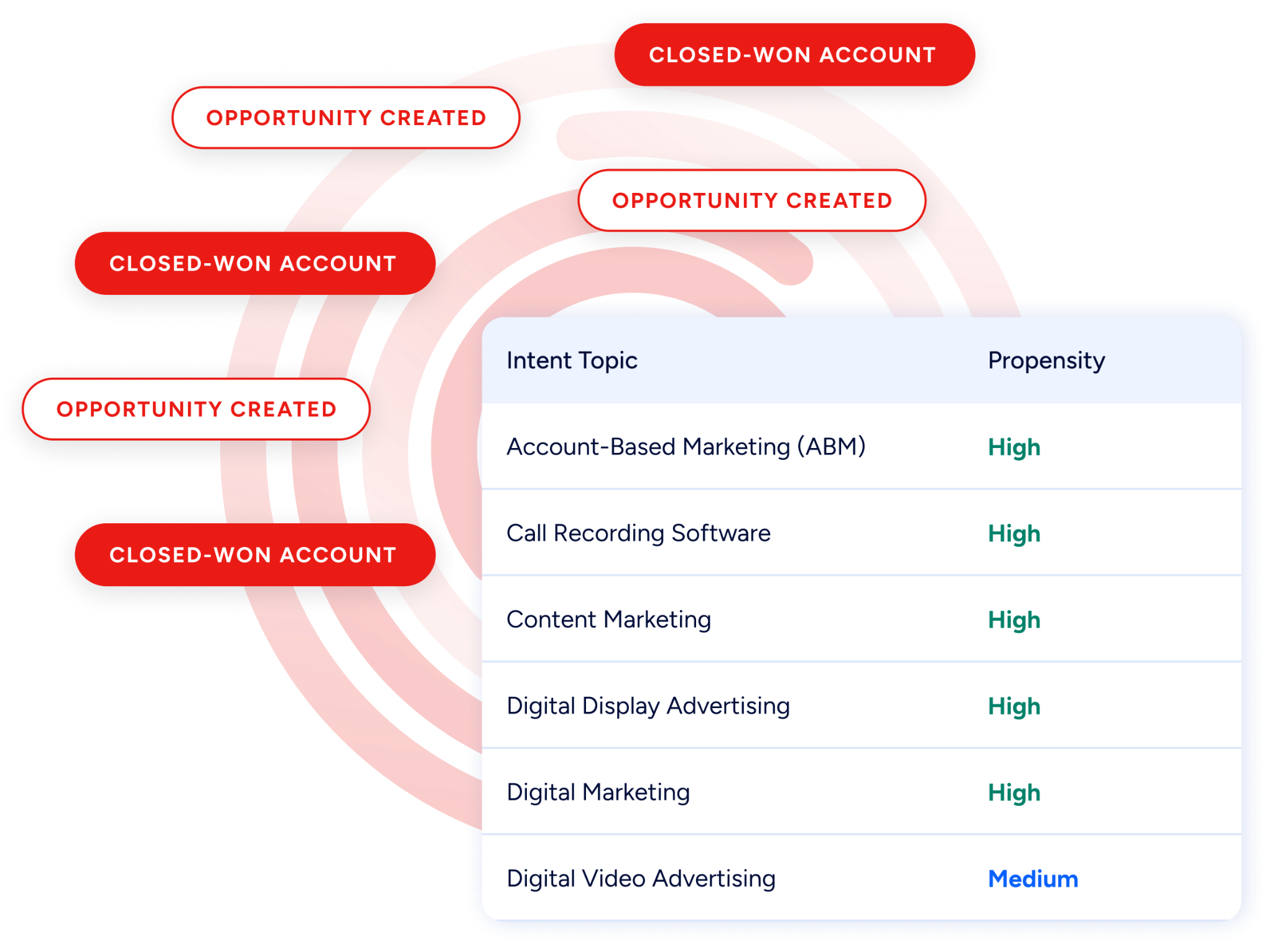
Buyer Intent data tracks signals from 210 million IP-to-Organization pairings, surfacing which companies are actively researching topics relevant to your product before they fill out a form.
Source: ZoomInfo
Feed that intelligence into ActiveCampaign or GetResponse, and the difference is immediate: your campaigns target verified contacts at companies showing real buying intent, with messaging informed by account context rather than guesswork.
Seismic's sales team attributed 39% of active pipeline to opportunities identified or influenced by ZoomInfo signals, while boosting productivity by 54% and saving 11.5 hours per week. (Seismic)
Email marketing: deliverability and AI
Both platforms take email deliverability seriously, with different evidence behind their claims.
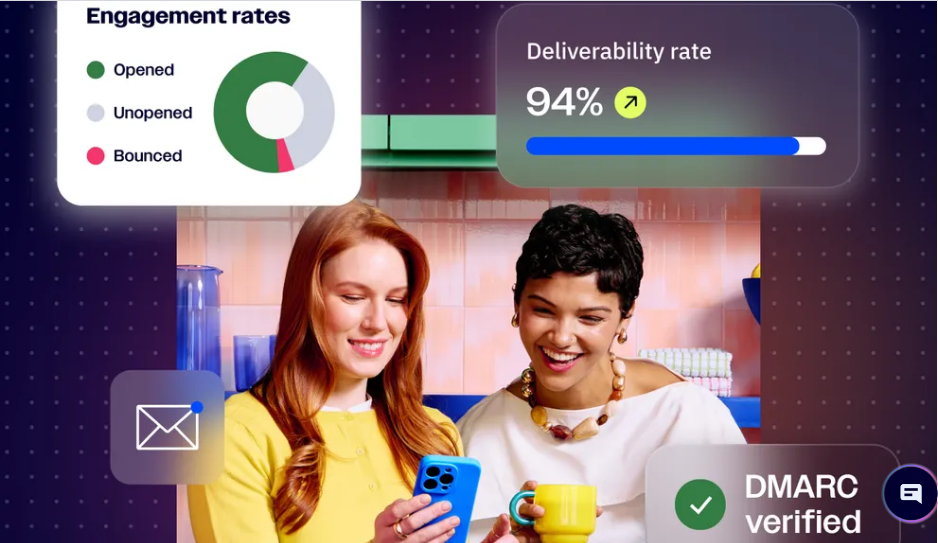
ActiveCampaign reports that 93% of surveyed customers say deliverability is better than their previous platform.
The infrastructure includes private network routing, dedicated IP management, DKIM and DMARC authentication, and pre-warmed IPs. The platform processed 109 billion emails in 2025 with a self-reported average open rate of 40.4%.
A useful detail: ActiveCampaign can filter Apple Mail Privacy Protection opens from reporting, so your open rate data actually means something. EmailToolTester named ActiveCampaign the Best Email Marketing Tool of 2025.
Source: ActiveCampaign
GetResponse claims a 99% deliverability rate across 160+ countries, backed by 25+ years of sender reputation history. Enterprise customers on GetResponse MAX can send up to 5 million emails per hour and skip standard sending queues. Dedicated IP addresses are available at the Enterprise tier.
On send-time optimization, both take a per-subscriber approach.
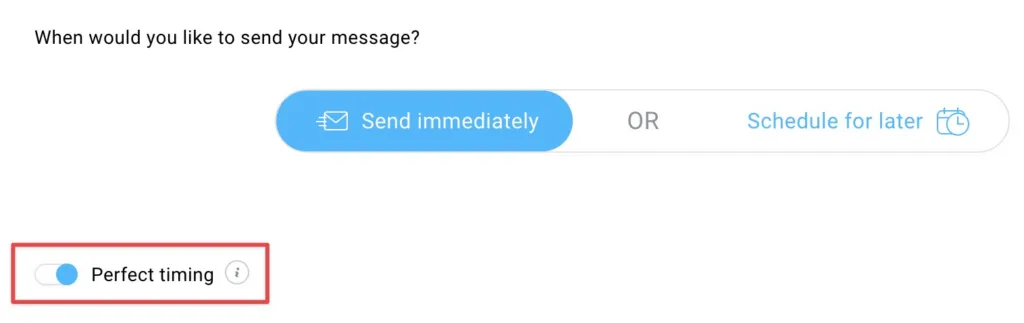
ActiveCampaign's Predictive Sending analyzes each contact's engagement history. GetResponse offers two complementary tools: Perfect Timing (behavior-based, drawing from engagement data across the entire GetResponse platform, not just your account) and Time Travel (delivers at the same local clock time for every subscriber regardless of time zone). Having both options gives GetResponse senders more flexibility.
Source: GetResponse
On AI content creation, ActiveCampaign's AI Campaign Builder generates complete campaigns (strategy, content, images, and layouts) from a plain-language prompt. GetResponse's AI Email Generator, powered by OpenAI, follows a four-step flow (keywords, industry, tone, layout) to produce a draft with body copy, subject line, and stock image.
Both eliminate the blank-page problem. ActiveCampaign's approach leans toward strategic automation, GetResponse's toward quick production.
GetResponse wins on content monetization
If you're a creator, coach, or educator selling knowledge, GetResponse offers capabilities ActiveCampaign doesn't have.
GetResponse's AI Course Creator builds interactive courses from topic prompts, supporting seven module types including video, audio, PDF, quizzes, and embedded webinars.
Premium Newsletter subscriptions let creators charge for exclusive content, creating recurring revenue. The webinar platform supports up to 1,000 live attendees with screen sharing, whiteboards, polls, and live streaming to Facebook and YouTube, with no separate Zoom or Demio subscription needed.
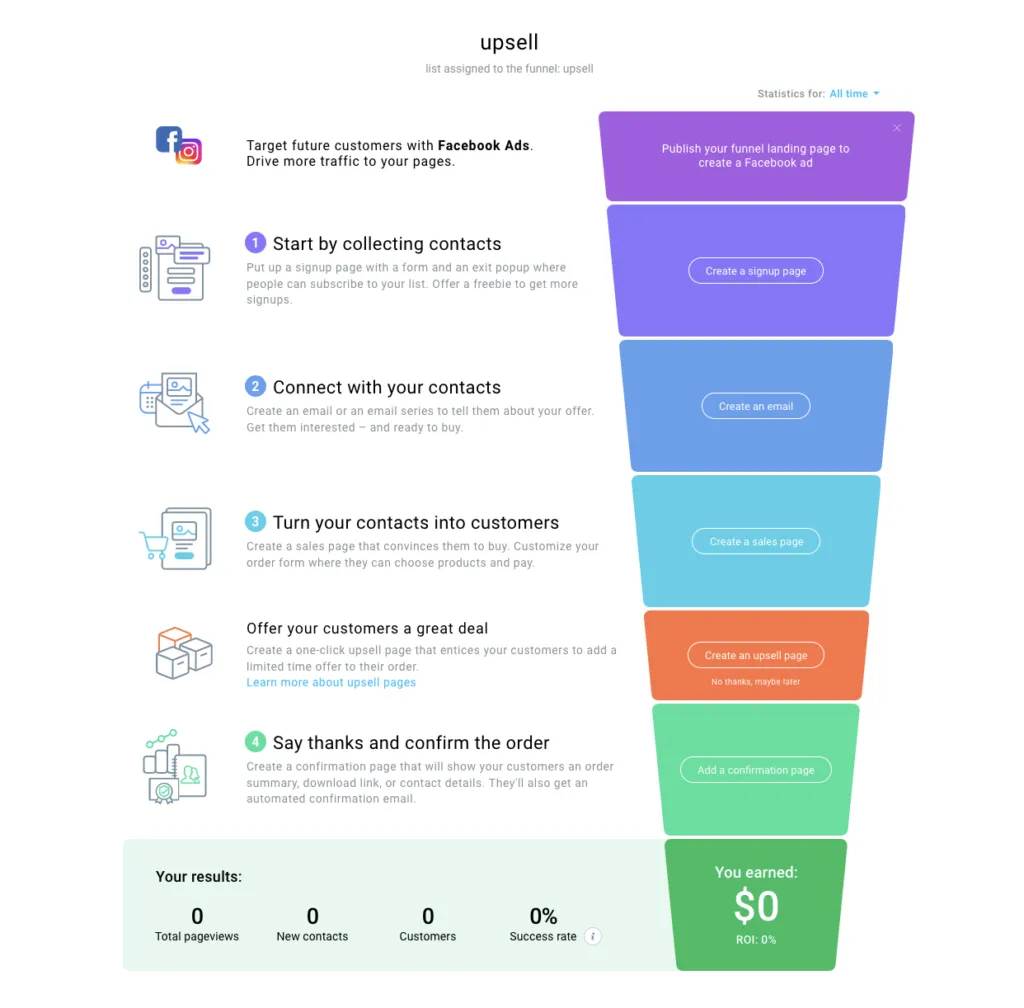
The Conversion Funnel ties it together: ads, landing pages, signup forms, email sequences, sales pages, and one-click upsell pages with payment processing through Stripe, PayPal, Square, BlueSnap, and PayU. Thirty prebuilt funnel templates cover common scenarios.
Source: GetResponse
GetResponse compares itself against Kajabi, Teachable, and Podia as the only platform combining AI course creation, premium newsletters, webinars, email marketing, and marketing automation in a single plan. The Creator plan at $69/month costs less than the separate tools it replaces.
ActiveCampaign has no webinar hosting, no course builder, and no content monetization features. If knowledge selling is central to your business, GetResponse is the clear choice.
ActiveCampaign's CRM advantage
ActiveCampaign includes a built-in CRM that GetResponse lacks entirely.
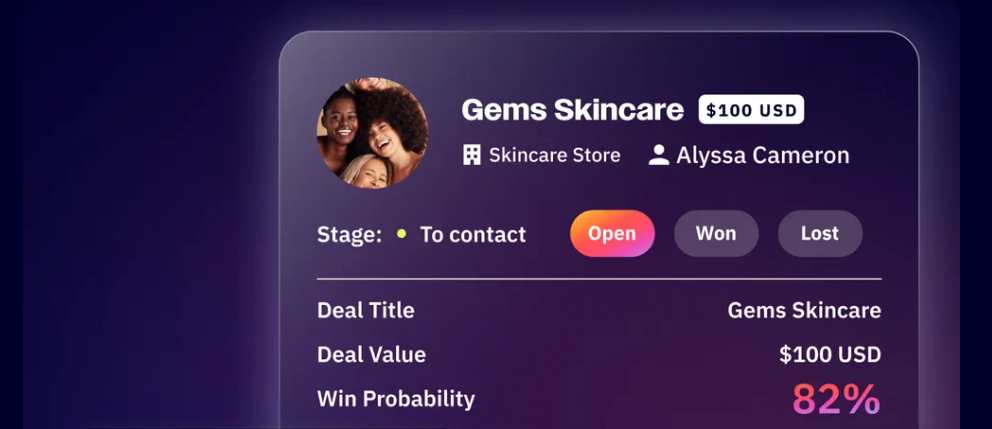
The CRM is structured around visual, Kanban-style deal pipelines with customizable stages. What makes it more than a contact database is its direct connection to the automation engine. Automations can create deals when a contact submits a form, trigger tasks when a deal stage changes, send personalized 1:1 emails when a deal enters a new stage, and adjust lead scores based on behaviors.
ActiveCampaign offers two scoring systems: contact-level lead scores and separate deal-level scores, which evaluate the deal itself rather than just the contact. Both update dynamically as the system records behaviors. Sales routing automatically assigns deals based on round-robin rotation, rep expertise, lead score, geography, or custom fields.
For small sales teams, this CRM eliminates the need for a separate Salesforce or HubSpot subscription. The automation-CRM connection is the real value: a lead's entire behavioral history (email opens, site visits, link clicks, purchase activity) is visible on the deal record without any integration work.
Source: ActiveCampaign
GetResponse has no native CRM. B2B users who need deal tracking must maintain a separate CRM and sync data manually or through integrations. For sales-oriented businesses, this is a significant limitation.
For B2B teams that need both a CRM and data intelligence, pairing ZoomInfo's GTM Workspace (which consolidates your book of business, AI-drafted outreach, and deal execution in one place) with ActiveCampaign's CRM and automation creates a strong stack. ZoomInfo handles account intelligence and prospecting; ActiveCampaign handles nurture and pipeline management.
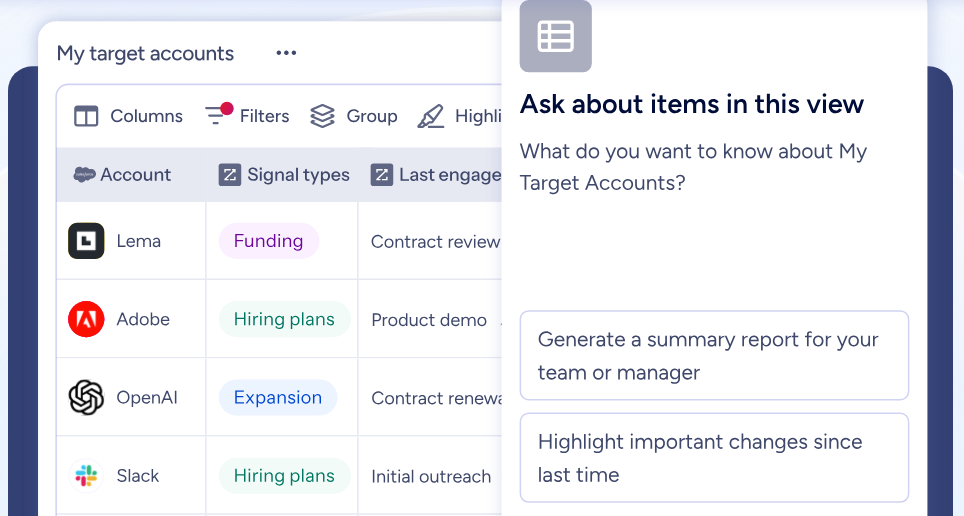
Source: ZoomInfo
Vensure scaled prospecting with ZoomInfo's B2B data. "ZoomInfo gives us the information we need to execute. We don't have to go through and spend our time digging. It's already there, so we can be three steps ahead," said William Kenimer, Vice President of Revenue Operations. (Vensure)
Multichannel reach comparison
Both platforms extend beyond email, but with different channel coverage.
ActiveCampaign natively supports email, SMS, and WhatsApp, all orchestrated from the same automation builder.
The WhatsApp capability (launched July 2025 through the Hilos acquisition) includes broadcast messaging, a no-code Flows builder, and a shared multi-user inbox. ActiveCampaign is a Meta Business Partner with direct WhatsApp Business API access. SMS supports two-way messaging with dedicated 10DLC registration and delivery to 180+ countries.
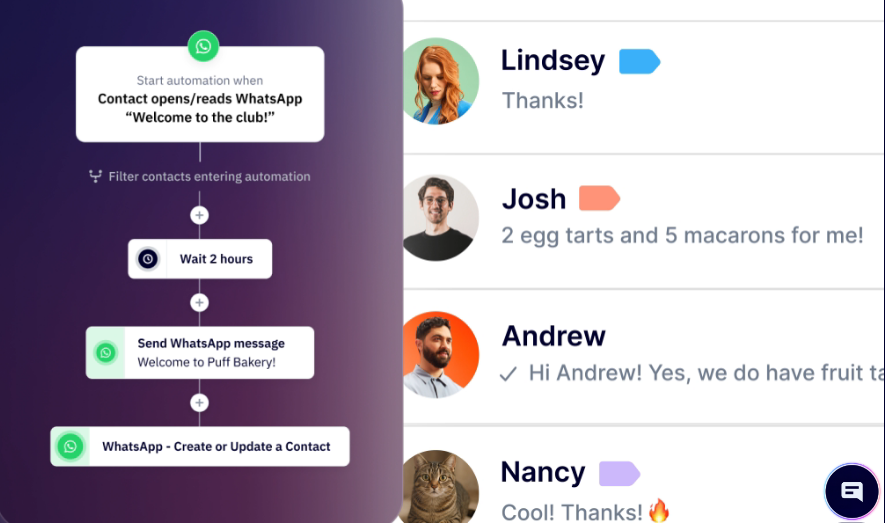
Source: ActiveCampaign
GetResponse covers email, SMS, and web push notifications. SMS is Enterprise-only, which limits access for smaller teams. Web push notifications are available on Marketer and Creator plans, with unlimited sends and an AI Web Push Generator for industry-optimized copy. GetResponse does not offer native WhatsApp support.
For B2B teams, ActiveCampaign's WhatsApp integration and SMS on lower tiers give it broader multichannel reach. For B2C businesses and creators, GetResponse's web push notifications (which reach visitors who never gave an email address) fill a different gap.
ZoomInfo operates at a different level.
Rather than sending messages itself, it feeds intelligence into whatever channels you use. GTM Studio orchestrates email, calls, ads, and direct mail triggered by buyer behavior, while ZoomInfo's APIs and MCP push verified data into ActiveCampaign, GetResponse, or any other platform in your stack.
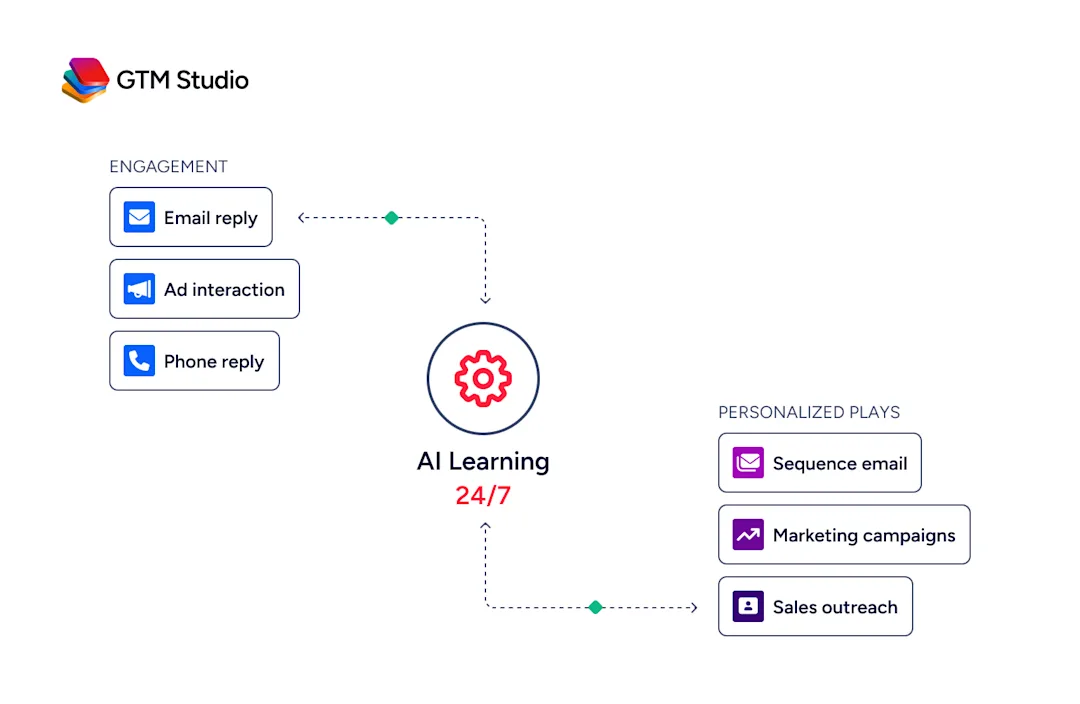
Source: ZoomInfo
Integrations and ecosystem
ActiveCampaign's integration ecosystem is substantially larger.
The platform lists 1,000+ app integrations across CRM, ecommerce, advertising, forms, and developer tools. Key connectors include Salesforce (Pro/Enterprise), Shopify, WooCommerce, Calendly, Zapier, and Make. The AI MCP connector for Claude and ChatGPT lets AI assistants interact with ActiveCampaign data through natural language. A full REST API and App Studio support custom development.
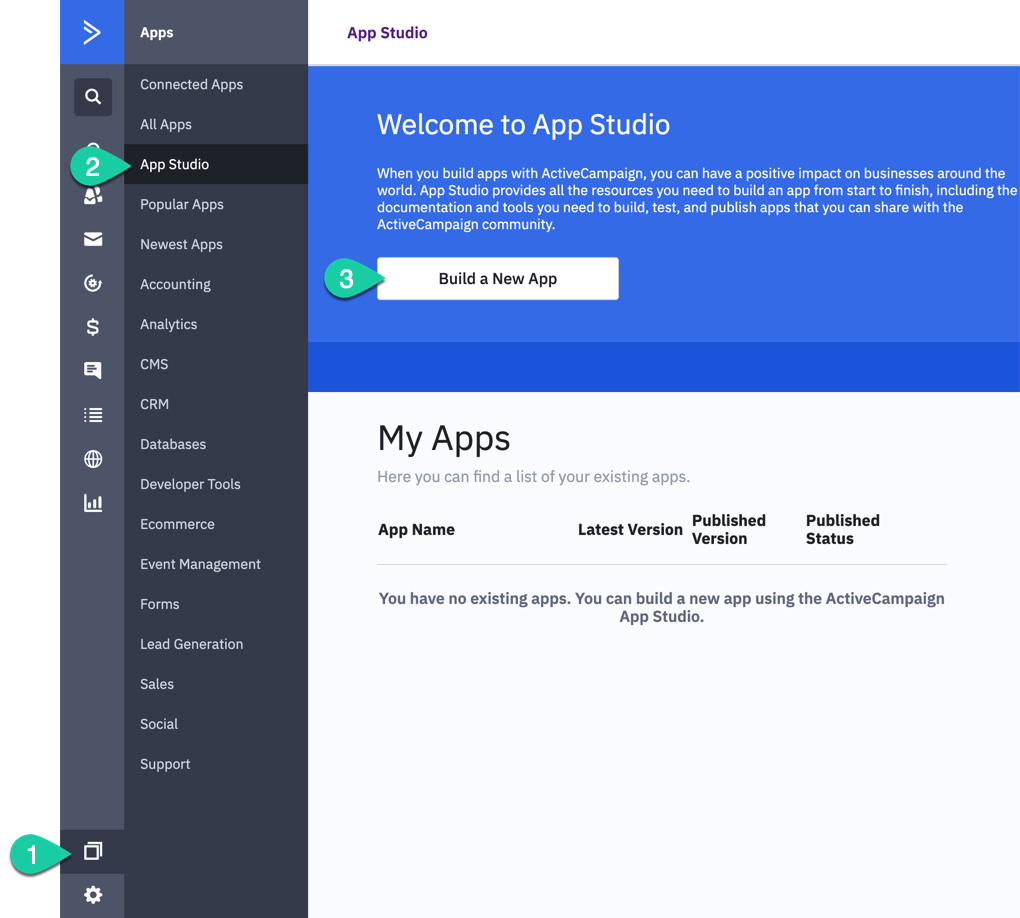
Source: ActiveCampaign
GetResponse lists 170+ integrations with solid ecommerce coverage (Shopify, WooCommerce, Magento, PrestaShop, BigCommerce) and Zapier support.
The REST API (v3) covers campaigns, contacts, newsletters, and automations. But the ecosystem is smaller, and enterprise CRM integrations (Salesforce, Microsoft Dynamics) are limited to the Enterprise tier or absent entirely.
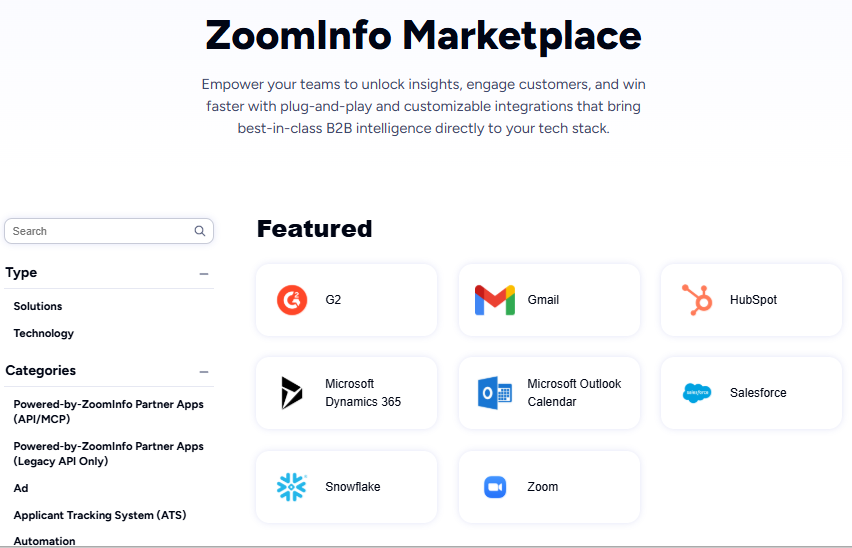
ZoomInfo complements both with its 120+ marketplace partners and native integrations with Salesforce, HubSpot, and Microsoft Dynamics 365.
The Enterprise API and MCP server make ZoomInfo's data accessible in any tool, including ActiveCampaign and GetResponse, without custom engineering. Cloud data delivery into AWS, Snowflake, Google Cloud, and Databricks supports enterprise data warehouse architectures.
Source: ZoomInfo
BDO Canada's Senior Marketing Intelligence Analyst, Jerry Wilson, said: "The plug-and-play aspect of the API means I can integrate it very easily into any process and get information at a moment's notice." BDO achieved an 87% reduction in time spent on updates to their internal data dashboards using ZoomInfo's API. (BDO Canada)
Ecommerce capabilities
For ecommerce businesses, both platforms offer relevant features, though GetResponse goes deeper.
GetResponse's ecommerce suite includes one-click integrations with Shopify, WooCommerce, Magento, PrestaShop, BigCommerce, and Shoper.
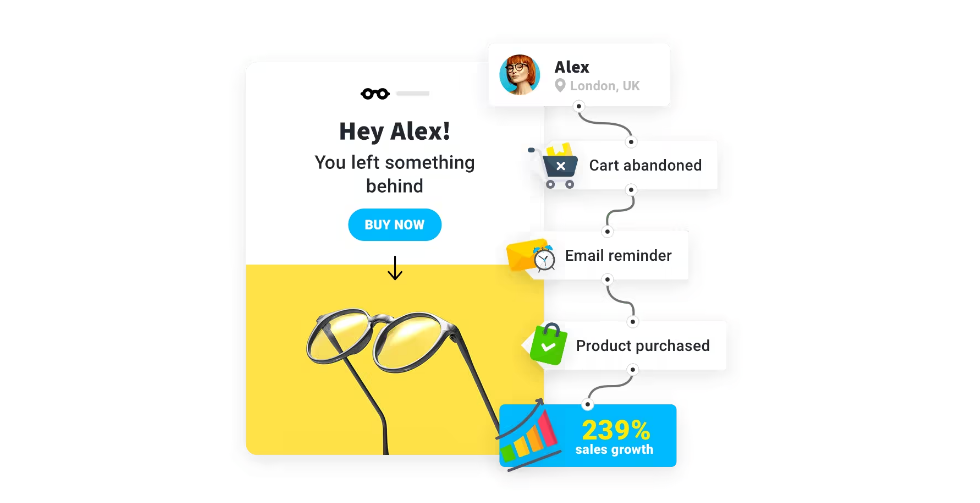
The platform syncs product catalogs, customer data, and order history. Abandoned cart recovery works for non-subscribers as well as existing contacts. An AI product recommendations engine operates both on-site (via a single code snippet) and in emails, with claims of up to 33% higher average order value and 70% higher CTR.
Source: GetResponse
Price Drop Campaigns (launched early 2026) automatically notify high-intent browsers when product prices fall. The Conversion Funnel includes native payment processing for direct-to-consumer selling without a full ecommerce platform.
ActiveCampaign integrates with Shopify, WooCommerce, and Square on all plans. Its automation builder supports abandoned cart recovery, post-purchase flows, and product-based segmentation. But ActiveCampaign lacks native product recommendations, conversion funnels, and price drop automation.
For ecommerce-focused businesses, GetResponse's native ecommerce features make it the stronger fit, particularly for SMBs that want to avoid adding separate tools for product recommendations and sales funnels.
Learning curve and support
ActiveCampaign's depth comes with a real learning curve.
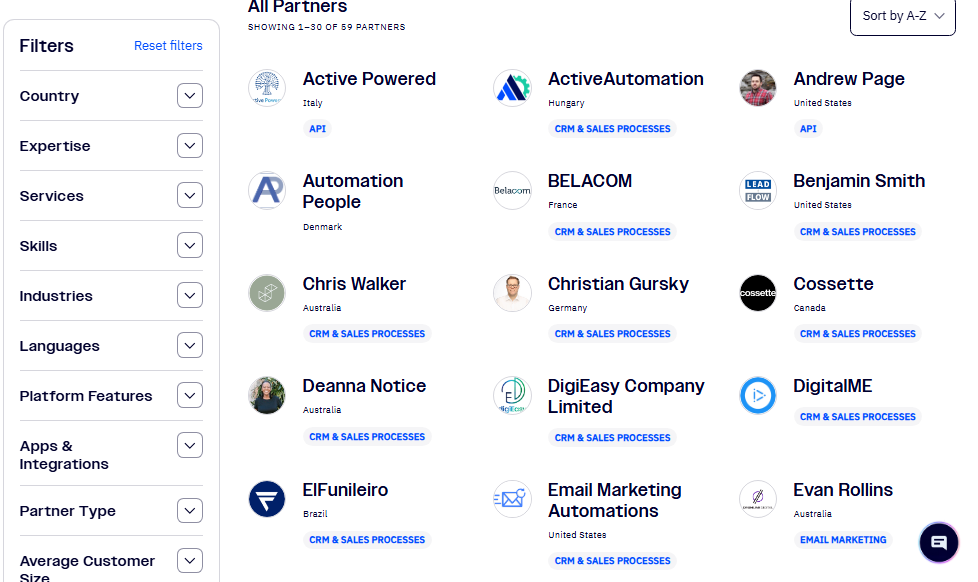
Capterra's editorial verdict flags "complexity and a steep learning curve" as a known friction point. Basic automations are accessible, but mastering conditional logic, tagging strategies, and custom reporting takes time. The platform softens this with free migration services, one-on-one onboarding, a 180,000+ member community, and a certified consultant directory.
Support includes chat and ticket support on all paid plans, with priority support on Professional and a dedicated account team on Enterprise. A 30-day results guarantee for new customers reduces commitment risk.
Source: ActiveCampaign
GetResponse earns G2 badges for Easiest Setup and Easiest Admin at the Enterprise level.
The interface is simpler overall, though Capterra reviewers describe routine tasks requiring "too many screens and too many clicks." Support covers 24/7 email in 7 languages, live chat with 34 dedicated experts, and a claimed average response time of 60 seconds. Enterprise customers get a dedicated Customer Experience Manager available via phone, email, chat, and Slack.
For teams evaluating either platform alongside ZoomInfo, the onboarding investments are separate but complementary. ZoomInfo's 90-day onboarding program (which won Rocketlane's Golden Comet award) covers the data and intelligence layer, while ActiveCampaign or GetResponse onboarding covers the execution layer.
Pricing reveals different philosophies
ActiveCampaign and GetResponse price by contact count, but the math diverges quickly at scale.
ActiveCampaign starts at $15/month for the Starter plan with 1,000 contacts. That plan caps automations at 5 actions per workflow, limits email sends to 10x the contact limit per month, and excludes landing pages, web push notifications, A/B testing for automations, conditional content, and predictive sending.
Most growing businesses need the Plus plan (which unlocks unlimited automation actions, landing pages, and AI content generation) or Professional (which adds segmentation, predictive sending, and revenue attribution). At 10,000 contacts, Starter costs $149/month. G2 reviewers note that pricing has increased by nearly 100% over the past three years.
ActiveCampaign charges once per unique contact regardless of how many automations, tags, or segments that contact appears in. There are no setup fees. Overages beyond the monthly email send limit cost $0.005 per email. A 14-day free trial (no credit card required) and a 30-day money-back guarantee lower entry risk.
GetResponse starts at $19/month for Starter with 1,000 contacts, but includes unlimited monthly email sends on all paid plans.
That's a meaningful difference for high-frequency senders. The Marketer plan at $59/month adds unlimited automations, segmentation, abandoned cart recovery, A/B testing, and web push notifications. The Creator plan at $69/month adds webinars, a website builder, and course creation.
GetResponse positions itself as "the only email marketing tool that stays affordable" as you scale, a direct shot at Mailchimp's and ActiveCampaign's pricing curves. Annual billing saves roughly 18%.
There are catches, though.
GetResponse counts the same email address on multiple lists as multiple contacts, which can push accounts into higher tiers unexpectedly. Overages trigger a recurring list extension fee equal to the price difference to the next tier, charged monthly even on annual plans. GetResponse also enforces a strict no-refund policy: cancelling mid-year forfeits remaining prepaid months.
GetResponse offers a permanent free plan (up to 500 contacts, 2,500 emails/month), which ActiveCampaign does not.
ZoomInfo uses a consumption-based pricing model with no publicly listed prices. Paid plans are custom-quoted based on usage patterns and features.
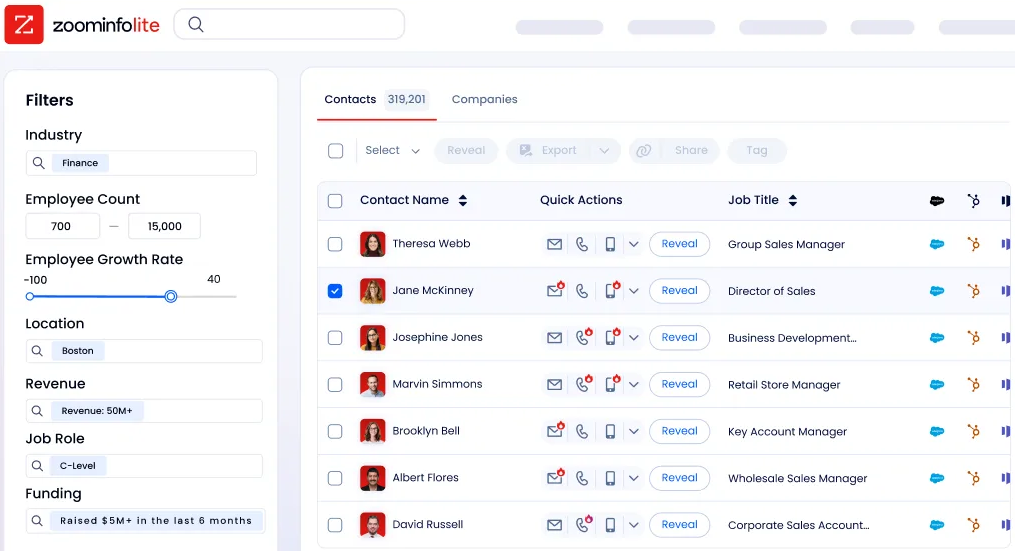
But two free entry points exist: ZoomInfo Lite (a permanent free tier with 10 monthly export credits and access to the B2B database) and a 7-day free trial with full platform access.
Source: ZoomInfo
ActiveCampaign vs. GetResponse vs. ZoomInfo: Which should you choose?
The choice depends on what problem you're solving and where your business sits today.
Choose ActiveCampaign if:
Branching automation logic is central to your marketing
You want a built-in CRM alongside your email marketing
Your team has the bandwidth to learn a sophisticated platform
You need WhatsApp and SMS on lower-tier plans
Automation sophistication matters more than price
Choose GetResponse if:
You want email, webinars, course creation, and funnels in one platform
Affordable pricing at scale is a priority
You're a creator or educator selling knowledge
Your automation needs are straightforward to mid-complexity
You prefer a permanent free plan to evaluate before committing
Add ZoomInfo if:
You're a B2B team and the quality of your contact data limits your campaign performance
You need verified emails and phone numbers, not just whatever's in your CRM
Buyer intent signals would help you time campaigns to when prospects are actively researching
You want one intelligence layer feeding every tool in your stack, not just your email platform
Your outbound and ABM motions need data that ActiveCampaign and GetResponse don't provide
Explore ZoomInfo Lite for free or request a demo of the full platform.
Redwood Logistics achieved a 99% reduction in cost-per-click, 310% increase in clickthrough rate, and saved 20-25 hours per week. "It's not just the data itself. It's more about the right data at the right time to help us reach out with the right message across that full buyer journey," said Chelsea Kenyon, Senior Director of Digital Strategy. (Redwood Logistics)
ActiveCampaign and GetResponse are both strong email marketing platforms solving different problems at different price points. ActiveCampaign goes deeper on automation and CRM. GetResponse goes wider on content monetization and value.
For B2B teams, ZoomInfo provides the data intelligence that makes either platform more effective, turning campaigns built on hope into campaigns built on verified contacts, real intent signals, and account-level context.
The best stack isn't the one with the most features. It's the one where every tool does its job and the data flows cleanly between them.
ActiveCampaign vs. GetResponse vs. ZoomInfo FAQ
What is the core difference between ActiveCampaign, GetResponse, and ZoomInfo?
ActiveCampaign is a marketing automation platform with a built-in CRM, built for businesses that need sophisticated, multi-branch email and SMS workflows.
GetResponse is an all-in-one email marketing platform that bundles automation, webinars, course creation, and conversion funnels at accessible pricing.
ZoomInfo is a B2B data intelligence platform that provides verified contact data, buyer intent signals, and account context. It doesn't compete with either; it's the data layer that feeds them.
Which platform is cheaper at scale?
GetResponse is more affordable as contact lists grow. All paid plans include unlimited email sends, and its pricing stays flatter than competitors. ActiveCampaign's pricing escalates more steeply with list size, and reviewers report prices have nearly doubled over three years. ZoomInfo uses custom-quoted pricing for paid plans, though ZoomInfo Lite provides free permanent access with 10 monthly export credits.
Do I need ZoomInfo if I already use ActiveCampaign or GetResponse?
If you're running B2C campaigns with opt-in subscriber lists, probably not.
If you're a B2B team where campaign success depends on reaching the right decision-makers at the right companies with the right timing, ZoomInfo addresses a gap neither email platform fills. ActiveCampaign and GetResponse execute campaigns. ZoomInfo tells you who should be in those campaigns, which accounts are actively in-market, and what they care about right now.
Which platform has better automation capabilities?
ActiveCampaign leads on automation depth. Its visual builder supports unlimited actions (on Plus plans and above), conditional branching, behavioral triggers, and AI-generated workflows from plain-language prompts.
GetResponse handles mid-complexity workflows well, with strong ecommerce conditions like abandoned cart and purchase triggers, but falls short on branched multi-step sequences.
Which platform is better for ecommerce?
GetResponse has stronger native ecommerce features, including AI product recommendations (on-site and in email), price drop campaigns, conversion funnels with built-in payment processing, and abandoned cart recovery that works for non-subscribers.
ActiveCampaign integrates with major ecommerce platforms and supports cart recovery through its automation builder, but lacks native product recommendations and sales funnels.
Can ZoomInfo integrate with ActiveCampaign or GetResponse?
ZoomInfo integrates with both platforms through its API and MCP infrastructure. ZoomInfo's verified contact data can be exported to either platform to build targeted campaign lists.
ActiveCampaign's 1,000+ integrations include Zapier and Make, which connect to ZoomInfo. GetResponse supports Zapier-based connections. For deeper integration, ZoomInfo's Enterprise API pushes enriched contact data directly into any system.
Which platform is best for creators and knowledge businesses?
GetResponse is the clear choice for creators. It's the only platform of the three with native webinar hosting (up to 1,000 attendees), an AI-powered course creator, premium newsletter subscriptions, and conversion funnels with payment processing.
ActiveCampaign focuses on marketing automation and CRM without content monetization features. ZoomInfo serves B2B sales and marketing teams, not individual creators.
Does either email platform include B2B contact data?
Neither ActiveCampaign nor GetResponse includes a B2B contact database. Both platforms manage and engage contacts you already have or acquire through your own forms, ads, and integrations.
ZoomInfo provides the B2B contact data itself: 500 million contacts, 200 million verified business emails, and 135 million verified phone numbers, along with buyer intent signals that identify which accounts are actively researching relevant topics.
See how ActiveCampaign stacks up elsewhere:
