
Choosing between ActiveCampaign and Moosend for email marketing often comes down to five questions:
Do you need multi-step automations with branching logic, or will triggered sequences do the job?
Is a built-in CRM important, or do you already manage sales separately?
Are you willing to pay more for deeper features, or is cost-per-contact your primary concern?
How many integrations does your current tech stack require?
If you're a B2B team, do you have reliable contact data feeding your campaigns, or are you sending to stale lists and hoping for the best?
In short, here's what we recommend:
ActiveCampaign is the marketing automation platform for teams that have outgrown basic email tools and need complex campaign logic. Its visual automation builder supports branching, behavioral triggers, and conditional content across email, SMS, and WhatsApp.
A built-in CRM with lead scoring ties marketing directly to sales, and Active Intelligence, its AI layer, can generate entire campaigns from plain-language prompts. With 1,000+ app integrations and a 6,000+ member community, ActiveCampaign delivers deep capability at mid-market pricing. The tradeoff: a steeper learning curve and costs that climb as your contact list grows.
Moosend is the email marketing platform for teams that want solid automation, clean design tools, and a price tag that won't force budget conversations every quarter. Its Pro plan starts at $9/month with unlimited email sends on every paid tier, removing the per-send anxiety that plagues growing lists.
The drag-and-drop editor, 110+ templates, and pre-built automation recipes make it accessible to solo marketers and small teams. Where Moosend trades depth for simplicity: no built-in CRM, a smaller integration catalog (approximately 42 native integrations), and automation logic that doesn't match ActiveCampaign's complexity.
Both platforms handle email marketing execution well. But for B2B teams, there's a problem upstream that neither solves: knowing who to target, when they're ready to buy, and how to reach them with verified contact data. That's where ZoomInfo comes in.
ZoomInfo is a B2B data and GTM platform built on a large data foundation: 500M contacts, 100M companies, 135M+ verified phone numbers, and 200M+ verified business emails. Rather than replacing your email marketing platform, ZoomInfo feeds it.
Its GTM Context Graph combines this data with your CRM records, conversation transcripts, and behavioral signals to reveal not just who your prospects are, but why they're ready to engage now. ZoomInfo integrates with ActiveCampaign, and its API and MCP access make it connectable to any platform.
For B2B marketing teams, ZoomInfo is the data layer that turns email campaigns from educated guesses into targeted plays.
If building campaigns on verified B2B intelligence sounds like the missing piece, see ZoomInfo in action.
ActiveCampaign vs. Moosend at a glance
ActiveCampaign | Moosend | ZoomInfo | |
|---|---|---|---|
Primary function | Marketing automation + CRM | Email marketing + basic automation | B2B data intelligence + GTM platform |
Automation depth | Advanced branching, unlimited actions | Solid triggers, simpler logic | Signal-triggered GTM plays |
Built-in CRM | Yes (all paid plans) | No | GTM Workspace for sellers |
Native integrations | 1,000+ | ~42 native (+40 via Zapier) | 172+ marketplace partners |
AI capabilities | Active Intelligence (12+ agents) | AI Writer + Audience Discovery | GTM Context Graph + AI agents |
Email deliverability | 93% report better than competitors | 98% delivery rate (CSA certified) | N/A (data platform, not email sender) |
Starting price | $15/month | $9/month ($7/month annual) | Custom-quoted (free Lite tier available) |
Free trial | 14-day, no credit card | 30-day, no credit card | 7-day trial + permanent Lite tier |
Best for | Mid-market teams needing deep automation | Cost-conscious teams wanting simplicity | B2B teams needing verified prospect data |
Automation depth separates ActiveCampaign from Moosend
This is the clearest dividing line between the two platforms.
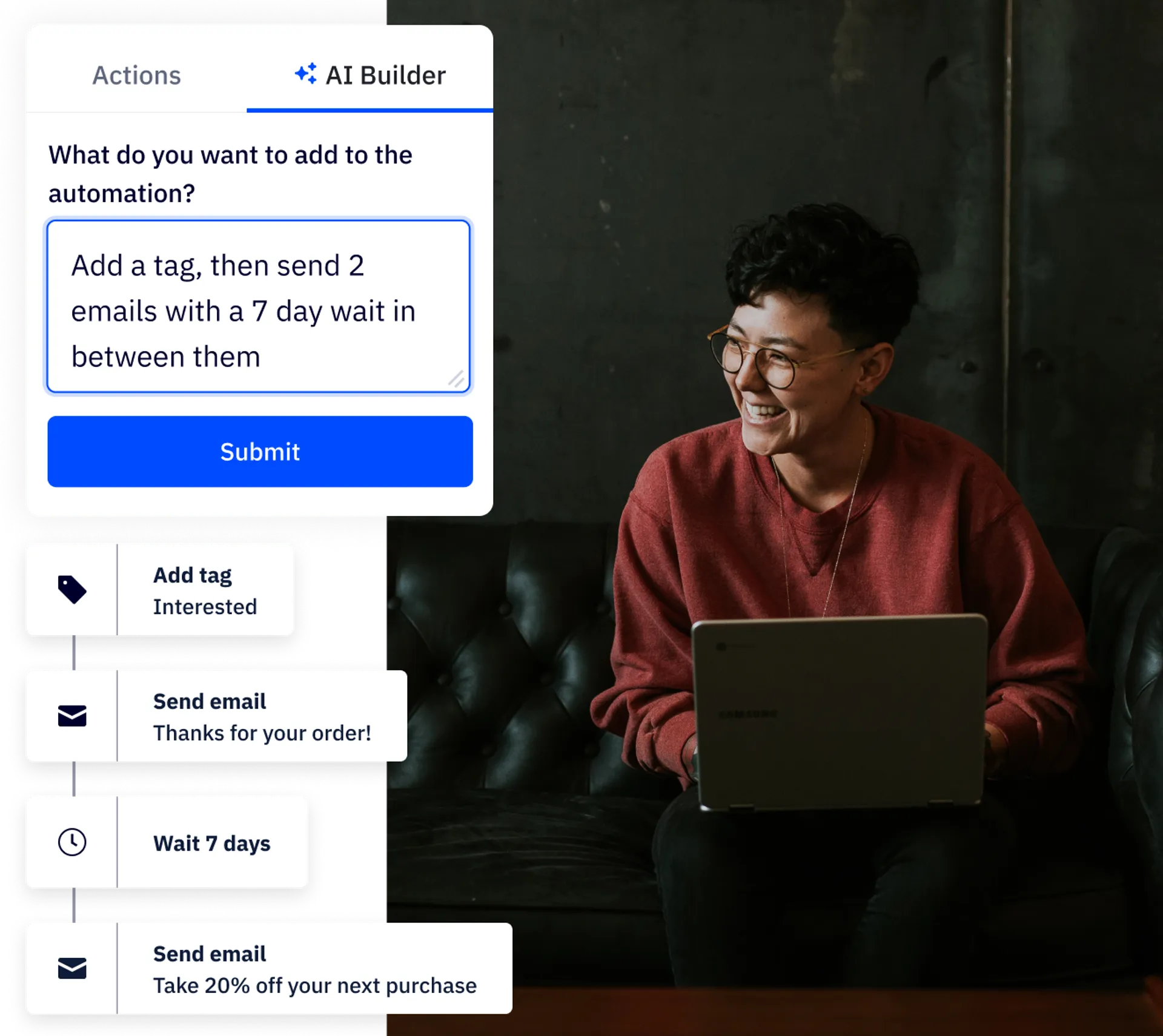
ActiveCampaign's visual automation builder supports complex, multi-branch workflows that respond to behavioral triggers in real time. A single automation can split contacts based on email engagement, website behavior, purchase history, custom field values, and lead scores, then route each branch through different sequences with conditional content.
Source: ActiveCampaign
On Plus plans and above, there's no cap on actions per workflow. Connected automations let you chain workflows together, and Predictive Sending optimizes delivery timing for each contact based on engagement history.
Capterra reviewers (4.6/5 across 2,559+ reviews) consistently name the automation engine as ActiveCampaign's top strength. If you can describe the logic, you can probably build it.
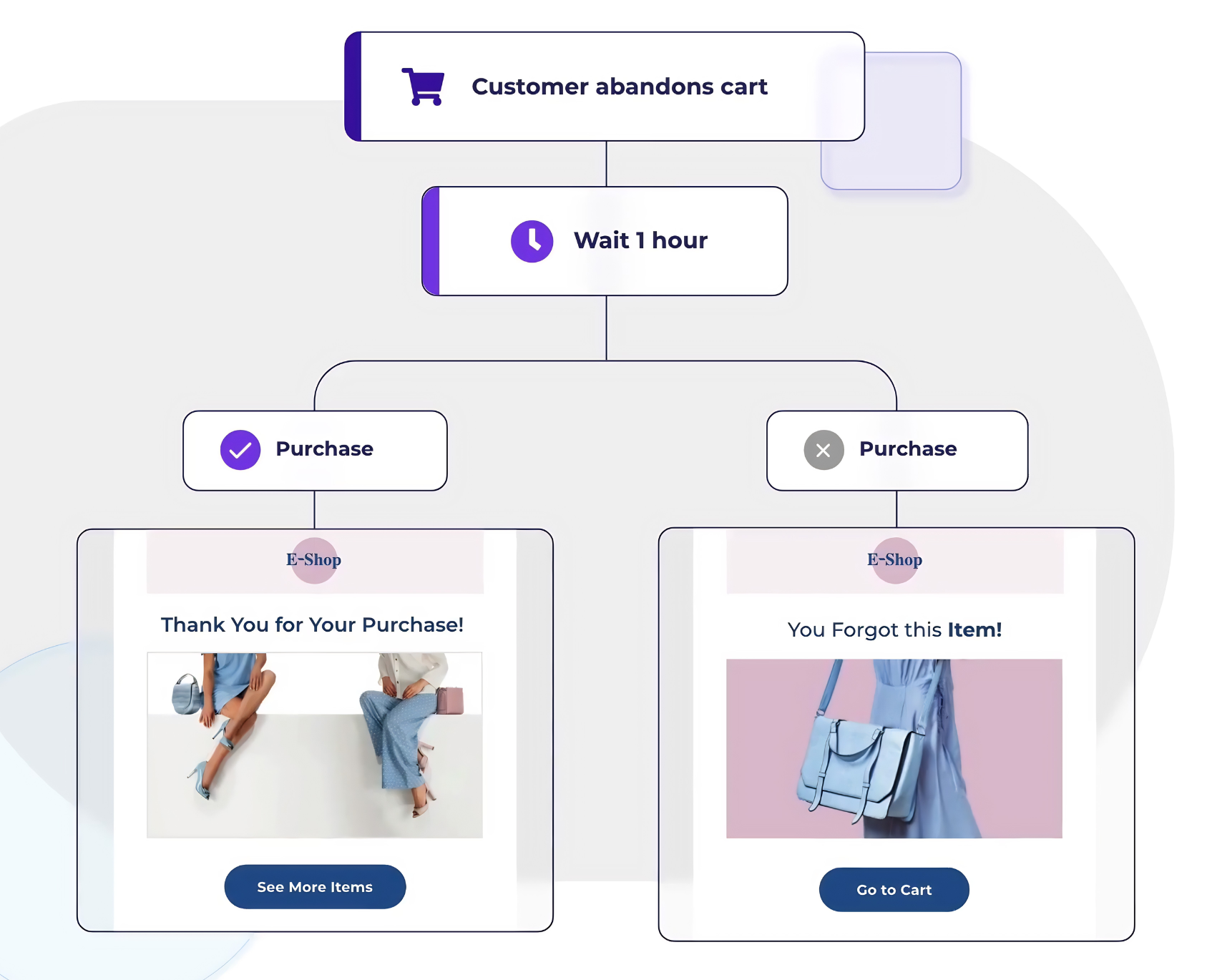
Moosend's automation builder covers the essentials: behavioral triggers (email opens, clicks, website visits, cart abandonment), conditional filtering, wait steps, and A/B split testing within workflows. Pre-built automation recipes handle common scenarios like cart recovery, welcome sequences, and re-engagement. For teams that need triggered sequences without complex branching, it works well.
Source: Moosend
But Moosend hits limits when workflows demand depth. G2 reviewers note that the automation builder lacks multi-path conditional logic and engagement-weighted conditions compared to larger platforms. If your marketing runs on nuanced, multi-step customer journeys, you'll feel constrained.
The practical question: how complex are your workflows? A SaaS company running trial-to-paid conversion sequences with behavior-triggered branching across email, SMS, and WhatsApp needs ActiveCampaign. An ecommerce brand running cart abandonment, welcome series, and post-purchase follow-ups can accomplish all of that in Moosend at a fraction of the cost.
Pricing tells you who each platform was built for
Moosend's pricing is its strongest argument. The Pro plan starts at $9/month (or $7/month on annual billing) and includes unlimited email sends on every paid tier. No per-send caps, no throttling. The 30-day free trial requires no credit card, and a 25% nonprofit discount is available. For a team with 10,000 contacts, Moosend's price-to-feature ratio is hard to beat in email marketing.
ActiveCampaign costs more because it delivers more. Starter plans begin at $15/month, but that tier limits you to 5 automation actions and one user seat.
The Starter plan at 10,000 contacts runs $149/month. Plus, Professional, and Enterprise tiers unlock the features that set the platform apart (unlimited automation actions, predictive sending, conditional content, revenue attribution, advanced segmentation).
ActiveCampaign charges once per unique contact regardless of how many automations, tags, or segments that contact appears in, which avoids the duplicate-billing problem some competitors create.
The pricing gap widens as lists grow. G2 reviewers note that ActiveCampaign's pricing has increased by nearly 100% over the past three years. Moosend's scaling is gentler, and its pay-as-you-go credits option (starting at $350 for 350,000 emails, credits never expire) gives seasonal senders an alternative to monthly subscriptions.
Neither platform offers a permanent free plan. ActiveCampaign provides a 14-day trial with a 30-day money-back guarantee for first-time subscribers. Moosend's 30-day trial covers up to 1,000 contacts with unlimited sends.
AI features reflect different ambitions
ActiveCampaign is making a big bet on AI. Active Intelligence, launched May 2025, is a system-wide engine with 12+ AI agents covering campaigns, automations, segments, personalization, forms, goals, and insights.

Source: ActiveCampaign
The idea is goal-directed: marketers describe business objectives in plain language, and AI agents handle strategy, execution, and optimization. The company draws the distinction explicitly: "Marketing automation runs what you build. Autonomous marketing builds what you need."
Specific capabilities include an AI Campaign Builder that generates complete campaigns from prompts, AI-Suggested Segments that surface high-value audiences, AI Brand Kit that imports brand assets from a URL, and Predictive Sending that optimizes per-recipient delivery timing.
ActiveCampaign also became the first marketing platform in Claude's official connector directory via MCP, letting external AI tools query campaign stats and trigger automations.
The caveat: several Active Intelligence agents (Forms, Personalization, Goals, Segments, Campaigns, Automations, Insights) remain in beta as of early 2026. The vision is ahead of the shipping product.
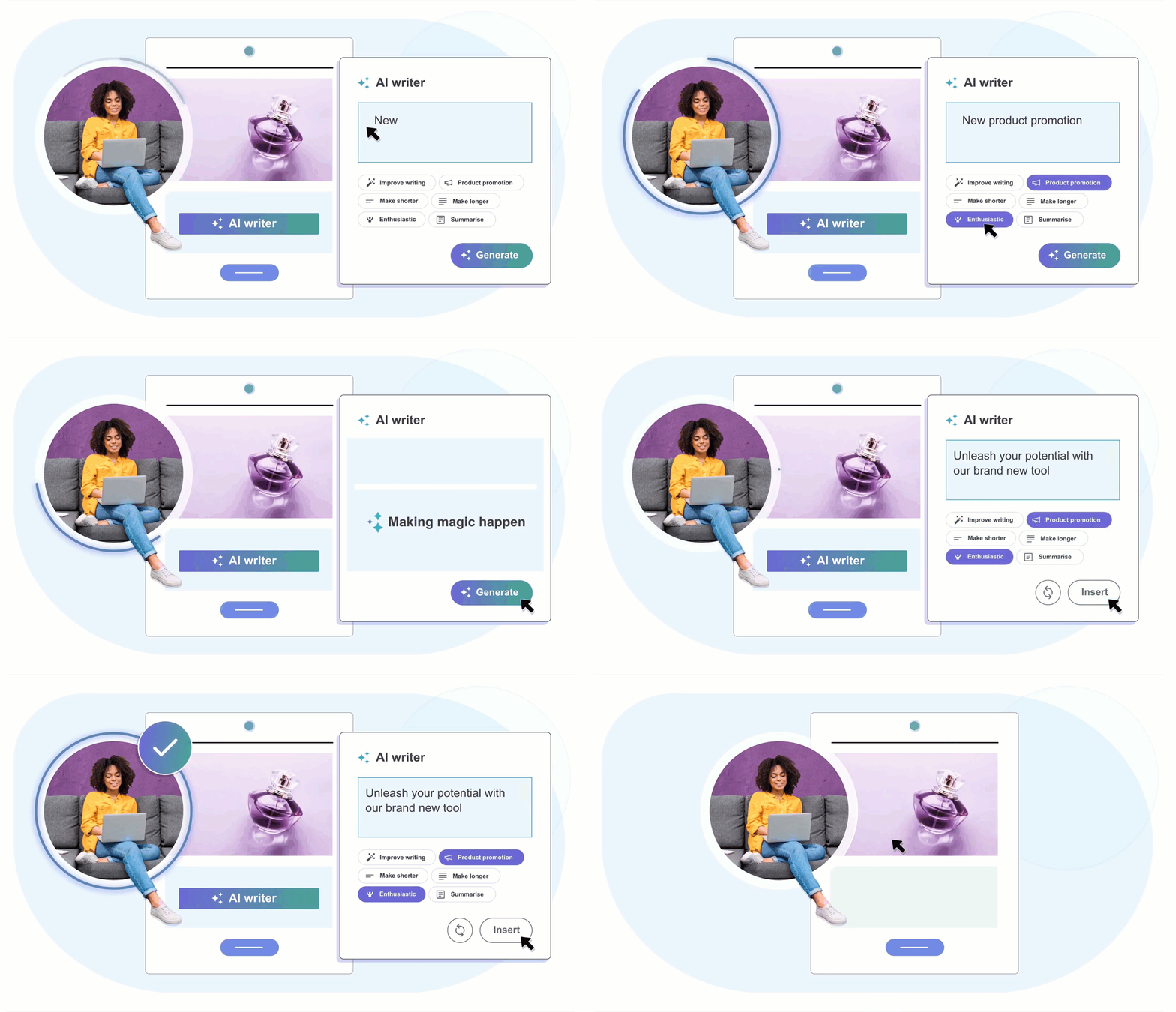
Moosend's AI is more focused. Moosend AI includes an AI Writer in the campaign editor for generating subject lines and body copy, Product Recommendations for ecommerce personalization, and Audience Discovery for behavioral pattern identification and automated segment creation.
Source: Moosend
Refine, a free standalone subject line tester, predicts open rates against industry benchmarks. These tools are practical and immediately useful, though narrower in scope.
The difference: ActiveCampaign wants AI to run your marketing strategy. Moosend wants AI to speed up the tasks you're already doing.
For B2B teams, the real bottleneck is upstream
Both ActiveCampaign and Moosend execute campaigns well. But execution only matters if the right contacts receive the right messages at the right time. For B2B marketing teams, this is where campaigns most often fail: not in the sending, but in the targeting.
Marketing automation platforms work with the contacts you give them. If your contact database is incomplete, outdated, or poorly segmented, no amount of automation will compensate. A drip sequence sent to the wrong people, or to email addresses that bounce, damages your sender reputation and wastes budget.
This is the problem ZoomInfo solves. With 500M contacts, 200M+ verified business email addresses, and 135M+ verified phone numbers, ZoomInfo provides the verified B2B data that feeds marketing automation platforms with accurate, targetable contacts. The data is verified through a multi-source pipeline backed by 300+ human researchers with up to 95% accuracy on first-party data.
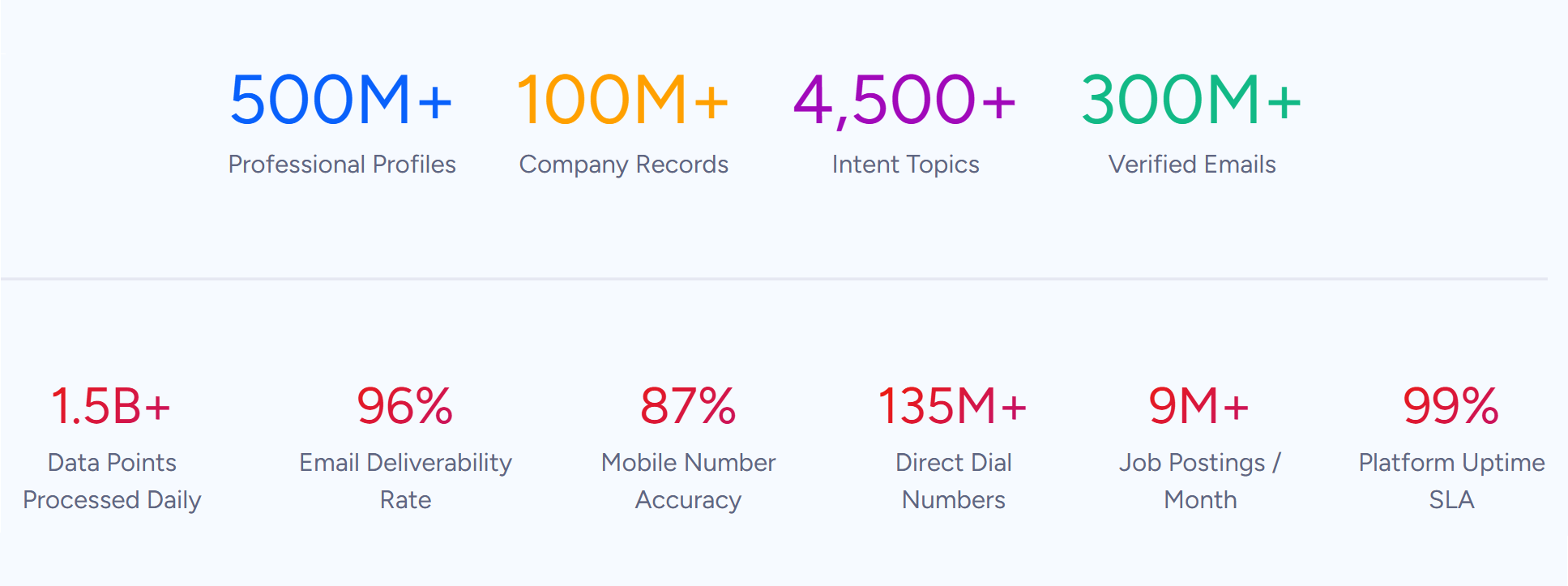
Source: ZoomInfo
But data alone isn't what changes outcomes. ZoomInfo's GTM Context Graph processes 1.5B + data points daily, combining ZoomInfo's B2B intelligence with your CRM records and behavioral signals to identify which accounts are actively in-market.
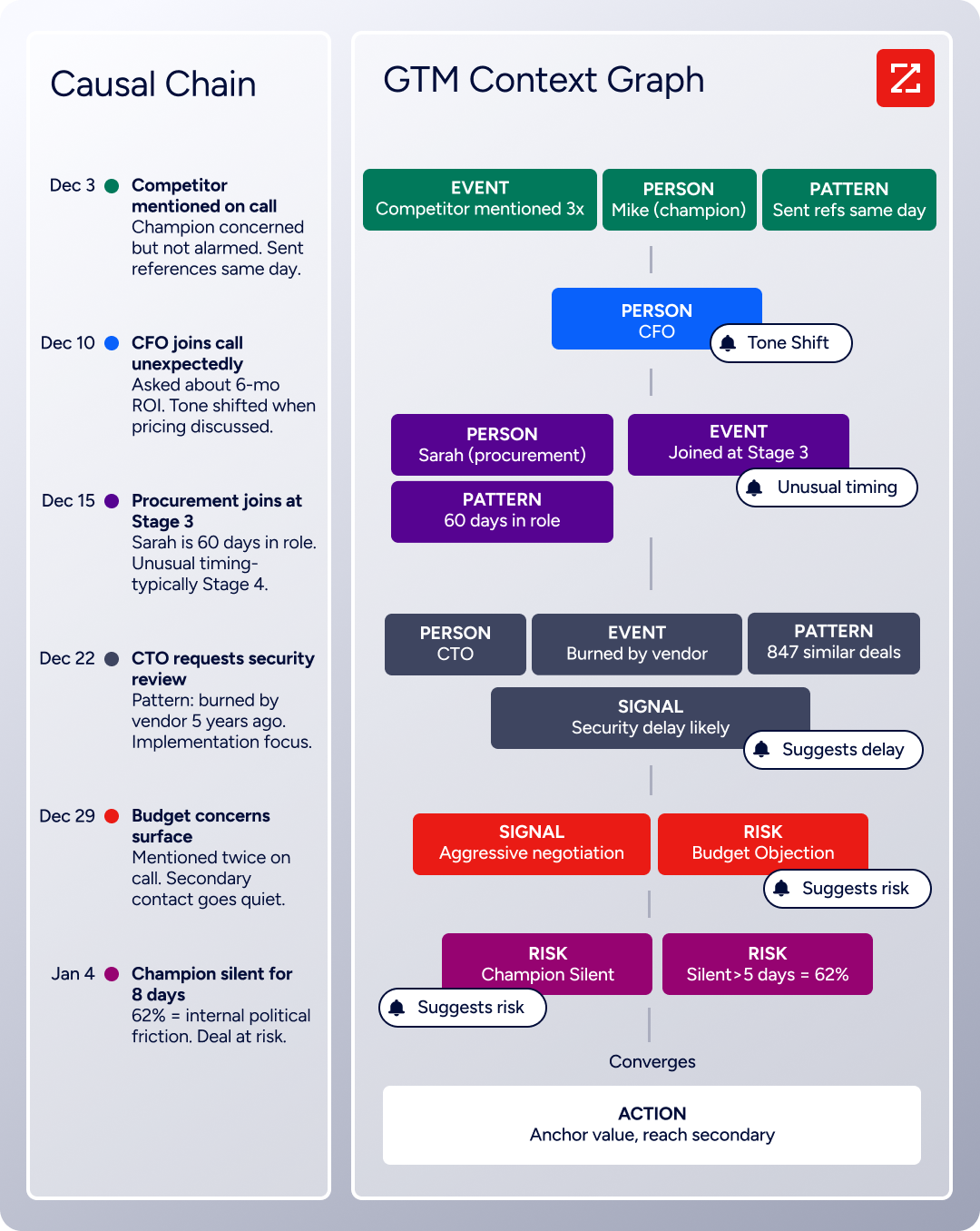
Source: ZoomInfo
Buyer Intent data tracks signals from 210 million IP-to-Organization pairings, so you know which companies are researching topics related to your product before they fill out a form. Guided Intent, exclusive to ZoomInfo, identifies topics historically correlated with your deal success rather than requiring manual topic selection.
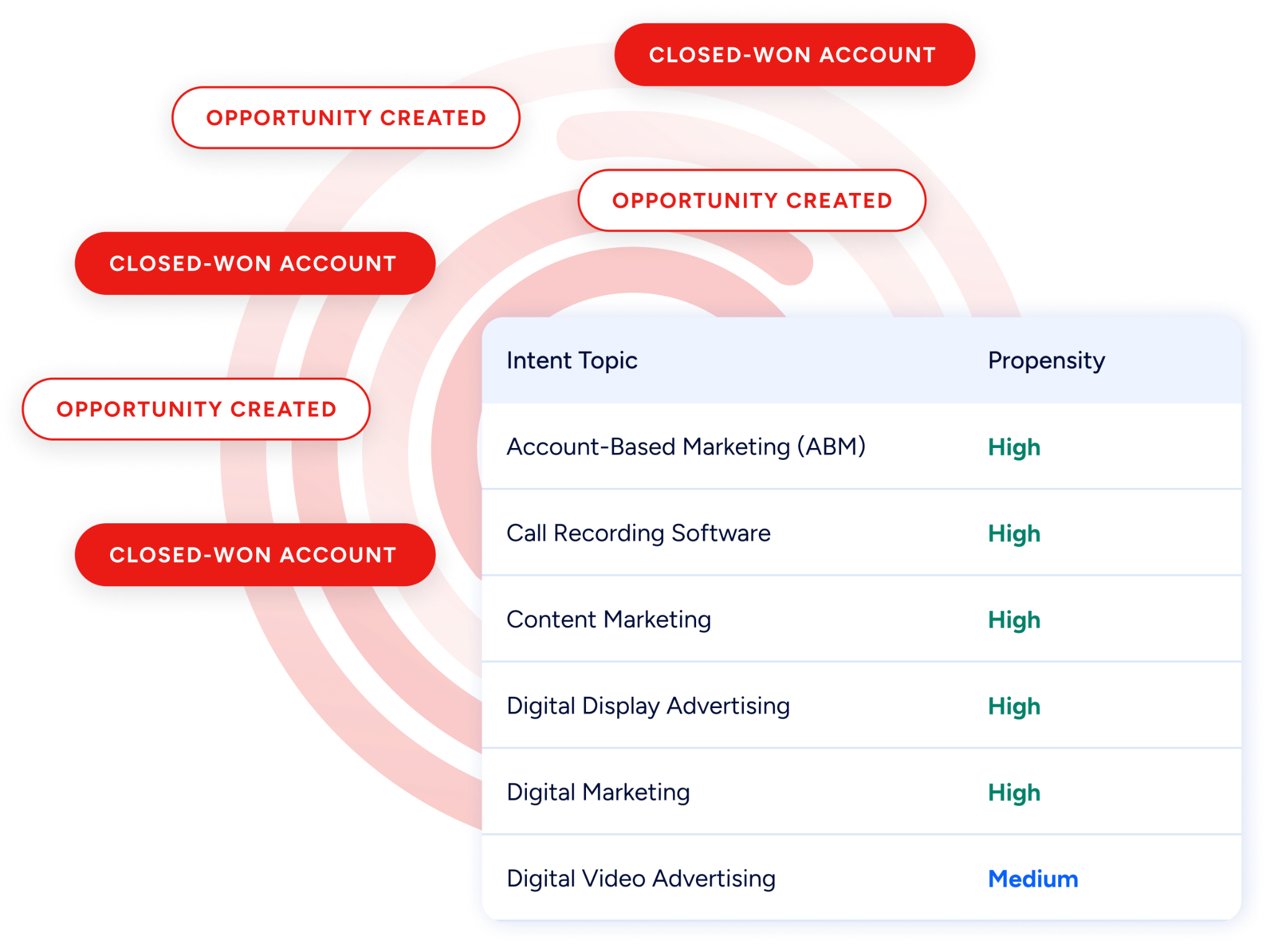
Source: ZoomInfo
For a B2B team using ActiveCampaign or Moosend, this changes the workflow. Instead of building campaigns for a static list, you build campaigns triggered by live buying signals and sent to verified contacts. Your automation platform handles execution. ZoomInfo handles intelligence.
Seismic's sales team attributed 39% of active pipeline to opportunities identified or influenced by ZoomInfo signals, while boosting productivity by 54%. Chief Business Officer Toby Carrington said: "That combination of our internal CRM data, external signals, and AI that's given all that context has helped us craft very specific account- and persona-based messages. And people have responded to them right away." (Seismic case study)
Email deliverability is strong on both platforms
Deliverability is the silent killer of email marketing. If campaigns land in spam, nothing else matters.
ActiveCampaign invests in deliverability at the infrastructure level. The platform routes emails through a private network rather than the public internet, supports DKIM and DMARC authentication, and offers dedicated IP management with pre-warmed IPs.
ActiveCampaign reports 99.88% email deliverability internally, with EmailToolTester independently reporting 94%. 93% of surveyed customers say deliverability is better than competitors. ActiveCampaign can also filter Apple MPP opens from reporting, preventing inflated metrics from skewing campaign analysis.
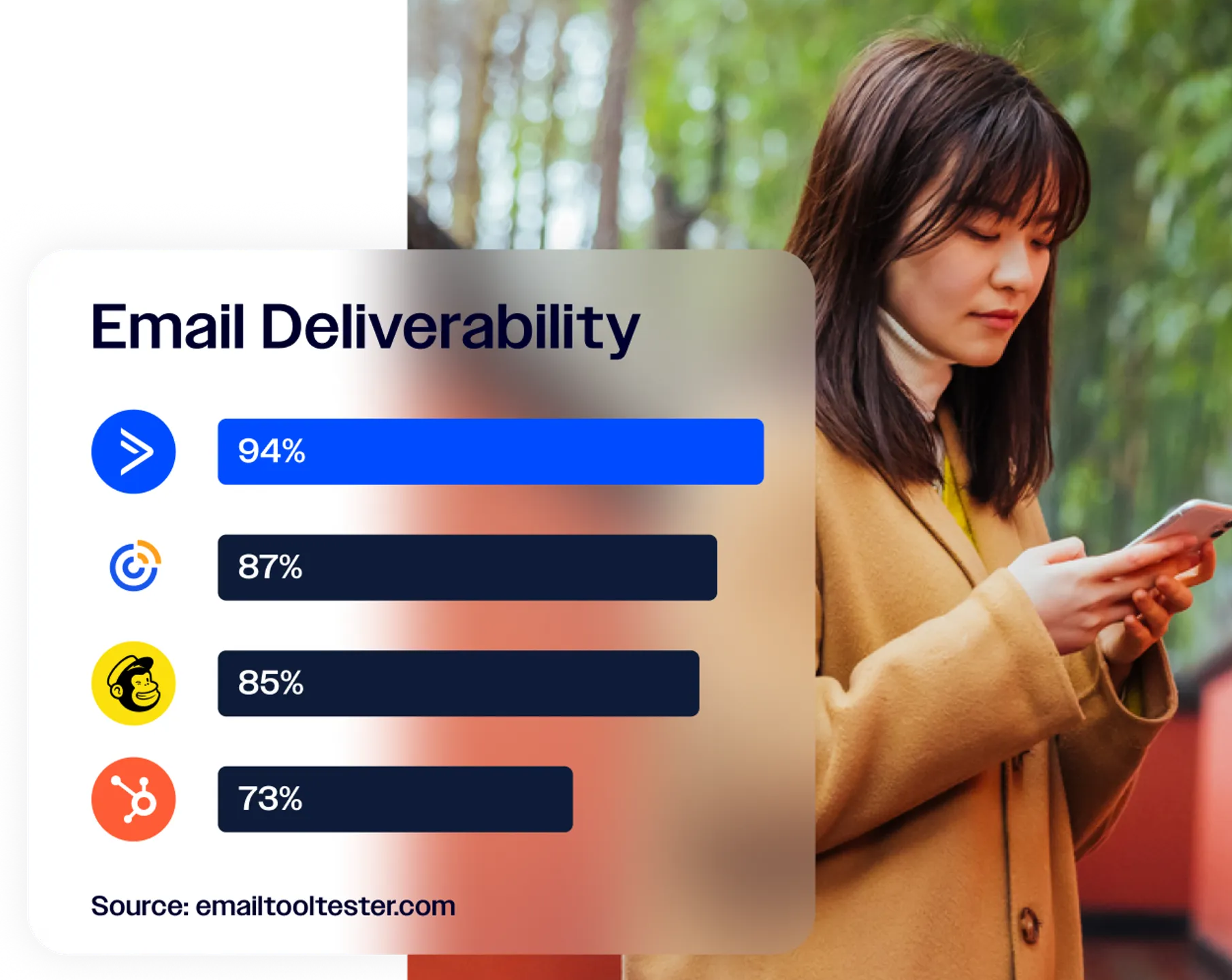
Source: ActiveCampaign
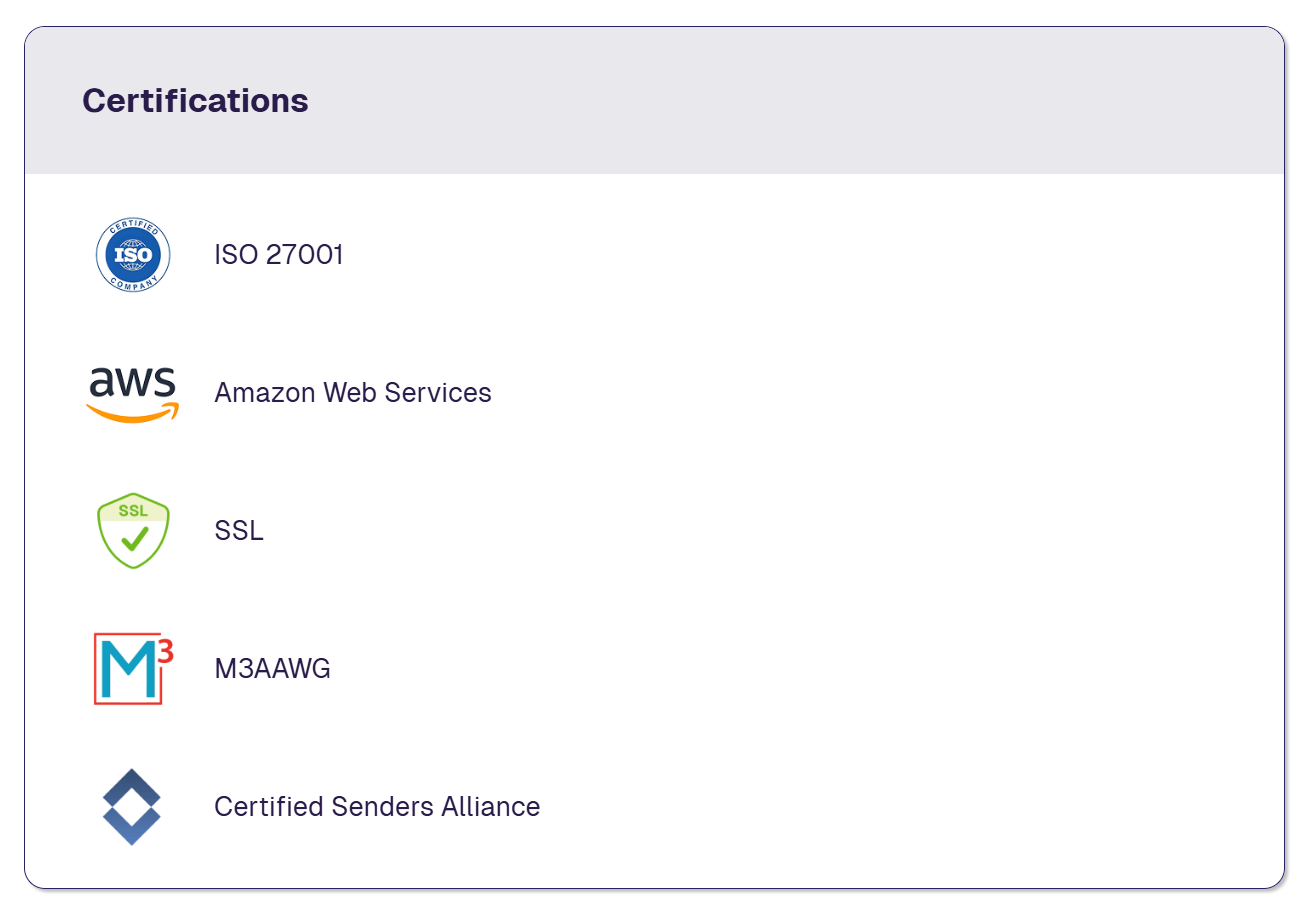
Moosend matches with institutional backing. The platform claims a 98% delivery rate with a 0.02% monthly spam complaint rate, supported by a full authentication stack (SPF, DKIM, DMARC, and BIMI). What sets Moosend apart on deliverability: CSA (Certified Senders Alliance) certification and M3AAWG membership (Messaging, Malware, Mobile Anti-Abuse Working Group).
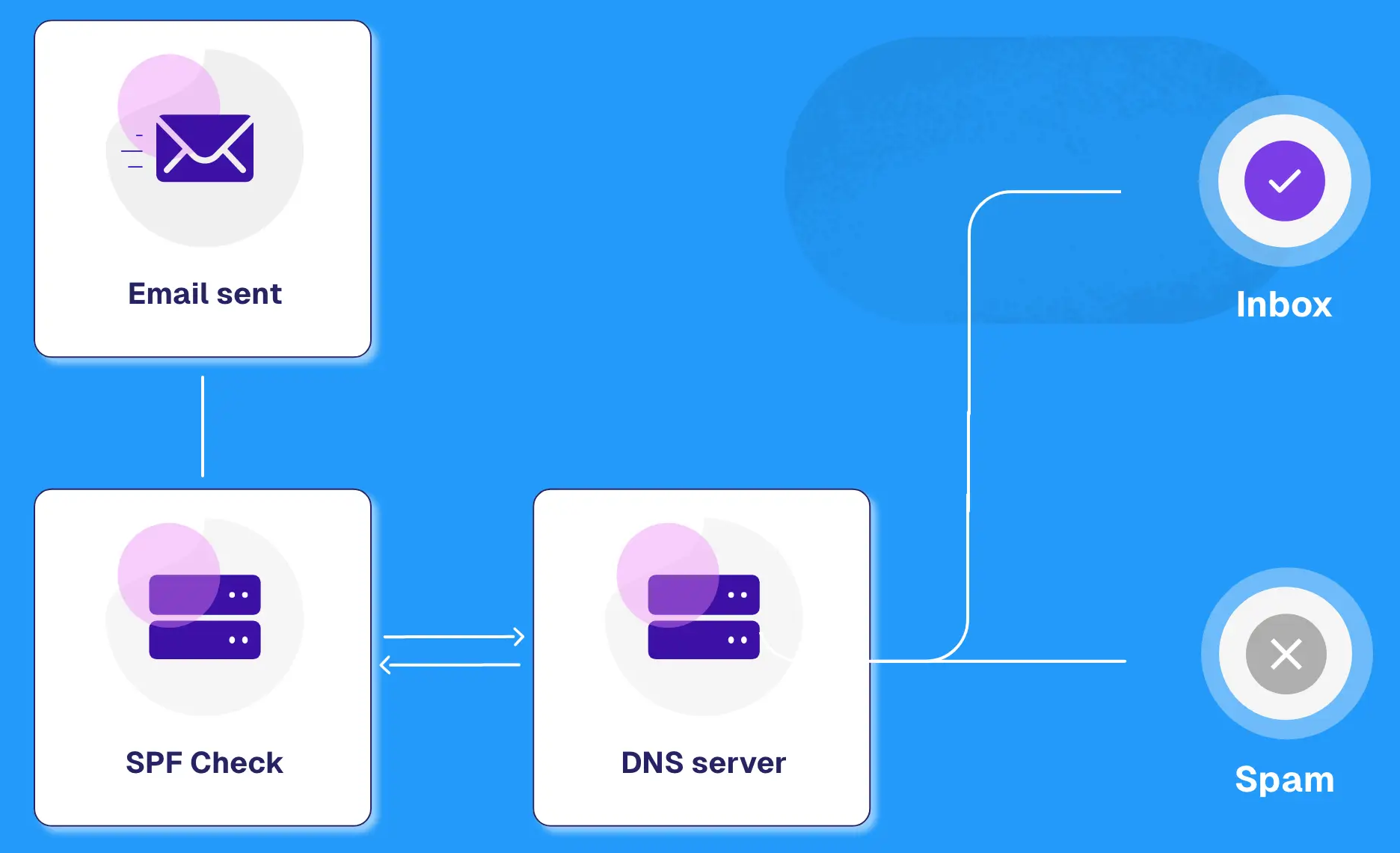
Source: Moosend
These are industry certifications that many mid-market platforms don't hold. The platform also filters bot-inflated engagement data from analytics and integrates with Google Postmaster for sender reputation monitoring.
Both platforms handle the fundamentals well. The meaningful difference is in what surrounds deliverability: ActiveCampaign offers more granular controls (Apple MPP filtering, BotSense click fraud detection, dedicated deliverability consulting), while Moosend backs its claims with third-party certifications that carry weight with ISPs.
For B2B teams, deliverability depends on one thing platforms can't control: list quality. Sending to verified, accurate email addresses (the kind ZoomInfo provides) is the single biggest factor in inbox placement rates. The best deliverability infrastructure in the world can't fix a campaign sent to stale contacts.
Integration ecosystems reveal different scales
ActiveCampaign's 1,000+ app integrations cover virtually every tool in a modern marketing stack. CRM integrations include Salesforce (Pro/Enterprise), Microsoft Dynamics 365 (Pro/Enterprise), and Pipedrive. Ecommerce connections span Shopify and WooCommerce.
The platform supports Zapier, Make, Google Ads, Facebook, Calendly, Slack, Stripe, and Clay, among others. A full REST API and App Studio developer portal support custom builds. Forty new integrations were added in 2025 alone.
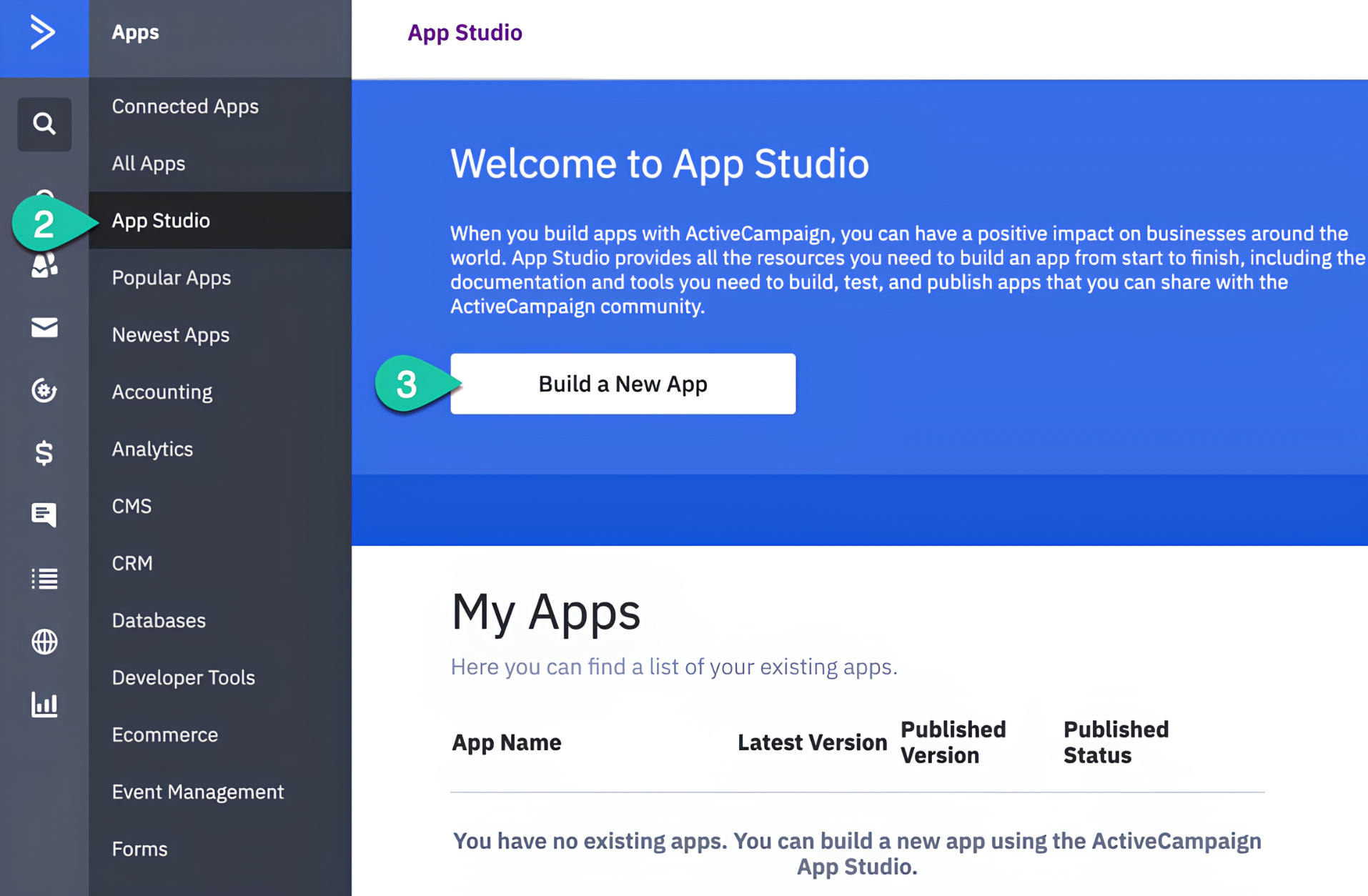
Source: ActiveCampaign
Moosend's catalog is smaller. Approximately 42 native integrations cover core categories: CMS (WordPress, Drupal), CRM (Salesforce, Google Contacts), ecommerce (WooCommerce, Magento, OpenCart), and lead generation tools. Another roughly 40 connect via Zapier, bringing the total to about 82.
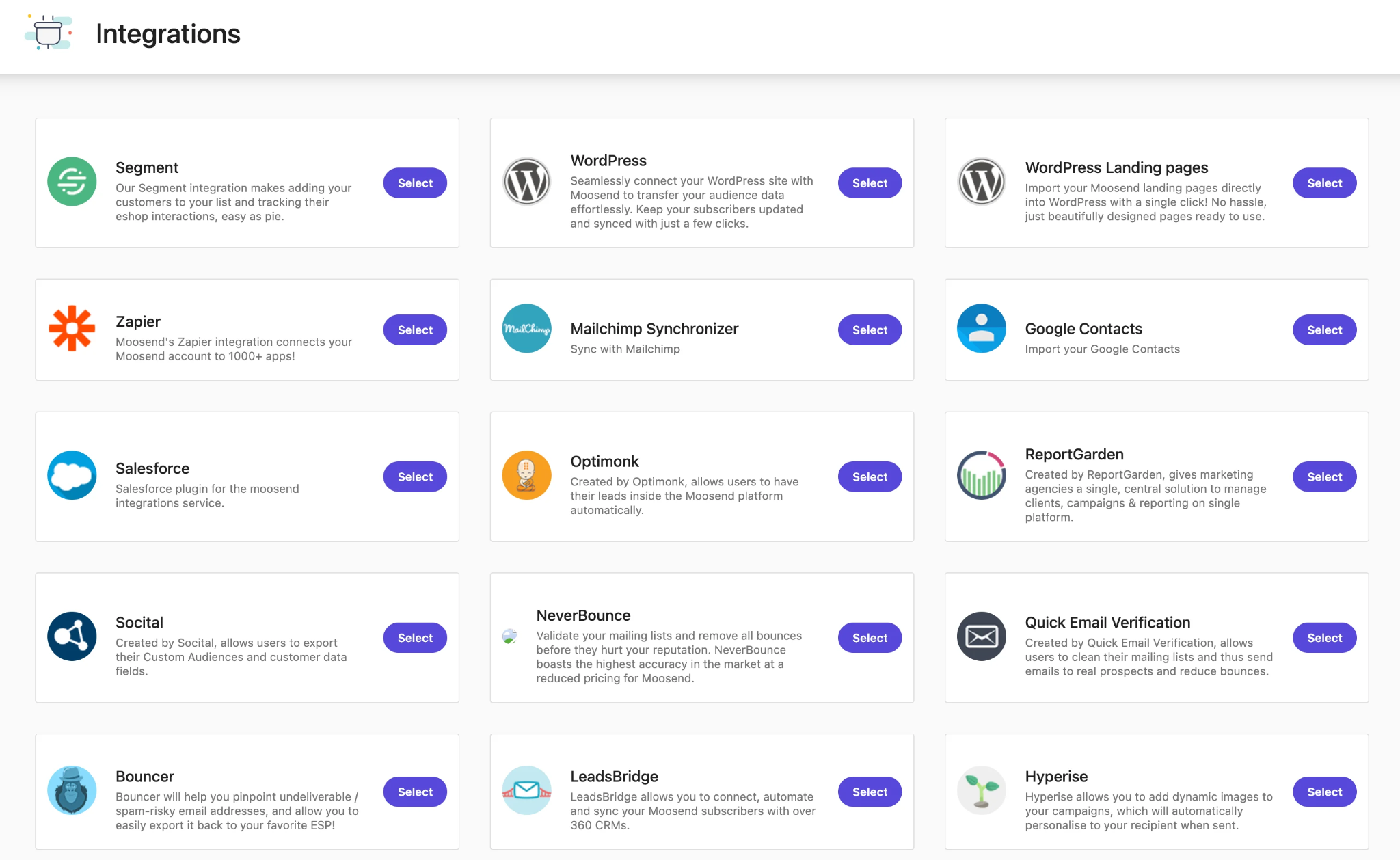
Source: Moosend
For teams running standard marketing stacks (WordPress + WooCommerce + Salesforce), Moosend covers the basics. For teams with complex, multi-tool environments, the gaps become friction.
ZoomInfo's App Marketplace lists 172+ partner integrations, including native connections to Salesforce, HubSpot, Microsoft Dynamics 365, and cloud data platforms like Snowflake, AWS, and Databricks.
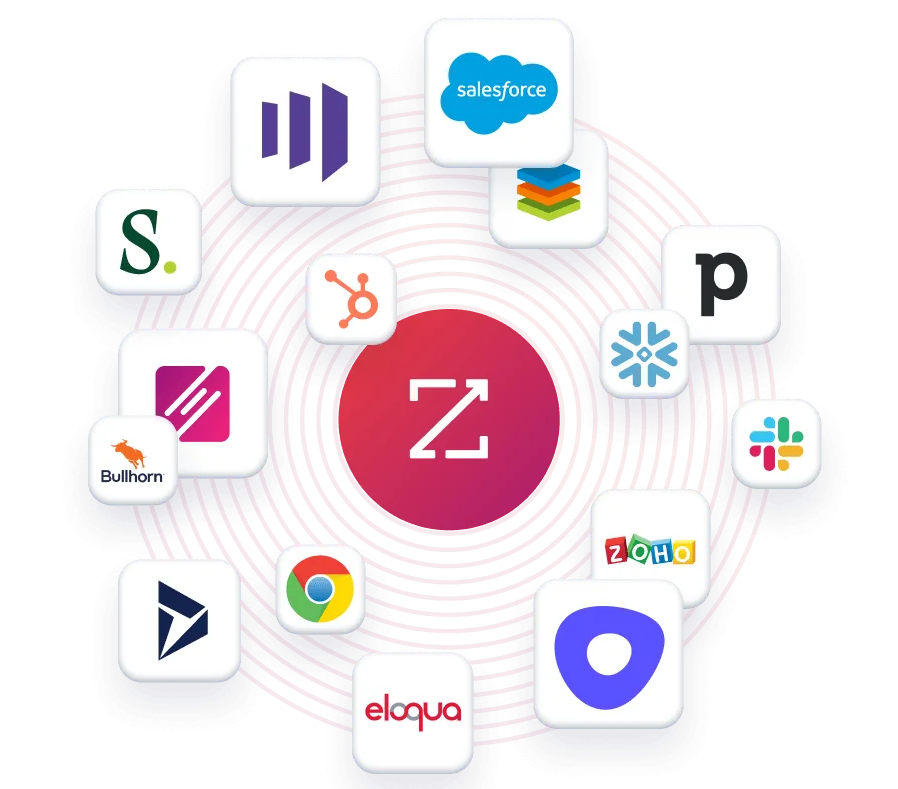
Source: ZoomInfo
ActiveCampaign is listed as an integration partner, so B2B teams can feed ZoomInfo's verified contact data and intent signals directly into ActiveCampaign campaigns. For Moosend, connecting via Zapier or ZoomInfo's API bridges the gap.
BDO Canada's Senior Marketing Intelligence Analyst Jerry Wilson described how ZoomInfo's API cut data integration friction: "The plug-and-play aspect of the API means I can integrate it very easily into any process and get information at a moment's notice," resulting in an 87% reduction in time spent updating internal data dashboards. (BDO Canada case study)
CRM capabilities give ActiveCampaign a structural advantage
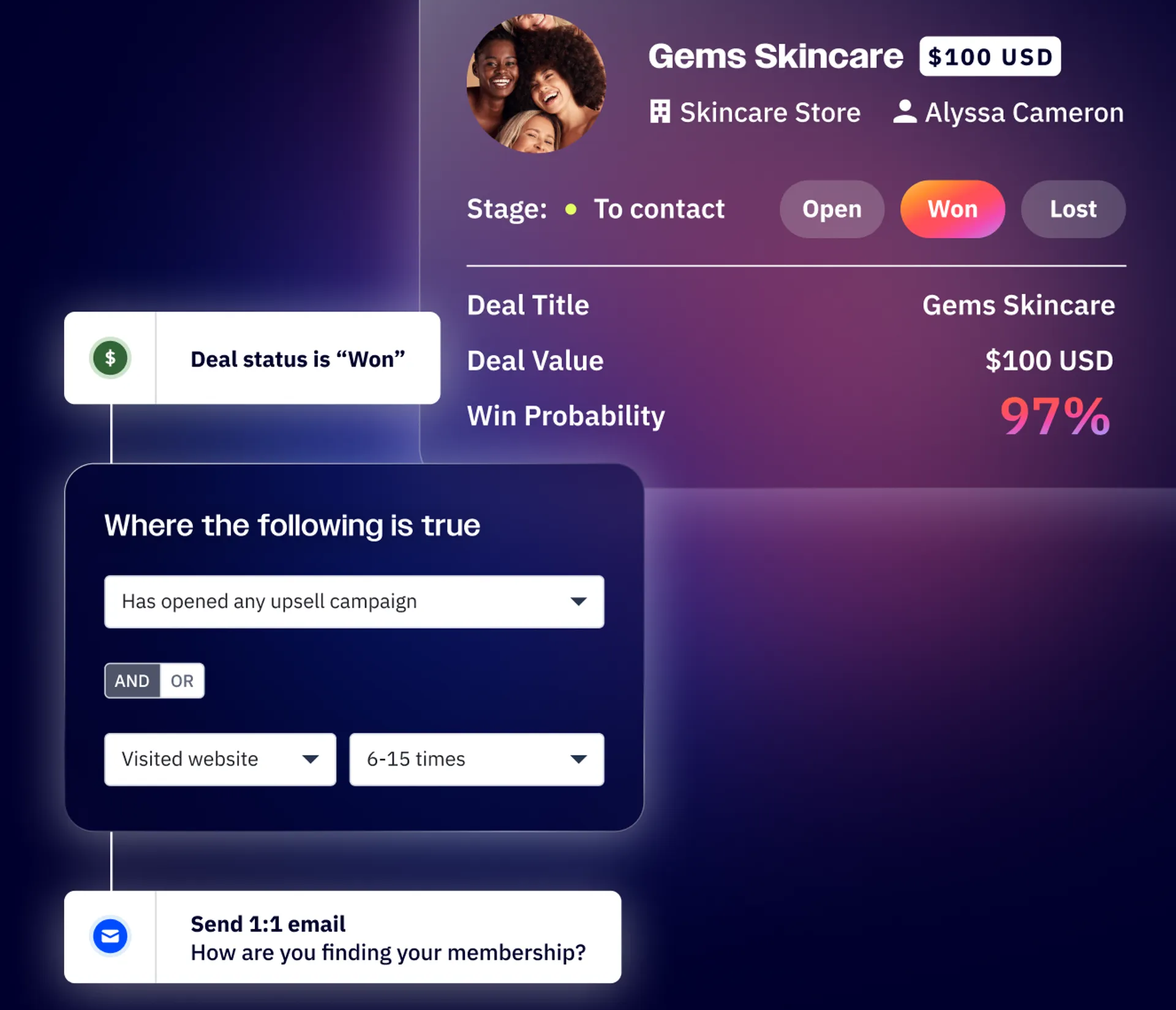
ActiveCampaign includes a native CRM on all paid plans. Deals live inside customizable pipelines with configurable stages, viewed on a Kanban-style board. The CRM's real value is its connection to the marketing automation engine: deal records carry the full behavioral history of every contact, including email engagement, website visits, and lead scores.
Source: ActiveCampaign
Sales routing automatically assigns deals based on round-robin rotation, rep expertise, lead score, or geography. Active Intelligence surfaces win probability scores and next-best-action recommendations at the deal level.
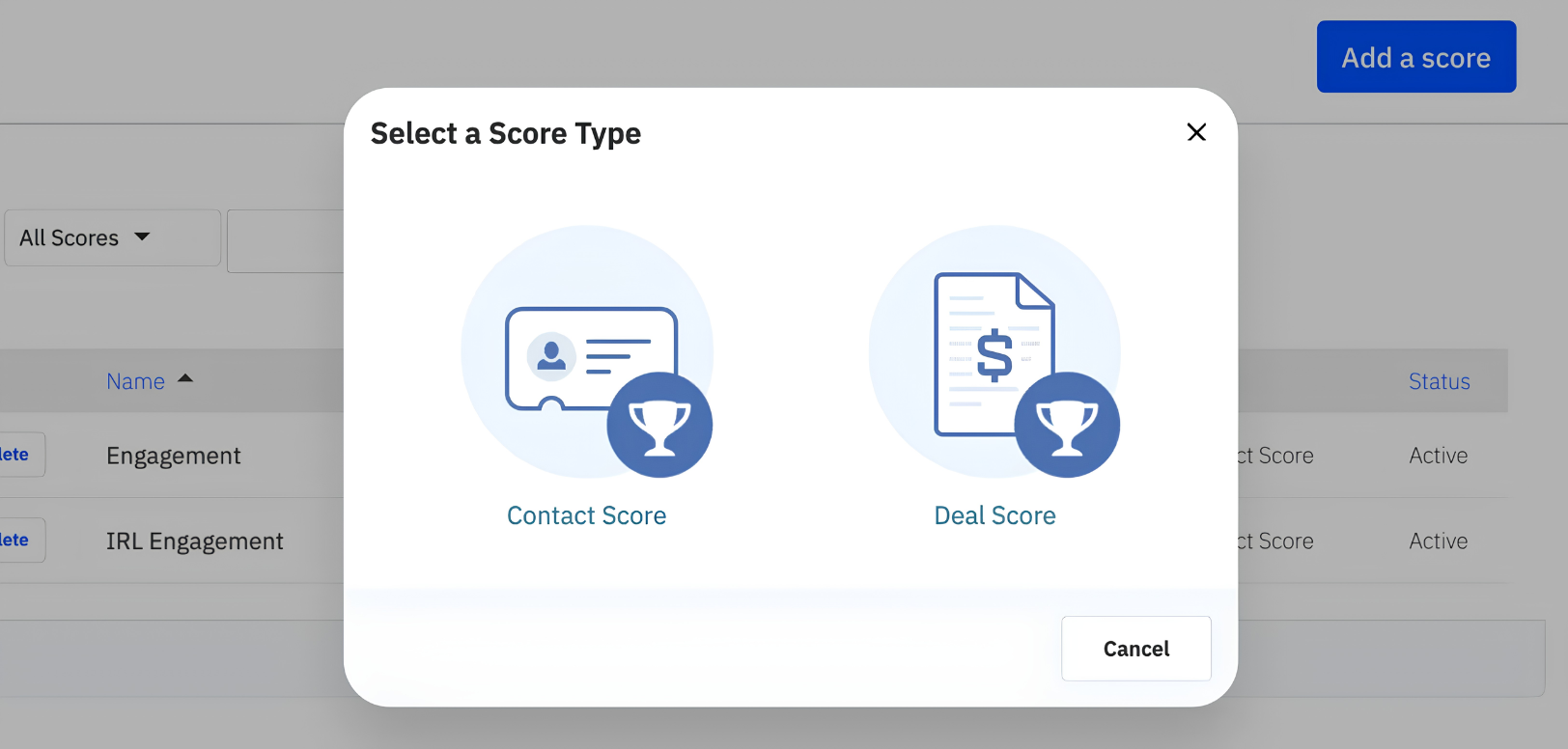
ActiveCampaign also offers something uncommon: dual scoring systems. Both contact-level lead scores and deal-level scores operate independently, so teams can track "is this person a good lead?" and "is this deal likely to close?" as separate signals that update based on behavior.
Source: ActiveCampaign
For teams that run marketing automation and sales management under one roof, this is a real advantage. No integration to configure, no data syncing to manage, no behavioral context lost in translation between systems.
Moosend does not include a CRM. Teams that want to manage leads and track pipeline stages need an external tool. This is a deliberate design choice: Moosend focuses on email marketing and automation, not sales management. Teams that need CRM functionality alongside Moosend will connect Salesforce, HubSpot, or another dedicated CRM via integration.
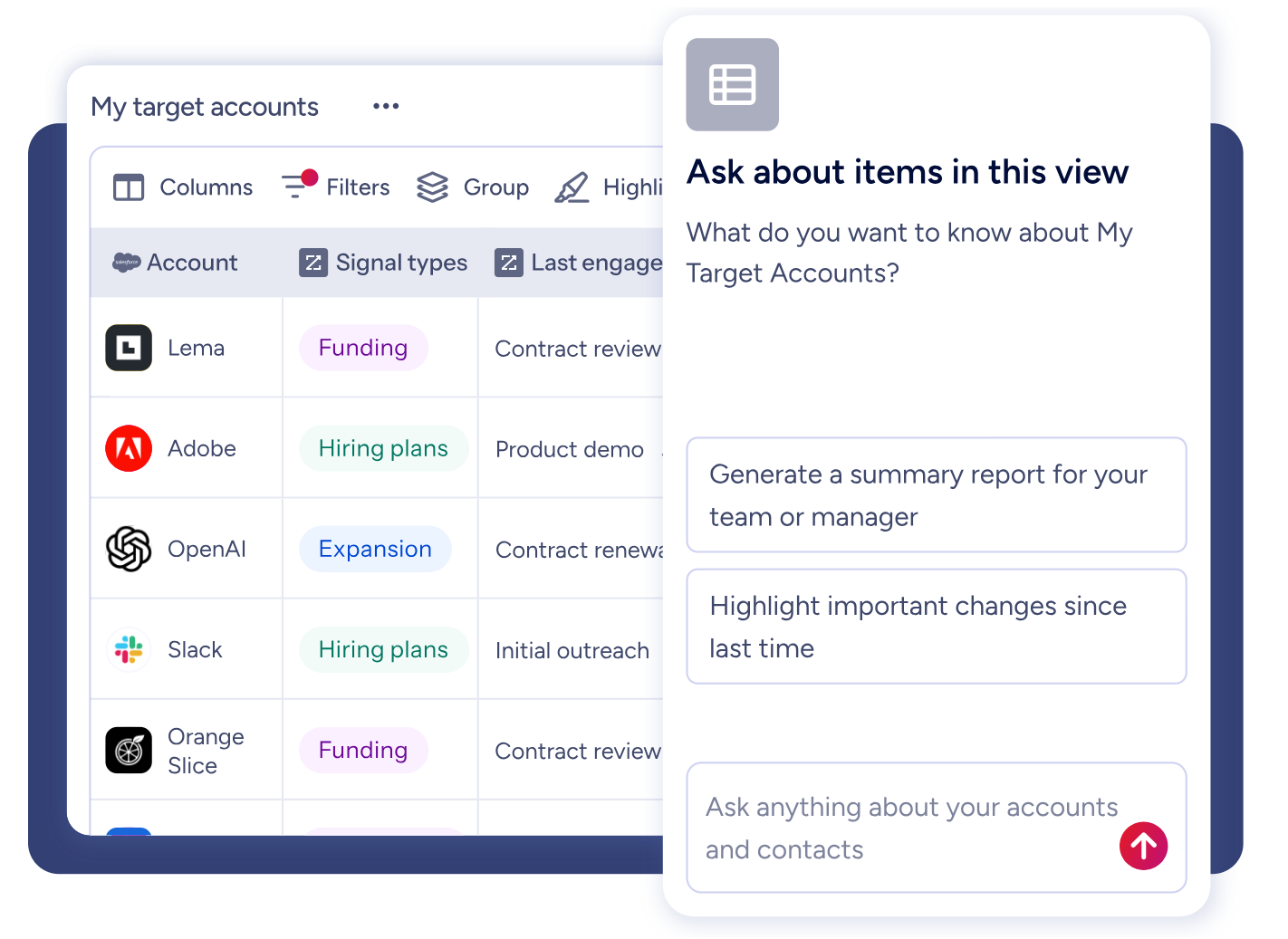
For B2B teams evaluating either platform, ZoomInfo's GTM Workspace provides a seller-focused environment where AI agents handle account research, outreach drafting, and CRM updates. It connects to Salesforce, HubSpot, and Microsoft Dynamics, and draws from the same GTM Context Graph intelligence that powers marketing plays.
Source: ZoomInfo
The combination of ZoomInfo for prospecting intelligence, a CRM for pipeline management, and ActiveCampaign or Moosend for marketing automation creates a complete B2B marketing and sales stack.
Content creation and templates take different approaches
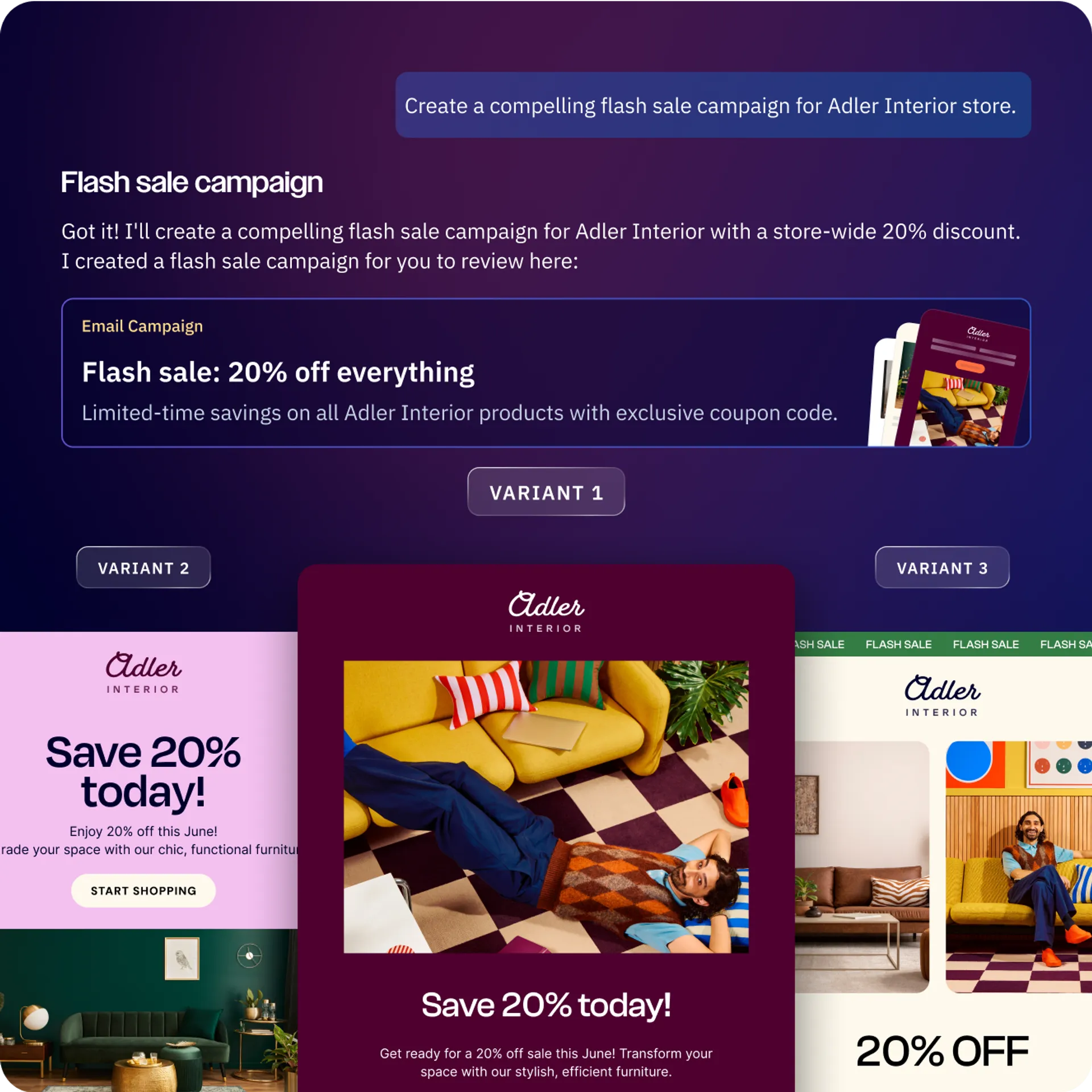
ActiveCampaign bundles a full content creation suite. The Email Designer offers drag-and-drop editing with 250+ templates. The AI Brand Kit pulls logos, fonts, and colors from a website URL, eliminating manual brand setup.
Source: ActiveCampaign
AI Content Generator produces email sequences, subject lines, and SMS copy. AI Image Generator creates campaign visuals. Dynamic content supports per-recipient content blocks, and predictive content uses NLP to select the best variant for each contact.
The weakness is the landing page builder. Capterra reviewers consistently flag limited page and form customization as a top complaint, with users wanting more design control compared to standalone tools like Unbounce or Typeform.
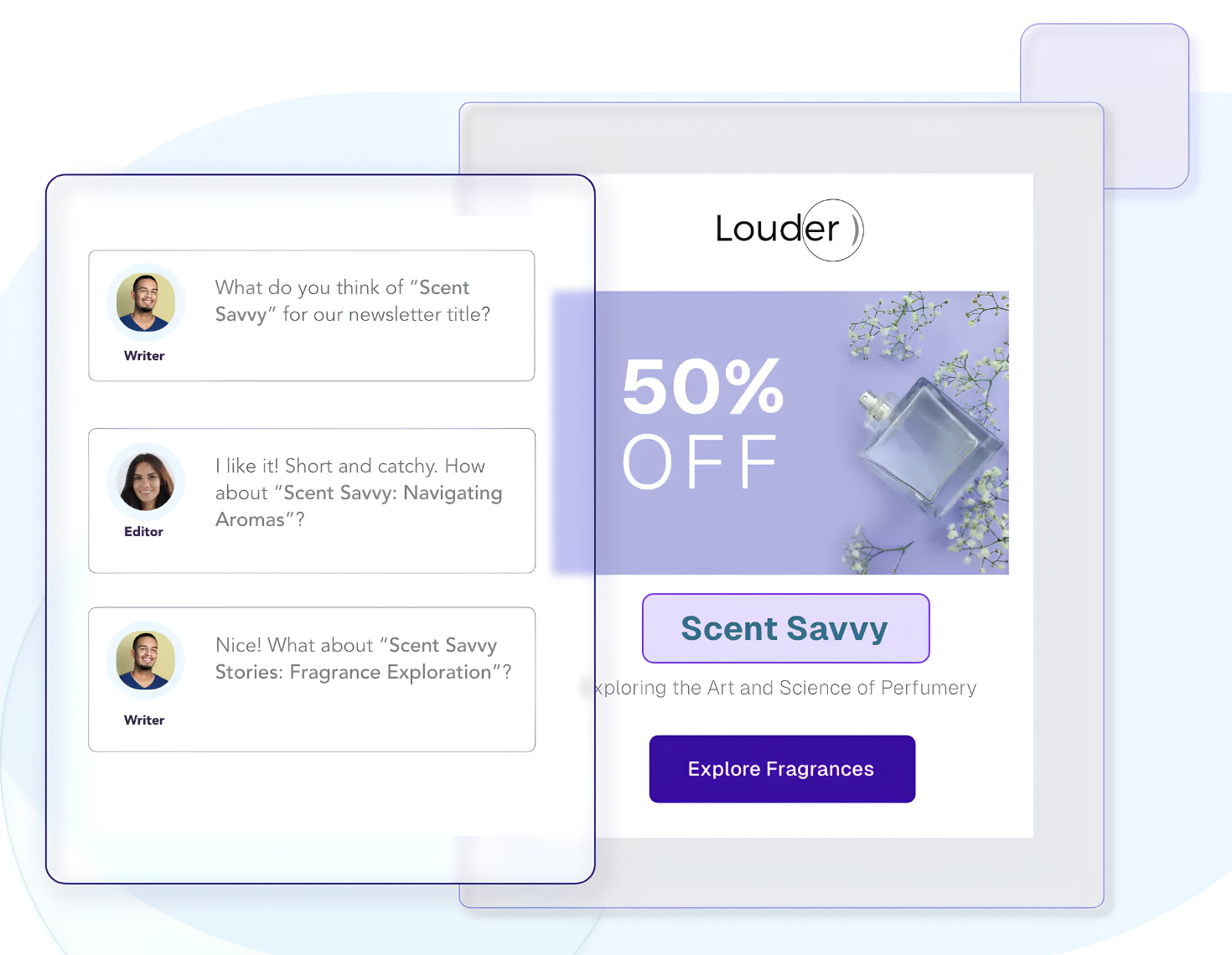
Moosend's editor earns praise for simplicity. The drag-and-drop builder includes 110+ responsive templates, embedded video blocks, countdown timers, and an AI writer for generating body copy and subject lines without leaving the editor.
Comments mode allows asynchronous team feedback directly on the email in progress, paired with history mode and version restore. Conditional content blocks let different recipients see different content within a single campaign, removing the need to create separate sends per segment.
Source: Moosend
Moosend's growth tools add useful extras. The subscription form builder supports six format types (modal, inline, floating bar, floating box, full page, and promotional pop-up) with 56 templates and display targeting by URL, device, country, and cookie. A native Wheel of Fortune gamification feature with customizable probability and coupon controls is built in, requiring no third-party plugin.
For design-focused teams, neither platform matches a dedicated landing page or design tool. Both handle email creation well, with ActiveCampaign offering more AI-driven personalization and Moosend offering a more collaborative editing experience.
Cross-channel reach versus focused execution
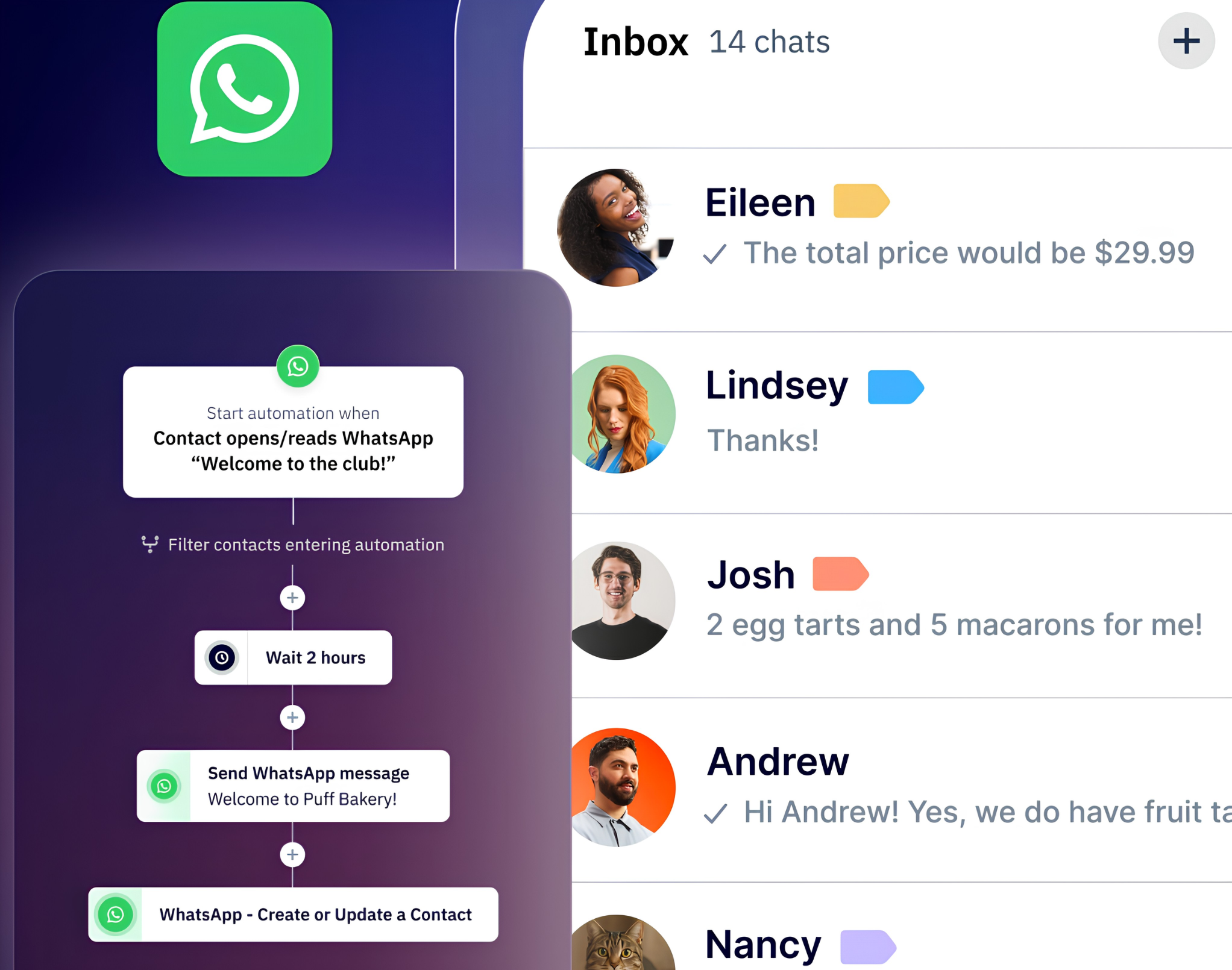
ActiveCampaign covers more ground. Native email, SMS, and WhatsApp all run from a single automation builder with shared contact data. WhatsApp support arrived via the Hilos acquisition in April 2025, and ActiveCampaign operates as a Meta Business Partner with direct WhatsApp Business API access.
The WhatsApp Flows builder handles no-code conversational workflows, and a shared inbox routes live agent responses. Transactional email runs through Postmark, with Message Streams separating transactional and marketing sends to protect sender reputation.
Source: ActiveCampaign
This cross-channel capability matters for businesses where customer communication spans multiple channels. A single automation can trigger an email, follow up with SMS if unopened, and route to WhatsApp for conversational engagement.
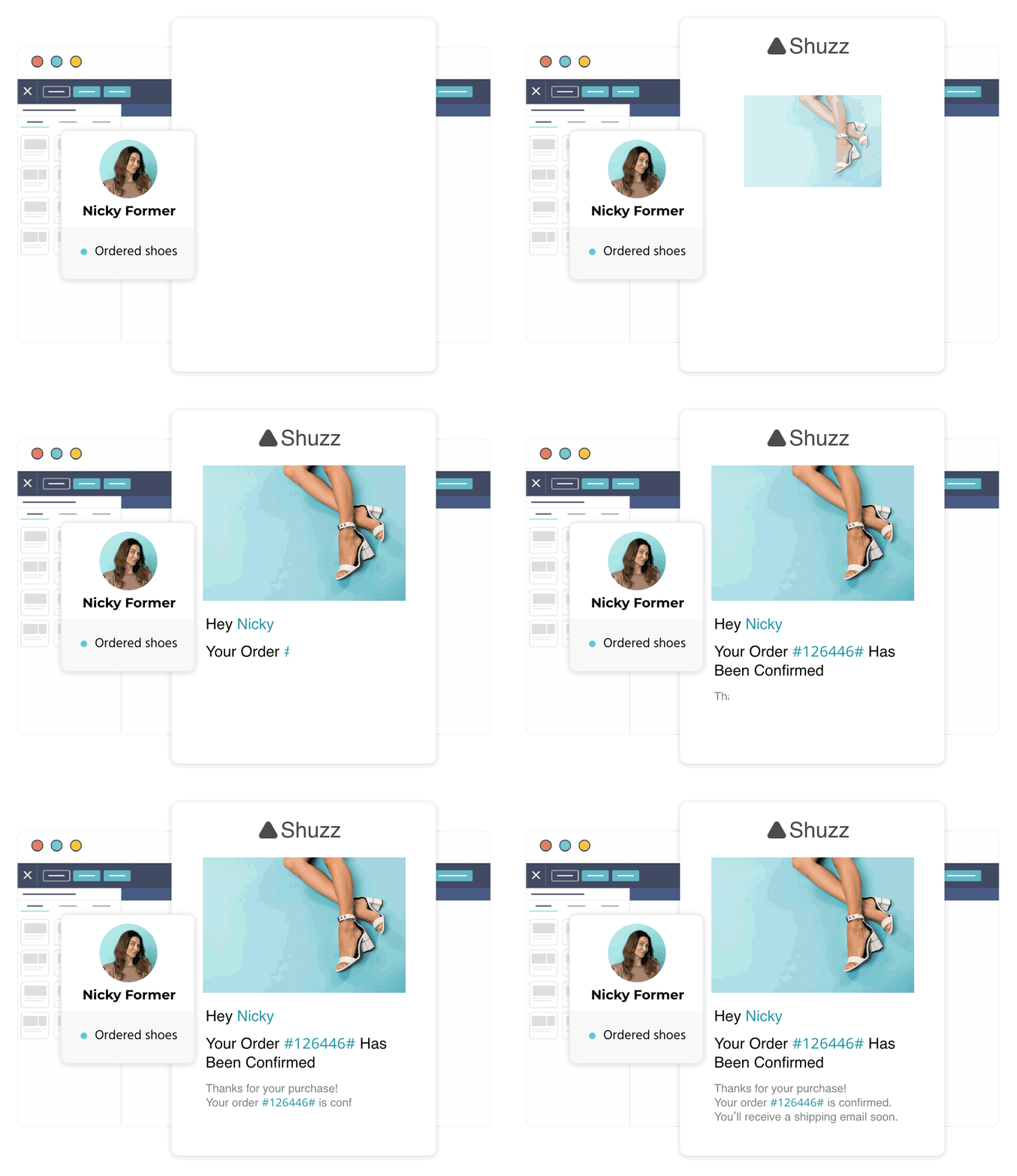
Moosend focuses on email. The platform handles marketing campaigns and transactional emails through both SMTP relay and a Transactional API (the full API is a Moosend+ add-on).
Source: Moosend
Automation workflows can post webhooks and send Slack notifications, but there's no native SMS or WhatsApp channel. For businesses that communicate primarily through email, this doesn't matter. For teams orchestrating multi-channel journeys, it's a gap.
Support and onboarding differences
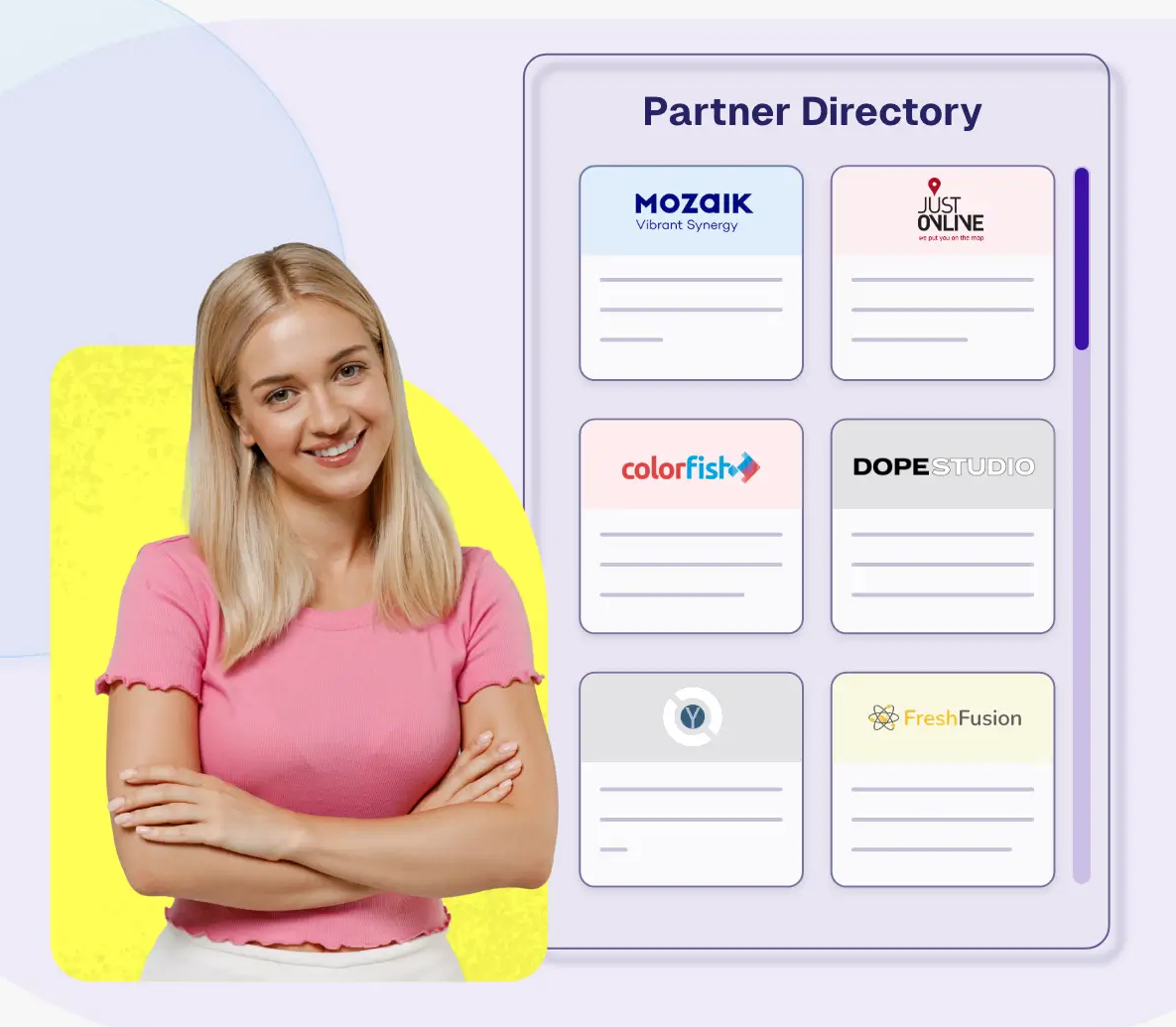
Moosend's support reputation exceeds its price class. G2 reviewers describe live chat support as responsive, with typical response times of 5 to 30 minutes. The agency program guarantees technical support response within 5 minutes for partner accounts. Support is available via email and live chat on all plans, including during the free trial, though live chat runs Monday through Friday only.
Source: Moosend
ActiveCampaign offers broader support infrastructure. Chat and ticket support come with all paid plans. Priority email and chat support is available on Professional plans, and Enterprise customers receive a dedicated account team.
Specialist sessions start at $79 for one-on-one guidance, including deliverability consulting. A searchable Certified Consultants directory provides vetted third-party experts for deeper implementation work.
ActiveCampaign's learning resources are more extensive: the ActiveCampaign Learn portal with video tutorials and structured getting-started paths, interactive product tours, and a developer portal for technical users. This investment makes sense given the platform's complexity. Moosend's interface is simpler, so the support infrastructure can be leaner.
Security and compliance compared
Both platforms handle the fundamentals, with different areas of depth.
Moosend holds ISO 27001 certification with annual third-party audits, aligns with PCI Security Standards and NIST SP 800-171, confirms GDPR compliance with EU-hosted customer data on AWS infrastructure, and maintains a published Vulnerability Disclosure Program.
Source: Moosend
SSO and SAML are available on Moosend+ and Enterprise plans. One notable gap: Moosend does not offer two-factor authentication at the account level, a basic security feature that some enterprise procurement teams require.
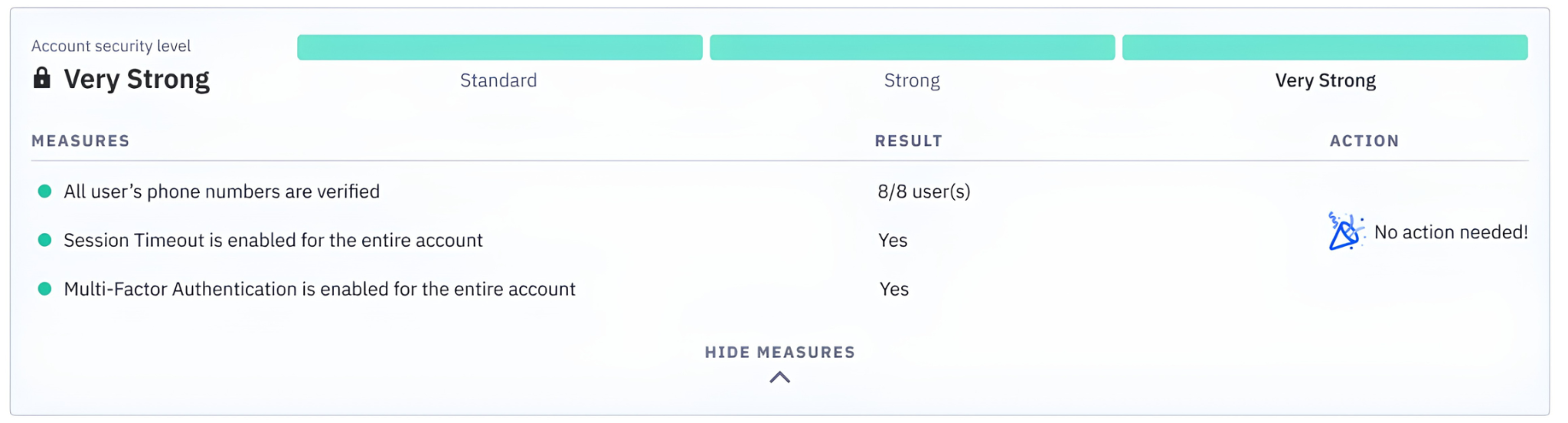
ActiveCampaign offers GDPR support with Data Processing Addendum and Standard Contractual Clauses, CCPA compliance, LGPD compliance for Brazil, and EU-US Data Privacy Framework compliance. SSO is available on Enterprise plans. HIPAA support is available on the Enterprise tier, relevant for healthcare customers. An in-product Security Checklist is available to all plan tiers.
Source: ActiveCampaign
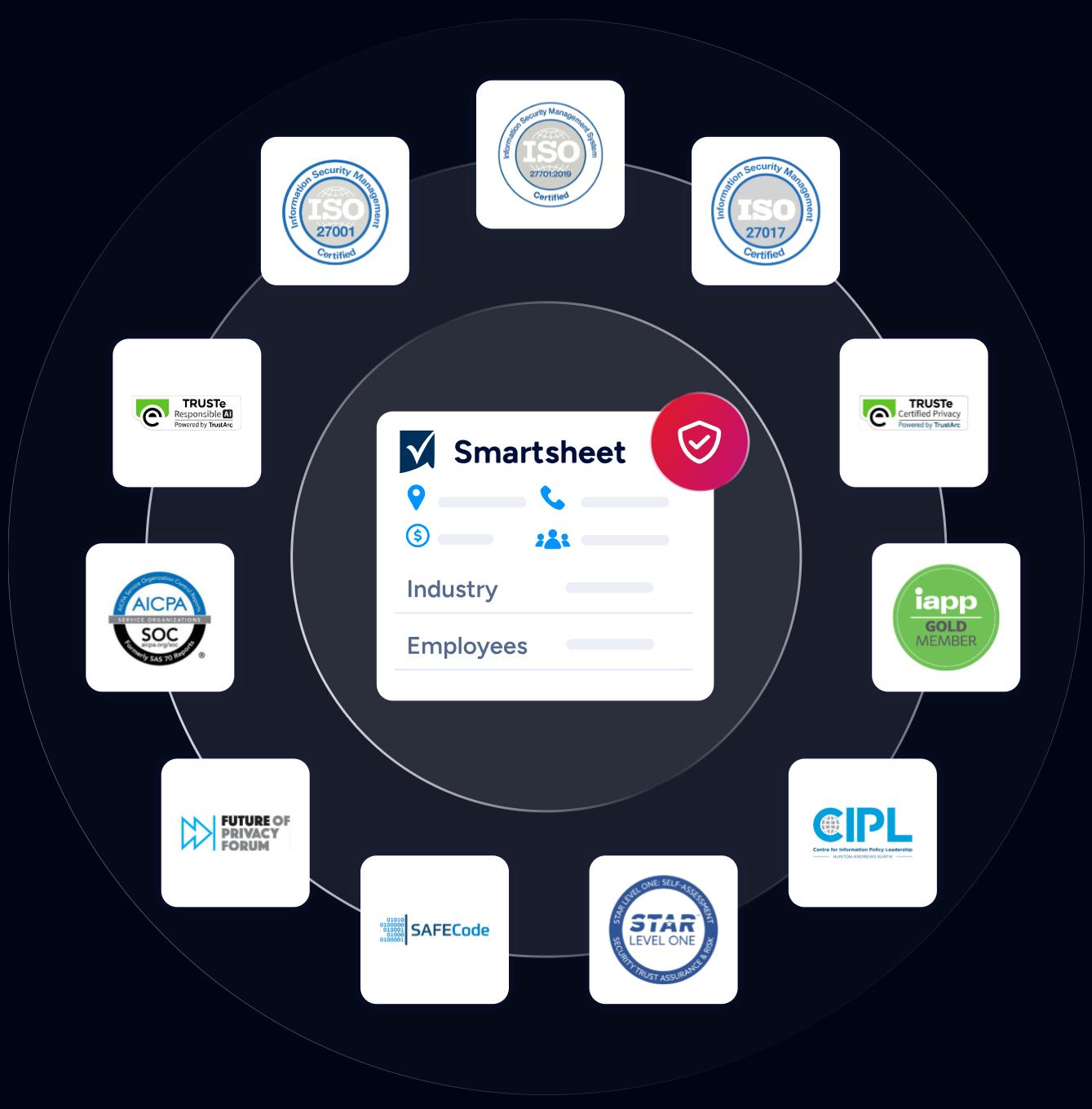
ZoomInfo holds ISO 27001, ISO 27701, SOC 2 Type II, TRUSTe GDPR, and TRUSTe CCPA certifications, all renewed annually, with a dedicated Trust Center. For B2B teams where data compliance is a procurement requirement, ZoomInfo's certification stack covers security standards that email marketing platforms typically don't match.
Source: ZoomInfo
ZoomInfo is a registered data broker in California and Vermont, reflecting the regulatory transparency expected at enterprise scale.
ActiveCampaign vs. Moosend vs. ZoomInfo: Which should you choose?
The choice isn't between these three platforms. It's about matching each tool to its role in your marketing stack.
Choose ActiveCampaign if:
You need automation with complex branching and conditional logic
A built-in CRM for managing sales alongside marketing matters to your workflow
Cross-channel campaigns spanning email, SMS, and WhatsApp are part of your strategy
You're willing to invest in learning a deeper platform to get more out of it
Your budget accommodates higher per-contact costs in exchange for deeper features
Choose Moosend if:
Cost-per-contact is a primary concern and unlimited sends matters to your budget
Your team needs an intuitive platform that's productive within the first day
Email is your primary channel and you don't need native SMS or WhatsApp
You run an ecommerce store and want built-in cart abandonment, product recommendations, and shoppable email blocks
You're an agency that needs white-label capability for managing client accounts
Add ZoomInfo if:
You're a B2B team that needs verified contact data to power targeted campaigns
Your campaigns would perform better if you knew which accounts were actively researching solutions in your space
You want to build marketing automation audiences from buying signals, not static lists
Your sales and marketing teams need a shared data layer connecting prospecting, campaigns, and pipeline
See ZoomInfo in action with a free trial, or explore ZoomInfo Lite for permanent free access to the B2B database.
The most effective B2B email marketing doesn't come from choosing the right sending platform alone. It comes from combining execution (ActiveCampaign or Moosend) with intelligence (ZoomInfo). The sending platform delivers the message. ZoomInfo ensures it reaches the right person at the right time, with the context to make it relevant.
SpringDB, using ZoomInfo's enriched data platform, saw 2x to 3x increases in campaign conversions across channels, a 300% increase in database usability, and 30-50% uplift in average deal size. Founder and CEO John Kotsuros said: "You'll get 10x the value if you think of ZoomInfo as a full platform and not just a tool for one team." (SpringDB case study)
ActiveCampaign vs. Moosend vs. ZoomInfo FAQ
What is the fundamental difference between ActiveCampaign, Moosend, and ZoomInfo?
ActiveCampaign is a marketing automation platform with a built-in CRM, complex automation workflows, and cross-channel capabilities spanning email, SMS, and WhatsApp. Moosend is an email marketing and automation platform focused on simplicity and affordability, with unlimited sends on all paid plans.
ZoomInfo is a B2B data intelligence platform providing verified contact data, company intelligence, and buyer intent signals. ZoomInfo works alongside either email platform as the data layer that powers more targeted campaigns.
Which platform is cheaper for email marketing?
Moosend is significantly more affordable. Its Pro plan starts at $9/month (or $7/month on annual billing) with unlimited email sends. ActiveCampaign's Starter plan begins at $15/month but limits you to 5 automation actions per workflow. At 10,000 contacts, ActiveCampaign Starter costs $149/month.
ZoomInfo is priced separately as a data platform with custom-quoted, consumption-based pricing, though ZoomInfo Lite provides permanent free access to the B2B database with 10 monthly export credits.
Do I need ZoomInfo if I already use ActiveCampaign or Moosend?
ZoomInfo is specifically valuable for B2B teams. If your campaigns target businesses and decision-makers, ZoomInfo provides the verified contact data, company intelligence, and buyer intent signals that make campaigns more targeted.
ActiveCampaign and Moosend execute the campaigns; ZoomInfo ensures you're reaching the right people at the right time with accurate data. For B2C businesses, ZoomInfo is less relevant.
Which platform has better automation capabilities?
ActiveCampaign has the deeper automation engine, with complex branching logic, unlimited actions per workflow on Plus plans and above, predictive sending, connected automations, and AI-generated workflows via Active Intelligence.
Moosend covers essential automation needs with behavioral triggers, conditional filtering, and pre-built recipes, but lacks multi-path conditional logic and engagement-weighted conditions.
Can ActiveCampaign or Moosend integrate with ZoomInfo?
ActiveCampaign is listed as an integration partner in ZoomInfo's App Marketplace. ZoomInfo data and signals can feed directly into ActiveCampaign campaigns. For Moosend, integration is available through Zapier or ZoomInfo's API and MCP access, which connect ZoomInfo's intelligence to any platform.
Which platform is best for ecommerce businesses?
Moosend has strong ecommerce features at its price point, including AI-driven product recommendations, shoppable email blocks, cart abandonment automation claiming up to 50% conversion improvement, and Audience Discovery for behavioral segmentation.
ActiveCampaign also handles ecommerce well with native Shopify and WooCommerce integrations and more sophisticated automation logic for post-purchase flows. ZoomInfo focuses on B2B intelligence and is less relevant for direct-to-consumer ecommerce.
Which platform has better email deliverability?
Both platforms report strong deliverability. ActiveCampaign claims 99.88% deliverability with 93% of customers reporting better rates than competitors, plus features like Apple MPP filtering and BotSense click fraud detection.
Moosend claims a 98% delivery rate backed by CSA certification and M3AAWG membership, institutional credentials many competitors lack. For B2B senders, list quality (verified, accurate email addresses) matters more than platform infrastructure, which is where ZoomInfo's verified contact data has the biggest impact.
Does Moosend have a CRM?
No. Moosend does not include a built-in CRM. Teams that need pipeline management and deal tracking alongside email marketing will need to connect an external CRM like Salesforce or HubSpot. ActiveCampaign includes a native CRM on all paid plans with lead scoring, deal scoring, sales routing, and pipeline management tied directly to the marketing automation engine.
Other ActiveCampaign matchups worth a look:
