
If you're searching for "Autopilot vs. HubSpot," here's the first thing you need to know: Autopilot rebranded to Ortto in March 2022 after rebuilding the platform from scratch. The product bears little resemblance to the Autopilot you may remember, so this comparison covers Ortto as it exists today.
With that settled, the real questions are:
Do you need focused marketing automation with a built-in CDP, or a full CRM platform that spans marketing, sales, service, and commerce?
Is your priority sending the right message to people already in your database, or finding the right people to put in your database?
How important is knowing who your buyers are, what they care about, and when they're actively shopping, before you send a campaign?
Are you a small marketing team that needs simplicity, or a growing organization that needs cross-department alignment?
Do you want to pay based on contact volume, per-seat, or based on what you actually use?
In short, here's what we recommend:
Ortto (formerly Autopilot) is a marketing automation, CDP, analytics, and customer support platform built for marketers who want to run lifecycle campaigns without engineering help. Its visual journey builder and no-code audience segmentation make it easy for small teams to trigger personalized emails, SMS, push notifications, and in-app messages based on customer behavior. Ortto serves 11,000+ customers in 190 countries and was recently acquired by Canva. It lacks a native CRM, so you'll need a separate tool for pipeline management, and its contact-based pricing scales with your database size.
HubSpot is the full-stack customer platform for growing businesses, with connected hubs for marketing, sales, service, content, data, and commerce, all sharing a single Smart CRM. With 288,706 customers and over 2,000 app integrations, HubSpot gives growing teams one system where marketing, sales, and service work from shared data. The trade-off is complexity: per-seat and per-hub pricing adds up fast, mandatory onboarding fees apply at Professional and Enterprise tiers, and the breadth of features can overwhelm teams that only need marketing automation.
Both platforms execute campaigns well once you know who to target. But neither answers a more basic question: who should you be targeting, and when are they ready to buy? That's where ZoomInfo comes in.
ZoomInfo is a B2B go-to-market platform built on B2B data at scale: 500M contacts, 100M companies, 135M+ verified phone numbers, and 200M+ verified business emails. Its GTM Context Graph (an intelligence layer that fuses this data with your CRM records, conversation transcripts, and behavioral signals) reveals not just who your buyers are, but why deals move or stall. For marketing teams, this means audience building starts with verified buyer intelligence and real-time intent signals rather than guesswork. For sales teams, it means walking into every conversation with full context. ZoomInfo delivers this intelligence through a seller workspace (GTM Workspace), a marketing and RevOps canvas (GTM Studio), and open APIs and MCP, so that intelligence works inside whatever tools your team already uses, including HubSpot and Ortto.
If building your marketing strategy on verified B2B intelligence sounds like the missing piece, see how ZoomInfo works.
Ortto vs. HubSpot vs. ZoomInfo at a glance
Ortto (formerly Autopilot) | HubSpot | ZoomInfo | |
|---|---|---|---|
Core strength | Marketing automation + CDP | Full CRM platform (marketing, sales, service, content, data, commerce) | B2B data intelligence + GTM execution |
Built-in CRM | No (integrates with Salesforce, HubSpot, Pipedrive) | Yes (Smart CRM across all hubs) | No traditional CRM (GTM Workspace manages accounts and deals) |
Contact database | Your contacts only | Your contacts only (up to 15M) | 500M contacts, 100M companies + your CRM data |
Buyer intent data | No native intent signals | No native third-party intent | 210M IP-to-Org pairings, 6T+ keyword signals monthly |
Marketing automation | Visual journey builder with email, SMS, push, in-app | Workflow builder with email, ads, social, landing pages | GTM Studio orchestrates multi-channel plays triggered by buying signals |
AI capabilities | AI filters, AI decision shapes, predictive subject lines | Breeze AI agents across all hubs | GTM Context Graph with AI-powered account intelligence and outreach |
Starting price | Custom pricing | Free CRM; Marketing Hub Pro at $800/mo (annual) | Custom pricing (free tier: ZoomInfo Lite) |
Free plan | 14-day trial only | Permanent free CRM with basic tools | ZoomInfo Lite (permanent, 10 exports/mo) |
Best for | Small marketing teams running lifecycle campaigns | Growing companies aligning marketing, sales, and service | B2B teams that need to find, prioritize, and engage the right buyers |
The fundamental difference: executing campaigns vs. finding buyers
Ortto and HubSpot both assume you already know who your prospects are. They help you communicate with the contacts in your database, segment them, automate follow-ups, and measure results. They're execution platforms.
ZoomInfo starts a step earlier. Before you build a journey or trigger a workflow, ZoomInfo answers the questions those platforms can't: Which companies in your market are actively researching solutions like yours right now? Who are the decision-makers? What's their direct phone number and verified email? What technologies do they use? Are they hiring in relevant departments?
This matters more than it sounds. If your database is incomplete or stale, even the best journey builder sends messages into a void. If you're targeting the wrong accounts, it doesn't matter how personalized your email sequence is.
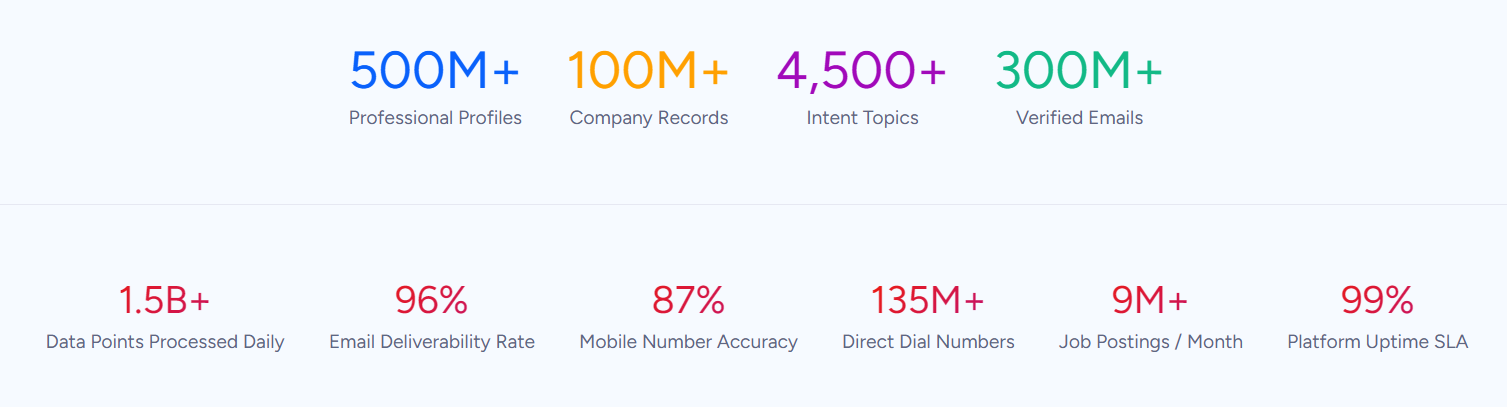
ZoomInfo's GTM Context Graph (an intelligence layer that processes 1.5B+ data points daily) continuously updates this picture. It connects your CRM data with ZoomInfo's third-party intelligence, conversation transcripts, and behavioral signals, then surfaces the patterns behind your wins and losses. Your marketing and sales teams work from intelligence that reflects what's happening in your market now, not what happened when your data was last refreshed.
Seismic attributed 39% of its active pipeline to opportunities identified or influenced by ZoomInfo signals, while its sales team saw a 54% boost in productivity. (Seismic Case Study)
Ortto wins on marketing automation simplicity
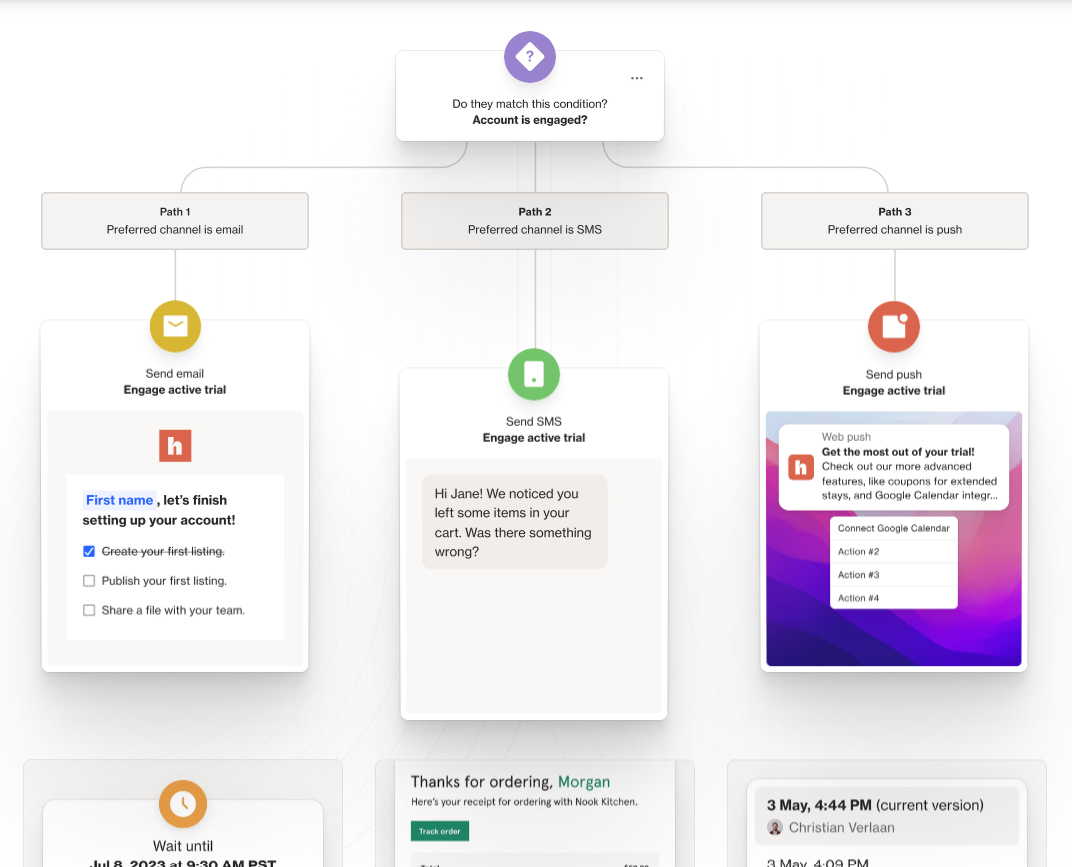
For marketing teams that want capability without complexity, Ortto delivers. The visual journey builder uses a drag-and-drop canvas where you connect triggers, actions, conditions, delays, and splits to run multi-channel campaigns across email, SMS, push notifications, and in-app messages.
Source: Ortto
What makes Ortto's automation strong is its event-based architecture. Instead of segmenting contacts by static profile fields alone, you can trigger journeys based on real-time behavior: a user starts a trial, abandons checkout, visits a pricing page, or drops below an engagement threshold.
Source: Ortto
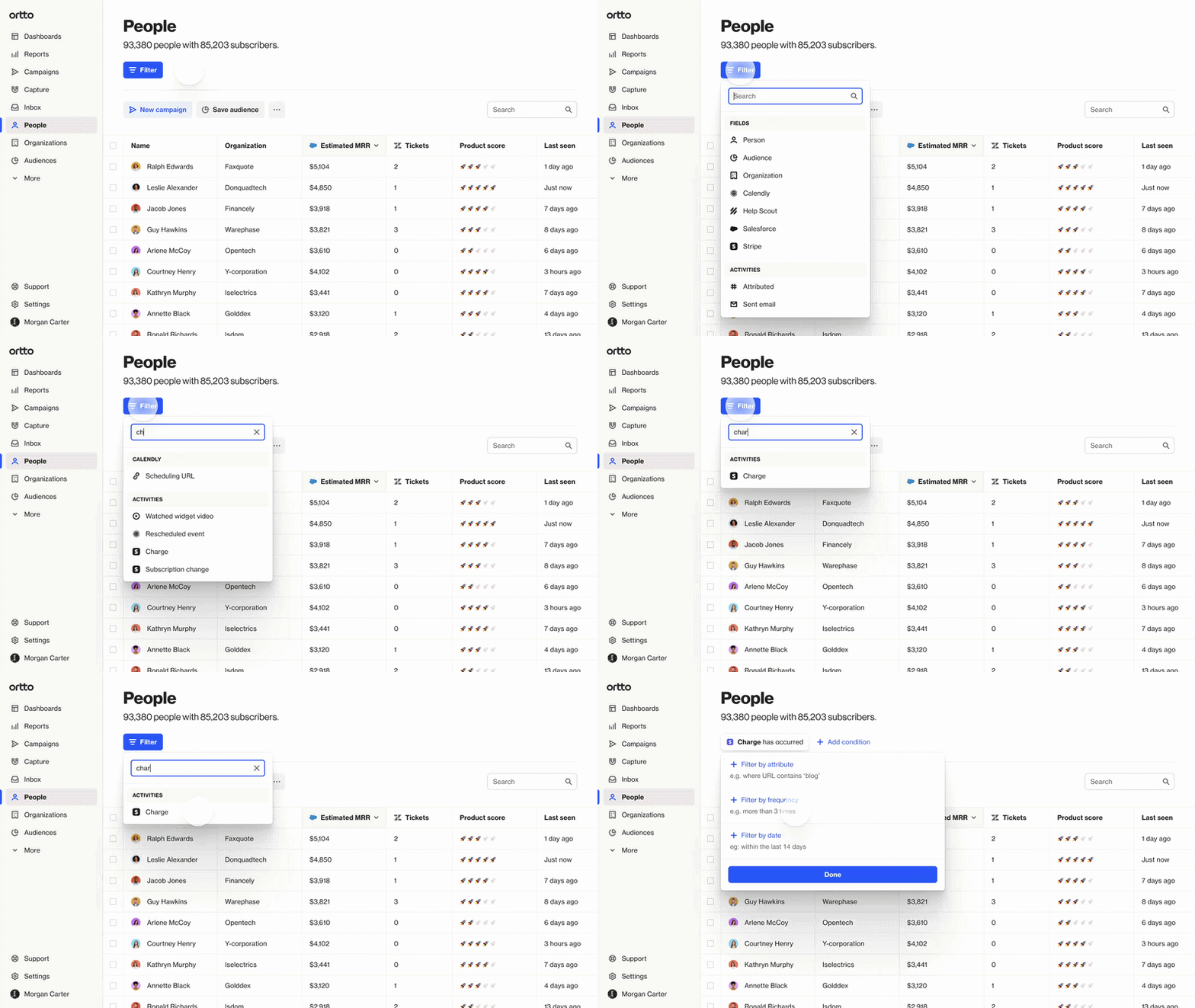
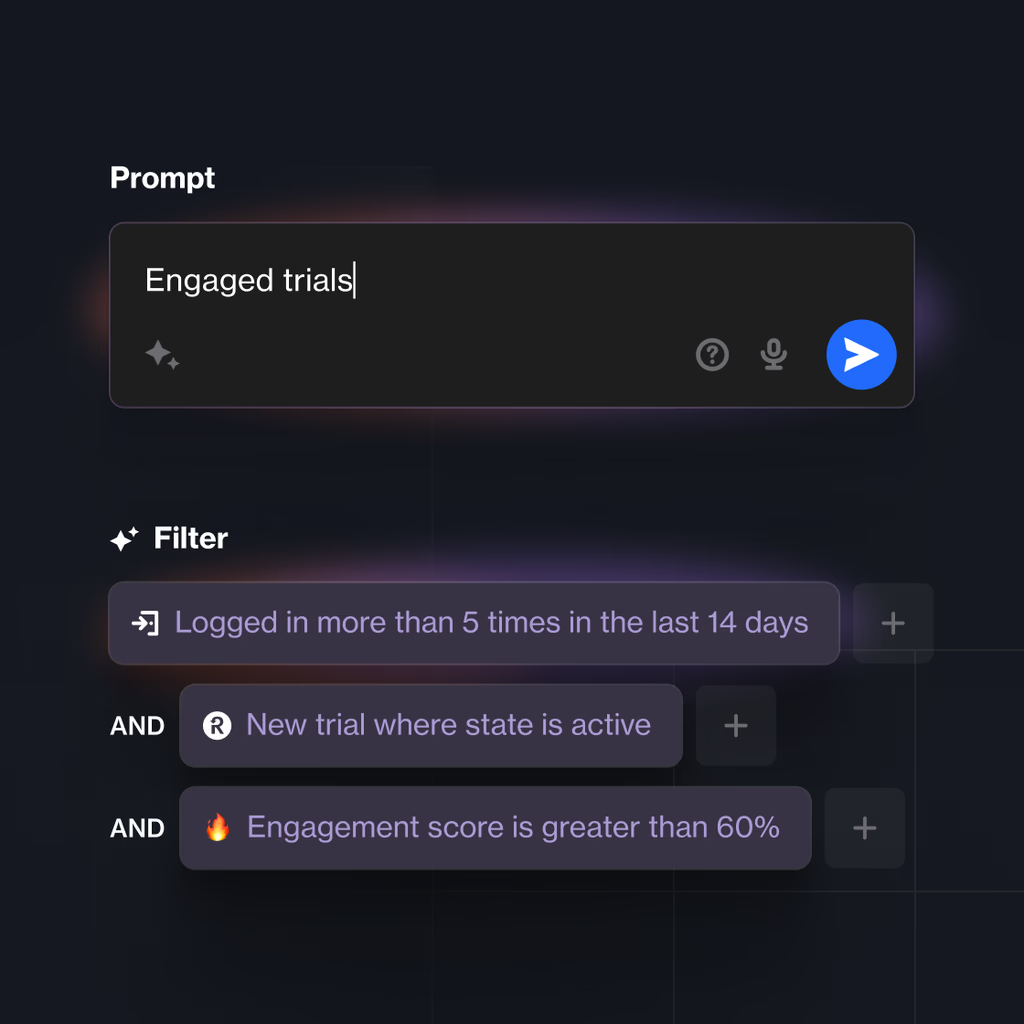
The integrated CDP means segmentation draws on the same data that powers your campaigns. No stitching together a separate CDP and email tool. No engineering tickets to access customer data. Marketers describe audiences using point-and-click filters or, with AI Filters, plain-language descriptions that Ortto translates into filter rules automatically.
HubSpot's Marketing Automation Workflows are strong too, but they sit inside a much larger platform. For teams that only need marketing automation and a CDP, HubSpot's breadth can feel like paying for a house when you need an apartment.
HubSpot wins on platform breadth and CRM integration
HubSpot's strength is that marketing doesn't exist in isolation. A lead captured by a form flows into the same CRM record that sales uses to manage deals, that service uses to handle tickets, and that commerce uses to process payments. Every team works from the same contact record, the same timeline, the same data.
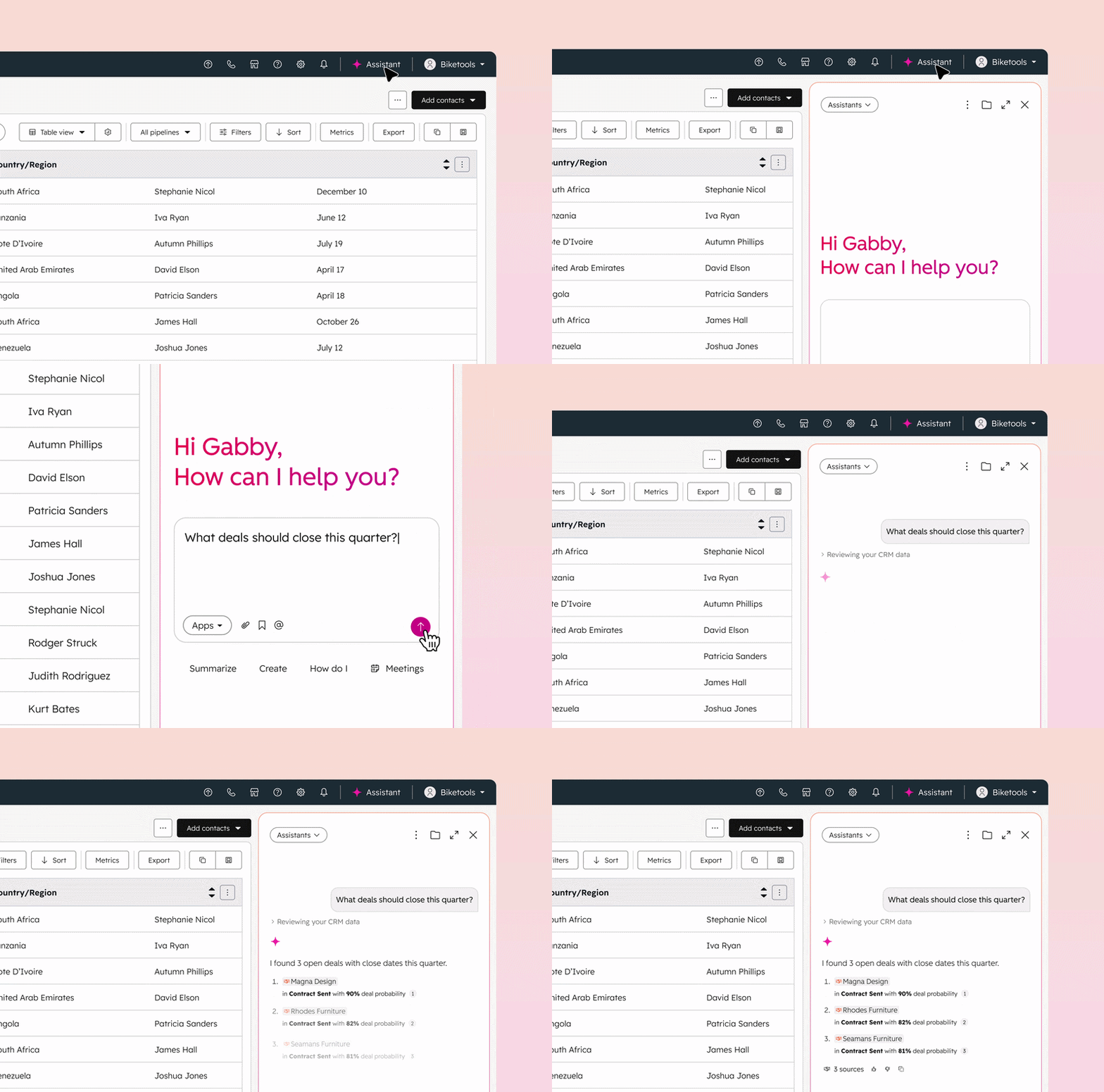
This matters when marketing-qualified leads need to hand off to sales. In Ortto, that handoff requires integration with an external CRM (Salesforce, HubSpot, or Pipedrive). In HubSpot, it's native: a marketing workflow triggers a sales sequence, the rep sees every page visit and email open, and the deal moves through the pipeline in the same system.
Source: HubSpot
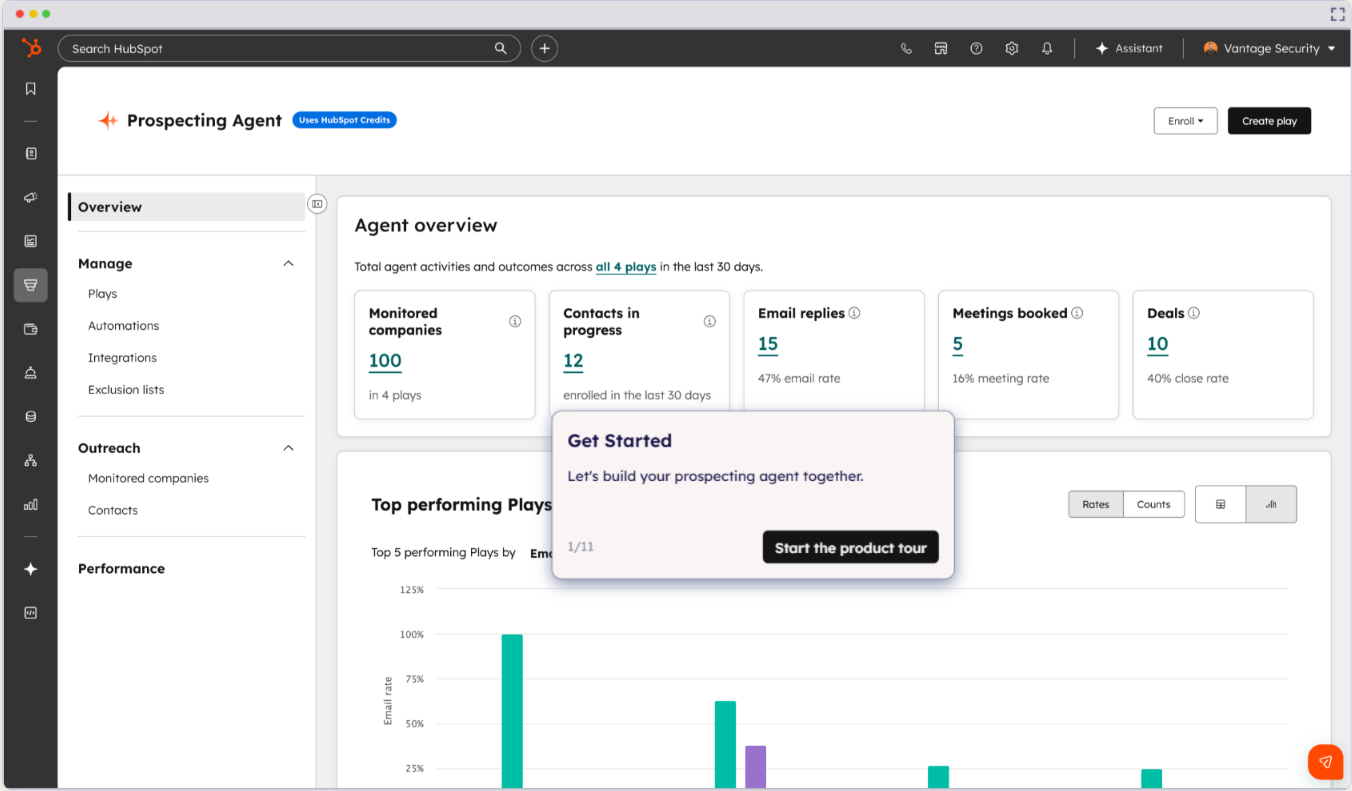
HubSpot's Breeze AI layer adds agents across the platform: the Customer Agent reportedly resolves 65%+ of customer inquiries on its own, the Prospecting Agent monitors buying signals and drafts outreach, and the Data Agent answers natural-language questions about your CRM.
For growing companies that need marketing, sales, and service aligned on shared data, HubSpot is hard to beat. For companies that only need marketing automation, its complexity and cost are hard to justify.
ZoomInfo adds the intelligence layer neither platform provides
Both Ortto and HubSpot are limited by what's in your database. If a prospect hasn't filled out a form, visited your site, or entered your CRM, neither platform knows they exist. ZoomInfo eliminates that blind spot.
ZoomInfo's buyer intent data tracks signals from 210 million IP-to-Organization pairings and 6 trillion+ keyword-to-device pairings sourced monthly. When a company starts researching topics relevant to your product, ZoomInfo surfaces it (along with verified contact details of the decision-makers at that company) before they ever visit your website.
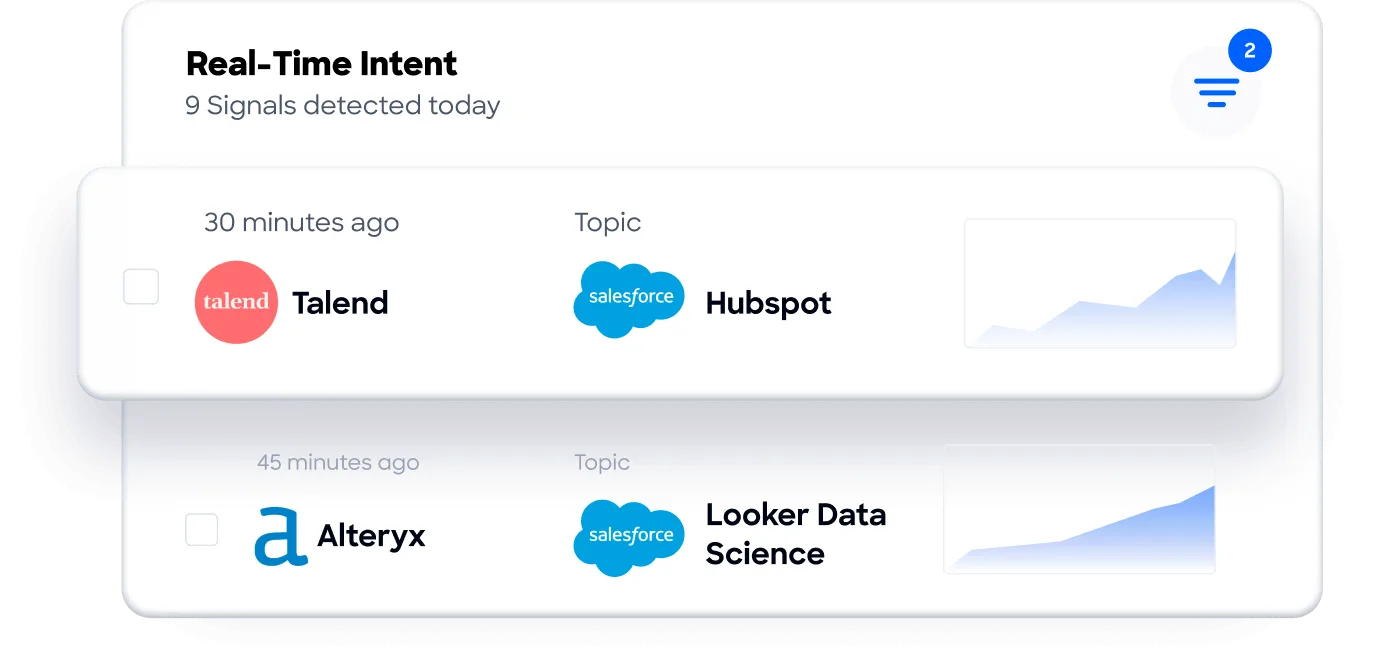
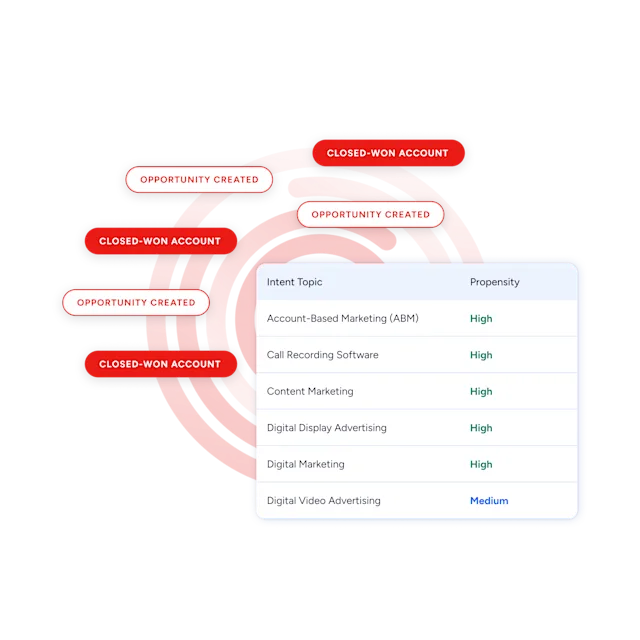
Guided Intent, exclusive to ZoomInfo, identifies which topics historically correlate with deal success rather than requiring you to guess which keywords matter. Your marketing targets accounts showing the signals that actually predict conversion, not just any signal.
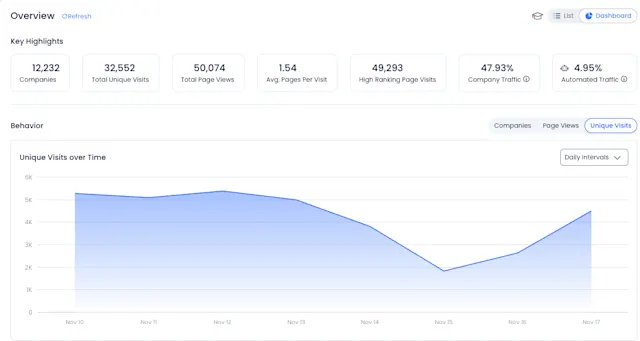
WebSights resolves anonymous website traffic to companies, identifying who's browsing your site and providing direct contact info for the buying team. FormComplete reduces web forms to a single field and auto-appends the rest from ZoomInfo's database. Smartsheet reported a 40%+ increase in form fills, 84% increase in MQLs, and 59% increase in win rate using FormComplete.
This intelligence feeds directly into marketing execution. Through GTM Studio, marketers describe audiences in natural language, launch multi-channel plays targeting accounts that match proven win patterns, and watch pipeline impact in real time. No engineering ticket required.
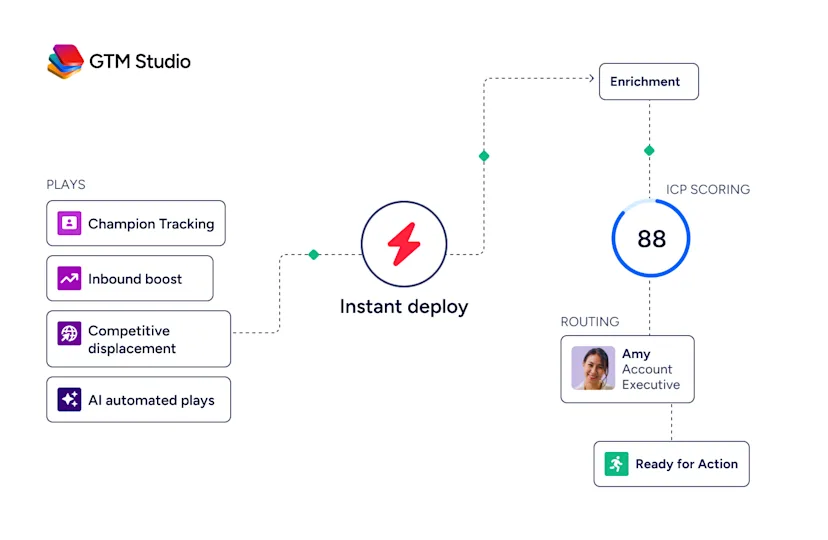
Redwood Logistics achieved a 99% reduction in CPC and a 310% increase in CTR by using ZoomInfo's audience data to target the right accounts at the right time. (Redwood Logistics Case Study)
Data and audience building: the core gap
This is where the comparison gets most revealing.
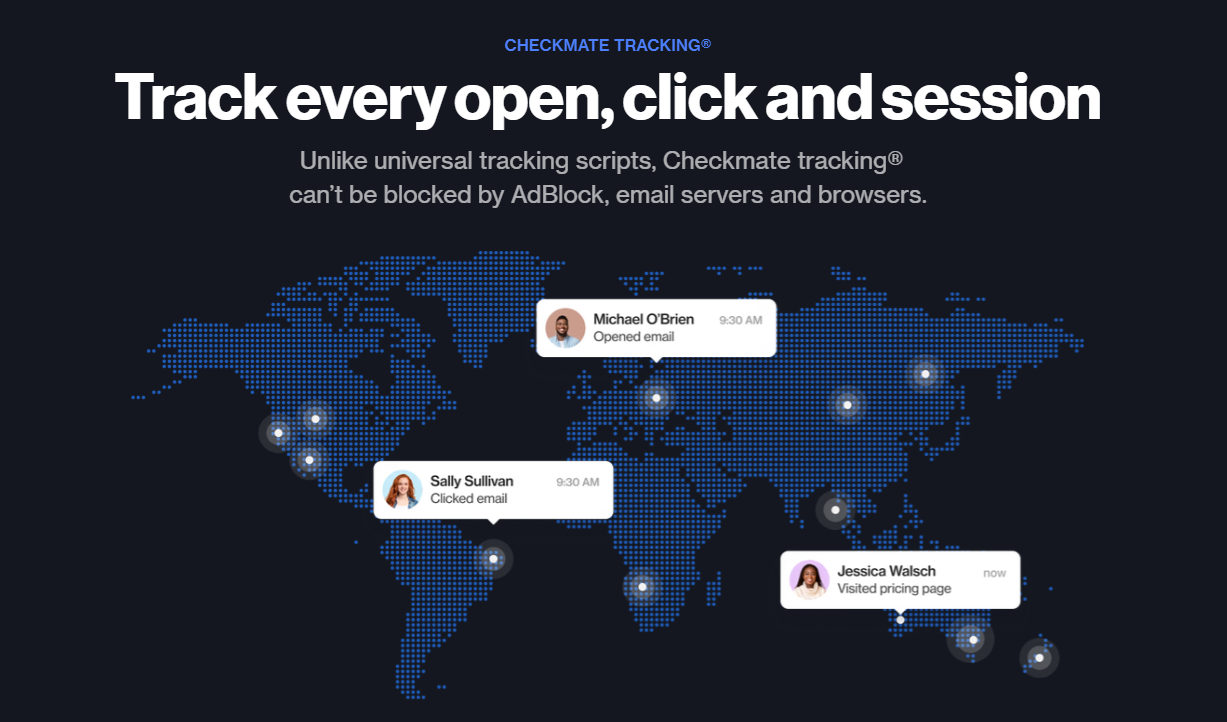
Ortto's CDP collects data from your own touchpoints: website visits (via Checkmate Tracking), form submissions, email engagement, product events piped through integrations with Stripe, Chargebee, Shopify, and others. It unifies this into a single customer profile and makes it available for segmentation without SQL. The data is thorough for contacts you already have. But it can't tell you about companies you haven't yet reached.
Source: Ortto
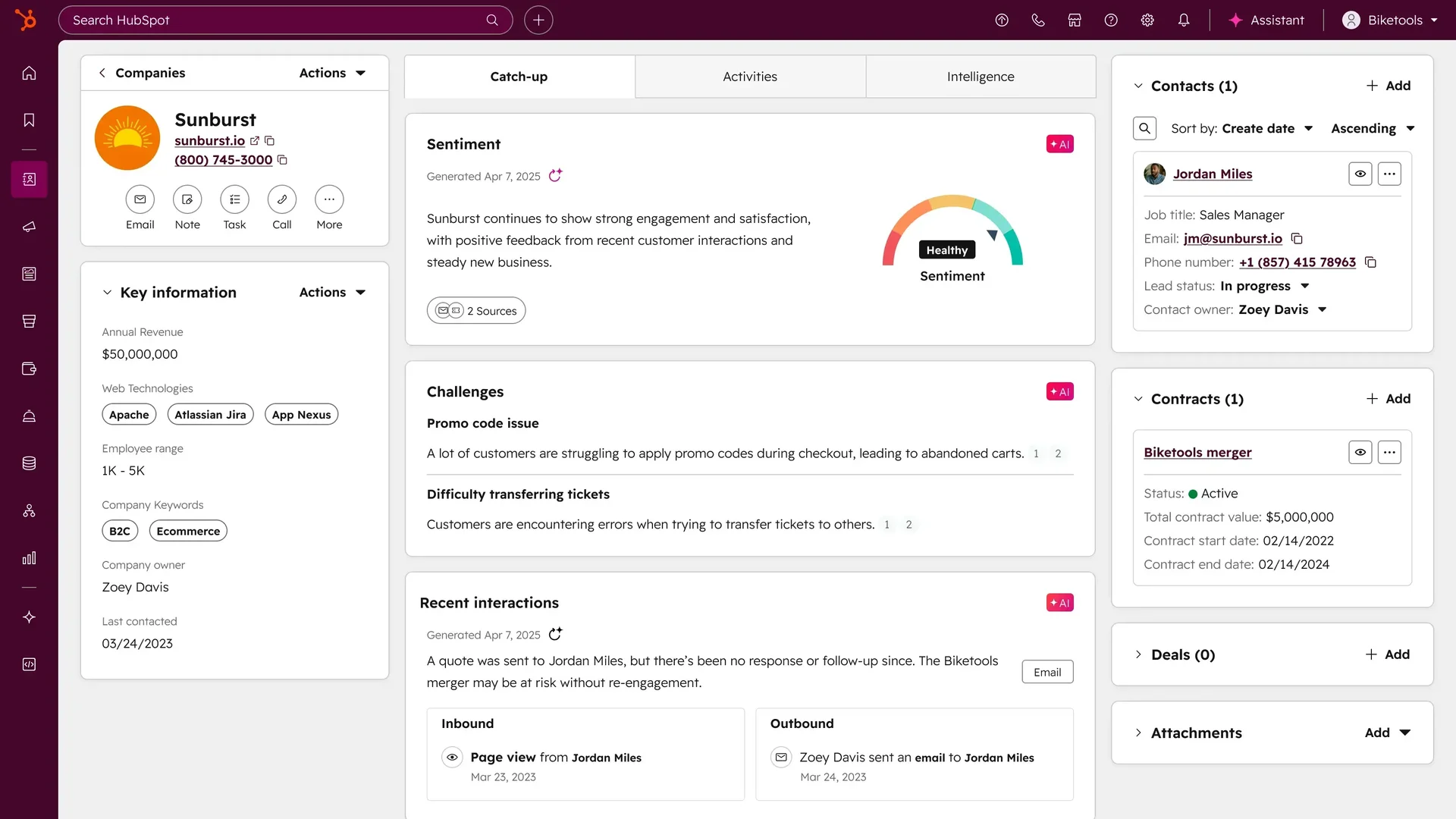
HubSpot's Smart CRM stores contacts, companies, deals, and interactions across every Hub. It enriches records using AI from emails, calls, and HubSpot's own dataset. The platform supports up to 15 million contacts (expandable to 50 million), custom objects, and granular field-level permissions. Like Ortto, it works well for managing known contacts but depends on inbound activity and manual data entry to grow the database.
Source: HubSpot
ZoomInfo's data platform operates at a different scale. With 500M contacts, 100M companies, 135M+ verified phone numbers, and 200M+ verified business emails (verified by 300+ human researchers and reaching up to 95% accuracy on first-party data), ZoomInfo gives you access to prospects before they enter your funnel. In a Fortune 500 competitive RFP analyzing 25 million contacts across vendors, an independent consultant concluded that "no other competitor came even close."
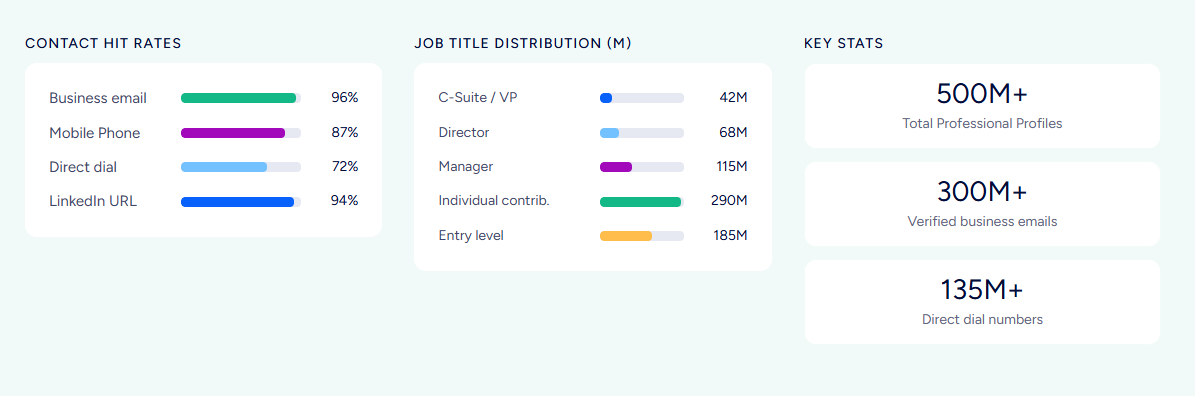
This data includes company attributes, technographics (tech stacks of 30+ million companies), org charts with decision-maker contact details, and real-time buying signals. It's the difference between marketing to the contacts who found you and marketing to the contacts you should be targeting.
For a more detailed comparison of how HubSpot and ZoomInfo differ on data and intelligence, see our HubSpot vs. ZoomInfo comparison.
Vensure scaled prospecting with ZoomInfo's data: "ZoomInfo gives us the information we need to execute. We don't have to go through and spend our time digging. It's already there, so we can be three steps ahead." (Vensure Case Study)
AI approaches differ by design philosophy
All three platforms invest in AI, but their AI does different things because each platform works from different data.
Ortto AI is embedded across the platform: AI Filters generate audience segments from plain-language descriptions, AI Decision Shapes route contacts through journeys based on AI classification, the subject line tester predicts open rates before sending, and Talk AI suggests support replies trained on your specific help docs.
Source: Ortto
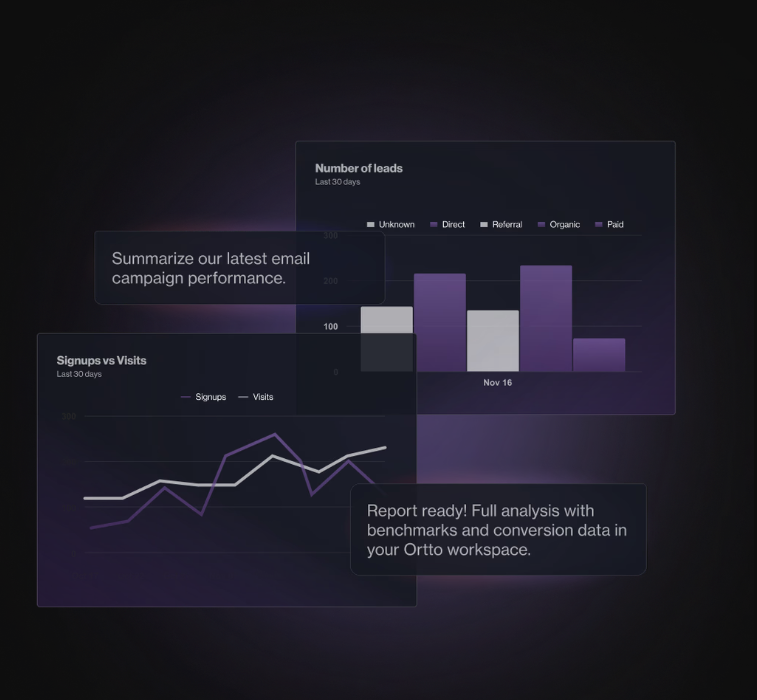
Ortto also launched an MCP Server connecting AI assistants like Claude and ChatGPT to live Ortto data. The AI operates on your marketing data and improves your campaign execution.
Source: Ortto
HubSpot's Breeze spans the entire platform with specialized agents: the Prospecting Agent drafts outreach using CRM history, the Customer Agent handles support, the Data Agent answers questions about your CRM, and the Content Agent generates marketing content. Breeze's advantage is breadth of context, since HubSpot captures interactions across marketing, sales, and service. Its limitation is that the AI still operates within your existing CRM data.
Source: HubSpot
ZoomInfo's AI operates on the GTM Context Graph, an intelligence layer that fuses ZoomInfo's B2B data with your first-party CRM data, conversation intelligence, and behavioral signals.
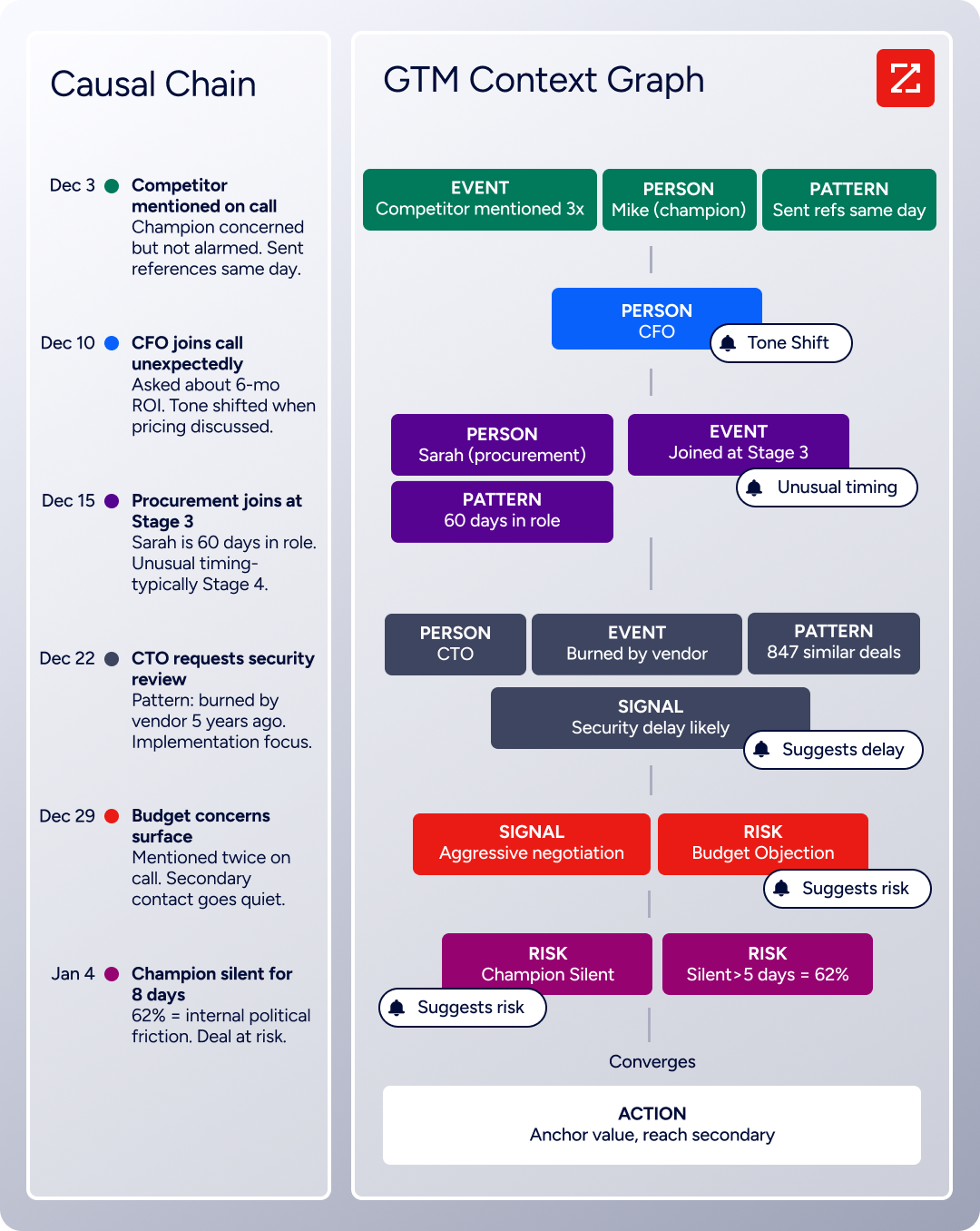
The difference: ZoomInfo's AI understands not just what happened in your deals, but why. It identifies patterns across thousands of deals, predicts which accounts match those patterns, and generates outreach that addresses the specific concerns driving each opportunity. GTM Workspace's AI agents handle account research, outreach drafting, CRM updates, and signal monitoring, all informed by this context layer.
The distinction matters. Ortto and HubSpot AI make your existing campaigns smarter. ZoomInfo AI tells you which campaigns to run, which accounts to target, and what to say to each one.
Integration ecosystems take different approaches
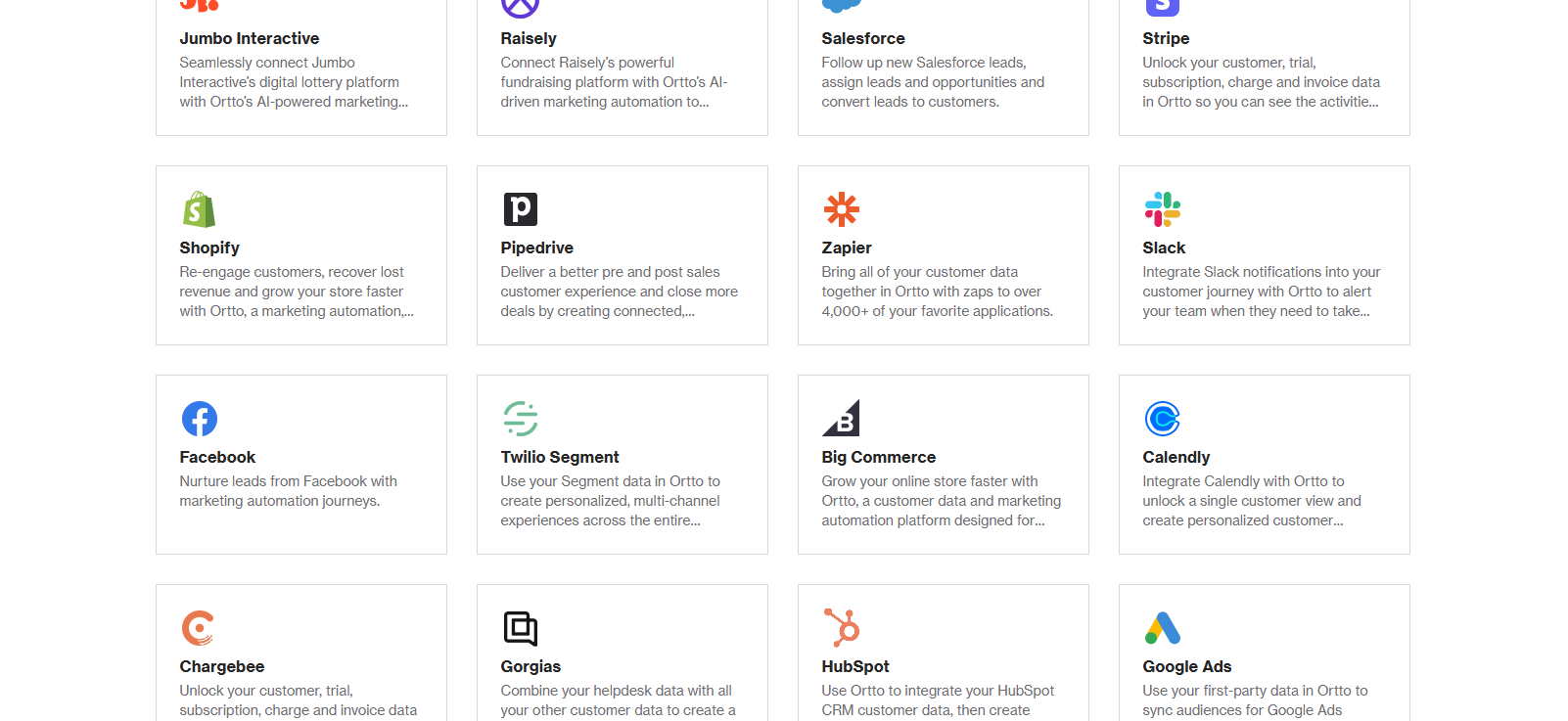
Ortto maintains native integrations across CRM (Salesforce, HubSpot, Pipedrive), ecommerce (Shopify, WooCommerce, BigCommerce), billing (Stripe, Chargebee, Recurly), and support (Zendesk, Intercom). Zapier extends connectivity to 4,000+ apps. Webhooks are available on Professional and above. The ecosystem focuses on marketing-adjacent tools.
Source: Ortto
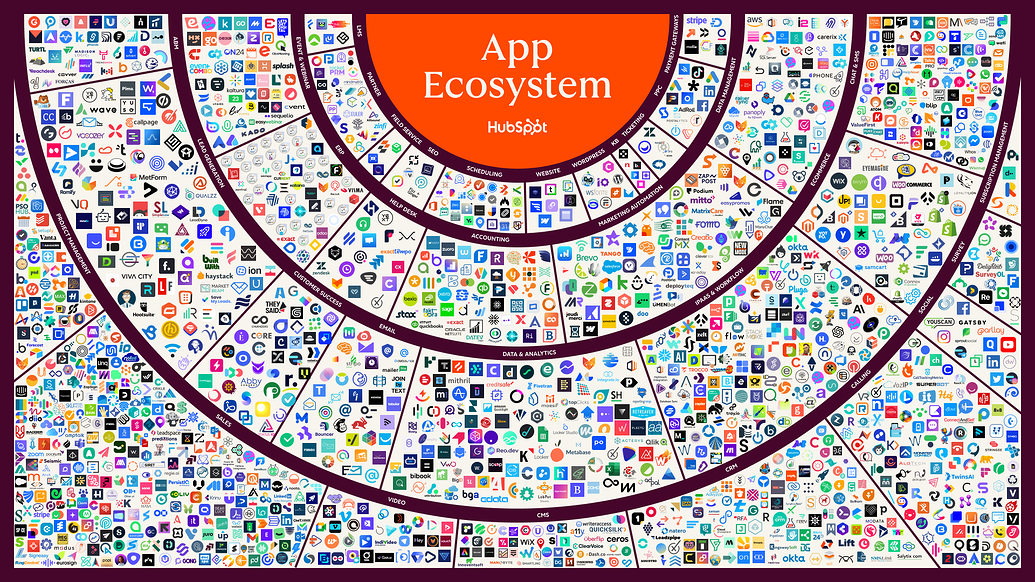
HubSpot has the largest integration ecosystem of the three, with 2,000+ apps and 2.5 million active installs in its marketplace. A mature REST API supports custom objects, UI extensions, and serverless functions. The Solutions Partner network provides implementation and ongoing support. For teams with complex tech stacks, HubSpot is the safest bet for connecting everything.
Source: HubSpot
ZoomInfo integrates with CRMs (Salesforce, HubSpot, Microsoft Dynamics), data warehouses (Snowflake, AWS, Google Cloud, Databricks), and sales engagement tools (Salesloft, Outreach).
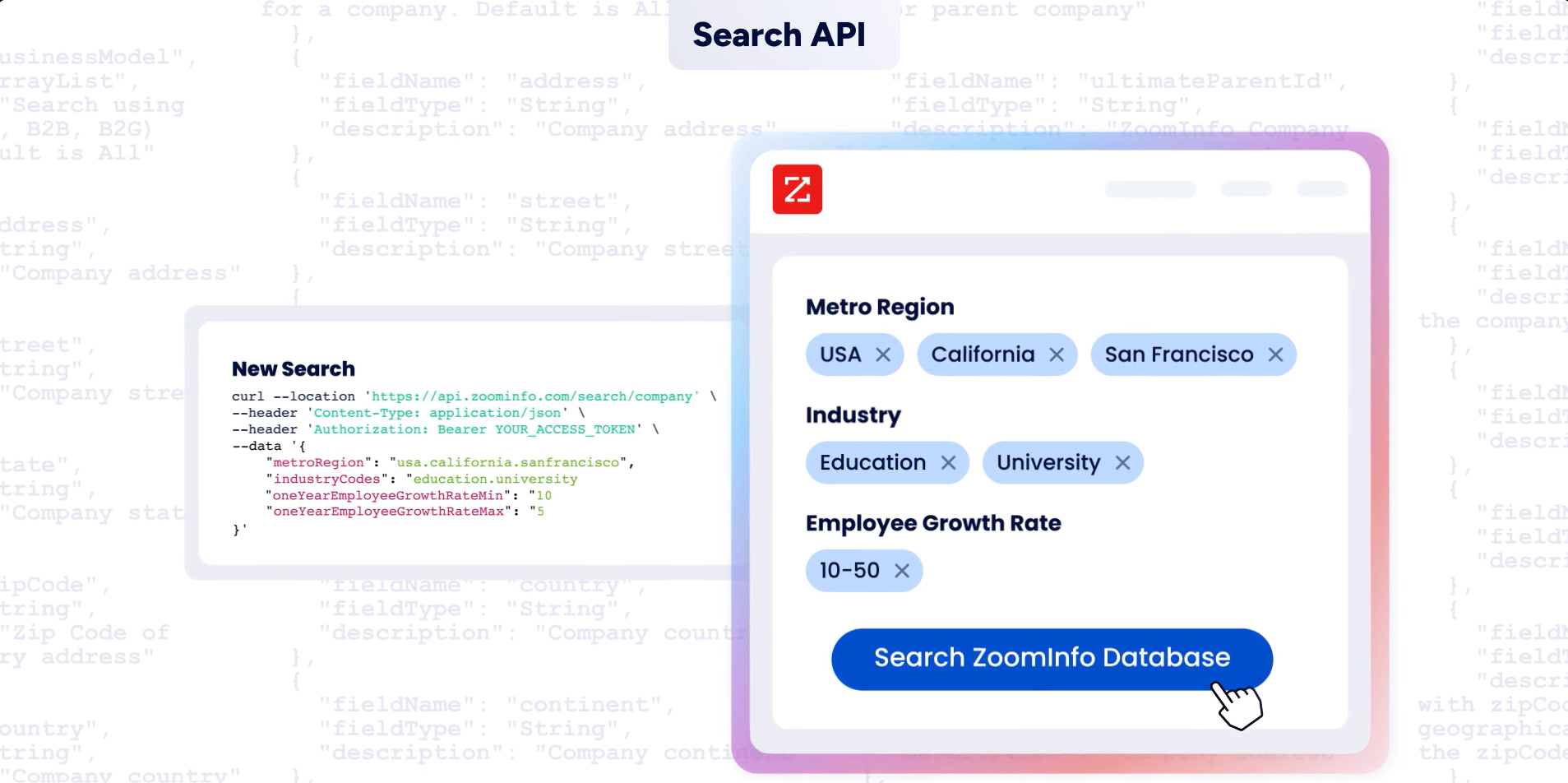
The Enterprise API gives programmatic access to ZoomInfo's data and intelligence, and the MCP server connects AI agents directly to ZoomInfo's data. API access is included in all relevant plans, reinforcing ZoomInfo's role as infrastructure that powers any tool rather than replacing your stack.
The practical difference: ZoomInfo is designed to work alongside both Ortto and HubSpot, enriching the data inside them rather than competing for the same seat in your tech stack.
Pricing structures reflect different markets
The three platforms price for different buyers. Ortto uses a contact-based pricing model with custom pricing and no publicly available rates. Pricing depends on contact volume and the features included. All plans include unlimited seats, and Enterprise pricing is custom. Ortto offers a 14-day free trial with no credit card required, but no permanent free plan. Key cost considerations: SMS requires a separate phone number add-on plus per-message credits, and email overages cost $1 per 1,000 additional sends.
HubSpot uses a hybrid model combining per-seat pricing, contact tiers, and hub-specific fees. The free CRM is useful but limited. Marketing Hub Professional costs $800/month (annual) for 2,000 marketing contacts and includes 3 Core Seats, plus a mandatory $3,000 one-time onboarding fee. Marketing Hub Enterprise jumps to $3,600/month with a $7,000 onboarding fee. A hidden cost worth noting: when subscribing to multiple Hubs at different tiers, all Core Seats are billed at the rate of the highest tier.
ZoomInfo uses custom, consumption-based pricing with no published prices. Costs depend on seats, monthly credit volume, features, and contract length. ZoomInfo Lite is a permanent free tier with access to ZoomInfo's database and 10 monthly export credits, plus WebSights Lite (10 website visitor reveals per day). A 7-day free trial of the full platform is also available.
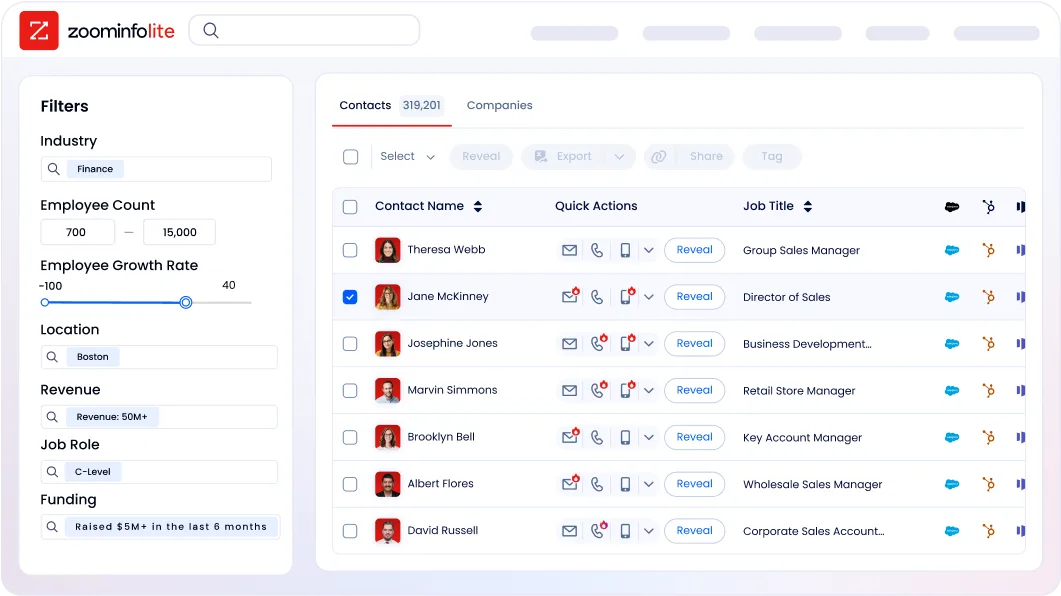
For a small marketing team running lifecycle campaigns on a modest budget, Ortto's pricing is the most straightforward. HubSpot's free CRM is the lowest-cost entry point, but meaningful marketing automation starts at $800/month plus onboarding. ZoomInfo's custom pricing reflects enterprise B2B data intelligence that neither Ortto nor HubSpot provide at any tier.
Support and compliance compared
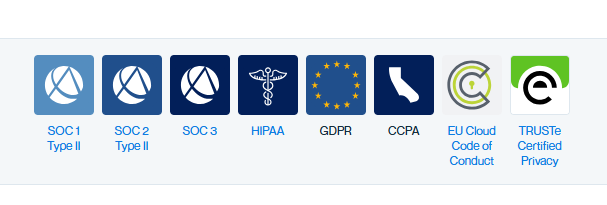
Ortto offers 24/6 support via live chat and email on Starter and Professional plans, with Enterprise customers getting priority support, a dedicated success manager, and quarterly business reviews. The platform holds GDPR, ISO 27001, HIPAA, and SOC2 certifications with multi-region data hosting across the EU, USA, and Australia. For regulated industries, this compliance posture is a real differentiator against many mid-market marketing platforms.
HubSpot tiers support by plan: free users get community-only support, Starter adds email and chat, and Professional and Enterprise add phone support. HubSpot Academy offers 200,000+ certified professionals and free online courses. Security certifications include SOC 2 Type II, HIPAA attestation, GDPR and CCPA compliance, with EU data center options for residency requirements. HubSpot's ecosystem of training, community, and partner support is the most extensive of the three.
ZoomInfo provides support through its Help Center, Knowledge Center, ZoomInfo University (role-specific learning paths and certifications), and phone support. Professional services are available through ZoomInfo Labs.
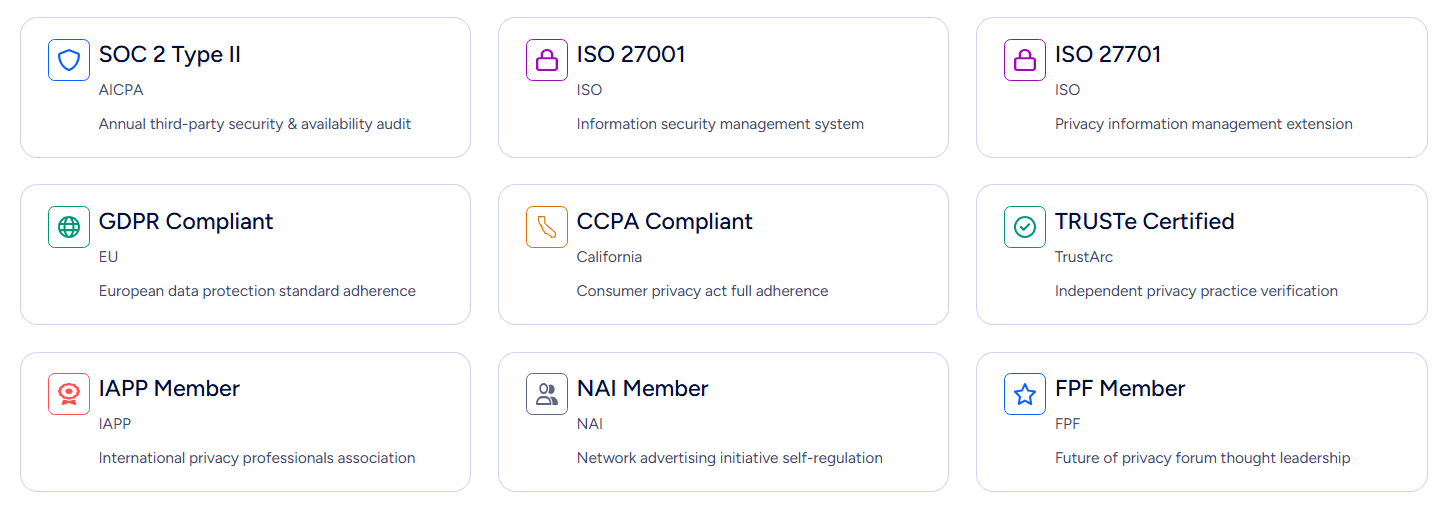
Security certifications include ISO 27001, ISO 27701, SOC 2 Type II, TRUSTe GDPR, and TRUSTe CCPA, all renewed annually. ZoomInfo is a registered data broker in California and Vermont, which matters for enterprise buyers with strict data governance requirements.
Ortto vs. HubSpot vs. ZoomInfo: Which should you choose?
The right choice depends on what's holding your marketing back.
Choose Ortto if:
You need focused marketing automation with a built-in CDP
Your team is small (1–10 marketers) and you want capability without a steep learning curve
Behavior-based lifecycle campaigns are your primary use case
You already have a CRM and need a marketing layer that integrates with it
Contact-based pricing with unlimited seats fits your budget
Choose HubSpot if:
You need marketing, sales, and service working from a single shared CRM
You're a growing company that wants one platform to grow into rather than out of
Integration ecosystem breadth matters for your tech stack
You want a permanent free CRM to start with and upgrade as you grow
Cross-department alignment and full-funnel visibility are priorities
Choose ZoomInfo if:
Your biggest challenge is finding the right accounts to target, not just reaching the ones you have
You need verified B2B contact data, buyer intent signals, and company intelligence at scale
You want AI that understands why deals move, not just what happened in your CRM
You need intelligence that works inside your existing tools (including HubSpot and Ortto) via API and MCP
Your go-to-market strategy depends on reaching buyers before they find you
See how ZoomInfo's data and intelligence can transform your go-to-market with a free trial.
The comparison between Ortto and HubSpot is really about scope: focused marketing automation versus a full customer platform. Both execute campaigns to known contacts well. ZoomInfo addresses a different problem. It tells you which contacts should be in your database, when they're ready to buy, and what to say when you reach them. For B2B teams, that intelligence separates campaigns that fill dashboards from campaigns that fill pipelines.
SpringDB used ZoomInfo to enable precise targeting across channels, seeing 2x–3x increases in campaign conversions, a 300% increase in database usability, and 30–50% uplift in average deal size. (SpringDB Case Study)
Autopilot vs. HubSpot vs. ZoomInfo FAQ
Is Autopilot the same as Ortto?
Yes. Autopilot Journeys was founded in 2015 and rebranded to Ortto in March 2022 after a complete platform rebuild. The new platform added a native customer data platform (CDP), analytics suite, and customer support tools (Talk) alongside the original marketing automation. Existing Autopilot customers were migrated to Ortto, and the platform now serves 11,000+ customers in 190 countries. Canva acquired Ortto in April 2026.
Which platform is cheapest for marketing automation?
Ortto uses a contact-based pricing model with custom pricing and unlimited seats. While pricing is no longer publicly listed, the structure remains straightforward because costs scale with contact volume rather than per-user licensing. HubSpot's free CRM includes basic marketing tools, while Marketing Hub Professional starts at $800/month with a mandatory onboarding fee. ZoomInfo uses custom pricing focused on B2B data intelligence.
Can I use ZoomInfo with Ortto or HubSpot?
Yes. ZoomInfo integrates with both platforms. It connects natively with HubSpot via the ZoomInfo App Marketplace and can feed enriched contact and company data into Ortto through CRM integrations or APIs. ZoomInfo's data and intent signals enrich whichever marketing platform you use, making your campaigns more targeted. API access is included in all relevant ZoomInfo plans, and the MCP server enables AI agents to access ZoomInfo data inside third-party applications.
Which platform has better email marketing capabilities?
Ortto and HubSpot both include full email marketing with drag-and-drop editors, A/B testing, and personalization. Ortto offers send-time optimization, AI-predicted subject line scoring, and automatic resend for unopened emails. HubSpot adds AI email writing via Breeze, Salesforce bidirectional sync, and CRM-based personalization. ZoomInfo is not primarily an email marketing tool, though it provides AI-generated outreach through GTM Workspace and multi-channel campaign orchestration through GTM Studio.
Which platform is best for B2B account-based marketing?
ZoomInfo is the strongest choice for ABM. It provides buyer intent data, account-level intelligence, contact-level identification of website visitors, and a native demand-side platform for targeted advertising, all built on a database of 500M contacts and 100M companies. It earned Leader status in the Gartner Magic Quadrant for ABM Platforms in both 2024 and 2025. HubSpot supports ABM workflows and account-level targeting within its CRM but lacks third-party intent data. Ortto launched an ABM suite in late 2025 with account-based journeys and reports, but its account-level capabilities are newer and less developed.
Does Ortto have a CRM?
No. Ortto does not include a built-in CRM with pipeline management. It integrates with HubSpot, Salesforce, Pipedrive, and Microsoft Dynamics 365 for CRM functionality. Its customer data platform stores and unifies contact profiles and behavioral data, but managing sales deals and pipelines requires a separate system.
How do the platforms compare on data compliance and security?
All three maintain strong compliance postures. Ortto holds GDPR, ISO 27001, HIPAA, and SOC2 certifications with multi-region hosting in the EU, USA, and Australia. HubSpot has SOC 2 Type II, HIPAA attestation, GDPR/CCPA compliance, and EU data center options. ZoomInfo maintains ISO 27001, ISO 27701, SOC 2 Type II, and TRUSTe GDPR/CCPA validations, all renewed annually, and is a registered data broker in California and Vermont. For regulated industries, all three platforms provide the certifications needed for compliant marketing operations.
Which platform is easiest to get started with?
Ortto is the easiest for marketing-focused teams, with a "2-minute onboarding" promise and an intuitive journey builder that most users pick up quickly. HubSpot's free CRM provides a low-friction starting point, though mastering its full breadth takes longer. ZoomInfo requires a more involved onboarding; the company redesigned its onboarding program to 90 days and saw a 25% improvement in customer satisfaction scores as a result. ZoomInfo Lite offers a simpler entry point for individual users exploring the data.
See how HubSpot stacks up against other tools:
