
Choosing between Bitrix24 and Zoho CRM often comes down to five questions:
Do you need a dedicated CRM, or a workspace that bundles CRM with project management, HR, and a website builder?
Is per-user pricing acceptable, or do you need a flat fee that covers your entire team?
How important is CRM customization versus having every business tool under one roof?
Does your sales team need B2B intelligence feeding your pipeline, or is managing existing contacts enough?
Are you comparing platforms from scratch, or looking for the data foundation that makes any CRM perform better?
In short, here's what we recommend:
Bitrix24 is the all-in-one workspace for teams that want CRM, project management, collaboration, HR, and a website builder in a single platform with no per-user pricing. Its flat team-based pricing (the Professional plan at $199/month covers up to 100 users) makes it the most affordable option for larger teams. Bitrix24 works well for SMBs that need to consolidate multiple tools into one subscription. But breadth costs specialization: reviewers call the interface "overwhelming," the CRM lacks the depth of dedicated platforms, and customer support can take days to resolve issues.
Zoho CRM is the dedicated CRM for teams that prioritize sales process customization and AI-driven selling. With Blueprint process automation, Canvas Design Studio for custom interfaces, and Zia AI agents that handle lead scoring, deal analysis, and more, Zoho CRM offers stronger sales management than Bitrix24's CRM module. Backed by 15 consecutive years in the Gartner Magic Quadrant for Sales Force Automation and month-to-month pricing, it serves sales teams that want depth without enterprise-tier costs. The tradeoff: per-user pricing adds up as your team grows, and integration friction outside the Zoho ecosystem can slow down teams with mixed tech stacks.
Both platforms manage your contacts and deals well. But neither solves the problem that determines whether your CRM produces results: the quality of the data flowing into it. A CRM full of stale contacts, missing phone numbers, and no insight into which accounts are ready to buy is just an organized filing cabinet. That's where ZoomInfo comes in.
ZoomInfo is a B2B data and go-to-market platform built on a data foundation of 500M contacts, 100M companies, 135M+ verified phone numbers, and 200M+ verified business email addresses. Its GTM Context Graph (processing 1.5B+ data points daily) combines this data with your CRM records, conversation transcripts, and behavioral signals to reveal not just what's happening in your pipeline, but why deals move or stall. Your team can act on that intelligence through GTM Workspace for sellers, GTM Studio for marketers and RevOps, or the API and MCP in any front-end. ZoomInfo integrates with major CRMs including Zoho, providing the data layer that neither CRM generates on its own.
If giving your sales team verified contacts, buying intent signals, and AI account intelligence sounds like what's missing, see how ZoomInfo works.
Bitrix24 vs. Zoho CRM vs. ZoomInfo at a glance
Bitrix24 | Zoho CRM | ZoomInfo | |
|---|---|---|---|
Primary function | All-in-one business workspace | Dedicated CRM platform | B2B data intelligence and GTM platform |
Pricing model | Flat team-based (no per-user fees) | Per-user, per-month | Custom consumption-based |
Free plan | Free for 2 users, 5 GB storage | Free for 3 users | ZoomInfo Lite (permanent, free) |
CRM depth | Basic to moderate | Deep, customizable | Prospecting intelligence, not pipeline management |
B2B contact database | Only your own contacts | Only your own contacts | 500M contacts, 200M+ verified emails, 135M+ verified phones |
AI capabilities | CoPilot (chat, CRM, tasks) | Zia (scoring, agents, predictions) | GTM Context Graph, AI-powered outreach and account research |
Buyer intent signals | None | None | Intent data from 210M IP-to-org pairings |
Project management | Full (Kanban, Gantt, Scrum) | Basic (via Zoho Projects add-on) | Not included |
Integrations | 700+ marketplace apps | 1,100+ marketplace apps | 120+ partner integrations, API, and MCP |
Best for | SMBs wanting everything in one tool | Sales teams wanting CRM depth | B2B teams wanting prospect intelligence |
One workspace vs. one CRM vs. one intelligence layer
These three platforms solve different problems, and understanding those differences matters more than any feature comparison.
Bitrix24 tries to be everything. Its six core modules span CRM, tasks and projects, collaboration, sites and stores, HR and automation, and CoPilot AI.
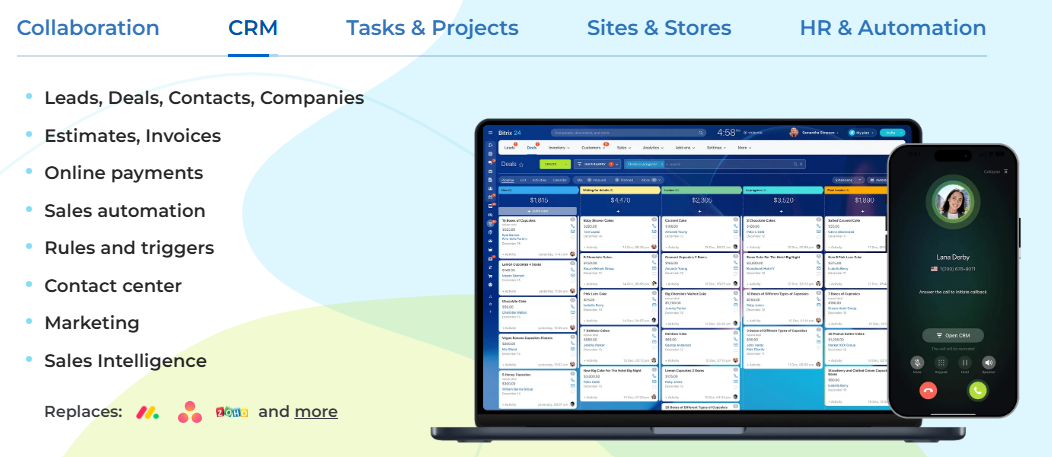
Source: Bitrix24
The pitch is consolidation: one login, one subscription, one platform for your entire business. For a 30-person company paying separately for CRM, project management, chat, and website tools, the math is compelling. The Professional plan at $199/month covers up to 100 users with full access to every module.
The cost of this breadth is specialization. Bitrix24's CRM handles leads, deals, contacts, and basic automation well, but it lacks the process enforcement, customization, and analytics granularity that dedicated CRM platforms provide.
Zoho CRM is that dedicated platform. Rather than covering every business function, Zoho focuses on making the sales process configurable and intelligent.
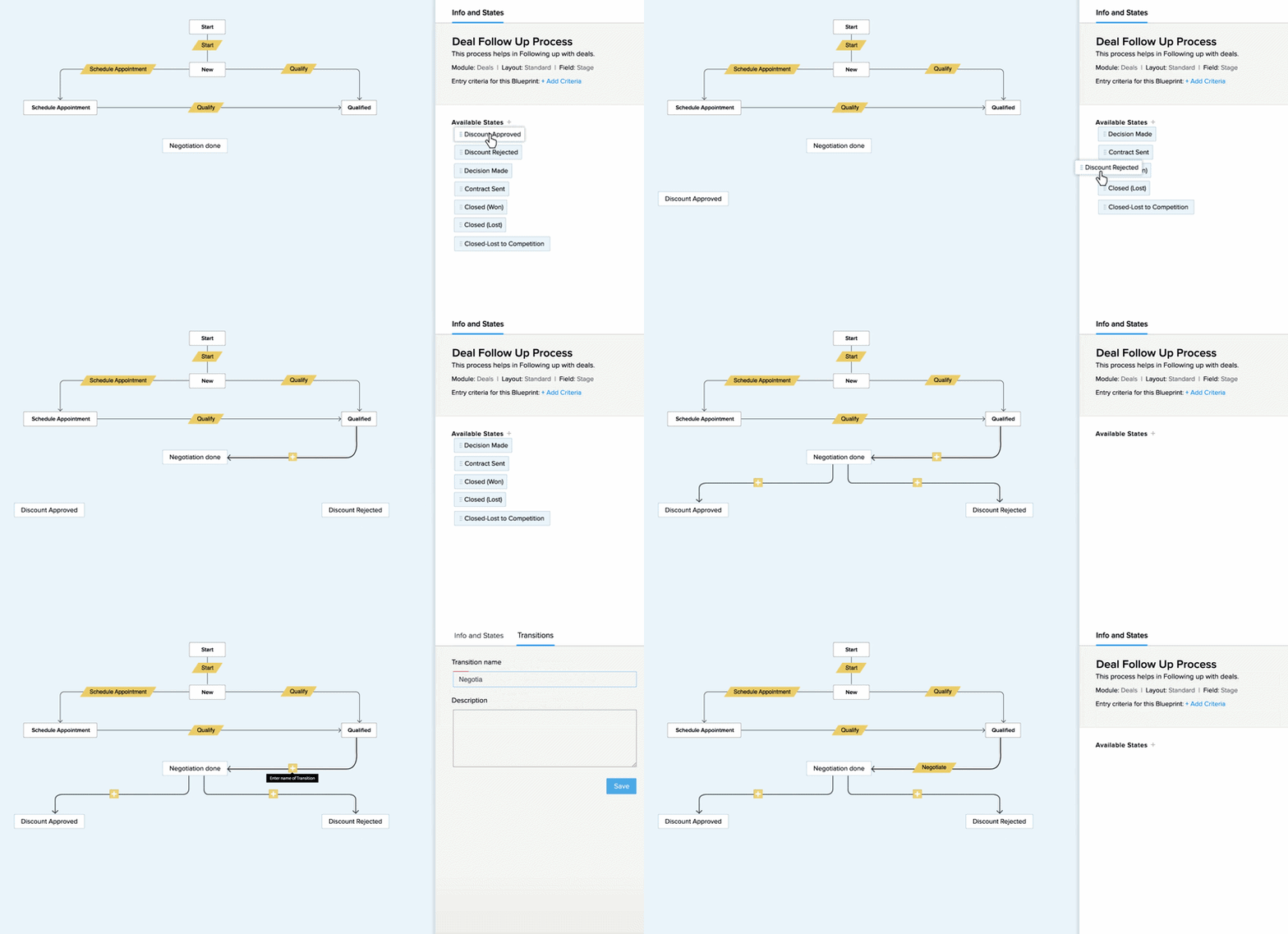
Source: Zoho CRM
Blueprint enforces stage-by-stage deal qualification so reps can't skip steps. Canvas Design Studio lets admins redesign every CRM interface without code. Journey Orchestration maps cross-channel customer journeys. If you need project management, helpdesk, or accounting, Zoho's ecosystem of 60+ applications covers those as separate products that connect natively.
ZoomInfo approaches the problem from the other direction. Instead of managing the sales process, ZoomInfo provides the intelligence that determines whether the sales process produces results. Your CRM only knows what your team puts into it.
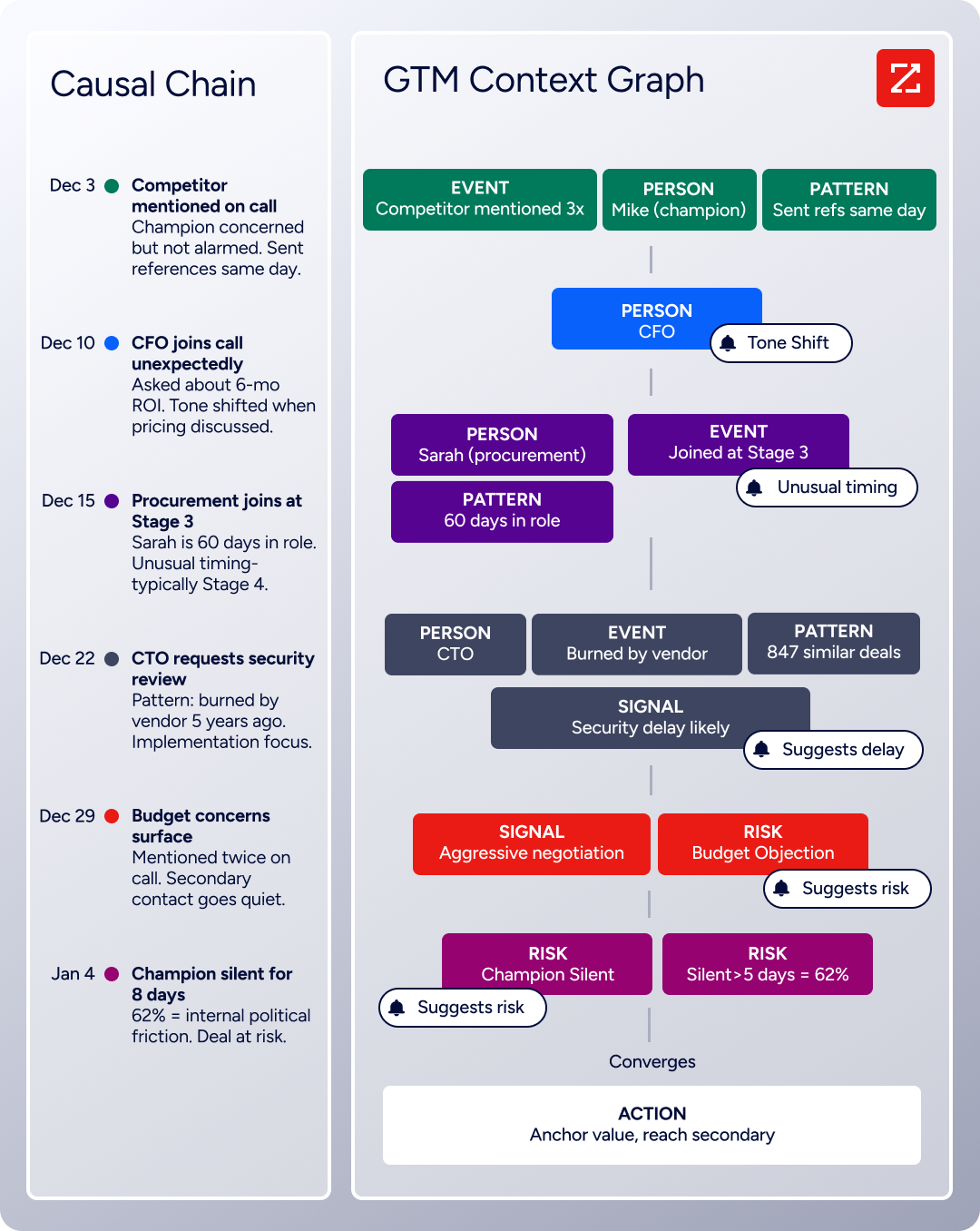
ZoomInfo's GTM Context Graph (processing 1.5B+ data points daily) provides what your team can't manually gather: verified contact data, company intelligence, org charts, technology usage, and buying intent signals. This intelligence feeds into your CRM, enriching every record and surfacing accounts that are actively in-market.
CRM capabilities: depth matters
If your primary need is managing a sales pipeline, the gap between Bitrix24 and Zoho CRM is significant.
Bitrix24's CRM covers the basics well. It supports configurable CRM modes (Classic with leads or Simple deal-only), customizable pipelines, and a Contact Center that aggregates WhatsApp, Instagram, live chat, telephony, email, and CRM web forms into one inbox. For teams that need a simple pipeline alongside project management and team chat, this is sufficient.
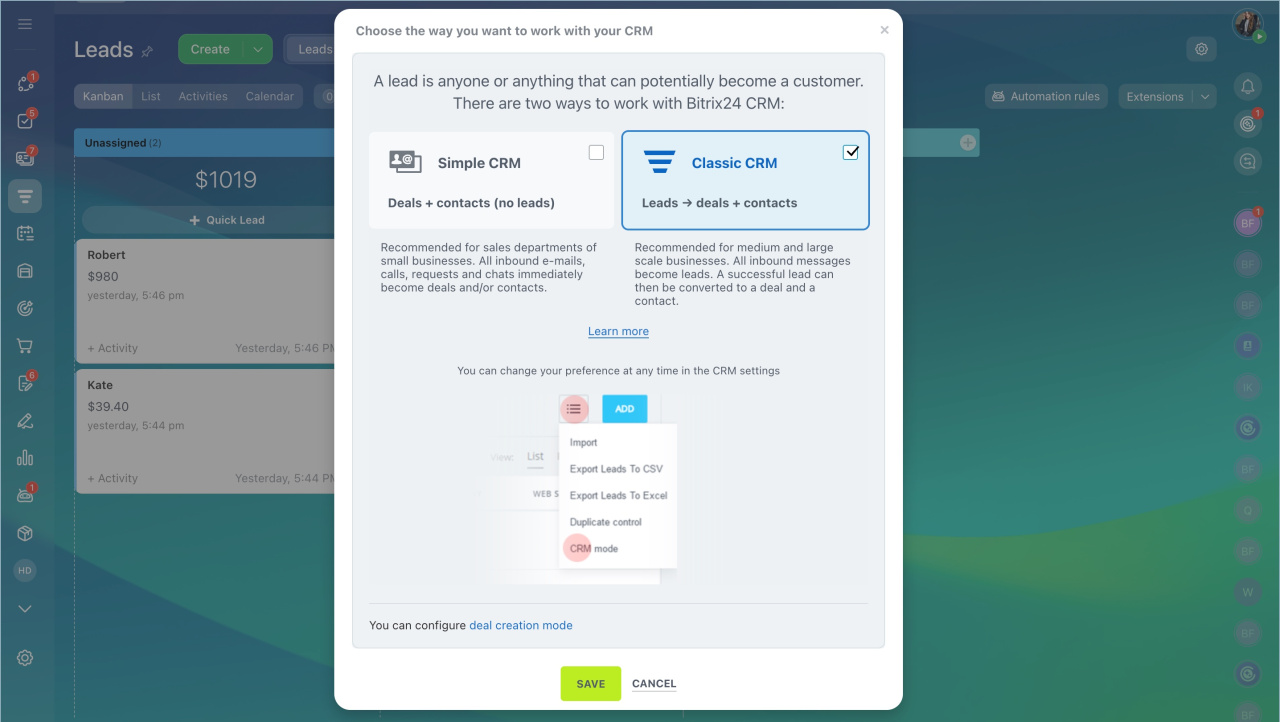
Source: Bitrix24
But Bitrix24's CRM doesn't enforce sales process discipline. There's no equivalent to Zoho's Blueprint. Automation exists, but users report that automations don't pull updated contact data, so corrected records can still trigger messages with old information. G2 reviewers confirm the CRM doesn't suit large or complex sales organizations without significant customization.
Zoho CRM is built for sales process rigor. Blueprint prevents reps from advancing deals without completing required fields, tasks, or approvals at each stage. Stagnation alerts fire when deals sit too long.
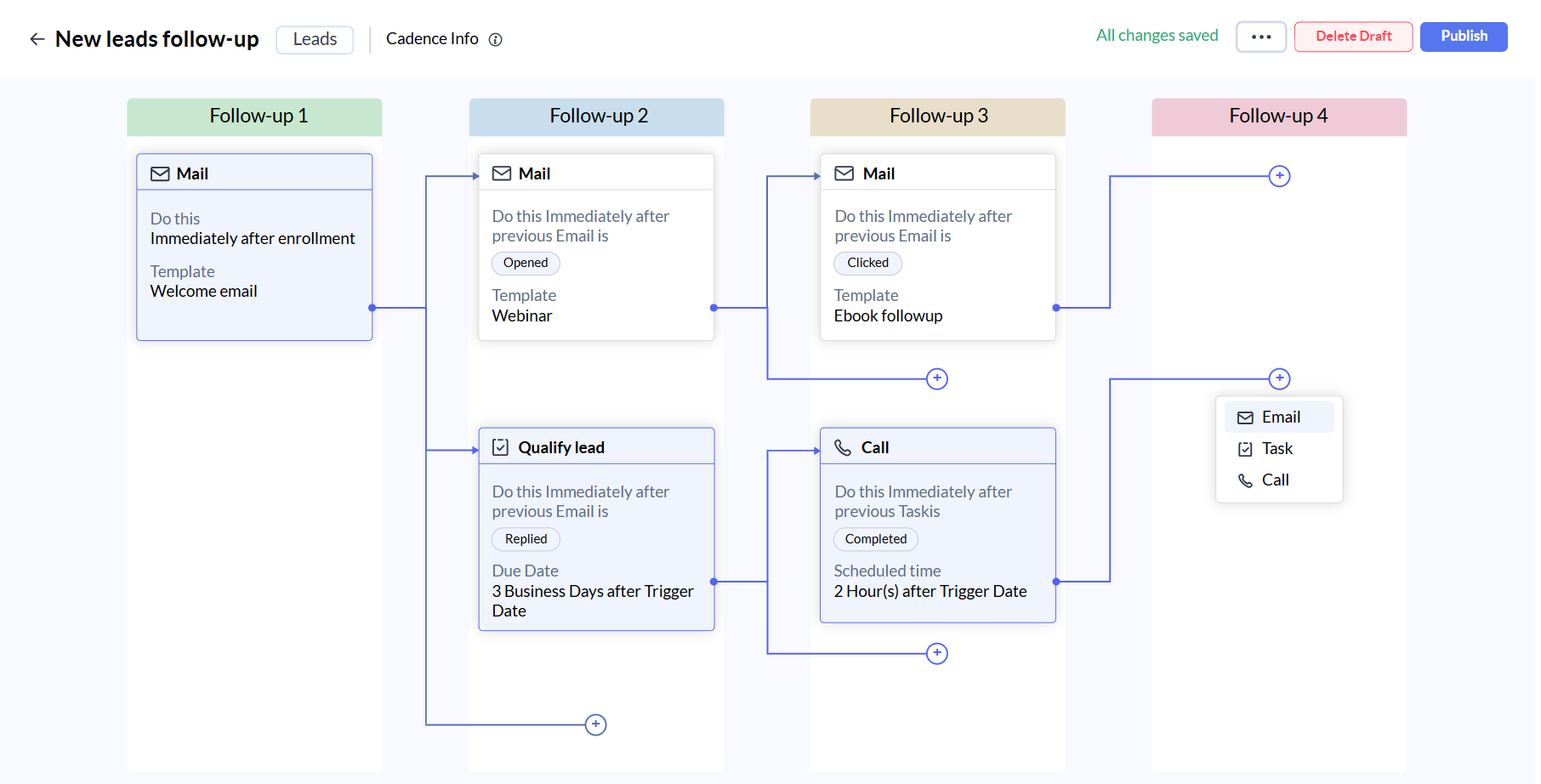
Source: Zoho CRM
Cadences automate multichannel follow-up sequences across email, call, task, and WhatsApp, branching based on customer responses. CPQ generates quotes with automated product configuration, pricing rules, and guided selling directly from a deal record.
The customization goes further. Zoho CRM supports up to 500 custom modules on the Ultimate plan, Canvas Design Studio for pixel-level interface customization, Kiosk Studio for no-code interactive forms on CRM pages, and Customer Portals giving clients direct access to relevant data without CRM user licenses.
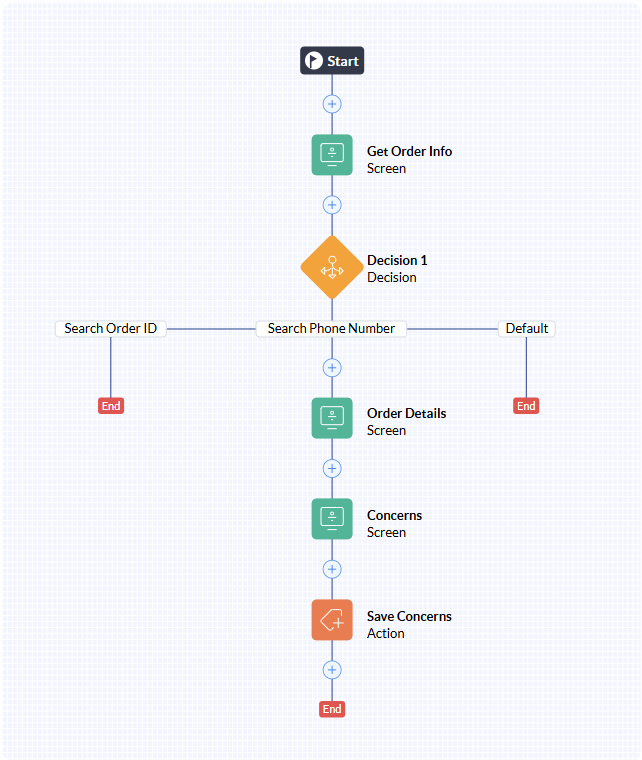
Source: Zoho CRM
ZoomInfo doesn't compete at the pipeline management layer. It enriches whatever CRM you choose. Through GTM Workspace, sellers get a view combining CRM data with ZoomInfo's contact intelligence, company insights, and buying signals.
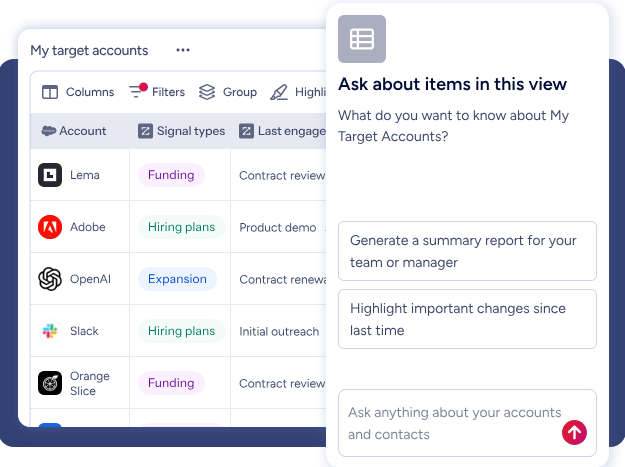
AI agents handle account research, draft personalized outreach, monitor signals, and surface next best actions. The workspace integrates natively with Salesforce, HubSpot, and Microsoft Dynamics, and connects to other CRMs via API.
"ZoomInfo gives us the information we need to execute. We don't have to go through and spend our time digging. It's already there, so we can be three steps ahead." (Vensure)
The data gap neither CRM fills
This is the comparison most CRM reviews skip, and it determines sales outcomes more than any pipeline feature.
Both Bitrix24 and Zoho CRM are databases that contain whatever your team enters. If a rep adds a contact with the wrong email, both platforms will store that wrong email. If your marketing team imports a list with outdated job titles, both platforms will build campaigns on stale data. Neither platform verifies, enriches, or supplements your data with outside intelligence. Your CRM is only as good as what you put into it.
ZoomInfo exists to solve this. The platform maintains 500M contacts and 100M companies through a verification pipeline backed by 300+ human researchers and automated ML that scans 28 million site domains daily. First-party data reaches up to 95% accuracy. In a Fortune 500 competitive RFP analyzing 25 million contacts across vendors, an independent consultant concluded that "no other competitor came even close."
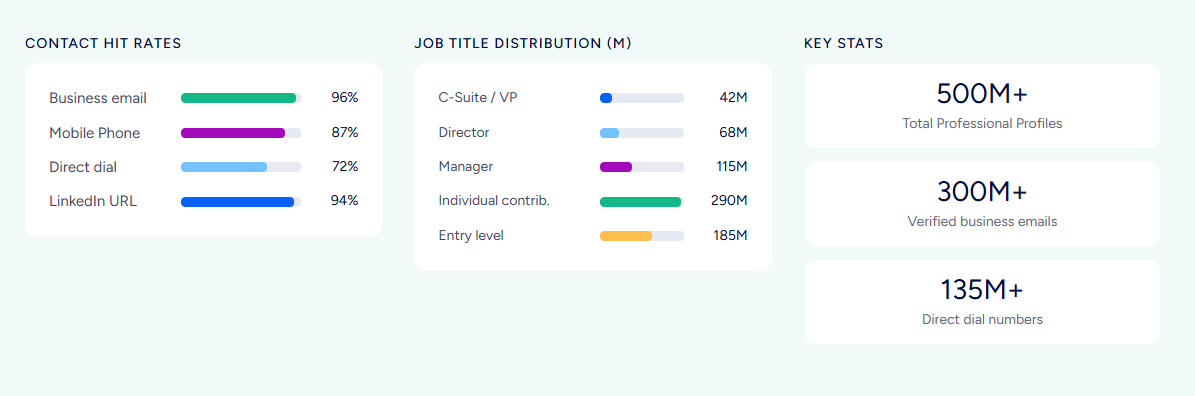
This matters practically. ZoomInfo's 120M direct-dial phone numbers mean your reps reach decision-makers directly instead of navigating gatekeepers. 200M+ verified business email addresses reduce bounce rates that damage sender reputation. Technographic data covering 30,000+ technologies across 30M+ companies lets you target accounts by their current tech stack.
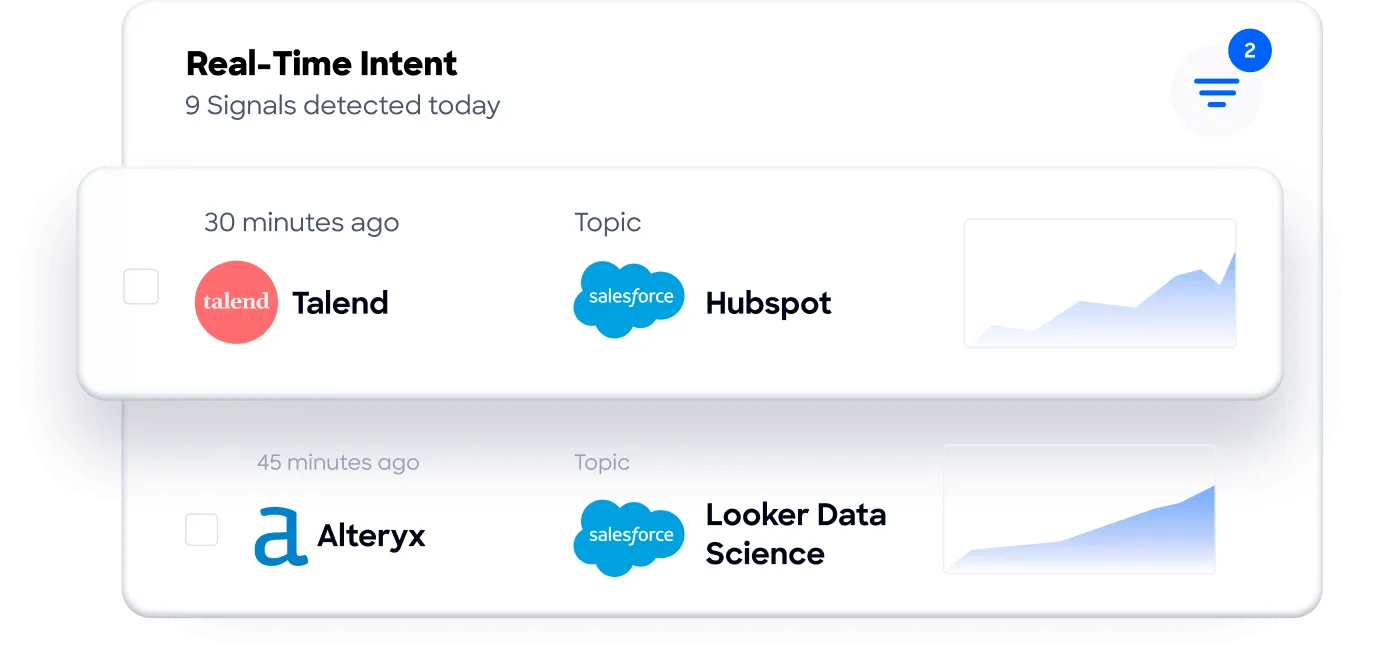
And Buyer Intent data tracking signals from 210 million IP-to-Organization pairings reveals which companies are researching solutions like yours before they fill out a form.
Both CRMs can receive this data through integrations. But they don't generate it. No CRM does.
"It's not just the data itself. It's more about the right data at the right time to help us reach out with the right message across that full buyer journey." (Redwood Logistics)
AI capabilities take different approaches
All three platforms have invested in AI, but what each AI does reveals the platform's priorities.
Bitrix24's CoPilot is embedded across eight areas of the platform: CRM, tasks, chat, activity feed, video calls, websites, product catalog, and workflow flows. In CRM, CoPilot transcribes call recordings, generates call summaries, and auto-fills deal form fields from extracted data.
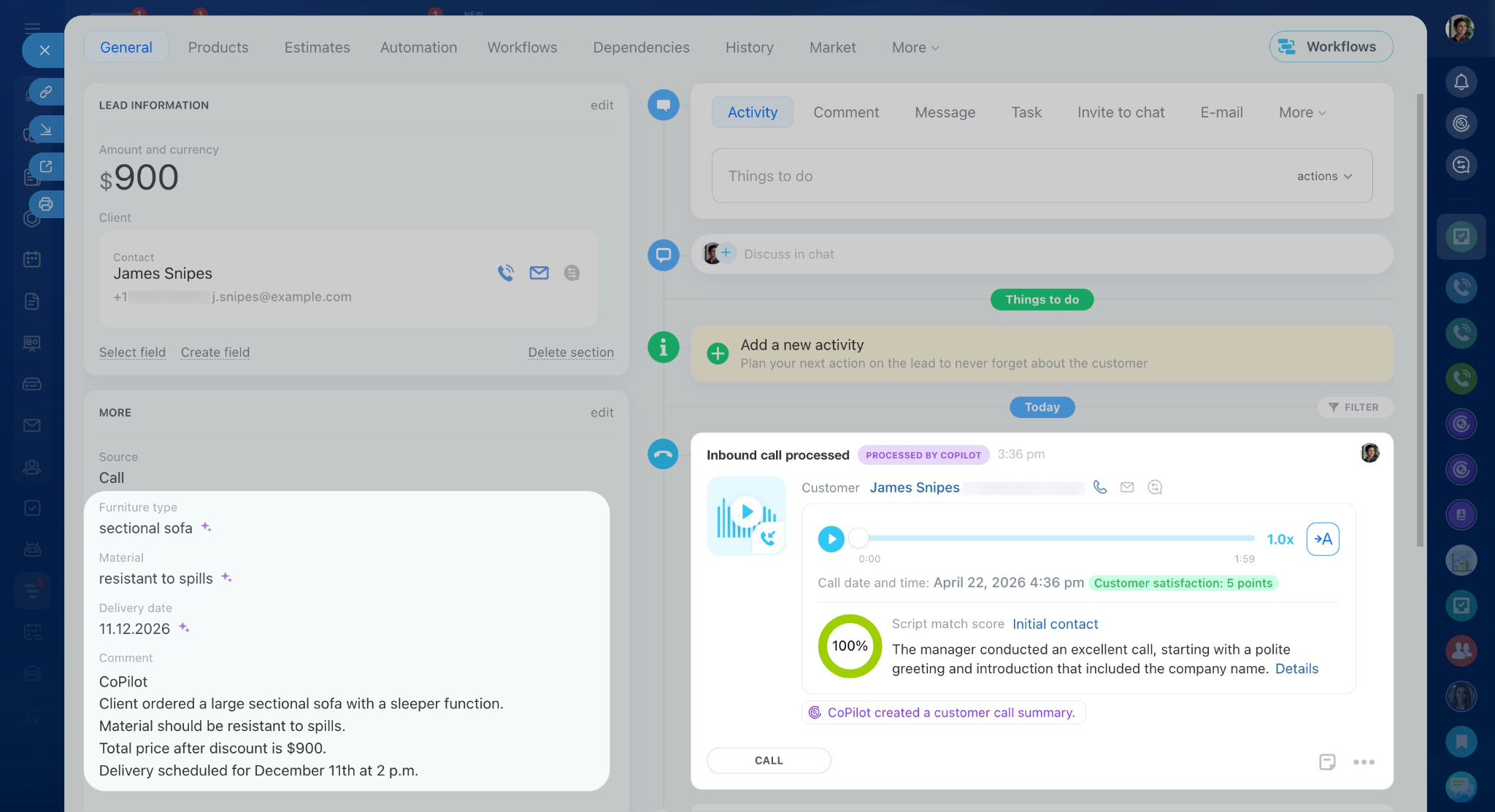
Source: Bitrix24
The breadth is notable for an included feature. But CoPilot focuses on productivity tasks (writing, summarizing, transcribing) rather than sales intelligence. It can't score leads by conversion likelihood, predict churn, or identify which accounts are in-market.
Zoho CRM's Zia goes deeper into sales intelligence. Zia scores rank leads by conversion probability. Churn prediction flags at-risk customers. Best-time-to-contact recommendations optimize outreach timing per prospect.
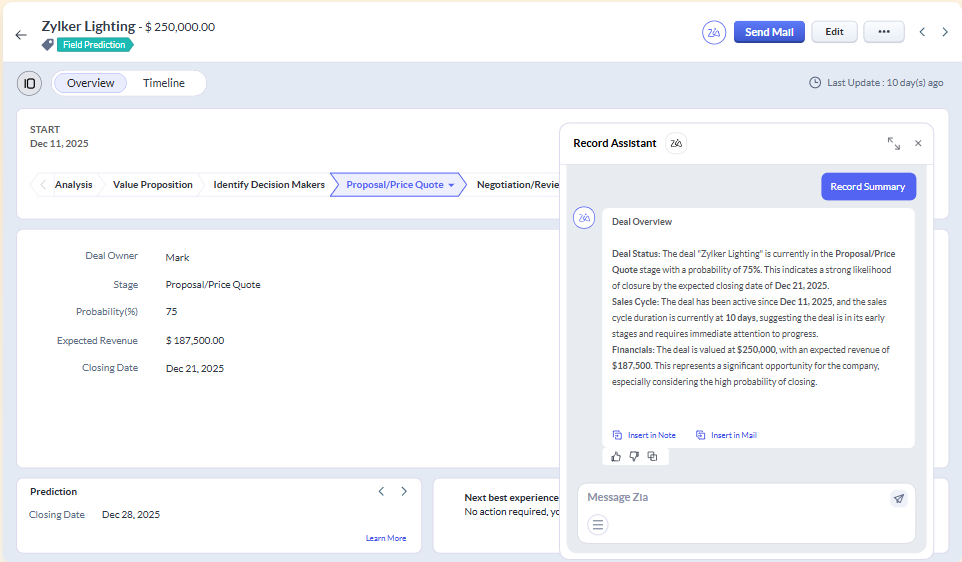
Source: Zoho CRM
Seven pre-built agents in the Zia Agents Store handle SDR work, sales coaching, deal analysis, quote generation, follow-up scheduling, revenue growth identification, and deal closure reminders. Zia can also create CRM modules from natural language descriptions and build workflow rules from plain-language automation logic.
ZoomInfo's AI operates on a richer data layer. Because the GTM Context Graph combines ZoomInfo's third-party B2B data with your CRM records, conversation transcripts, and behavioral signals, its AI can reason about things neither Bitrix24 nor Zoho CRM see. GTM Workspace's AI agents don't just tell reps who to call. They explain why: which accounts match your win patterns, what buying signals indicate readiness, and what concerns from previous conversations need addressing.
Guided Intent, exclusive to ZoomInfo, identifies intent topics historically correlated with deal success rather than requiring manual topic selection. Contact Recommendations surface AI-ranked buying committee suggestions by motion (prospecting, deal acceleration, or renewals). These capabilities don't exist in any CRM because they require data no CRM collects.
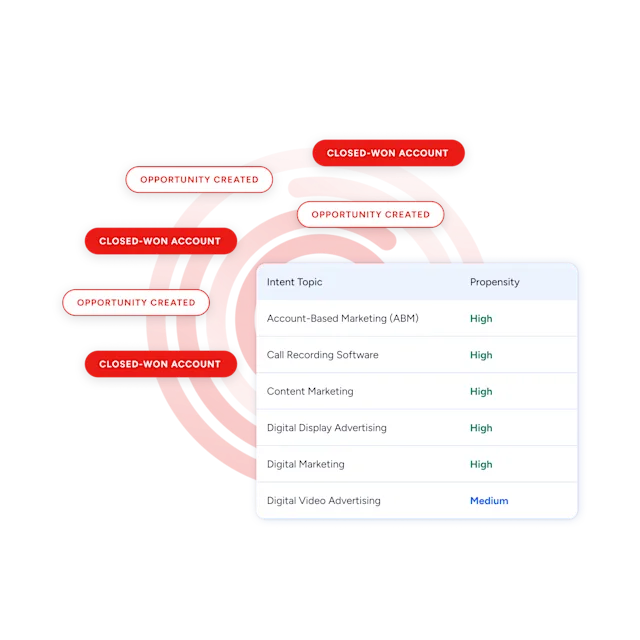
"That combination of our internal CRM data, external signals, and AI that's given all that context has helped us craft very specific account- and persona-based messages. And people have responded to them right away." (Seismic)
Pricing reveals what each platform values
The pricing structures reflect three distinct business models, and understanding them matters as much as the dollar figures.
Bitrix24 uses flat team-based pricing with no per-user charges. The Free plan supports 2 users with basic CRM, tasks, and collaboration. The Basic plan at $49/month (annual) covers up to 5 users with sales pipelines and telephony. Standard at $99/month (annual) jumps to 50 users with sales automation, unlimited leads, invoices, and e-commerce. Professional at $199/month (annual) covers up to 100 users with CoPilot AI, workflow automation, RPA, HR tools, and email marketing. Enterprise starts at $399/month (annual) for 250 users.
For teams of 10 or more, the per-user math favors Bitrix24. A 50-person team on the Standard plan pays $99/month total (roughly $2/user/month). The same team on Zoho CRM's Enterprise plan would pay far more per user.
Zoho CRM uses per-seat, per-month pricing. The Free plan supports 3 users with basic lead, contact, and deal management. Paid plans (Standard, Professional, Enterprise, Ultimate) scale both price and capability. Enterprise (the most popular tier) adds Zia AI, journey orchestration, territory management, customer portals, and custom functions. Annual billing saves up to 34%.
The per-user model means costs scale linearly with headcount. Zoho also offers month-to-month contracts and a full refund within the first 45 days of annual subscriptions, reducing commitment risk.
ZoomInfo uses consumption-based pricing with no publicly listed prices. Costs scale around seats, credit volume (1 credit = 1 contact export), features, and contract length. This is premium pricing aimed at B2B organizations where the ROI of accurate data and intent signals justifies the investment. ZoomInfo also offers ZoomInfo Lite, a permanent free tier with access to the B2B database, 10 monthly export credits, and basic search and enrichment.
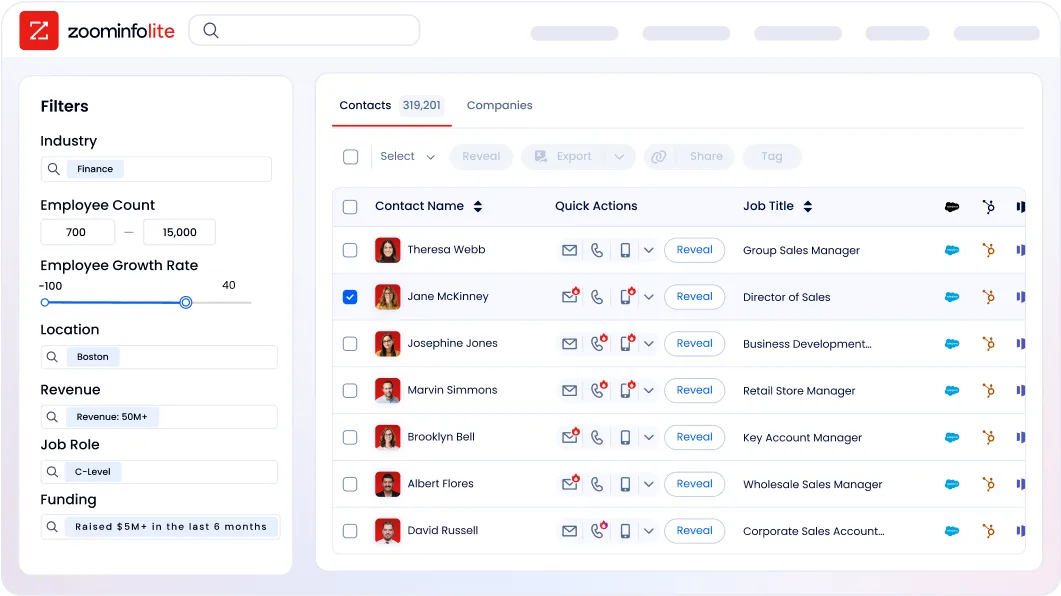
The pricing comparison works differently because ZoomInfo doesn't replace your CRM. It supplements it. The cost is additive: CRM subscription plus ZoomInfo subscription. The question is whether the data quality and sales intelligence produce enough pipeline to justify the combined cost. Customers like Seismic report 54% productivity gains and 39% of pipeline attributable to ZoomInfo signals.
Automation and workflow comparison
Automation reveals each platform's philosophy. Bitrix24 automates broadly. Zoho CRM automates the sales process in depth. ZoomInfo automates prospecting intelligence.
Bitrix24 provides CRM rules, triggers, and automated funnels that execute actions (sending emails, assigning tasks, moving deals) when conditions are met. Outside CRM, its no-code RPA module handles approval chains, expense reports, and document workflows.
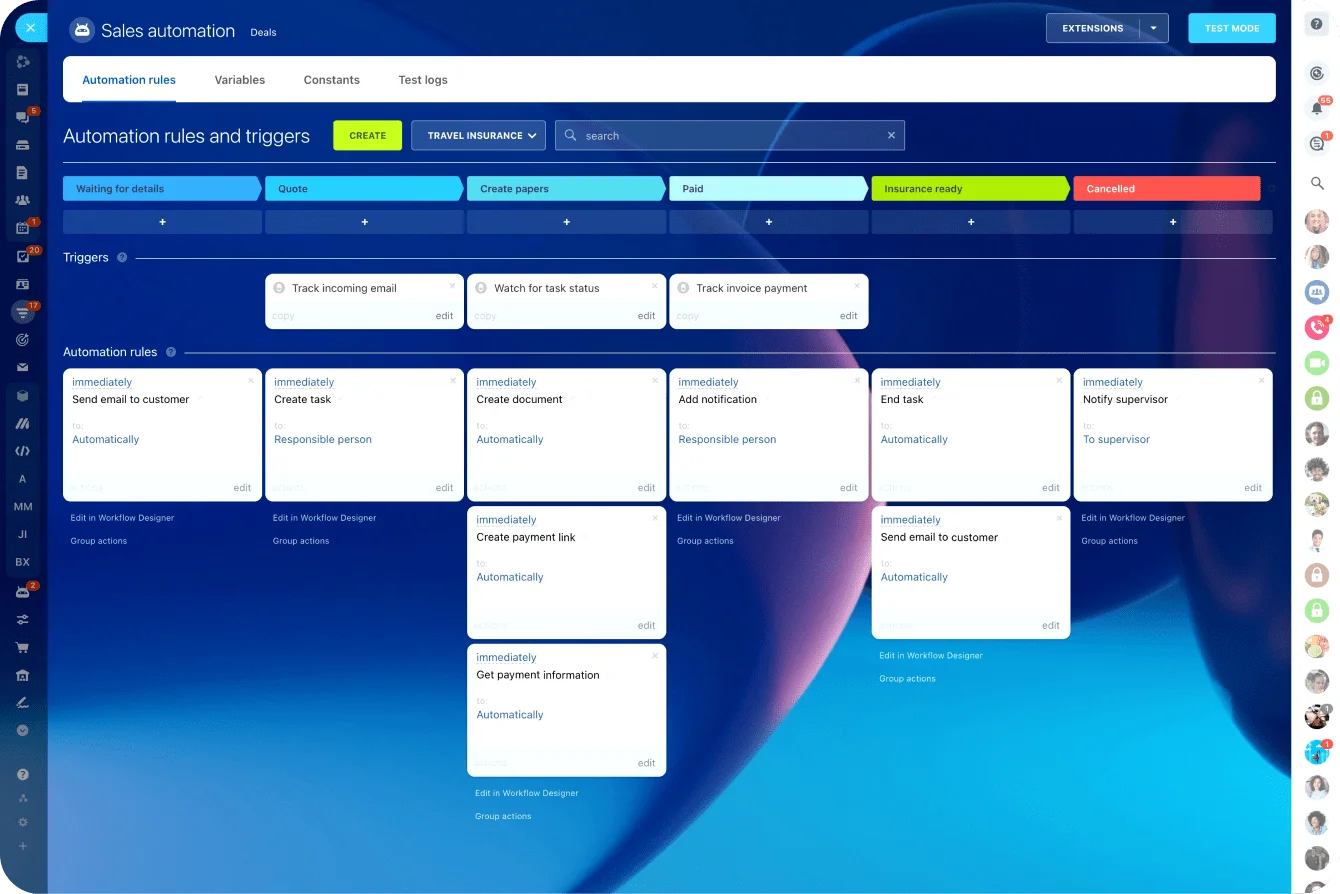
Source: Bitrix24
Smart Process Automation (SPA) lets teams create custom CRM-like entities with their own Kanban stages and automation rules. The automation breadth across CRM, tasks, HR, and internal processes is a strength for teams that need cross-department workflow automation in one platform.
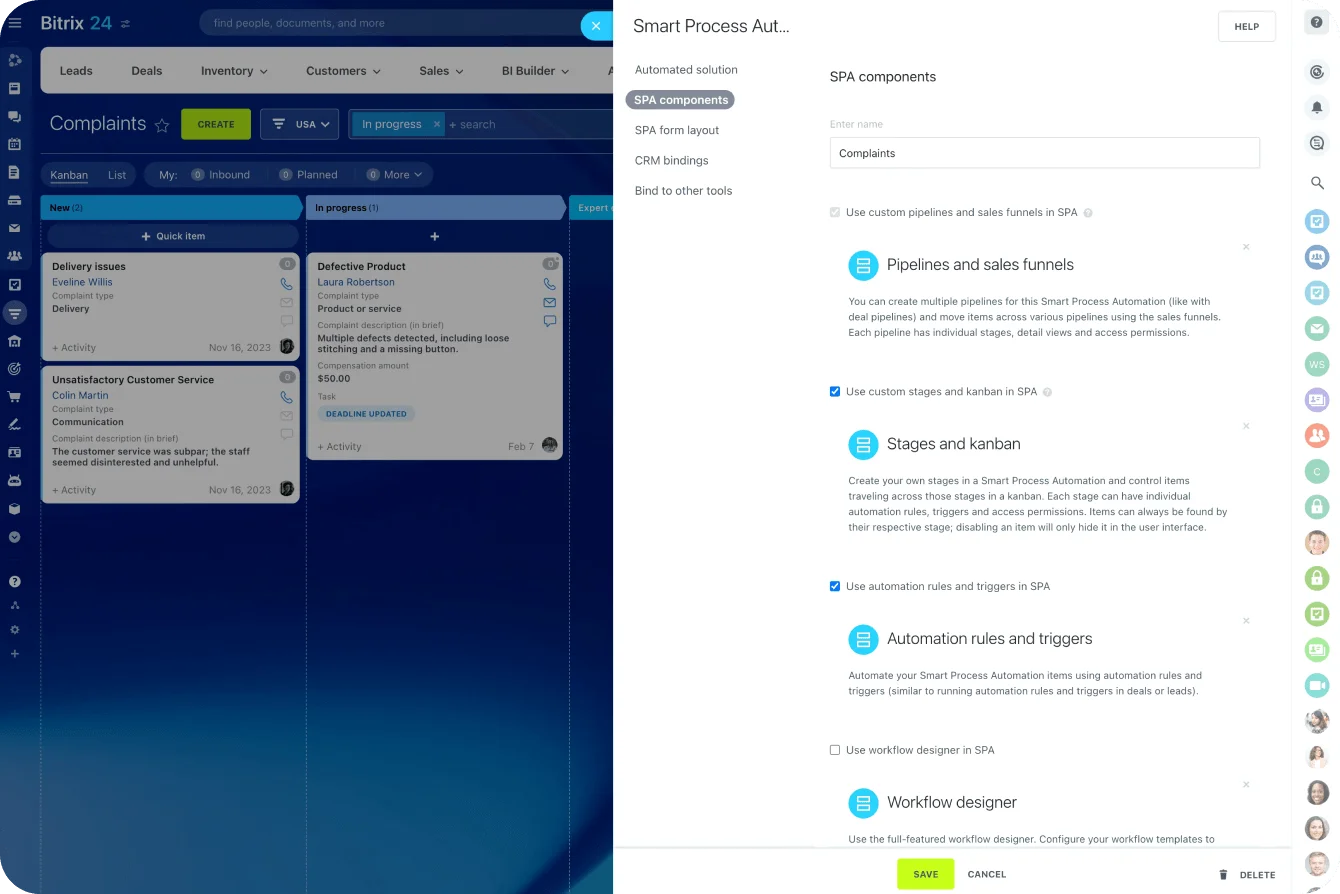
Source: Bitrix24
Zoho CRM provides a layered automation system designed for sales process enforcement. Workflow Rules handle trigger-action automation. Blueprint enforces stage-by-stage process compliance with required fields, approvals, and stagnation alerts. Cadences automate multichannel follow-up sequences that branch based on customer behavior.
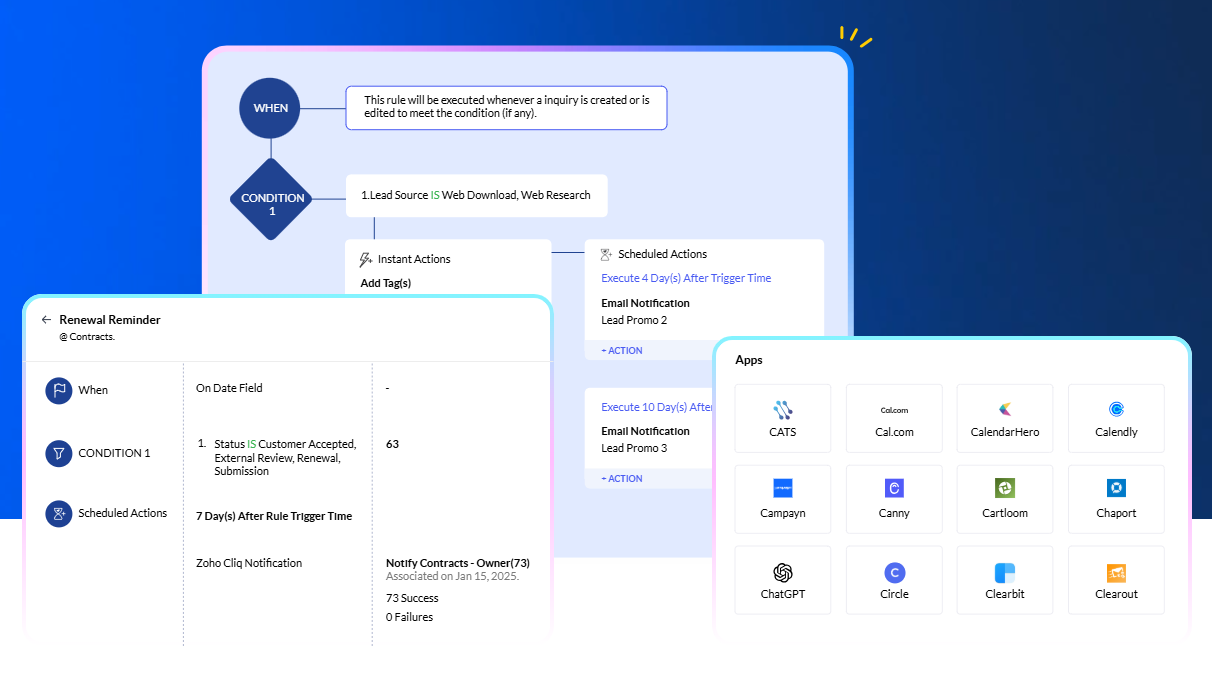
Source: Zoho CRM
CommandCenter provides journey orchestration with PathFinder, which shows the paths customers actually take before you design ideal journeys. The hierarchy is clear: workflow rules for routine actions, Blueprint for process enforcement, CommandCenter for cross-channel journeys.
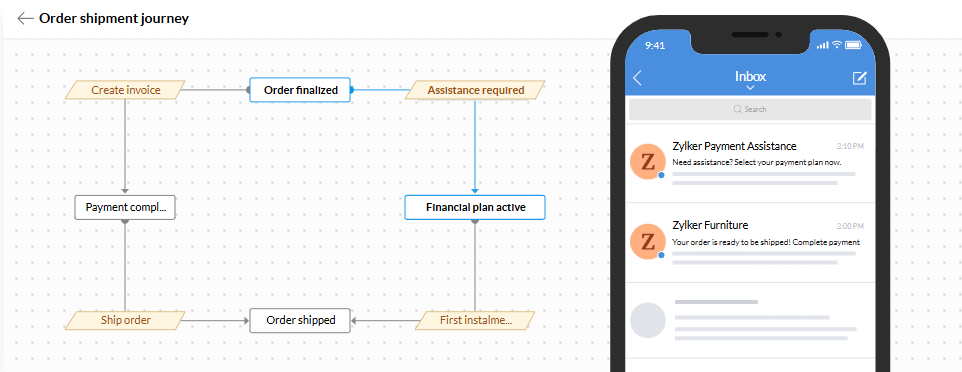
Source: Zoho CRM
ZoomInfo automates the intelligence and execution layer above the CRM. GTM Studio lets marketers and RevOps teams describe audiences in natural language, launch pre-built GTM plays (inbound acceleration, champion tracking, competitive displacement), and activate multichannel campaigns that get smarter as prospects respond.
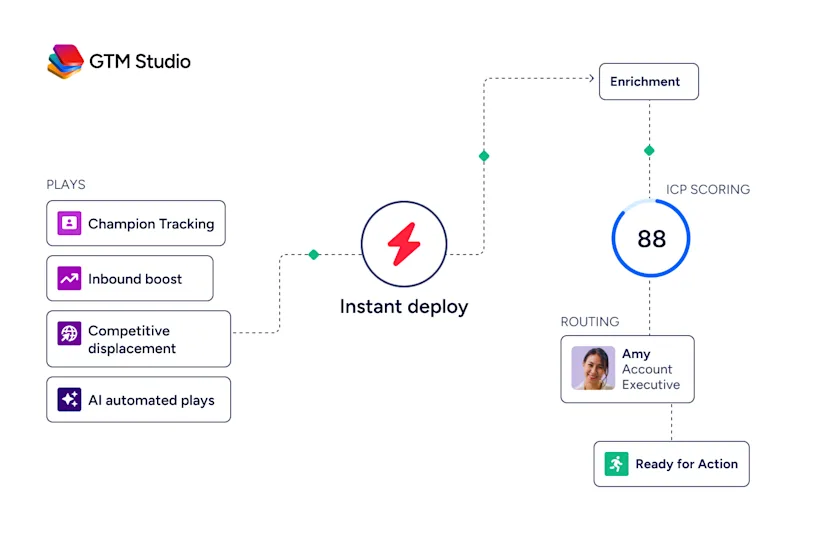
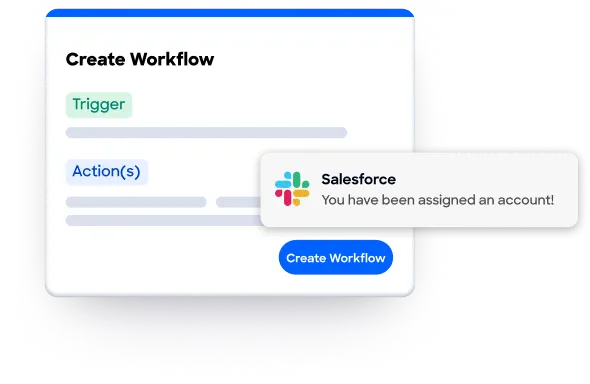
Workflows trigger automated actions based on buying signals. Expansion plays that used to take 3 weeks now launch in 30 minutes. The automation targets what happens before and around the CRM, not inside it.
Integration ecosystems reflect platform strategies
How each platform connects to outside tools tells you about its design philosophy.
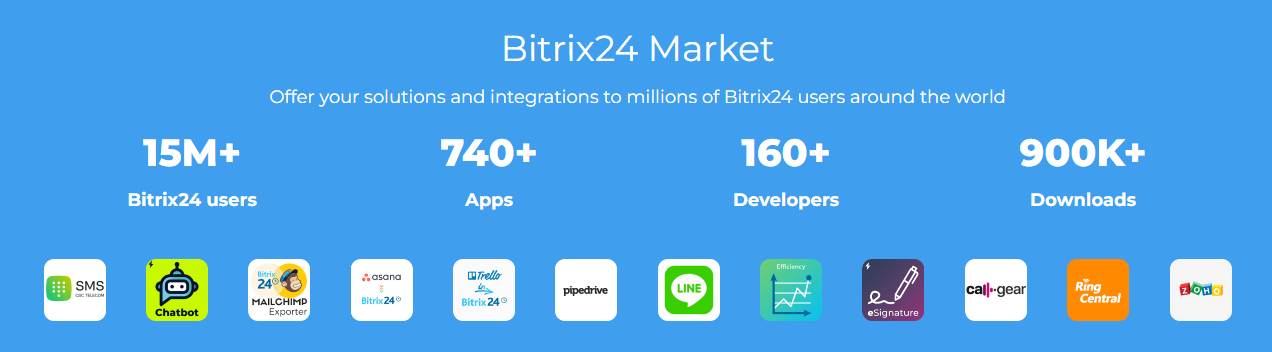
Bitrix24 maintains 700+ apps in its marketplace and a REST API for custom integrations. Native integrations cover WhatsApp, Instagram, telephony, Google Analytics, and Microsoft Azure Active Directory. The platform's strategy is to minimize the need for integrations by including most capabilities natively. When you do need external tools, the marketplace and API are available, but the ecosystem is smaller than Zoho's.
Source: Bitrix24
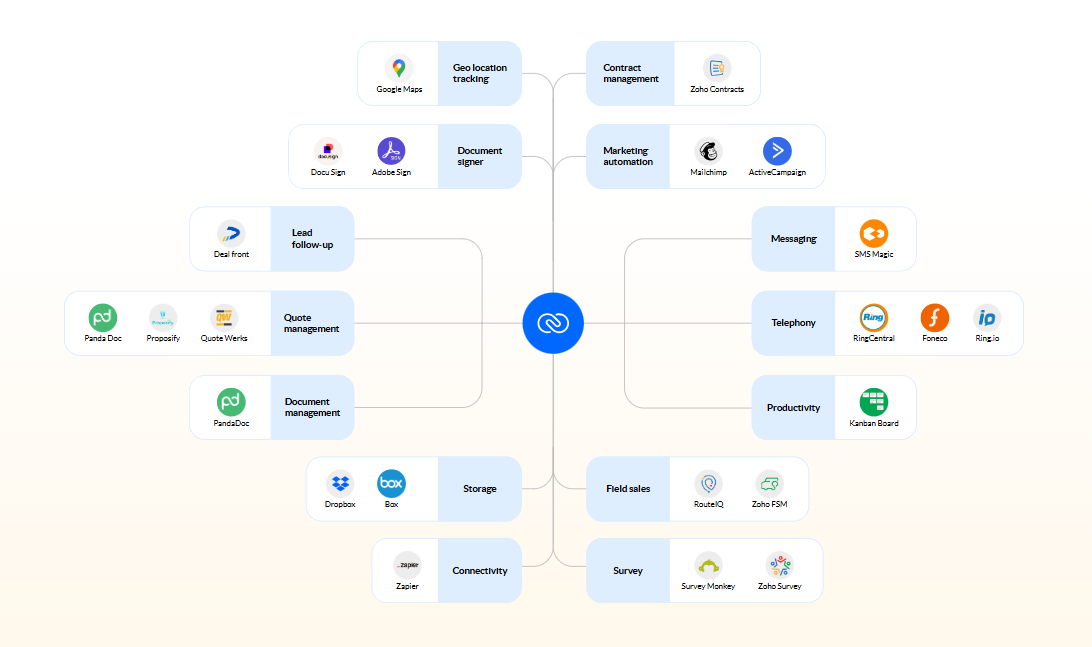
Zoho CRM offers 1,100+ pre-built integrations via the Zoho Marketplace, plus native connections to the full Zoho suite (Zoho Desk, Zoho Books, Zoho Analytics, Zoho Campaigns). Integrations with Microsoft Teams Phone and Meeting were added in 2025.
Source: Zoho CRM
The REST API includes composite requests (five API calls in one) and query APIs with SQL-style syntax. The ecosystem is strong within the Zoho family, but G2 users flag integration friction when connecting to non-Zoho systems.
ZoomInfo treats integration as core architecture, not an add-on. The App Marketplace lists 120+ partner integrations across CRM, marketing automation, sales engagement, and data warehouse categories. CRM integrations include Salesforce, HubSpot, Microsoft Dynamics 365, and Zoho.
The Enterprise API provides programmatic access to search, enrich, audience management, and AI intelligence endpoints. The MCP server connects AI models directly to ZoomInfo's data as a native tool.
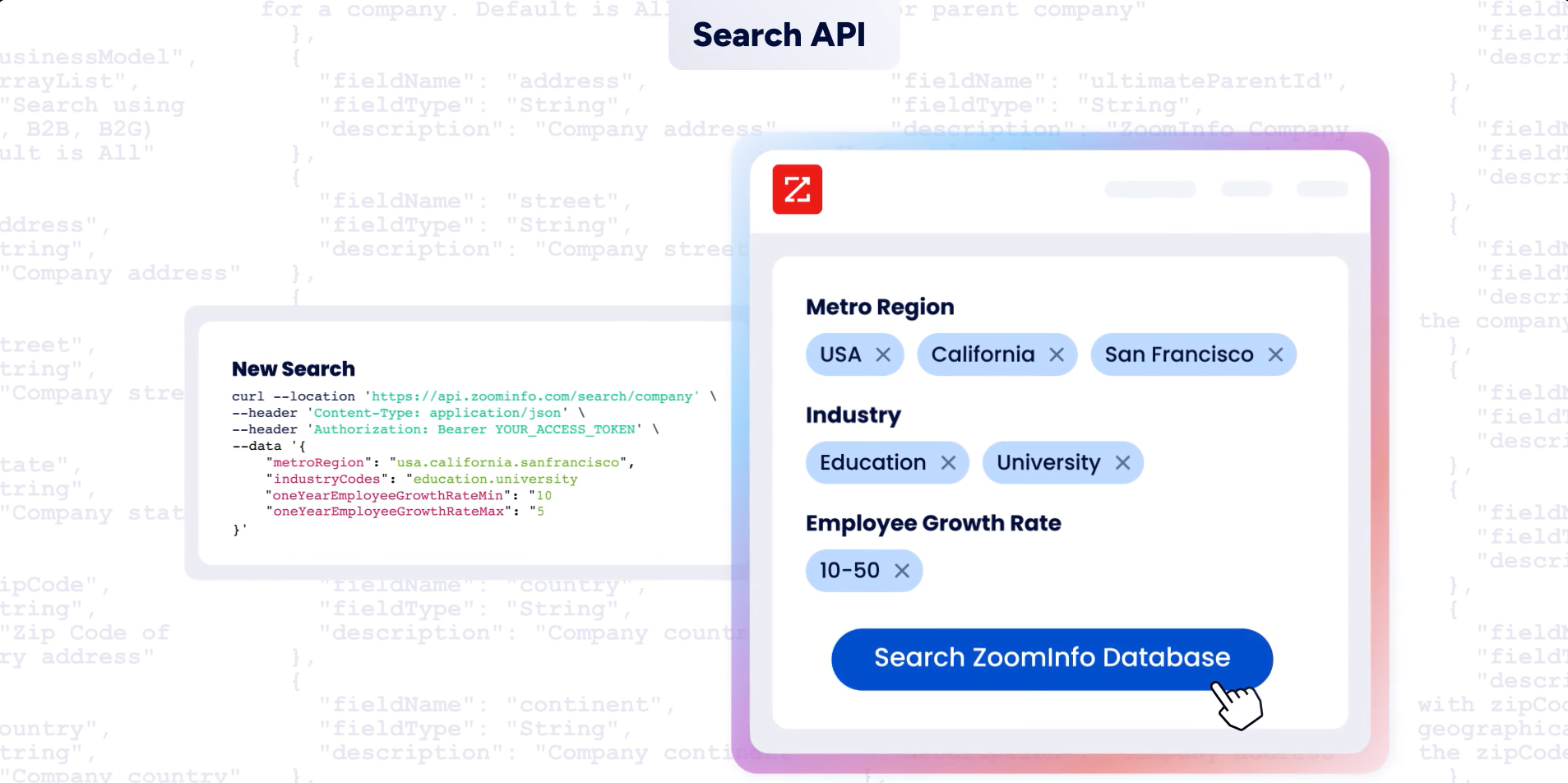
API access is included in all relevant plans, and the same data powers ZoomInfo's own products and any third-party tool, so the intelligence stays consistent regardless of how you access it.
"The plug-and-play aspect of the API means I can integrate it very easily into any process and get information at a moment's notice." (BDO Canada)
Security and compliance comparison
For organizations in regulated industries, each platform's security posture matters.
Bitrix24 hosts on Amazon Web Services in the US (Virginia) and EU (Frankfurt) with TLS-encrypted connections and a 256-bit key. The platform references AWS certifications (HIPAA, GDPR, ISO 27001, SOC 1/2/3, PCI DSS) but does not publish first-party audit reports for its own operations. The on-premise edition stands out for organizations with strict data sovereignty requirements, offering full source code access and private hosting.
Zoho CRM runs its own data centers (rather than relying on public cloud) across the US, EU, India, Japan, China, Australia, Canada, Saudi Arabia, and South Africa. First-party certifications include ISO 27001, ISO 27701, ISO 27017, ISO 27018, SOC 2 Type 2, SOC 1 Type 2, and SOC 2 + HIPAA Type 2. The company calls its approach a "Privacy since 1999" commitment and does not sell user data.
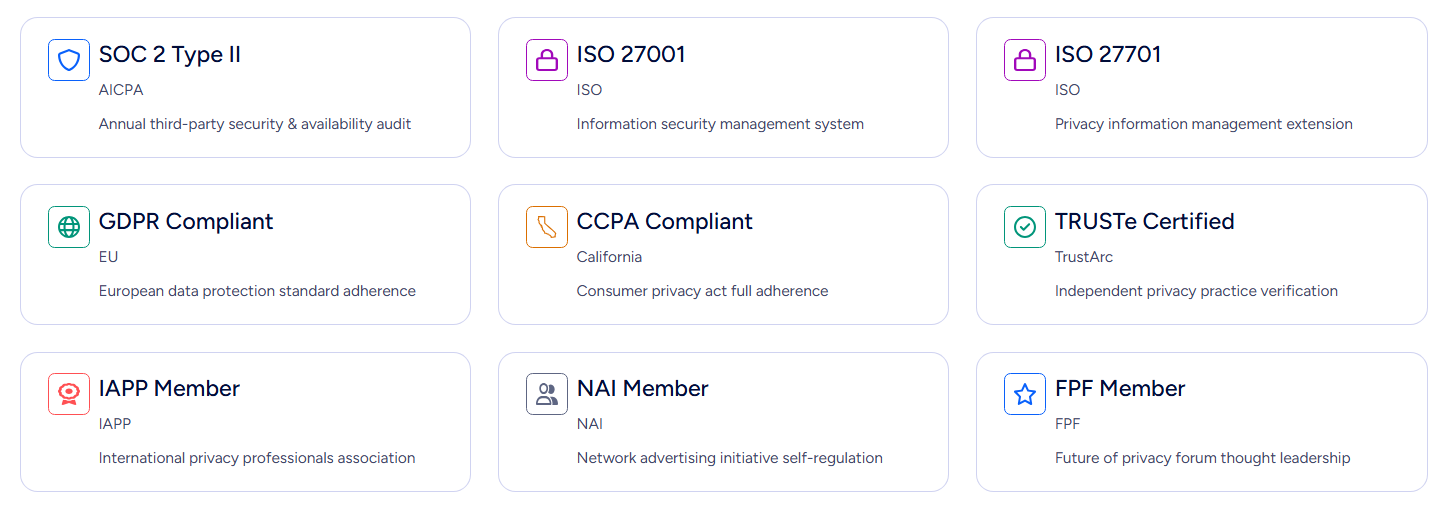
ZoomInfo holds ISO 27001, ISO 27701, SOC 2 Type II, TRUSTe GDPR, and TRUSTe CCPA certifications, all renewed annually. As a registered data broker in California and Vermont, ZoomInfo operates under specific regulatory oversight for data handling. A dedicated Trust Center provides transparency into compliance practices.
Bitrix24 vs. Zoho CRM vs. ZoomInfo: Which should you choose?
The right choice depends on whether your primary challenge is consolidating business tools, deepening your sales process, or improving the data powering your pipeline.
Choose Bitrix24 if:
You want CRM, project management, team chat, HR, and a website builder in one subscription
Flat-fee pricing matters because your team is 10+ people and per-user costs add up
Your CRM needs are straightforward (track leads, manage deals, automate basic follow-ups)
You value the on-premise deployment option for data sovereignty
You're willing to invest time learning a complex interface for the payoff of one platform
Choose Zoho CRM if:
Sales process depth, customization, and enforcement are your top priorities
You want AI-driven lead scoring, deal prediction, and autonomous sales agents
Blueprint process automation and journey orchestration matter to your sales motion
You need a CRM that scales from startup to enterprise with month-to-month flexibility
You're willing to pay per user for a dedicated CRM that does one job well
Use ZoomInfo alongside either CRM if:
Your sales team needs verified B2B contact data, direct dials, and business emails to fill the pipeline
Identifying in-market accounts before they reach out would change your sales results
You want AI that understands why deals move (not just that they moved) and recommends specific next actions
You need data intelligence that works in any tool (your CRM, your email platform, your custom agents) via API and MCP
Prospecting productivity and pipeline quality matter more than pipeline management features
Try ZoomInfo free with ZoomInfo Lite, or request a demo to see the full platform.
Bitrix24 and Zoho CRM are both strong platforms for managing customer relationships and sales pipelines. The choice between them comes down to breadth versus depth: one platform for everything, or one platform that excels at CRM. But whichever you choose, the data flowing into that CRM determines whether your sales team pursues the right accounts with the right information. ZoomInfo provides that data layer, feeding either CRM with verified contacts, buying signals, and account intelligence.
Bitrix24 vs. Zoho CRM vs. ZoomInfo FAQ
What is the core difference between Bitrix24, Zoho CRM, and ZoomInfo?
Bitrix24 is an all-in-one business workspace that bundles CRM with project management, collaboration, HR, and website building under flat-fee pricing. Zoho CRM is a dedicated CRM platform with sales automation, process enforcement via Blueprint, AI-driven agents, and extensive customization. ZoomInfo is a B2B data intelligence platform that provides verified contact data, company intelligence, buying intent signals, and AI-powered prospecting. ZoomInfo works alongside a CRM rather than replacing one.
Which platform is cheapest for a growing team?
Bitrix24 has the lowest cost at scale thanks to flat team-based pricing. Its Standard plan at $99/month covers up to 50 users (roughly $2/user/month). Zoho CRM uses per-user pricing, so costs grow linearly with headcount, though its value remains strong compared to enterprise CRM alternatives. ZoomInfo uses consumption-based pricing and is typically the most expensive option, but it addresses a different need (data intelligence) rather than competing on the same cost basis.
Can ZoomInfo integrate with both Bitrix24 and Zoho CRM?
ZoomInfo integrates directly with major CRMs including Zoho CRM through its App Marketplace. For Bitrix24, integration is available via ZoomInfo's Enterprise API and MCP server, which can push data into any system with API access. API access is included in all relevant ZoomInfo plans.
Which platform has better AI for sales teams?
Zoho CRM's Zia provides the most CRM-focused AI with lead scoring, churn prediction, deal analysis, and seven pre-built autonomous agents. Bitrix24's CoPilot handles productivity tasks like call transcription and text generation across multiple modules. ZoomInfo's AI operates on a richer data layer, using the GTM Context Graph to reason across CRM records, conversation intelligence, and external buying signals to identify which accounts to prioritize and why deals move or stall.
Does Bitrix24 or Zoho CRM include B2B prospecting data?
Neither includes a built-in database of B2B contacts, company data, or buying intent signals. Both store and manage the data your team enters or imports. ZoomInfo maintains 500M contacts, 100M companies, 135M+ verified phone numbers, and 200M+ verified business email addresses, along with intent data from 210 million IP-to-Organization pairings.
Which platform is best for non-sales teams like project management or HR?
Bitrix24 is the strongest choice for multi-department needs, with built-in project management (Kanban, Gantt, Scrum), HR tools (org chart, time tracking, approvals), and collaboration (chat, video calls, shared documents). Zoho offers these through separate products in its ecosystem (Zoho Projects, Zoho People) rather than inside the CRM. ZoomInfo does not include project management or HR features.
How do the free plans compare?
Bitrix24's free plan supports 2 users with basic CRM, tasks, collaboration, and a website builder, but excludes sales pipelines, automation, and AI. Zoho CRM's free plan supports 3 users with core lead, contact, and deal management, but excludes custom reports, forecasting, Blueprint, and Zia AI. ZoomInfo Lite is a permanent free tier with access to the B2B database, 10 monthly export credits, basic search, and a Chrome extension, but excludes mobile phone numbers, intent signals, and advanced workflow automation.
Which platform is better for managing an omnichannel sales process?
Both Bitrix24 and Zoho CRM support omnichannel engagement, but from different angles. Bitrix24's Contact Center aggregates WhatsApp, Instagram, live chat, telephony, and email into a single inbox natively. Zoho CRM covers email, phone, WhatsApp Business, LINE for Business, Facebook, X, and SMS, with Zia recommending the best channel and time for each prospect. ZoomInfo provides intent signals and verified contact data that feed into omnichannel outreach, but the engagement execution happens through its CRM integrations or through GTM Workspace and GTM Studio.
See how Bitrix24 stacks up against other platforms:
