
Choosing between Clientify vs. HubSpot for your CRM often comes down to five questions:
Is WhatsApp your primary sales channel, or do you sell through email, phone, and web?
Are you a Spanish-speaking SMB looking for affordability, or a scaling company that needs enterprise features?
Do you need a CRM that manages existing contacts, or a platform that also helps you find and prioritize new ones?
How important is having verified B2B data (direct dials, org charts, intent signals) inside your sales workflow?
Are you comparing CRM tools in isolation, or evaluating how your entire go-to-market stack fits together?
In short, here's what we recommend:
Clientify is built for Spanish-speaking small businesses that sell through WhatsApp. It bundles CRM, marketing automation, WhatsApp Business API, AI chatbots, electronic signatures, and landing pages into one platform starting at $39/month. For SMBs in Spain and Latin America managing leads across personal WhatsApp numbers and spreadsheets, Clientify consolidates everything at a fraction of what HubSpot charges. The trade-off: a smaller integration ecosystem, limited English-language support, and reporting that doesn't match what larger platforms offer.
HubSpot is the CRM platform for companies that have outgrown basic tools and need marketing, sales, service, and content under one roof. With 288,706 customers across 135+ countries, HubSpot offers a free tier, automation workflows, AI agents through Breeze, and a marketplace of 2,000+ integrations. But costs climb fast at Professional and Enterprise tiers, mandatory onboarding fees add up, and per-seat pricing punishes growing teams.
Both platforms manage and nurture the contacts you already have. Neither solves a more fundamental problem: how do you find the right accounts to pursue, know when they're ready to buy, and reach the decision-makers who matter?
ZoomInfo is a go-to-market platform that provides the intelligence layer both Clientify and HubSpot lack. Built on 500M contacts, 100M companies, 135M+ verified phone numbers, and 200M+ verified business emails, ZoomInfo's GTM Context Graph combines this data with your CRM records, conversation transcripts, and behavioral signals to show not just what's happening in your pipeline, but why deals move or stall. Sales teams use this through GTM Workspace, marketers and RevOps through GTM Studio, and developers through APIs and MCP. ZoomInfo also integrates directly with HubSpot, enriching your CRM with verified data so sales and marketing teams work from accurate records.
If verified data and real buying signals sound like what's missing, see how ZoomInfo works.
Clientify vs. HubSpot vs. ZoomInfo at a glance
Clientify | HubSpot | ZoomInfo | |
|---|---|---|---|
Core strength | WhatsApp-native CRM for SMBs | All-in-one CRM and marketing platform | B2B data intelligence and go-to-market execution |
Contact database | 280M via RadarB2B (add-on) | Stores your contacts (up to 15M) | 500M contacts, 100M companies |
WhatsApp integration | Native, multi-agent, campaign-ready | Available on Pro/Enterprise tiers | Not a primary channel |
Marketing automation | Email + WhatsApp campaigns, 200 workflows | Advanced multi-channel workflows | ABM, display ads, signal-triggered plays |
AI capabilities | AI chatbot, AI proposals, AI landing pages (beta) | Breeze AI agents across all hubs | GTM Context Graph, AI-powered GTM Workspace |
Integrations | 33+ native; 15,000+ via Zapier | 2,000+ native marketplace apps | 120+ native; APIs and MCP for any tool |
Data enrichment | RadarB2B (280M contacts) | AI auto-enrichment from conversations | 500M contacts with multi-source verification |
Starting price | $39/month (1 user, 1,000 contacts) | Free CRM; paid from $15/seat/month | Consumption-based pricing; free tier available |
Free plan | 14-day trial, no free plan | Permanent free CRM (limited) | ZoomInfo Lite (permanent) + 7-day trial |
Best for | Spanish-speaking small businesses | Scaling companies (20-2,000 employees) | B2B sales, marketing, and RevOps teams |
Two different CRM philosophies
Clientify and HubSpot both call themselves all-in-one platforms, but they were built for different worlds.
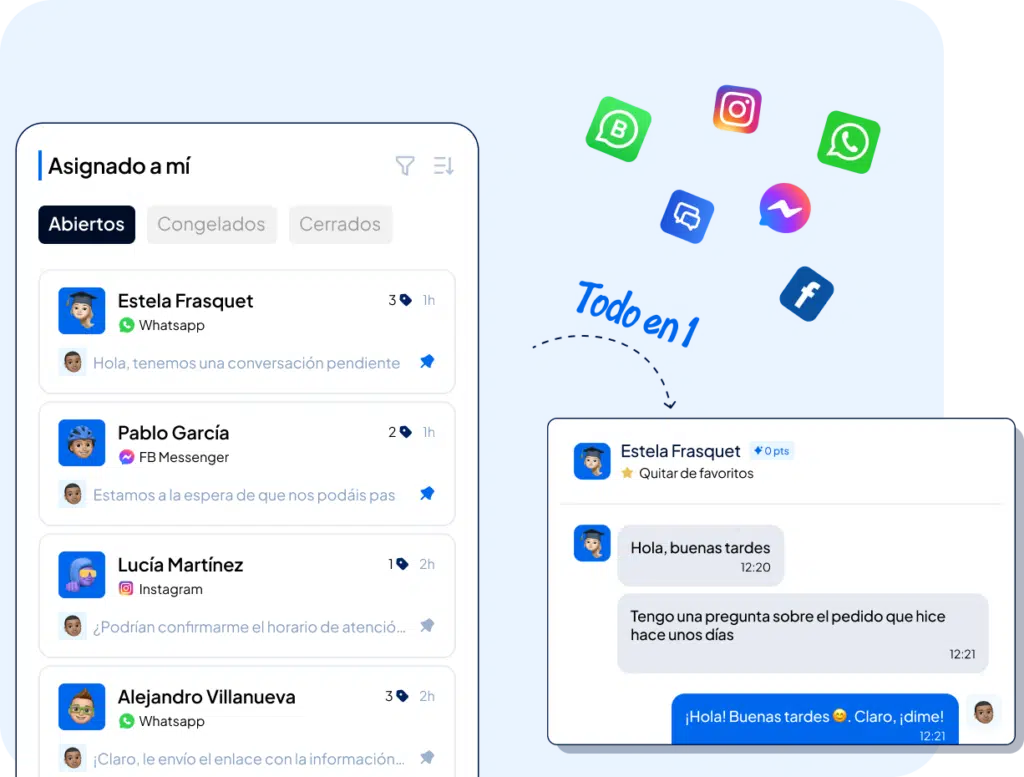
Clientify was designed around how Spanish and Latin American SMBs actually sell: through WhatsApp. The platform treats WhatsApp as a primary sales channel, not a support afterthought.
Source: Clientify
A real estate agency in Madrid can have 50+ agents handling the same WhatsApp number simultaneously, with every conversation logged to the CRM contact, automated follow-ups triggered by message events, and AI chatbots qualifying leads around the clock. HubSpot doesn't offer that level of WhatsApp integration at any price tier.
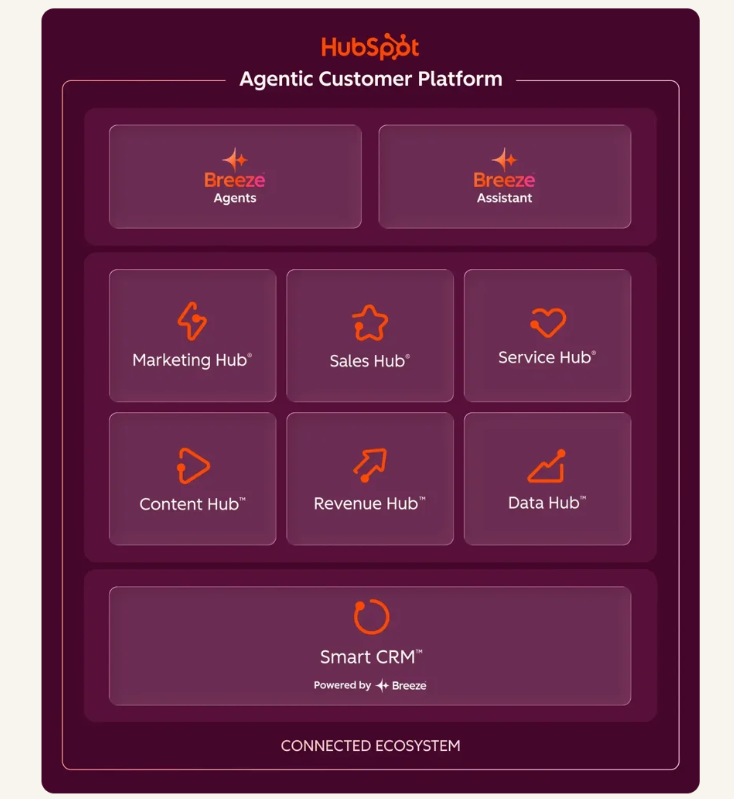
HubSpot was built for a different motion: content-led inbound marketing where prospects find you through blogs, SEO, and landing pages, then move through email nurture sequences into a sales pipeline. HubSpot's strength is the consistency of that experience across marketing, sales, and service.
Source: HubSpot
When a marketing-qualified lead books a meeting, the sales rep sees every page visit, email open, and form submission in one timeline. When that customer submits a support ticket, the service agent sees the full relationship history.
The question isn't which platform is better. It's which sales motion matches your business.
The pricing gap is wider than it looks
Clientify's pricing is straightforward. One plan at $39/month (annual billing) includes CRM, email marketing, WhatsApp campaigns, landing pages, automations, AI chatbot, electronic signatures, and sales pipelines. Additional users and marketing contacts cost extra, and add-ons like API access ($12/month) or Looker Studio integration ($22/month) are priced individually.
For a five-person team, expect roughly $100-150/month all-in.
HubSpot's pricing takes more math. The free CRM works for getting started, but it caps at two users and brands everything customer-facing with HubSpot's logo. Starter plans run $15-20/seat/month, still affordable. The jump to Professional is where budgets strain: Marketing Hub Professional costs $800/month (annual) with a mandatory $3,000 onboarding fee. Sales Hub Professional is $90/seat/month with a $1,500 onboarding fee.
And if you subscribe to multiple Hubs at different tiers, all Core Seats are billed at the highest tier's rate, a detail that catches many buyers off guard.
For context: a 10-person team using Marketing Hub Professional and Sales Hub Professional could spend $2,000-3,000/month before add-ons. The same team on Clientify would pay around $200-300/month. Clientify's homepage makes this comparison explicit, showing $342/month for separate tools versus $39/month with Clientify.
The math shifts if you need HubSpot's depth in content marketing, service operations, or enterprise reporting. But for teams whose core need is CRM plus marketing automation, the price gap matters.
WhatsApp changes the equation for certain markets
In Spain and Latin America, WhatsApp isn't just a messaging app. It's how business gets done. A prospect sends a WhatsApp message instead of filling out a form. A salesperson closes a deal over WhatsApp instead of scheduling a video call. A service team handles support through WhatsApp instead of email tickets.
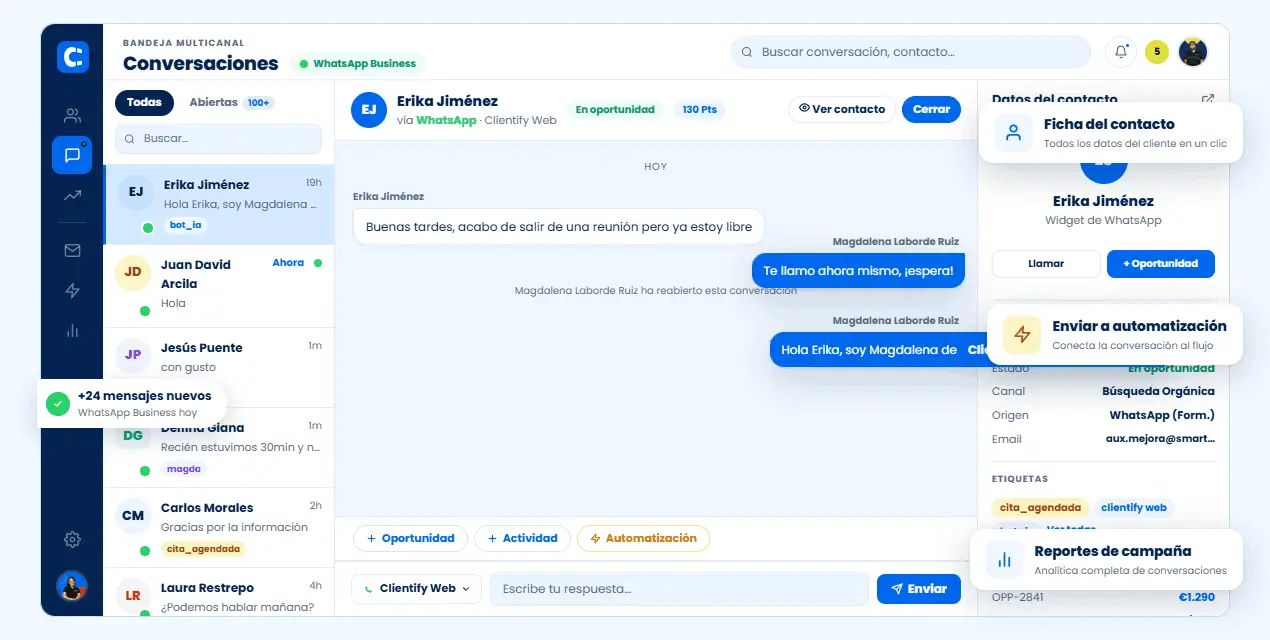
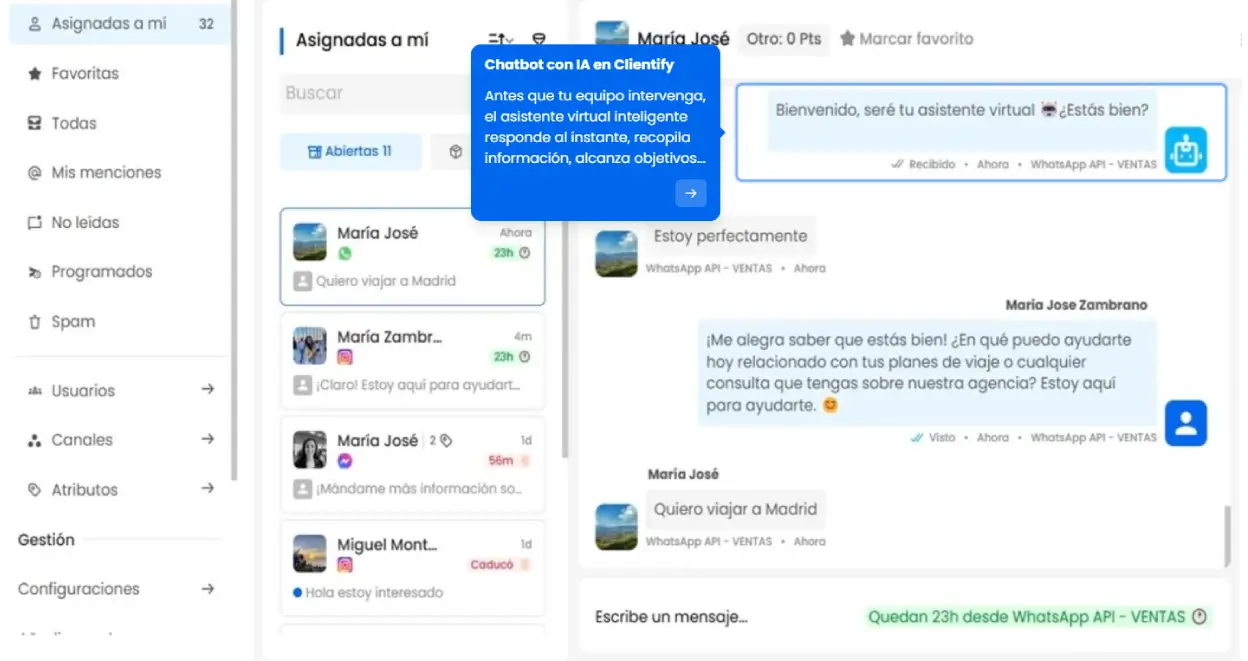
Clientify was built for this reality. As a Meta Business Partner, Clientify offers the official WhatsApp Business API with multi-agent shared inbox, mass WhatsApp campaigns with personalization, AI chatbots that qualify leads on WhatsApp, a click-to-WhatsApp widget for websites, and automated WhatsApp reminders tied to deal stages.
Source: Clientify
HubSpot added WhatsApp as a support channel in Service Hub Professional and Enterprise, but it's secondary, not a primary sales tool. You won't find WhatsApp campaign broadcasting, AI chatbots on WhatsApp, or the WhatsApp-first workflow design that Clientify offers.
For businesses in North America or Northern Europe where email and phone dominate, this doesn't matter. For businesses in WhatsApp-first markets, it's the deciding factor.
HubSpot's ecosystem creates a gravitational pull
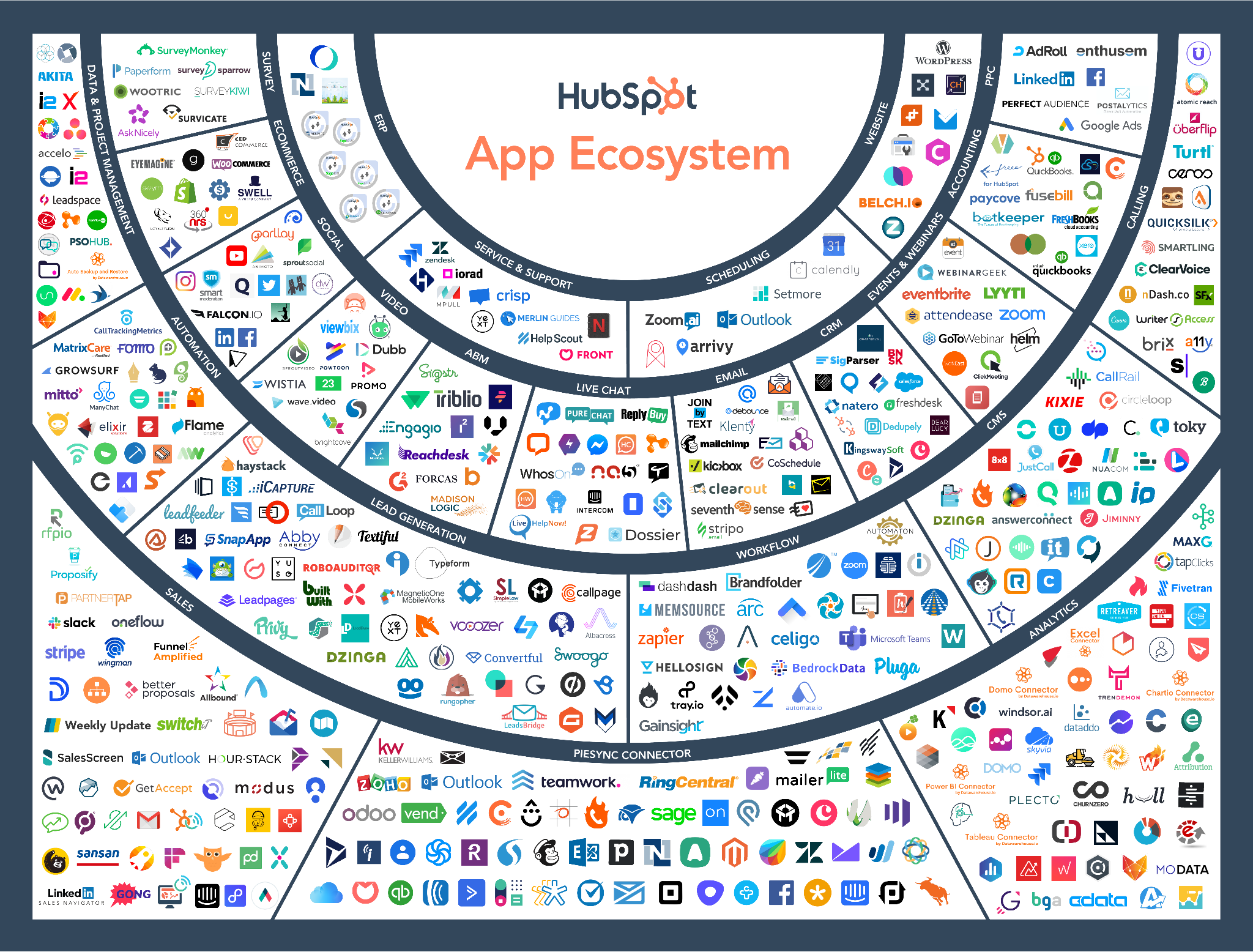
HubSpot's integration ecosystem is its strongest competitive advantage. With over 2,000 apps and 2.5 million active installs, HubSpot connects to nearly every business tool: Shopify for e-commerce, Slack for team communication, Stripe for payments, Salesforce for enterprise CRM migration, and hundreds more.
Source: HubSpot
Each integration shares data in both directions with the Smart CRM, so marketing, sales, and service data stays unified regardless of how many tools you use.
The developer platform extends this. HubSpot offers UI Extensions for custom dashboards, programmable automation with JavaScript and Python inside workflows, and a Technology Partner Program for ISVs. The HubSpot Academy has certified over 200,000 professionals, creating a talent pool that makes hiring HubSpot-skilled team members straightforward.
Clientify's integration story is smaller but growing. The platform lists 33+ native connectors covering Google Workspace, Meta Ads, WooCommerce, Shopify, and several VoIP providers, plus 15,000+ apps through Zapier and Integrately.
For Spanish SMBs, the vertical integrations stand out: Inmovilla for real estate, Orbis for travel agencies, Hotelgest for hospitality. But companies that rely on a broad SaaS stack will find HubSpot's ecosystem far larger.
AI features are evolving differently
Both platforms invest in AI, but their approaches reflect their different audiences.
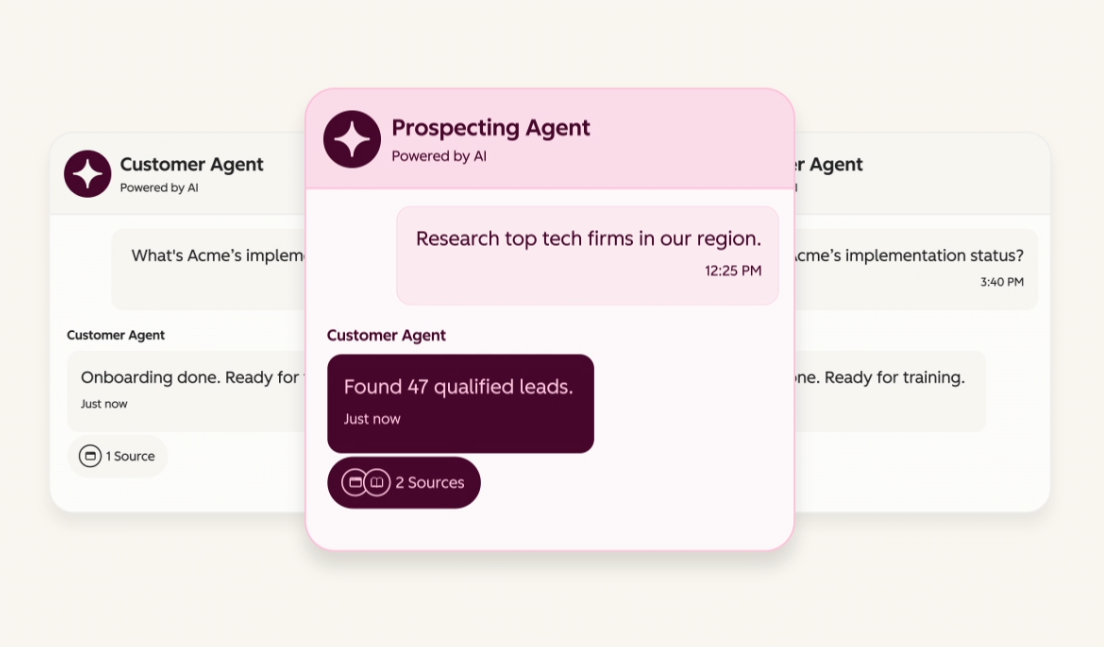
HubSpot's Breeze is an AI layer running across all Hubs. The Customer Agent resolves over 50% of conversations without human help. The Prospecting Agent monitors buying signals and drafts outreach emails. The Data Agent answers plain-language questions about CRM data. Content Remix turns blog posts into social media content, email copy, and video scripts.
Source: HubSpot
These agents draw on HubSpot's full CRM data, which gives them an edge: AI that knows your customer history produces more relevant output than generic AI tools.
Clientify's AI features are newer but practical. The AI chatbot handles WhatsApp and website chat 24/7, qualifying leads and collecting structured data before handing off to sales.
Source: Clientify
AI-generated proposals pull opportunity data to draft personalized offers in seconds. AI landing pages (in beta) generate pages from text instructions. Lead scoring, launched in Q1 2026, assigns points based on contact interactions across channels. The direction is clear, but several features remain in beta.
Neither platform applies AI to the problem of identifying which accounts are worth pursuing, or spotting when those accounts are actively in market.
ZoomInfo adds the intelligence layer both platforms miss
Clientify and HubSpot manage the contacts and deals already in your pipeline. ZoomInfo tells you which accounts should be in your pipeline and why.
The difference starts with data.
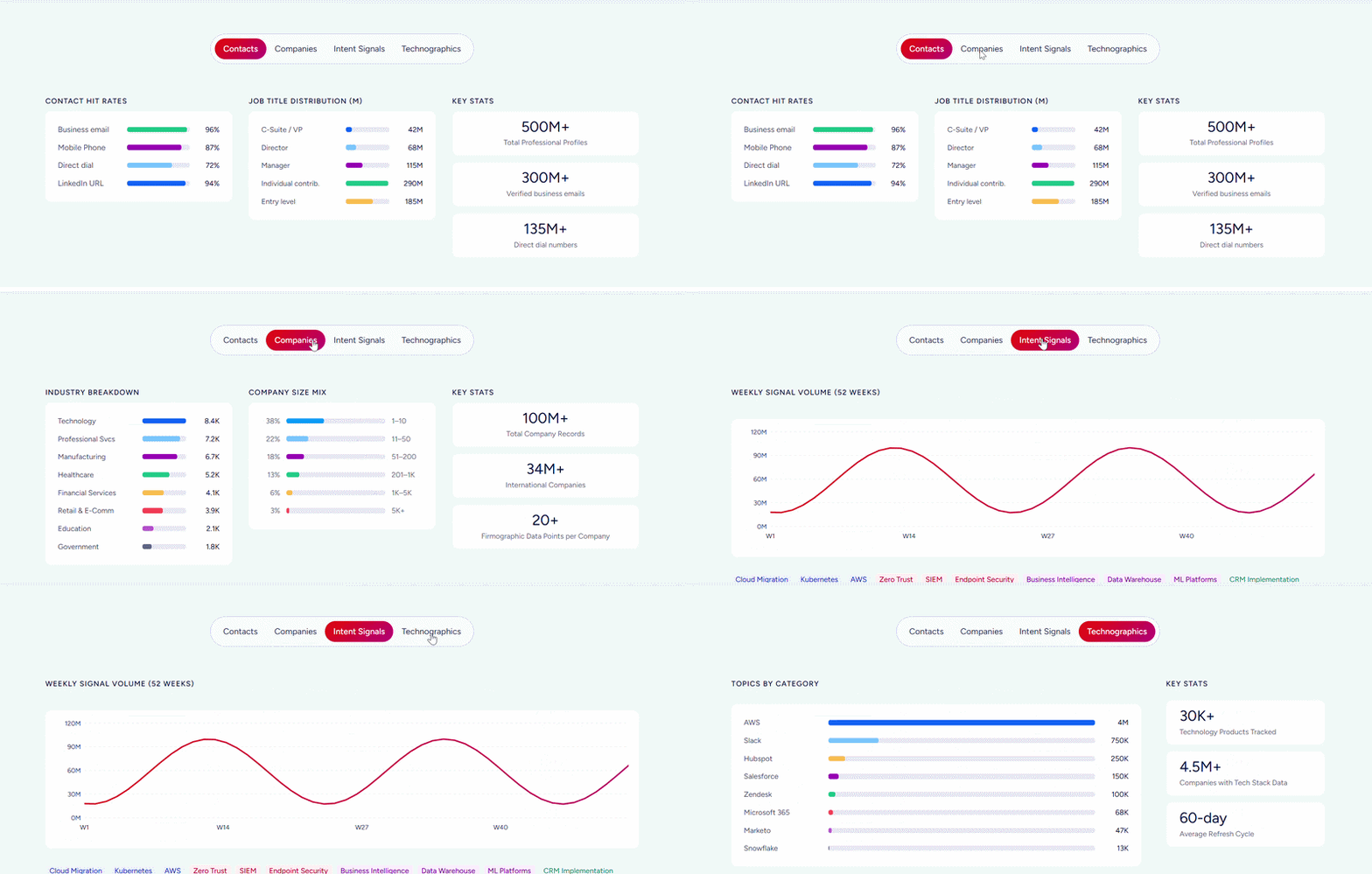
ZoomInfo maintains 500M contacts, 100M companies, 135M+ verified phone numbers, and 200M+ verified business emails, verified through a multi-source pipeline backed by 300+ human researchers with up to 95% accuracy on first-party data.
In a Fortune 500 competitive RFP analyzing 25 million contacts across vendors, the independent consultant concluded that "no other competitor came even close."
That data becomes intelligence through the GTM Context Graph, which processes 1.5B+ data points daily. It combines ZoomInfo's B2B data with your CRM records, conversation transcripts, and behavioral signals to show not just what happened in a deal, but why. A CRM records that a deal moved to Stage 3.
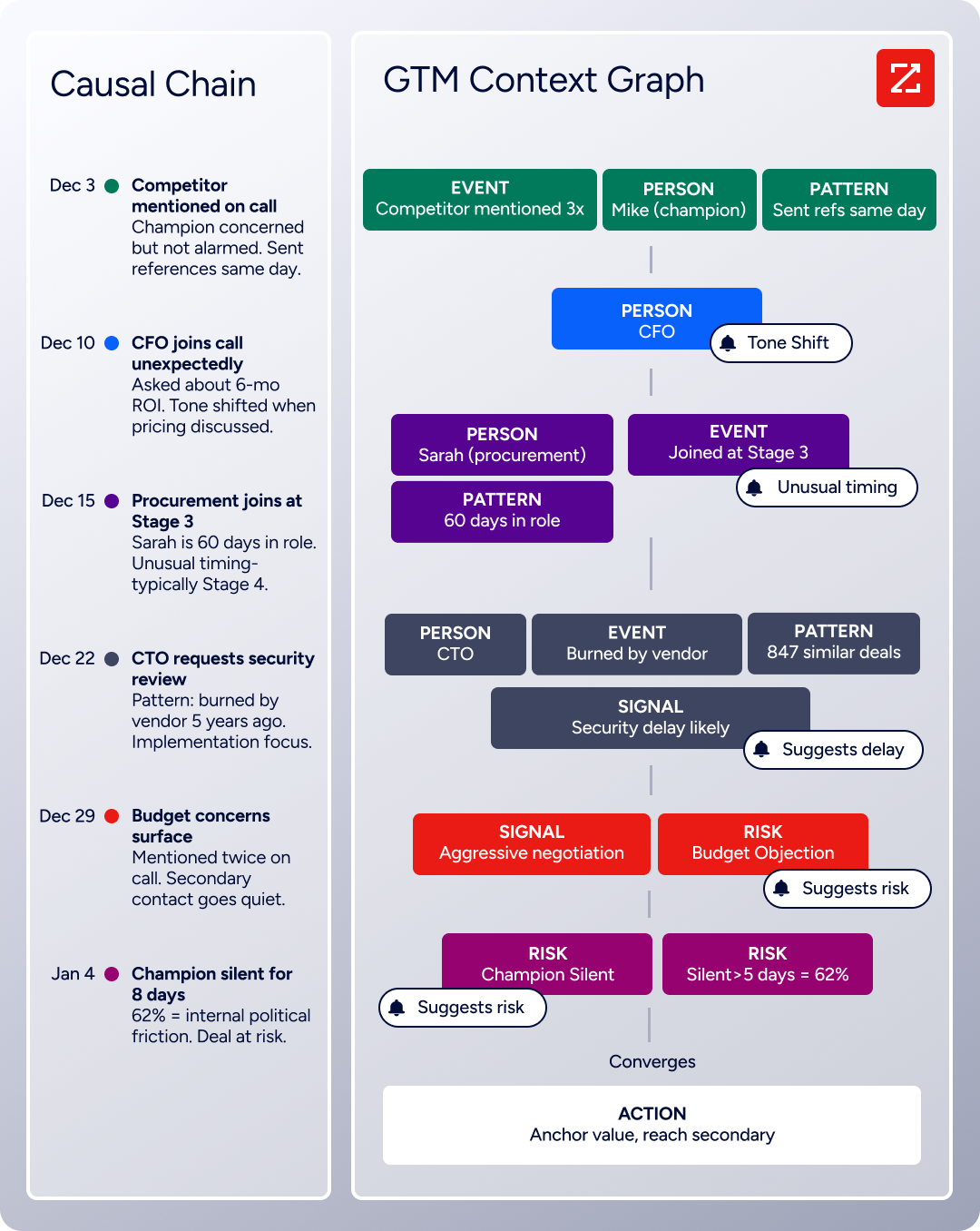
The Context Graph sees that the CFO joined the last call and asked about six-month ROI, recognizes that pattern from closed-won deals in your segment, and flags the acceleration.
For teams already using HubSpot, ZoomInfo plugs directly into the CRM. Contact and company records gain verified data. Intent signals flow into sales workflows. Your HubSpot instance works with accurate, complete records instead of whatever data prospects volunteered in a form.
Seismic's sales team attributed 39% of active pipeline to opportunities identified or influenced by ZoomInfo signals, boosted productivity by 54%, and saved 11.5 hours per week. (Seismic Case Study)
For a detailed head-to-head breakdown of how these two platforms compare, see our HubSpot vs. ZoomInfo comparison.
Prospecting capabilities tell a clear story
How each platform helps you find new business reveals its design priorities.
Clientify added outbound prospecting through its June 2024 acquisition of FindThatLead, now called RadarB2B. The module offers 280M contacts with filters for job title, industry, company size, geography, and technology stack. Credits are consumed only when verified data is revealed, and contacts push directly into CRM sequences. It's a practical addition for SMBs that previously had no prospecting tool.
HubSpot approaches prospecting through its Breeze Prospecting Agent, which monitors enrolled prospects for buying signals (leadership changes, funding rounds, engagement spikes) and drafts outreach using the full HubSpot customer history. The Lead Management workspace organizes prospecting and tracking in one place.
HubSpot also enriches records from email threads and conversations. For inbound-heavy companies, this works. For outbound teams that need to build target account lists from scratch, HubSpot depends on the data you (or a third-party tool) put into it.
ZoomInfo was built for this. Beyond the contact database, ZoomInfo provides buyer intent data from 210 million IP-to-organization pairings, website visitor identification that resolves anonymous traffic to companies, technographic profiles of 30+ million companies, and Guided Intent that surfaces topics historically correlated with deal success.
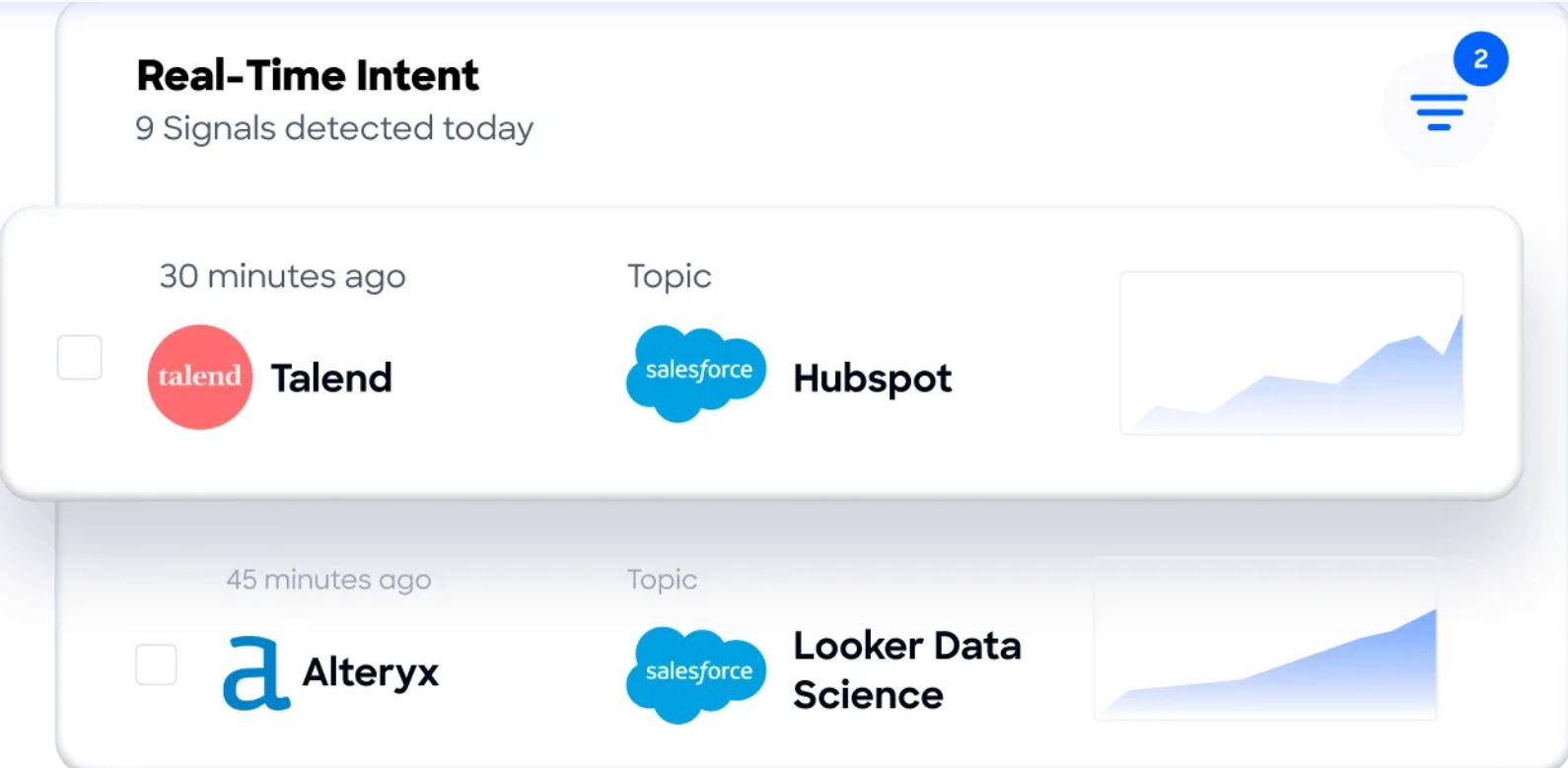
GTM Workspace gives sellers a prioritized account feed where AI-drafted outreach addresses the signals the Context Graph identified.
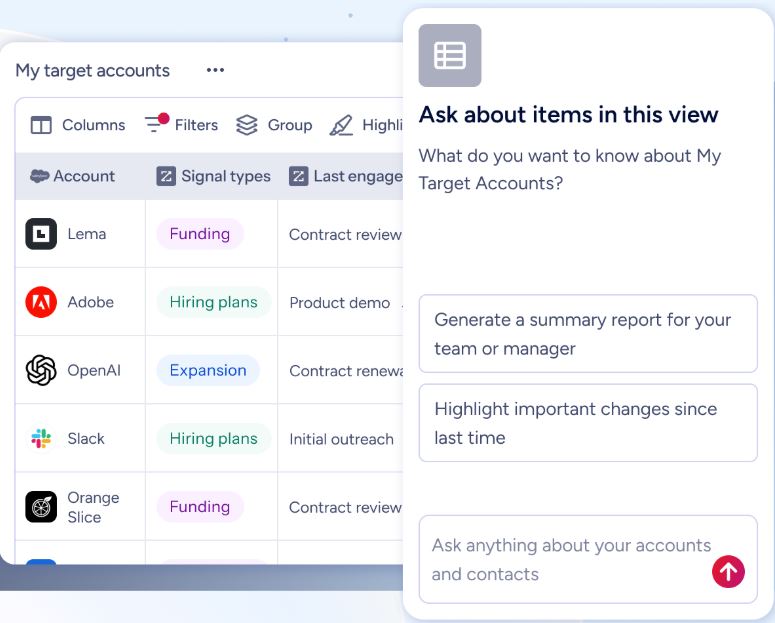
GTM Studio lets marketers describe audiences in plain language and launch multi-channel plays targeting accounts that match proven win patterns.
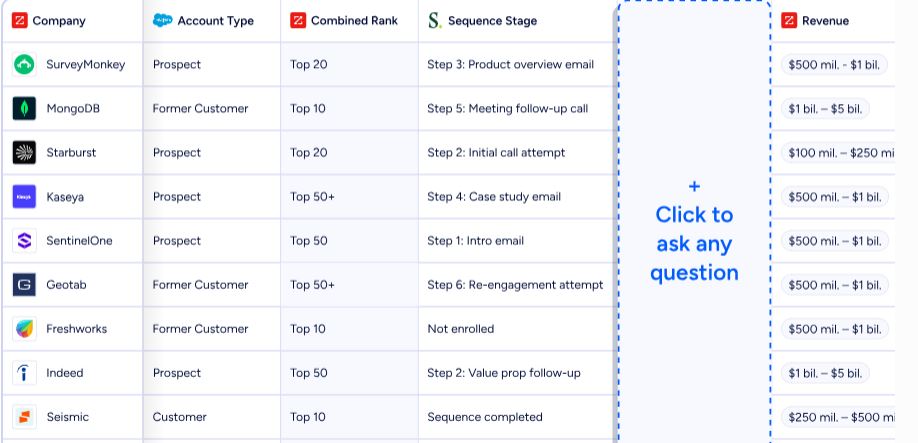
Snowflake uses ZoomInfo for at least one-third of the most critical data features in their Account Propensity Scoring model. Accounts tracked with ZoomInfo-powered scores showed 90% higher opportunity open rates and 2x higher customer conversion rates. (Snowflake Case Study)
Marketing automation comparison
Clientify bundles email and WhatsApp marketing into one workflow engine. The platform offers 200 automation workflows, unlimited email sends without per-volume charges, A/B testing, landing pages, lead scoring, and social media management across Instagram, Facebook, LinkedIn, X, YouTube, and TikTok. The standout feature is WhatsApp campaign broadcasting with the same segmentation and automation as email.
For SMBs running frequent campaigns to growing lists, the absence of per-send fees removes budget uncertainty. Users report saving 15 hours per week through automation.
HubSpot Marketing Hub offers more depth. Visual workflow automation supports multi-step, branching nurture sequences triggered by any contact behavior. Audience segments update in real time based on CRM properties, behavioral signals, and intent data.
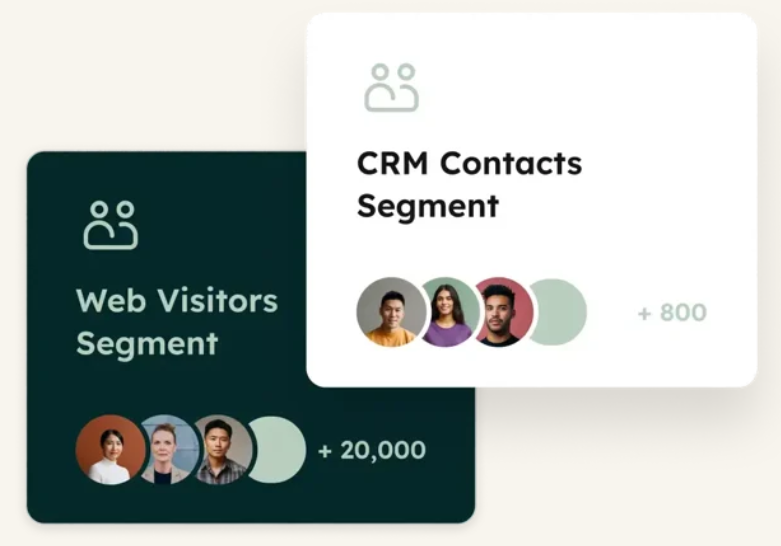
Source: HubSpot
Content Remix turns one piece of content into social posts, emails, and video scripts.
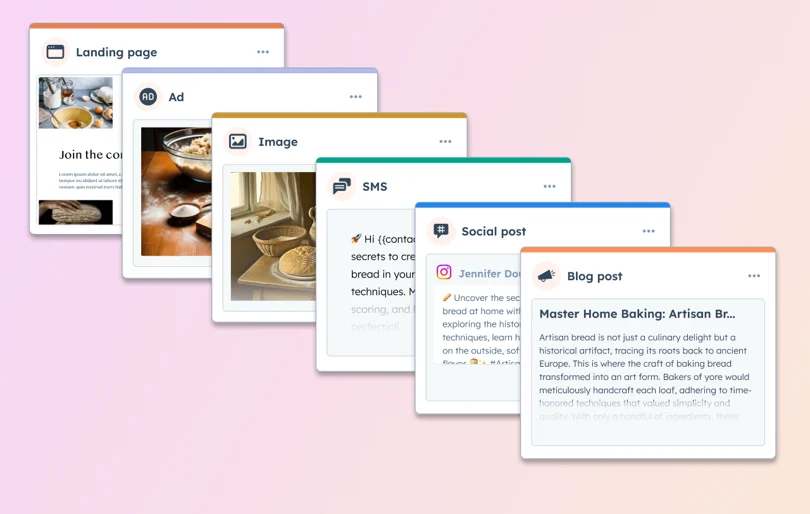
Source: HubSpot
Advanced Marketing Reporting ties campaign activity to revenue through multi-touch attribution.
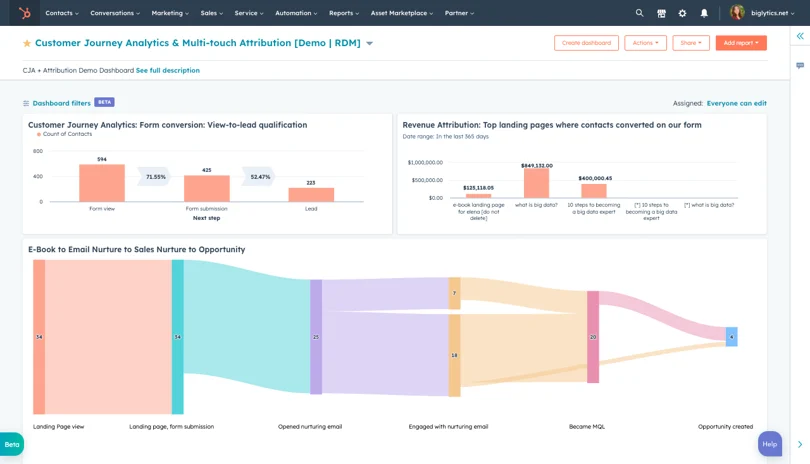
Source: HubSpot
The Loop Marketing framework provides a methodology for AI-era marketing, though several features remain in beta.
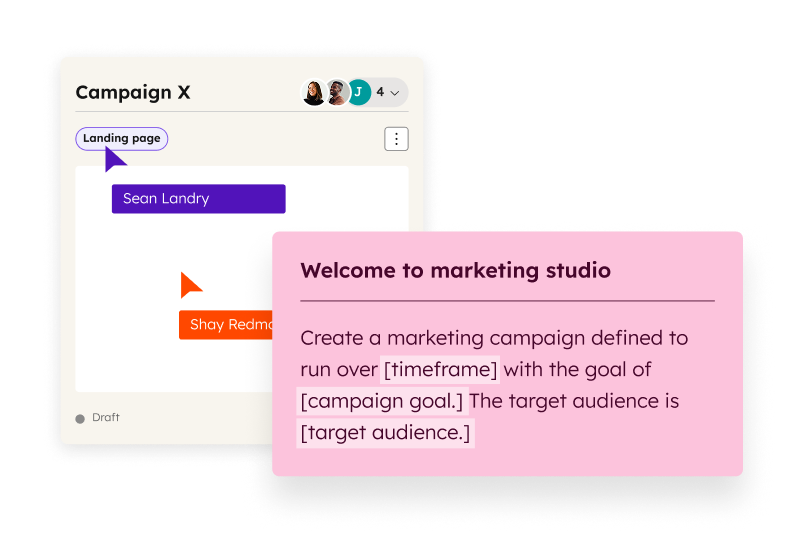
Source: HubSpot
ZoomInfo Marketing takes a different approach. Rather than nurturing existing contacts, it finds and activates the right accounts. The native demand-side platform places display ads based on 300+ company attributes across major networks.
FormComplete reduces forms to one field while auto-filling the rest from ZoomInfo's database. Signal-triggered plays launch when a target account shows buying behavior.
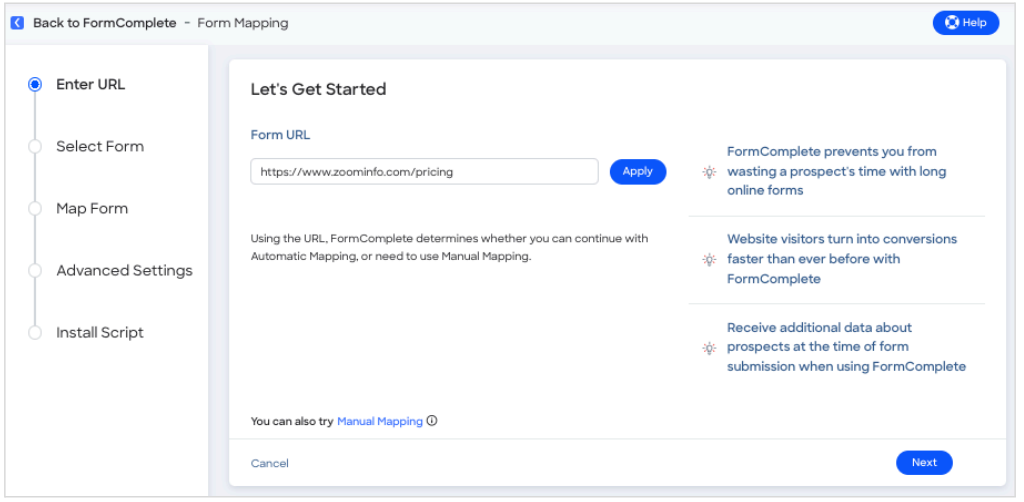
Smartsheet reported a 40%+ increase in form fills, 84% increase in MQLs, and 59% increase in win rate using these tools.
Support and onboarding reflect different scales
Clientify offers what reviewers call responsive support for its price. The team operates 18 hours per day with 15+ agents across Spain and Latin America, in Spanish only. In-app live chat targets response times under 15 minutes.
Every plan includes weekly setup sessions, daily hands-on sessions by module, weekly webinars, the Academia Clientify learning platform, a community forum, and a WhatsApp support group. Capterra reviewers consistently highlight the accessible, human support.
The limitation: no English-language support and no 24/7 coverage.
HubSpot tiers its support by plan. Free users get community forums only. Starter adds email and chat. Professional and Enterprise add phone support. The HubSpot Academy offers free courses and certifications.
The Solutions Partner ecosystem provides implementation help, though mandatory onboarding fees ($1,500-$7,000 depending on the Hub) mean you pay for setup support whether you want it or not. The knowledge base spans 17+ languages with thousands of articles.
ZoomInfo redesigned its onboarding program from 30 to 90 days across planning, technical implementation, education, and adoption phases. The redesign produced a 25% improvement in customer satisfaction scores. ZoomInfo University provides role-specific learning paths, product certifications, and live webinars. Enterprise customers get dedicated support, and professional services are available through ZoomInfo Labs.

Security and compliance considerations
All three platforms take security seriously, but their certifications reflect different regulatory environments.
Clientify holds ISO/IEC 27001:2022 certification with monthly technical audits and vulnerability scans. As a Spanish company under EU law, it has a Data Protection Officer registered with Spain's AEPD, stores all customer data on EU servers, and complies with GDPR. The Trust Center documents encryption in transit and at rest, least-privilege access controls, and two-factor authentication.
HubSpot holds SOC 2 Type II, HIPAA attestation, GDPR and CCPA compliance, and EU Cloud Code of Conduct Level 2 certification. Data is hosted primarily on AWS in the United States, with an EU Data Center option for localization needs. Encryption uses AES-256 at rest and TLS 1.2/1.3 in transit. A bug bounty program on Bugcrowd and regular third-party penetration testing complete the picture.
ZoomInfo maintains ISO 27001, ISO 27701, SOC 2 Type II, TRUSTe GDPR, and TRUSTe CCPA certifications, all renewed annually. As a B2B data platform handling hundreds of millions of contact records, ZoomInfo is a registered data broker in California and Vermont, and maintains a Trust Center with transparent data handling policies.
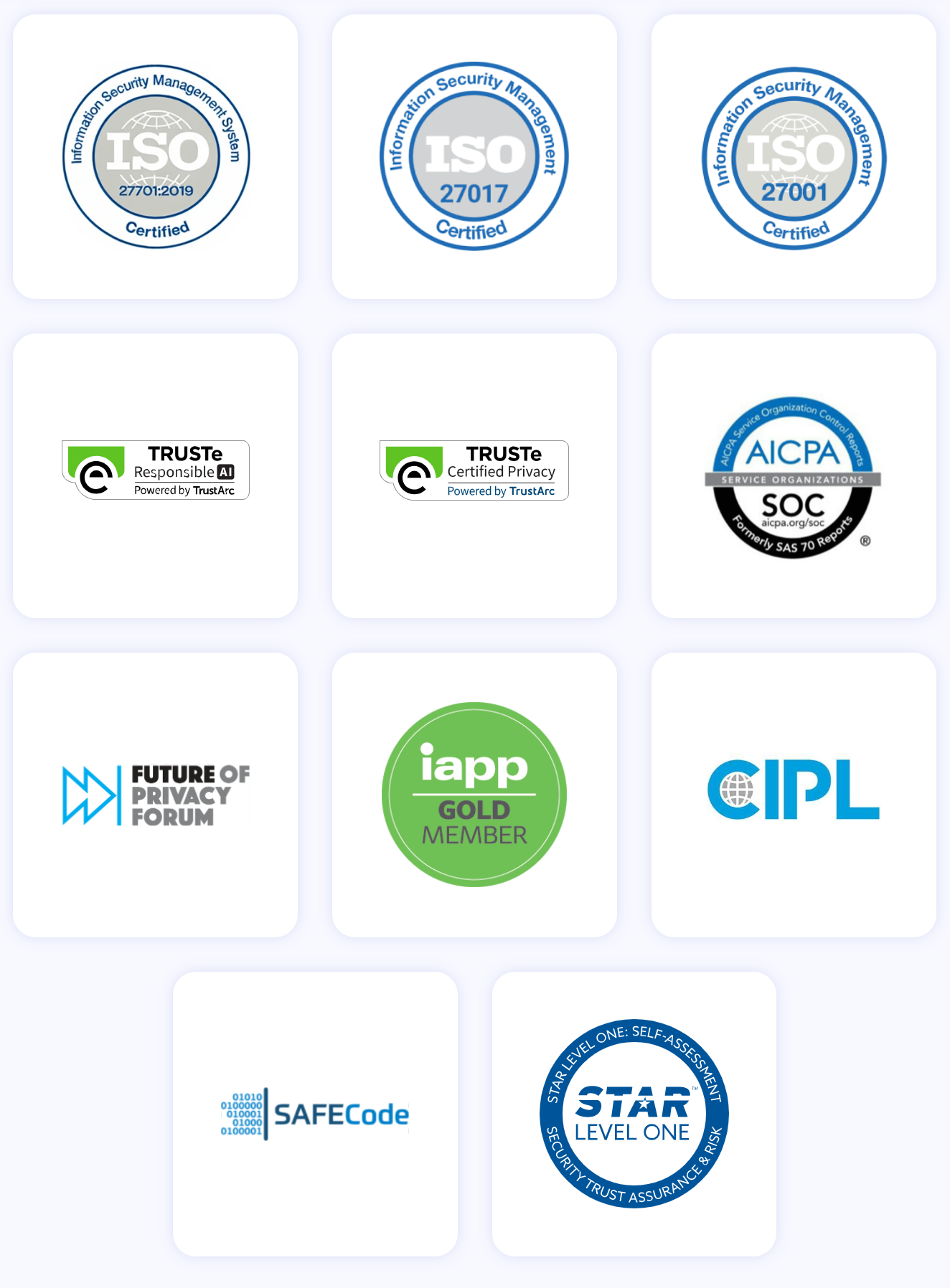
The ISO 27701 privacy information management certification is worth noting for organizations in regulated industries.
Clientify vs. HubSpot vs. ZoomInfo: Which should you choose?
The right choice depends on your market, your sales motion, and what problem you're trying to solve.
Choose Clientify if:
WhatsApp is your primary sales and marketing channel
You're a Spanish or Latin American SMB (1-50 employees)
You need CRM, email marketing, and WhatsApp campaigns in one affordable tool
Budget is a primary concern and HubSpot's pricing feels excessive
You value hands-on, Spanish-language support
Spain's Kit Digital subsidy applies to your business
Choose HubSpot if:
You need a CRM platform spanning marketing, sales, service, and content
Your sales motion is inbound-led (content, SEO, landing pages, email nurture)
You require integrations with a broad SaaS stack
Your team operates across multiple countries and languages
You're ready to invest in a platform you can grow into over years
Choose ZoomInfo if:
Your biggest challenge is finding and prioritizing the right accounts, not managing existing contacts
You need verified B2B data (direct dials, emails, org charts, intent signals) to power outbound sales
You want AI that explains why deals move, not just AI that drafts content
You already use HubSpot (or another CRM) and need an intelligence layer to make it more effective
Your go-to-market strategy depends on reaching decision-makers at the right moment with the right message
See how ZoomInfo's intelligence layer works with a free trial.
A CRM is only as good as the data inside it. Clientify and HubSpot both excel at organizing and activating the contacts you have. ZoomInfo ensures those contacts are the right ones, that the data is accurate, and that your team knows when and why to reach out. For B2B companies serious about pipeline generation, the question isn't which CRM to buy. It's whether your CRM has the intelligence to deliver results.
"ZoomInfo is our one source of truth for account data, and even more so for contact data. There's no other provider in the market that provides you with that level of detail," says Thor Sanderson, Senior Manager of Sales Technology Enablement, Smartsheet. (Smartsheet Case Study)
Clientify vs. HubSpot vs. ZoomInfo FAQ
What is the fundamental difference between Clientify, HubSpot, and ZoomInfo?
Clientify is a WhatsApp-native CRM built for Spanish-speaking SMBs, bundling CRM, marketing automation, and WhatsApp Business API starting at $39/month. HubSpot is a CRM platform for scaling companies, covering marketing, sales, service, and content in one system.
ZoomInfo is a B2B data intelligence and go-to-market platform that provides verified contact data, intent signals, and account intelligence for prospecting and pipeline generation. ZoomInfo integrates directly with HubSpot and also functions as its own execution platform.
Which platform is cheapest for a small team?
Clientify is the most affordable paid option at $39/month for one user, with additional users and contacts scaled via a calculator. HubSpot offers a permanent free CRM (capped at two users with branding), with Starter plans from $15/seat/month.
ZoomInfo offers a permanent free tier (ZoomInfo Lite) with 10 monthly export credits and a 7-day full-feature trial, but paid plans use consumption-based pricing and target larger organizations.
Can ZoomInfo work alongside HubSpot or Clientify?
ZoomInfo integrates directly with HubSpot, enriching CRM records with verified contact data, company intelligence, and intent signals. Teams can use HubSpot as their CRM while ZoomInfo powers prospecting, data enrichment, and account prioritization. Clientify has no native ZoomInfo integration, though connection through Zapier or API is possible.
Which platform is best for outbound sales prospecting?
ZoomInfo is built for this. Its database of 500M contacts with 135M+ verified phone numbers and 200M+ verified business emails, combined with buyer intent data and website visitor identification, gives sales teams verified contact information for decision-makers at accounts actively researching solutions.
Clientify's RadarB2B module offers 280M contacts for basic outbound prospecting. HubSpot's Breeze Prospecting Agent monitors and engages enrolled prospects but depends on existing CRM data rather than a proprietary contact database.
Which platform handles WhatsApp marketing best?
Clientify leads on WhatsApp. As a Meta Business Partner, it offers multi-agent shared inbox, mass WhatsApp campaigns with segmentation, AI chatbots on WhatsApp, and automated WhatsApp reminders tied to deal stages. HubSpot supports WhatsApp in Service Hub Professional and Enterprise but treats it as a support channel, not a sales tool. ZoomInfo does not focus on WhatsApp.
How do the AI capabilities compare?
HubSpot's Breeze AI spans all Hubs with agents for customer service, prospecting, content creation, and data analysis, drawing on full CRM data history. Clientify offers AI chatbots, AI-generated proposals, and AI landing pages (beta), with features still maturing.
ZoomInfo's AI operates through the GTM Context Graph, which reasons across CRM data, conversation intelligence, and third-party signals to explain why deals move or stall and identify which accounts to prioritize.
Which platform is best for companies in Spain or Latin America?
Clientify is built for this market. The platform is fully Spanish-language, support operates from Spain and Latin America, and it qualifies for Spain's Kit Digital government subsidy (up to $4,000 per SMB). HubSpot offers Spanish-language localization and has offices in multiple regions but isn't designed for WhatsApp-first markets. ZoomInfo covers global B2B data but is used primarily by North American and European enterprises.
Do any of these platforms offer a free plan?
HubSpot offers a permanent free CRM with unlimited contacts (up to 1M records), limited to two users with HubSpot branding on customer-facing tools. ZoomInfo Lite is a permanent free tier with access to the B2B database, 10 monthly export credits, and basic features. Clientify offers a 14-day free trial with full features but no permanent free plan.
See how HubSpot compares against other CRMs and platforms:
