
Choosing between Forma.ai and Xactly for sales compensation comes down to five questions:
Do you need AI to configure plans from natural language, or do you prefer a structured, rules-based approach backed by two decades of benchmarking data?
Are you replacing a legacy ICM that has become a bottleneck, or outgrowing spreadsheets for the first time?
Is embedded consulting more valuable to your team than self-service plan design and simulation tools?
Do you want a platform that handles territory, quota, and compensation in one connected system, or one that offers dedicated modules for each with independent pricing?
How confident are you that the pipeline and CRM data feeding your compensation calculations is actually accurate?
In short, here's what we recommend:
Forma.ai is the AI-native challenger built for enterprises whose compensation teams are constrained by rigid legacy tools. Its unified data model lets comp teams describe plan logic in plain language and have AI compile it into production-ready rules, without coding or IT involvement. Forma.ai bundles strategic consulting into every license, and the Forrester Wave Q1 2025 named it both a Strong Performer and the only Customer Favorite in the evaluation. The tradeoff: initial setup takes real time, the platform has a learning curve for complex configurations, and it's priced for enterprises with hundreds of payees or more.
Xactly is the established market leader that pioneered cloud-based incentive compensation in 2005. With 20+ years of proprietary pay-and-performance data powering its AI models, Xactly offers something no newer entrant can match: empirical benchmarks drawn from billions of commission calculations across industries. The platform spans six products covering compensation administration, territory planning, quota management, forecasting, plan design, and a growing Fleet of AI Agents. The tradeoff: the platform's breadth introduces administrative overhead, module-based pricing adds up, and the product suite reflects its acquisition-driven history.
Both platforms solve the same core problem: getting sales compensation right at scale. But neither controls the quality of the pipeline, territory, and CRM data flowing into their calculations. Compensation is only as accurate as the data behind it. That's where ZoomInfo fits in.
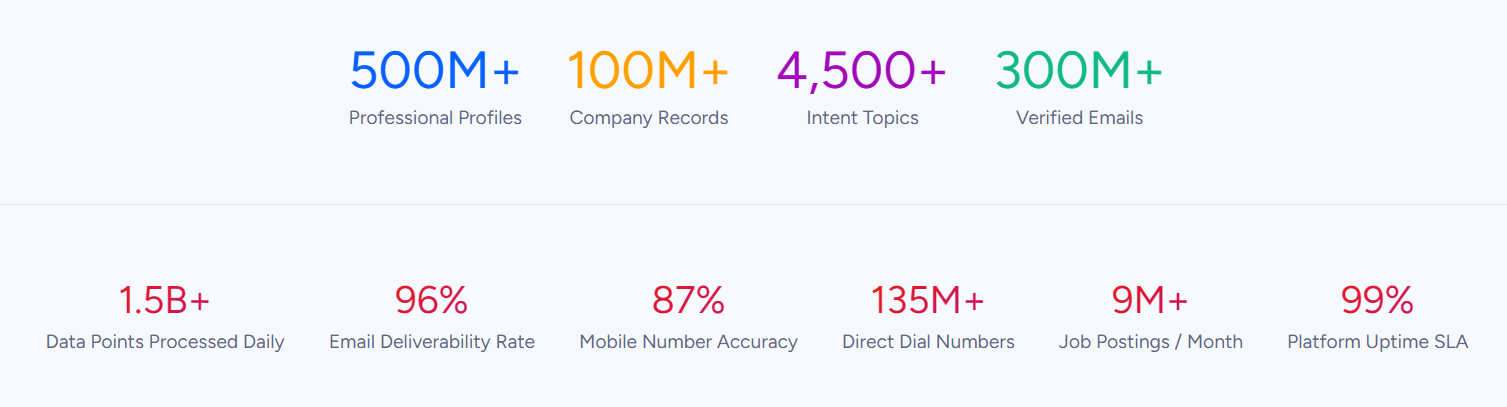
ZoomInfo is an AI GTM platform that provides the data foundation both Forma.ai and Xactly depend on. With 500M contacts, 100M companies, 135M+ verified phone numbers, and 200M+ verified business emails, ZoomInfo keeps the CRM data feeding your compensation calculations complete and current. Its GTM Context Graph processes 1.5B+ data points daily, giving revenue leaders the pipeline intelligence and territory data they need to set fair quotas, design balanced territories, and forecast commission spend accurately. For teams using Forma.ai or Xactly, ZoomInfo is the upstream layer that prevents compensation errors before they happen.
If accurate, verified data matters to your compensation team, see how ZoomInfo works.
Forma.ai vs. Xactly at a glance
Forma.ai | Xactly | ZoomInfo | |
|---|---|---|---|
Founded | 2016 | 2005 | 2007 |
Core function | AI-native SPM platform | Intelligent Revenue Platform | AI GTM platform |
Plan configuration | AI compiles natural language into rules | Compensation Configurator with reusable rules and rate tables | N/A (feeds data to comp platforms) |
Territory & quota | Forma Architect (native module) | Xactly Plan + AlignStar mapping | Territory intelligence via data enrichment and intent signals |
AI capabilities | AI plan configuration, scenario modeling, embedded ML advisory | Fleet of Agents, Intelligence Studio, MCP server, 20-year data-trained models | GTM Context Graph (1.5B+ daily data points), AI-powered account insights, intent signals |
Proprietary data | Growing cross-customer benchmarks | 20+ years of pay-and-performance data | 500M contacts, 100M companies, 200M+ verified emails |
Advisory/consulting | Forma Prophet (bundled in license) | Plan Design Services (priced separately) | GTM plays and AI-powered insights |
Compliance | SOC 1, SOC 2, ASC 606, GDPR, CCPA | SOC 2, ASC 606, IFRS 15 | ISO 27001, ISO 27701, SOC 2 Type II, GDPR, CCPA |
Pricing | Quote-based (3 components) | Quote-based (3 Incent tiers + modules) | Consumption-based, custom-quoted |
Free trial | No public trial | Trial available via sales | 7-day free trial + ZoomInfo Lite (permanent free tier) |
Analyst recognition | Forrester Wave Q1 2025 Strong Performer and Customer Favorite | ISG Overall Leader across three categories; G2 #2 Enterprise Grid | Gartner MQ Leader (ABM); Forrester Wave Leader (Intent Data); 133 G2 No. 1 rankings |
AI-native architecture vs. acquisition-built platform
The most fundamental difference between Forma.ai and Xactly is how each platform was built, and what that means for the people who use them daily.
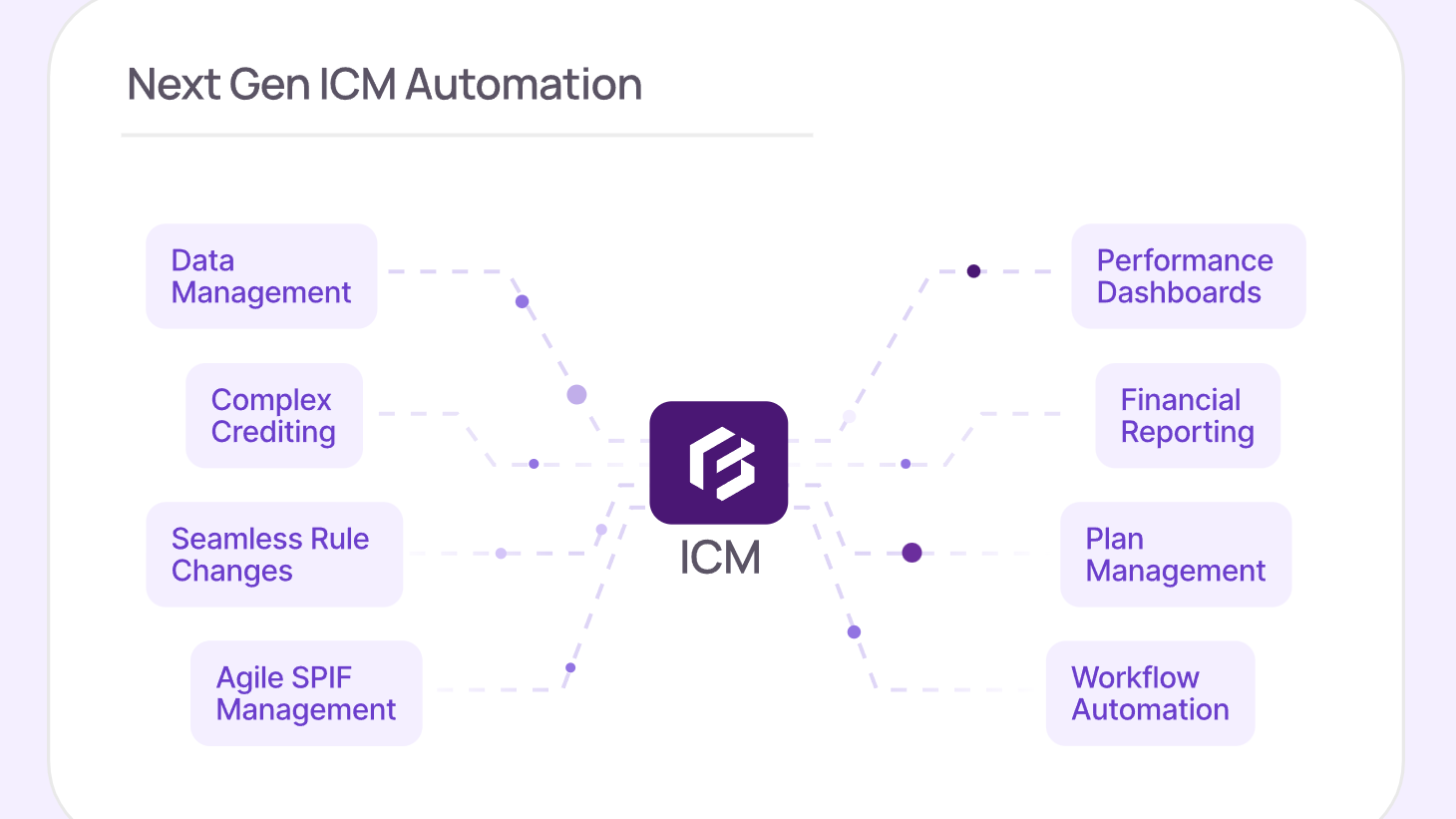
Forma.ai was designed from the ground up around a unified data model that standardizes SPM data and eliminates the need to code calculation formulas. Every module (Operator for compensation, Architect for territory and quota, Prophet for analytics and advisory) shares the same data layer, the same modeling engine, and the same workflow engine. When a territory changes in Architect, crediting rules, plan documents, and payouts update automatically in Operator without manual reconciliation.
Source: Forma.ai
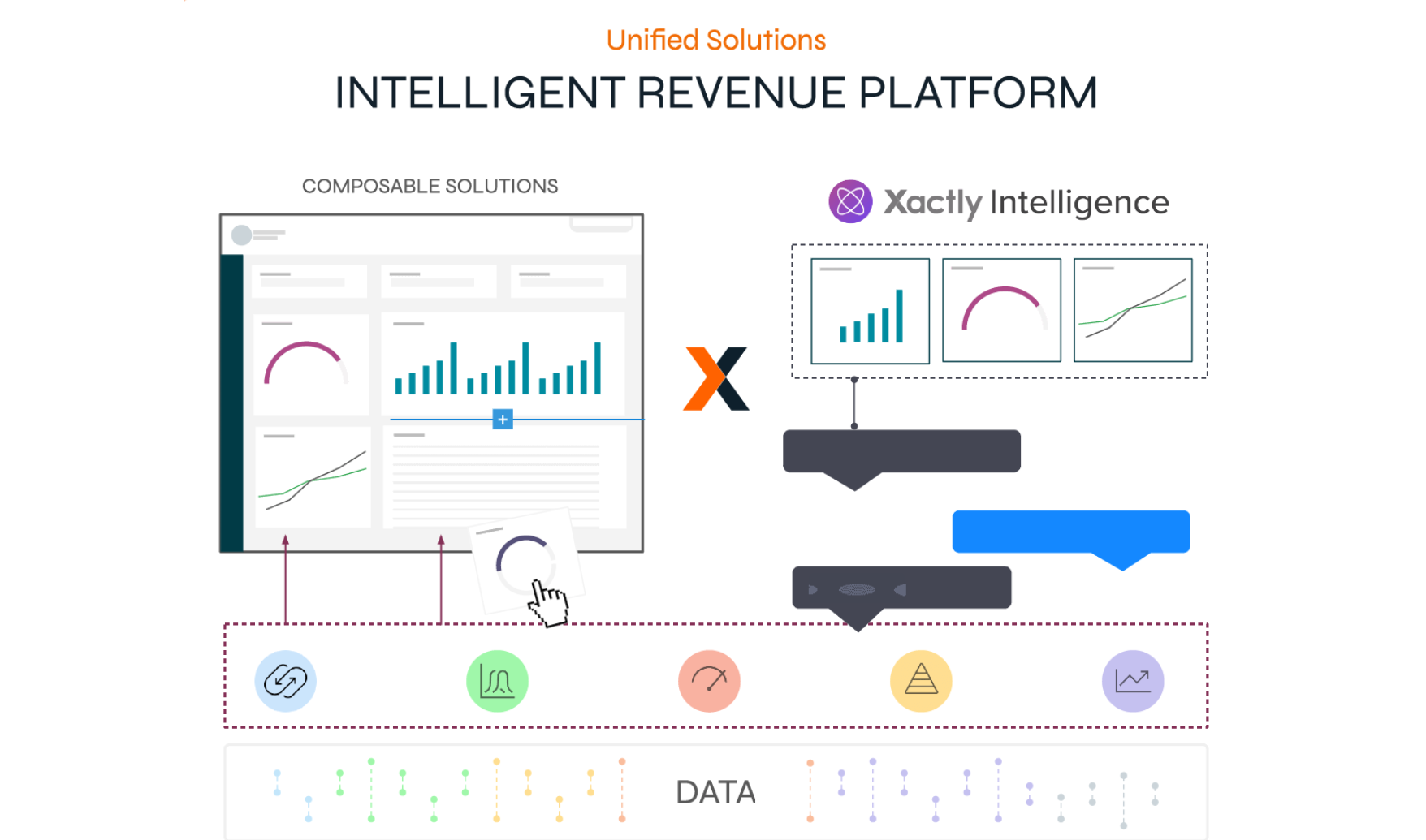
Xactly was built over 20 years through organic development and acquisitions. Incent (the core ICM) was built in-house in 2005. AlignStar (territory mapping) was acquired in 2017. OpsPanda (capacity planning) and TopOpps (forecasting) followed in 2018–2023. Each acquisition brought domain expertise. The Intelligent Revenue Platform connects territories, people, opportunities, credits, and quotas in one record, though the individual products reflect their different origins.
Source: Xactly
What this means in practice: Forma.ai delivers a tighter experience for teams that need territory, quota, and compensation to move as one system. Xactly delivers broader coverage for organizations that need forecasting, territory mapping with geographic visualization, and AI agents alongside compensation administration.
Plan configuration separates the two platforms
How comp teams build and modify incentive plans is where the day-to-day experience diverges most.
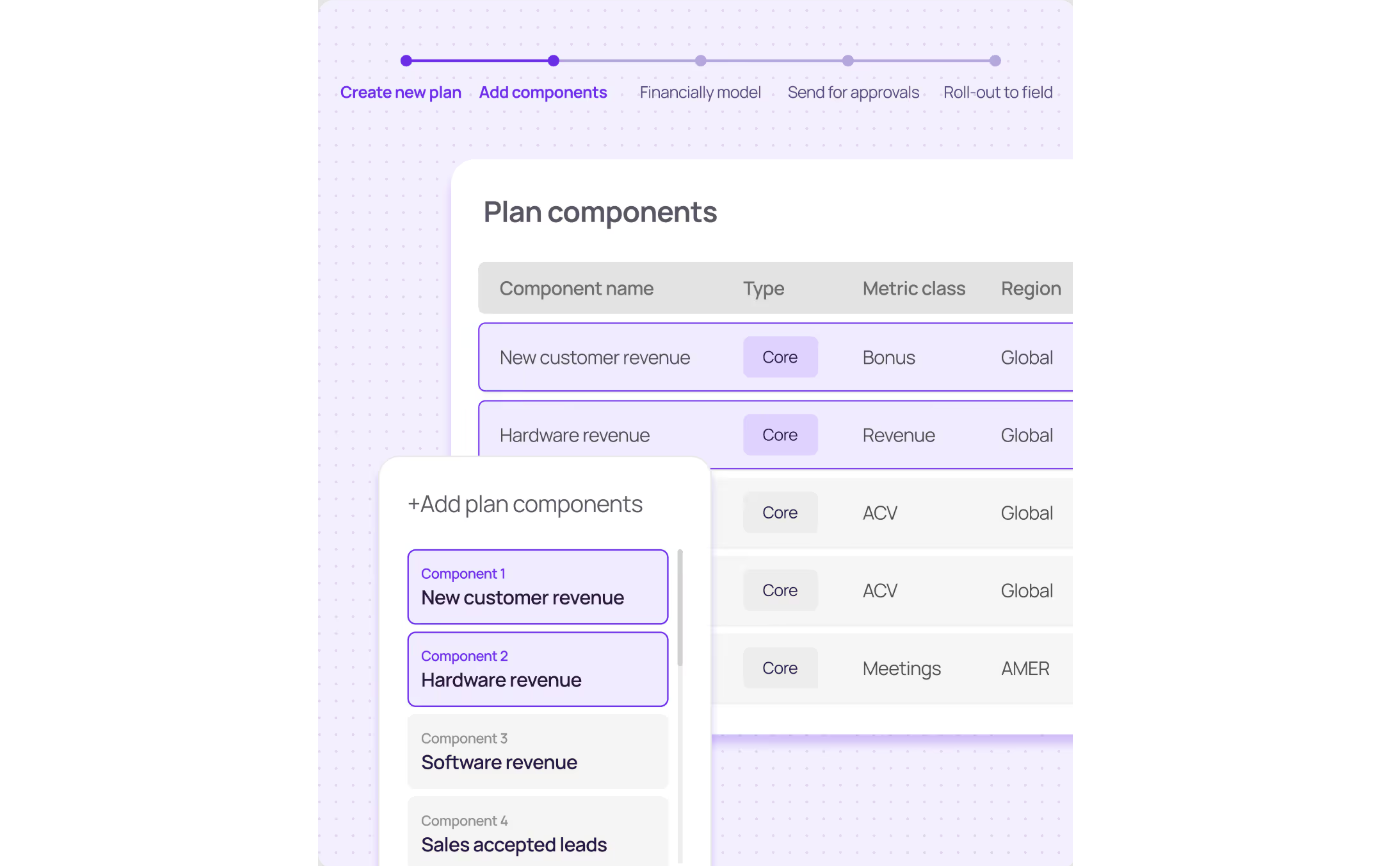
Forma.ai centers on AI-assisted natural language configuration. Comp teams describe incentive logic in plain language, and AI compiles it into a validated, reusable plan component. No SQL, no technical skills, no IT tickets. A template library provides building blocks for common plan structures, and new components created through AI become part of that library for reuse.
Source: Forma.ai
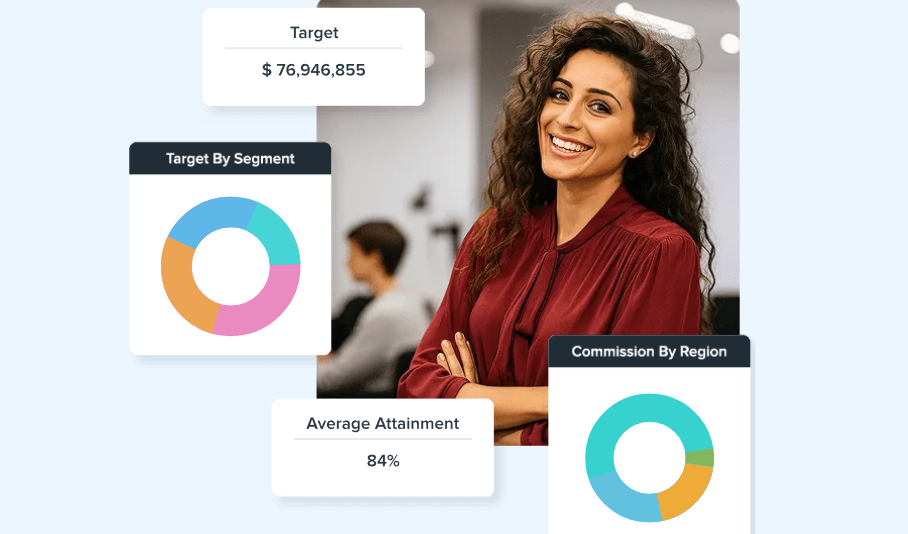
Xactly's Compensation Configurator takes a structured approach. Administrators build plans from reusable rules, quotas, and rate tables, with drag-and-drop hierarchy management for reporting structures, deal credits, and organizational relationships. At the Incent Ultimate tier, AI trained on 20+ years of proprietary data accelerates plan setup. The December 2025 Incent Plan Configuration Agent adds natural language plan creation, narrowing the gap with Forma.ai's approach.
Source: Xactly
The practical difference: Forma.ai is designed so comp analysts can build and modify plans independently. Xactly provides more structured tooling suited to dedicated administrators, particularly for organizations with complex, multi-tier plans across global teams.
Xactly's data moat vs. Forma.ai's architectural advantage
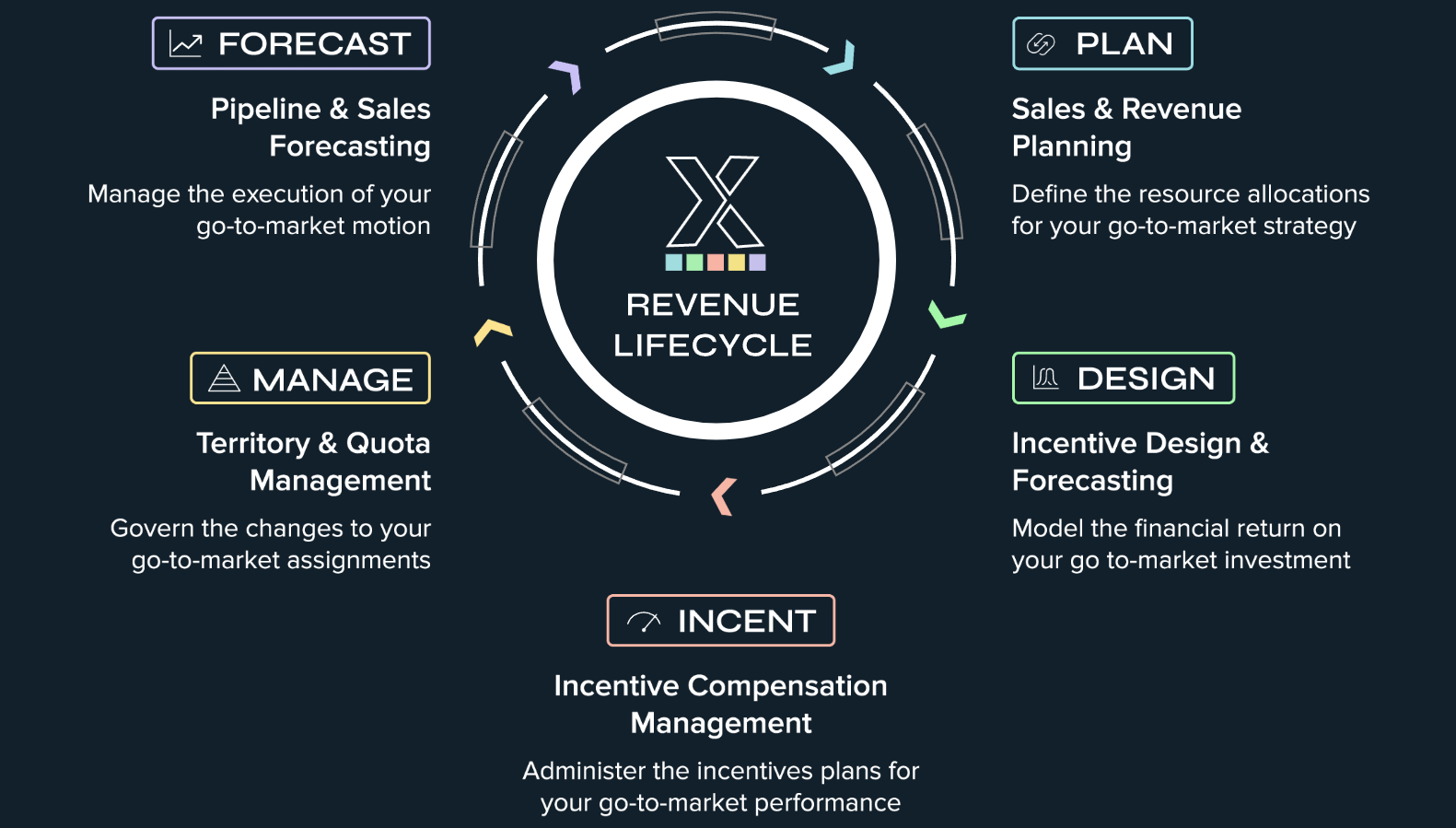
Xactly's most defensible asset is its 20+ year dataset of pay and performance benchmarks accumulated since 2005. No competitor can replicate two decades of cross-industry commission data. This dataset powers the AI behind Xactly Intelligence, Forecast, Design, and the benchmarking capabilities in the Ultimate tier. The 2026 State of Sales Compensation report doubles as a market-positioning tool, giving buyers industry-specific benchmarks to evaluate their own plans against.
Source: Xactly
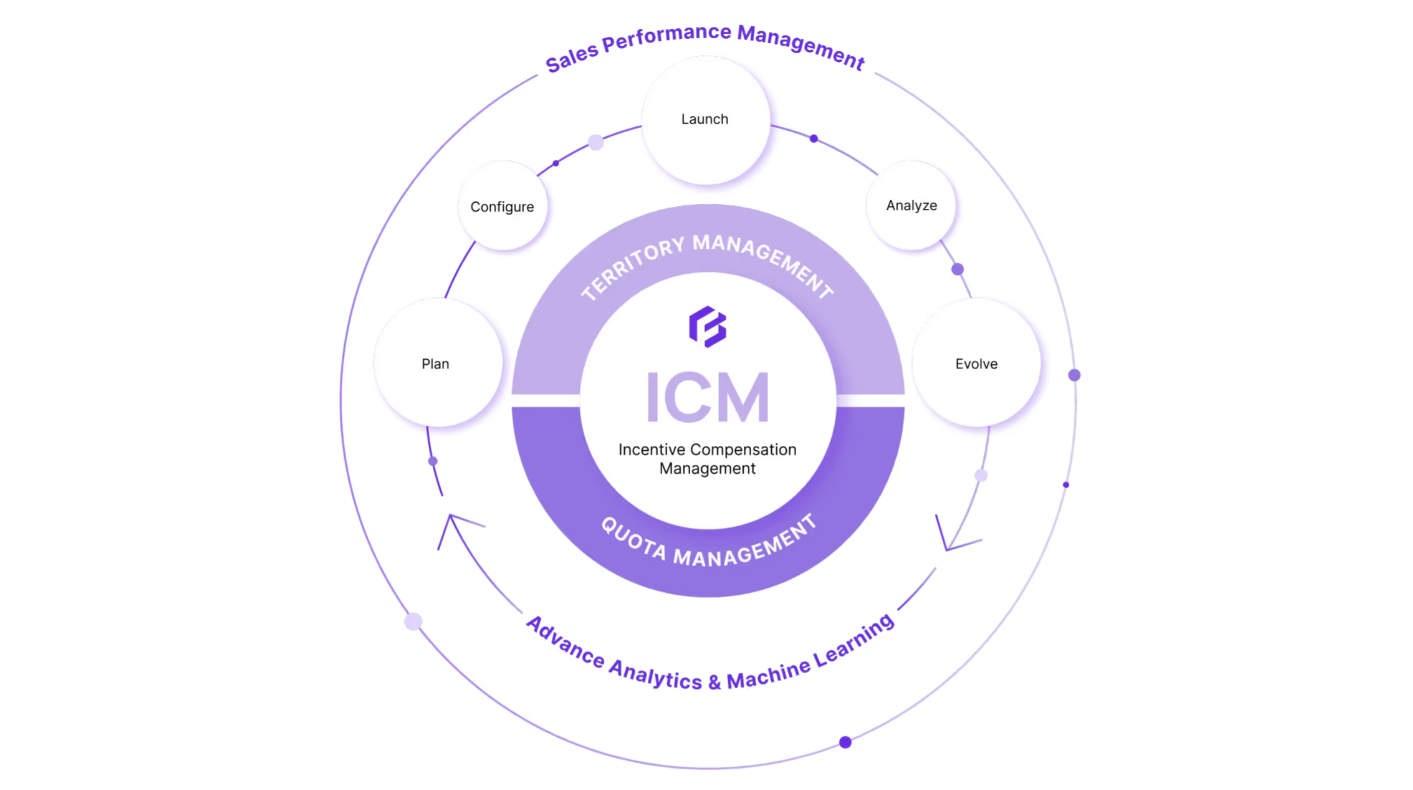
Forma.ai counters with architecture. Rather than bolting AI onto existing products, the platform was built around its unified rule structure from day one. The company argues this means its "AI-powered platform only gets smarter and more powerful as we onboard new customers" because the data model accumulates cross-customer benchmarks that improve AI recommendations over time. The dataset is younger than Xactly's, but the architecture was built to learn from it.
Source: Forma.ai
For buyers, the question is straightforward: do you value proven historical benchmarks you can measure your plans against today, or an AI-native architecture designed to generate those insights as it scales?
Territory and quota planning takes different forms
Both platforms offer territory and quota planning, but the implementations reflect different priorities.
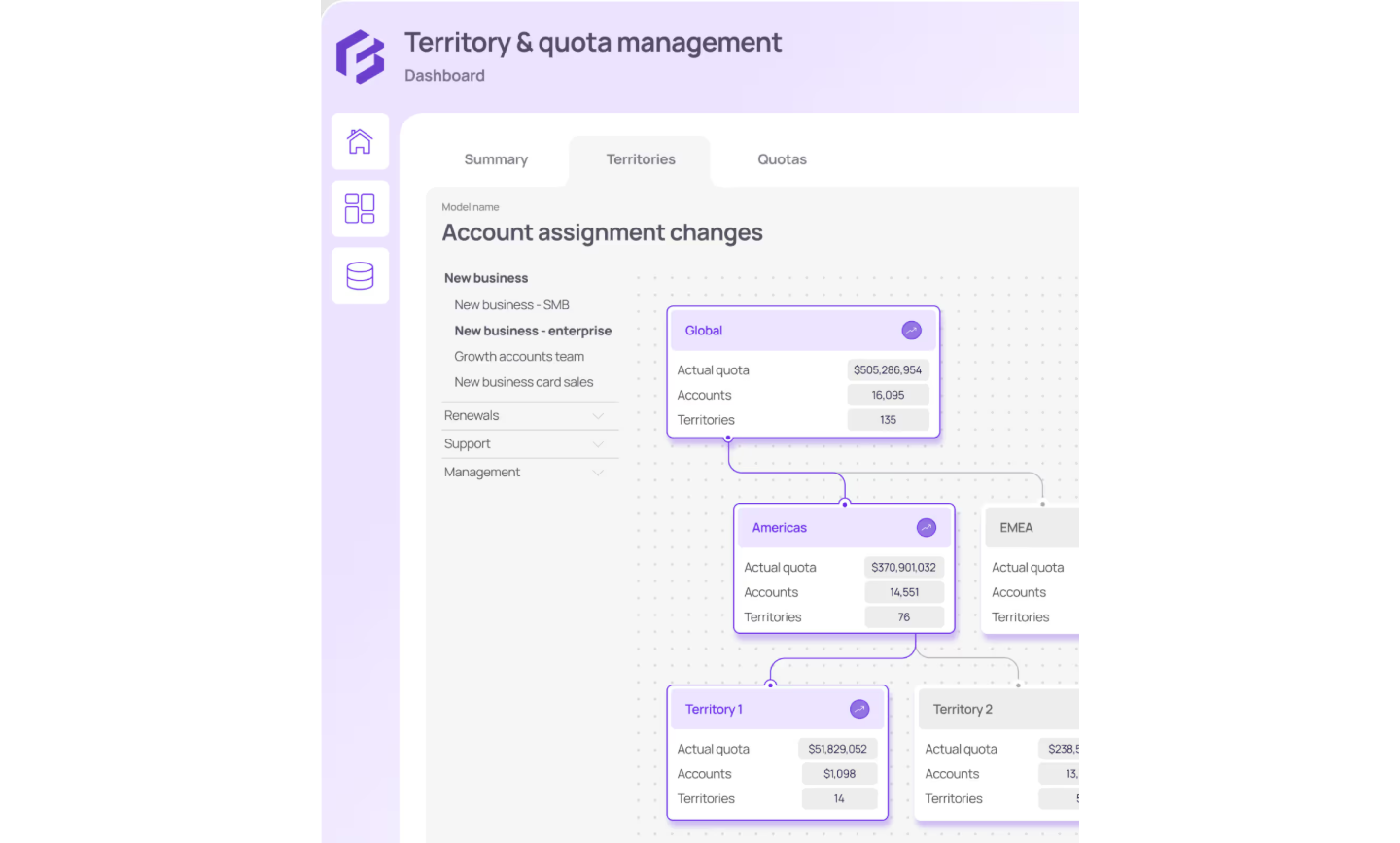
Forma Architect emphasizes continuous planning rather than annual cycles. Its AI assesses account potential and workload to align seller capacity with market demand. Territory structures support geography, named accounts, product lines, overlays, and management hierarchies. Quotas connect top-down targets with bottoms-up, data-driven allocations and automatic cascading updates. The key advantage: because Architect shares a data layer with Operator, territory or quota changes cascade instantly to incentive calculations.
Source: Forma.ai
Xactly splits this function across two products. Xactly Plan handles capacity modeling, quota allocation, and scenario planning. AlignStar provides dedicated territory mapping with an interactive map-based interface, heat maps, route optimization for field reps, and an automated Alignment Report Card that grades territory balance. Xactly Manage then operationalizes those plans with automated credit assignments and effective-dated roster changes.

Source: Xactly
AlignStar's geographic visualization gives Xactly an edge for organizations with field sales teams where physical territory design and route efficiency matter. Forma Architect's native integration with compensation gives it an edge for organizations that need territory changes to flow instantly into commission calculations.
Better upstream data makes compensation more accurate
Both Forma.ai and Xactly depend on CRM, ERP, and HRIS data flowing into their platforms. Forma.ai processes data through 200+ pre-built integrations with extended ETL capabilities. Xactly connects through Xactly Connect with native integrations for Salesforce, HubSpot, Microsoft Dynamics, NetSuite, Snowflake, and Workday.
But neither platform controls the quality of data entering the system. If CRM records are incomplete, territory assignments rely on stale company data, or pipeline data is unreliable, downstream compensation calculations inherit every error.
This is where ZoomInfo plays a critical role. As the upstream data layer in the GTM stack, ZoomInfo ensures the foundation is solid before compensation platforms touch it. Its enrichment capabilities maintain CRM accuracy across 500M contacts and 100M companies, verified through 300+ human researchers and achieving up to 95% accuracy on first-party data. For territory planning specifically, ZoomInfo provides the firmographic, technographic, and intent data that reveals where market opportunity actually exists, not where last year's spreadsheet said it did.
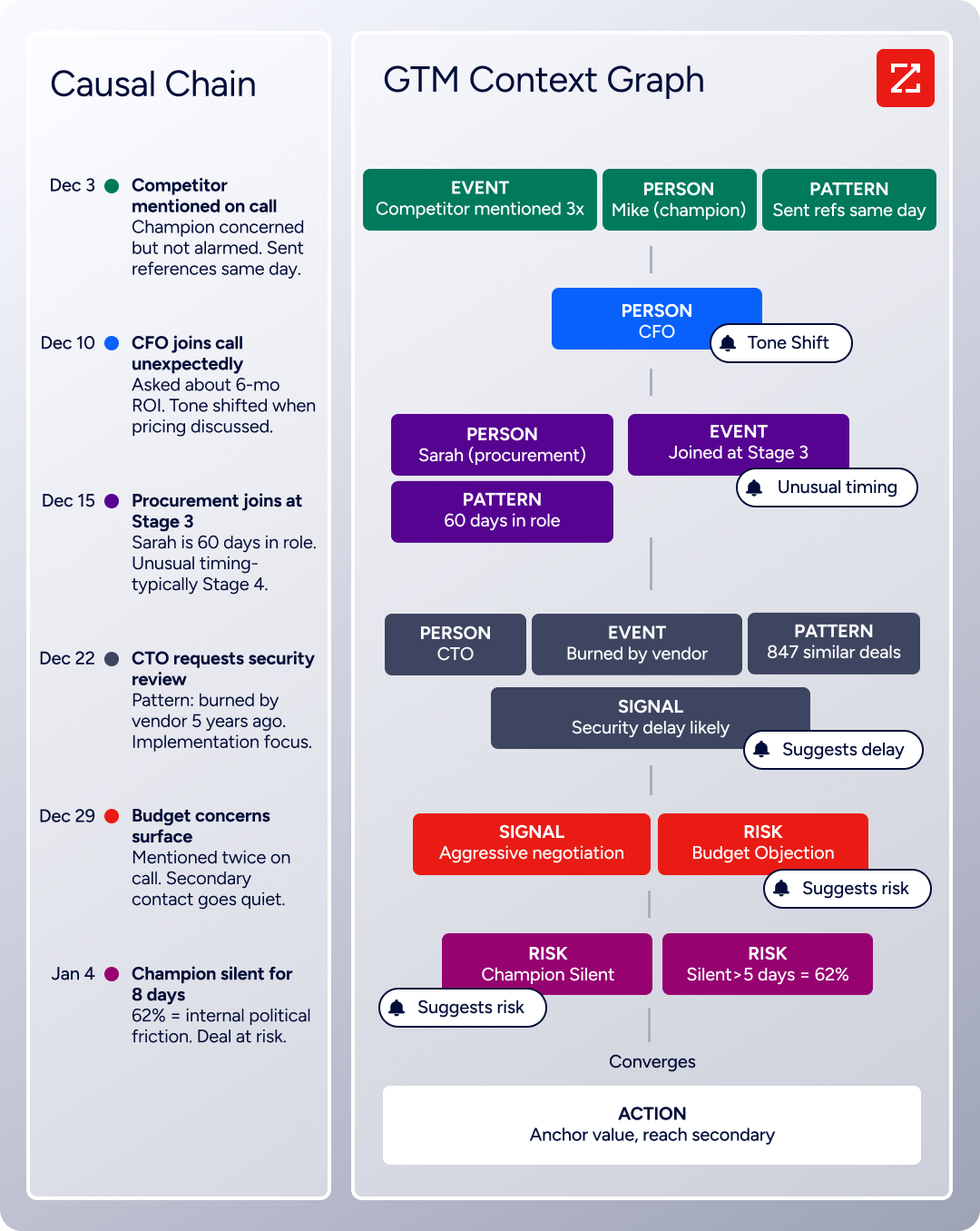
The GTM Context Graph (ZoomInfo's intelligence layer) adds another dimension. By processing 1.5B+ data points daily and unifying CRM records with conversation intelligence, intent signals, and behavioral data, it captures why deals move or stall. That pipeline intelligence directly improves the accuracy of commission forecasting and quota-setting in both Forma.ai and Xactly.
"ZoomInfo has always been the most accurate source for decision-maker data." (Levanta)
Advisory services vs. self-service design
Forma.ai and Xactly take opposite approaches to helping customers design better compensation strategies.
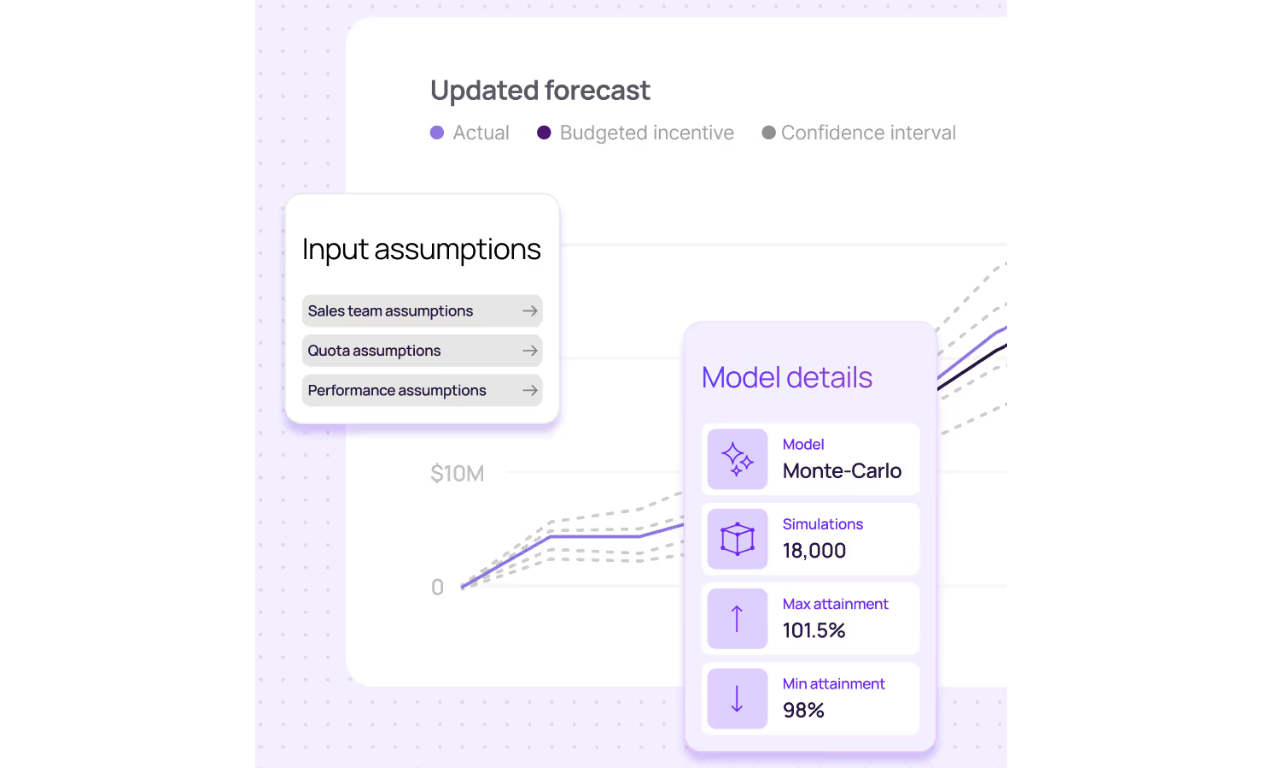
Forma Prophet bundles data science and strategy consulting into the platform. An embedded team of data scientists and strategy consultants delivers ongoing advisory, informed by live analytics rather than periodic exports. Prophet uses machine learning models including Monte Carlo simulation for stress-testing incentive structures and customer insight modeling for identifying untapped revenue. This advisory is platform-agnostic, meaning it can work alongside data from any existing SPM system.
Source: Forma.ai
Xactly Design provides self-service tools for compensation strategy. Users simulate changes to current and potential plan components using what-if modeling against historical data. The 20+ years of benchmarking data is embedded in the product, not delivered through a consulting layer. Xactly claims this can reduce costs by up to 90% by eliminating recurring external consulting fees. For organizations that want hands-on advisory, Xactly offers Plan Design Services and Sales Effectiveness Consulting as separately priced engagements.

Source: Xactly
The choice depends on your team's capacity. Organizations with dedicated comp strategy talent may prefer Xactly's self-service tools and benchmark data. Organizations that want embedded expertise guiding their compensation decisions may find more value in Prophet's ongoing advisory.
The AI race: agents vs. automation
Both platforms are investing in AI, but their strategies differ.
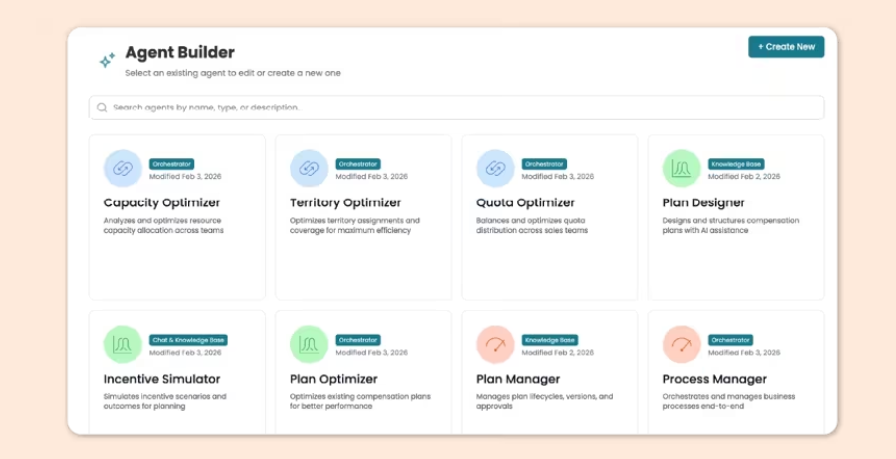
Xactly's AI strategy centers on its Fleet of Agents, launched in May 2026. Four agent types (Workflow, Optimization, Builder, and External) handle tasks from dispute resolution to plan configuration. The Intelligence Studio lets organizations build custom agents using natural language, drag-and-drop, or direct coding. Intelligence Connect (MCP server) enables agent-to-agent coordination across external platforms like ServiceNow, with the Dispute Management Agent as its first production deployment. Every agent draws on 20+ years of SPM data.
Source: Xactly
Forma.ai's AI operates less visibly but more fundamentally. Rather than deploying a fleet of named agents, the AI is embedded in the platform's core architecture. Plan configuration happens through natural language. Scenario modeling runs on ML models. Territory balancing uses AI to assess account potential. The company's stated roadmap is "working toward a future where AI optimizes and guides every aspect of design and administration."
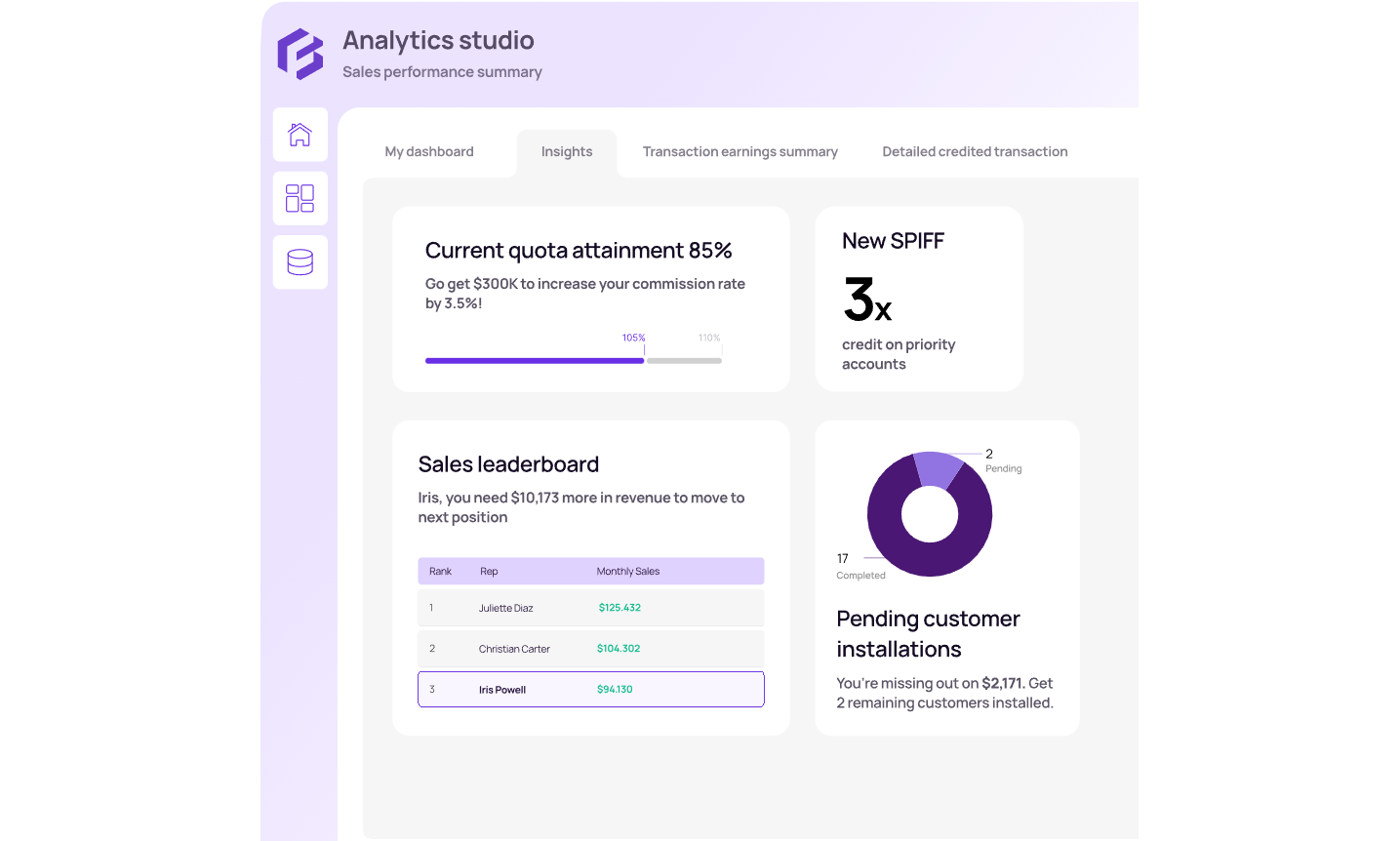
Source: Forma.ai
Xactly's approach is broader and more modular, offering composable AI capabilities across a wider surface area. Forma.ai's approach goes deeper within its core workflow, making AI invisible to the user rather than a separate product layer.
Compliance and financial reporting
For finance teams, compliance automation is often the deciding factor.
Xactly's Commission Expense Accounting (CEA) module handles both ASC 606 and IFRS 15 compliance, including dynamic true-ups for contract events, full capitalization and amortization schedules, and pre-built auditor reporting. It integrates with CRM, HRIS, CLM, CPQ, and downstream accounting ledgers.
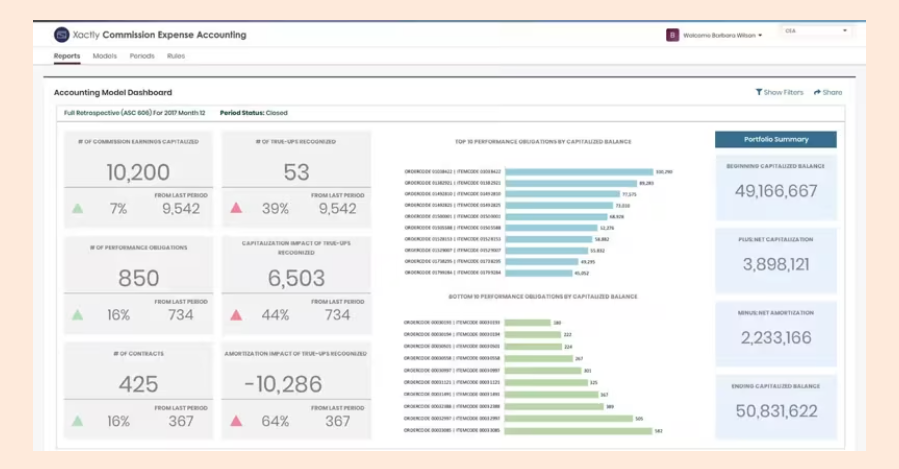
Source: Xactly
Forma.ai's ASC 606 reporting is built into ICM calculations, with flexible amortization schedule configuration, automatic updating as commission runs process, and cross-team approval workflows. The platform maintains locking periods, permissions, and full audit trails for every change, with SOC 1 and SOC 2 compliance through annual certifications.
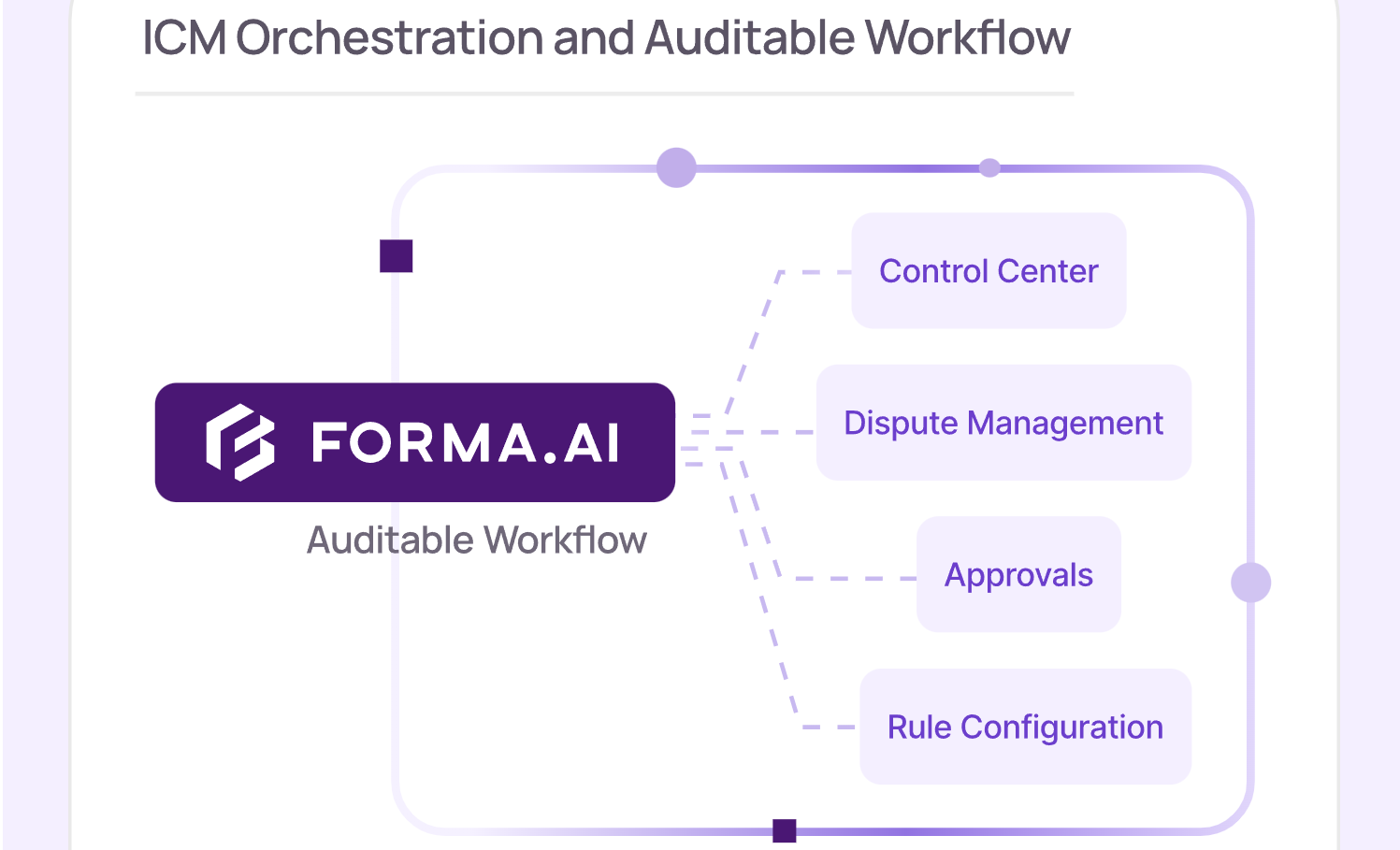
Source: Forma.ai
Both platforms cover the core compliance requirements. Xactly's CEA module offers more granular financial reporting as a dedicated product. Forma.ai integrates compliance more tightly with its compensation workflow, reducing the gap between calculation and reporting.
Support models reflect different philosophies
How each vendor supports customers after purchase reveals their operating philosophy.
Forma.ai bundles professional services into the license fee. No separate consulting spend required. The company works with customers on data management as a partnership, ensuring data feeds are accurate and fit the data model. Customers describe the Forma.ai team as an extension of their own organization. Support spans Toronto HQ and Pune, India for North American and Asia-Pacific coverage.
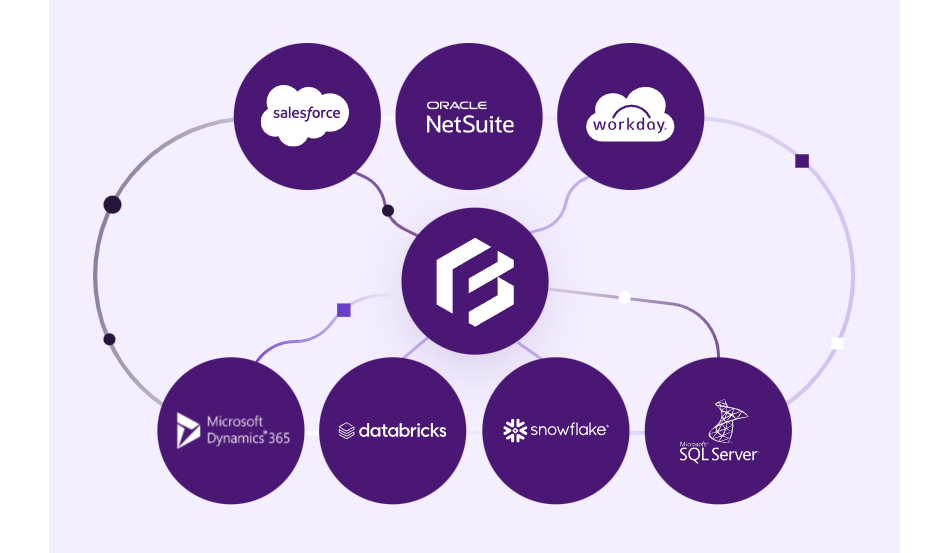
Source: Forma.ai
Xactly offers multi-channel global support with dedicated phone lines across North America, Europe, Asia-Pacific, and Japan. Support metrics are strong: 95.9% customer satisfaction and 99.97% SLA uptime. However, strategic services are priced separately. A Technical Account Manager (TAM) is a separately purchased add-on. Xactly University provides structured training with certifications, instructor-led courses, and self-paced learning paths.
Forma.ai's model suits organizations that want ongoing strategic guidance without a separate consulting budget. Xactly's model suits organizations with dedicated comp teams that prefer self-service training and on-demand support, with the option to add strategic services when needed.
ZoomInfo strengthens the entire compensation stack
Regardless of which SPM platform you choose, the accuracy of your compensation program depends on the data flowing into it. ZoomInfo addresses this at three levels.
Territory and quota intelligence. Both Forma.ai and Xactly need accurate market data to design balanced territories and set fair quotas. ZoomInfo provides the firmographic, technographic, and intent data that reveals actual market opportunity. When Palo Alto Networks needed to rethink their data approach, ZoomInfo served as "a major thought leader and partner in how we approach segmentation, territory planning, and hierarchy clarity."
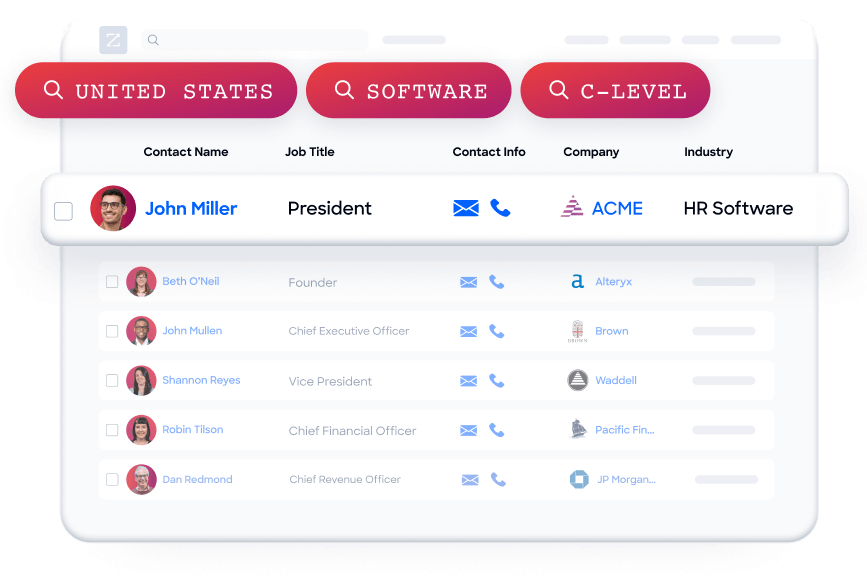
CRM data quality. Compensation calculations are only as accurate as the CRM data behind them. Incomplete contact records, stale company data, and duplicate accounts create crediting errors and commission disputes. ZoomInfo's enrichment capabilities, spanning 300+ company attributes and continuous verification, keep the data foundation clean.
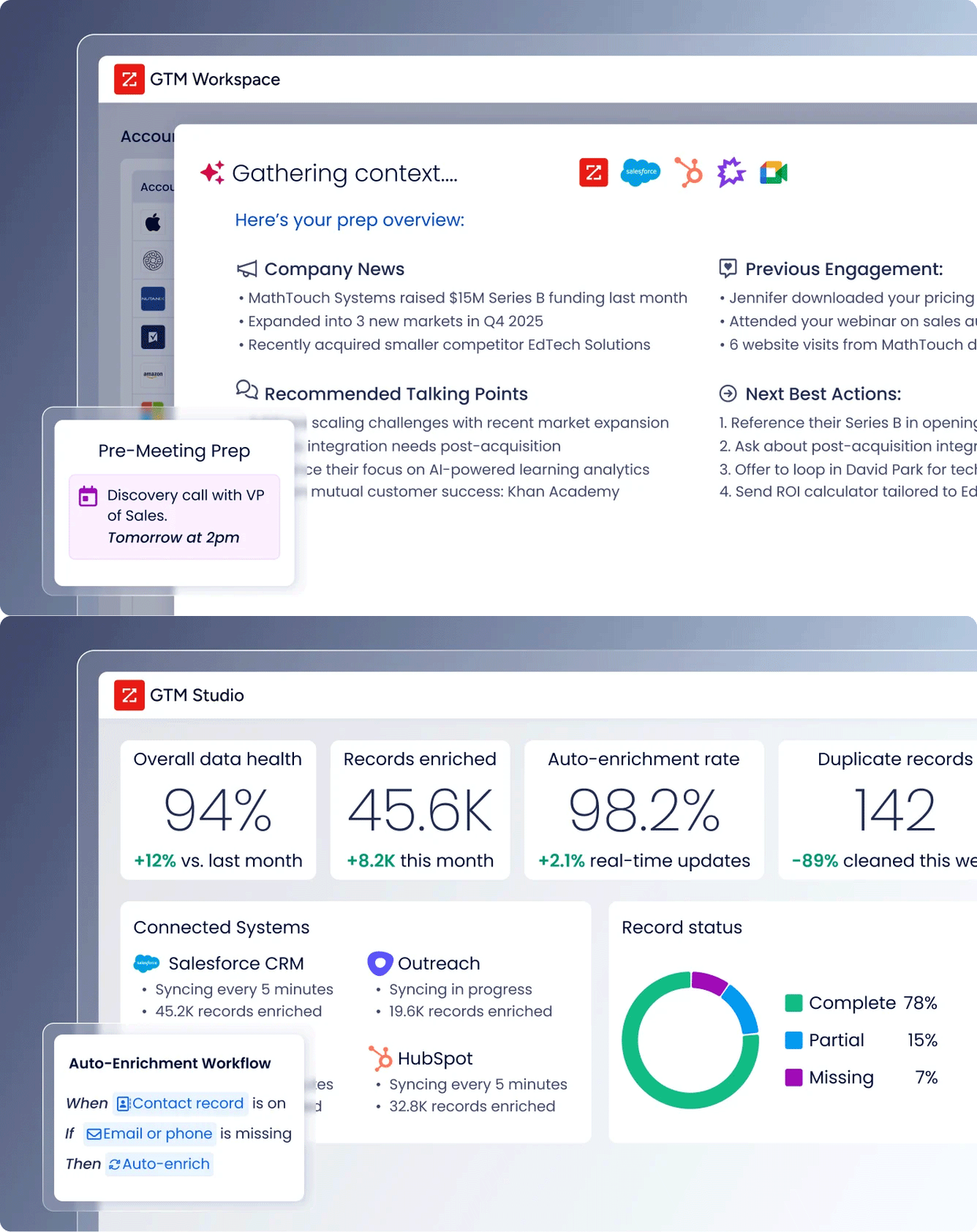
Pipeline forecasting. Commission expense forecasting requires accurate pipeline data. ZoomInfo's GTM Context Graph captures why deals move or stall, giving finance teams better inputs for projecting incentive costs. This intelligence is accessible through APIs and MCP in any workflow, or through GTM Workspace for sellers and GTM Studio for RevOps teams.
"That combination of our internal CRM data, external signals, and AI that's given all that context has helped us craft very specific account- and persona-based messages. And people have responded to them right away." (Seismic)
Forma.ai vs. Xactly vs. ZoomInfo: Which should you choose?
The right choice depends on where your compensation program stands today and what problems you need to solve first.
Choose Forma.ai if:
Your current ICM is too rigid to handle plan changes without IT or external consultants
You want AI-driven plan configuration that eliminates technical complexity
Bundled consulting matters more to you than self-service benchmarking tools
You need territory, quota, and compensation changes to cascade automatically in one system
You're willing to invest in onboarding for a platform designed to grow with your complexity
Choose Xactly if:
You want proven benchmarks drawn from 20+ years of compensation data
Your organization needs dedicated territory mapping with geographic visualization
Composable AI agents and cross-platform orchestration (ServiceNow, Salesforce) are priorities
You need ASC 606 and IFRS 15 compliance as a dedicated, auditor-ready module
You prefer a structured platform with self-service training and tiered support options
Add ZoomInfo to either platform if:
You need accurate, verified data flowing into your compensation calculations
Territory and quota planning should be grounded in current market intelligence, not last year's spreadsheets
Pipeline forecasting accuracy directly affects your commission expense projections
You want your sales team to find and close more deals, which then flow through your compensation system correctly
You need a data foundation that works across your entire GTM stack, not just compensation
See how ZoomInfo works as the data foundation for your revenue operations.
Sales compensation management doesn't exist in isolation. The most accurate incentive plans, the fairest quotas, and the most balanced territories all depend on having the right data upstream. Whether you choose Forma.ai's AI-native approach or Xactly's benchmark-driven platform, pairing it with ZoomInfo's data and intelligence ensures your compensation program runs on verified reality rather than inherited assumptions.
"ZoomInfo gives us the information we need to execute. We don't have to go through and spend our time digging. It's already there, so we can be three steps ahead." (Vensure)
Forma.ai vs. Xactly vs. ZoomInfo FAQ
What is the core difference between Forma.ai and Xactly?
Forma.ai is an AI-native Sales Performance Management platform founded in 2016, built around a unified data model that lets comp teams describe plan logic in natural language and have AI compile it into production-ready rules. Xactly is the established market leader, founded in 2005, offering a broader platform spanning compensation, territory mapping, quota planning, forecasting, and AI agents, all powered by 20+ years of proprietary pay-and-performance data no competitor can replicate.
How does ZoomInfo relate to Forma.ai and Xactly?
ZoomInfo is not a competitor to either platform. It is a complementary upstream data layer that provides verified contact, company, intent, and territory intelligence both platforms need to calculate commissions accurately. Better CRM data quality means fewer crediting errors, more accurate quotas, and fewer compensation disputes in either Forma.ai or Xactly.
Which platform is easier to configure for non-technical comp teams?
Forma.ai was designed for comp analysts to configure plans independently using natural language. Xactly's Compensation Configurator uses a more structured rules-based approach, with AI assistance available at the Ultimate tier and the newer Plan Configuration Agent adding natural language capabilities. Both platforms have learning curves at the enterprise level, though Forma.ai's bundled professional services reduce the burden on internal teams during setup.
How does pricing compare between Forma.ai and Xactly?
Neither platform publishes pricing. Forma.ai structures pricing around three components: onboarding and implementation, CompOps Platform subscription, and AI-Configurator. Xactly offers three Incent tiers (Core, Plus, Ultimate) plus separately priced Strategic Planning modules (Plan, Design, Manage, Forecast). Forma.ai guarantees the lowest total cost of ownership in the enterprise ICM category. Xactly's contract was independently rated in the top 13% of SaaS vendor contracts for customer favorability.
Which platform has stronger AI capabilities?
Both invest in AI but with different approaches. Xactly's Fleet of Agents (launched May 2026) offers composable Workflow, Optimization, Builder, and External agents, plus cross-platform orchestration via MCP with ServiceNow. Forma.ai embeds AI into the platform architecture, focusing on natural language plan configuration, scenario modeling, and Prophet's ML-powered analytics. Xactly's AI is broader in surface area; Forma.ai's goes deeper within the core compensation workflow.
Which platform handles territory and quota planning better?
Both offer territory and quota planning, but with different strengths. Xactly includes AlignStar, a dedicated territory mapping tool with interactive geographic visualization, route optimization, and automated territory balance grading. Forma Architect focuses on continuous planning with AI-powered territory balancing and native connectivity to compensation, so territory changes cascade instantly to incentive calculations. Organizations with field sales teams may prefer Xactly's geographic tools; organizations prioritizing plan-to-pay speed may prefer Forma.ai's unified approach.
Do I need ZoomInfo if I already use Forma.ai or Xactly?
ZoomInfo solves a different problem from either compensation platform. It ensures the CRM and pipeline data feeding your compensation calculations is accurate and complete. If your organization experiences commission disputes from bad crediting data, sets quotas based on stale market intelligence, or struggles with territory coverage gaps, ZoomInfo addresses these upstream issues. It provides 500M contacts, 100M companies, and 200M+ verified business emails, processed through a multi-source verification pipeline.
What compliance certifications does each platform hold?
Forma.ai maintains SOC 1 and SOC 2 compliance with annual certifications, plus GDPR and CCPA compliance and built-in ASC 606 reporting. Xactly holds SOC 2 certification and includes ASC 606 and IFRS 15 compliance through its dedicated Commission Expense Accounting module. ZoomInfo holds ISO 27001, ISO 27701, SOC 2 Type II, and TRUSTe GDPR and CCPA validations, all renewed annually.
See how Forma.ai compares to other platforms:
