
If you're comparing Gainsight vs. Salesforce for managing customer success, you're really asking a more basic question: should your post-sales team run on a dedicated customer success platform, or inside the CRM that already runs your business?
The answer depends on five questions:
Is your CS team large enough to justify a dedicated platform with its own admin, data model, and implementation cycle?
Do you already run Salesforce and want to keep everything in one ecosystem, or are you willing to add another vendor?
How sophisticated are your health scoring and renewal forecasting needs?
Does your CS motion depend on product usage data, or primarily on relationship management?
Is identifying expansion opportunities and churn signals before they show up in your CRM a priority?
In short, here's what we recommend:
Gainsight is the leading customer success platform, built for B2B companies that treat retention as a core revenue function. Its CustomerOS platform bundles health scoring, lifecycle automation, product analytics, customer education, and community management into a single post-sales system. With AI-powered churn prediction and autonomous retention agents, Gainsight gives enterprise CS teams the most complete operational toolkit on the market. The trade-off: implementations typically take three to six months, require a dedicated admin, and cost six figures annually, which prices out earlier-stage companies.
Salesforce is the world's largest CRM, with over 150,000 customers and a platform that spans sales, service, marketing, commerce, and analytics. For customer success, Salesforce offers a familiar environment where account data, support cases, and renewal opportunities already live, plus Agentforce AI agents that can resolve service inquiries and automate workflows across every cloud. The limitation: Salesforce was designed for sales and service, not customer success. You can build CS workflows on it, but you're assembling capabilities across multiple clouds rather than using a system built for the job.
Both platforms manage customer relationships after the sale. But neither can tell you what's happening outside your four walls: which accounts are researching competitors, which contacts have changed roles, or which companies in your book match the patterns behind your best renewals. That intelligence gap is where deals slip and churn hides.
ZoomInfo is an AI-powered GTM platform that gives your customer-facing teams the external intelligence Gainsight and Salesforce can't generate on their own. Built on a B2B dataset of 500M contacts, 100M companies, 135M+ verified phone numbers, and 200M+ verified business emails, ZoomInfo's GTM Context Graph (an intelligence layer processing 1.5B+ data points daily) fuses this data with your CRM records, conversation transcripts, and behavioral signals to reveal not just what happened in an account, but why. For CS and account management teams, that means seeing executive departures, technology changes, and buying signals before they surface in a health score, then acting on them through GTM Workspace, GTM Studio, or any tool via API and MCP.
If external intelligence sounds like the missing piece of your CS stack, see how ZoomInfo works with your platform.
Gainsight vs. Salesforce vs. ZoomInfo at a glance
Gainsight | Salesforce |
| |
|---|---|---|---|
Primary function | Dedicated customer success platform | CRM and enterprise application suite | B2B intelligence and GTM execution |
CS workflow depth | Built for CS: health scores, playbooks, CTAs, renewal center | Assembled across Sales Cloud, Service Cloud, and custom config | Account intelligence that feeds CS workflows in either platform |
AI capabilities | Atlas AI Agents for autonomous retention; Staircase AI for conversation signals | Agentforce agents across all clouds; Atlas Reasoning Engine | GTM Context Graph processing 1.5B+ data points daily; AI-drafted outreach |
Data source | Internal: CRM, product usage, support tickets, surveys | Internal: CRM records across all Salesforce clouds | External: 500M contacts, 100M companies, intent signals, technographics |
Pricing | Quote-based; six-figure annual commitments typical | $25–$550/user/month depending on cloud and edition | Custom-quoted; consumption-based |
Implementation | 3–6 months; dedicated admin required | Weeks to months depending on scope | Deploys in weeks |
Best for | Enterprise CS teams managing 10,000+ accounts | Organizations wanting one platform for sales, service, and CS | Teams needing external intelligence to drive retention and expansion |
The core question: dedicated CS vs. CRM-based CS
Gainsight and Salesforce take fundamentally different approaches to customer success. That distinction matters more than any feature comparison.
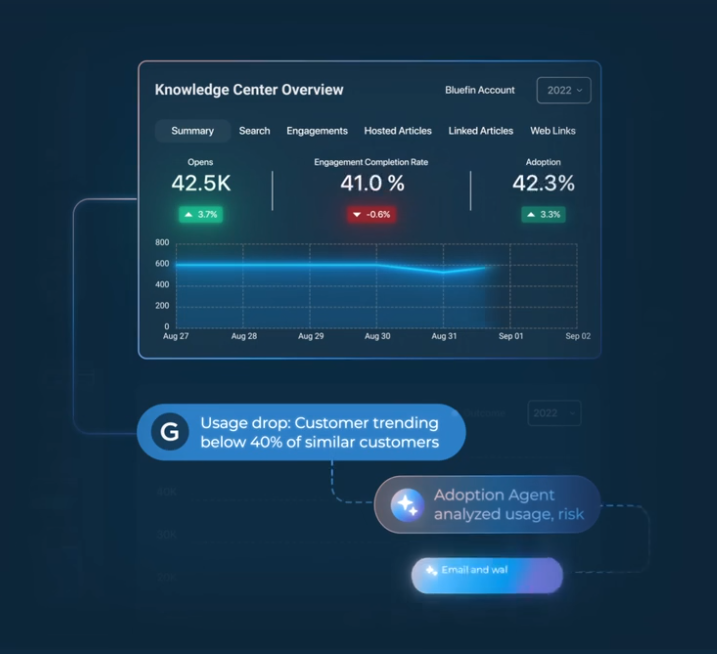
Gainsight was designed from the ground up for the post-sales lifecycle. Its data model includes the concepts CS teams think in: health scores with multiple weighted dimensions, Calls to Action triggered by data thresholds, playbooks that codify best practices, and Relationships that model complex enterprise account structures where one customer might have multiple products managed by different CSMs. These aren't features bolted onto a sales tool. They're the foundation.
Source: Gainsight
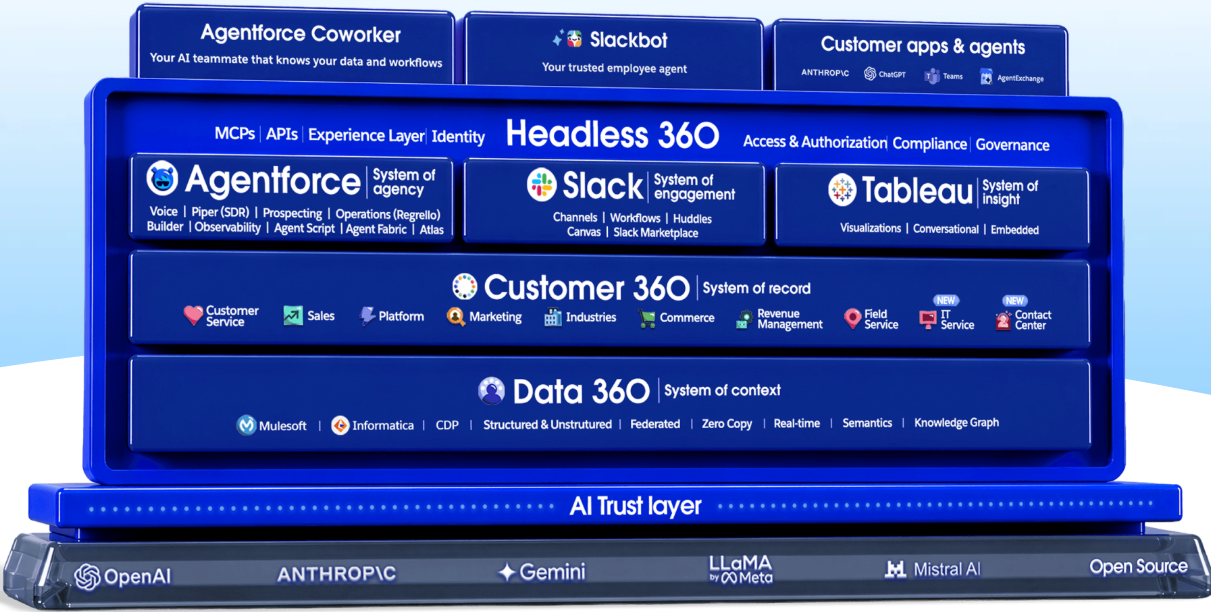
Salesforce was designed for sales and service. Its strength is that customer data, support cases, opportunities, and marketing engagement already live there. Building CS workflows in Salesforce means using standard objects (Accounts, Contacts, Opportunities, Cases) alongside custom objects and automation (Flows, Agentforce agents) to approximate what Gainsight does natively.
Source: Salesforce
The advantage is consolidation: one platform, one login, one data model for everything. The disadvantage is that approximation never runs as deep as a dedicated system.
For CS leaders evaluating both, the decision usually comes down to team size and operational maturity. A CS team of five managing 200 accounts can work effectively in Salesforce with some custom configuration. A CS operations team of 30 managing 15,000 accounts across multiple segments needs the depth Gainsight provides.
Gainsight goes deeper on health scoring and lifecycle automation
Health scoring is the heartbeat of a customer success operation, and it's where Gainsight's specialization shows most clearly.
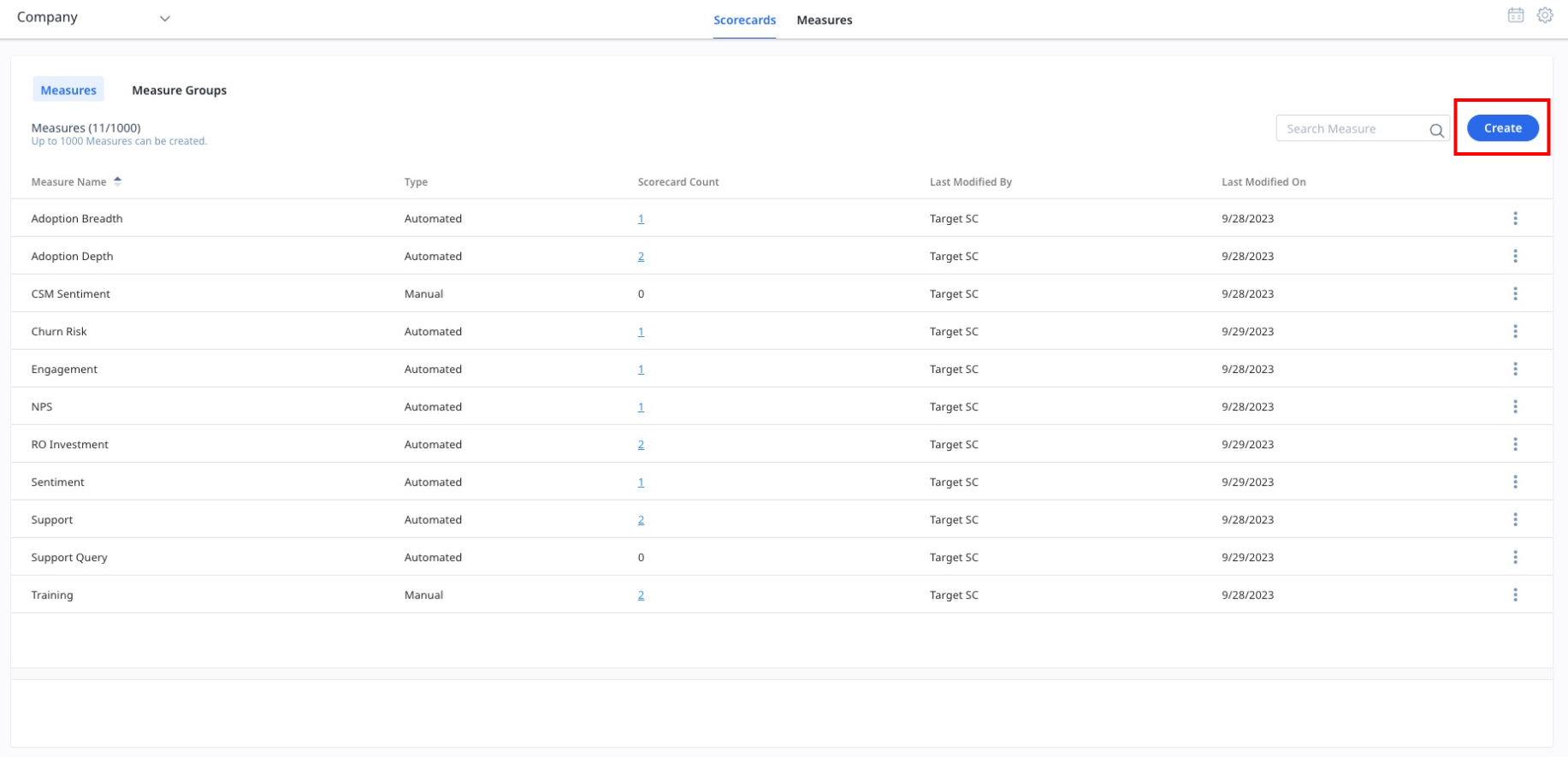
Gainsight's Scorecard framework tracks multiple dimensions of customer health at once: product usage, support ticket trends, NPS responses, executive engagement, and any custom measure a CS operations team defines.
Source: Gainsight
Each dimension can be weighted differently, scored automatically via the Rules Engine (which monitors incoming data and fires alerts when thresholds are crossed), or set manually by CSMs for subjective measures like relationship strength. Multiple Scorecards can exist for different customer segments, and scores update continuously as data changes.
When a health score drops, the system creates a Call to Action in the CSM's Cockpit, complete with a prescribed Playbook of recovery steps.
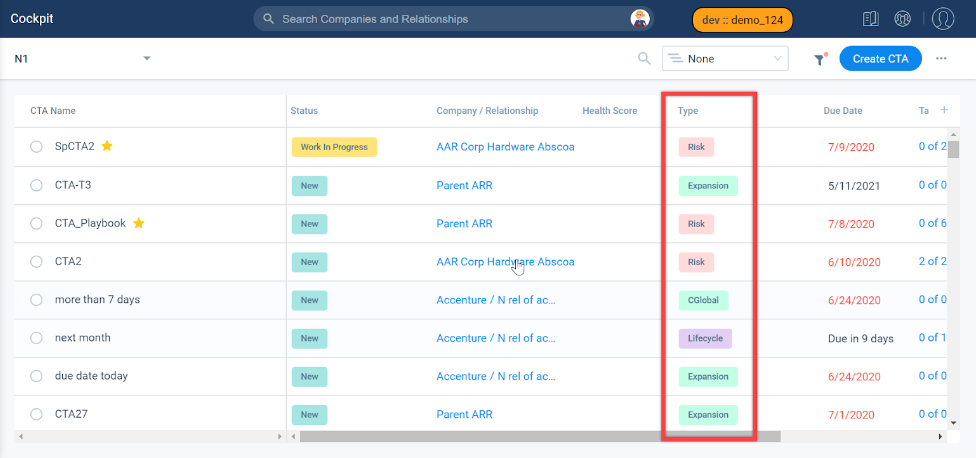
Source: Gainsight
This isn't a generic alert. It's a structured workflow that codifies what the best CSMs would do: schedule an executive check-in, review product usage trends, prepare a business review deck, and escalate if the situation doesn't improve within a defined window.
Salesforce can track customer health, but it has no native health scoring framework. You'd build one using custom fields, formulas, and Flow automation, or install a third-party AppExchange solution. This works, but it requires significant configuration and ongoing maintenance.
Salesforce's strength here is that it already holds much of the data a health score needs: case volume, opportunity status, contract dates, and activity history. The gap is in synthesis: turning those data points into a multidimensional, automatically updating health assessment.
Salesforce covers more of the customer lifecycle under one roof
Salesforce pulls ahead in breadth. Gainsight excels at the post-sales motion, but it doesn't handle sales pipeline, marketing campaigns, service case management, or commerce. Salesforce does all of these on a single platform.
For organizations where customer success is tightly linked to other functions, this matters. A renewal negotiation involves CS, sales, and finance. A product issue escalation involves CS and service. An expansion opportunity involves CS and marketing.
In Salesforce, all of these handoffs happen within the same system, with shared data and shared workflows. The CSM can see open support cases, the pending opportunity, and marketing engagement history on the same Account record.
With Agentforce, Salesforce added autonomous AI agents that work across these boundaries. A service agent can resolve 85% of support requests without human escalation (Salesforce's own results). A sales agent can research accounts, draft follow-ups, and update CRM fields. These agents share the same data layer and trust framework, so intelligence compounds across functions rather than staying siloed.
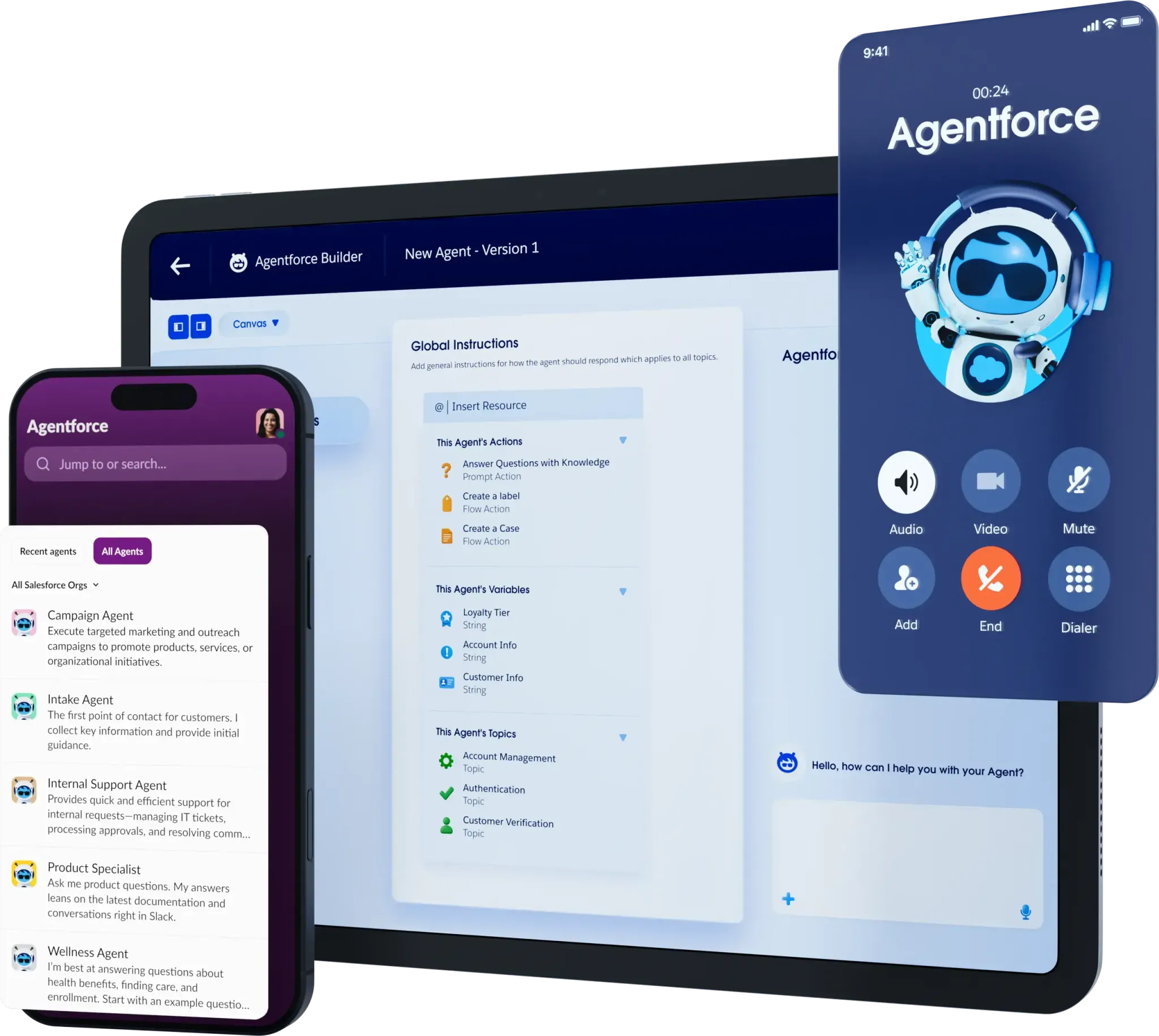
Source: Salesforce
Gainsight integrates with Salesforce (it's one of the most common pairings in enterprise SaaS), but it's still a separate system. Data flows between them through connectors, which adds latency and configuration complexity. For companies already running Salesforce, the question becomes whether Gainsight's deeper CS capabilities justify adding another platform to the stack.
Both platforms miss what's happening outside your accounts
Gainsight monitors what customers do inside your product and your support system.
Salesforce tracks what's happening inside your CRM. Both look inward.
Neither can tell you that your champion just updated their LinkedIn title to a role at a different company. Neither knows that your customer's competitor just raised a Series D and is hiring aggressively in the same space. Neither detects that three accounts in your renewal pipeline are actively researching alternatives based on intent signals from industry publications and review sites.
This is where ZoomInfo fills a gap that no amount of CRM or CS tooling can close.
ZoomInfo's GTM Context Graph processes 1.5B+ data points daily, combining verified contact and company data with intent signals, technographic changes, and behavioral patterns.
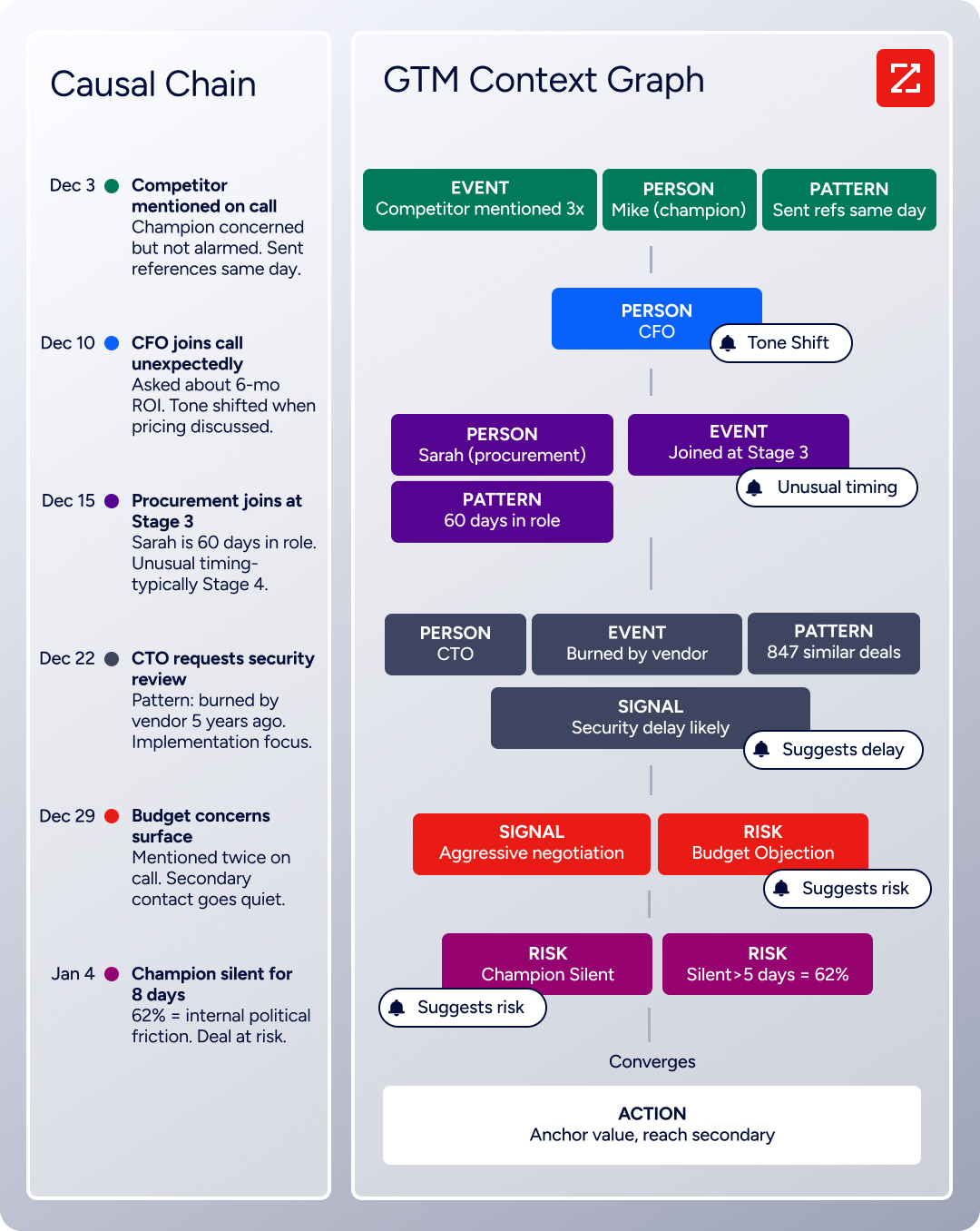
For account management and CS teams, this means three things:
First, churn risk detection before it shows up in health scores. When a key stakeholder leaves, when a customer starts researching competitor categories, or when their hiring patterns shift away from your product area, ZoomInfo surfaces these signals while there's still time to act.
Second, expansion intelligence grounded in data, not guesswork. ZoomInfo's Buyer Intent tracks signals from 210 million IP-to-Organization pairings, showing which existing customers are researching topics that align with your upsell products.
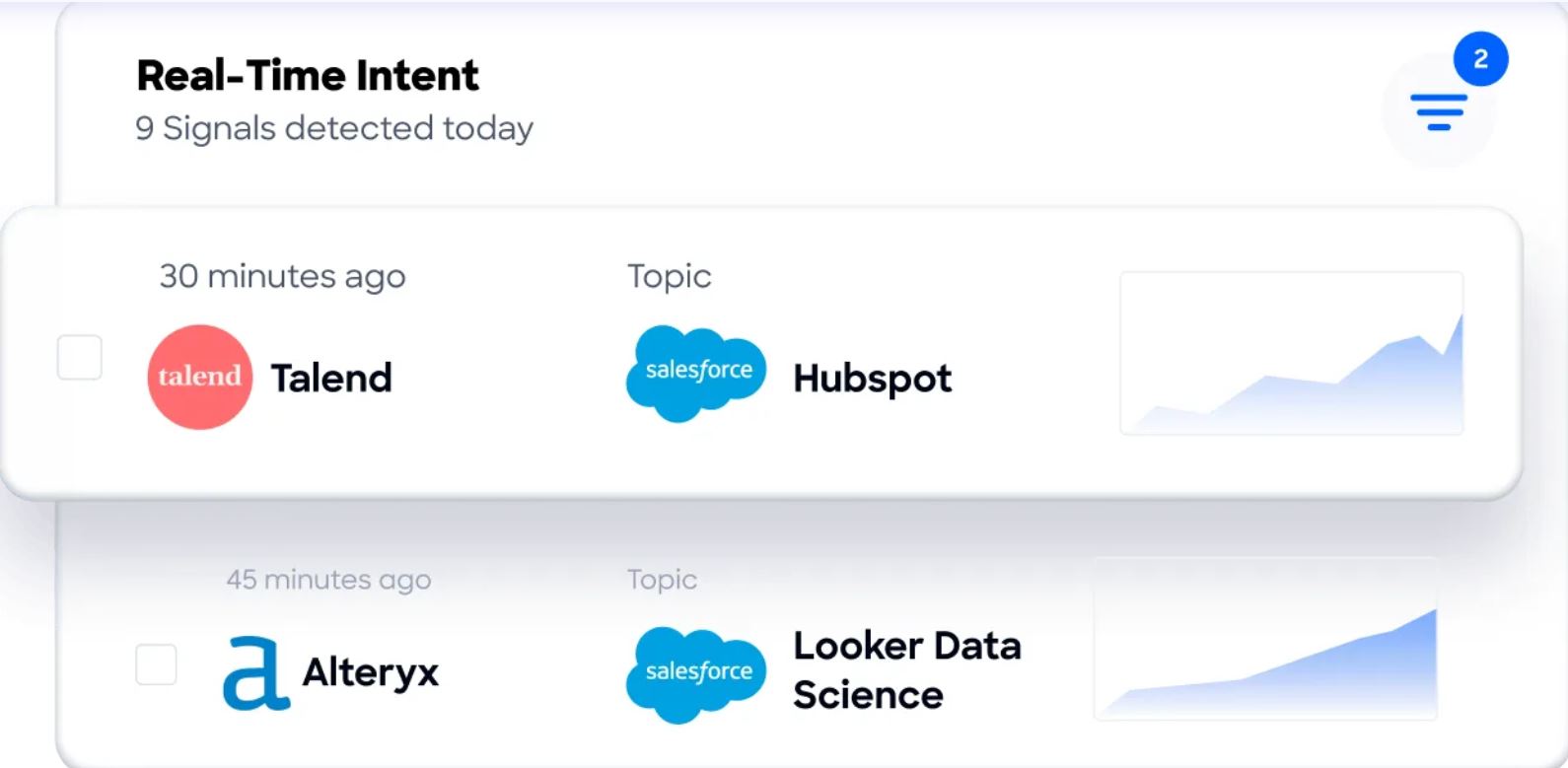
Combined with technographic data tracking 30,000+ technologies across 200+ categories, your CS team can spot whitespace opportunities based on what's actually in a customer's stack.
Third, stakeholder intelligence that keeps relationships multi-threaded. When contacts change roles, when new executives join a customer's leadership team, or when reorganization shifts decision-making authority, ZoomInfo's Contact Tracker and org chart data keep your team informed without manual research.
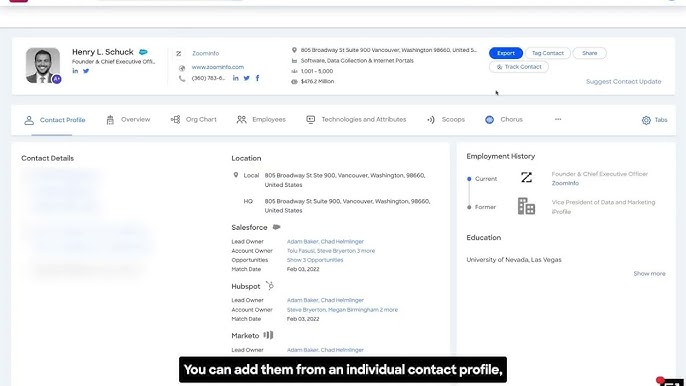
-
Seismic's sales team attributed 39% of active pipeline to opportunities identified or influenced by ZoomInfo signals, boosted productivity by 54%, and saved 11.5 hours per week. CBO Toby Carrington said: "That combination of our internal CRM data, external signals, and AI that's given all that context has helped us craft very specific account- and persona-based messages." (Seismic)
Renewal management takes different forms
Renewals are where customer success translates directly to revenue, and each platform approaches them differently.
Gainsight's Renewal Center is a dedicated module (available as an Enterprise-tier add-on) that gives renewal teams a centralized pipeline with ML-powered likelihood-to-renew scores. The model trains on each company's own historical data, improving as more renewals close.
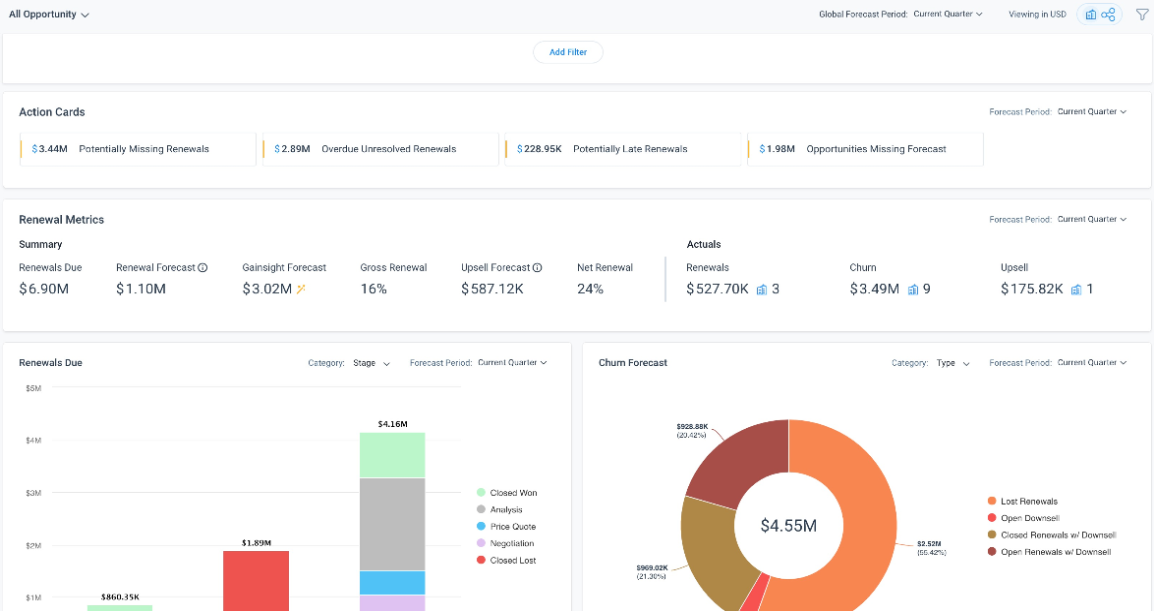
Source: Gainsight
Waterfall visualizations track how the pipeline moves from Renewals Due through churn, downsell, and upsell to Net Renewal. CSMs can forecast at the account level with inline editing that syncs back to Salesforce in real time.
What makes Gainsight's approach distinctive is the fusion of CS health data into the renewal forecast. The likelihood score isn't based only on contract terms and historical patterns. It incorporates product usage trends, support ticket sentiment, NPS scores, and executive engagement levels.
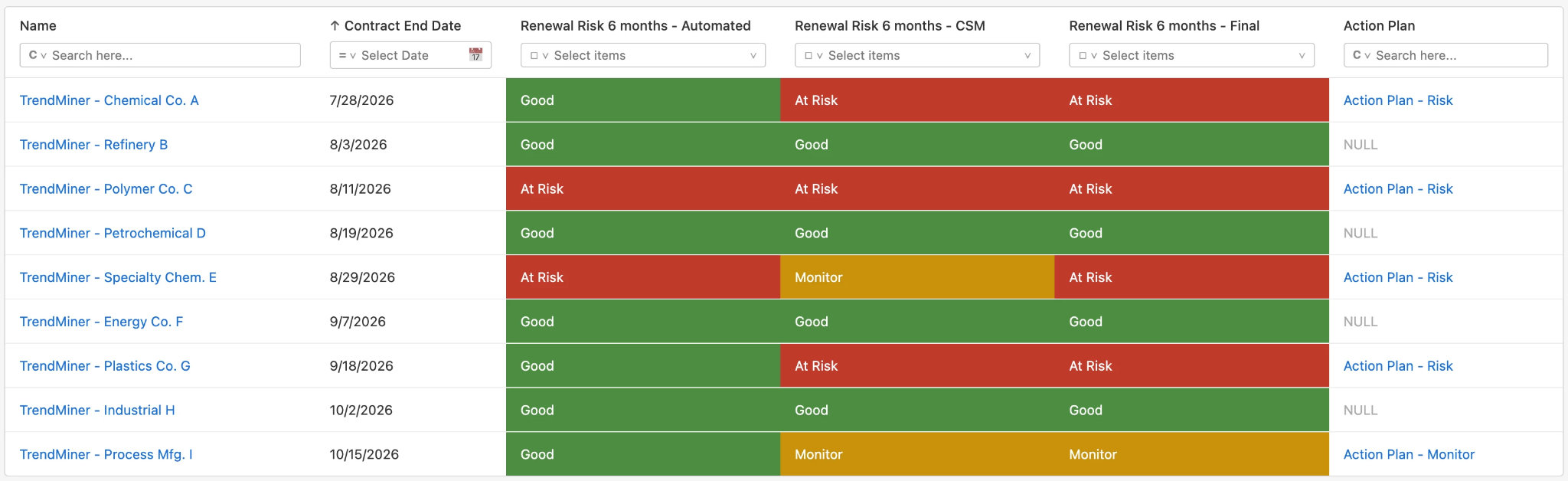
Source: Gainsight
The Sponsor Tracking feature monitors designated executive sponsors' LinkedIn profiles for title changes, location changes, or company departures, and automatically triggers a recovery playbook when it detects a change.
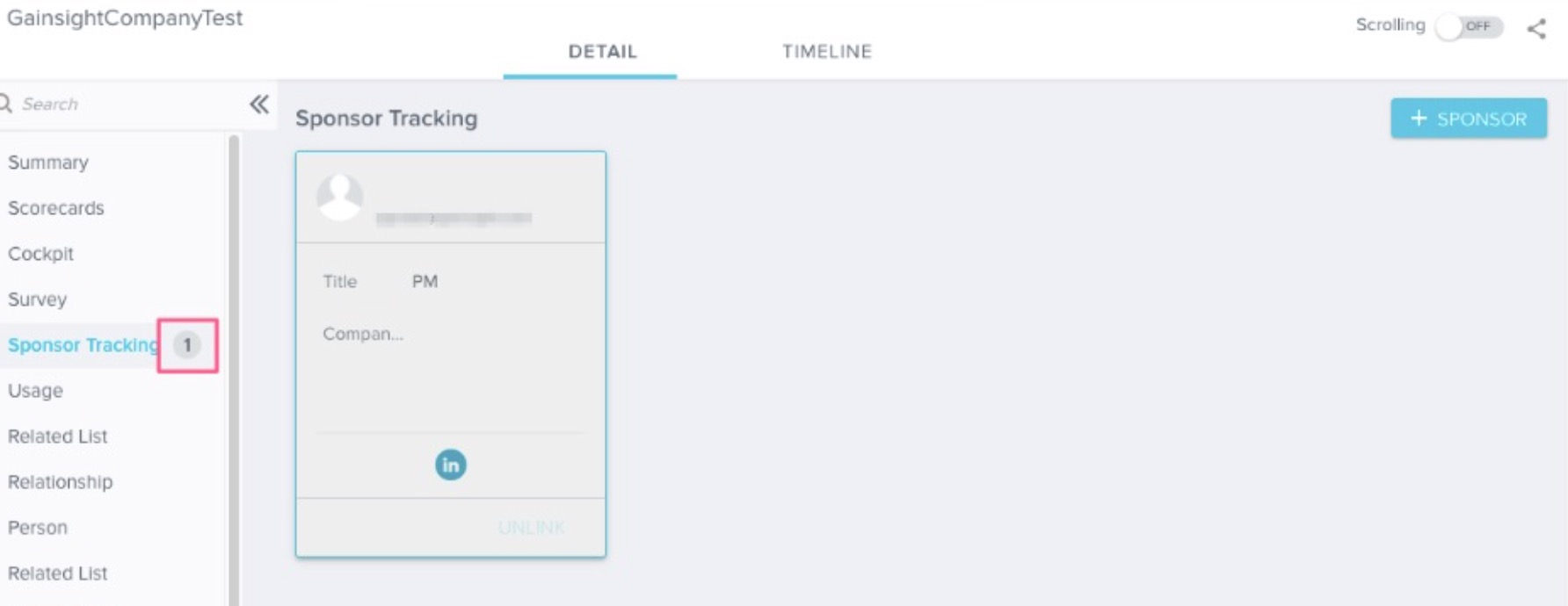
Source: Gainsight
Salesforce handles renewals through Opportunity management in Sales Cloud, supplemented by Revenue Lifecycle Management for CPQ, contract lifecycle, and subscription management. The renewal process uses the same pipeline tools as new business: stages, probability, forecasting, and Agentforce AI for deal insights.
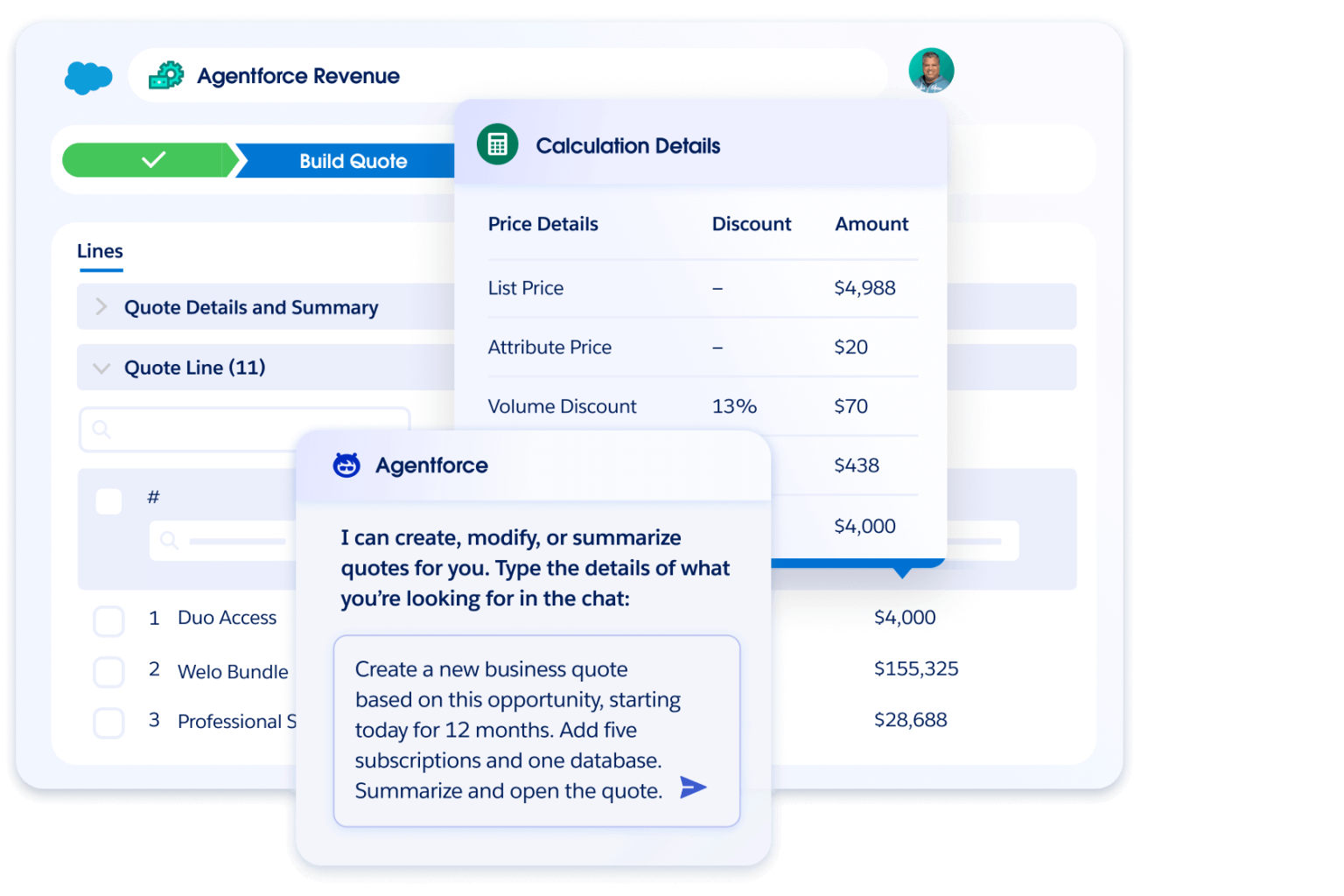
Source: Salesforce
This works well for sales-led renewals but lacks the CS-specific context (health scores, adoption metrics, stakeholder sentiment) that Gainsight bakes in.
ZoomInfo adds a layer neither platform generates on its own: external signals that predict renewal risk or expansion readiness.
When a customer's hiring patterns shift, when they start evaluating competitive technologies, or when new budget holders enter the picture, ZoomInfo surfaces these signals through GTM Workspace or directly into Salesforce via native integration, giving CS and account management teams earlier warning than internal data alone provides.
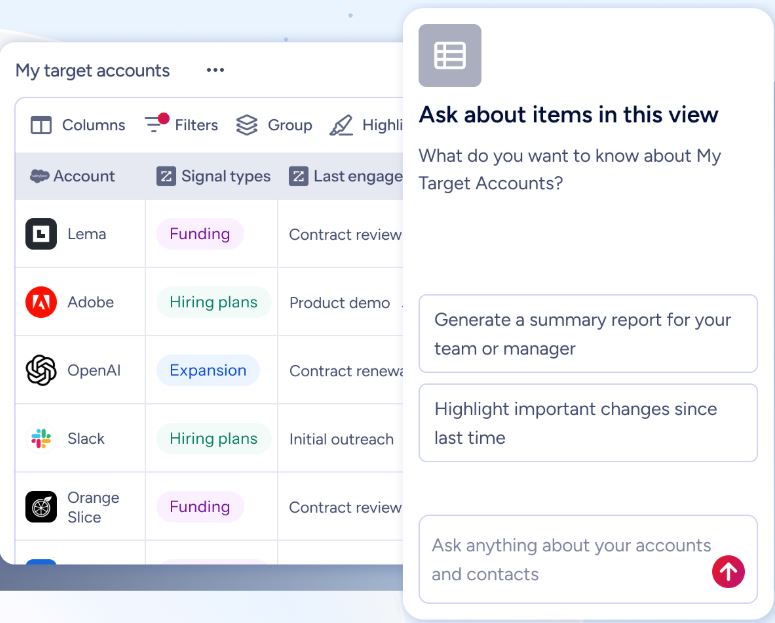
Snowflake uses ZoomInfo data for at least one-third of the most critical features in their Account Propensity Scoring model. Accounts monitored using ZoomInfo-powered scores showed 90% higher opportunity open rates and 2x higher customer conversion rates. (Snowflake)
AI capabilities are evolving fast in all three platforms
All three companies are investing heavily in AI, but their approaches reflect their core positioning.
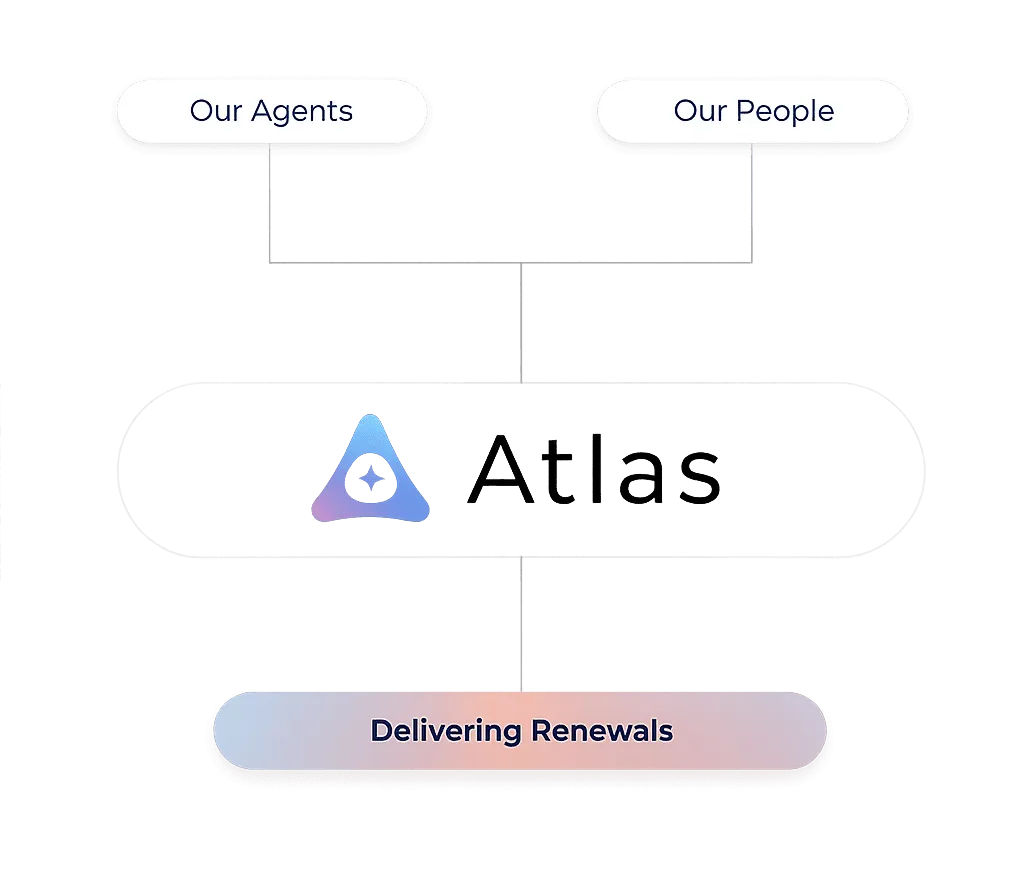
Gainsight's AI focuses on customer retention. Atlas AI Agents, launched in May 2025, handle renewal outreach, adoption interventions, and onboarding follow-ups autonomously across the long tail of accounts that human CSMs can't cover individually.
Source: Gainsight
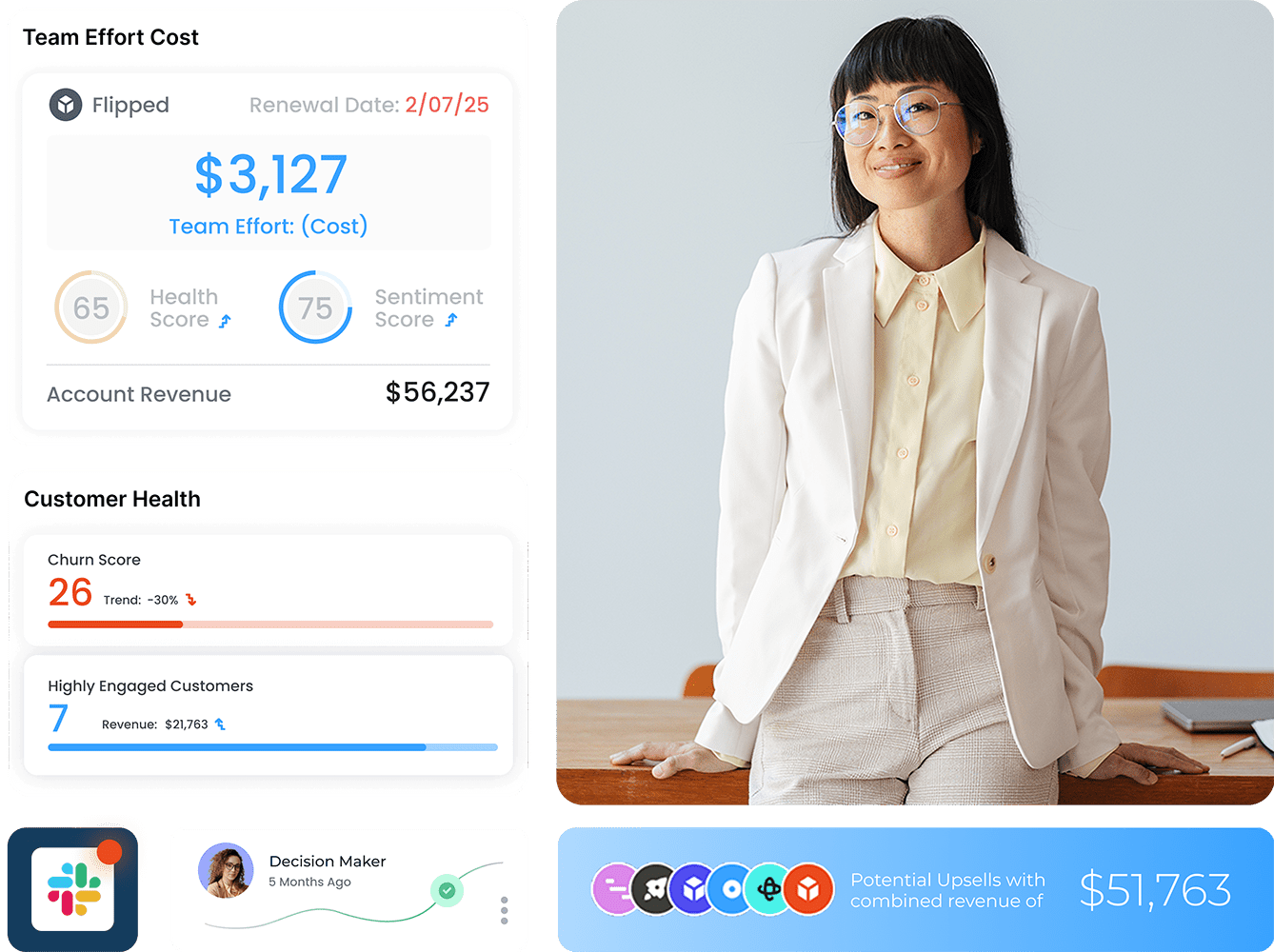
Staircase AI analyzes customer communications (emails, meetings, Slack, support tickets) to surface sentiment shifts and relationship health changes up to six weeks earlier than usage data alone.
Source: Gainsight
Salesforce's AI is the broadest. Agentforce spans every cloud: sales agents that research accounts and draft outreach, service agents that resolve cases autonomously, marketing agents that build and optimize campaigns, and commerce agents that power conversational shopping.
The Atlas Reasoning Engine uses a Reasoning and Acting loop rather than fixed chain-of-thought, and the Einstein Trust Layer provides zero data retention with LLM partners, PII masking, and audit trails.
ZoomInfo's AI operates at the intelligence layer. The GTM Context Graph doesn't just store data; it connects CRM states, conversation signals, and third-party intelligence to capture why deals moved or stalled.
Built on Anthropic's Claude, the AI agents inside GTM Workspace draft personalized outreach that addresses the specific concern the intelligence layer surfaced, surface buying group intelligence, and monitor customer health signals from external sources.
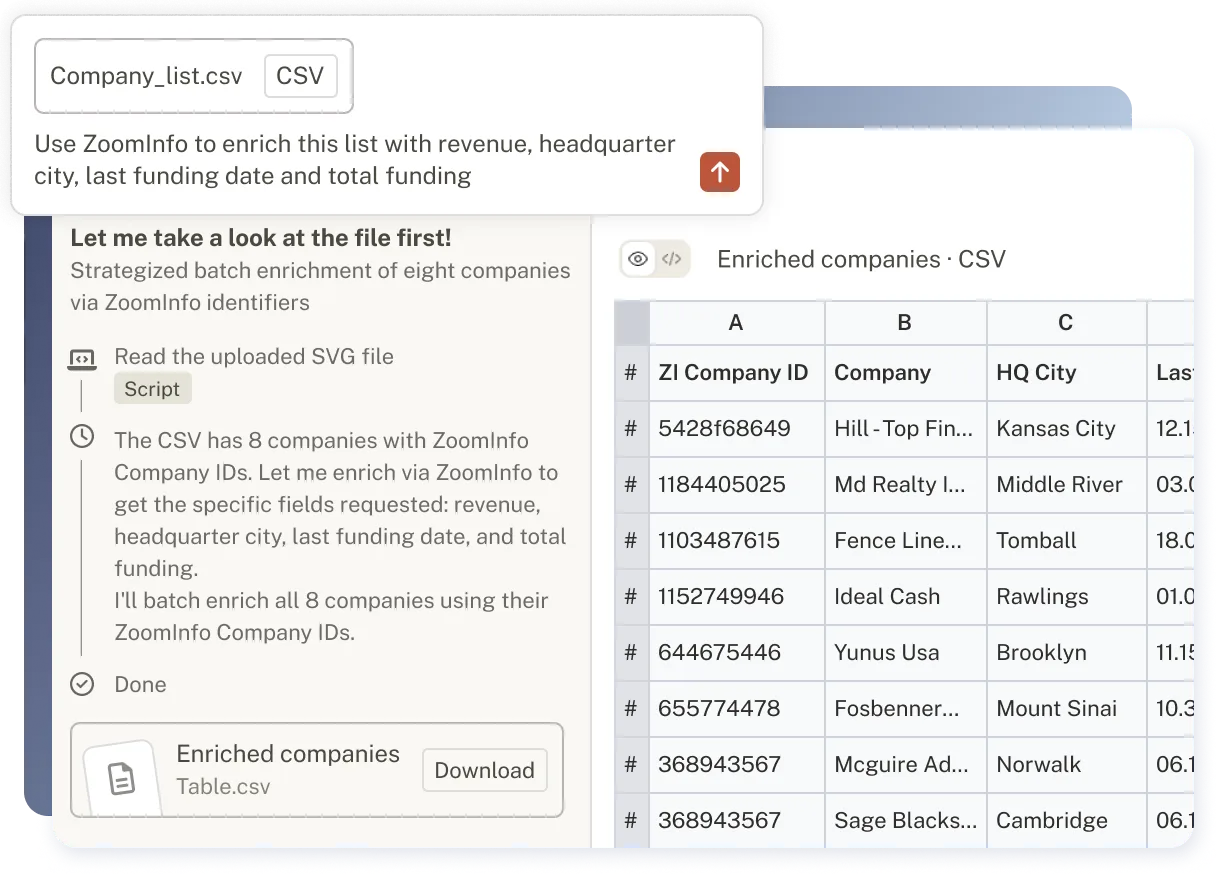
The practical difference: Gainsight's AI acts on internal CS data. Salesforce's AI acts across CRM data. ZoomInfo's AI acts on external intelligence, then delivers it into whatever platform your team uses.
Pricing reflects three different buying decisions
The cost structures tell you who each platform is built for.
Gainsight uses quote-based pricing with no published rates. The platform offers two CS tiers (Essentials and Enterprise), with Essentials including up to 10 full users and 1,000 customer records, and Enterprise starting at 20 full users and 4,000 records. Third-party estimates consistently place enterprise commitments at $100,000+ annually when professional services are included.
Renewal Center, Sponsor Tracking, and Organizational Mapping are Enterprise-only features. Contracts are non-cancellable mid-term, and the Customer Communities product caps annual rate increases at 6%.
Salesforce publishes list prices, but the total cost adds up quickly. Sales Cloud ranges from $25/user/month (Starter Suite) to $550/user/month (Agentforce 1 edition). Service Cloud follows the same structure.
But building a CS operation on Salesforce often requires multiple clouds plus add-ons: Service Cloud AI at $125/user/month, Digital Engagement at $75/user/month, Data Cloud credits at $500 per 100,000 credits, and Agentforce consumption at $2 per conversation or $500 per 100,000 Flex Credits. The Premier Success Plan adds 30% of net license fees. Over 70% of implementations are partner-led, adding further cost.
ZoomInfo uses custom-quoted, consumption-based pricing organized around three product lines (Sales, Marketing, and Chorus), each with tiered feature access. Credits determine export volume (1 credit = 1 profile export), while API access is included in all relevant plans. A permanent free tier, ZoomInfo Lite, provides access to the B2B database with 10 monthly export credits, no credit card or time limit required.
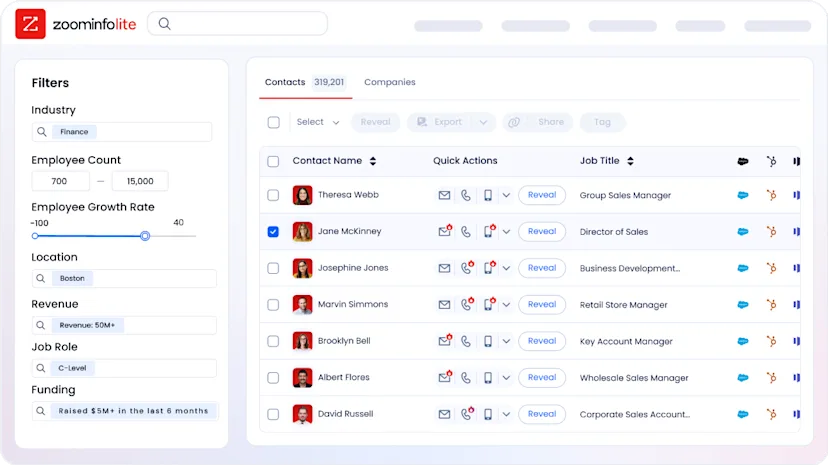
The key pricing insight: Gainsight and Salesforce are your system of record for CS operations. ZoomInfo is the intelligence layer that makes whichever system you choose more effective. Many enterprises run all three.
Integration depth shapes the practical experience
How these platforms connect determines whether your CS team gets a unified workflow or a swivel-chair experience.
Gainsight and Salesforce have the deepest mutual integration. Gainsight offers two deployment architectures: a Salesforce-native managed package that embeds directly inside Salesforce, and Gainsight NXT, the standalone SaaS platform with its own data layer and a dedicated Salesforce connector for bi-directional sync.
The native option means CSMs never leave Salesforce. The NXT option provides a more capable standalone interface but requires data synchronization.
ZoomInfo and Salesforce integrate natively through the ZoomInfo App Marketplace. Contact and company data flows directly into Salesforce records, enriching accounts with company attributes, technographics, org charts, and intent signals. The Account Deal Story in Salesforce (included in Marketing plans) surfaces buying intelligence inside the CRM where account managers already work.
ZoomInfo and Gainsight connect through the broader ecosystem. ZoomInfo's Enterprise API and MCP server can feed intelligence into any system, including Gainsight's data model via Salesforce or direct integration. Intent signals and contact changes that ZoomInfo detects can trigger CTAs in Gainsight's Cockpit when routed through the shared Salesforce layer.
Spekit found that opportunities at higher-scoring accounts were 43% more likely to turn into qualified pipeline and moved 58% faster through qualification. RevOps Manager Ben Perceval noted: "Anything that minimizes our team's need to switch contexts is beneficial. ZoomInfo offers a unified view, eliminating the need to navigate between systems." (Spekit)
Community, education, and self-service capabilities
Gainsight has built a broad self-service ecosystem through acquisitions. Customer Communities (acquired as inSided in 2022) provides branded community forums with AI-powered answer generation, product feedback ideation, and gamification. Skilljar (acquired April 2025) adds customer education with branded Academy sites, certification programs, and a monetization engine.
The two products share SSO and federated search, so customers searching for help see both peer answers and relevant courses.
Salesforce approaches self-service through Service Cloud's portal and knowledge management features, plus the Trailblazer Community (20 million members). For customer-facing education, Salesforce offers Trailhead as a model but doesn't bundle a customer education LMS natively. You'd use AppExchange partners or build custom portals on Experience Cloud.
ZoomInfo focuses its community resources on go-to-market education through ZoomInfo University, role-specific learning paths, and the Modern GTM Community. These resources are oriented toward GTM execution rather than customer education programs.

Gainsight vs. Salesforce vs. ZoomInfo: Which should you choose?
These platforms aren't competing for the same spot in your stack. The right answer depends on what problem you're solving.
Choose Gainsight if:
You have a dedicated CS team of 20+ people managing thousands of accounts
Health scoring, lifecycle automation, and renewal forecasting are core operational needs
You need CS workflows built for the job, not adapted CRM functionality
Your budget supports six-figure annual commitments plus a dedicated admin
You want a single post-sales platform covering CS, product experience, education, and community
Choose Salesforce if:
You want sales, service, marketing, and CS on a single platform
Your CS motion is tightly linked to sales-led renewals and service case management
You already run Salesforce and prefer to extend it rather than add vendors
Your team needs Agentforce AI agents working across the full customer lifecycle
Cross-functional visibility matters more than CS-specific depth
For a detailed head-to-head look at how Salesforce and ZoomInfo compare directly, see our Salesforce vs. ZoomInfo comparison.
Choose ZoomInfo if:
You need external intelligence that your CRM and CS platform can't generate
Identifying churn risk from signals outside your product and support data is a priority
Your expansion motion depends on knowing what's changing at customer organizations
You want verified contact data, intent signals, and technographics feeding your CS workflows
You need intelligence that works in any tool, whether Gainsight, Salesforce, or your own systems
See how ZoomInfo's intelligence can strengthen your customer retention with a free trial.
The strongest CS organizations don't choose just one of these platforms. They use Gainsight or Salesforce as their operational system of record, then layer ZoomInfo's external intelligence on top to see what's happening beyond their own product and CRM data. A health score built on product usage and support tickets tells you about symptoms.
ZoomInfo's signals tell you about causes: the executive departure, the competitive evaluation, the budget shift that hasn't shown up in your renewal forecast yet.
That combination of internal operations and external intelligence is what separates CS teams that react to churn from CS teams that prevent it.
Gainsight vs. Salesforce vs. ZoomInfo FAQ
What is the core difference between Gainsight, Salesforce, and ZoomInfo?
Gainsight is a dedicated customer success platform built for post-sales teams, with health scoring, lifecycle automation, renewal management, and customer education tools designed for the job. Salesforce is a CRM and enterprise application suite that covers sales, service, marketing, and commerce, with CS capabilities assembled across its clouds.
ZoomInfo is a B2B intelligence platform that provides external data (500M contacts, 100M companies, intent signals, technographics) to feed into CS and CRM workflows in either platform.
Can I use Gainsight and Salesforce together?
Yes, and many enterprise CS teams do. Gainsight offers a Salesforce-native deployment that embeds directly inside Salesforce, or a standalone NXT platform with bi-directional Salesforce sync. The combination gives CS teams Gainsight's dedicated workflows operating on top of Salesforce's CRM data layer.
Which platform is best for renewal forecasting?
Gainsight's Renewal Center provides the deepest renewal-specific tooling, with ML-powered likelihood-to-renew scores trained on your own historical data, waterfall visualizations, and health score data fused into the forecast. Salesforce handles renewals through standard Opportunity management and Revenue Lifecycle Management.
ZoomInfo adds external signals (executive changes, competitive research, technology shifts) that predict renewal risk before it appears in internal metrics.
How do the pricing models compare?
Gainsight uses quote-based pricing with typical enterprise commitments exceeding $100,000 annually. Salesforce publishes list prices ranging from $25 to $550 per user per month for Sales and Service Clouds, though total cost rises with add-ons for AI, digital engagement, data, and premium support.
ZoomInfo uses custom-quoted consumption-based pricing, with a permanent free tier (ZoomInfo Lite) providing database access and 10 monthly export credits.
Which platform has the best AI for customer success?
Gainsight's AI is the most CS-specific, with Atlas AI Agents handling retention workflows autonomously and Staircase AI surfacing sentiment shifts from customer communications up to six weeks before usage data would reveal them. Salesforce's Agentforce AI is the broadest, spanning sales, service, marketing, and commerce with autonomous agents across all clouds.
ZoomInfo's AI operates at the intelligence layer, connecting external and internal data to surface why accounts are at risk or ready for expansion.
Do I need all three platforms?
Not necessarily, but many enterprise organizations use all three. Gainsight or Salesforce serves as the CS system of record.
ZoomInfo provides the external intelligence that neither platform can generate on its own: verified contact data, intent signals, technographic changes, and stakeholder intelligence. The combination closes the gap between what's happening inside your product and what's happening in the broader market.
Which platform is easiest to implement?
ZoomInfo deploys in weeks, with API access included in all relevant plans and a free tier available immediately. Salesforce implementation ranges from weeks for a basic Sales Cloud setup to months for multi-cloud enterprise deployments, with over 70% of implementations led by partners. Gainsight typically takes three to six months and requires a dedicated administrator for ongoing configuration.
How does each platform handle stakeholder and contact intelligence?
Gainsight tracks stakeholder relationships through People Maps (interactive org charts) and Sponsor Tracking (LinkedIn monitoring for executive changes). Salesforce manages contacts through standard Account and Contact objects with relationship hierarchies.
ZoomInfo provides the most comprehensive external contact intelligence, with 500M contacts, 120M direct-dial phone numbers, job-change alerts, and org chart data verified through a multi-source pipeline backed by 300+ human researchers.
Comparing Gainsight and Salesforce? These related breakdowns go deeper:
