

Choosing between Hightouch and Census for data activation comes down to five questions:
Do you need a reverse ETL pipe, or a composable CDP with audience building, identity resolution, and AI personalization?
Can your marketing team build audiences from the data warehouse on their own, or will data engineers remain the bottleneck?
Does your platform need to stay independent, or are you comfortable with a tool that now belongs to a larger data movement ecosystem?
Do you need real-time personalization and AI decisioning, or does batch syncing on a schedule work?
Are you activating data for marketing alone, or do you need intelligence that connects activation to prospecting, pipeline, and revenue?
In short, here's what we recommend:
Hightouch evolved from the company that coined "reverse ETL" into a composable CDP and AI marketing platform.
Named a Leader in the Gartner Magic Quadrant for Customer Data Platforms in January 2026, Hightouch sits on your data warehouse and gives marketing teams self-serve audience building, identity resolution, journey orchestration, and AI decisioning that uses reinforcement learning to optimize each customer interaction.
With 250+ integrations, Hightouch serves data-mature enterprises that want to turn their warehouse into a marketing operating system. The trade-off: it requires a mature warehouse, pricing can escalate with volume, and advanced use cases still need SQL knowledge.
Census pioneered reverse ETL as a standalone category and earned recognition as the Leader in Reverse ETL on G2 for three consecutive quarters. In May 2025, Fivetran acquired Census and rebranded it as Fivetran Activations, folding it into a data movement platform that handles ingestion, transformation, and activation in one place.
Census brings strong sync performance (including single-second latency for streaming use cases), a visual segment builder in Audience Hub, and over 200 destinations. The trade-off: Census is now tied to Fivetran's roadmap, the product is mid-migration to Fivetran's infrastructure, and enterprise features like Audience Hub require the Enterprise tier.
Both platforms solve the same core problem: getting trusted data from your warehouse into the tools where teams work. But data activation is only one piece of the go-to-market puzzle. Syncing clean segments to your CRM or ad platform matters little if the underlying contact data is incomplete, the buying signals are stale, or your sales team can't act on what marketing activates. That's where a different kind of platform fits in.
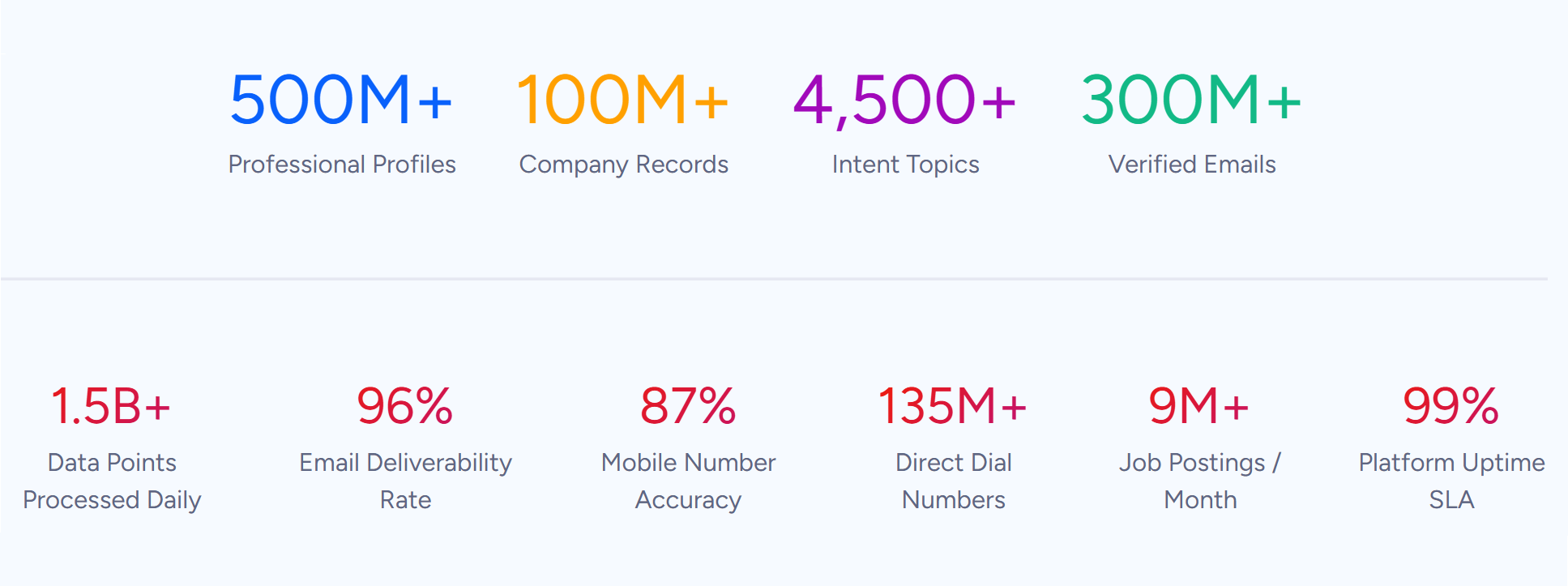
ZoomInfo is an AI GTM platform that operates upstream of data activation. Where Hightouch and Census move your existing warehouse data into business tools, ZoomInfo provides the data itself: 500M contacts, 100M companies, 135M+ verified phone numbers, and 200M+ verified business emails.
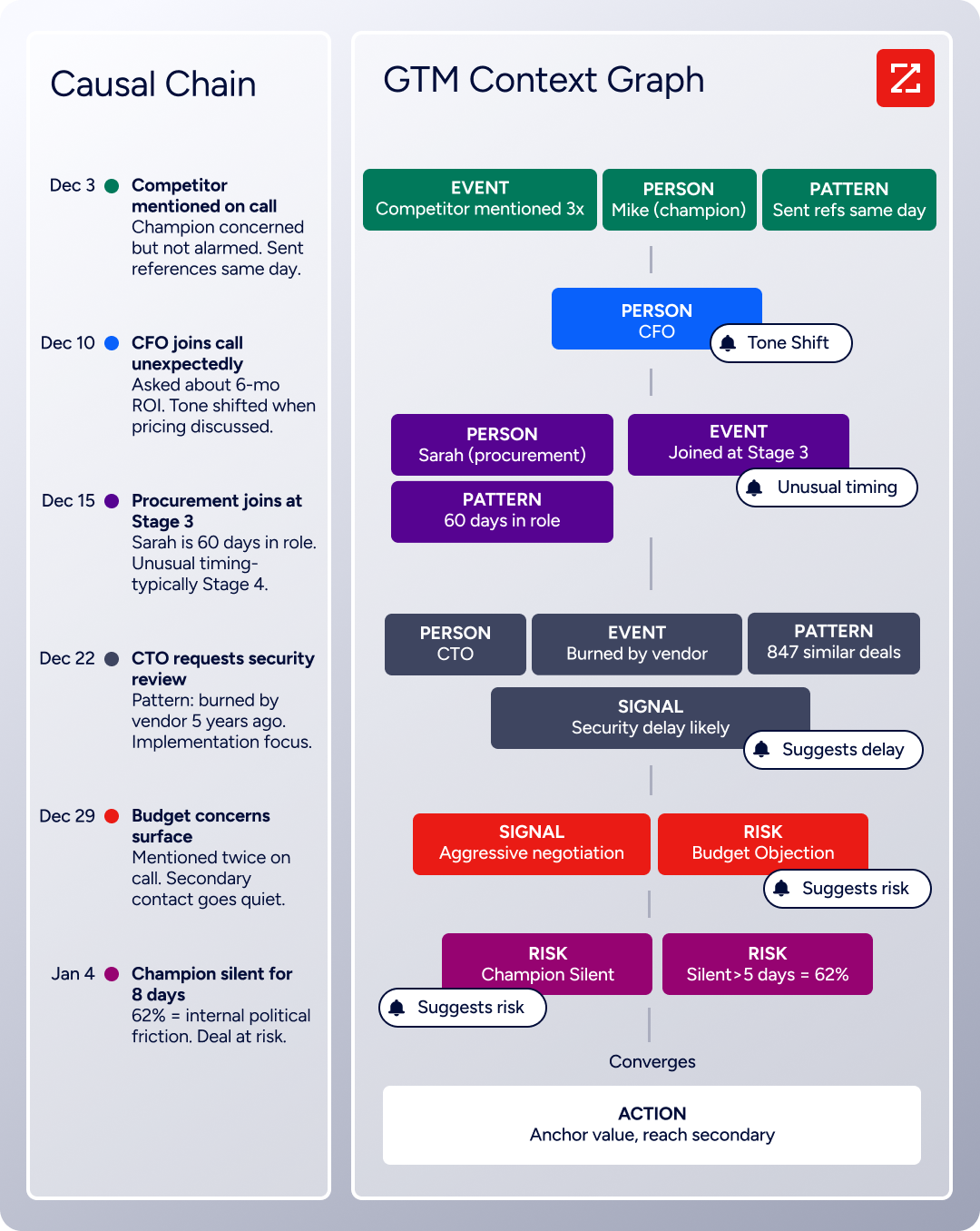
Its GTM Context Graph (an intelligence layer processing 1.5B + data points daily) fuses this B2B data with your CRM records, conversation transcripts, and behavioral signals to reveal not just what happened in a deal, but why.
That intelligence flows into GTM Workspace for sellers, GTM Studio for marketers and RevOps, or through APIs and MCP into any tool in your stack, including your data warehouse and the activation platforms built on top of it.
If you want to see how ZoomInfo's data and intelligence can fuel your GTM motion, start with a free trial.
Hightouch vs. Census vs. ZoomInfo at a glance
Hightouch | Census (Fivetran Activations) | ZoomInfo | |
|---|---|---|---|
Core function | Composable CDP + AI marketing platform | Reverse ETL / data activation layer | AI GTM platform with B2B data + intelligence |
Primary strength | Warehouse-native CDP with AI decisioning | Sync performance and Fivetran integration | B2B data and GTM Context Graph |
Data model | Reads from your warehouse, never stores data | Reads from your warehouse, stores sync state | Provides the data (500M contacts, 100M companies) |
Audience building | Visual no-code builder (Customer Studio) | Visual no-code builder (Audience Hub, Enterprise only) | Natural language audience creation (GTM Studio) |
AI capabilities | Reinforcement learning for 1:1 decisioning | AI Columns for enrichment | GTM Context Graph with AI agents for sales and marketing |
Integrations | 250+ destinations | 200+ destinations | 120+ marketplace integrations, APIs, and MCP |
Identity resolution | Built-in deterministic + probabilistic | Entity resolution (deduplication) | 500M contact identity graph with verification |
Real-time capability | Sub-second Personalization API (p99 < 30ms) | Live Syncs with single-second latency | Real-time intent signals and buyer alerts |
Free tier | 2 active syncs, permanently free | 3,500 MAR, permanently free | ZoomInfo Lite (permanent) + 7-day full trial |
Pricing model | Usage-based, quote for CDP/AI | Consumption-based (MAR), starts at $4,200/year | Custom-quoted, consumption-based |
Best for | Data-mature enterprises activating warehouse data for marketing | Teams needing reliable data syncing within the Fivetran ecosystem | B2B teams needing verified contact data, buying signals, and GTM execution |
Hightouch and Census solve the same core problem differently
Both Hightouch and Census started in the same place: reverse ETL. The idea was simple and worth solving. Companies had invested heavily in cloud data warehouses, but all that modeled customer data stayed locked inside analytics infrastructure. Sales reps worked from stale CRM records. Marketers built campaigns on incomplete segments. The warehouse had the answers, but the business tools didn't.
Both companies built pipes to close that gap. Starting from the same origin, they've diverged in ambition and scope.
Hightouch expanded vertically. Reverse ETL became the foundation for a composable CDP, then an AI marketing platform.
Today the product includes audience building (Customer Studio), identity resolution, journey orchestration, real-time personalization, event collection, campaign analytics, content assembly, and AI Decisioning that uses reinforcement learning to optimize every message, channel, and send time for each customer.
Census expanded horizontally. Rather than building a full CDP stack, Census focused on making the sync layer faster, more reliable, and more observable. Then Fivetran acquired it. Census is now Fivetran Activations, the activation layer in a data movement platform that handles ingestion (Fivetran), transformation (dbt integration), and activation (Census) under one roof.
The architectural choice matters. Hightouch is building a marketing platform on top of the warehouse. Census is building a data pipe that belongs to a larger plumbing system. Neither is wrong; they serve different buying motivations.
Audience building and marketer self-service
Both platforms promise that marketing teams can stop filing engineering tickets to get audience lists. The reality varies.
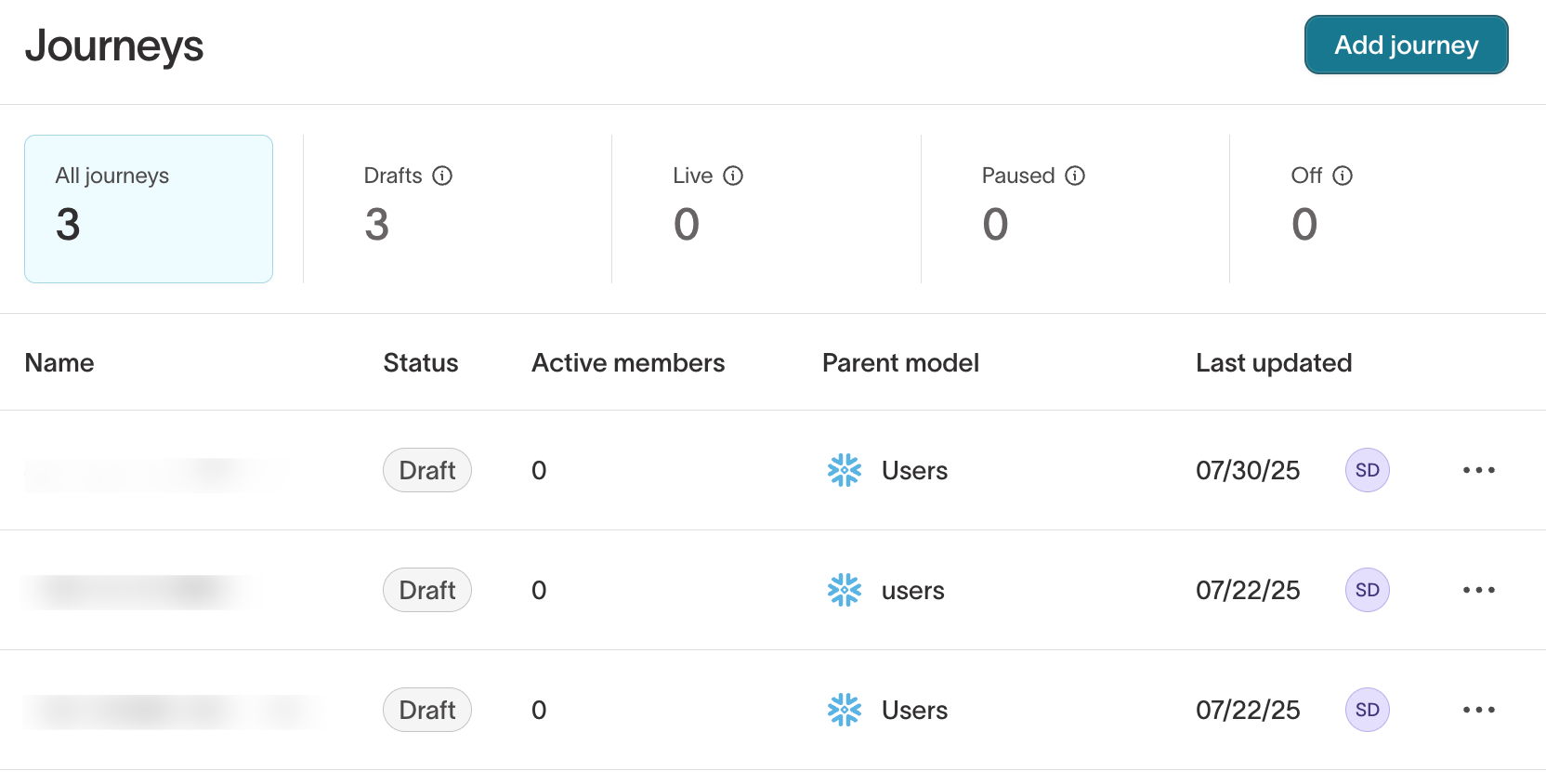
Hightouch's Customer Studio is the more mature self-service layer. The visual audience builder lets marketers create segments using point-and-click filters across events, attributes, computed traits, and cross-entity relationships, all without SQL. Audience size previews update in real time as filters change.
Built-in traits let marketers define calculated fields like lifetime value or engagement scores. Journeys add multi-step campaign orchestration with branching logic, time delays, and priority management. Audience Splits enable randomized A/B testing with holdout groups natively in the platform.
Source: Hightouch
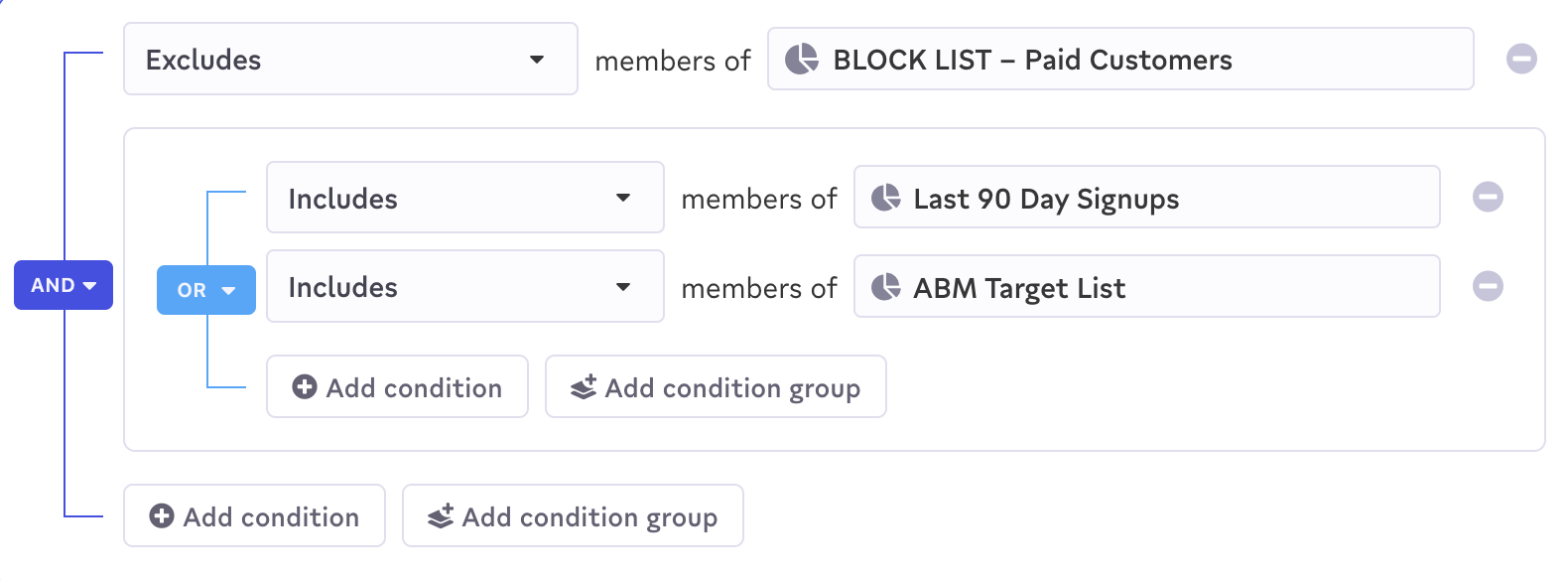
Census's Audience Hub provides a visual no-code segment builder that supports cross-entity segmentation, event-based filtering, split testing, and segment comparison. The builder was designed for marketing teams to target without SQL, and it handles many-to-many relationships automatically.
Source: Fivetran
However, Audience Hub is only available on the Enterprise tier. Teams on Free or Professional plans are limited to SQL-defined datasets and standard syncs. Census's marketer self-service requires a larger commitment up front than Hightouch, where Customer Studio is accessible at the Business tier.
Both platforms require a well-modeled warehouse underneath. If your warehouse data is messy, neither visual builder will save you.
Sync performance and reliability
This is where Census has historically made its strongest technical case.
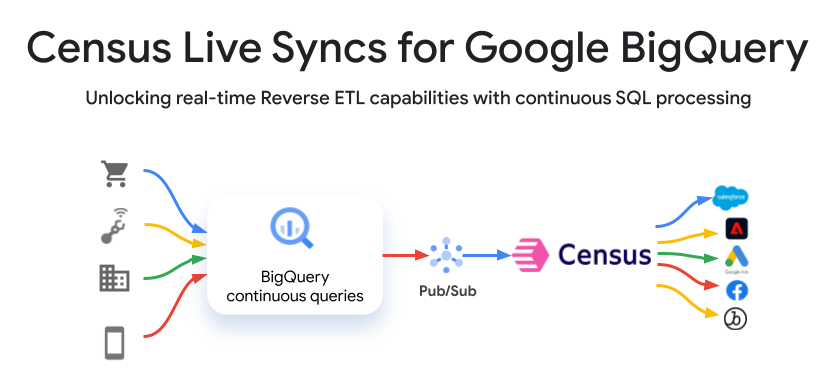
Census's change detection algorithm identifies warehouse changes and syncs only what's needed, handling schema drift and API changes incrementally. Live Syncs deliver single-second latency for streaming use cases.
Source: Census
Hightouch counters with its own numbers. The platform runs 1 million+ daily sync jobs across its customer base, has processed over 7.3 trillion records synced, and maintains 99.99% global uptime. The Lightning sync engine uses the warehouse's own compute for high-performance batch syncs, and warehouse-native CDC detects changed rows to minimize compute costs.
Both platforms offer incremental syncs, scheduled and API-triggered execution, and monitoring. Census's edge is raw sync throughput and the depth of its sync engineering. Hightouch's edge is what you can do beyond the sync itself.
For teams whose primary need is moving data reliably at high volume, Census's sync engine is proven. For teams that need the sync as one step in a larger marketing workflow, Hightouch's broader platform reduces tool sprawl.
Real-time capabilities
Real-time data activation matters for personalization and triggered campaigns.
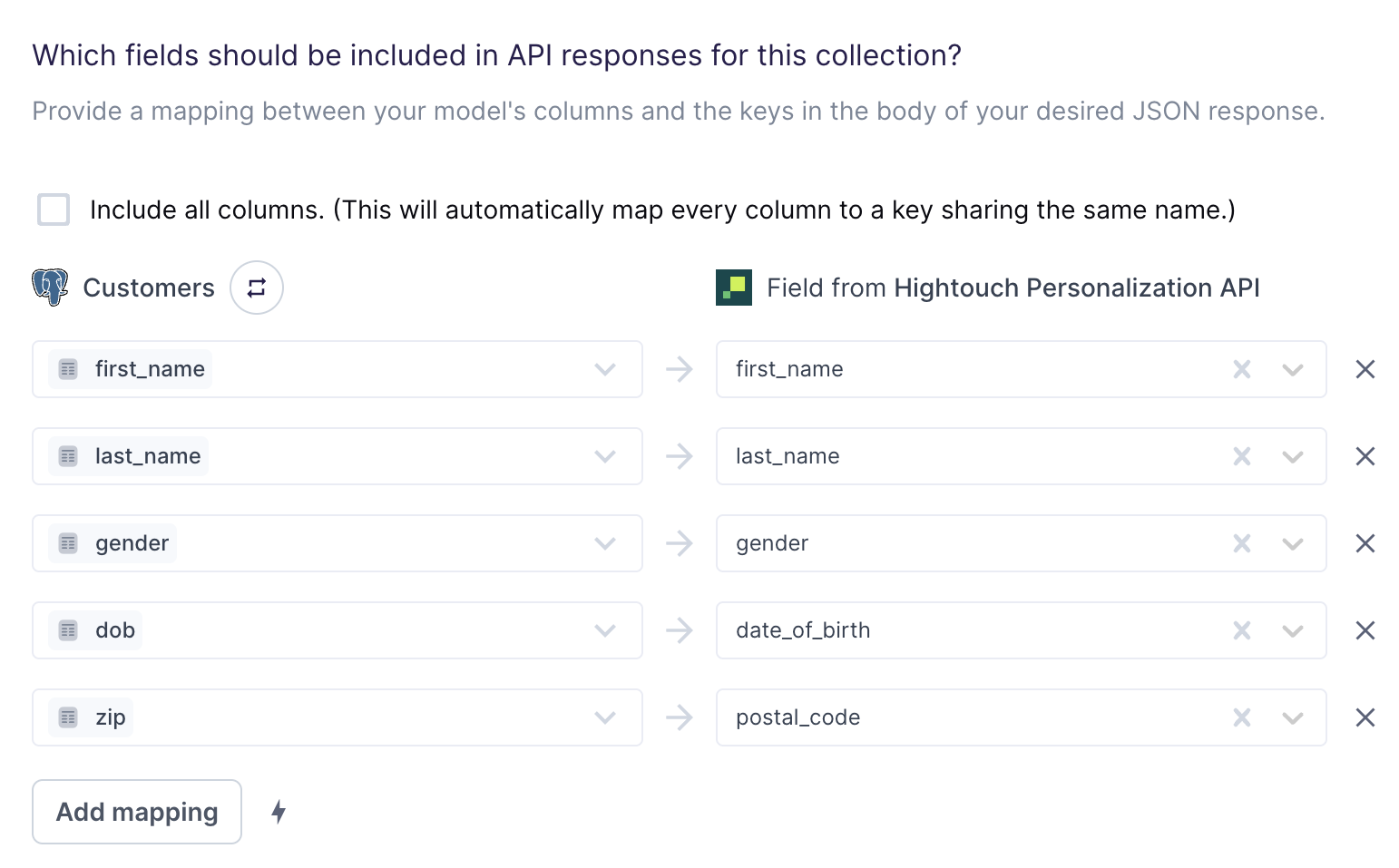
Hightouch offers a dedicated Personalization API that serves any SQL model as a low-latency cache, with documented p99 under 30 milliseconds and peak throughput of 1 million requests per second.
Source: Hightouch
Same-session personalization merges live browsing behavior with historical Customer 360 data, so a user who just added a product to their cart sees recommendations informed by their full purchase history. Real-time event streaming triggers downstream actions in milliseconds.
Census provides Live Syncs that connect to behavioral event streams and activate data to downstream tools with sub-second latency. Census positions itself as the first reverse ETL platform to offer real-time activation, merging high-speed event data with warehouse data in a Customer 360 profile.
The distinction: Hightouch's real-time offering includes a managed API layer that serves personalized data to websites and apps directly, making it data-serving infrastructure. Census's real-time offering focuses on the sync itself, delivering events to downstream tools faster.
If you need to serve personalized content on your website at sub-30ms latency, Hightouch has a dedicated product for that. If you need event data to land in Braze or Salesforce within seconds, both platforms deliver.
The data gap neither activation platform fills
Hightouch and Census both excel at moving data that already exists in your warehouse. Neither creates the data.
This distinction matters. A reverse ETL platform can sync your customer segments to Salesforce, but it can't tell you that your CRM is missing 40% of the buying committee at your target accounts.
It can push product usage scores to your marketing platform, but it can't identify the three companies researching your competitor right now that aren't in your CRM at all. It can activate audiences for ad campaigns, but it can't verify whether the email addresses in those audiences still work.
ZoomInfo fills this gap. With 500M contacts, 100M companies, 135M+ verified phone numbers, and 200M+ verified business emails, ZoomInfo provides the B2B data that activation platforms depend on. The data flows through a multi-source verification pipeline backed by 300+ human researchers and automated ML scanning of 28 million site domains daily, reaching up to 95% accuracy on first-party data.
Source: ZoomInfo
Intent signals add a timing layer. ZoomInfo Intent tracks signals from 210 million IP-to-Organization pairings and 6 trillion+ new keyword-to-device pairings monthly. Guided Intent identifies topics historically correlated with deal success rather than requiring manual topic selection.

Source: ZoomInfo
For teams using Hightouch or Census, ZoomInfo can serve as the data enrichment layer that feeds the warehouse. ZoomInfo's Enterprise API and Cloud Partners deliver data into Snowflake, BigQuery, Databricks, and AWS, where Hightouch or Census can activate it downstream. This isn't a replacement for either activation platform; it's the data foundation that makes activation more valuable.
Snowflake uses ZoomInfo data for at least one-third of the most critical features in their Account Propensity Scoring model, feeding over 70 company and technographic data fields. Accounts monitored using ZoomInfo-powered scores showed 90% higher opportunity open rates and 2x higher customer conversion rates. (Snowflake Case Study)
AI and intelligence capabilities
This is where Hightouch has invested most aggressively and where ZoomInfo offers a different kind of intelligence.
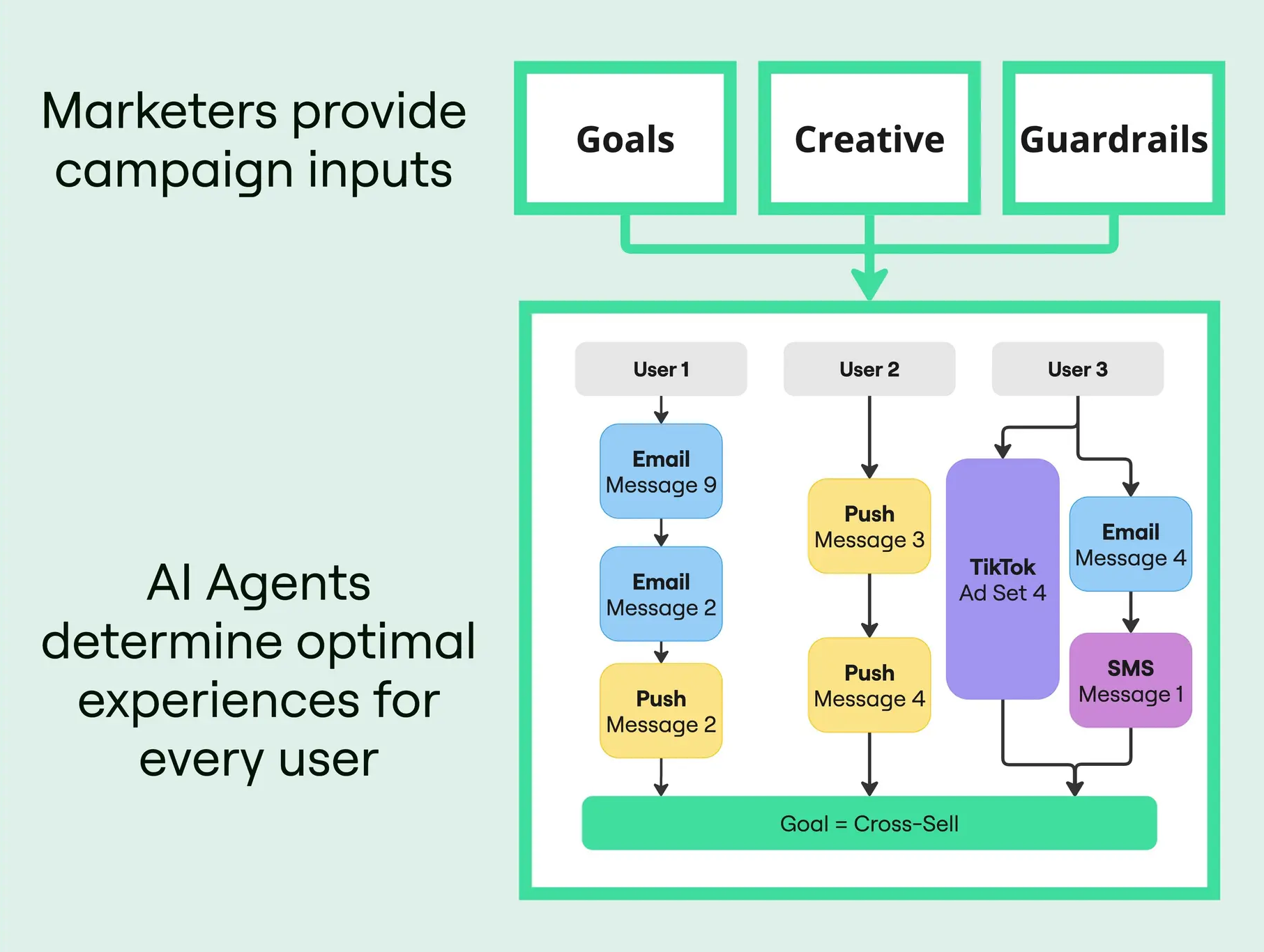
Hightouch's AI Decisioning uses reinforcement learning to replace manual campaign logic. Instead of marketers designing every journey and A/B test, AI agents determine the best message, channel, timing, creative, and frequency for each customer.
Source: Hightouch
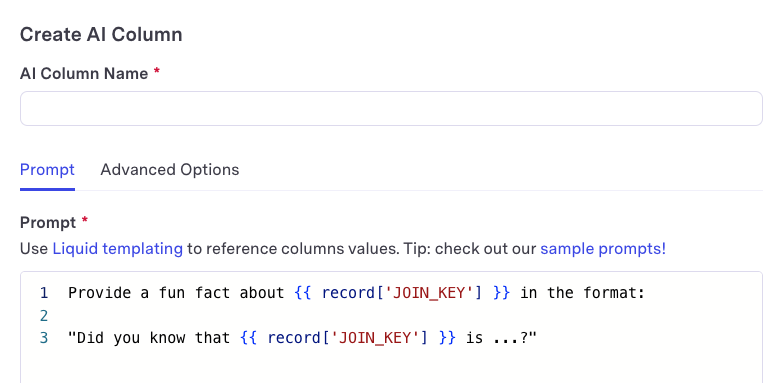
Census offers AI Columns that enrich data using LLMs (OpenAI, Claude, Gemini) within the activation pipeline. This helps enrich records with AI-generated attributes before syncing, but it's narrower than Hightouch's optimization layer.
Source: Fivetran
ZoomInfo operates a different kind of intelligence. The GTM Context Graph processes 1.5B + data points daily, fusing ZoomInfo's B2B data with your CRM records, conversation transcripts, and behavioral signals to capture why deals move or stall. This isn't campaign optimization; it's go-to-market intelligence.
Source: ZoomInfo
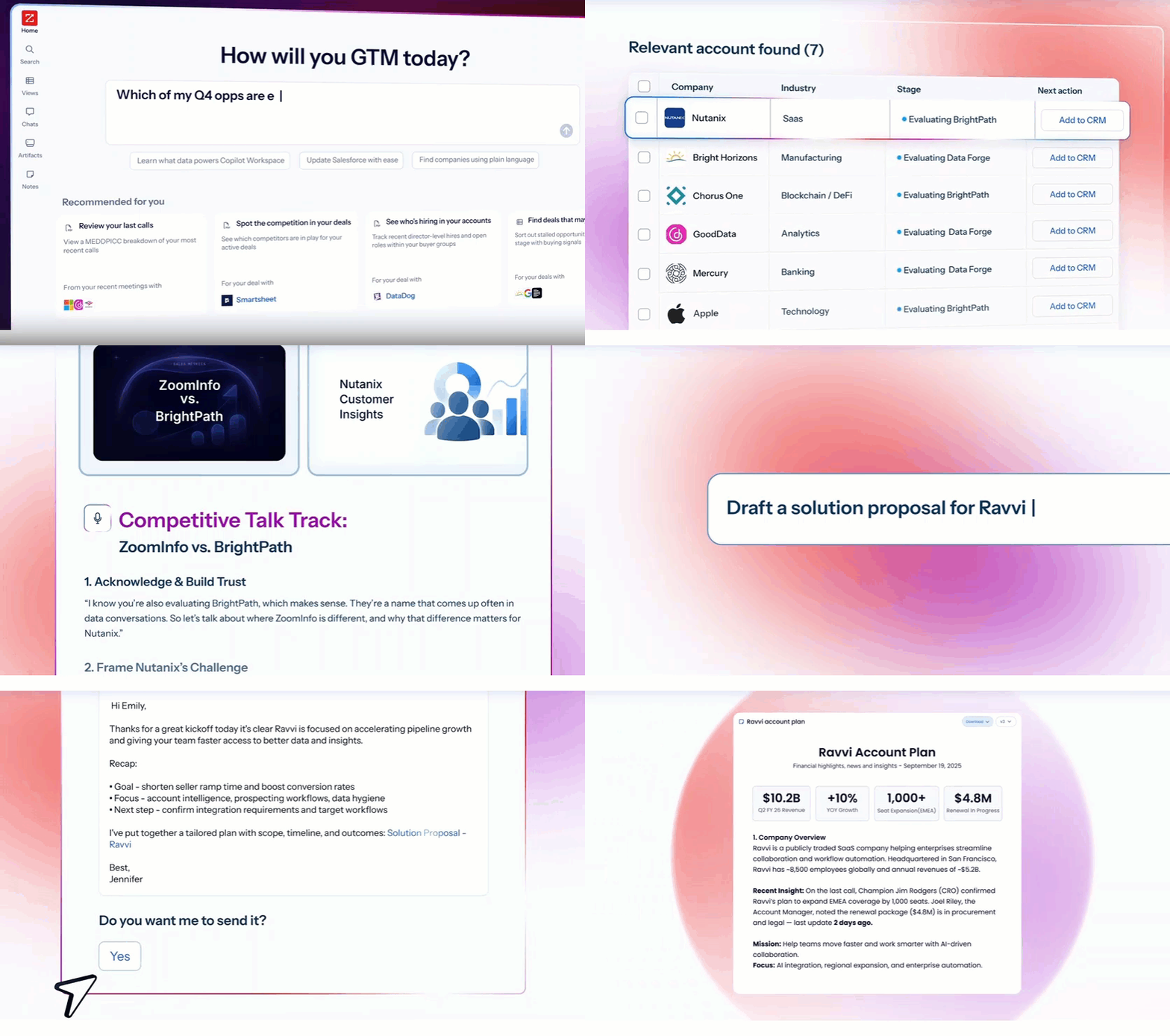
AI agents in GTM Workspace research accounts, draft personalized outreach based on deal context, and surface next-best actions.
Source: ZoomInfo
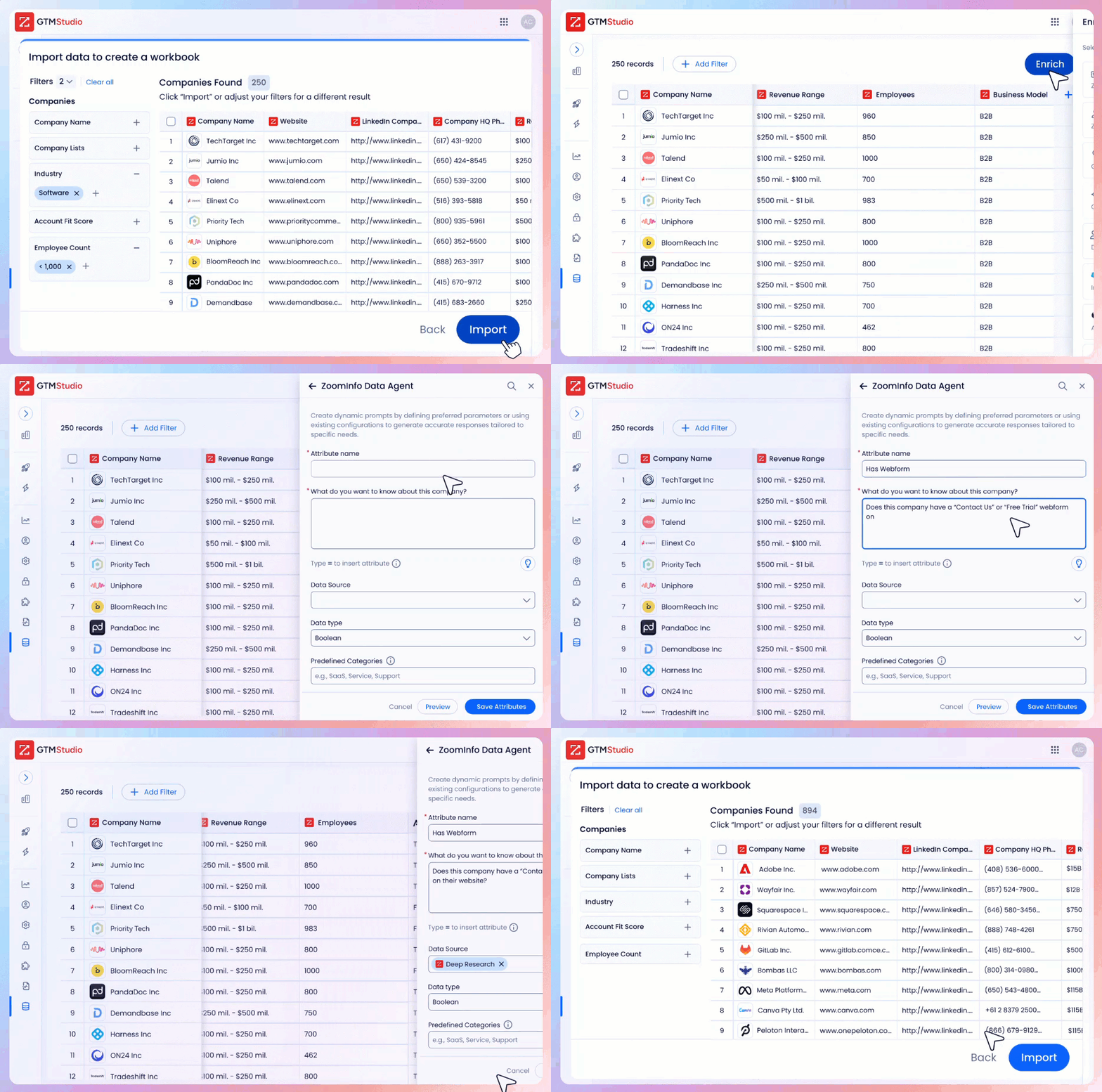
GTM Studio lets marketers describe audiences in natural language and launch multi-channel plays targeting accounts that match proven win patterns.
Source: ZoomInfo
The distinction is scope. Hightouch optimizes marketing messages. ZoomInfo tells you who to target, why they're in-market, and what to say, then lets your activation layer (Hightouch, Census, or anything else) deliver that insight to the right tool.
Seismic's sales team attributed 39% of active pipeline to opportunities identified or influenced by ZoomInfo signals, reported 54% productivity gains, and saved 11.5 hours per week per seller. (Seismic Case Study)
Identity resolution approaches
Knowing who your customers are across devices, channels, and touchpoints is the foundation of personalization. Each platform handles identity differently.
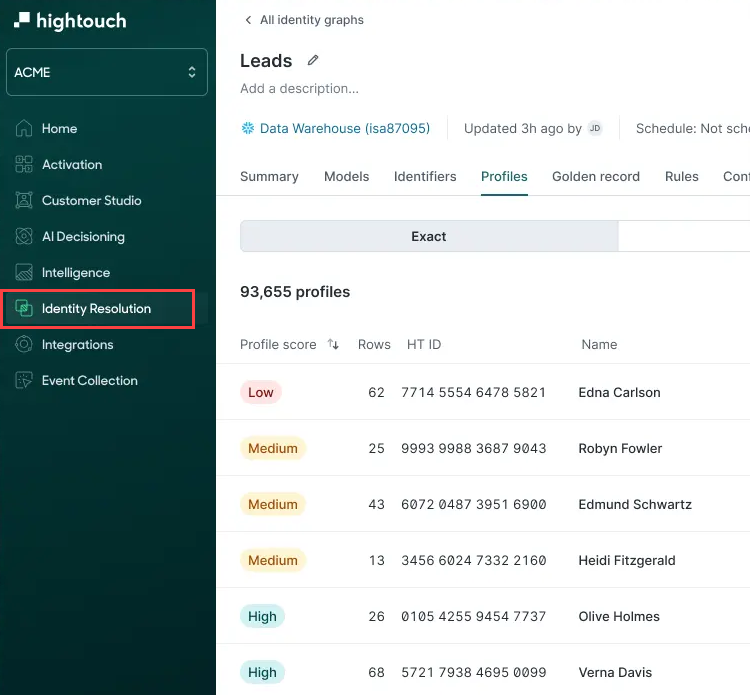
Hightouch includes Adaptive Identity Resolution that stitches fragmented customer records into unified profiles within the customer's own warehouse. Teams can toggle between deterministic matching (exact identifier matching) and probabilistic matching (AI-powered fuzzy matching for messy data).
Source: Hightouch
A visual rule builder lets teams configure match rules without code, and the Golden Record feature creates a canonical one-row-per-customer view with configurable survivorship rules. Identity graphs stay in the customer's warehouse.
Census provides Entity Resolution that eliminates duplicate records across data ecosystems, creating golden records for business applications. This is a narrower capability focused on deduplication rather than cross-device identity stitching.
ZoomInfo approaches identity from the other direction. Instead of resolving your first-party records, ZoomInfo provides a verified identity graph of 500M contacts built through its own multi-source collection and verification pipeline.
When your internal records are incomplete, ZoomInfo's data fills the gaps with verified emails, direct dials, org chart positions, and company context. WebSights resolves anonymous website visitors to companies and buying team members.

Source: ZoomInfo
Teams that need to unify messy first-party data across touchpoints will benefit from Hightouch's identity resolution or Census's entity resolution. Teams that need to fill gaps in contact coverage and verify the data they have will benefit from ZoomInfo's identity graph. Many enterprises need both.
Pricing and commercial models
The pricing structures reflect each platform's positioning and target buyer.
Hightouch uses usage-based pricing with no MTU caps in paid plans. The permanent free tier includes 2 active syncs with unlimited destinations, user seats, and sync runs, but limits sync frequency to hourly. The self-serve paid tier adds up to 10 active syncs. The Composable CDP (Business tier) and AI Decisioning are quote-based, with modular purchasing.
Customers buy only the modules they need (Reverse ETL, Customer Studio, Identity Resolution, Real-time Personalization, Match Booster, Events, AI Decisioning). Enterprise plans include unlimited user seats, dedicated CSM, shared Slack channel, and custom SLAs.
Census operates on a consumption-based model built around Monthly Active Rows (MAR). The Free tier provides 3,500 MAR for Activations with 1 billable destination and 2 active syncs. The Professional (Standard) tier starts at $4,200 per year with 2 billable destinations and 5 active syncs per destination.
The Enterprise tier adds Audience Hub, continuous syncs, Census Embedded, and unlimited seats. Following the Fivetran acquisition, customers receive consolidated invoicing across ingestion, transformation, and activation. For a full breakdown of what's included at each tier, see our Census Pricing Breakdown.
ZoomInfo uses consumption-based pricing. No prices are published. Sales plans span Professional, Advanced, and Enterprise tiers differentiated by capabilities (intent signals, AI features, advanced integrations). Marketing plans span Marketing Demand, ABM Lite, and ABM Enterprise.
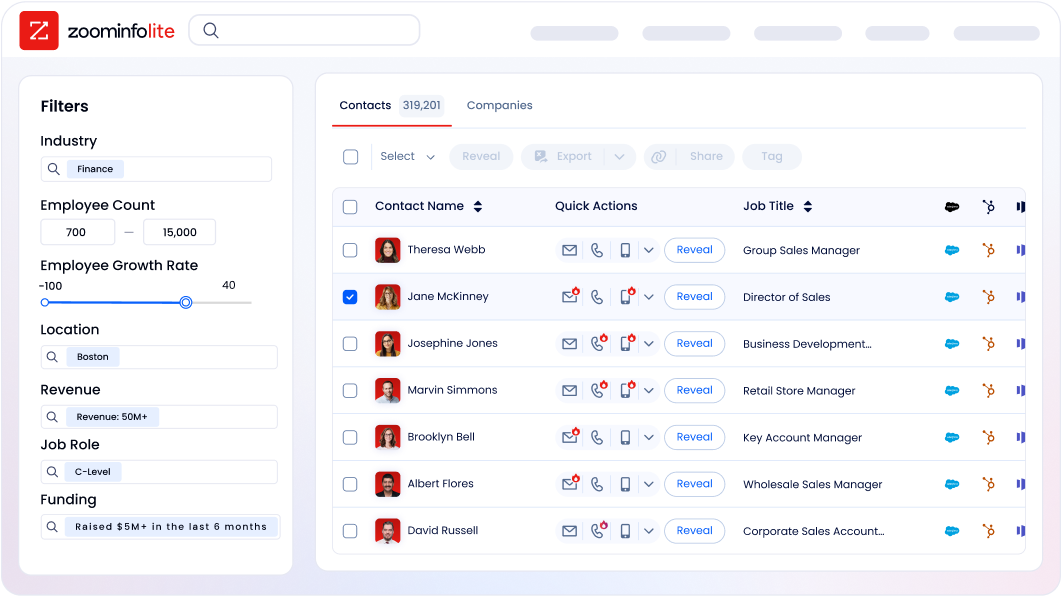
ZoomInfo Lite provides permanent free access to the B2B database with 10 monthly export credits. A 7-day free trial offers full platform access.
Source: ZoomInfo
The practical trade-off: Census offers the lowest entry point for straightforward data syncing. Hightouch's free tier works for evaluation, but the full CDP and AI Decisioning require enterprise contracts. ZoomInfo's pricing reflects its role as a data and intelligence platform, not a data pipe, and is justified by the verified B2B data and GTM intelligence no activation platform provides.
Integration ecosystems
All three platforms understand that no tool operates in isolation. The integration story varies by depth and direction.
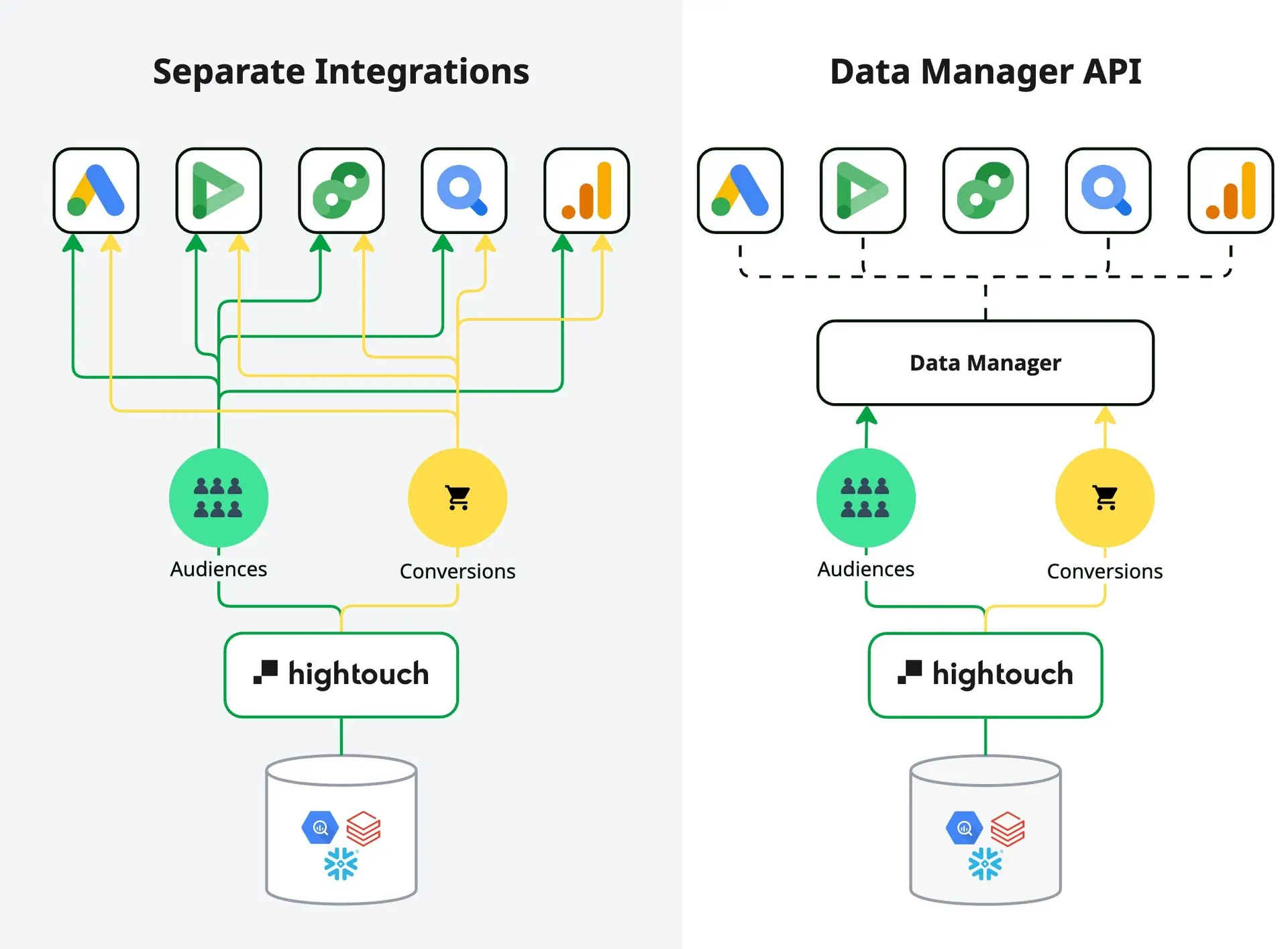
Hightouch offers 250+ managed connectors spanning ad platforms (Google, Meta, TikTok, LinkedIn, The Trade Desk), marketing automation (Braze, Iterable, Klaviyo, Marketo, SFMC), CRMs (Salesforce, HubSpot), analytics (Amplitude, Mixpanel), and operational databases.
Source: Hightouch
Source-side, it connects to Snowflake, Databricks, BigQuery, Redshift, Azure Synapse, and more. Extensions integrate with dbt Cloud, Fivetran, Airflow, Dagster, and Prefect for orchestration. Event collection SDKs cover Browser, iOS, Android, React Native, and seven server-side languages.
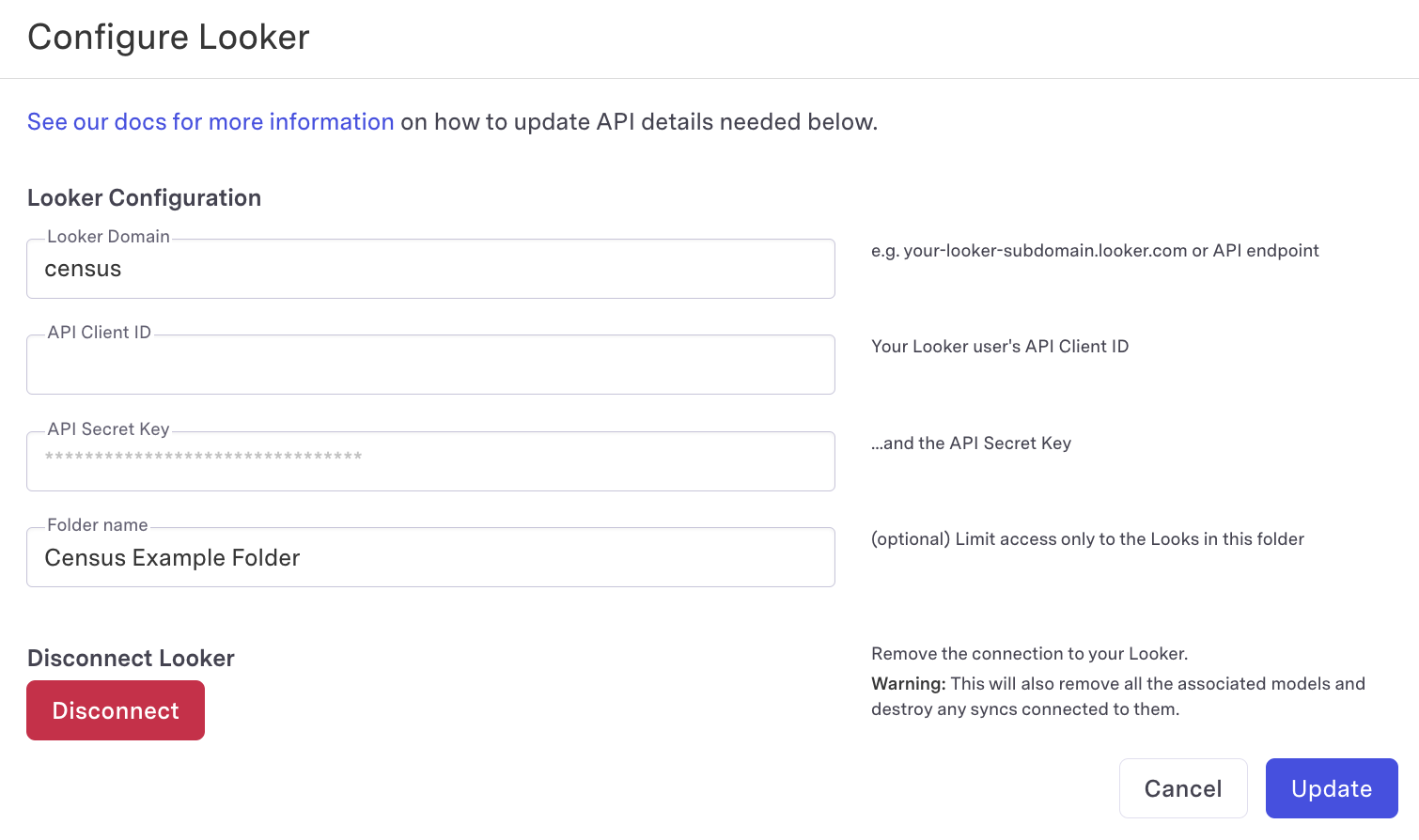
Census provides over 200 destinations including marketing platforms (Braze, Iterable, Customer.io), CRMs (Salesforce, HubSpot), analytics tools (Amplitude, Mixpanel), and communication tools (Slack, Discord).
Source connectivity includes Snowflake, BigQuery, Databricks, Redshift, and others. Census integrates natively with dbt, Looker, and Sigma. The Fivetran acquisition adds integration with Fivetran's ingestion pipeline.
Source: Fivetran
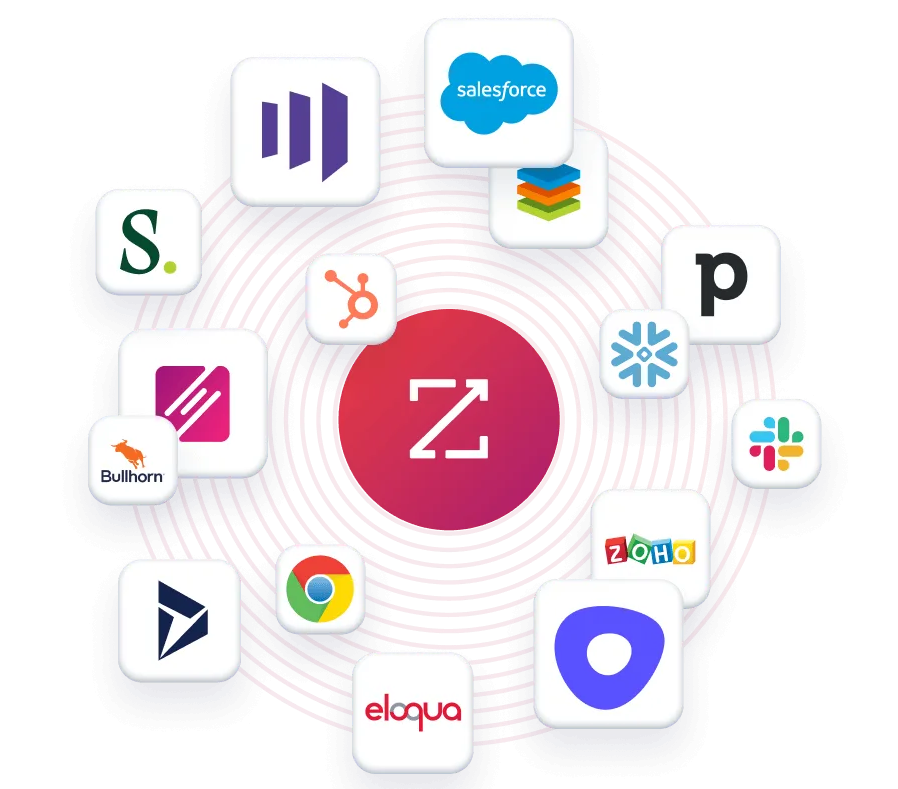
ZoomInfo approaches integrations differently. The App Marketplace lists 120+ partner integrations across CRM, marketing automation, sales engagement, data warehouse, and ATS categories.
Source: ZoomInfo
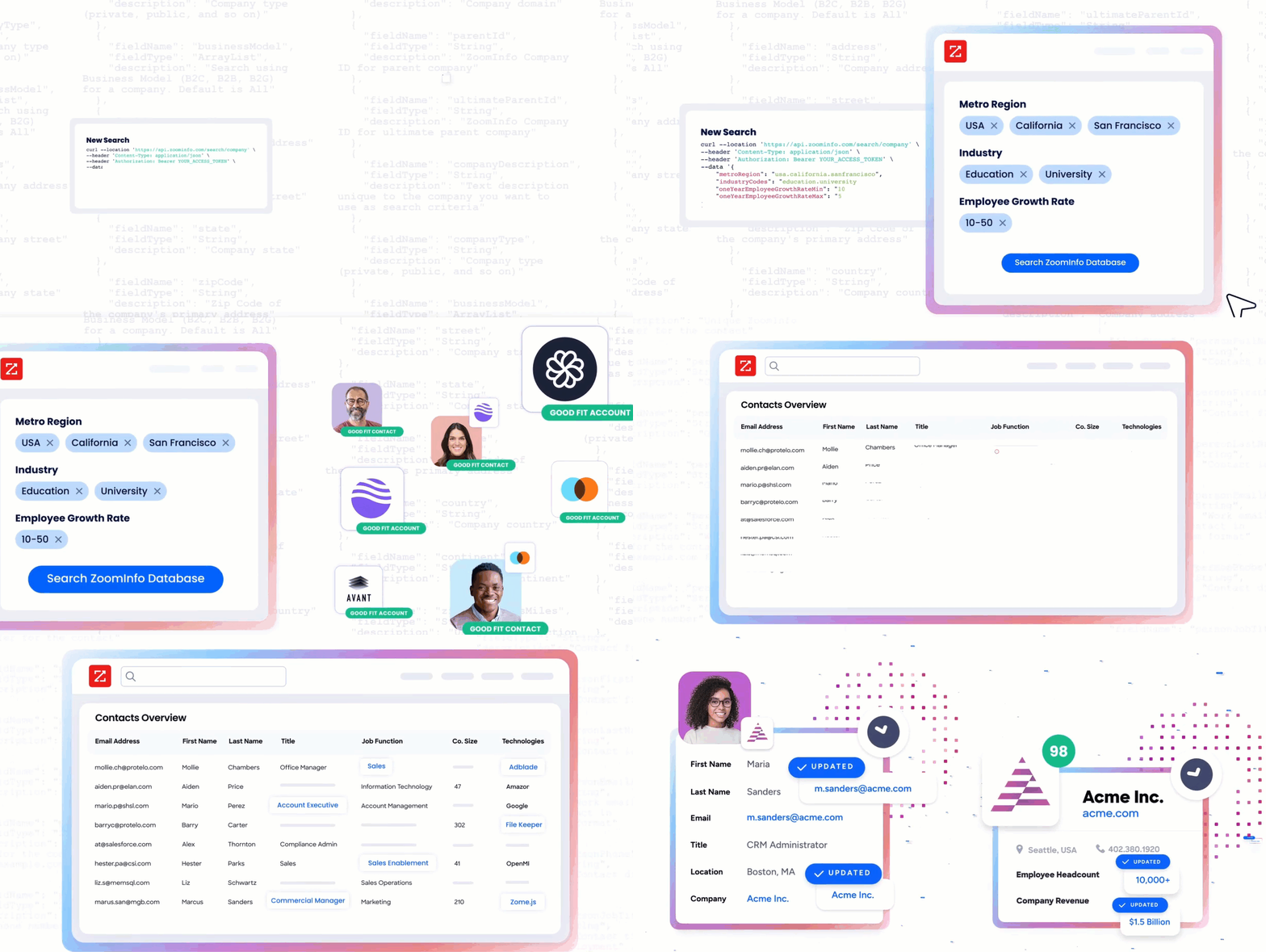
The Enterprise API provides programmatic access to search, enrich, and activate data. MCP connects ZoomInfo's intelligence to AI models like Claude and ChatGPT. Cloud Partners push data into Snowflake, BigQuery, Databricks, and AWS.
Source: ZoomInfo
The integration directions reflect different roles. Hightouch and Census push data outward from the warehouse to business tools. ZoomInfo pushes data inward, enriching warehouses, CRMs, and GTM tools with verified B2B intelligence. In a combined stack, ZoomInfo feeds the warehouse; Hightouch or Census activates the data downstream.
BDO Canada's Senior Marketing Intelligence Analyst Jerry Wilson noted that "the plug-and-play aspect of the API means I can integrate it very easily into any process and get information at a moment's notice," with an 87% reduction in time spent on internal data dashboard updates. (BDO Canada Case Study)
Security and compliance
Enterprise buyers in regulated industries need to verify compliance before any data tool enters the stack.
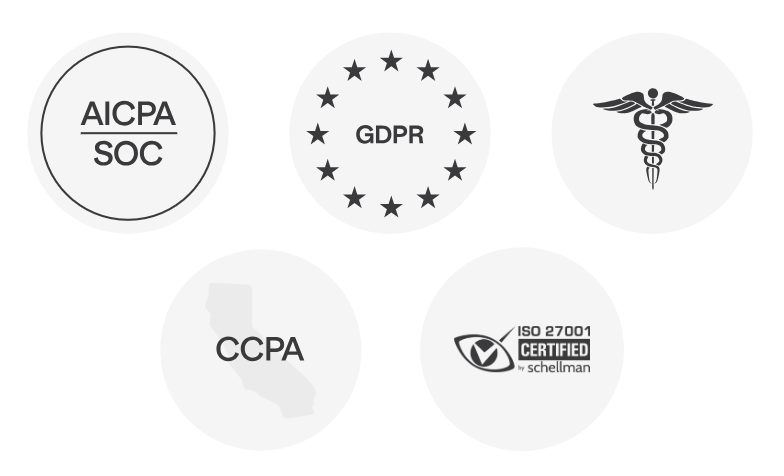
Hightouch holds SOC 2 Type 2, SOC 3, ISO 27001, HIPAA, and GDPR compliance. Its warehouse-native architecture means customer data never lives in Hightouch's infrastructure. RBAC, LBAC, SAML SSO, audit logs, approval flows, and private networking (AWS PrivateLink, GCP Private Service Connect, Azure Private Link) are available on enterprise plans.
Source: Hightouch
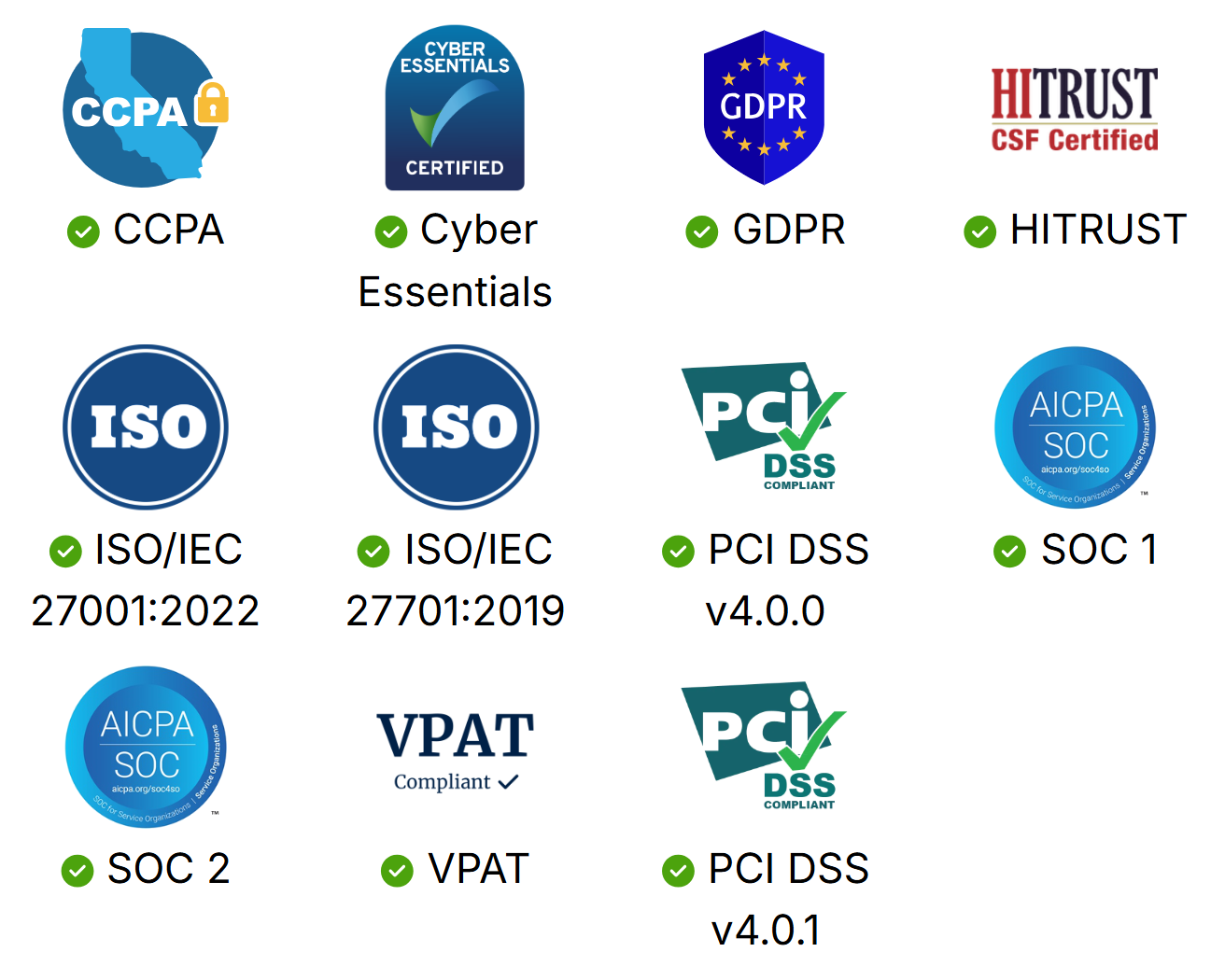
Census is compliant with SOC 2 Type 2, HIPAA, GDPR, CCPA, and EU-US Data Privacy Framework. The platform stores and handles as little sensitive data as possible, with bookkeeping schemas stored in the customer's own warehouse. Regular third-party penetration testing and automated vulnerability scanning are maintained. RBAC, network access controls, IP allowlisting, and SIEM log forwarding are available.
Source: Fivetran
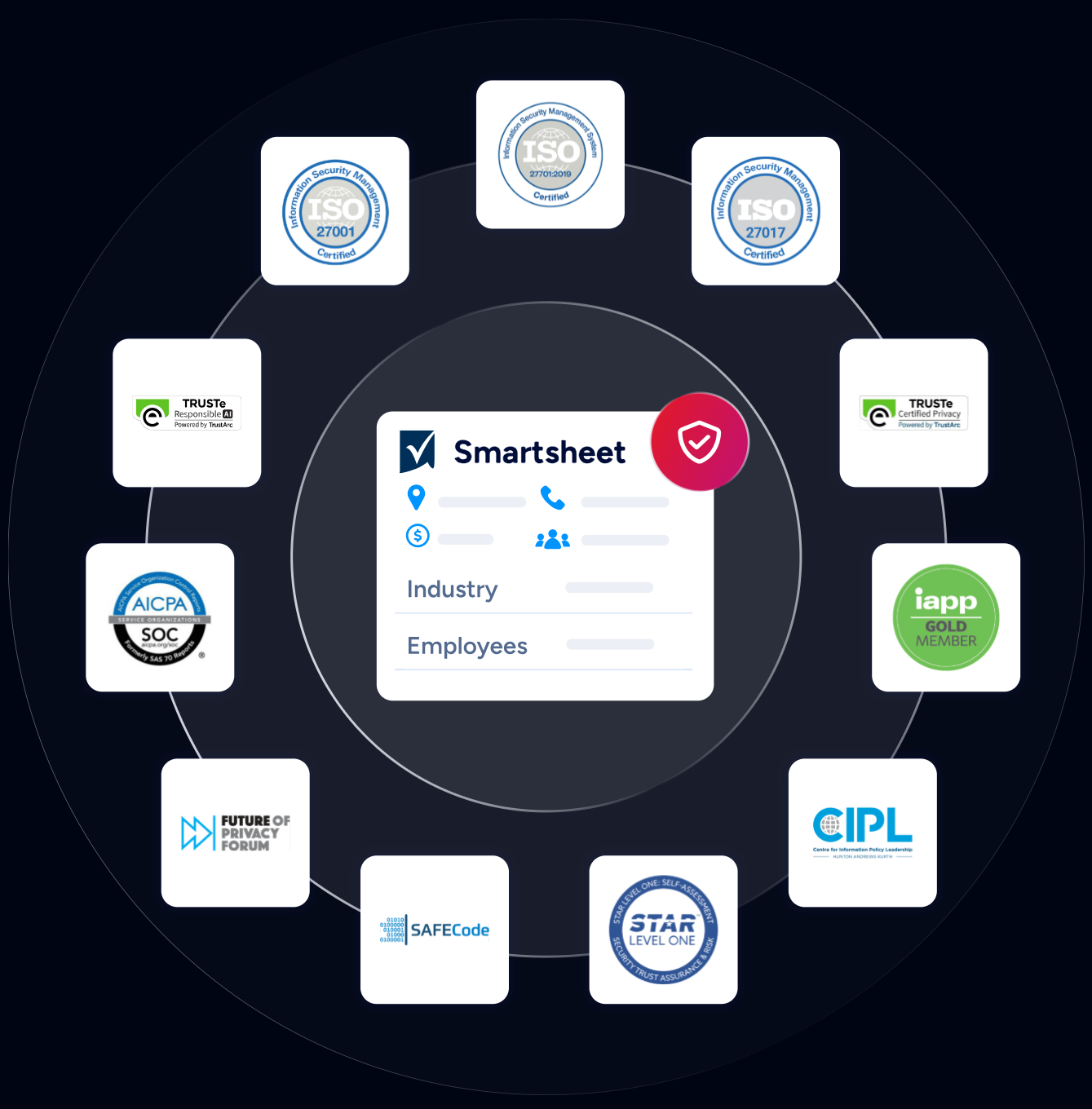
ZoomInfo maintains ISO 27001, ISO 27701, SOC 2 Type II, TRUSTe GDPR, and TRUSTe CCPA certifications, all renewed annually. ZoomInfo is a registered data broker in California and Vermont. A dedicated Trust Center provides transparency into security practices.
Source: ZoomInfo
All three platforms meet enterprise security requirements. Hightouch and Census have the architectural advantage of never storing customer data outside the warehouse. ZoomInfo's compliance stack addresses the regulatory requirements specific to B2B contact and company data.
The Fivetran acquisition changes Census's trajectory
Census's acquisition by Fivetran is the single biggest factor when evaluating it against Hightouch.
On the positive side, the acquisition creates a data movement platform that handles ingestion, transformation, and activation under one roof. Teams already using Fivetran for ETL get a natural extension for reverse ETL, with consolidated invoicing and a single budget across all data movement workloads.
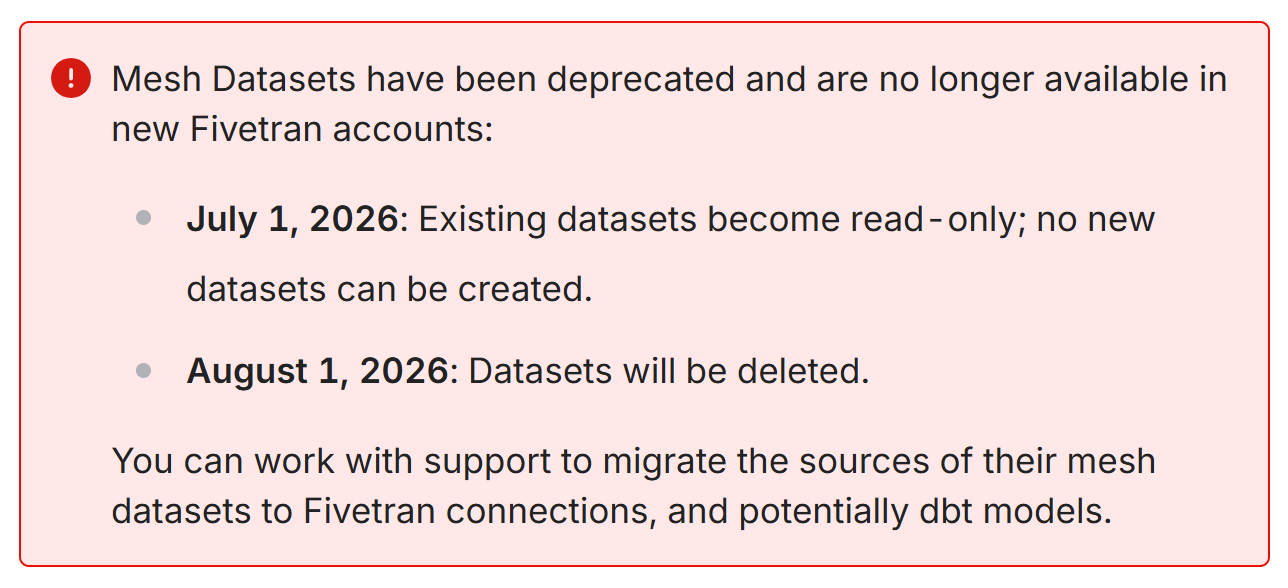
On the other side, Census now belongs to a larger organization's roadmap and priorities. The product is actively migrating to Fivetran's infrastructure, with existing customers transitioning to Fivetran. Some features, like Mesh Datasets, are being deprecated as of July 2026. Census's previous vision of becoming a Universal Data Platform is now subordinate to Fivetran's broader strategy.
Source: Fivetran
Hightouch, by contrast, remains independent with $172M+ in funding and a $1.2B valuation. The company is investing in AI Decisioning and its AI marketing platform as premium differentiators. Strategic investments from both Databricks and Snowflake signal alignment with the warehouse ecosystem without acquisition risk.
For teams choosing between the two: if you're already in the Fivetran ecosystem and want an integrated data movement story, Census's position inside Fivetran is an advantage. If you want a platform building toward autonomous marketing execution with a clear independent roadmap, Hightouch is the safer long-term bet.
Hightouch vs. Census vs. ZoomInfo: Which should you choose?
The right choice depends on what gap you're filling in your GTM stack.
Choose Hightouch if:
You have a mature data warehouse and want a composable CDP on top of it
Your marketing team needs self-serve audience building, journeys, and experimentation without engineering tickets
AI-powered 1:1 personalization and autonomous campaign optimization are priorities
You want a single platform for reverse ETL, audience management, identity resolution, and real-time personalization
You value an independent vendor with a clear product roadmap and backing from both Snowflake and Databricks
Choose Census (Fivetran Activations) if:
You need fast, reliable data syncing from warehouse to business tools with strong observability
You're already using Fivetran for ETL and want a unified data movement platform
Sync performance and schema change handling are your primary technical concerns
Consolidated billing across ingestion, transformation, and activation simplifies your procurement
Your activation needs center on syncing data rather than full CDP functionality
Add ZoomInfo if:
Your warehouse and CRM data is incomplete: you're missing contacts, phone numbers, emails, or firmographic coverage in your target accounts
You need buying intent signals that tell you which accounts are actively researching solutions
Your sales team needs AI-powered account research, outreach, and deal intelligence, not just activated segments
You want a data foundation that makes your Hightouch or Census activation more valuable by ensuring the data being activated is verified
You need a GTM platform that connects data, intelligence, and execution across sales, marketing, and RevOps
Start with ZoomInfo Lite for free, or try the full platform for 7 days.
Data activation platforms like Hightouch and Census are essential infrastructure for data-mature organizations. They solve the real problem of getting warehouse data into the tools where business teams work. But activation is only as good as the data being activated.
ZoomInfo provides the B2B data and contextual intelligence that activation platforms cannot generate on their own, creating a stack where verified data flows into the warehouse, gets modeled and enriched, and then reaches every team through whatever activation layer fits best.
SpringDB saw 2x-3x increases in campaign conversions, a 300% increase in database usability, and 30-50% uplift in average deal size using ZoomInfo's data platform. As founder John Kotsuros put it: "You'll get 10x the value if you think of ZoomInfo as a full platform and not just a tool for one team." (SpringDB Case Study)
Hightouch vs. Census vs. ZoomInfo FAQ
What is the core difference between Hightouch, Census, and ZoomInfo?
Hightouch is a composable CDP and AI marketing platform that sits on your data warehouse, giving marketing teams self-serve audience building, journey orchestration, and AI personalization. Census (now Fivetran Activations) is a reverse ETL and data activation tool focused on reliably syncing warehouse data to business tools, now part of Fivetran's data movement platform.
ZoomInfo is an AI GTM platform that provides the underlying B2B data itself: 500M contacts, 100M companies, verified phone numbers and emails, plus buying intent signals and contextual intelligence.
Can ZoomInfo work together with Hightouch or Census?
Yes. ZoomInfo operates upstream of both platforms. ZoomInfo's Enterprise API and Cloud Partners deliver verified B2B data into Snowflake, BigQuery, Databricks, and other warehouses. Once that data is in the warehouse, Hightouch or Census can activate it into CRMs, marketing platforms, and ad tools. ZoomInfo provides the data foundation; Hightouch or Census provides the activation pipe.
Which platform is best for marketing teams that want self-serve audience building?
Hightouch's Customer Studio is the most mature self-serve audience builder in this comparison, available at the Business tier with no-code visual filters, computed traits, journeys, and A/B testing. Census's Audience Hub offers similar visual segmentation, but it's only available on the Enterprise tier.
ZoomInfo's GTM Studio lets marketers describe audiences in natural language and launch multi-channel plays, but its audience capabilities focus on B2B go-to-market rather than consumer lifecycle marketing.
How does Census's acquisition by Fivetran affect the product?
Census is now Fivetran Activations, the activation layer in Fivetran's data movement platform. Teams already using Fivetran get consolidated billing and a natural extension for reverse ETL.
The trade-off is that Census's roadmap is now governed by Fivetran's broader strategy, the product is mid-migration to Fivetran's infrastructure, and some features like Mesh Datasets are being deprecated. Hightouch remains independent with a clear standalone roadmap.
Which platform has the strongest AI capabilities?
It depends on the type of intelligence you need. Hightouch's AI Decisioning uses reinforcement learning to optimize which message, channel, timing, and creative each customer receives. Census offers AI Columns for LLM-powered data enrichment within the sync pipeline.
ZoomInfo's GTM Context Graph provides a different category of AI: an intelligence layer that unifies CRM data, conversation transcripts, and behavioral signals to show why deals move or stall, and surface the next best action for each account.
What does each platform cost?
Census has the lowest entry point, with a free tier including 3,500 MAR and a Professional plan starting at $4,200 per year. Hightouch offers a free tier with 2 active syncs; the Composable CDP and AI Decisioning products are quote-based with no published prices.
ZoomInfo uses consumption-based pricing with no published dollar amounts, though ZoomInfo Lite provides permanent free access with 10 monthly export credits.
Which platform is best if we already use Fivetran for ETL?
Census (Fivetran Activations) is the natural choice if you're already in the Fivetran ecosystem. You get consolidated invoicing, a unified data movement story from ingestion through activation, and tight integration between Fivetran's ELT and Census's reverse ETL.
If you need capabilities beyond data syncing (identity resolution, AI decisioning, or real-time personalization), Hightouch offers a broader platform that integrates with Fivetran as an orchestration trigger.
Do Hightouch and Census store my customer data?
Neither platform stores customer data in its own infrastructure. Hightouch reads from the warehouse at query time and processes syncs through ephemeral workers. Census stores sync state (bookkeeping) in the customer's warehouse by default when using its Advanced Sync Engine. Both architectures keep the warehouse as the single source of truth, which simplifies data governance and compliance.
See how Hightouch compares to other platforms:
