
Choosing between HubSpot Sales Hub and Yesware comes down to five questions:
Do you need a full CRM with marketing and service built in, or a lightweight tool that lives inside your inbox?
Is your priority managing pipelines and forecasting, or tracking emails and following up faster?
Are you willing to invest in a platform your whole company can grow into, or do you need something a rep can install in 60 seconds?
How important is knowing who to contact before you ever draft an email or build a sequence?
Do you want to manage your sales data, engagement, and intelligence in separate tools, or consolidate them?
In short, here's what we recommend:
HubSpot Sales Hub is the full-platform choice for growth-stage and mid-market companies that want CRM, marketing, and sales engagement under one roof. Deal tracking, email sequences, meeting scheduling, and forecasting share a single contact database with Marketing Hub and Service Hub.
Breeze AI adds autonomous prospecting and deal scoring. But this power comes at a price: the jump from Starter ($10/seat/month) to Professional ($100/seat/month) locks features like sequences and custom reporting behind a 10x cost increase, and the built-in prospecting data is thin compared to dedicated intelligence platforms.
Yesware is the inbox-native option for individual reps and small teams that want to track emails, run campaigns, and schedule meetings without leaving Gmail or Outlook.
With a 60-second install and no learning curve, it's the fastest path to sales engagement for teams that don't need a full CRM. Over 6,000 teams use Yesware for this reason.
However, the only CRM integration is Salesforce (Enterprise tier only), prospecting data is limited to a 100M contact database sold as an add-on, and users who need to scale beyond a few inboxes hit the ceiling quickly.
Both platforms handle execution well: sending emails, tracking engagement, scheduling meetings. But execution without intelligence is guesswork. Neither answers the harder question: which accounts are in-market right now, who are the right people to reach, and what should you say to them? That's where ZoomInfo changes the equation.
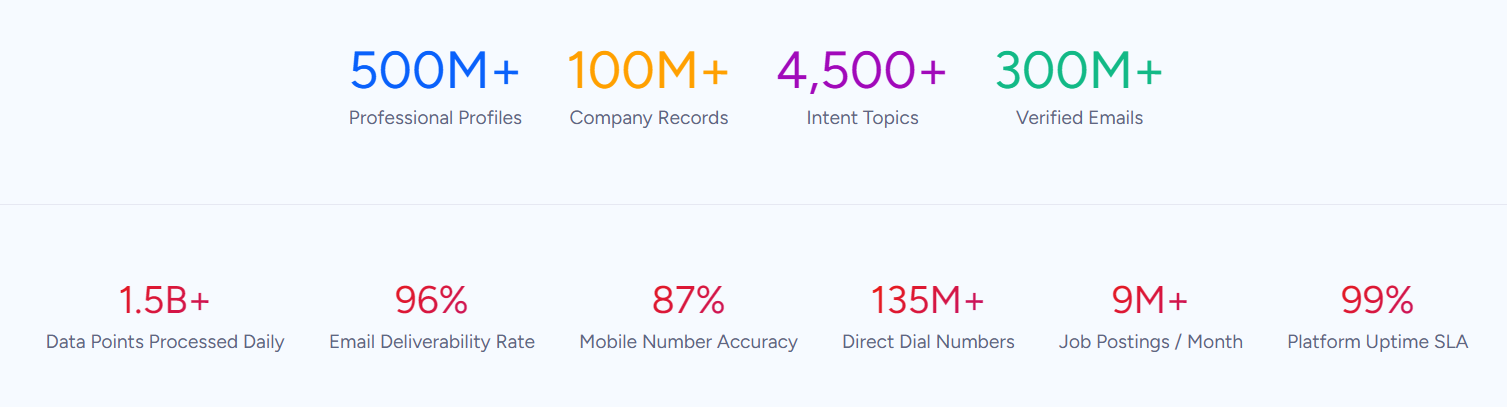
ZoomInfo is a GTM intelligence and execution platform that fills the gap both HubSpot and Yesware leave open. Built on a B2B dataset of 500M contacts, 100M companies, 135M+ verified phone numbers, and 200M+ verified business emails, ZoomInfo connects this data with your CRM records, conversation transcripts, and behavioral signals through its GTM Context Graph, which processes 1.5B+ data points daily.
The platform shows not just what happened in a deal, but why, and what to do next. Sellers work from the GTM Workspace, marketers and RevOps teams build plays in GTM Studio, and any tool can tap the same intelligence through APIs and MCP.
ZoomInfo integrates with HubSpot and works alongside Yesware, but it also replaces much of the patchwork teams build to fill the data gaps those tools leave open.
If verified contact data, real-time buyer intent, and AI deal intelligence sound like what your sales team is missing, see how ZoomInfo works.
HubSpot Sales Hub vs. Yesware vs. ZoomInfo at a glance
HubSpot Sales Hub | Yesware | ZoomInfo | |
|---|---|---|---|
Free plan | Yes (limited) | Yes (5 users, 24-hour tracking) | ZoomInfo Lite (permanent, 10 exports/month) |
Paid starting price | $10/seat/month (Starter) | $15/seat/month (Pro, annual) | Custom-quoted |
Core function | CRM + sales engagement platform | Inbox-native email tracking and campaigns | GTM intelligence + execution |
Setup time | Days to weeks | 60 seconds | Weeks (full deployment) |
CRM | Built-in | Salesforce only (Enterprise tier) | Integrates with Salesforce, HubSpot, Dynamics |
Contact database | Website visitor IP detection | 100M B2B contacts (add-on) | 500M contacts, 135M+ verified phone numbers |
Buyer intent signals | Basic (company-level IP tracking) | None | 210M IP-to-Organization pairings, 6T+ keyword signals monthly |
Email sequences | Dynamic branching (Professional+) | Multi-channel campaigns | AI-generated outreach via GTM Workspace |
Conversation intelligence | Recording + transcription + AI summaries | None | Chorus (14 patents, full call analysis) |
Pipeline management | Deal board + CPQ + forecasting | None | Deal intelligence via GTM Context Graph |
A CRM platform and an inbox tool solve different problems
HubSpot Sales Hub and Yesware occupy different positions in a sales team's stack.
HubSpot is a CRM that happens to include sales engagement. Every deal, contact, email, call, and meeting lives in one database shared with Marketing Hub and Service Hub. When a marketing lead fills out a form, the contact record carries that context into the sales pipeline.
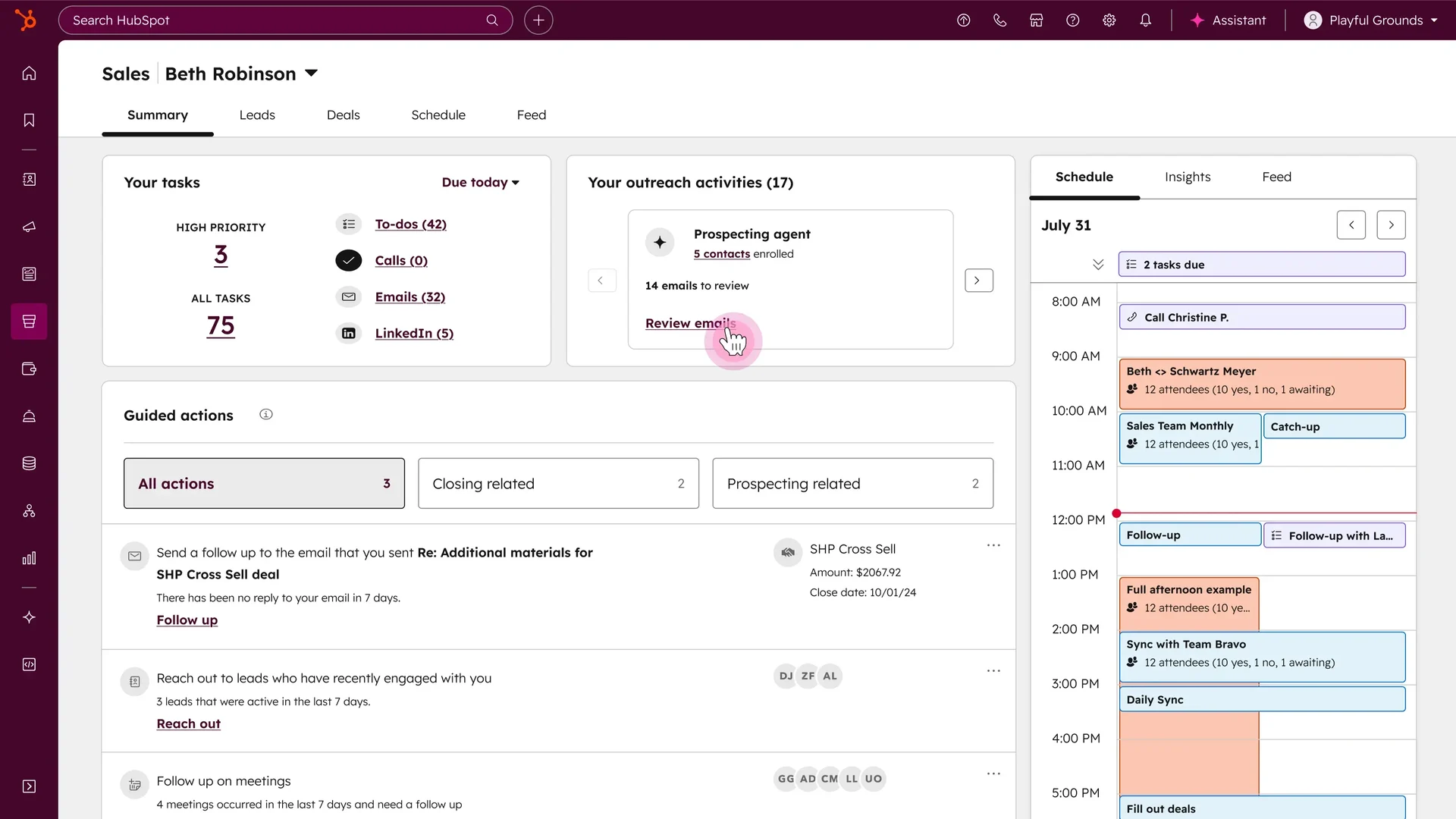
When a deal closes, the same record flows into Service Hub for onboarding. This continuity is HubSpot's structural advantage, and it's why 63% of new customers on Professional-plus plans buy multiple hubs.
Yesware is a sales engagement layer that sits inside the inbox. There is no CRM, no deal board, no marketing database. Reps install a Chrome extension or Outlook add-in and immediately get email tracking, templates, campaigns, and a meeting scheduler without changing how they work.

Everyone had tracking set up within one hour and were fully trained in a few days, as one customer described the onboarding. Yesware works inside the salesperson's existing email, not alongside it.
This distinction matters. A 10-person sales team at a growth-stage SaaS company that needs shared pipeline visibility, marketing alignment, and forecasting will find HubSpot indispensable and Yesware insufficient. A solo AE at an agency who wants to know which prospects opened their emails will find HubSpot overwhelming and Yesware perfect.
The question is whether either tool gives your team the intelligence to know which emails to send in the first place.
The data gap both platforms leave open
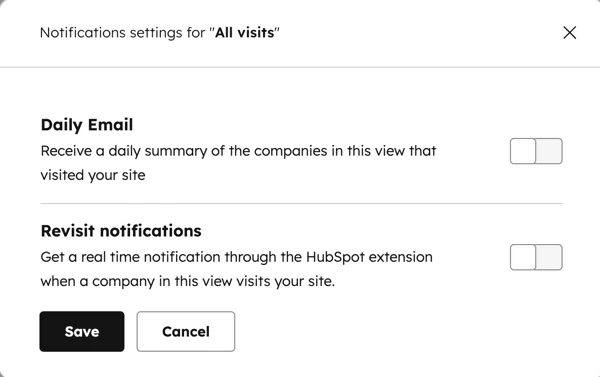
HubSpot Sales Hub includes a Website Visits tool that uses IP detection to surface company-level data for anonymous site visitors. It shows which companies are browsing, but it cannot match anonymous visitors to individual contacts or reveal buyer intent at the depth of dedicated intelligence platforms.
Source: HubSpot
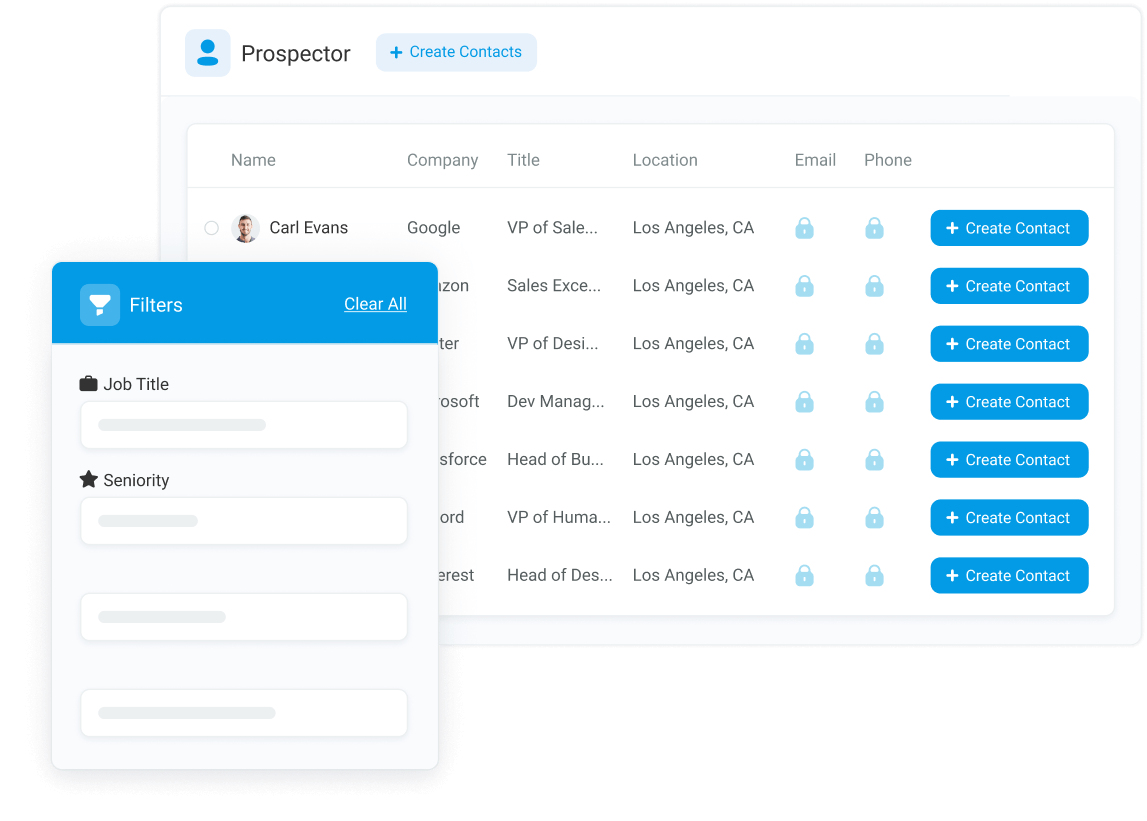
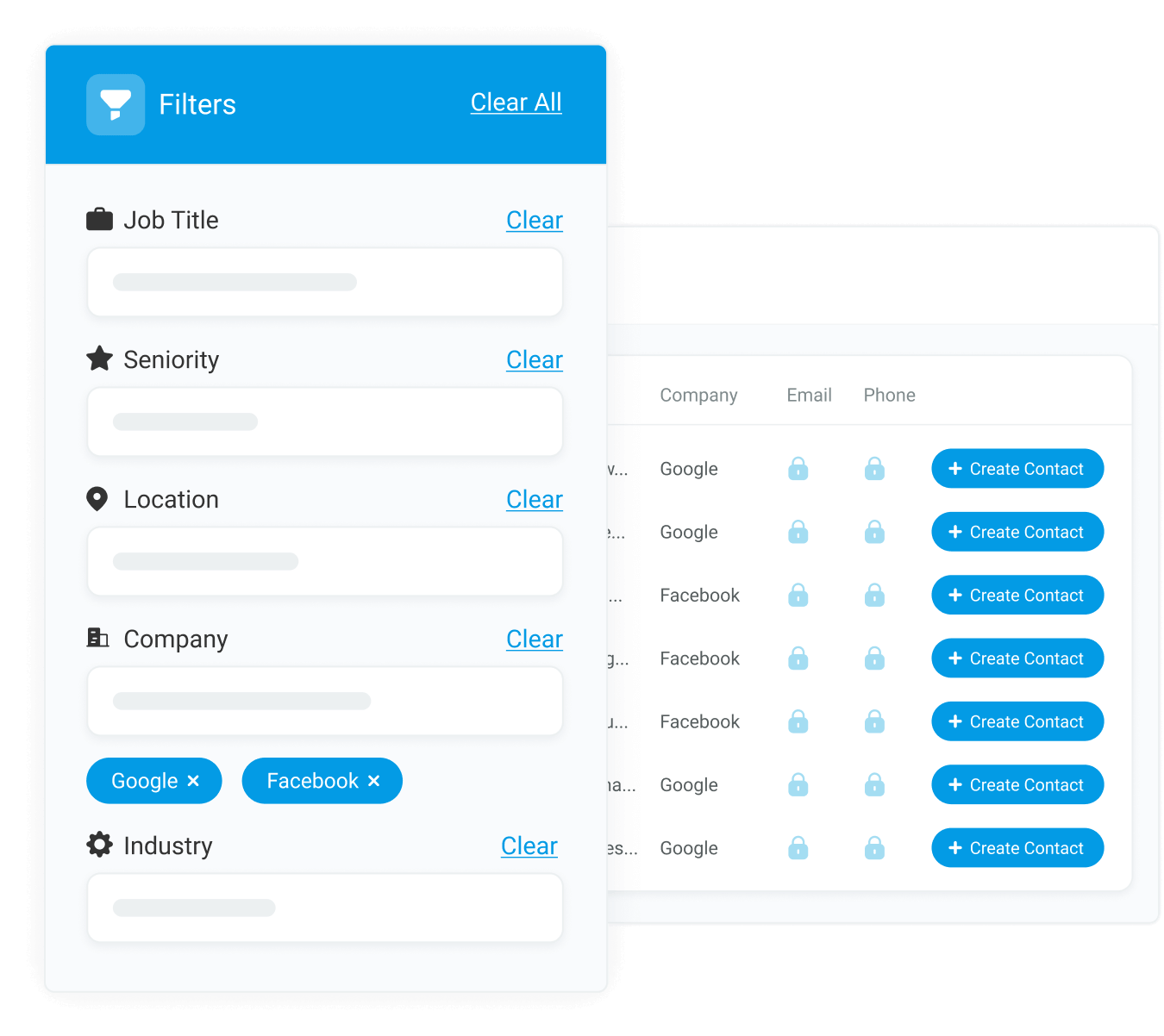
Yesware offers Prospector, a lead generation add-on with access to 100M+ B2B contacts. Users search by title, seniority, location, and industry, then create enriched profiles at one credit per contact.
Source: Yesware
It works for basic list building, but it operates as a standalone feature disconnected from intent signals, org charts, or technographic data.
ZoomInfo's data operates at a different scale. The 500M contacts and 100M companies are verified through a multi-source process backed by 300+ human researchers, achieving up to 95% accuracy on first-party data.
Source: ZoomInfo
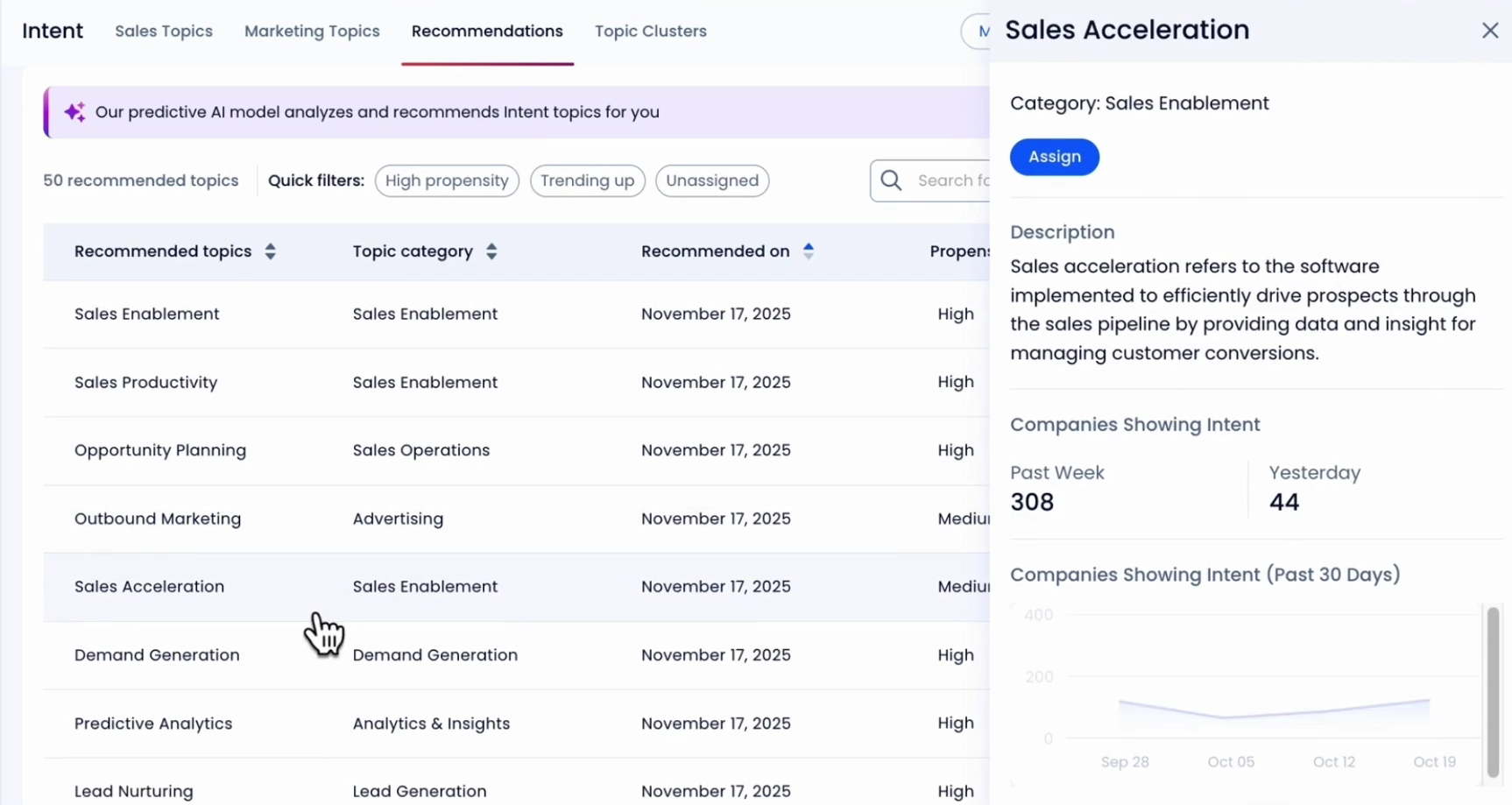
Beyond contact records, ZoomInfo tracks buyer intent from 210 million IP-to-Organization pairings and 6 trillion+ new keyword-to-device pairings monthly, technographic profiles covering 30,000+ technologies across 30 million companies, plus corporate hierarchies and org charts with direct dials and verified emails.
In a Fortune 500 competitive RFP analyzing 25 million contacts across vendors, the independent consultant concluded that "no other competitor came even close." This data advantage is concrete: the direct dial rings, the email lands, and your team spends time selling instead of researching.
"ZoomInfo gives us the information we need to execute. We don't have to spend our time digging. It's already there, so we can be three steps ahead." — William Kenimer, VP of Revenue Operations (Vensure)
Email tracking and sequences compared
All three platforms track email engagement, but the implementations reflect their priorities.
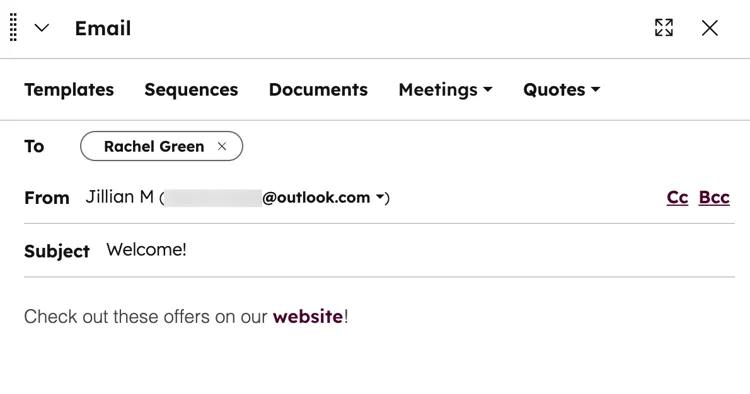
HubSpot embeds a one-pixel tracking image into outgoing emails and sends real-time desktop notifications when contacts open or click, filtering bot activity to reduce false positives.
Source: HubSpot
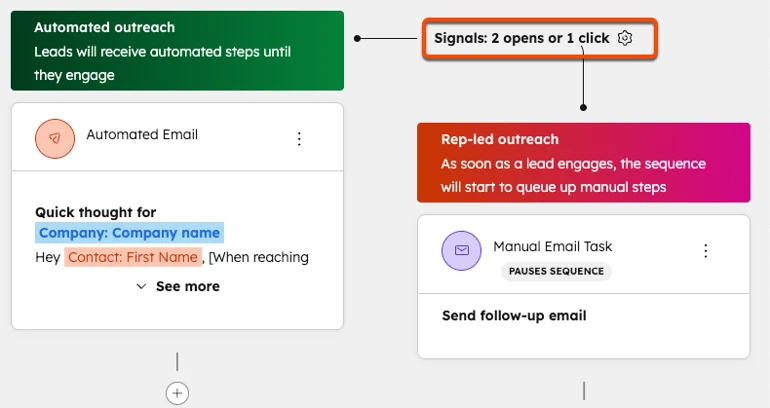
The real value is in sequences: dynamic sequences automatically branch from automated outreach to rep-led paths when a contact crosses an engagement threshold (two opens or one click).
Source: HubSpot
High-signal prospects get human attention immediately while cold contacts stay in automated nurture. Sequences require Sales Hub Professional ($100/seat/month).
Yesware uses the same invisible tracking pixel approach, but feeds tracking data into an Activity Feed inside the inbox rather than a CRM record.
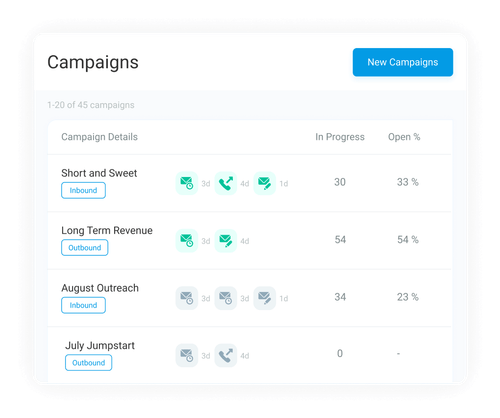
Yesware's multi-channel campaigns combine automated emails, call reminders, LinkedIn touches, and custom tasks into coordinated sequences. Emails send from your own Gmail or Outlook server, not a third-party server, which improves deliverability.
Source: Yesware
However, false open tracking from corporate firewalls and security tools is the most cited issue in user reviews, undermining trust in engagement data.
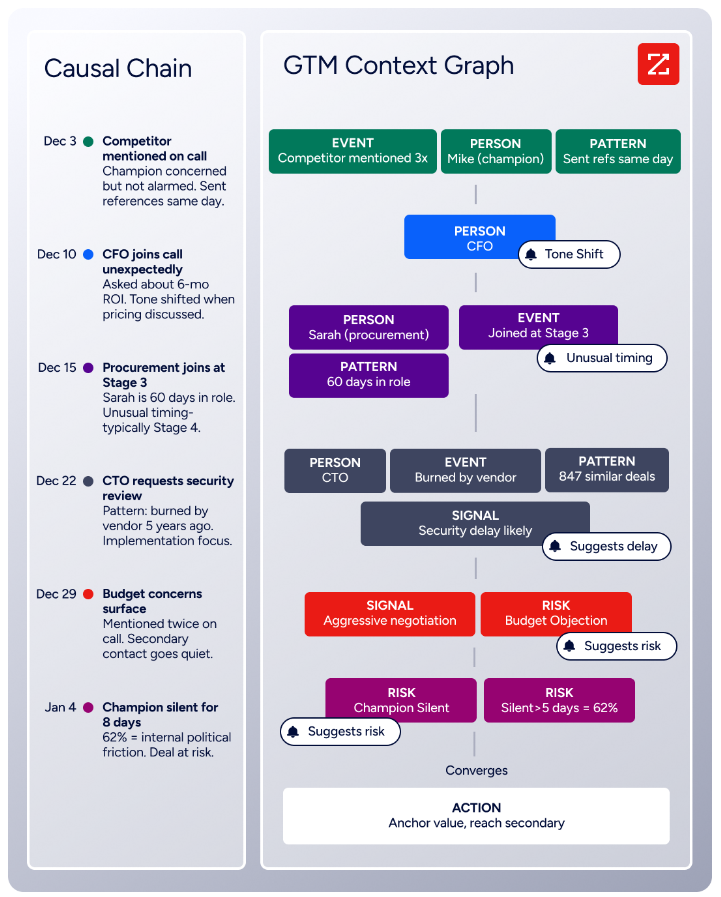
ZoomInfo approaches engagement from the intelligence side. Rather than just tracking whether a contact opened an email, the GTM Context Graph reasons across email engagement, call transcripts, website visits, and third-party intent signals to surface why a prospect is engaging.
Source: ZoomInfo
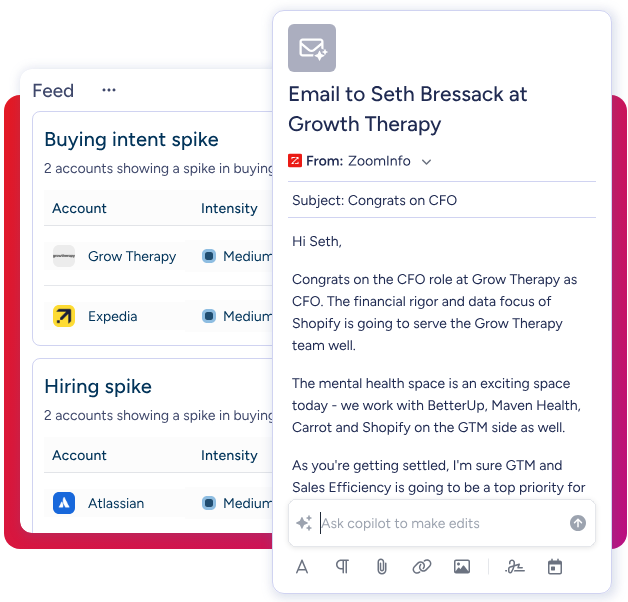
The GTM Workspace generates AI-drafted outreach that addresses the specific concern or interest the system identified, and the Action Feed delivers a live stream of in-market buyers with pre-drafted actions for every signal.
Source: ZoomInfo
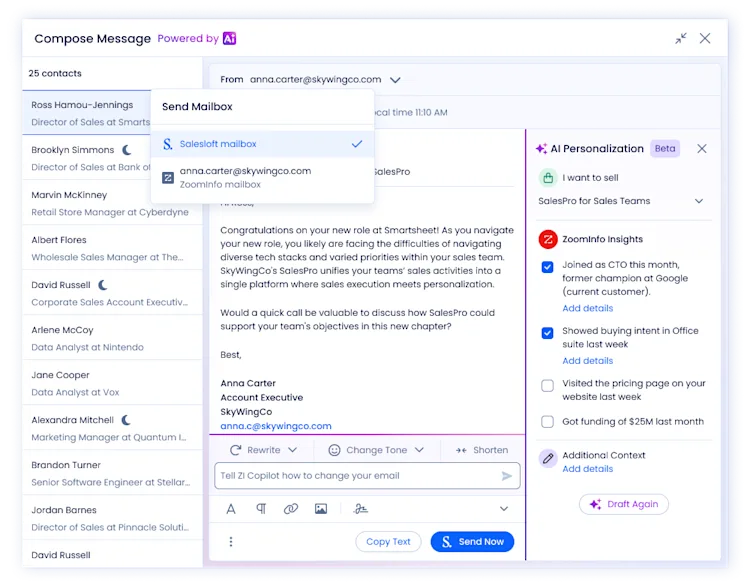
ZoomInfo also integrates with Salesloft for signal-to-sequence execution, connecting buyer signals into multi-touch sequences.
Source: ZoomInfo
The practical difference: HubSpot and Yesware tell you a prospect opened your email. ZoomInfo tells you the prospect's company is researching your category, three new VPs joined last quarter, and the CFO who was on the last call asked about ROI, then drafts the follow-up that addresses those signals.
Conversation intelligence separates surface data from deal context
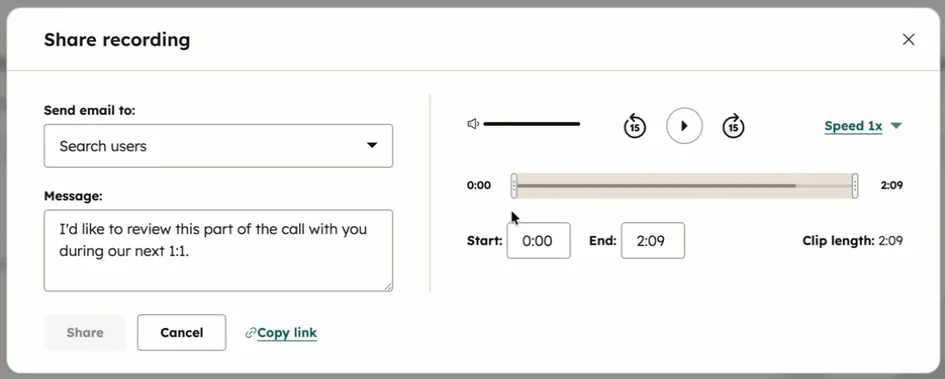
HubSpot Sales Hub includes Conversation Intelligence on Professional and Enterprise tiers. It records, transcribes, and generates AI call summaries covering purpose, discussion points, decisions, sentiment, and next steps.
Source: HubSpot
Managers can create coaching playlists from call recordings and add inline transcript comments at specific timestamps. Enterprise users get tracked terms for flagging competitors or objections across all calls.
Yesware does not include conversation intelligence. Call activity can be logged manually or through RingCentral integration (Enterprise only), but there is no recording, transcription, or analysis.
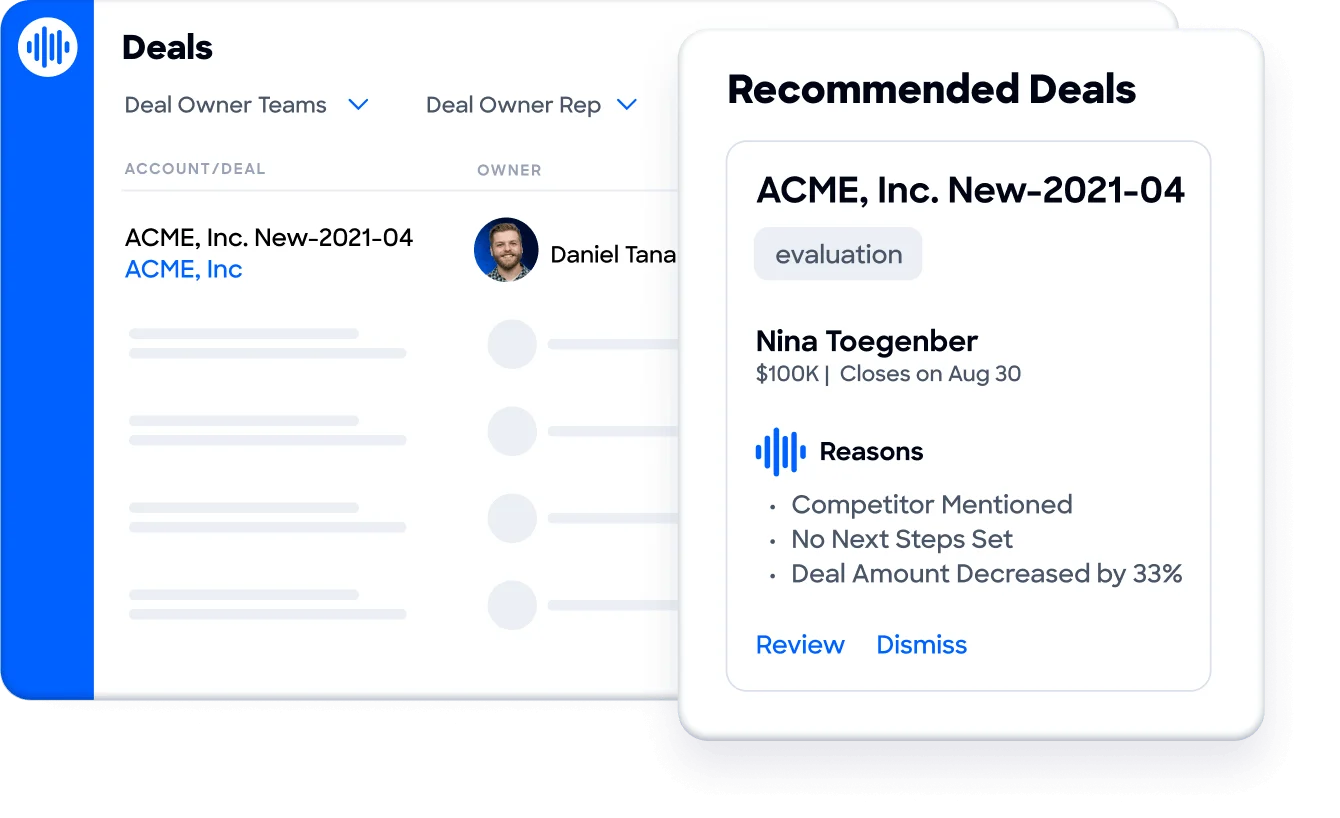
ZoomInfo's Chorus is a conversation intelligence platform backed by 14 technology patents. Beyond transcription and summaries, Chorus captures what HubSpot's CI misses: the context behind deal movements.
Source: ZoomInfo
When the CFO asks about six-month ROI on a call, Chorus doesn't just transcribe the question. It feeds that signal into the GTM Context Graph (ZoomInfo's intelligence layer), where it connects to the account's intent signals, org chart changes, and historical deal patterns. The result is AI that understands why a deal accelerated, not just that a stage field changed.
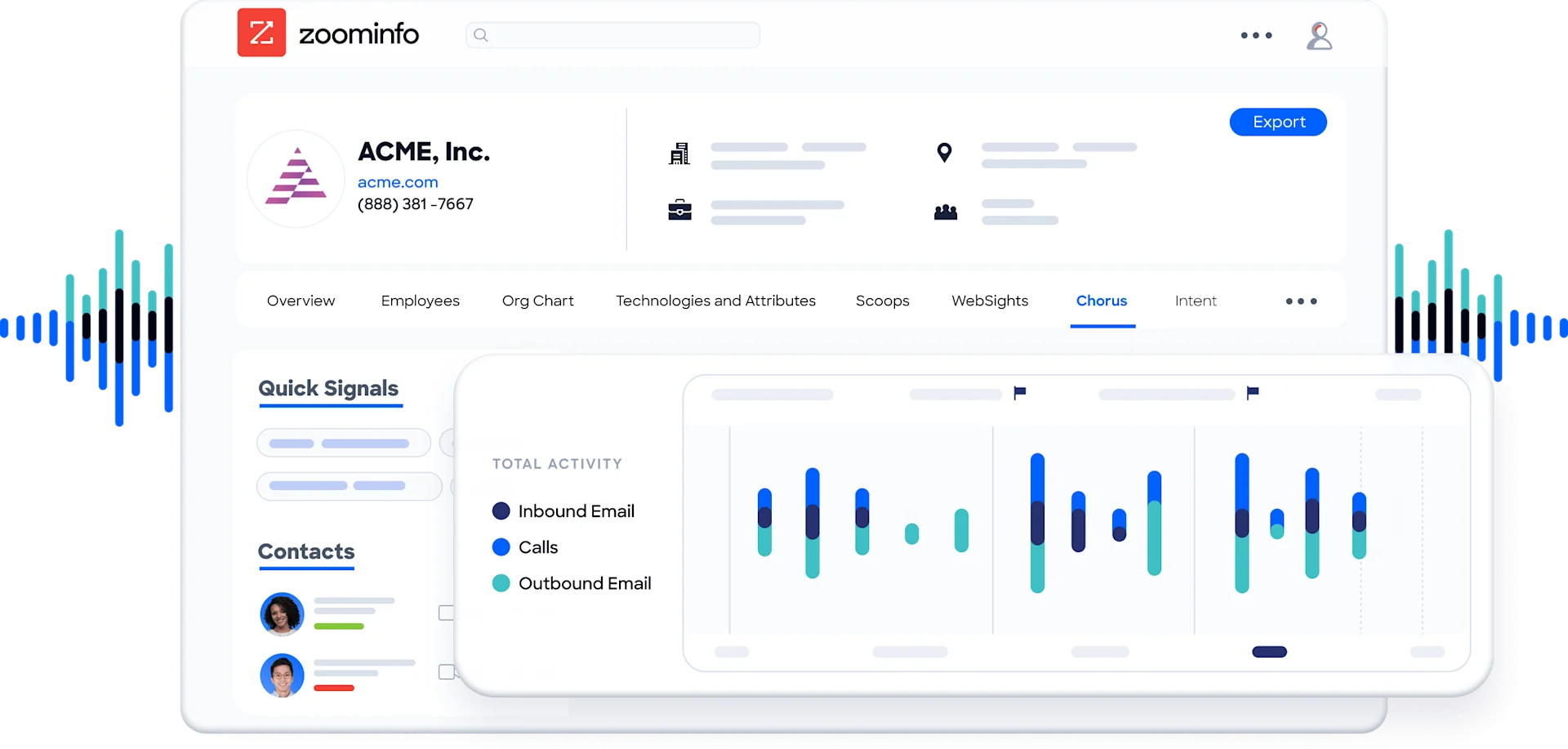
Chorus also provides Connected Intelligence: when a manager reviews a call, ZoomInfo surfaces the full profile and relationship history for every participant (contact details, company insights, and relevant signals) without cross-referencing a separate system.
Source: ZoomInfo
Seismic attributed 39% of active pipeline to opportunities influenced by ZoomInfo signals and boosted productivity by 54%. "That combination of our internal CRM data, external signals, and AI that's given all that context has helped us craft specific account- and persona-based messages." — Toby Carrington, Chief Business Officer (Seismic)
Pipeline management and deal visibility
This is where HubSpot Sales Hub has a clear advantage over Yesware and where ZoomInfo complements rather than replaces.
HubSpot provides a kanban-style pipeline board where reps drag deals between customizable stages. Each deal record stores associated contacts, companies, call logs, email history, and the full activity timeline.
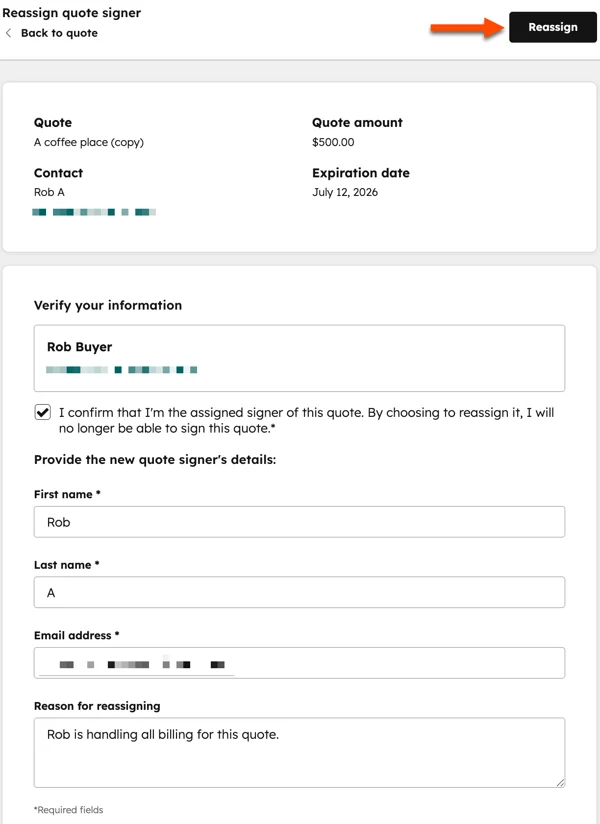
The platform extends into quote-to-cash: reps generate quotes from deal records, send them for e-signature, and convert accepted quotes into invoices or subscriptions.
Source: HubSpot
AI deal scoring identifies at-risk opportunities, and Breeze AI projections generate revenue forecasts with upper, lower, and most-likely bounds. The deal pipeline is available on the free CRM plan with unlimited deals.
Yesware does not include pipeline management, deal tracking, or forecasting. It's an engagement layer, not a CRM. Teams using Yesware still need a separate system (typically Salesforce) to manage their pipeline.
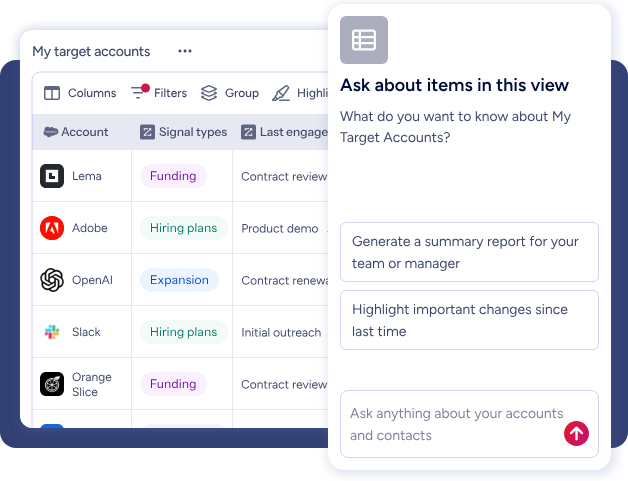
ZoomInfo enriches pipeline through its GTM Context Graph rather than replacing a CRM's deal board. The GTM Workspace surfaces a Book of Business view that merges CRM data with ZoomInfo's signals, conversation history, and market intelligence. AI agents research accounts, monitor signals, and recommend next steps.
Source: ZoomInfo
For teams already using HubSpot, ZoomInfo's native HubSpot integration feeds enriched contact data, intent signals, and account intelligence into HubSpot's pipeline.
The practical takeaway: HubSpot manages the pipeline. ZoomInfo makes the pipeline smarter. Yesware doesn't touch pipeline at all.
Prospecting: the three approaches
How each platform finds new buyers reveals its core priorities.
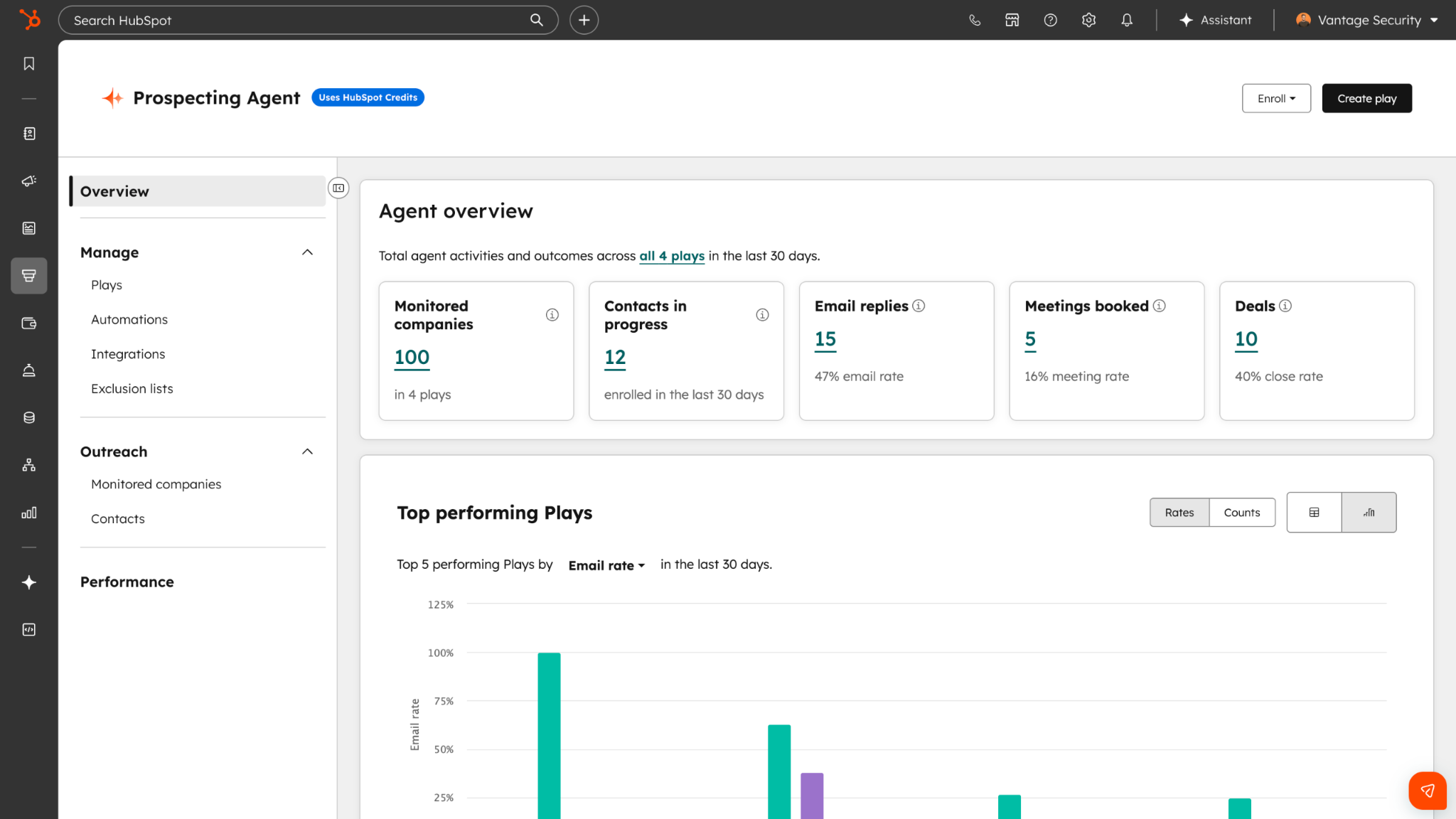
HubSpot introduced the Breeze Prospecting Agent, an autonomous AI agent that monitors buying signals, sources contacts, and drafts personalized outreach. It draws from CRM data, engagement history, and company intelligence to personalize each email.
Source: HubSpot
However, HubSpot does not maintain its own verified B2B contact database at scale, so the data powering the agent is limited compared to dedicated intelligence platforms.
Yesware offers Prospector as an add-on, providing access to 100M+ B2B contacts with filters for job title, seniority, location, company size, and industry. Profiles are GDPR and CCPA compliant and include verified phone numbers, email addresses, and LinkedIn profiles. Credits are consumed per contact.
Source: Yesware
The database works for basic list building, but it lacks intent signals, technographics, or org chart intelligence, and users report that the software lacks features for building prospect lists at scale.
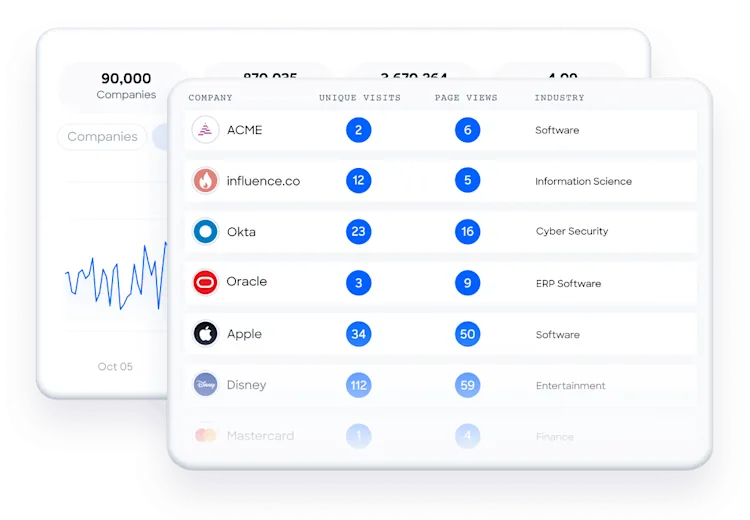
ZoomInfo treats prospecting as an intelligence problem, not a search problem. Beyond database scale (500M contacts, 120M direct-dial phone numbers), ZoomInfo layers Buyer Intent to identify companies researching your category, Guided Intent to surface topics correlated with deal success, WebSights to resolve anonymous website visitors to buying teams, and Contact Recommendations to surface AI-ranked buying committee suggestions.
Source: ZoomInfo
The GTM Workspace Action Feed delivers in-market buyers matched to target criteria with pre-drafted actions on every signal, from G2 comparisons to funding events to executive hires.
"ZoomInfo's not just a contact data company anymore. They've built a full system of execution. GTM Intelligence works the list, writes the outreach, triggers the play, and helps drive growth." — Ian Brodie, CEO & Co-Founder (Levanta)
Pricing structures reflect different markets
The three platforms price for different buyers.
HubSpot Sales Hub uses per-seat pricing across four tiers:
Free: $0 (deal tracking, live chat, basic meeting scheduling)
Starter: $10/seat/month (limited-time new customer price; standard is $20)
Professional: $100/seat/month (sequences, AI forecasting, custom reporting, conversation intelligence)
Enterprise: $150/seat/month (custom objects, AI lead scoring, coaching playlists, tracked terms)
The 10x jump from Starter to Professional is the most cited pricing concern in user reviews. Features like email sequences, workflow automation, and forecasting sit behind Professional. A 10-person team goes from $200/month at Starter to $1,000/month at Professional. Professional and Enterprise require annual commitments with no mid-contract cancellations.
Yesware uses per-seat pricing with more accessible tiers:
Free: $0 (5 users max, 24-hour tracking window, 10 campaign recipients/month)
Pro: $19/seat/month ($15 annual)
Premium: $45/seat/month ($35 annual), with unlimited campaigns and team features
Enterprise: $85/seat/month ($65 annual), with full Salesforce integration
Yesware's pricing is straightforward, but the Enterprise tier is required for Salesforce integration, which means teams already paying for Salesforce face an additional $65-85/seat/month to connect the two. No mid-term downgrades or refunds are permitted.
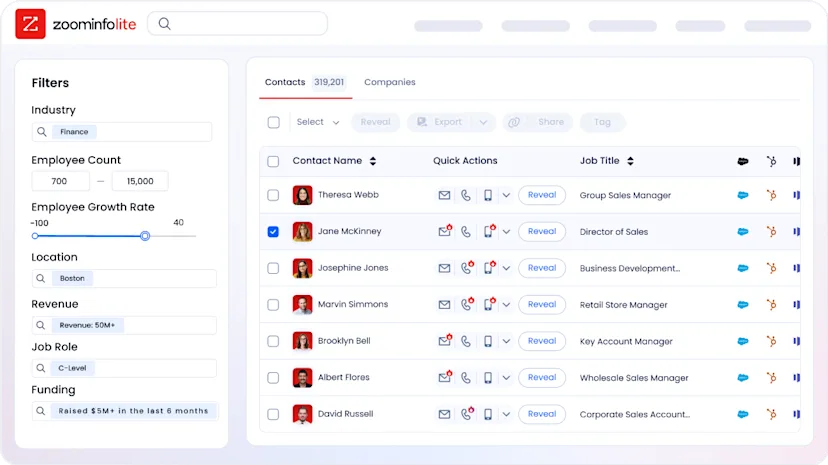
ZoomInfo uses a custom-quoted model based on seats, credits, and features. No public prices. A permanent free tier (ZoomInfo Lite) provides access to the B2B database with 10 monthly export credits, advanced search, a Chrome extension, and website visitor identification.
Source: ZoomInfo
The 7-day free trial gives access to paid features with no credit card required. Paid tiers (Professional, Advanced, Enterprise) add intent signals, AI features, integrations, and dedicated support.
ZoomInfo costs more than either HubSpot or Yesware. The relevant comparison isn't price per seat; it's what happens to pipeline and close rates when reps have accurate contact data, buyer intent, and deal intelligence versus when they don't. Thomson Reuters increased closed-won deals by 40% and Databricks reached prospects 50% faster.
Note: ZoomInfo is transitioning toward a consumption-based pricing model.
Integration ecosystems show different philosophies
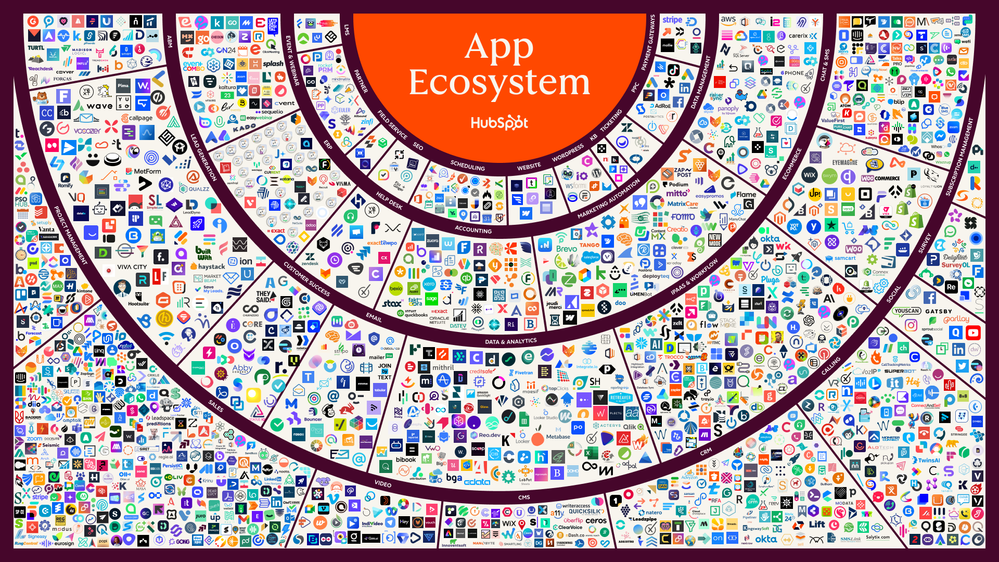
HubSpot operates as a self-contained ecosystem. Its 2,000+ App Marketplace integrations span sales enablement, data enrichment, and communication tools.
Source: HubSpot
The platform's strength is internal integration: Marketing Hub, Service Hub, Content Hub, and Commerce Hub all share the same CRM database. Native connectors exist for Gmail, Outlook, Salesforce, Zoom, and Slack.
The Chrome Extension for Gmail and Outlook add-in bring tracking and templates into the inbox. HubSpot has also launched AI connectors integrating with ChatGPT, Gemini, Claude, and Microsoft Copilot.
Yesware integrates narrowly by design. It works within Gmail and Outlook, connects to Salesforce (Enterprise only), and integrates with LinkedIn Sales Navigator, Zoom, and Clari. Yesware does not offer a public-facing API. The Salesforce-only CRM limitation is consistently flagged by reviewers as a constraint.
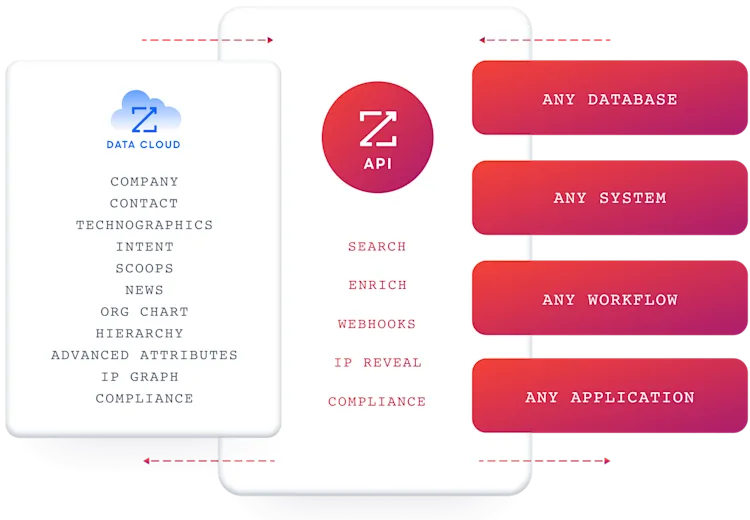
ZoomInfo treats itself as infrastructure. The Enterprise API provides programmatic access to ZoomInfo's data and intelligence.
Source: ZoomInfo
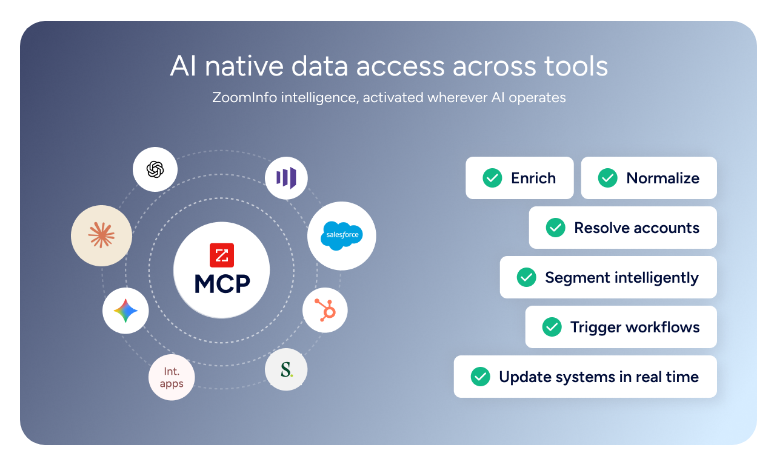
The MCP server connects AI models to ZoomInfo's data as a native tool.
Source: ZoomInfo
The App Marketplace lists 120+ integrations spanning CRM, marketing automation, sales engagement, data warehouses, and communications. ZoomInfo integrates natively with Salesforce, HubSpot, Microsoft Dynamics 365, and Snowflake, and API access is included in all relevant plans.
Source: ZoomInfo
The critical difference: HubSpot wants to be your platform. Yesware wants to live inside your inbox. ZoomInfo wants to power whatever you use, including HubSpot and Yesware.
"The plug-and-play aspect of the API means I can integrate it into any process and get information at a moment's notice." — Jerry Wilson, Senior Marketing Intelligence Analyst (BDO Canada)
Support and learning curve
HubSpot cites an 8.7/10 Ease of Use score on G2. Implementation takes days or weeks, not months. Support is tiered: Free users get community and documentation; Starter adds email and chat; Professional and Enterprise add phone support.
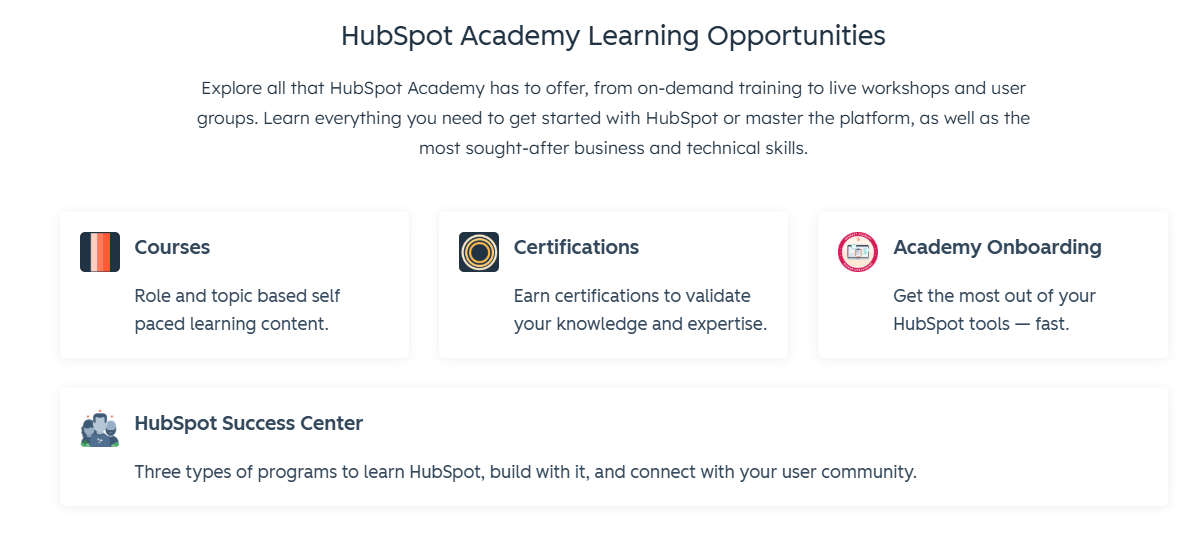
HubSpot Academy offers free certifications and training open to anyone, not just customers. The knowledge base is available in 15+ languages.
Source: HubSpot
Yesware has the lowest barrier to entry here. The 60-second install is accurate: install the extension, connect your email, start tracking.
Yesware University provides courses, how-to articles, and weekly product webinars. Support response time averages under 1 hour during business hours and under 2 hours on evenings and weekends.

Source: Yesware
However, the most common reason people switch is the lack of real support when users hit serious problems.
ZoomInfo's platform breadth requires real onboarding investment. The company redesigned its onboarding from 30 to 90 days, producing a 25% improvement in customer satisfaction and winning Rocketlane's Golden Comet award for Best Customer Onboarding Team of 2024.
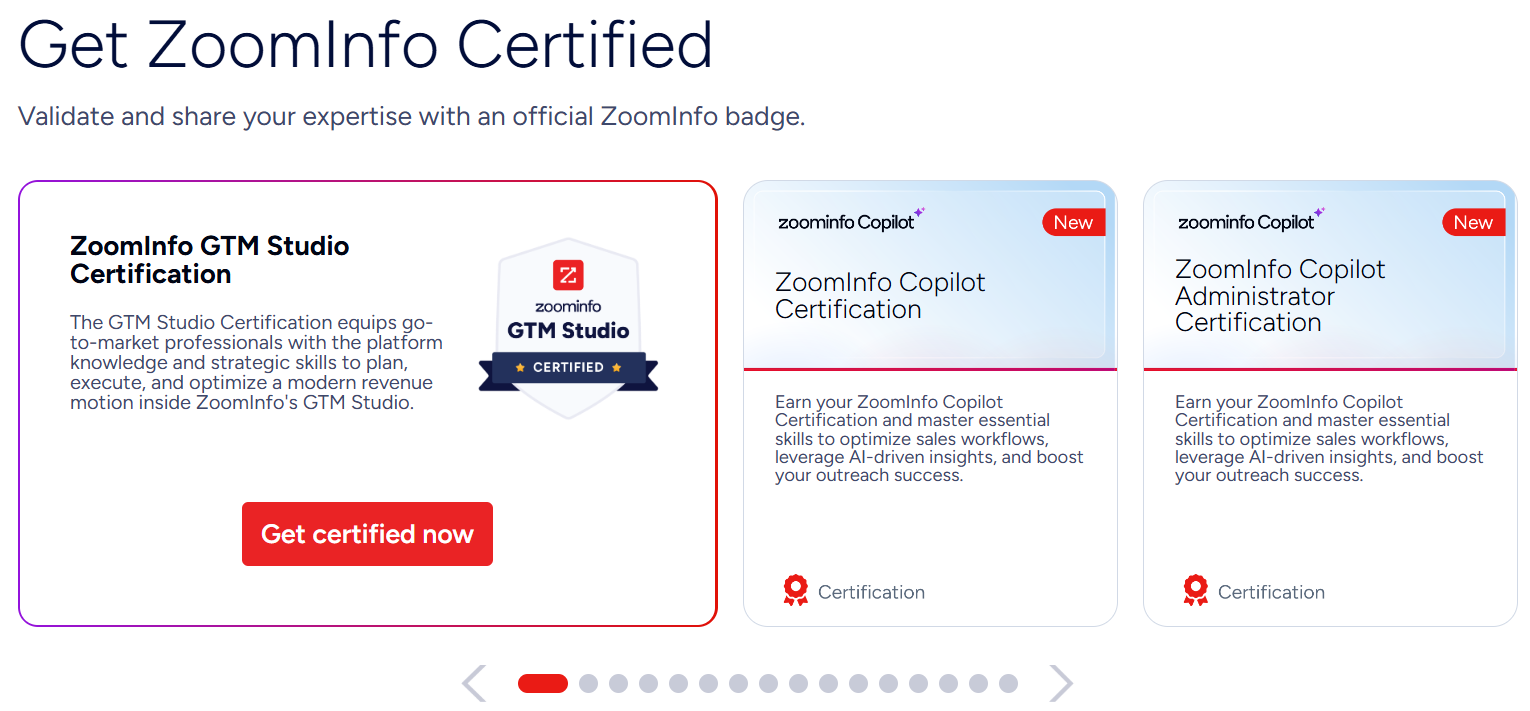
ZoomInfo University offers role-specific learning paths and certifications. GTM Workspace is designed to "deploy in weeks, not months".
Source: ZoomInfo
HubSpot Sales Hub vs. Yesware vs. ZoomInfo: Which should you choose?
The right choice depends on what's holding your sales team back.
Choose HubSpot Sales Hub if:
You need a CRM that connects marketing, sales, and service
Pipeline management, deal tracking, and forecasting are daily requirements
Your team is 10+ reps who need shared visibility and a repeatable process
You're willing to invest in Professional tier ($100/seat/month) for sequences and automation
You want a single platform your company can grow into over years
Choose Yesware if:
You're an individual rep or small team that needs email tracking and follow-up campaigns
Speed of setup matters more than platform depth
Your CRM is Salesforce and you want engagement data synced without leaving your inbox
Your budget is under $50/seat/month
You don't need pipeline management, forecasting, or conversation intelligence
Choose ZoomInfo if:
Knowing which accounts are in-market and who to contact is your biggest challenge
You need verified direct dials, business emails, and buyer intent at scale
Your team wants AI that understands deal context, not just CRM field values
You want intelligence that works inside your existing CRM (HubSpot, Salesforce, or Dynamics)
You're ready to consolidate prospecting data, intent signals, conversation intelligence, and execution into one platform
Start with ZoomInfo Lite for free, or request a demo.
HubSpot and Yesware both handle the mechanics of sales engagement well, at different scales and price points. But the teams that consistently outperform aren't just better at sending emails or managing pipelines. They know which accounts to focus on, which people to reach, and what those people care about right now. That's what ZoomInfo provides, and it compounds with every deal, every call, and every signal.
HubSpot Sales Hub vs. Yesware vs. ZoomInfo FAQ
What is the fundamental difference between HubSpot Sales Hub, Yesware, and ZoomInfo?
HubSpot Sales Hub is a CRM platform with built-in sales engagement tools: email sequences, pipeline management, and forecasting.
Yesware is a lightweight email tracking and campaign tool that works inside Gmail and Outlook.
ZoomInfo is a GTM intelligence platform that provides B2B contact data, buyer intent signals, conversation intelligence, and AI deal insights. HubSpot and Yesware handle sales execution. ZoomInfo provides the intelligence that makes execution effective.
Which platform is the most affordable?
Yesware is the cheapest, starting at $15/seat/month (annual) for the Pro plan.
HubSpot Sales Hub starts at $10/seat/month at Starter, but the useful features (sequences, custom reporting, forecasting) require Professional at $100/seat/month.
ZoomInfo uses custom-quoted pricing with no published prices, though a permanent free tier (ZoomInfo Lite) provides basic database access and 10 export credits per month.
Can ZoomInfo replace HubSpot or Yesware?
ZoomInfo complements both rather than replacing them. It integrates natively with HubSpot, enriching CRM records with verified contact data, intent signals, and account intelligence.
For teams using Yesware, ZoomInfo provides the prospecting data and buyer signals Yesware lacks. That said, ZoomInfo's GTM Workspace includes its own outreach capabilities, and some teams consolidate onto ZoomInfo plus a CRM rather than maintaining a separate engagement tool.
Which platform has the best email tracking?
HubSpot and Yesware both use pixel-based email tracking with real-time notifications. HubSpot filters bot activity from engagement counts, and its dynamic sequences automatically branch based on engagement thresholds.
Yesware's tracking is similarly capable but more frequently cited for false open tracking from corporate firewalls and security tools.
ZoomInfo goes beyond tracking individual opens, layering intent signals, call transcripts, and behavioral data to understand the full context of a prospect's engagement.
Which platform provides the most comprehensive prospecting data?
ZoomInfo has the largest verified B2B database: 500 million contacts, 135 million verified phone numbers, and 200 million verified business emails, backed by 300+ human researchers and up to 95% accuracy on first-party data.
In an independent Fortune 500 evaluation of 25 million contacts across vendors, the consultant concluded that no other competitor came close.
Yesware's Prospector offers access to 100 million contacts as an add-on. HubSpot does not maintain a comparable standalone contact database.
Does Yesware work with CRMs other than Salesforce?
No. Yesware's only CRM integration is Salesforce, and it requires the Enterprise tier ($65-85/seat/month).
HubSpot Sales Hub has its own built-in CRM and integrates with Salesforce.
ZoomInfo integrates with Salesforce, HubSpot, and Microsoft Dynamics 365, and its API and MCP server can connect to any system.
Which platform is best for large or enterprise sales teams?
HubSpot Sales Hub is pushing upmarket, with deals over $120K ARR growing 64% year-over-year. Its Enterprise tier adds custom objects, advanced permissions, and programmatic API access.
ZoomInfo serves enterprise customers including Adobe, Snowflake, PayPal, and JPMorgan, with 1,900+ customers spending $100K or more annually.
Yesware is less suited for large organizations, with users noting it is not scalable and works better for teams with a few inboxes.
How do the platforms handle security and compliance?
All three maintain SOC 2 Type II reports. HubSpot runs on AWS with data hosting in five regions, supports SAML 2.0 SSO, and maintains GDPR compliance including Data Processing Agreements.
Yesware holds the Skyhigh CloudTrust Enterprise-Ready rating and is GDPR and CCPA compliant, with quarterly security updates.
ZoomInfo carries the most extensive certifications: ISO 27001, ISO 27701, SOC 2 Type II, and TRUSTe GDPR and CCPA Practices Validations, all renewed annually. ZoomInfo is also a registered data broker in California and Vermont.
More Yesware comparisons and alternatives:
