
Choosing between HubSpot vs. SALESmanago for your marketing and customer engagement often comes down to five questions:
Are you a B2B company managing complex sales cycles, or a B2C eCommerce brand focused on converting shoppers?
Do you need marketing, sales, and service tools in one platform, or eCommerce-specific personalization and product recommendations?
Is your priority ease of use and fast onboarding, or behavioral segmentation and omnichannel automation?
Does your team need a CRM with AI agents across departments, or a CDP engine optimized for cart recovery, product recommendations, and customer lifetime value?
How important is the quality of the data feeding your marketing decisions?
In short, here's what we recommend:
HubSpot is the CRM platform for B2B and service businesses that want marketing, sales, service, and CRM under one roof.
With 288,706 customers across 135+ countries, a free CRM tier, and Breeze AI agents handling everything from prospecting to customer support, HubSpot lets you run your go-to-market operation from a single login.
However, pricing scales quickly as you add seats and hubs, mandatory onboarding fees apply at Professional and Enterprise tiers, and the platform's eCommerce capabilities are basic compared to specialized solutions.
SALESmanago is the eCommerce-focused customer engagement platform built for mid-market European retailers who need behavioral segmentation, AI-powered product recommendations, and omnichannel automation across email, SMS, web push, and WhatsApp.
With a certified CDP at its core, SALESmanago turns shopping behavior into personalized experiences at every touchpoint.
The trade-off: a dated interface with a steep learning curve, integration reliability concerns flagged by users, and pricing that requires a sales conversation for every quote.
Both platforms are strong at what they do. But they share a limitation: neither solves the upstream data problem. Your marketing automation is only as good as the data behind it, and both HubSpot and SALESmanago depend on the quality of the contact and company intelligence you feed them. That's where a different kind of platform comes in.
ZoomInfo is a B2B data and go-to-market platform built on the largest B2B dataset available: 500M contacts, 100M companies, 135M+ verified phone numbers, and 200M+ verified business email addresses.
Its GTM Context Graph combines this data with your CRM records, conversation transcripts, and behavioral signals (processing 1.5B+ data points daily) to reveal not just what happened in your pipeline, but why deals move or stall.
For teams using HubSpot or any other CRM, ZoomInfo enriches every record, identifies in-market buyers through intent signals, and powers AI-driven outreach through GTM Workspace for sellers, GTM Studio for marketers and RevOps, or the API and MCP in any tool you already use.
If better data and smarter targeting sound like the missing layer in your marketing stack, see how ZoomInfo works.
HubSpot vs. SALESmanago vs. ZoomInfo at a glance
HubSpot | SALESmanago | ZoomInfo | |
|---|---|---|---|
Core focus | CRM + marketing, sales, and service | eCommerce CDP + marketing automation + personalization | B2B data intelligence + GTM execution |
AI capabilities | Breeze agents across marketing, sales, and service | AI Sidekick for segmentation, content, and recommendations | GTM Context Graph with AI-driven prospecting and deal intelligence |
Data foundation | CRM data you enter + enrichment from interactions | CDP tracking behavioral and transactional data | 500M contacts, 100M companies, 135M+ verified phones |
Channels | Email, chat, social, ads, WhatsApp | Email, SMS, web push, mobile push, WhatsApp, Viber | Email, display ads, calls, direct mail, LinkedIn, Connected TV |
eCommerce depth | Basic commerce hub | Product recommendations, cart recovery, personalization | Not eCommerce-focused; B2B sales and marketing intelligence |
Starting price | Free CRM; Starter at $15/seat/mo | From $290/mo (custom quotes) | Free tier (ZoomInfo Lite); paid plans custom-quoted |
Integration ecosystem | 2,000+ apps | Shopify, Magento, PrestaShop, WooCommerce + API | 120+ integrations + API + MCP for any tool |
Best for | B2B and service businesses wanting one platform | Mid-market eCommerce brands in Europe | B2B teams needing accurate data and buyer signals |
These platforms solve fundamentally different problems
Comparing HubSpot to SALESmanago is like comparing a general contractor to a kitchen renovation specialist. Both build things, but they start from different assumptions about what you need.
HubSpot assumes you're running a business where marketing generates leads, sales closes them, and service retains them. It gives every department a shared CRM and connects their workflows.
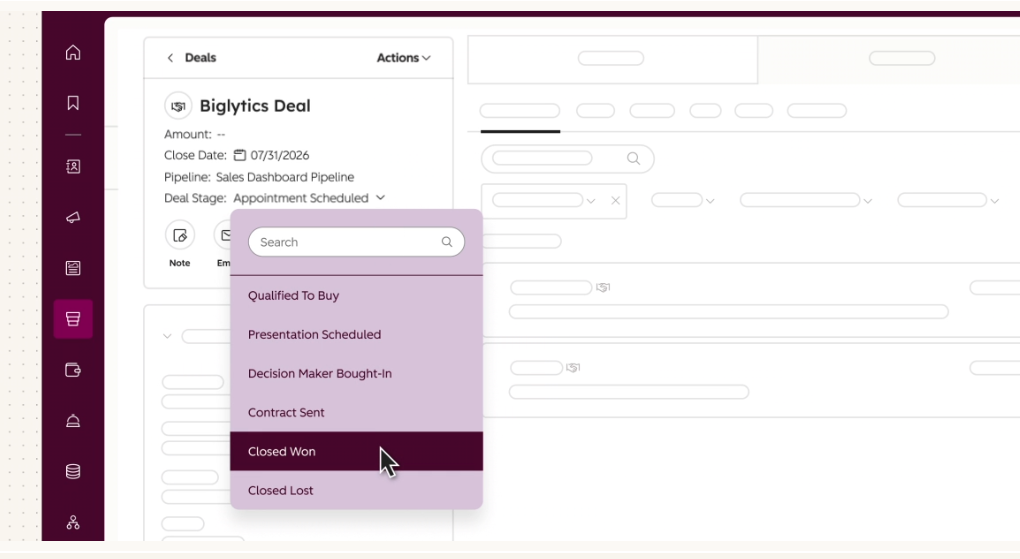
A lead captured by a marketing email becomes a deal managed by sales becomes a support ticket handled by service, all in one record.
For B2B companies, professional services firms, and SaaS businesses, this connected lifecycle is the core value.
SALESmanago assumes you're running an online store where the customer journey is browse, add to cart, buy (or abandon), and hopefully return.
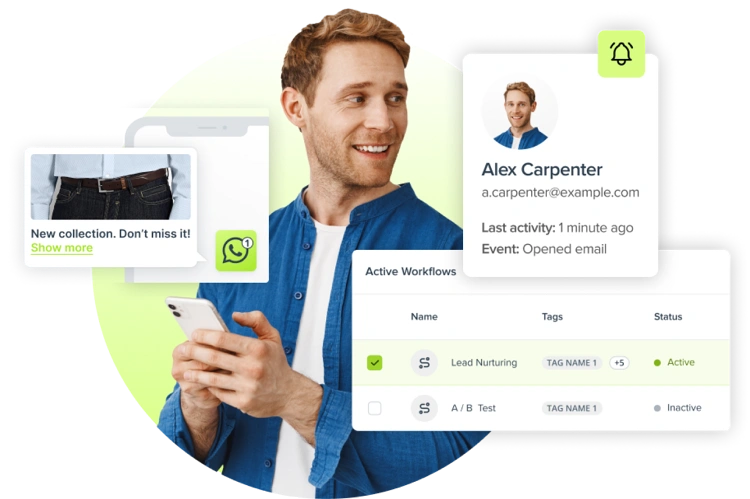
It gives eCommerce marketers a CDP that tracks every product view, cart addition, and purchase, then uses that behavioral data to personalize emails, website experiences, and product recommendations.
For fashion brands, consumer electronics retailers, and multi-store European operators, this shopping behavior intelligence drives revenue.
ZoomInfo solves a different problem: knowing who to talk to, when to reach them, and what to say. Its B2B dataset (500M contacts and 100M companies) is verified by 300+ human researchers and achieves up to 95% accuracy on first-party data.
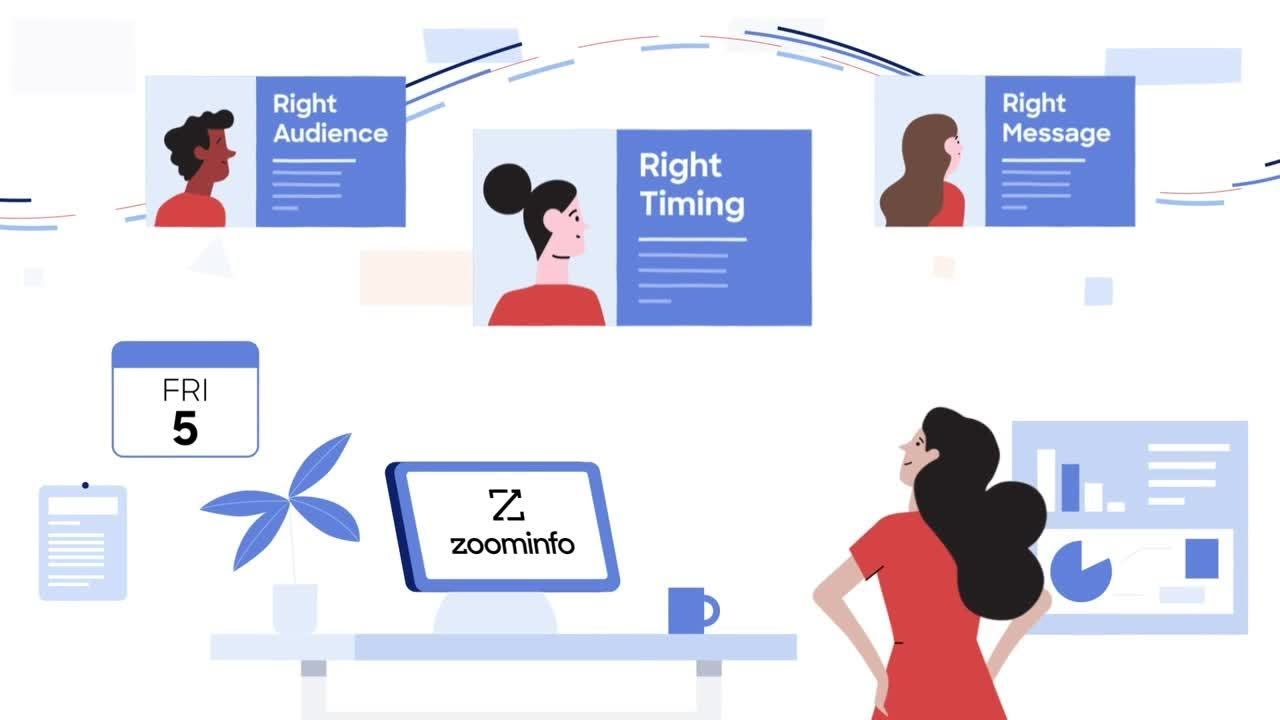
For B2B teams, ZoomInfo is the intelligence layer that makes platforms like HubSpot more effective by keeping CRM data accurate, complete, and enriched with buying signals.
Vensure scaled its prospecting using ZoomInfo's data: "ZoomInfo gives us the information we need to execute. We don't have to go through and spend our time digging. It's already there, so we can be three steps ahead." (Vensure case study)
Marketing automation: breadth vs. eCommerce depth
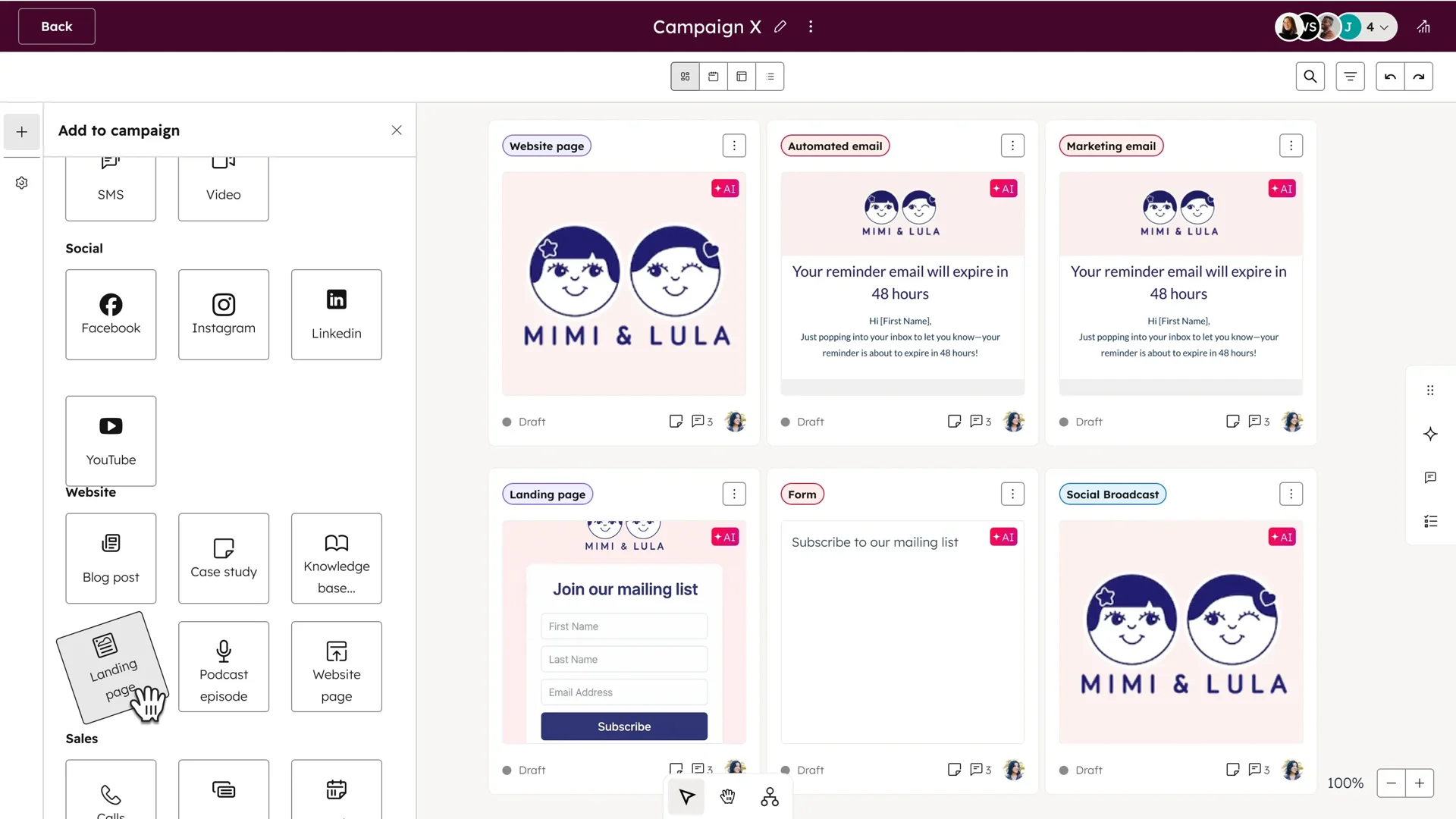
HubSpot's Marketing Hub covers the full range of marketing activities: email, social media, landing pages, forms, ads, SEO, and content creation.
Source: HubSpot
The visual workflow builder lets you create multi-step nurture sequences triggered by form submissions, email opens, page views, or lifecycle stage changes.
Breeze AI agents can draft blog posts, generate social content, and handle Answer Engine Optimization for AI-powered search results.
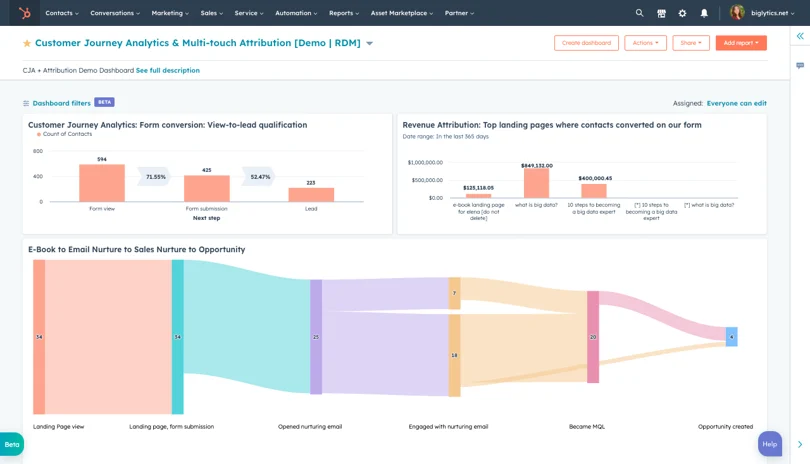
Where HubSpot excels is connecting marketing to revenue. Because Marketing Hub shares the same Smart CRM as Sales Hub and Service Hub, a marketing-qualified lead flows directly into a sales pipeline.
Multi-touch attribution ties campaign activity to closed deals, answering the question every CMO asks: which marketing efforts actually generated revenue?
Source: HubSpot
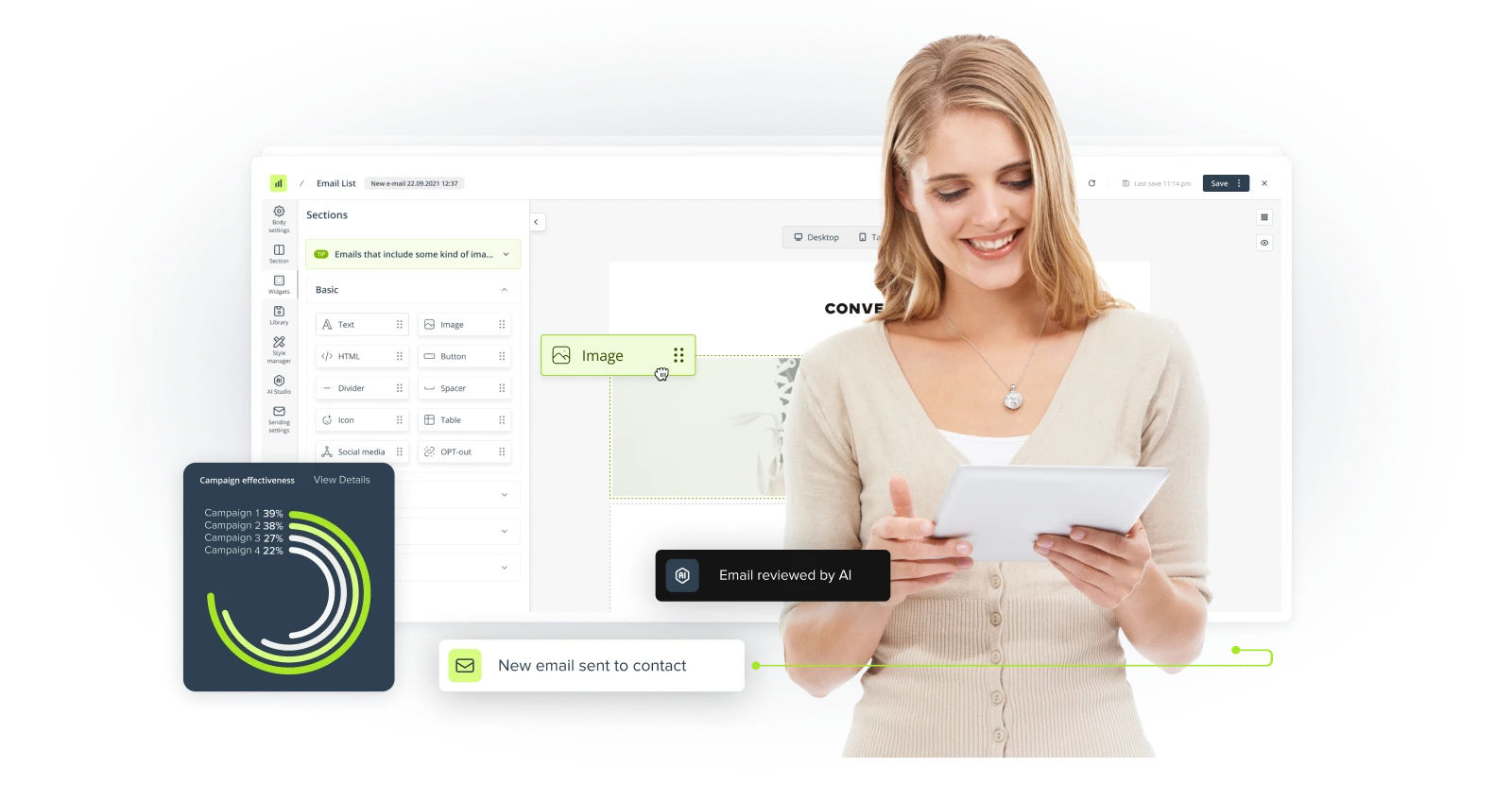
SALESmanago's Channels module approaches marketing automation from the eCommerce side. Rather than lead nurturing, it focuses on revenue recovery and customer lifetime value.
Source: SALESmanago
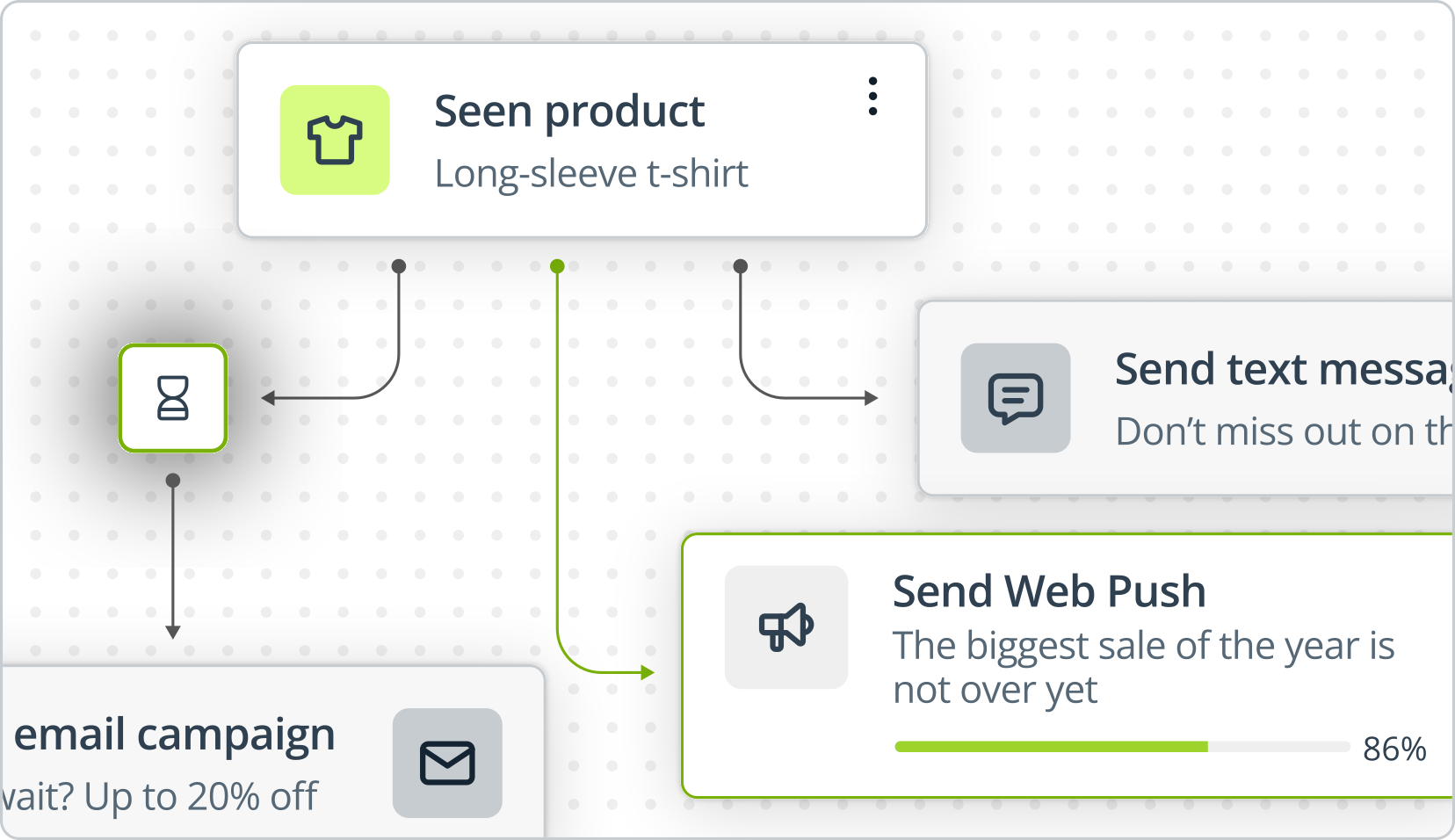
An abandoned cart triggers a cascade: email at one hour, SMS if unopened after 24 hours, a personalized pop-up on the next site visit.
The channel coverage also differs. SALESmanago natively supports email, SMS, web push, mobile push, WhatsApp, and Viber from a single workflow engine, with channel priority cascading (try email first, escalate to SMS if no open).
Source: SALESmanago
HubSpot covers email, social, and ads natively, with WhatsApp available at Professional and Enterprise tiers but SMS requiring third-party integration.
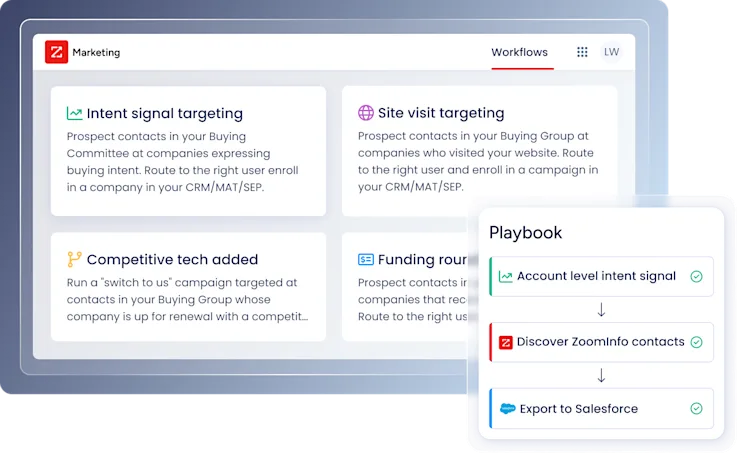
ZoomInfo's marketing capabilities take a different approach: rather than sending messages, it identifies the right accounts to target.
ZoomInfo Marketing layers intent signals, website visitor identification, and company attributes to build audiences of actual in-market buyers.
Source: ZoomInfo
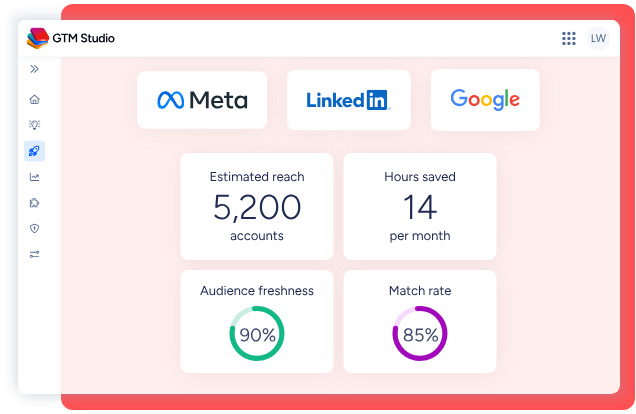
The native demand-side platform deploys display ads based on 300+ company attributes, and FormComplete reduces web forms to a single field while auto-appending the rest.
Source: ZoomInfo
Smartsheet reported a 40%+ increase in form fills, 84% increase in MQLs, and a 59% increase in win rate after implementing ZoomInfo's form optimization.
Data and intelligence: the upstream advantage
This is where the comparison matters most.
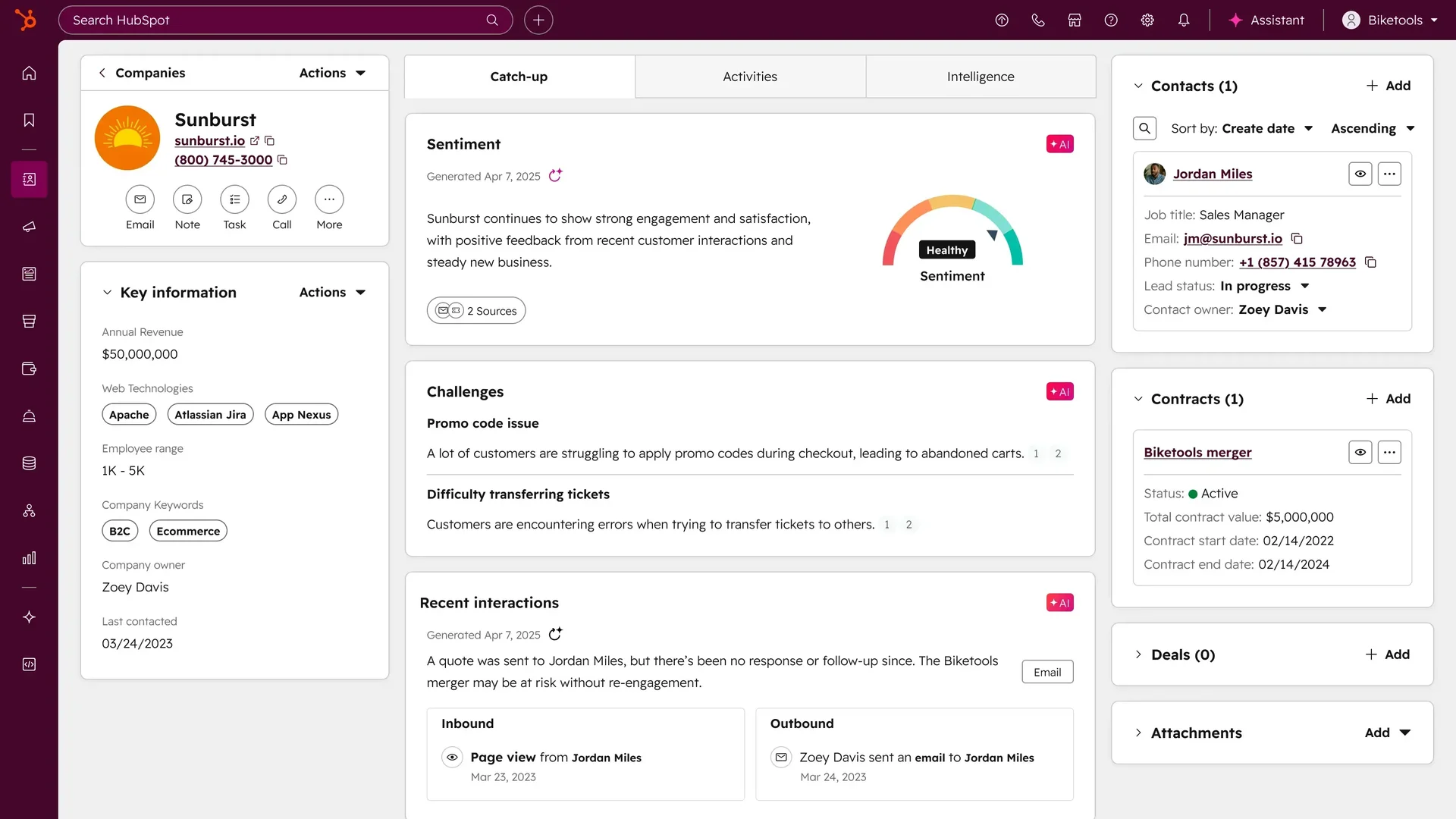
HubSpot's Smart CRM stores and enriches data from your own interactions: emails, calls, form submissions, and website visits. It supports up to 15 million contacts (expandable to 50 million) with custom objects, AI-powered duplicate detection, and data enrichment from conversations.
Source: HubSpot
The Data Agent lets you ask natural-language questions about your customer data. This is useful, but it's limited to the data you've already collected. If a contact isn't in your CRM, HubSpot doesn't know they exist.
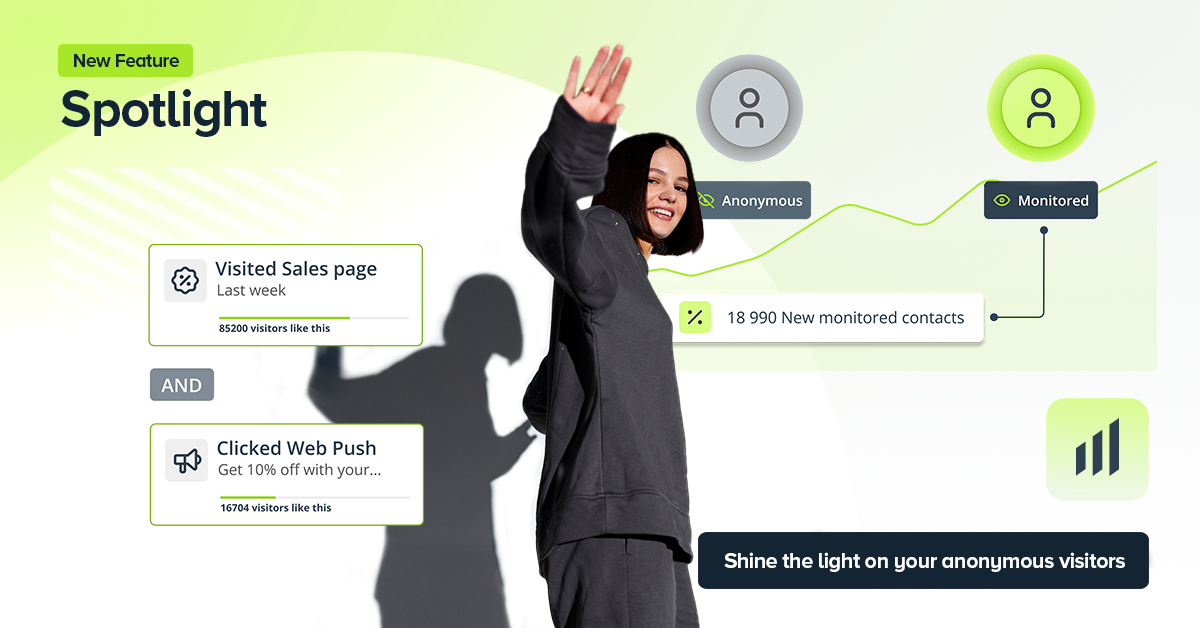
SALESmanago's CDP tracks behavioral data from the first anonymous click, stitching browsing history to a profile the moment a visitor identifies themselves. RFM segmentation (Recency, Frequency, Monetary) scores every contact's transactional behavior.
Source: SALESmanago
The platform claims to process 12 billion interactions daily from more than 160 million consumers. This is strong behavioral intelligence, but it's limited to your own website visitors and customers.
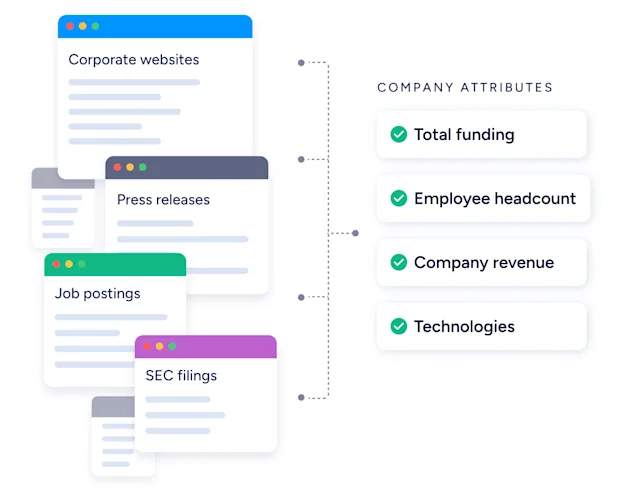
ZoomInfo operates on a different scale. Its data platform covers 500M contacts and 100M companies across the global B2B market, verified through automated ML scanning of 28 million site domains daily, third-party partner data covering 95 million businesses, and 300+ human researchers.
Source: ZoomInfo
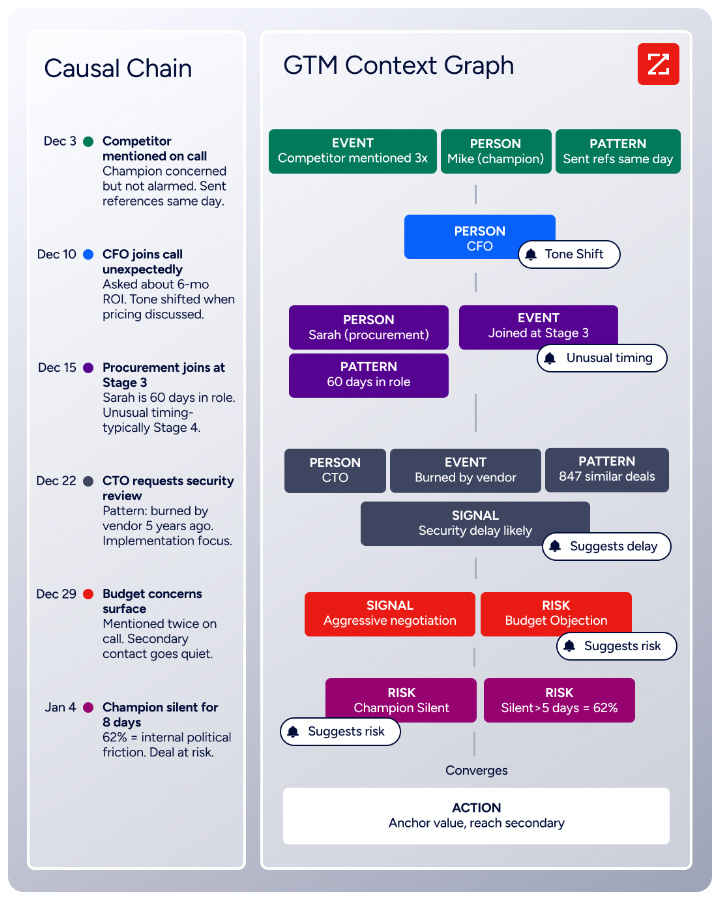
The GTM Context Graph then combines this third-party intelligence with your CRM records, conversation transcripts, and behavioral signals, processing 1.5B+ data points daily to reveal why deals move or stall.
Source: ZoomInfo
For a concrete example: HubSpot can tell you that a lead opened your email three times. SALESmanago can tell you that a customer viewed winter coats four times and abandoned a cart worth $250.
ZoomInfo can tell you that the VP of Marketing at a target account just changed jobs, their company raised a Series C, they're researching your competitor's product category, and here are the direct dials and verified emails for the entire buying committee.
In a Fortune 500 competitive RFP analyzing 25 million contacts across vendors, an independent consultant concluded that "no other competitor came even close" to ZoomInfo's data quality.
Seismic attributed 39% of active pipeline to opportunities identified or influenced by ZoomInfo signals, with their sales team achieving 54% productivity gains. "That combination of our internal CRM data, external signals, and AI that's given all that context has helped us craft very specific account- and persona-based messages. And people have responded to them right away." (Seismic case study)
AI capabilities take different shapes
All three platforms invest in AI, but their implementations reflect their core missions.
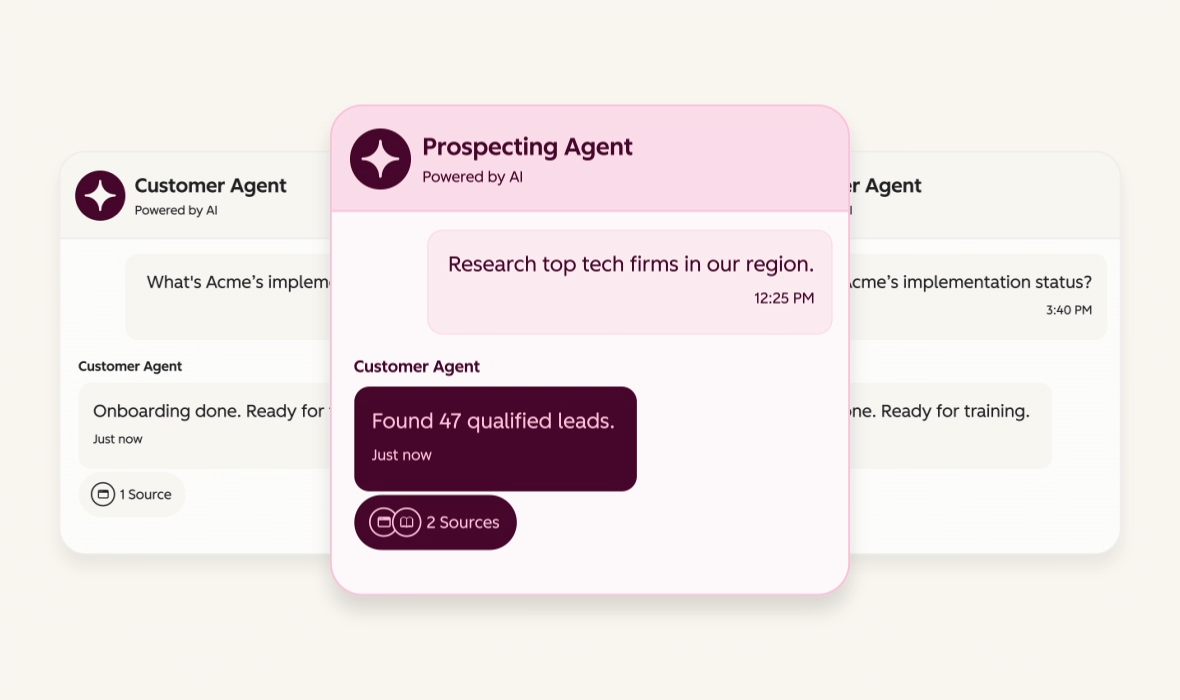
HubSpot's Breeze is a platform-wide AI layer organized into three components: Breeze Assistant (a personal AI companion with CRM context), Breeze Agents (autonomous workflow executors), and embedded AI features across all hubs.
Source: HubSpot
The Prospecting Agent monitors buying signals and drafts personalized outreach using full customer history.
These agents come with Professional and Enterprise subscriptions and run on a consumption-based credit system.
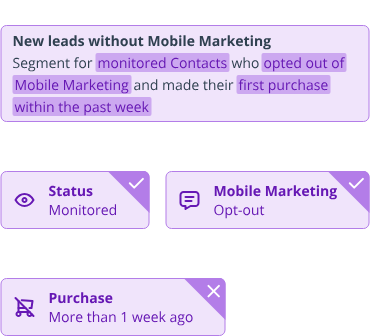
SALESmanago's AI Sidekick is embedded throughout the platform and included in every plan. Its most distinctive capability is natural-language segmentation: type "customers who viewed winter coats more than three times in the last seven days but haven't purchased" in any language, and the AI builds the segment.
Source: SALESmanago
Purchase Probability and Churn Probability scores display explicit percentages per contact, and the Recommendation Architect combines collaborative filtering, co-viewing patterns, and visual similarity to serve per-client private AI models.
The visual AI also supports Search by Photo with results in under 1,200 milliseconds.
ZoomInfo's AI operates at the intelligence layer. The GTM Context Graph doesn't just detect anomalies or draft copy. It connects patterns across thousands of deals to identify why certain signal combinations predict wins.
Built on Anthropic's Claude, the AI agents inside GTM Workspace handle account research, outreach generation, CRM updates, and signal monitoring, telling sellers who to contact, when to engage, and what to say.
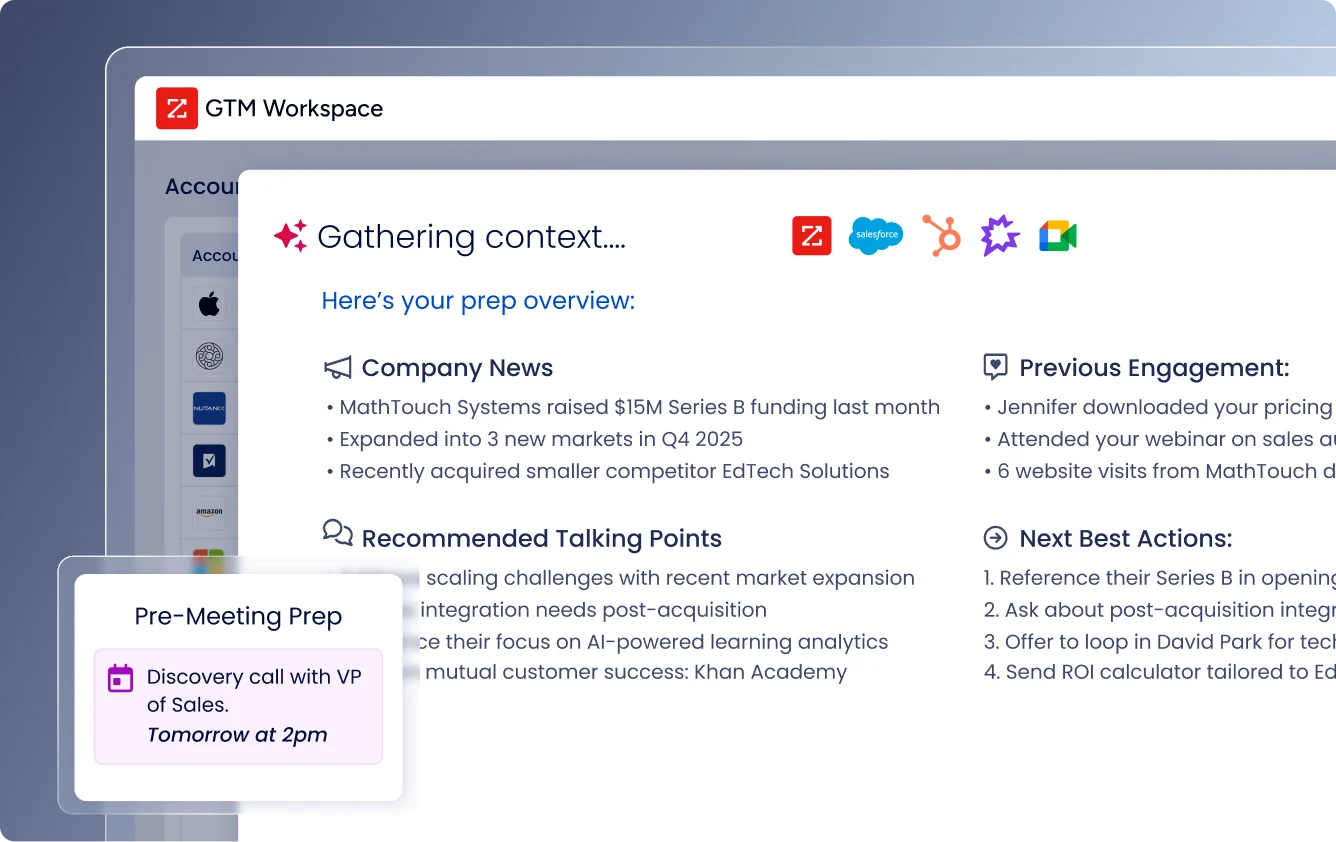
Source: ZoomInfo
GTM Studio lets marketers describe audiences in plain language and launch multi-channel plays without engineering tickets.
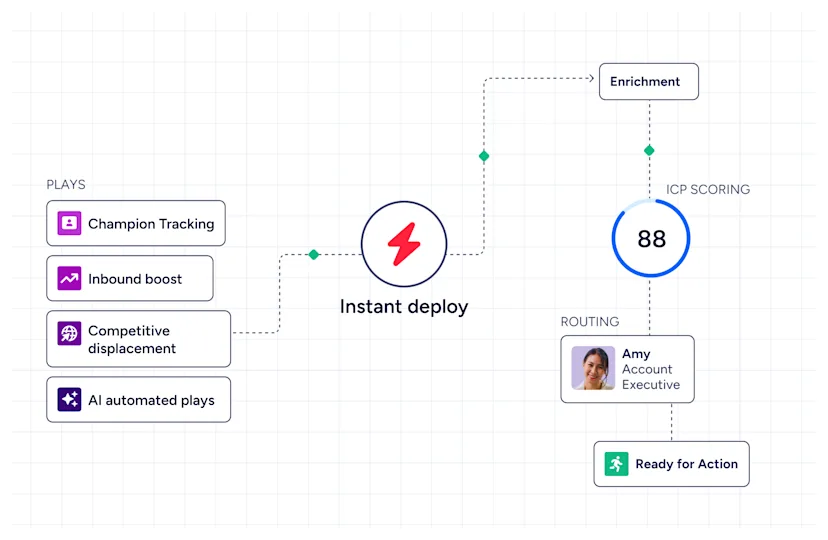
Source: ZoomInfo
Thomson Reuters increased closed-won deals by 40% and achieved 115% average monthly quota attainment using ZoomInfo's AI-powered workspace.
Personalization and website experience
SALESmanago has the strongest website personalization capabilities of the three. Its Website Experience module bundles lead capture pop-ups, AI product recommendations, live chat, social proof widgets, personalized banners, and website automation into a single interface.
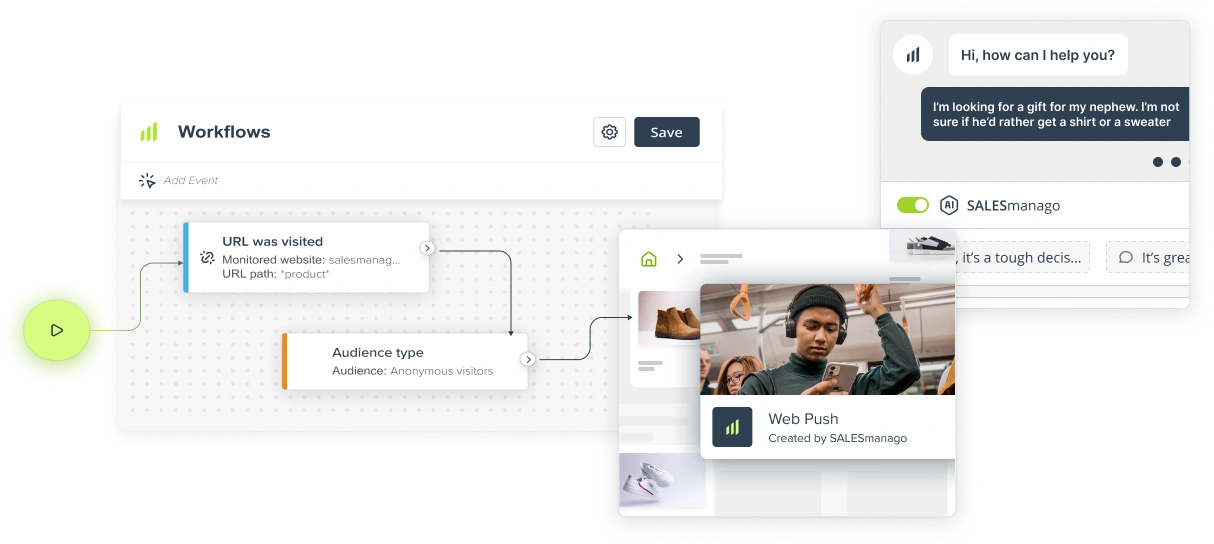
Source: SALESmanago
The Web Engagement Studio combines pop-up creation and recommendation frame design in one drag-and-drop editor. All of this works for anonymous visitors (roughly 85% of website traffic), not just identified contacts.
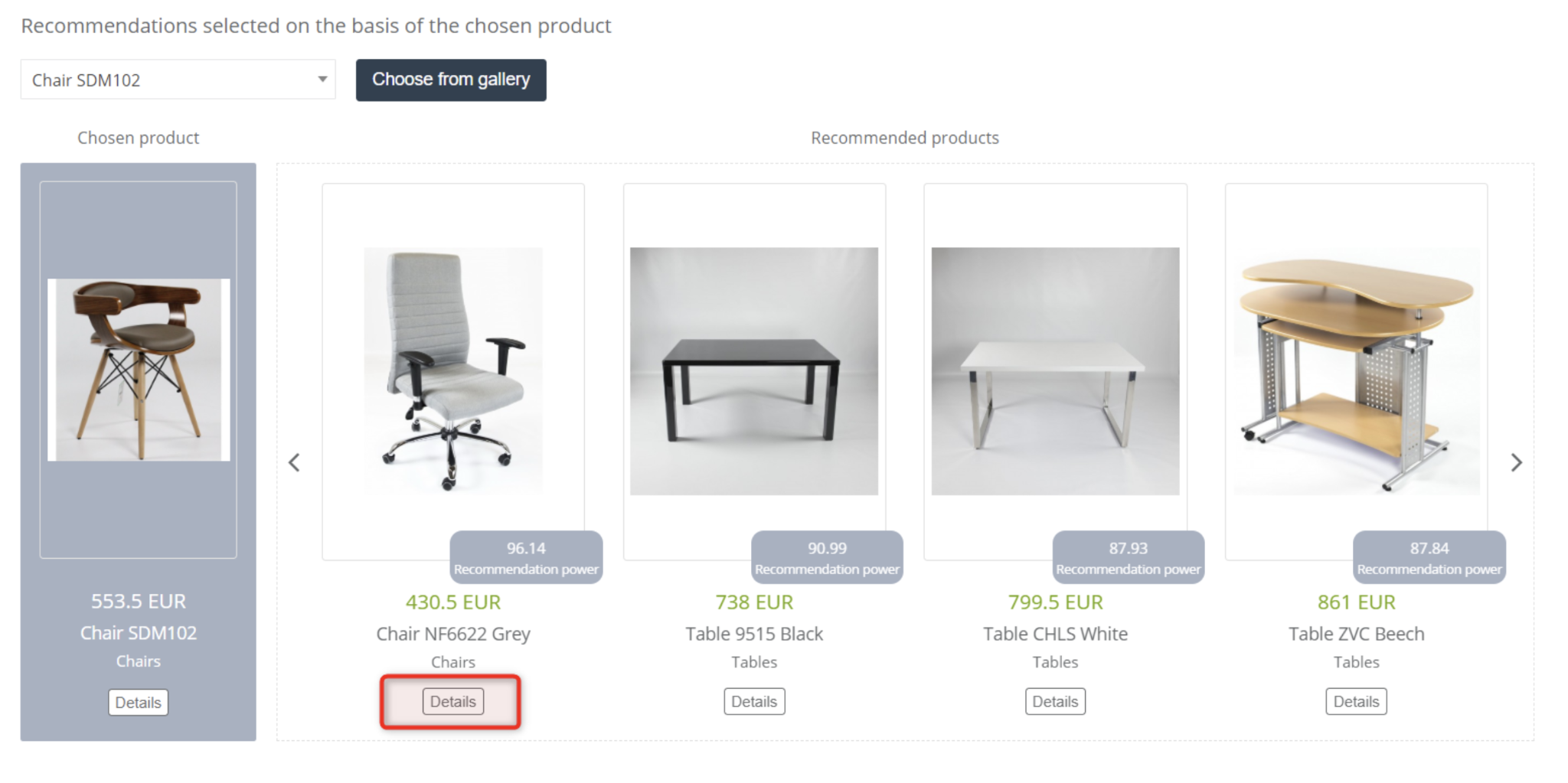
Source: SALESmanago
The Recommendation Architect lets marketers combine up to three base scenarios (recently viewed, cart-abandoned, collaborative filtering, co-purchase patterns) with modifiers, all without coding.
HubSpot's personalization works through Content Hub and Marketing Hub. Personalization tokens pull CRM data (name, company, job title, lifecycle stage) into emails, landing pages, and website pages. Smart content blocks update dynamically based on CRM properties.
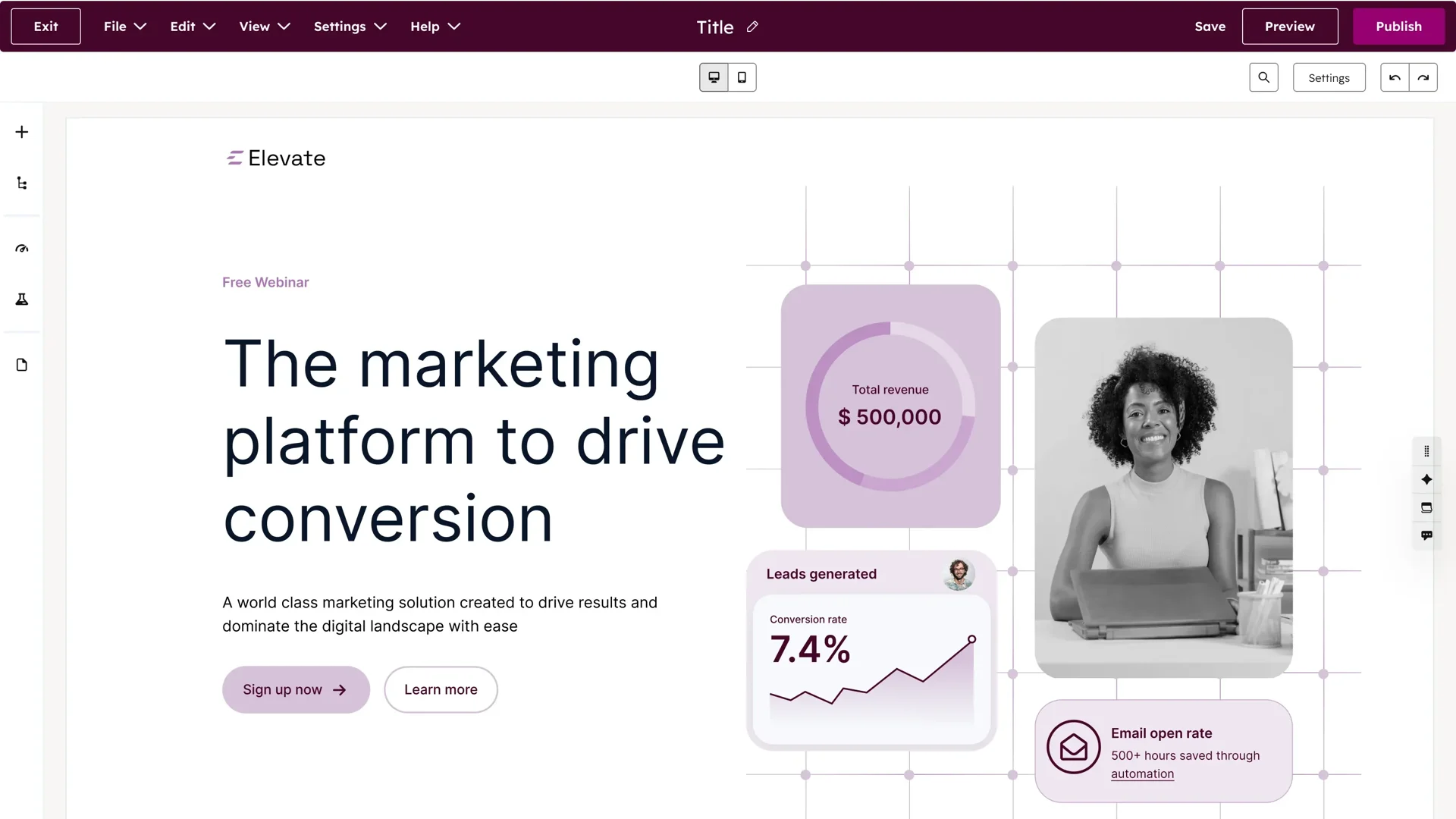
Source: HubSpot
The approach works well for B2B personalization (showing different content to a marketing director versus a CFO), but it doesn't match SALESmanago's product-level recommendation depth on eCommerce sites.
ZoomInfo's website presence takes a different form through ZoomInfo Chat, which identifies the company behind anonymous website visitors using ZoomInfo's data before they self-identify.
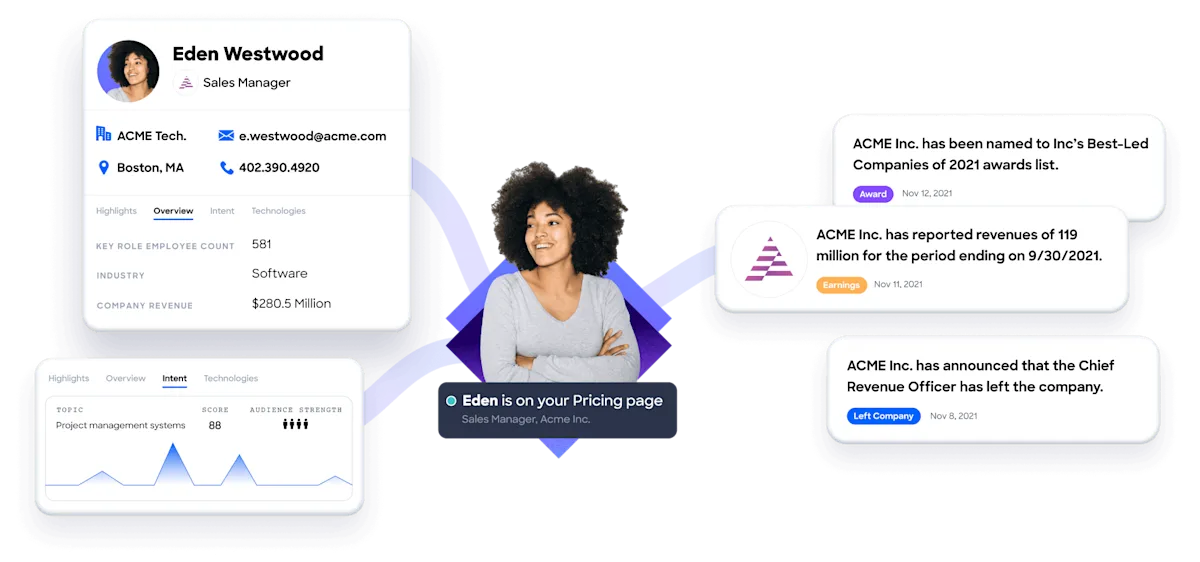
Source: ZoomInfo
When a visitor from a target account lands on your pricing page, reps receive real-time Slack alerts. Routing rules based on company attributes and intent signals ensure the right rep engages the right prospect, a capability unavailable in generic chat tools.
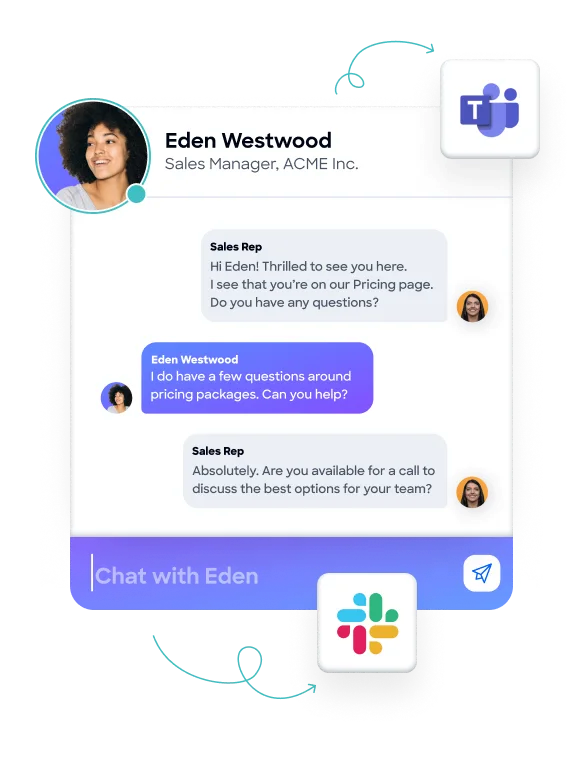
Source: ZoomInfo
Pricing reflects different markets and models
HubSpot uses a hybrid model combining per-seat pricing, contact-based pricing (for Marketing Hub), and flat-fee tiers. The free CRM is genuinely useful with unlimited contacts up to 1M records. The Starter Customer Platform bundles all hubs at $15/seat/month (annual).
But costs climb steeply: Marketing Hub Professional runs $800/month (annual) with a $3,000 mandatory onboarding fee, and Enterprise hits $3,600/month with a $7,000 onboarding fee.
One hidden cost: when subscribing to multiple hubs at different tiers, all Core Seats are billed at the highest tier.
SALESmanago starts at $290/month with custom pricing beyond that. Every quote requires a sales conversation.
The Main Services Agreement includes a built-in annual price escalator of HICP inflation plus 3%, with a minimum 5% increase per year.
A contact threshold ratchet means reaching a higher contact tier locks in that price as the new floor, even if contact count later drops. Early termination incurs a penalty equal to the remaining unpaid contract balance.
ZoomInfo uses a consumption-based pricing model with custom quotes. ZoomInfo Lite offers permanent free access to the B2B database with 10 monthly export credits, no credit card required. Paid plans scale around seats, credits, and features. A 7-day free trial provides access to core features beyond the Lite tier.
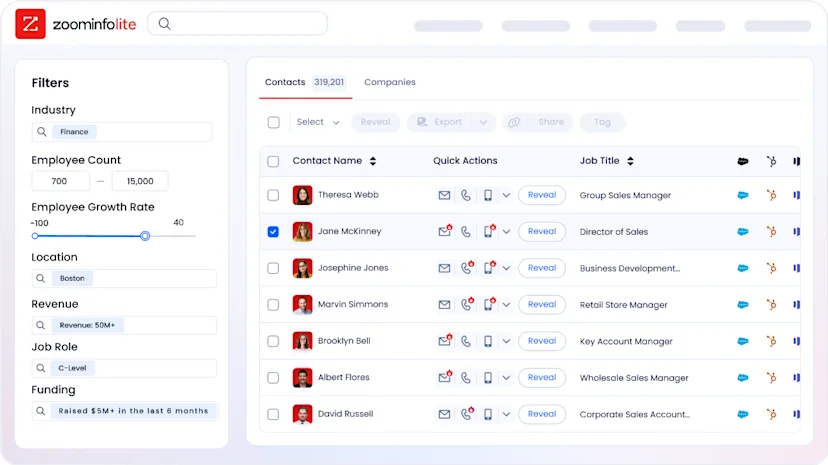
Source: ZoomInfo
The pricing comparison depends on your use case. A five-person B2B marketing team might spend $1,000-2,000/month on HubSpot Professional hubs. A mid-market eCommerce brand might spend $500-2,000/month on SALESmanago depending on contact volume and modules.
ZoomInfo's investment pays off differently: rather than automating messaging, it ensures you're targeting the right accounts with verified contact data.
Integration ecosystems show different priorities
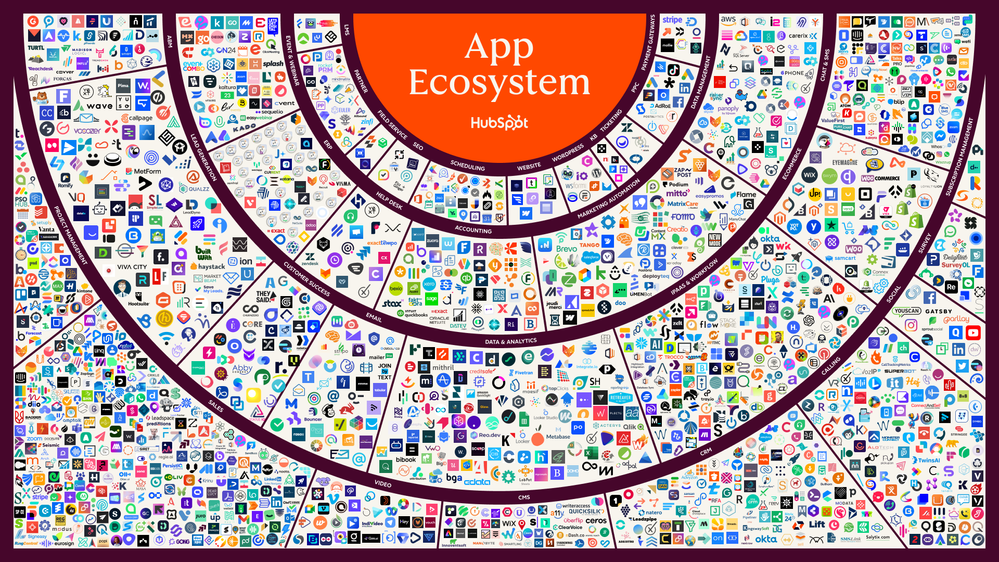
HubSpot's App Marketplace has surpassed 2,000+ integrations with 2.5 million active installs. It connects to virtually every business tool, from Salesforce and Shopify to Slack and Zoom.
Source: HubSpot
The REST API covers the full CRM data model, and programmable automation supports custom JavaScript and Python code inside workflows.
For teams running complex multi-tool stacks, HubSpot's integration breadth is a real advantage.
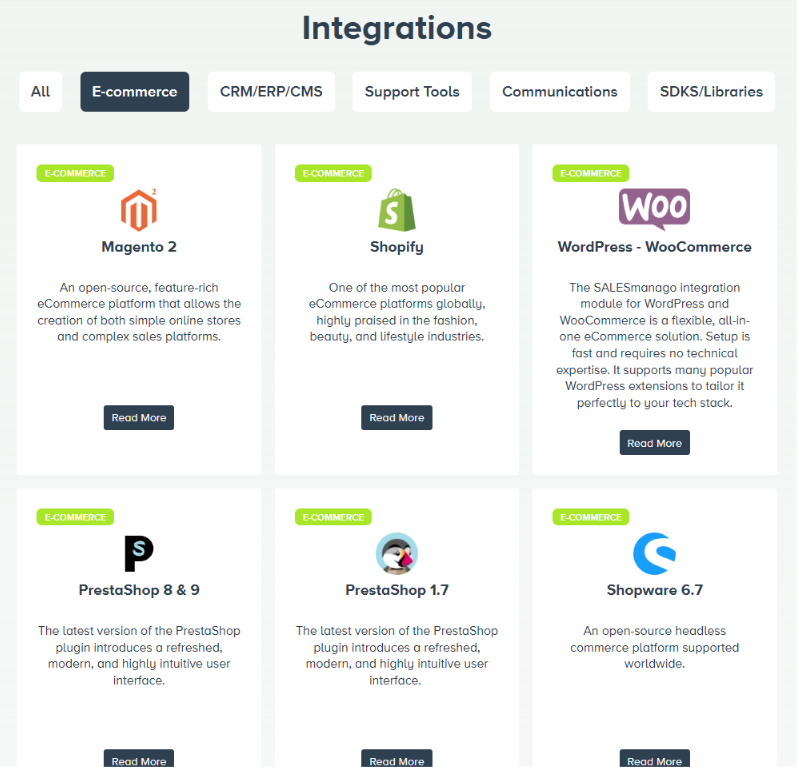
SALESmanago focuses on eCommerce platform integrations: Shopify, Magento, PrestaShop, and WooCommerce with product, order, and customer data synchronization.
Source: SALESmanago
It also connects to 70+ SMS gateways and advertising platforms (Facebook Custom Audiences, Google Analytics).
The API is available in v2 and v3, covering email, push notifications, product catalogues, and customer preferences. The integration ecosystem is narrower than HubSpot's but built for retail workflows.
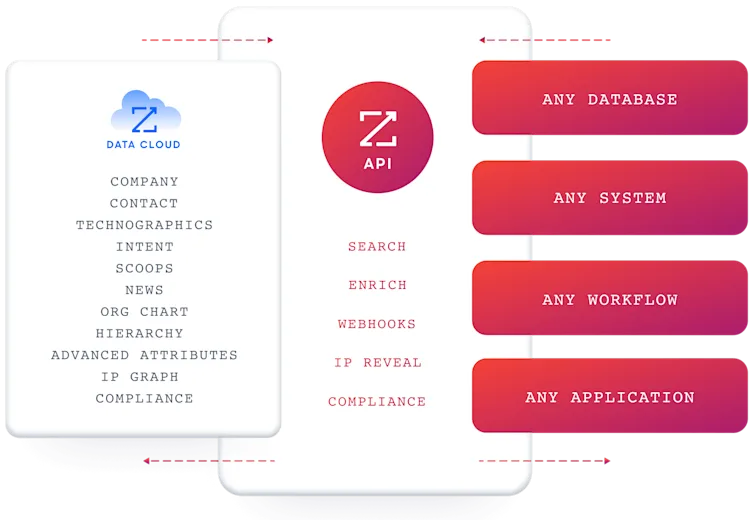
ZoomInfo takes an infrastructure approach. The Enterprise API delivers data through four areas: Search & Enrich, Copilot (AI intelligence), Marketing (audience management), and Engagements.
Source: ZoomInfo
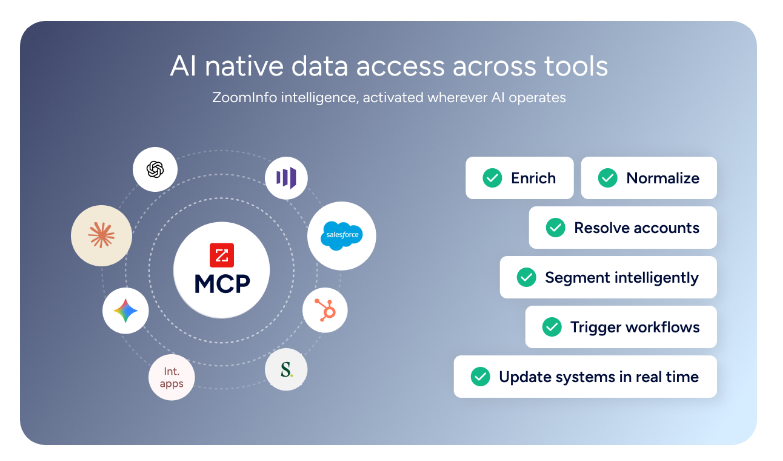
The MCP server connects AI models directly to ZoomInfo's data with no custom coding, currently supporting Claude and ChatGPT. API access is included in all relevant plans.
Source: ZoomInfo
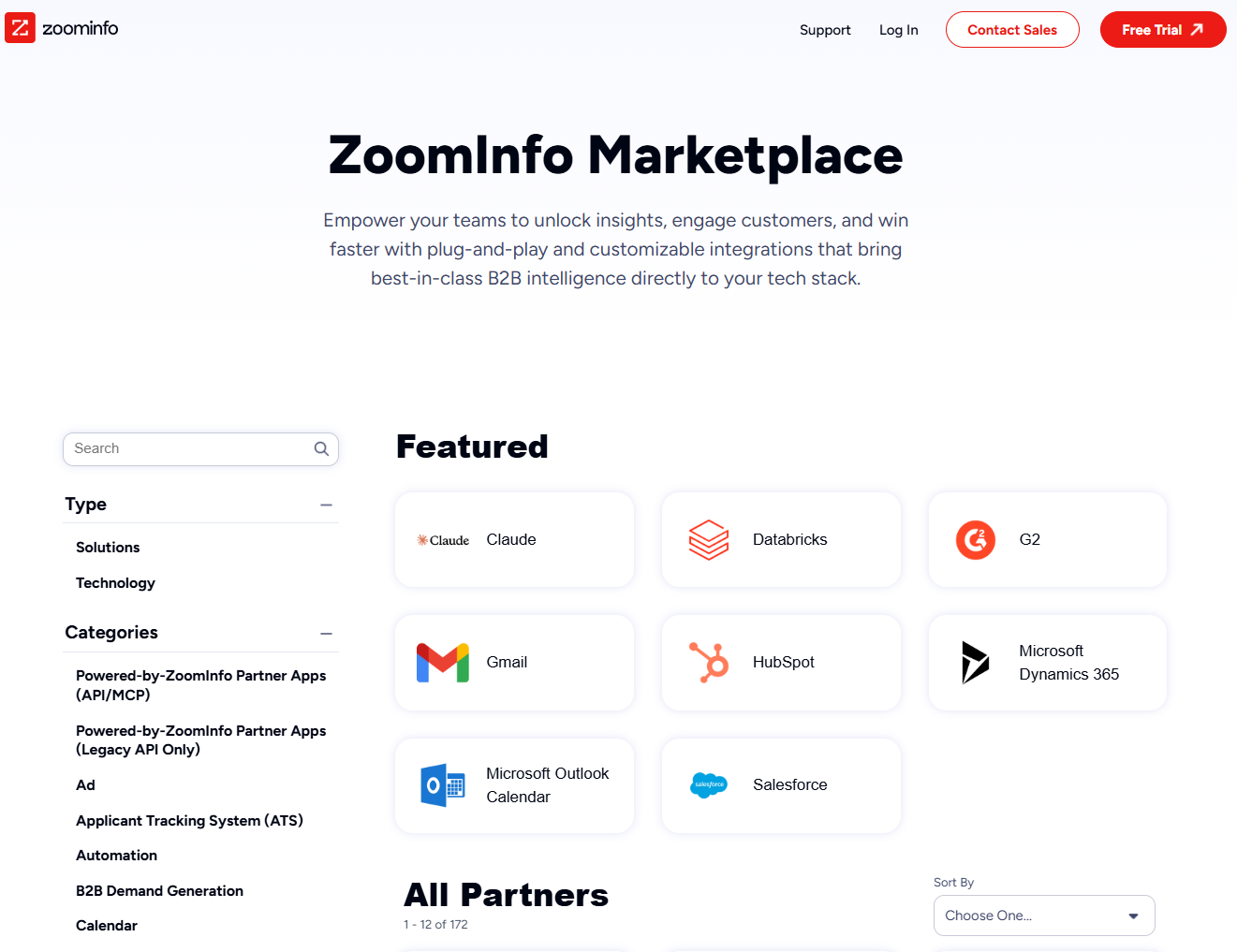
The App Marketplace lists 120+ integrations across CRM, marketing automation, sales engagement, and data warehouse categories. ZoomInfo integrates natively with HubSpot, so teams can use both platforms together.
Source: ZoomInfo
BDO Canada activated ZoomInfo data directly within their internal systems: "The plug-and-play aspect of the API means I can integrate it very easily into any process and get information at a moment's notice," achieving an 87% reduction in time spent on data dashboard updates. (BDO Canada case study)
For a closer look at how HubSpot and ZoomInfo compare as standalone platforms, see our HubSpot vs. ZoomInfo comparison.
Support and onboarding experiences
HubSpot's support model is tiered: free users get community forums only, Starter adds email and chat, and Professional and Enterprise unlock phone support.
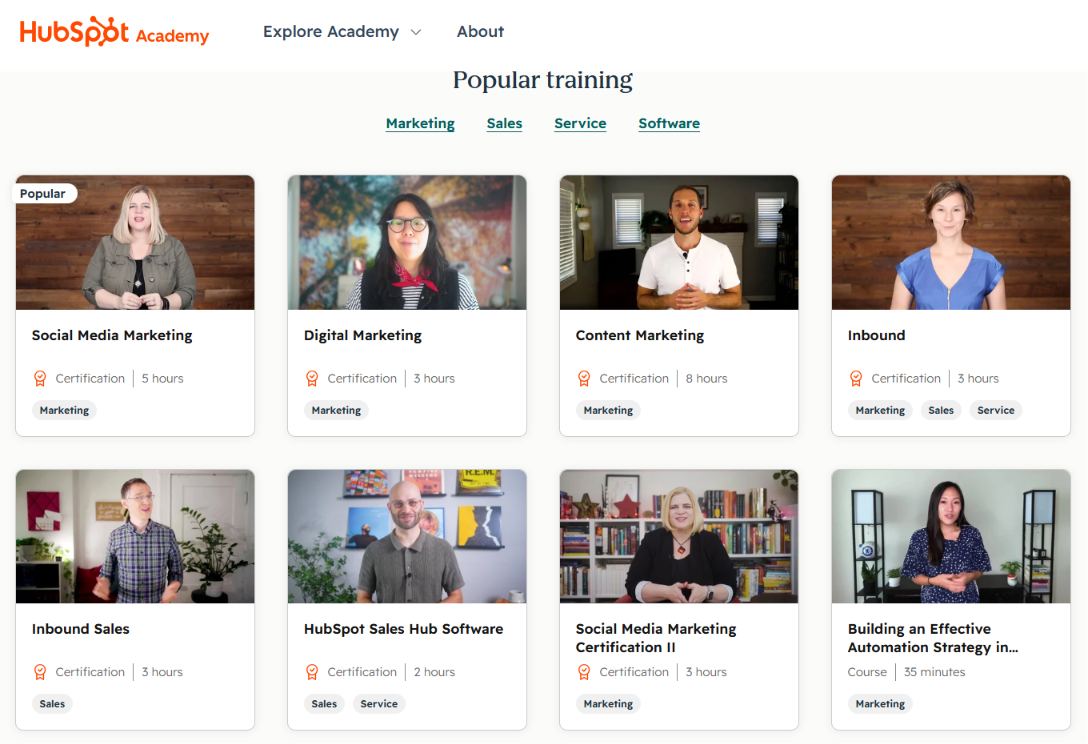
HubSpot Academy has produced 200,000+ certified professionals across free courses, and a large Solutions Partner ecosystem provides implementation support.
Source: HubSpot
SALESmanago offers 24/7 live representative access across phone, email, and chat, supported by a 100+ implementation partner network and a 92% CSAT score.
The SALESmanago Growth Framework provides a structured onboarding methodology mapping use cases to eCommerce maturity stages.
However, Capterra reviewers flag rapid account manager turnover (some report four different account managers in a single year), and the platform's feature density creates a real learning curve that the company has acknowledged as an ongoing improvement area.
ZoomInfo redesigned its onboarding from 30 to 90 days, structured across planning, implementation, education, and adoption phases.
The result: a 25% satisfaction improvement and Rocketlane's Golden Comet award for Best Customer Onboarding Team.

Source: ZoomInfo
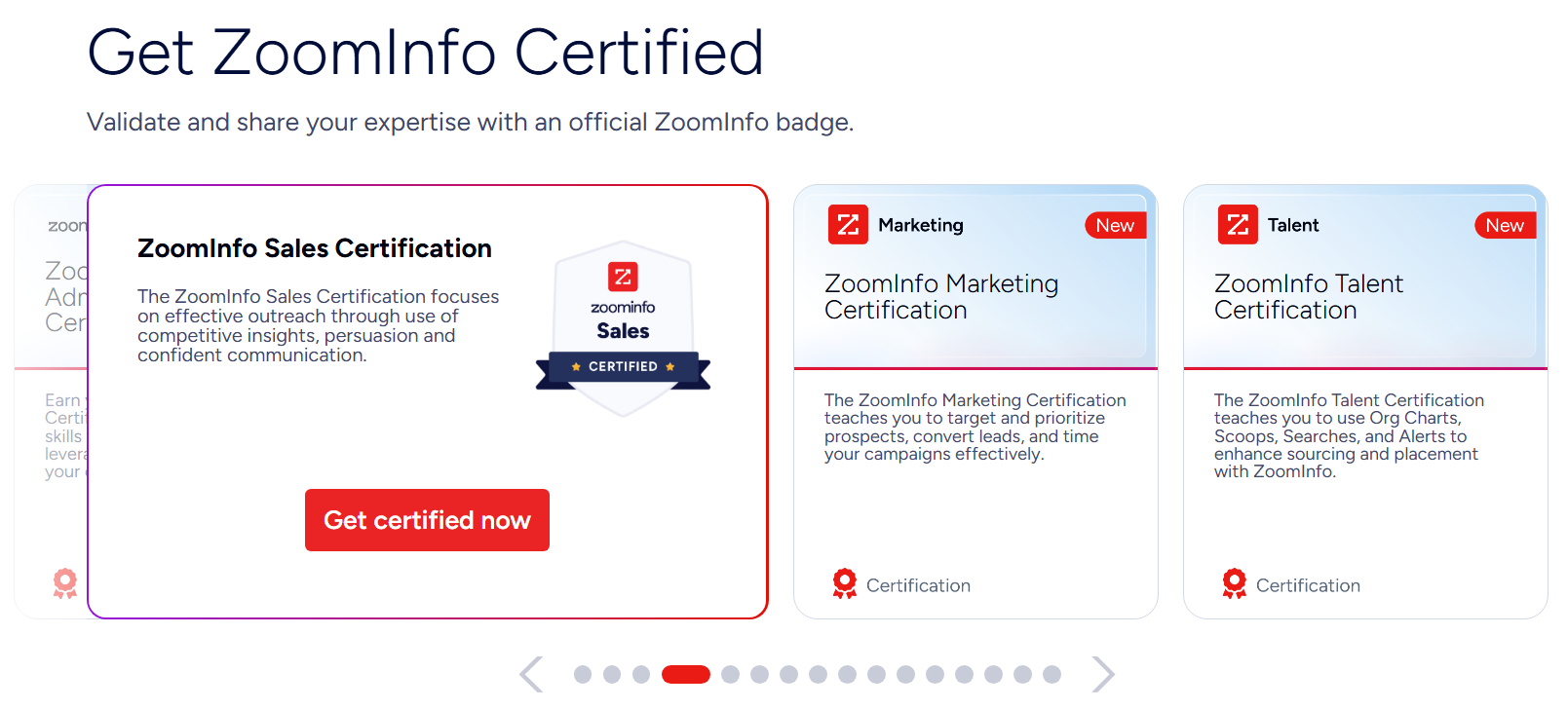
ZoomInfo University provides role-specific learning paths, and enterprise customers receive dedicated support through account management.
Source: ZoomInfo
Security and compliance
All three platforms take security seriously, but their compliance profiles reflect their geographic and market focus.
HubSpot holds SOC 2 Type II certification and an independent HIPAA attestation. It's GDPR and CCPA compliant, with EU Data Center availability for data residency requirements. Encryption uses AES-256 at rest and TLS 1.2/1.3 in transit. SSO, 2FA, and IP allowlisting are available.
SALESmanago's data centers in Poland carry ISO 27001, 27017, 27018, and 9001 certifications. As a European-headquartered company, GDPR compliance is built into the data model at the structural level, with consent management, data subject rights handling, and data localization within the EEA by default.
For European eCommerce brands with strict data residency requirements, this native compliance is a real advantage.
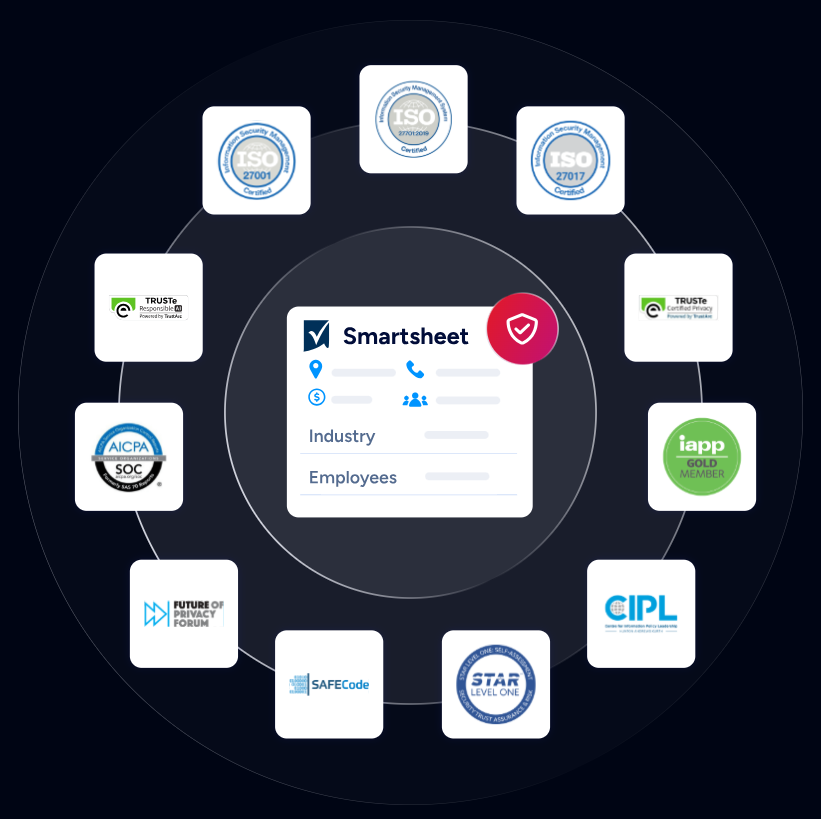
ZoomInfo maintains the broadest compliance stack: ISO 27001, 27701, SOC 2 Type II, TRUSTe GDPR, and TRUSTe CCPA certifications, all renewed annually. It is a registered data broker in California and Vermont, with a dedicated Trust Center.
Source: ZoomInfo
For B2B teams in regulated industries, ZoomInfo's compliance infrastructure addresses privacy concerns at the data collection layer itself.
HubSpot vs. SALESmanago vs. ZoomInfo: Which should you choose?
The right platform depends on your business model, your market, and where your biggest growth bottleneck sits.
Choose HubSpot if:
You run a B2B or service business that needs marketing, sales, and service in one platform
You want a free CRM to start with and room to scale across departments
Fast onboarding and an intuitive interface matter more than eCommerce specialization
You need broad integration coverage with 2,000+ apps
Your team values AI agents that handle prospecting, content creation, and customer support natively
Choose SALESmanago if:
You operate a mid-market eCommerce brand, especially in Europe
You need behavioral segmentation, RFM analysis, and AI product recommendations
Omnichannel automation across email, SMS, web push, WhatsApp, and Viber is essential
European data residency and native GDPR compliance are requirements
You're willing to invest in a learning curve to access real eCommerce marketing depth
Choose ZoomInfo if:
Your growth depends on finding and reaching the right B2B buyers with verified contact data
You need intent signals and buying committee intelligence to prioritize accounts
You want an intelligence layer that makes your existing CRM and marketing tools more effective
Your team builds AI agents or custom workflows that need programmatic access to B2B data
Data accuracy and coverage are the upstream bottleneck in your go-to-market execution
Start with ZoomInfo Lite for free or request a demo of the full platform.
The most effective teams often don't choose just one. HubSpot handles the CRM and campaign execution. SALESmanago handles the eCommerce personalization. ZoomInfo provides the data foundation that makes everything else work better. The question isn't which platform is "best" in the abstract. It's which one solves the problem that's actually slowing you down.
HubSpot vs. SALESmanago vs. ZoomInfo FAQ
What is the fundamental difference between HubSpot, SALESmanago, and ZoomInfo?
HubSpot is a CRM platform connecting marketing, sales, and service for B2B and service businesses.
SALESmanago is a CDP-driven customer engagement platform built for eCommerce, with behavioral segmentation and product recommendation capabilities.
ZoomInfo is a B2B data intelligence platform providing verified contact data, buyer intent signals, and AI-powered go-to-market execution across 500M contacts and 100M companies.
Which platform is best for eCommerce businesses?
SALESmanago is built for eCommerce, with AI product recommendations, abandoned cart recovery, RFM segmentation, and on-site personalization for both anonymous and identified visitors.
HubSpot has a Commerce Hub for CPQ and payments, but its eCommerce depth is limited compared to SALESmanago.
ZoomInfo focuses on B2B sales intelligence rather than consumer eCommerce.
Which platform has the best AI capabilities?
Each platform's AI serves a different purpose. HubSpot's Breeze agents handle marketing content, sales prospecting, and customer support across all its hubs.
SALESmanago's AI Sidekick excels at natural-language segmentation, product recommendations with per-client private models, and purchase probability scoring.
ZoomInfo's GTM Context Graph connects patterns across CRM records, conversation intelligence, and buying signals to identify why deals move or stall, powering AI agents that tell sellers who to contact, when, and what to say.
Can HubSpot and ZoomInfo be used together?
Yes. ZoomInfo integrates natively with HubSpot, enriching CRM records with verified contact data, company intelligence, and buyer intent signals.
Many B2B teams use HubSpot as their CRM and marketing platform while relying on ZoomInfo for data accuracy, prospecting intelligence, and account prioritization. ZoomInfo Lite is even available with HubSpot integration on the free tier.
How does pricing compare across the three platforms?
HubSpot offers a free CRM with paid plans starting at $15/seat/month for the Starter bundle, scaling to $3,600/month for Marketing Hub Enterprise (plus a $7,000 mandatory onboarding fee).
SALESmanago starts at $290/month with custom pricing and a built-in annual escalator of at least 5%.
ZoomInfo offers a permanent free tier (ZoomInfo Lite) and custom-quoted paid plans based on consumption. None of the three publish complete pricing publicly.
Which platform is best for European businesses with GDPR requirements?
SALESmanago has the strongest native GDPR position, with data centers in Poland (within the EEA), consent management built into the data model, and GDPR tooling at the structural level.
HubSpot is GDPR compliant with an EU Data Center option.
ZoomInfo holds TRUSTe GDPR and ISO 27701 certifications.
All three support GDPR compliance, but SALESmanago's European-first architecture makes it the most natural fit for companies prioritizing EU data residency.
Which platform has the most accurate data?
ZoomInfo's B2B data platform is independently validated as the largest in the industry, with up to 95% accuracy on first-party data, 500M contacts, and 135M+ verified phone numbers.
In a Fortune 500 competitive evaluation of 25 million contacts, an independent consultant concluded that no other competitor came close.
HubSpot and SALESmanago depend on data you collect through your own interactions rather than providing third-party data at this scale.
Do any of these platforms offer a free plan?
HubSpot offers a permanent free CRM with tools across all hubs, capped at two user seats.
ZoomInfo Lite provides permanent free access to the B2B database with 10 monthly export credits.
SALESmanago offers a 30-day trial of the Professional package and a permanent free email marketing account limited to 200 contacts with restricted functionality.
See how HubSpot compares against other CRMs and platforms:
