
If you're comparing HubSpot and LocaliQ (formerly ThriveHive), you're probably trying to answer a simple question: should you build your own marketing engine, or pay someone to run it for you?
These two platforms take different approaches to the same goal. HubSpot gives you the tools to do it yourself. LocaliQ does it for you. That distinction shapes everything: pricing, control, scalability, and what happens when your needs change.
But before you choose, consider these questions:
Do you want hands-on control over your marketing, or would you rather delegate it?
Are you selling to other businesses (B2B) or to local consumers?
Do you need a CRM and marketing automation platform, or managed advertising and lead generation?
How important is it that your sales, marketing, and service teams share one database?
Is finding and reaching the right decision-makers at target companies central to your growth?
Here's what we recommend:
HubSpot is the customer platform for businesses that want to own their marketing, sales, and service operations. Its CRM connects six core Hubs (Marketing, Sales, Service, Content, Data, and Commerce) under a single database, so every team works from the same customer record. With 288,706 customers across 135+ countries, HubSpot scales from startup to enterprise. Its Breeze AI layer automates content creation, prospecting, and customer service across the platform. The tradeoff: HubSpot requires your team to learn and operate the platform, pricing grows complex as you add hubs and seats, and mandatory onboarding fees at Professional and Enterprise tiers add upfront cost.
LocaliQ (formerly ThriveHive, rebranded in 2018) is a managed digital marketing platform for local and service-area businesses that want results without becoming marketing experts. Backed by the USA TODAY Network, LocaliQ runs your search ads, display campaigns, social advertising, SEO, and listings management while its Dash AI platform handles lead qualification and follow-up with Voice, SMS, and Chat AI agents. LocaliQ has served 509K+ businesses and draws on data from 5.8 million campaigns across 1,100+ verticals. The tradeoff: you give up direct control over your campaigns, pricing for advertising services isn't published, and contract cancellation can trigger fees equal to the remaining balance.
Both platforms help businesses generate and convert leads. But neither solves a problem that B2B companies face: knowing who to target, when they're ready to buy, and how to reach them with verified contact data. That's where ZoomInfo comes in.
ZoomInfo is a B2B go-to-market platform built on a large B2B dataset: 500M contacts, 100M companies, 135M+ verified phone numbers, and 200M+ verified business email addresses. ZoomInfo's GTM Context Graph combines this data with your CRM records, conversation transcripts, and behavioral signals to reveal not just what's happening in your accounts, but why. For B2B teams, ZoomInfo fills the intelligence gap that neither HubSpot nor LocaliQ addresses: it tells your sellers who to contact, when to engage, and what to say. And because ZoomInfo integrates directly with HubSpot (among other CRMs), it doesn't replace your existing platform. It makes it smarter.
If knowing who's in-market for your product sounds like the missing piece of your go-to-market strategy, see how ZoomInfo works.
HubSpot vs. LocaliQ vs. ZoomInfo at a glance
HubSpot | LocaliQ | ZoomInfo | |
|---|---|---|---|
Core approach | Self-serve CRM + marketing automation platform | Managed digital marketing services + AI lead management | B2B data intelligence + AI-powered GTM execution |
Target market | SMB through enterprise, any industry | Local and service-area SMBs, multi-location franchises | Enterprise and upper mid-market B2B |
CRM included | Yes, unified Smart CRM across all hubs | No (limited CRM integrations via Dash Custom tier) | Integrates with existing CRMs; includes GTM Workspace for sellers |
AI capabilities | Breeze AI across marketing, sales, and service | Dash AI Voice, SMS, and Chat agents for lead follow-up | GTM Context Graph powering AI-driven prospecting, outreach, and deal intelligence |
Pricing transparency | Published tiers with per-seat and per-hub pricing | Dash published ($119–$199/mo); advertising services require sales call | Custom-quoted; ZoomInfo Lite available free |
Free option | Permanent free CRM tier | No free plan; free diagnostic tools only | ZoomInfo Lite (permanent free tier) + 7-day trial |
Key differentiator | Single platform connecting marketing, sales, and service on one database | USA TODAY Network media reach + managed service expertise | 500M contacts, intent signals, and the GTM Context Graph |
Best for | B2B and B2C companies wanting to own their marketing engine | Local/service businesses wanting a done-for-you marketing partner | B2B teams needing verified buyer data, intent signals, and outbound execution |
Self-serve platform vs. managed service vs. intelligence layer
The core architectural difference between these three platforms defines who they serve and how.
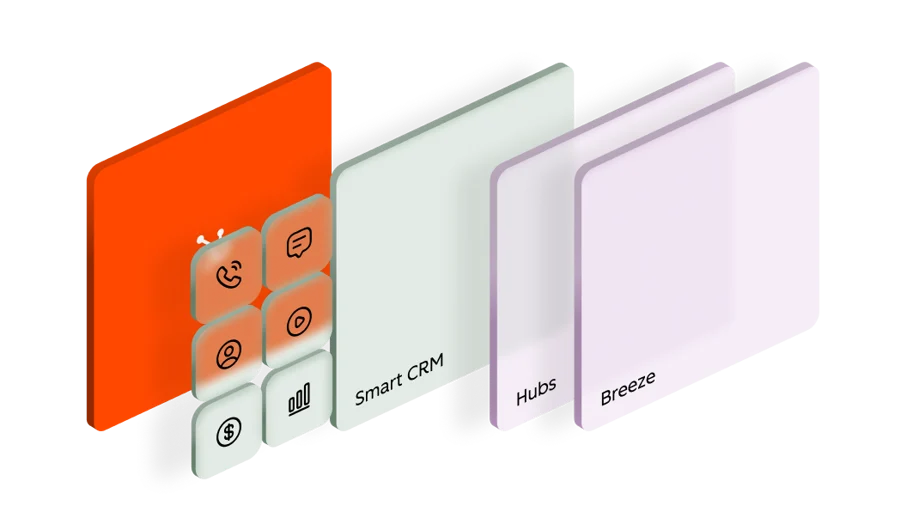
HubSpot is a platform you operate. Your team builds the email workflows, writes the blog posts, configures the deal pipeline, and analyzes the dashboards.
HubSpot provides the tools (drag-and-drop email editors, visual workflow builders, reporting dashboards, AI content assistants) but execution stays with you. You keep control over every campaign, every sequence, and every customer interaction. You also need people who know how to use the platform, or the time to learn.
Source: HubSpot
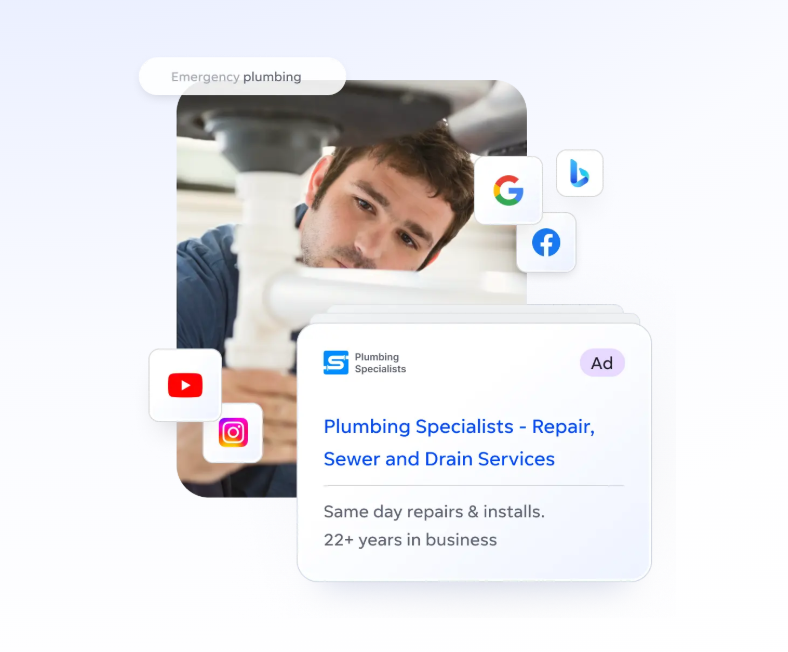
LocaliQ is a service you hire. When you sign up, a LocaliQ consultant audits your current marketing, builds a strategy, selects keywords, writes ad copy, and manages your campaigns. Your involvement is approving content and reviewing reports.
Source: LocaliQ
The managed service model includes certified experts in Google Ads, Microsoft Ads, and Yelp who optimize campaigns on your behalf. This works well for business owners who lack marketing staff. It works less well for businesses that want to experiment, iterate, or keep direct access to their ad accounts.
ZoomInfo is neither a marketing execution platform nor a managed service.
It's an intelligence layer. ZoomInfo tells you which companies match your ideal customer profile, which ones are researching solutions like yours, who the decision-makers are, and how to reach them with verified direct-dial phone numbers and business emails.
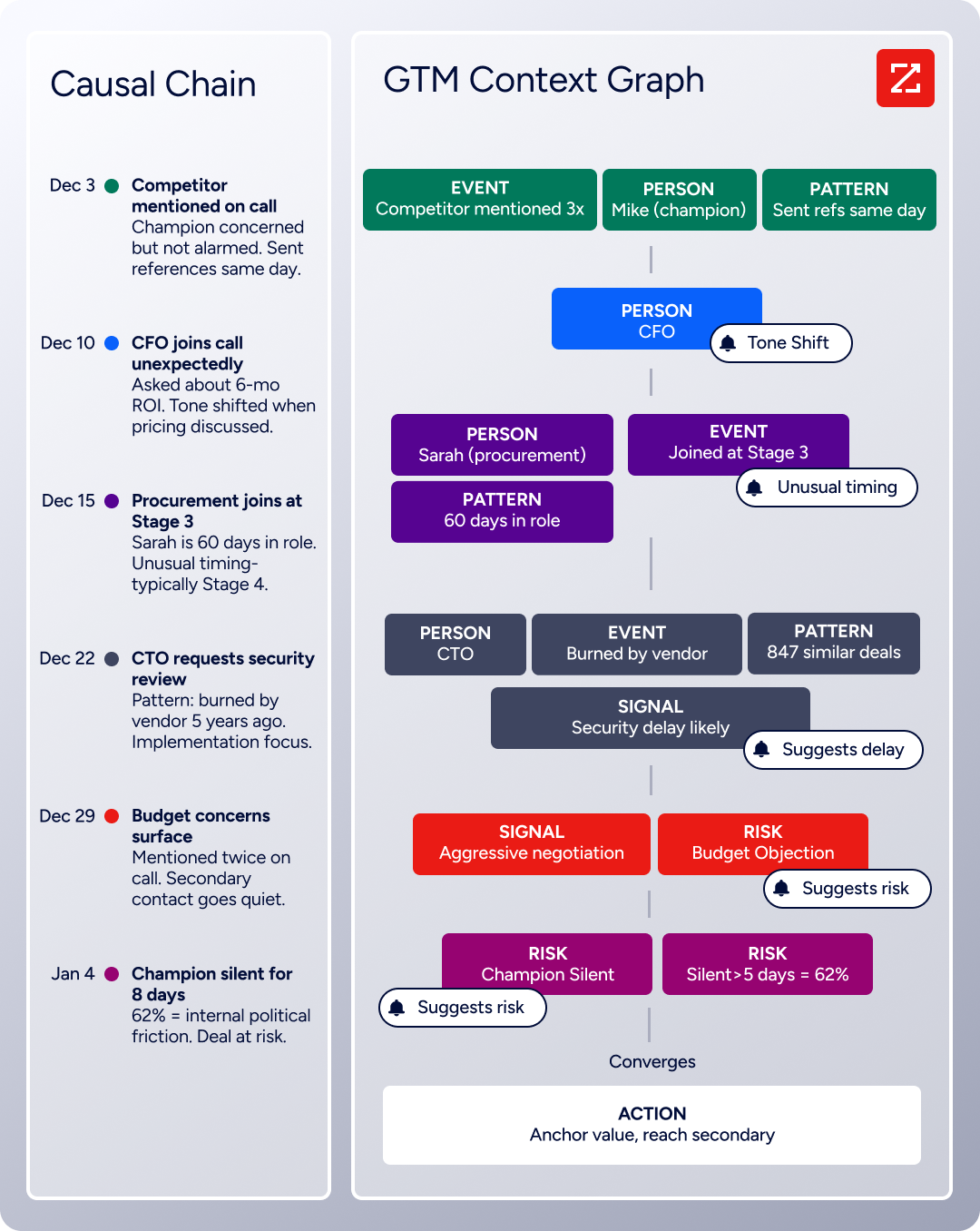
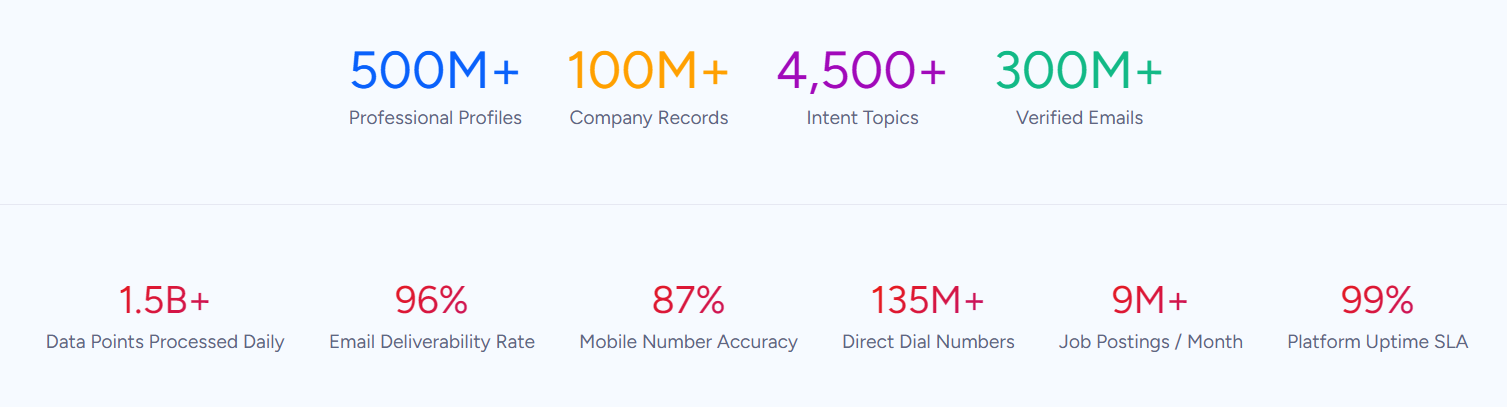
The GTM Context Graph processes 1.5B+ data points daily to surface the context behind buyer behavior, not just that a deal moved stages, but why. That intelligence flows into your existing CRM, your sales engagement tools, or ZoomInfo's own GTM Workspace for sellers.
For a B2B company, these tools aren't competing. They serve different layers of the stack.
HubSpot gives you the controls, LocaliQ takes the wheel
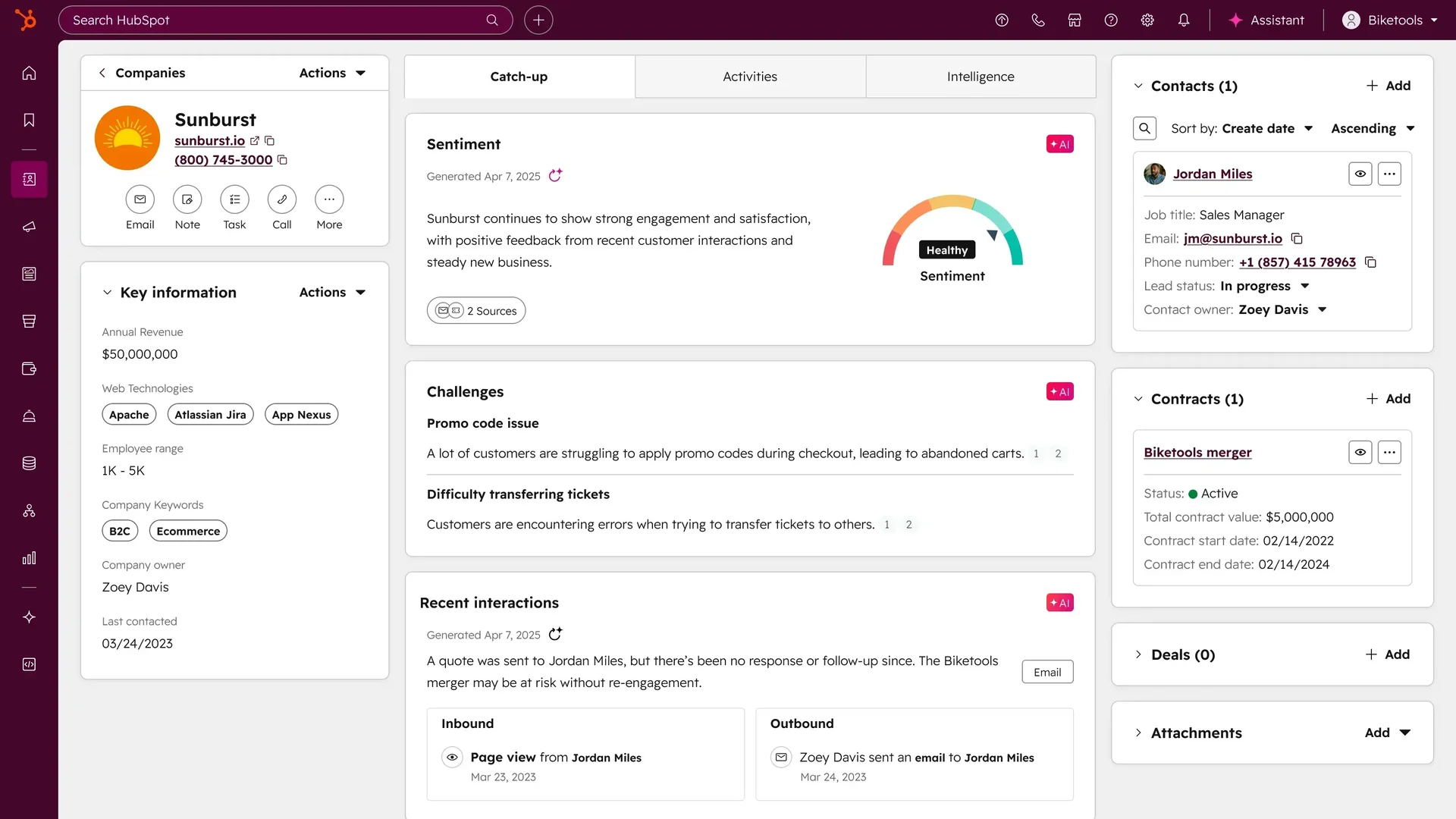
HubSpot's strength is putting marketing, sales, and service teams on a shared operating system. When a lead fills out a form on your website, sales sees that contact record immediately. When a deal closes, service can see the full history. When a customer submits a support ticket, marketing knows not to send a promotional email that week. This shared data layer is what HubSpot calls its Smart CRM.
Source: HubSpot
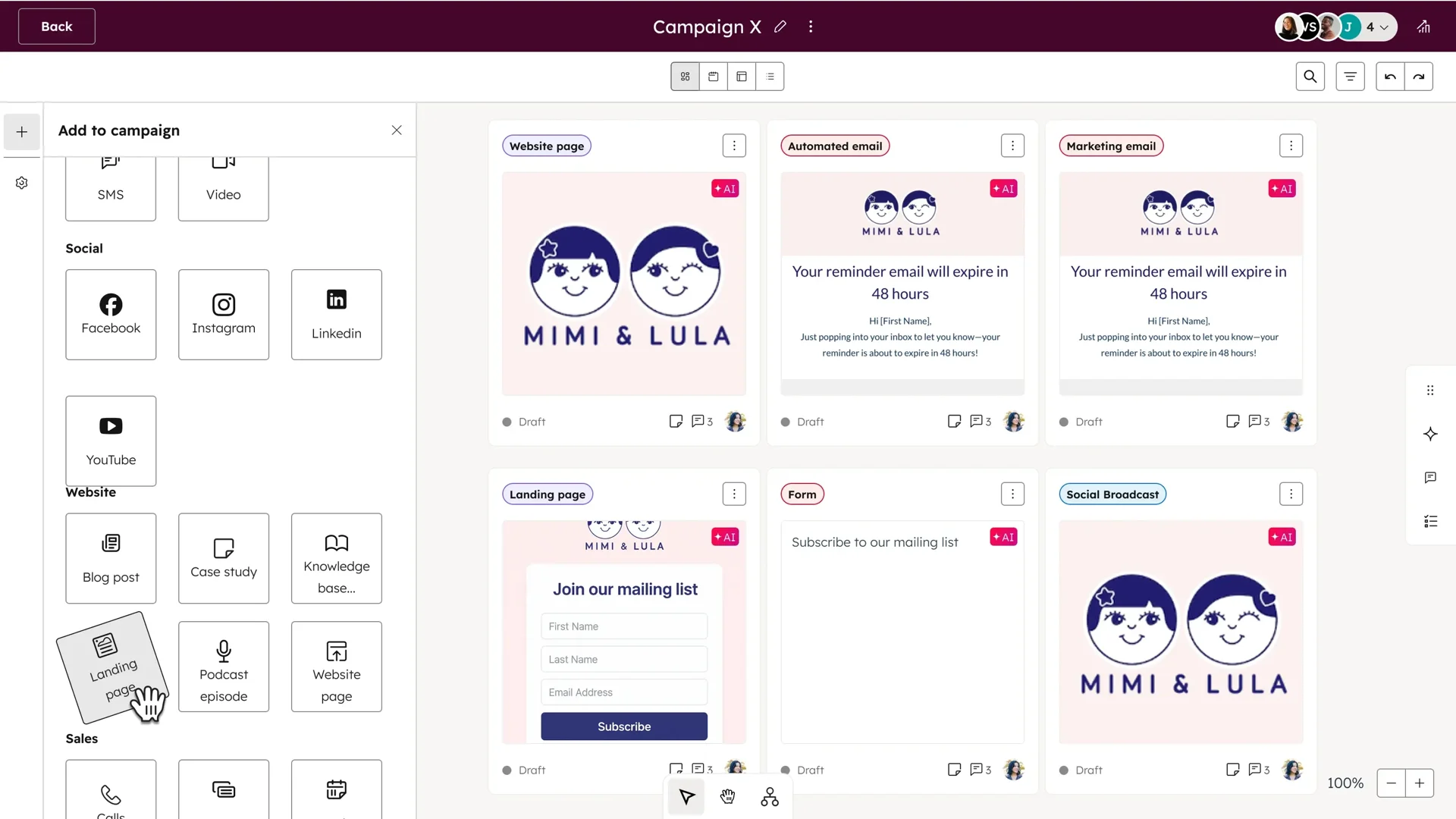
The breadth is real. Marketing Hub handles email marketing, social media, landing pages, and marketing automation.
Source: HubSpot
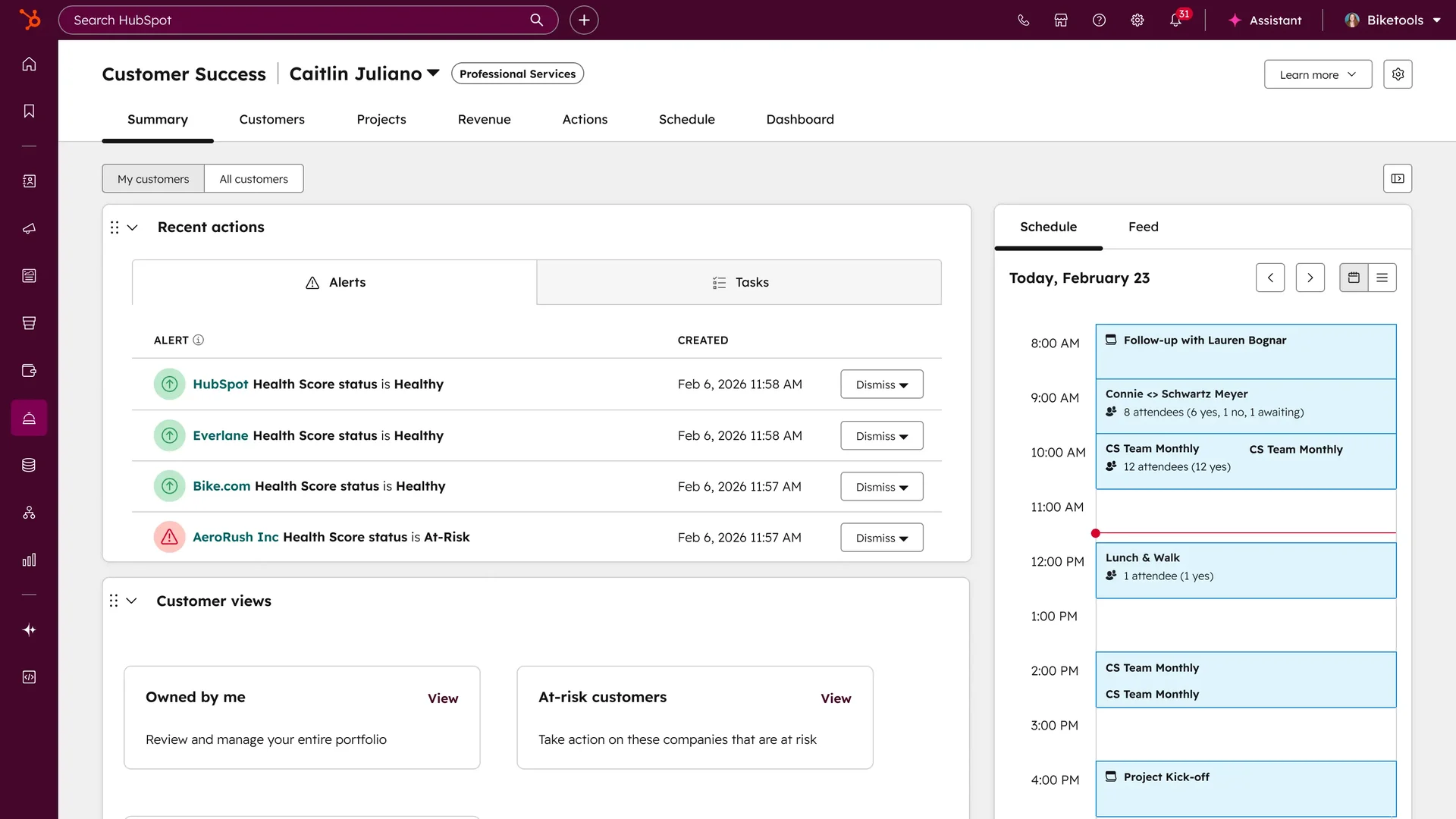
Sales Hub manages pipelines, sequences, call tracking, and AI-powered prospecting. Service Hub runs help desk ticketing, knowledge bases, and customer health scores.
Source: HubSpot
Content Hub, Data Hub, and Commerce Hub extend the platform into content management, data operations, and quote-to-revenue workflows. All of it connects through one database.
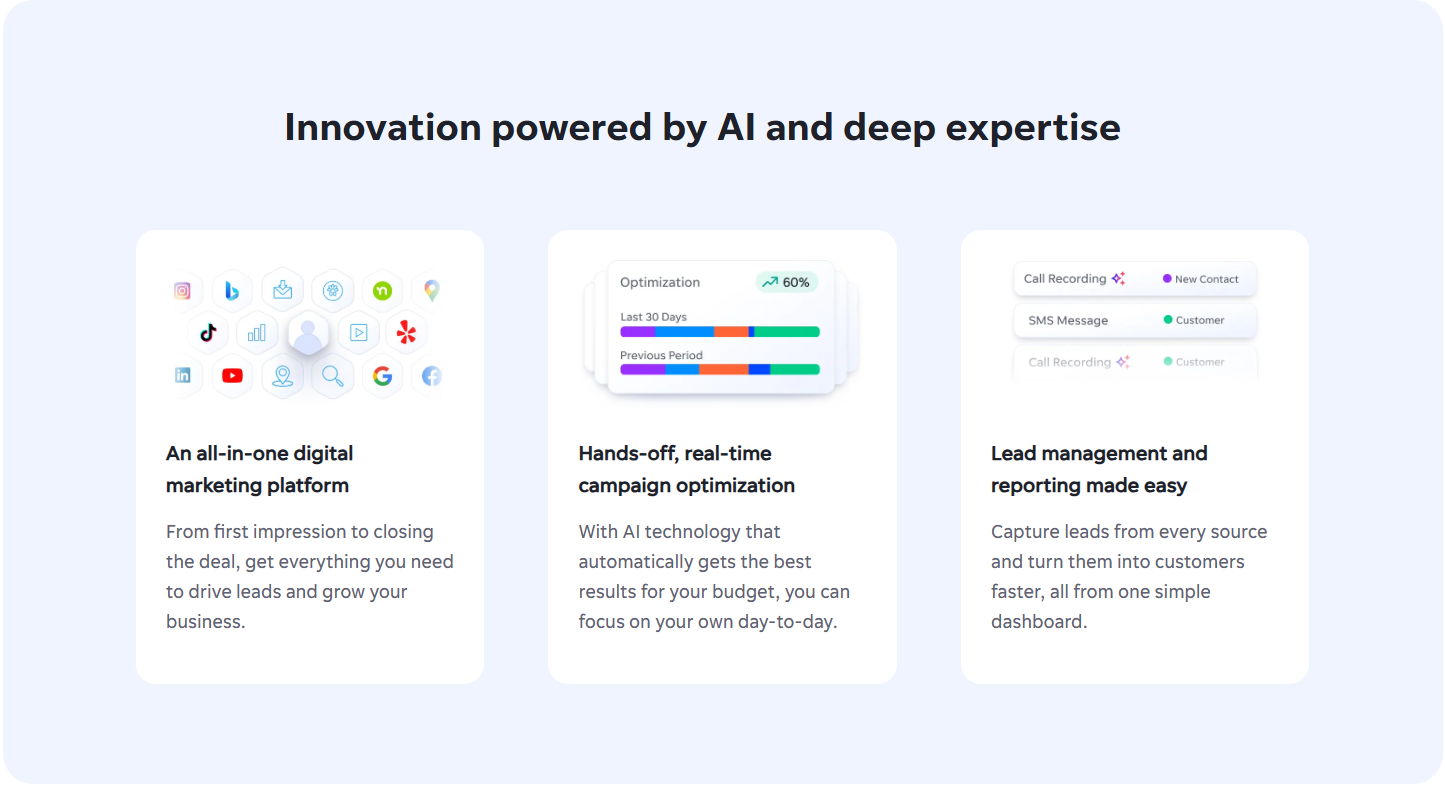
LocaliQ doesn't try to be this. Instead of giving you a platform to operate, LocaliQ gives you a team to hire. Your dedicated campaign manager handles the strategy. LocaliQ's AI handles the optimization, drawing from 5.8 million campaigns across 1,100+ verticals to inform bidding, targeting, and budget allocation through its XMO (cross-media optimization) technology.
Source: LocaliQ
For a plumbing company owner who needs phone calls from local homeowners, LocaliQ removes the learning curve. For a SaaS company scaling demand generation across multiple channels, HubSpot provides the infrastructure to build something custom.
AI capabilities serve different purposes
All three platforms have invested in AI, but their AI does different things for different users.
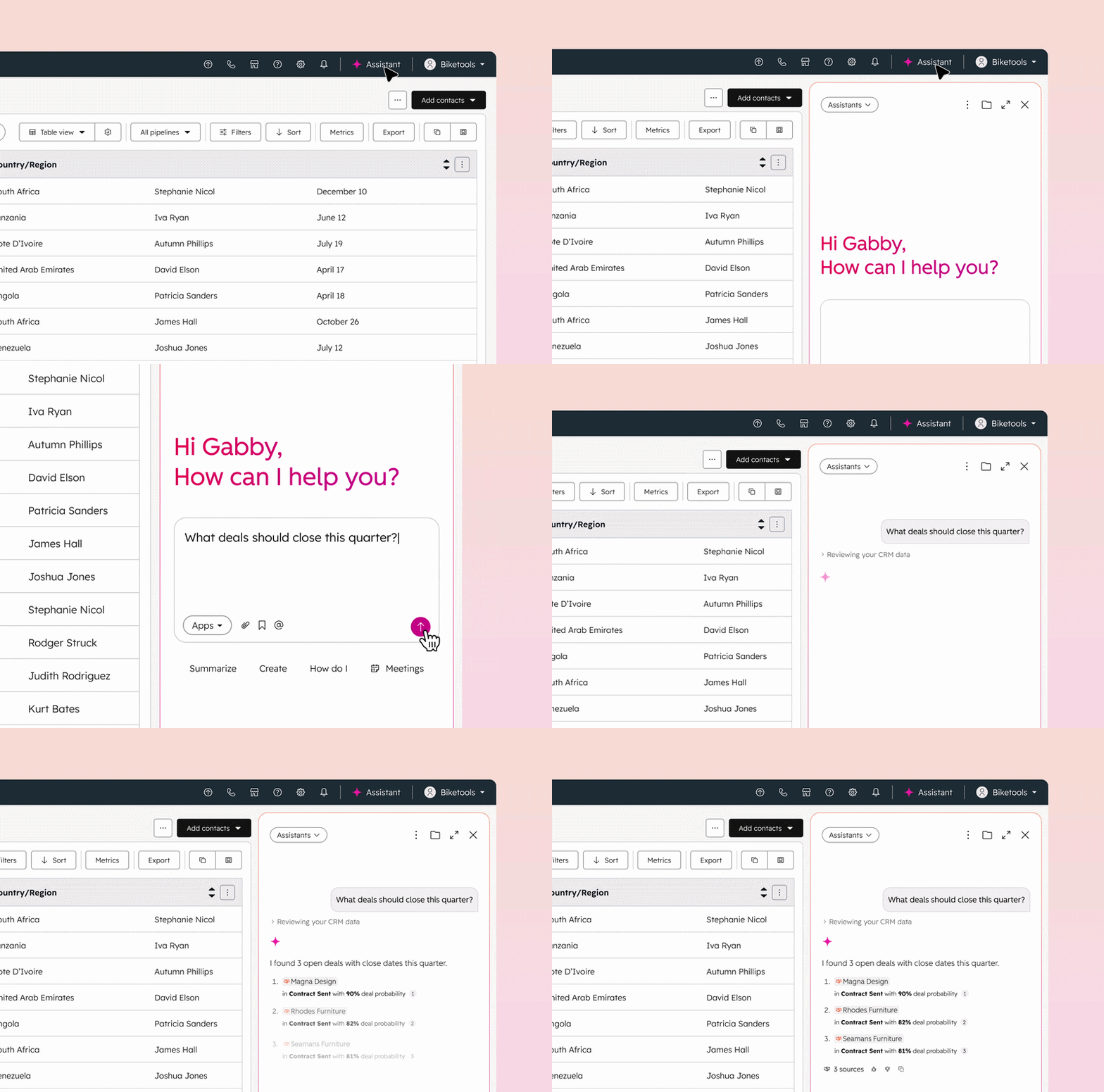
HubSpot's Breeze AI runs across the entire platform. The Customer Agent resolves customer inquiries across chat, email, WhatsApp, and voice.
Source: HubSpot
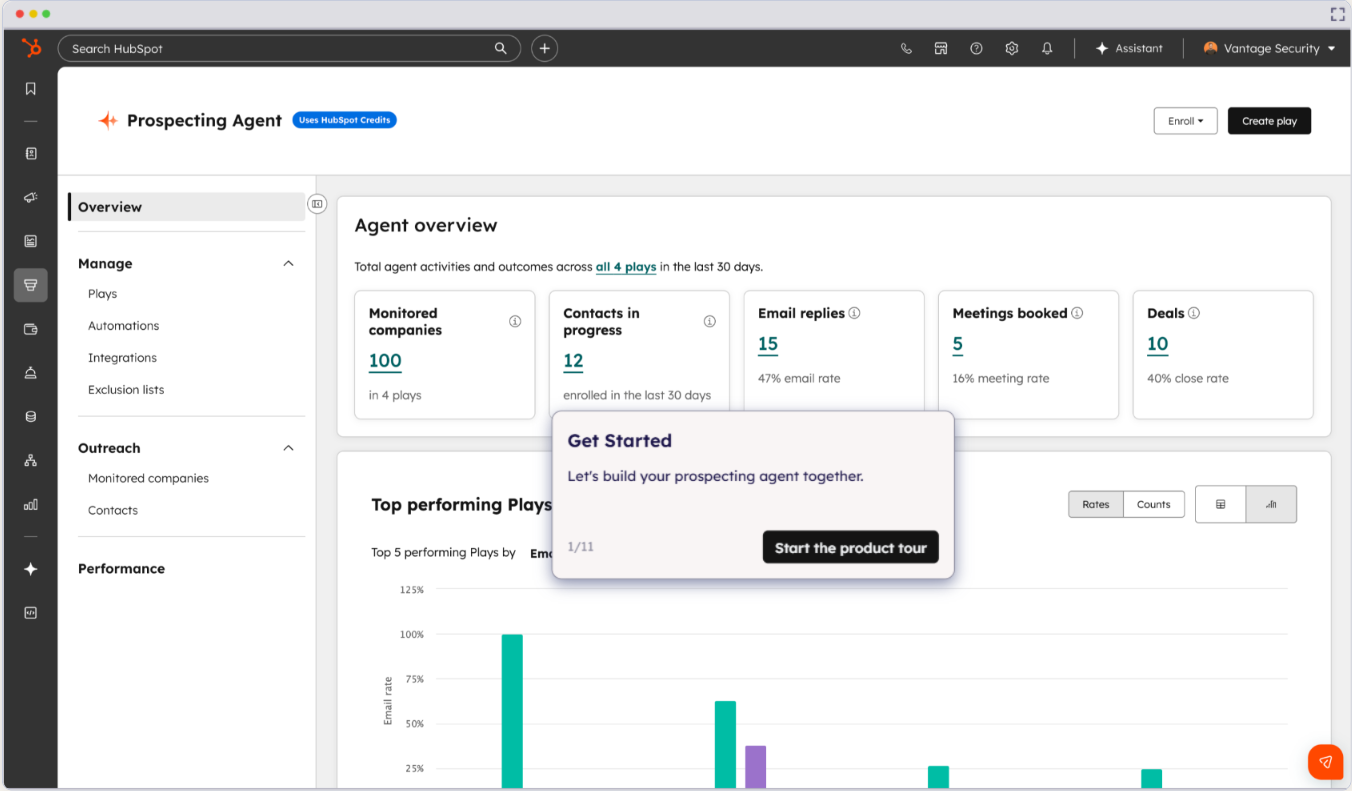
The Prospecting Agent monitors buying signals and drafts personalized outreach using full CRM history.
Source: HubSpot
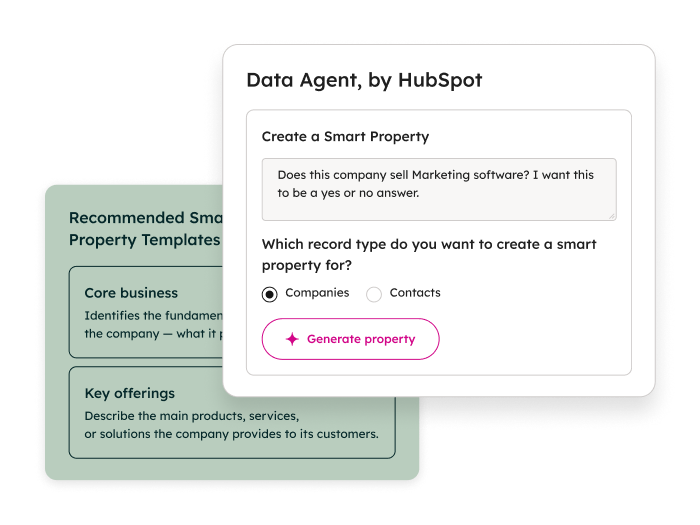
The Data Agent answers natural-language questions about your customer data. Because Breeze operates on HubSpot's CRM, it has context about the full customer relationship (marketing engagement, deal history, support tickets), which makes its outputs more relevant than generic AI tools.
Source: HubSpot
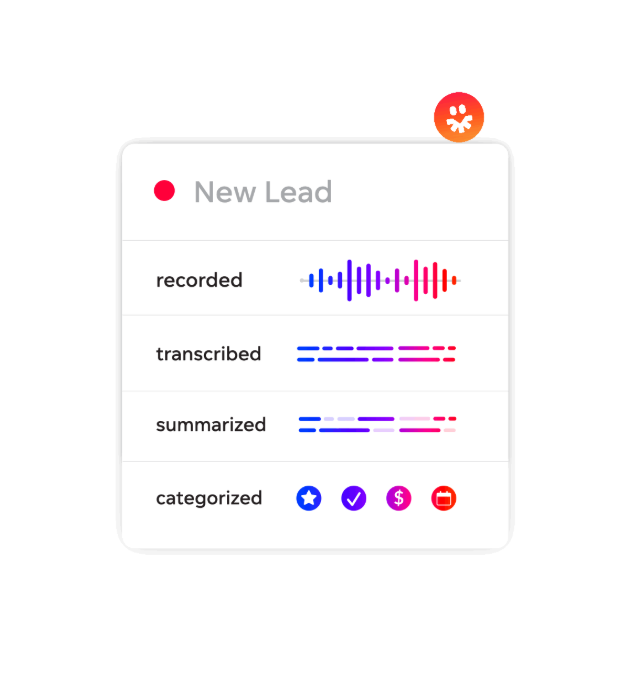
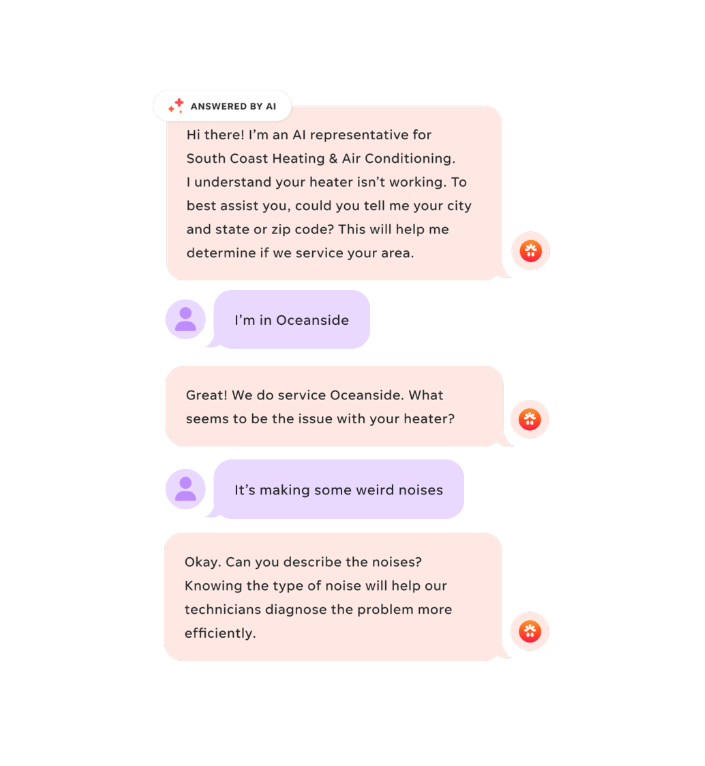
LocaliQ's Dash AI focuses on one thing: converting inbound leads into customers. The Voice Agent answers missed calls, qualifies prospects through natural conversation, and books appointments. The SMS Agent responds to text inquiries instantly.
Source: LocaliQ
The Chat Agent engages website visitors in real time. For local businesses where every missed call is a missed customer, this focus on lead response speed is the right priority.
Source: LocaliQ
ZoomInfo's AI operates at the intelligence layer. The GTM Context Graph doesn't just surface data; it reveals the context behind it. It connects a CFO joining a call with ROI-focused questions to a pattern that historically predicts closed-won deals in your segment, then links that to third-party signals showing the company is hiring new VPs and researching your competitor.
In GTM Workspace, sellers see AI-drafted outreach that addresses the specific concern identified as the deal-moving moment.
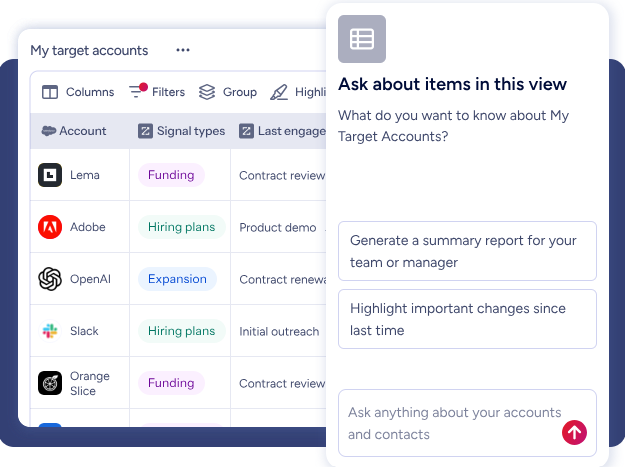
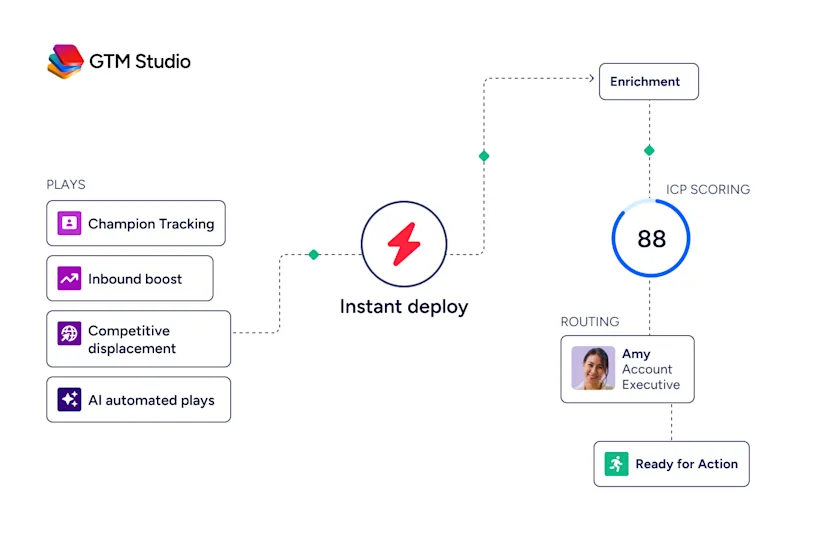
In GTM Studio, marketers describe audiences in plain language and launch plays targeting accounts that match proven win patterns. Seismic attributed 39% of active pipeline to opportunities identified or influenced by ZoomInfo signals, with sellers saving 11.5 hours per week.
"That combination of our internal CRM data, external signals, and AI that's given all that context has helped us craft very specific account- and persona-based messages. And people have responded to them right away." (Toby Carrington, CBO, Seismic)
Data tells the real story
This is where the platforms diverge most sharply.
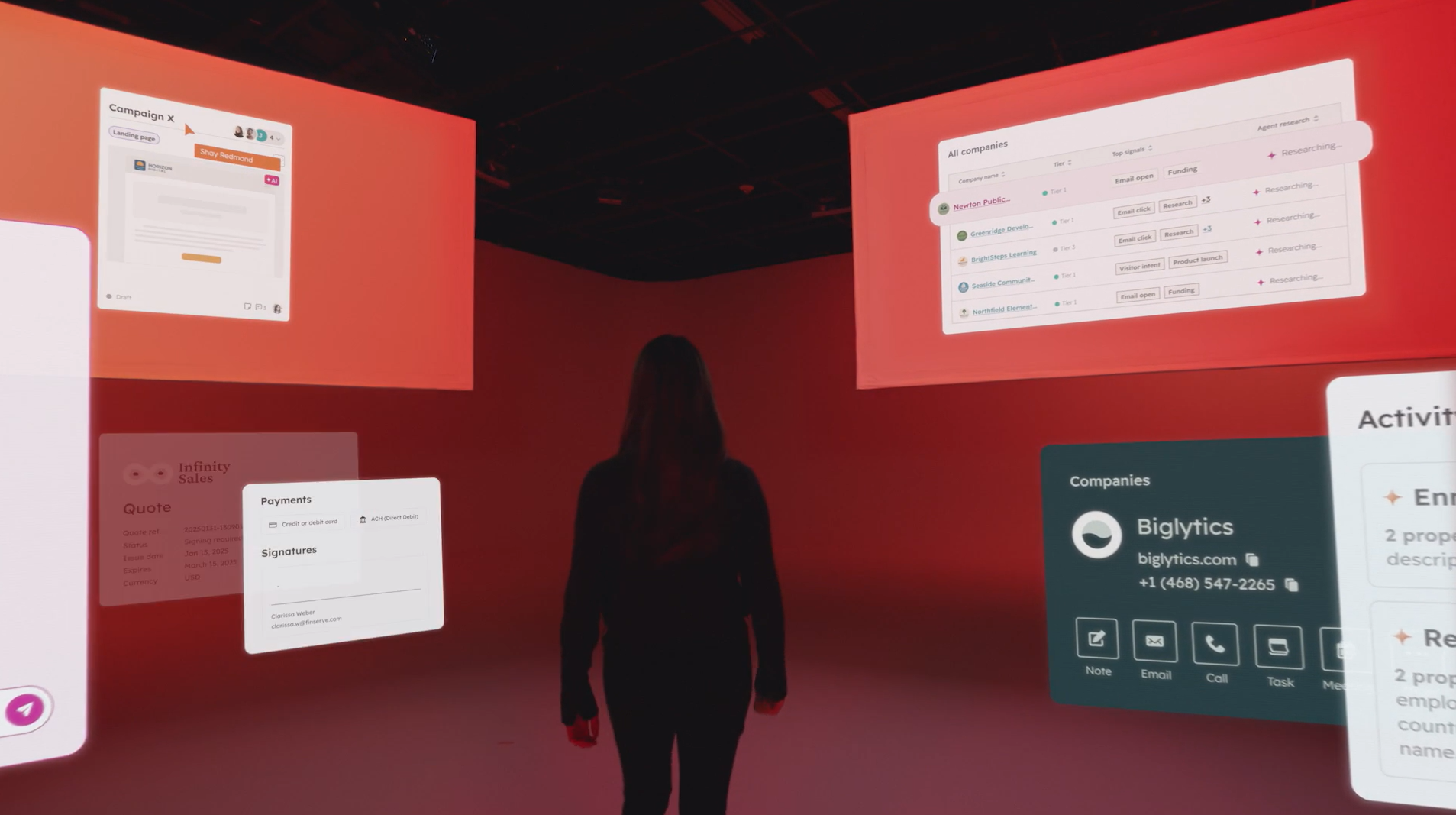
HubSpot captures first-party data: the interactions your contacts have with your company. Every form fill, email open, page visit, deal update, and support ticket lives in the Smart CRM. HubSpot captures 100% of the business’s data by recording conversational data from calls, emails, and meetings alongside structured CRM fields. This first-party data fuels Breeze AI and gives your team a complete view of each customer relationship.
Source: HubSpot
What HubSpot lacks is third-party intelligence. It can't tell you which companies outside your database are researching solutions like yours right now. It can't verify whether a prospect's phone number or email still works before your rep picks up the phone. It can't map the buying committee at a target account you've never spoken to.
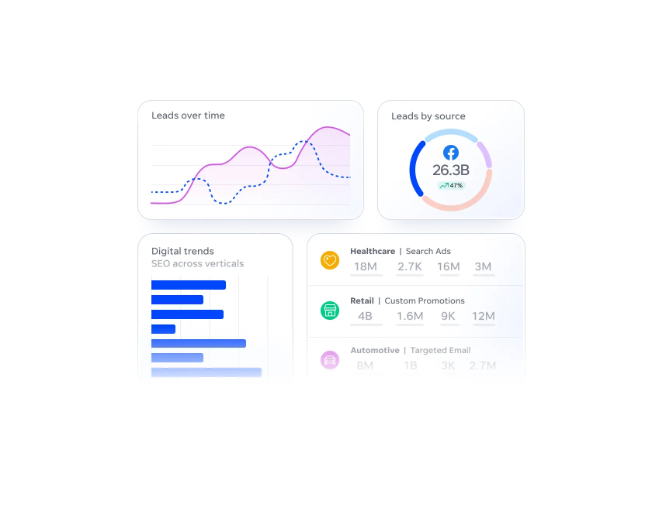
LocaliQ operates on a different data axis. Its strength is advertising performance data: learnings from 5.8 million campaigns across 1,100+ verticals that inform keyword strategy, bidding, and audience targeting. For local businesses, this campaign intelligence is valuable. LocaliQ's AI smart bidding, adopted by nearly half of U.S. customer budgets, uses this historical data to optimize ad spend across publishers in real time.
Source: LocaliQ
But LocaliQ doesn't maintain a contact database. It doesn't track buyer intent signals across the web. And its native CRM integrations are limited to HubSpot, ServiceTitan, and Yardi, with broader connectivity through Zapier.
ZoomInfo was built to solve the data problem directly. Its 500M contacts, 100M companies, 135M+ verified phone numbers, and 200M+ verified business email addresses are maintained through a multi-source verification pipeline backed by 300+ human researchers, reaching up to 95% accuracy on first-party data.
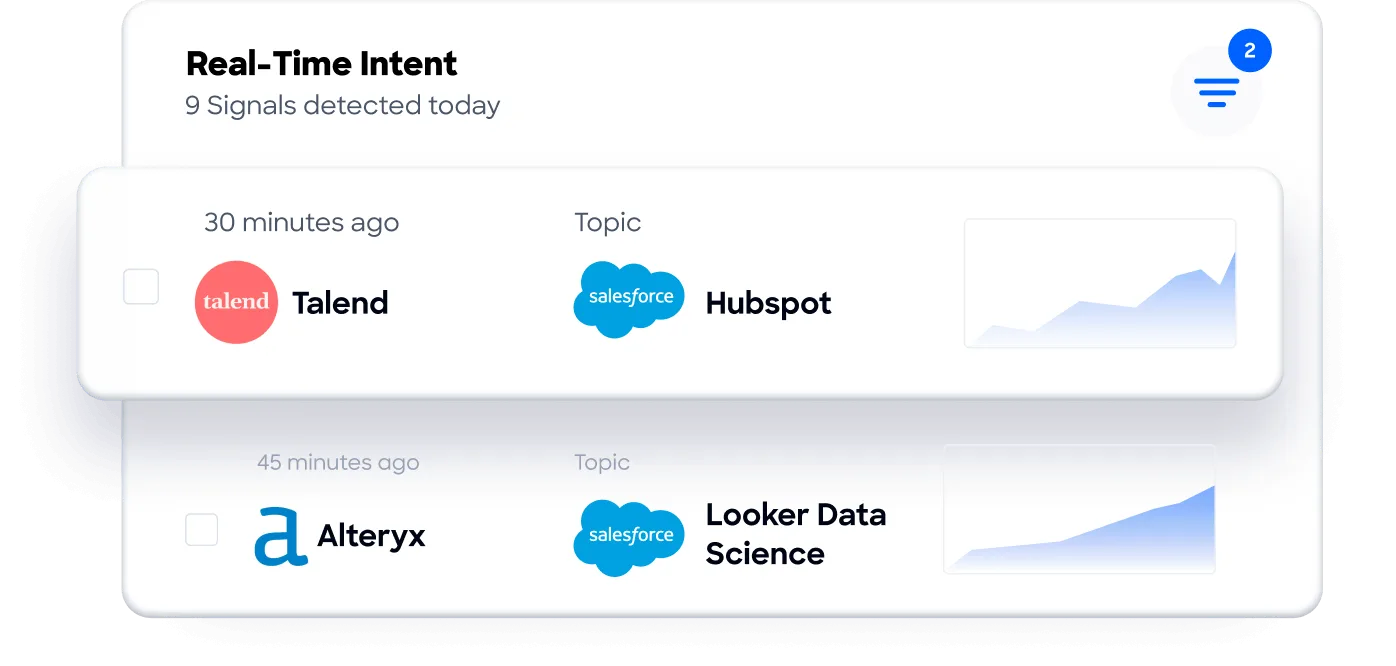
Beyond identity data, ZoomInfo tracks buyer intent signals from 210 million IP-to-organization pairings, technographic profiles across 30,000+ technologies at 30+ million companies, and website visitor identification that resolves anonymous traffic to specific companies.
In a Fortune 500 competitive RFP analyzing 25 million contacts across vendors, an independent consultant concluded that "no other competitor came even close." Analysts have validated this data advantage: Gartner named ZoomInfo a Leader in ABM Platforms for the second consecutive year, Forrester named it a Leader in Intent Data Providers, and G2 gave it 133 No. 1 rankings.
"ZoomInfo gives us the information we need to execute. We don't have to go through and spend our time digging. It's already there, so we can be three steps ahead." (William Kenimer, VP of Revenue Operations, Vensure)
Pricing reflects each platform's model
HubSpot publishes its pricing, which helps during evaluation but reveals complexity during purchasing. The platform charges per hub, per seat, and per marketing contact tier. A few examples:
Free CRM: $0, permanently (capped at 2 users)
Starter Customer Platform: $10/seat/month (monthly) or $7/seat/month (annual), bundling Starter editions of all hubs
Marketing Hub Professional: $890/month (monthly) with 3 Core Seats and 2,000 marketing contacts, plus a $3,000 mandatory onboarding fee
Sales Hub Professional: $100/seat/month (monthly), plus a $1,500 onboarding fee
Enterprise tiers: $3,600/month for Marketing Hub Enterprise; $150/seat/month for Sales Hub Enterprise
A critical pricing detail: when you subscribe to multiple hubs at different tiers, all Core Seats are billed at the rate of the highest tier. A company running Marketing Hub Professional and Sales Hub Enterprise would pay the Enterprise rate for every seat across both products. This is a meaningful hidden cost for organizations scaling across departments.
LocaliQ publishes pricing only for Dash, its AI lead management platform:
Manage: $119/month (AI lead tracking, qualification, and automated email)
Convert: $199/month (adds AI Voice, SMS, and Chat agents plus scheduling)
Custom: enterprise pricing for multi-location businesses
All advertising services (Search Ads, Display, Social, SEO, Video, Websites) require a sales conversation. G2 reviewers consistently cite pricing opacity as a friction point. Contract terms include a minimum commitment period with an early cancellation fee equal to 100% of the remaining unpaid balance.
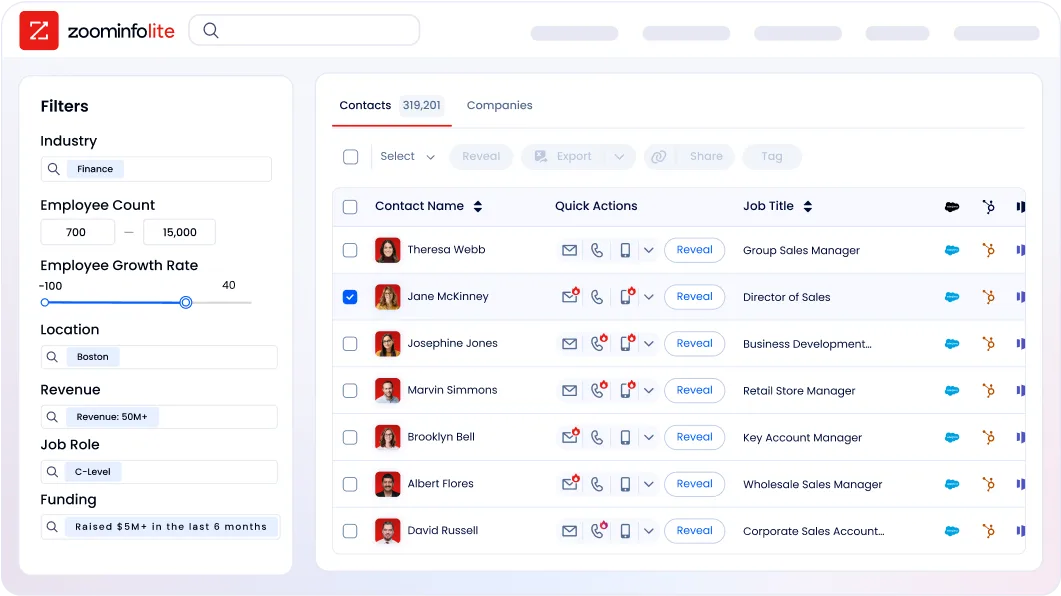
ZoomInfo uses custom-quoted, consumption-based pricing with no published dollar amounts for paid tiers. Pricing scales around seats, credit volume, features, and contract length. However, ZoomInfo offers two free entry points: ZoomInfo Lite (permanent free tier with 10 monthly export credits, access to the B2B database, Chrome extension, and WebSights Lite) and a 7-day free trial of the full platform. These free options let B2B teams test data quality before committing.
Integration ecosystems show different priorities
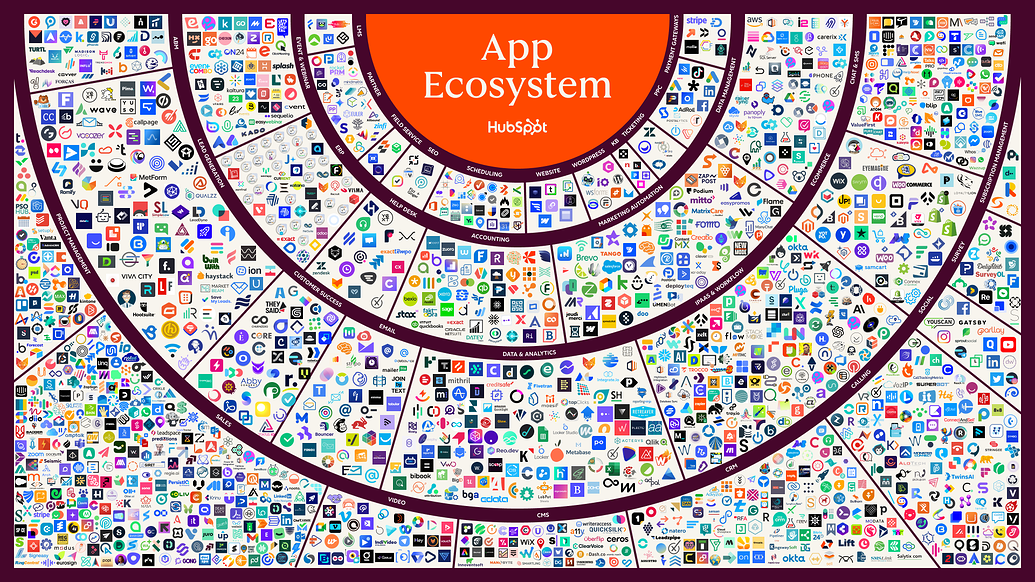
HubSpot has the broadest integration ecosystem of the three, with over 2,000 apps and 2.5 million active installs in its marketplace. The integrations span every category: CRM connectors, marketing tools, sales engagement, support, analytics, and ecommerce.
Source: HubSpot
HubSpot's REST API covers the full CRM data model, and its developer platform supports custom apps, UI extensions, and CMS development. For technical teams, Data Hub's programmable automation even allows running custom JavaScript or Python code inside HubSpot workflows.
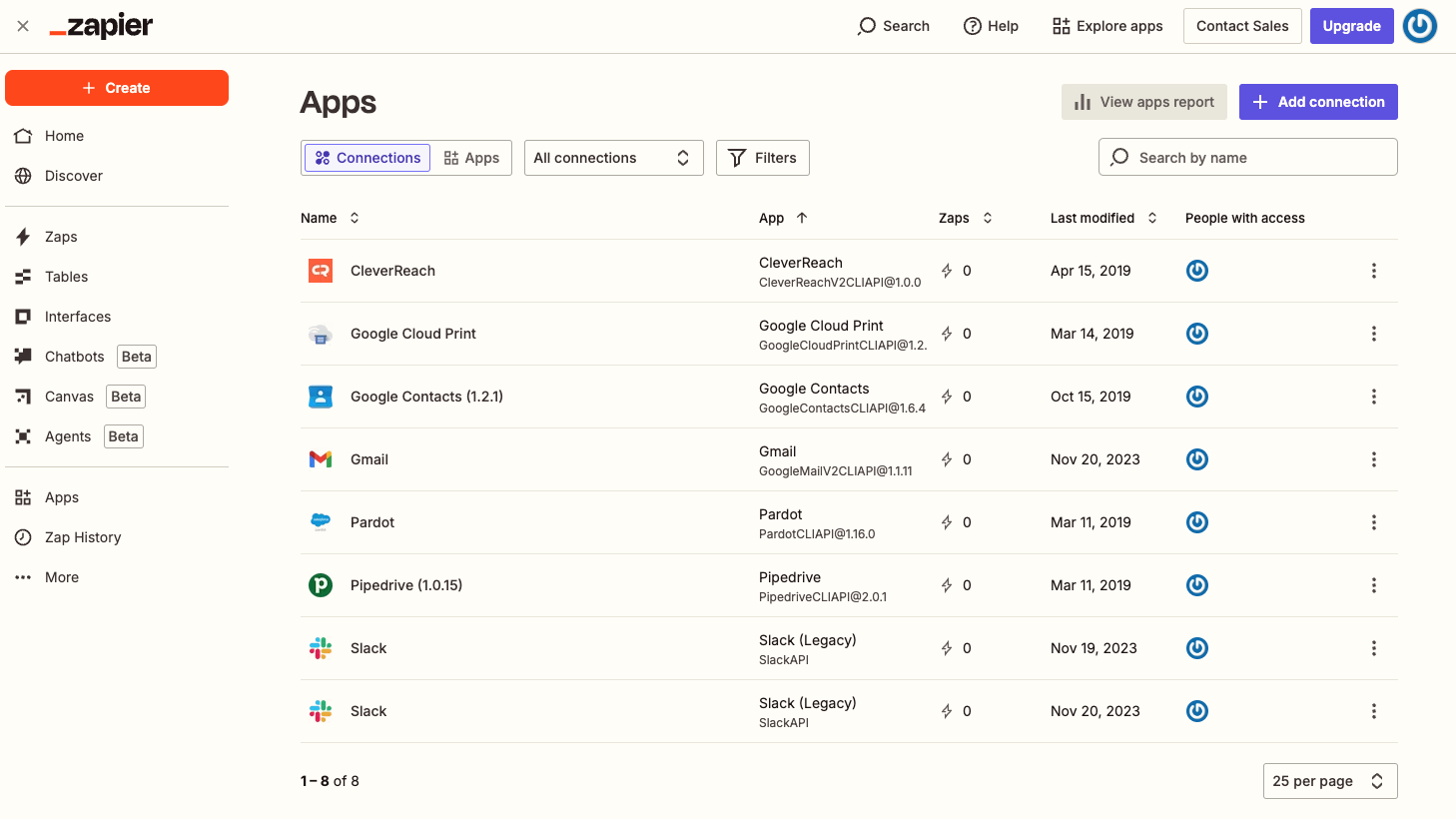
LocaliQ has a narrow but targeted integration footprint. Native integrations are limited to HubSpot, ServiceTitan, and Yardi. Through Zapier, LocaliQ connects with 31+ additional applications including Salesforce, Zoho CRM, Pipedrive, and Mailchimp.
Source: LocaliQ
The platform has a REST API covering reporting, lead data, and first-party event capture, but access requires contacting an account manager rather than self-serve registration.
ZoomInfo integrates where B2B revenue teams work. The ZoomInfo App Marketplace lists 120+ partner integrations covering CRMs (Salesforce, HubSpot, Microsoft Dynamics 365), marketing automation, sales engagement, data warehouses, and communications platforms.
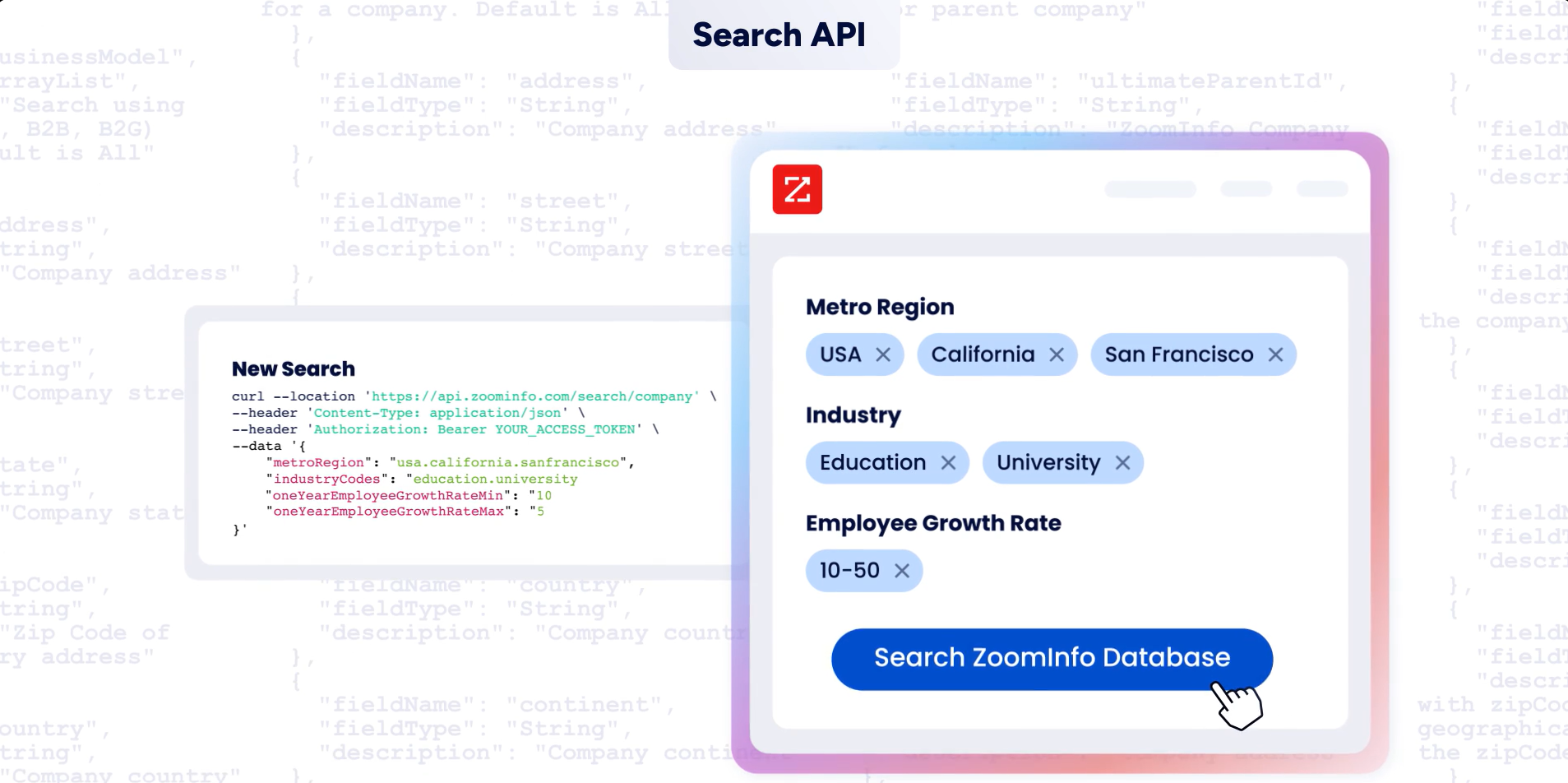
The Enterprise API provides programmatic access to search, enrich, and intelligence endpoints. ZoomInfo's MCP server connects AI models directly to ZoomInfo's data as a native tool, currently supporting Claude and ChatGPT, with additional MCP-compatible tools noted as coming soon. API access is included in all relevant plans.
The integration story matters because ZoomInfo isn't designed to replace your CRM or marketing platform. It's designed to power them. ZoomInfo's data and intelligence flow into HubSpot, Salesforce, Outreach, Salesloft, and any custom tool via API, enriching contact records, triggering workflows based on buyer signals, and keeping your database accurate.
"The plug-and-play aspect of the API means I can integrate it very easily into any process and get information at a moment's notice." (Jerry Wilson, Senior Marketing Intelligence Analyst, BDO Canada)
Who each platform actually serves
The clearest way to understand these three platforms is to look at who thrives on each one.
HubSpot's ideal customer is a company with 20 to 2,000 employees that wants to run its own marketing, sales, and service operations from a single platform. B2B SaaS companies, professional services firms, and agencies with content-led growth strategies get the most value. The free CRM tier makes it accessible for startups, while the Enterprise tier supports up to 15 million contacts (expandable to 50 million), custom objects, and sandbox environments.
LocaliQ's ideal customer is a local or service-area business with a monthly marketing budget in the $1,000–$10,000+ range that wants someone else to manage its digital marketing. Home services (HVAC, plumbing, roofing), healthcare (dental, physical therapy), automotive, and professional services firms are the strongest fits. LocaliQ has delivered 40.8 million leads across 45,400 home services businesses alone. Multi-location franchises benefit from centralized reporting across 23,400 multi-location businesses.
ZoomInfo's ideal customer is a B2B company where finding, reaching, and converting the right buyers is the core growth challenge. Enterprise and upper mid-market companies (including Adobe, Snowflake, PayPal, Deloitte, and Thomson Reuters) use ZoomInfo as the data and intelligence layer powering their go-to-market motion. Sales teams use it for prospecting and pipeline generation. Marketing teams use it for account-based campaigns and audience targeting. RevOps teams use it for CRM enrichment, territory planning, and lead routing. Snowflake uses ZoomInfo data for its Account Propensity Scoring model, where monitored accounts showed 90% higher opportunity open rates and 2x higher customer conversion rates.
HubSpot and ZoomInfo work better together
This is the point most HubSpot vs. LocaliQ comparisons miss: for B2B companies, the real question isn't which platform to pick in isolation. It's how to build a stack where each layer does what it's best at.
HubSpot excels at managing the customer relationship: tracking interactions, automating workflows, personalizing communications, and measuring attribution. But HubSpot's data is limited to what your contacts tell you and what they do on your properties.
ZoomInfo fills in everything else. It identifies which companies are researching your category right now through intent data. It reveals which anonymous website visitors come from target accounts through WebSights. It provides verified contact data for the buying committee at accounts you haven't engaged yet. And it enriches the records already in your HubSpot CRM with current firmographic, technographic, and demographic data.
The ZoomInfo-HubSpot integration is native, not a Zapier workaround. Contact and company data flows directly into HubSpot records, enriching them with verified phone numbers, email addresses, company attributes, and organizational hierarchies. Buying signals detected by ZoomInfo can trigger HubSpot workflows. Sellers working in GTM Workspace can update HubSpot CRM without leaving the ZoomInfo interface.
The combined effect is greater than either platform alone: HubSpot runs your customer operations; ZoomInfo ensures you're working with the best data about who to pursue and when.
"Having those two tools together to automate is game-changing." (John Kotsuros, Founder and CEO, SpringDB)
For a detailed side-by-side breakdown of how these two platforms compare on features, pricing, and use cases, see our HubSpot vs. ZoomInfo comparison.
Support and onboarding reflect different models
HubSpot provides tiered support: free users get community-only access; Starter adds email and chat; Professional and Enterprise add phone support.
Source: HubSpot
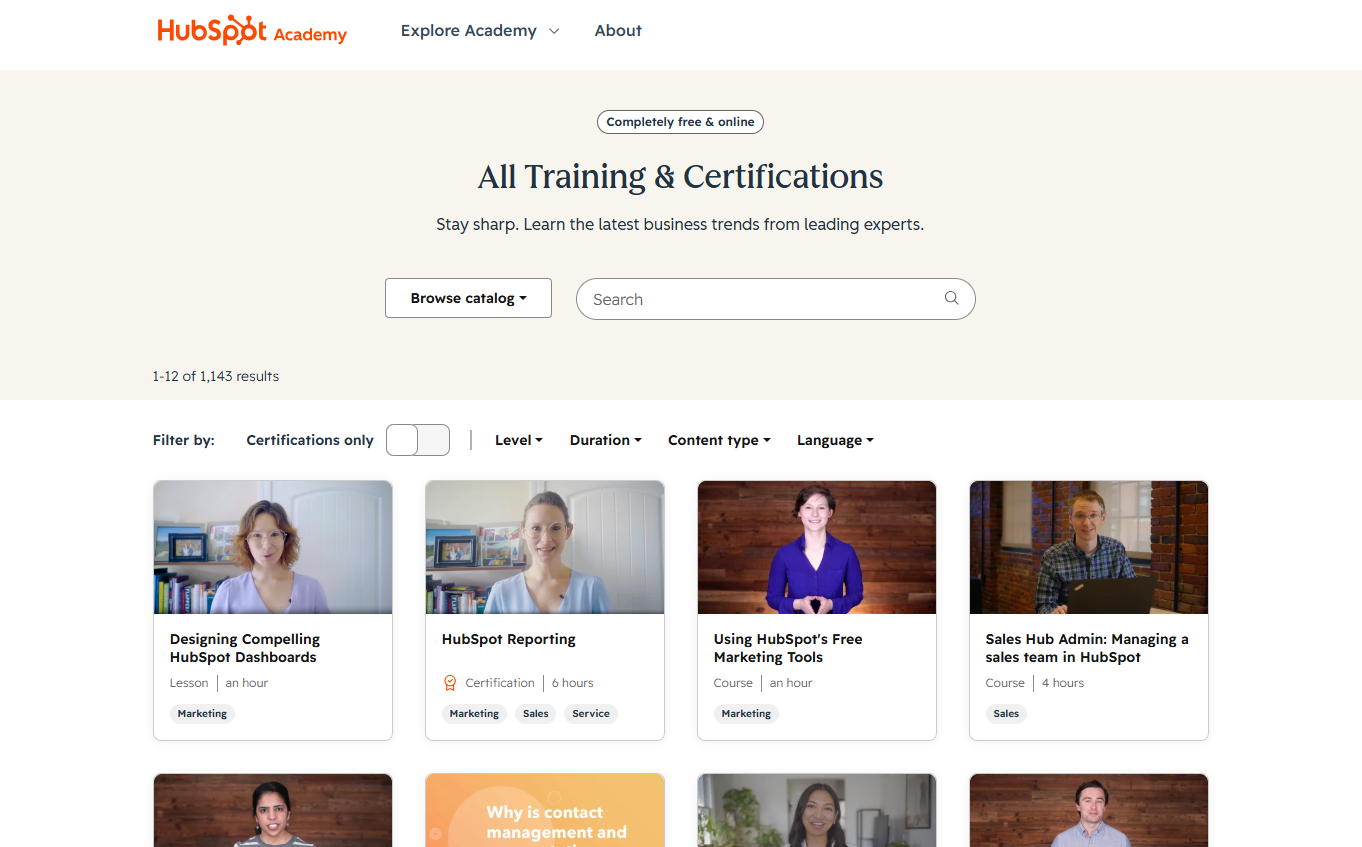
The HubSpot Academy offers free courses and certifications (over 200,000 professionals certified), and a large Solutions Partner network handles implementations and consulting. Given that professional services revenue represents only ~2% of total revenue, complex implementations depend heavily on partners.
LocaliQ operates as a managed service, so support is built into the relationship. Each client gets an assigned account team. Phone support is available at two direct lines.
Source: LocaliQ
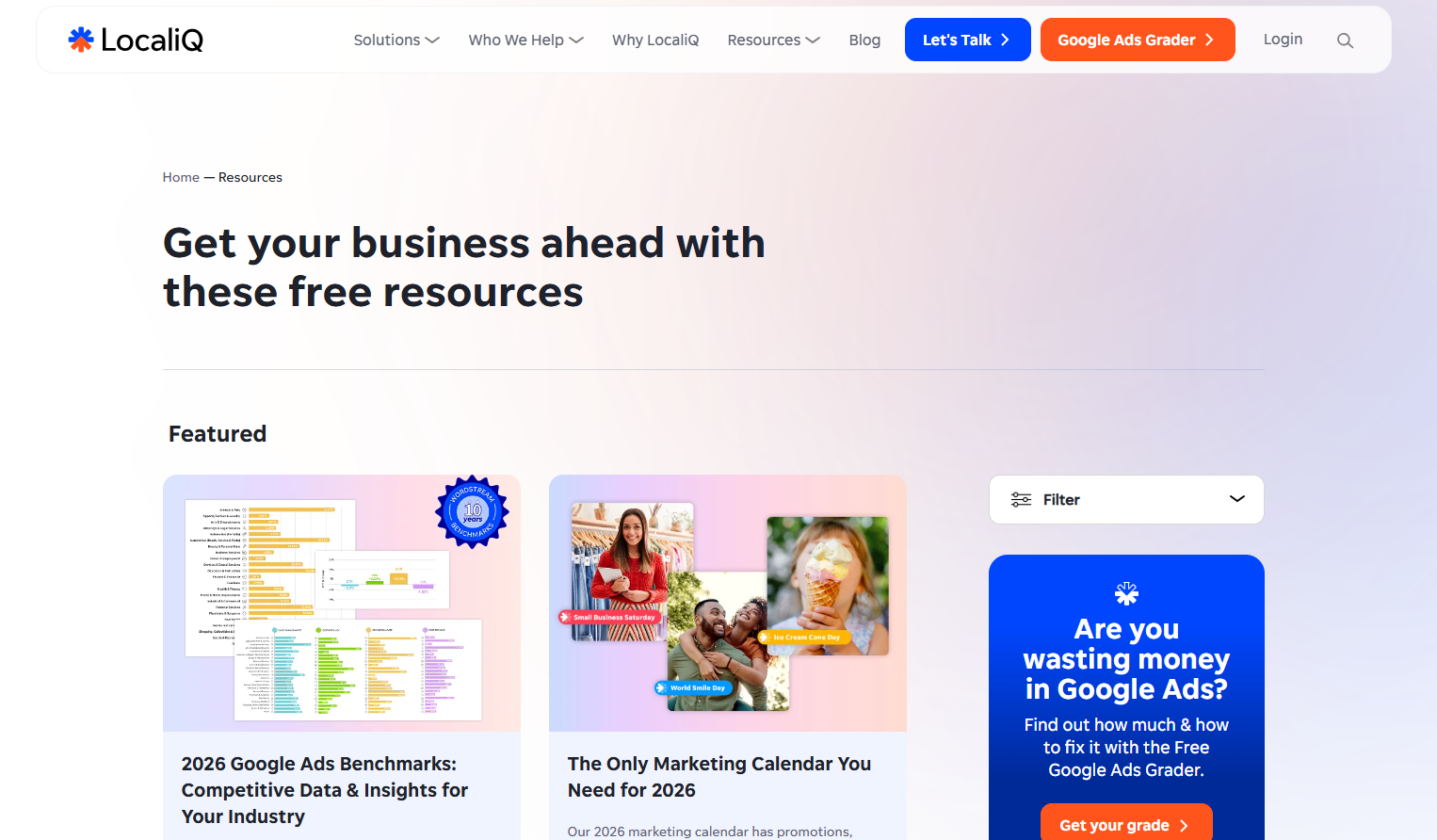
The resources hub provides guides, webinars, case studies, and free diagnostic tools. The limitation: there's no self-serve help center or public technical documentation for the platform itself.
ZoomInfo offers support via the Help Center, phone, and a knowledge base at help.zoominfo.com.

ZoomInfo University provides role-specific learning paths, product certifications, and live webinars. The onboarding program, redesigned from 30 to 90 days, produced a 25% improvement in customer satisfaction scores and won Rocketlane's Golden Comet award for Best Customer Onboarding Team of 2024. For advanced needs, ZoomInfo Labs provides professional services.
HubSpot vs. LocaliQ vs. ZoomInfo: Which should you choose?
The right choice depends on your business model, team, and growth priorities.
Choose HubSpot if:
You want to own and operate your marketing, sales, and service from one platform
Your team has the capacity to learn and manage marketing automation
You need a CRM that connects every customer touchpoint
You're a B2B or B2C company with a content-led or inbound growth strategy
You want a platform that scales from free tools to enterprise capabilities
Choose LocaliQ if:
You're a local or service-area business (home services, healthcare, automotive, professional services)
You want a managed marketing partner, not a platform to operate yourself
Your growth depends on phone calls and local leads, not long-cycle B2B deals
You value having certified experts handle your Google Ads, SEO, and social campaigns
You need AI-powered lead follow-up for after-hours calls and missed inquiries
Choose ZoomInfo if:
You're a B2B company where finding and reaching the right decision-makers is critical
You need verified contact data (direct dials and business emails that work)
You want to know which accounts are researching solutions like yours right now
You need an intelligence layer that powers your CRM, not another tool that competes with it
You want AI that understands the context behind your deals, not just the data in your CRM fields
Start with ZoomInfo Lite for free or request a demo of the full platform.
For many B2B companies, the most effective stack isn't a single platform. It's HubSpot managing the customer relationship, ZoomInfo powering the intelligence, and both working from shared, verified data. LocaliQ serves a different buyer: the local business that needs marketing done, not a platform to learn.
The best tool is the one that matches how your business sells. If your buyers research online before talking to your sales team, and your sales team needs to reach specific people at specific companies, the data advantage matters more than the marketing automation.
HubSpot vs. LocaliQ vs. ZoomInfo FAQ
What is the main difference between HubSpot, LocaliQ, and ZoomInfo?
HubSpot is a self-serve CRM and marketing automation platform where your team runs marketing, sales, and service from a single database. LocaliQ is a managed digital marketing service where certified experts run your ad campaigns, SEO, and lead follow-up on your behalf. ZoomInfo is a B2B data intelligence platform that provides verified contact data, buyer intent signals, and AI-powered go-to-market execution. They serve different layers of the stack and target different buyer profiles.
Can ZoomInfo and HubSpot be used together?
Yes. ZoomInfo integrates natively with HubSpot, enriching CRM records with verified phone numbers, email addresses, company attributes, and organizational hierarchies. Buying signals from ZoomInfo can trigger HubSpot workflows, and sellers can update HubSpot CRM directly from ZoomInfo's GTM Workspace. Many B2B companies use both: HubSpot for customer operations and ZoomInfo for prospect intelligence.
Which platform is best for a local service business?
LocaliQ is built for local and service-area businesses. It handles search ads, display, social advertising, SEO, listings management, and AI-powered lead follow-up through its Dash platform, all as a managed service. LocaliQ has served 509,000+ businesses and delivered 40.8 million leads to home services companies alone. HubSpot can work for local businesses but requires internal marketing staff to operate. ZoomInfo is built for B2B, not local consumer markets.
How does pricing compare across the three platforms?
HubSpot publishes its pricing: a free CRM tier, Starter plans from $9/seat/month, and Professional tiers starting at $890/month for Marketing Hub with mandatory onboarding fees. LocaliQ publishes Dash pricing at $119–$199/month but keeps all advertising service pricing behind a sales conversation, with minimum-term contracts. ZoomInfo uses custom-quoted pricing with no published rates for paid tiers, though ZoomInfo Lite is permanently free and a 7-day trial is available.
Which platform has the best data for prospecting?
ZoomInfo has the most comprehensive B2B prospecting data: 500 million contacts, 100 million companies, 135 million+ verified phone numbers, and 200 million+ verified business emails, backed by 300+ human researchers and up to 95% accuracy on first-party data. HubSpot's data is limited to your own contacts and their interactions with your company. LocaliQ provides campaign performance data but does not maintain a prospecting contact database.
Which platform offers AI-powered lead follow-up?
Both LocaliQ and HubSpot offer AI-driven lead engagement. LocaliQ's Dash includes Voice, SMS, and Chat AI agents that respond to inbound inquiries 24/7 and book appointments. HubSpot's Breeze Customer Agent resolves support inquiries across chat, email, WhatsApp, and voice. ZoomInfo's AI focuses on a different stage: identifying which accounts to pursue and drafting personalized outreach using the GTM Context Graph's understanding of deal context and buyer signals.
Do any of these platforms offer a free plan?
HubSpot offers a permanently free CRM tier with unlimited contacts (up to 1 million records), capped at 2 users. ZoomInfo offers ZoomInfo Lite, a permanent free tier with 10 monthly export credits and access to the B2B database, plus a separate 7-day full trial. LocaliQ does not offer a free plan or trial, though it provides free diagnostic tools like a Google Ads Performance Grader and Website Grader.
Which platform is best for B2B companies with long sales cycles?
ZoomInfo is the strongest fit for B2B companies with complex, multi-stakeholder sales cycles. Its buyer intent signals identify when target accounts are researching, its contact data reveals the full buying committee, and its GTM Context Graph captures why deals move or stall. HubSpot provides the CRM and automation infrastructure to manage these longer cycles, making the two platforms complementary. LocaliQ is designed for shorter, transaction-oriented local sales cycles and is not built for B2B enterprise selling.
See how HubSpot measures up against other platforms:
