
If you're comparing AdRoll vs. Tealium, you're wrestling with a bigger question than you realize. These two platforms solve different problems, and the fact that you're weighing them together suggests you're really asking: what's the best way to reach the right audience?
The answer depends on what you need most:
Do you need to run advertising campaigns, or manage the data infrastructure behind them?
Are you trying to retarget people who already visited your site, or find prospects who haven't found you yet?
Is your priority ad execution, data orchestration, or knowing which accounts are ready to buy?
Do you have a small marketing team that needs simplicity, or a data engineering team ready for enterprise infrastructure?
Are you selling to consumers, or to B2B buying committees with multiple decision-makers?
In short, here's what we recommend:
AdRoll is a multi-channel advertising platform for mid-market marketers who want to run retargeting, display, social, and Connected TV campaigns from one dashboard. Its BidIQ engine makes over 2.5 trillion predictions per day across 2.6+ billion user profiles, and its ecommerce integrations with Shopify, WooCommerce, and BigCommerce make launching campaigns fast.
With no minimum contract and a daily budget starting at $2.50, it's accessible to teams of any size. The limitation: AdRoll works with behavioral signals from people who've already interacted with your brand. It can't identify anonymous prospects, resolve B2B buying committees, or tell you which companies are researching solutions like yours.
Tealium is an enterprise Customer Data Platform that collects, unifies, and activates customer data in real time. It processes 9 billion+ events daily with activation in under 300 milliseconds, and it's built for organizations that need to stitch identity data across every touchpoint and route it to 1,300+ destinations.
Tealium handles data governance, consent management, and feeding AI models with clean, consented customer context. The trade-off: it requires technical expertise to implement, pricing requires a sales conversation, and it unifies data you already have rather than providing intelligence about buyers you haven't met.
Both platforms help you act on data within your existing ecosystem. AdRoll retargets your website visitors. Tealium unifies your customer profiles. But for B2B revenue teams, the real question isn't "how do I activate what I know?" It's "who should I be targeting, and are they ready to buy right now?"
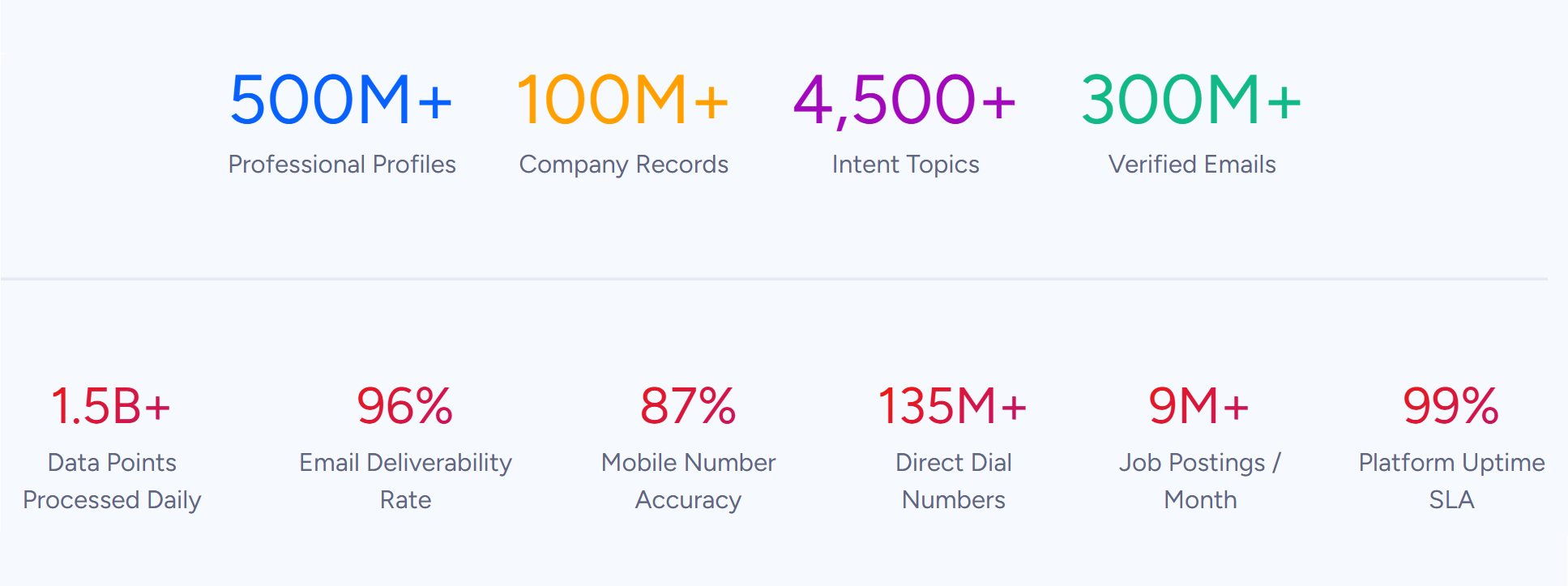
ZoomInfo is an AI-powered go-to-market platform built on a large B2B data foundation: 500M contacts, 100M companies, 135M+ verified phone numbers, and 200M+ verified business emails. Its GTM Context Graph processes 1.5B+ data points daily, unifying this data with your CRM records, conversation transcripts, and behavioral signals to reveal the full context of your accounts.
That context gives AI the fuel to show not just what happened, but why it happened and which actions will capitalize on that momentum. With that intelligence, your team can drive sales from the GTM Workspace, run plays from GTM Studio, or power their own tools through the API and MCP.
If identifying the right accounts and engaging them before your competitors is the real problem, see how ZoomInfo works.
AdRoll vs. Tealium vs. ZoomInfo at a glance
AdRoll | Tealium | ZoomInfo | |
|---|---|---|---|
Core function | Multi-channel advertising execution | Customer data collection and orchestration | B2B go-to-market intelligence and execution |
Primary use case | Retargeting, display ads, social ads, CTV | Identity resolution, audience activation, data governance | Prospecting, buyer intent, account-based marketing, sales execution |
Target buyer | Mid-market marketers, ecommerce/DTC brands | Enterprise data and marketing teams | B2B sales, marketing, and RevOps teams |
Data source | First-party website behavior + third-party Experian audiences | First-party data from your own touchpoints | Third-party B2B intelligence + your first-party CRM data |
Audience scale | 2.8B+ user profiles | Depends on customer's own data volume | 500M contacts, 100M companies |
Intent data | ABM tier only (G2 and Bombora) | Supports third-party intent via connectors | Native buyer intent across 210M IP-to-org pairings |
AI capabilities | BidIQ bid optimization, AI Assistant | Behavioral Insight Agent, AI connectors | GTM Context Graph, AI agents, conversation intelligence |
Integrations | 70+ | 1,300+ | 172+ marketplace partners |
Pricing transparency | Self-serve from $2.50/day | Enterprise quotes only | Custom quotes; free tier (ZoomInfo Lite) available |
Implementation time | Minutes to hours | 1-4 months (enterprise) | Weeks |
Best for | Running multi-channel ad campaigns | Unifying enterprise customer data | Identifying and engaging B2B buyers |
Ad platform, data platform, or intelligence platform
AdRoll, Tealium, and ZoomInfo sit at three different layers of the marketing stack. Understanding which layer you need is the first step toward the right decision.
AdRoll is an execution layer. It takes audiences you define (website visitors, CRM lists, third-party segments) and serves them ads across display, native, video, mobile, social, Connected TV, and Digital Out-of-Home.
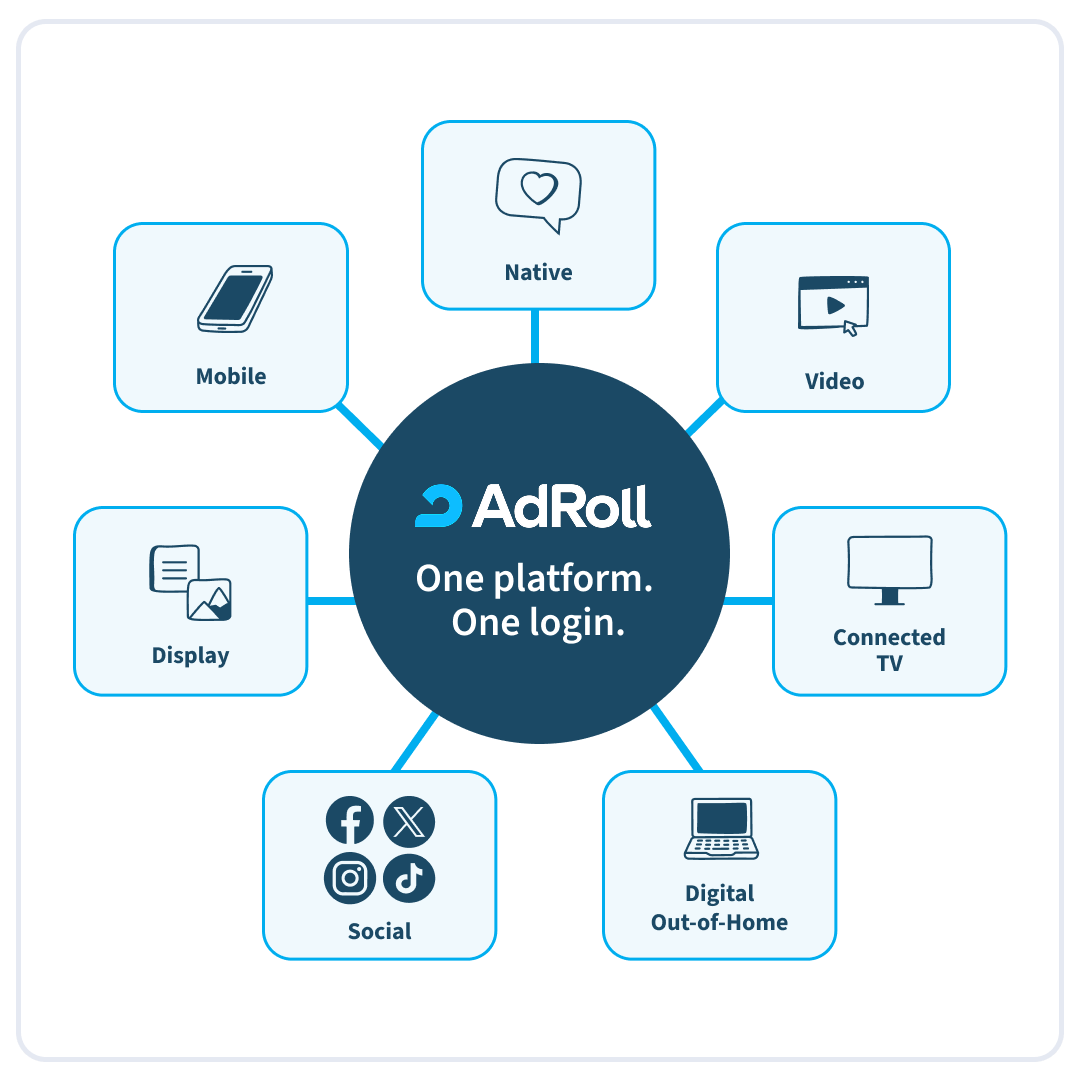
Source: AdRoll
If you need to get ads in front of people, AdRoll handles the mechanics: bidding, placement, creative, and measurement. Its strength is making advertising accessible to teams that don't want to manage a demand-side platform directly.
Tealium is an infrastructure layer. It doesn't serve ads or generate new prospect data. It solves the problem of scattered customer data by providing a governed layer that collects events, resolves identity, enriches profiles, enforces consent, and routes data to whatever tool needs it. If your customer data lives in fifteen different systems and no two agree on who a customer is, Tealium connects those systems.

Source: Tealium
ZoomInfo is an intelligence layer. It starts upstream of both advertising and data infrastructure by answering the question ad platforms and CDPs don't address: which companies and people should you pursue? ZoomInfo's GTM Context Graph processes 1.5 billion+ data points daily to surface not just who exists in your market, but who's researching solutions like yours and why their buying behavior matters.
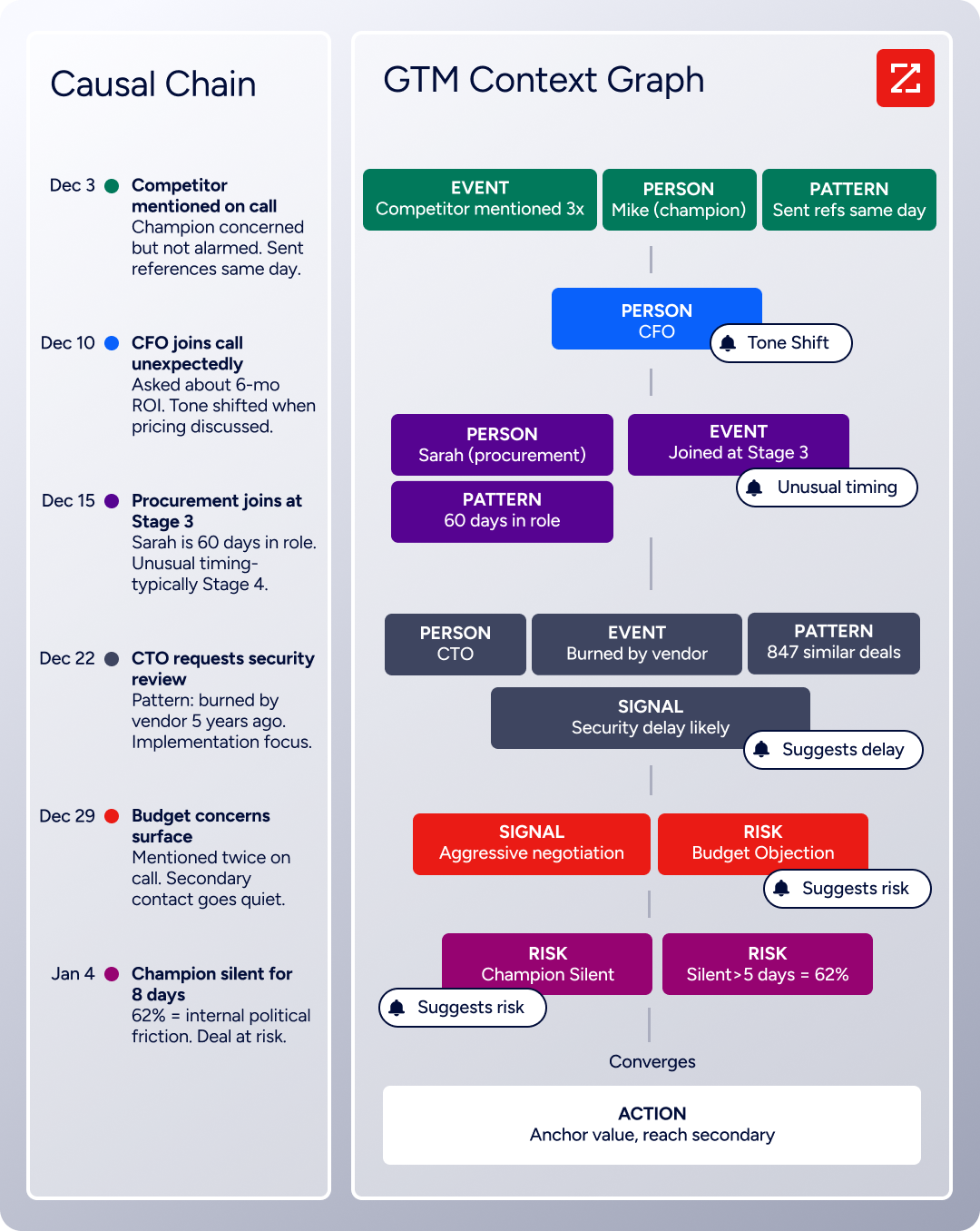
Source: ZoomInfo
The distinction matters because choosing the wrong layer means solving the wrong problem. Running better ads to the wrong audience wastes budget. Unifying data without intelligence still leaves you guessing which accounts to pursue.
AdRoll makes advertising accessible, Tealium masters data governance
Each platform earns its reputation in different territory.
AdRoll's strength is speed to campaign. Install the AdRoll Pixel (under three minutes via Google Tag Manager), connect your ecommerce store, and you can run retargeting campaigns the same afternoon.
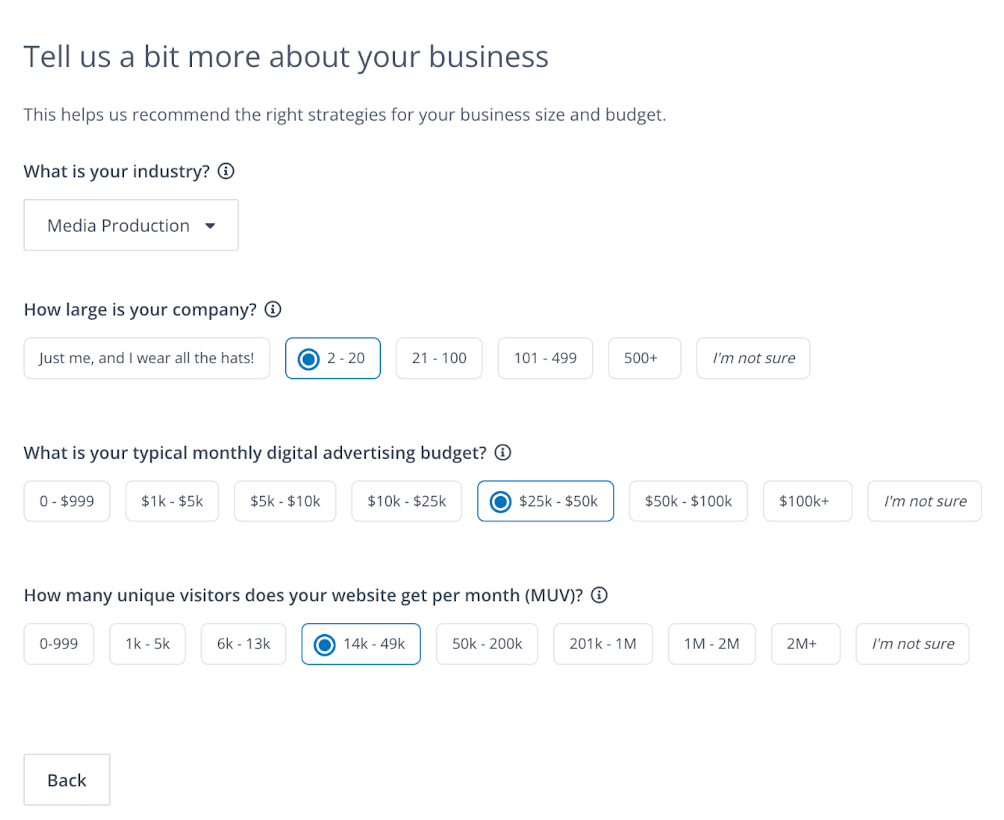
Source: AdRoll
The platform earned G2's "Easiest Setup" badge and holds 41 Leader Badges in the G2 Winter 2026 Report. For ecommerce brands, dynamic retargeting ads that automatically populate with products a visitor viewed are effective.
The AI Assistant, powered by HeroIQ, helps marketers build campaigns through natural-language prompts. The platform claims advertisers using it are 50% more likely to launch campaigns with all recommended ad sizes.
Self-serve access with no contract required and creative services (a free set of custom ads every 90 days) lower the barrier further. For a deeper look at what AdRoll offers, see our AdRoll review.
Tealium's strength is enterprise data control. The platform was built on the idea that organizations need vendor-neutral infrastructure to manage customer data across every touchpoint.
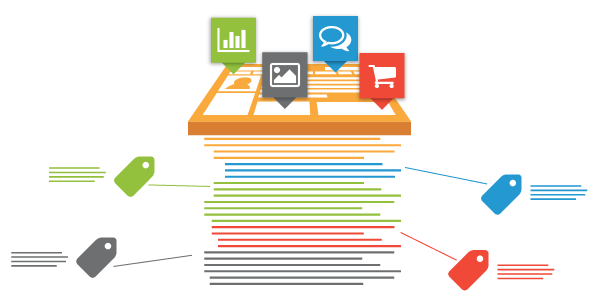
Its iQ Tag Management replaces hardcoded vendor scripts with a single container tag, giving marketing and data teams control over what fires, when, and with what data. AudienceStream CDP resolves visitor identity through deterministic first-party stitching, building unified profiles across sessions and devices.
Source: Tealium
Where Tealium stands apart for regulated industries is consent enforcement. The platform enforces privacy rules independently of business logic at every point in the data pipeline.
With HIPAA BAA, SOC 2, ISO 27701, and ISO 27001 certifications, it meets compliance requirements that lighter-weight tools cannot. The Gartner Magic Quadrant named Tealium a Leader in Customer Data Platforms for two consecutive years (2024 and 2025).
Both platforms are strong in their domains. But neither answers the question that matters most for B2B teams: which accounts are ready to buy?
For B2B teams, intelligence is the missing layer
AdRoll identifies website visitors at the company level and retargets them with ads. Tealium stitches together first-party profiles from data you've already collected. Both share a limitation for B2B go-to-market: they only work with people who've already engaged with your brand.
ZoomInfo flips this model. Instead of waiting for prospects to find you, it gives you the intelligence to find them.
The foundation is ZoomInfo's B2B data: 500M contacts with 120M direct-dial phone numbers and 200M+ verified business email addresses, verified through a multi-source pipeline backed by 300+ human researchers and delivering up to 95% accuracy on first-party data.
In a Fortune 500 competitive RFP analyzing 25 million contacts across vendors, the independent consultant concluded that "no other competitor came even close."
Source: ZoomInfo
On top of that data sits buyer intent tracking powered by 210 million IP-to-Organization pairings and 6 trillion+ new keyword-to-device pairings sourced monthly. Guided Intent, exclusive to ZoomInfo, identifies topics historically correlated with deal success rather than requiring manual topic selection.

Source: ZoomInfo
The GTM Context Graph then unifies all of this with a customer's own CRM records, conversation intelligence from Chorus, email interactions, and engagement history. The result: AI that can reason about why deals move or stall, not just record that they did.
Seismic attributed 39% of their active pipeline to opportunities identified or influenced by ZoomInfo signals, while the sales team boosted productivity by 54% and saved 11.5 hours per week. (Seismic)
Audience targeting takes different forms
The three platforms approach targeting from different starting points.
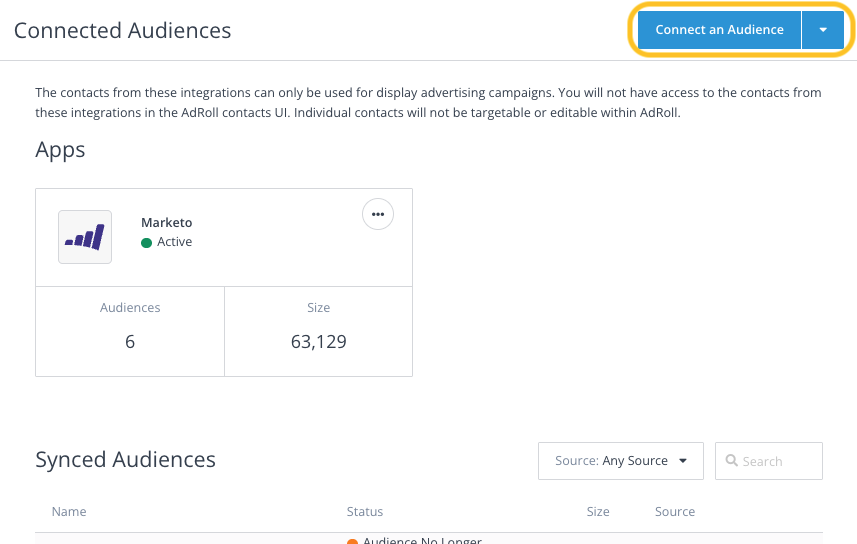
AdRoll builds audiences from behavioral signals. The primary targeting methods are website visitor retargeting (people who visited specific pages, viewed products, or abandoned carts), Connected Audiences (CRM lists matched to browser identities via email-to-cookie matching), Experian third-party audiences (2,000+ demographic and behavioral attributes across 250 million US consumers), and lookalike targeting..
Source: AdRoll
For B2B, AdRoll ABM adds over 100 firmographic, technographic, and intent segment filters using data from G2 and Bombora.
Tealium builds audiences from unified first-party data. Through AudienceStream CDP, each visitor profile can hold up to 500 attributes spanning thirteen data types including numbers, strings, arrays, funnels, timelines, and badges. Audiences recompute dynamically as events arrive, and activation reaches 1,300+ destinations in real time.
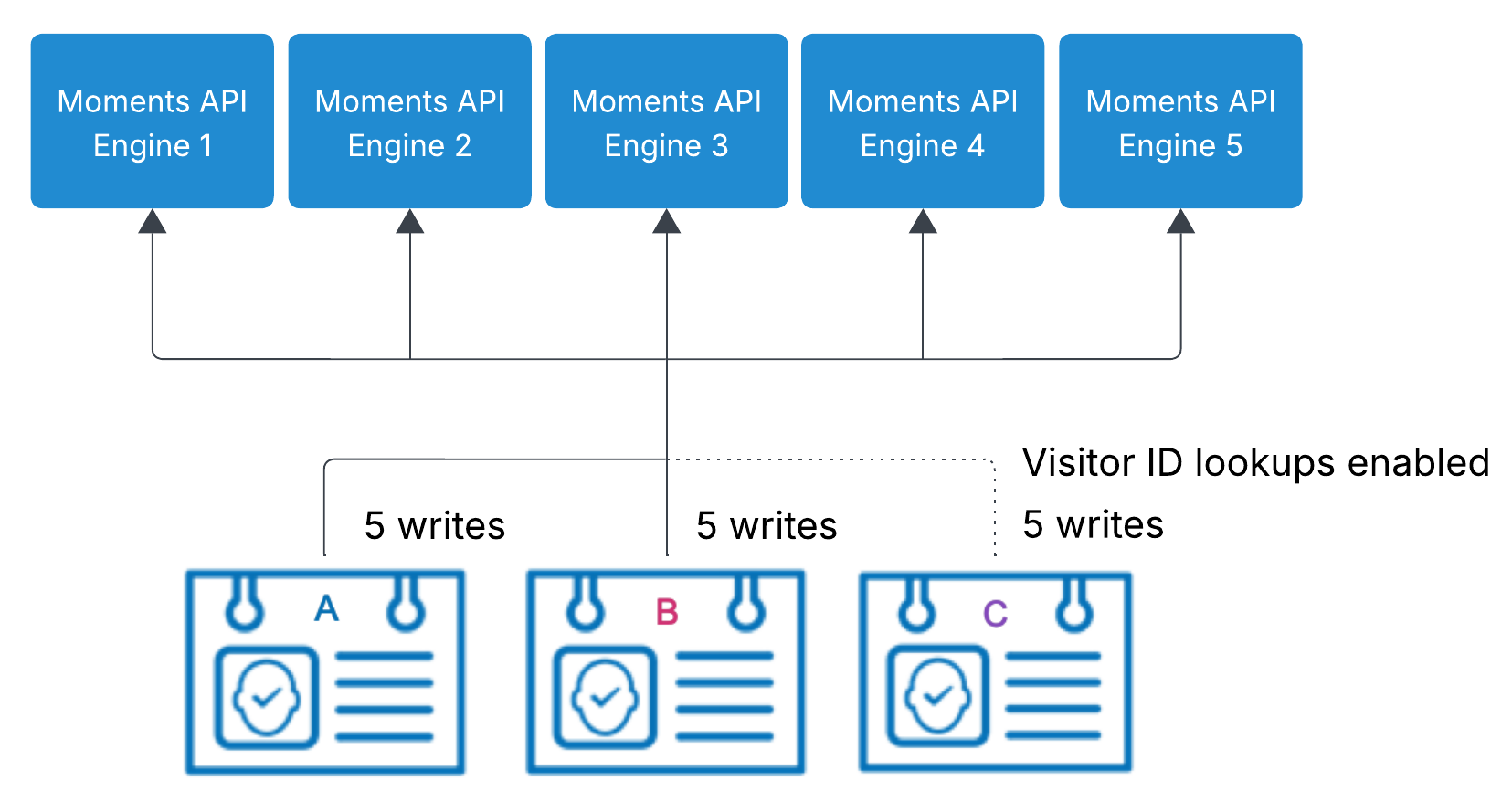
The Moments API exposes profile context at 60ms average latency for in-session personalization. For data cloud teams, the Snowflake Audience Discovery App lets analysts build audiences inside their own Snowflake account without moving data.
Source: Tealium
ZoomInfo builds audiences from B2B intelligence. Rather than starting with your own data, ZoomInfo provides access to 300+ company attributes for market segmentation, technographic profiling of 30+ million companies tracking 30,000+ technologies, and intent signals that reveal when accounts are researching your category.
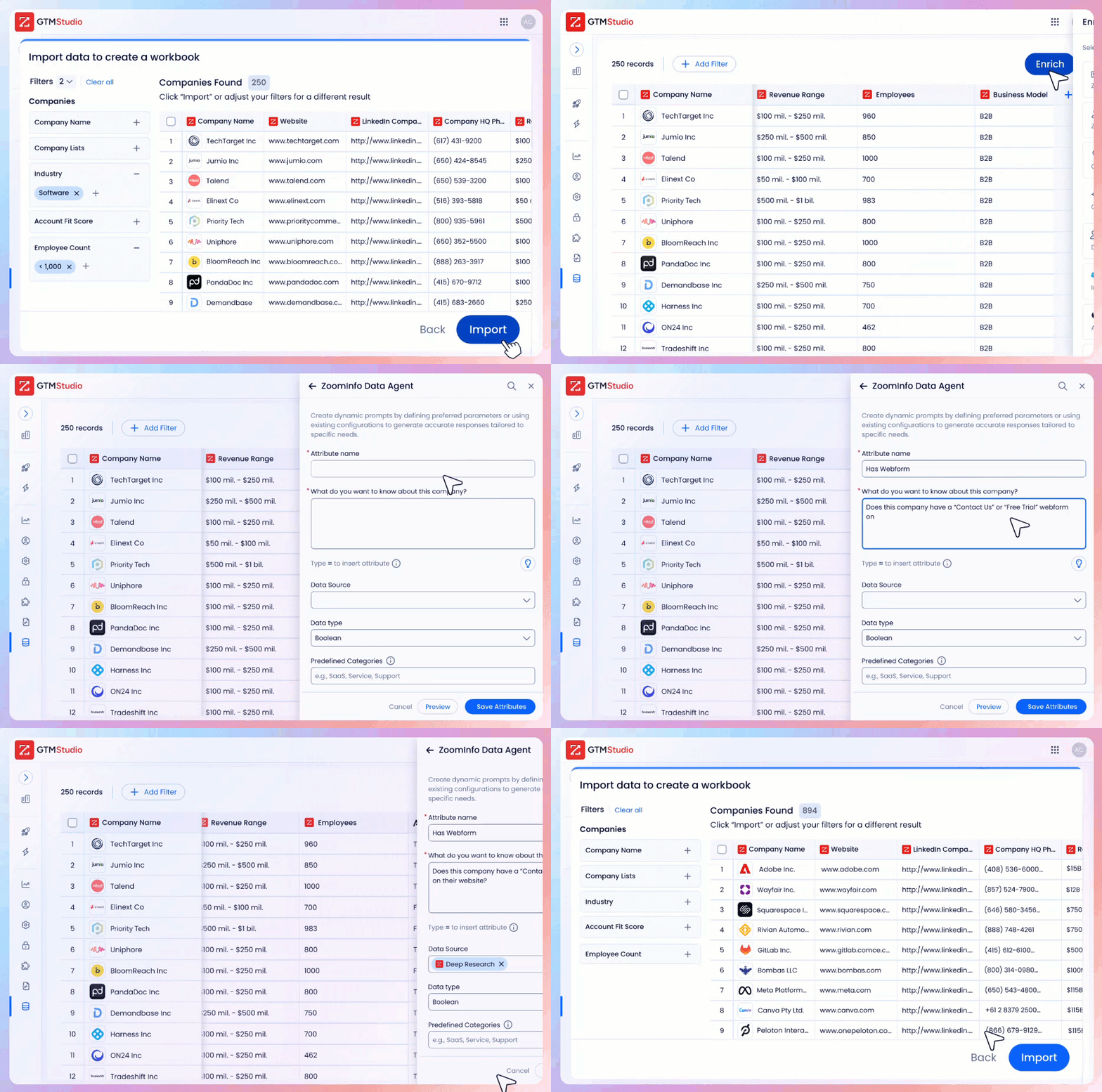
GTM Studio lets marketers describe audiences in natural language and launch multi-channel plays targeting accounts that match their proven win patterns, with expansion plays that used to take three weeks launching in 30 minutes.
Source: ZoomInfo
ZoomInfo also includes a native demand-side platform that deploys display ads based on those 300+ company attributes, while FormComplete reduces forms to a single field by auto-appending the rest from ZoomInfo's database.

Source: ZoomInfo
Redwood Logistics achieved a 99% reduction in CPC and a 310% increase in CTR using ZoomInfo's audience data across their digital campaigns, saving 20-25 hours per week. (Redwood Logistics)
Pricing models reflect different markets
The pricing structures reveal who each platform was built for.
AdRoll starts with no barrier. The base self-serve plan has no platform fee and no contract, charging only for media spend on a dynamic CPM model. Daily budgets begin at $2.50. The Social Ads Add-On and Cross-Channel Attribution Add-On are paid extras (prices not publicly listed).
An annual Advanced Package bundles both add-ons with ad credits and managed services, but requires a 12-month commitment. Managed services start at Silver ($5,000/month) and scale through Gold ($10,000+) and Platinum ($25,000+).
One thing to watch: AdRoll may spend up to 20% above the set daily budget on high-opportunity days, though it caps the monthly total. For a full breakdown of what you'll pay at each tier, see our AdRoll pricing guide.
Tealium sells exclusively through negotiated enterprise contracts. No prices appear on its website. The platform is modular (Data Collection, CDP, Enrichment & Orchestration, Data Cloud Activation, Tealium for AI), and licensing depends on which modules you include, data volumes, and integration complexity.
Support costs layer on top: the Basic tier (included) has no response time SLAs, Enhanced adds 2-hour critical response, and Premium provides a dedicated Technical Account Manager with 1-hour critical response. Implementation typically takes one to four months for enterprise deployments.
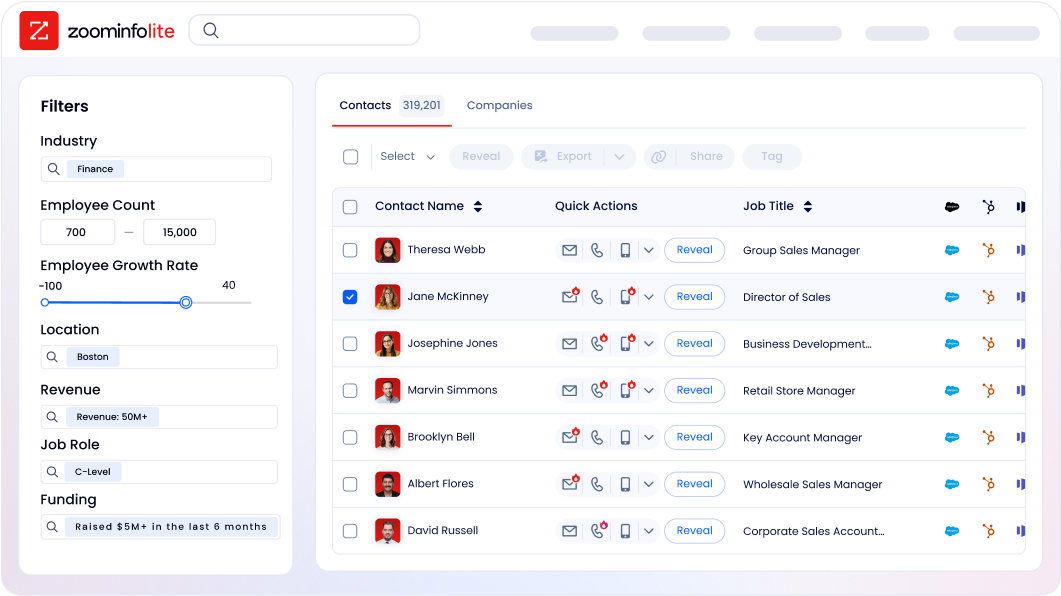
ZoomInfo uses consumption-based pricing with seats and credits (1 credit = 1 profile export). Prices are custom-quoted, but the entry points are more accessible than Tealium's enterprise-only model. ZoomInfo Lite provides permanent free access to the B2B database with 10 monthly export credits, and a separate 7-day free trial gives fuller access to evaluate the platform.
Source: ZoomInfo
Sales plans are tiered from Professional (core data and prospecting) through Advanced (intent signals, account prioritization) to Enterprise (advanced AI, custom integrations, dedicated support). Marketing plans span Marketing Demand, ABM Lite, and ABM Enterprise tiers.
The pricing philosophy tells you something about each platform's market. AdRoll is built for anyone with a budget. Tealium is built for enterprises with dedicated procurement cycles. ZoomInfo offers a free tier to evaluate the data while reserving full platform access for paying customers.
Integration and implementation realities
Getting started varies across these platforms.
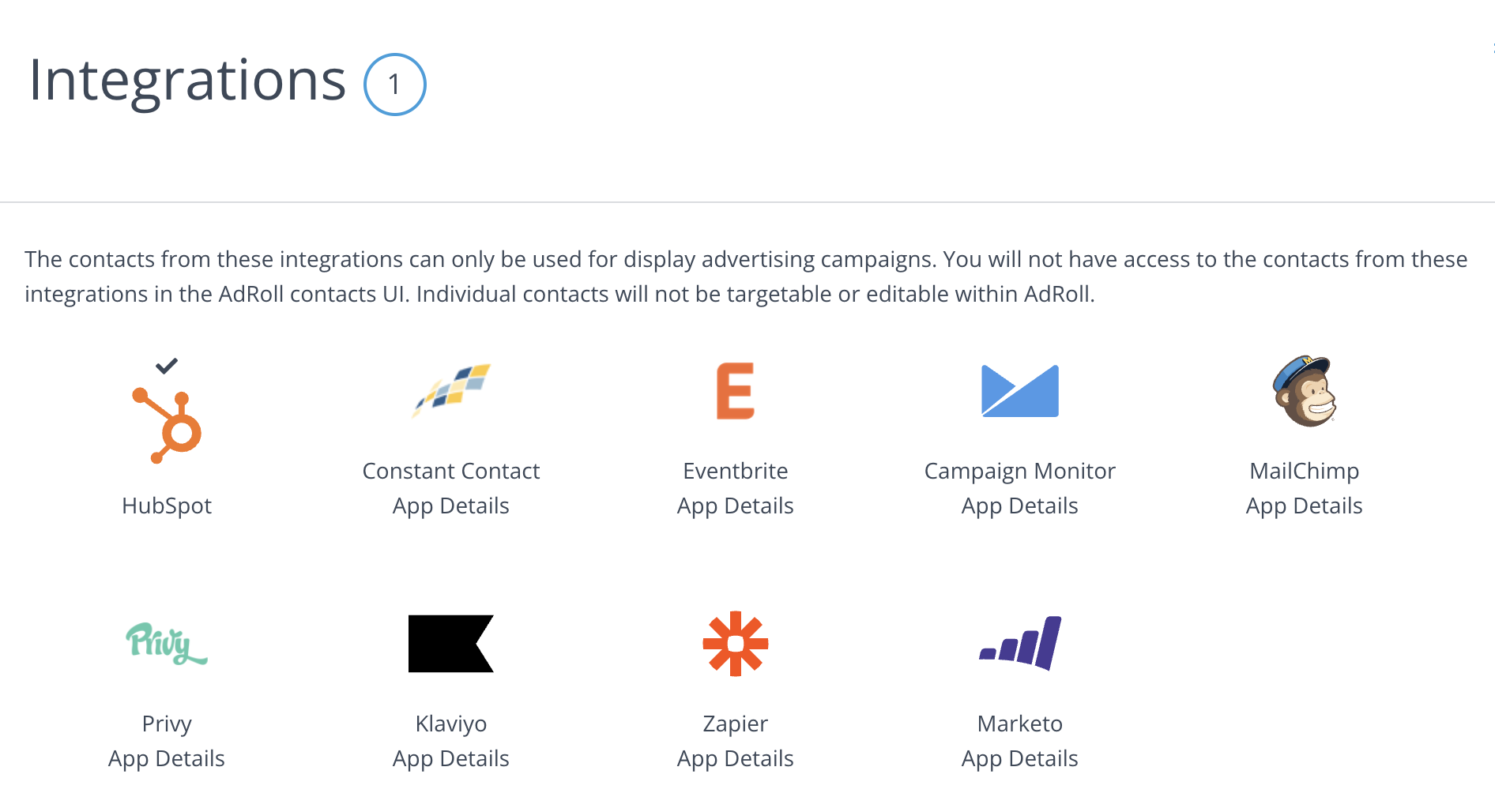
AdRoll is built for quick setup. Pixel installation takes under three minutes via Google Tag Manager, and ecommerce integrations with Shopify, WooCommerce, BigCommerce, Wix, and PrestaShop auto-configure tracking and product feeds. The 70+ integrations cover the tools mid-market marketers commonly use: HubSpot, Klaviyo, Mailchimp, Marketo, and Google Analytics.
Source: AdRoll
The API infrastructure exposes 8+ public APIs for custom workflows. Support runs 24/5 via live chat and email. However, some users have reported platform reliability issues and slow support response during active spend in 2025 reviews.
Tealium requires serious investment. The platform spans tag management, server-side event collection, CDP, and enrichment layers, each with its own concepts. G2 reviewers consistently note that initial setup demands technical expertise, and the absence of a dedicated staging or QA environment adds risk for enterprises with formal change management.
On the other hand, Tealium's 1,300+ integrations are the broadest in the CDP market, spanning ad platforms, CRMs, data warehouses, AI services, and analytics tools. Native connectors for Snowflake, Databricks, BigQuery, and Redshift provide direct warehouse activation.
The recently launched MCP-powered Configuration Agent is a step toward lowering the implementation barrier through AI-assisted setup.
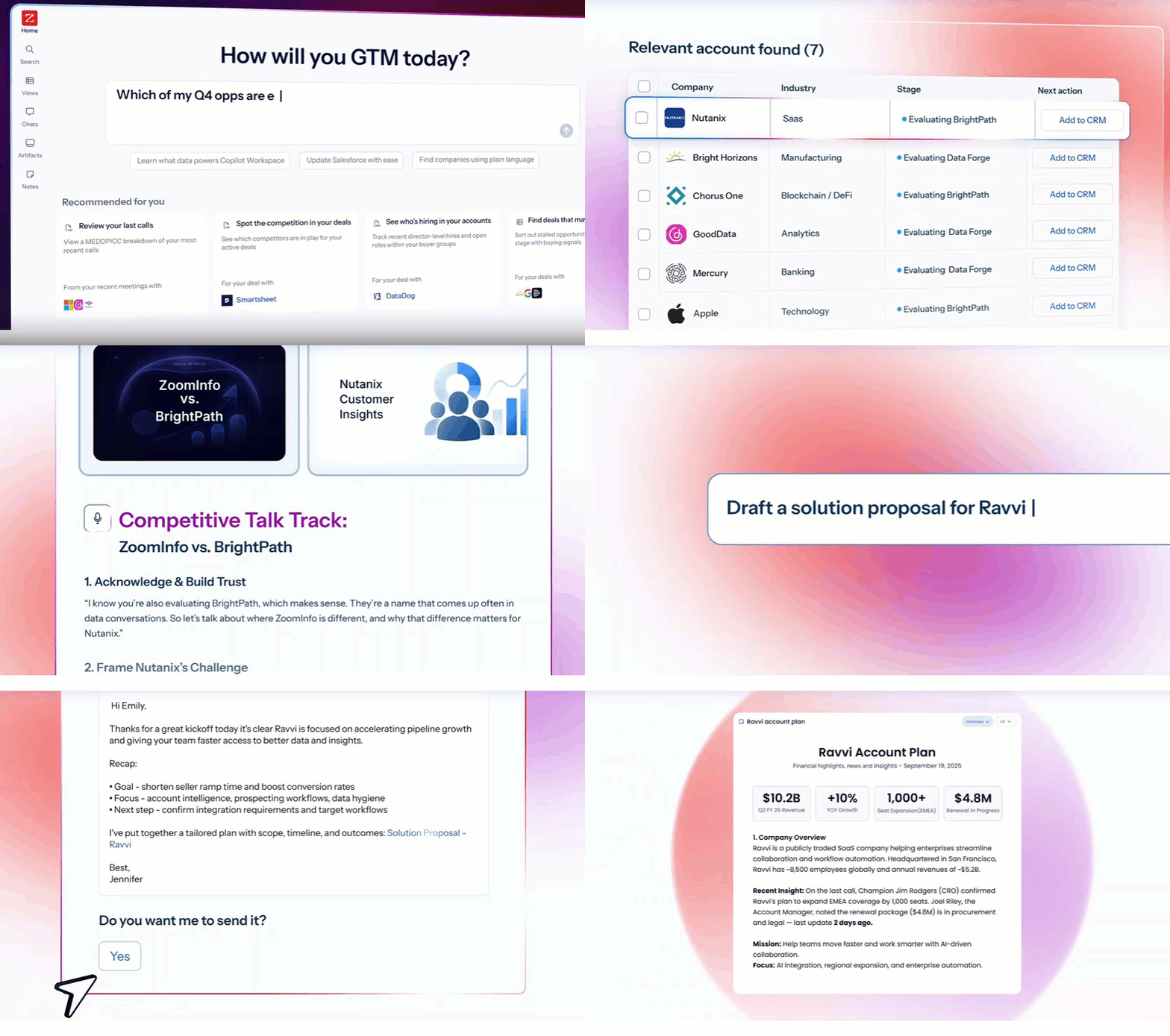
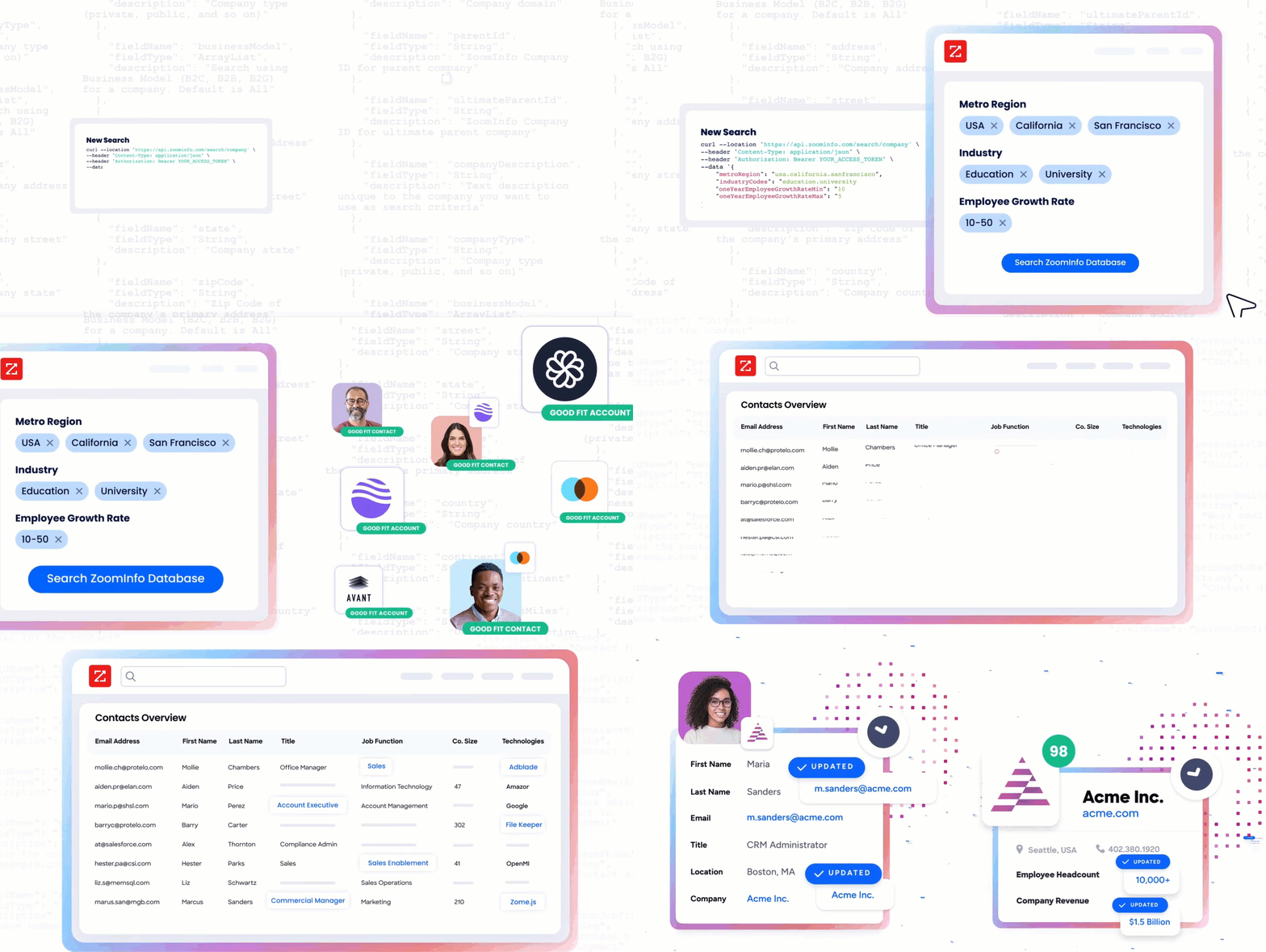
ZoomInfo sits between the two. GTM Workspace deploys in weeks, not months, integrating natively with Salesforce, HubSpot, and Microsoft Dynamics. The ZoomInfo App Marketplace lists 172+ partner integrations across CRM, marketing automation, sales engagement, data warehouses, and communications.
Source: ZoomInfo
For developers and AI builders, the Enterprise API and MCP server expose the same intelligence to any custom application. ZoomInfo offers a redesigned onboarding program spanning 30 to 90 days that earned a 25% satisfaction improvement and Rocketlane's Golden Comet award for Best Customer Onboarding Team.
Source: ZoomInfo
Snowflake feeds over 70 ZoomInfo firmographic and technographic data fields into their account propensity scoring model, resulting in 90% higher opportunity open rates and 2x higher customer conversion rates on top-scoring accounts. (Snowflake)
AdRoll vs. Tealium vs. ZoomInfo: Which should you choose?
The right platform depends on the problem you're solving.
Choose AdRoll if:
You need to run multi-channel advertising campaigns (display, social, CTV, video) from one platform
Your primary goal is retargeting website visitors and recovering abandoned carts
You're an ecommerce or DTC brand on Shopify, WooCommerce, or BigCommerce
You want to launch campaigns quickly with minimal technical setup
Your budget is modest and you need pay-as-you-go flexibility
Choose Tealium if:
You need enterprise customer data infrastructure with identity resolution and consent management
Your organization operates in a regulated industry (healthcare, finance, insurance) where HIPAA and GDPR compliance are mandatory
You have dedicated data engineering resources to implement and maintain the platform
Your challenge is unifying fragmented first-party data across web, mobile, apps, and offline systems
You want a vendor-neutral data layer that feeds AI models, data warehouses, and activation channels simultaneously
Choose ZoomInfo if:
You're a B2B team that needs to identify and engage accounts before they find you
Buyer intent data and knowing which companies are in-market matters to your strategy
You want AI-powered prospecting, outreach, and pipeline generation
You need contact data (direct dials, verified emails) for multi-threaded selling
You want your intelligence accessible through any tool (CRM, custom apps, AI agents) via API and MCP
Start with ZoomInfo Lite for free, or request a demo of the full platform.
AdRoll runs ads. Tealium governs data. ZoomInfo provides the B2B intelligence that makes every marketing and sales action more informed. For B2B revenue teams, that intelligence (knowing who to target, when to engage, and what to say) is the foundation the other two platforms can't provide on their own.
AdRoll vs. Tealium vs. ZoomInfo FAQ
What is the core difference between AdRoll, Tealium, and ZoomInfo?
AdRoll is an advertising platform that runs retargeting and display campaigns across web, social, and connected TV. Tealium is a customer data platform that collects, unifies, and activates first-party data across your tech stack.
ZoomInfo is a B2B go-to-market intelligence platform that provides contact and company data, buyer intent signals, and AI-powered tools for prospecting and sales execution. They operate at different layers of the marketing stack: AdRoll executes campaigns, Tealium manages data infrastructure, and ZoomInfo provides the intelligence to know who to pursue.
Which platform is best for B2B account-based marketing?
ZoomInfo has the strongest B2B account-based marketing capabilities of the three. It combines 500M contacts and 100M companies with native buyer intent data tracking 210 million IP-to-Organization pairings, plus a built-in demand-side platform for display advertising and multi-channel orchestration through GTM Studio.
AdRoll offers ABM capabilities through AdRoll ABM (formerly RollWorks), including intent data from G2 and Bombora and over 100 firmographic segment filters, but its primary strength is advertising execution rather than account intelligence. Tealium can activate audiences for ABM campaigns but provides data infrastructure rather than B2B buyer intelligence.
Can these platforms be used together?
Yes. AdRoll lists Tealium as a supported tag management integration, meaning Tealium can manage AdRoll's pixel deployment and route audience data to AdRoll for ad activation.
ZoomInfo's data can enrich customer profiles in a CDP like Tealium, and ZoomInfo's audience segments can be exported to advertising platforms including AdRoll. ZoomInfo also integrates with the data warehouses (Snowflake, Databricks) that Tealium connects to, creating multiple pathways for combining intelligence with activation.
Which platform is easiest to get started with?
AdRoll is the fastest to launch. Pixel installation takes under three minutes, ecommerce platform integrations auto-configure tracking, and campaigns can run the same day with daily budgets starting at $2.50.
ZoomInfo offers a permanent free tier (ZoomInfo Lite with 10 monthly export credits) and a 7-day free trial, with GTM Workspace deploying in weeks. Tealium has the longest implementation timeline, typically requiring one to four months for enterprise deployments, with no self-serve option or free trial publicly available.
Which platform provides buyer intent data?
ZoomInfo has the most comprehensive native intent capability, tracking signals across 210 million IP-to-Organization pairings with 6 trillion+ new keyword-to-device pairings sourced monthly. Its Guided Intent feature automatically identifies topics historically correlated with deal success.
AdRoll ABM includes intent data from G2 and Bombora for account-based targeting, though this is a supplementary feature rather than the platform's core strength. Tealium does not generate intent data itself but can ingest and activate third-party intent signals through its connector ecosystem.
How do the platforms handle data privacy and compliance?
Tealium has the strongest compliance posture for regulated industries, holding HIPAA BAA, SOC 2, ISO 27001, ISO 27701, ISO 27018, and TISAX certifications, with native consent management enforced at every data collection and activation point.
ZoomInfo maintains ISO 27001, ISO 27701, SOC 2 Type II, TRUSTe GDPR, and TRUSTe CCPA certifications, renewed annually, and is a registered data broker in California and Vermont. AdRoll holds SOC 2 Type 2 and PCI DSS certifications, partners with HUMAN Security for ad fraud protection, and is a member of the IAB, NAI, and TAG.
Which platform works best for ecommerce businesses?
AdRoll is the strongest fit for ecommerce, with native integrations for Shopify, WooCommerce, BigCommerce, Wix, and PrestaShop that automatically configure product feeds, dynamic retargeting ads, and revenue tracking.
AdRoll claims to have generated over $25 billion in revenue for customers, primarily through ecommerce retargeting. Tealium serves enterprise retailers like Selfridges and Gap Inc. but as data infrastructure rather than an advertising tool. ZoomInfo focuses on B2B markets rather than B2C ecommerce.
What AI capabilities does each platform offer?
AdRoll's AI centers on its BidIQ bidding engine (2.5 trillion predictions per day) and the HeroIQ-powered AI Assistant that helps build campaigns, generate reports, and suggest optimizations. Tealium offers the Behavioral Insight Agent for in-stream intent classification, bi-directional AI connectors for AWS Bedrock and OpenAI, and a Configuration Agent for natural-language platform setup.
ZoomInfo's GTM Context Graph processes 1.5 billion+ data points daily to power AI agents in GTM Workspace that automate account research, outreach drafting, CRM updates, and signal monitoring, built on Anthropic's Claude.
More Tealium comparisons:
