
Choosing between Segment and Tealium for your customer data needs comes down to five questions:
Do you need a developer-first platform that routes events to hundreds of tools through a single API, or an enterprise system with built-in tag management and consent enforcement?
Is your team engineering-led (comfortable writing instrumentation code), or does it need a platform that gives marketing and data teams more independence?
How critical is real-time, in-session activation, or is batch-level audience building and warehouse syncing enough?
Are you in a regulated industry where structural consent enforcement and HIPAA compliance are procurement requirements?
Are you solving only for first-party behavioral data, or do you also need third-party B2B intelligence to identify and reach buyers?
In short, here's what we recommend:
Segment (now part of Twilio) is the developer-friendly customer data platform built around a single API. Engineering teams instrument once, and Segment routes events to 750+ downstream tools without duplicate tracking code. Its identity resolution merges anonymous and known profiles across devices, and its Event-Triggered Journeys activate real-time personalization across Twilio's native channels (SMS, email, WhatsApp). With a free plan at 1,000 MTUs and a Team plan starting at $120/month, Segment is accessible for startups and mid-market teams. The trade-offs: the platform requires developer involvement for event creation, offers no built-in analytics or reporting, and pricing can scale unpredictably as traffic grows.
Tealium is the enterprise CDP with tag management roots, processing 9 billion+ events per day with trigger-to-activation in under 300ms. Its 1,300+ integrations, vendor-neutral architecture, and back-to-back Gartner Magic Quadrant Leader recognition make it a strong fit for regulated industries where privacy governance is non-negotiable. Consent is enforced structurally: tags requiring consent don't load at all if consent is absent. The platform holds HIPAA BAA, SOC 2, and ISO 27701 certifications. The trade-offs: implementation requires technical expertise, pricing is entirely custom with no public figures, and no staging or QA environment exists for testing changes before production.
Both platforms collect, unify, and activate first-party behavioral data from your digital properties. But for B2B go-to-market teams, first-party data is only half the equation. The other half is knowing who your buyers are, which companies are in-market, and how to reach decision-makers before they fill out a form. Neither Segment nor Tealium generates that intelligence.
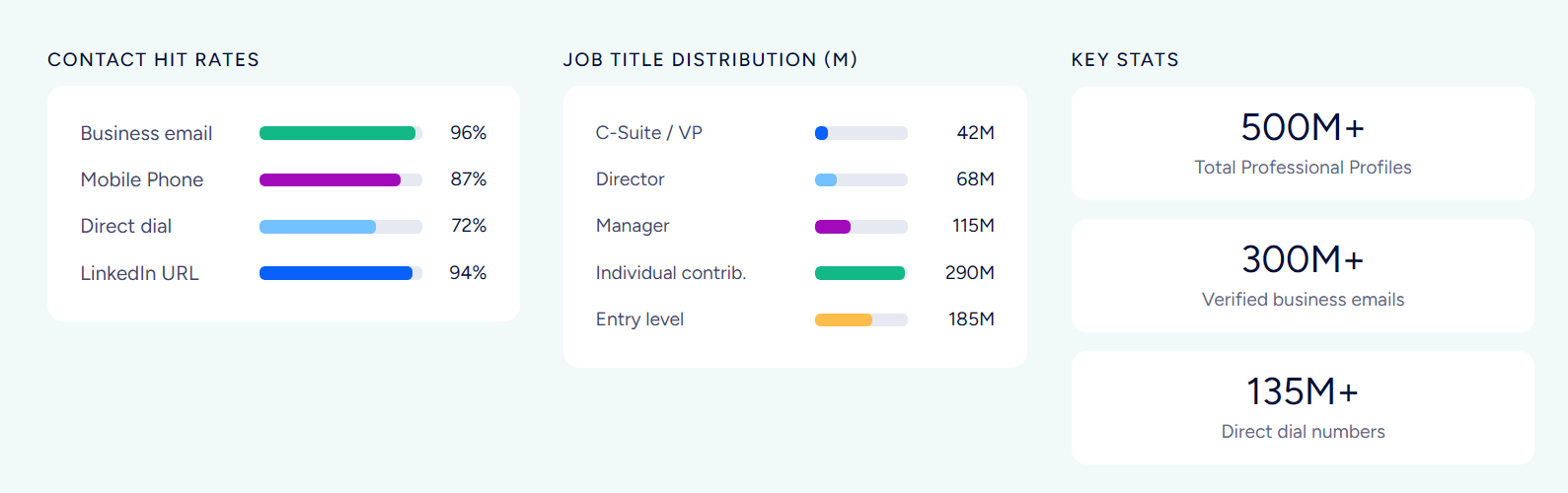
ZoomInfo is a B2B intelligence and GTM platform that provides the third-party data layer neither CDP can replicate. Built on 500M contacts, 100M companies, 135M+ verified phone numbers, and 200M+ verified business email addresses, ZoomInfo doesn't replace your CDP. It makes it more useful. Its GTM Context Graph fuses your CRM records, conversation transcripts, and behavioral signals with ZoomInfo's third-party data to reveal not just what happened in your pipeline, but why. That intelligence is accessible through GTM Workspace for sellers, GTM Studio for marketers and RevOps, or APIs and MCP in any front-end, including the CDP you already use.
If adding verified B2B intelligence to your data stack sounds like the missing piece, see how ZoomInfo works alongside your existing tools.
Segment vs. Tealium vs. ZoomInfo at a glance
Segment | Tealium | ZoomInfo | |
|---|---|---|---|
Primary function | First-party data collection and routing | First-party data collection, CDP, and orchestration | Third-party B2B intelligence and GTM execution |
Core approach | Single API, event-based collection | Tag management + server-side CDP | B2B contact, company, and intent data |
Integration catalog | 120+ marketplace + Enterprise API and MCP | ||
Identity resolution | Cross-device profile unification | Visitor stitching across devices and channels | 500M contacts, 100M companies with verified identities |
Real-time capability | Event-triggered journeys (GA summer 2025) | Sub-300ms trigger-to-activation | Real-time intent signals and buying alerts |
AI features | Predictive traits, generative audiences | Behavioral Insight Agent, AI partner ecosystem | GTM Context Graph, AI-powered prospecting and outreach |
Privacy certifications | SOC 2, HIPAA eligible, ISO 27001 | SOC 2, HIPAA BAA, ISO 27701, TISAX | SOC 2, ISO 27001, ISO 27701, TRUSTe GDPR/CCPA |
Pricing model | MTU-based (Team plan starts at $120/mo) | Custom enterprise contracts | Custom consumption-based |
Free option | Free plan (1,000 MTUs) | No public free trial | Free Lite tier + 7-day trial |
Best for | Product-led and B2C companies with engineering teams | Regulated enterprises needing real-time activation | B2B teams needing contact data, intent signals, and GTM execution |
CDPs collect what your visitors did; ZoomInfo tells you who they are
This is the distinction that matters most.
Segment and Tealium are both customer data platforms. They collect events from your digital properties (website clicks, app interactions, form submissions, purchase behavior) and unify them into customer profiles. They answer: what did this person do on our site, and how do we personalize their next experience?
ZoomInfo answers a different question: who are the decision-makers at the companies we should be selling to, which of those companies are researching our category right now, and how do we reach them with verified contact information?
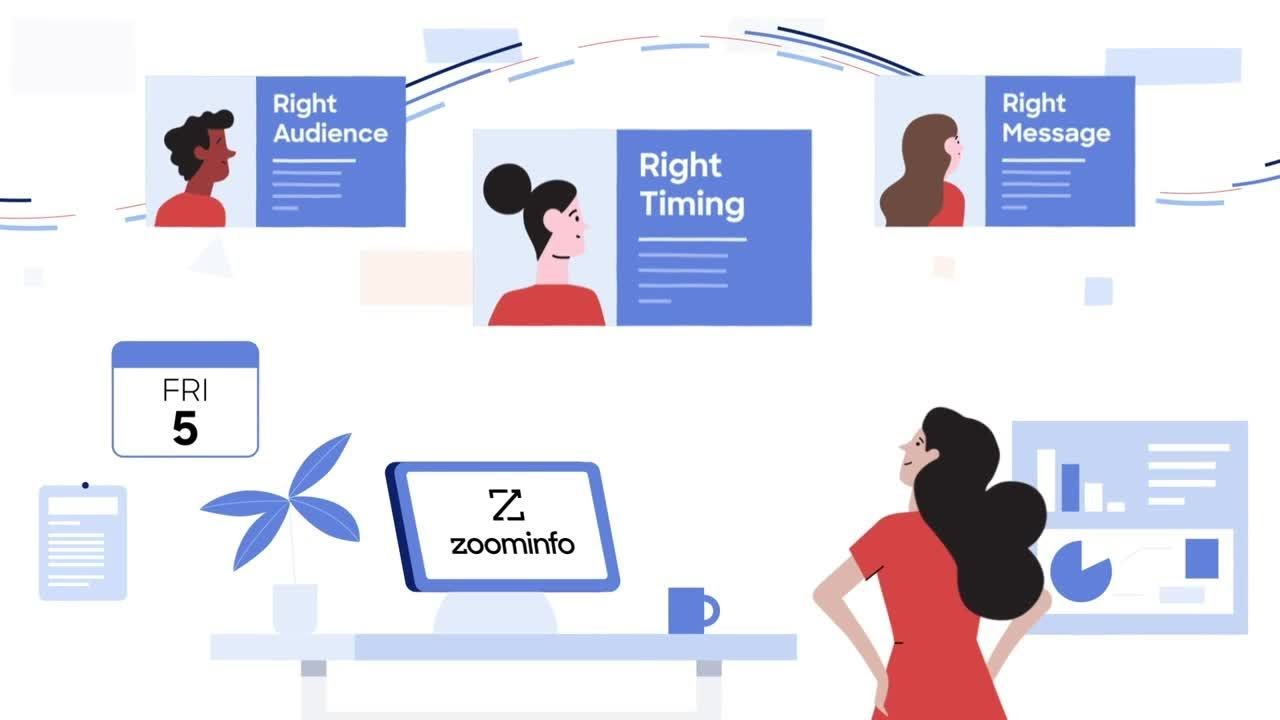
For B2C companies (Domino's optimizing pizza ordering, Fender personalizing the guitar-shopping experience), a CDP is the center of the data stack. First-party behavioral data drives everything.
For B2B companies, first-party data covers only the fraction of your addressable market that has already found you. Your website visitors are anonymous until they identify themselves. Your target accounts may never visit your site. The buying committee includes five to ten people across departments, and reaching them requires verified emails and direct-dial phone numbers that no CDP generates.
ZoomInfo fills that gap with 500M contacts and 100M companies verified through a multi-source pipeline backed by 300+ human researchers, reaching up to 95% accuracy on first-party data. Buyer intent data tracks signals from 210 million IP-to-Organization pairings and 6 trillion+ keyword-to-device pairings sourced monthly. WebSights resolves anonymous website traffic to companies, identifying the buying team and their contact information before anyone fills out a form.
The most effective B2B data stacks use both layers: a CDP for first-party behavioral data, and ZoomInfo for third-party B2B intelligence. One tells you what happened. The other tells you who to reach and when.
Snowflake uses ZoomInfo for at least one-third of the most critical data features in their Account Propensity Scoring model, feeding over 70 firmographic and technographic data fields. Accounts monitored using ZoomInfo-powered scores showed 90% higher opportunity open rates and 2x higher customer conversion rates. (Snowflake)
Segment leads with developer simplicity, Tealium with enterprise depth
Segment's founding insight was simple: instrument once, route everywhere. Its Analytics.js library and server-side SDKs let developers fire a single analytics.track() call, and Segment translates that event into the format each downstream tool requires. With SDKs for every major language and platform (JavaScript, iOS/Swift, Android/Kotlin, React Native, Node.js, Python, Go, Java, and more), the entry barrier for basic tracking is low. A developer can drop a JavaScript snippet and start collecting events within an hour.
Source: Twilio
This simplicity extends to the data model. Segment uses a standardized event taxonomy covering common patterns for ecommerce, B2B SaaS, video, and mobile. Design a clean event schema upfront, and adding new destinations later takes minutes, not sprints. G2 users report that the platform "unifies user data from web, mobile, backend, CRM into a single stream, consolidating one-time event tracking for all tools without duplicate effort."
But a full production deployment is harder than that first snippet suggests. G2 users note that "initial implementation and event taxonomy design are hard to get right, and mistakes are expensive long-term." Segment requires developer involvement at every stage of setup, and non-technical users depend on engineering teams for any changes to the tracking plan.
Tealium takes a broader approach. Starting from its iQ Tag Management foundation (launched in 2012, before the CDP category existed), Tealium manages both client-side tag deployment and server-side event processing. Where Segment is API-first, Tealium is governance-first.
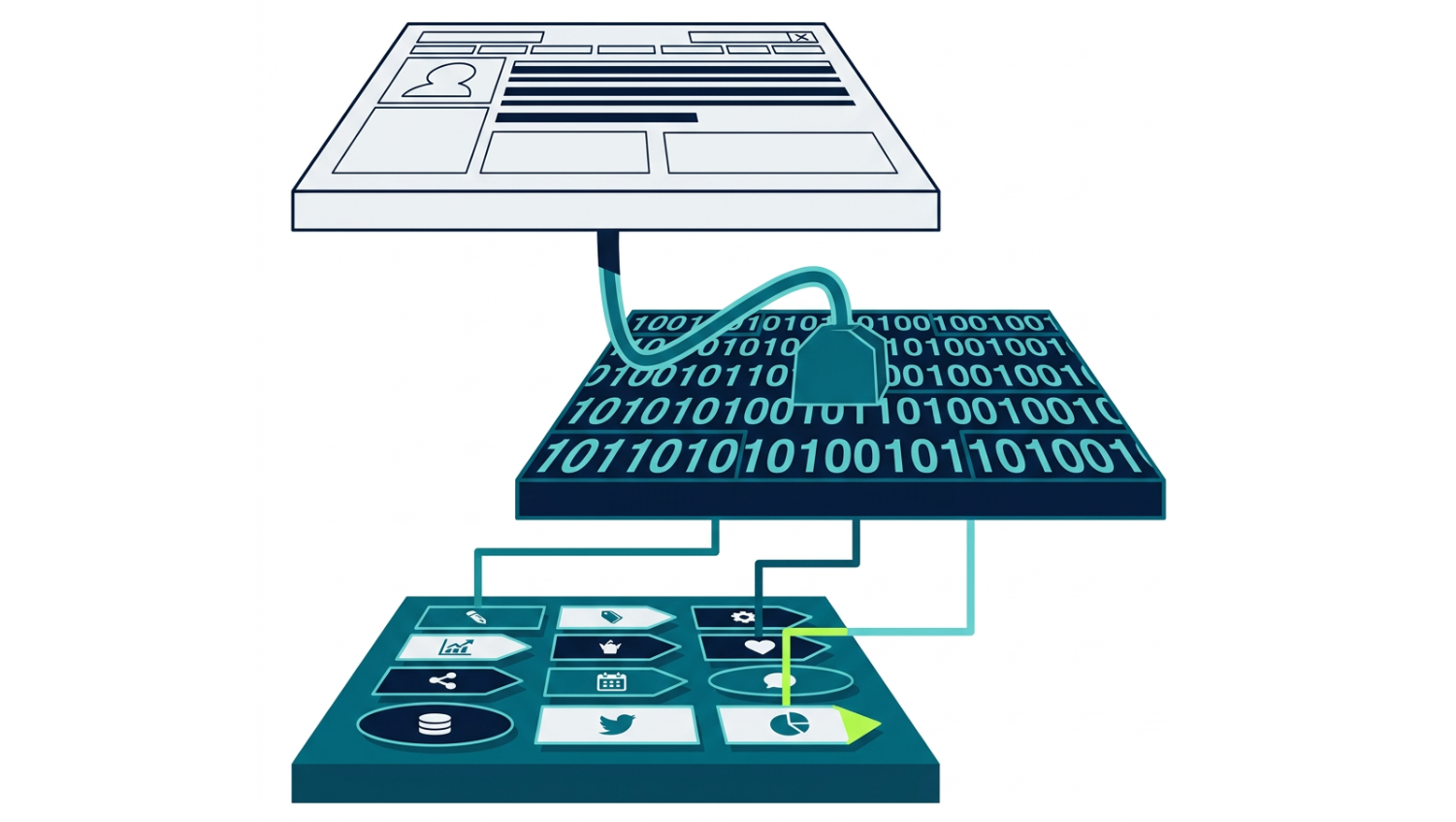
The Universal Data Layer standardizes data in a vendor-neutral format before any tool receives it. The Universal Tag container (utag.js) replaces all hardcoded vendor scripts with a single snippet, and tag changes publish instantly from the iQ interface without code releases. IBM used this to standardize collection across 24 million pages and 143 off-site domains.
Source: Tealium
The architecture matters here. Tealium's client-side processing encodes all tag logic into a static JavaScript file served from a CDN, so page performance isn't bottlenecked by server round-trips. Consent is enforced at the tag-firing level (not retroactively), with native integrations for OneTrust, Didomi, and Usercentrics built into the extension library.
This structural difference shapes who each platform serves best. Segment is faster to implement for a team with strong developers who want clean event instrumentation and broad tool connectivity. Tealium gives more governance control to organizations managing dozens of vendor tags across global properties, especially when compliance teams need structural guarantees about what data flows where and under what consent conditions.
Real-time processing capabilities reveal different design priorities
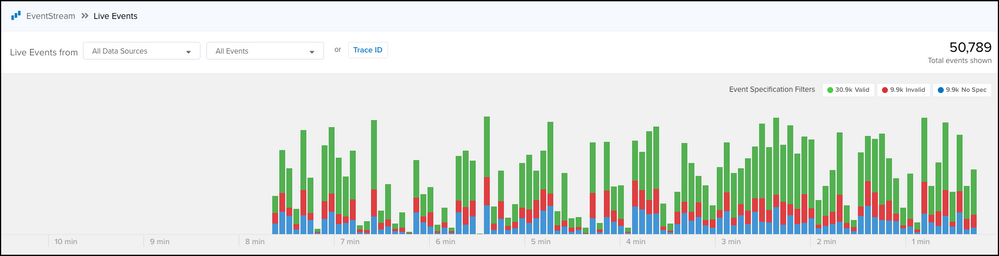
Tealium's real-time processing is one of its clearest advantages over Segment. The EventStream API Hub processes events entirely in-memory, with no disk writes in the hot path. The platform delivers trigger-to-activation in under 300ms.
Source: Tealium
For applications that need real-time profile data at personalization speed, the Moments API exposes visitor context at 60ms average latency for sub-1 kB payloads, with a rate limit of 200 requests per second per profile. This makes mid-session server-side personalization feasible: a visitor's audience membership, behavioral badges, and profile attributes are available before the next page renders.
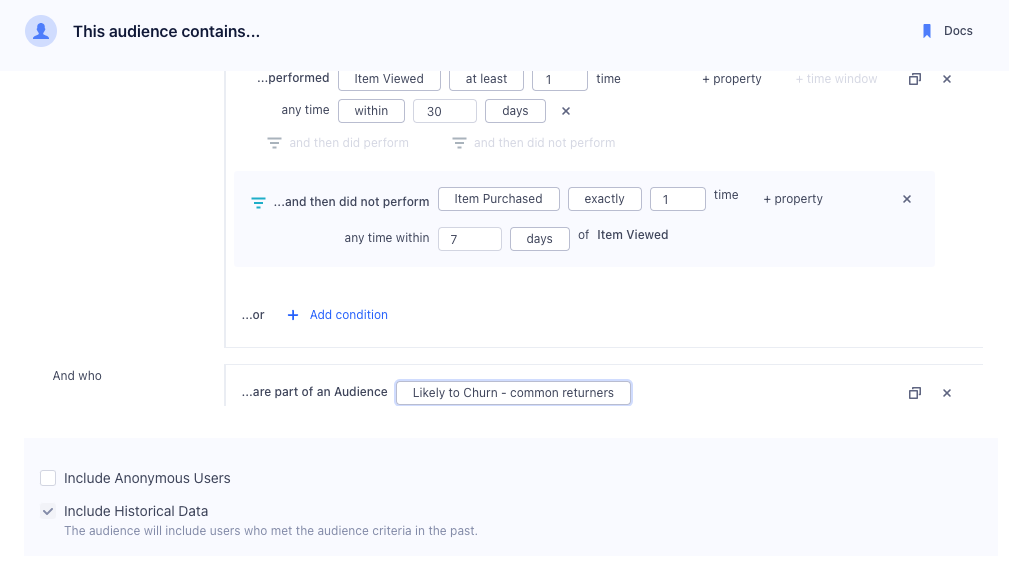
Segment's real-time story is catching up. Real-time audience computation updates membership as events flow in, and the redesigned Event-Triggered Journeys (V2) fires the moment a user performs a specific event rather than waiting for batch evaluation. Journeys V2 supports unique identifiers so multiple simultaneous journey instances for the same user stay properly scoped. This is a real improvement over batch scheduling, though Segment has not published latency benchmarks for the end-to-end activation path.
Source: Twilio
Segment's Profile API gives programmatic access to unified profiles with response times under 200ms. That's fast for API-based personalization, but slower than Tealium's Moments API.
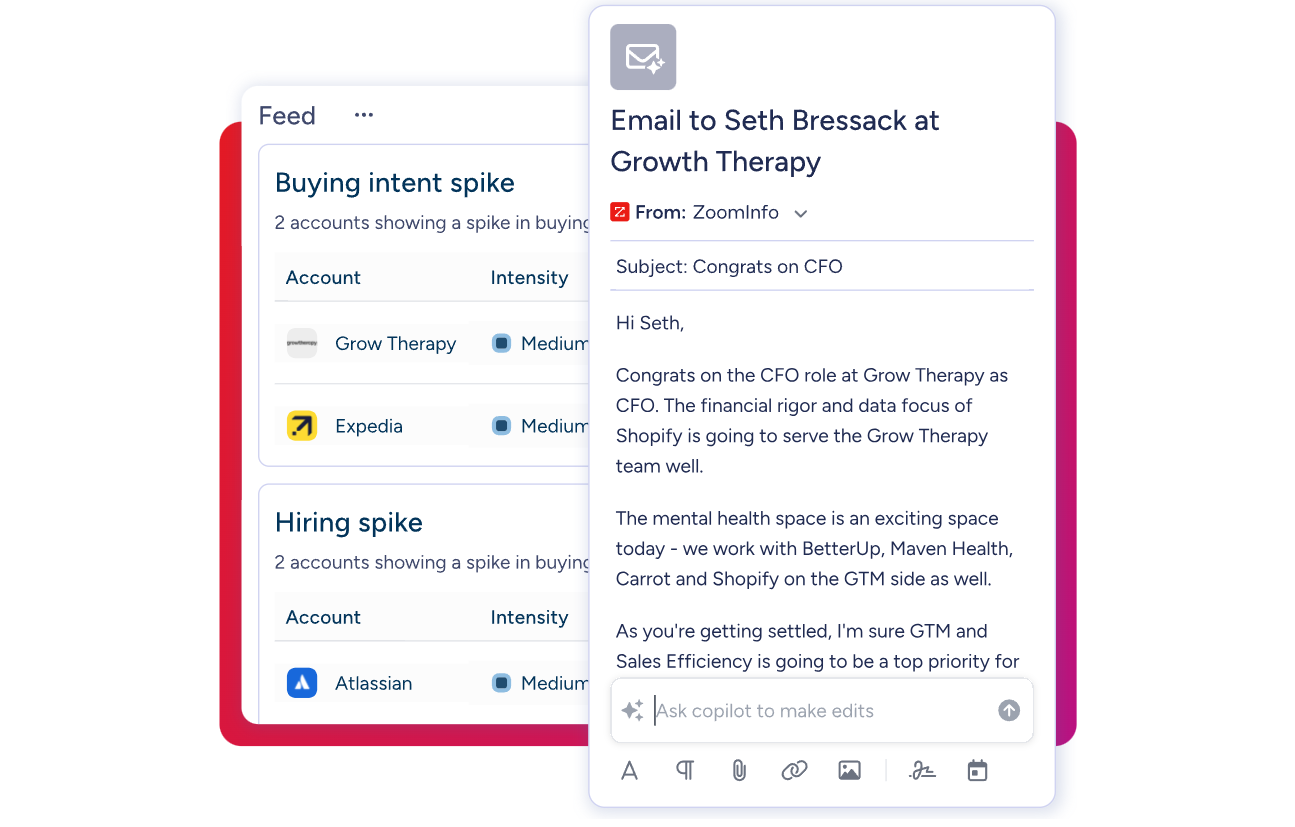
ZoomInfo's real-time operates on a different axis. Instead of reacting to what someone just did on your website, ZoomInfo detects when companies are researching your category through its intent data engine and alerts your team through the Action Feed in GTM Workspace. The signals are different: funding events, executive hires, technology changes, competitive research activity, and website visits resolved to companies. Guided Intent (exclusive to ZoomInfo) identifies topics historically correlated with deal success rather than requiring manual topic selection.
Identity resolution solves different problems across all three
Each platform resolves identity, but they address different challenges.
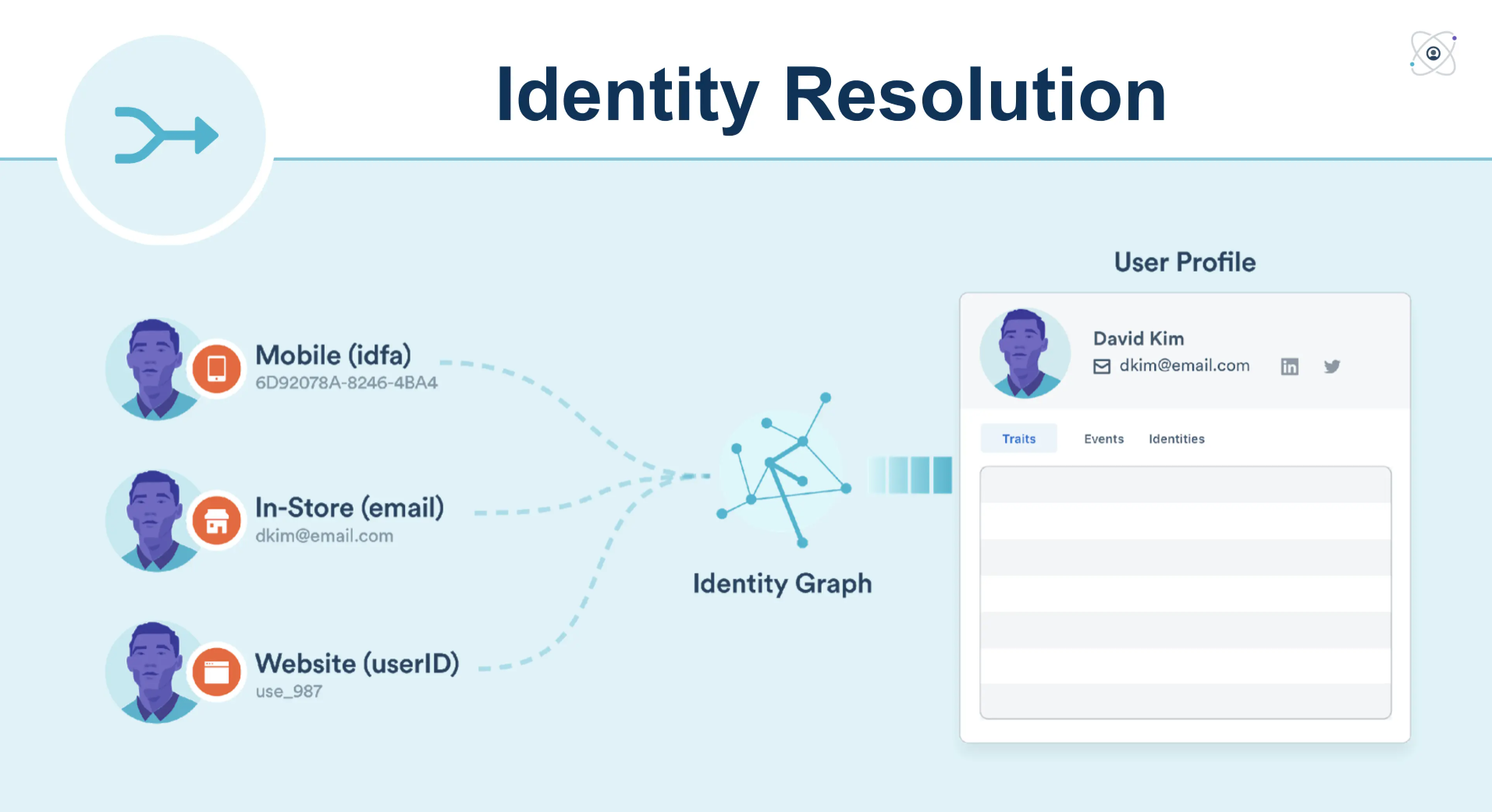
Segment's Unify consolidates cross-device and cross-channel identities into persistent unified profiles using an online and offline ID graph. It supports cookie IDs, device IDs, email addresses, user IDs, and custom external IDs. When an anonymous visitor later identifies themselves, all prior anonymous activity folds retroactively into their profile without additional code changes. Administrators configure customizable ID rules to control merge behavior, and a priority trust algorithm protects against erroneous "super profiles" caused by shared device IDs.
Source: Twilio
Segment also supports B2B account-level profiles, generating a graph of user-to-account relationships using the Group call. Profiles are enriched with computed traits (event counters, aggregations, most frequent values), SQL traits imported from warehouse queries, and predictive traits for propensity scores and churn likelihood.
Tealium's AudienceStream visitor stitching takes a deterministic, first-party-only approach. Every session receives a Tealium-generated anonymous identifier (TAPID). When a visitor provides a known identifier (email, login ID, loyalty number), the system triggers visitor stitching, merging profiles by replaying all historical event data chronologically into a unified record. Each profile supports up to 500 visitor and visit attributes with eleven data types including funnels, timelines, tallies, and badges.

Source: Tealium
Both CDPs solve the same problem: stitching fragmented first-party interactions into a coherent profile of someone who has already visited your properties.
ZoomInfo resolves B2B identity at a different scale: identifying 500M contacts at 100M companies across the global business landscape, verifying who works where, what their role is, what their direct dial phone number is, and what their verified email address is. This identity layer works independently of whether someone has ever visited your website. It's built through automated ML scanning of 28 million site domains daily, third-party partner data covering 95 million businesses, and an in-house Data Training Lab of 300+ human researchers.
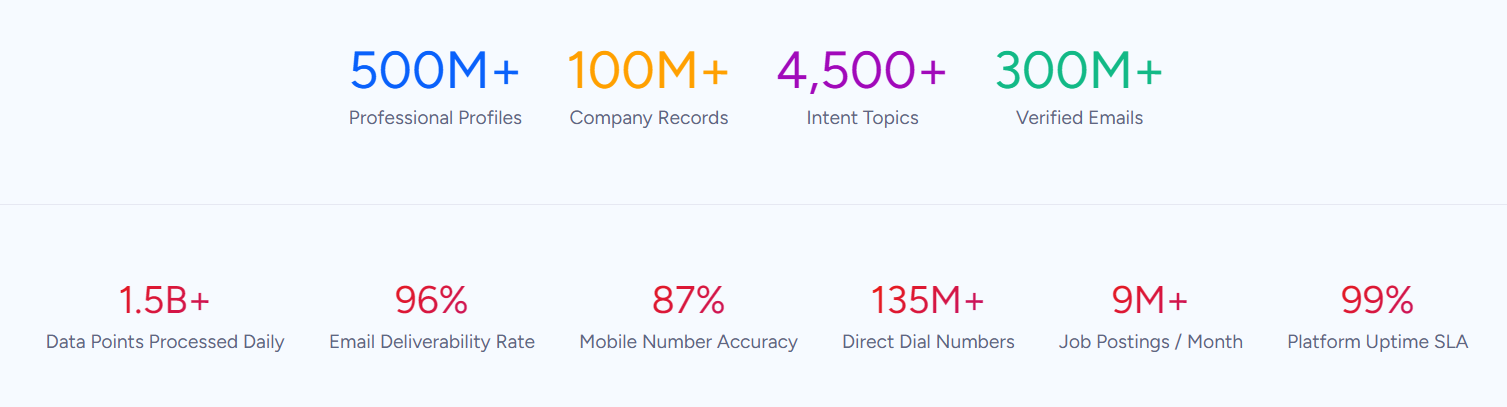
For B2B teams, the complete identity picture requires both layers: CDP identity resolution stitching your known visitors into unified profiles, and ZoomInfo providing the verified business identity of the people you haven't met yet.
Integration ecosystems reflect each platform's philosophy
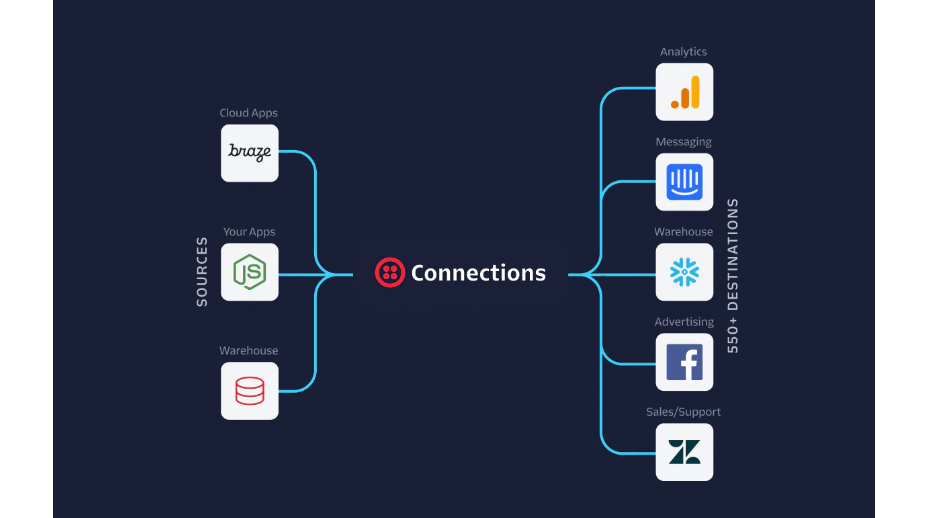
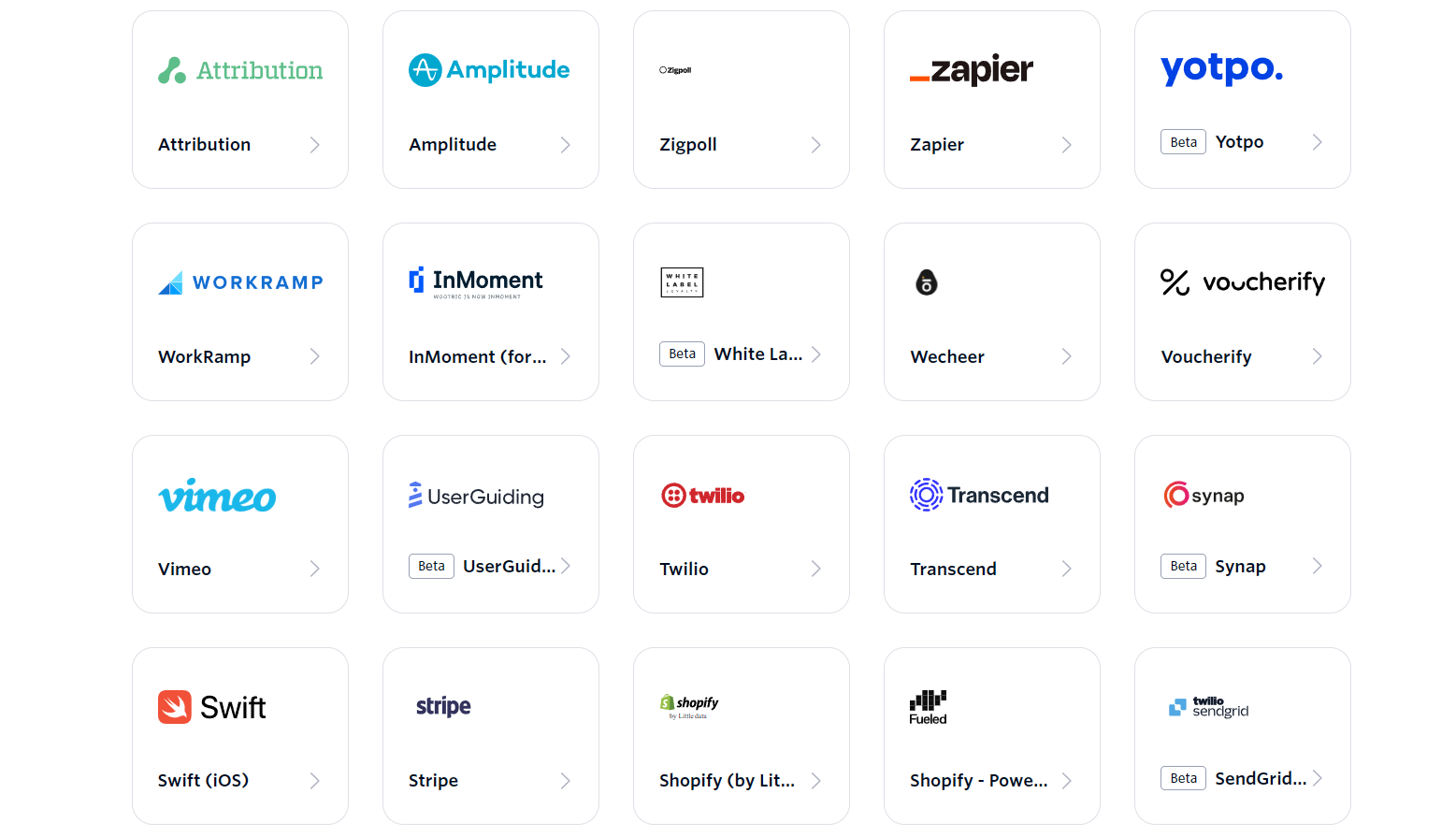
Segment's integration catalog is its competitive advantage. With 750+ integrations spanning analytics, advertising, CRM, email marketing, customer success, and data warehouses, it connects to nearly any tool in a modern data stack. The Destination Actions framework gives teams explicit control over how events map to destination-specific actions, with field-level transformations including coalesce, case, JSON, flatten, replace, and concatenation.
Source: Twilio
For warehouse-centric teams, Segment offers bidirectional data flow: Connections sends events into warehouses (Snowflake, BigQuery, Redshift, Databricks), while Reverse ETL sends warehouse-derived records back to operational tools on schedules as frequent as every 15 minutes. Linked Audiences queries warehouse entity data directly within audience definitions. The advantage of sitting inside Twilio is native access to communication channels: SendGrid email reached GA and Twilio Messaging (SMS, MMS, WhatsApp) entered Public Beta, making Segment the only CDP where activation channels and data infrastructure share the same vendor.
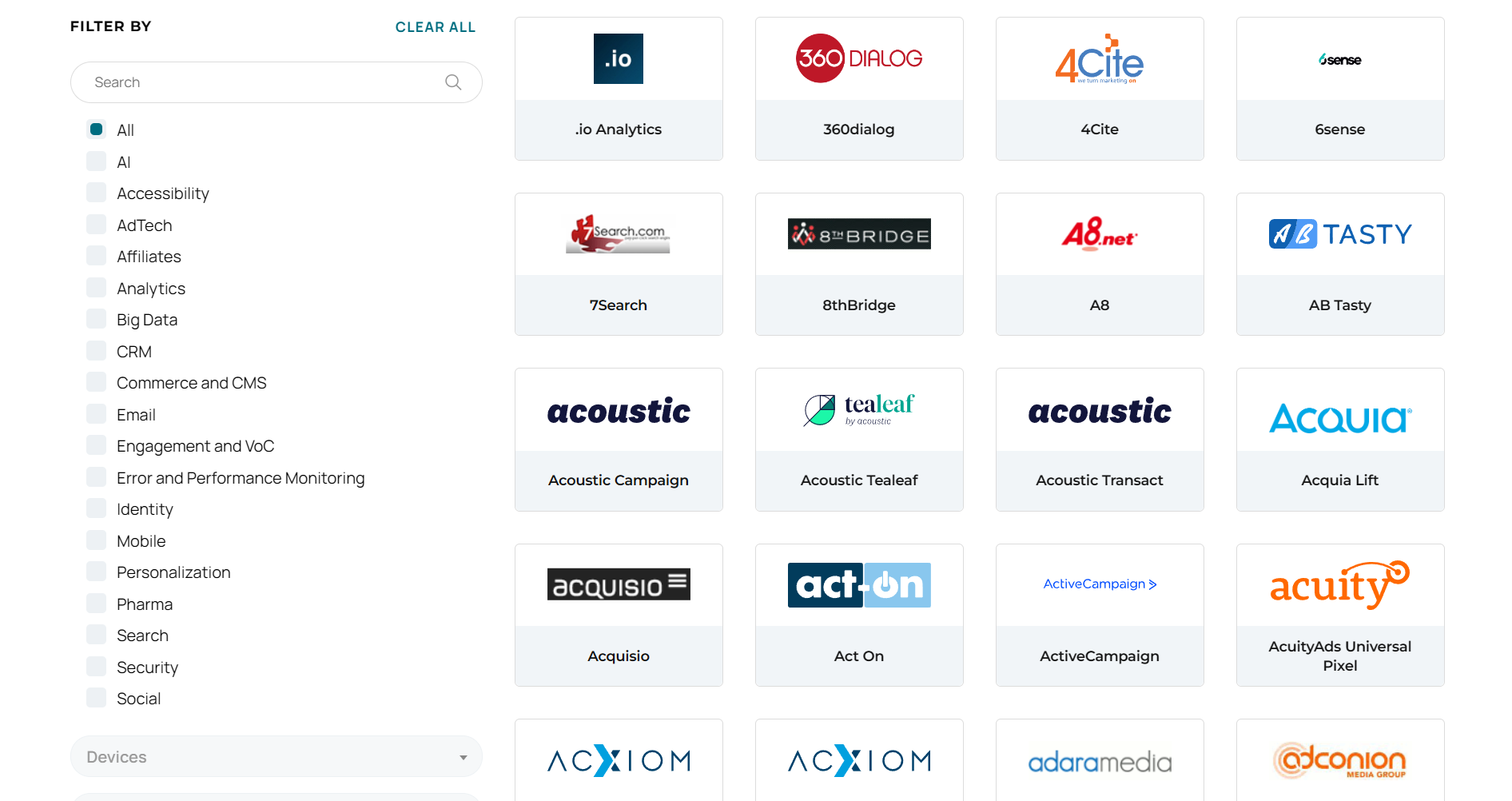
Tealium's catalog is broader at 1,300+ integrations, and the platform offers more activation modes. Server-side connectors route data in real time, with built-in retry logic at 1-minute, 5-minute, and 30-minute intervals for failed requests. Frequency capping and cooldown groups control message cadence.
Source: Tealium
The warehouse integration model differs. Tealium's Data Cloud Activation supports zero-copy activation from Snowflake, Databricks, BigQuery, and Amazon Redshift, meaning no duplicate is loaded into Tealium storage. The Snowflake Audience Discovery App runs inside the customer's own Snowflake account, where source data is never copied or exported. Three audience-building modes (visual filters, SQL with AI assistance, and natural language via Snowflake Cortex) all produce the same audience metadata.
ZoomInfo connects through a different model. The ZoomInfo App Marketplace lists 120+ partner integrations across CRM, marketing automation, sales engagement, and data warehouse categories. Featured integrations include Salesforce, HubSpot, Snowflake, and Microsoft Dynamics 365. The Enterprise API exposes ZoomInfo's data programmatically, and the MCP server delivers intelligence to AI assistants like Claude and ChatGPT. API access is included in all relevant plans.
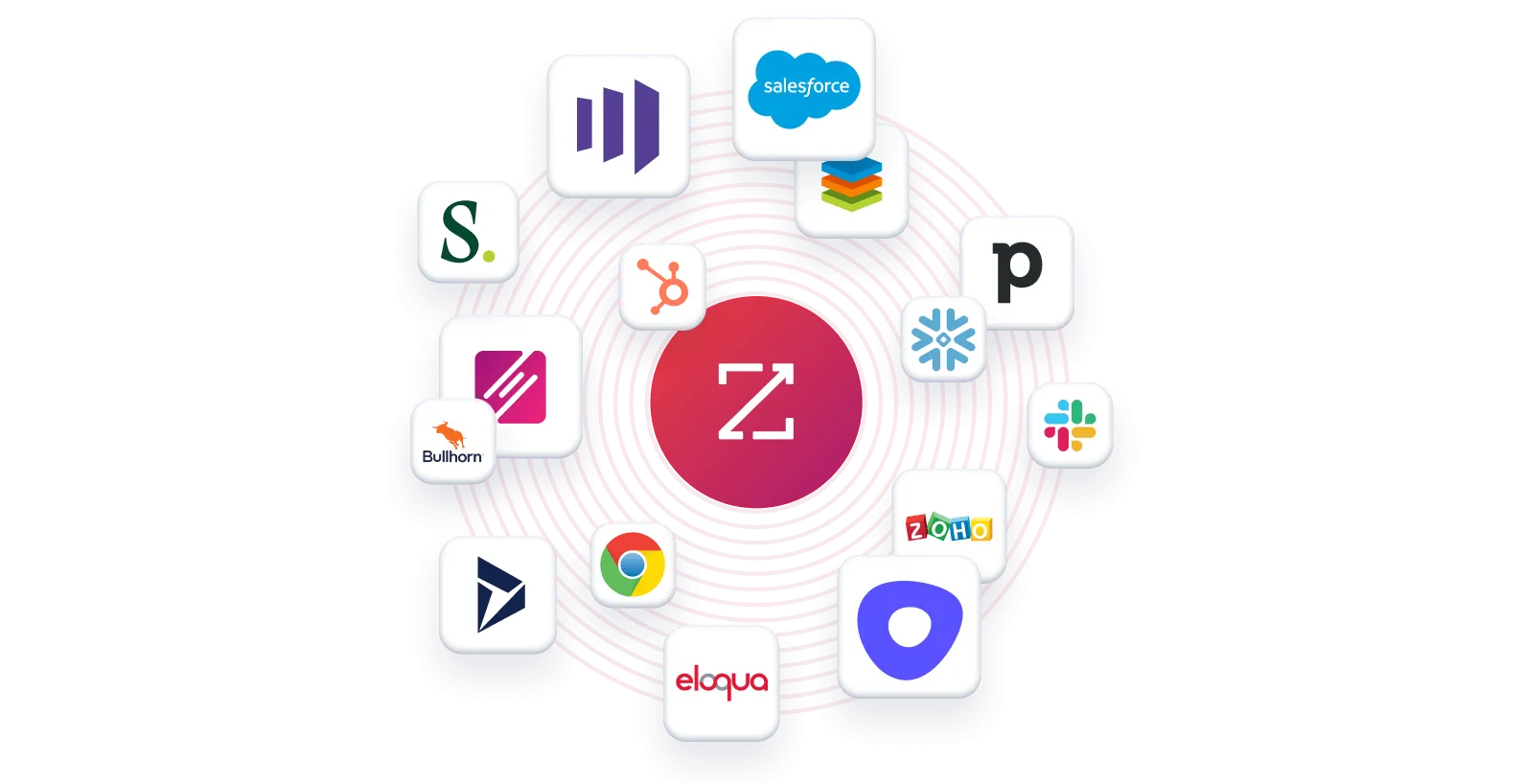
The practical point for B2B teams: your CDP routes first-party events to downstream tools, and ZoomInfo enriches those records with verified B2B intelligence. Both Segment and Tealium can push data to a shared CRM or warehouse; ZoomInfo can enrich that same CRM or warehouse with contact data, company attributes, and intent signals. The platforms work through shared infrastructure, not in place of each other.
"The plug-and-play aspect of the API means I can integrate it very easily into any process and get information at a moment's notice." BDO Canada's marketing intelligence team cut time spent on internal data dashboard updates by 87% with ZoomInfo's API. (BDO Canada)
Privacy and compliance approaches differ structurally
For enterprise buyers in healthcare, financial services, and insurance, privacy certifications are procurement requirements. All three platforms invest in compliance, but their approaches reflect different data models.
Segment holds SOC 2 Type II, ISO 27001, ISO 27017, and ISO 27018 certifications and is HIPAA eligible with a signed BAA. Privacy tooling includes a Privacy Portal for PII detection across incoming event streams, Data Controls that block, allow, or hash specific fields before they enter the pipeline, and built-in Consent Management integrated across Connections, Engage, Reverse ETL, and Unify. Data residency options cover US and EU through Regional Segment, with AWS PrivateLink available for private network routing.
Tealium's compliance posture is broader. In addition to SOC 2 and ISO 27001, Tealium holds ISO 27701 (the privacy-specific extension that neither Segment nor most CDPs carry), TISAX for automotive, and TX-RAMP for Texas state agencies. A HIPAA multi-tenant or private cloud solution with BAA is available.
The structural differentiator is how Tealium enforces consent. Consent travels with every event and is enforced independently of business logic. Privacy teams can change consent settings without touching audience definitions or connector configurations. Restricted Data Flags control personal data flow at the data layer level, and Global Privacy Control (GPC) signal detection is built into consent enforcement. Data residency options include AWS Singapore Region for APAC alongside EU deployments.
ZoomInfo's compliance framework addresses the distinct regulatory requirements of providing third-party business intelligence. Certifications include ISO 27001, ISO 27701, SOC 2 Type II, TRUSTe GDPR, and TRUSTe CCPA, all renewed annually. ZoomInfo is a registered data broker in California and Vermont, with a dedicated Trust Center.
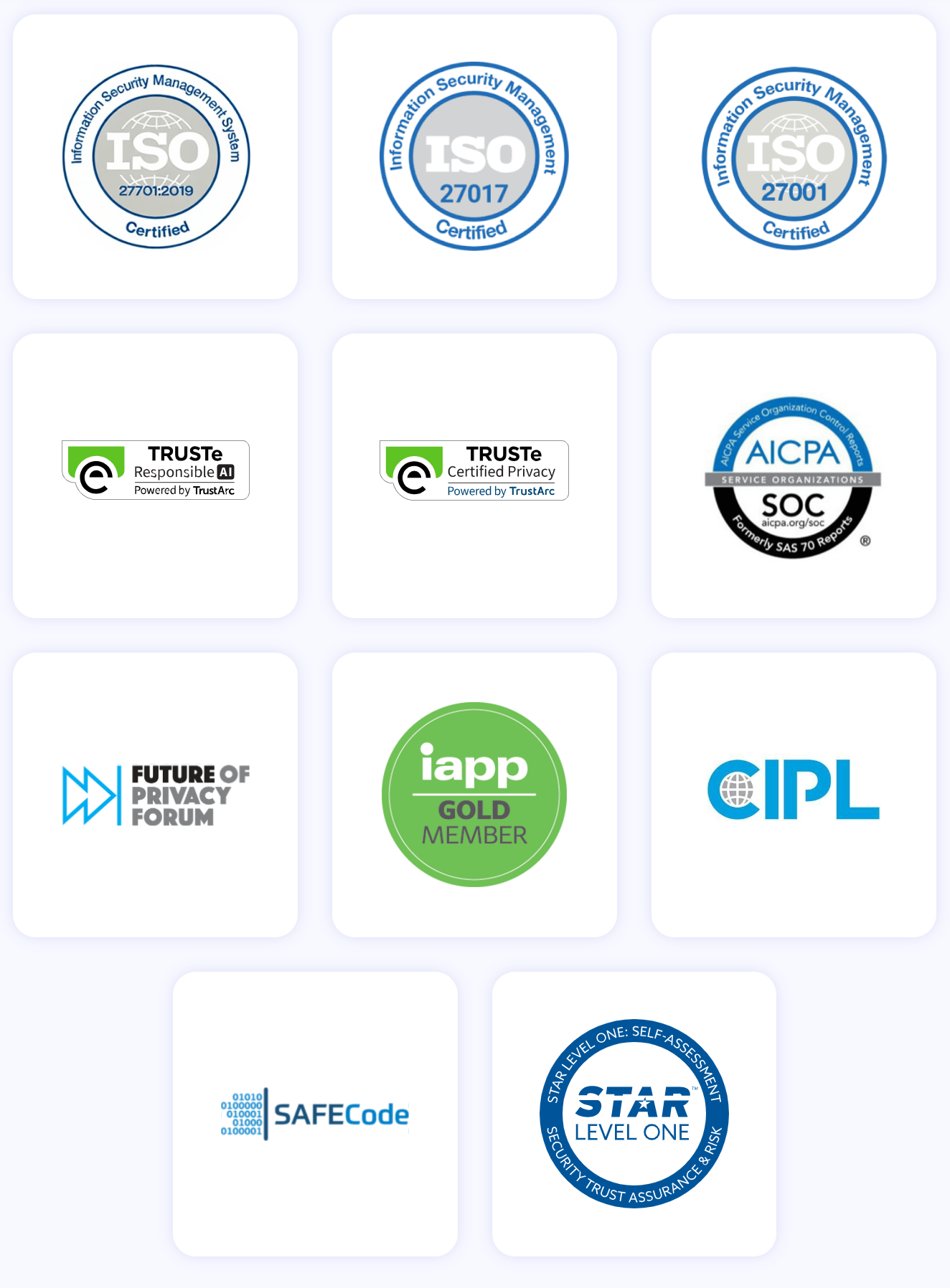
All three platforms take compliance seriously. Tealium has the strongest structural consent enforcement for first-party data. Segment provides solid privacy tooling within its CDP pipeline. ZoomInfo's compliance infrastructure covers the separate regulatory surface of third-party B2B data provision.
AI capabilities serve different stages of the funnel
Each platform applies AI to a different problem. Understanding those boundaries clarifies what a complete B2B AI stack looks like.
Segment's AI helps teams work with first-party data without needing data scientists. CustomerAI Predictive Traits score customers for purchase likelihood, churn risk, and lifetime value. Generative Audiences (GA in 2025) let marketers build segments from natural language prompts instead of writing SQL or configuring boolean logic. These features lower the technical barrier for audience building, but they operate only within Segment's first-party behavioral data.
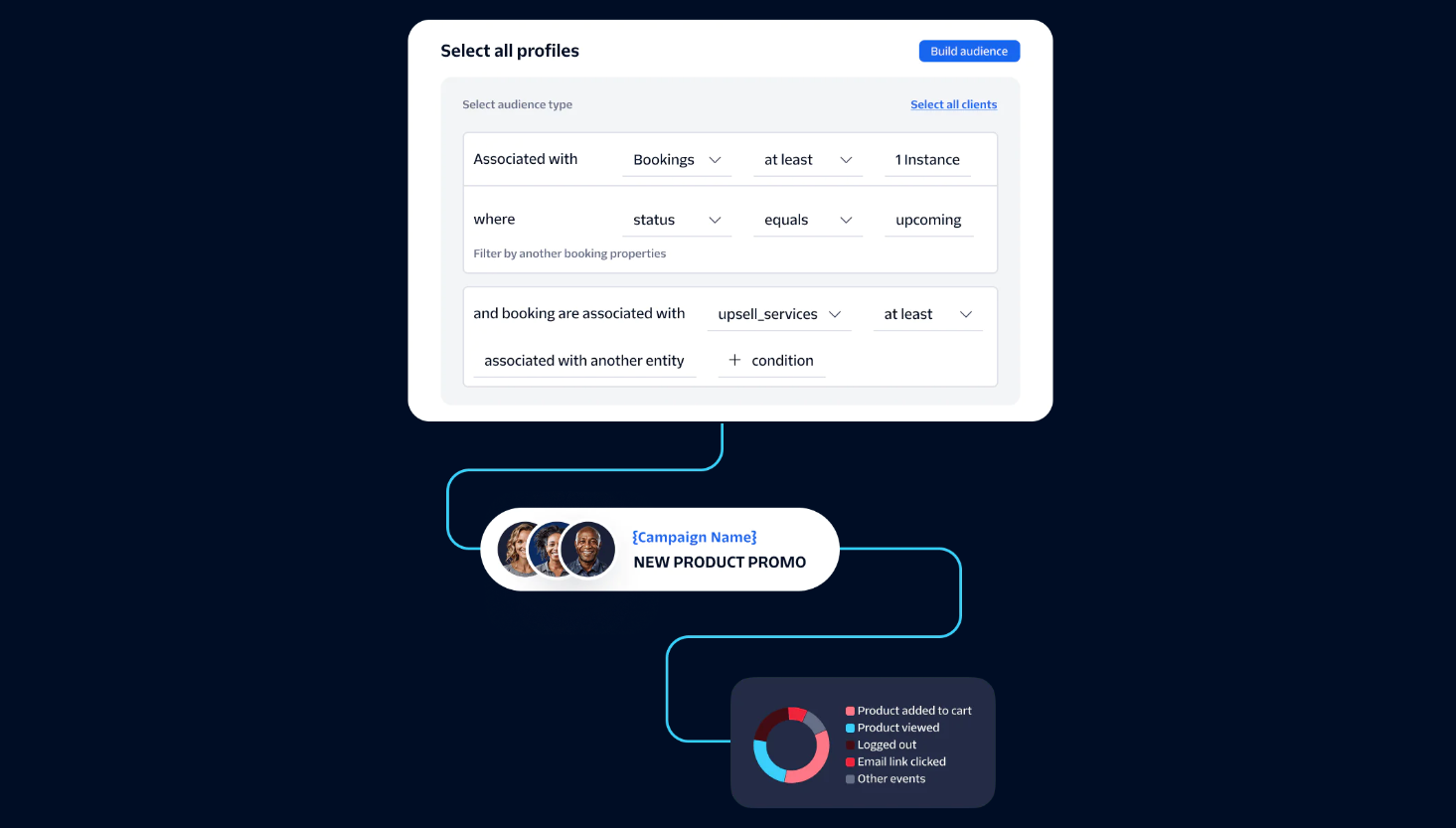
Source: Twilio
Tealium's AI goes further. The Behavioral Insight Agent classifies intent, sentiment, and buying signals directly inside the event stream, without exporting data to an external model. Teams define behavioral categories through a guided interface, and the agent writes classifications back to visitor profiles before the next click. Beyond in-stream intelligence, the AI Partner Ecosystem connects to AWS Bedrock, Vertex AI, OpenAI, SageMaker, Pinecone, and LangChain, feeding AI models with consented customer context. The Invoke Your Own Model (IYOM) capability lets organizations run proprietary models in their own data cloud and activate results through Tealium in real time, without handing model ownership to a vendor.
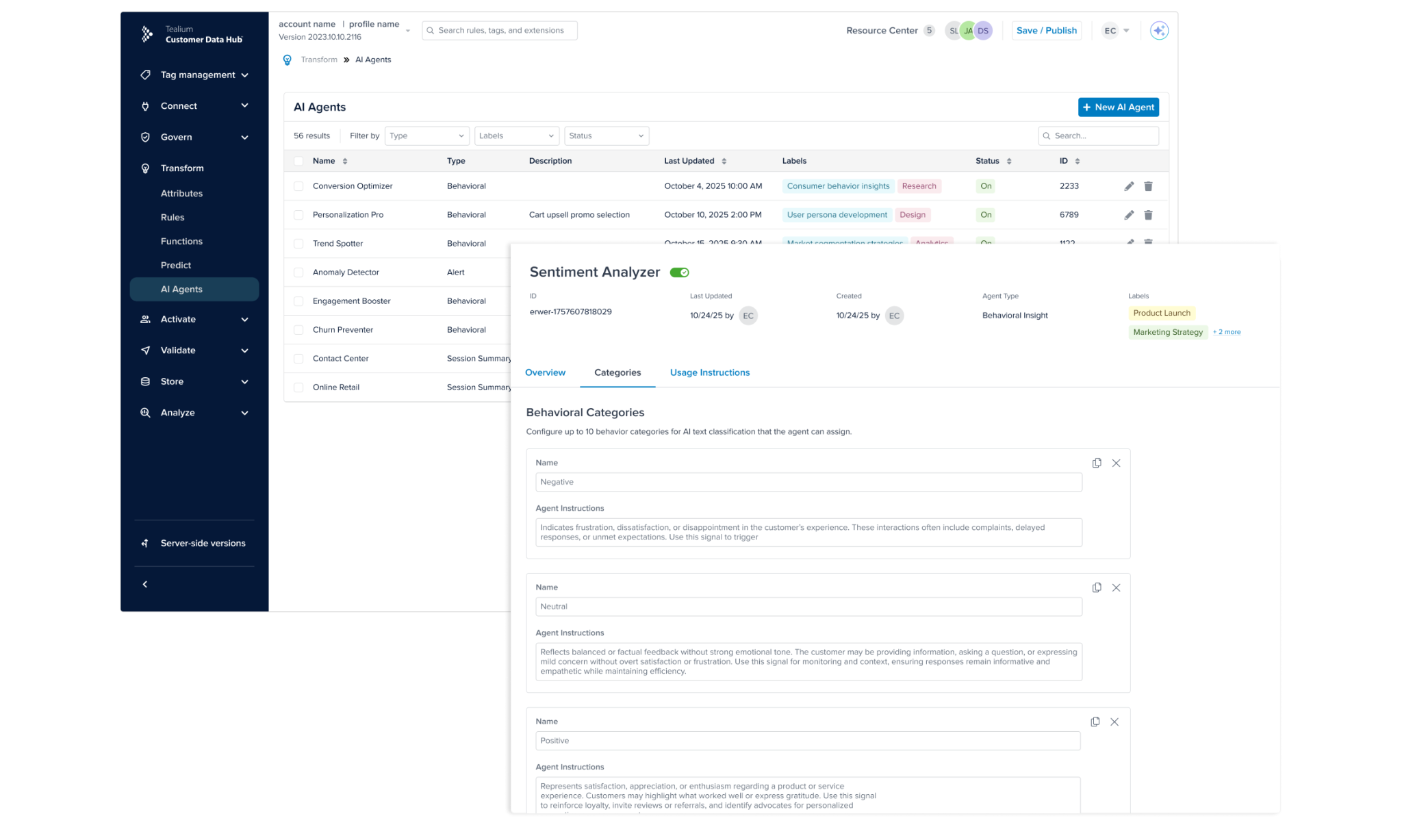
Source: Tealium
ZoomInfo's AI operates at the go-to-market execution layer. The GTM Context Graph processes 1.5B+ data points daily, combining ZoomInfo's B2B data with customer CRM records, conversation intelligence from Chorus, and behavioral signals. The result: an intelligence layer that captures not just what happened in a deal, but why. Built on Anthropic's Claude, ZoomInfo's AI agents inside GTM Workspace research accounts, generate personalized outreach, monitor signals, and surface next-best actions. GTM Studio lets marketers describe audiences in natural language and launch multi-channel plays targeting accounts that match proven win patterns, without engineering support.
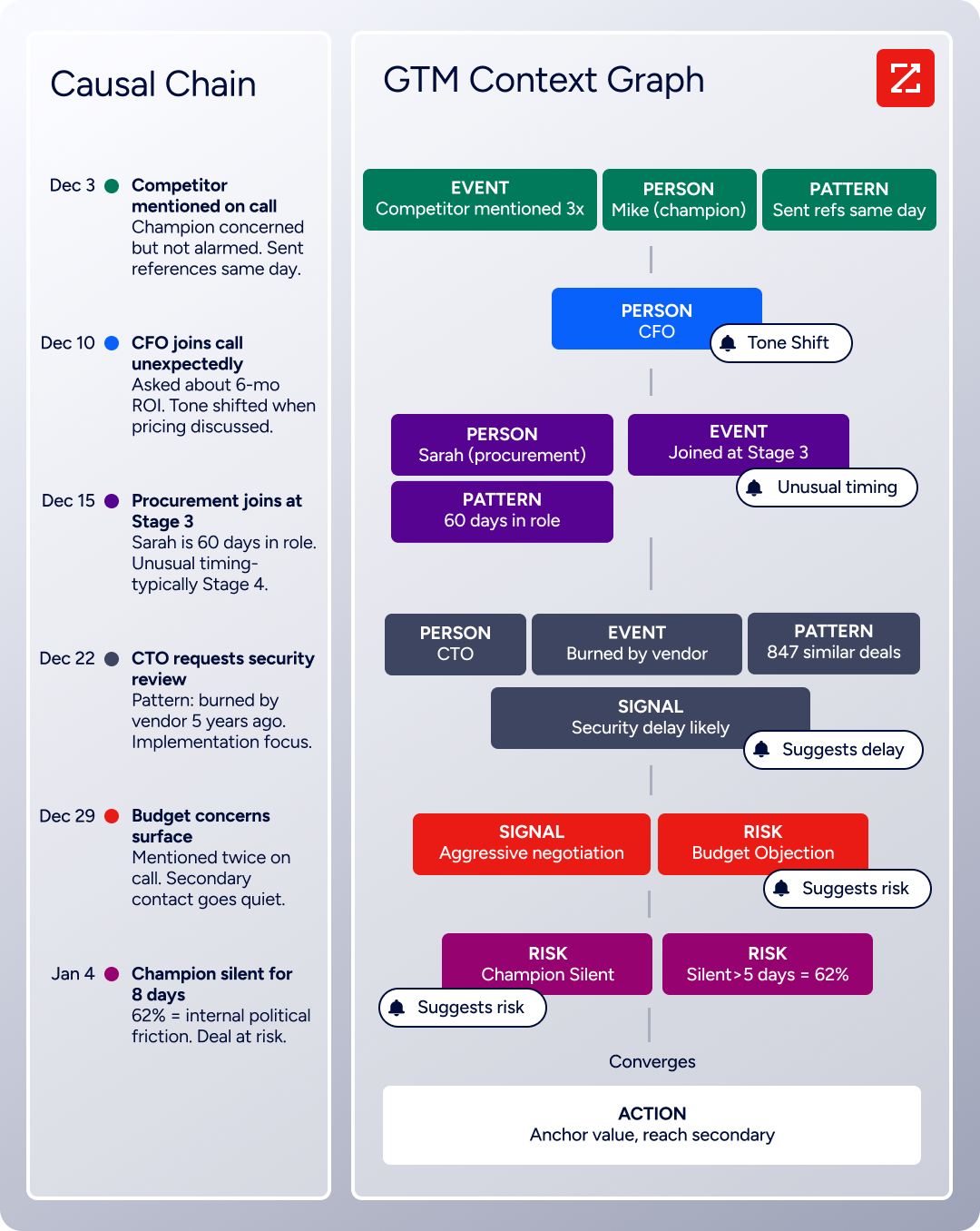
The three AI approaches are complementary. A CDP's AI helps you understand and segment existing customers by their behavior. ZoomInfo's AI helps you find new customers, understand deal dynamics, and execute outreach at scale. Together, first-party behavioral signals and third-party B2B intelligence reinforce each other across the full funnel.
Seismic's sales team attributed 39% of active pipeline to opportunities identified or influenced by ZoomInfo signals, boosted productivity by 54%, and saved 11.5 hours per week per seller. As Chief Business Officer Toby Carrington put it: "It's bringing data together faster than anyone could. It's both a time saving and a quality improvement." (Seismic)
Pricing models target different buyers and budgets
Segment is the most transparent on pricing. The Connections free plan provides 1,000 MTUs, 2 sources, and 1 warehouse destination at $0/month with no credit card required. The Team plan starts at $120/month for 10,000 MTUs, with overage charges of $10-$12 per 1,000 additional MTUs depending on volume. The Business plan and full CDP bundle (adding Unify, Engage, and AI features) require contacting sales.
Costs add up beyond the base subscription. Support plans run from $250/month (Production) to $5,000/month (Personalized). Professional services for implementation are priced separately. G2 reviewers report that enterprise contracts can reach $400K and that pricing jumped 40% in 2025. The MTU-based model can catch high-traffic businesses off-guard, because every unique user generating at least one event in a month counts toward the bill.
Tealium does not publish pricing. There is no self-serve sign-up, no public rate card, and no free trial. All engagements start with a sales conversation. Support tiers range from Basic (included, no response time SLAs) to Premium (paid, with 1-hour critical response times and a dedicated Technical Account Manager). Implementation, training, and professional services cost extra. Given that enterprise deployments typically take 1-4 months, the total investment before seeing value can be large.
ZoomInfo uses consumption-based pricing with no published prices. Sales has three tiers (Professional, Advanced, Enterprise) and Marketing has three tiers (Marketing Demand, ABM Lite, ABM Enterprise). The credit model is straightforward: 1 credit = 1 export of a contact or company profile, and searching or viewing data within ZoomInfo costs nothing.
Two free entry points set ZoomInfo apart. ZoomInfo Lite is a permanent free tier (not a trial) with access to the B2B database, 10 monthly export credits, individual and company searches, the Chrome extension, and WebSights Lite (up to 10 website visitor reveals per day). A separate 7-day free trial provides broader access to the platform.
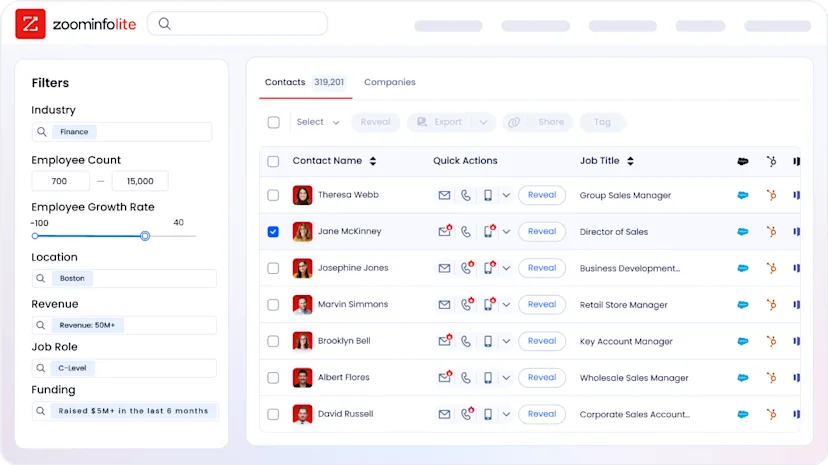
The comparison isn't apples-to-apples. A CDP subscription covers first-party data infrastructure. A ZoomInfo subscription covers third-party B2B intelligence. For B2B teams evaluating their data investment, the question isn't which one to buy, but how much of each they need.
Segment vs. Tealium vs. ZoomInfo: Which should you choose?
The right choice depends on what problem you're solving and which layer of your data stack needs investment.
Choose Segment if:
Your engineering team wants a clean, single-API model for event instrumentation
You need the broadest integration catalog for routing data to downstream tools
You're a product-led or B2C company where behavioral data drives your entire experience
Native Twilio communication channels (SMS, email, WhatsApp) are valuable for activation
You want to start free and scale as your data volume grows
Your team is comfortable with developer-dependent implementation
Choose Tealium if:
You're an enterprise in a regulated industry where structural consent enforcement is required
Real-time, in-session activation at sub-300ms latency is critical to your use case
You need both client-side tag management and server-side CDP capabilities in one platform
Your organization manages global properties with strict data governance needs
Vendor neutrality matters because you don't want your CDP locked to a single cloud or channel vendor
You have the engineering resources and budget for a full enterprise implementation
Add ZoomInfo if:
You're a B2B company that needs to identify, reach, and engage buyers beyond your first-party data
Verified contact data, direct-dial phone numbers, and business emails are critical to your sales motion
You want to know which accounts are in-market before they visit your website
Your sales team needs AI-powered prospecting and outreach, not just data collection
You want a B2B intelligence layer that works alongside whichever CDP you choose
You need the same intelligence accessible through your CRM, your CDP, a custom tool, or an AI agent
Start with ZoomInfo Lite for free or request a trial to see how B2B intelligence complements your data stack.
The deeper point for B2B go-to-market teams: Segment and Tealium compete for the same slot in your stack (first-party data collection and activation), so you'll typically choose one. ZoomInfo fills a different slot (third-party B2B intelligence), so the real question is not Segment or Tealium or ZoomInfo, but which CDP pairs best with ZoomInfo for your needs.
Organizations that combine both layers (a CDP for first-party behavioral intelligence and ZoomInfo for third-party B2B intelligence) build a data foundation where every signal from one layer makes the other more valuable. Your CDP knows what a visitor did on your site. ZoomInfo knows who they are, where they work, and whether their company is ready to buy. Together, that's a complete picture.
Redwood Logistics achieved a 99% reduction in CPC and 310% increase in CTR using ZoomInfo's audience data. "It's not just the data itself. It's more about the right data at the right time to help us reach out with the right message across that full buyer journey," said Chelsea Kenyon, Senior Director of Digital Strategy. (Redwood Logistics)
Segment vs. Tealium vs. ZoomInfo FAQ
What is the fundamental difference between Segment, Tealium, and ZoomInfo?
Segment and Tealium are customer data platforms that collect first-party behavioral data from your digital properties, unify it into customer profiles, and activate it across downstream tools. They answer what your visitors did. ZoomInfo is a B2B intelligence platform that provides third-party data: 500M contacts, 100M companies, verified phone numbers, business email addresses, and buyer intent signals. It answers who your buyers are and when they're ready to buy. CDPs and ZoomInfo solve different problems and work best together.
Can I use ZoomInfo with Segment or Tealium?
Yes. ZoomInfo's Enterprise API and MCP server deliver B2B intelligence into any application, including CDPs. Both Segment and Tealium support warehouse integrations where ZoomInfo data can be stored and activated. In a typical B2B stack, ZoomInfo enriches your CRM and data warehouse with contact data, company attributes, and intent signals, while your CDP collects and routes the behavioral events those contacts generate on your properties.
Which CDP is easier to implement: Segment or Tealium?
Segment has a lower initial barrier for development teams. Basic tracking can be set up within hours using its JavaScript snippet and standard API calls. A full production deployment with proper event taxonomy, identity resolution, and governance requires more planning. Tealium's enterprise implementations typically take 1-4 months and need more technical expertise, but the platform offers more governance controls and manages both client-side tags and server-side processing in one system.
Which platform is better for real-time activation?
Tealium leads in real-time processing, delivering trigger-to-activation in under 300ms and exposing visitor profiles through its Moments API at 60ms average latency. Segment's Event-Triggered Journeys (V2) fire instantly on specific events, and its Profile API returns data in under 200ms, but the platform has not published end-to-end latency benchmarks. ZoomInfo provides real-time signals of a different kind: buyer intent alerts, website visitor identification, and job-change notifications that trigger sales actions.
How does pricing compare across the three platforms?
Segment is the most transparent, with a free plan at 1,000 MTUs and a Team plan starting at $120/month for 10,000 MTUs. The full CDP bundle requires custom pricing, and enterprise contracts reportedly reach $400K. Tealium publishes no pricing and sells only through custom enterprise contracts. ZoomInfo uses consumption-based pricing with no published figures, but offers a permanent free tier (ZoomInfo Lite with 10 monthly export credits) and a 7-day free trial.
Which platform is best for regulated industries like healthcare or financial services?
Tealium has the strongest compliance posture for first-party data, with HIPAA BAA, ISO 27701 (the privacy-specific standard), structural consent enforcement, and a private cloud option. Segment is HIPAA eligible with a signed BAA and holds SOC 2 and ISO 27001 certifications. ZoomInfo holds ISO 27001, ISO 27701, SOC 2 Type II, and TRUSTe GDPR/CCPA certifications covering its third-party data operations. For regulated B2B companies, Tealium's governed CDP combined with ZoomInfo's certified B2B intelligence layer provides compliance coverage across both first-party and third-party data.
Do I need a CDP if I already have ZoomInfo, or vice versa?
They serve different functions. ZoomInfo tells you who to target and when, with verified contact data and intent signals for 100M companies. A CDP collects what those people do on your properties and activates personalized experiences based on that behavior. A B2B company running outbound sales may start with ZoomInfo alone. A product-led company with high web traffic may start with a CDP alone. Companies with both motions benefit from both layers working together.
Which platform has the best AI capabilities?
Each platform's AI serves a different purpose. Segment's AI focuses on predictive scoring and natural-language audience building from first-party behavioral data. Tealium's AI classifies behavioral signals in-stream and connects to external AI services for model training and activation. ZoomInfo's GTM Context Graph processes 1.5B+ data points daily, combining B2B intelligence with CRM and conversation data to power AI agents that research accounts, draft outreach, and surface deal insights. For a complete B2B AI stack, the three approaches are complementary rather than competing.
Comparing Segment and Tealium? These related breakdowns go deeper:
