
Comparing Atlas CRM to Salesforce is like comparing a studio apartment to a corporate headquarters. Both give you a place to work, but they serve different scales, budgets, and ambitions.
The real questions you should ask:
Does your team already live in Atlassian tools, or are you building a standalone sales operation?
Do you need a CRM that handles contacts and pipeline, or a platform that manages sales, service, marketing, commerce, and AI agents?
Is your priority keeping customer data close to your project work, or centralizing it across an entire organization?
How much are you willing to spend per user per month, and how much admin overhead can you absorb?
Does the intelligence feeding your CRM matter as much as the CRM itself?
In short, here's what we recommend:
Atlas CRM is the right choice for small and mid-sized teams that already run their operations in Jira and Confluence. Built by Avisi Apps as a native Atlassian add-on, it puts customer records, sales pipeline, and interaction history inside the tools your team already uses. No separate login, no sync layer, no context-switching. For Atlassian teams replacing spreadsheets or informal tracking, Atlas CRM removes the overhead of a separate system. But it's limited to the Atlassian ecosystem, lacks sales automation and AI features, and bills based on your total Jira seat count, not just CRM users.
Salesforce is the enterprise standard for a reason. With Sales Cloud, Service Cloud, Marketing Cloud, Commerce Cloud, and the Agentforce AI platform, it handles nearly every customer-facing function a large organization needs. Named the #1 CRM by IDC for over a decade, Salesforce serves over 150,000 companies with features, integrations, and industry-specific solutions broader than any competitor's. The tradeoff is cost, complexity, and the need for dedicated administrators. For teams that don't need enterprise capabilities, Salesforce is more platform than they'll ever use.
Both tools manage customer relationships. But a CRM is only as effective as the data going into it. Without accurate contact information, buying signals, and account context, even a well-built CRM becomes an expensive filing cabinet. That's where ZoomInfo changes the equation.
ZoomInfo is a B2B data and intelligence platform that gives your CRM the data it needs to drive revenue. Its dataset covers 500M contacts, 100M companies, 135M+ verified phone numbers, and 200M+ verified business email addresses. ZoomInfo's GTM Context Graph combines this data with your CRM records, conversation transcripts, and behavioral signals to show not just what happened in a deal, but why. For Salesforce users, ZoomInfo integrates natively, enriching records and feeding buying signals into your pipeline. For any team, ZoomInfo's APIs and MCP deliver the same intelligence into any tool, while GTM Workspace gives sellers an AI workspace built on that data.
If better data and buying intelligence would make your CRM useful, see how ZoomInfo works with your sales stack.
Atlas CRM vs. Salesforce at a glance
Atlas CRM | Salesforce | ZoomInfo | |
|---|---|---|---|
Primary function | Native CRM for Jira & Confluence | Enterprise CRM and AI platform | B2B data and GTM intelligence |
Target buyer | SMBs on Atlassian | Mid-market to enterprise | B2B sales, marketing, and RevOps teams |
Pricing | Per Jira seat (all users in instance) | $25–$550/user/month + add-ons | Custom-quoted, consumption-based |
Free option | Free trial (via Atlassian Marketplace) | Free CRM (2 users) and Starter Suite ($25/user/mo) | ZoomInfo Lite (permanent free tier) |
AI capabilities | None | Agentforce (autonomous AI agents) | GTM Context Graph, AI-drafted outreach, intent signals |
Sales pipeline | 1–20 customizable stages | Pipeline management with forecasting, CPQ, and AI coaching | GTM Workspace with signal-based prioritization |
Data enrichment | Manual entry and CSV import | Requires third-party tools or Data Cloud add-on | 500M contacts, 200M+ verified emails, automated enrichment |
Integrations | Jira, Confluence, JSM, Gmail, Outlook | 9,000+ AppExchange apps, Slack, MuleSoft | 120+ integrations, native Salesforce/HubSpot/Dynamics connectors, MCP |
Learning curve | Low (for Atlassian users) | Steep | Moderate (90-day structured onboarding) |
Best for | Atlassian teams needing CRM without tool sprawl | Organizations needing full-stack customer management | Teams needing accurate data and buying intelligence for their CRM |
Two very different definitions of "CRM"
Atlas CRM and Salesforce use the same three-letter acronym, but they solve different problems at different scales.
Atlas CRM exists because Atlassian teams had a gap. Jira tracks work. Confluence stores knowledge. But customer relationships lived in spreadsheets, email threads, or a separate CRM that nobody wanted to maintain alongside their Atlassian tools. Atlas CRM fills that gap by putting company profiles, contact records, and a sales pipeline inside Jira, managed through the same admin console teams already use.
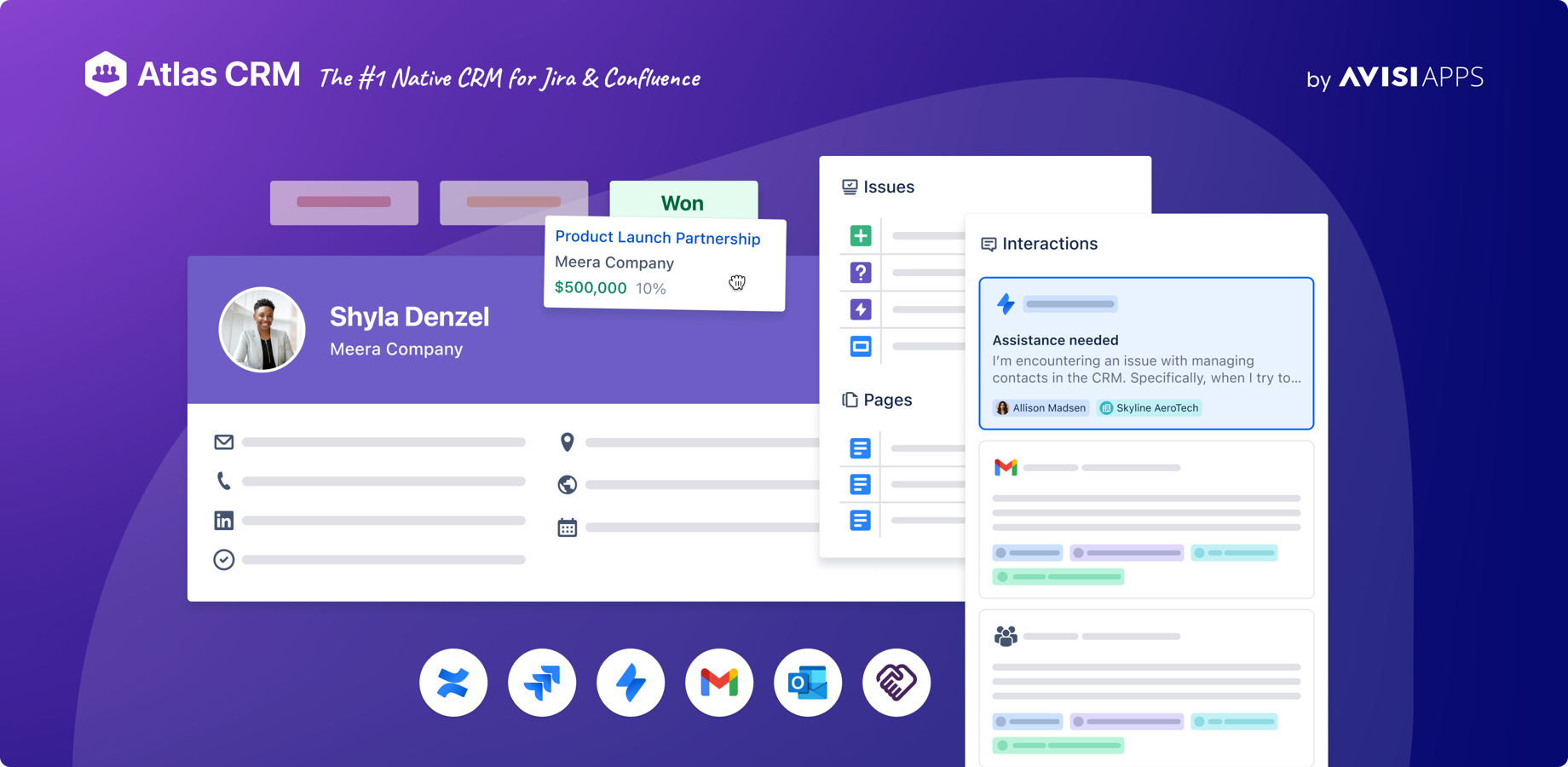
Source: Atlas CRM
Salesforce, by contrast, is the center of gravity for entire organizations. Sales Cloud alone handles lead management, opportunity tracking, forecasting, quoting, territory planning, and AI coaching.
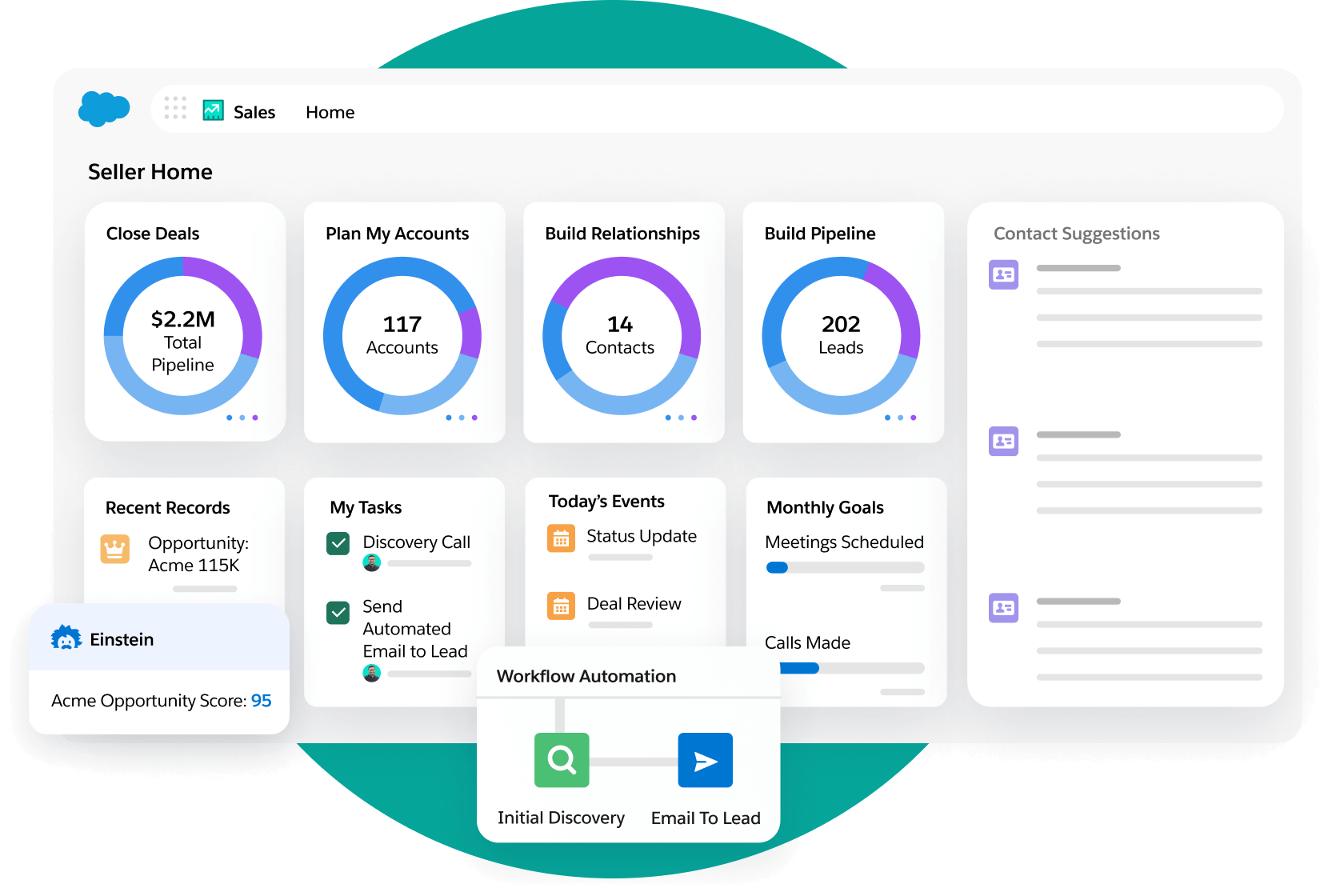
Source: Salesforce
Then there's Service Cloud for customer support, Marketing Cloud for campaigns, Commerce Cloud for storefronts, Data Cloud for data unification, Slack for collaboration, and Agentforce for autonomous AI agents.
The question isn't which is "better." It's which matches what you need.
Atlas CRM keeps Atlassian teams in one ecosystem
Atlas CRM's main advantage is zero context-switching for teams already committed to Atlassian.
Every company and contact record lives inside Jira. An embedded CRM panel sits on every Jira issue, showing the linked company, contact, and deal data without opening a separate app. When a deal closes, the associated Jira issues carry into delivery with no export or re-creation of work items.
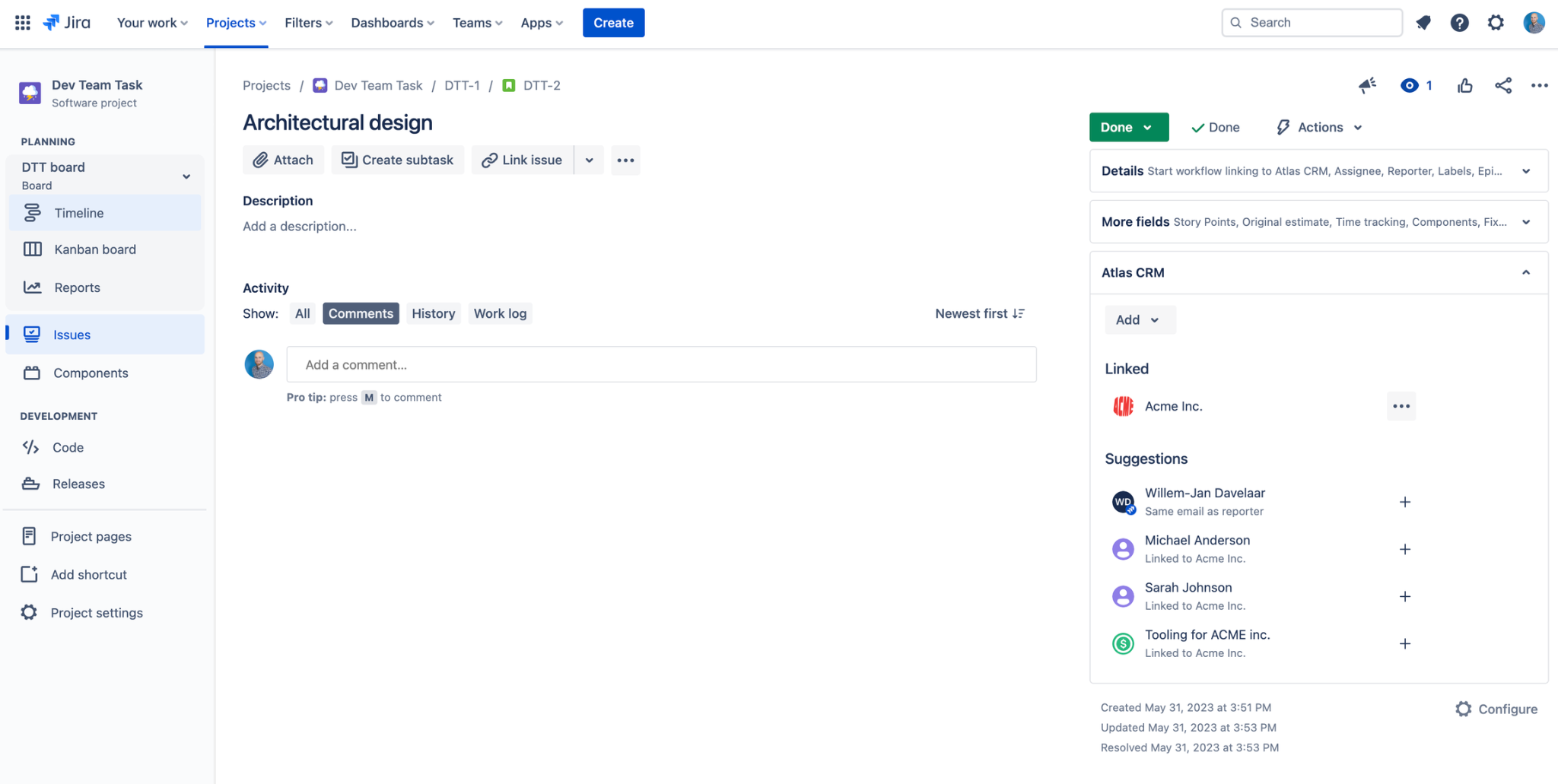
Source: Atlas CRM
The interaction timeline consolidates emails (via the Gmail App and Outlook Add-in), support tickets (through JSM automation), and manually logged calls into a single chronological view per customer. This gives account managers full relationship context before every meeting.
Customization is flexible within its scope. Admins configure company, contact, and sales templates with custom fields (seven field types including Atlassian User), and the sales funnel supports 1 to 20 configurable stages.
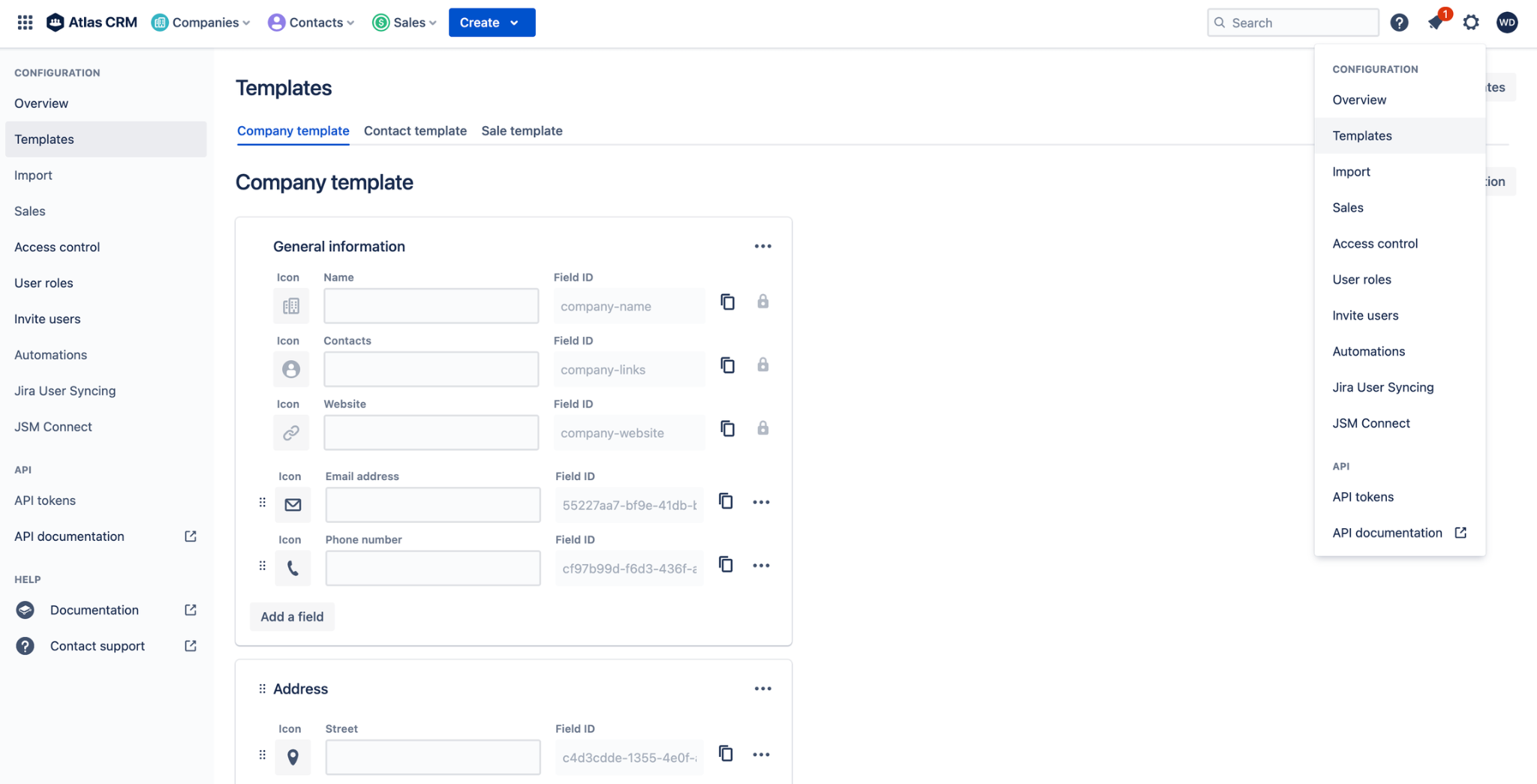
Source: Atlas CRM
Security is a quiet strength. Atlas CRM holds SOC 2, ISO 27001:2022, ISO 27701:2019, GDPR/CCPA, HIPAA, and NIS2 certifications and carries Atlassian's Cloud Fortified badge, the Marketplace's highest trust tier. For regulated industries, keeping CRM data inside Atlassian's infrastructure (rather than a separate vendor) simplifies compliance.
But Atlas CRM's strength is also its constraint. It has no AI features, no sales sequences or email automation, no advanced reporting or forecasting, and no kanban-style pipeline view (a gap flagged by at least one Marketplace reviewer). It's a CRM for teams that need structured customer data inside their Atlassian workflow, not a sales execution engine.
Salesforce delivers enterprise depth at enterprise cost
Salesforce's feature set is in a different category.
Sales Cloud alone includes Einstein Lead Scoring, AI-generated account plans with SWOT analysis, pipeline health signals, real-time forecast rollups, conversation intelligence, revenue lifecycle management (CPQ, contract lifecycle, subscription management), and territory planning.
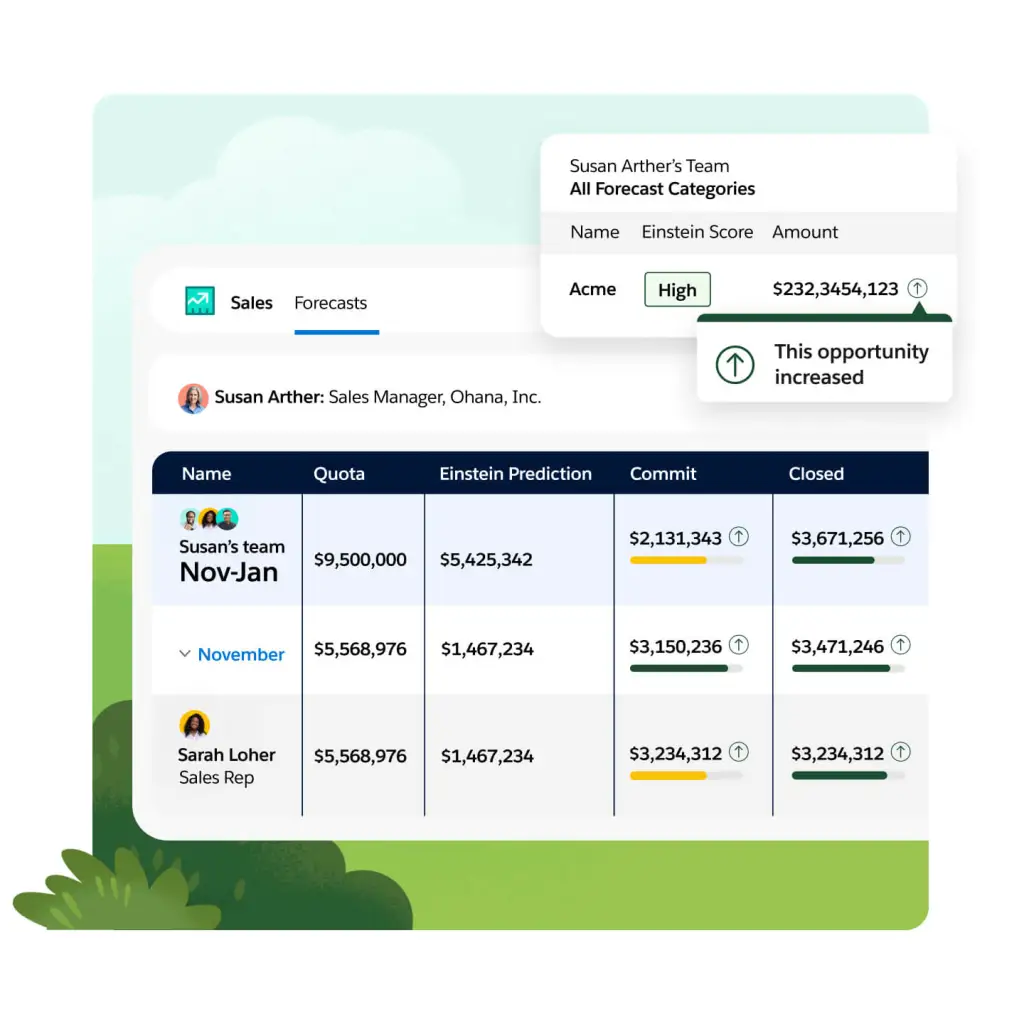
Source: Salesforce
Agentforce Sales Agents handle prospecting, inbound lead engagement, account research, sales coaching, and automated quoting.
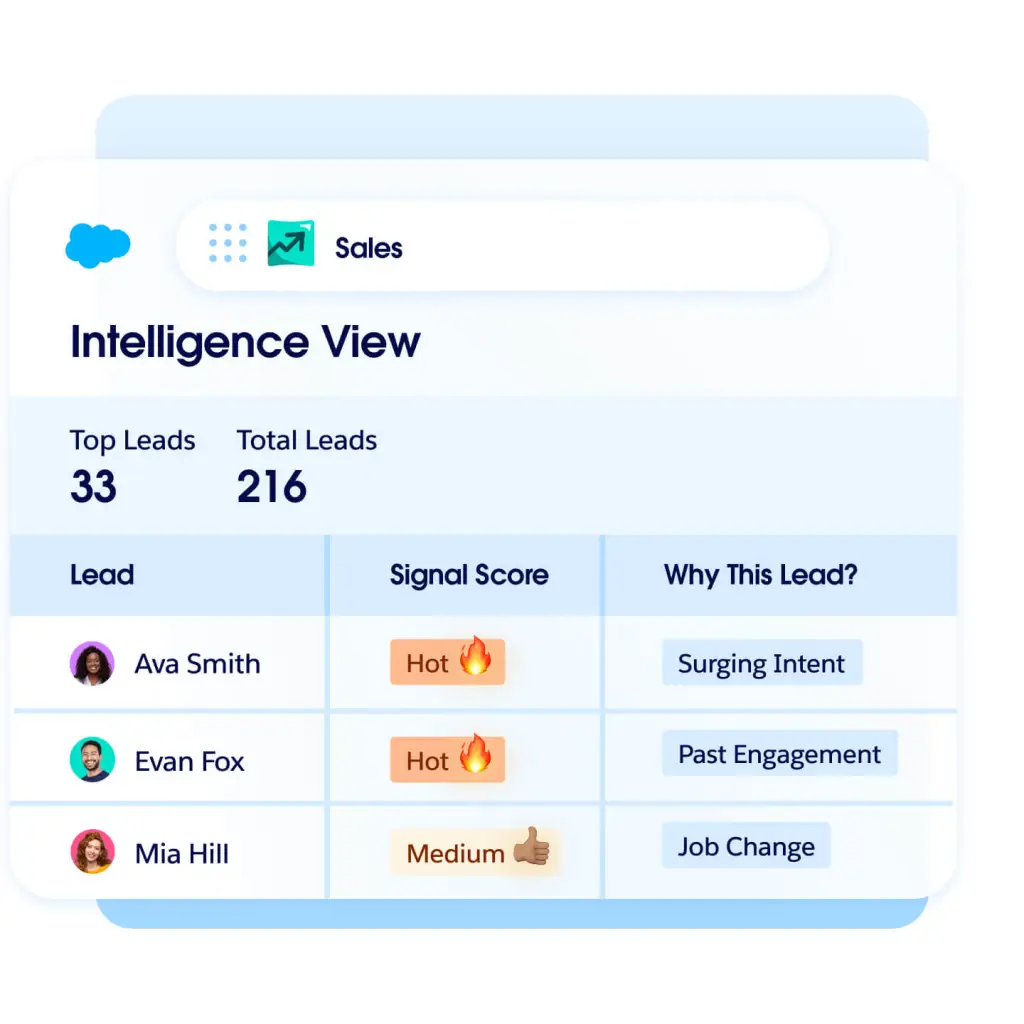
Source: Salesforce
Beyond sales, Salesforce covers service (with autonomous case resolution hitting 85% on its own support), marketing (with CDP, journey orchestration, and B2B/B2C automation), commerce (serving over two billion shoppers globally), and analytics through Tableau. The AppExchange marketplace adds 9,000+ partner apps with 14+ million installs.
Salesforce has earned Gartner Magic Quadrant Leader status in Sales Force Automation for 19 consecutive years, the longest streak of any vendor. That recognition isn't accidental. For organizations managing complex sales processes across multiple teams, regions, and products, Salesforce provides control and visibility that no lightweight alternative matches.
But this depth has a price. Salesforce's Enterprise tier starts at $175/user/month, and most organizations need at least that tier for useful AI features and workflow automation. Add Premier Support at 30% of net license fees, Agentforce consumption credits, Data Cloud credits, and the implementation partner costs that over 70% of deployments require, and total investment climbs well beyond the listed per-user price.
The learning curve is steep; Trailhead offers 1,500+ training badges because the platform requires that level of education.
Your CRM is only as good as what you put into it
Here's the problem neither Atlas CRM nor Salesforce solves on its own: where does your customer data come from?
Atlas CRM relies on manual entry, CSV imports, and whatever emails and support tickets flow through Gmail, Outlook, or JSM. If your sales team doesn't know the decision-makers at a target account, Atlas CRM can't tell them.
Salesforce is more capable, with Einstein Activity Capture syncing emails and calendar events. But Salesforce itself acknowledged that enterprises must "get your data right" before AI features deliver value, and their 2026 CIO AI Trends research found that trust in data is the top bottleneck for AI adoption. A CRM with AI features but incomplete data is a more expensive way to guess.
This is the gap ZoomInfo fills.
ZoomInfo runs the largest B2B data platform in the industry: 500M contacts, 100M companies, 135M+ verified phone numbers, 120M direct dials, and 200M+ verified business email addresses. A verification pipeline backed by 300+ human researchers reaches up to 95% accuracy on first-party data.
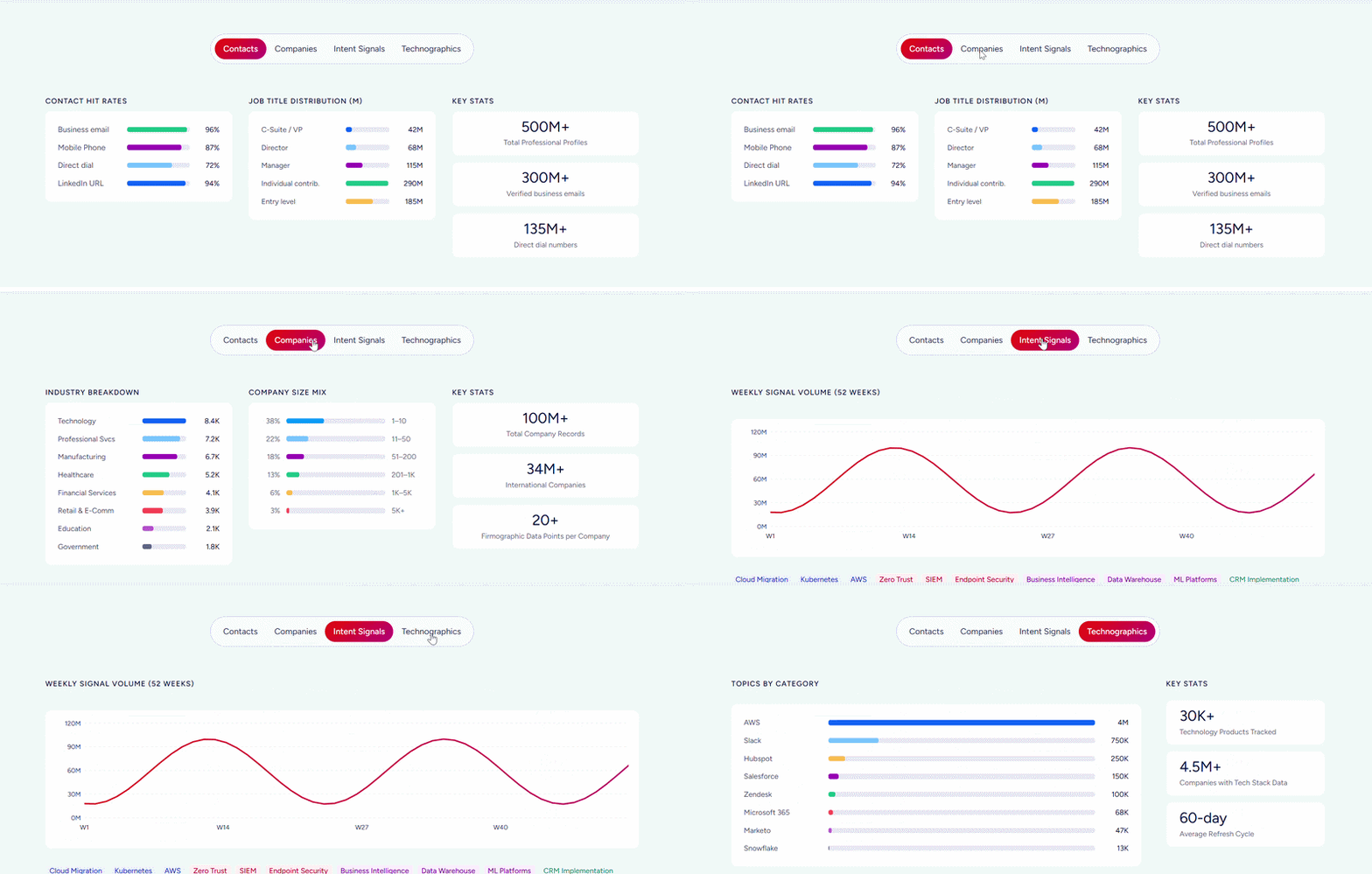
In a Fortune 500 competitive RFP analyzing 25 million contacts across vendors, an independent consultant concluded that "no other competitor came even close."
For Salesforce users, ZoomInfo's native Salesforce integration enriches records directly, feeding verified contacts, company data, org charts, and technographic insights into your CRM. For teams using other tools, APIs and MCP deliver the same data programmatically.
But data is the foundation, not the whole picture. ZoomInfo's GTM Context Graph processes 1.5B+ data points daily, combining third-party intelligence with your CRM records, conversation transcripts, and behavioral signals to identify not just what happened in a deal, but why. A CRM records that a deal moved from Stage 3 to Stage 4.
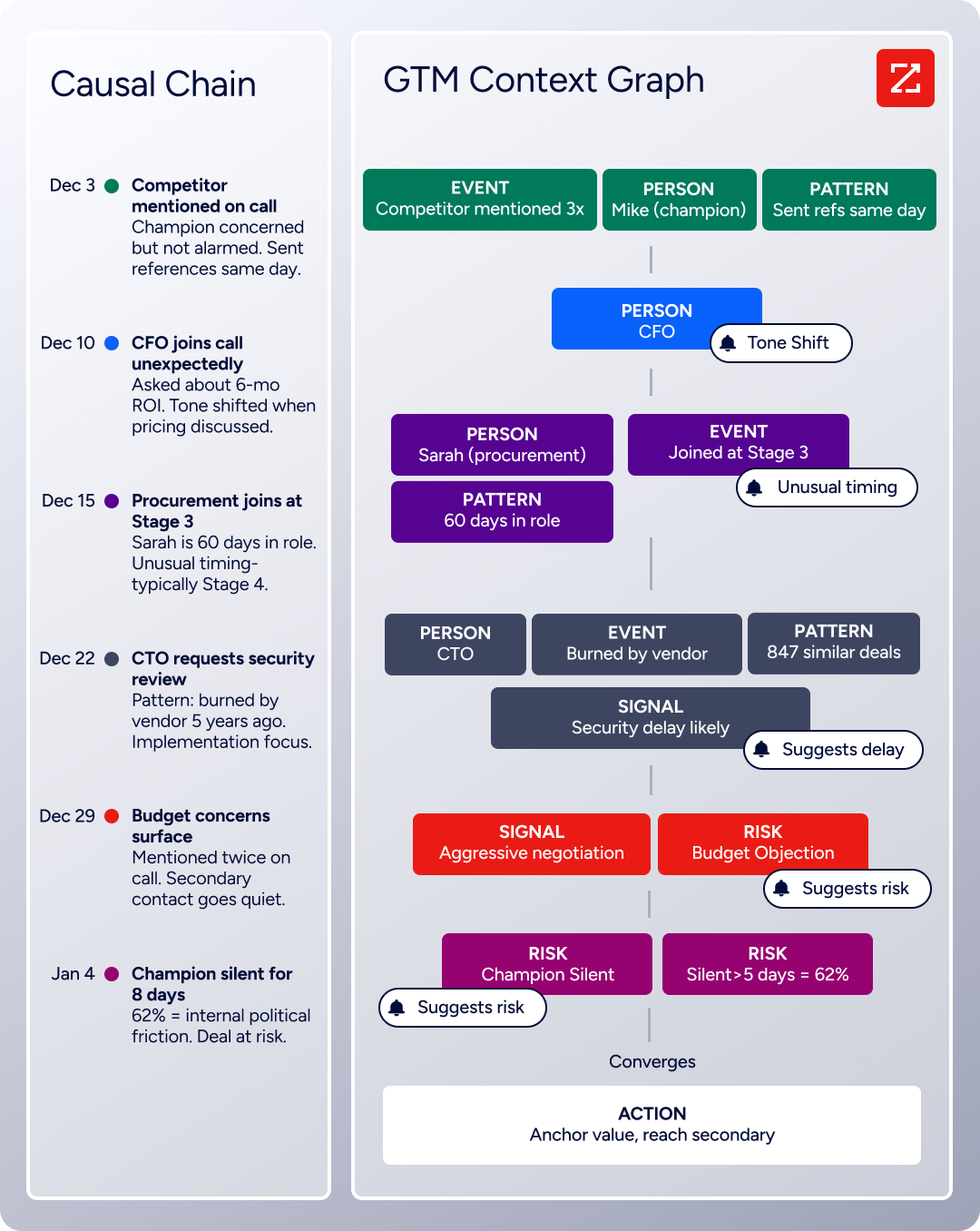
The GTM Context Graph identifies that executive sponsorship entered at this stage, and ROI-focused questions on the last call match the pattern behind closed-won deals in your segment.
Seismic's sales team attributed 39% of active pipeline to opportunities identified or influenced by ZoomInfo signals, while boosting productivity by 54% and saving 11.5 hours per week per seller. (Seismic Case Study)
For a deeper look at how Salesforce and ZoomInfo compare directly, see our Salesforce vs. ZoomInfo breakdown.
Sales intelligence and pipeline execution compared
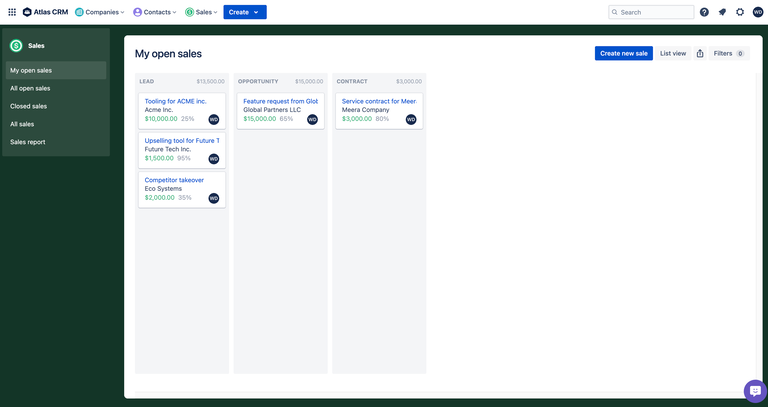
Atlas CRM's pipeline is functional but basic. The sales funnel shows deals organized by stage, with estimated revenue, probability, and linked Jira issues. Reporting covers wins, losses, and open deals by week or month. There's no lead scoring, no sales sequences, no forecasting beyond basic revenue projections, and no AI.
Source: Atlas CRM
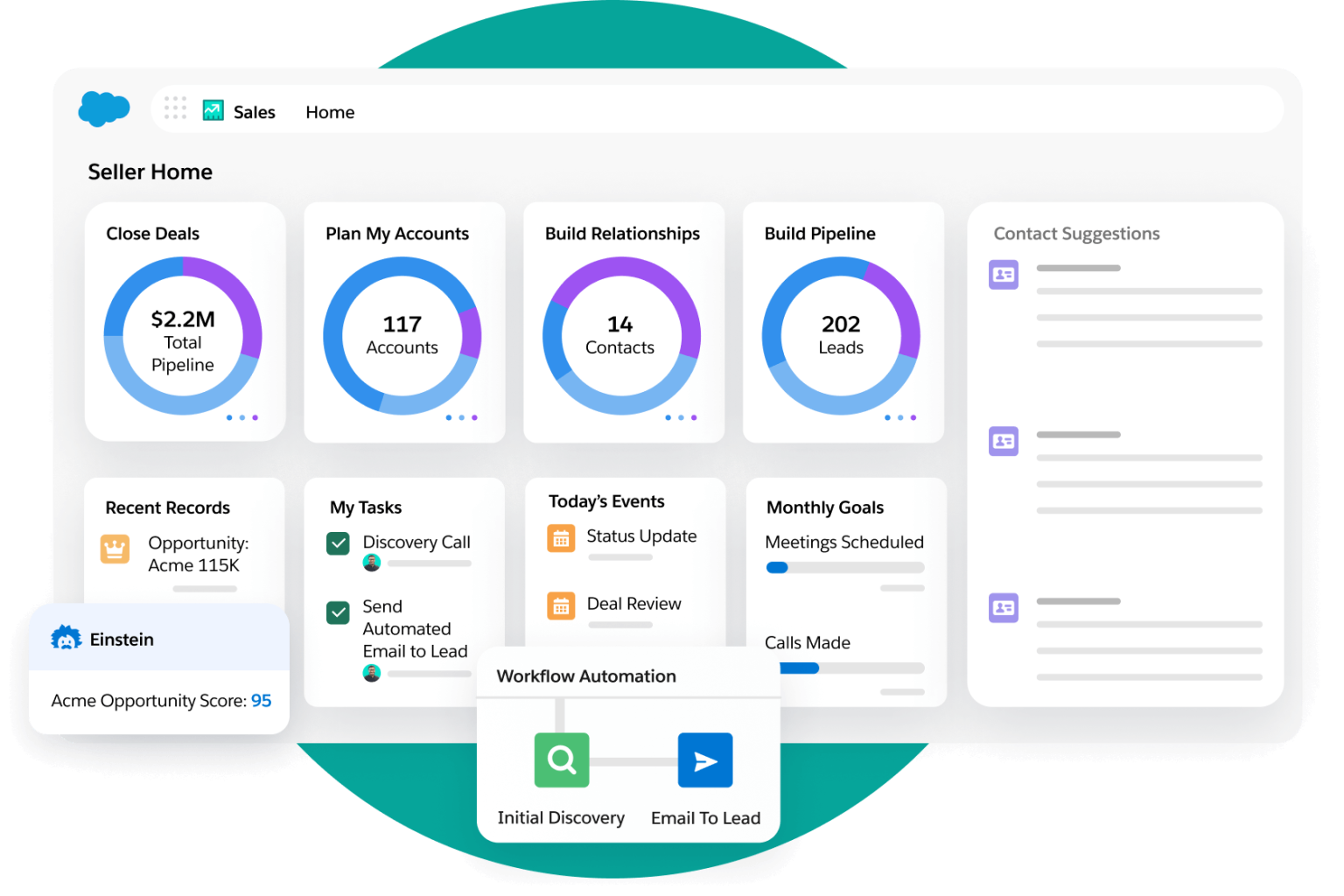
Salesforce's pipeline management is among the most developed in the market. Pipeline health signals, Einstein Forecast overlays, consumption forecasting, and AI-generated deal insights give managers visibility into what's working and what's stalling.
Source: Salesforce
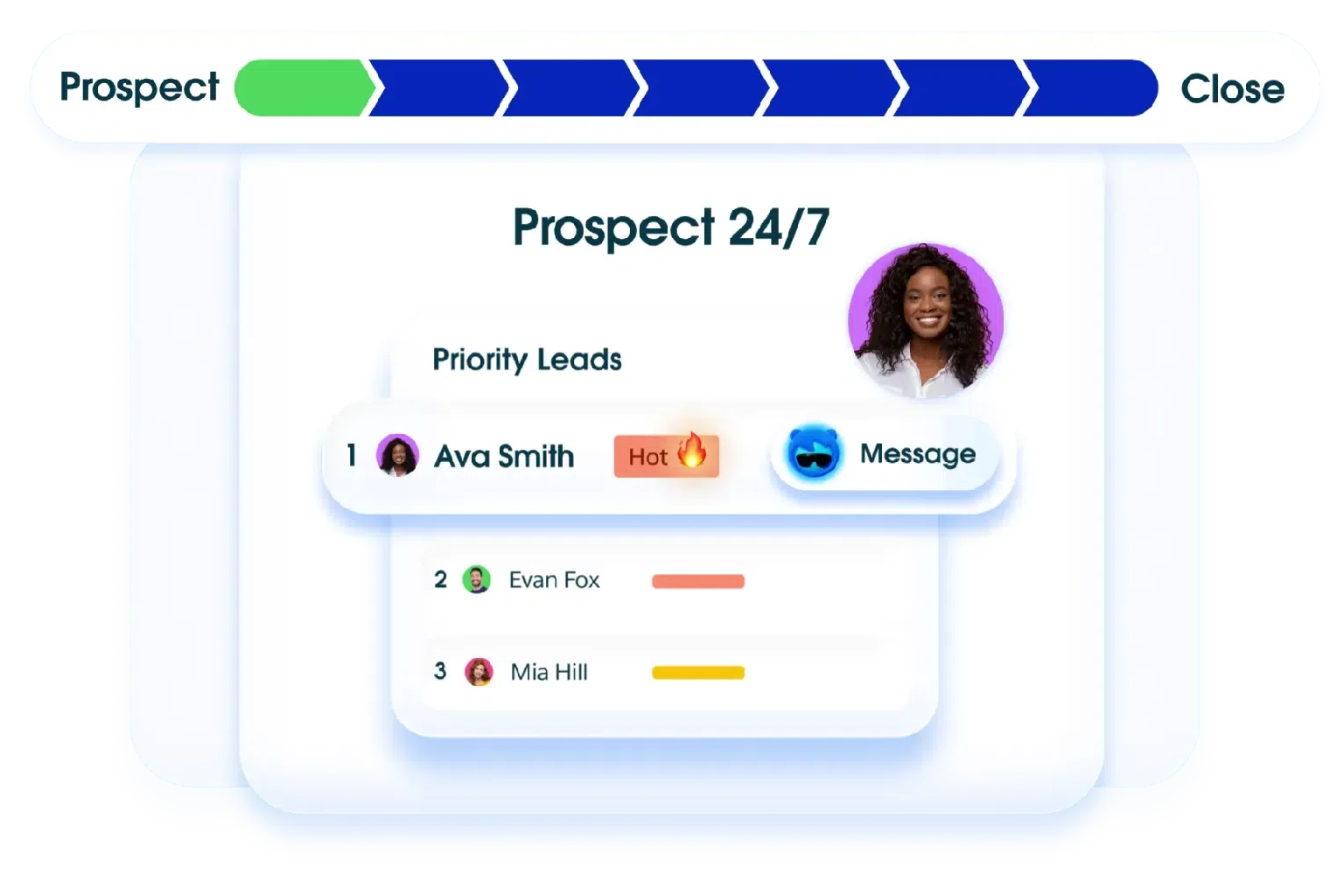
Agentforce Sales Agents research accounts, generate follow-up emails, update CRM fields, and coach reps through deals.
Source: Salesforce
ZoomInfo's GTM Workspace approaches pipeline from the intelligence side. Instead of managing deal stages (that's your CRM's job), it provides a book-of-business view that combines CRM data with real-time buying signals. An Action Feed surfaces in-market buyers with pre-drafted actions on every signal (G2 comparisons, funding events, executive hires).
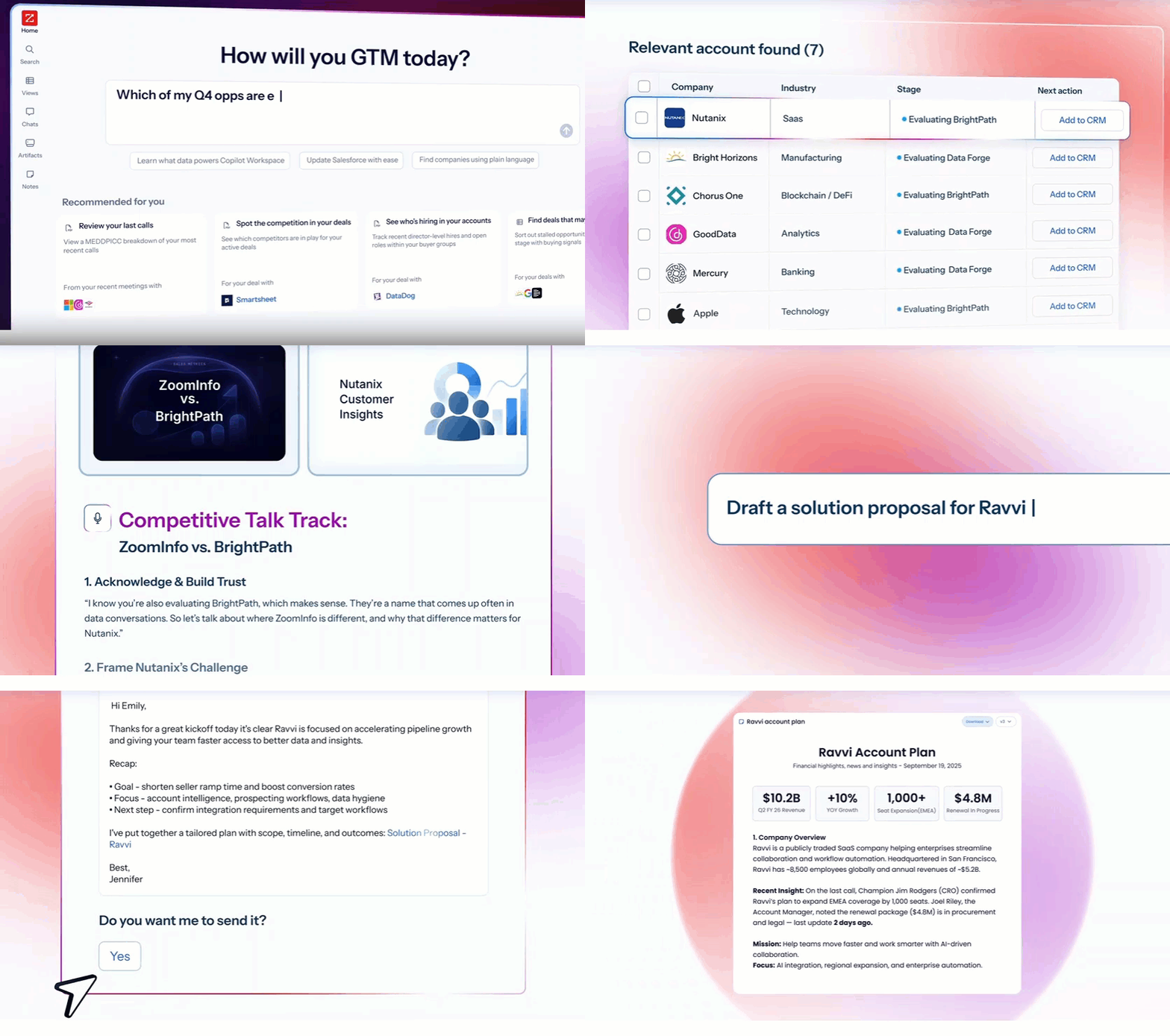
AI agents draft personalized outreach from account context in seconds. And because GTM Workspace integrates with Salesforce, HubSpot, and Microsoft Dynamics, every action syncs back to the CRM.
The distinction matters. Atlas CRM tracks your deals. Salesforce manages your deals. ZoomInfo identifies which deals to pursue, when to act, and what to say, then feeds that intelligence wherever you work.
Spekit found that opportunities at higher-scoring accounts were 43% more likely to turn into qualified pipeline, moving 58% faster through qualification. (Spekit Case Study)
Integration ecosystems reflect different strategies
Atlas CRM integrates deeply but narrowly. Its connections cover Jira, Confluence, JSM, Gmail, and Outlook, with a REST API for custom work. There's no app marketplace, no connectors to Slack, marketing tools, or data warehouses. If your stack lives in Atlassian with Gmail or Outlook for email, this is enough. If you need anything beyond that, you're building custom integrations.
Salesforce's integration ecosystem is the largest in the industry. The AppExchange offers 9,000+ partner apps covering nearly every business function. MuleSoft (acquired for $6.5 billion) provides hundreds of connectors for enterprise systems. Slack connects collaboration to CRM data bidirectionally. Native integrations cover Google Workspace, Microsoft Outlook and Teams, and most major business applications.
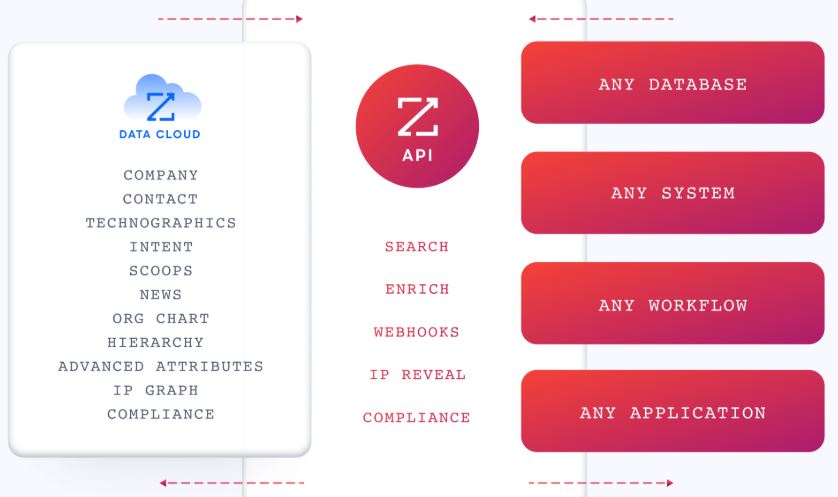
ZoomInfo takes a "work anywhere" approach. The ZoomInfo App Marketplace lists 120+ integrations across CRM, marketing automation, sales engagement, data warehouses, and communications. The Enterprise API provides programmatic access with documentation at docs.zoominfo.com.
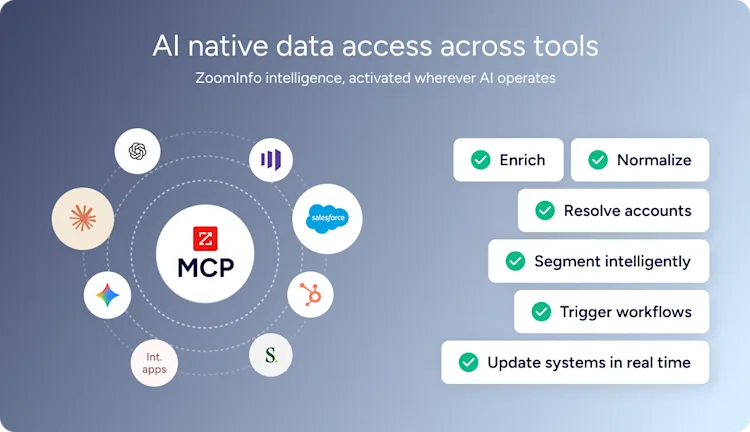
The MCP server connects AI models to ZoomInfo's B2B data as a native tool, listed in the Claude directory and compatible with ChatGPT.
API access comes included in all relevant plans, so the intelligence isn't locked inside a single interface.
AI capabilities are separated by years of investment
Atlas CRM has no AI features as of 2026. No lead scoring, no email drafting, no conversation summaries, no predictive analytics. For teams that want a simple, manual CRM without AI complexity, that's a feature, not a bug. For teams competing against organizations using AI-assisted selling, it's a gap that will widen.
Salesforce is investing heavily in AI through Agentforce, powered by the proprietary Atlas Reasoning Engine (no relation to Atlas CRM). Agentforce agents prospect, engage leads, coach reps, resolve support cases, and execute multi-step workflows autonomously.
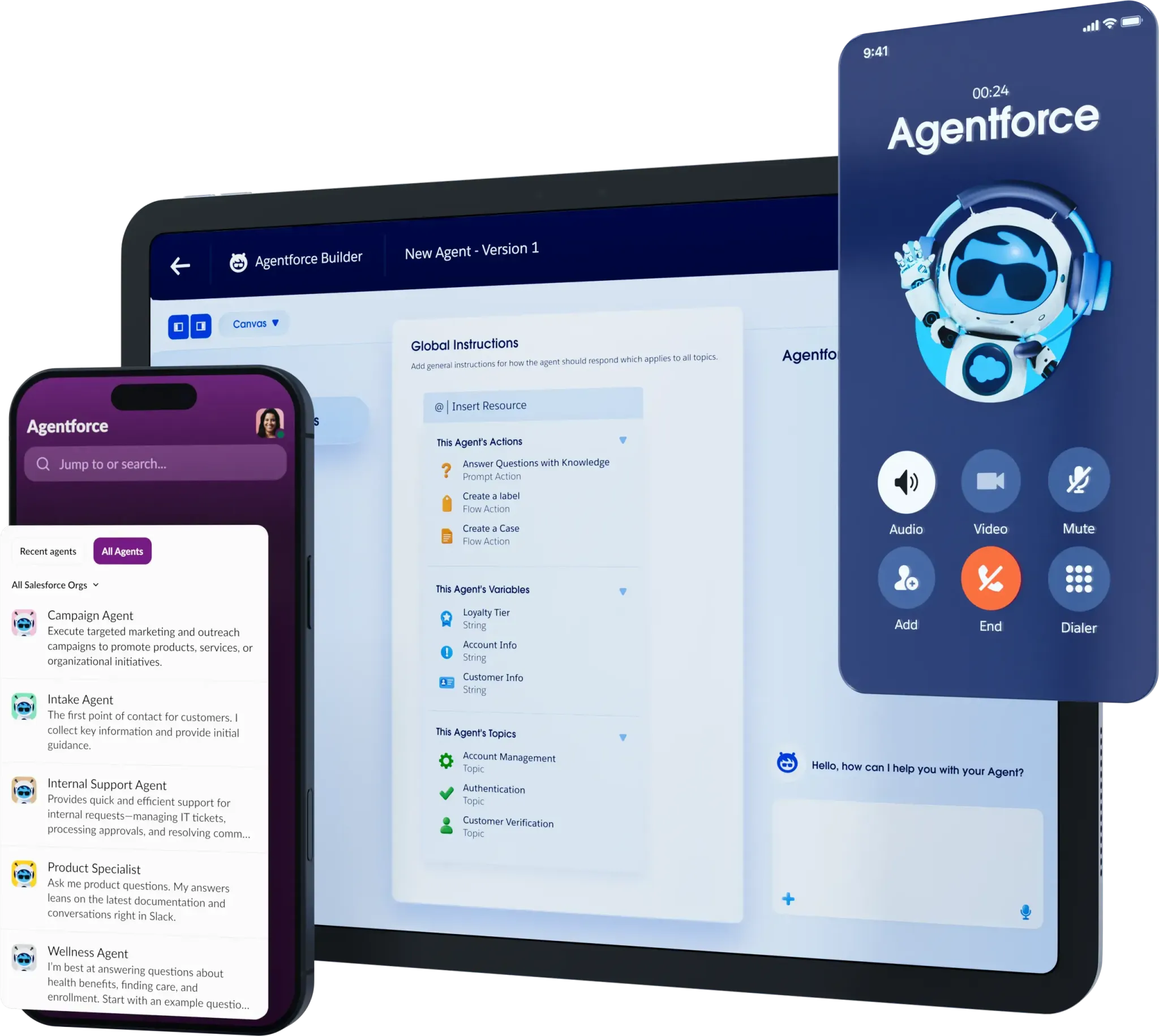
Source: Salesforce
The Einstein Trust Layer provides zero data retention with LLM partners, PII masking, and toxicity detection. But Agentforce requires investment. AI add-ons start at $125/user/month, and the platform's AI is only as good as the data feeding it.
ZoomInfo's AI draws on two decades of B2B data infrastructure. The GTM Context Graph maps connections between signals and outcomes across thousands of deals, so the AI understands why deals move, not just that they moved.
GTM Workspace agents (built on Anthropic's Claude) draft outreach that addresses specific concerns from call transcripts, prioritize accounts by buying signal strength rather than rep intuition, and generate account briefs that pull CRM history, company news, and stakeholder context into a 10-second summary.
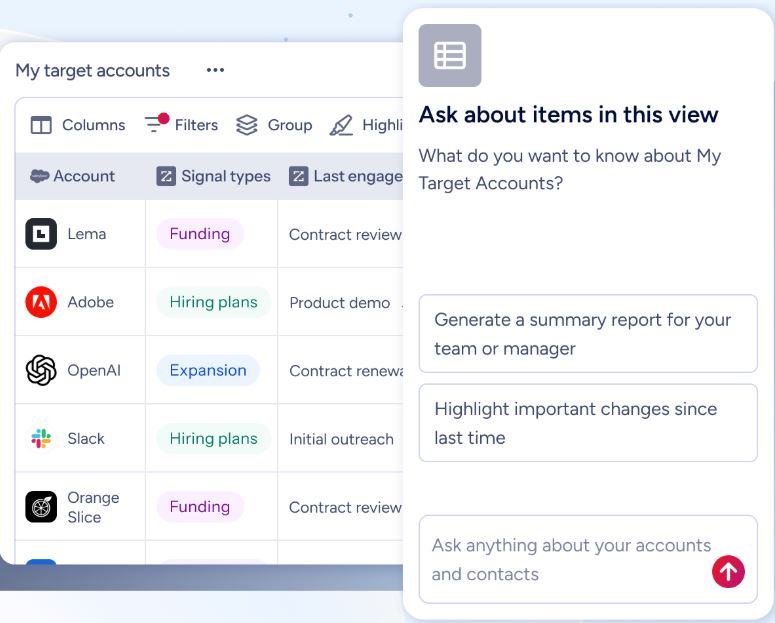
GTM Studio lets marketers and RevOps teams describe audiences in natural language and launch multi-channel plays without engineering tickets. Agent Teams build on that foundation, running complete GTM plays end to end: coordinated specialist agents share context, work from each account's current state, and act within the approvals and limits you set, available in GTM Studio and headless through GTM.AI.
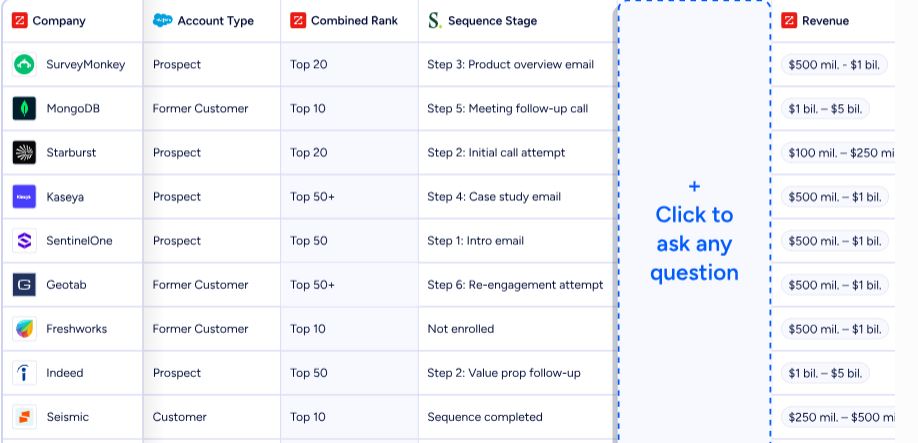
Thomson Reuters increased closed-won deals by 40% and achieved 115% average quota attainment each month using ZoomInfo's AI workspace. (ZoomInfo GTM Workspace)
Pricing tells you who each product is for
Atlas CRM follows the Atlassian Marketplace per-user pricing model, billed through Atlassian based on your total Jira member count, not just CRM users. One plan, all features, no tiered gating. For small Jira instances, this is straightforward. For large instances where only a sales team of ten needs CRM but Jira has 500 users, the effective per-CRM-user cost becomes disproportionate.
Salesforce's pricing starts deceptively simple. A free CRM tier covers two users with basic lead and opportunity management. Starter Suite at $25/user/month adds unlimited users and basic capabilities. But most organizations land on Enterprise at $175/user/month or Unlimited at $350/user/month to access AI features, workflow automation, and conversation intelligence.
Add Premier Support (30% of net license fees), Data Cloud credits, Agentforce consumption pricing ($2 per conversation or $500 per 100,000 Flex Credits), and implementation costs, and total spend scales fast. Salesforce acknowledged its pricing model "needed to be easier to understand, more predictable, and more flexible."
ZoomInfo uses custom-quoted, consumption-based pricing with no published prices. Costs depend on seats, credit volume, features, and contract length. ZoomInfo Lite is a permanent free tier (not a trial) that includes access to the B2B database, 10 monthly export credits, the Chrome extension, and website visitor identification.
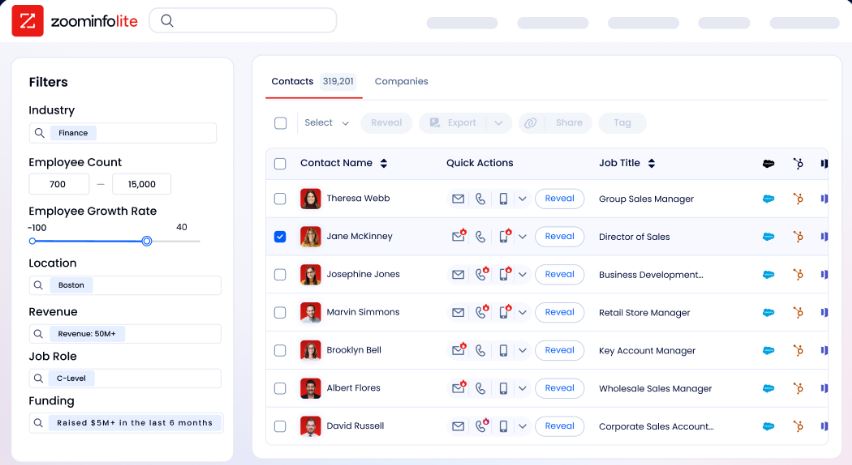
A 7-day free trial with full feature access is also available. For teams evaluating whether better data would improve their CRM outcomes, both entry points require no commitment.
Security and compliance for regulated buyers
All three platforms take security seriously, but scope and certifications differ.
Atlas CRM benefits from living inside Atlassian's security perimeter. It holds SOC 2, ISO 27001:2022, ISO 27701:2019 certifications, plus GDPR/CCPA, HIPAA, and NIS2 compliance. Data at rest uses AES-256 encryption via Google Cloud, and Atlassian handles authentication.
For organizations that already trust Atlassian with their operational data, keeping CRM data in the same infrastructure simplifies vendor risk assessments.
Salesforce provides enterprise security with ISO 27001/27017/27018, SOC 1/2/3, FedRAMP, and HITRUST certifications. Salesforce Shield (a premium add-on) adds event monitoring, platform encryption with bring-your-own-key, and indefinite field audit trails. Hyperforce enables regional data residency across multiple countries. For heavily regulated industries, Salesforce offers the broadest compliance coverage of the three.
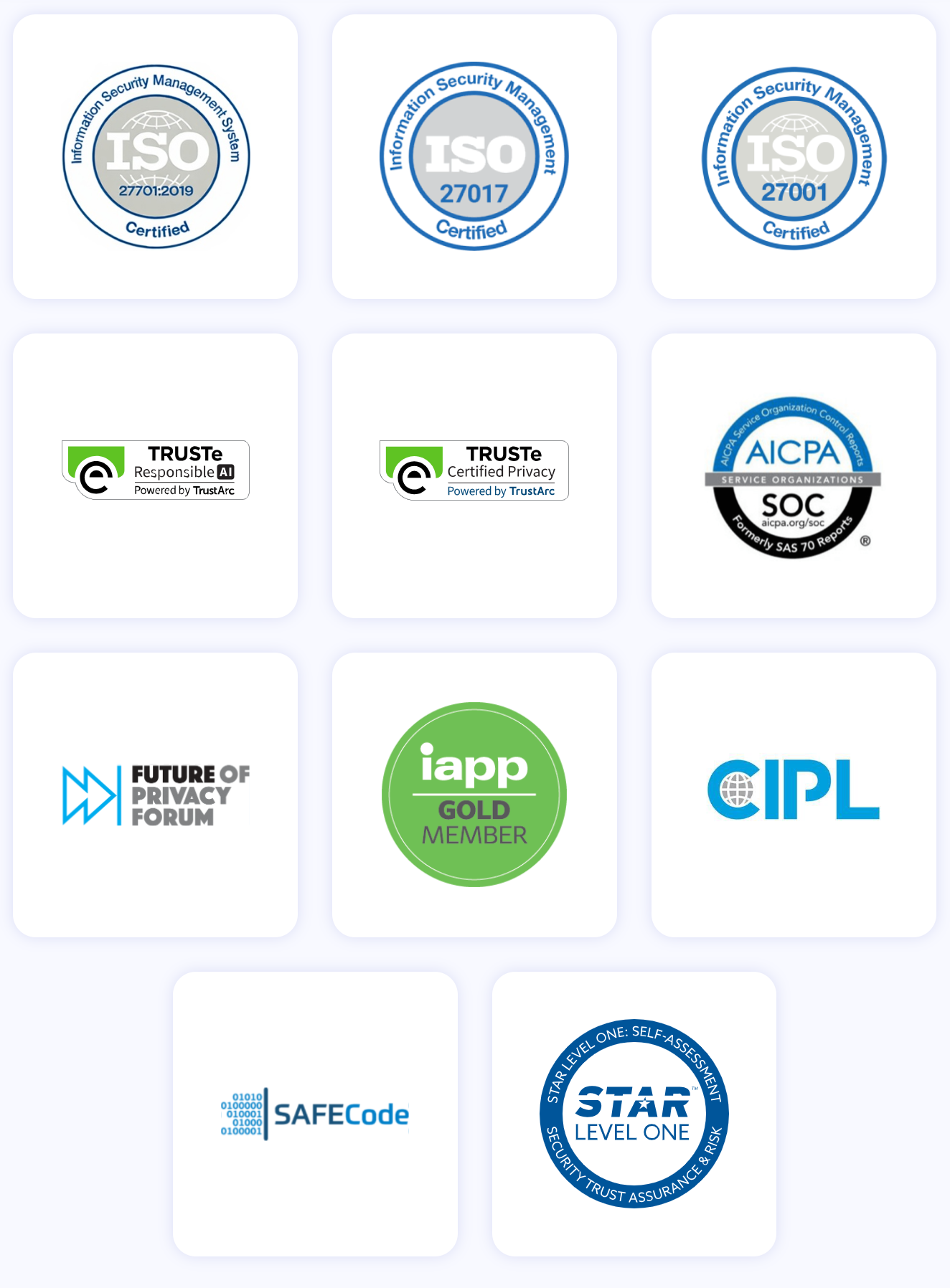
ZoomInfo maintains ISO 27001, ISO 27701, SOC 2 Type II, TRUSTe GDPR, and TRUSTe CCPA certifications, all renewed annually. It operates as a registered data broker in California and Vermont, with a dedicated Trust Center at trust.zoominfo.com. For enterprise buyers evaluating data providers, ZoomInfo's privacy compliance is built into the data layer itself.
Atlas CRM vs. Salesforce vs. ZoomInfo: Which should you choose?
The choice depends on where you are today and where your business is heading.
Choose Atlas CRM if:
Your team already runs on Jira and Confluence and wants CRM without leaving Atlassian
You're replacing spreadsheets or informal customer tracking, not migrating from a mature CRM
Your sales process is straightforward enough for a customizable pipeline without AI or automation
You need customer data alongside project work and support tickets in one place
Security and compliance within the Atlassian ecosystem matter for your industry
Choose Salesforce if:
You need a full-stack platform covering sales, service, marketing, commerce, and analytics
Your organization has the budget and admin resources for enterprise CRM
You want AI agents that can prospect, engage, and resolve cases autonomously
Industry-specific compliance and features matter (financial services, healthcare, manufacturing)
You need the broadest integration ecosystem available
Add ZoomInfo to either CRM if:
You want B2B contact and company data feeding your pipeline
Buying intent signals and account intelligence would change how your team prioritizes deals
Your CRM suffers from incomplete, stale, or inaccurate data
You need AI that understands why deals move, not just dashboards showing that they did
See how ZoomInfo improves CRM outcomes with ZoomInfo Lite (free, permanent) or a 7-day free trial.
Atlas CRM and Salesforce sit at opposite ends of the CRM spectrum: one built for simplicity inside an existing ecosystem, the other built for enterprise everything. Both manage relationships. But the organizations seeing the best pipeline results aren't just managing relationships.
They feed their CRM with verified data, real-time buying signals, and contextual intelligence that tells sellers where to focus. That's the layer ZoomInfo provides, regardless of which CRM you choose.
Snowflake uses ZoomInfo data for at least one-third of the most critical features in their Account Propensity Scoring model, feeding over 70 firmographic and technographic data fields. Accounts monitored using ZoomInfo scores showed 90% higher opportunity open rates and 2x higher customer conversion rates. (Snowflake Case Study)
Atlas CRM vs. Salesforce vs. ZoomInfo FAQ
What is the core difference between Atlas CRM, Salesforce, and ZoomInfo?
Atlas CRM is a native CRM add-on for Jira and Confluence, designed for teams that want customer management without leaving the Atlassian ecosystem. Salesforce is an enterprise CRM covering sales, service, marketing, commerce, and AI agents across over 150,000 companies.
ZoomInfo is a B2B data and intelligence platform that provides the contact data, buying signals, and context that make CRMs effective. It integrates natively with Salesforce and feeds any other tool through APIs and MCP.
Can Atlas CRM replace Salesforce?
For small teams on Atlassian that need basic contact management and a sales pipeline, Atlas CRM covers the essentials without a separate system. It cannot replace Salesforce for organizations that need advanced forecasting, AI sales coaching, marketing automation, service management, or a broad integration ecosystem. Atlas CRM has no AI features, no sales sequences, and no advanced reporting.
Does ZoomInfo compete with Atlas CRM or Salesforce?
ZoomInfo complements both rather than competing. It provides B2B data (500M contacts, 100M companies, 200M+ verified emails) and buying intelligence that feed into CRMs.
For Salesforce users, ZoomInfo integrates natively to enrich records and surface buying signals in the pipeline. ZoomInfo's GTM Workspace also offers a seller workspace for teams that want AI outreach and account prioritization alongside their CRM.
How much does each platform cost?
Atlas CRM bills per total Jira member through the Atlassian Marketplace, with one plan that includes all features. Salesforce ranges from free (2 users) to $550/user/month for its top Agentforce tier, with most organizations needing the $175/user/month Enterprise edition plus add-ons.
ZoomInfo uses custom-quoted, consumption-based pricing with no published prices, but offers a permanent free tier (ZoomInfo Lite) and a 7-day trial.
Which platform is best for a small team starting with CRM?
Atlas CRM has the lowest barrier for teams already using Jira, since it installs from the Atlassian Marketplace and needs no separate setup. Salesforce's free CRM tier works for up to two users who want basic pipeline management without Atlassian dependency. ZoomInfo Lite is the best starting point for teams that need accurate B2B contact data before they think about CRM workflow.
Which platform has the strongest AI capabilities?
Salesforce has the broadest AI feature set through Agentforce, covering autonomous sales agents, service case resolution, marketing campaigns, and multi-agent orchestration. ZoomInfo's AI is grounded in its B2B dataset and the GTM Context Graph, which understands deal patterns and buying behavior across thousands of companies. ZoomInfo Agent Teams build on that foundation to run full GTM plays end to end, with specialist agents sharing context and acting within the approvals and limits you set. Atlas CRM has no AI features as of 2026.
Can I use ZoomInfo with Atlas CRM?
ZoomInfo's APIs and MCP server deliver data to any tool or workflow, including Atlassian setups. There is no pre-built Atlas CRM connector on ZoomInfo's marketplace, but teams can use the REST API to enrich CRM records or feed data into Jira workflows. Native connectors exist for Salesforce, HubSpot, and Microsoft Dynamics.
What happens if I outgrow Atlas CRM?
Atlas CRM offers CSV export for non-technical users and API access for developers, but JSON/XML export requires API skills. If you migrate to Salesforce or another CRM, you can export your data but will need to rebuild workflows, automations, and integrations. Adding ZoomInfo's data layer before or during a CRM migration ensures you carry verified, enriched contact data into whatever system you choose.
More head-to-heads featuring Salesforce:
