
Choosing between Brevo and Kit for your email marketing often comes down to five questions:
Are you a business running multichannel campaigns across email, SMS, and WhatsApp, or a creator building a newsletter audience?
Do you need unlimited contacts with volume-based pricing, or would you rather pay by subscriber count with unlimited sends?
Is marketing automation complexity more important than deliverability and list-growth tools?
Do you need a built-in CRM and transactional messaging, or a commerce platform for selling digital products?
For B2B teams: do you already know who you should be emailing, or are you still figuring that out?
Here's what we recommend:
Brevo is a customer engagement platform for businesses that need multichannel reach. It handles email, SMS, WhatsApp, web and mobile push, live chat, and phone from a single dashboard, with a built-in CRM, transactional messaging, and a customer data platform. Brevo charges by emails sent rather than contacts stored, which means unlimited contacts on every plan, including Free.
For ecommerce brands and growing businesses that want to replace five tools with one, Brevo offers breadth at small-business prices. The trade-off: its automation has a lower ceiling than specialized platforms, and reporting lacks the detail power users expect.
Kit is the email platform built for creators who earn money from their audience. Writers, podcasters, course creators, and YouTubers use Kit to grow their lists through the Creator Network (a cross-promotion system of 74,000 creators), sell digital products with built-in commerce, and automate subscriber journeys with a visual workflow builder.
Kit claims a 99.8% delivery rate and 40% average open rate across its network. The trade-off: Kit is email-only (no SMS, no WhatsApp), design options are limited by its plain-text philosophy, and the September 2025 price increase more than doubled the base plan cost.
Both platforms are strong at what they do. But for B2B teams, there's a step before the first email that neither addresses: knowing who to email, when to email them, and why they deserve your attention right now. That's where ZoomInfo comes in.
ZoomInfo is a B2B data and go-to-market platform built on a large proprietary database: 500M contacts, 100M companies, 135M+ verified phone numbers, and 200M+ verified business emails. ZoomInfo's GTM Context Graph combines this data with your CRM records, conversation transcripts, and behavioral signals, processing 1.5B+ data points daily to show not just what's happening in your accounts, but why.
For B2B marketing and sales teams, ZoomInfo solves the intelligence problem upstream of every campaign: identifying in-market buyers, surfacing verified contact data, and prioritizing accounts based on buying signals rather than guesswork.
If verified B2B intelligence sounds like the missing piece, see how ZoomInfo works.
Brevo vs. Kit vs. ZoomInfo at a glance
Brevo | Kit | ZoomInfo | |
|---|---|---|---|
Core focus | Multichannel customer engagement | Creator email marketing & monetization | B2B data intelligence & GTM execution |
Channels | Email, SMS, WhatsApp, push, chat, phone | Email only | Multichannel orchestration via GTM Studio |
Automation | Visual workflows with multichannel triggers | Visual Automations with creator templates | Signal-triggered GTM plays and AI agents |
CRM included | Yes (built-in deal pipelines) | No | Yes (GTM Workspace + CRM integrations) |
Commerce | No native digital product sales | Built-in storefront with 3.5% fee | N/A |
Deliverability | 99% claimed delivery rate | 99.8% delivery rate, 40% avg open rate | N/A (data accuracy, not email sending) |
Pricing model | By emails sent; unlimited contacts | By subscriber count; unlimited sends | Custom-quoted, consumption-based |
Free plan | 300 emails/day, unlimited contacts | Up to 10,000 subscribers | ZoomInfo Lite (permanent free tier) |
Best for | SMBs and ecommerce businesses | Individual creators and small creator teams | B2B sales and marketing teams |
Brevo wins on multichannel breadth
Brevo isn't just an email tool.
It's a multichannel campaign platform that sends email, SMS, WhatsApp, web push, and mobile push, and handles live chat and phone calls from one interface.
This goes deeper than separate tools for each channel. Brevo's automation workflows let a marketer build a sequence that sends an email, waits 24 hours, then sends an SMS follow-up, all in one visual builder.
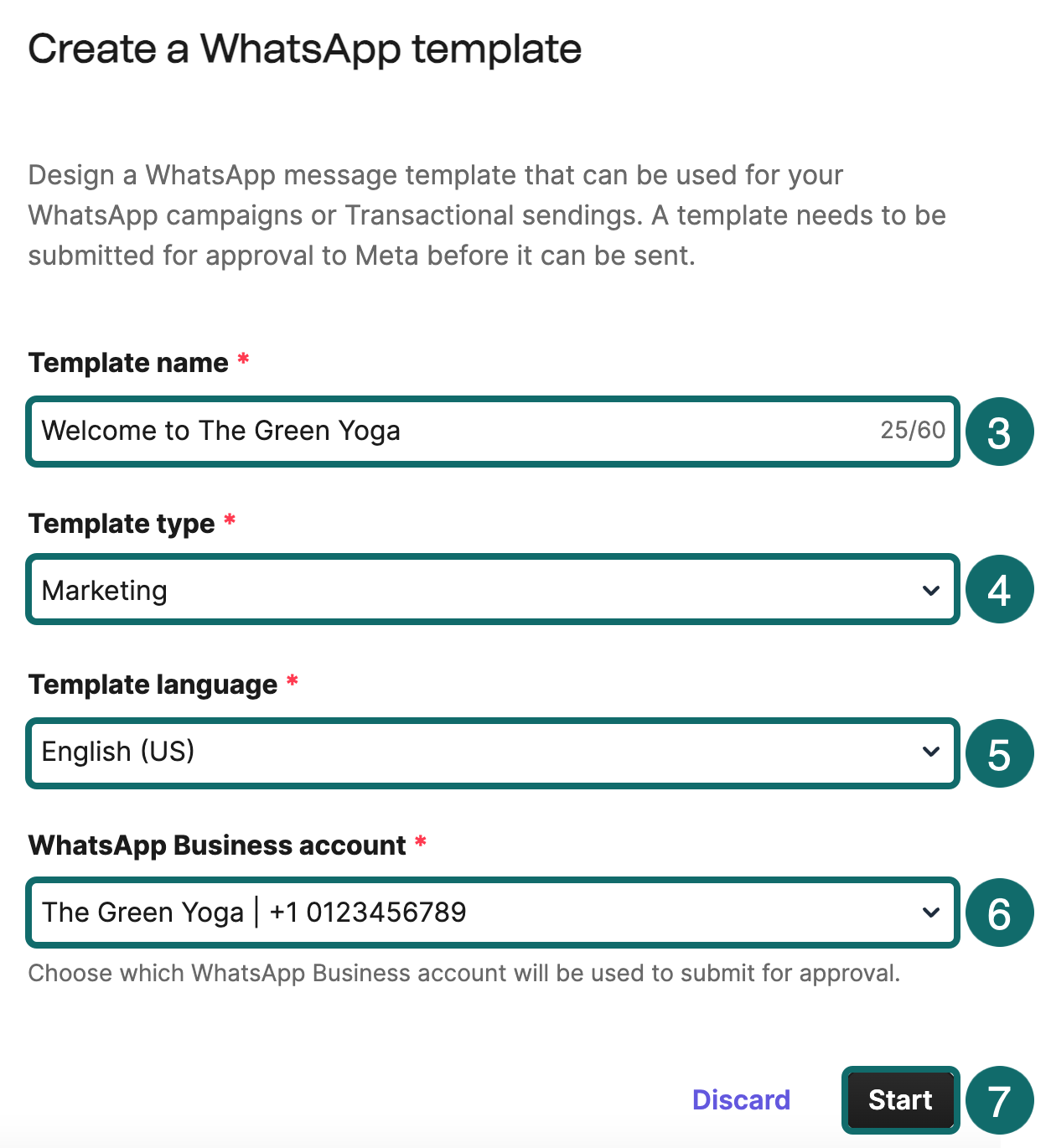
WhatsApp is a first-class channel: Brevo is a certified WhatsApp Business Solution Provider with direct API access, and WhatsApp sits inside the same automation workflows and conversations inbox as email and SMS.
Source: Brevo
This breadth matters for ecommerce and retail. An abandoned cart sequence that starts with email, escalates to SMS, and follows up with WhatsApp covers three touchpoints without stitching together three vendors. Brevo cites an average 10-15% revenue increase from abandoned cart workflows alone.
Brevo also includes transactional messaging on any paid plan. Order confirmations, shipping notifications, and password resets go through the same platform as marketing campaigns, with a 99% claimed delivery rate and capacity of 120,000 emails per minute. Mailchimp charges transactional email as a paid add-on; Brevo includes it.
Kit, by contrast, is email-only.
No SMS, no WhatsApp, no push notifications, no transactional messaging API. This is a deliberate choice, not a gap. Kit's focus on email keeps the platform simple and its deliverability numbers high. But businesses that need to reach customers across multiple channels must add separate tools for every channel beyond email.
Kit wins on creator-focused growth and monetization
Kit was built for one user: the individual creator who earns a living from their email audience. Every feature reflects that focus.
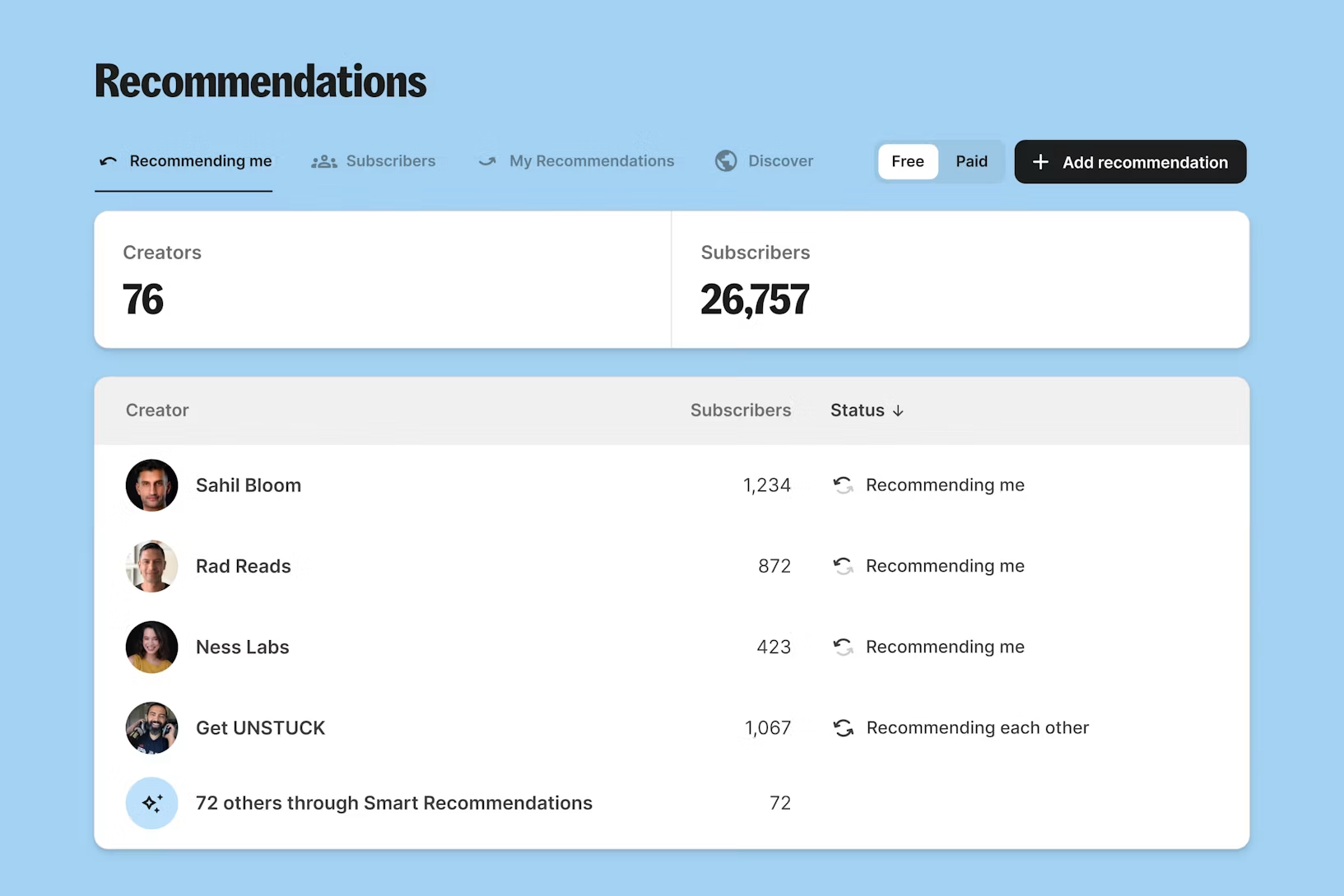
The Creator Network and Recommendations system is Kit's strongest feature. When someone subscribes to a Kit creator's newsletter, they see recommendations for other creators at the point of signup. Both lists grow. Kit reports 2x email list growth for creators who use mutual recommendations, with 74,000 professional creators in the network. This is a network effect Brevo has no equivalent for.
Source: Kit
Monetization is built into the same platform. Kit Commerce lets creators sell ebooks, courses, coaching sessions, and paid newsletter subscriptions with a flat 3.5% + $0.30 per transaction fee, available on the free plan. Paid Recommendations let creators earn money by recommending other newsletters to their audience; over 100 newsletters are paying to be recommended through the network.
The email designer reflects Kit's philosophy: text-forward emails that look like they came from a person, not a marketing department. This approach contributes to Kit's 40% average open rate across the platform, a number shaped by both Kit's deliverability infrastructure and the nature of creator-subscriber relationships.
Brevo takes the opposite approach to email design, with 50+ templates and a drag-and-drop builder made for branded, visual campaigns.
For ecommerce promotions and business newsletters, this works well. For creators who want their emails to feel personal, Brevo's templates can feel overdesigned.
Automation: depth vs. simplicity
Both platforms offer visual automation builders, but they serve different levels of complexity.
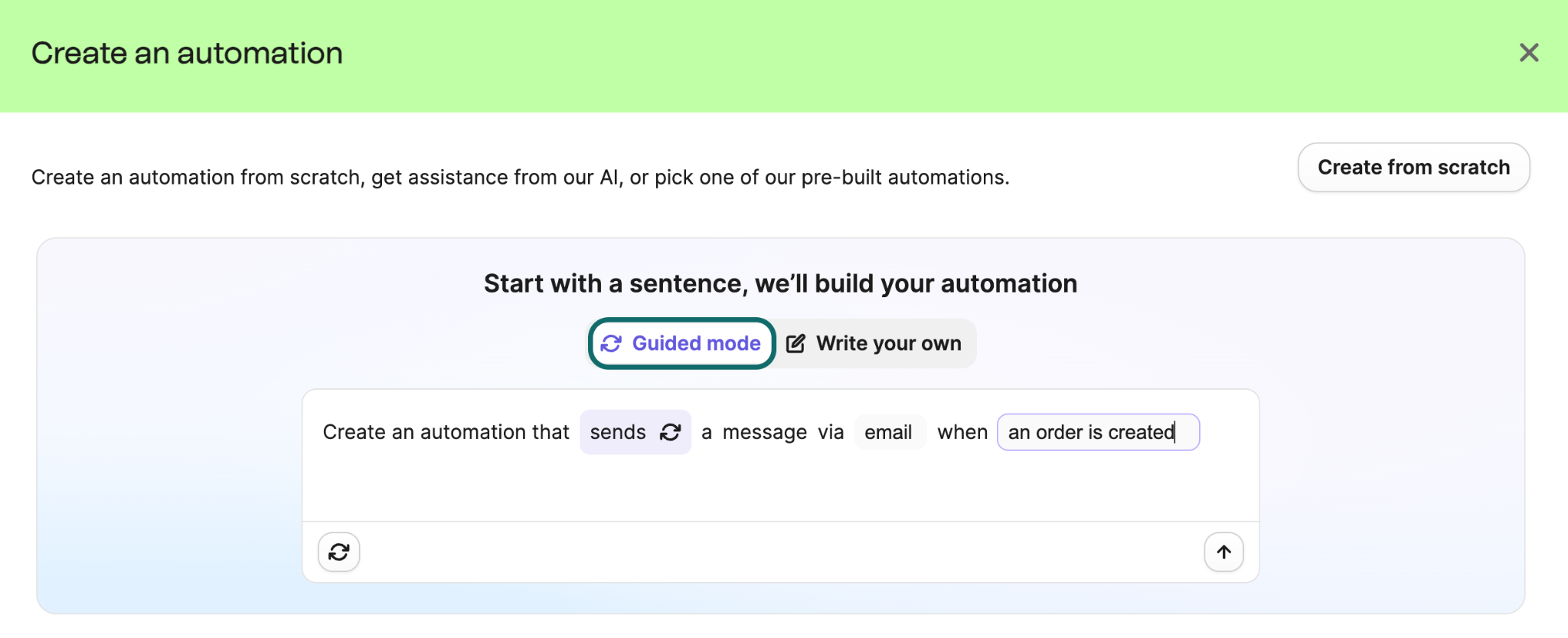
Brevo's automation engine supports multichannel workflows that trigger actions across email, SMS, and WhatsApp based on subscriber activity, purchase behavior, or custom events.
Lead scoring tracks engagement levels automatically. The Aura AI Marketing Agent adds predictive send-time optimization per recipient, auto-segmentation from live data, and AI-generated content, built into the platform rather than sold separately.
Source: Brevo
But Brevo's automation has a ceiling.
G2 reviewers and Capterra reviewers consistently note that advanced multi-step workflows and dynamic segmentation feel restrictive compared to ActiveCampaign or HubSpot. Complex customer journeys often require workarounds.
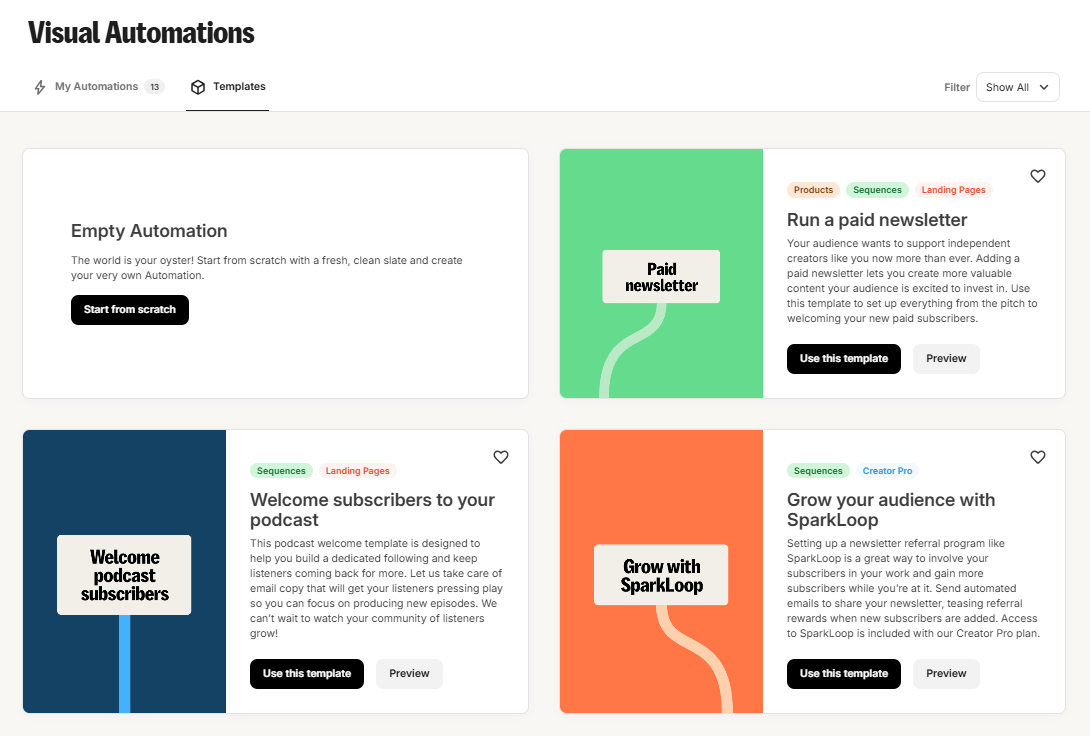
Kit's Visual Automations take a simpler approach that matches its audience.
Source: Kit
The canvas-based builder uses events (tag added, product purchased, date reached), actions (send sequence, add tag, set custom field), and conditions (yes/no branching) to create subscriber journeys. Pre-built templates cover common creator workflows: welcome sequences, post-webinar funnels, and course upsells.
Kit's automation works well for creator businesses but has real limitations. A/B testing is available only on broadcasts, not inside automation workflows. The free Newsletter plan limits users to one automation with one email sequence. And there's no way to trigger actions across channels, since Kit is email-only.
For a creator sending a welcome sequence that segments subscribers by interest and pitches a course to non-buyers, Kit's automation fits. For a business running a multichannel abandoned cart flow with conditional branching based on purchase history, Brevo is the better choice.
Deliverability: Kit's structural advantage
Deliverability is where Kit pulls ahead of most email platforms, including Brevo.
Kit claims a 99.8% delivery rate across over one billion messages sent per month.
Kit's shared IP pool benefits from a structural advantage: the platform is used almost exclusively by permission-based creator audiences (people who actively chose to follow a specific creator). This gives Kit's sending infrastructure a healthier aggregate reputation than platforms like Brevo that serve a broader mix of senders.
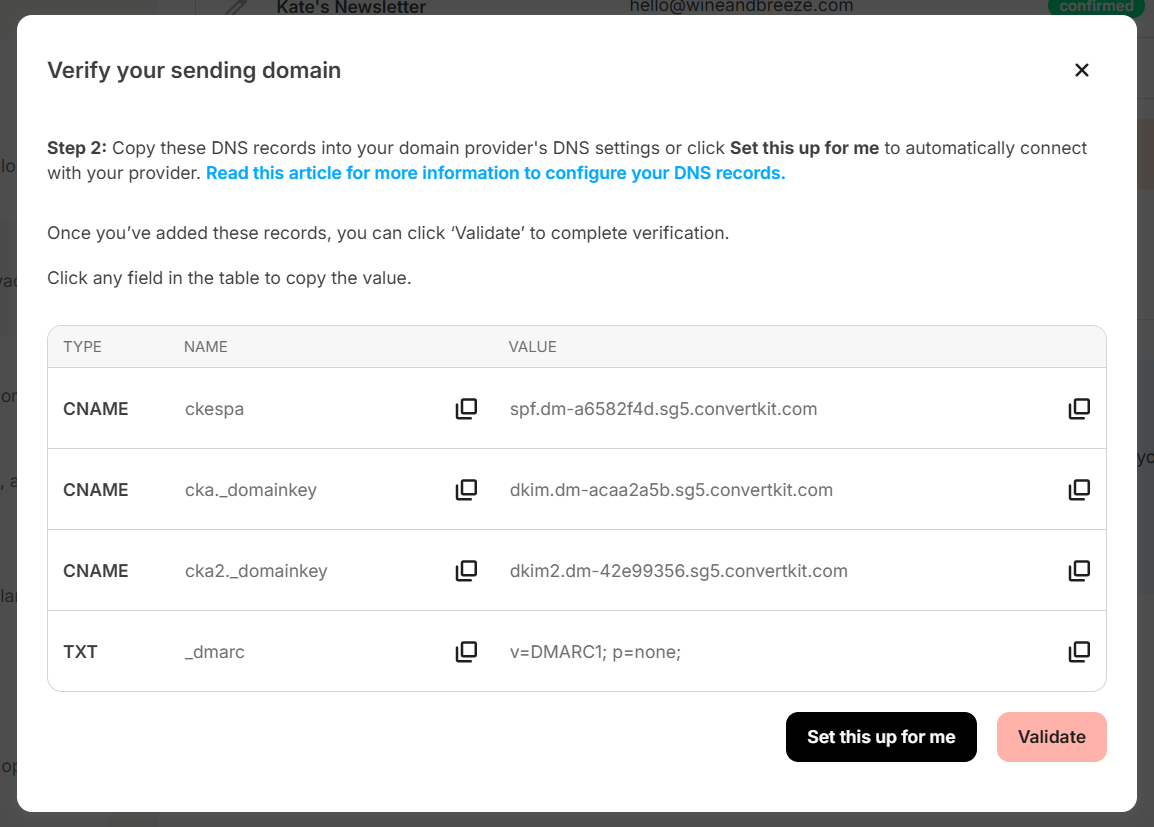
Kit invests in deliverability as a product feature. The Deliverability Defined podcast, monthly deliverability reports, and a 34-article help center collection on technical setup, list health, and troubleshooting show that commitment. Kit supports domain verification (SPF/DKIM), DMARC, dedicated IPs for high-volume senders, and proactive compliance with Gmail and Yahoo's 2024 requirements.
Source: Kit
Brevo claims a 99% deliverability rate on its enterprise page and offers dedicated IPs, DKIM/SPF/DMARC support, and IP warmup tools.
Professional plan users get a dedicated Deliverability Specialist. But Capterra reviewers report campaigns being paused even with healthy open rates of 25-41%, with slow support response when resolving suspensions. Brevo's suspension algorithm can be overly sensitive, which frustrates senders with clean lists.
For businesses where inbox placement directly determines revenue, Kit's track record gives it a measurable edge.
The B2B intelligence gap neither platform fills
Brevo and Kit both answer the question: how do I engage my audience? But for B2B teams, a harder question comes first: who should I be engaging?
An ecommerce brand knows its customers because they've already bought something. A creator knows their audience because those people subscribed.
But a B2B sales or marketing team selling software to mid-market companies faces a different problem. They need to identify the right accounts, find the decision-makers, determine which ones are actively researching solutions, and reach them with verified contact data that works.
Neither Brevo nor Kit solves this. Brevo has a built-in CRM, but it manages contacts you already have. Kit has landing pages and forms, but they capture people who've already found you. For outbound prospecting and account-based marketing, you need an intelligence layer upstream of both platforms.
ZoomInfo is a B2B go-to-market platform built for this.
Its database spans 500M contacts, 100M companies, 135M+ verified phone numbers, 120M direct-dial phone numbers, and 200M+ verified business email addresses, verified through a multi-source pipeline backed by 300+ human researchers and reaching up to 95% accuracy on first-party data.
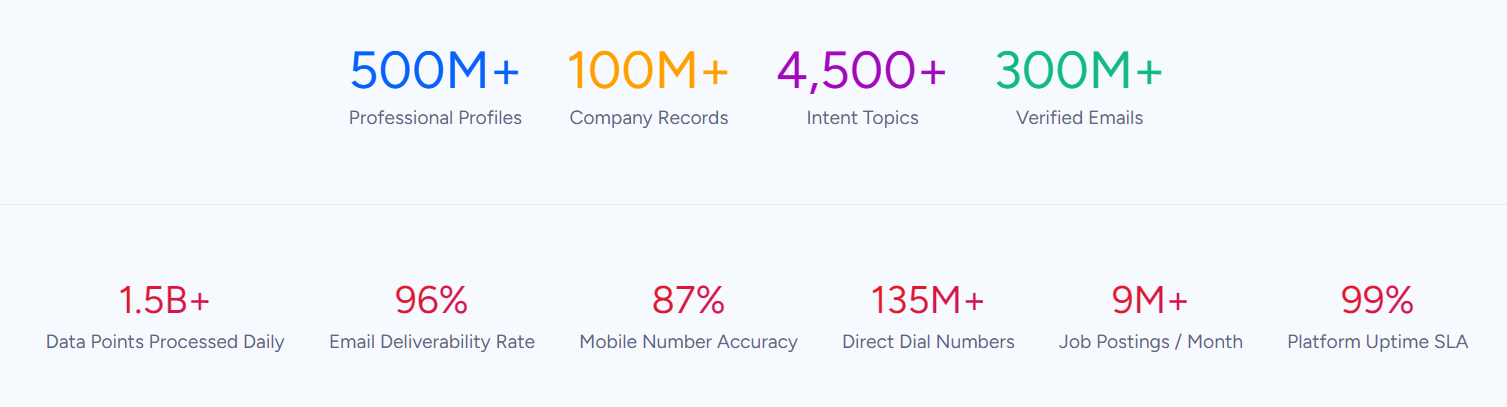
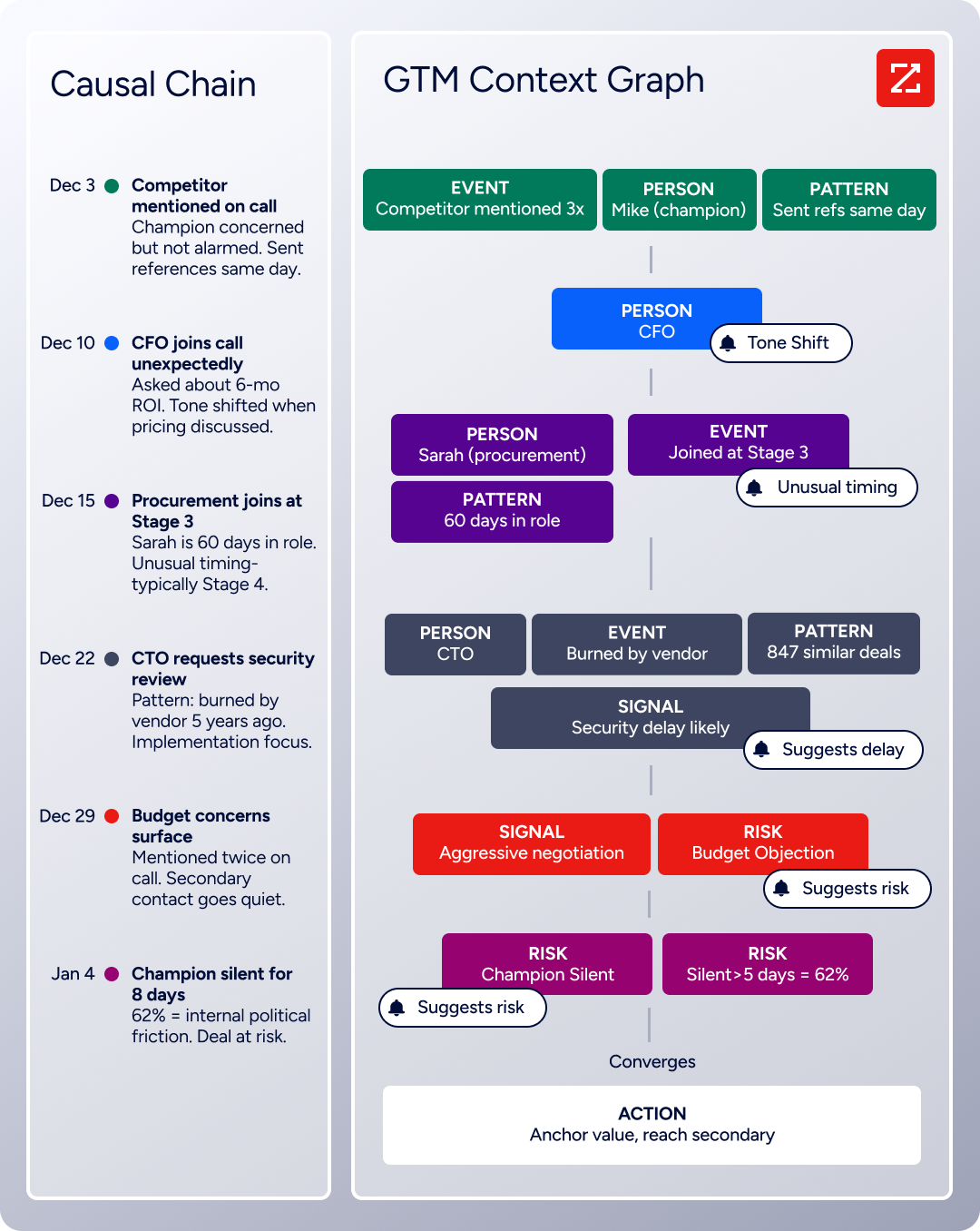
But data alone is a directory. What sets ZoomInfo apart is the GTM Context Graph, which fuses ZoomInfo's third-party data with a customer's CRM records, conversation transcripts, and behavioral signals.
The Context Graph captures not just what happened in a deal, but why. A CRM records that a deal moved stages. The Context Graph surfaces that executive sponsorship entering at this stage, combined with ROI-focused questions and intent signals showing competitor research, matches the pattern behind closed-won deals in your segment.
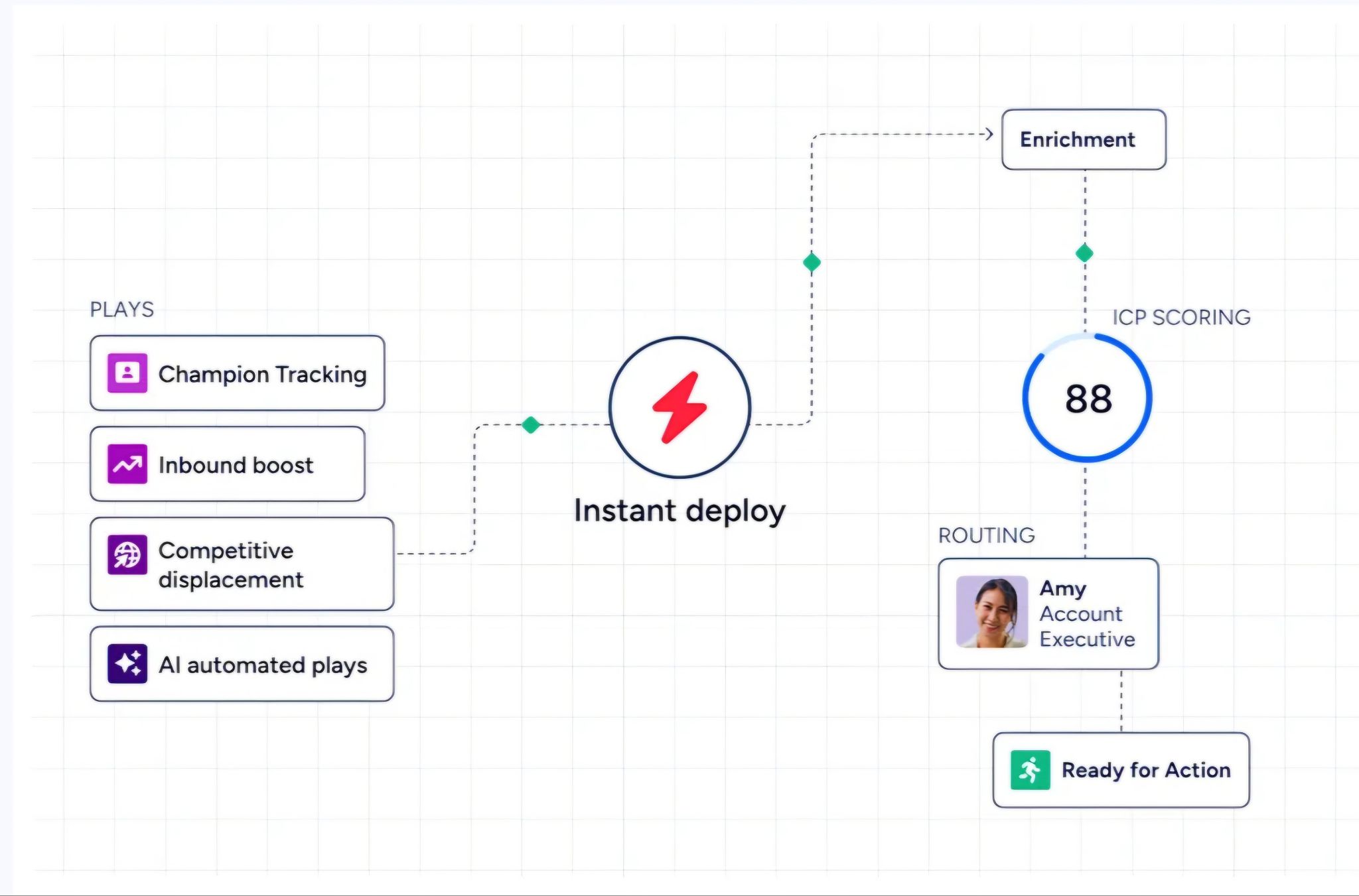
That intelligence is accessible three ways. GTM Workspace gives sellers prioritized accounts, AI-drafted outreach, and deal intelligence.
GTM Studio gives marketers and RevOps teams a builder where audience definition, campaign orchestration, and pipeline measurement happen in natural language. APIs and MCP expose the same intelligence to any custom agent or third-party application, including Brevo and Kit.
Source: ZoomInfo
"ZoomInfo gives us the information we need to execute. We don't have to spend our time digging. It's already there, so we can be three steps ahead." (Vensure)
The practical impact for marketing teams is direct. Instead of building email lists from scratch and hoping the right people see your campaigns, ZoomInfo identifies accounts showing buying intent now, surfaces verified contacts at those accounts, and triggers campaigns through your chosen platform.
Whether that platform is Brevo or Kit depends on your business. The intelligence layer is what makes either one effective for B2B.
CRM and sales tools: Brevo has them, Kit doesn't
For businesses that want CRM and email marketing in one platform, Brevo has a clear advantage.
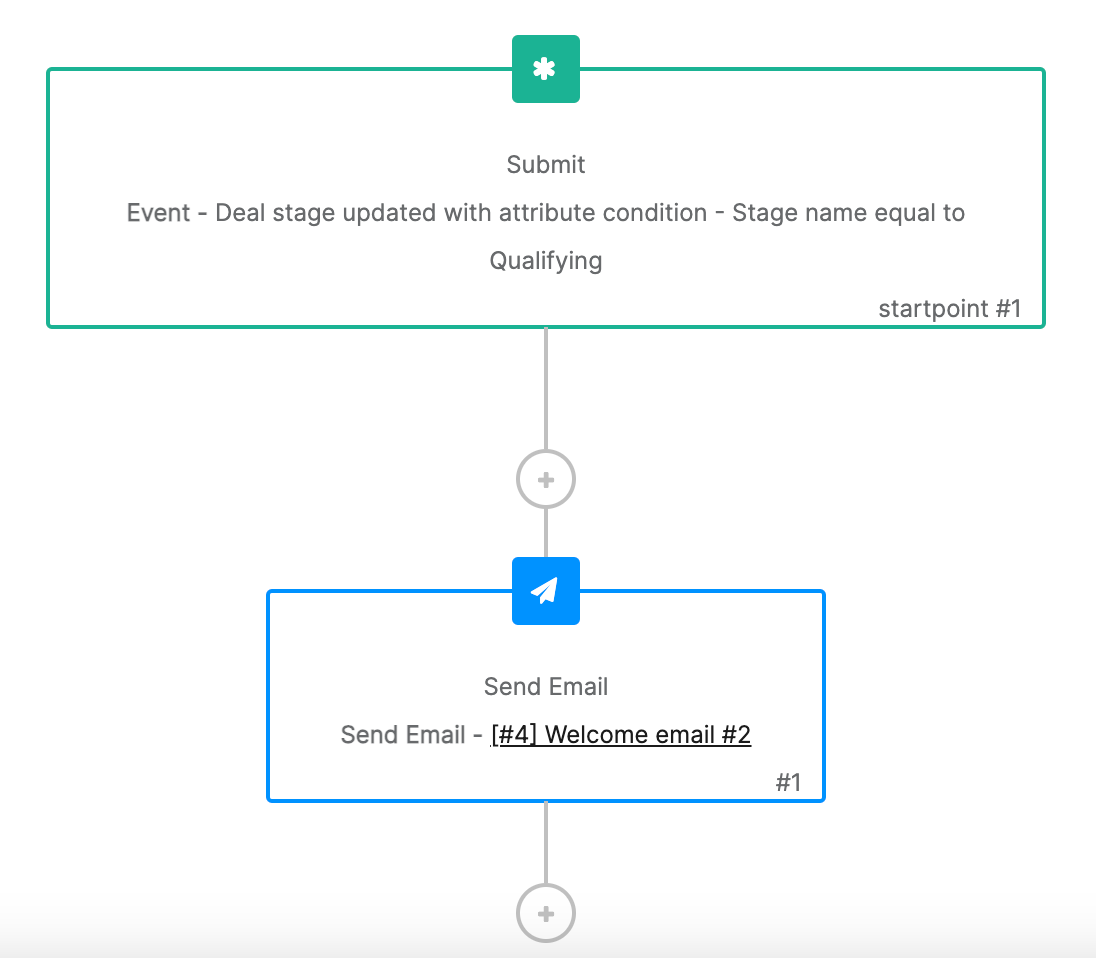
Brevo's Sales Platform includes Kanban-style deal pipelines, a cloud-based phone with AI call summaries, meeting scheduling with payment collection, and a live chat widget that adds contacts to the CRM automatically when a chat ends.
Source: Brevo
The Aura AI Sales Assistant enriches contact records in one click, creates deals from conversations, and generates sales emails from within the deal view.
The Sales Free tier comes with base Brevo plans at no extra cost: 50 open deals, one pipeline, live chat, and a meeting scheduler. Sales Essentials at $27.92/month adds pipeline management and sales automation. It isn't as deep as HubSpot or Salesforce, but for small teams that need a basic CRM alongside email marketing, it eliminates one more subscription.
Kit has no CRM. This is by design.
Kit's users are individual creators who don't manage sales pipelines. They manage subscriber relationships through tags and segments, not deal stages and win probabilities.
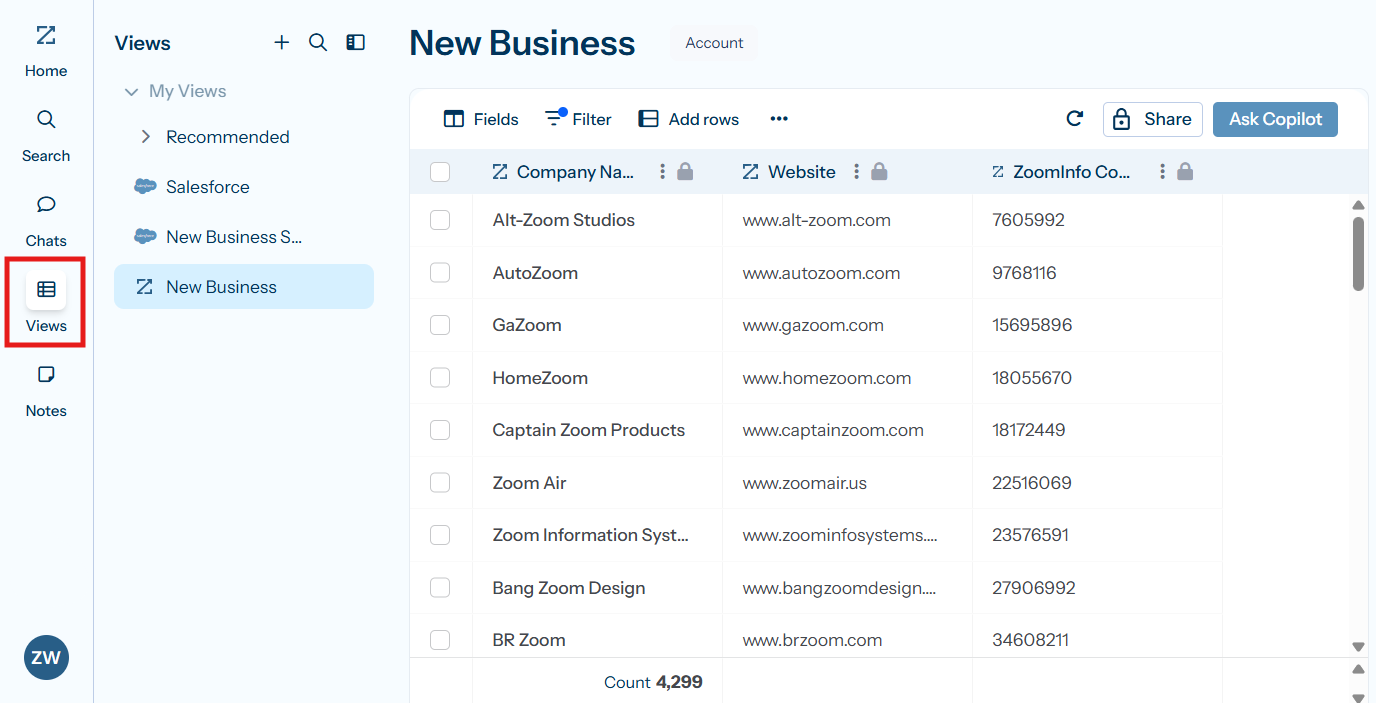
For B2B teams that need both CRM capabilities and intelligence-driven prospecting, ZoomInfo's GTM Workspace provides the most complete picture.
Source: ZoomInfo
It integrates with Salesforce, HubSpot, and Microsoft Dynamics, pulls data into a single view, and uses AI agents to handle account research, outreach drafting, CRM updates, and signal monitoring.
"That combination of our internal CRM data, external signals, and AI that's given all that context has helped us craft very specific account- and persona-based messages. And people have responded to them right away." (Seismic)
Data and customer intelligence comparison
The three platforms handle customer data at different levels.
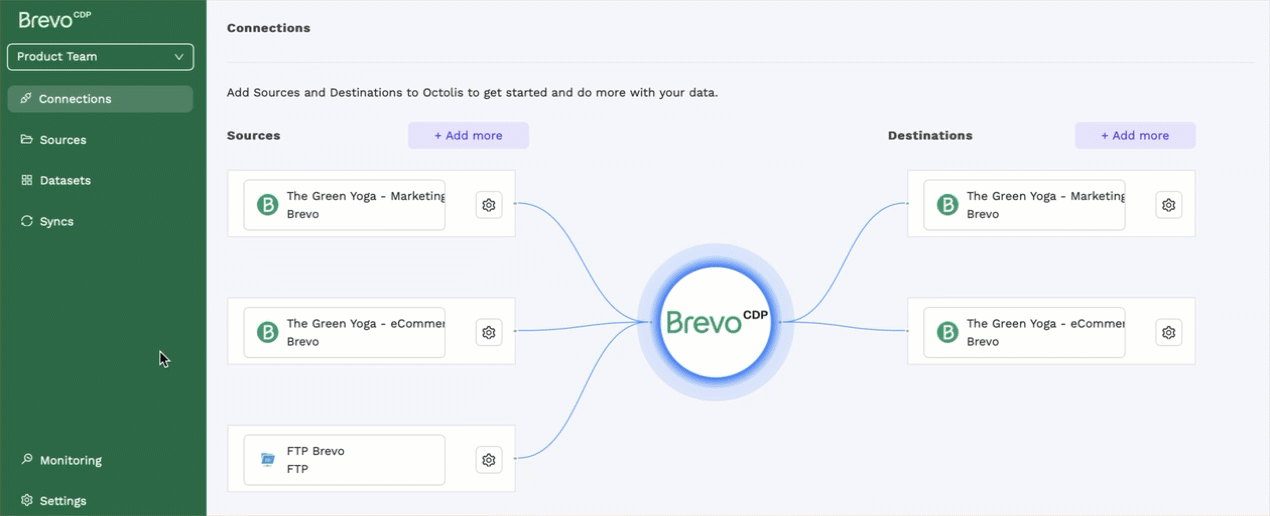
Brevo built a Customer Data Platform (BDP) that ingests data from databases, warehouses, FTP, and APIs, resolves duplicate identities, and makes unified profiles available to its marketing and sales tools.
Source: Brevo
The no-code Dataprep engine lets marketers clean and transform data without writing SQL. Scoring models including RFM (Recency, Frequency, Monetary) and LTV (Lifetime Value) segment the customer base automatically. For ecommerce and retail businesses that need to unify online and offline customer data, BDP is a differentiator.
Kit takes a simpler approach.
Subscriber profiles are built from tags, custom fields, and engagement data within Kit itself. There is no external data ingestion, no identity resolution, and no predictive scoring. Kit's data model serves a creator who needs to know which subscribers are engaged, which bought a product, and which came from a specific recommendation. For that purpose, it works.
ZoomInfo operates at a different scale.
The GTM Context Graph processes 1.5B+ data points daily, drawing from ZoomInfo's proprietary B2B database, customer CRM data, conversation intelligence from Chorus, intent signals from 210 million IP-to-Organization pairings, and behavioral signals across the buyer journey.
Guided Intent (exclusive to ZoomInfo) identifies topics historically correlated with deal success rather than requiring manual topic selection.
For B2B teams, this intelligence changes what's possible. Instead of sending the same campaign to an entire list, a marketing team using ZoomInfo can identify accounts showing buying intent, pull verified contacts from the decision-making committee, and trigger targeted campaigns through Brevo or Kit based on actual buying signals.
"It's not just the data itself. It's more about the right data at the right time to help us reach out with the right message across that full buyer journey." (Redwood Logistics)
Integrations and technical infrastructure
How each platform connects to the rest of your stack tells you who they expect their customer to be.
Brevo offers 150+ integrations spanning ecommerce (Shopify, WooCommerce, BigCommerce, PrestaShop, Magento), CMS (WordPress), CRM (Salesforce), automation (Zapier, Make), and payments (Stripe).
The REST API covers transactional email, SMS, WhatsApp, contacts, CRM, ecommerce, loyalty, and conversations. Official SDKs are maintained for Node.js, PHP, Python, Java, C#, Go, and Ruby. Brevo also published an MCP server that lets AI assistants like Claude connect to Brevo's data for campaign management and reporting.
Kit runs the Kit App Store with integrations across 14 categories including Shopify, Kajabi, Wix, Typeform, Canva, Stripe, and Manychat.
70% of Kit's 60,000+ creators have at least one app installed. The REST API (V4) covers broadcasts, subscribers, tags, forms, sequences, and webhooks with cursor-based pagination. Kit does not publish official SDKs; developers integrate with the API directly. API access requires a paid plan (Creator or Pro).
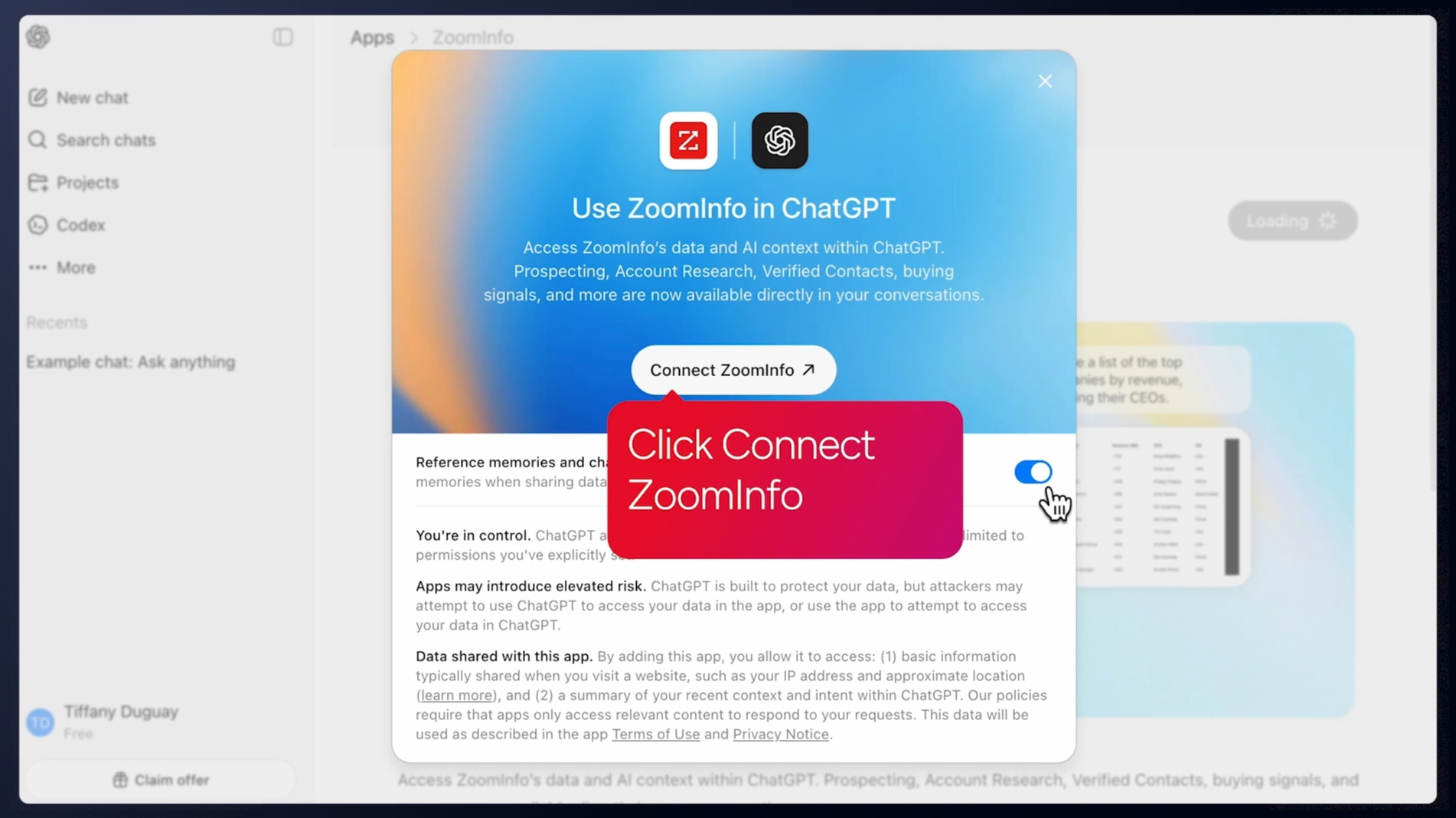
ZoomInfo maintains a Marketplace with 172+ integration partners and an Enterprise API organized into four categories: Data (search and enrich), Intelligence (insights via GTM Workspace), Marketing (audience management), and Platform (engagement data).
The ZoomInfo MCP server connects AI models to ZoomInfo's B2B data without custom coding, currently supporting Claude and ChatGPT. Cloud data delivery is available through AWS, Google Cloud, Snowflake, and Databricks.
Source: ZoomInfo
"The plug-and-play aspect of the API means I can integrate it very easily into any process and get information at a moment's notice." (BDO Canada)
The pricing models reveal who each platform is built for
Brevo and Kit took opposite approaches to pricing, and each tells you who the platform serves.
Brevo charges by emails sent per month, not contacts stored.
Contacts are unlimited on every plan. The Free plan includes 300 emails per day. Starter begins at $9/month for 5,000 emails. Standard starts at $18/month and adds automation, A/B testing, and send-time optimization. Professional jumps to $499/month with WhatsApp, push notifications, and phone support. Enterprise is custom-priced.
This model rewards list building. A business with 50,000 contacts sending a monthly newsletter pays far less on Brevo than on a platform that bills per contact. Brevo has positioned this against Mailchimp's per-contact model, claiming up to 9x savings for bulk senders.
Kit charges by subscriber count with no limit on emails sent.
The Newsletter plan is free for up to 10,000 subscribers. The Creator plan starts at $33/month for 1,000 subscribers. Pro starts at $66/month for 1,000 subscribers and includes deliverability reporting, engagement scoring, and SparkLoop (a referral tool valued at $99/month). Prices scale with list size via a slider.
Kit's September 2025 price increase raised the Creator plan from $15 to $33/month for 1,000 subscribers, more than doubling the base cost. For early-stage creators not yet earning revenue, the jump from free to paid is steep.
The contrast sharpens at scale. A business with 50,000 contacts sending 100,000 emails per month pays Brevo's volume rate for those sends. The same list on Kit's Creator plan costs more because Kit bills on every active subscriber regardless of send frequency.
For high-volume, moderate-frequency senders, Brevo wins on cost. For creators who send daily to a smaller, engaged list, Kit's unlimited sends and deliverability focus may justify the per-subscriber premium.
Brevo vs. Kit vs. ZoomInfo: Which should you choose?
The right choice depends on what problem you're solving first.
Choose Brevo if:
You need multichannel campaigns across email, SMS, WhatsApp, and push from one platform
You have a large contact list and want volume-based pricing rather than per-subscriber billing
You need transactional messaging (order confirmations, shipping updates) alongside marketing
A built-in CRM and live chat matter to your workflow
You run an ecommerce business that needs abandoned cart recovery and product recommendations
Choose Kit if:
You're a creator building a newsletter-driven business
Growing your list through creator cross-promotion matters more than paid ads
You sell digital products and want commerce built into your email platform
Deliverability and inbox placement are your top priorities
You want a platform designed for solo operators, not marketing teams
Add ZoomInfo if:
Your business sells B2B and you need to identify in-market accounts before sending campaigns
You want verified direct dials and business emails rather than hoping people opt in
Intent data and buying signals should drive your outreach timing
You need AI that understands your deals, not just your data
Your go-to-market strategy requires intelligence across sales, marketing, and RevOps
See how ZoomInfo's intelligence transforms your go-to-market.
Brevo and Kit each excel at their half of the equation: engaging the audience you've identified. But for B2B teams, the harder challenge is identifying the right audience in the first place (which accounts deserve your time, which contacts to reach, and when they're most likely to respond). ZoomInfo solves that upstream problem, and the intelligence it provides makes whichever email platform you choose more effective.
Brevo vs. Kit vs. ZoomInfo FAQ
What is the core difference between Brevo, Kit, and ZoomInfo?
Brevo is a multichannel customer engagement platform covering email, SMS, WhatsApp, chat, CRM, and transactional messaging, designed for businesses and ecommerce brands.
Kit is a creator-focused email marketing platform with built-in commerce, a cross-promotion network of 74,000 creators, and strong deliverability.
ZoomInfo is a B2B data intelligence platform that identifies in-market accounts, surfaces verified contact data, and powers go-to-market execution across sales and marketing teams.
Which platform is cheapest for email marketing?
Brevo's Free plan includes 300 emails per day with unlimited contacts and no credit card. Kit's Newsletter plan is free for up to 10,000 subscribers with unlimited sends. On paid plans, Brevo starts at $9/month for 5,000 emails while Kit starts at $33/month for 1,000 subscribers.
For large lists with moderate send frequency, Brevo's volume-based pricing is typically cheaper. For small, engaged audiences, Kit's unlimited-send model may offer better value.
ZoomInfo is priced separately as a B2B intelligence layer with custom-quoted, consumption-based pricing.
Which platform has better deliverability?
Kit has a structural advantage, claiming a 99.8% delivery rate and 40% average open rate. Its shared IP pool benefits from being used exclusively by permission-based creator audiences, which keeps aggregate sender reputation high.
Brevo claims a 99% delivery rate and offers dedicated IPs and Deliverability Specialist support on its Professional plan, but some users report overly sensitive suspension algorithms that pause sends even at healthy engagement levels.
Can ZoomInfo work with Brevo or Kit?
Yes. ZoomInfo complements both platforms. It identifies target accounts and verified contacts through B2B data and intent signals. That data can feed into Brevo or Kit for campaign execution.
ZoomInfo provides APIs and an MCP server that connect to third-party tools, and both Brevo and Kit have their own APIs for receiving contact and campaign data. The typical workflow: ZoomInfo identifies who to target, and Brevo or Kit handles the engagement.
Which platform is better for ecommerce?
Brevo is stronger for ecommerce. It integrates natively with Shopify, WooCommerce, BigCommerce, and other stores, includes transactional messaging for order confirmations and shipping updates, and supports abandoned cart recovery workflows.
Kit's commerce features are built for digital product sales (ebooks, courses, coaching) rather than physical product retail.
ZoomInfo does not serve ecommerce use cases directly.
Does Kit or Brevo offer SMS and WhatsApp marketing?
Brevo offers both. SMS is available from the Starter plan and billed separately by volume and destination country. WhatsApp campaigns are available on Professional plans and above, with Brevo serving as a certified WhatsApp Business Solution Provider.
Kit is email-only and does not offer SMS, WhatsApp, push notifications, or any channel beyond email.
Which platform is better for a B2B marketing team?
For a B2B team that needs campaign execution (email, SMS), Brevo offers more channels and a built-in CRM.
For a B2B team running a thought-leadership newsletter, Kit's deliverability and creator tools may fit better.
For both scenarios, ZoomInfo adds the intelligence that neither Brevo nor Kit provides: identifying target accounts, surfacing verified B2B contact data from a database of 500M contacts and 100M companies, and prioritizing outreach based on intent signals and buying behavior.
What kind of support does each platform offer?
Brevo offers email support on all paid plans, phone support on Professional and above, and a dedicated Customer Success Manager on Enterprise.
Kit provides 24/7 email and chat support on all plans, with priority support on Pro. Kit also offers free migration assistance on paid plans and a Hire a Kit Expert program through Contra.
ZoomInfo provides support via its Help Center, ZoomInfo University with role-specific learning paths, and dedicated customer service managers on Enterprise tiers.
See how Brevo stacks up elsewhere:
