
Choosing between Brevo vs. Flodesk for your email marketing often comes down to five questions:
Are you marketing to consumers and subscribers, or selling to B2B decision-makers?
Do you need multichannel automation across email, SMS, and WhatsApp, or a focused tool that makes every email look great?
Is your main challenge managing campaigns at scale, or knowing which prospects to target?
Do you need a built-in CRM and transactional messaging, or a simple checkout system to sell digital products?
Are you a growing business consolidating tools, a solo creator building a brand, or a B2B team trying to fill a pipeline?
In short, here's what we recommend:
Brevo is a marketing platform for growing businesses that need email, SMS, WhatsApp, live chat, CRM, and transactional messaging in one place. Its volume-based pricing charges by emails sent rather than contacts stored, with unlimited contacts on every plan including Free.
For small and mid-market businesses outgrowing a basic email tool, Brevo replaces four or five separate subscriptions with multichannel automation in a single platform. The tradeoffs: automation logic lags behind dedicated tools like ActiveCampaign, reporting lacks granularity for conversion analysis, and the email editor can be sluggish on complex layouts.
Flodesk is the design-first email marketing platform built for creators, coaches, and small business owners who want polished emails without writing code. Its patented graphic layouts, custom font uploads, and visual editor consistently produce the best-looking emails of any platform in its class.
Flodesk includes integrated checkout for selling digital products and subscriptions, with zero platform transaction fees. The tradeoffs: no A/B testing, limited native integrations compared to larger platforms, and analytics that lack revenue attribution.
Both platforms help you communicate with an audience you already have. But for B2B companies, the harder problem isn't sending emails. It's knowing who to reach, when they're ready to buy, and what will make them respond. That's a different challenge, and it requires a different tool.
ZoomInfo is a B2B go-to-market platform built on a data foundation of 500M contacts, 100M companies, 135M+ verified phone numbers, and 200M+ verified business email addresses. Its GTM Context Graph processes 1.5B+ data points daily, combining this data with your CRM records, conversation transcripts, and behavioral signals to show the full context of your accounts.
That context fuels AI that reveals not just what happened, but why, and what to do next. Your team reaches that intelligence through GTM Workspace for sellers, GTM Studio for marketers and RevOps, or APIs and MCP in any front-end. For B2B teams comparing email tools, ZoomInfo fills the gap no email platform can: identifying the right buyers and understanding their intent before you hit send.
If building pipeline from verified buyer data is the problem you need to solve, see how ZoomInfo works.
Brevo vs. Flodesk vs. ZoomInfo at a glance
Brevo | Flodesk | ZoomInfo | |
|---|---|---|---|
Core approach | Multichannel marketing platform with CRM | Design-first email marketing with checkout | AI-powered B2B go-to-market intelligence |
Email design | Drag-and-drop with 50+ templates | Visual editor with patented layouts | Not an email design tool |
CRM | Built-in deal pipelines, phone, meetings | None | GTM Workspace with AI-powered account intelligence |
B2B contact data | Limited to your own lists | Limited to your own lists | 500M contacts with verified emails and direct dials |
Channels | Email, SMS, WhatsApp, push, chat, phone | Email only | Multi-channel outreach via GTM Workspace and integrations |
Automation | Visual workflows across channels | Visual workflows with branching | AI-driven GTM plays and automated outreach |
Buyer intent signals | None | None | Intent data from 210M+ IP-to-organization pairings |
Native integrations | 150+ | 15+ | 120+ marketplace partners plus API and MCP |
Pricing model | By email volume sent (unlimited contacts) | By subscriber count (unlimited sends) | Custom, consumption-based |
Starting price | Free (300 emails/day); Starter from $9/mo | Free (forms only); Lite from $19/mo | Free (ZoomInfo Lite); paid plans custom-quoted |
Best for | SMBs consolidating email, SMS, chat, and CRM | Creators and solopreneurs who prioritize brand design | B2B sales and marketing teams targeting decision-makers |
Brevo wins on multichannel breadth, Flodesk wins on design
Each email platform has a clear strength that reflects its design philosophy.
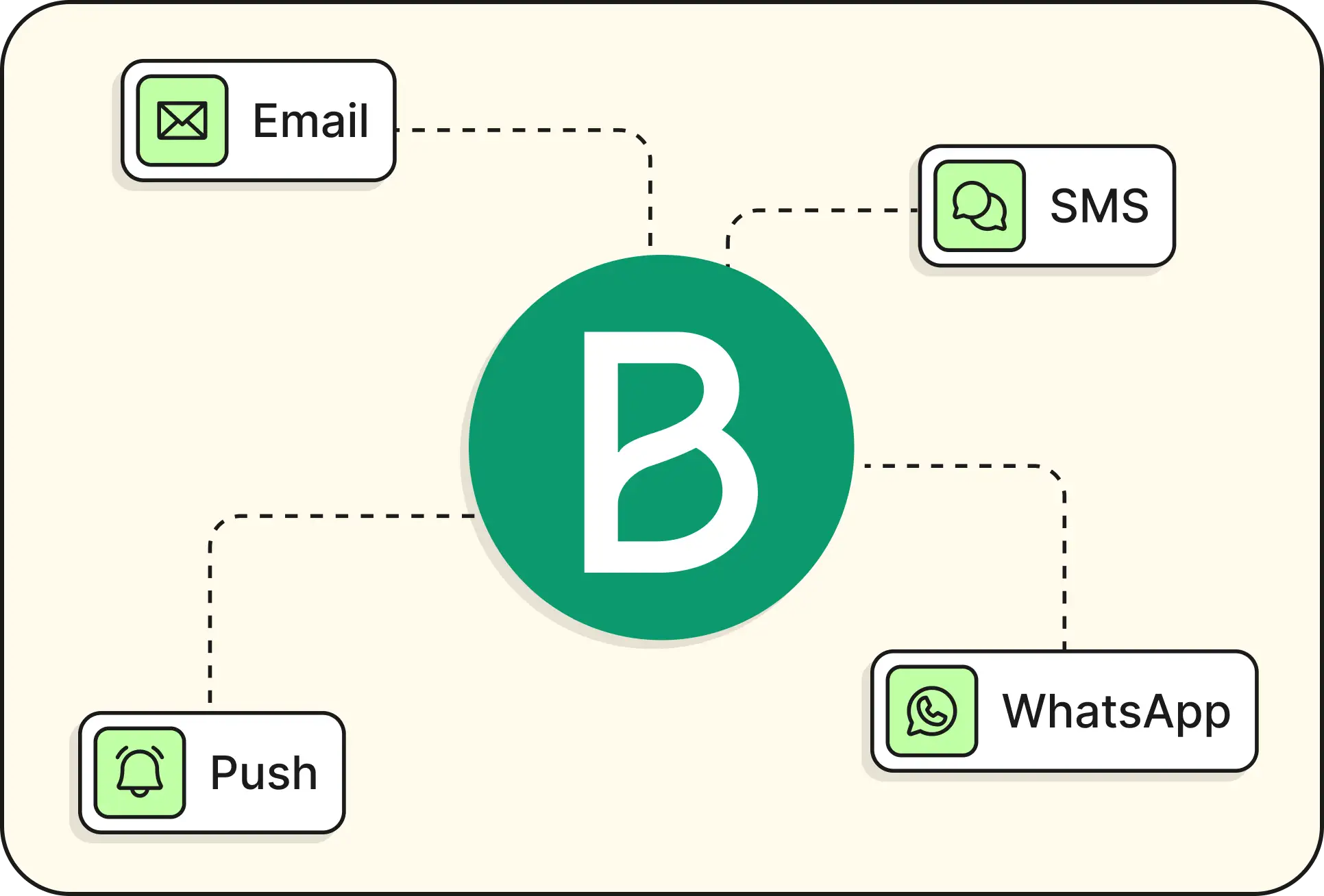
Brevo collapses marketing channels into a single interface.
Email, SMS, WhatsApp, web and mobile push notifications, live chat, chatbot, and VoIP phone calls all run from one dashboard. A single automation workflow can send an email, wait 24 hours, then follow up with an SMS, without switching tools or syncing data between platforms.
Source: Brevo
Brevo is a certified WhatsApp Business Solution Provider, giving businesses direct access to the WhatsApp Business API instead of routing through third-party intermediaries.
This breadth matters most for e-commerce and retail businesses. An abandoned cart can trigger an email immediately, then a WhatsApp message the next day. A loyalty program update can push to mobile wallets. A customer question can come in through live chat and escalate to a phone call, all within the same platform.
Flodesk chose a different battle.
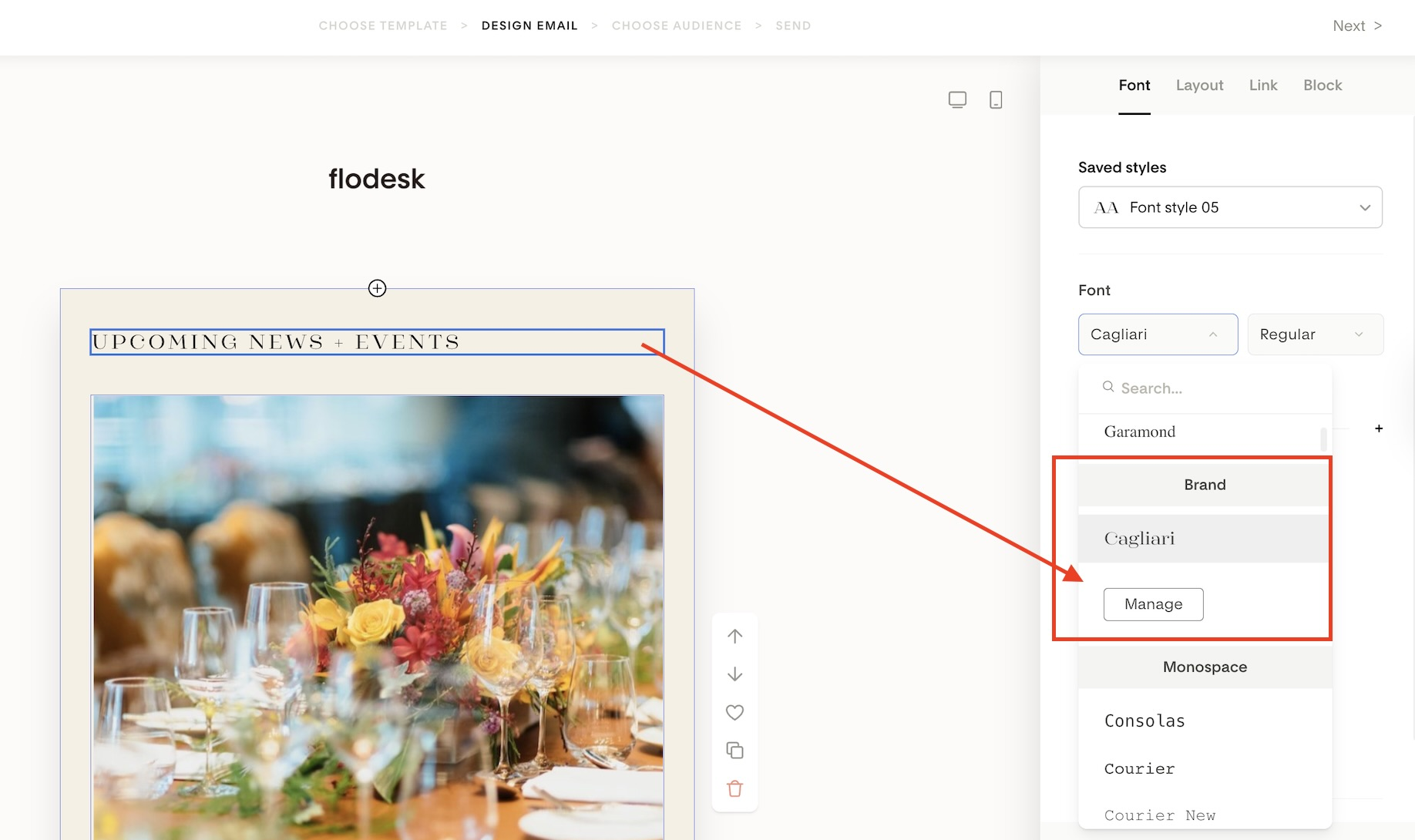
Instead of adding channels, it perfected one. The email builder uses patented graphic layouts that let users create designed graphics inside emails, something no other email platform replicates. Custom fonts can be uploaded in OTF, TTF, or WOFF format and applied across all emails from a centralized Brand Fonts library. G2 users rate template quality at 9.1/10 and ease of use at 9.4/10.
Source: Flodesk
The result: Flodesk emails look noticeably better than what Brevo, Mailchimp, or ConvertKit produce. For photographers, coaches, and creative professionals whose personal brand is their business, that difference is worth the narrower feature set.
The real divide: known audiences vs. unknown buyers
Brevo and Flodesk both assume you've already built your list.
Someone opted in through a form, bought a product, or subscribed to your newsletter. The challenge these platforms solve is what happens next: keeping those people engaged, automating their journey, and converting them into repeat customers.
That model works for e-commerce stores emailing existing customers, creators nurturing subscribers, or service businesses staying in touch with leads who already raised their hand.
B2B companies face a different reality. Their buyers don't fill out opt-in forms before entering the market. A VP of Engineering evaluating new infrastructure doesn't subscribe to your newsletter first. A CFO researching compliance solutions doesn't click your popup. By the time B2B buyers identify themselves, they've often already shortlisted vendors and formed opinions.
ZoomInfo exists to solve this.
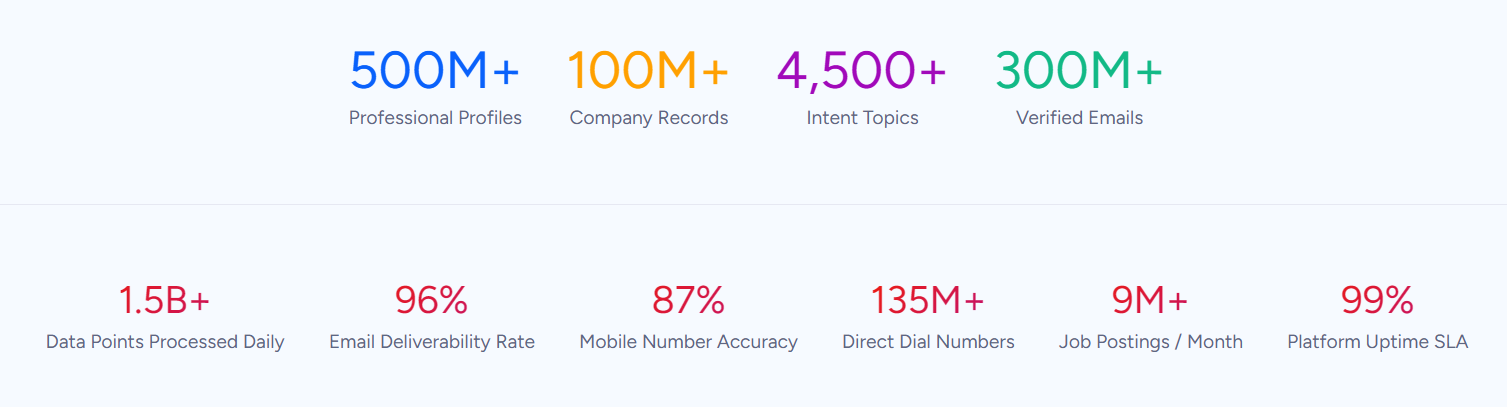
Its database of 500M contacts and 100M companies, verified through a multi-source pipeline backed by 300+ human researchers, gives B2B teams access to decision-makers they'd never reach through inbound channels alone. That data achieves up to 95% accuracy on first-party records, which translates to emails that land and phone numbers that ring.
This isn't a marginal advantage. In a Fortune 500 competitive RFP analyzing 25 million contacts across vendors, an independent consultant concluded that "no other competitor came even close."
"ZoomInfo gives us the information we need to execute. We don't have to go through and spend our time digging. It's already there, so we can be three steps ahead." (Vensure)
Automation depth varies significantly
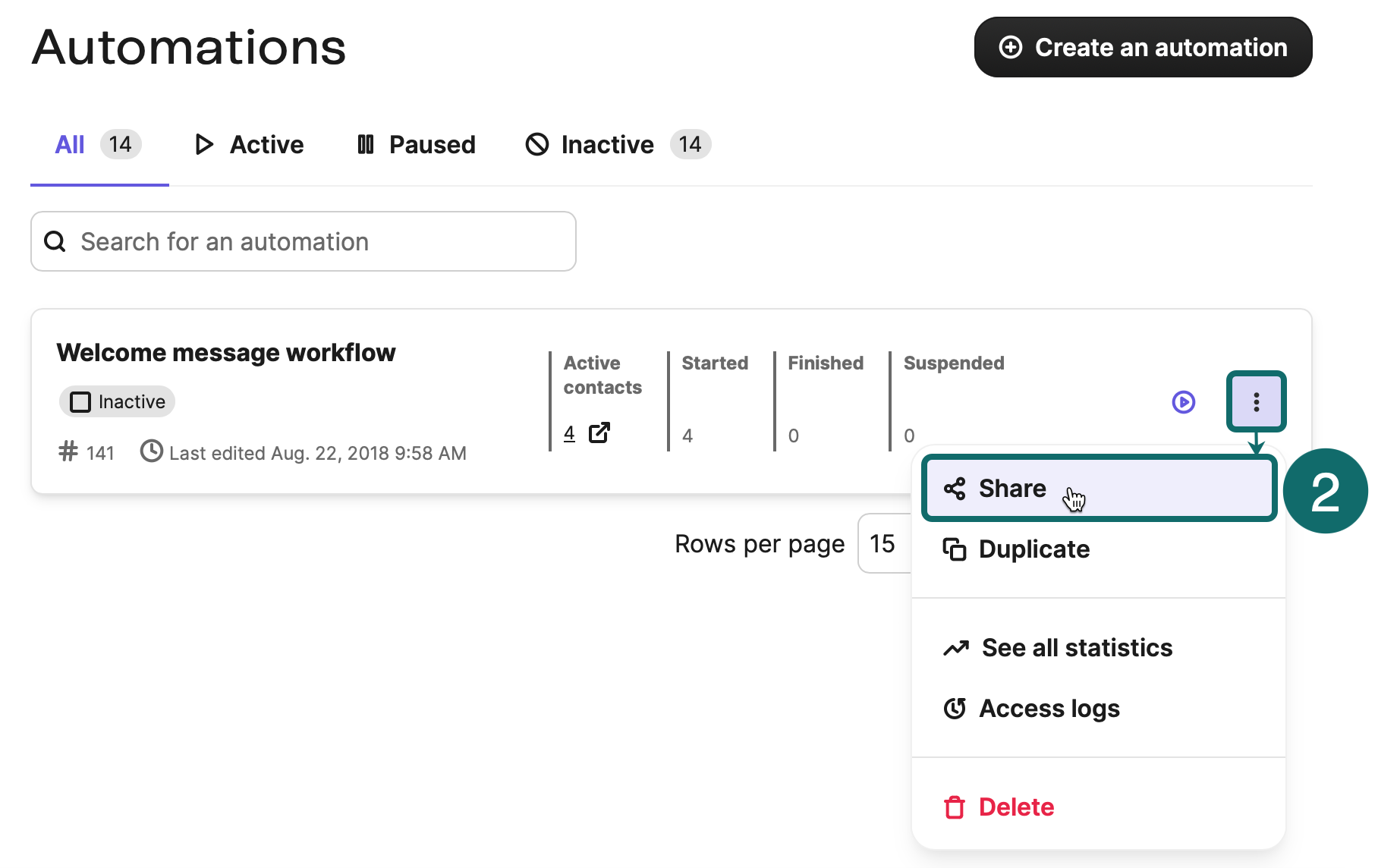
Brevo's visual automation workflow editor supports welcome series, abandoned cart recovery, birthday emails, and custom multi-step workflows triggered by list membership, form submissions, link clicks, or cart abandonment.
Source: Brevo
The standout capability is cross-channel automation: a single workflow can send an email, wait, then fire an SMS or WhatsApp follow-up without switching platforms.
G2 reviewers note, however, that advanced multi-step workflows and dynamic segmentation feel restrictive compared to ActiveCampaign or HubSpot. Automation is available starting on the Standard plan ($18/month); Free and Starter plans don't include it.
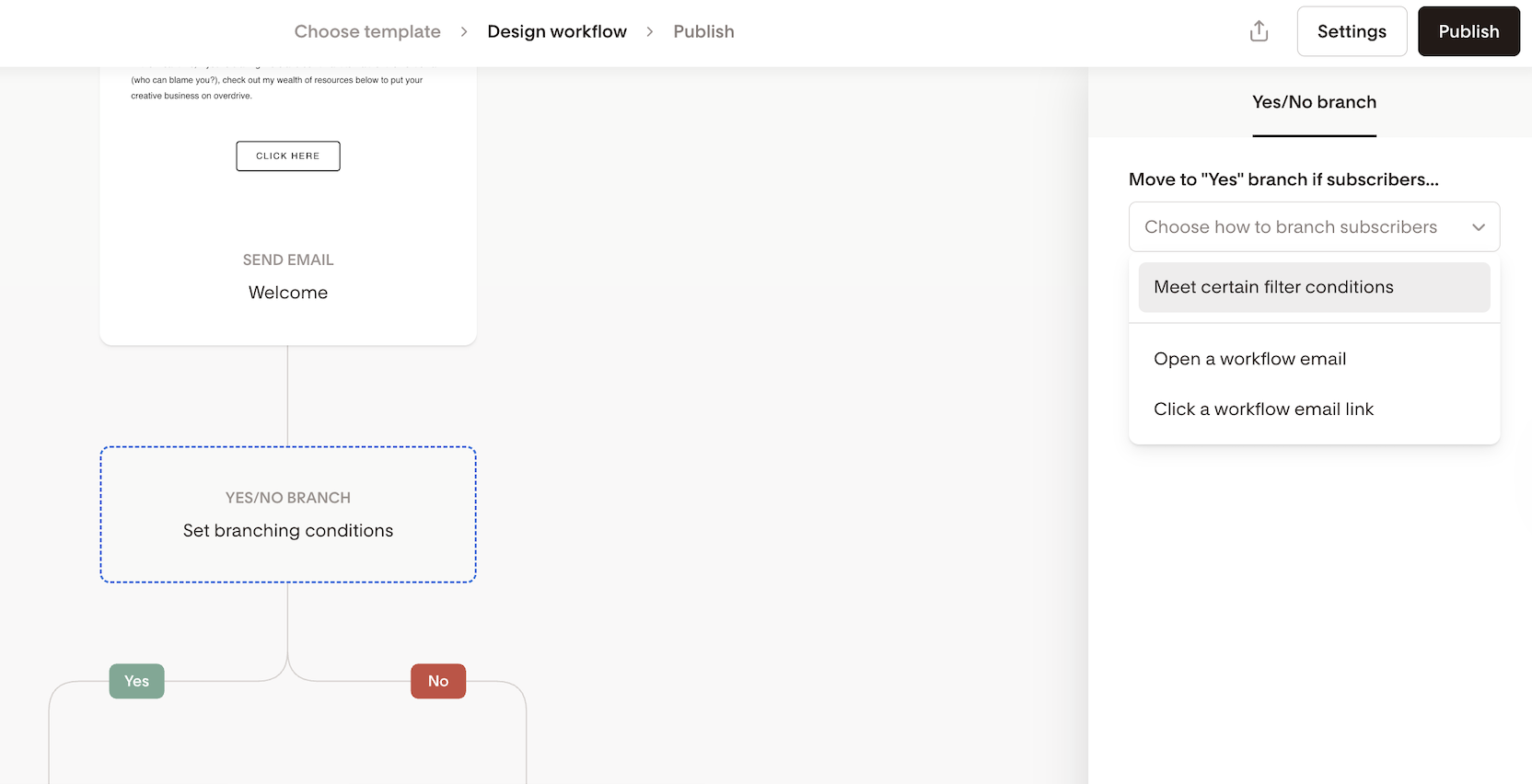
Flodesk rebuilt its workflow system in February 2026, adding multi-branch steps, instant condition triggers, up to six trigger branches per workflow, and engagement-based filters.
Yes/No branches can test for email opens, link clicks, segment membership, custom fields, and historical engagement rates with AND/OR logic. Percentage-based splits enable A/B testing directly in the workflow canvas.
Source: Flodesk
Flodesk's automation is email-only (the platform doesn't support SMS or other channels), but for creators running welcome sequences, lead magnet delivery, and abandoned cart recovery, the depth is now competitive. Unlimited workflows require Pro ($25/month) or Everything ($49/month).
ZoomInfo operates at a different level.
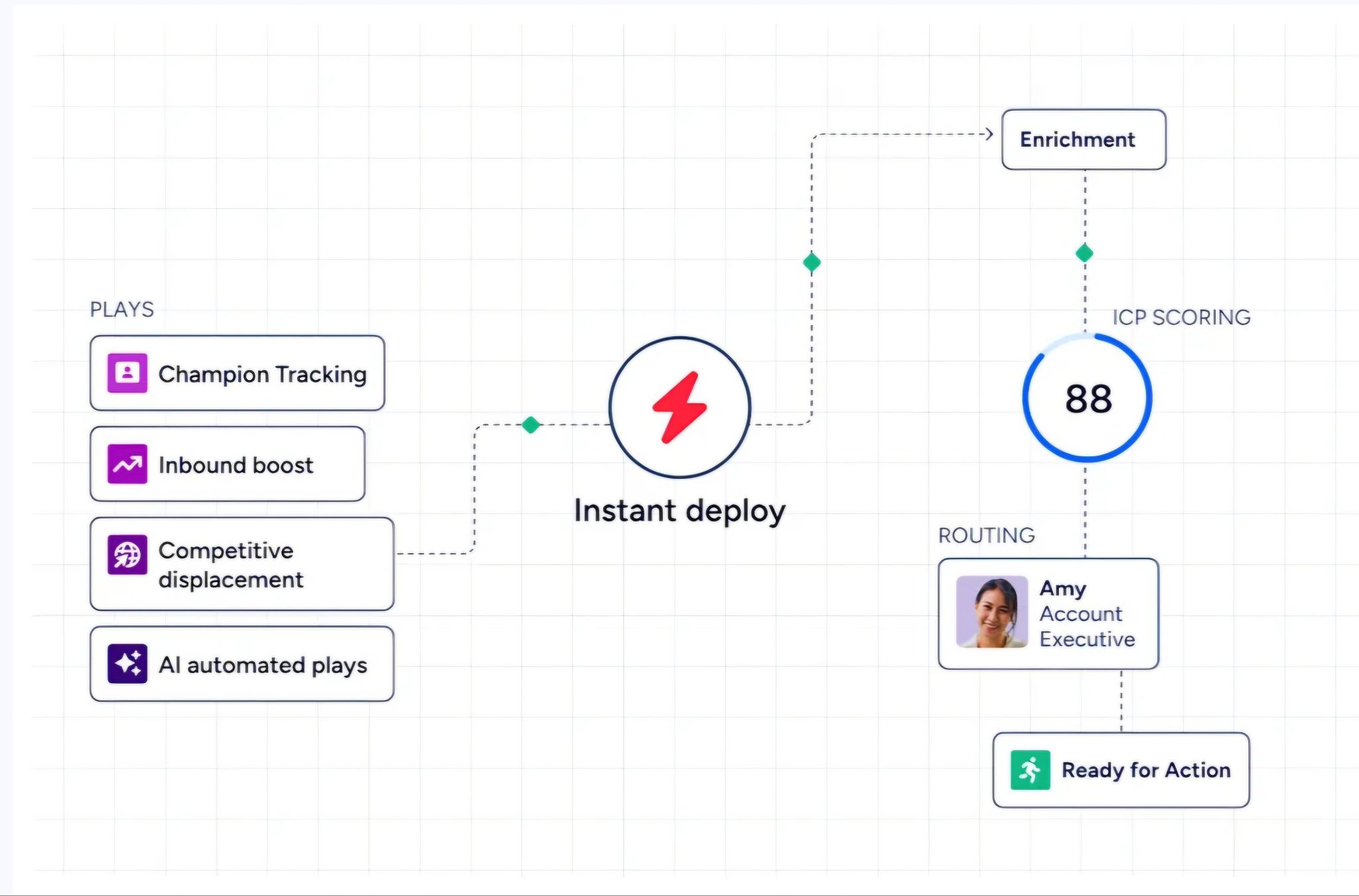
Rather than automating email sequences, ZoomInfo automates the upstream intelligence that determines who should receive outreach and when. GTM Studio lets marketers and RevOps teams describe audiences in natural language, define triggers based on buyer signals, and launch multi-channel plays across email, calls, ads, and direct mail.
Source: ZoomInfo
Pre-built GTM plays cover inbound acceleration, champion tracking, competitive displacement, and ICP targeting. Plays run continuously and improve as prospects respond. GTM Workspace then delivers those signals to sellers as prioritized actions with AI-drafted outreach. Expansion plays that used to take three weeks now launch in 30 minutes.
"That combination of our internal CRM data, external signals, and AI that's given all that context has helped us craft very specific account- and persona-based messages. And people have responded to them right away." (Seismic)
E-commerce and digital sales capabilities
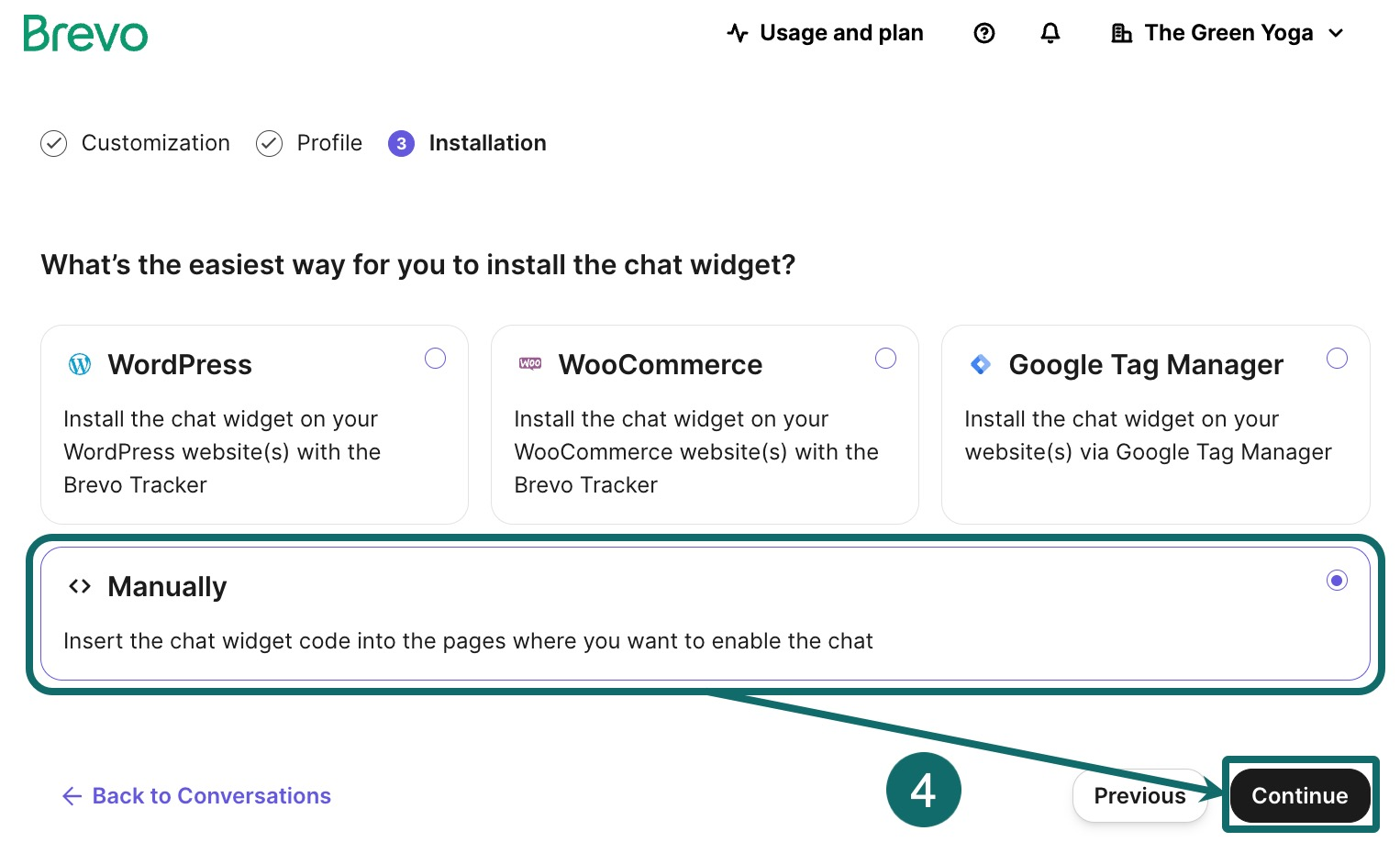
Brevo serves e-commerce businesses through native integrations with Shopify, WooCommerce, BigCommerce, PrestaShop, and Magento.
Source: Brevo
Abandoned cart recovery workflows are a core feature, with Brevo claiming an average 10-15% revenue increase from automated cart reminders. The platform also includes a Customer Loyalty program with no-code tier configuration, rewards management, and mobile wallet cards (Apple Wallet and Google Wallet). Brevo reports 95% average card retention in customer wallets.
Brevo's transactional email system is a real differentiator for e-commerce and SaaS businesses.
Order confirmations, shipping updates, and password resets run through dedicated infrastructure separate from marketing campaigns, with a claimed 99% delivery rate and capacity to send 120,000 emails per minute. Transactional email is included on any paid plan, while Mailchimp charges it as a separate add-on.
Flodesk approaches commerce from the creator angle.
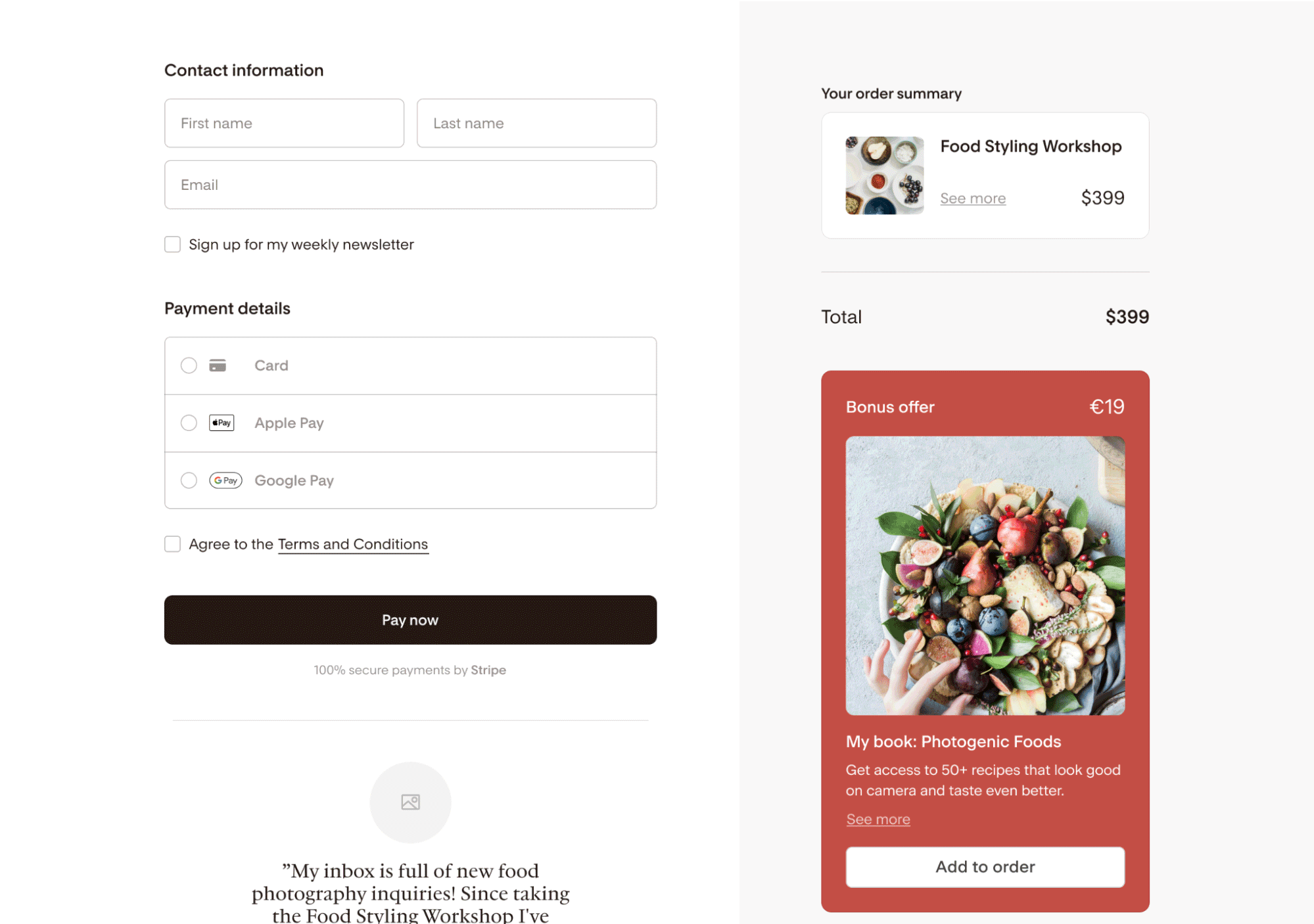
Flodesk Checkout lets users sell digital products, courses, memberships, and subscriptions through a three-page funnel (sales page, checkout page, delivery page) built within the platform.
Source: Flodesk
Flodesk charges zero platform transaction fees on top of Stripe's standard processing rates. Payment plans, upsells, discount codes, and Buy Now Pay Later (Klarna, Afterpay, Affirm) are all supported. Flodesk members generated over $33 million in revenue through Checkout in 2025.
The limitation: Checkout is only available in the US, Canada, UK, Australia, New Zealand, and Euro Area countries. Creators outside these regions can use Flodesk for email but not for selling.
ZoomInfo doesn't compete as an e-commerce tool.
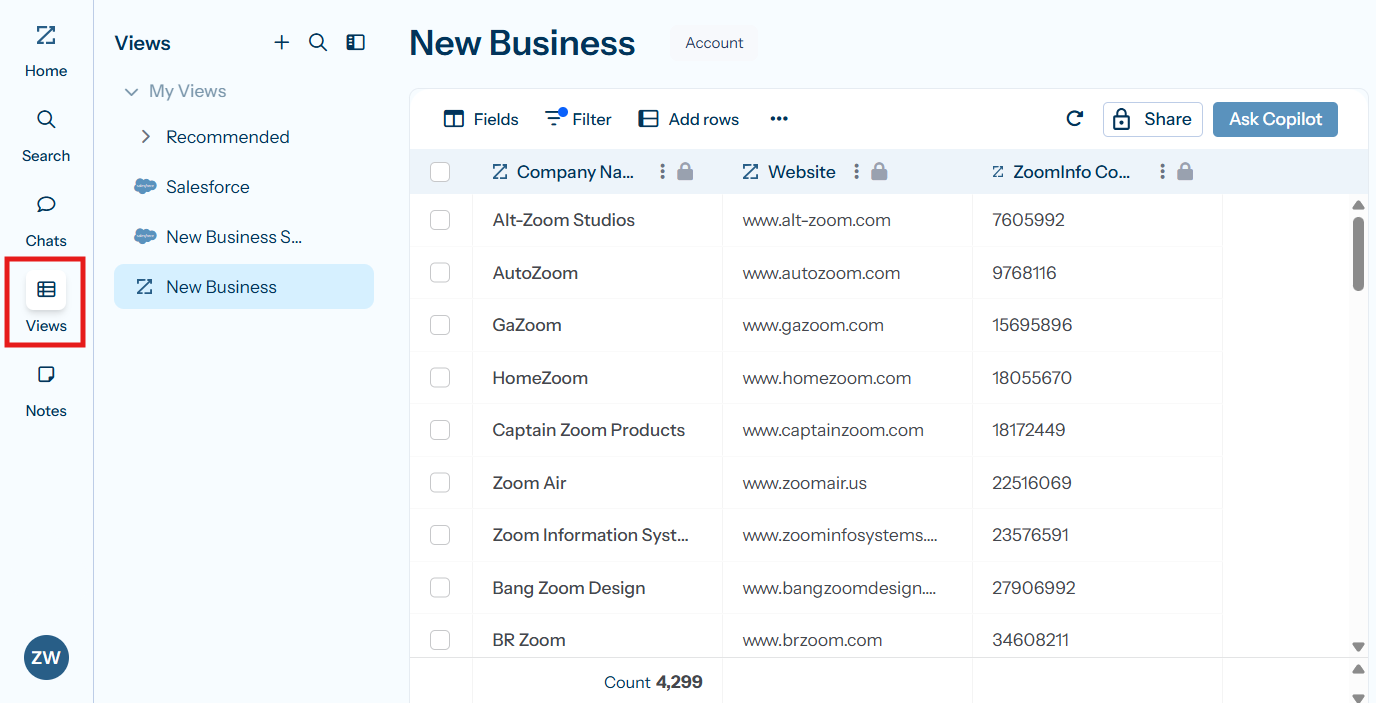
Its commercial capabilities center on B2B pipeline generation and deal acceleration. GTM Workspace users report booking nearly 60% more meetings per week and being first to engage with an account in over half of cases.
Source: ZoomInfo
For B2B companies, the relevant revenue metric isn't checkout conversion rates but pipeline value: Seismic attributed 39% of active pipeline to opportunities identified or influenced by ZoomInfo signals.
CRM and contact management take different forms
Brevo includes a built-in Sales CRM with Kanban-style deal pipelines, task management, a cloud-based phone system with AI call summaries, meeting scheduling with payment collection, and a live chat widget with automatic CRM syncing.
Source: Brevo
The Sales Free tier supports 50 open deals and one pipeline at no extra cost. Sales Essentials ($27.92/month) and Sales Advanced ($58.50/month per user) add pipeline management, automation, and reporting.
The strength is consolidation: a lead captured through live chat becomes a CRM contact, enters a marketing automation workflow, and progresses through the sales pipeline without data leaving the platform.
Flodesk has no CRM.
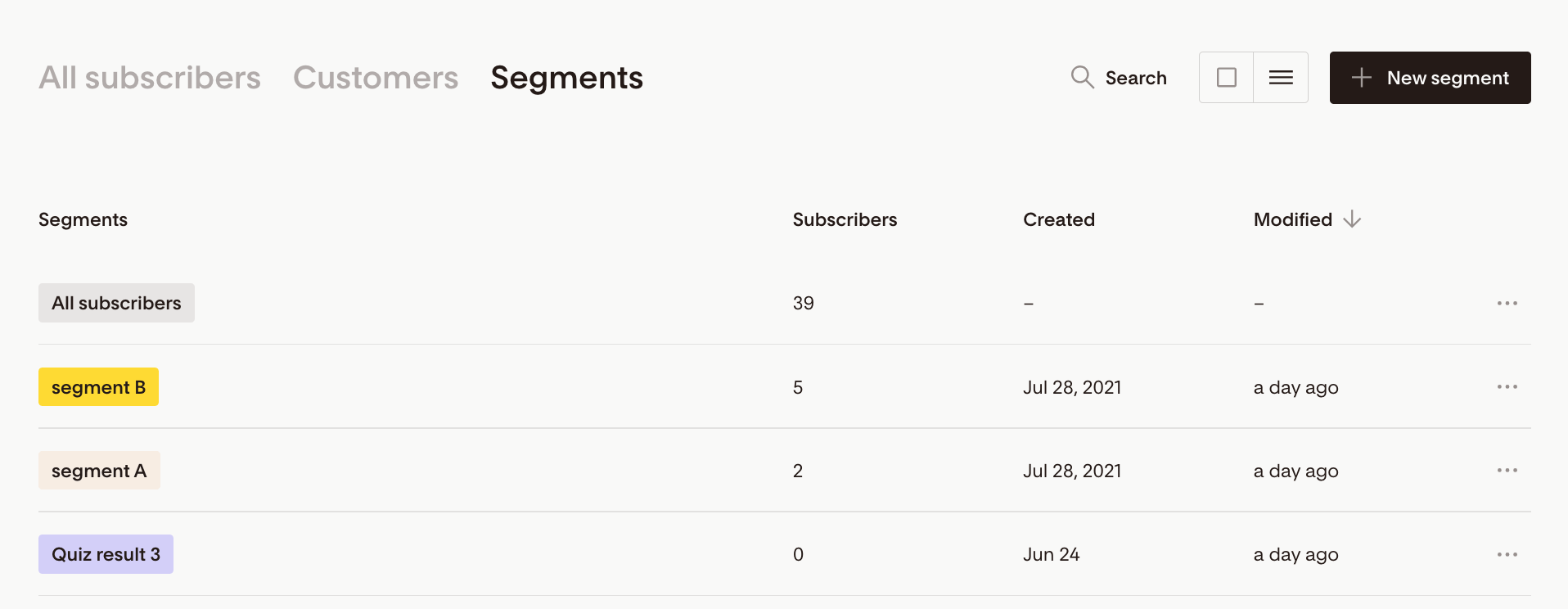
Its segment-based audience system organizes subscribers by behavior (form source, link clicks, poll answers, purchase history), but there are no deal stages, no contact scoring, and no sales pipeline.
Source: Flodesk
For Flodesk's target audience of solopreneurs and micro-businesses, this simplicity is intentional. Subscriber management centers on segments rather than tags, with up to five filter groups combinable with AND/OR logic.
ZoomInfo redefines what "contact management" means for B2B teams.
Rather than managing contacts who already opted in, ZoomInfo provides access to 500M contacts with 120M direct-dial phone numbers, verified business emails, employment history, org charts, and department structures.
GTM Workspace gives sellers a complete Book of Business view that merges CRM data with ZoomInfo intelligence, conversation history, and market signals. AI agents handle account research, outreach drafting, CRM updates, and signal monitoring.
The GTM Context Graph processes data from every customer interaction to surface buying patterns. A CRM records that a deal moved stages. Conversation intelligence captures that the CFO joined the call and asked about ROI. Intent signals show the company is researching competitors. The Context Graph connects these signals to explain why the deal is moving and what to do next.
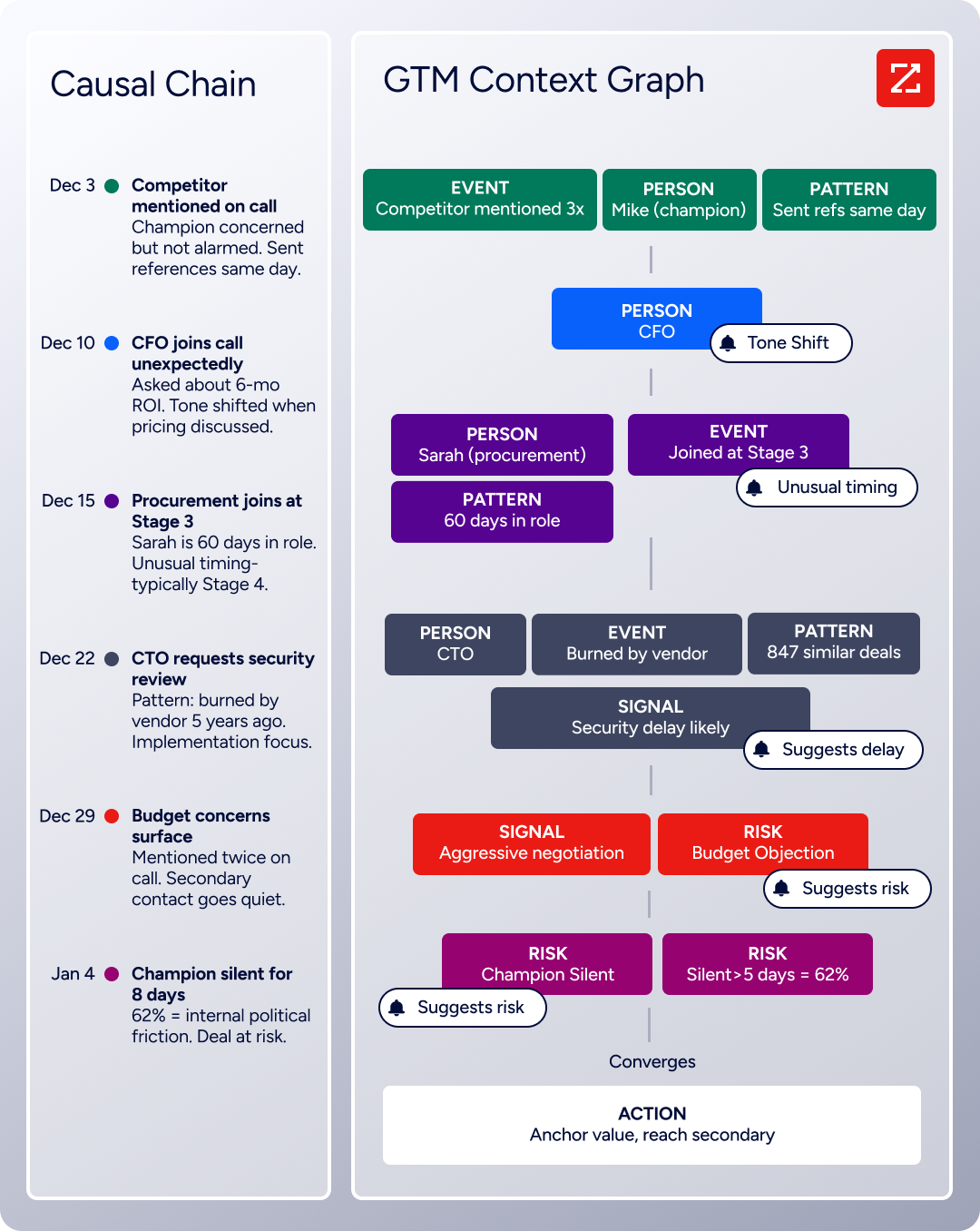
"It's not just the data itself. It's more about the right data at the right time to help us reach out with the right message across that full buyer journey." (Redwood Logistics)
AI capabilities at different stages of maturity
All three platforms have AI features, but they address different problems.
Brevo's Aura AI includes four agents: Marketing Agent (content generation, audience segmentation, send-time optimization, product recommendations), Sales Assistant (contact enrichment, deal creation, email drafting, call transcripts), Data Analyst (natural-language data queries), and Conversations Agent (chat summarization, reply drafting).
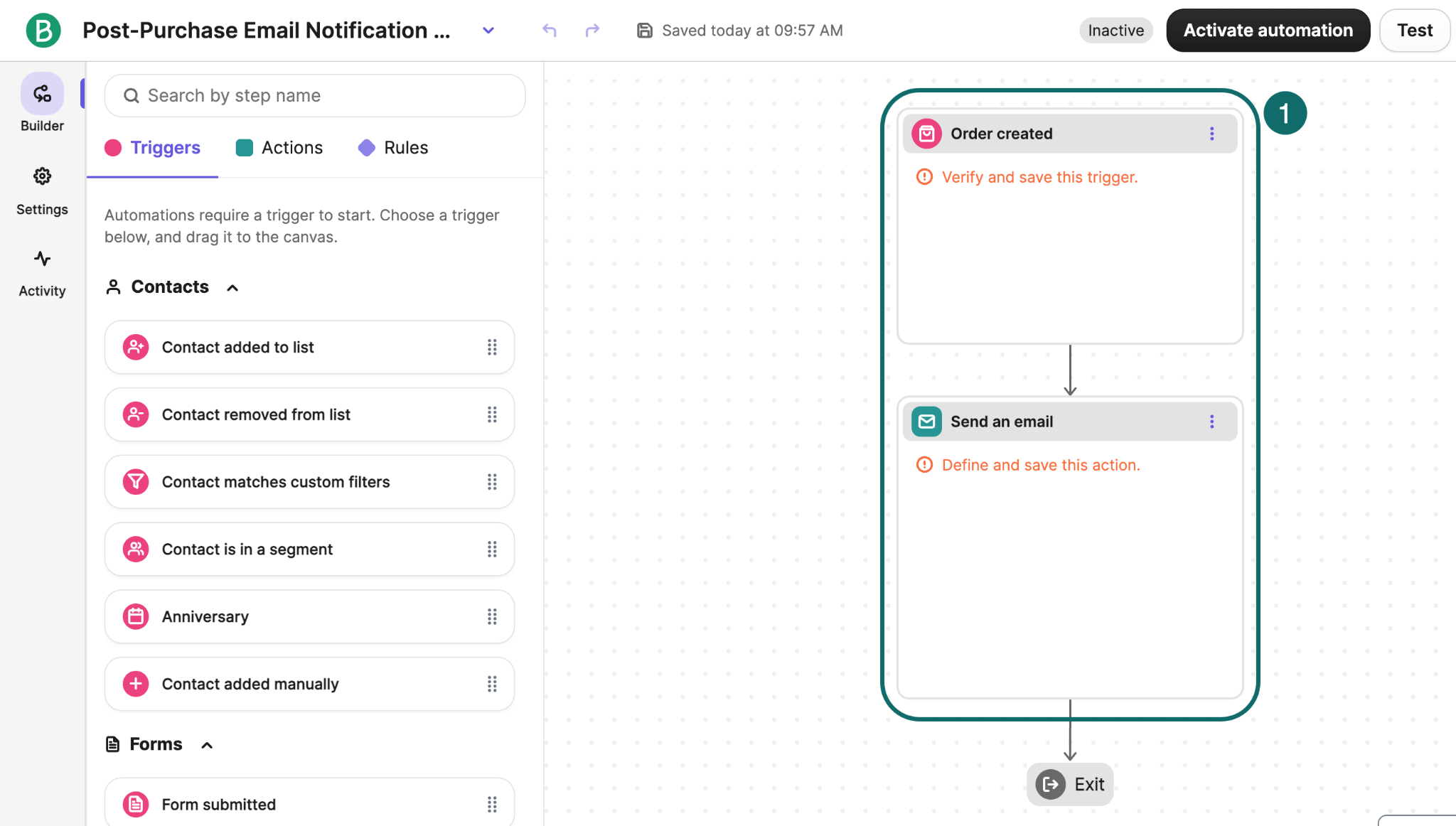
Source: Brevo
Predictive send-time optimization picks the best delivery window per recipient based on engagement history. Brevo has committed €50M over five years to its AI Lab and launched an MCP Server that connects Brevo's data to external AI assistants like Claude and ChatGPT.
Flodesk introduced an agentic AI email builder in 2025, positioning AI as a creative collaborator rather than a content generator.
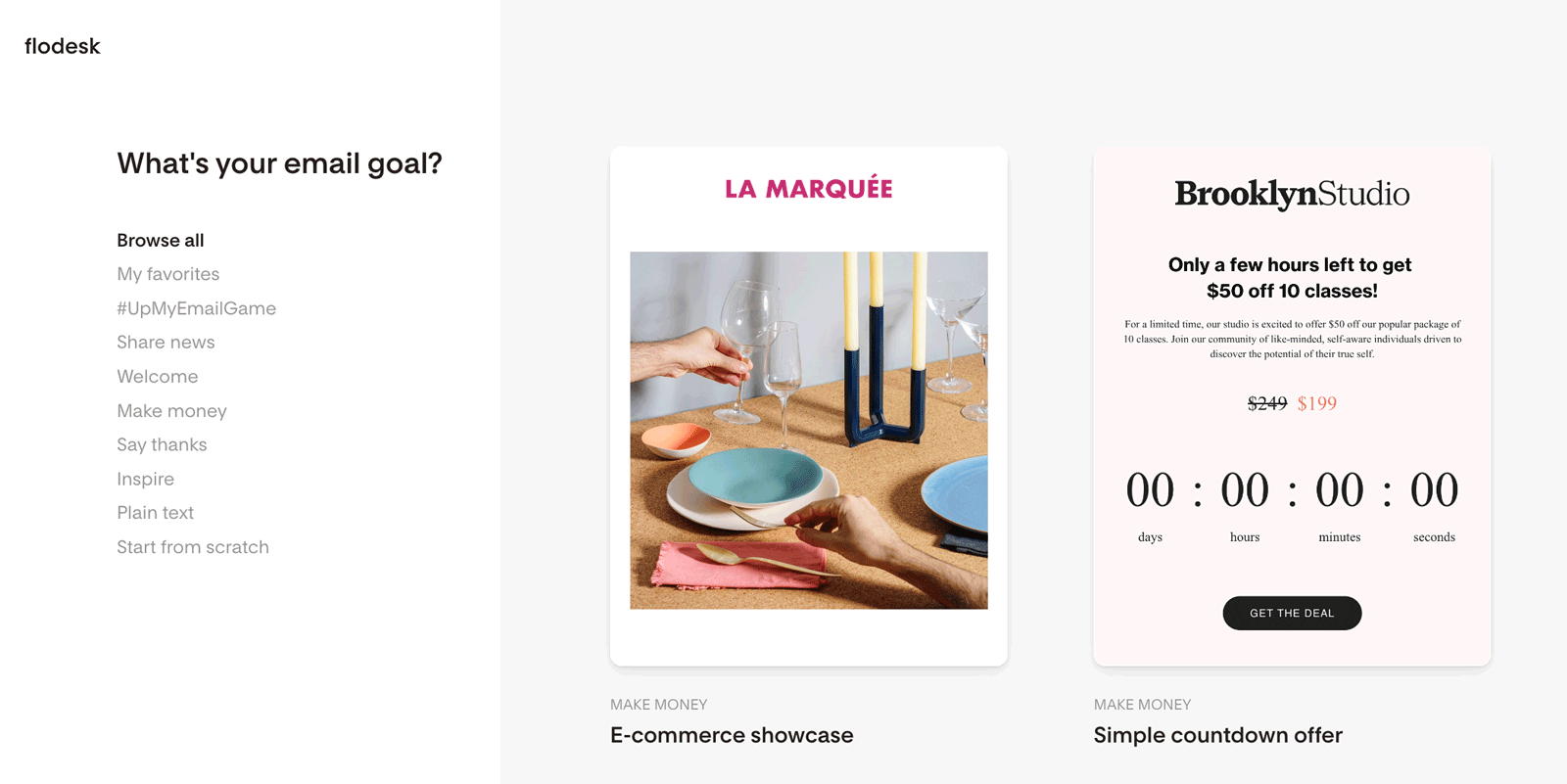
Source: Flodesk
The direction is a brand-aware design tool that learns a user's colors, typography, tone, and preferences so new campaigns start already on-brand. Flodesk's AI focus is narrow by design, matching its creator audience.
ZoomInfo's AI operates at the intelligence layer, not the composition layer.
The GTM Context Graph uses AI to analyze thousands of deal patterns, identifying why deals move or stall and predicting what happens next.
GTM Workspace AI agents, built on Anthropic's Claude, research accounts, draft personalized outreach, monitor signals, and update CRM fields without manual work.
Guided Intent, exclusive to ZoomInfo, automatically identifies research topics correlated with deal success rather than requiring manual topic selection.
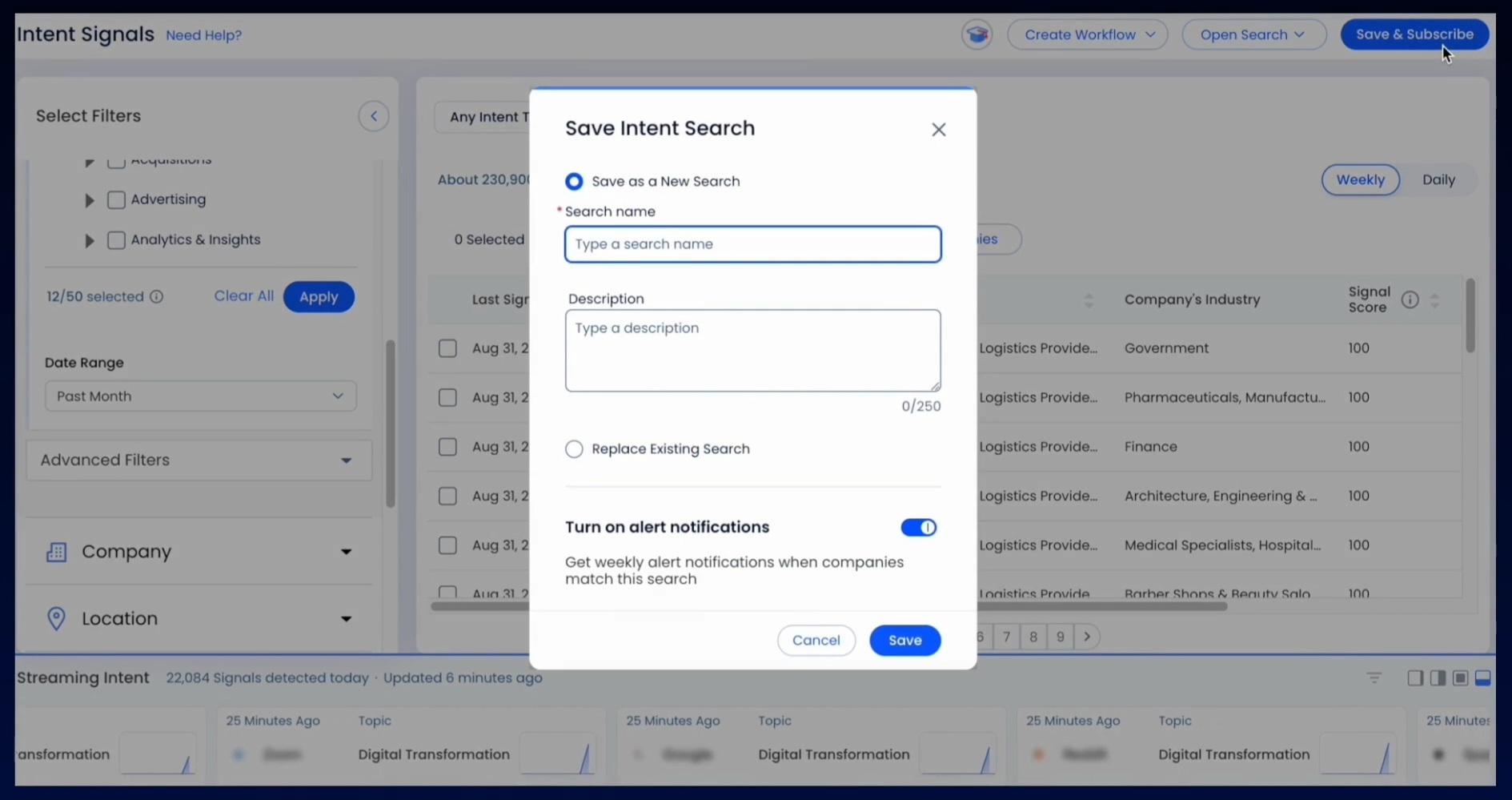
Source: ZoomInfo
The difference: Brevo and Flodesk use AI to speed up marketing tasks. ZoomInfo uses AI to make go-to-market decisions smarter.
Integration ecosystems reflect each platform's scope
Brevo connects to 150+ third-party tools across e-commerce (Shopify, WooCommerce, BigCommerce, Magento), CMS (WordPress), CRM (Salesforce), analytics (Google Analytics), and automation platforms (Zapier, Make).
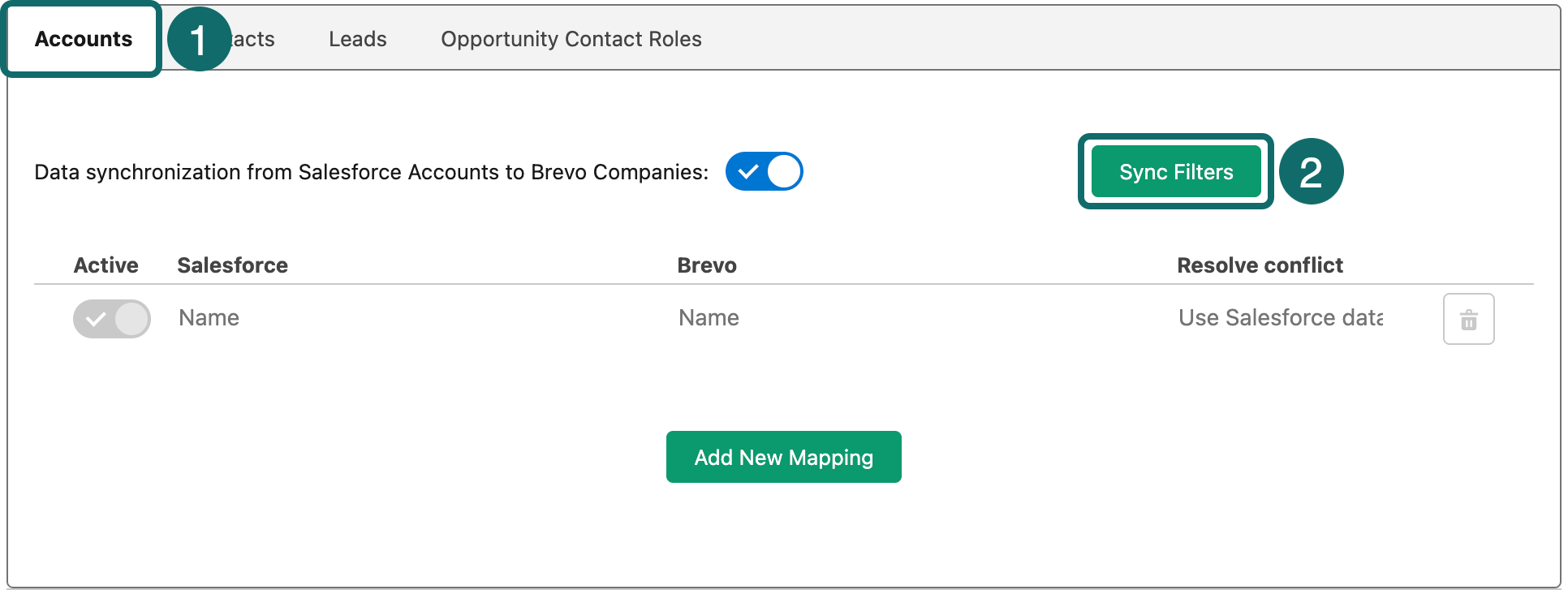
Source: Brevo
Its REST API covers transactional email, SMS, WhatsApp, contact management, CRM, loyalty, and custom events. Official SDKs exist for Node.js, PHP, Python, Java, C#, Go, and Ruby. API access is available on every plan including Free.
Flodesk has 15+ native integrations centered on the creator ecosystem: Shopify, Squarespace, Wix, ThriveCart, Canva, Instagram, HoneyBook, and Manychat.
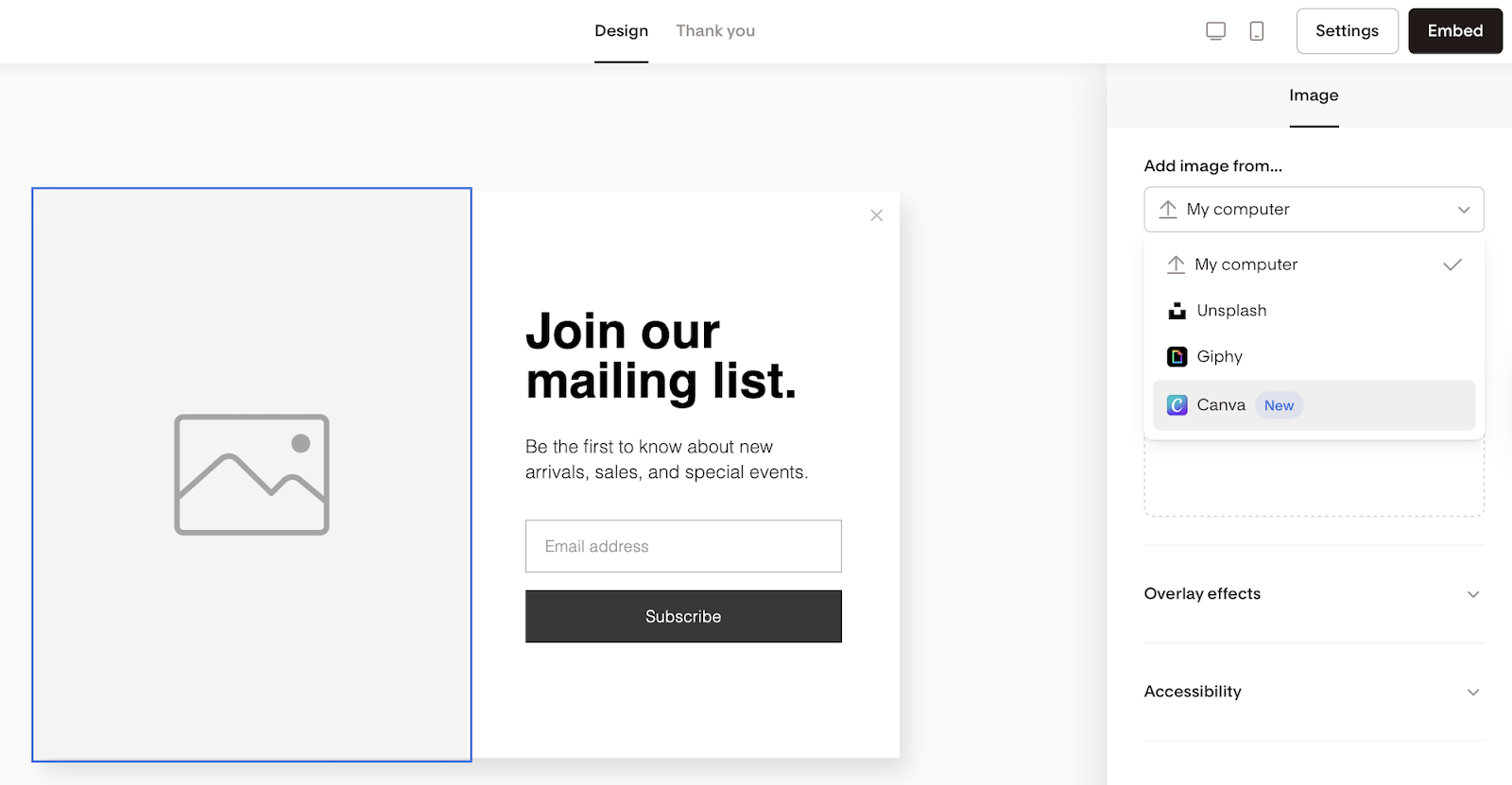
Source: Flodesk
Zapier connects to 8,000+ additional apps. The REST API covers subscribers, segments, workflows, custom fields, and webhooks, but supports only three webhook events (subscriber created, added to segment, unsubscribed). API access requires any paid plan. No official SDKs exist.
ZoomInfo maintains a marketplace with 120+ partner integrations spanning CRM (Salesforce, HubSpot, Microsoft Dynamics), cloud platforms (AWS, Google Cloud, Snowflake, Databricks), sales engagement (Salesloft), and AI tools (Claude, ChatGPT).
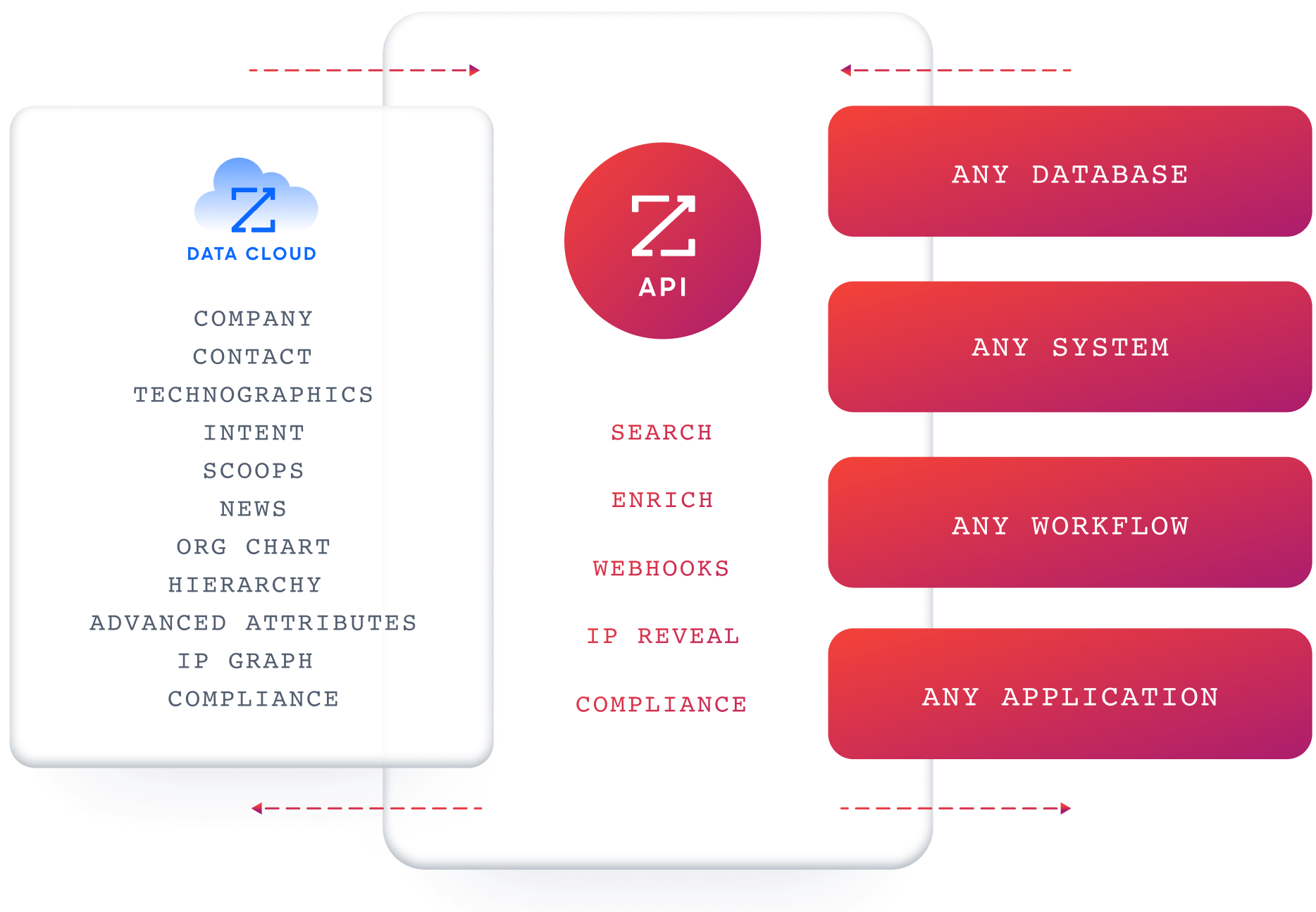
The Enterprise API provides four areas: Data (search and enrich), Copilot (AI intelligence), Marketing (audience management), and Platform (engagement data). The MCP server lets any MCP-compatible AI agent query ZoomInfo data through natural language. API access is included in all relevant plans.
Data privacy and compliance follow different paths
Brevo was built in Paris and designed for European data regulations from the start.
The platform supports double opt-in, maintains proof-of-consent records in contact profiles, and stores data in the EU by default. Brevo holds ISO 27001:2022 certification and supports GDPR, CASL, and CCPA compliance. Enterprise accounts get SSO and SAML. Brevo is also a certified B Corporation.
Flodesk enforces GDPR compliance with built-in cookie consent banners, a published Data Processing Addendum, EU Standard Contractual Clauses for international data transfers, and certification under the EU-US Data Privacy Framework.
Data at rest uses AES-256 encryption, and all transfers are TLS-encrypted. Flodesk reviews manually uploaded CSV lists for permission compliance before allowing sends. No third-party security certifications (SOC 2, ISO 27001) are publicly documented.
ZoomInfo maintains the most thorough compliance stack of the three: ISO 27001, ISO 27701, SOC 2 Type II, TRUSTe GDPR, and TRUSTe CCPA certifications, all renewed annually.
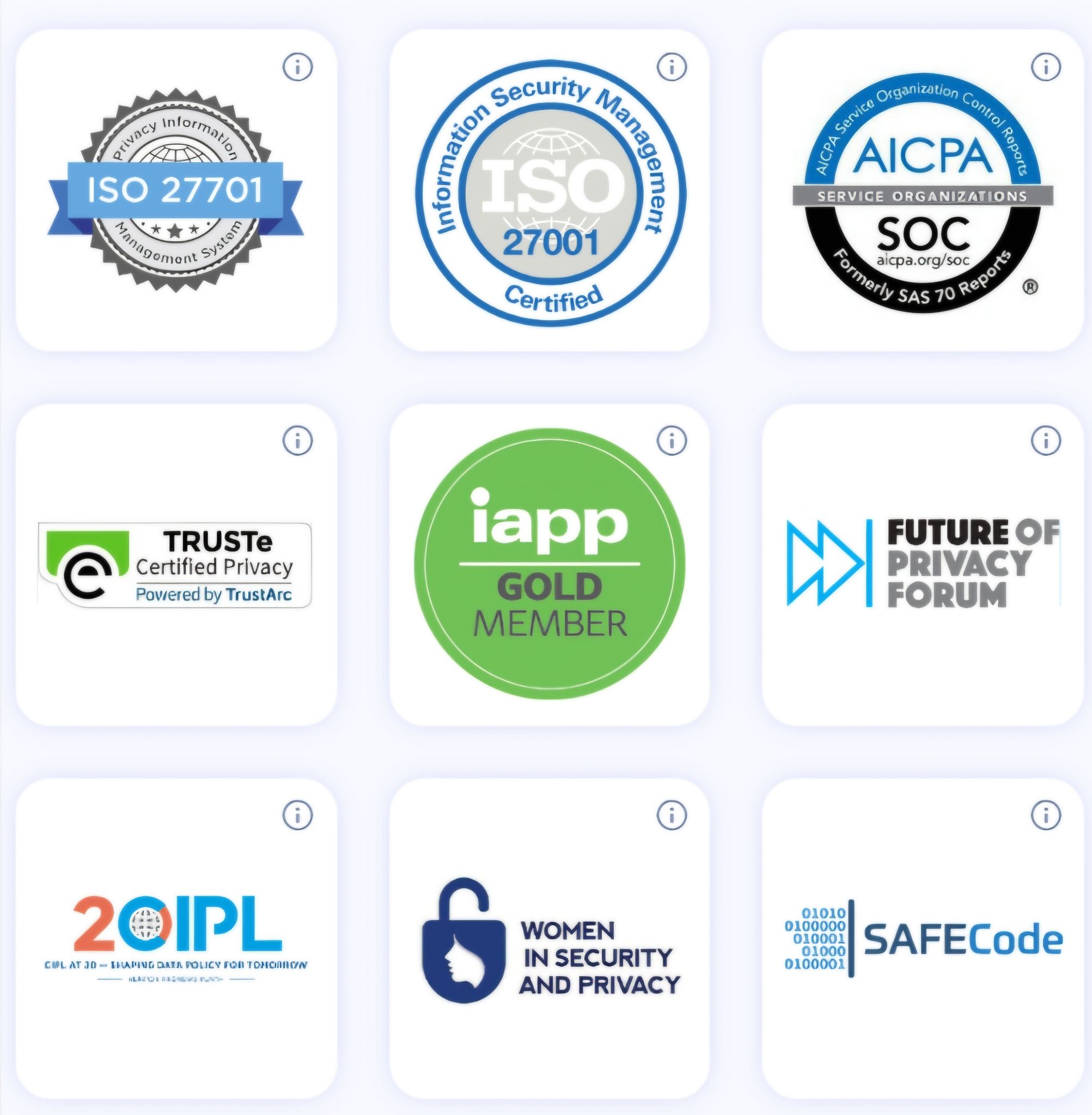
Source: ZoomInfo
ZoomInfo is a registered data broker in California and Vermont and maintains a dedicated Trust Center at trust.zoominfo.com. For enterprises in regulated industries, ZoomInfo's compliance infrastructure is more rigorous than what either email marketing platform provides.
Pricing philosophies reveal who each platform is built for
The three platforms price themselves in ways that reflect their target customers.
Brevo charges by email volume, not contacts.
Contacts are unlimited on all plans, including Free. The Free plan includes 300 emails per day with no credit card required. Starter begins at $9/month for 5,000 emails. Standard at $18/month adds automation, A/B testing, and AI send-time optimization. Professional at $499/month unlocks WhatsApp campaigns, push notifications, phone support, and a dedicated Deliverability Specialist.
This model rewards businesses with large contact lists and moderate send frequency. A company with 50,000 contacts sending twice monthly pays far less on Brevo than on a platform that charges per contact.
Flodesk charges by active subscriber count with unlimited sends.
Lite starts at $19/month (annual) for up to 1,000 subscribers. Pro at $25/month adds unlimited workflows and advanced analytics. Everything at $49/month adds unlimited checkouts, sales pages, subscriptions, and abandoned cart automations. Pricing scales with list size: 10,000 subscribers on Pro costs $54/month (annual).
Only active and soft-bounced contacts count toward the subscriber tier. Unsubscribed, hard-bounced, and cleaned contacts don't count. This model rewards list hygiene and works well for creators with moderate list sizes who send often.
ZoomInfo uses consumption-based pricing tied to data access, seats, credits, and AI activity.
No publicly listed prices. ZoomInfo Lite is a permanent free tier with access to the B2B database, 10 monthly export credits, and basic search. Paid plans require a conversation with sales.
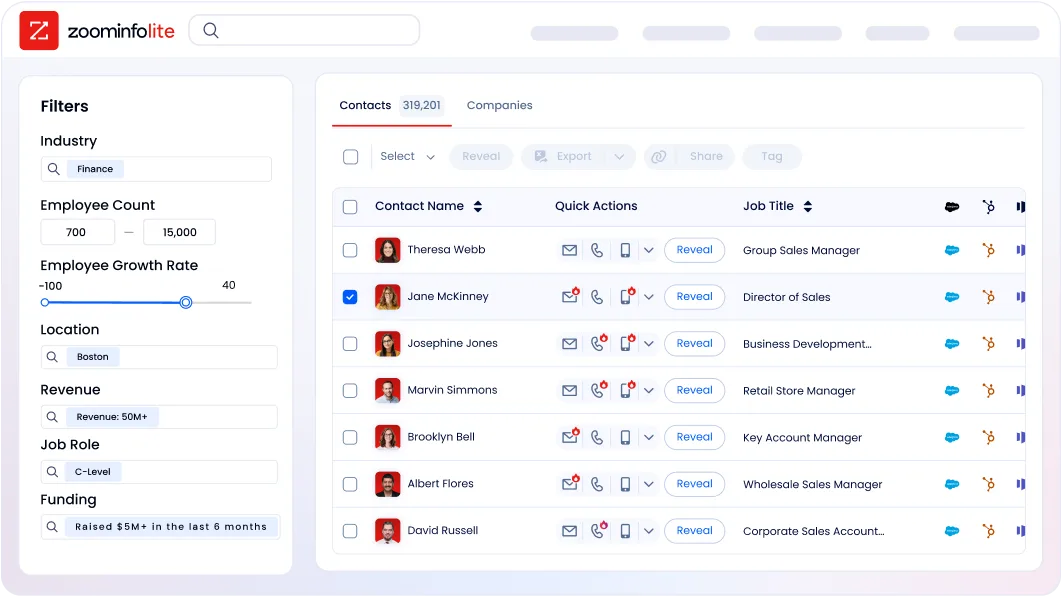
ZoomInfo is premium-priced because it delivers something the other two don't sell: verified B2B contact data, buyer intent signals, and AI-driven account intelligence. The ROI equation differs from an email tool. One closed B2B deal sourced through ZoomInfo data can justify months of subscription cost.
Brevo vs. Flodesk vs. ZoomInfo: Which should you choose?
The right platform depends on what problem you're solving.
Choose Brevo if:
You need email, SMS, WhatsApp, and CRM in a single platform
You want volume-based pricing that doesn't penalize list growth
Transactional email (order confirmations, shipping alerts) is part of your workflow
You're an e-commerce business needing abandoned cart recovery and loyalty programs
You want a capable free plan to start with and room to scale
Choose Flodesk if:
Email design quality and brand consistency are your top priorities
You're a creator, coach, or small business owner selling digital products
You want simple, predictable pricing with unlimited sends
Your marketing needs are email-focused without needing SMS, chat, or CRM
You value ease of use over automation depth
Choose ZoomInfo if:
You're a B2B company that needs to find and reach decision-makers, not just email existing subscribers
Verified contact data, buyer intent signals, and account intelligence are critical to your pipeline
You want AI that identifies which accounts to pursue and why, not just which subject line to use
Your team needs to coordinate sales and marketing around the same buyer signals
You want a platform that works inside your existing tools through APIs and MCP, not just inside its own UI
Explore ZoomInfo to see how verified B2B intelligence changes the way you go to market.
Brevo and Flodesk are both strong email marketing platforms. Brevo excels when you need breadth across channels and pricing that rewards large lists. Flodesk excels when visual quality and simplicity matter more than feature count.
But for B2B teams, the bottleneck is rarely email design or channel coverage. It's knowing who to contact, when they're ready, and what will resonate. That's the problem ZoomInfo was built to solve, and no email marketing tool addresses it.
Brevo vs. Flodesk vs. ZoomInfo FAQ
What is the fundamental difference between Brevo, Flodesk, and ZoomInfo?
Brevo is a multichannel marketing platform combining email, SMS, WhatsApp, CRM, and transactional messaging in one tool, priced by email volume with unlimited contacts.
Flodesk is a design-first email marketing platform with integrated checkout for digital products, priced by subscriber count with unlimited sends.
ZoomInfo is a B2B go-to-market intelligence platform that provides verified contact data, buyer intent signals, and AI-powered account intelligence for sales and marketing teams.
Which platform is cheapest for email marketing?
Brevo has the most accessible entry point with a permanent free plan (300 emails/day, unlimited contacts, no credit card). Flodesk's Lite plan starts at $19/month for up to 1,000 subscribers with unlimited sends.
At 10,000 contacts, Brevo's Standard plan varies by email volume but can cost less if you send infrequently, while Flodesk's Pro plan costs $54/month annually.
ZoomInfo is not priced as an email marketing tool and uses custom, consumption-based pricing for B2B intelligence.
Can Brevo or Flodesk replace a CRM?
Brevo includes a built-in Sales CRM with deal pipelines, task management, cloud phone, meeting scheduling, and live chat. It can replace a basic CRM for small teams.
Flodesk has no CRM capabilities. It manages subscribers through segments but has no deal tracking, contact scoring, or sales pipeline features.
ZoomInfo offers GTM Workspace with AI-powered account management, but it complements rather than replaces a dedicated CRM like Salesforce or HubSpot.
Which platform has the best email deliverability?
Brevo claims a 99% deliverability rate for enterprise sending, offers dedicated IPs for high-volume senders, and provides a Deliverability Specialist on Professional plans.
Flodesk claims emails get seen 17% more than the industry average, and G2 reviewers confirm strong inbox placement with rates of 99-100% on well-maintained lists.
ZoomInfo's deliverability advantage is different: with up to 95% accuracy on contact data, emails sent using ZoomInfo-sourced addresses are more likely to reach real recipients in the first place.
Is ZoomInfo useful if I already use Brevo or Flodesk?
Yes, for B2B companies. ZoomInfo and email platforms solve different parts of the go-to-market problem. ZoomInfo identifies verified contacts, surfaces buyer intent, and provides account intelligence.
Brevo or Flodesk handles email delivery and nurturing.
Data from ZoomInfo can be exported to either platform to power targeted campaigns with contacts who would never have appeared through inbound opt-in forms alone.
Which platform handles automation best?
Brevo offers cross-channel automation spanning email, SMS, and WhatsApp in a single workflow.
Flodesk provides email-only automation with multi-branch steps, percentage-based splits, and up to six trigger branches per workflow.
ZoomInfo operates at a different level, automating the intelligence layer: identifying in-market accounts, prioritizing them by fit and intent, generating AI-drafted outreach, and launching multi-channel GTM plays through GTM Studio that can deploy in 30 minutes rather than weeks.
Does Flodesk support SMS or WhatsApp marketing?
No. Flodesk is email-only. It does not support SMS, WhatsApp, push notifications, or live chat.
If you need multichannel marketing, Brevo covers all those channels natively.
If you need multi-channel outreach to B2B buyers, ZoomInfo powers email, phone, ads, and direct mail through GTM Studio and partner integrations.
Which platform is best for a B2B company?
ZoomInfo is built for B2B go-to-market teams. It provides verified B2B contact data, buyer intent signals, org charts, technographics, and AI-powered pipeline tools that neither Brevo nor Flodesk offers.
Brevo can serve B2B companies for email and CRM at the SMB level, but lacks the contact database and intent capabilities that B2B pipeline generation requires.
Flodesk is not designed for B2B use cases.
More Brevo comparisons:
