

Choosing between Brevo and SendPulse for marketing and sales communication comes down to five questions:
Do you need a platform that charges by emails sent or by subscriber count, and which model saves you more money?
Are transactional emails (order confirmations, password resets) a core requirement, or is campaign marketing your primary focus?
Do you need chatbots across WhatsApp, Telegram, and Instagram, or is multichannel campaign automation more important?
Is your team technical enough to build complex automation workflows, or do you need something anyone can pick up in an afternoon?
Do you know who you should be targeting in the first place, or are you sending campaigns into the dark?
In short, here's what we recommend:
Brevo is the stronger choice for growing businesses that need multichannel marketing automation at a reasonable price. Its pricing model charges by emails sent rather than contacts stored, so you can build a large contact database without watching costs climb with every new subscriber. With native support for email, SMS, WhatsApp, web push, live chat, and a built-in CRM, Brevo consolidates tools that would otherwise require four or five separate subscriptions. The tradeoff: users consistently report that its automation workflows hit a complexity ceiling compared to specialized competitors, and its reporting lacks the granularity that data-driven marketers expect.
SendPulse is the budget-friendly all-in-one for small businesses and solopreneurs who want marketing, sales, and online course creation under one roof. Its free plan offers 15,000 emails per month to 500 subscribers, and the platform extends well beyond email into chatbot builders for Facebook Messenger, Instagram, WhatsApp, Telegram, and Viber. SendPulse also includes a website builder and an online course creator, giving small teams tools they'd normally need separate platforms for. The tradeoff: its automation and CRM are less mature than Brevo's, and independent deliverability tests show mixed results ranging from 63% to 80%.
Both platforms handle execution well: building campaigns, sending messages, and automating customer journeys. But execution without intelligence is guesswork. If you're spending hours researching prospects, guessing which accounts are ready to buy, or sending campaigns to contacts who may have changed jobs, neither platform can fix that. That's where ZoomInfo comes in.
ZoomInfo is an AI-powered go-to-market platform built on a data foundation of 500M contacts, 100M companies, 135M+ verified phone numbers, and 200M+ verified business email addresses. Its GTM Context Graph processes 1.5B+ data points daily, combining this data with your CRM records, conversation transcripts, and behavioral signals to show why deals move or stall and which accounts are ready to buy now. Your team reaches that intelligence through the GTM Workspace for sales, GTM Studio for marketing, or APIs and MCP feeding verified data directly into your marketing platform. Where Brevo and SendPulse handle campaign execution, ZoomInfo tells you who to target and when to engage.
If building campaigns on verified data and real-time buying signals sounds like the missing piece of your marketing stack, see how ZoomInfo works.
Brevo vs. SendPulse vs. ZoomInfo at a glance
Brevo | SendPulse | ZoomInfo | |
|---|---|---|---|
Primary function | Multichannel marketing automation & CRM | All-in-one marketing, chatbots & courses | B2B data intelligence & GTM execution |
Email automation | Visual workflows, AI send-time optimization | Automation 360, cross-channel flows | AI-generated outreach via GTM Workspace |
CRM | Built-in with deal pipelines | Built-in with deal pipelines | GTM Context Graph + CRM enrichment |
Chatbots | Live chat + basic chatbot | Multi-platform chatbots (6+ channels) | Website chat with visitor identification |
Transactional email | Included on all paid plans | Available via SMTP | Not applicable |
B2B contact data | Limited to your own lists | Limited to your own lists | 500M contacts, 200M+ verified emails |
Buyer intent signals | Not available | Not available | Real-time intent from 210M+ IP pairings |
Pricing model | By emails sent (unlimited contacts) | By subscriber count (unlimited emails on paid) | Consumption-based (custom-quoted) |
Starting paid price | $9/month | $8/month | Custom-quoted |
Free plan | 300 emails/day, unlimited contacts | 15,000 emails/month, 500 subscribers | ZoomInfo Lite (permanent, 10 credits/month) |
Brevo leads in multichannel marketing depth
Brevo and SendPulse both offer multichannel marketing, but the depth differs.
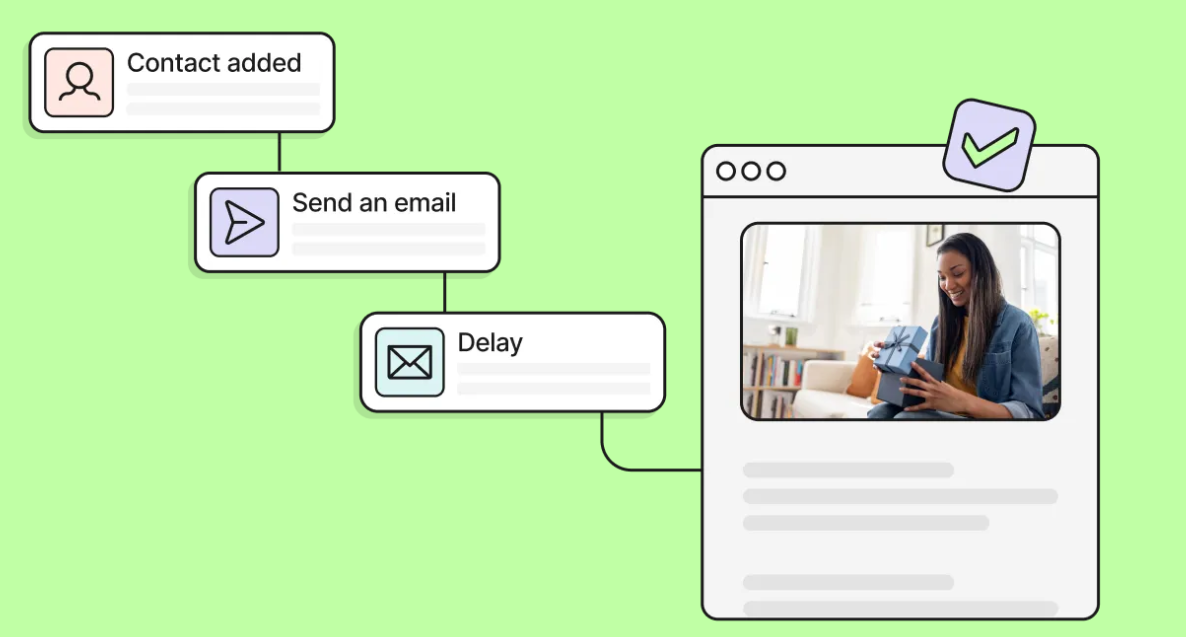
Brevo treats email, SMS, WhatsApp, web push, mobile push, live chat, and phone as equal channels within a single automation workflow. A marketer can build one workflow that sends an email, waits 24 hours, checks whether it was opened, and sends an SMS follow-up to non-openers, all without leaving the workflow editor.
Source: Brevo
As a certified WhatsApp Business Solution Provider, Brevo connects directly to the WhatsApp Business API rather than routing through intermediaries, and WhatsApp messages sit inside the same automation and conversation inbox as email and chat.
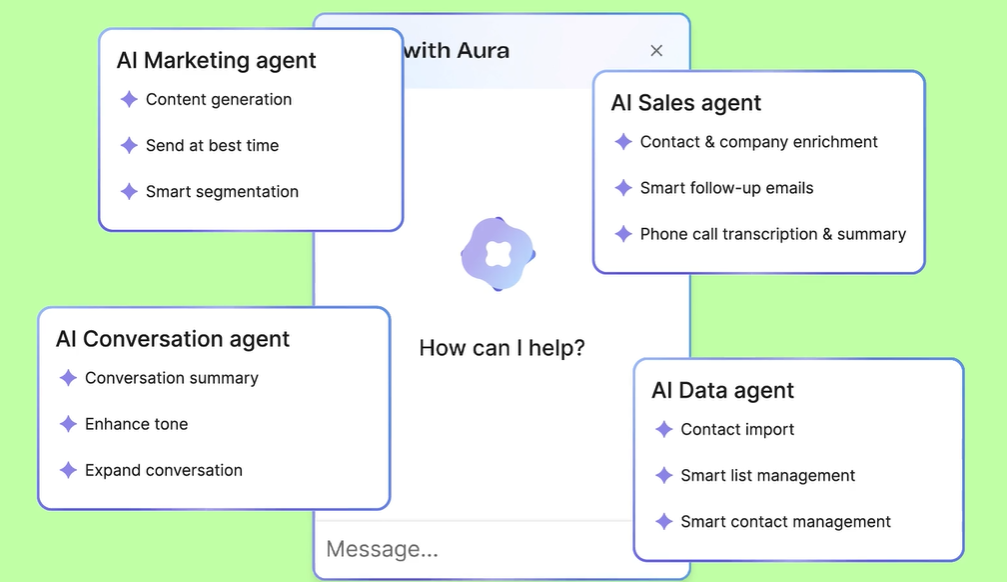
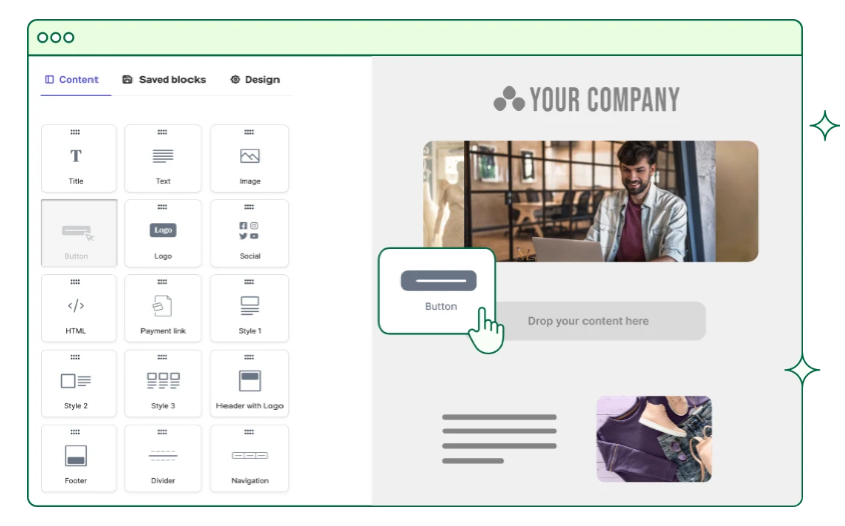
The Aura AI Marketing Agent adds intelligence to campaigns: it generates subject lines and body copy, picks optimal send times per recipient using predictive analysis, auto-segments audiences from real-time data, and surfaces product recommendations. These features are built into the campaign creation flow, not bolted on as separate tools.
Source: Brevo
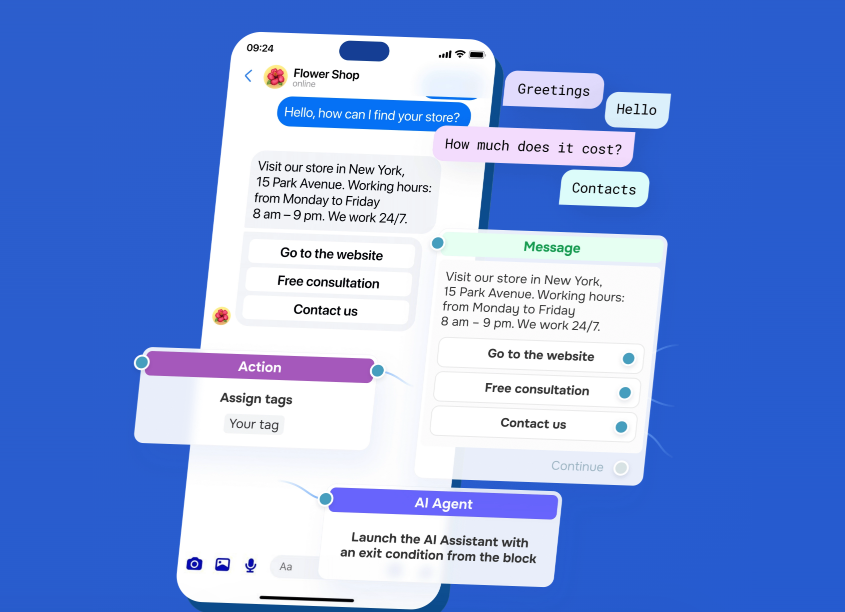
SendPulse offers a comparable channel lineup through its Automation 360 system, combining email, SMS, and web push notifications in automated workflows. Where SendPulse pulls ahead is chatbots. Its chatbot builder supports Facebook Messenger, Instagram, WhatsApp, Telegram, Viber, and website live chat, with a visual flow builder, payment acceptance through multiple gateways, and AI integration with both ChatGPT and Claude. For businesses that rely on messenger-based communication (especially in markets where WhatsApp and Telegram dominate), SendPulse's chatbot depth is a real advantage.
Source: SendPulse
However, SendPulse's marketing automation doesn't match Brevo's. The automation workflows handle standard sequences (welcome emails, abandoned carts, birthday messages) but users report hitting limitations with complex conditional logic and advanced segmentation. Brevo's own automation ceiling is a documented weakness compared to ActiveCampaign or HubSpot, so SendPulse sits another step below.
Transactional email separates Brevo from SendPulse
If your business sends order confirmations, shipping updates, password resets, or payment receipts, the difference between these platforms matters.
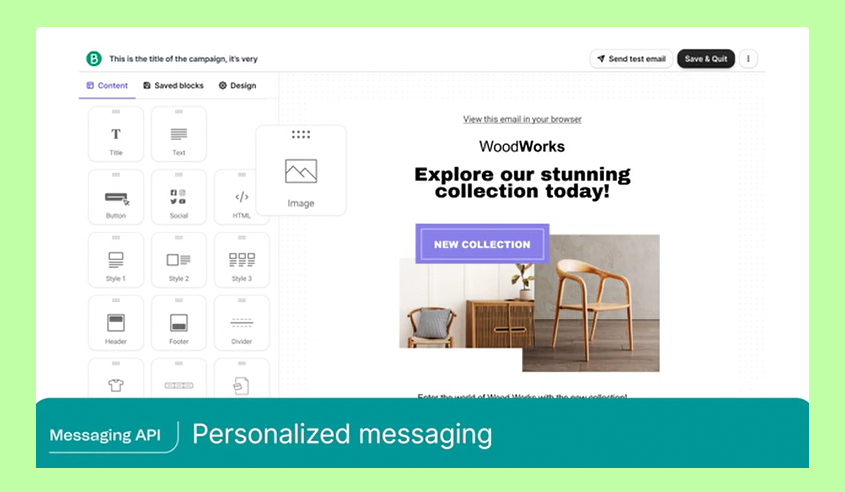
Brevo includes transactional email on every paid plan with no extra subscription. The sending infrastructure runs separately from marketing campaigns, with a claimed 99% delivery rate and capacity of 120,000 emails per minute. Two implementation paths exist: a REST API for modern applications and an SMTP relay for legacy systems. Batch sending supports up to 1,000 personalized versions per API call. Transactional SMS and WhatsApp use the same API, so a single integration handles all channels.
Source: Brevo
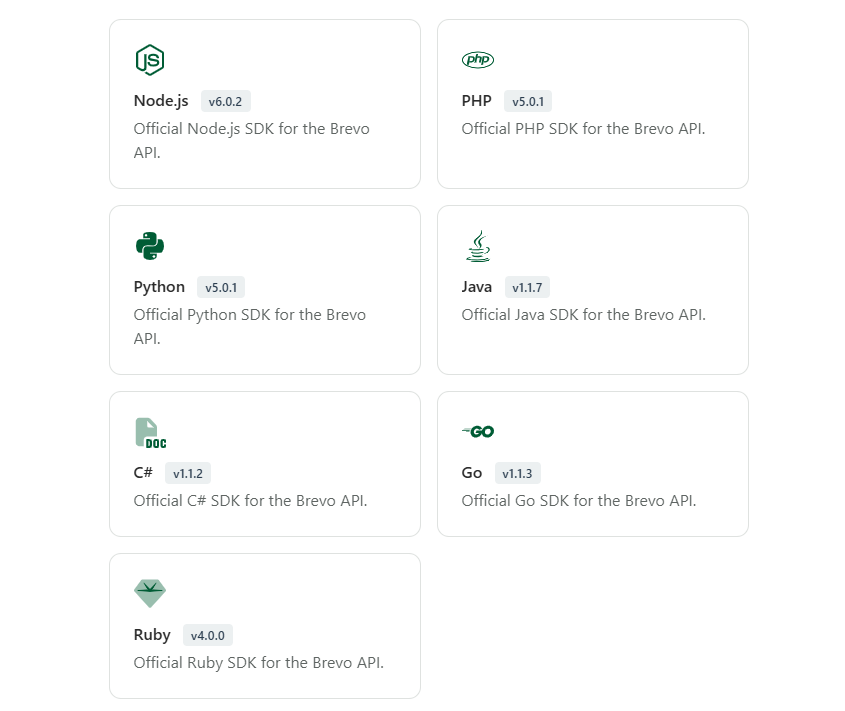
Real-time webhooks track twelve distinct email events (Delivered, Opened, Clicked, Bounced, Complained, and more), with custom tags for routing events to the correct internal handler. SDKs cover Node.js, PHP, Python, Java, C#, Go, and Ruby.
Source: Brevo
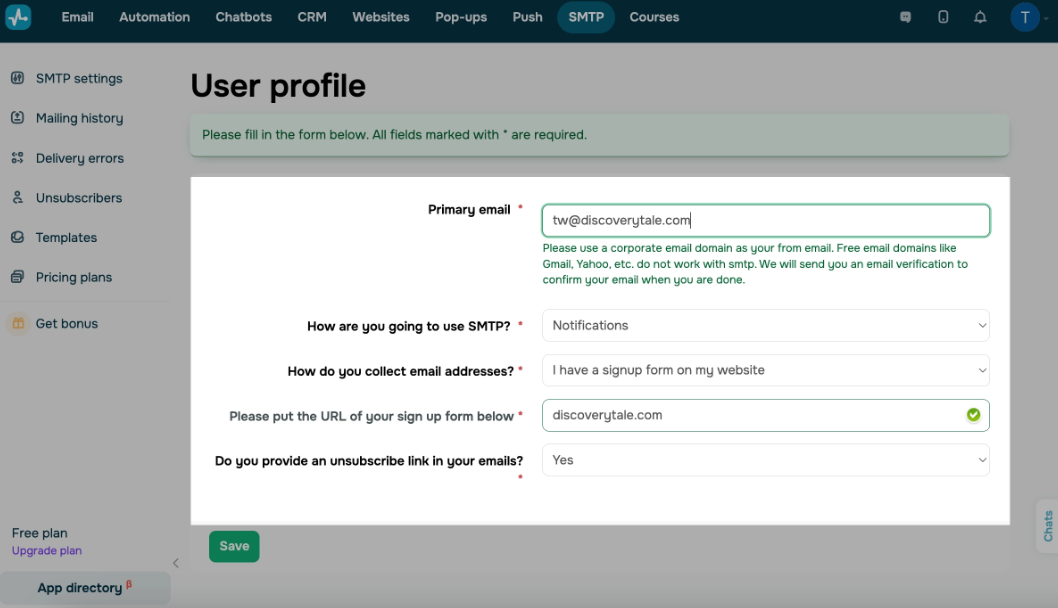
SendPulse offers transactional email through its SMTP service, but positions it as a separate product rather than a native part of the marketing platform. The API covers sending, bounce reporting, and unsubscribe management. For businesses where transactional messaging is a core requirement (not just an occasional need), Brevo's tighter integration and higher throughput make it the stronger choice.
Source: SendPulse
This difference matters most for ecommerce and SaaS companies. When a customer places an order, the confirmation email needs to arrive instantly and reliably. Brevo's dedicated transactional infrastructure, with published throughput figures and event tracking, gives operations teams confidence that these messages will land.
SendPulse wins on breadth for small business tools
While Brevo focuses on deepening its marketing and sales capabilities, SendPulse has expanded horizontally into tools that small businesses typically buy separately.
The online course builder lets creators build, market, and sell educational content with a drag-and-drop lesson builder, video hosting, quizzes, and certificate issuance. A mobile app lets students learn offline. For coaches, consultants, and educators, this eliminates the need for a separate LMS.
The website and landing page builder includes responsive templates, payment integration (Stripe, PayPal, and others), SEO tools, and AI content generation. The free plan includes one website with up to 50 pages, a free domain, and an SSL certificate.

Source: SendPulse
The web push notification service supports Chrome, Firefox, Opera, and Edge, with segmentation by browser language, region, and subscription page. The free plan covers up to 10,000 subscribers.
None of these tools will replace dedicated platforms in their categories, but for a small business owner who needs a landing page, an email list, a chatbot, and maybe an online course, getting it all from one vendor at one price is a real convenience.
Brevo, by contrast, offers landing pages starting at the Standard plan (one page included) and web push only on Professional ($499/month). It has no course builder. Brevo bets on depth within marketing and sales, not horizontal expansion.
CRM capabilities: functional but not the main event
Both platforms include built-in CRM systems, and both handle basic sales management rather than replace Salesforce or HubSpot CRM.
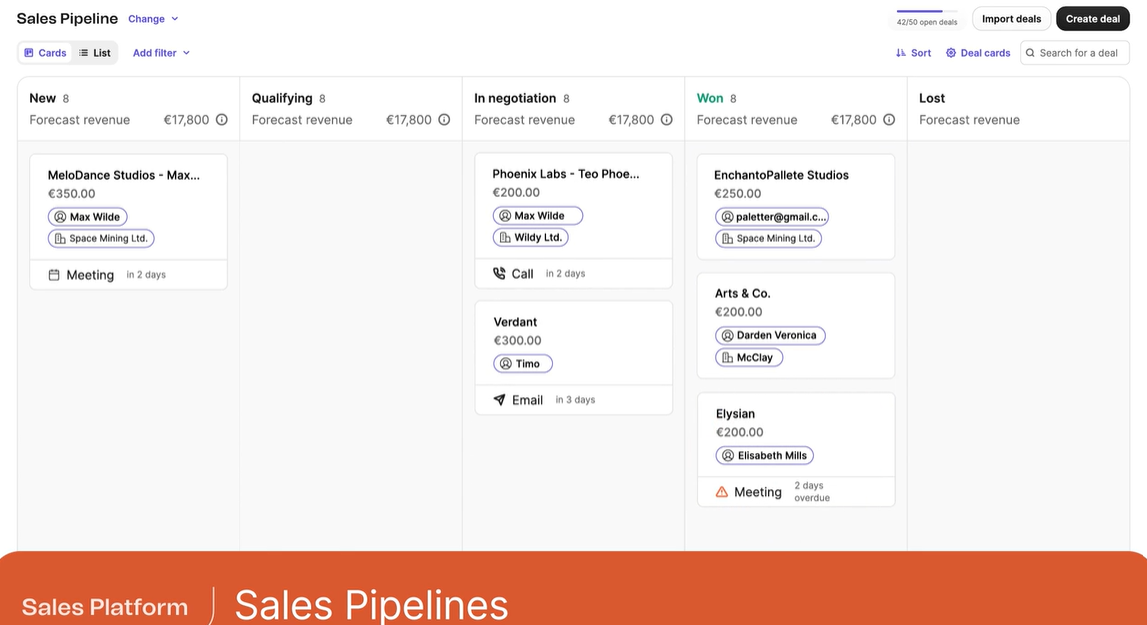
Brevo's Sales Platform offers Kanban-style deal pipelines, task assignment, and a shared inbox.
Source: Brevo
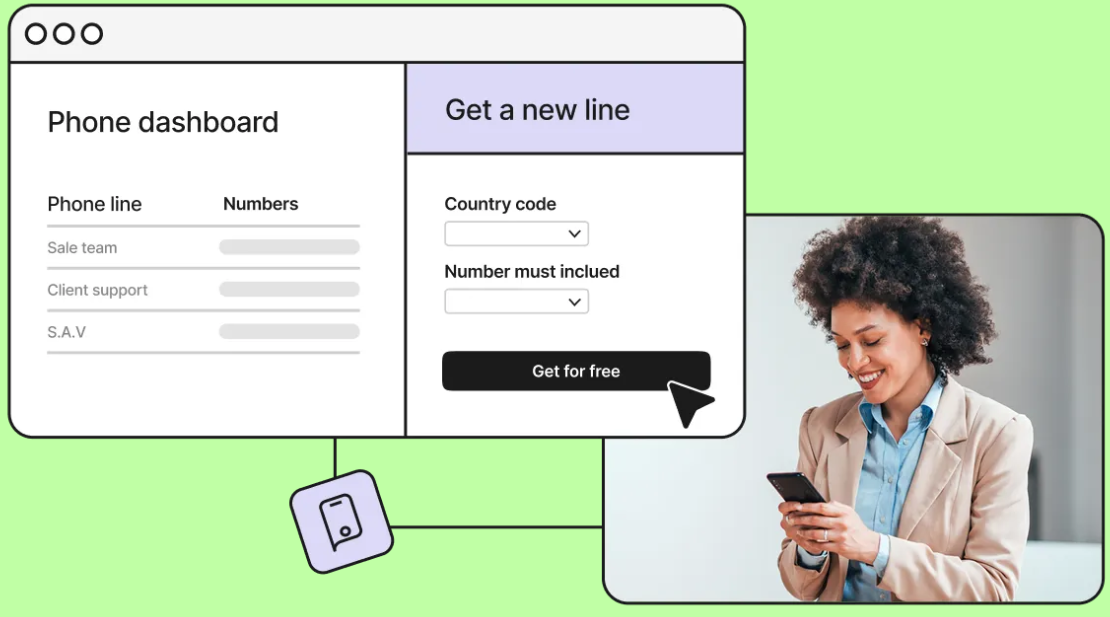
What sets it apart is the native communication layer: a VoIP phone with AI-generated call transcripts, a meeting scheduler with payment collection, and live chat that automatically adds contacts to the CRM. The Aura AI Sales Assistant handles contact enrichment, deal creation from conversations, and sales email generation within the deal view. A Sales Free tier supporting 50 open deals and one pipeline comes included on base Brevo plans.
Source: Brevo
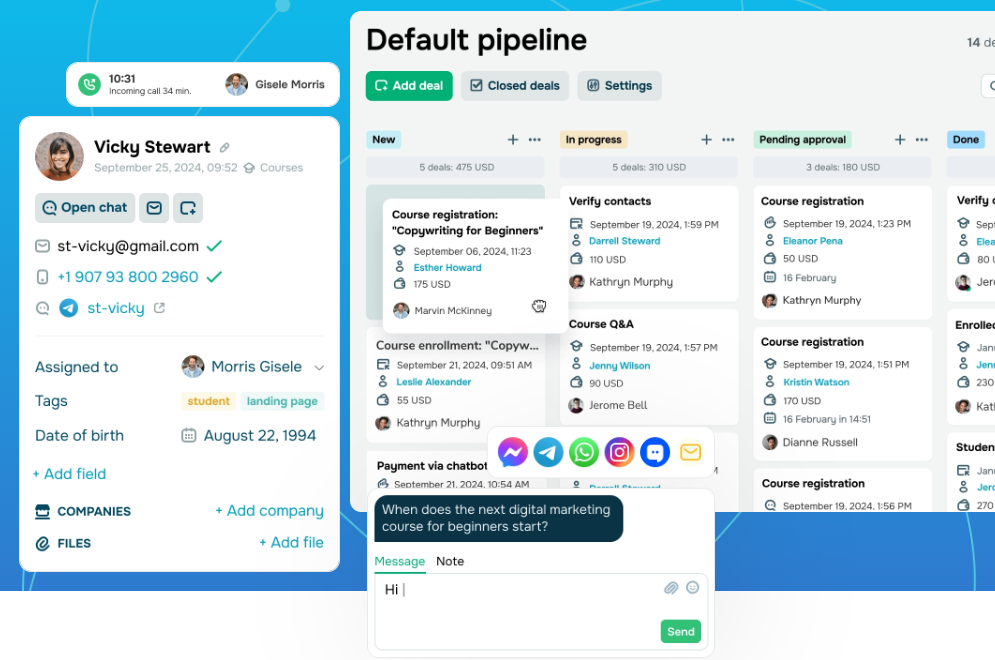
SendPulse's CRM provides similar pipeline management with drag-and-drop deal cards, task boards with calendar views, and direct communication via email and SMS from within deal records. Its strength is automated deal creation: a chatbot interaction, form submission, or online course purchase can automatically generate a CRM deal. Gmail integration lets users send emails from their personal accounts while keeping records in the CRM.
Source: SendPulse
Both CRMs share a fundamental limitation: they're built for simple sales processes. Businesses needing pipeline forecasting, advanced analytics, or deep third-party integrations will outgrow either platform. The difference is that Brevo's CRM is maturing faster (the company reported "exceptional traction" in its December 2025 fundraise) and has more investment behind it.
Neither platform solves the data problem
Here's the gap that both Brevo and SendPulse leave open: they help you communicate with contacts, but they don't help you find the right ones.
Both platforms assume you already have a contact list. You import subscribers from a CSV, capture them through forms, or collect them via chatbots. But for B2B companies, the question isn't how to email 10,000 contacts. It's whether those 10,000 contacts are the right people, at the right companies, at the right time.
Are your contacts still at the companies listed in your CRM? Have their roles changed? Is their company actively researching solutions like yours? Are you missing the VP of Finance who just joined the buying committee? Neither Brevo nor SendPulse can answer these questions.
ZoomInfo operates at a different layer. Its B2B data platform covers 500M contacts and 100M companies, verified by 300+ human researchers with up to 95% accuracy on first-party data. That data includes direct-dial phone numbers, verified business emails, org charts, technographic profiles, and company attributes, all continuously updated.

Source: ZoomInfo
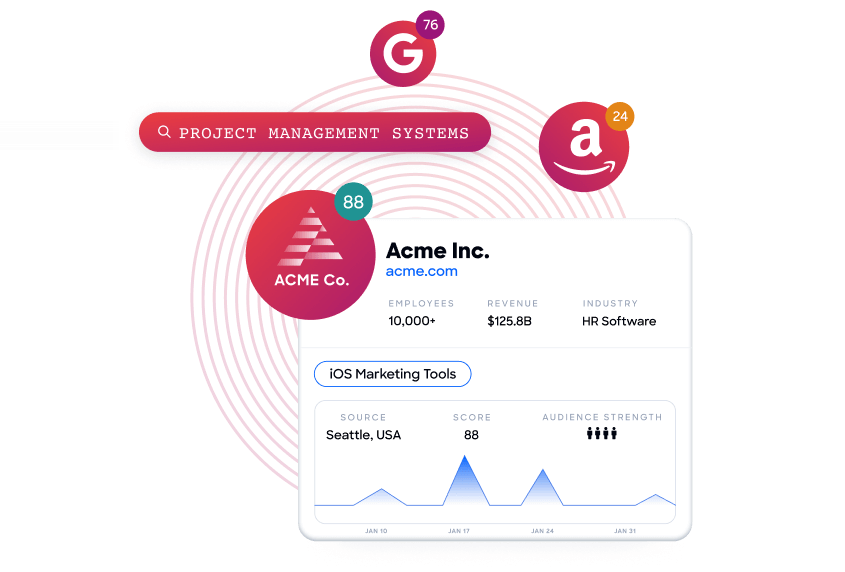
The GTM Context Graph (processing 1.5B+ data points daily) takes this further by fusing ZoomInfo's data with your CRM records, conversation transcripts, and behavioral signals. It doesn't just confirm that a company exists; it shows why deals move or stall, which accounts match your win patterns, and who on the buying committee you haven't reached. Buyer Intent data tracks signals from 210 million IP-to-Organization pairings, surfacing companies actively researching topics relevant to your product.
Source: ZoomInfo
For B2B teams using Brevo or SendPulse, ZoomInfo fills the intelligence gap: verified contacts flow into your marketing platform, intent signals tell you when to launch a campaign, and enrichment keeps your CRM data from decaying.
"ZoomInfo gives us the information we need to execute. We don't have to spend our time digging; it's already there, so we can be three steps ahead." (Vensure)
Deliverability and data quality shape real-world results
The best campaign in the world fails if emails don't reach the inbox.
Brevo claims a 99% email delivery rate for enterprise sending and maintains dedicated deliverability infrastructure with monitored shared IPs and dedicated IPs for high-volume senders. Professional plan users get a dedicated Deliverability Specialist.
Source: Brevo
However, Capterra reviewers report an overly sensitive suspension algorithm that sometimes pauses campaigns even with healthy open rates, with slow support response on resolving suspensions.
SendPulse shows mixed deliverability in independent benchmarks. One 2024 report showed a 75.43% deliverability rate, with 20.75% landing in spam. Another placed it at 62.8%. EmailDeliverabilityReport gives it 80/100. SendPulse offers email authentication tools (SPF, DKIM, DMARC) and an email verification service to clean lists, but the deliverability variance is a concern for businesses where inbox placement is critical.

Source: SendPulse
Deliverability is only half the equation. If 20% of your contact list holds outdated email addresses for people who've changed jobs, even perfect deliverability rates mask the real problem: you're sending to the wrong people.
ZoomInfo addresses this at the data layer. Its continuous verification system updates contact records as people change roles, companies, and contact information. For B2B teams, enriching your Brevo or SendPulse contact lists with ZoomInfo's verified data means fewer bounces, better sender reputation, and campaigns that actually reach decision-makers.

Source: ZoomInfo
"It's not just the data itself. It's more about the right data at the right time to help us reach out with the right message across that full buyer journey." (Chelsea Kenyon, Senior Director of Digital Strategy, Redwood Logistics)
The pricing models reveal different bets on how businesses grow
Brevo and SendPulse made opposite bets on pricing, and which one works for you depends on how your business uses email.
Brevo charges by email volume sent, not contacts stored. Contacts are unlimited on every plan, including Free. The Starter plan begins at $9/month for 5,000 emails, Standard at $18/month for 5,000 emails (with automation and A/B testing unlocked), and Professional jumps to $499/month for 150,000 emails with WhatsApp, push notifications, and phone support. Annual billing saves 10%.
This model rewards businesses that build large lists but send selectively. If you have 50,000 contacts but only email them twice a month, Brevo costs far less than platforms that bill per contact. Brevo's own comparison content claims savings of up to 9x versus Mailchimp in certain bulk-send scenarios.
SendPulse charges by subscriber count with unlimited sends on paid plans. The Standard plan starts at $8/month for up to 500 subscribers, scaling upward as your list grows. The Pro plan starts at $9.60/month for 500 subscribers with expanded automation. Annual billing saves 20%.
This model rewards businesses that send frequently to smaller, engaged lists. If you have 500 subscribers and want to email them daily with unlimited sends, SendPulse is the better deal. But costs climb fast as your list grows, and a 50,000-subscriber list pushes into much higher territory.
The hidden costs on both sides matter. Brevo's Starter plan puts Brevo branding on outgoing emails unless you pay an extra $10.80/month or upgrade to Standard. SMS and WhatsApp credits cost extra on both platforms. Brevo's Sales CRM add-on costs $27.92/month on top of the marketing plan. SendPulse charges separately for its chatbot, SMS, and online course modules.
Neither platform, however, includes the data you need to fill those contact lists with verified B2B prospects. That's a separate problem, and one that ZoomInfo solves.
Integration and API capabilities
How each platform connects to the rest of your tech stack matters as your business scales.
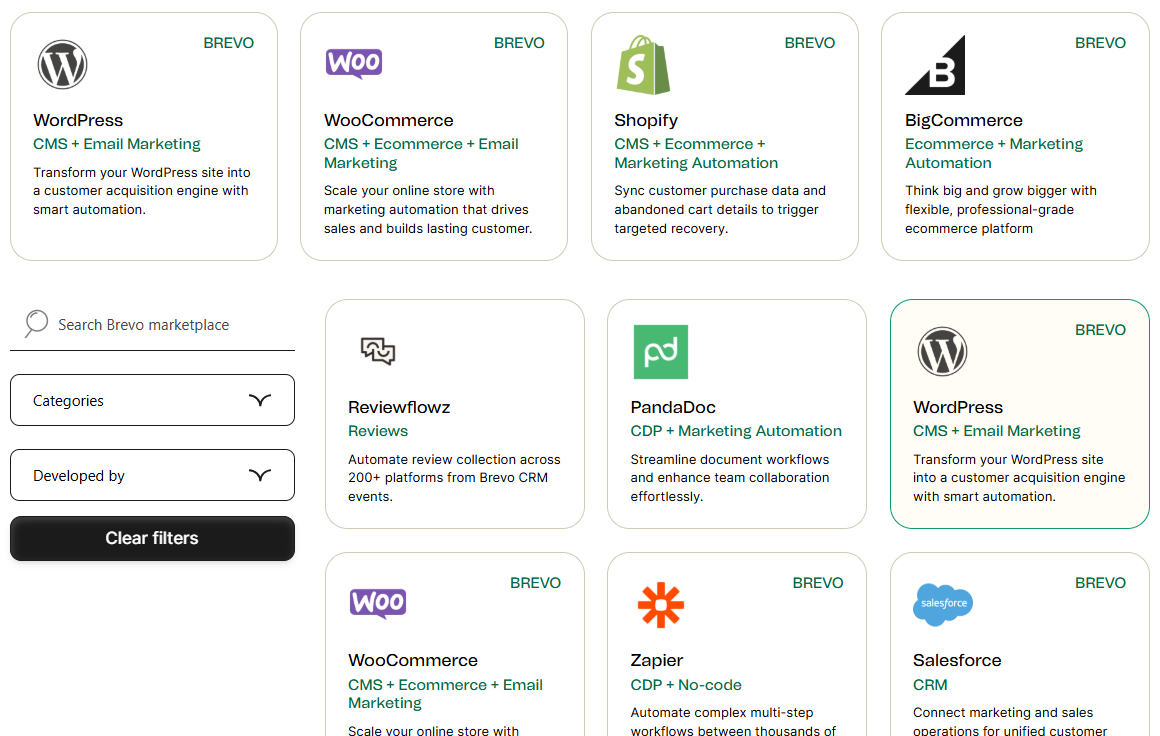
Brevo maintains 150+ integrations via its app marketplace, covering Shopify, WooCommerce, BigCommerce, WordPress, Salesforce, Zapier, and Make. Its unified REST API exposes the full platform programmatically, with SDKs for seven languages and an interactive playground in the developer docs. An MCP server connects Brevo to AI assistants like Claude and ChatGPT, positioning the platform for AI-driven workflows.
Source: Brevo
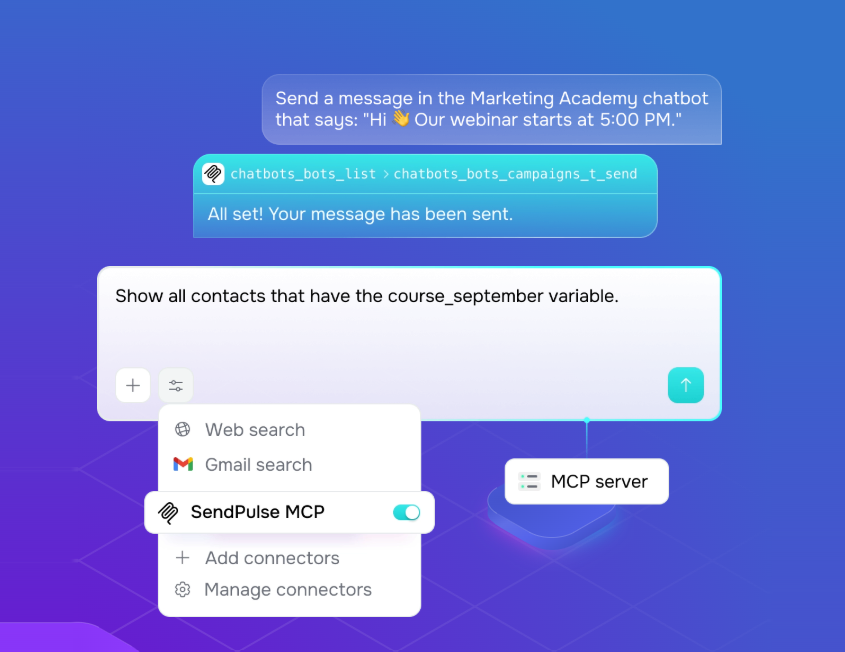
SendPulse offers a REST API organized by product module (Email, SMTP, SMS, Chatbots, CRM, and more), with client libraries in PHP, Python, Ruby, Java, Node.js, and C#. Its marketplace includes integrations with Shopify, WordPress, Pipedrive, Zapier, Make, and n8n. SendPulse has also published an MCP server and OpenAPI specifications for AI tool integration. Rate limits are tiered by plan, from 1,000 requests per minute on Free to 3,000 on Enterprise.
Source: SendPulse
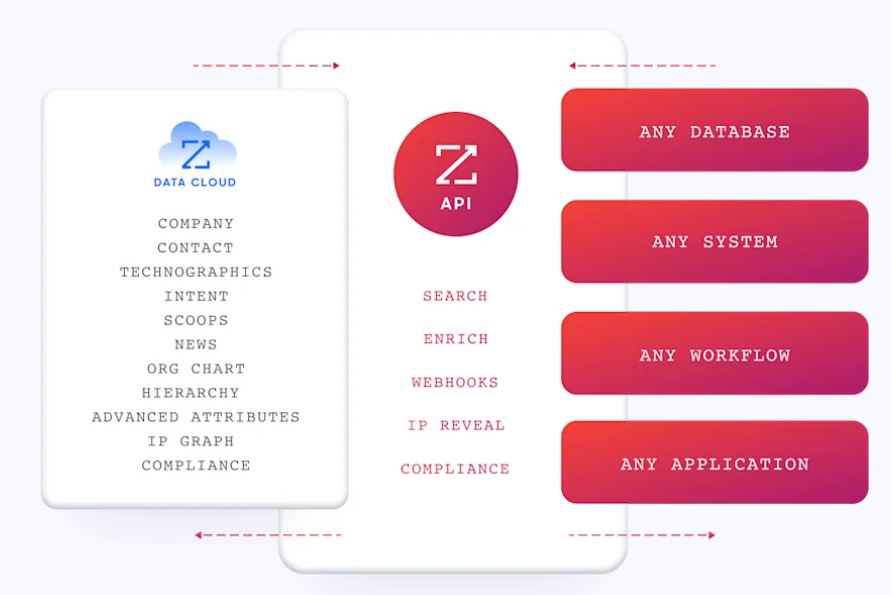
ZoomInfo takes integration to the enterprise level. Its Enterprise API provides programmatic access to search, enrich, and research endpoints across contacts, companies, intent, and scoops.
Source: ZoomInfo
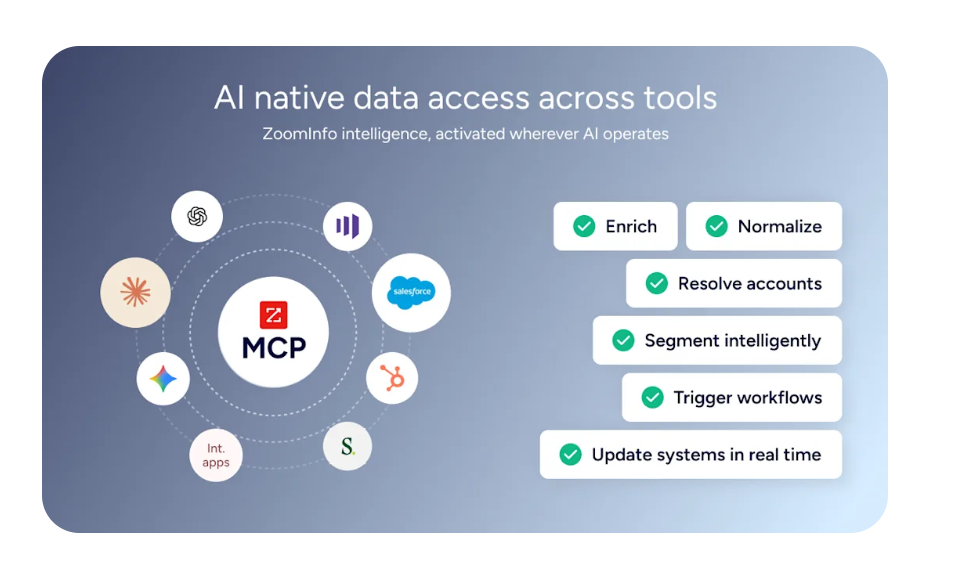
The ZoomInfo MCP server at https://mcp.zoominfo.com/mcp connects to Claude and ChatGPT, letting AI agents search contacts, enrich records, and run account research through natural language.
Source: ZoomInfo
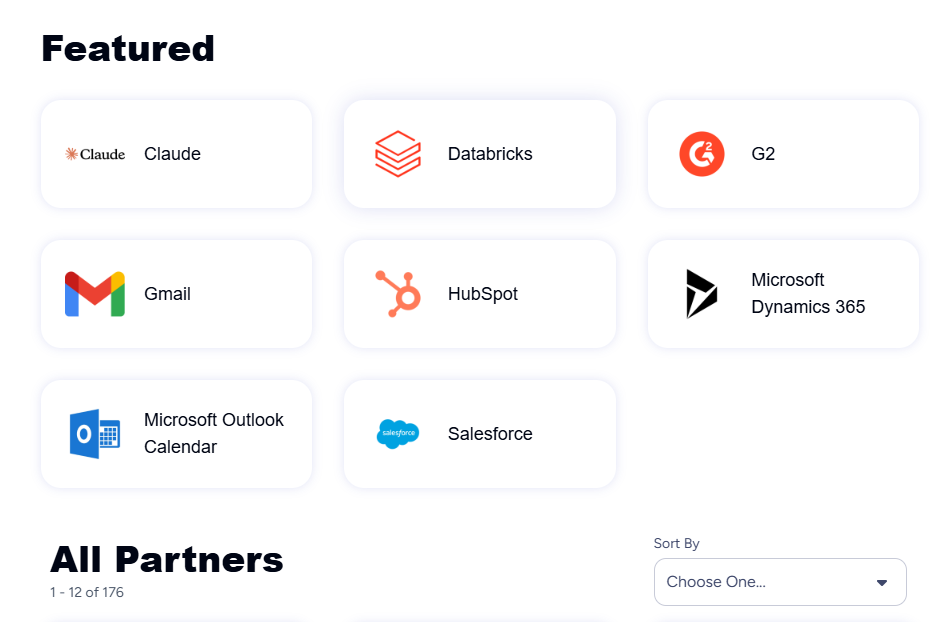
The App Marketplace lists 172+ integration partners, including native connectors for Salesforce, HubSpot, Microsoft Dynamics 365, Snowflake, and Databricks. Cloud Data Cubes deliver ZoomInfo data directly into AWS, Google Cloud, Snowflake, and Databricks.
Source: ZoomInfo
For teams running Brevo or SendPulse, ZoomInfo's integrations mean verified contact data and intent signals can flow directly into your marketing platform, enriching campaigns with intelligence that neither platform generates on its own.
Brevo vs. SendPulse vs. ZoomInfo: Which should you choose?
The choice depends on your business stage, your primary use case, and where you need the most help.
Choose Brevo if:
Multichannel campaign automation (email, SMS, WhatsApp) is your primary need
You have a large contact list and want pricing that doesn't penalize list growth
Transactional email is a core business requirement
You need a built-in CRM with native phone, chat, and meeting scheduling
GDPR compliance and EU data residency matter to your organization
Choose SendPulse if:
You're a small business or solopreneur looking for the most tools at the lowest cost
Chatbots across Instagram, WhatsApp, Telegram, and Messenger are central to your strategy
You need a landing page builder, online course creator, and email marketing in one platform
Your subscriber list is small and you want unlimited sends without volume caps
Budget is your primary constraint and you need a generous free plan to start
Add ZoomInfo if:
You need verified B2B contact data to fuel your campaigns, not just tools to send them
Knowing which accounts are in-market would change how you prioritize outreach
Your CRM data is decaying and you need continuous enrichment to keep contact records current
You want AI-powered prospecting that identifies who to contact, when to engage, and what to say
You're building a go-to-market stack where intelligence drives execution
See how ZoomInfo can strengthen your go-to-market with a free trial.
Brevo and SendPulse are both capable campaign platforms, each with a clear strength. Brevo is the stronger engine for businesses scaling multichannel marketing. SendPulse is the better toolkit for small teams that need broad functionality at a low price.
But campaigns built on stale data and guesswork are the most expensive kind of marketing. The campaigns that generate pipeline aren't the ones with the cleverest subject lines. They're the ones that reach the right person at the right company at the right time. That's the problem ZoomInfo solves, and it's the layer that makes whichever marketing platform you choose actually perform.
"That combination of our internal CRM data, external signals, and AI that's given all that context has helped us craft very specific account- and persona-based messages. And people have responded to them right away." (Toby Carrington, Chief Business Officer, Seismic)
Brevo vs. SendPulse vs. ZoomInfo FAQ
What is the key difference between Brevo and SendPulse?
Brevo charges by email volume sent with unlimited contacts, making it cheaper for large lists with moderate send frequency. SendPulse charges by subscriber count with unlimited sends on paid plans, making it cheaper for small lists with high send frequency. Brevo is stronger in multichannel automation and transactional email. SendPulse offers more breadth with chatbots for six messaging platforms, an online course builder, and a website builder.
Which platform has the better free plan?
SendPulse's free plan is more generous for email marketing, offering 15,000 emails per month to 500 subscribers compared to Brevo's 300 emails per day (roughly 9,000 per month) with unlimited contacts. SendPulse also includes three chatbots and a CRM on the free plan. Brevo's free plan excludes marketing automation and A/B testing. The better choice depends on whether you value a higher send limit (SendPulse) or unlimited contacts (Brevo).
How does ZoomInfo fit with Brevo or SendPulse?
ZoomInfo is not a replacement for either platform. It sits upstream as the intelligence layer. While Brevo and SendPulse handle campaign creation and delivery, ZoomInfo provides verified B2B contact data, buyer intent signals, and account intelligence that tell you who to target and when. ZoomInfo data feeds into either platform through API integrations, enriching your contact lists with verified emails, direct dials, and company attributes.
Which platform has better email deliverability?
Brevo claims a 99% delivery rate for enterprise sending with dedicated deliverability infrastructure and specialist support on Professional plans. SendPulse's deliverability results vary in independent tests, ranging from about 63% to 80% depending on the benchmark. For businesses where inbox placement directly affects revenue, Brevo's deliverability infrastructure is more mature.
Which platform is better for ecommerce businesses?
Brevo is the stronger choice for ecommerce. It includes transactional email on all paid plans, abandoned cart recovery workflows, native integrations with Shopify, WooCommerce, BigCommerce, and Magento, and a loyalty program builder with Mobile Wallet integration. SendPulse offers Shopify integration and automation triggers for cart abandonment, but its ecommerce tooling is less developed.
Can I use all three platforms together?
Yes, and for B2B companies this is often the most effective approach. ZoomInfo identifies and verifies the right prospects, enriches your CRM with current data, and surfaces intent signals showing which accounts are in-market. That intelligence flows into Brevo or SendPulse, where you build and execute campaigns that reach those prospects. The result: campaigns built on verified data and real-time buying signals rather than stale lists and guesswork.
Which platform is best for chatbot marketing?
SendPulse leads for chatbots, with a visual flow builder supporting Facebook Messenger, Instagram, WhatsApp, Telegram, Viber, and website live chat. It includes AI integration with ChatGPT and Claude, payment acceptance through multiple gateways, and automatic CRM deal creation from chatbot interactions. Brevo offers live chat and basic chatbot functionality but not the multi-platform depth that SendPulse provides.
How do the platforms compare on security and compliance?
Brevo is ISO 27001:2022 certified, GDPR-native with EU data residency, and B Corp certified. SendPulse holds a Tier 2 CASA security certification and offers GDPR compliance tools. ZoomInfo maintains the broadest certification stack: ISO 27001, ISO 27701, SOC 2 Type II, and TRUSTe validations for both GDPR and CCPA, all renewed annually. For regulated industries requiring enterprise-grade security, ZoomInfo's compliance infrastructure is the most mature of the three.
Other Brevo matchups worth a look:
