
Comparing Klaviyo vs. Salesforce is like comparing a specialized kitchen to an entire building. They overlap in a few places, but they were built to solve different problems. Klaviyo owns B2C marketing automation for ecommerce brands. Salesforce owns enterprise CRM across every department and industry. The comparison only makes sense if you're deciding where to invest your marketing and sales budget.
The real questions you should be asking are:
Are your customers consumers buying products online, or businesses buying through sales teams?
Do you need marketing automation for repeat purchases and customer lifecycle, or a full CRM covering sales pipelines, service tickets, and enterprise workflows?
Is your priority sending the right message to the right shopper at the right time, or managing B2B deals with multiple stakeholders?
How much implementation complexity can your team absorb?
Do you need a platform that works out of the box for ecommerce, or one that can be configured for virtually any business process?
In short, here's what we recommend:
Klaviyo is the clear choice for B2C and ecommerce brands that need to turn customer data into revenue. Its built-in customer data platform stores every interaction indefinitely, powering real-time segmentation across email, SMS, mobile push, WhatsApp, and RCS from a single interface.
With 350+ integrations, a close Shopify partnership, and AI tools that generate campaigns from a URL, Klaviyo lets marketing teams personalize at scale without engineering support.
But Klaviyo is deliberately B2C-only. It has no sales pipeline, no B2B account management, and its most advanced features require Shopify.
Salesforce serves organizations that need a configurable system of record spanning sales, service, marketing, commerce, and analytics.
As the #1 CRM by market share, Salesforce handles everything from pipeline management to field service dispatch, with 17 industry-specific clouds and a marketplace of 9,000+ partner apps. Its Agentforce AI platform can resolve 85% of support requests without human escalation.
The tradeoff: Salesforce requires real implementation investment, dedicated administrators, and costs that compound quickly across clouds, add-ons, and consumption credits.
Both platforms do their jobs well. But if your core challenge is B2B go-to-market (finding the right buyers, understanding when they're ready to engage, and getting your sales and marketing teams acting on the same intelligence) neither Klaviyo nor Salesforce was built to solve that problem from the ground up.
ZoomInfo is an AI-powered GTM platform built on B2B data at scale: 500M contacts, 100M companies, 135M+ verified phone numbers, and 200M+ verified business email addresses.
Its GTM Context Graph (an intelligence layer processing 1.5B+ data points daily) fuses this data with your CRM records, conversation transcripts, and behavioral signals to reveal not just what's happening in your deals, but why.
That intelligence reaches your team through GTM Workspace for sellers, GTM Studio for marketers and RevOps, or APIs and MCP in any tool your team already uses, including Salesforce itself.
If building your revenue engine on verified B2B intelligence sounds like the missing piece, see how ZoomInfo works.
Klaviyo vs. Salesforce vs. ZoomInfo at a glance
Klaviyo | Salesforce | ZoomInfo | |
|---|---|---|---|
Core purpose | B2C marketing automation & CRM | Enterprise CRM & application platform | B2B go-to-market intelligence |
Target buyer | Ecommerce and consumer brands | Companies of all sizes across industries | B2B sales, marketing, and RevOps teams |
Data foundation | First-party customer behavior (purchases, clicks, browsing) | Customer records entered by users or synced from integrations | 500M contacts, 100M companies, intent signals, conversation intelligence |
Marketing channels | Email, SMS, push, WhatsApp, RCS, social | Email, SMS, ads, journeys, personalization (Marketing Cloud) | Display ads, email, LinkedIn, Meta, Connected TV (via GTM Studio) |
Sales capabilities | None | Full pipeline, forecasting, quoting, coaching | AI-prioritized accounts, signal-driven outreach, deal intelligence |
AI approach | Marketing Agent, Customer Agent, predictive CLV | Agentforce autonomous agents, Atlas Reasoning Engine | GTM Context Graph, AI-drafted outreach, intent-driven plays |
Implementation time | Hours to days (self-serve) | Weeks to months (partner-led) | Weeks (GTM Workspace) |
Free tier | 250 profiles, 500 emails/month | Free Suite (2 users), Starter at $25/user/month | ZoomInfo Lite (permanent free), 7-day trial |
Starting paid price | ~$45/month (scales by contact volume) | $25/user/month (Starter Suite) | Custom quote (consumption-based) |
Best for | Shopify/ecommerce brands driving repeat purchases | Enterprises needing a configurable system of record | B2B teams that need to find, prioritize, and win accounts |
They solve three different problems
These platforms are not interchangeable. They were built for different buyers facing different challenges.
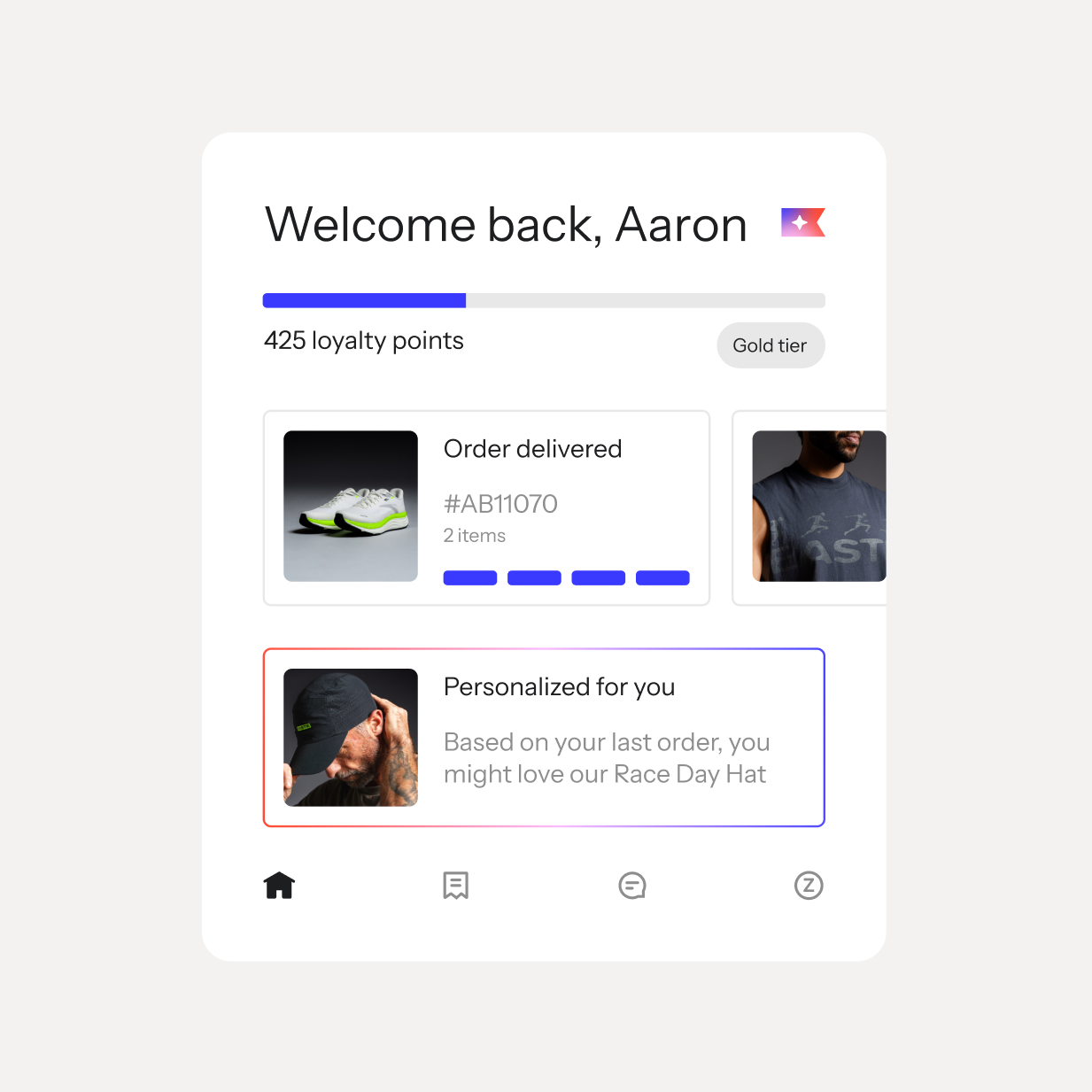
Klaviyo exists because consumer brands need to convert one-time buyers into repeat customers. When someone buys a candle from your Shopify store, Klaviyo tracks that purchase, predicts when they'll want another, and sends a personalized SMS at the right moment with a product recommendation based on their browsing history.
Source: Klaviyo
That entire workflow (data capture, segmentation, AI prediction, message delivery) happens in one platform with no look-back limits on historical data.
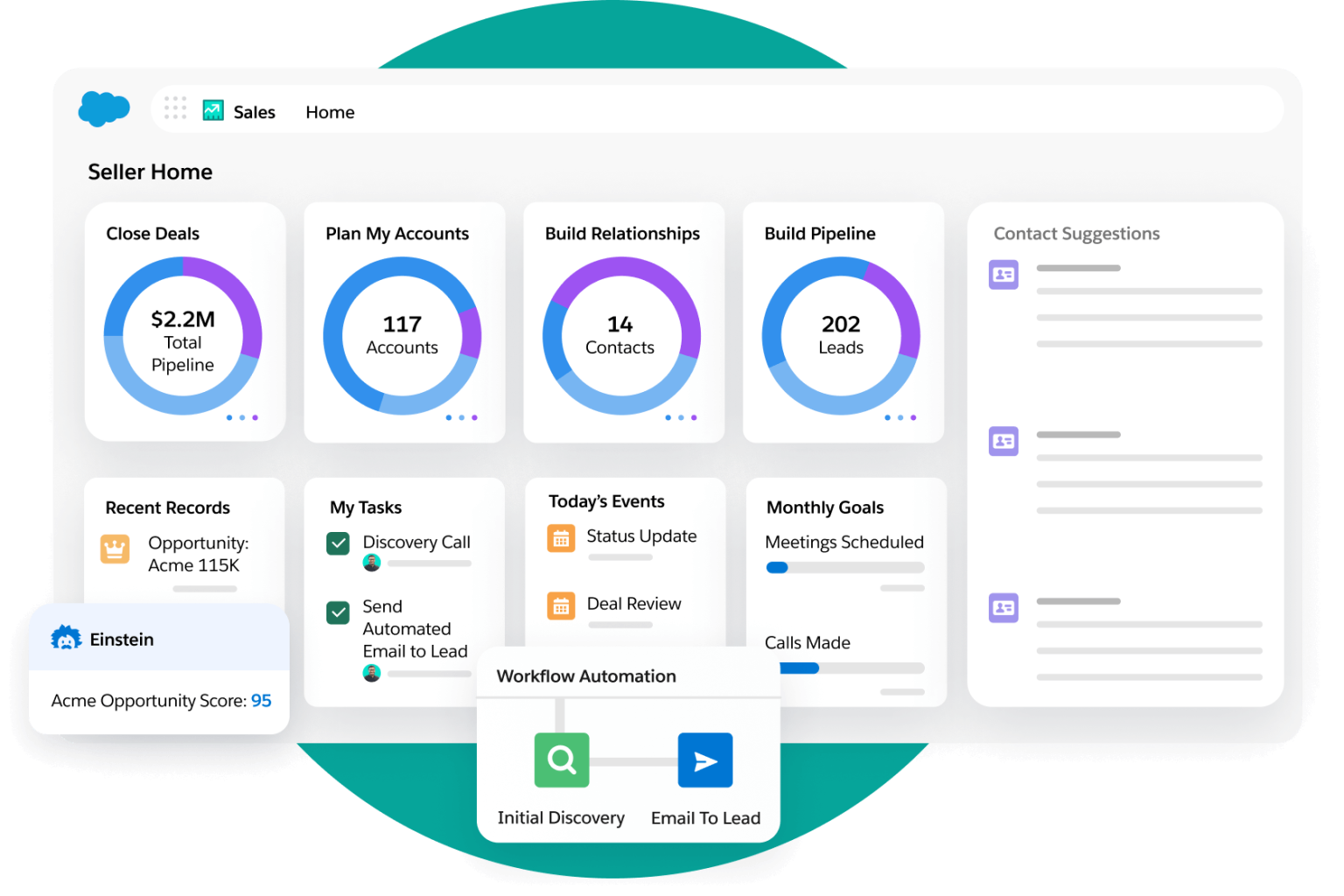
Salesforce exists because enterprises need a system that ties together every customer-facing function. A Salesforce deployment might manage the sales pipeline in Sales Cloud, route service tickets in Service Cloud, orchestrate marketing journeys in Marketing Cloud, and run an ecommerce storefront in Commerce Cloud, all sharing one customer record.
Source: Salesforce
The value comes from that breadth: every department works from the same data.
ZoomInfo exists because B2B revenue teams need intelligence before they can execute. Before a sales rep can manage a pipeline in Salesforce or a marketer can run a campaign in any platform, someone needs to answer: Which companies should we target? Who are the decision-makers? Are they actively researching solutions like ours?
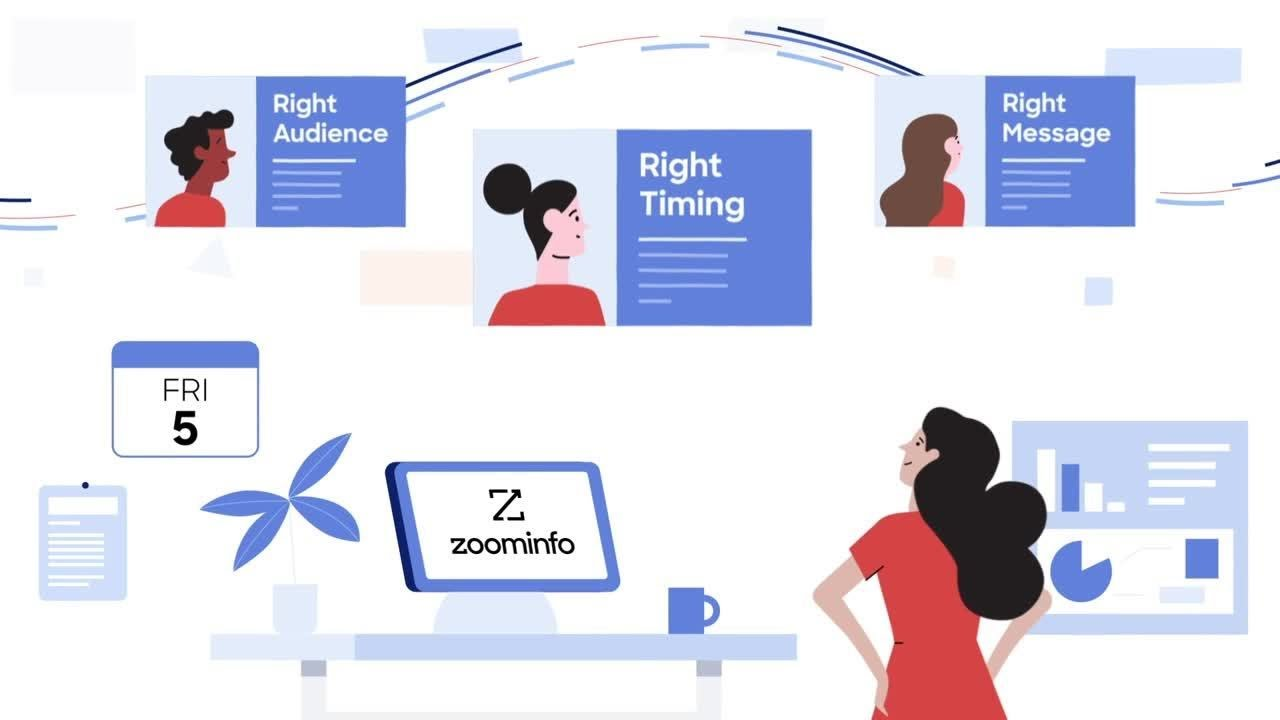
ZoomInfo's GTM Context Graph answers these questions by fusing the industry's largest B2B dataset with your own CRM and conversation data, then surfacing the accounts and contacts most likely to buy right now.
The confusion between these platforms usually stems from a company that hasn't defined its primary challenge. A DTC skincare brand should evaluate Klaviyo. A large enterprise standardizing on one CRM should evaluate Salesforce. A B2B company struggling with pipeline generation should evaluate ZoomInfo. And many B2B companies will benefit from ZoomInfo and Salesforce working together: ZoomInfo providing the intelligence, Salesforce providing the system of record.
Klaviyo dominates B2C ecommerce marketing
Klaviyo was built around a specific insight: consumer brands sit on large amounts of customer data but lack the technology to act on it.
The platform was founded in 2012 by two engineers from Applied Predictive Technologies who saw that email marketing platforms treated contacts as flat lists rather than behavioral profiles.
That origin shows in every design decision. Klaviyo's data model is organized around ecommerce events (product views, cart additions, purchases, refunds) not around generic contact records.
When a customer abandons a cart on your Shopify store, Klaviyo doesn't just know they left. It knows what they browsed before, what they've purchased previously, their predicted lifetime value, and which channel (email vs. SMS vs. push) they're most likely to respond to.
The Channel Affinity AI learns each customer's engagement patterns and routes messages accordingly.
The Shopify integration is a real competitive advantage. An IDC study found brands using Klaviyo and Shopify together achieved 73% revenue growth over three years.
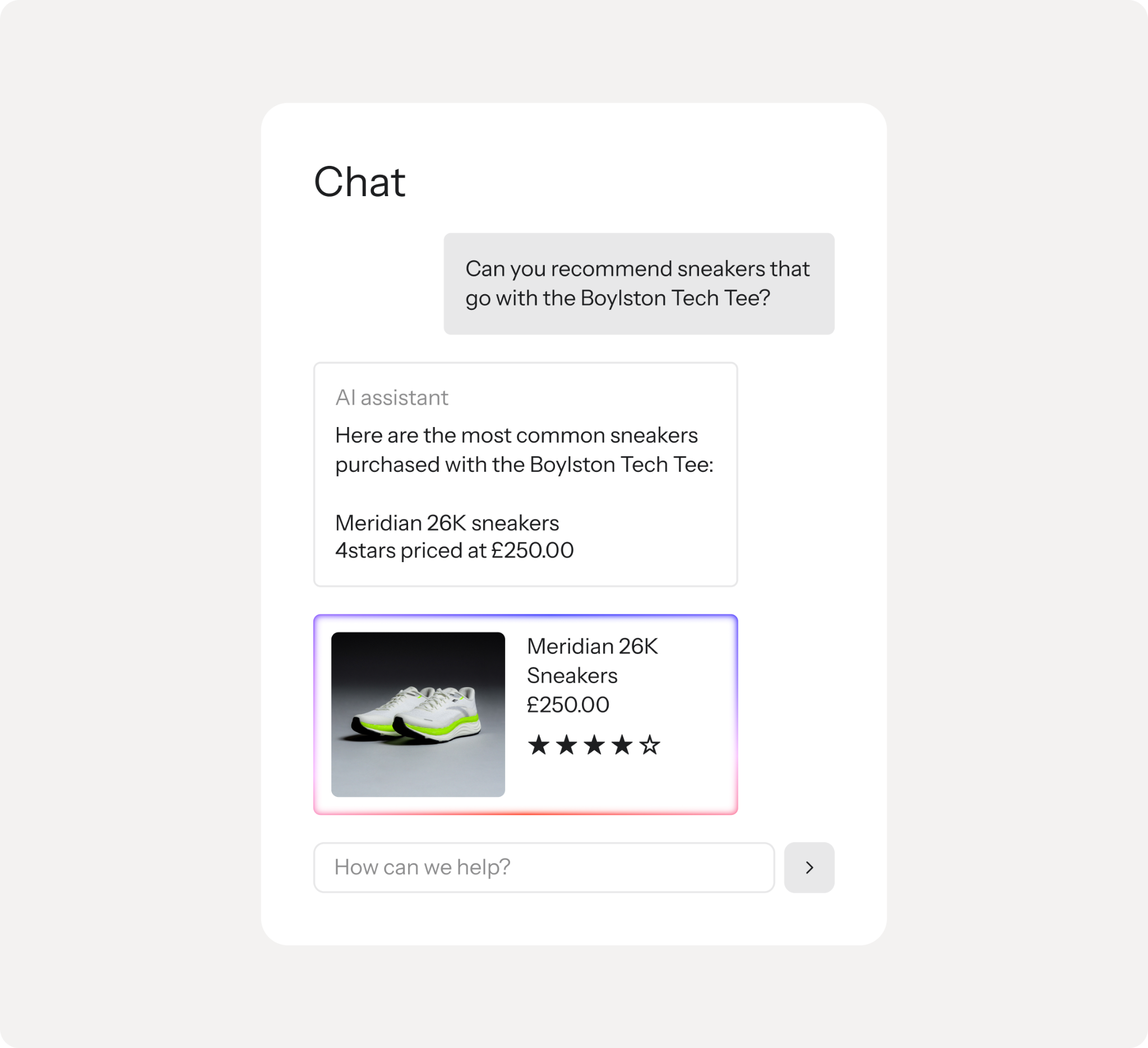
The newer features (Customer Hub for self-service portals, Customer Agent for AI-powered support, locale-aware catalogs for global selling) all require Shopify.
Source: Klaviyo
For Shopify merchants, this makes Klaviyo nearly indispensable. For everyone else, it means a reduced feature set.
Where Klaviyo falls short is anything outside the B2C ecommerce world. There's no sales pipeline. No B2B account management. No contact data beyond what customers voluntarily provide. If your business sells to other businesses, Klaviyo has nothing for you.
Salesforce covers every enterprise function (at a cost)
Salesforce approaches the market from the opposite direction: rather than doing one thing well, it aims to be the platform every department builds on.
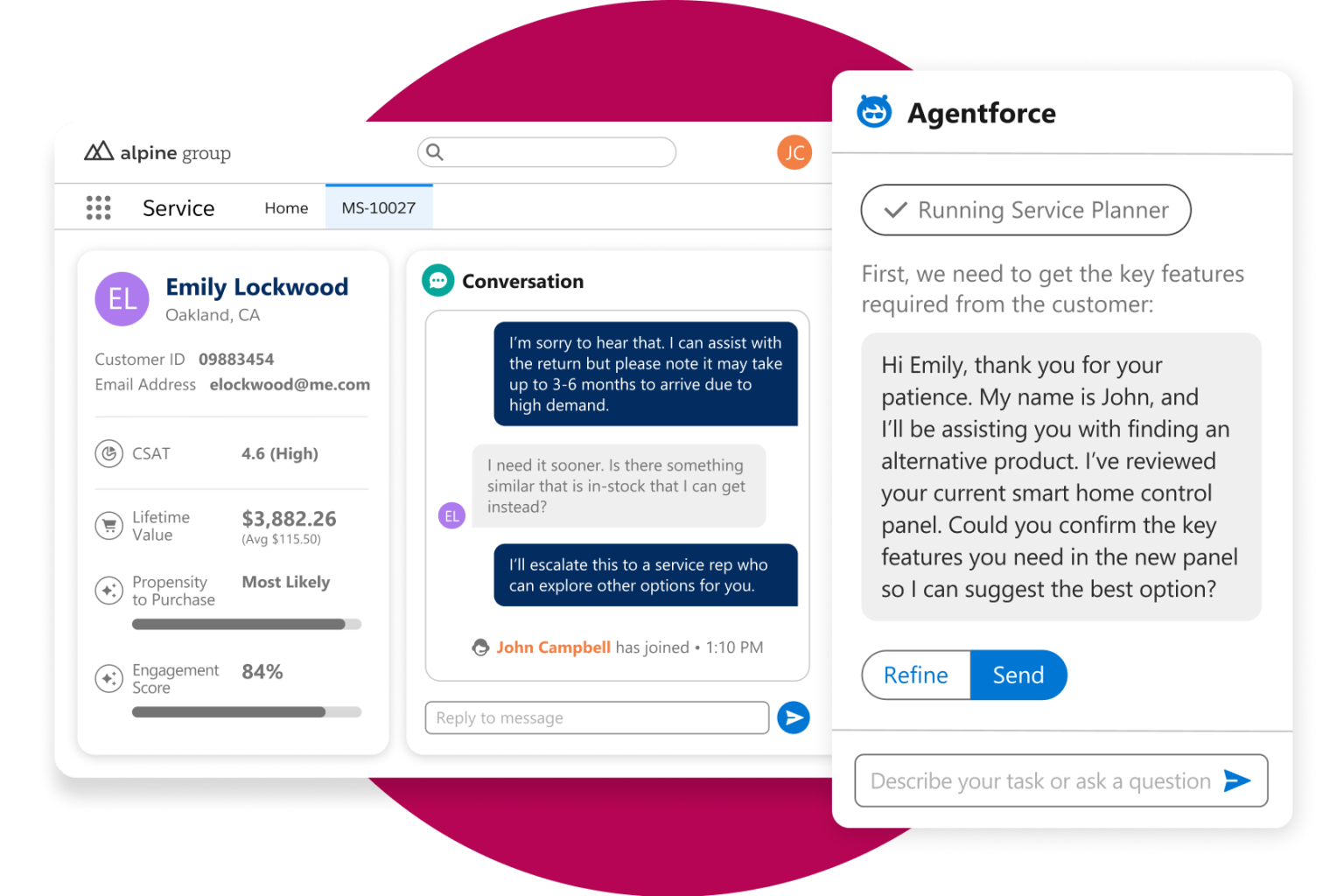
Sales Cloud handles lead management, opportunity tracking, forecasting, and quoting. Service Cloud manages cases, knowledge bases, and omnichannel support.
Source: Salesforce
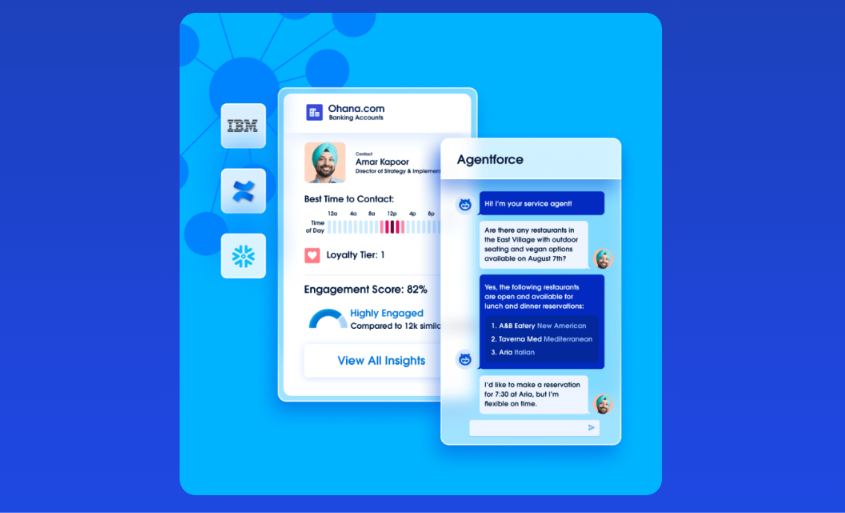
Marketing Cloud orchestrates campaigns across email, SMS, ads, and personalized web experiences. Commerce Cloud powers B2C and B2B storefronts. Data Cloud unifies customer data from external sources. And Agentforce layers autonomous AI agents across all of it.
Source: Salesforce
That breadth is Salesforce's greatest strength and its most persistent challenge. A company running Sales Cloud, Service Cloud, and Marketing Cloud has a unified view of every customer interaction. A sales rep can see that a prospect just opened a support ticket before jumping on a call.
A marketer can exclude customers with open complaints from promotional campaigns. These cross-functional workflows are where Salesforce's architecture pays off.
But realizing that value takes work. Salesforce was built for large enterprises, and the platform reflects that heritage. Meaningful configuration requires dedicated administrators. Over 70% of implementations are led by partners, which adds cost. And the pricing compounds quickly: Sales Cloud Enterprise at $175/user/month is just the starting point.
Add Marketing Cloud Growth at $1,500/org/month, Agentforce Flex Credits at $500 per 100,000 credits, Data Cloud consumption, and Premier Support at 30% of net license fees, and a mid-sized deployment can cost tens of thousands per month.
Salesforce itself acknowledged that its pricing "needed to be easier to understand, more predictable, and more flexible" in a September 2025 pricing update. For organizations that need the breadth, the investment is often justified. For those that don't, it's a lot of platform for a narrower need.
ZoomInfo provides the B2B intelligence layer neither platform offers
Here's what Klaviyo and Salesforce have in common: they both depend on data that already exists in your systems. Klaviyo acts on customer behavior captured through your storefront. Salesforce organizes records your team creates or imports. Neither generates the intelligence B2B teams need to identify who to sell to in the first place.
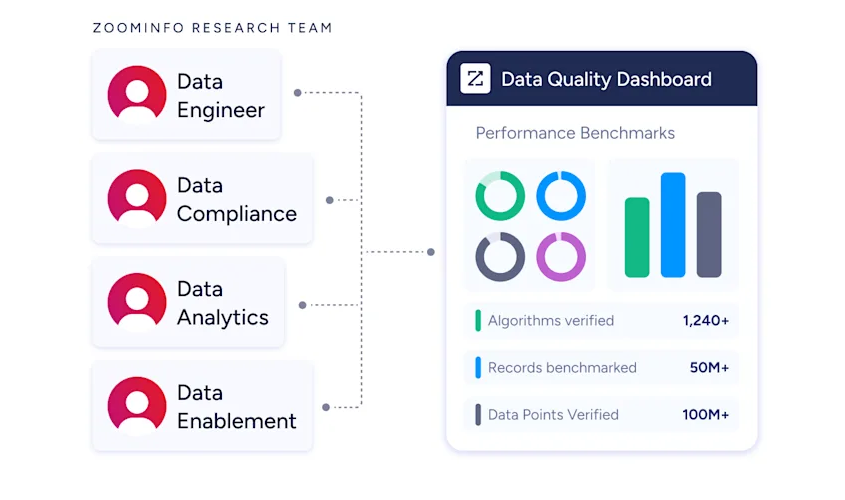
ZoomInfo fills this gap with its B2B data platform. The numbers are specific: 500M contacts, 100M companies, 135M+ verified phone numbers, 120M direct-dial phone numbers, and 200M+ verified business email addresses.
That data is maintained by automated ML scanning 28 million site domains daily, third-party partner data from 95 million businesses, and a Data Training Lab of 300+ human researchers. The result: up to 95% accuracy on first-party data.
Source: ZoomInfo
But the data is only the foundation. What makes ZoomInfo distinct is what it does with it. The GTM Context Graph processes 1.5B+ data points daily, fusing ZoomInfo's B2B intelligence with your CRM records, call transcripts from Chorus, email threads, and behavioral signals.
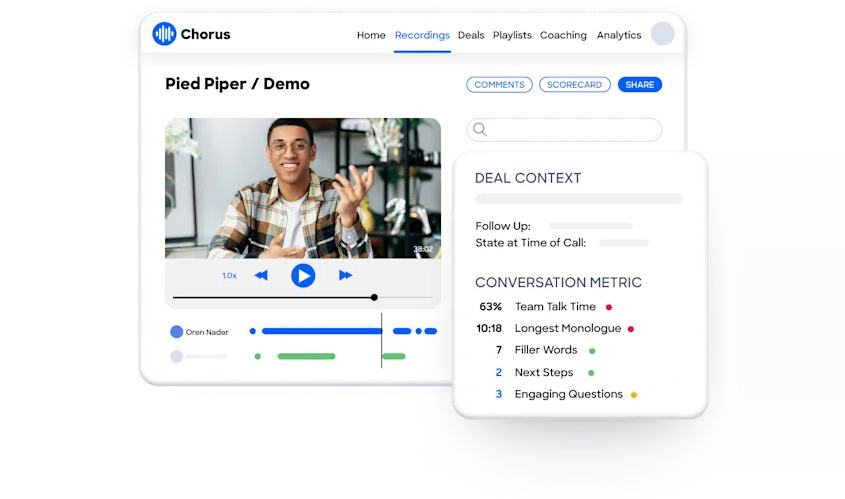
Source: ZoomInfo
As ZoomInfo's Chief Product Officer Dominik Facher wrote: "The CRM recorded the state change. It has no record of why it happened." The GTM Context Graph captures the why, extracting the connections between signals and outcomes that tell your team which deals are moving and what to do about it.
In a Fortune 500 competitive RFP analyzing 25 million contacts across vendors, the independent consultant concluded that "no other competitor came even close." ZoomInfo holds Gartner MQ Leader positions in ABM Platforms, Forrester Wave Leader in Intent Data Providers, and Ranked #1 in 142 G2 Reports.
"That combination of our internal CRM data, external signals, and AI that's given all that context has helped us craft very specific account- and persona-based messages. And people have responded to them right away." (Toby Carrington, Chief Business Officer, Seismic)
AI capabilities reflect each platform's focus
All three platforms have invested in AI, but their implementations reveal what each company cares about.
Klaviyo's AI is marketing-first. Marketing Agent scans a brand's website and product catalog, then generates campaigns, flows, and signup forms, reportedly in 3 clicks. It's proactive: it generates weekly campaign ideas without being prompted.
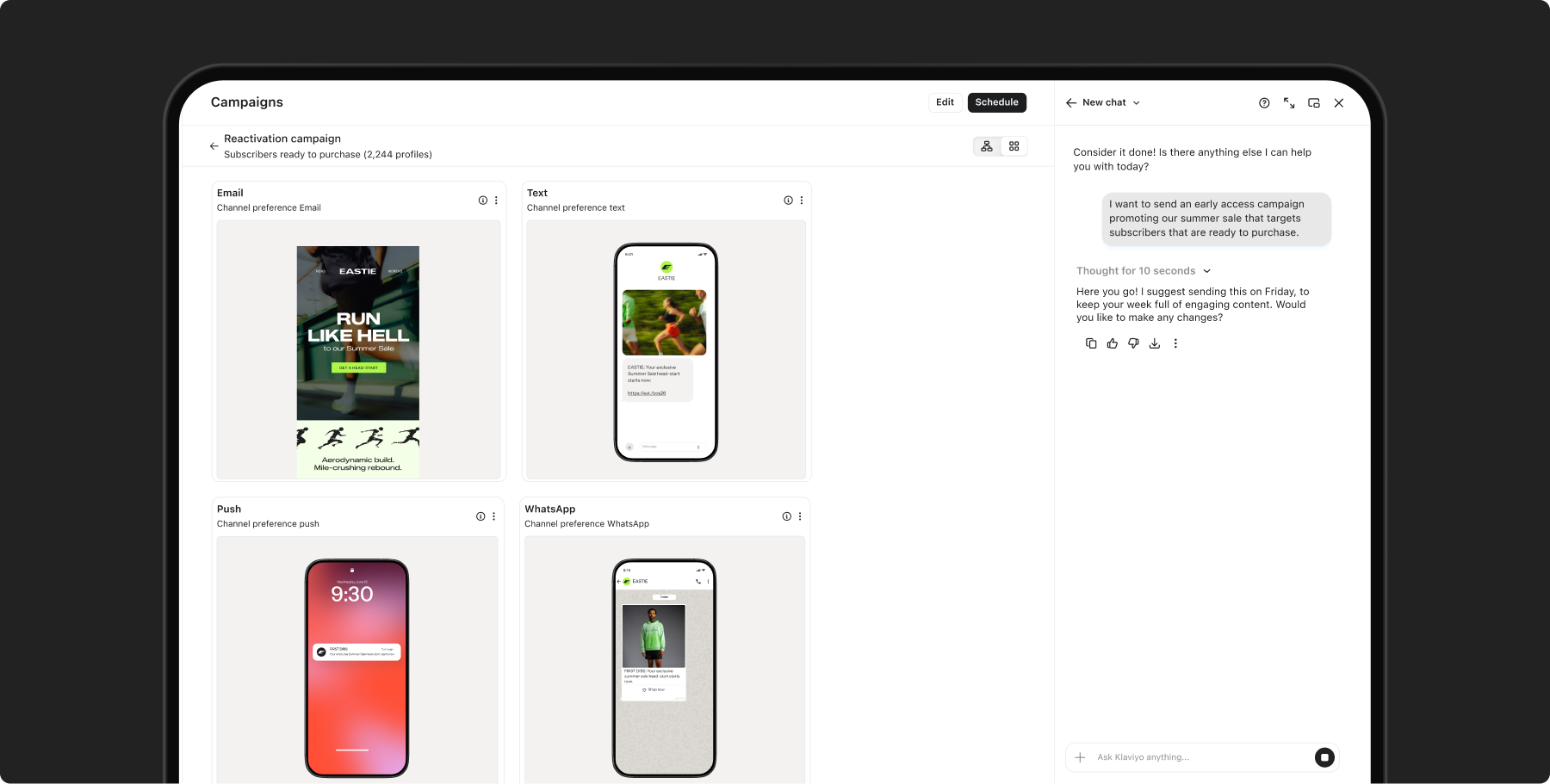
Source: Klaviyo
Customer Agent handles support and sales conversations around the clock, with in-chat product recommendations and add-to-cart functionality.
The AI suite also includes predictive CLV, churn risk scoring, personalized send times, and channel affinity, all embedded in the workflow, all included in the price. The limitation: these tools only reason about B2C customer data.
Salesforce's AI spans the enterprise. Agentforce uses the proprietary Atlas Reasoning Engine to power autonomous agents across sales, service, marketing, commerce, and IT. Pre-built agents handle SDR prospecting, sales coaching, customer service, personal shopping, and IT support.
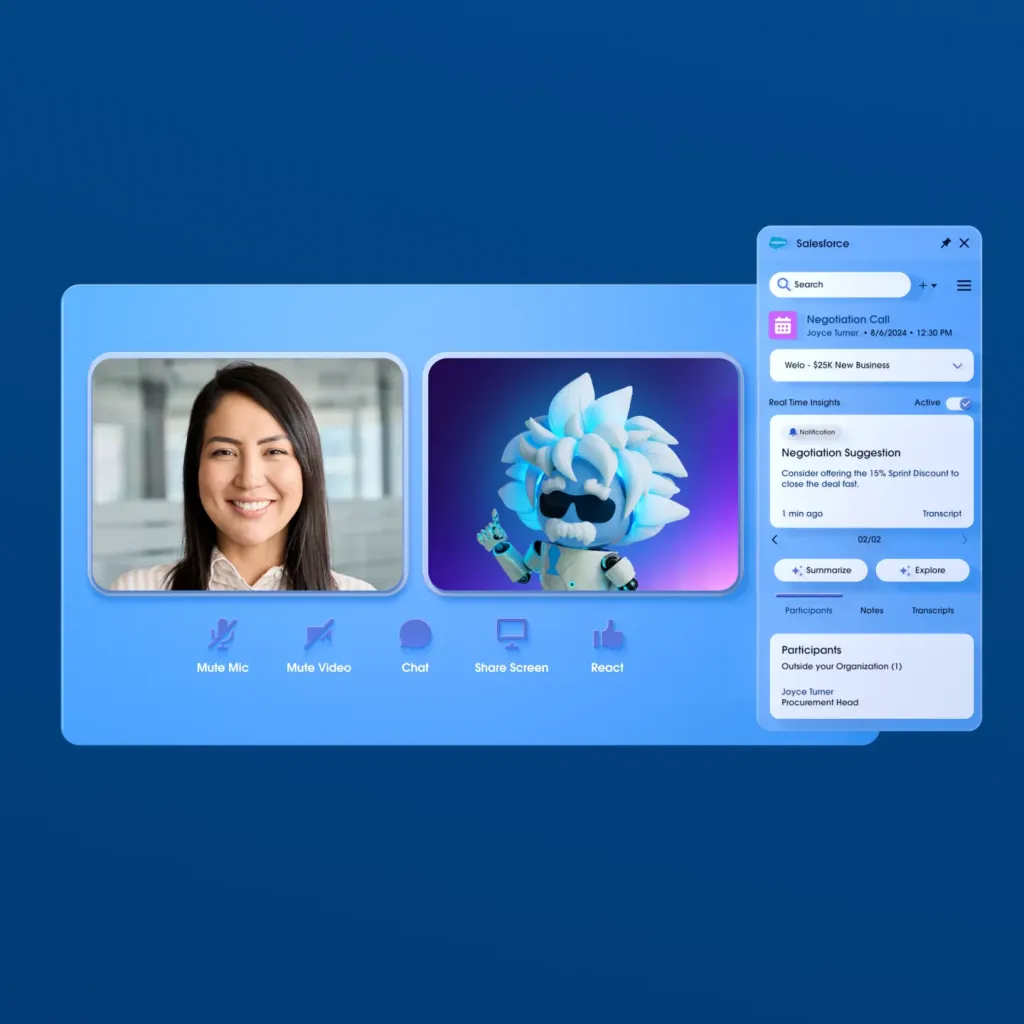
Source: Salesforce
The Einstein Trust Layer provides zero data retention with LLM partners, PII masking, and audit trails, which matters for regulated industries. Agentforce has reached $800M ARR with 29,000 deals closed. The tradeoff: AI capabilities are paid add-ons.
Agentforce actions cost $0.10 each via Flex Credits, and full AI access requires the $550/user/month Agentforce 1 edition.
ZoomInfo's AI is intelligence-first. The GTM Context Graph doesn't just detect anomalies or generate content; it reasons across thousands of deals to identify patterns.
A CRM records that a deal moved stages. Conversation intelligence captures what the VP of Finance said. Intent data shows a research spike. The GTM Context Graph connects all three to explain why the deal is moving and what signals predict success.
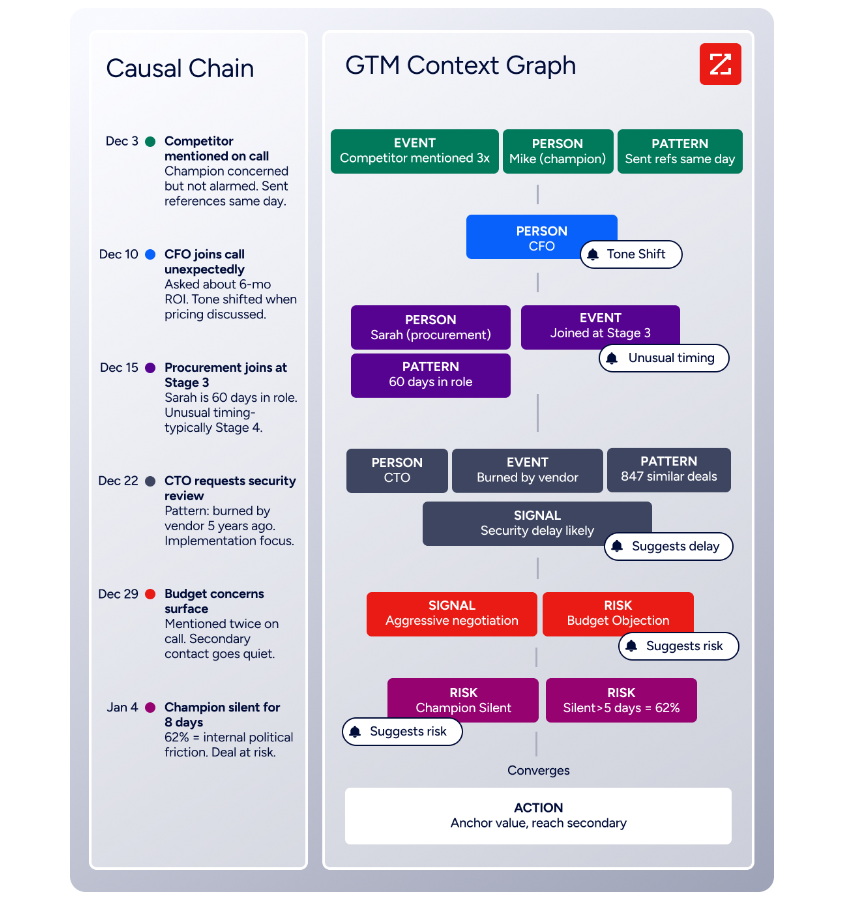
Source: ZoomInfo
AI agents inside GTM Workspace translate that reasoning into action: pre-drafted outreach that addresses the specific concern from the last call, account briefs generated in seconds, and signal-driven prioritization that tells reps which accounts to work right now.
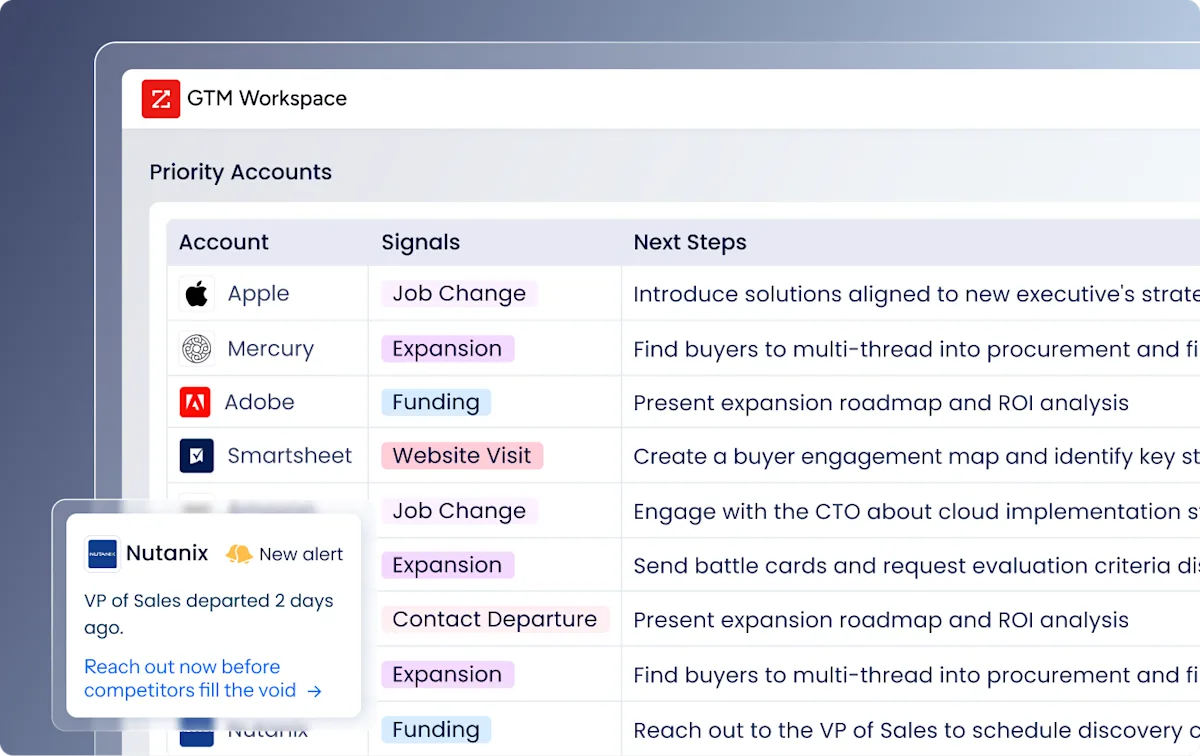
Source: ZoomInfo
Seismic attributed 39% of active pipeline to opportunities identified or influenced by ZoomInfo signals and reported 54% productivity gains.
"They've built a full system of execution. GTM Intelligence actually works the list, writes the outreach, triggers the play, and helps drive predictable growth." (Ian Brodie, CEO & Co-Founder, Levanta)
Data philosophies set the ceiling for what each platform can do
How each platform handles data determines what's possible inside it.
Klaviyo captures and stores first-party customer data with no expiration and no look-back limits. Every purchase, every email click, every product view goes into a single customer profile.
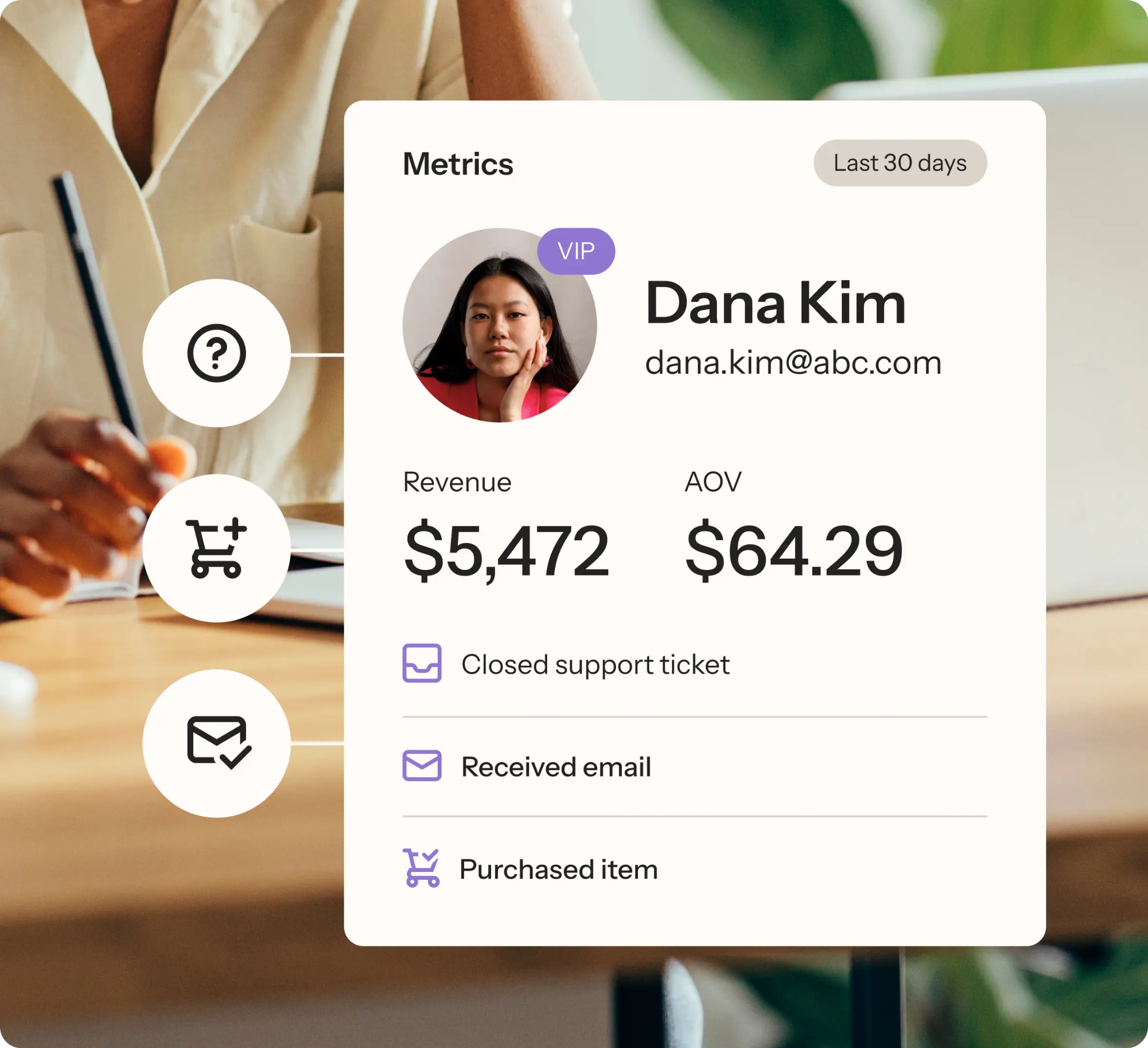
Source: Klaviyo
This makes personalization easy: a segment like "customers who bought winter jackets last November but haven't purchased in six months" is trivial to build. But the data only includes what your customers have done on your storefront.
There's no external intelligence about companies, industries, buying committees, or competitive research activity.
Salesforce takes a platform approach with Data Cloud, which ingested 112 trillion records in FY26. Its zero-copy architecture connects directly to Snowflake, Databricks, and BigQuery without duplicating data, and identity resolution merges records from multiple sources.
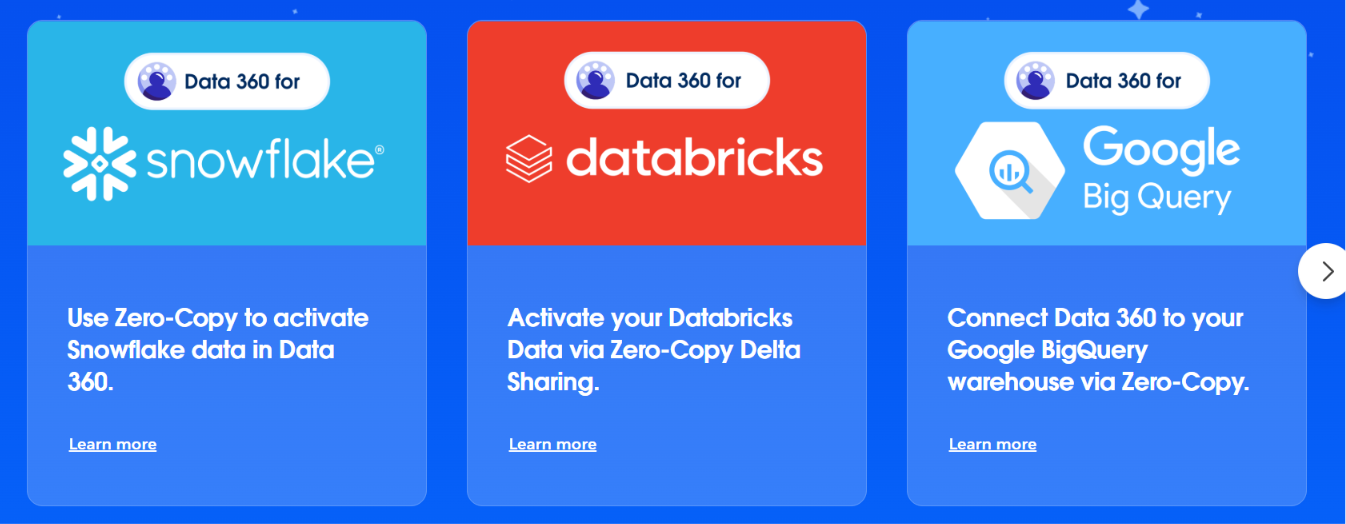
Source: Salesforce
The architecture is sophisticated, but Salesforce is fundamentally a system of record: it organizes and unifies data your team creates or imports. The data quality depends entirely on what you put in. As Marc Benioff acknowledged: "You have got to get your data right."
ZoomInfo generates the data. Its collection pipeline aggregates from 28 million site domains scanned daily, 95 million businesses via partner data, and 200,000+ community members who share data back, then verifies it through NLP, AI, ML, and 300+ human researchers.
Buyer Intent data tracks 210 million IP-to-Organization pairings and 6 trillion+ new keyword-to-device pairings monthly.
Guided Intent identifies topics historically correlated with deal success rather than requiring manual topic selection. This is data that doesn't exist in your CRM or your storefront. It's the external intelligence that tells you where to aim.
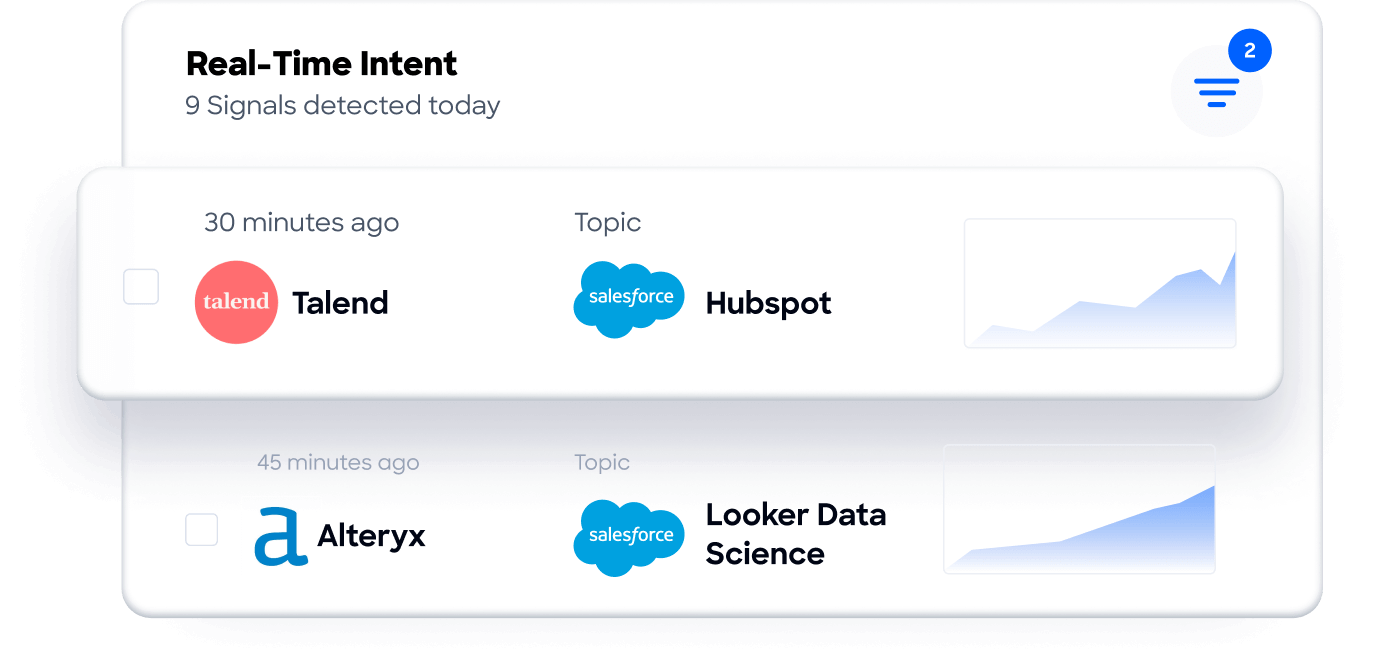
Source: ZoomInfo
Integration approaches define how each platform fits your stack
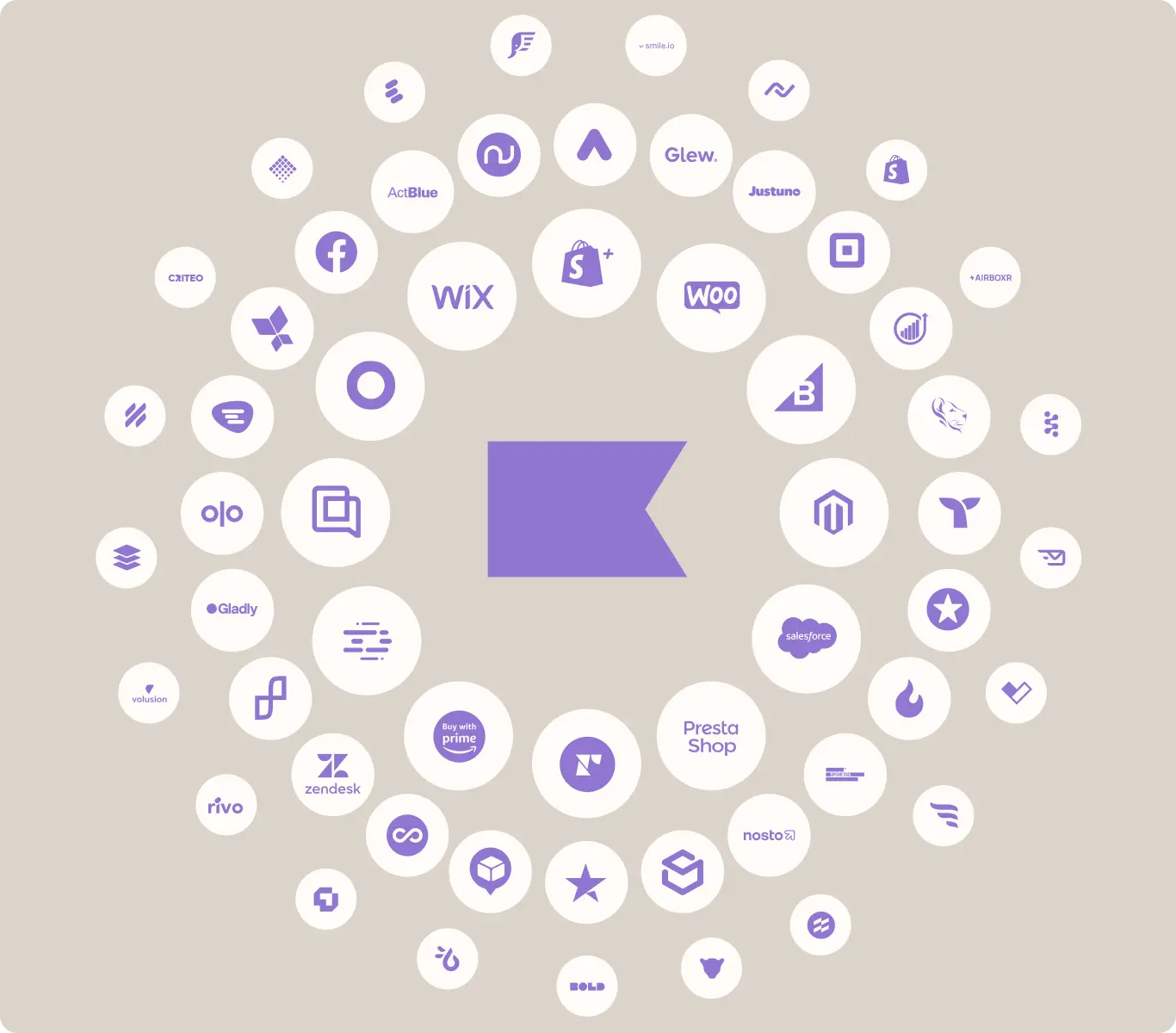
Klaviyo connects to the ecommerce ecosystem. Its 350+ integrations cover Shopify, WooCommerce, BigCommerce, Magento, Wix, advertising networks, loyalty platforms, and subscription tools.
Source: Klaviyo
The REST API follows JSON:API conventions with SDKs in Python, PHP, Ruby, and Node.js. The Klaviyo MCP server connects to AI tools like Claude and Cursor.
For ecommerce brands, the integration story is strong. For B2B use cases, it's largely irrelevant.
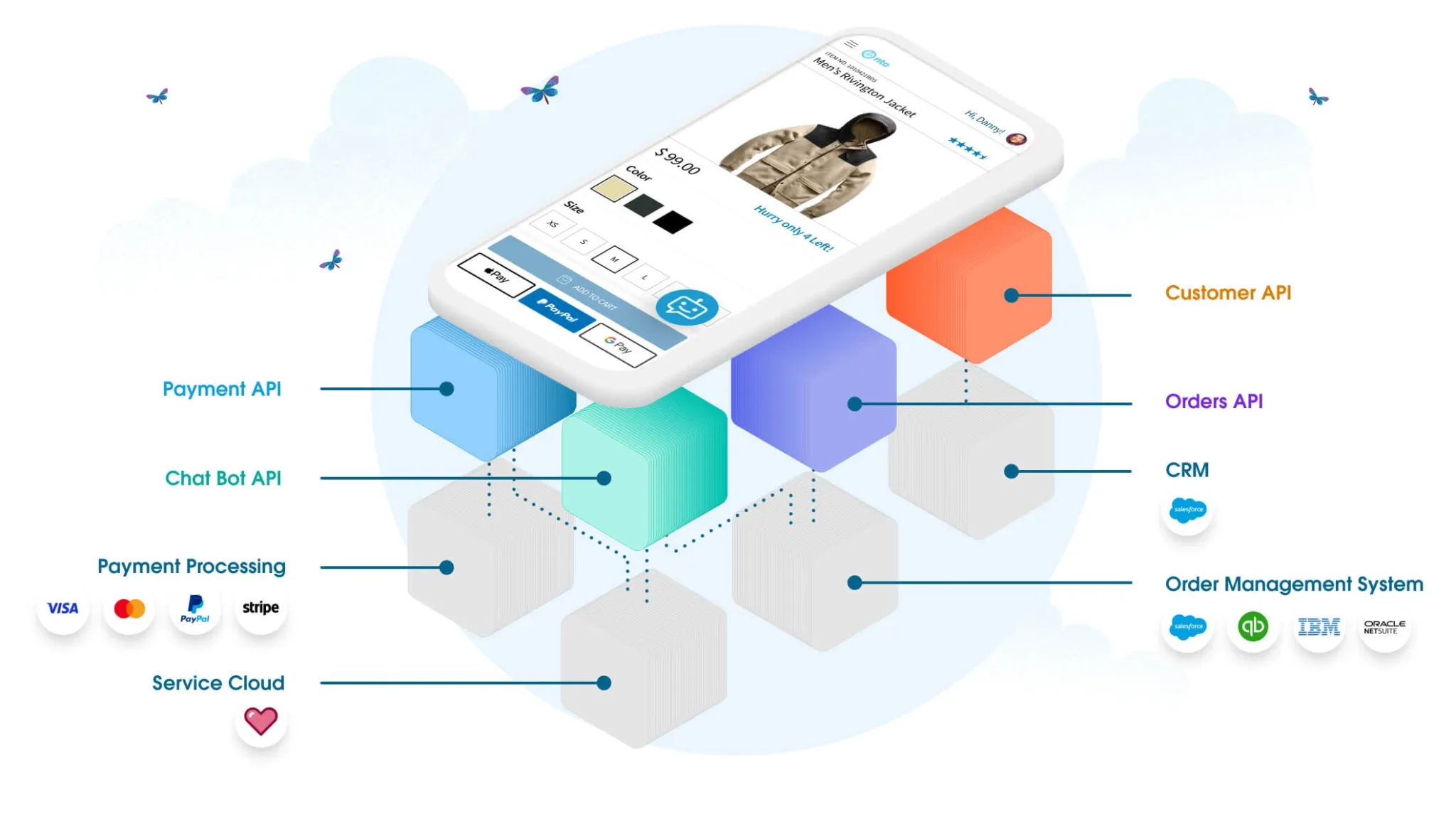
Salesforce connects to everything. Its API portfolio spans 30+ APIs across REST, SOAP, GraphQL, gRPC, and streaming protocols. MuleSoft's Anypoint Platform provides enterprise integration middleware with hundreds of pre-built connectors.
Source: Salesforce
AppExchange offers 9,000+ partner apps with 14+ million installs. The breadth is unmatched, but it comes with complexity. MuleSoft is sold separately, and many integrations require partner implementation.
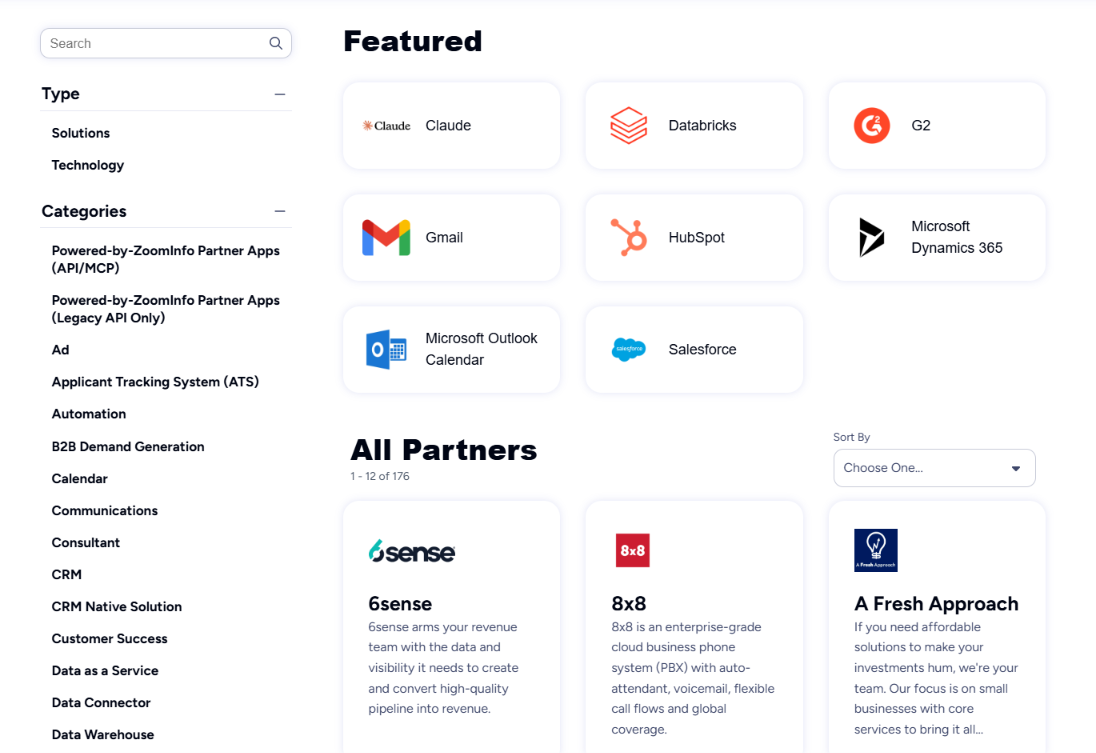
ZoomInfo connects to your GTM stack, and now to any AI agent. Native integrations cover Salesforce, HubSpot, Microsoft Dynamics 365, and 120+ partners in the marketplace. Cloud Partners deliver data directly into AWS, Google Cloud, Snowflake, and Databricks.
Source: ZoomInfo
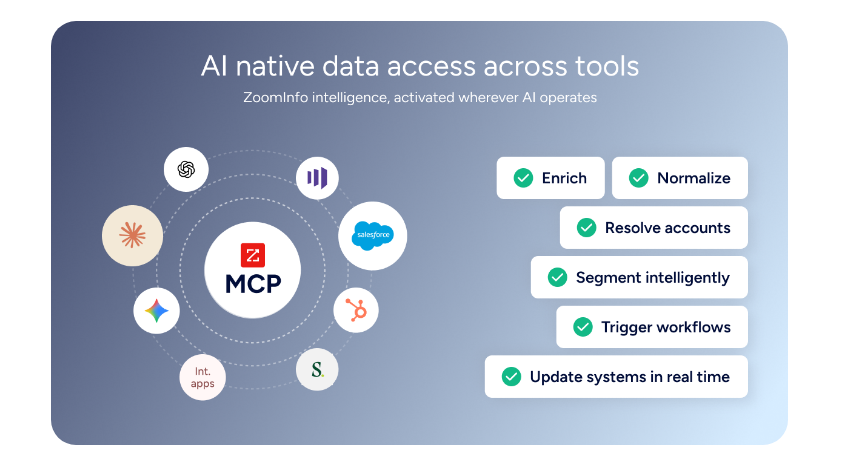
The Enterprise API provides programmatic access to search, enrich, and AI intelligence endpoints. And the ZoomInfo MCP server lets any MCP-compatible AI assistant (Claude, ChatGPT, or custom agents) query ZoomInfo's B2B intelligence through natural language.
Source: ZoomInfo
API access is included in all relevant plans, reinforcing the principle that the intelligence should be accessible everywhere.
"The plug-and-play aspect of the API means I can integrate it very easily into any process and get information at a moment's notice." (Jerry Wilson, Senior Marketing Intelligence Analyst, BDO Canada)
Pricing structures reflect what each platform values
Klaviyo charges by contact volume and email sends. The free plan covers 250 active profiles and 500 emails per month, enough to test the platform genuinely.
Paid plans scale from approximately $45/month upward, with costs climbing as your subscriber list grows. SMS credits are purchased separately. The Data + Analytics and Service modules are paid add-ons.
For fast-growing ecommerce brands, pricing can escalate sharply, a known pain point, though the platform's revenue attribution typically justifies the spend.
Salesforce charges per user, per cloud, with consumption add-ons. Sales Cloud starts at $25/user/month (Starter Suite) but reaches $175/user/month at Enterprise and $550/user/month for Agentforce 1. Marketing Cloud starts at $1,500/org/month.
Data Cloud charges $500 per 100,000 credits. Premier Support adds 30% of net license fees. A June 2025 restructuring raised Enterprise and Unlimited prices by an average of 6%.
For organizations that use the full platform, the consolidation can save money versus buying separate tools. For everyone else, costs can run ahead of value.
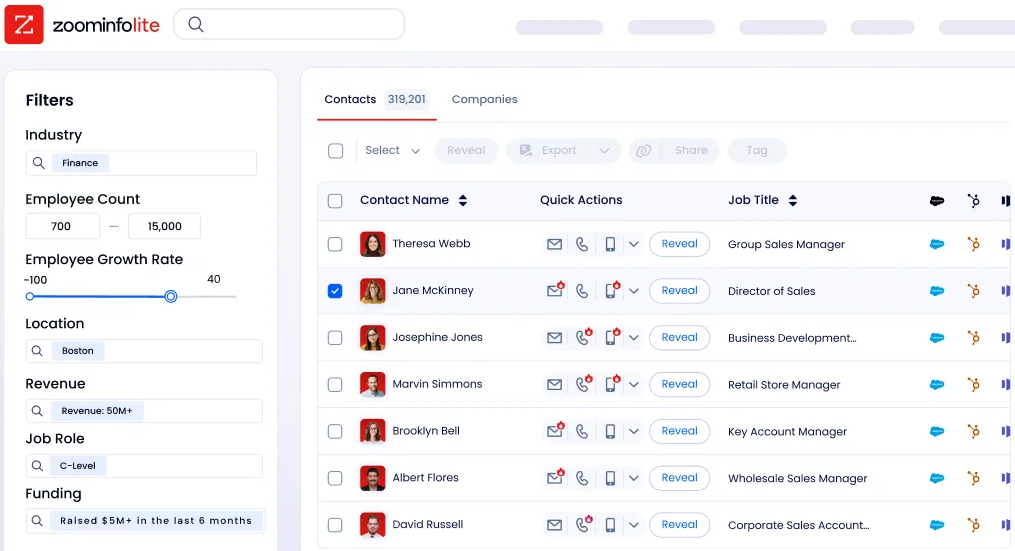
ZoomInfo uses consumption-based pricing with no publicly listed prices. All paid plans are custom-quoted based on seats, credit volume, features, and contract length.
ZoomInfo Lite is a permanent free tier with access to the B2B database, 10 monthly export credits, and WebSights Lite. A 7-day free trial provides access to the broader platform. Credits are consumed only when exporting data; searching and viewing are free.
Source: ZoomInfo
The pricing reflects the data: for B2B teams, verified direct dials and emails that actually connect are worth more than databases full of contacts that bounce.
Who each platform is actually built for
These are not competing solutions for the same buyer. Understanding who each platform serves saves months of evaluation.
Klaviyo is built for B2C brands, especially on Shopify. If you sell directly to consumers, need to drive repeat purchases, and want email, SMS, and push marketing powered by real-time behavioral data, Klaviyo was designed for your use case. 193,000+ brands use it, from small DTC startups to enterprises like Mattel and TaylorMade.
It fits best with a Shopify-based brand that has a growing customer list and needs to convert one-time buyers into loyal customers. The platform is explicitly not for B2B brands, content publishers without commerce, or companies needing sales pipeline management.
Salesforce is built for organizations that need an enterprise system of record. If your company has dedicated sales teams, service departments, marketing operations, and IT resources, and needs all of them working from the same customer data, Salesforce is the standard.
It serves over 150,000 companies across 17 industry verticals. It fits best with a mid-market to enterprise organization that has the budget and internal capacity to implement and administer a complex platform. Companies with tight budgets, no dedicated admins, or narrow use cases will likely find it overwhelming.
ZoomInfo is built for B2B revenue teams that need intelligence to drive pipeline. If your challenge is identifying the right accounts, finding the decision-makers, understanding when they're in-market, and getting your team acting on that intelligence, ZoomInfo was designed for exactly this. Named customers include Adobe, Microsoft, Snowflake, PayPal, and JPMorgan.
It fits best with an enterprise or upper mid-market B2B company whose sales, marketing, and RevOps teams need verified data and actionable signals to hit pipeline targets. Companies selling exclusively to consumers or those with no outbound sales motion have limited use for the platform.
Klaviyo vs. Salesforce vs. ZoomInfo: Which should you choose?
The right platform depends on the problem you're actually solving.
Choose Klaviyo if:
You're a B2C brand, especially on Shopify
Your primary goal is driving repeat purchases through personalized marketing
You need email, SMS, push, and WhatsApp in one platform with unified customer profiles
You want a platform that works out of the box without engineering support
Your business is built around consumer transactions, not B2B relationships
Choose Salesforce if:
You need a configurable system of record spanning sales, service, marketing, and commerce
Your organization has the budget and resources to implement and maintain an enterprise platform
Cross-departmental visibility into customer data is a strategic priority
You're in a regulated industry that benefits from Salesforce's compliance certifications and ecosystem
You need to build custom workflows and applications on a platform
Choose ZoomInfo if:
You're a B2B company that needs to find, prioritize, and engage the right buyers
Your team struggles with incomplete CRM data, stale contacts, or blind spots in your target market
You want AI that understands the context behind your deals, not just the records
You need verified contact data that actually connects (direct dials that ring and emails that land)
You want intelligence that works in your existing tools (Salesforce, HubSpot, custom agents) rather than forcing a platform switch
Start with ZoomInfo Lite for free or request a demo to see the full platform.
For many B2B organizations, the choice isn't one platform or another. It's understanding which layer each platform serves. Klaviyo owns B2C customer engagement. Salesforce organizes enterprise operations. ZoomInfo provides the intelligence that makes B2B go-to-market work. The companies that grow fastest tend to be the ones that invest in the right layer for their actual business model rather than trying to force one platform to do everything.
"Without ZoomInfo, it would be extremely difficult, if not impossible, to achieve our business objectives. Without it, we wouldn't be able to understand the market, have the right contact data, and make meaningful connections." (Thor Sanderson, Senior Manager of Sales Technology Enablement, Smartsheet)
Klaviyo vs. Salesforce vs. ZoomInfo FAQ
What is the core difference between Klaviyo, Salesforce, and ZoomInfo?
Klaviyo is a B2C marketing automation platform built for ecommerce brands, specializing in email, SMS, and push marketing powered by real-time customer behavioral data.
Salesforce is an enterprise CRM and application platform spanning sales, service, marketing, commerce, and analytics across any industry.
ZoomInfo is a B2B go-to-market intelligence platform that provides verified contact data, intent signals, and AI-driven deal insights to help revenue teams find and win accounts.
Which platform is best for ecommerce businesses?
Klaviyo is the strongest choice for ecommerce, particularly for Shopify-based brands. Its data model is built around ecommerce events (purchases, cart abandonment, product views), and its Shopify integration is the deepest in the market.
An IDC study found brands using Klaviyo and Shopify together achieved 73% revenue growth over three years. Salesforce Commerce Cloud serves larger ecommerce operations but requires more implementation investment. ZoomInfo is not designed for B2C ecommerce.
Can ZoomInfo and Salesforce work together?
Yes. ZoomInfo integrates natively with Salesforce, enriching CRM records with verified contact data, company intelligence, and buying signals.
ZoomInfo's GTM Context Graph fuses Salesforce CRM data with third-party intelligence and conversation transcripts to provide a complete picture of each account. Many enterprise B2B teams use both: Salesforce as the system of record and ZoomInfo as the intelligence layer powering pipeline generation, account prioritization, and outreach.
For a deeper look at how these two platforms stack up, see our Salesforce vs. ZoomInfo comparison.
How does pricing compare across all three platforms?
Klaviyo starts free (250 profiles) and scales by contact volume, reaching approximately $45/month at lower tiers. Salesforce starts at $25/user/month (Starter Suite) but commonly costs $175/user/month or more at Enterprise, plus add-ons for Marketing Cloud, Data Cloud, and AI features.
ZoomInfo uses custom consumption-based pricing with a permanent free tier (ZoomInfo Lite). The pricing models reflect different value propositions: Klaviyo charges for the contacts you message, Salesforce charges for the users who access it, and ZoomInfo charges for the intelligence you consume.
Which platform has the best AI capabilities?
Each platform leads in AI for its domain. Klaviyo's Marketing Agent and Customer Agent automate campaign creation and customer support for ecommerce brands, included at no extra cost.
Salesforce's Agentforce provides autonomous agents across sales, service, marketing, and IT, backed by the Atlas Reasoning Engine and Einstein Trust Layer, though AI features require paid add-ons.
ZoomInfo's GTM Context Graph reasons across CRM data, conversation intelligence, and intent signals to explain why deals move and what actions drive wins, powering AI-drafted outreach and signal-driven account prioritization through GTM Workspace.
Which platform is easiest to implement?
Klaviyo is the fastest to deploy. Most ecommerce brands can be operational within hours using the self-serve setup and pre-built flow templates.
ZoomInfo's GTM Workspace deploys in weeks, not months.
Salesforce implementation timelines range from weeks for a simple Sales Cloud setup to 3-12 months for multi-cloud enterprise deployments, with over 70% of implementations led by consulting partners.
Do any of these platforms offer a free tier?
All three offer free entry points. Klaviyo provides a permanent free plan with 250 active profiles, 500 email sends, and access to all 350+ integrations. Salesforce offers a Free Suite (limited to 2 users) and Starter Suite at $25/user/month.
ZoomInfo Lite is a permanent free tier with access to the B2B database, 10 monthly export credits, and basic website visitor identification, plus a separate 7-day trial for the full platform.
Which platform is right for a B2B SaaS company?
ZoomInfo is the most directly relevant for B2B SaaS companies. Its data covers 500M contacts and 100M companies with verified direct dials and business emails, intent signals tracking which companies are actively researching your category, and AI that prioritizes accounts based on actual buying patterns.
Salesforce is commonly used alongside ZoomInfo as the CRM system of record. Klaviyo is not designed for B2B use cases.
Other Klaviyo matchups worth a look:
