
Choosing between LeanData and Sweep for your Salesforce operations often comes down to these five questions:
Do you need a dedicated routing and orchestration engine, or a platform that also documents and governs your entire Salesforce org?
Is your primary challenge getting leads to the right rep fast, or understanding how your Salesforce instance actually works?
How important is it that your routing tool understands metadata dependencies before you make changes?
Are you looking for a point solution that does one thing deeply, or a platform that consolidates routing, alerts, deduplication, and Salesforce management?
Does your team have the B2B data it needs to make routing decisions intelligent, or are you routing in the dark?
In short, here's what we recommend:
LeanData is the established choice for Salesforce-native lead routing and revenue orchestration. Its no-code visual FlowBuilder lets RevOps teams design complex routing logic without writing code, and its AI-powered matching engine achieves 95% accuracy in connecting leads to the right accounts. More than 1,000 organizations use LeanData, including Uber, Snowflake, and Palo Alto Networks. With a decade of refinement behind its routing engine, LeanData is the proven option for teams whose primary need is getting the right lead to the right rep at the right time.
However, LeanData is strictly a routing and orchestration tool. It cannot orchestrate actions across marketing automation platforms, enrichment vendors, or customer success systems, and its Graph Builder UI can hang on complex routing graphs.
Sweep takes a broader approach to Salesforce operations. Positioning itself as "the agentic layer for your enterprise systems," Sweep combines AI-powered documentation, metadata intelligence, and a visual workspace with operational tools like routing, automations, alerts, and deduplication. Where LeanData focuses on moving records to the right rep, Sweep focuses on understanding your entire Salesforce org and then operating within it.
But Sweep's $2,500/month minimum pricing floor and newer routing capabilities mean it represents a bigger commitment with less routing maturity than LeanData.
Both platforms handle the mechanics of routing and Salesforce operations well. But here's what neither provides: the B2B data, buyer intent signals, and account intelligence that make routing decisions intelligent in the first place. You can have the most sophisticated routing logic in the world, and it won't matter if the data feeding those routes is incomplete or stale.
ZoomInfo is an all-in-one AI GTM platform built on the industry's most comprehensive data foundation: 500M contacts, 100M companies, 135M+ verified phone numbers, and 200M+ verified business emails. ZoomInfo's GTM Context Graph — an intelligence layer processing 1.5B+ data points daily — unifies this data with your CRM records, conversation transcripts, and behavioral signals to reveal not just what happened in your pipeline, but why.
ZoomInfo Operations includes lead routing, deduplication, multi-vendor enrichment, and lead-to-account matching. GTM Workspace gives sellers AI-driven account research and outreach, GTM Studio lets marketers and RevOps teams build audiences and launch plays in natural language, and APIs and MCP bring that intelligence into any front-end.
For teams that want the data foundation and the operational capabilities in one platform, ZoomInfo eliminates the need to stitch together a data provider and a separate routing engine.
If combining intelligence and operations in one platform sounds right for your team, start with a free trial.
LeanData vs. Sweep vs. ZoomInfo at a glance
LeanData | Sweep | ZoomInfo | |
|---|---|---|---|
Core approach | Routing and revenue orchestration | Agentic Salesforce management + operations | All-in-one AI GTM platform |
Lead routing | Advanced visual FlowBuilder | Visual workspace with dedup-first routing | Territory, round-robin, lead-to-account matching |
Lead-to-account matching | AI-powered, 95% accuracy | Real-time at record creation | Company hierarchy + domain intelligence |
B2B data included | None | None | 500M contacts, 100M companies |
Buyer intent signals | None (integrates with third parties) | None | Native intent from 210M IP-to-org pairings |
Salesforce documentation | None | AI-powered, continuously updated | None |
AI capabilities | AI inference nodes for routing | Metadata agents, documentation agent, MCP | GTM Context Graph, GTM Workspace, GTM Studio |
CRM support | Salesforce-native | Salesforce primary; HubSpot, Snowflake expanding | Salesforce, HubSpot, Dynamics |
Scheduling | BookIt (forms, handoff, links) | Add-on module | Via Salesloft partnership |
Buying groups | AI-powered buying group tracking | None | Buying group filters and intelligence |
Pricing | Custom per-user (not disclosed) | $2,500+/month platform fee + per-user ops | Custom, consumption-based |
Free tier | Not publicly disclosed | Free tier with limited features | ZoomInfo Lite (permanent, free) |
LeanData routes leads; Sweep manages the system they route through
The fundamental difference between LeanData and Sweep is scope.
LeanData does one thing: it takes records in Salesforce and gets them to the right person as fast as possible. It was founded in 2012 to solve the lead-to-account matching and routing problem, and its decade-plus of focus shows.
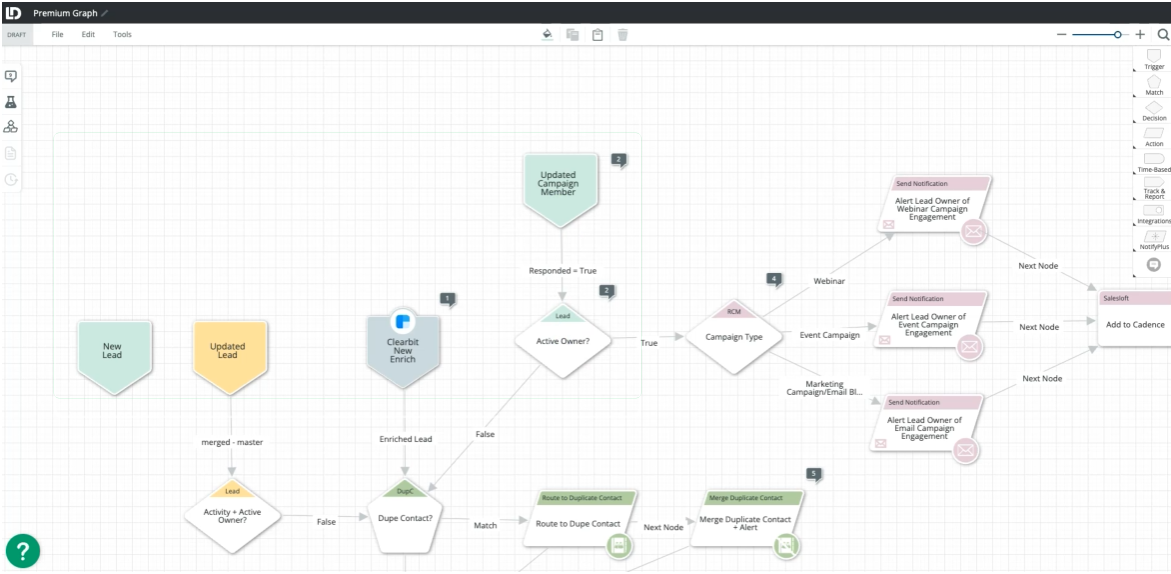
The visual FlowBuilder provides a clear, drag-and-drop interface for designing routing logic across territories, account ownership, deal stage, round-robin, and SLAs simultaneously.
Source: LeanData
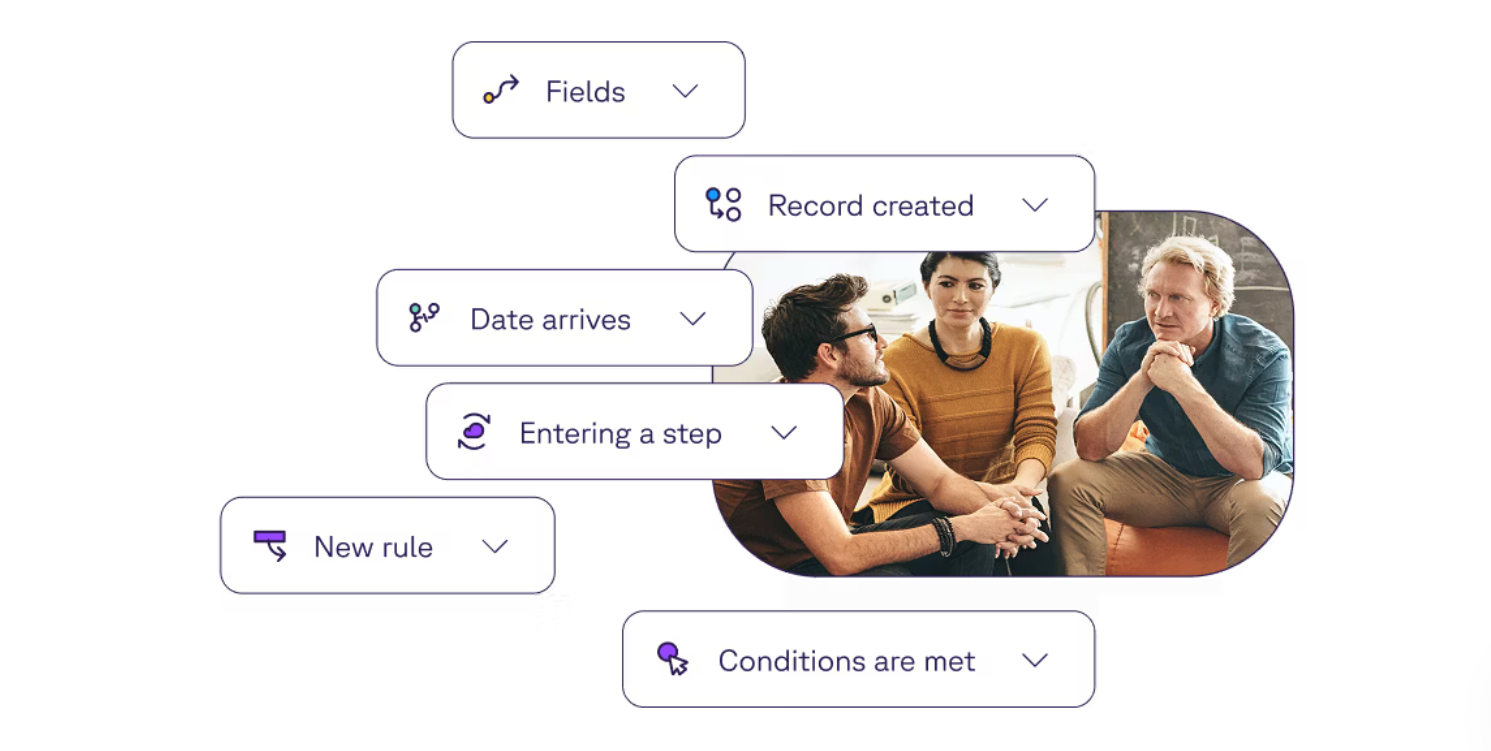
Sweep started as a no-code Salesforce configuration tool in 2022 and has since evolved into something broader. Its AI Documentation Agent automatically maps every object, field, automation, and dependency in a Salesforce org and keeps that documentation current.
Its Metadata Agents scan for risks, misconfigurations, and governor-limit threats. It also handles routing, automations, alerts, and deduplication, but these are components of a larger Salesforce management platform, not the entire product.
Source: Sweep
The distinction matters because it determines what problem you're actually solving. If your Salesforce org is well-understood and documented, and you need faster, smarter lead routing, LeanData's depth in that specific area is hard to match. If your Salesforce org is a black box of undocumented automations, legacy fields, and tribal knowledge, and you need to understand it before you can operate it effectively, Sweep addresses both the understanding and the operating.
Lead routing: depth vs. architecture
Both platforms route leads. They do it differently.
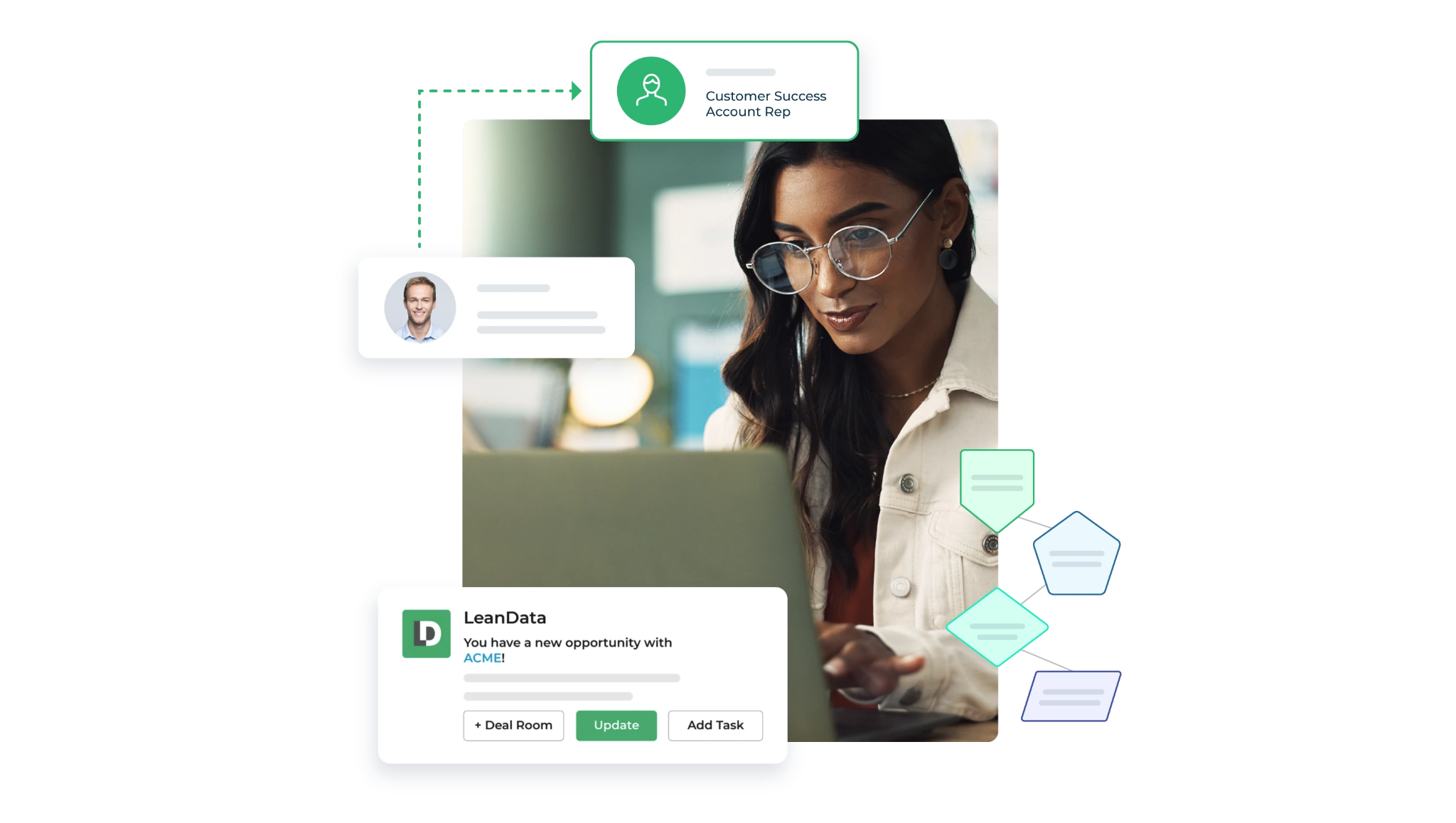
LeanData's routing engine supports territory rules, account ownership, deal stage, round-robin assignment, and SLA enforcement simultaneously. The FlowBuilder handles any Salesforce object including custom objects at the Premium tier. BookIt scheduling allows prospects to book meetings directly from webforms, with the matching engine connecting them to the right rep.
Source: LeanData
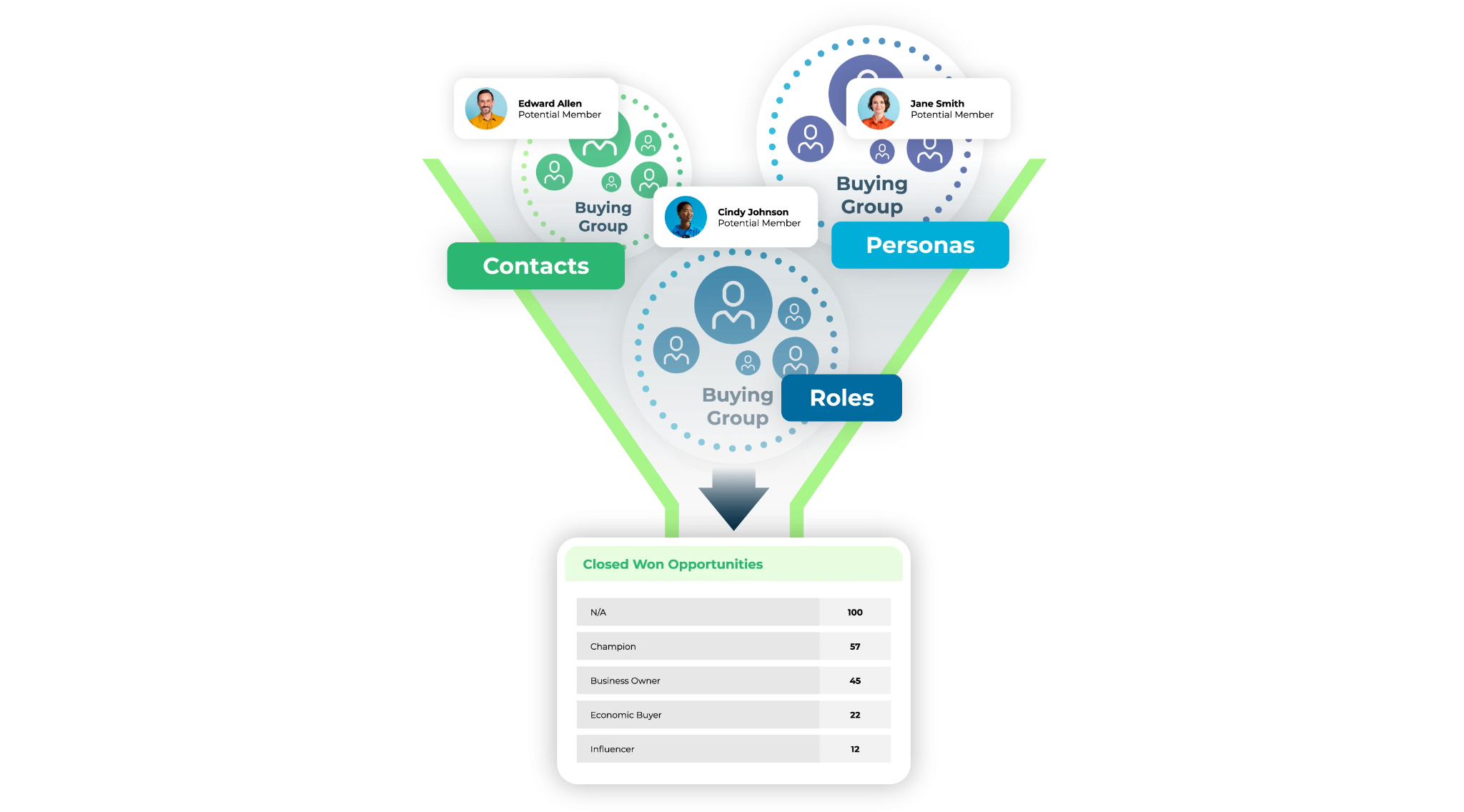
LeanData's Buying Groups feature is another differentiator. The platform uses AI to identify buying committee members, assign roles, and track engagement across the opportunity lifecycle.
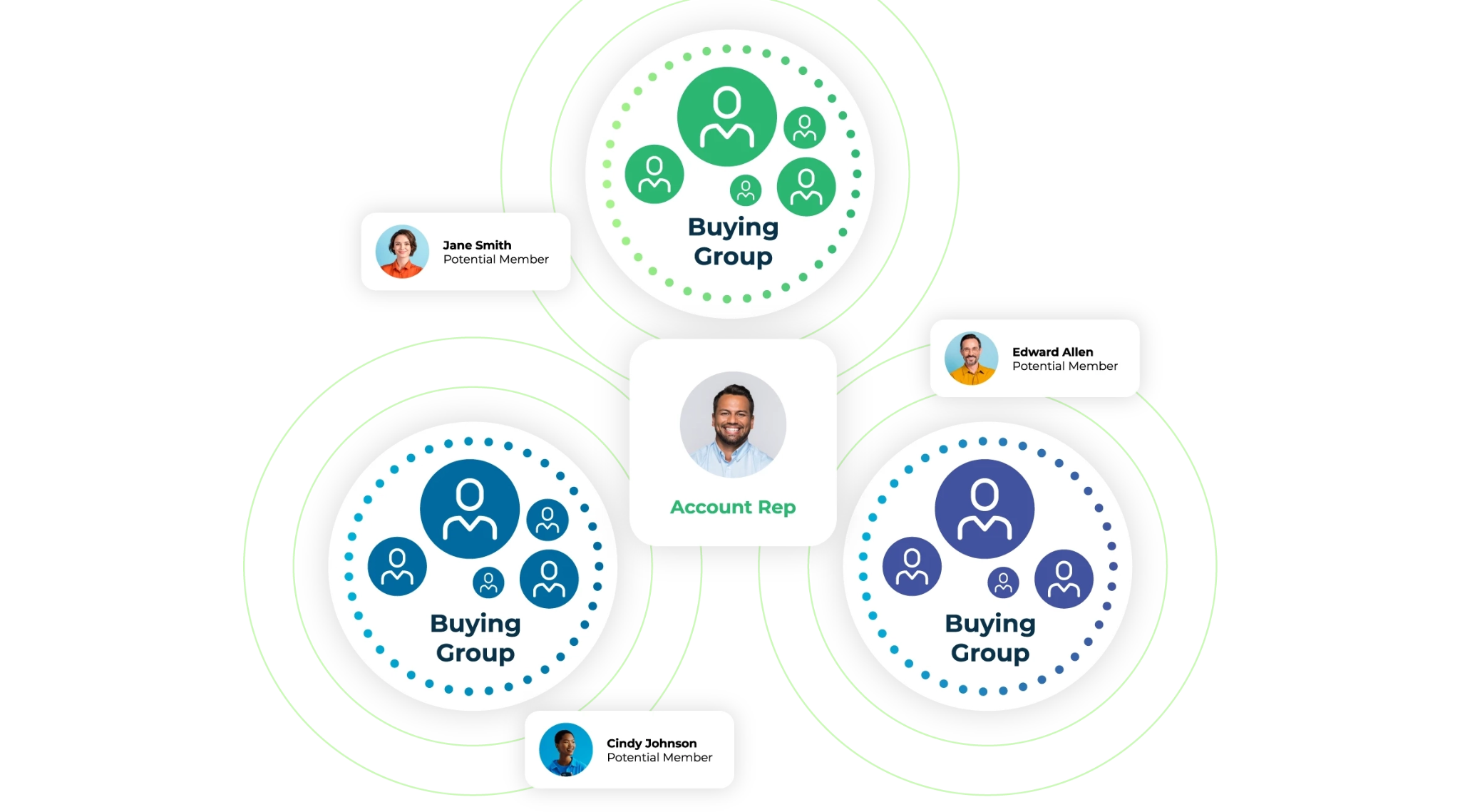
Source: LeanData
For a deeper look at LeanData's full feature set and capabilities, see our LeanData review.
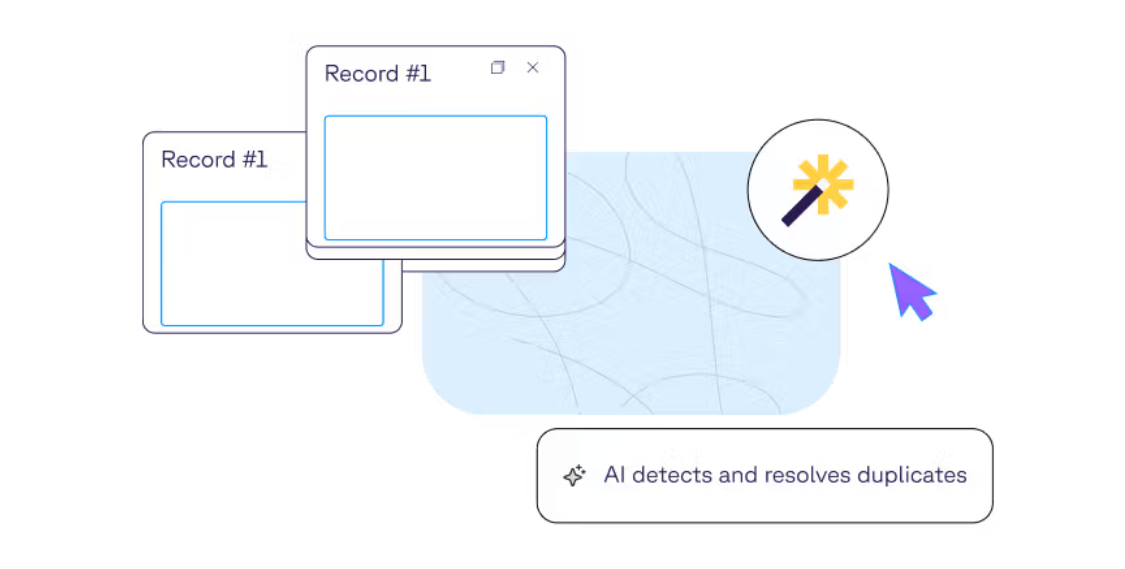
Sweep's routing takes a different architectural approach. Deduplication runs before assignment, so records are matched and merged the moment they arrive rather than corrected afterward. The platform supports territory-aware routing, round-robin distribution, PTO-aware workload balancing, and SLA timers.
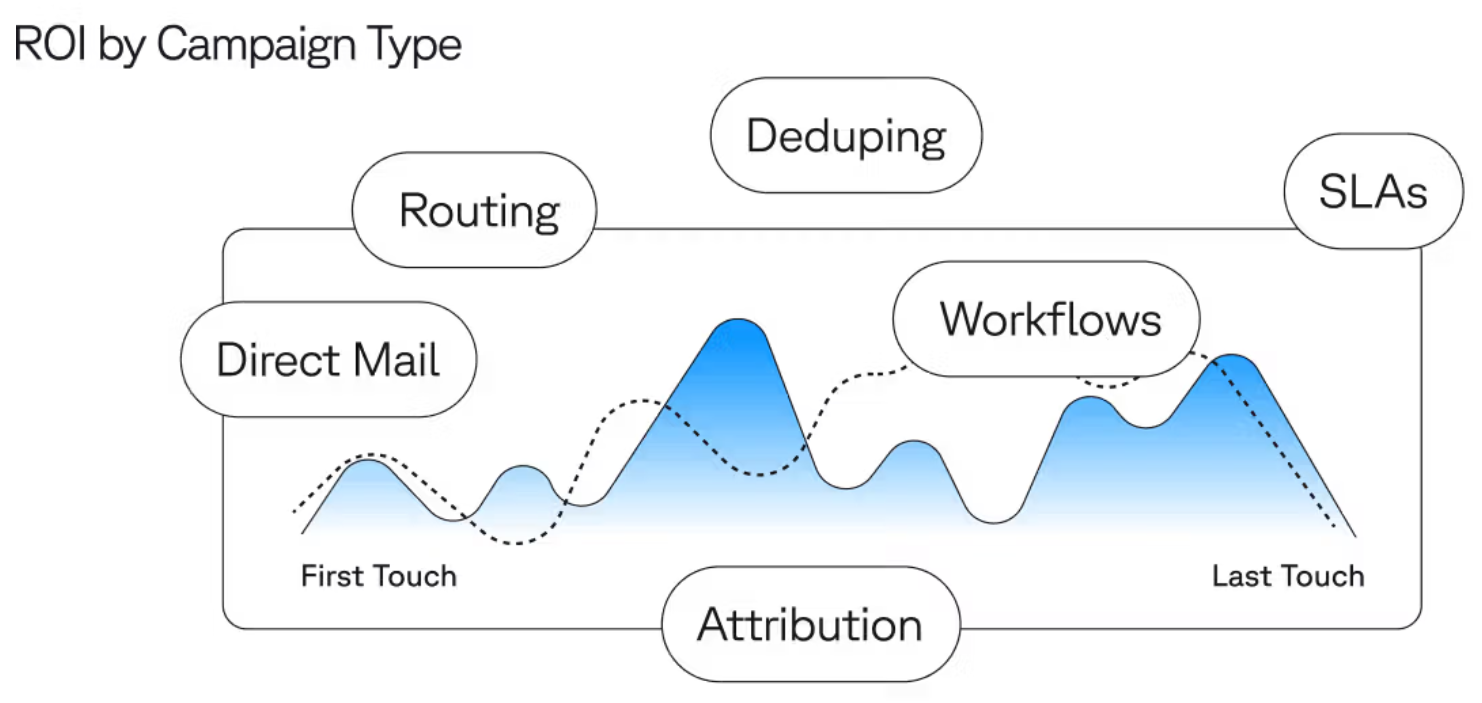
Source: Sweep
The trade-off is maturity versus architecture. LeanData has 2,300+ certified experts, a 5,000-member OpsStars community, and documented results at scale. Sweep's routing is newer but includes the pre-assignment deduplication layer that most routing tools lack.
Both have UI limitations: LeanData's Graph Builder hangs on complex routing graphs and lacks formula support on entry criteria. Sweep's routing UI does not allow ordering automations alongside native Salesforce Flows, and its error logging is insufficient for complex troubleshooting.
The data question neither platform answers
Here is the gap both LeanData and Sweep share: neither provides the B2B data that makes routing meaningful.
LeanData routes leads based on whatever data exists in your Salesforce org. Sweep does the same. If a lead arrives with an incomplete company name, a personal email address, and no phone number, both platforms will dutifully route that incomplete record to a rep. The rep then spends time researching the lead manually, or ignores it entirely.
This is where ZoomInfo changes the equation. Instead of just routing records, ZoomInfo enriches them first. ZoomInfo Operations provides automated deduplication, verification, and multi-vendor enrichment from approximately 60 data vendors through a codeless interface, with perimeter protection that blocks bad data at entry. Lead-to-account matching uses company hierarchies and domain intelligence, drawing on a database of 100M companies with company context, org charts, and technographics.
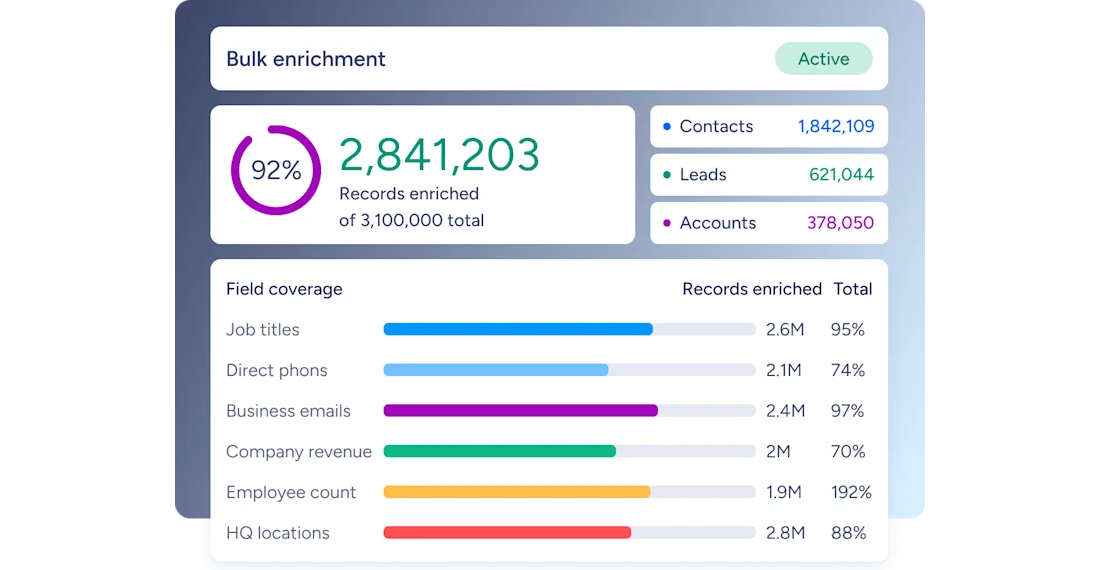
The deeper advantage is that ZoomInfo's routing operates on intelligence, not just data. Buyer Intent tracks signals from 210 million IP-to-Organization pairings and 6 trillion+ new keyword-to-device pairings sourced monthly, so routing can prioritize accounts showing active buying behavior. Guided Intent, exclusive to ZoomInfo, identifies topics historically correlated with deal success rather than requiring manual topic selection. WebSights resolves anonymous website visitors to companies, identifying buying team members with direct contact information.
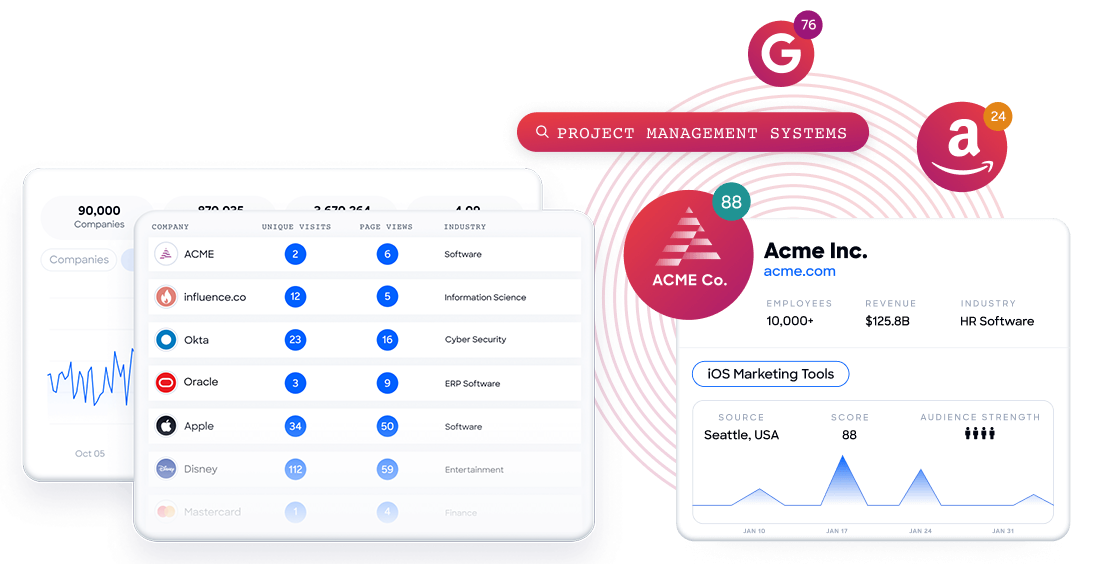
Momentive reduced speed-to-lead from 20 minutes to 60 seconds using ZoomInfo Operations. The improvement came not just from faster routing mechanics, but from enriched, verified data reaching reps with enough context to act immediately.
"ZoomInfo gives us the information we need to execute. We don't have to go through and spend our time digging. It's already there, so we can be three steps ahead." (Vensure)
AI serves different purposes across all three platforms
Each platform uses AI, but for fundamentally different goals.
LeanData's AI focuses on routing intelligence. The Q1 2026 release introduced AI Inference Nodes that incorporate AI reasoning into routing decisions, with a built-in testing tool for previewing the AI's logic before activation. Agentic Scheduling APIs let AI agents check meetings, retrieve time slots, and complete bookings within conversational channels like chat or email. The Buying Groups feature uses AI to identify buying committee members and track engagement. LeanData's AI is narrow and deep: it makes routing and scheduling smarter.
Source: LeanData
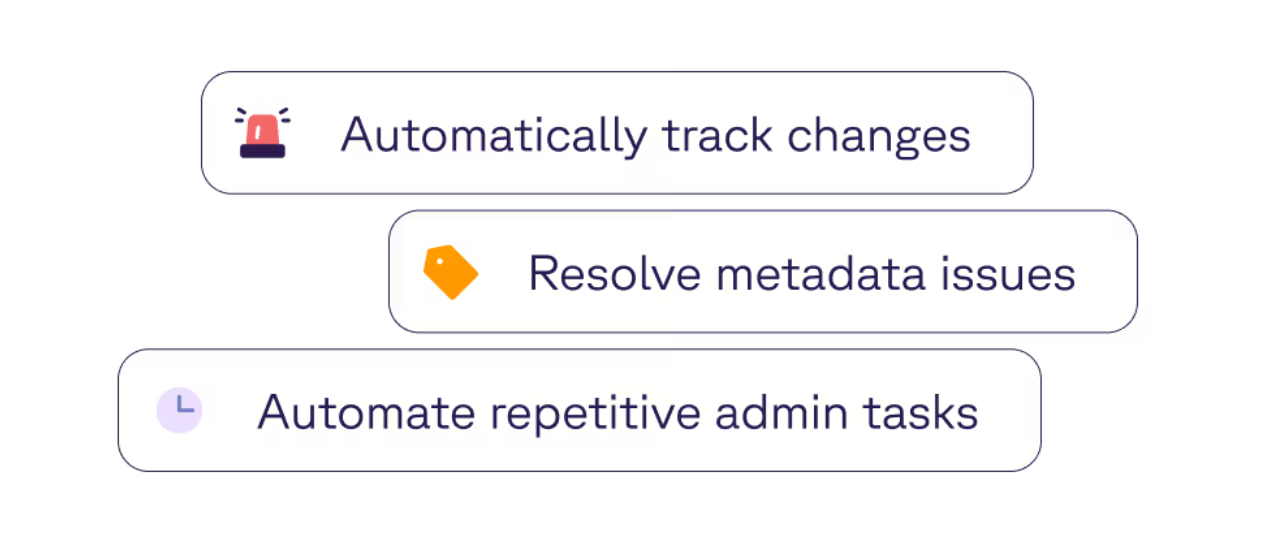
Sweep's AI focuses on understanding and governing Salesforce. The Documentation Agent translates metadata into plain-English explanations. The Monitoring Agent continuously scans for risks and misconfigurations, ranking issues by severity with remediation steps. The Permissions Agent answers questions like "Which profiles have ModifyAllData?" without exporting reports. The MCP layer connects Salesforce to Claude and ChatGPT, letting leaders query pipeline health in natural language.
Source: Sweep
ZoomInfo's AI focuses on connecting signals to outcomes across the entire go-to-market motion. The GTM Context Graph processes 1.5B+ data points daily, fusing ZoomInfo's third-party B2B data with CRM records, conversation transcripts, and behavioral signals. It captures not just what happened in a deal, but why it happened. GTM Workspace uses AI agents to handle account research, outreach drafting, CRM updates, and signal monitoring for sellers. GTM Studio lets RevOps teams build audiences and launch multi-channel plays using natural-language prompts, with no engineering ticket required.
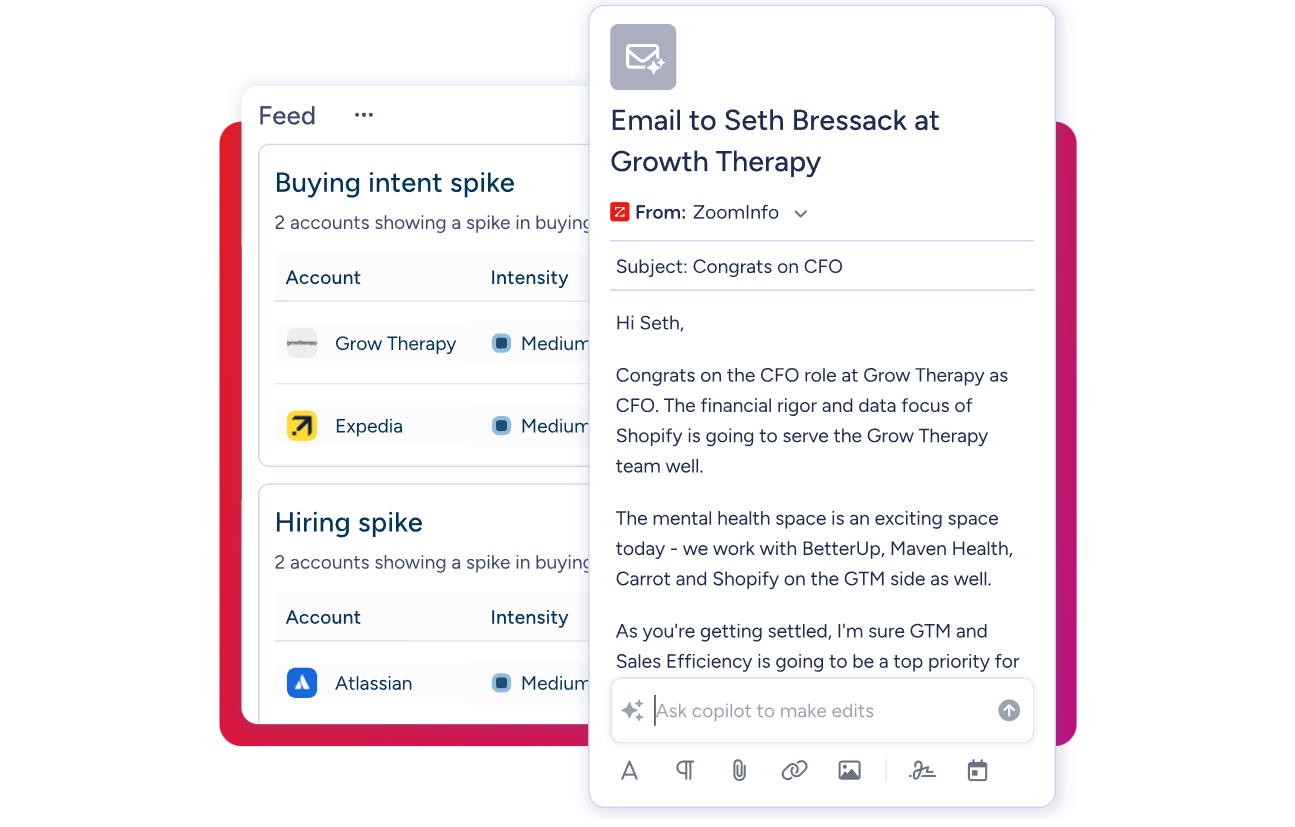
"That combination of our internal CRM data, external signals, and AI that's given all that context has helped us craft very specific account- and persona-based messages. And people have responded to them right away." (Seismic)
The distinction matters for buying decisions. If your AI need is smarter routing, LeanData has the most focused solution. If you need AI to understand and manage a complex Salesforce org, Sweep fills a gap the others don't. If you need AI that connects buyer signals, data, and actions across your entire GTM motion, ZoomInfo provides the intelligence layer.
Sweep's documentation advantage is unique
Neither LeanData nor ZoomInfo offers anything comparable to Sweep's Salesforce documentation and metadata intelligence.
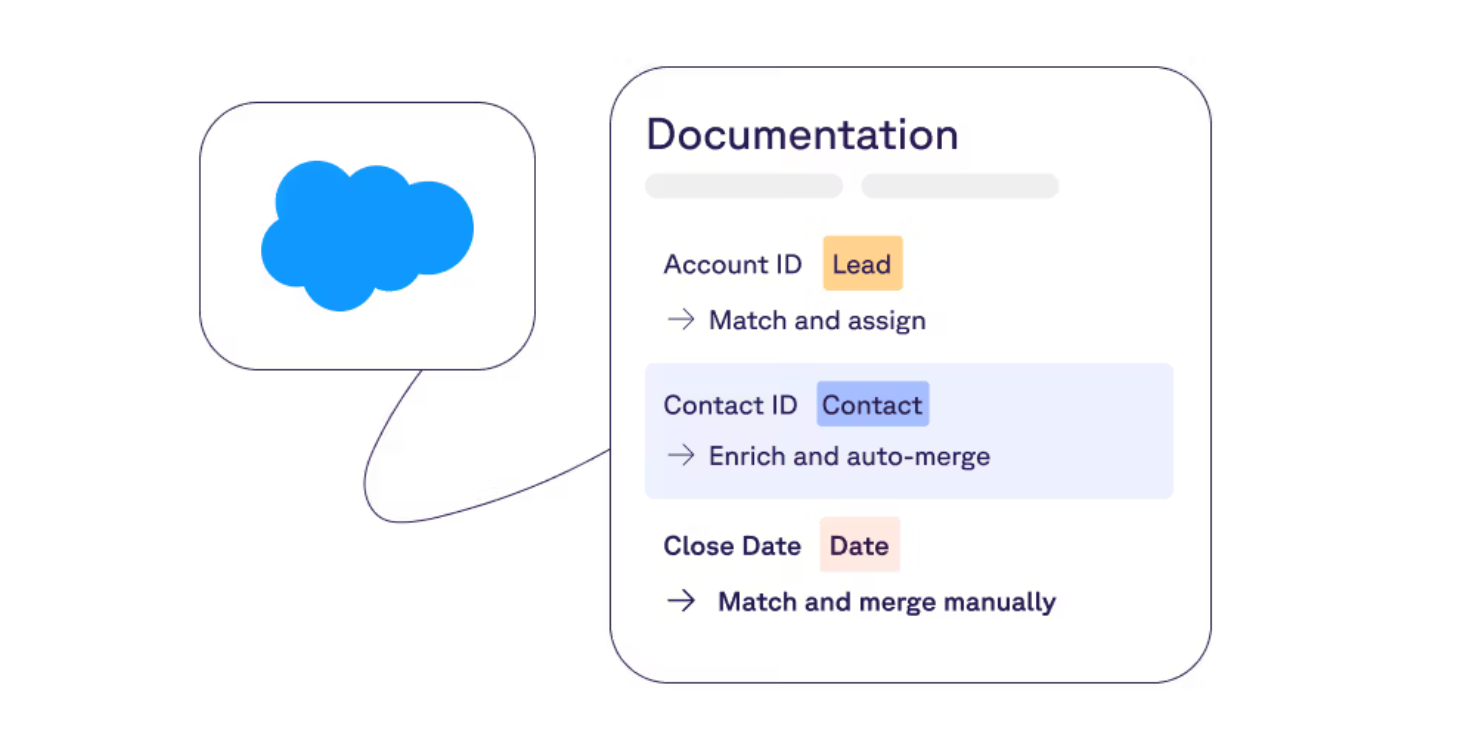
At Deputy, a 16-year-old org with over 300,000 records, what used to take two weeks of investigation now takes 20 minutes with Sweep's Documentation Agent.
Source: Sweep
This capability addresses a problem routing tools ignore entirely: before you can route effectively, you need to understand how your Salesforce org actually works. For teams inheriting legacy orgs, navigating complex automations, or preparing for compliance audits, this work is foundational.
Sweep's Visual Workspace takes this further by creating live process maps connected directly to metadata. Click any stage on the map and see connected validation rules, flows, and Apex code.
Source: Sweep
For organizations where Salesforce governance and documentation are as important as routing, Sweep is the only platform among these three that covers both.
Pricing reflects three different product scopes
LeanData uses a per-user license pricing model, charged monthly. Exact prices are not published; all tiers display "Schedule a demo". Four Orchestration tiers are available: Standard (Leads only), Advanced (Leads, Contacts, Accounts), Premium (any Salesforce object), and Enterprise (dedicated support for sandbox and production). BookIt and Buying Groups Blueprint are available as add-ons or standalone purchases. Setup and onboarding are billed separately for all packages, and pricing increases with additional modules. For a detailed breakdown of LeanData's pricing tiers and what's included at each level, see our LeanData pricing breakdown.
Sweep publishes its platform fees. The Agentic Starter tier is $2,500/month for companies under 300 employees, Foundation is $5,000/month, and Platform is $7,000/month. Enterprise pricing is custom. But operational tools add per-user costs on top: the Ops Bundle (routing, alerts, scheduling, dedupe) is $75/user/month, with individual modules ranging from $10/user/month for Dedupe to $40/user/month for Routing and Matching. A 50-user team on the Ops Bundle adds $3,750/month to the platform fee. Marketing Attribution is an additional $6,000/year. One advantage: everything built in Sweep and deployed to Salesforce continues to run if the subscription is cancelled, reducing lock-in risk.
ZoomInfo uses consumption-based pricing with no published prices. Costs scale around seats, credit volume, features, and contract length. ZoomInfo is positioned as a premium platform, but it bundles data, intelligence, and operations together rather than charging separately for each. ZoomInfo Lite provides a permanent free tier with access to the B2B database, 10 monthly export credits, and WebSights Lite for up to 10 website visitor reveals per day. A 7-day free trial is available for the full platform.
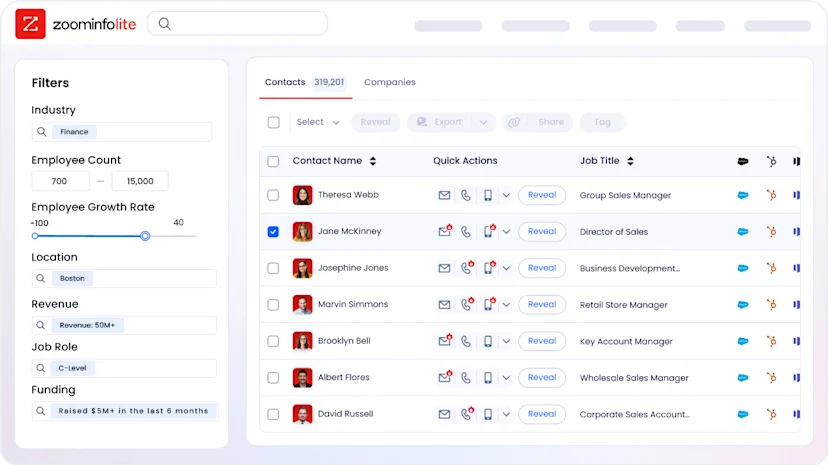
The pricing comparison requires context. LeanData and Sweep price for routing and Salesforce management. ZoomInfo prices for data, intelligence, and operations together. A team using LeanData for routing plus a separate data provider for enrichment and intent signals may find the combined cost approaches or exceeds ZoomInfo's bundled pricing.
Implementation and getting started
The speed of deployment differs across all three.
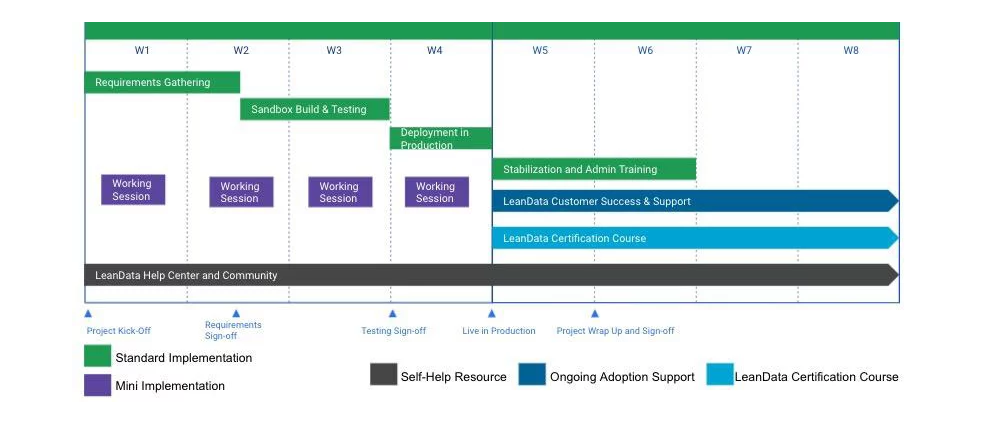
LeanData presents a steep learning curve for new users due to the platform's complexity. Initial setup is described as moderately difficult, requiring close collaboration with advisory teams. Three implementation packages are available: QuickStart (4 hours, up to 30 days), Comprehensive (10-15 hours, up to 60 days), and Custom (6+ weeks). Some users report needing to rebuild their initial approach after a few months as they better understand the platform's capabilities.
Source: LeanData
Sweep claims the fastest time to value. Most teams are up and running in under an hour, with metadata automatically mapped upon connection. Cybrary's full routing migration from LeanData was live within one week. The platform's no-code philosophy means automations are reportedly built 33% faster than in native Salesforce Flow. However, some advanced Salesforce customization still requires native tooling, and the platform is primarily proven in Salesforce environments, with other system integrations being newer and less documented.

Source: Sweep
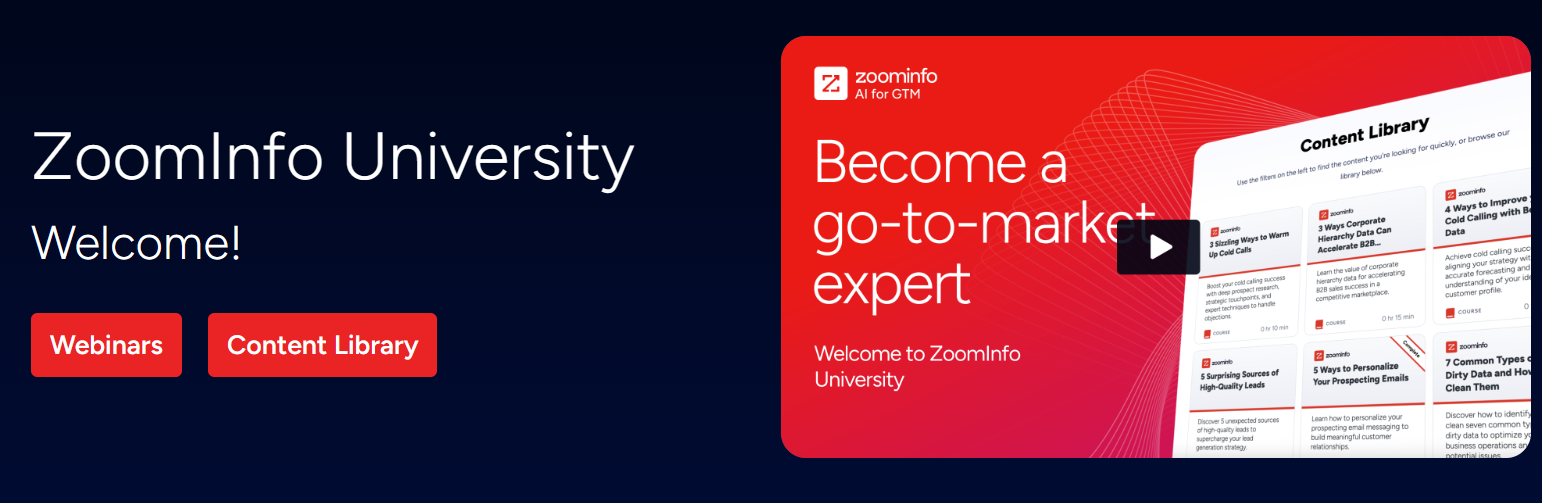
ZoomInfo redesigned its onboarding from 30 to 90 days, structured across planning, implementation, education, and adoption phases. The redesign produced a 25% improvement in customer satisfaction scores. GTM Workspace deploys in weeks, not months, and ZoomInfo University provides role-specific training paths. The broader platform scope means more to learn, but ZoomInfo Lite allows teams to start using the data immediately while onboarding to advanced features.
LeanData vs. Sweep vs. ZoomInfo: Which should you choose?
The right choice depends on what problem you're solving and what your team already has in place.
Choose LeanData if:
Lead routing and speed-to-lead are your primary operational challenge
You're a Salesforce-first organization with complex territory structures and high lead volume
You need buying group tracking and scheduling tightly integrated with routing
You already have a separate data provider handling enrichment and intent signals
You want the deepest routing expertise backed by over a decade of refinement
Choose Sweep if:
Your Salesforce org is complex, undocumented, or inherited from previous admins
You need AI-powered documentation and metadata intelligence alongside operational tools
You want to consolidate routing, alerts, deduplication, and Salesforce governance under one platform
You're looking to reduce dependence on Salesforce developers and external consultants
Compliance and audit readiness require provable change governance and full audit trails
Choose ZoomInfo if:
You need the B2B data and intent signals that make routing and targeting effective
You want data enrichment, routing, and intelligence in a single platform instead of stitching vendors together
Your GTM strategy requires buyer intent, account scoring, and signal-driven workflows
You're building an AI-powered GTM motion across sales, marketing, and RevOps
You want universal access to intelligence through APIs, MCP, or native products like GTM Workspace and GTM Studio
Start with ZoomInfo Lite for free, or explore the full platform with a free trial.
LeanData and Sweep are both strong operational tools that solve real problems for Salesforce-based GTM teams. LeanData's routing depth is proven at scale with companies like Uber, Snowflake, and Palo Alto Networks. Sweep's Salesforce intelligence brings visibility that no other tool in this comparison provides. But for teams that recognize routing is only as effective as the data feeding it, ZoomInfo offers something neither can: a unified platform where intelligence and operations work from the same foundation, so every route, every play, and every outreach is backed by the most comprehensive B2B data available.
"It's not just the data itself. It's more about the right data at the right time to help us reach out with the right message across that full buyer journey." (Redwood Logistics)
LeanData vs. Sweep vs. ZoomInfo FAQ
What is the core difference between LeanData, Sweep, and ZoomInfo?
LeanData is a Salesforce-native routing and orchestration platform focused on getting leads to the right rep fast, with AI-powered matching at 95% accuracy and features like BookIt scheduling and buying groups. Sweep is an agentic Salesforce management platform that combines AI documentation, metadata intelligence, and a visual workspace with operational tools like routing, automations, alerts, and deduplication. ZoomInfo is an all-in-one AI GTM platform that provides comprehensive B2B data (500M contacts, 100M companies), buyer intent signals, and operational capabilities including routing, enrichment, and lead-to-account matching.
Which platform is best for lead routing specifically?
LeanData has the most mature routing engine, refined over more than a decade with documented results at companies like Uber and AuditBoard. Sweep's routing is newer but architecturally distinct, with built-in deduplication before assignment. ZoomInfo Operations provides routing with the added advantage of enrichment and intent data feeding routing decisions, though its routing logic is less configurable than LeanData's FlowBuilder.
Do any of these platforms include B2B contact and company data?
Only ZoomInfo includes B2B data natively, covering 500M contacts, 100M companies, 135M+ verified phone numbers, and 200M+ verified business emails. LeanData and Sweep are operational tools that work with whatever data exists in your Salesforce org. Teams using LeanData or Sweep typically need a separate data provider for enrichment and prospecting.
Which platform offers Salesforce documentation and metadata intelligence?
Only Sweep provides AI-powered Salesforce documentation and metadata intelligence. Its Documentation Agent automatically maps every object, field, automation, and dependency, while its Metadata Agents continuously scan for risks and misconfigurations. Neither LeanData nor ZoomInfo offers comparable Salesforce governance and documentation capabilities.
How does pricing compare across the three platforms?
LeanData uses per-user pricing that is not publicly disclosed, with four orchestration tiers and add-ons for scheduling and buying groups. Sweep publishes platform fees starting at $2,500/month for companies under 300 employees, with per-user operational tool costs added on top (the full Ops Bundle is $75/user/month). ZoomInfo uses consumption-based pricing with no published rates, but bundles data, intelligence, and operations together. ZoomInfo Lite provides a permanent free tier, Sweep offers a limited free tier, and LeanData does not publicly disclose free trial availability.
Can these platforms work together, or are they mutually exclusive?
LeanData and ZoomInfo are commonly used together. ZoomInfo provides the data enrichment, intent signals, and company intelligence that feed LeanData's routing logic through their shared Salesforce integration. Sweep positions itself as a consolidation platform that can replace point solutions like LeanData for routing. ZoomInfo and Sweep could also work together, with ZoomInfo providing the data layer and Sweep handling Salesforce governance and operations.
Which platform is easiest to implement?
Sweep claims the fastest implementation, with most teams up and running in under an hour and Cybrary's routing migration from LeanData completed in one week. LeanData's initial setup is described as moderately difficult, with implementation packages ranging from 30 days to 6+ weeks. ZoomInfo's full onboarding program runs 30 to 90 days, though GTM Workspace can deploy in weeks and ZoomInfo Lite is available immediately with no setup required.
Which platform is best for teams that use HubSpot instead of Salesforce?
ZoomInfo has the strongest HubSpot support, with native HubSpot integration across its products. LeanData primarily integrates with Salesforce and users report it is challenging to configure with HubSpot due to data structure conflicts between the two CRMs. Sweep has expanded connectivity to HubSpot but its depth of capability and customer evidence is concentrated in Salesforce environments.
Comparing LeanData and Sweep? These related breakdowns go deeper:
