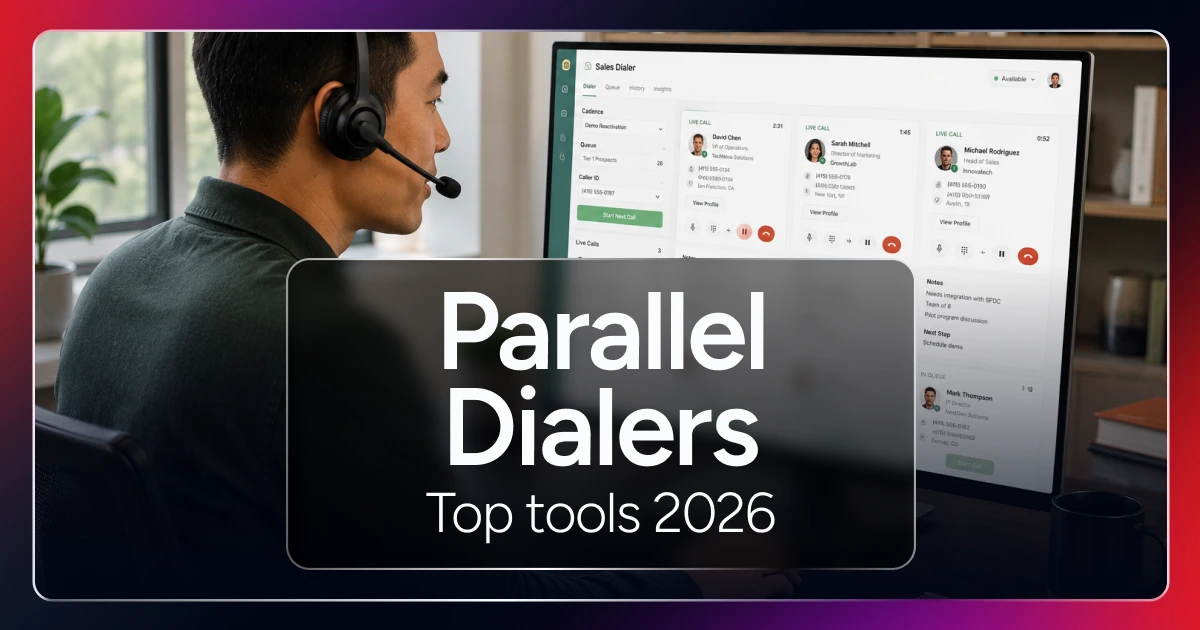

Single-line dialing burns through SDR hours fast. Reps spend their day waiting through rings, voicemails, and redirects, then start the cycle over with the next number on the list.
Parallel dialers dial multiple numbers at once and route the rep into the conversation only when a human picks up. The remaining lines drop automatically.
This guide breaks down 10 parallel dialer tools for B2B sales teams and the five criteria that matter when choosing one. It also covers why the data feeding your dialer determines how many of those parallel calls reach a live person.
What Is a Parallel Dialer?
A parallel dialer is sales calling software that dials multiple phone numbers at once, typically between two and ten lines depending on the tool and configuration. When a prospect picks up, the system routes the live connection to the available rep and drops the remaining calls.
How it works:
List loading. The dialer pulls a call list from your CRM or sales engagement platform.
Simultaneous dialing. The system dials multiple numbers at once.
Live answer detection. Voice detection identifies a live human response.
Instant routing. The live call routes to the rep. Other active lines disconnect or drop pre-recorded voicemails.
Post-call logging. Call outcomes, notes, and dispositions sync back to your CRM automatically.
Parallel Dialer vs. Power Dialer vs. Predictive Dialer
The three dialer types get confused often, but they work differently in ways that matter for B2B teams.
Power dialer. Dials one number at a time, automatically advancing after each call. Reps still wait through every ring and voicemail.
Parallel dialer (multi-line dialer). Dials multiple numbers at once. The rep only connects when someone picks up. Higher throughput, with a small risk of multiple simultaneous answers if the system can't drop unanswered lines fast enough.
Predictive dialer. Uses algorithms to predict rep availability and starts dialing before the current call ends. Optimized for large call-center agent pools and less common in B2B outbound due to compliance concerns.
For B2B teams running targeted outbound, parallel dialers balance rep efficiency with the personalization that complex sales cycles demand.
Parallel Dialer Comparison Table
Here's how the 10 parallel dialers compare on max lines, ideal audience, key differentiator, and starting price.
Tool | Max Lines | Best For | Key Differentiator | Pricing |
ZoomInfo | Multi-line (Copilot Dialer) | Enterprise B2B teams | 135M+ verified direct dials + GTM Context Graph | Consumption-based |
Nooks | Up to 5 | Remote and hybrid SDR teams | Virtual salesfloor with live coaching | Contact for pricing |
Orum | Up to 10 (Ascend tier) | High-volume outbound | AI voicemail detection + enterprise analytics | Contact for pricing |
Apollo | Up to 5 | SMB and mid-market all-in-one | Prospecting and dialing in one platform | From $49/user/mo |
CloudTalk | Up to 10 | Global teams | Local numbers in 160+ countries | From $25/user/mo |
Koncert | Up to 5 (Symphony+ tier) | Regulated industries | Caller ID Heat Map + DNC scrubbing | Contact for pricing |
Klenty | Up to 10 | Multi-channel cadence teams | Calls + email + LinkedIn sequencing | From $70/user/mo |
Ringover | Up to 2 | Small teams, fast setup | Phone system with dialer add-ons | From $15/user/mo |
JustCall | Up to 10 | SMS and voice combined | Combined SMS and calling workflows | From $29/user/mo |
Trellus | Up to 5 | In-call AI coaching | Real-time coaching during live calls | From $149.99/mo |
The 10 Best Parallel Dialers for Sales Teams
The 10 tools below cover the bulk of the B2B parallel dialer market in 2026, from category-defining standalone dialers to engagement platforms with built-in dialing.
1. ZoomInfo
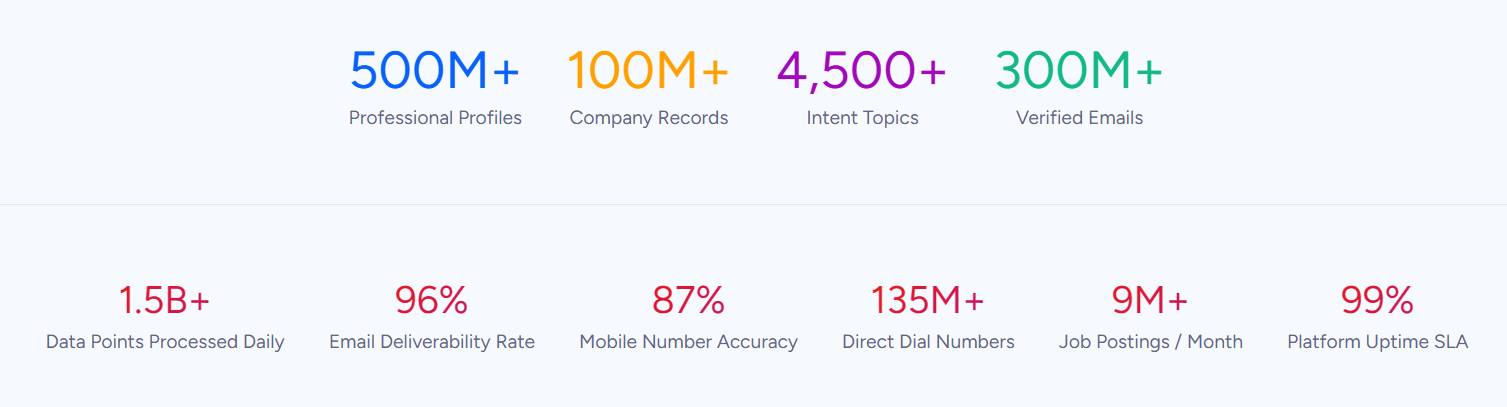
ZoomInfo's approach to parallel dialing leads with the data layer. The Copilot Dialer runs on a foundation of 135M+ verified direct dials and 500M+ contacts, surfaced through AI-powered prospect recommendations that prioritize who to call right now.
Instead of dialing a static list top to bottom, Copilot uses signal-based prioritization drawing on intent data, CRM context, and behavioral signals. Sellers launch calls from contact listings, advanced searches, or the Copilot homepage within GTM Workspace. Post-call analytics include sentiment analysis and conversation intelligence.
The GTM Context Graph unifies ZoomInfo's B2B data with your CRM, conversation intelligence, email engagement, and behavioral signals into a single intelligence layer. Reps see who to call and why that prospect matters this week.
ZoomInfo also runs a two-way integration with Nooks, feeding verified phone numbers and intent-enriched firmographic context into the Nooks dialer through ZoomInfo's API and MCP server. Nooks engagement data flows back into ZoomInfo GTM Studio Audiences, so marketers can build audiences from actual phone-call outcomes.
Key features:
Copilot Dialer with AI-powered prospect recommendations and signal-based call prioritization
135M+ verified direct dials across 500M+ contacts
GTM Context Graph unifying CRM data, intent signals, engagement history, and behavioral signals
Two-way Nooks integration for parallel dialing powered by ZoomInfo's verified data
Best for:
Enterprise B2B teams that need data-driven parallel dialing with full-funnel intelligence
Organizations consolidating their dialer and data provider into one platform
Sales teams where data quality and intent signals matter as much as dial volume
Pricing: Consumption-based; contact for pricing.
2. Nooks
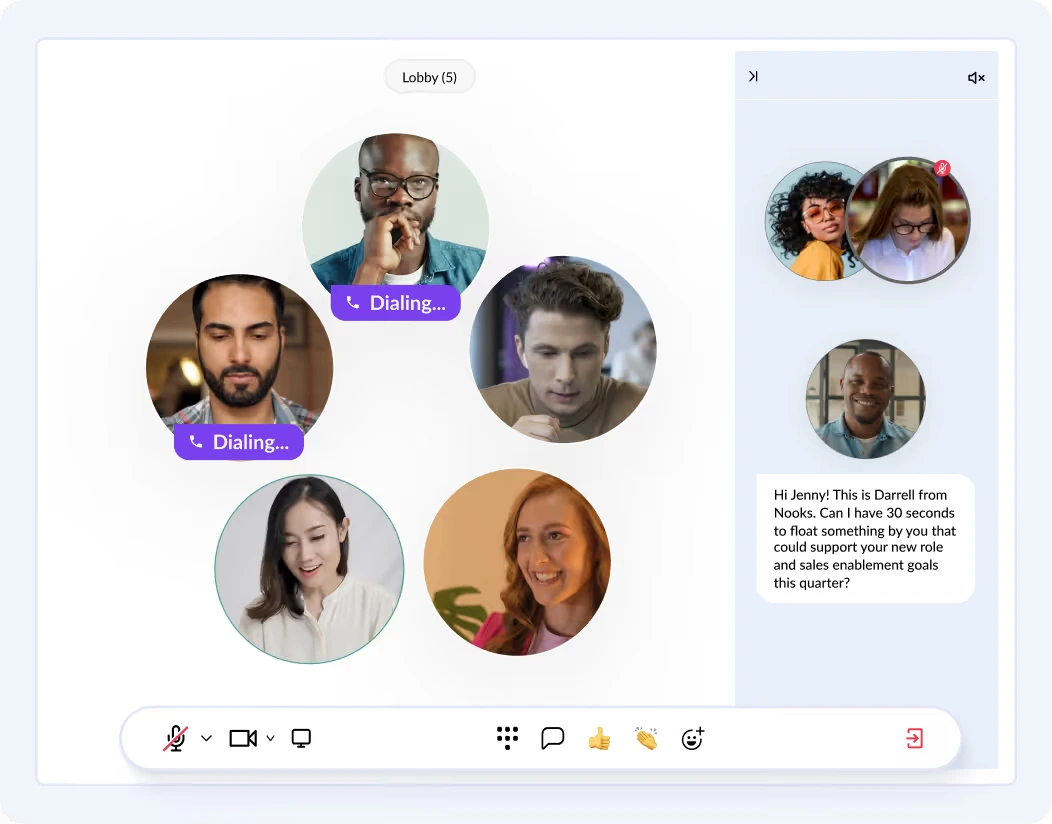
Nooks built its reputation on the virtual salesfloor, which recreates a bullpen calling environment for remote and hybrid SDR teams. Reps dial up to five parallel lines while sitting in a shared virtual room where managers can listen, coach, and jump into calls in real time.
The AI layer handles call summaries, disposition logging, and real-time coaching prompts. The Nooks and ZoomInfo integration feeds verified contact data and intent signals directly into the dialing queue.
Key features:
Up to 5 parallel lines per rep
Virtual salesfloor for live coaching and rep collaboration
AI call summaries and real-time coaching prompts
Two-way ZoomInfo integration for data and intent enrichment
Best for:
Remote and hybrid SDR teams that thrive in collaborative calling environments
Sales managers who want to coach live calls without disrupting reps
Teams running high-volume outbound with shared accountability
Pricing: Contact for pricing.
3. Orum
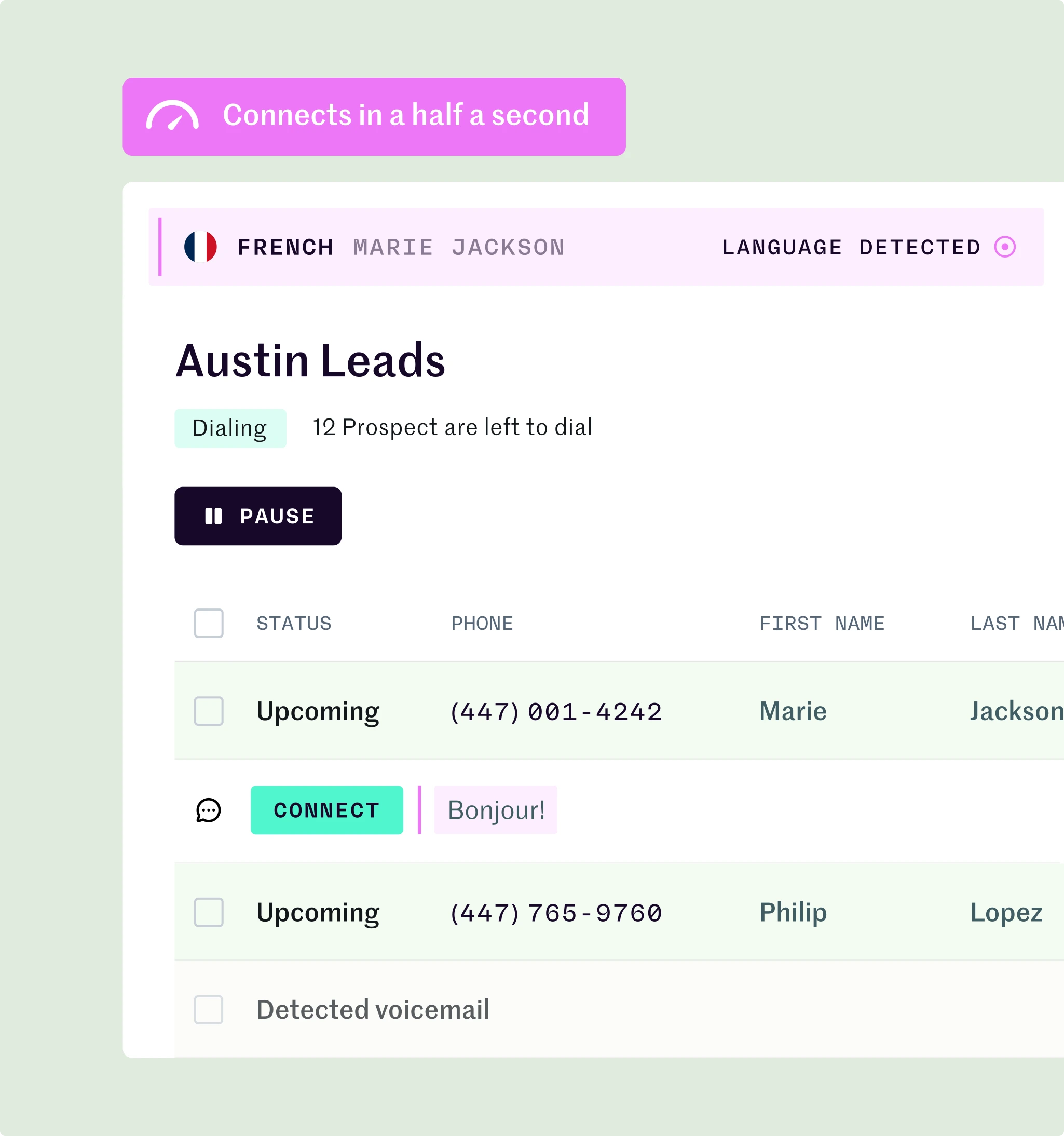
Orum is one of a handful of parallel dialers offering 10 lines. The Launch tier supports up to 5 parallel lines, and the Ascend tier extends that to 10. For large sales organizations running high-volume outbound, that throughput translates to more live conversations per hour. Orum's AI dialer uses voicemail detection to filter out non-human answers before they reach the rep.
The platform includes call transcription, analytics dashboards, and performance tracking at the team and individual rep level.
Key features:
Up to 10 parallel lines on Ascend (5 lines on Launch)
AI voicemail detection to filter non-human answers
Call transcription and analytics dashboards
Native integrations with Salesforce, HubSpot, Outreach, and Salesloft
Best for:
Large sales organizations maximizing call throughput
Outbound teams measured on live conversations per hour
Enterprises that need granular analytics on dial performance
Pricing: Contact for pricing.
4. Apollo
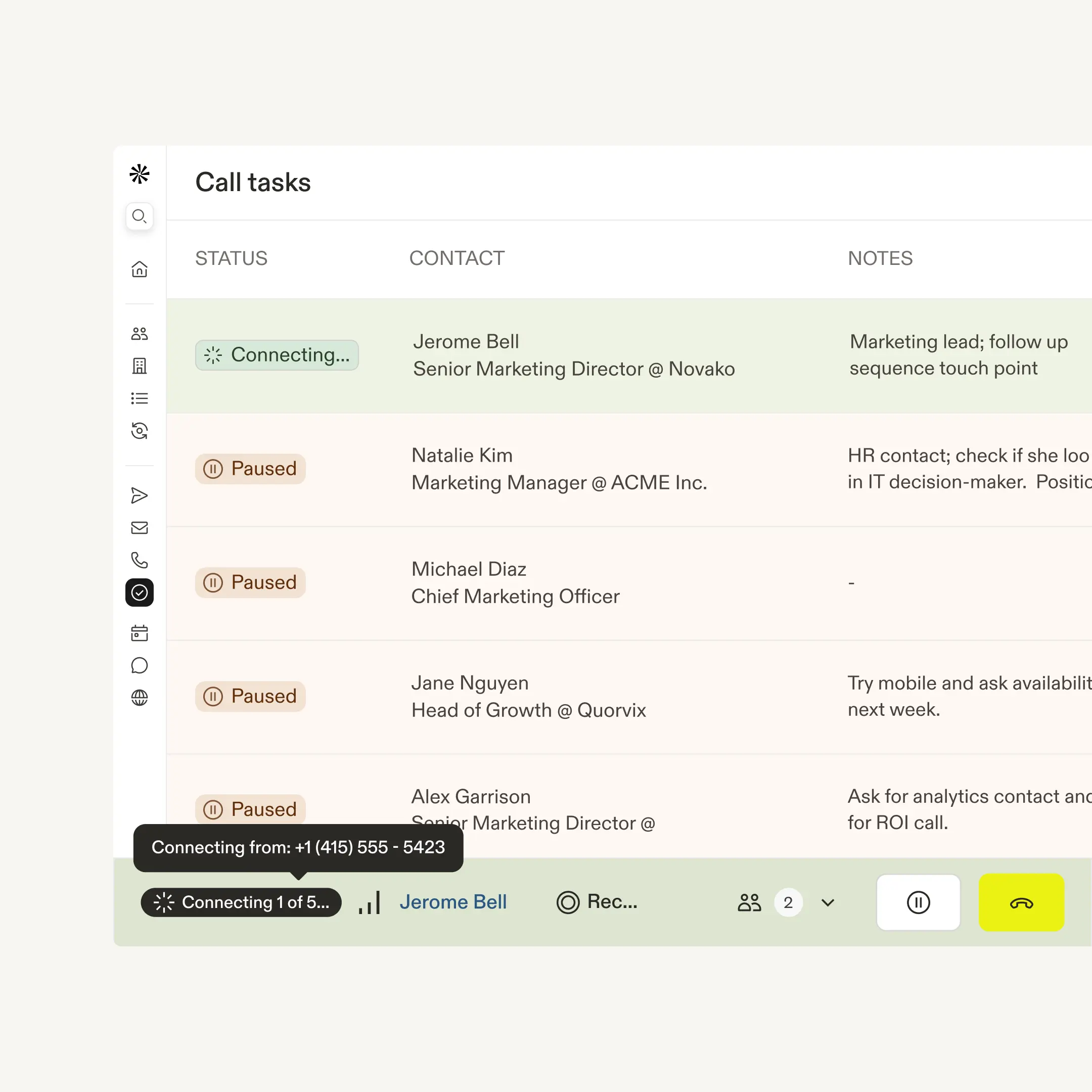
Apollo combines prospecting, sequencing, and parallel dialing inside a single platform. The built-in dialer supports multi-line parallel dialing alongside Apollo's contact database, email sequencing, and LinkedIn automation. For teams that want to consolidate prospecting and dialing, Apollo removes the context-switching between separate platforms.
A free plan gives individual reps a way to test the experience before committing to a paid tier.
Key features:
Multi-line parallel dialing through the Advanced Dialer add-on
All-in-one workspace with contact database, email sequencing, and LinkedIn automation
AI call scoring and conversation intelligence
Free plan available for individual reps
Best for:
SMB and mid-market teams that want prospecting, sequencing, and dialing in one tool
Startups testing parallel dialing before committing to an enterprise platform
Reps who prefer a single workflow over a multi-tool stack
Pricing: Free plan available. Paid plans from $49/user/month billed annually. Parallel dialing requires the Advanced Dialer add-on at $119/team/month.
5. CloudTalk

CloudTalk stands out for international dialing, offering local and toll-free numbers across more than 160 countries. The parallel dialer is available as an add-on across plans and supports up to 10 lines.
CloudTalk handles both inbound and outbound from a single interface, with AI call summaries, sentiment analysis, and voicemail detection running across the platform. The combination of international reach and unified inbound/outbound makes it a common choice for global sales teams that don't want separate tools for different regions.
Key features:
Up to 10 parallel lines (add-on)
Local and toll-free numbers across 160+ countries
AI call summaries, sentiment analysis, and voicemail detection
Inbound and outbound calling in one interface
Best for:
Global sales teams dialing prospects across multiple countries
Companies that need local numbers in international markets
Teams that handle both inbound and outbound on the same platform
Pricing: Plans from $25/user/month billed annually. Parallel dialer add-on at $39/user/month.
6. Koncert
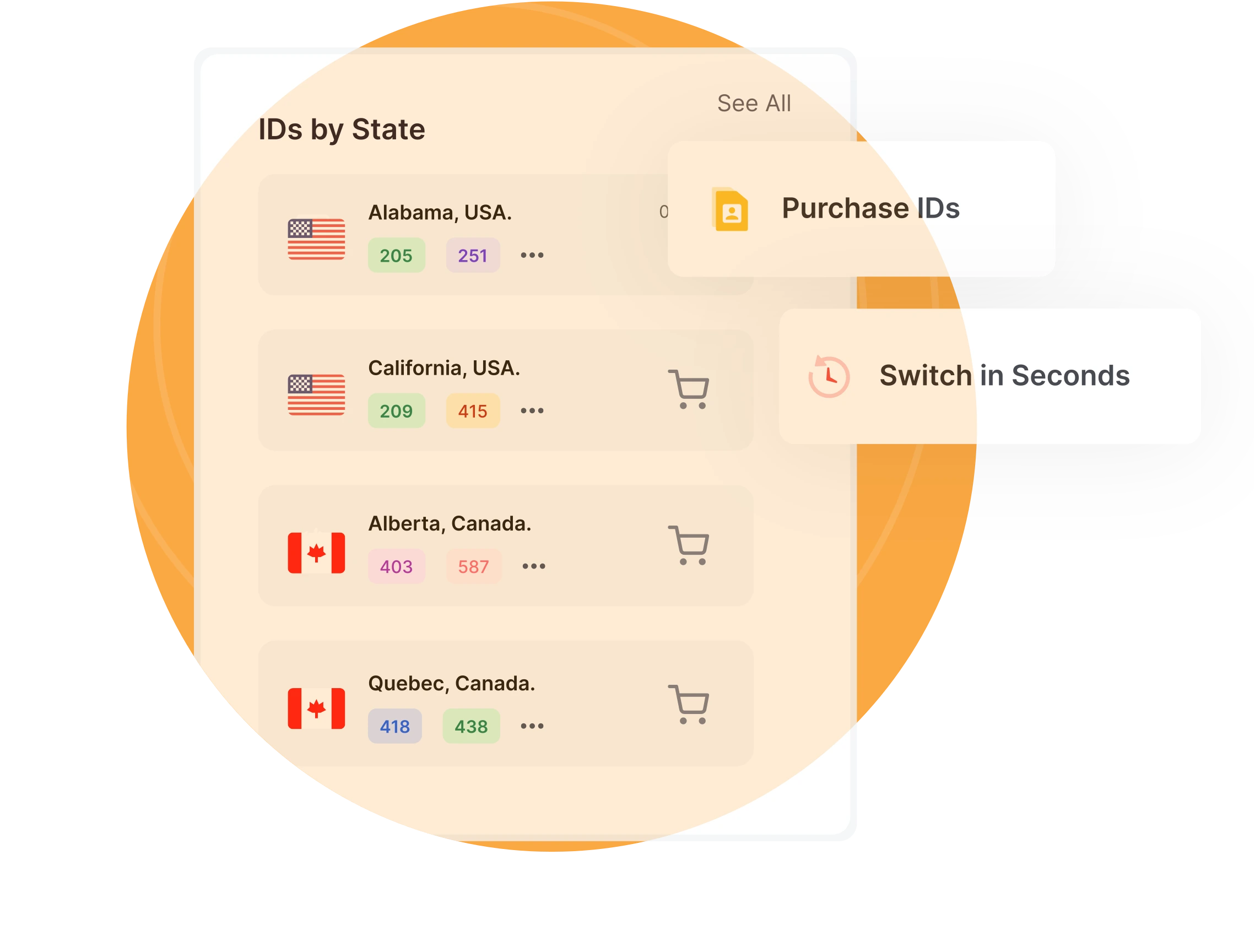
Koncert positions itself as the compliance-first AI dialer. The Symphony AI Parallel Dialer supports 1 to 4 lines, and Symphony+ extends that to 5. The platform includes caller ID management to reduce spam flags and DNC list scrubbing as a core feature. For regulated industries or companies with strict data privacy requirements, that compliance posture is a meaningful differentiator.
Koncert also offers a separate AI Flow Dialer (single-line power dialing), but the AI Parallel Dialer is the core product for most B2B teams running outbound.
Key features:
AI Parallel Dialer with up to 5 lines on Symphony+ tier (4 lines on Symphony)
Caller ID management with Heat Map technology to monitor spam flagging
DNC list scrubbing built in
TCPA-compliant by default
Best for:
Compliance-focused organizations in regulated industries
Teams selling into geographies with strict consent requirements
Sales orgs that have had numbers flagged as spam
Pricing: Contact for pricing.
7. Klenty
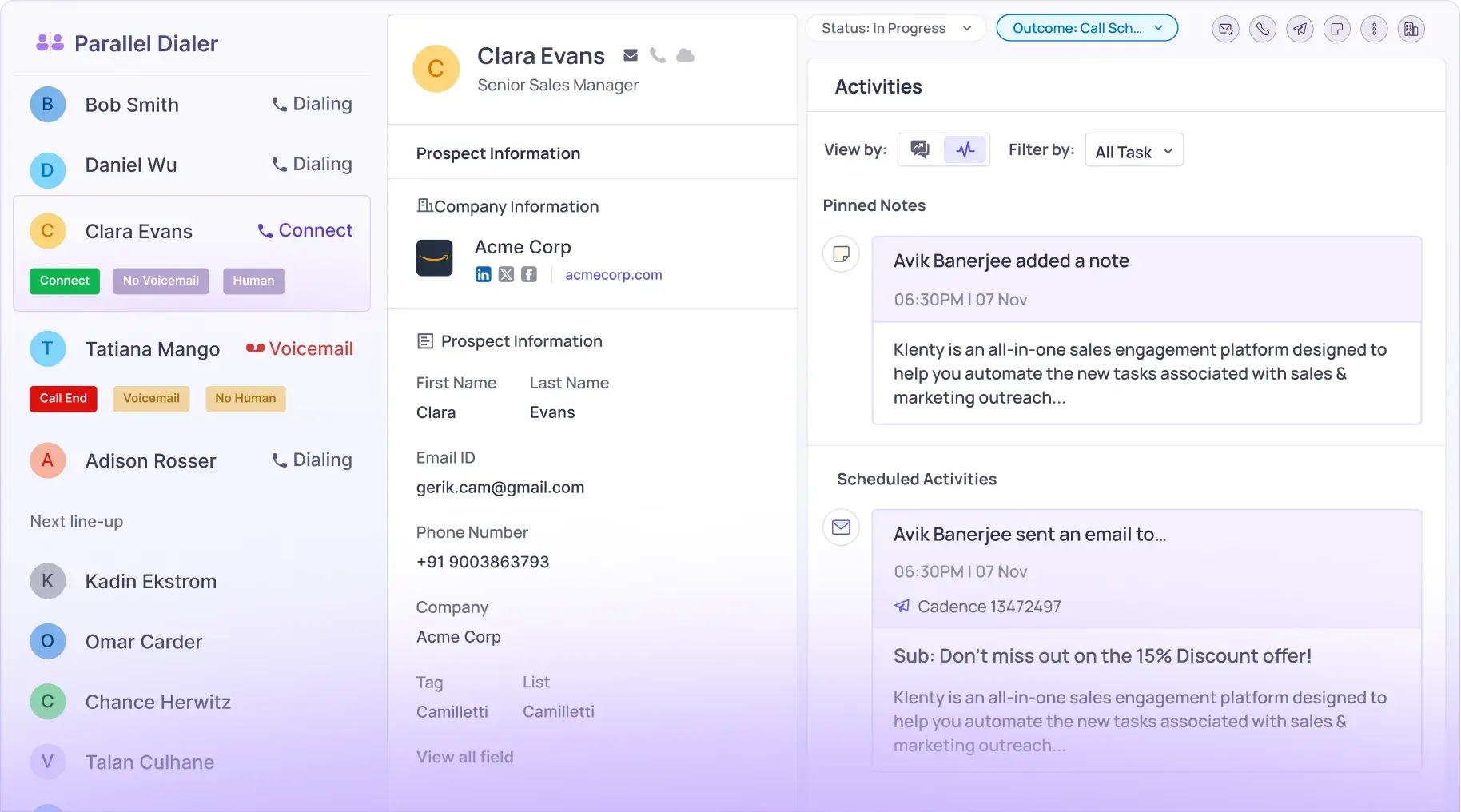
Klenty's parallel dialer is part of its multi-channel Sales Dialer product. Reps dial up to 10 lines simultaneously, then follow up with automated email or LinkedIn messages based on the call outcome within the same workflow. Industry recommendation typically sits at 3 to 5 lines per attempt to balance throughput with call quality.
Key features:
Up to 10 parallel lines (2 to 10 configurable)
Multi-channel sequencing across calls, email, and LinkedIn
AI-powered voicemail detection and prospect prioritization
Native integrations with Salesforce, HubSpot, Pipedrive, and Zoho
Best for:
Teams running integrated multi-channel outbound campaigns
SDRs who want call outcomes to trigger automated follow-up
Companies looking to consolidate dialing and sequencing
Pricing: Growth plan from $70/user/month billed annually. Parallel & Power Dialer add-on at $45/user/month.
8. Ringover
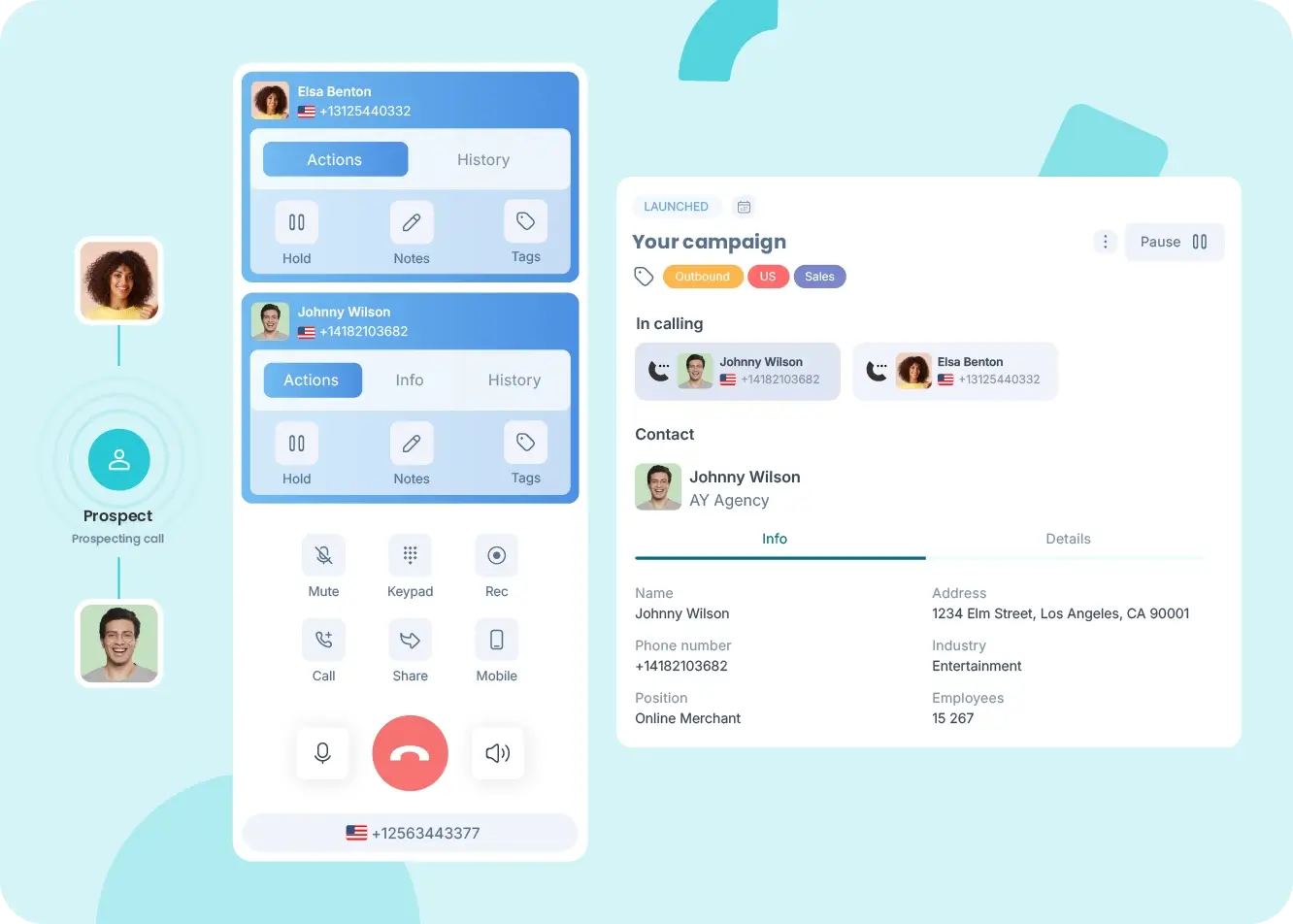
Ringover is a cloud-based phone system that adds parallel dialing as an add-on. The base plans target small to mid-size sales teams that need a phone system with CRM integration and don't want a lengthy implementation. The parallel dialer is currently available in the USA, UK, and Spain.
Key features:
Parallel dialer available as an add-on (USA, UK, Spain only)
Power dialer included on higher-tier plans
Local presence dialing and voicemail drop
Mobile app for field-based reps
Best for:
Small to mid-size teams wanting simple setup and fast onboarding
Reps who dial from the field as often as the office
Companies that want a phone system plus optional dialing add-ons
Pricing: Plans from $15/user/month billed annually (TALK tier). Parallel dialer available as an add-on; contact for pricing.
9. JustCall
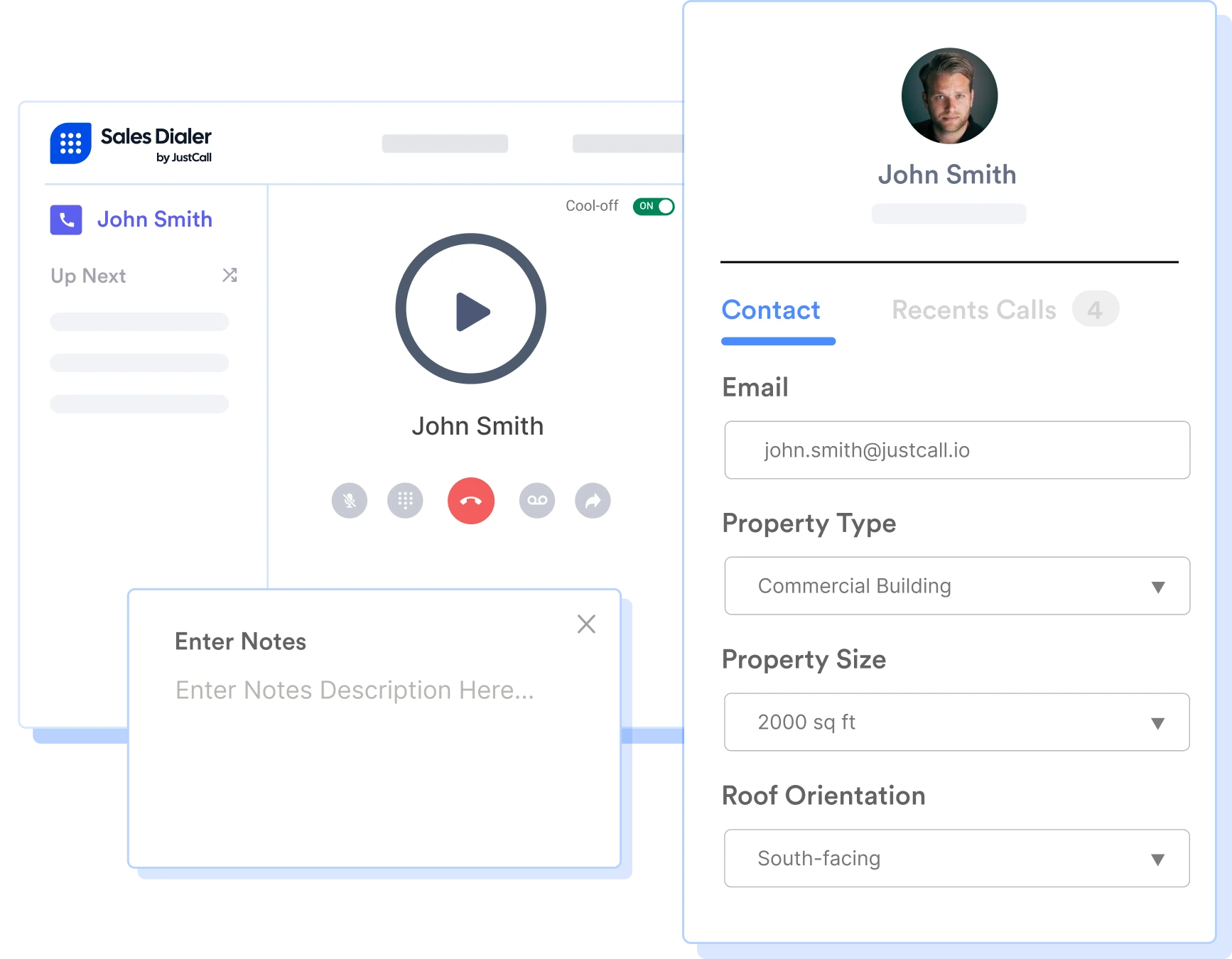
JustCall pairs its parallel dialer with SMS capabilities, letting reps send text follow-ups immediately after a call attempt. AI call scoring and workflow automation handle post-call tasks. Pricing starts lower than many enterprise-focused competitors, which makes it a common choice for SMB teams.
Key features:
AI parallel dialer with multi-line support
SMS follow-up workflows built into the dialer
AI call scoring and post-call workflow automation
Integrations with Salesforce, HubSpot, Pipedrive, and Freshdesk
Best for:
Teams that combine phone outreach with SMS follow-up sequences
SMB and mid-market companies looking for an affordable multi-line dialer
Reps working pipeline where SMS converts better than email
Pricing: From $29/user/month billed annually.
10. Trellus
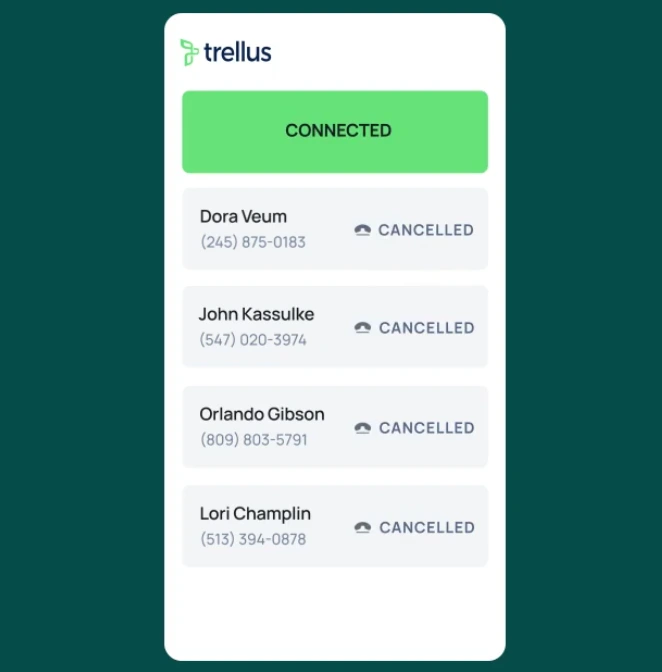
Trellus focuses on real-time AI coaching alongside parallel dialing. The Parallel plan supports multi-line dialing and runs as a lightweight Chrome extension that overlays on top of existing sales engagement platforms (Outreach, Salesloft, HubSpot, Apollo).
The differentiator is what happens during the connection: Trellus surfaces objection-handling prompts, competitive battle cards, and talk-track recommendations on the rep's screen in real time.
Key features:
Up to 5 parallel lines on the Parallel plan
Real-time AI coaching during live calls
Chrome extension that layers on top of your existing SEP
Voicemail drop and spam remediation included
Best for:
Teams that prioritize in-call AI coaching alongside parallel dialing
Sales managers building consistency across newer SDRs
Companies that already use Outreach, Salesloft, or HubSpot and want a layer on top
Pricing: Parallel plan from $149.99/month for individuals. Custom Business pricing for teams.
How to Choose the Right Parallel Dialer
Five criteria determine whether a parallel dialer fits your team: data quality, stack integration, compliance, AI capabilities, and total cost at scale. The right answer depends on which trade-offs your team can absorb.
Data quality and phone number accuracy
The most powerful parallel dialer can't help if half the numbers it calls are disconnected. Verified, direct-dial phone numbers reduce wasted dials, lower spam-flag risk, and lift the percentage of calls that reach a live human.
Key checks:
Source of the calling data (CRM, engagement platform, third-party intelligence)
How recently the numbers were verified
Whether the dialer flags or replaces bad numbers automatically
Ratio of direct dials to corporate switchboards
CRM and tech stack integration
The dialer needs to plug into your CRM, sales engagement platform, and conversation intelligence tool without forcing reps to switch tabs or RevOps to maintain custom integrations. Manual data entry between disconnected systems erodes the time savings parallel dialing creates.
Key checks:
Native versus middleware-based integration
Real-time versus batched CRM sync
Whether the dialer launches from inside the engagement platform's cadence UI
What recordings and transcripts push to conversation intelligence
Compliance and caller ID management
Compliance features deserve heavy weight in regulated industries and geographies with strict consent requirements. A reputable platform handles the guardrails without rep intervention.
Key checks:
Automated TCPA-compliant calling windows
DNC list scrubbing across systems
Recording consent capture by state
Caller ID reputation monitoring and rotation
AI capabilities
AI features have moved from differentiator to baseline. Voicemail detection and automated disposition logging are table stakes now, so the real evaluation question is what higher-end capabilities the tool layers on top.
Higher-end features to evaluate:
Real-time coaching during live calls
Sentiment and intent analysis
Prospect prioritization based on buying signals
AI call scoring for performance and coaching
Live battle cards and objection prompts
Pricing model and team size fit
A tool that's affordable for a 5-person team can get expensive at 50 seats. Look beyond the per-seat sticker price to understand total cost at scale.
Key checks:
All-in cost per rep including integrations and add-ons
Whether parallel dialing is baseline or an add-on
How pricing scales (linear versus volume discounts)
Included minutes versus usage-based overage charges
Drawbacks to Watch For
Parallel dialing comes with trade-offs every team should plan around.
Abandoned calls. When multiple prospects answer at once, only one connects to the rep. High abandoned-call rates can damage brand reputation and trigger regulatory scrutiny.
Reduced personalization. Without strong pre-call context, reps default to generic openers that fall flat in complex B2B sales.
List burnout. Dialing faster means burning through the list faster. If it isn't continuously refreshed, reps cycle through the same unresponsive numbers.
Spam flagging. High call volumes from the same numbers can trigger carrier-level spam labels or call blocks. Tools with caller ID rotation and reputation monitoring help.
The common thread is data. Verified numbers, accurate contact records, and signal-based list prioritization reduce every one of these drawbacks. Cold calling works best as part of a multi-channel strategy where the dialer runs on intent signals and enriched contact records rather than raw volume.
Build a Smarter Outbound Dialing Strategy
The right parallel dialer multiplies your team's live conversations per hour. The best results come from pairing a strong dialer with accurate data, signal-based prioritization, and a multi-channel outbound strategy.
Start by auditing the data feeding your dialer. If your team regularly dials disconnected numbers or reaches generic front desks rather than direct lines, upgrading your contact data will deliver faster ROI than any feature comparison.
ZoomInfo Copilot pairs 135M+ verified direct dials with signal-based prioritization, so reps spend more time in real conversations and less on disconnected numbers. Talk to our team to walk through how it fits your outbound motion.
Frequently Asked Questions
What Is a Parallel Dialer?
A parallel dialer is sales calling software that dials multiple phone numbers at once. When a prospect answers, the live connection routes to the rep and the remaining calls drop. Most parallel dialers support between two and ten simultaneous lines.
Are Parallel Dialers Legal?
Yes, in the United States, provided they comply with FCC regulations and the Telephone Consumer Protection Act (TCPA). Requirements include DNC list scrubbing, abandoned-call rate limits, and caller ID identification. Some states add restrictions. Consult legal counsel to confirm your setup.
What Is the Difference Between a Parallel Dialer and a Predictive Dialer?
A predictive dialer starts dialing before the rep finishes their current call, using algorithms to guess when they'll be free. It's built for large call-center agent pools. A parallel dialer dials multiple numbers at once but only connects the rep when a live person answers, which gives more control over each session. Parallel dialers are more common in B2B sales.
What Is the Difference Between a Parallel Dialer and a Power Dialer?
A power dialer calls one number at a time and auto-advances after each call. The rep hears every ring and voicemail. A parallel dialer calls multiple numbers at once and only connects the rep on a live answer. Higher throughput, with a small risk of multiple simultaneous answers.
How Many Lines Can a Parallel Dialer Call at Once?
Most support between two and ten lines. Orum (up to 10 on Ascend), CloudTalk, Klenty, and JustCall all support up to 10 lines, which suits cold lists with low connect rates. Nooks, Apollo, Koncert, and Trellus cap at 5, which fits warmer lists where multiple simultaneous answers is a real risk. Ringover sits at the low end with up to 2. Most teams find 3 to 5 lines strikes the right balance.
