
Choosing between Planhat and Gainsight for customer success often comes down to five questions:
Do you need a dedicated CS platform, or a unified system that also handles sales CRM and professional services?
Is your team large enough to justify the implementation complexity and admin overhead of an enterprise platform?
How important is it that your CS team sees real-time buying signals and verified stakeholder data alongside health scores?
Are you scaling a CS function for the first time, or optimizing one that already runs on established processes?
Do you want AI that automates CS workflows within the platform, or AI that also connects your CS data to the broader go-to-market stack?
In short, here's what we recommend:
Planhat is a unified customer platform for B2B companies that want Customer Success, Sales CRM, and Professional Services Automation under one roof. Built in Stockholm and bootstrapped profitably for nearly a decade before raising a $50M Series A, Planhat earns praise for its flexible data model, no-code automations, and multi-model AI supporting Claude, GPT, and Gemini with a bring-your-own-model option. Its configurability comes with a steep learning curve, and its Salesforce integration can be finicky with dirty data.
Gainsight is the category leader for enterprise Customer Success teams that need specialized CS workflows. With 20,000+ customers, six modules under its CustomerOS umbrella, and the highest position in the 2025 Gartner Magic Quadrant for Customer Success Management, Gainsight offers the broadest feature set in the CS category. Its Atlas AI Agents can reportedly manage long-tail renewals with an 86% autonomy rate. But that breadth brings implementation timelines that can stretch to six months, and annual costs that typically run into six figures.
Both platforms solve the same problem: helping B2B companies retain, grow, and manage customer relationships at scale. But neither generates the data your CS team depends on. Health scores, stakeholder maps, and expansion plays are only as good as the contact data, company intelligence, and buying signals feeding them. That's where ZoomInfo comes in.
ZoomInfo is an AI-powered go-to-market platform that provides the data both Planhat and Gainsight need. With 500M contacts, 100M companies, 135M+ verified phone numbers, and 200M+ verified business emails, ZoomInfo gives CS teams accurate stakeholder data for every account. Its GTM Context Graph processes 1.5B+ data points daily, connecting CRM records, conversation transcripts, and behavioral signals to surface expansion opportunities and churn risks before they appear in a health score. Teams act on that data through GTM Workspace for sellers, GTM Studio for RevOps, or the API and MCP that feed it into whichever CS platform you choose.
If you want your CS platform to run on current, verified data instead of stale CRM records, see how ZoomInfo works.
Planhat vs. Gainsight vs. ZoomInfo at a glance
Planhat | Gainsight | ZoomInfo | |
|---|---|---|---|
Primary function | Unified customer platform (CSP + CRM + PSA) | Enterprise customer success platform (CustomerOS) | AI-powered go-to-market platform |
AI capabilities | Multi-model AI (Claude, GPT, Gemini) with BYOM; AI steps in automations | Atlas AI Agents, Staircase AI, Copilot; 86% agent autonomy rate | GTM Context Graph processing 1.5B+ data points daily; AI account research |
Health scoring | Configurable multi-profile scoring, 0–10 scale, ML anomaly detection | Multi-dimensional scorecards with Rules Engine automation | Intent signals and buying behavior that feed CS health scores |
Implementation | Weeks to months depending on complexity | Typically 3–6 months with dedicated admin required | Deploys in weeks; integrates via API/MCP |
Analyst recognition | Gartner MQ Leader (2024, 2025); IDC MarketScape Leader | Gartner MQ Leader (2024, 2025, highest position); Forrester Wave Leader | Gartner MQ Leader (ABM, 2024 & 2025); Forrester Wave Leader (Intent Data) |
Data source | Depends on integrations and CRM sync | Depends on integrations and CRM sync | 500M contacts, 100M companies, 135M+ verified phones |
Pricing | Quote-based, not published | Quote-based; typically six figures annually | Consumption-based; free tier available |
Best for | Mid-market to enterprise teams wanting one system for CS, sales, and services | Large enterprise CS teams needing specialized post-sales workflows | Enriching CS platforms with verified contacts, intent signals, and account intelligence |
The platforms solve different halves of the same problem
Planhat and Gainsight both help CS teams manage customer relationships after the sale. ZoomInfo helps teams understand who those customers are, what they're doing, and when they're ready to expand or at risk of leaving.
This distinction matters because CS platforms can only work with the data they're given. A health score built on incomplete product usage data and outdated CRM contacts will miss the signals that matter. An expansion play targeting the wrong stakeholders wastes CSM time. A renewal forecast based on stale org chart data will surprise you at the worst moment.
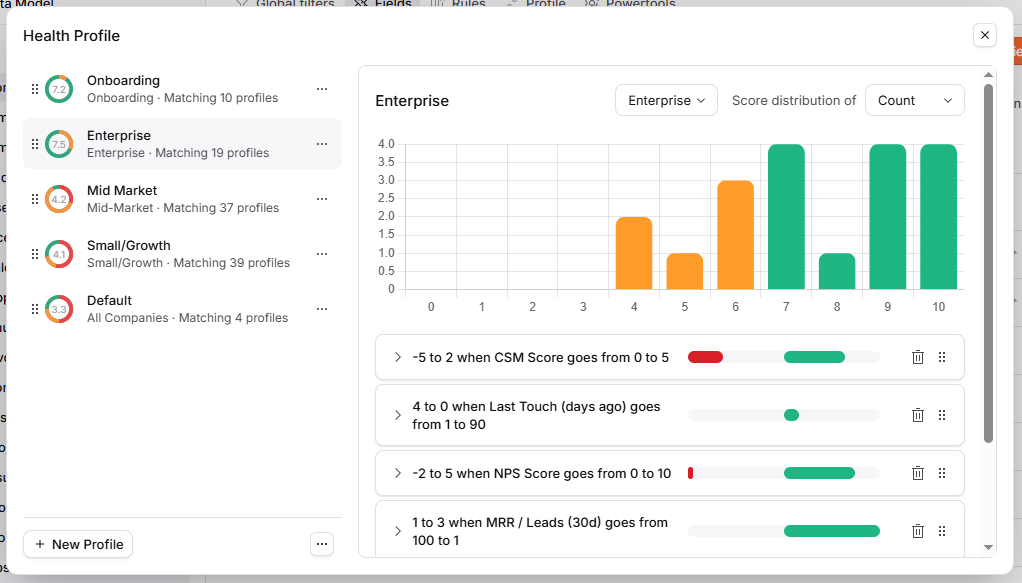
Planhat builds a flexible data model that ingests product usage, CRM data, support tickets, and financial data into a single customer record. Its time-series metrics support custom metrics with configurable aggregation, and its Health Profiles let teams apply different scoring models to different customer segments.
Source: Planhat
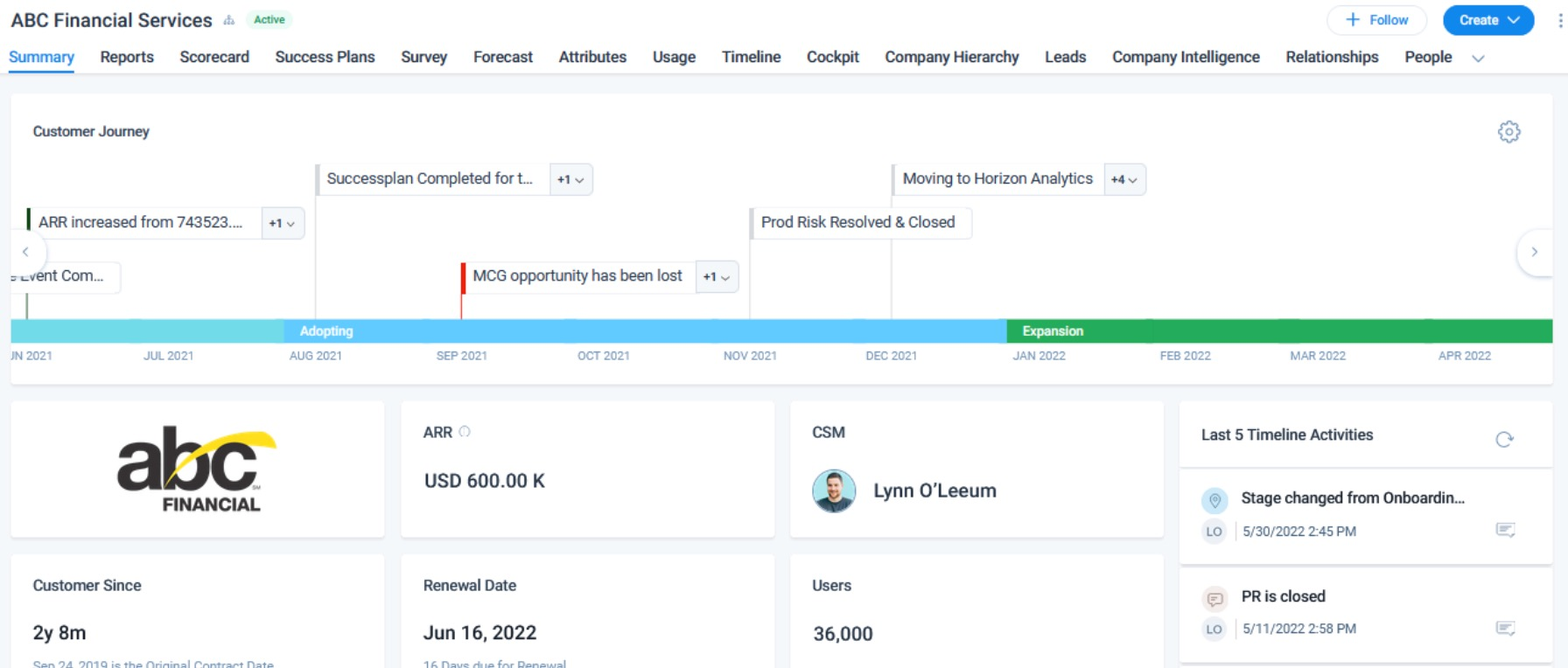
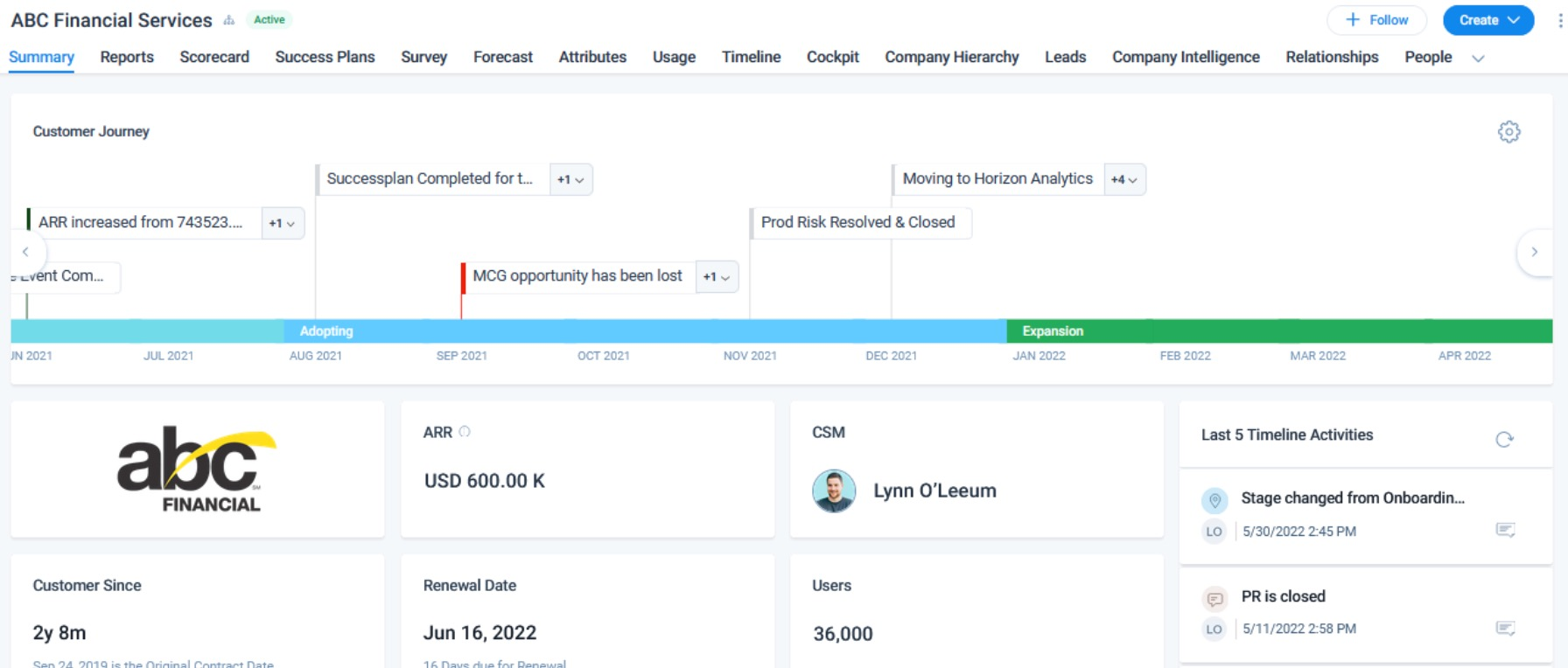
Gainsight takes a more prescriptive approach. Its Customer 360 (C360) pulls data from multiple sources into a configurable per-account page, and its Rules Engine runs multi-step data transformations to set health scores and trigger Calls to Action. For enterprise CS operations teams, this structured automation drives productivity.
Source: Gainsight
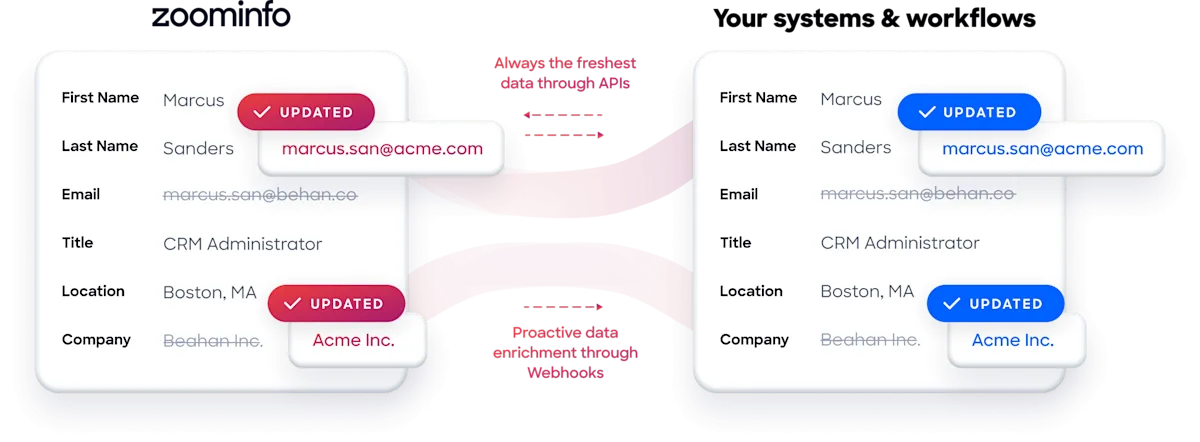
ZoomInfo fills the gap both platforms leave open: the quality, completeness, and freshness of the account and contact data. Its Enterprise API pushes verified contacts, company attributes, org charts, and technographics into the CRM systems that feed Planhat and Gainsight. Its intent signals track when accounts are researching competitors or related solutions, giving CS teams an early expansion or churn signal that product usage data alone would miss.
Seismic's sales team attributed 39% of active pipeline to opportunities identified or influenced by ZoomInfo signals, with their CBO noting: "That combination of our internal CRM data, external signals, and AI that's given all that context has helped us craft very specific account- and persona-based messages." (Seismic case study)
Planhat is the modern consolidator, Gainsight is the enterprise specialist
Planhat and Gainsight share a category label but serve different organizational philosophies.
Planhat bets on consolidation. Its platform combines Customer Success (CSP), Sales CRM, and Professional Services Automation (PSA) in a single data layer. Sales, CS, and services teams all work from the same customer record. A deal closed in the CRM becomes the subscription the CS team monitors. A service engagement tracked in the PSA feeds context back into the customer's health score.
For growing companies tired of stitching together Salesforce, a CS platform, and a PSA tool, this consolidation is the core appeal.
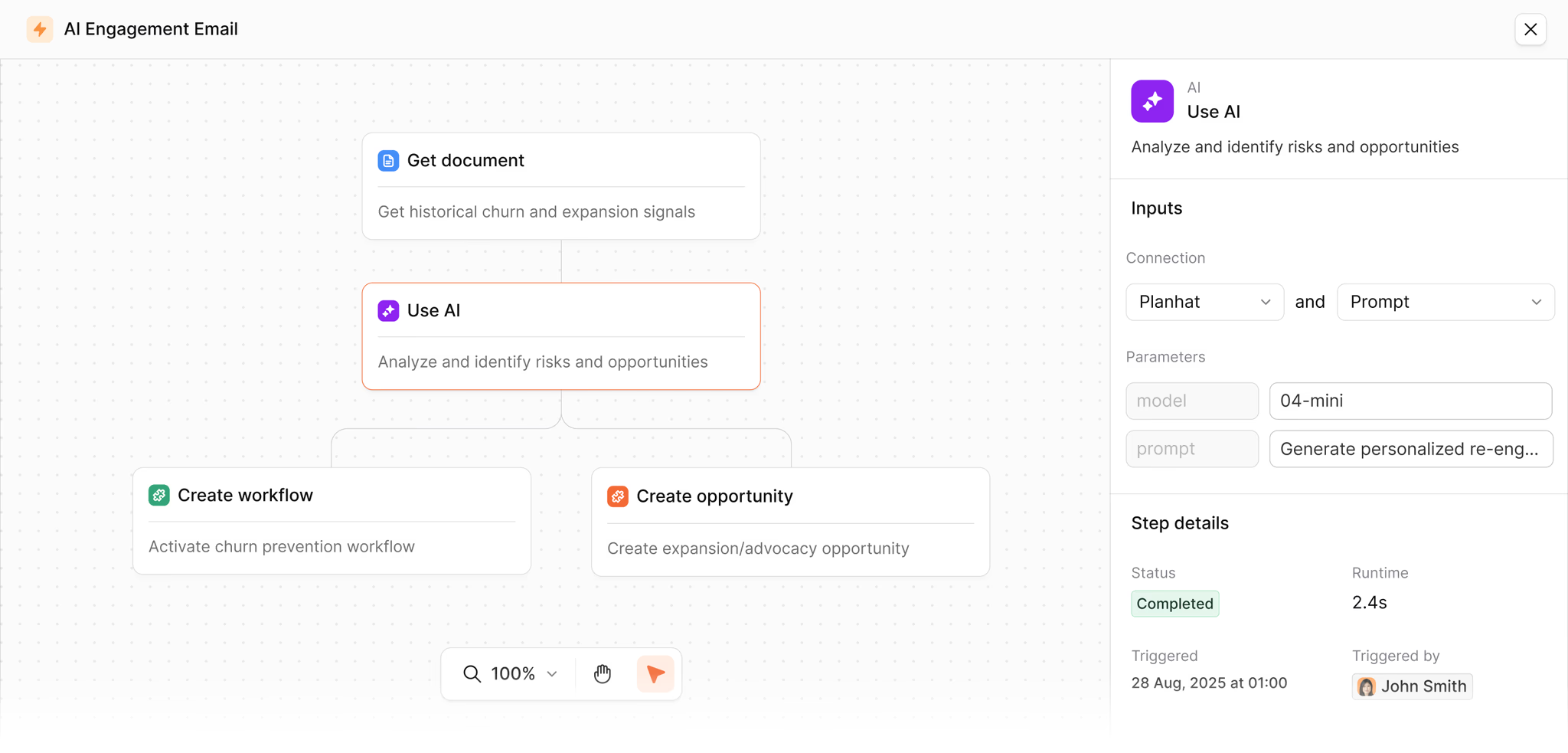
Source: Planhat
Gainsight bets on depth. Rather than replacing your CRM, Gainsight sits alongside Salesforce (or runs natively inside it as a managed package) and adds CS-specific workflows that CRMs were never designed to handle. Its Cockpit and CTA system gives CSMs a structured work queue driven by data triggers. Its Journey Orchestrator automates lifecycle communications based on health score changes, survey responses, and product usage thresholds.
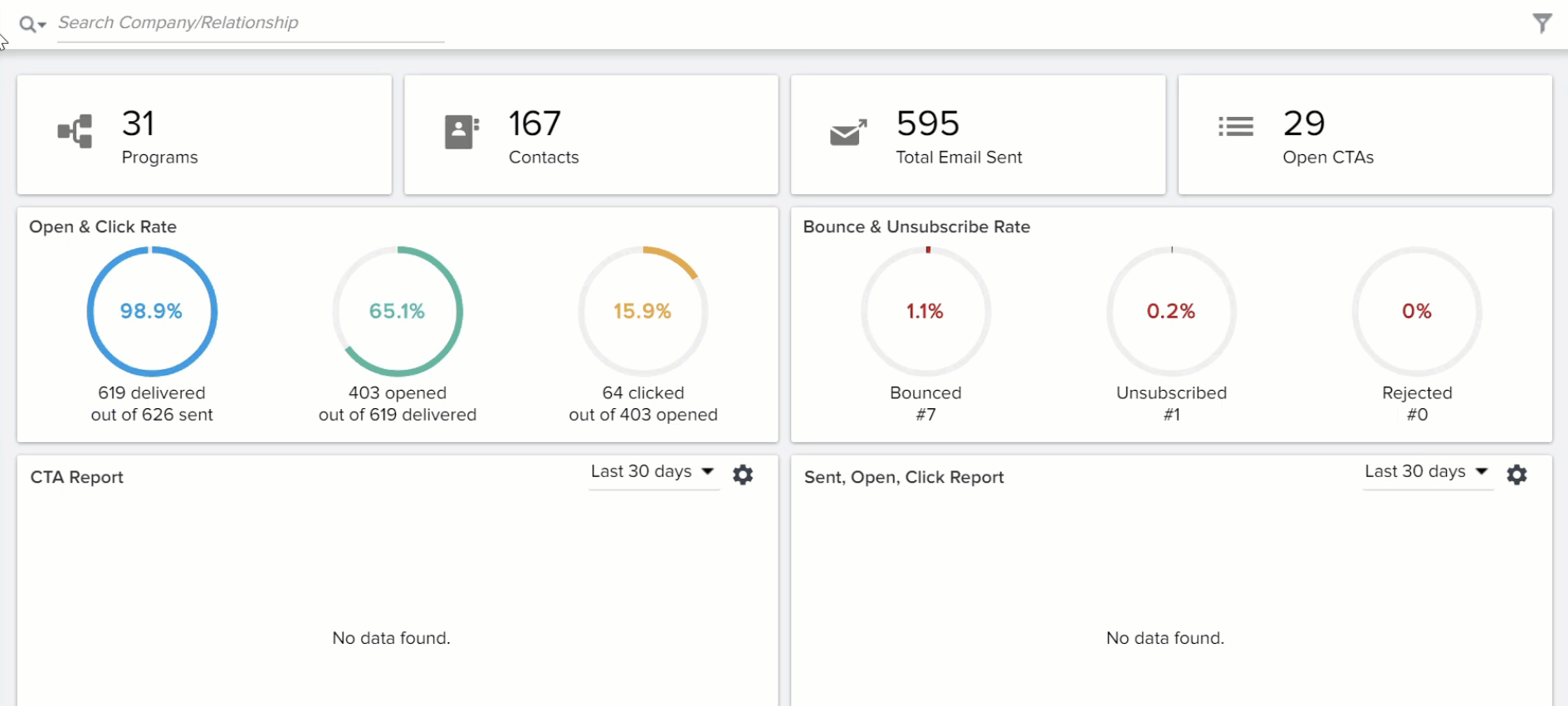
Source: Gainsight
Beyond core CS, Gainsight has assembled a post-sales ecosystem through acquisitions: Gainsight PX for in-app engagement and product analytics, Skilljar for customer education, Customer Communities (originally inSided) for peer support, and Staircase AI for conversation intelligence.
The trade-off is clear. Planhat gives you breadth across the customer lifecycle in one system. Gainsight gives you the most specialized CS tooling available, but you'll need other vendors for CRM and PSA.
AI approaches reflect each platform's philosophy
All three platforms have invested in AI, but their implementations reveal different priorities.
Planhat's AI is embedded in its automation engine. AI Steps in Custom Automations let teams insert LLM calls (GPT, Claude, or Gemini) as native steps in any workflow. An automation can read a call transcript, run it through an LLM with a structured JSON prompt, update Planhat fields with the output, and branch into different paths, all in one flow. The AI produces structured output that writes back to Planhat records, turning conversation data into structured fields without manual review.
Planhat also runs sentiment classification across all emails, chats, and call transcripts. Sentiment scores roll up to a company-level score on a -100 to +100 scale using a time-decay formula, and that score feeds into health calculations.
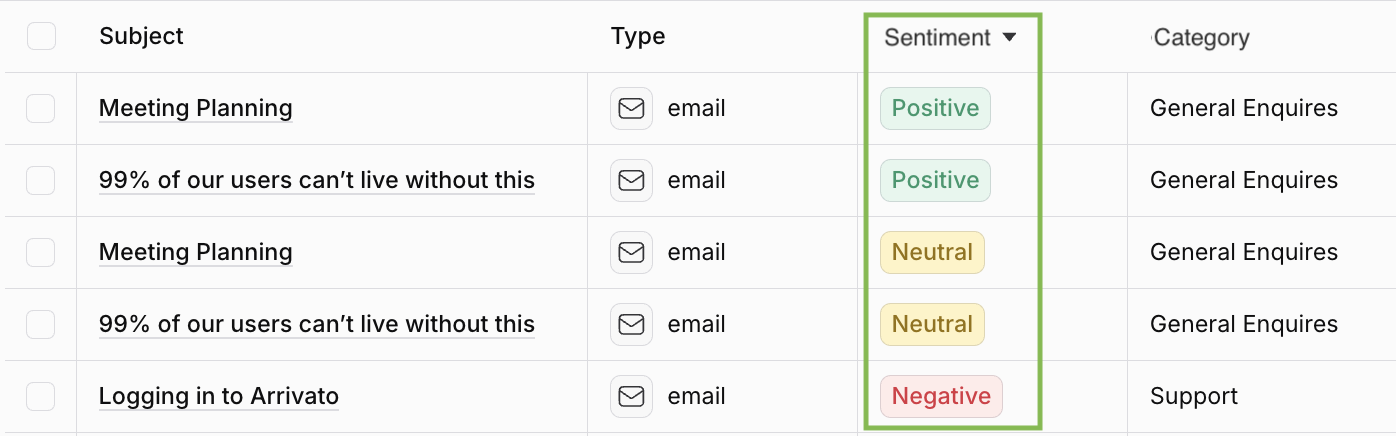
Source: Planhat
The bring-your-own-model option matters for enterprise IT teams. Customers using their own API keys bypass Planhat's credit system, which lets them run high-volume AI at lower cost.
Gainsight's AI takes a more managed approach. Atlas AI Agents are designed for specific CS workflows (renewals, adoption, onboarding) rather than general-purpose automation. They draw on fifteen years of Gainsight's retention data, so the agents arrive with churn patterns and renewal motions already built in. The platform pairs agents with human renewal specialists, making it a human-in-the-loop system.
Staircase AI, acquired in 2024, adds conversation intelligence by analyzing emails, meetings, Slack threads, and support tickets to surface sentiment shifts and relationship changes. Gainsight says it detects churn risk up to six weeks earlier than usage metrics alone.
Copilot, shipped at no extra cost in May 2025, provides an AI interface that queries both structured CRM data and unstructured Timeline notes.
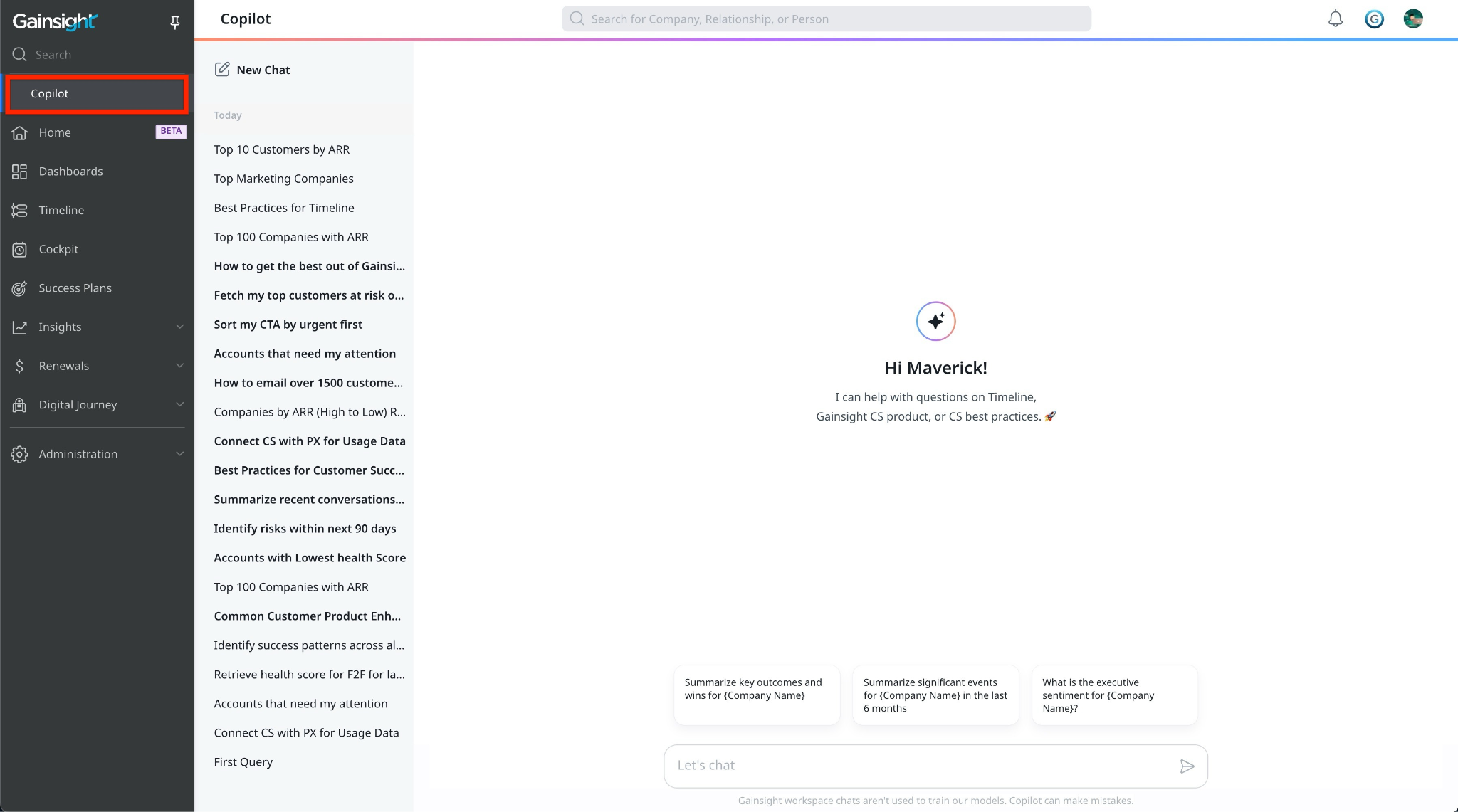
Source: Gainsight
ZoomInfo's AI operates at the data layer. The GTM Context Graph connects CRM records, conversation transcripts, and behavioral signals to reveal why deals move or stall. For CS teams, ZoomInfo surfaces when a key stakeholder changes jobs, when an account researches competitors, or when a buying committee forms around an expansion opportunity, and delivers those signals into your CS platform before they appear in a health score.
The MCP server makes this data available to any AI agent, including those running inside Planhat or Gainsight workflows. A CS team can query ZoomInfo's data through Claude or ChatGPT and get account briefs, stakeholder maps, and competitive intelligence without leaving their workflow.
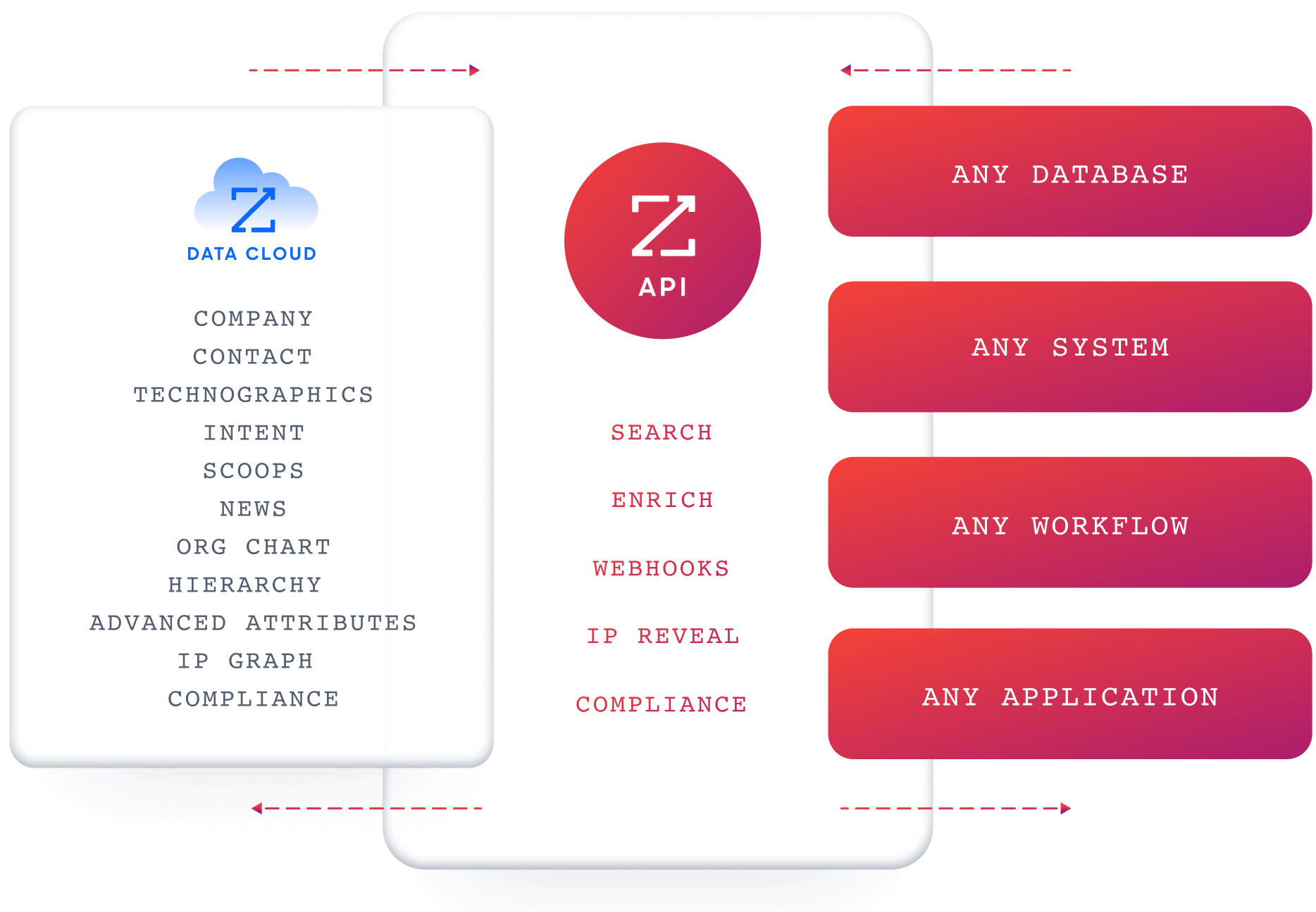
Levanta's CEO described the shift: "ZoomInfo's not just a contact data company anymore. They've built a full system of execution. GTM Intelligence actually works the list, writes the outreach, triggers the play, and helps drive predictable growth." (Levanta case study)
Health scoring and analytics take different paths
How each platform measures customer health reveals its design priorities.
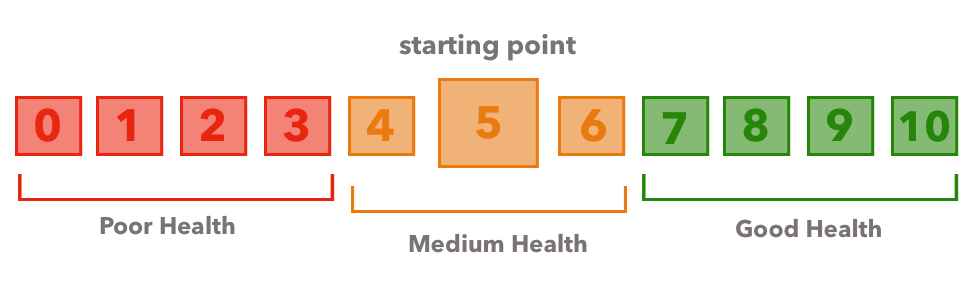
Planhat uses a 0–10 scale with 5 as the neutral baseline. Administrators build Health Profiles (rule sets defining which signals affect the score) and apply different profiles to different customer segments. An Enterprise-tier account and an SMB onboarding account can have different scoring models, and as a company's attributes change, it automatically inherits the correct profile.
Each scoring factor supports either hard thresholds (a fixed point change when a condition is met) or linear conditions that map a metric range to a sliding health impact. NPS 0–10, for example, maps to a health impact of -5 to +5 with values interpolated between. Planhat recommends 2–8 factors per profile.
Source: Planhat
The analytics layer includes a "Deviations from Normal" feature that compares current metrics against historic averages, powered by built-in ML that requires no LLM connection, no AI credits, and no extra configuration.
Gainsight uses multi-dimensional Scorecards where each dimension is called a Measure. Measures can be grouped (for example, a "Support" group containing "ticket age" and "ticket severity" sub-measures), and scoring schemes are configurable as numeric ranges, letter grades, or color bands. The Rules Engine does the heavy work: it runs multi-step, in-memory data transformations across large datasets and uses those results to set scores and trigger CTAs.
Gainsight supports up to 50 C360 layouts assignable to different user groups, so CSMs managing 10 strategic accounts see a different interface than digital CS reps managing 500.
Source: Gainsight
ZoomInfo adds signals that neither platform generates on its own. Buyer Intent data tracks activity from 210 million IP-to-Organization pairings, showing when accounts research competitors or adjacent solutions. Guided Intent, exclusive to ZoomInfo, identifies which topics correlate with deal success rather than requiring manual topic selection.
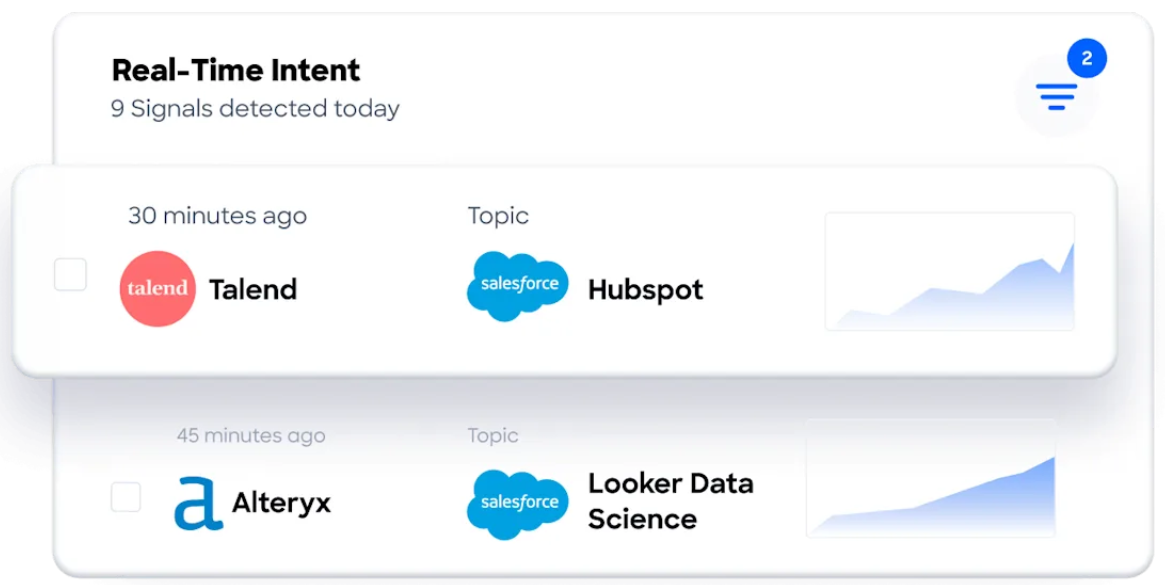
For CS teams, intent data is an early warning system. A customer researching your competitor's pricing page is a churn signal. A customer researching adjacent solutions is an expansion signal. Both are invisible to usage metrics and NPS scores, and both are what ZoomInfo surfaces.
Automation and workflows comparison
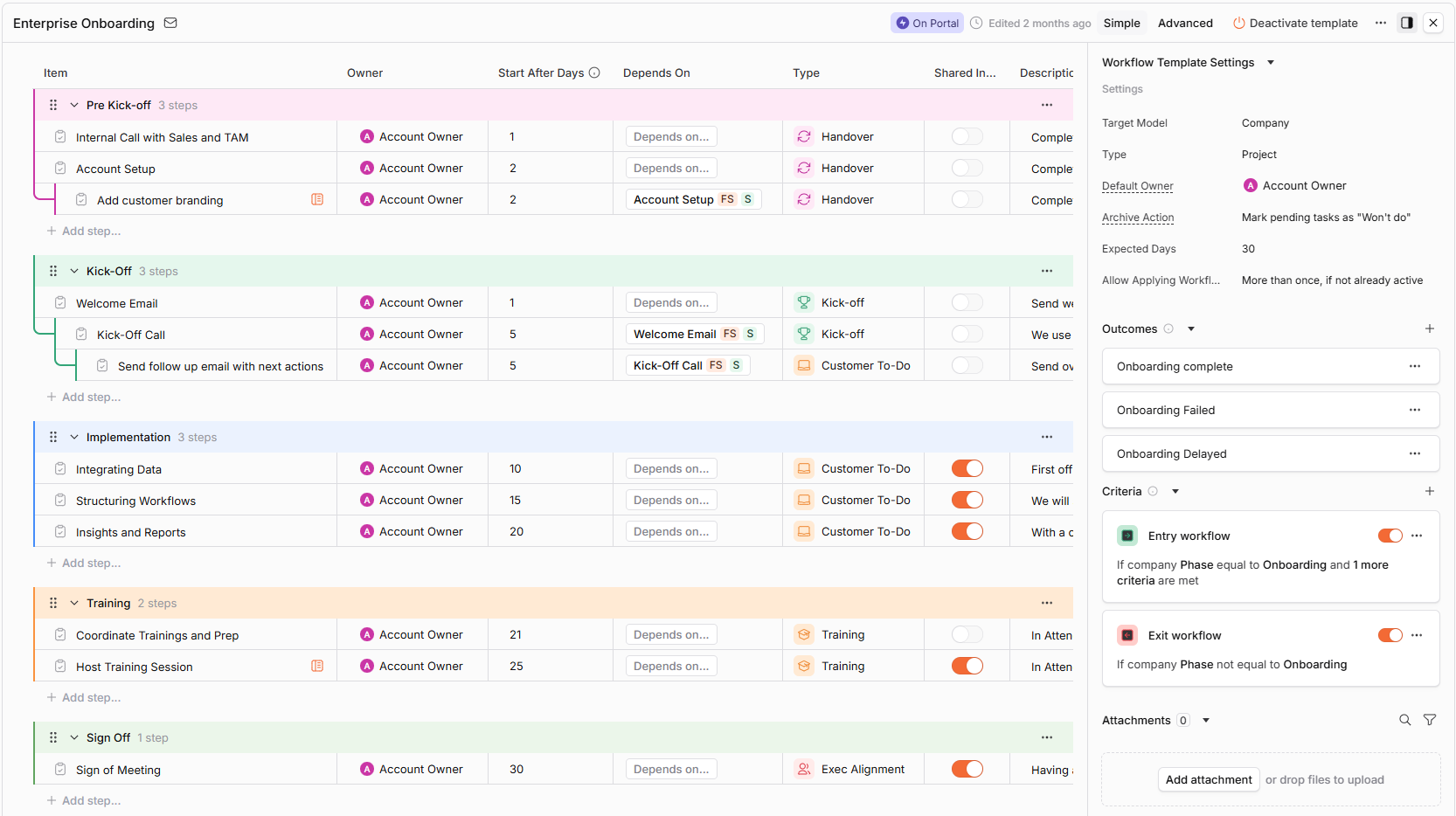
Planhat offers two automation systems. Workflows (previously called Playbooks) are sequential process templates applied to specific records, from onboarding checklists to renewal sequences. They come in two types: Projects (a task-board UI applied to 14 different data model types) and Sequences (list-based automated email series).
Source: Planhat
What sets Planhat's Workflows apart: they respond to live data changes while running. Group conditions activate or cancel branches of steps based on usage events or field changes. A re-engagement email sequence stops when a user logs back in, without needing a separate automation to terminate it.
Custom Automations handle the "if X happens, do Y" logic through a flowchart interface supporting branching, conditional logic, wait steps, JavaScript execution, webhook calls, and AI steps. Triggers include record changes, manual actions, incoming webhooks, and scheduled events.
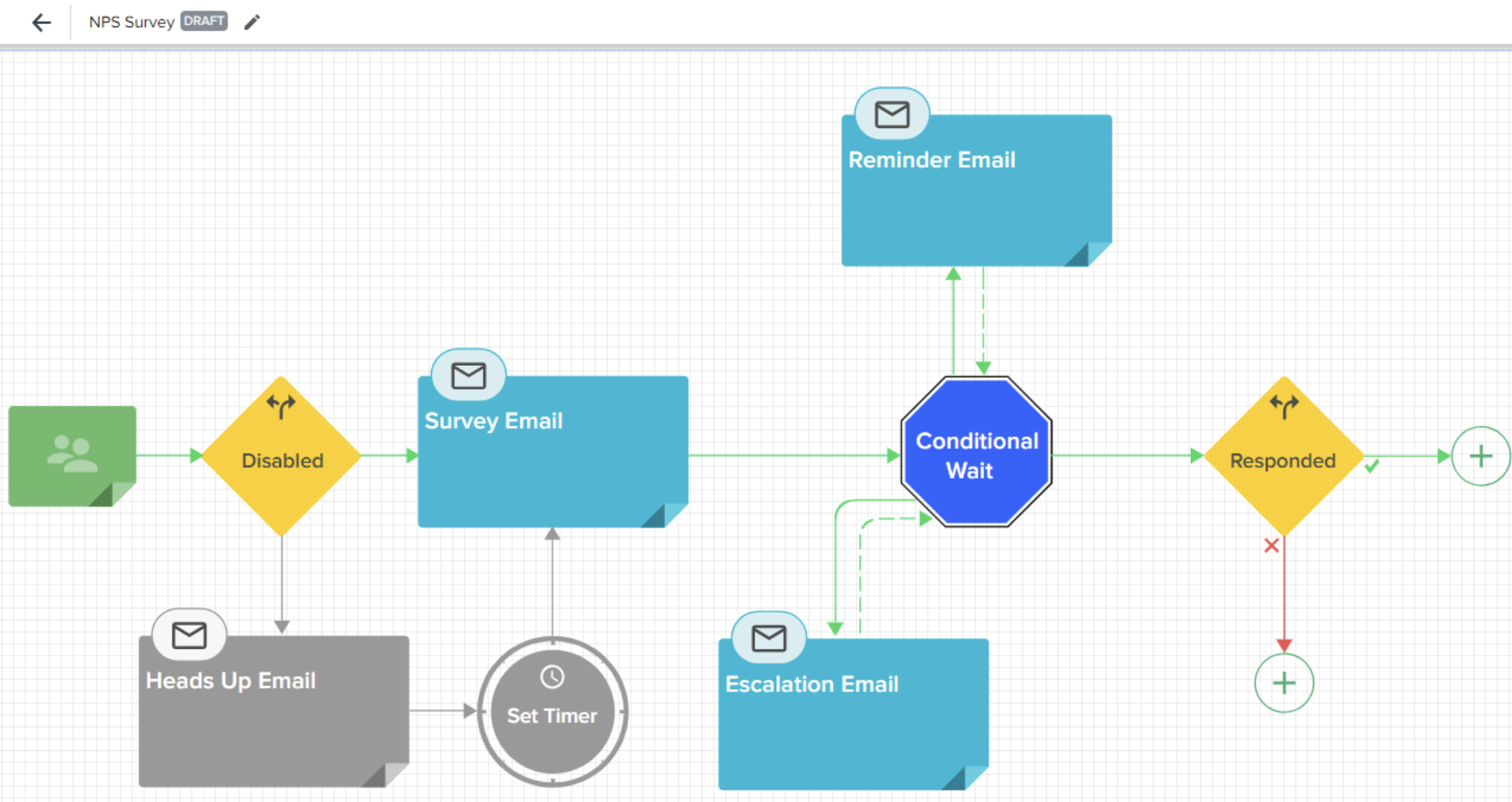
Gainsight's automation centers on the Rules Engine and Journey Orchestrator. The Rules Engine monitors data streams and fires CTAs when thresholds are crossed. Journey Orchestrator builds multi-step email programs with conditional branching based on customer behavior (email opens, survey responses, or inaction).
Journey Orchestrator supports four program models: NPS Survey, CSAT, Generic Survey, and Email Chain. Programs adjust their path based on responses. A Detractor NPS response triggers an escalation to the CSM while a Promoter response triggers an advocacy follow-up, all in the same program.
Source: Gainsight
The Playbooks system codifies institutional knowledge: when a risk CTA fires for executive sponsor churn, every CSM follows the same recovery sequence. This consistency matters for large CS teams that need process standardization.
One limitation: Journey Orchestrator requires cloning the entire program to make a simple revision, a friction point that power users flag.
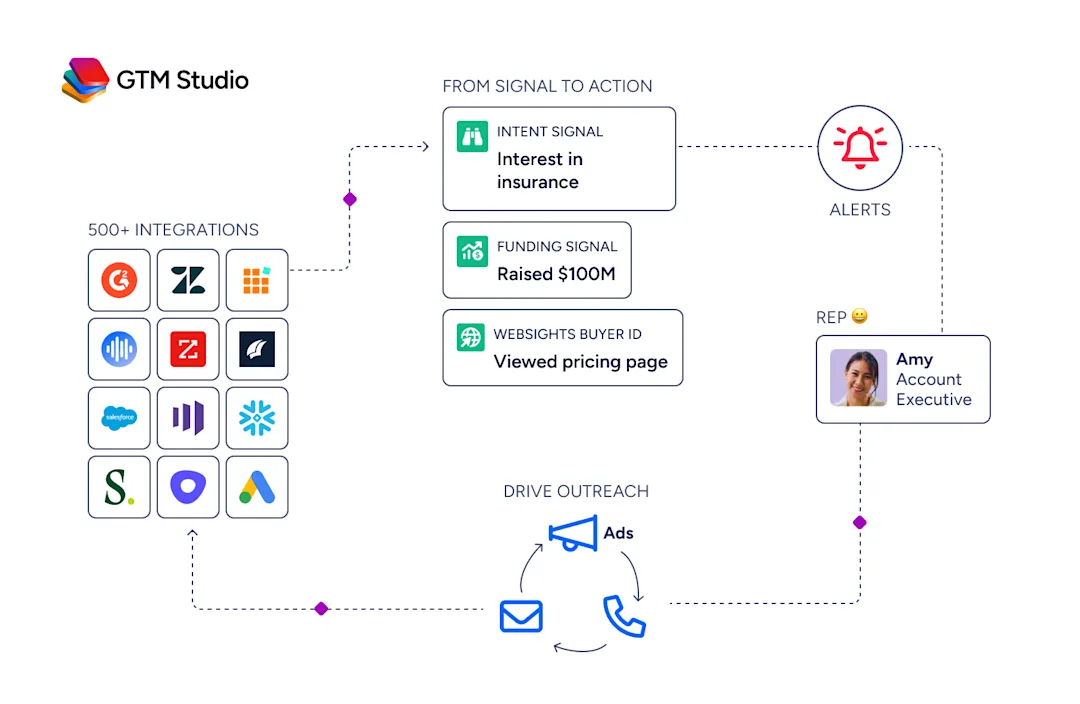
ZoomInfo adds automation at the signal layer. GTM Studio lets RevOps teams build plays that trigger when ZoomInfo detects a buying signal. An intent spike, a leadership change, or a competitor evaluation can route an alert to the CSM, update CRM fields, or trigger an outreach sequence. These signals flow into GTM Workspace or into any CS platform via API.
Stakeholder intelligence is where the gap shows
Renewal risk often starts with people, not product usage. An executive sponsor leaves. A champion gets promoted out of the account. A new VP arrives with a preference for a competitor. These signals matter to CS teams, and the three platforms handle them differently.
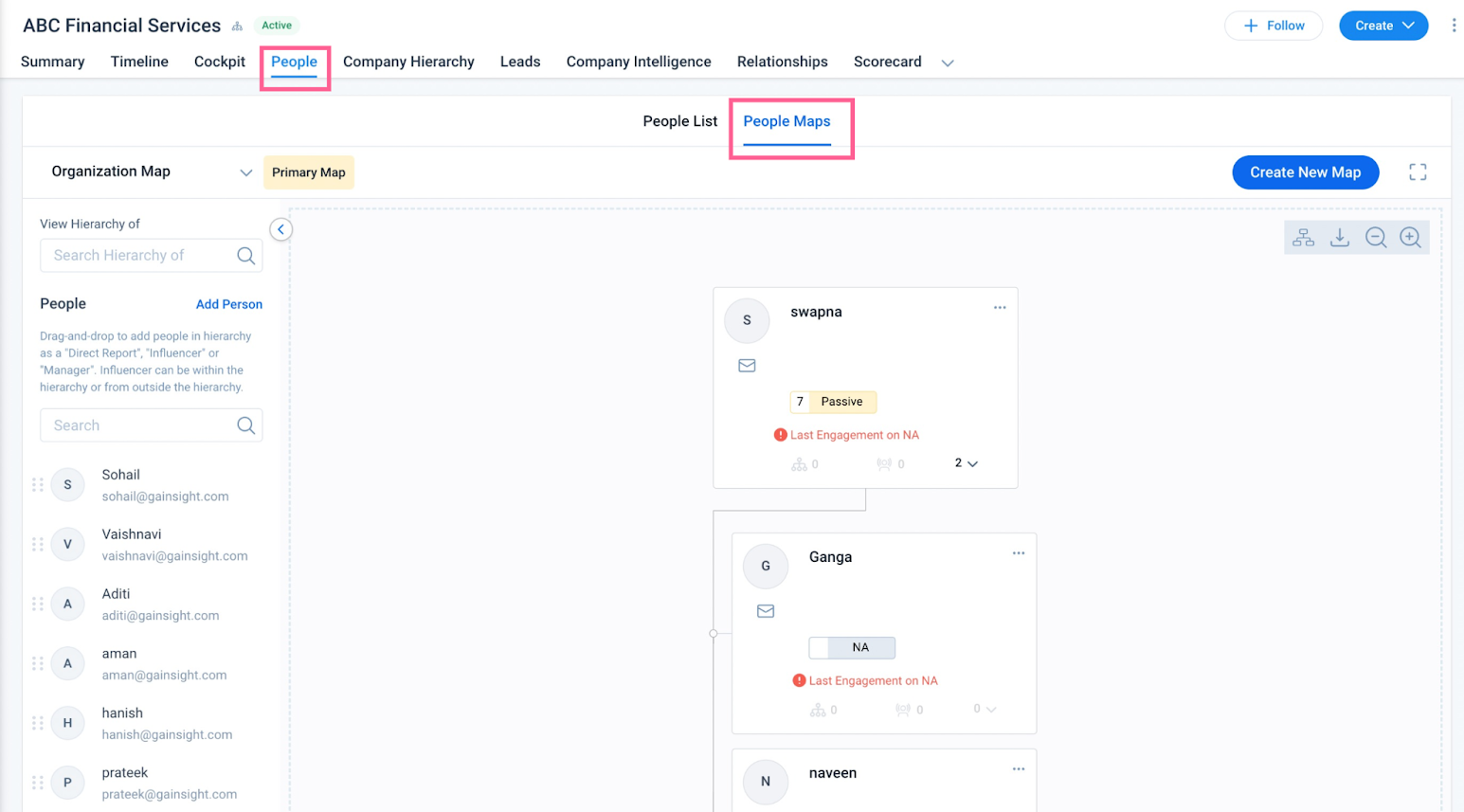
Gainsight offers People Maps (interactive org charts for each account) and Sponsor Tracking that monitors designated executives' LinkedIn profiles for title changes, location changes, or company departures. When a change occurs, the system triggers a Playbook. This is available in the Enterprise tier only.
Source: Gainsight
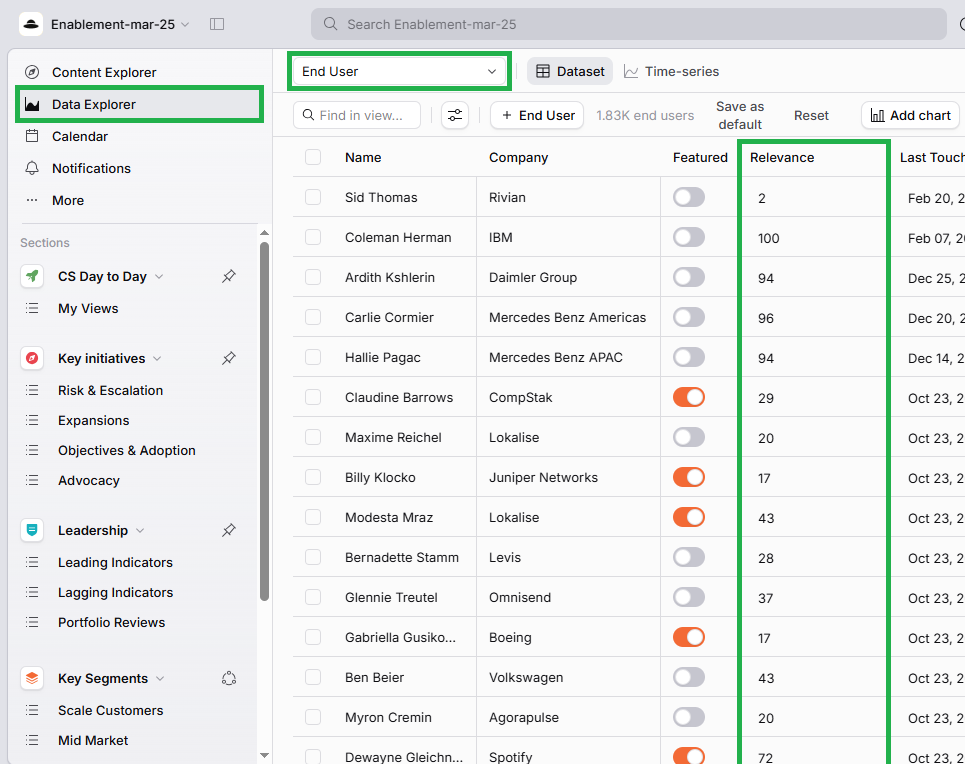
Planhat tracks contacts as End Users with an automatic Relevance Score (0–100) based on product activity and CS team interactions. Planhat tracks conversation sentiment at the contact level and rolls it up to the company score. But Planhat does not offer native LinkedIn monitoring or org chart mapping.
Source: Planhat
ZoomInfo provides the external stakeholder data that neither CS platform generates natively. With 500M contacts and 135M+ verified phone numbers, ZoomInfo tracks whether a contact is still at the company and provides verified direct dials, business emails, departmental org charts, and job-change alerts. When an executive sponsor leaves, ZoomInfo identifies the replacement, provides contact information, and surfaces the incoming stakeholder's background, all through the same API that feeds your CS platform.
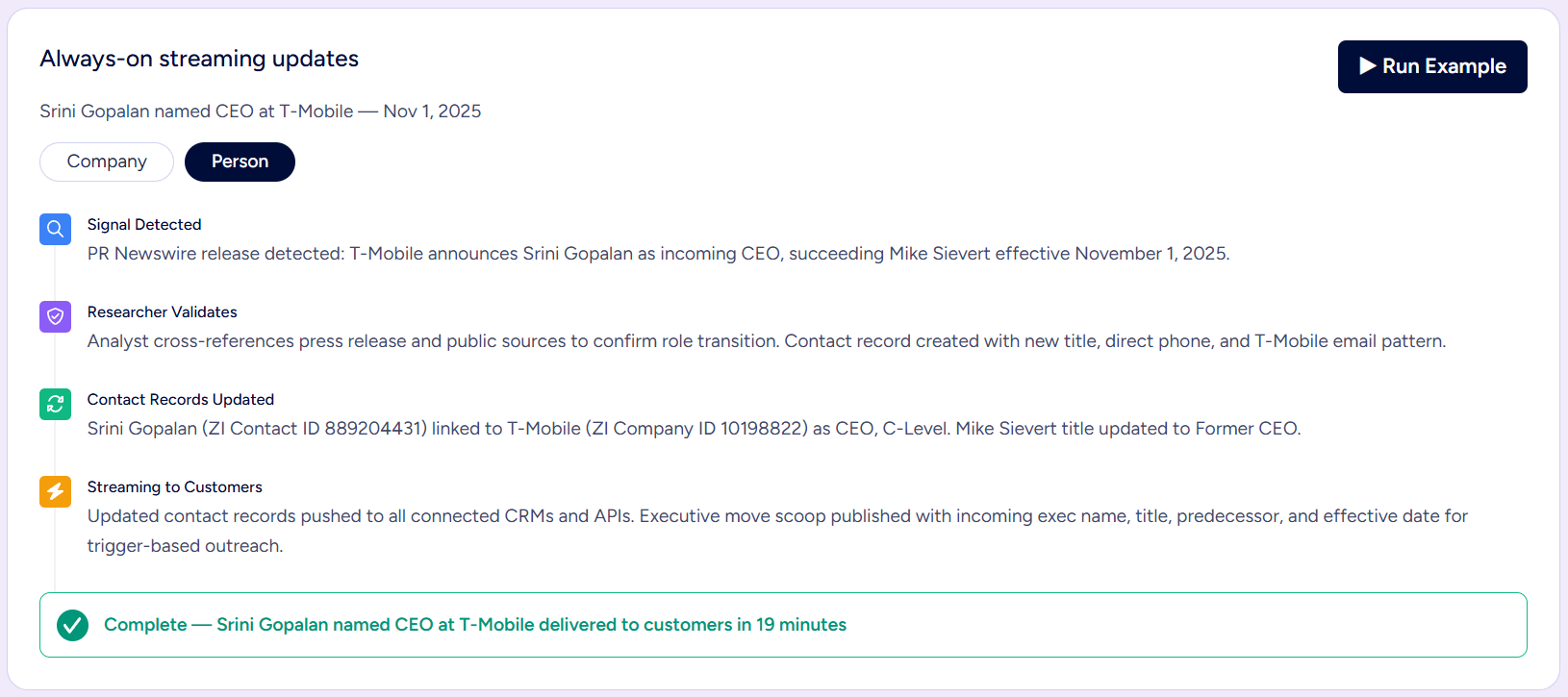
Contact Recommendations go further: AI-ranked buying committee suggestions (tailored by motion: prospecting, deal acceleration, or renewals) help CS teams identify who to engage for an expansion or a renewal save.
Palo Alto Networks' Director of Sales Operations described the impact: "Company ID is transformational. It's a really clean approach to hierarchies and gives us a way to clearly communicate territory boundaries to our sellers." (Palo Alto Networks case study)
Platform ecosystem and integrations
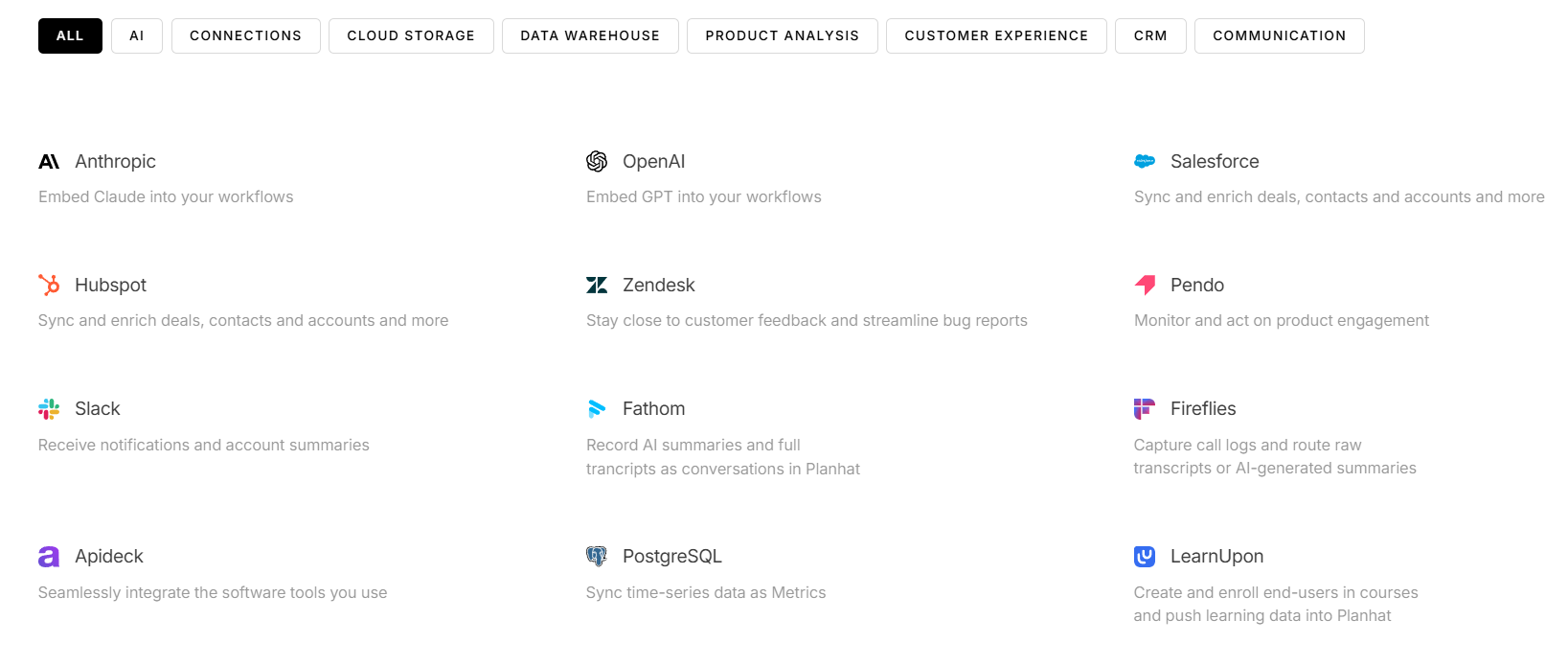
Planhat integrates across eight categories: CRM (Salesforce, HubSpot, Pipedrive), Communication (Slack, Microsoft Teams, Gmail, Outlook), Customer Support (Zendesk, Freshdesk, Help Scout, Intercom, Jira), Call Recording (Gong, Fathom, Fireflies, Jiminny), Product Analytics (Pendo, Mixpanel, Segment, Amplitude), Data Warehouse (Snowflake, BigQuery, PostgreSQL), Cloud Storage (AWS S3, Google Drive), and AI (Anthropic, OpenAI, Azure OpenAI, Gemini).
Planhat also publishes an MCP Server that lets LLMs like Claude query live Planhat data via API.
Source: Planhat
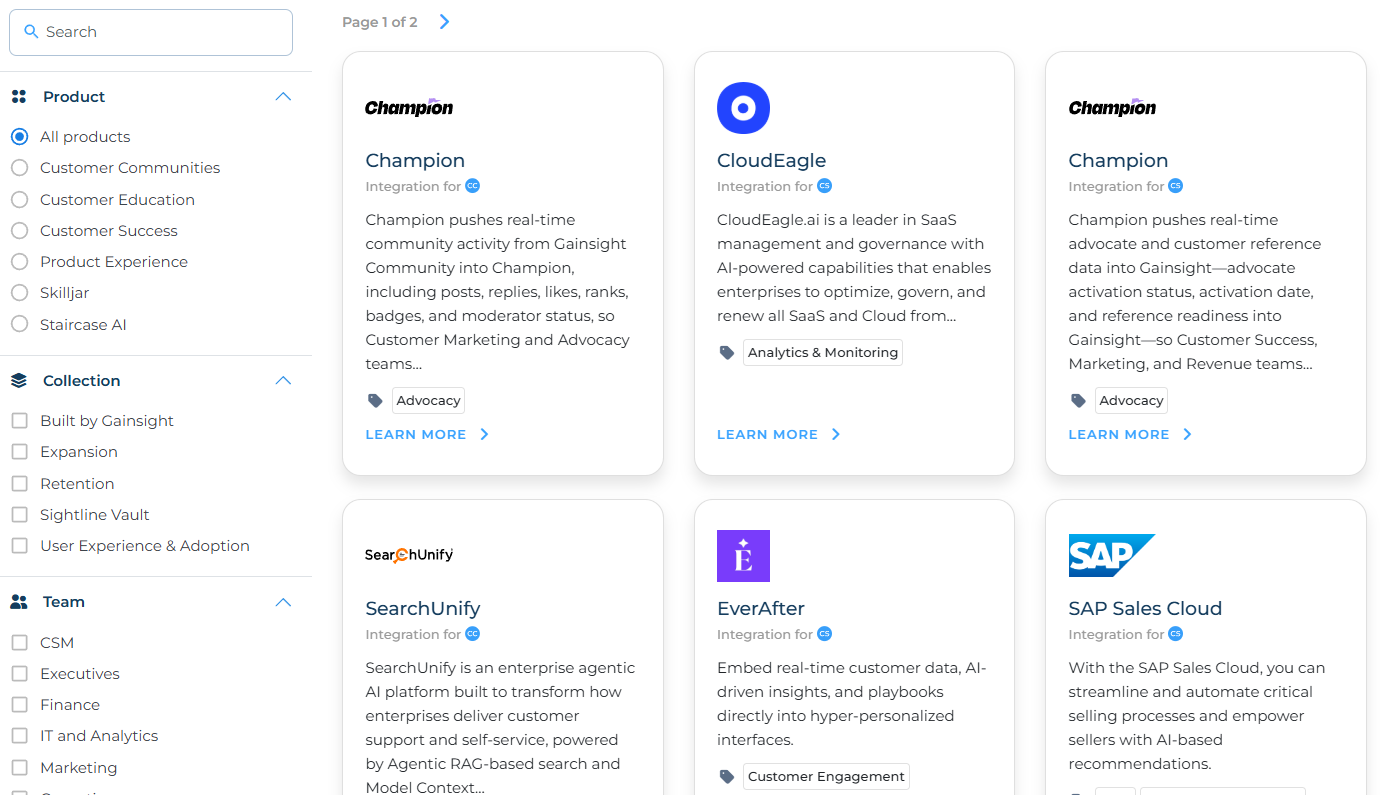
Gainsight's Marketplace lists over 110 apps, integrations, and service partners. Salesforce is the primary CRM integration (Gainsight runs natively inside Salesforce or as a standalone NXT product). Direct database connectors include PostgreSQL, MySQL, Amazon Redshift, Snowflake, and Google BigQuery. Support integrations cover Zendesk, Freshdesk, ServiceNow, Jira, and Intercom.
Gainsight's ecosystem advantage is specialization, not breadth. PX (product analytics), Skilljar (customer education), Communities (peer support), and Staircase AI (conversation intelligence) under one vendor means less integration work for teams willing to commit to the Gainsight stack.
Source: Gainsight
ZoomInfo's App Marketplace lists 172+ integration partners spanning CRM, Marketing Automation, Sales Engagement, Data Warehouse, and more. Native integrations with Salesforce, HubSpot, Microsoft Dynamics 365, Snowflake, AWS, Google Cloud, and Databricks make ZoomInfo's data available wherever your CS platform draws its data from.
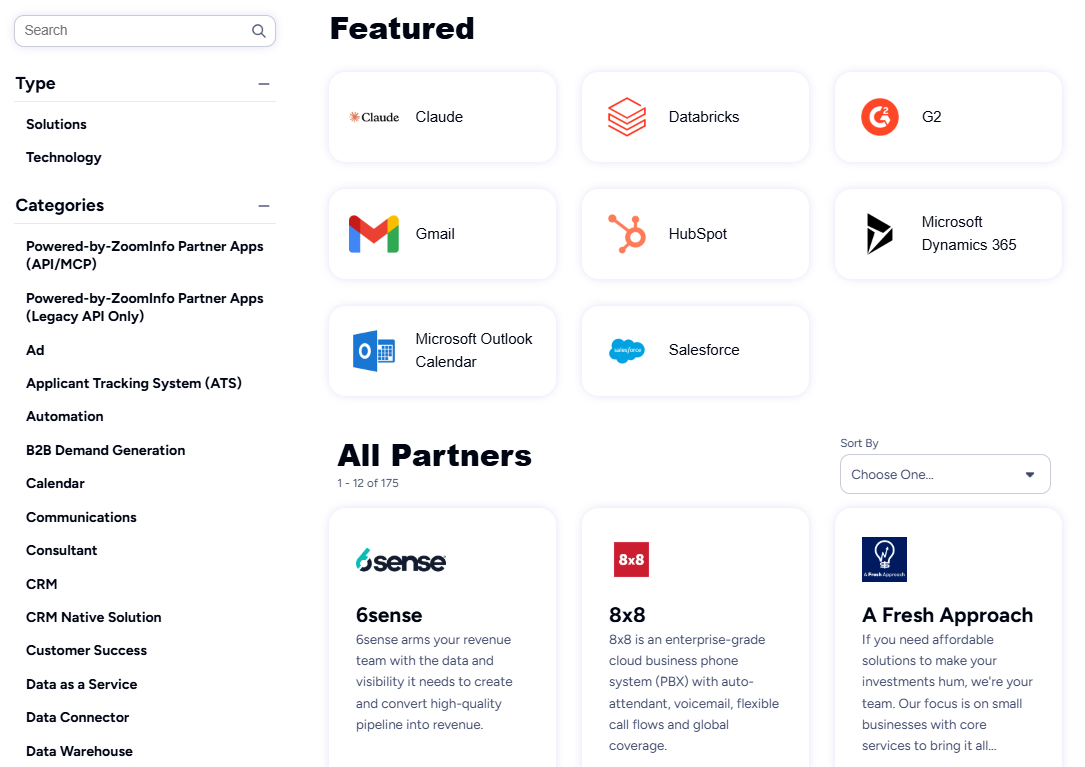
The ZoomInfo MCP server connects AI models to ZoomInfo's data as a native tool. It's listed in the Claude directory and supports Claude and ChatGPT, with more MCP-compatible tools coming.
For CS teams, the integration story is straightforward: ZoomInfo enriches the CRM data that feeds your CS platform, and its signals flow into whichever automation engine you use.
BDO Canada's Senior Marketing Intelligence Analyst reported: "The plug-and-play aspect of the API means I can integrate it very easily into any process and get information at a moment's notice," achieving an 87% reduction in time spent on updates to internal data dashboards. (BDO Canada case study)
Pricing and implementation realities
Planhat does not publish pricing. All tiers require contacting sales via the pricing page. The subscription typically includes a one-time integration fee, a fixed recurring fee, and a variable fee based on account volume. Three user types exist: Core (full access, paid), Productivity (intermediate access, paid), and View (read-only, free and unlimited). Add-ons include Upgraded AI Platform, Advanced Service (PSA), Email Marketing, and Advanced Portals.
Planhat's implementation timeline varies by complexity but includes structured onboarding with a CSM and Technical Account Manager for every customer. The G2 Quality of Support score is 9.4, well above the category average.
Gainsight also uses quote-based pricing with no published rates. Gainsight offers two CS tiers (Essentials and Enterprise) plus separate pricing for PX, Skilljar, and Customer Communities. Third-party estimates put total annual costs above $100,000 for enterprise tiers including professional services. Implementation typically takes 3 to 6 months and requires a dedicated Gainsight admin.
Gainsight's contracts are non-cancellable mid-term, with 3 months' written notice required before auto-renewal for some products. Annual price increases are capped at 6% for certain product lines.
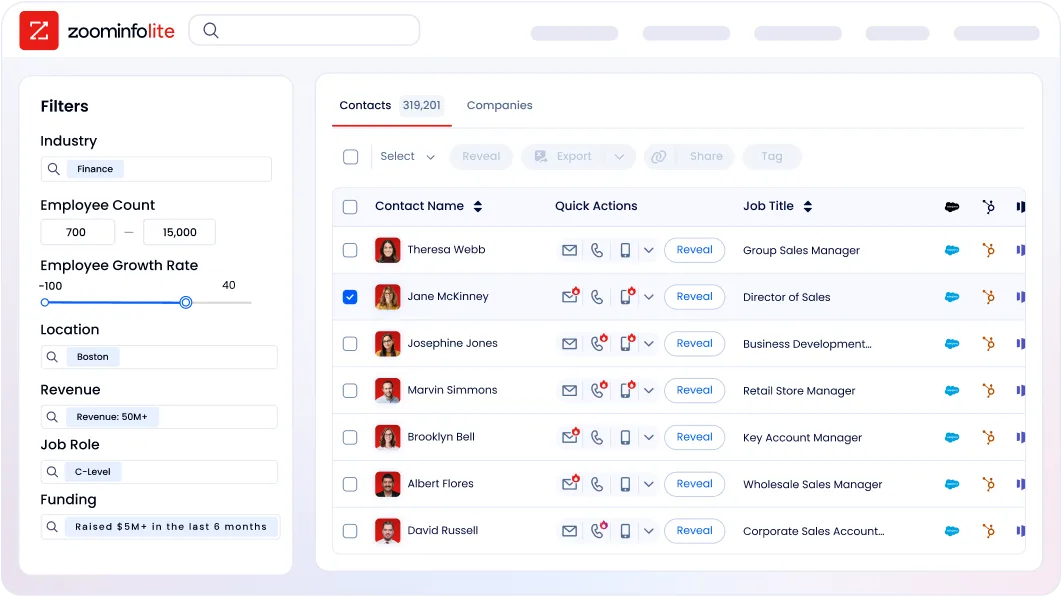
ZoomInfo uses consumption-based pricing scaled around seats, credits, and AI activity. Unlike Planhat and Gainsight, ZoomInfo offers two free entry points: ZoomInfo Lite (a free tier with 10 monthly export credits and access to the B2B database) and a 7-day free trial with broader feature access. Paid plans span three tiers (Professional, Advanced, Enterprise) with API access included in all relevant plans.
For CS teams evaluating ZoomInfo alongside a CS platform, the key cost calculation is the value of complete, verified data. Stakeholder maps built on stale CRM records lead to missed renewals. Expansion plays targeting the wrong contacts waste CSM time. ZoomInfo's data layer reduces both risks.
Planhat vs. Gainsight vs. ZoomInfo: Which should you choose?
The right choice depends on your team's maturity, your existing tech stack, and whether your biggest gap is in CS workflows, data quality, or both.
Choose Planhat if:
You want CS, CRM, and PSA in a single platform instead of managing three separate vendors
Your team values a flexible data model over prescriptive enterprise workflows
AI model choice and BYOM capability matter for your security and governance requirements
You're scaling from mid-market to enterprise and need a platform that grows with you
You have CS Ops resources to configure and maintain the platform
Choose Gainsight if:
You need the most specialized CS workflow automation, including Journey Orchestrator, Playbooks, and a Rules Engine
Your team manages 10,000+ customer accounts across multiple product lines and needs enterprise-scale scoring
You want an integrated post-sales ecosystem (PX, Communities, Skilljar, Staircase AI) from one vendor
You have the budget and admin resources for a 3–6 month implementation
Category leadership and analyst recognition matter for internal buy-in
Use ZoomInfo with either platform if:
Your CS team's biggest blind spot is incomplete or outdated stakeholder data in the CRM
You need intent signals to detect expansion opportunities and churn risks earlier than product usage alone
Executive sponsor changes and buying committee shifts are critical renewal factors
Your RevOps team wants one data layer that powers both pre-sales and post-sales
You want enrichment and signal data delivered via API or MCP into any tool your team uses
See how ZoomInfo works with a free trial
Planhat and Gainsight are both capable CS platforms that help teams manage and grow customer relationships. But a CS platform without reliable data is like a navigation system without GPS coordinates. You can build the workflows, design the health scores, and automate the outreach. If the contacts are wrong, the org chart is stale, or the buying signals are invisible, none of it works. ZoomInfo provides the verified data that makes your CS platform perform.
Planhat vs. Gainsight vs. ZoomInfo FAQ
What is the fundamental difference between Planhat, Gainsight, and ZoomInfo?
Planhat is a unified customer platform combining Customer Success, Sales CRM, and Professional Services Automation in one data layer. Gainsight is an enterprise Customer Success platform with the most specialized CS workflow automation and a portfolio of acquired products covering product experience, customer education, communities, and conversation intelligence. ZoomInfo is a B2B intelligence platform that provides verified contact data, company information, and buying signals that feed into CS platforms like Planhat and Gainsight, rather than replacing them.
Which platform is best for a company just building its CS function?
Planhat is generally the better starting point for teams building a CS function. Its flexible data model adapts as processes evolve, it consolidates CS and CRM in one system, and its G2 Quality of Support score of 9.4 reflects strong onboarding support. Gainsight's implementation complexity and cost are better suited to teams with established CS processes and dedicated operations resources.
Can ZoomInfo replace a CS platform like Planhat or Gainsight?
No. ZoomInfo is not a CS platform. It does not manage health scores, CS workflows, or customer lifecycle automation. Instead, it provides the data and signals that make CS platforms more effective. ZoomInfo's contact data, intent signals, and account intelligence feed into CRM systems, which in turn power health scores and automations inside Planhat or Gainsight.
How do the AI capabilities compare across the three platforms?
Planhat offers multi-model AI (Claude, GPT, Gemini) embedded as native steps in its automation engine, with a bring-your-own-model option that gives enterprise IT teams control over which AI models touch their data. Gainsight offers Atlas AI Agents designed for specific CS tasks with embedded CS knowledge and claims an 86% autonomy rate for long-tail renewal management. ZoomInfo's GTM Context Graph processes 1.5B+ data points daily to connect CRM records, conversations, and behavioral signals, surfacing account intelligence that CS teams can act on through any tool via API or MCP.
Which platform has the best analyst recognition?
All three hold leadership positions from major analysts. Gainsight holds the highest position in the 2025 Gartner Magic Quadrant for Customer Success Management for the second consecutive year. Planhat is also a Gartner MQ Leader, with the largest year-over-year improvement in both vision and execution. ZoomInfo is a Gartner MQ Leader for ABM Platforms (2024 and 2025) and a Forrester Wave Leader for Intent Data Providers.
Do Planhat and Gainsight integrate with ZoomInfo?
Both platforms integrate with the CRM systems (Salesforce, HubSpot) that ZoomInfo enriches. ZoomInfo's Enterprise API and MCP server push verified contacts, company attributes, and intent signals into your CRM, which then feeds your CS platform. Gainsight's Marketplace also lists Pipedrive as a direct CRM connector. Planhat integrates with Salesforce, HubSpot, and Pipedrive natively, and its MCP Server and open API allow custom connections to ZoomInfo's data.
What are the main drawbacks of each platform?
Planhat's main drawbacks are its steep learning curve, complex Salesforce sync, and limited mobile app. Gainsight's drawbacks include a 3–6 month implementation timeline, the need for a dedicated admin, and pricing that typically runs into six figures annually. ZoomInfo does not handle CS workflows or health scoring and requires a separate CS platform. Its pricing can be a factor, though a free tier and free trial are available.
How important is data quality for a CS platform?
Data quality is the foundation. Health scores built on stale CRM contacts miss risk signals. Expansion plays targeting the wrong stakeholders waste CSM time. Renewal forecasts based on outdated org chart data produce surprises. ZoomInfo's data (500M contacts, up to 95% accuracy on first-party data, continuous monitoring for changes) ensures the information flowing into your CS platform reflects reality.
Comparing Planhat and Gainsight? These related breakdowns go deeper:
