
Choosing between CiviCRM and Salesforce comes down to five questions:
Do you need a CRM designed for nonprofits, or does your organization span donor management and commercial sales?
Is owning your data and code a priority, or would you trade that control for a managed platform?
Can your team handle the technical demands of open-source software, or do you need something that works with minimal IT involvement?
Are you spending hundreds per user per month on features you'll never use, or underinvesting in a system that can't scale?
Do you already have accurate, verified contact data for the people you need to reach, or is finding the right contacts still a challenge?
In short, here's what we recommend:
CiviCRM is the CRM built by and for nonprofits. It's free to download under the GNU AGPL v3 license, with no per-seat fees, no vendor lock-in, and no contact limits. Donor tracking, event registration, membership management, bulk email, case management, and reporting all come bundled in a single platform used by more than 14,000 nonprofits worldwide.
The trade-off: CiviCRM demands real technical expertise. Its interface is dated compared to other CRM products, upgrades can be disruptive, and organizations without in-house IT will need a paid implementation partner.
Salesforce is the world's #1 CRM by market share, serving over 150,000 companies across every industry. Its product suite is broad: Sales Cloud, Service Cloud, Marketing Cloud, Commerce Cloud, and Agentforce AI agents that handle tasks autonomously. A partner ecosystem of 9,000+ apps means there's a solution for most workflows. But that breadth comes at a cost.
Pricing starts at $25/user/month and climbs steeply, implementation typically requires external partners, and the learning curve is steep.
Both platforms manage relationships you already have. Neither solves the upstream problem: finding the right people to reach in the first place, with accurate contact data and signals showing when they're ready to engage.
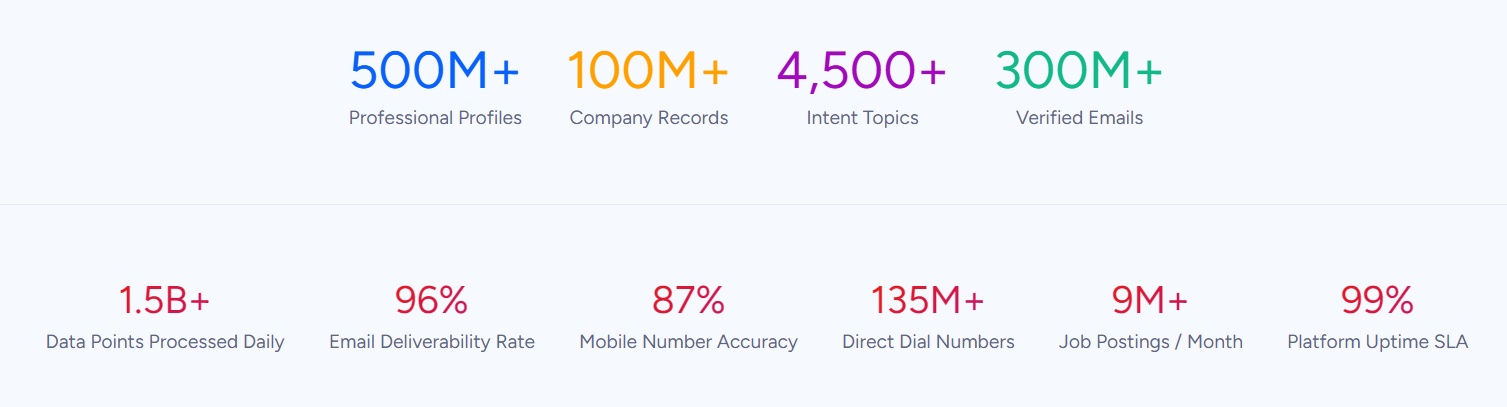
ZoomInfo is a B2B data and go-to-market platform that sits underneath your CRM. With 500M contacts, 100M companies, 135M+ verified phone numbers, and 200M+ verified business email addresses, ZoomInfo fills your CRM with contacts that exist and are reachable.
Its GTM Context Graph combines this data with your CRM records, conversation transcripts, and behavioral signals to reveal not just who to contact but when and why. For Salesforce users, ZoomInfo offers a native integration that enriches records inside the CRM.
For any organization doing outbound prospecting, corporate fundraising, or B2B outreach, ZoomInfo turns incomplete contact lists into verified intelligence.
If finding and verifying the right contacts is a bottleneck, see how ZoomInfo works.
CiviCRM vs. Salesforce vs. ZoomInfo at a glance
CiviCRM | Salesforce | ZoomInfo | |
|---|---|---|---|
Primary function | Nonprofit constituent management | Enterprise CRM and platform | B2B data intelligence and GTM |
Deployment | Self-hosted or partner-hosted | Cloud (multi-tenant) | Cloud SaaS |
AI capabilities | Community-driven (n8n, self-hosted AI) | Agentforce (native) | GTM Context Graph, AI agents |
Learning curve | Steep (technical) | Steep (complex) | Moderate |
CRM integration | Is the CRM | Is the CRM | Native Salesforce, HubSpot, Dynamics integrations |
Data ownership | Full (self-hosted) | Salesforce-hosted | ZoomInfo-hosted |
Pricing model | Free (open source); Spark hosted from $15/mo | Per-user, starting at $25/user/mo | Custom-quoted, consumption-based |
Per-seat fees | None | Yes, all tiers | Seat-and-credit-based |
Contact limits | Unlimited (self-hosted) | Varies by edition | Credit-based exports |
Best for | Nonprofits, associations, civic orgs | Mid-market to enterprise across industries | Organizations needing verified B2B contact data |
Two philosophies of CRM
CiviCRM and Salesforce sit at opposite ends of the CRM spectrum. Understanding the philosophy behind each matters more than comparing feature checklists.
CiviCRM was founded in 2005 on the premise that "all organizations … have access to an amazing CRM."
That meant open source, community-governed, and built for the nonprofit sector. The architecture reflects this: CiviCRM runs as a plugin inside WordPress, Drupal, Joomla, or Backdrop, sharing the same database and user authentication as the organization's website. A donation on your website creates a CRM record automatically. No middleware, no API sync, no third-party connector.
Salesforce was founded in 1999 with a different vision: delivering enterprise software through the cloud as a subscription.
Over 25 years, it grew from a sales automation tool into a platform spanning 17 industry verticals with $41.5 billion in annual revenue. Salesforce doesn't just do CRM. It does sales, service, marketing, commerce, analytics (Tableau), integration (MuleSoft), collaboration (Slack), and autonomous AI agents (Agentforce).
For a nonprofit managing donors, members, and event attendees, the question is whether you need a tool designed for nonprofits or an enterprise platform you'll configure to fit. CiviCRM gives you the first. Salesforce gives you the second.
ZoomInfo addresses a different problem.
Neither CiviCRM nor Salesforce tells you who to put in the CRM in the first place. ZoomInfo's B2B data platform, backed by 300+ human researchers, provides the verified contacts organizations need to fill their CRM with real, reachable people. Its GTM Context Graph processes 1.5B+ data points daily, combining that data with CRM records and behavioral signals to reveal why deals move or stall.
Nonprofit features: Donations, events, memberships
CiviCRM was designed around the nonprofit workflow. Salesforce adapted to serve it.
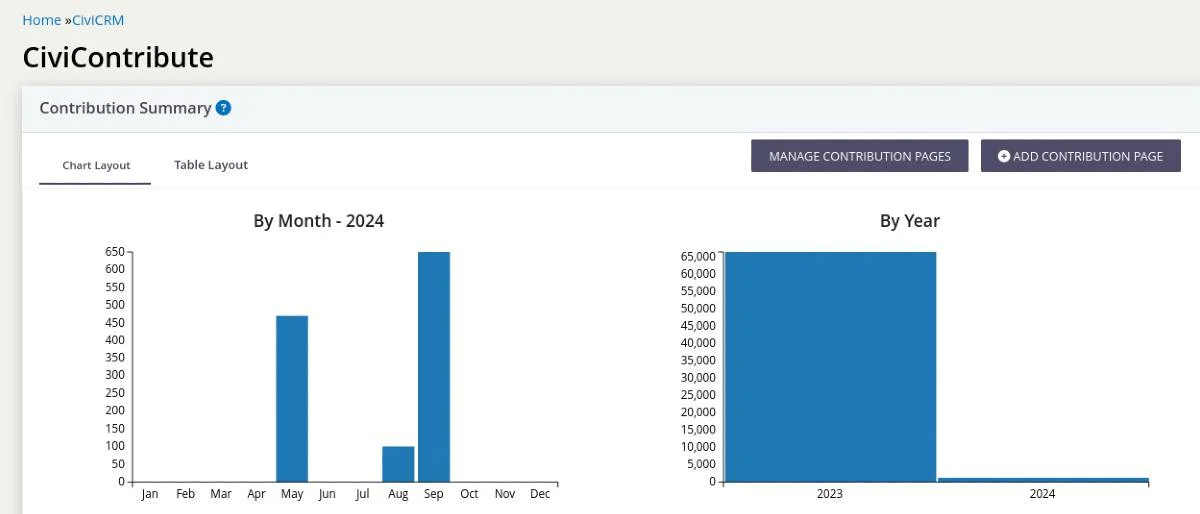
Donations. CiviContribute handles online donations, recurring gifts, pledges, offline batch entry, soft credits, and honoree designations, all connected to the contact record. CiviCRM charges zero platform fees on top of payment processor rates. The platform has processed 116 million donations across its install base.
Source: CiviCRM
Salesforce requires configuration or add-ons to replicate this workflow. Out of the box, Salesforce tracks opportunities and revenue, not donations. Nonprofits typically layer apps from AppExchange on top of the core platform.
Events. CiviEvent provides online registration, payment collection, waitlists, participant approval, group registration, repeating events, automated reminders, and badge printing. 24 million event participants have registered through the platform. Event registration data flows into the contact record without integration work.
Salesforce has campaign management and can track event-related data, but event registration requires third-party tools or custom development.
Memberships. CiviMember handles membership types, automated status transitions (Pending, New, Current, Grace, Expired, Cancelled), auto-renewal, inherited memberships through organizational relationships, and CMS-level content gating for members-only access.
Salesforce can model memberships, but doing so typically requires custom objects or AppExchange solutions. The lifecycle logic CiviMember handles natively requires manual configuration in Salesforce.
The pattern is clear: for organizations whose primary operations are donations, events, and memberships, CiviCRM includes these capabilities by default. Salesforce requires assembly.
Data quality decides everything downstream
A CRM is only as useful as the data inside it. Both CiviCRM and Salesforce manage data, but neither sources it.
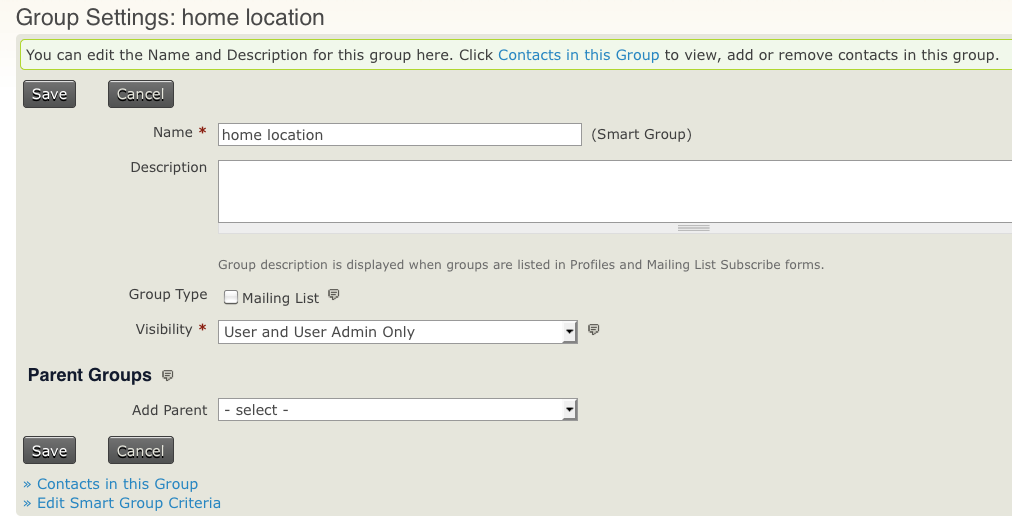
CiviCRM's contact management supports three core contact types (Individuals, Organizations, Households), custom subtypes, smart groups that auto-populate from search criteria, and configurable deduplication rules.
Source: CiviCRM
Data enters through website forms, manual entry, CSV imports, or CMS interactions. The quality tools work well for cleaning records you already have.
Salesforce offers more sophisticated data management through Data Cloud, which ingests, unifies, and resolves identities across sources.
With 200+ pre-built connectors and zero-copy access to Snowflake, Databricks, and BigQuery, Salesforce can consolidate fragmented data into unified profiles. But Marc Benioff himself acknowledged: "You have got to get your data right." The tools exist. The data work is still on the customer.
This is the gap ZoomInfo fills.
Instead of managing data you've already collected, ZoomInfo provides 500M contacts and 100M companies with up to 95% accuracy on first-party data. The data is verified continuously through automated ML scanning of 28 million site domains daily, a community of 200,000+ ZoomInfo Lite users who share data back, and an in-house Data Training Lab of 300+ human researchers.
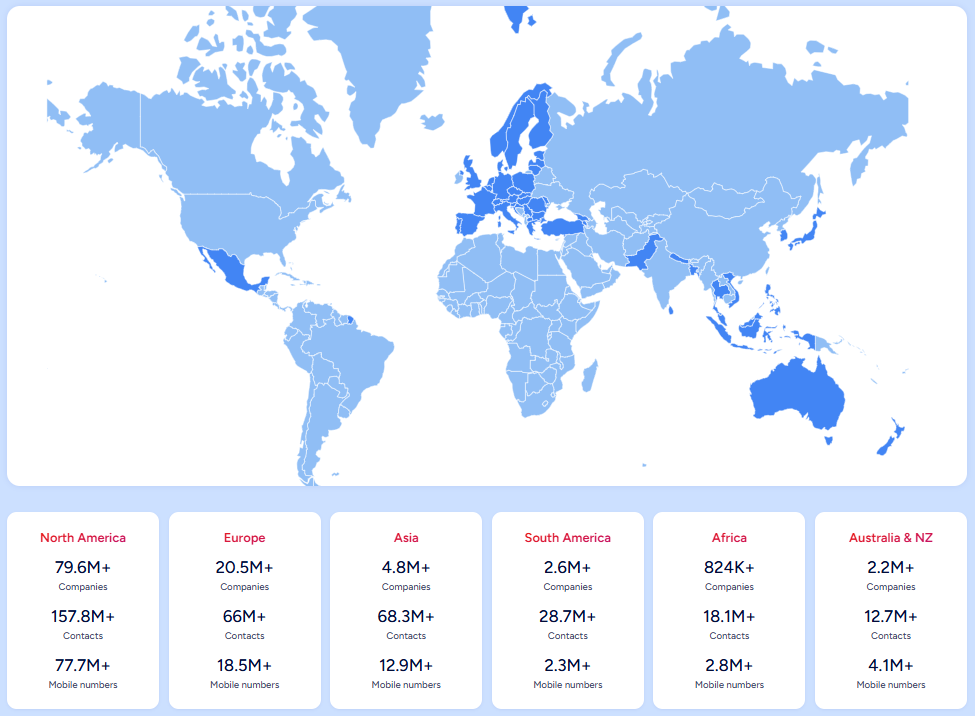
Source: ZoomInfo
In a Fortune 500 competitive RFP analyzing 25 million contacts across vendors, the independent consultant concluded that "no other competitor came even close."
For Salesforce users, ZoomInfo's native integration enriches CRM records directly: appending verified emails, direct-dial phone numbers, company attributes, technographics, and org chart data without leaving Salesforce. For organizations using CiviCRM, ZoomInfo's Enterprise API can feed enriched contact data into any system.
Beyond static contact records, ZoomInfo's GTM Context Graph captures why deals move or stall by combining CRM data, conversation transcripts, and behavioral signals into a single intelligence layer. As ZoomInfo's CPO Dominik Facher writes: "The CRM recorded the state change. It has no record of why it happened." The Context Graph fills that gap.
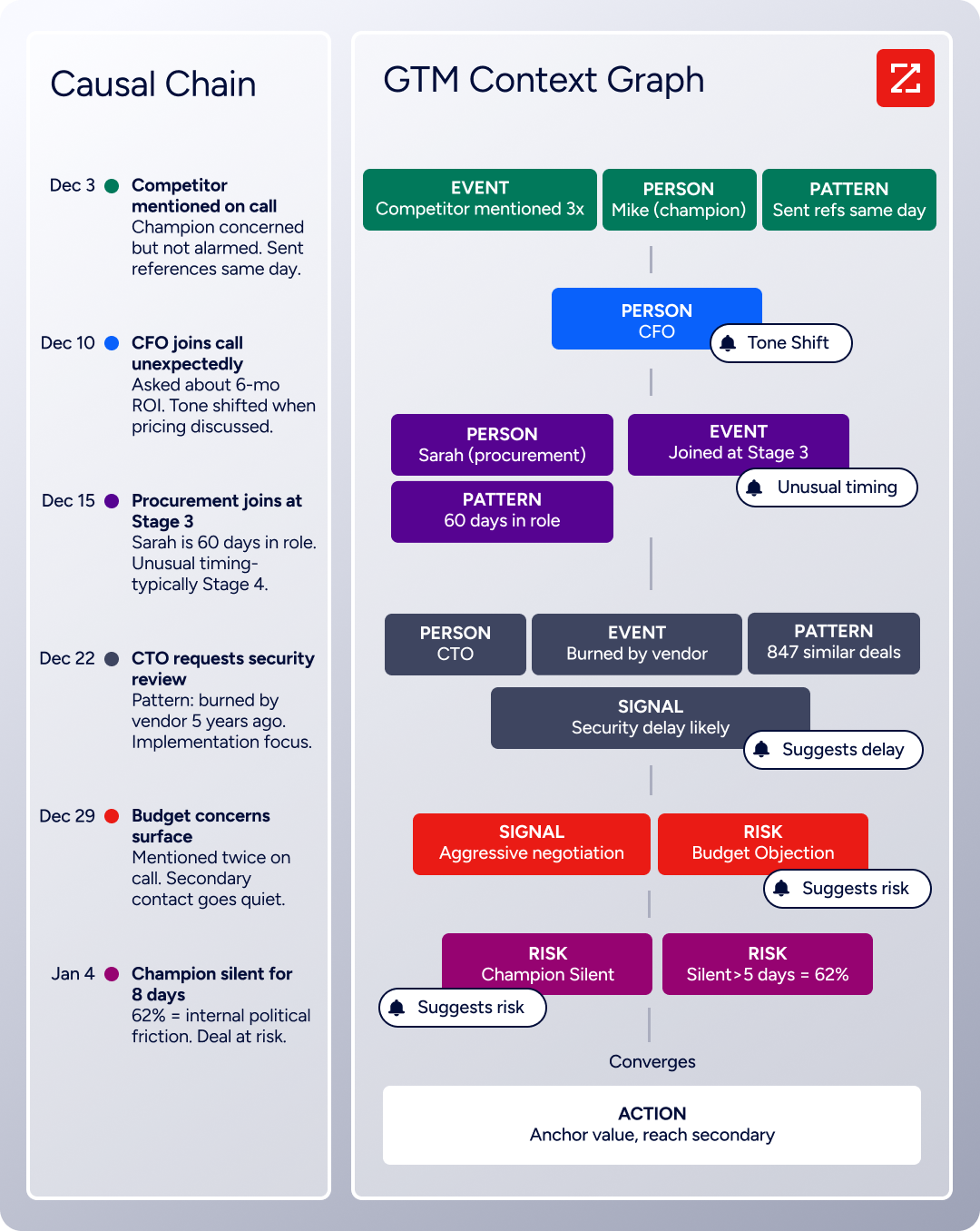
Seismic's sales team attributed 39% of active pipeline to opportunities identified or influenced by ZoomInfo signals, boosted productivity by 54%, and saved 11.5 hours per week per seller. (Seismic)
Integrations and ecosystem
CiviCRM's integration model centers on its CMS host.
Running inside WordPress, Drupal, Joomla, or Backdrop, CiviCRM inherits the CMS ecosystem: website forms, user authentication, and content management all share the same database.
Beyond the CMS, CiviCRM connects to payment processors (Stripe, PayPal, iATS, TSYS), offers a verified n8n node for automation workflows, and supports the CiviRules extension (2,572 active installs) for no-code trigger-condition-action automation. A Zapier integration exists but is listed as work in progress.
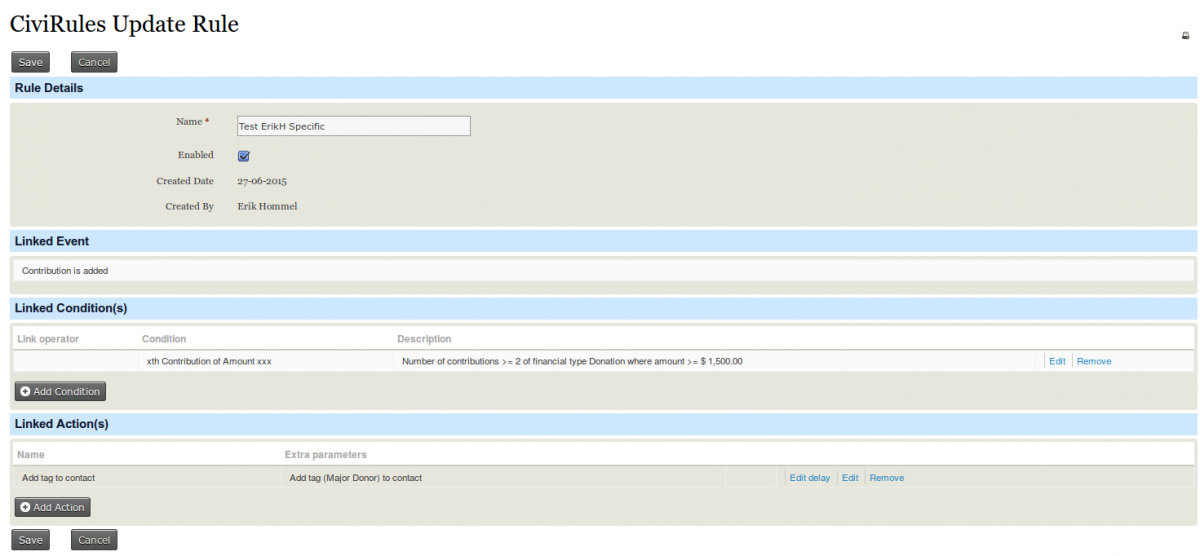
Source: CiviCRM
The limitation: CiviCRM lacks a large library of pre-built integrations with modern SaaS tools. Custom development is often required.
Salesforce's ecosystem is in a different league.
AppExchange hosts 9,000+ partner apps with 14+ million installs, and 91% of customers use at least one. MuleSoft provides integration with hundreds of pre-built connectors for SAP, Oracle, Workday, and most enterprise systems.
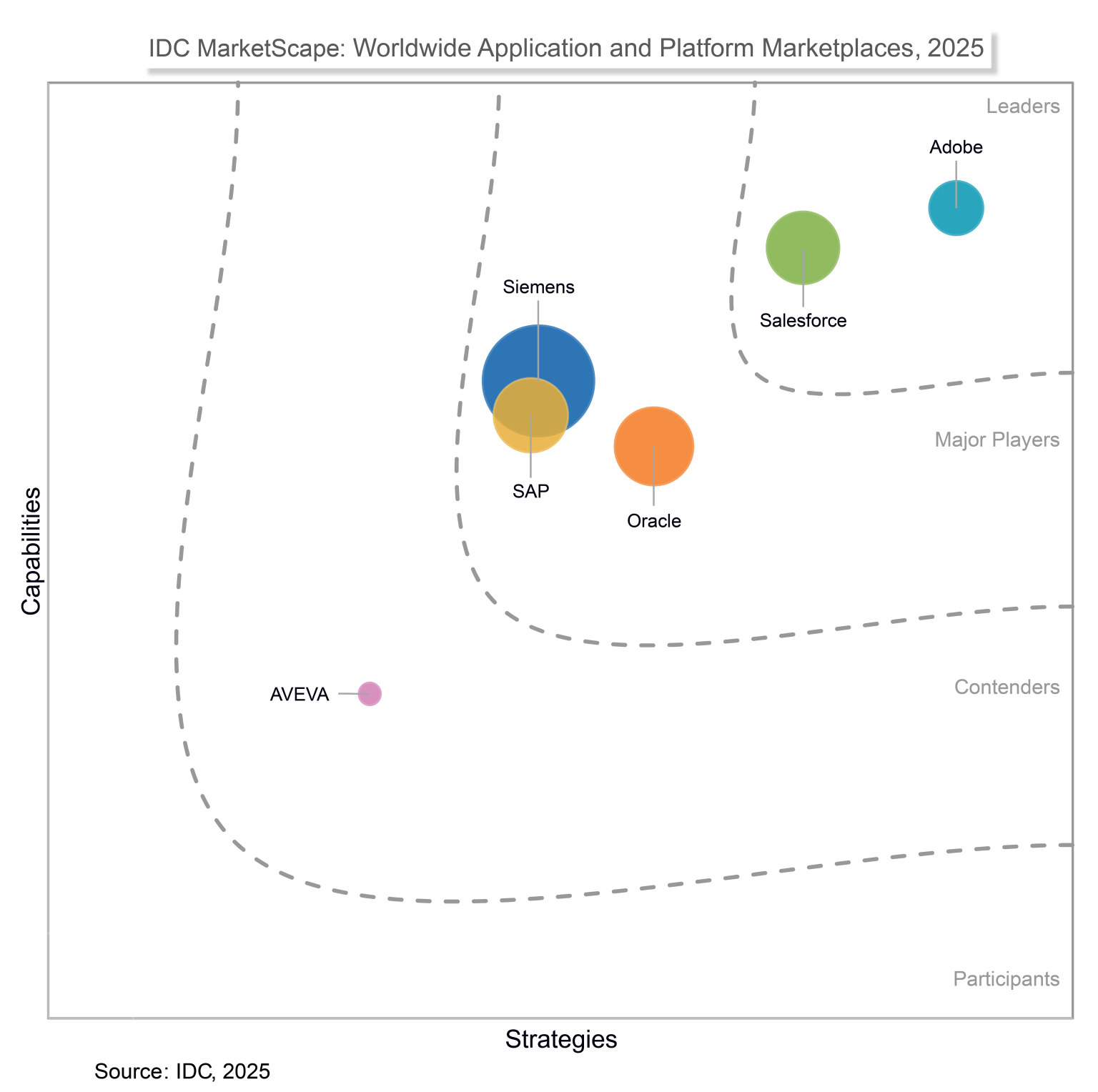
Source: Salesforce
Native integrations with Google Workspace, Microsoft Outlook, and Slack cover daily needs. The API surface spans more than 30 APIs across REST, SOAP, GraphQL, gRPC, and event-streaming protocols.
ZoomInfo's App Marketplace lists 172+ integration partners, with native integrations for Salesforce, HubSpot, Microsoft Dynamics 365, and data warehouses including Snowflake and Databricks.
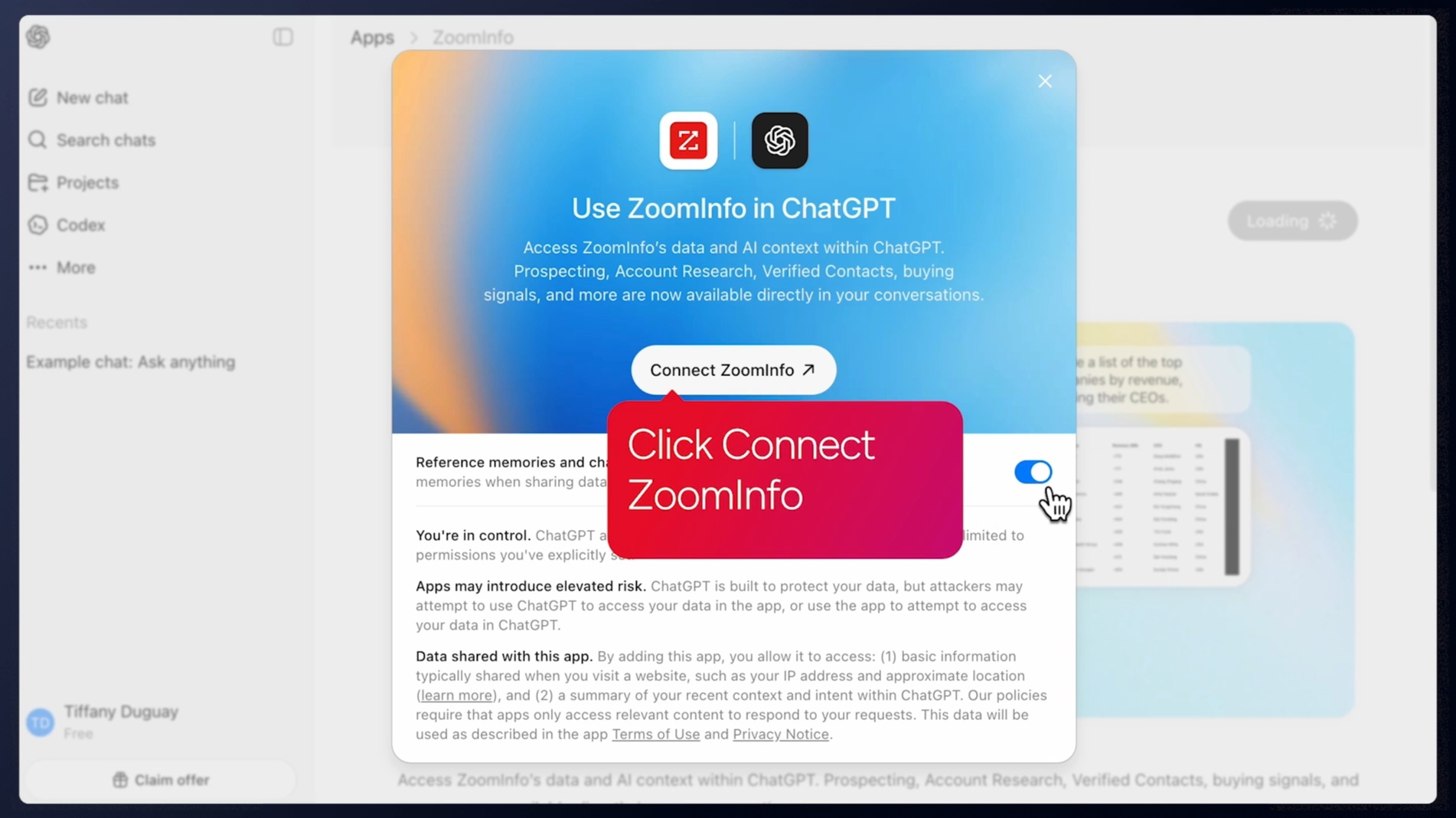
The ZoomInfo MCP server connects AI models to ZoomInfo's B2B data, supporting Claude and ChatGPT. API access is included in all relevant plans, so the same data powers ZoomInfo's own products and any custom integration.
Source: ZoomInfo
BDO Canada cut 87% of the time spent updating internal data dashboards by plugging ZoomInfo's API into their existing systems. "The plug-and-play aspect of the API means I can integrate it very easily into any process and get information at a moment's notice," said Jerry Wilson, Senior Marketing Intelligence Analyst. (BDO Canada)
AI capabilities: Where each platform is headed
AI is reshaping CRM, but the three platforms are at different stages.
CiviCRM's AI story is early and community-driven.
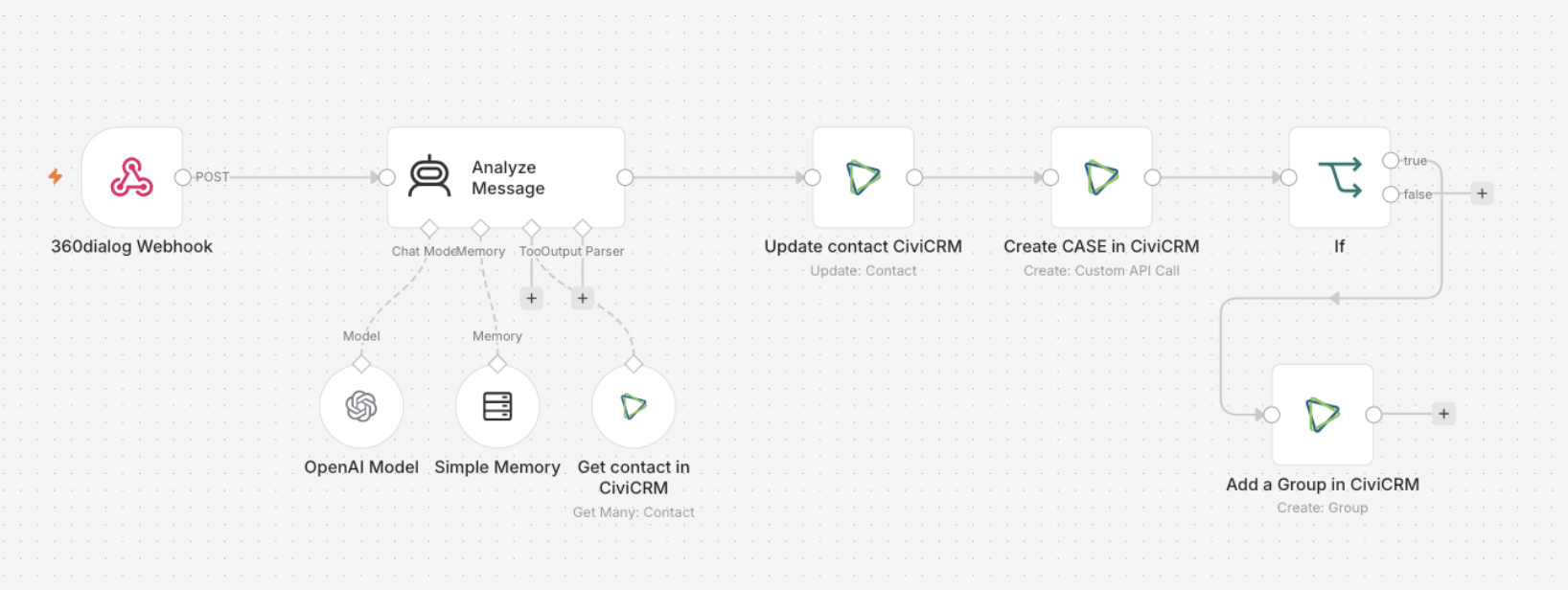
A June 2026 blog post announced a verified n8n integration, connecting CiviCRM to the broader automation and AI ecosystem. A separate community post explored running self-hosted AI models within CiviCRM's stack, consistent with the platform's privacy-first approach. These are promising directions, but they require technical work rather than out-of-the-box functionality.
Source: CiviCRM
Salesforce has made AI its central strategy.
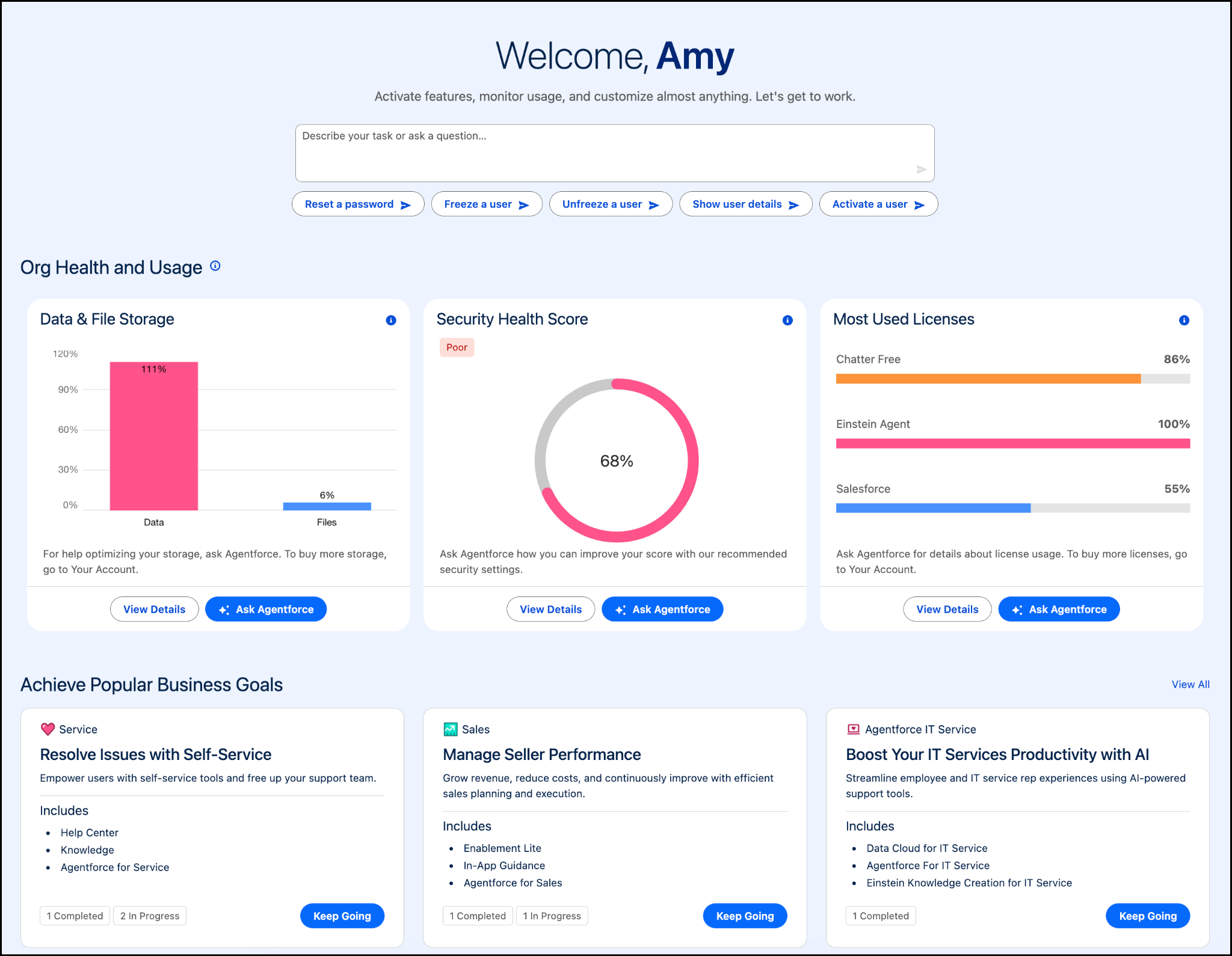
Agentforce, powered by the proprietary Atlas Reasoning Engine, deploys autonomous AI agents that handle sales prospecting, customer service, marketing campaigns, and IT service management.
Source: Salesforce
The Einstein Trust Layer provides zero data retention with LLM partners and PII masking.
ZoomInfo's AI is built on its data.
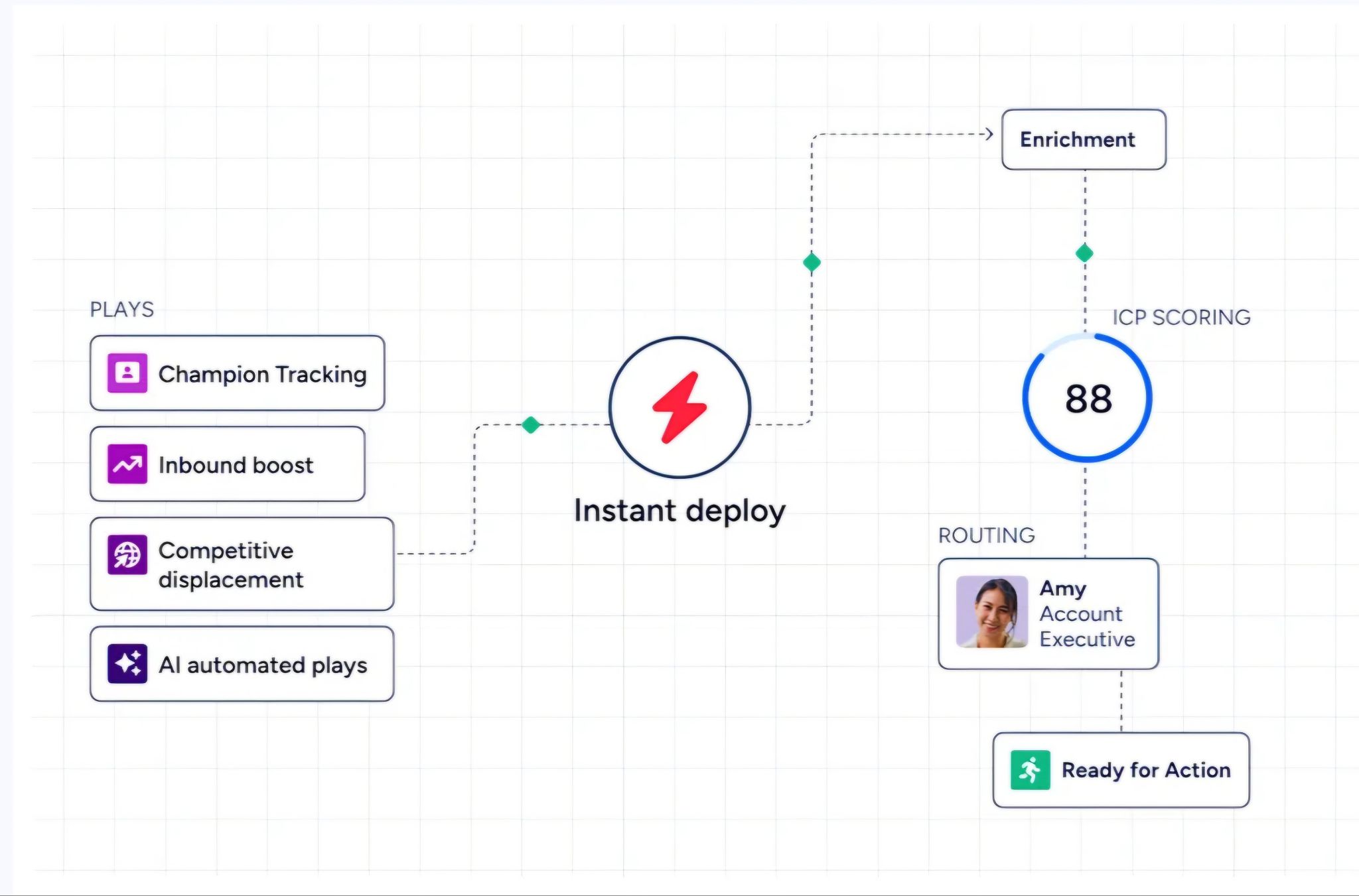
The GTM Context Graph processes 1.5B+ data points daily, combining ZoomInfo's B2B data with CRM records, conversation transcripts, and behavioral signals into a layer that shows why deals move or stall. GTM Workspace deploys AI agents (built on Anthropic's Claude) that automate account research, outreach drafting, CRM updates, and signal monitoring.
GTM Studio lets marketers and RevOps teams describe audiences in natural language and launch multi-channel campaigns without engineering support.
Source: ZoomInfo
The difference: Salesforce's AI operates across a broad platform. ZoomInfo's AI focuses on go-to-market execution, grounded in verified B2B data rather than whatever happens to be in your CRM.
"ZoomInfo's not just a contact data company anymore. They've built a full system of execution. GTM Intelligence works the list, writes the outreach, triggers the play, and helps drive predictable growth." (Ian Brodie, CEO and Co-Founder of Levanta, Levanta)
For a deeper look at how Salesforce and ZoomInfo stack up across data, pricing, and go-to-market capabilities, see our Salesforce vs. ZoomInfo comparison.
The real cost: "Free" software vs. enterprise licensing
CiviCRM's software is free. Running it is not.
The free download includes everything: all modules, unlimited contacts, unlimited emails, all community extensions. But production deployment requires a web server, a host CMS (WordPress, Drupal, Joomla, or Backdrop), a configured mail system, payment processor setup, and someone who knows how to maintain it.
Organizations without in-house technical staff will hire from the partner network, and implementation costs can surprise buyers expecting "free."
CiviCRM's Real Talk post on pricing acknowledges this friction: new users misunderstand the open-source model as zero-cost, then face sticker shock from implementation fees.
For organizations that want a managed experience, CiviCRM Spark offers hosted plans at $15/month (Starter), $30/month (Essentials), and $50/month (Pro). These are per-instance prices, not per-seat. All plans include unlimited users. The trade-off: Spark caps contacts at 5,000 (Starter/Essentials) or 10,000 (Pro), and bulk email is only available on Essentials and above.
Salesforce's costs are more predictable but higher. Sales Cloud and Service Cloud follow identical pricing:
Edition | Price |
|---|---|
Starter Suite | $25/user/month |
Pro Suite | $100/user/month |
Enterprise | $175/user/month |
Unlimited | $350/user/month |
Agentforce 1 | $550/user/month |
These are per-user prices, billed annually. A 10-person team on Enterprise pays $21,000 per year before add-ons, implementation, or the Premier Success Plan (30% of net license fees). Salesforce has acknowledged its pricing "needed to be easier to understand, more predictable, and more flexible."
For a small nonprofit with 5 staff and 3,000 contacts, CiviCRM Spark at $30/month ($360/year) versus Salesforce Enterprise at $175/user/month ($10,500/year) is a 29x price difference. The two organizations are paying for different things, but the math matters when budgets are tight.
ZoomInfo uses custom-quoted, consumption-based pricing scaled around seats, credits, and features.
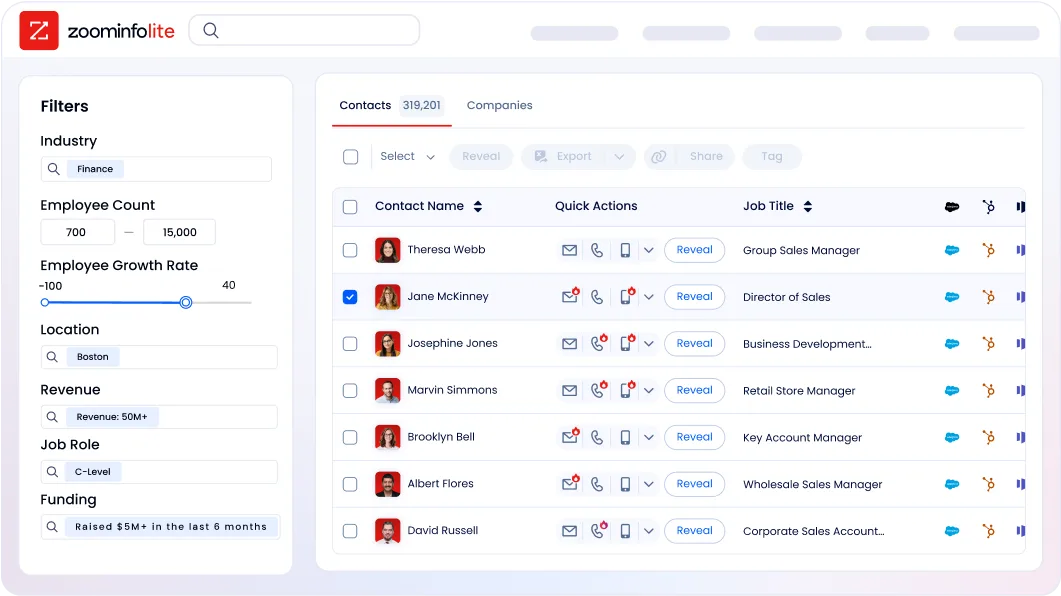
A permanent free tier (ZoomInfo Lite) provides access to 100M+ verified profiles with 10 monthly export credits, no credit card required. Organizations can evaluate the data before committing.
Data sovereignty and security
Data ownership is a decisive factor for many organizations, and these platforms take different positions.
CiviCRM offers the strongest data sovereignty. Because the software is self-hosted, organizations retain complete ownership of constituent data with no vendor access.
For advocacy groups, international NGOs, and privacy-conscious organizations, this is a structural advantage. CiviCRM Spark offers data hosting in North America or Europe (customer's choice), with email processed within the EU.
A Data Processing Agreement is available for organizations needing formal documentation. The GDPR extension adds consent recording, contact anonymization, and data protection officer assignment.
The trade-off: CiviCRM's security depends on the operator. The platform provides security hardening tools (SSL enforcement, filesystem permissions, PHPIDS), but the administrator must apply them. No SOC 2, ISO 27001, or other third-party certifications were documented for the self-hosted product.
Salesforce runs a multi-tenant cloud with strict data isolation.
Certifications include ISO 27001/27017/27018, SOC 1/2/3, FedRAMP, and HITRUST. Salesforce Shield adds event monitoring, platform encryption with BYOK, and indefinite field audit trails. Hyperforce enables regional data residency. The downside: your data lives on Salesforce infrastructure, subject to Salesforce's terms.
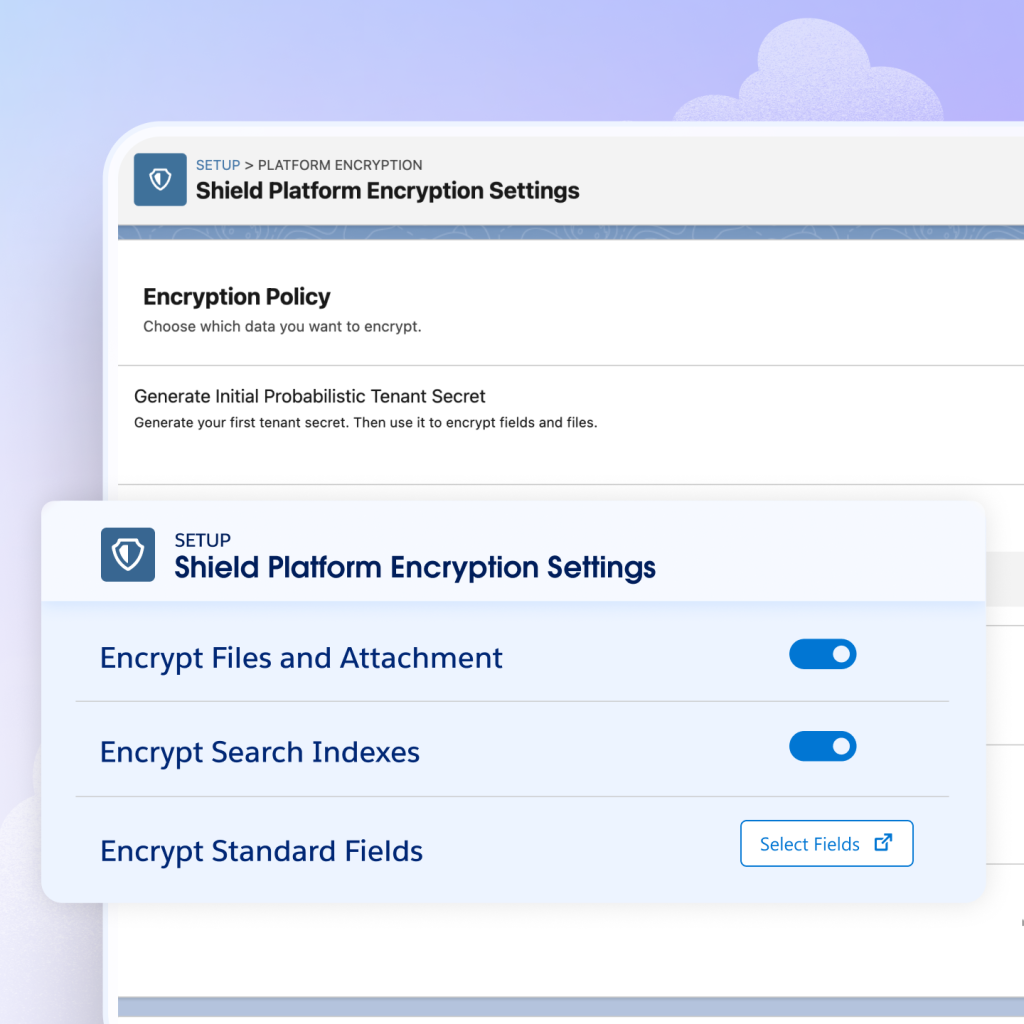
Source: Salesforce
ZoomInfo maintains ISO 27001, ISO 27701, SOC 2 Type II, TRUSTe GDPR, and TRUSTe CCPA certifications, all renewed annually.
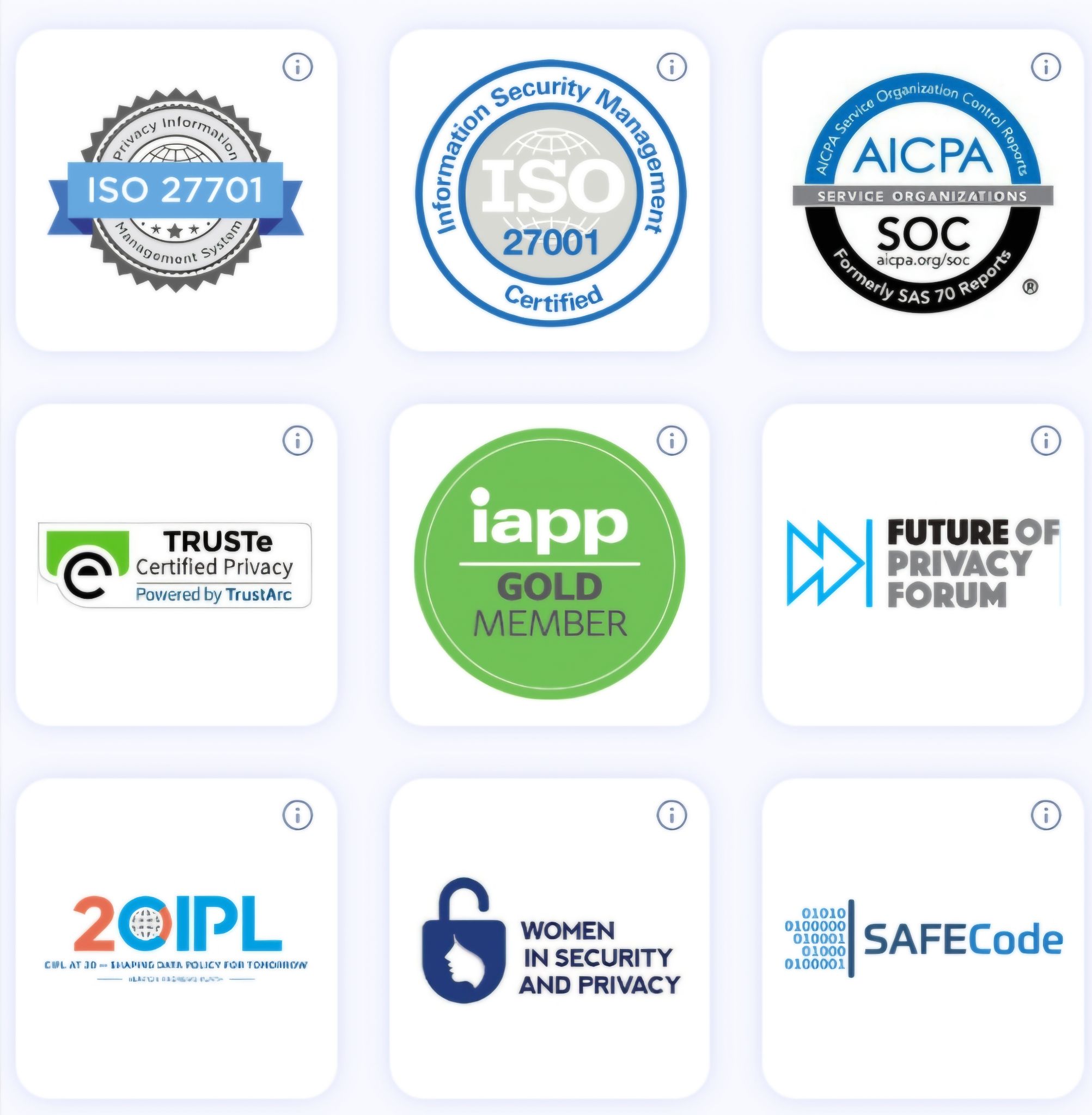
Source: ZoomInfo
The company is a registered data broker in California and Vermont, with a dedicated Trust Center at trust.zoominfo.com.
User experience and the learning curve gap
Neither CiviCRM nor Salesforce is easy to learn. The difficulty comes from different sources.
CiviCRM's interface is the platform's most cited weakness.
Capterra reviewers (3.9/5, 41 reviews) describe the UX as "old fashioned" and note it is "what lets this platform down." The July 2026 Lighthouse Navigation blog post quotes user feedback: "The menu is a bit intense" and "Fairly complex config and menu structure."
The platform exposes overlapping search interfaces, and new users can't find features without training. The RiverLea theme, shipped in CiviCRM 5.80, is the first major visual overhaul in years, but navigation complexity remains.
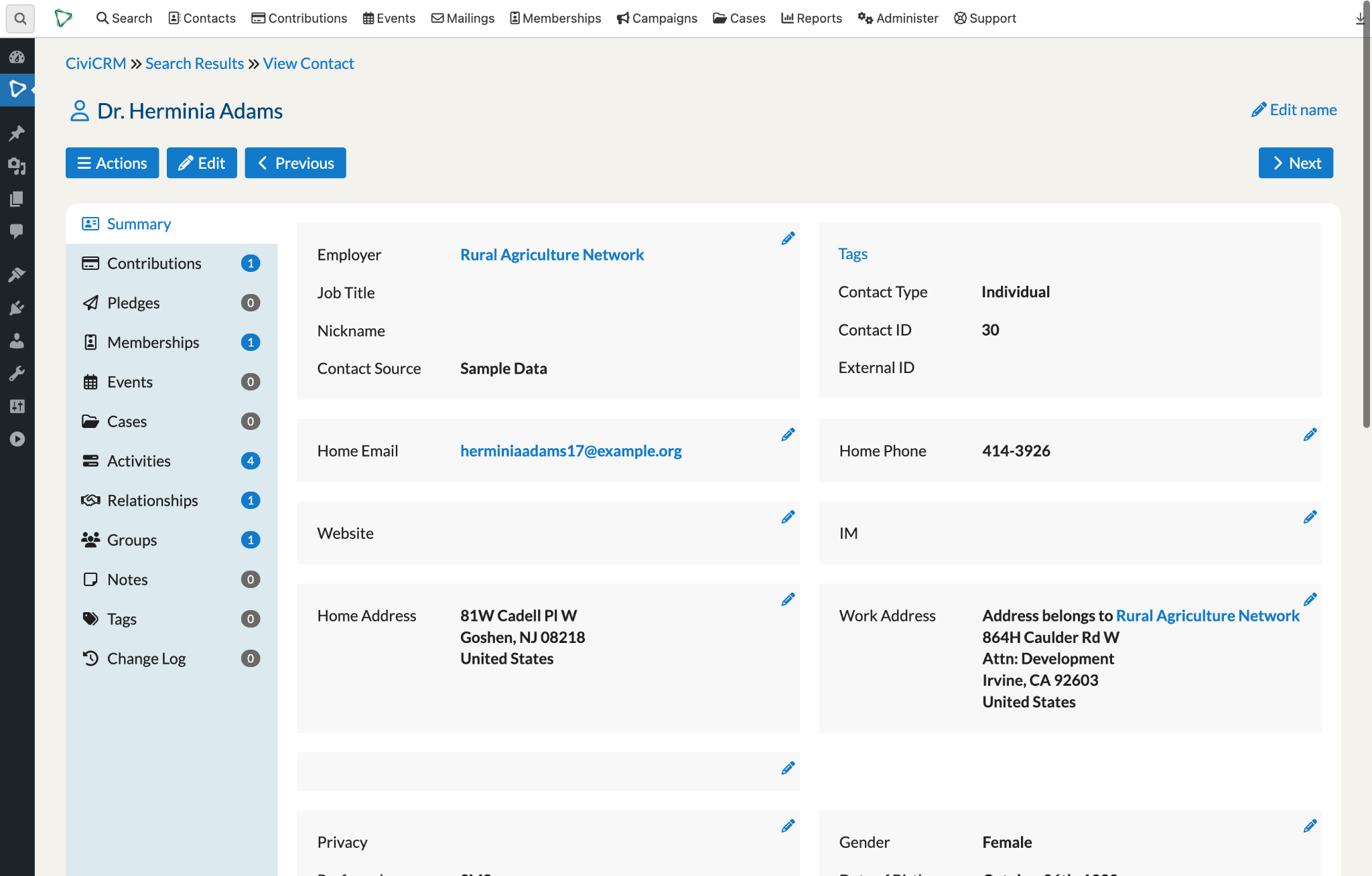
Source: CiviCRM
Installation compounds the problem. Getting CiviCRM production-ready means configuring a CMS, the CiviCRM module, scheduled jobs, caching, payment processors, and mail handling. The System Administrator Guide covers this across multiple chapters. Small organizations without technical staff typically hire an implementation partner.
Salesforce's learning curve is different: the interface is modern (Lightning Experience is the current standard), but the platform's breadth is overwhelming.
With 50+ tools spanning sales, service, marketing, commerce, analytics, and AI, many teams use a fraction of what they pay for. Trailhead offers 1,500+ badges and 6+ million learners, but reaching proficiency takes real time. Implementation ranges from weeks (simple Sales Cloud) to 3 to 12 months (multi-cloud enterprise).
ZoomInfo has invested in reducing its learning curve.
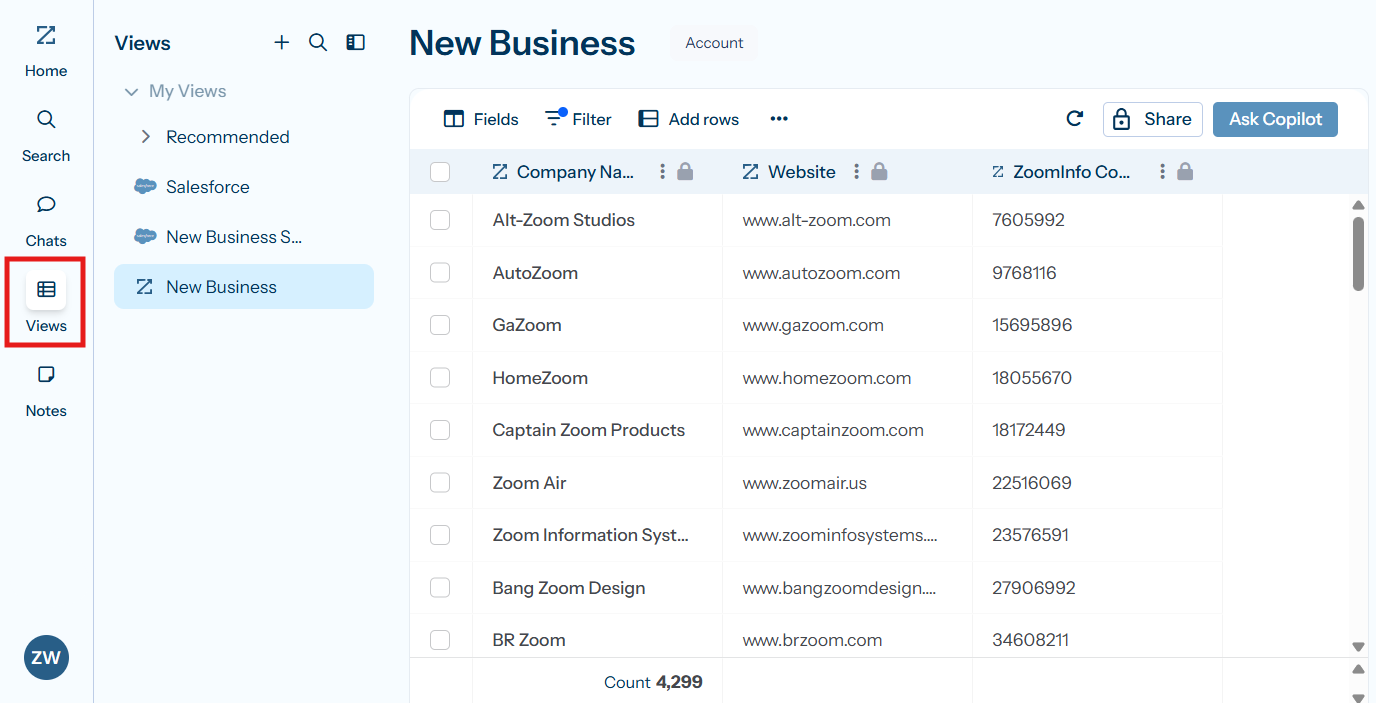
The company redesigned its onboarding program from 30 to 90 days, producing a 25% improvement in CSAT scores. GTM Workspace, the seller-facing front end, "deploys in weeks, not months". ZoomInfo University provides role-specific learning paths, certifications, and on-demand courses.
Source: ZoomInfo
CiviCRM vs. Salesforce vs. ZoomInfo: Which should you choose?
The right platform depends on your organization's mission, resources, and outreach needs.
Choose CiviCRM if:
You're a nonprofit, association, or civic organization whose primary operations are donor management, events, and memberships
Data sovereignty and vendor independence are non-negotiable
You have in-house technical staff or budget for a CiviCRM Partner
Your budget is tight and per-seat licensing is a dealbreaker
You run WordPress, Drupal, Joomla, or Backdrop and want CRM-website integration without middleware
Choose Salesforce if:
You need a CRM that scales from departmental use to organization-wide operations
Your organization spans sales, service, marketing, and commerce
AI-driven automation and autonomous agents are part of your strategy
You can invest in implementation and ongoing administration
You need the largest integration ecosystem and third-party app marketplace available
Add ZoomInfo if:
You need verified contact data for corporate fundraising, B2B prospecting, or membership acquisition from businesses
Your CRM has incomplete or outdated records that limit outreach
You want AI that identifies who to contact, when to engage, and what to say
You use Salesforce and want a native integration that enriches CRM records automatically
Try ZoomInfo free or sign up for ZoomInfo Lite for permanent free access to 100M+ verified profiles.
CiviCRM and Salesforce both manage relationships well once contacts are in the system. The choice between them comes down to budget, technical capacity, and organizational complexity.
But for organizations whose growth depends on reaching the right people with accurate data, ZoomInfo provides the intelligence layer that makes either CRM more effective. The best CRM in the world can't help if the contacts inside it are wrong.
Smartsheet relies on ZoomInfo as their single source of truth for account and contact data. "Without ZoomInfo, it would be extremely difficult, if not impossible, to achieve our business objectives. Without it, we wouldn't be able to understand the market, have the right contact data, and make meaningful connections," said Thor Sanderson, Senior Manager of Sales Technology Enablement. (Smartsheet)
CiviCRM vs. Salesforce vs. ZoomInfo FAQ
What is the core difference between CiviCRM, Salesforce, and ZoomInfo?
CiviCRM is a free, open-source CRM built for nonprofits, handling donor tracking, event management, memberships, bulk email, and case management in one platform.
Salesforce is the world's largest commercial CRM, serving organizations across every industry with sales, service, marketing, and AI tools.
ZoomInfo is not a CRM but a B2B data intelligence platform that provides verified contact data, company intelligence, and AI-driven insights to complement whichever CRM an organization uses.
Is CiviCRM really free?
The software is free to download and use under the GNU AGPL v3 license, with no per-seat fees or contact limits. But running CiviCRM requires hosting infrastructure, a compatible CMS, and technical expertise for installation, configuration, and maintenance.
Organizations without in-house IT typically hire an implementation partner. The hosted CiviCRM Spark option starts at $15/month with unlimited users but caps contacts at 5,000 to 10,000 depending on the plan.
Which platform is better for small nonprofits with limited budgets?
CiviCRM Spark at $30/month (Essentials, which includes bulk email) serves small nonprofits at a fraction of Salesforce's per-user pricing. A 10-person team on Salesforce Enterprise would pay $21,000/year versus $360/year for Spark.
CiviCRM also includes donation pages, event registration, and membership management by default, while Salesforce typically requires AppExchange apps or custom configuration for these nonprofit workflows.
Can ZoomInfo work with CiviCRM, or only with Salesforce?
ZoomInfo has a native integration with Salesforce that enriches CRM records directly. There is no native CiviCRM integration, but ZoomInfo's Enterprise API can feed enriched contact data into any system, and the MCP server connects with any MCP-compatible AI tool.
Organizations using CiviCRM for constituent management could use ZoomInfo separately for corporate outreach and prospecting, then import verified contacts into CiviCRM.
How do the platforms handle email marketing?
CiviCRM includes CiviMail for bulk email, which operates on live CRM data with smart groups, token-based personalization, bounce processing, and A/B testing. Spark plans include up to 50,000 emails/month.
Salesforce offers Marketing Cloud as a separate product starting at $1,500/org/month, with journey orchestration, CDP capabilities, and AI-driven personalization.
ZoomInfo does not send email but provides the verified email addresses (200M+) and buying intent signals that improve targeting for any email platform.
Which platform requires the most technical expertise to run?
CiviCRM requires the most hands-on technical work, especially for self-hosted deployments. Installation, upgrades, and customization demand familiarity with PHP, CMS administration, and server management.
Salesforce requires a trained administrator but not server management, since it runs as a managed cloud service.
ZoomInfo requires the least technical work from end users, with a managed SaaS platform and an onboarding program that deploys in weeks.
How do the three platforms compare on data privacy and compliance?
CiviCRM offers the strongest data sovereignty through self-hosting, where the organization controls all data. Salesforce provides compliance certifications (ISO 27001, SOC 1/2/3, FedRAMP, HITRUST) on its managed cloud infrastructure. ZoomInfo holds ISO 27001, ISO 27701, SOC 2 Type II, and TRUSTe GDPR/CCPA certifications, and operates as a registered data broker.
All three support GDPR compliance through different mechanisms: CiviCRM via a GDPR extension with consent recording, Salesforce through Privacy Center and Shield, and ZoomInfo through its compliance API and Trust Center.
Which platform has the strongest AI capabilities?
Salesforce has the most mature AI offering with Agentforce, deploying autonomous agents across sales, service, marketing, and commerce.
ZoomInfo's AI focuses on go-to-market intelligence, with the GTM Context Graph showing why deals move or stall and AI agents that draft outreach, prioritize accounts, and automate research.
CiviCRM's AI capabilities are the most nascent, relying on community-driven integrations like the n8n automation node and self-hosted AI experiments rather than built-in features.
See how Salesforce compares against other CRMs and platforms:
