
Choosing between Clarify and HubSpot for your sales and CRM needs comes down to five questions:
Do you need a CRM that fills itself in, or a customer platform spanning marketing, sales, service, and content?
Is your team five people closing founder-led deals, or fifty running multi-channel campaigns?
How important is it that your CRM comes with prospecting data, not just fields to track?
Are you willing to trade feature depth for speed and simplicity?
Do you need a system that records what happened in your deals, or one that understands why?
In short, here's what we recommend:
Clarify is built for founder-led startups that want a CRM they never have to think about. Its AI agent, Rep, handles meeting prep, follow-up drafts, deal updates, and data entry so founders can focus on conversations instead of fields. With unlimited seats on every plan, native data enrichment, and an interface users call "a breath of fresh air", Clarify removes the friction that makes most CRMs go unused. The trade-off: it's a young product with reporting and integrations still maturing, and it's designed for small teams, not enterprise sales organizations.
HubSpot is the customer platform for scaling companies that want marketing, sales, service, and content in one place. With $3.13 billion in revenue, 288,706 customers, and over 2,000 app integrations, HubSpot covers everything from email automation to CPQ to AI-powered service agents. But that breadth costs something. Pricing is complex (per-seat, per-hub, with mandatory onboarding fees at Professional and Enterprise tiers), and the platform delivers more than most small teams will ever use.
Both platforms help you organize customer relationships. But the hardest part of sales isn't logging data into a CRM. It's knowing who to sell to, when to reach out, and why a deal is moving or stalling. That's a different problem, and it needs a different kind of platform.
ZoomInfo is a go-to-market intelligence platform built on the largest B2B dataset available: 500M contacts, 100M companies, 135M+ verified phone numbers, and 200M+ verified business email addresses. Its GTM Context Graph processes 1.5B+ data points daily, combining this data with your CRM records, conversation transcripts, and behavioral signals to show not just what's happening in your pipeline, but why. Teams access that intelligence through GTM Workspace for sales execution, GTM Studio for marketing and RevOps orchestration, or the API and MCP to power any tool in their stack, including HubSpot and Salesforce.
If knowing who to contact, when to engage, and what to say sounds more valuable than another empty CRM, see how ZoomInfo works.
Clarify vs. HubSpot vs. ZoomInfo at a glance
Clarify | HubSpot | ZoomInfo | |
|---|---|---|---|
Core approach | Autonomous CRM for startups | Full customer platform | GTM intelligence platform |
AI focus | CRM automation (meeting prep, follow-ups, data entry) | Breeze agents across marketing, sales, and service | GTM Context Graph (signals, deal reasoning, outreach) |
B2B data | Native enrichment waterfall (standard/advanced) | AI enrichment from emails, calls, and web | 500M contacts, 100M companies, 135M+ verified phones |
Pricing model | Credit-based, unlimited seats | Per-seat, per-hub, with onboarding fees | Custom, consumption-based |
Starting price | Free (1,000 credits/mo) | Free CRM (2 users max) | ZoomInfo Lite (free, 10 credits/mo) |
Paid starting price | $50/month (unlimited seats) | $20/seat/month (Starter) | Custom quote |
Integrations | 30+ (growing) | 2,000+ marketplace apps | 120+ plus API and MCP access |
Security | SOC 2 Type I, AWS (US) | SOC 2 Type II, HIPAA, GDPR, EU data center | ISO 27001, ISO 27701, SOC 2 Type II, GDPR/CCPA |
Best for | Founder-led teams (1-10 sellers) | Scaling companies (20-2,000 employees) | Enterprise and mid-market GTM teams |
Three different philosophies for the same problem
Clarify, HubSpot, and ZoomInfo each start from a different premise about what makes sales teams effective.
Clarify believes the CRM itself is the problem. Sellers spend 72% of their time doing everything but selling, mostly updating tools and organizing data. Clarify's answer is to make the CRM autonomous: it captures calls, enriches contacts, creates deals, assigns tasks, and improves with every touchpoint. The system handles the administrative work so you don't have to.

Source: Clarify
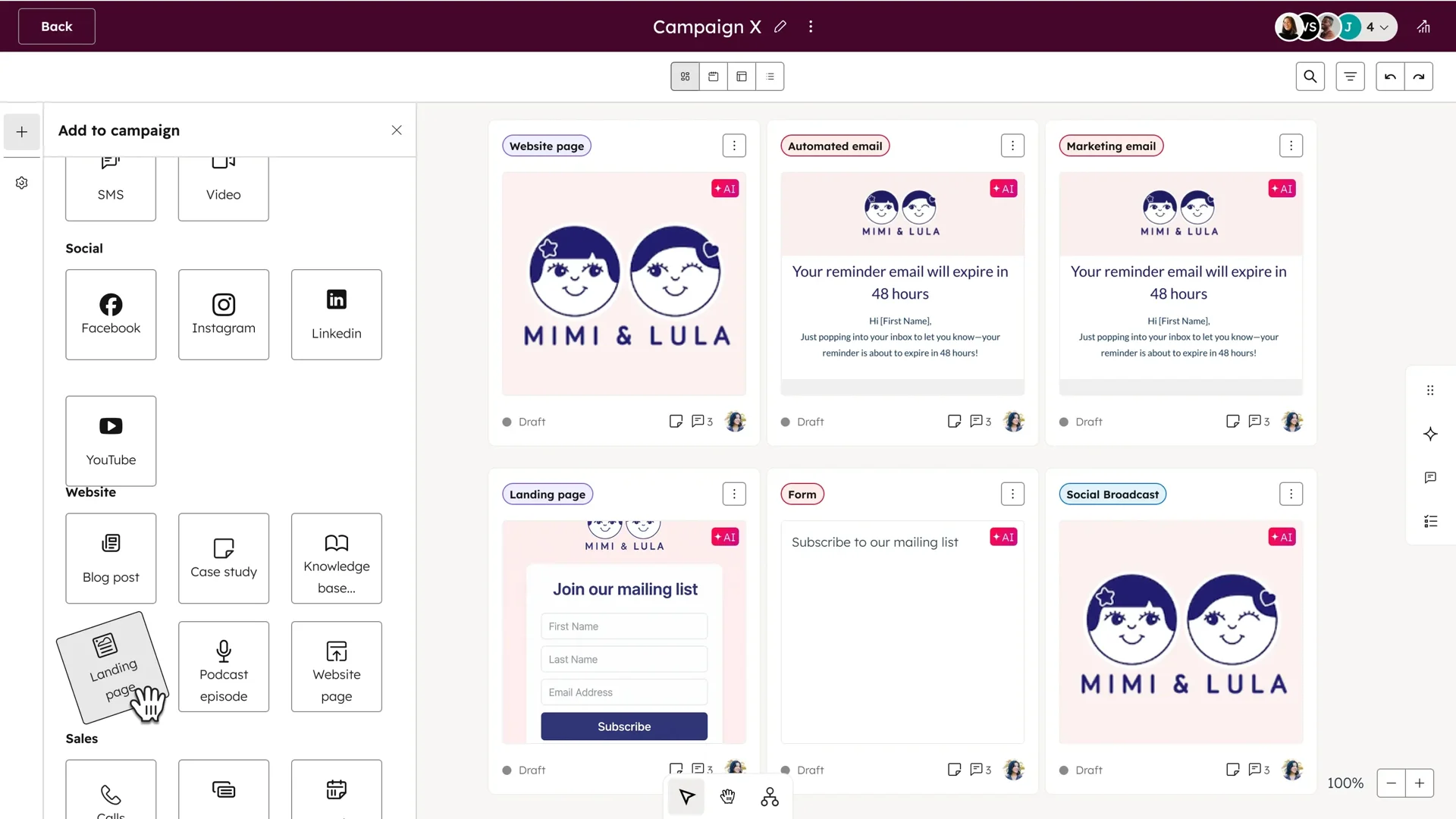
HubSpot believes fragmentation is the problem. Companies stitch together five to fifteen tools for email, CRM, ticketing, content, and analytics, then lose data between the gaps. HubSpot's answer is one connected platform where marketing data flows to sales and service teams. Everything shares a single database, so no information falls through.
Source: HubSpot
ZoomInfo believes the data itself is the problem. A CRM, no matter how automated or unified, is only as useful as the intelligence inside it. Most CRMs record that a deal moved from Stage 3 to Stage 4, but as ZoomInfo's Chief Product Officer Dominik Facher puts it: "The CRM recorded the state change.
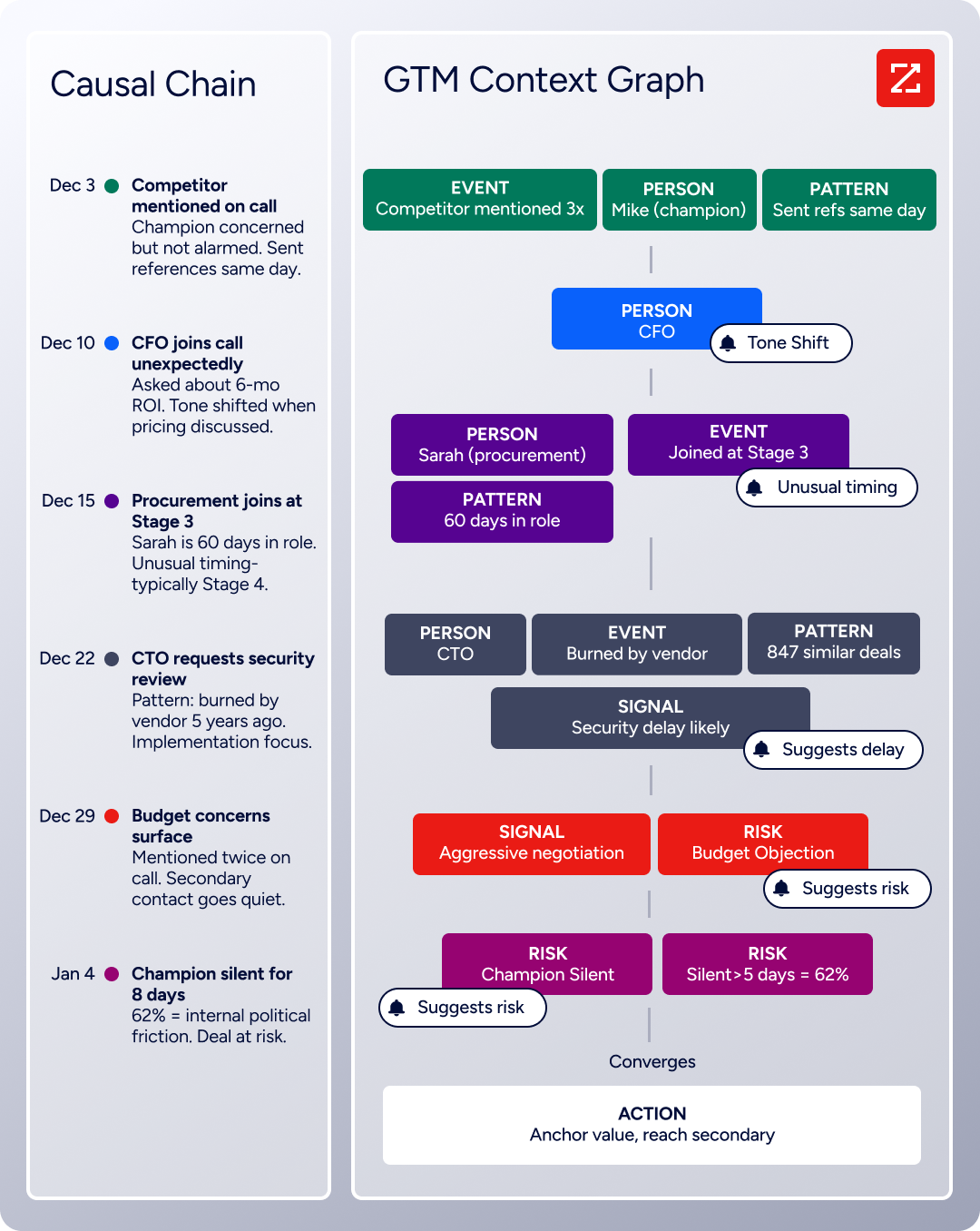
It has no record of why it happened." ZoomInfo's answer is the GTM Context Graph, which processes 1.5B+ data points daily to connect signals, conversations, and outcomes into reasoning AI can act on.
These aren't branding differences. They shape what each platform does well and where it falls short.
Clarify wins on simplicity and speed to value
Clarify has one goal: get out of the seller's way. And it delivers.
Onboarding starts with connecting your email and calendar. Once connected, Clarify auto-fills job titles, company details, LinkedIn URLs, and funding history without configuration.
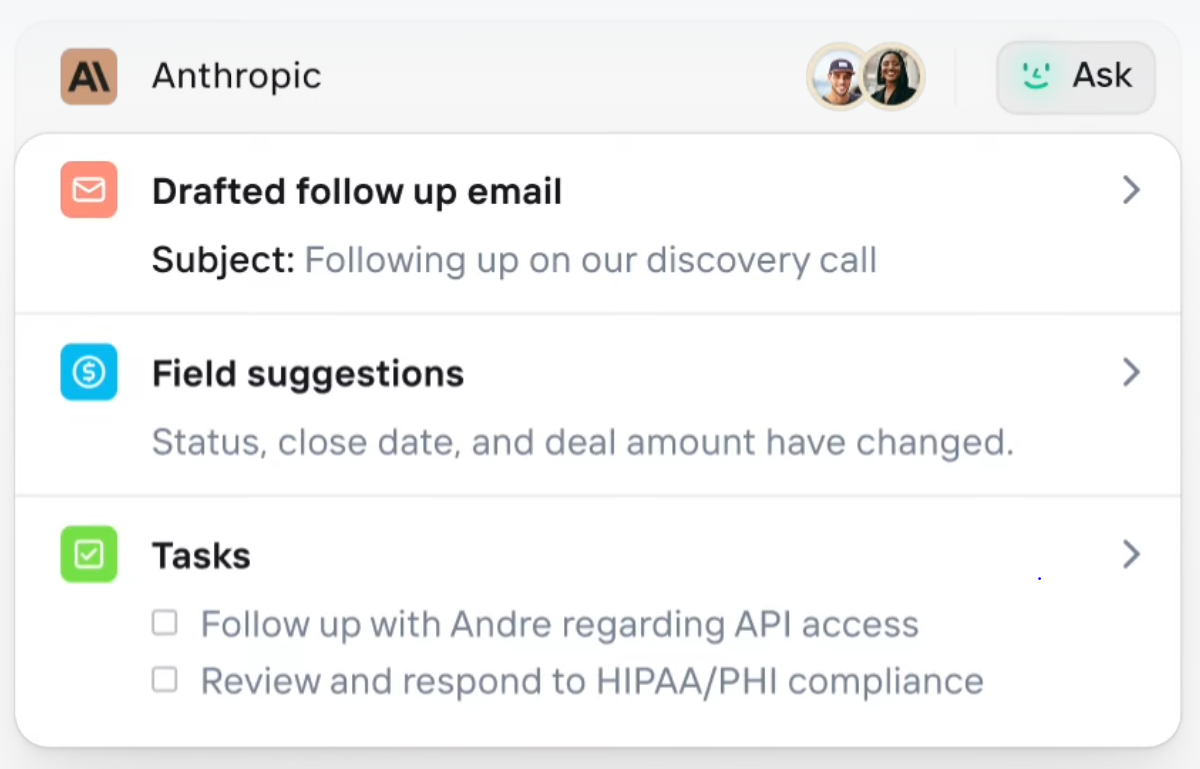
Rep, Clarify's AI sales agent, organizes your day around three moments: morning prep (agenda set, leads researched, meetings briefed 72 hours in advance), afternoon context (questions answered using deal history, emails, and transcripts), and evening wrap-up (follow-ups drafted, fields updated, pipeline cleaned).
Source: Clarify
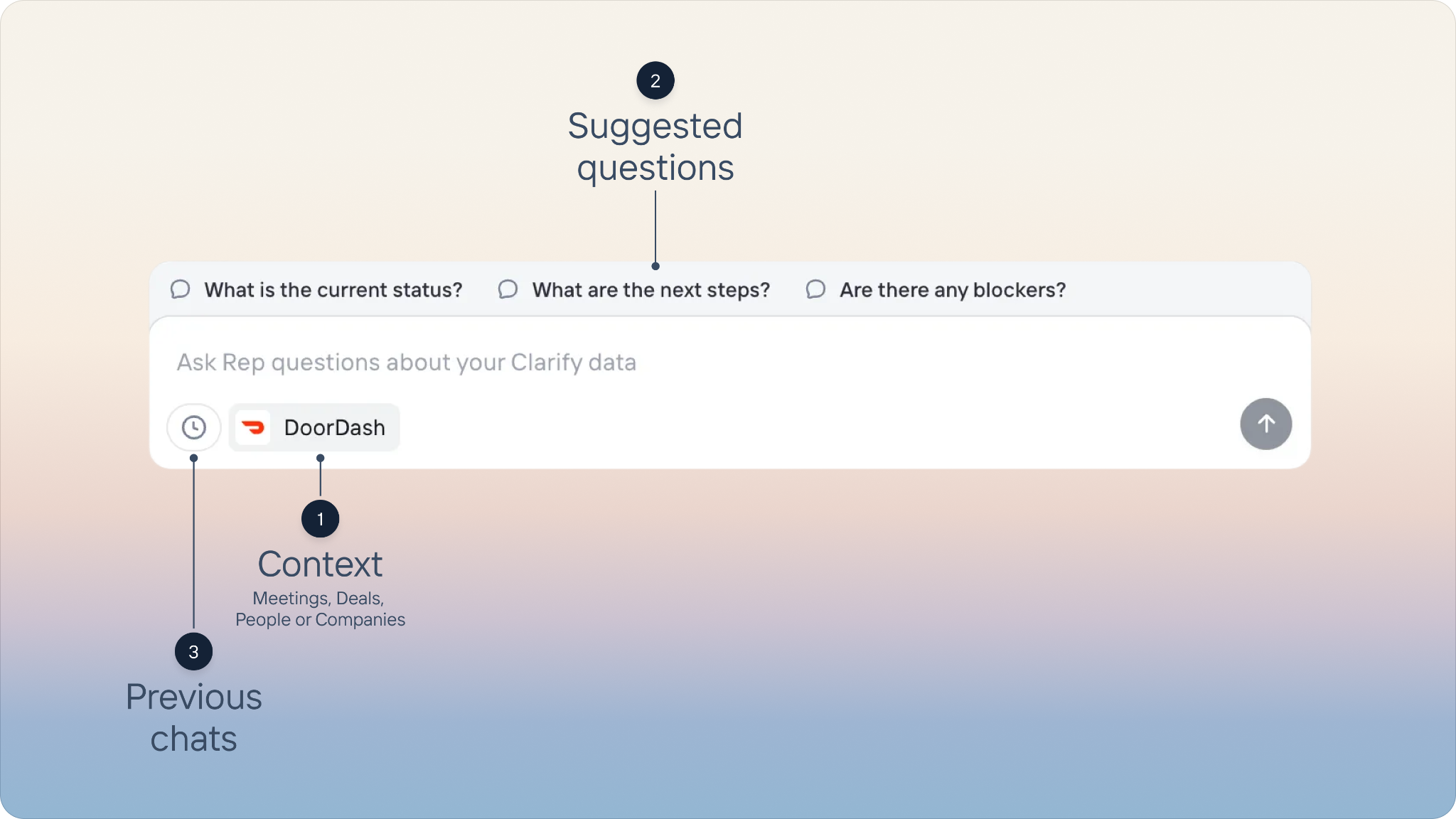
A conversational interface via Cmd+J lets you ask questions like "What are the main risks on this deal?" without digging through records.
Source: Clarify
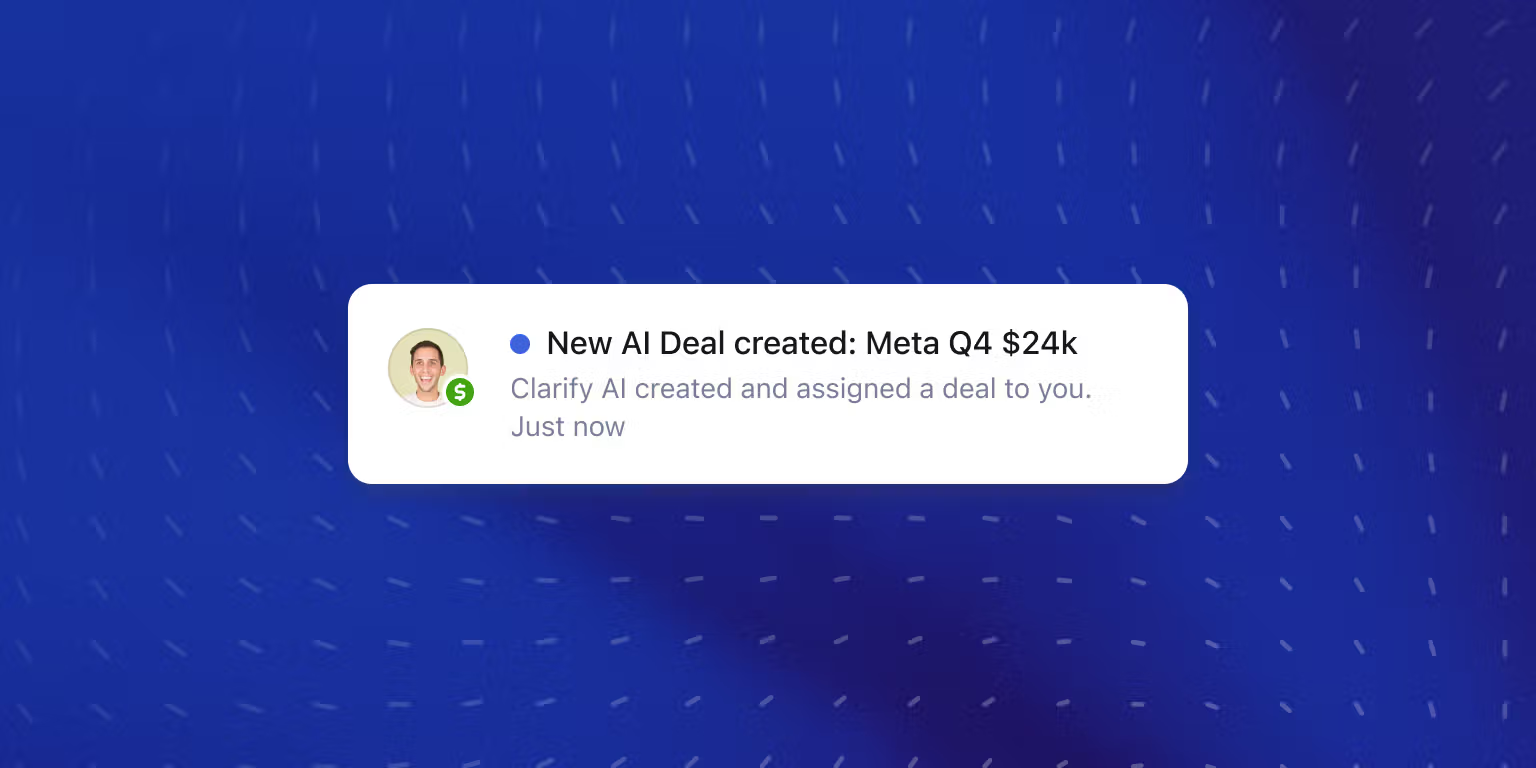
Deal Intelligence goes further. Clarify scans your inbox, call recordings, and calendar to detect potential deals, suggest field updates, and maintain summaries that evolve as activity happens. No if-then automation rules, no RevOps configuration required.
Source: Clarify
The limitation is clear. Clarify is built for founder-led startups with 1-5 GTM team members. Reporting is still basic. The integration ecosystem lists 30+ integrations with more coming. Teams that need territory management, forecasting, or marketing automation will outgrow it.
HubSpot wins on platform breadth
HubSpot approaches sales from the opposite direction: give teams every tool they could need, connected through a single database.
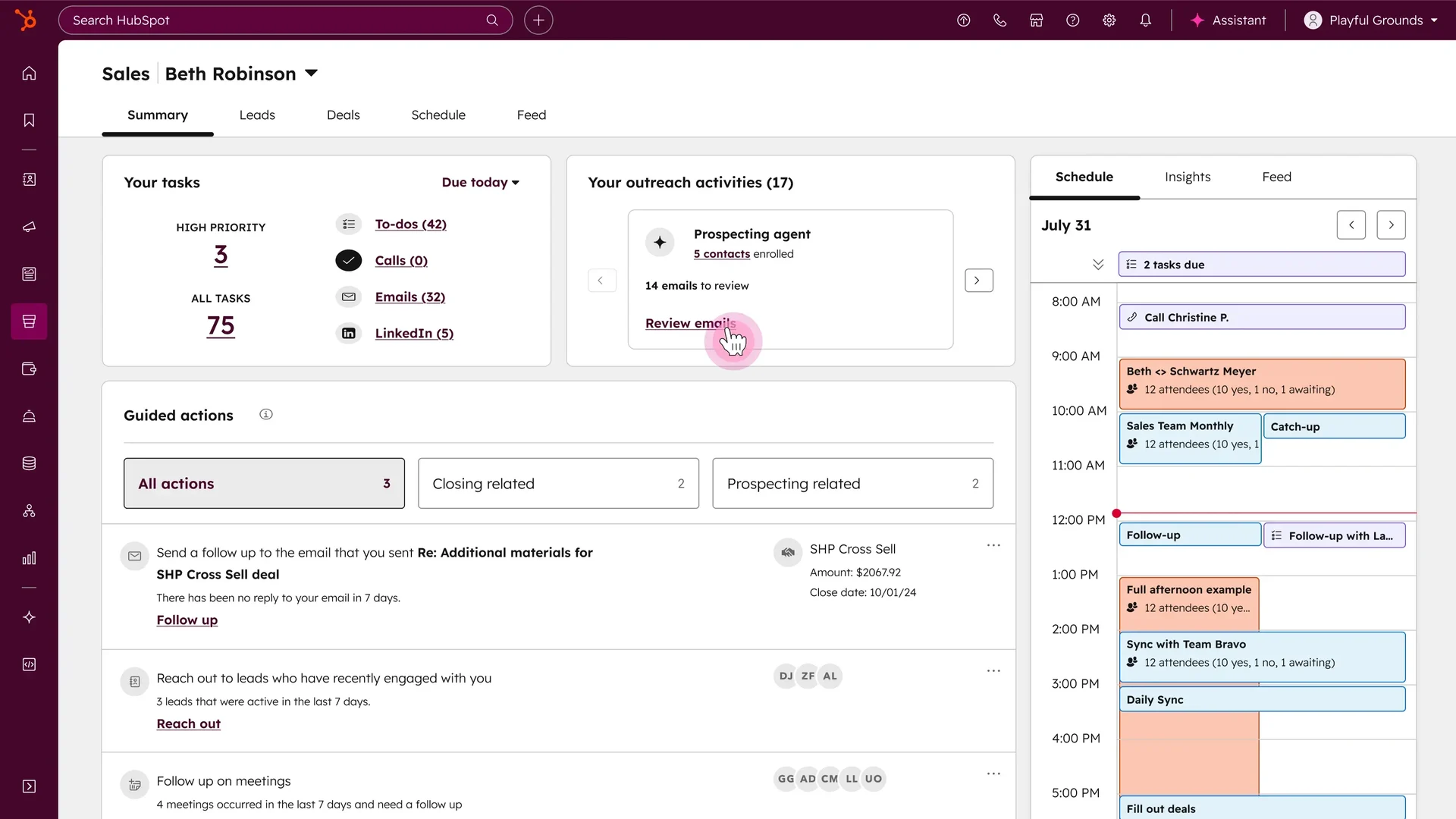
Sales Hub alone covers lead management, sequences, call tracking, CPQ, forecasting, conversation intelligence, and playbooks.
Source: HubSpot
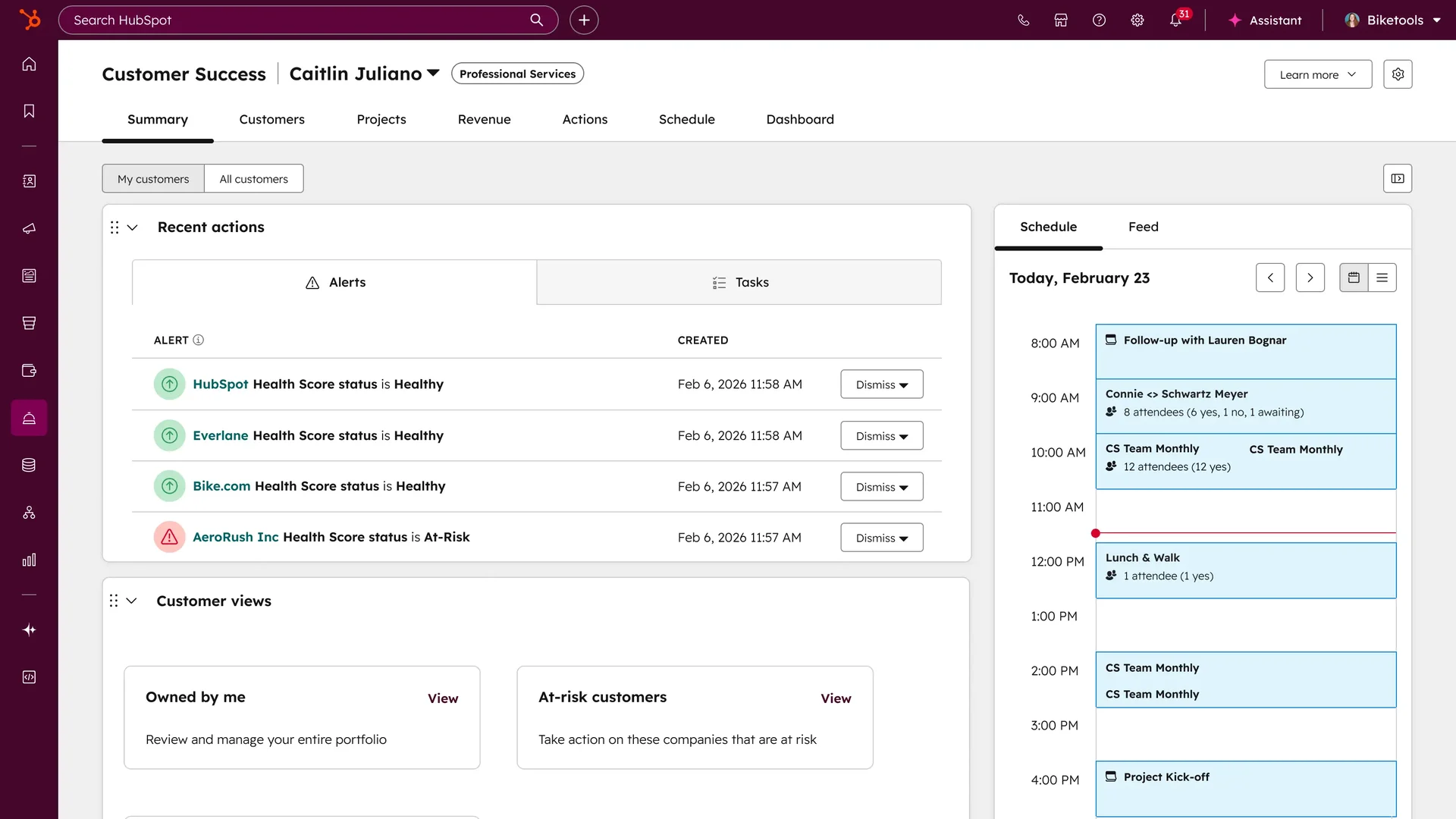
Add Marketing Hub for email automation and landing pages. Service Hub for ticketing and customer success.
Source: HubSpot
Content Hub for content creation.
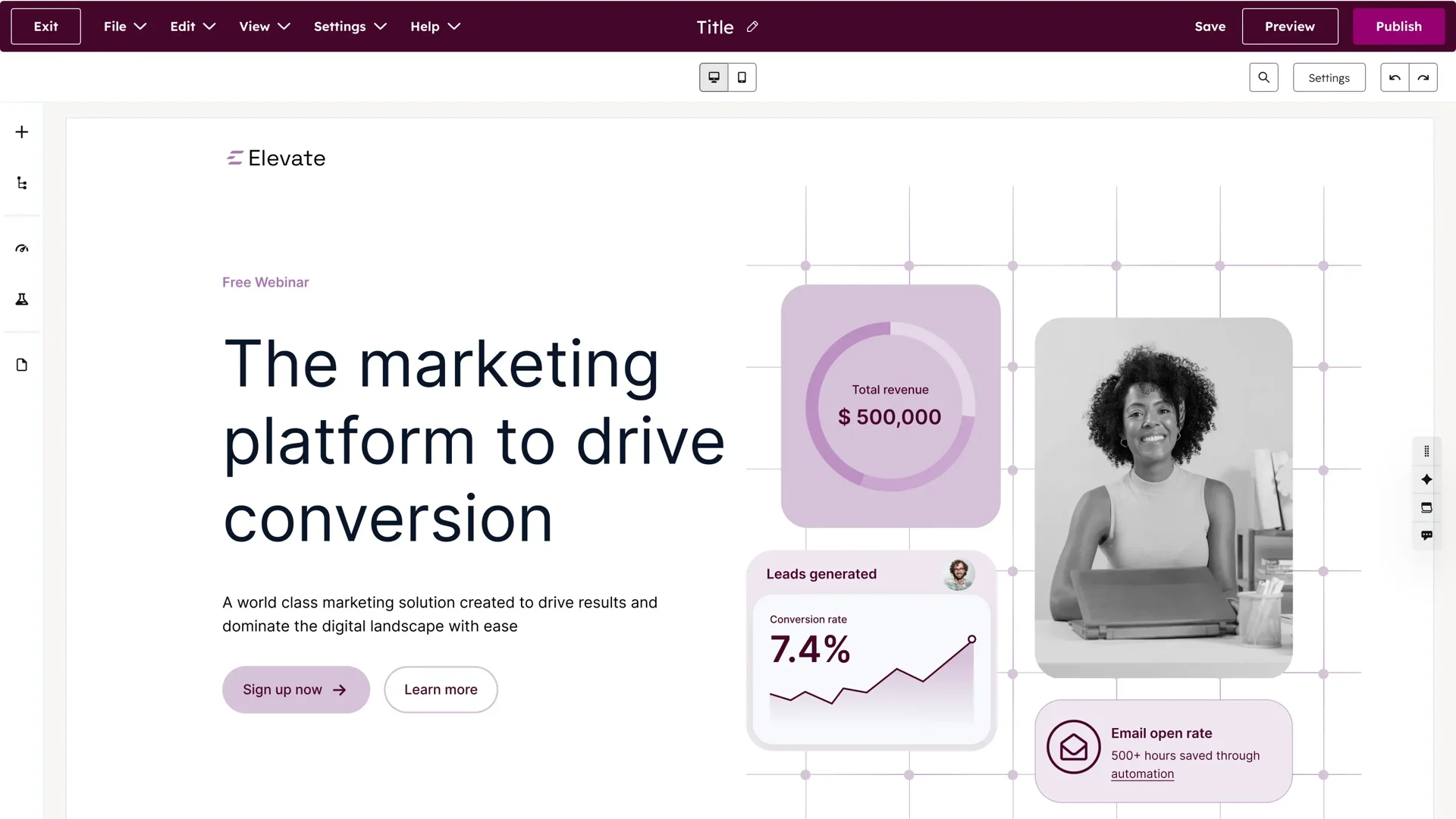
Commerce Hub for quoting and payments. All share the Smart CRM, so a lead captured by marketing is the same record a sales rep works and a service agent supports.
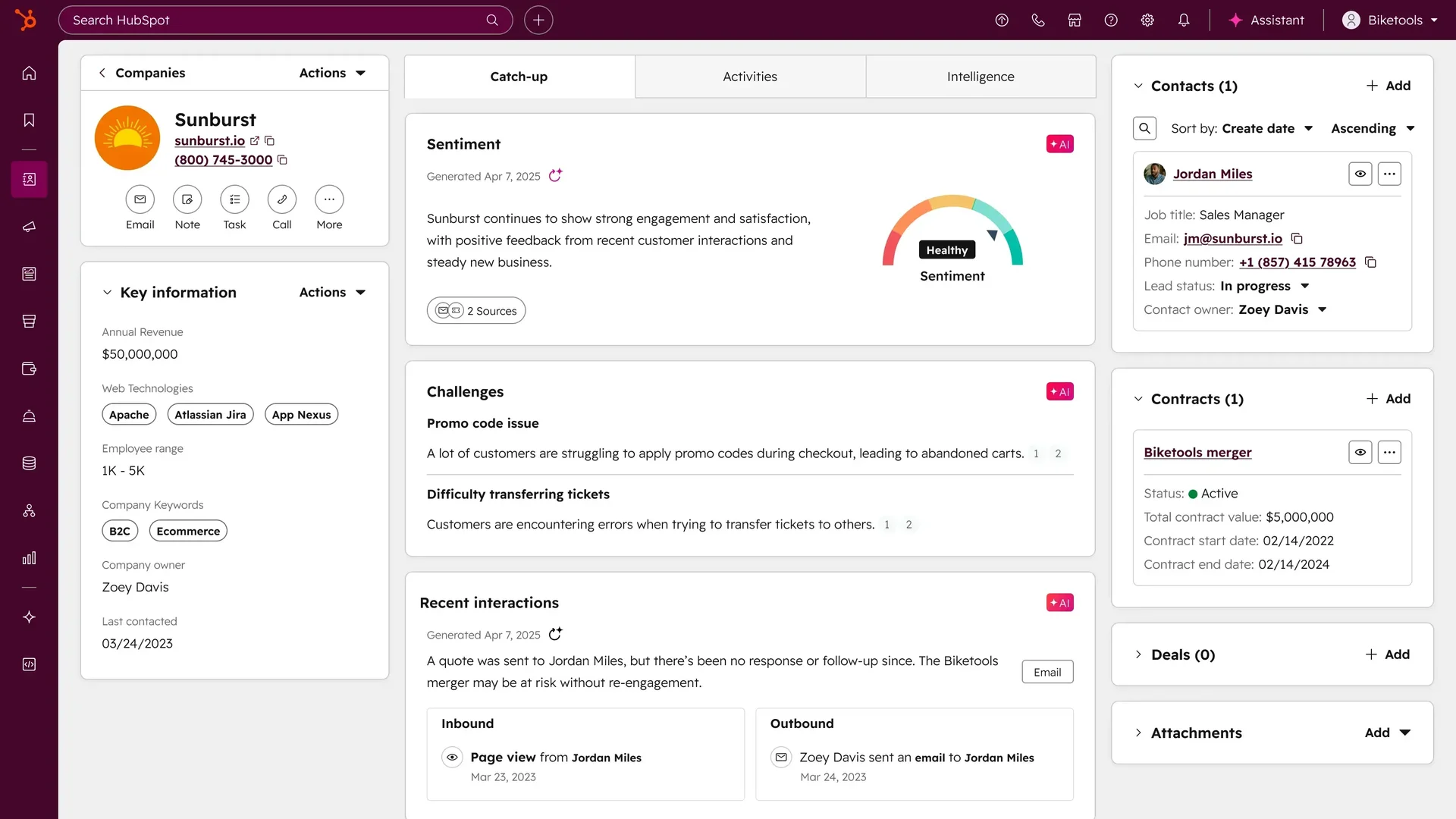
Source: HubSpot
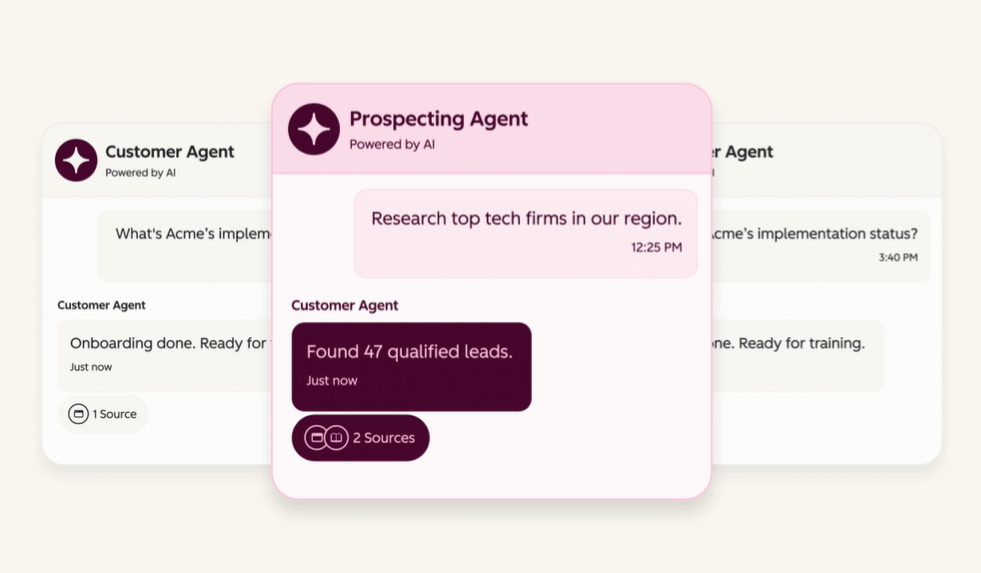
HubSpot's AI layer, Breeze, runs across the platform. The Prospecting Agent monitors buying signals and drafts outreach using the full customer history. The Customer Agent resolves over 50% of conversations without human help. The Data Agent answers natural-language questions about your CRM data.
Source: HubSpot
For scaling companies, this consolidation matters. The platform supports up to 15 million contacts (expandable to 50 million) with custom objects, field-level permissions, and sandbox environments.
The challenge is complexity and cost. HubSpot's per-seat, per-hub pricing with mandatory onboarding fees at Professional and Enterprise tiers means costs escalate as teams grow. When subscribing to multiple Hubs at different tiers, all Core Seats are billed at the highest tier's rate. A team mixing Marketing Hub Professional with Sales Hub Enterprise pays Enterprise seat rates across the board.
ZoomInfo wins on intelligence and data
Clarify automates your CRM. HubSpot unifies your tools.
ZoomInfo provides the intelligence that makes both more effective.
The foundation is data. ZoomInfo operates the largest B2B data platform: 500M contacts, 100M companies, 135M+ verified phone numbers, 120M direct-dial phone numbers, and 200M+ verified business email addresses.
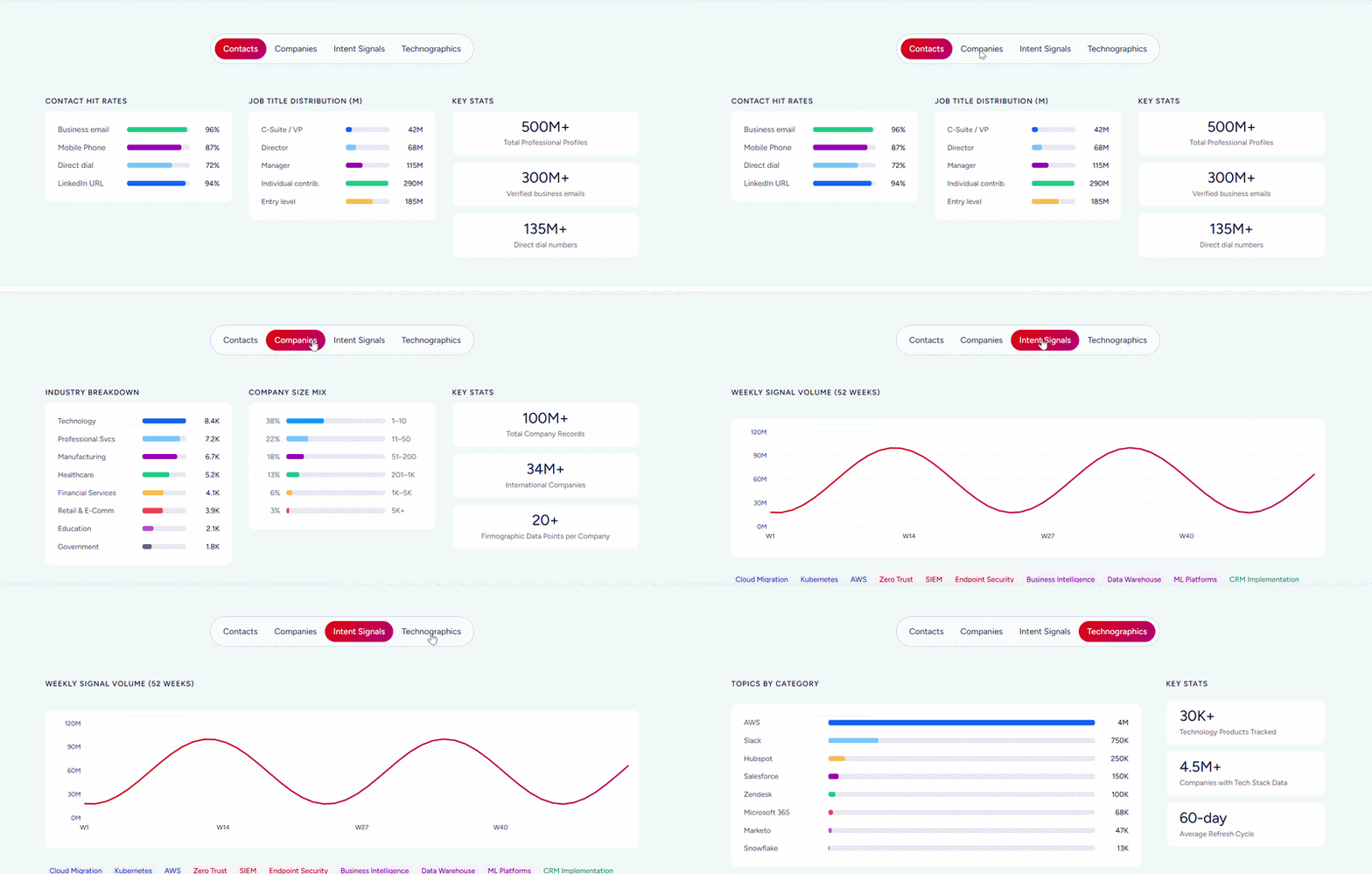
ZoomInfo verifies this data through automated ML scanning of 28 million site domains daily, third-party partner data covering 95 million businesses, a community of 200,000+ users who share data back, and an in-house Data Training Lab of 300+ human researchers. First-party data reaches up to 95% accuracy.
That data feeds the GTM Context Graph, which combines ZoomInfo's third-party intelligence with a customer's CRM records, conversation transcripts, and behavioral signals.
The graph captures why deals move: executive sponsorship entering at a specific stage, ROI-focused questions that predict close, a champion going quiet over internal budget friction. This reasoning flows into every recommendation, outreach draft, and prioritization decision.
For sellers, GTM Workspace puts this intelligence in one place. AI agents research accounts, generate follow-ups, monitor signals, and update CRM fields without switching tools.
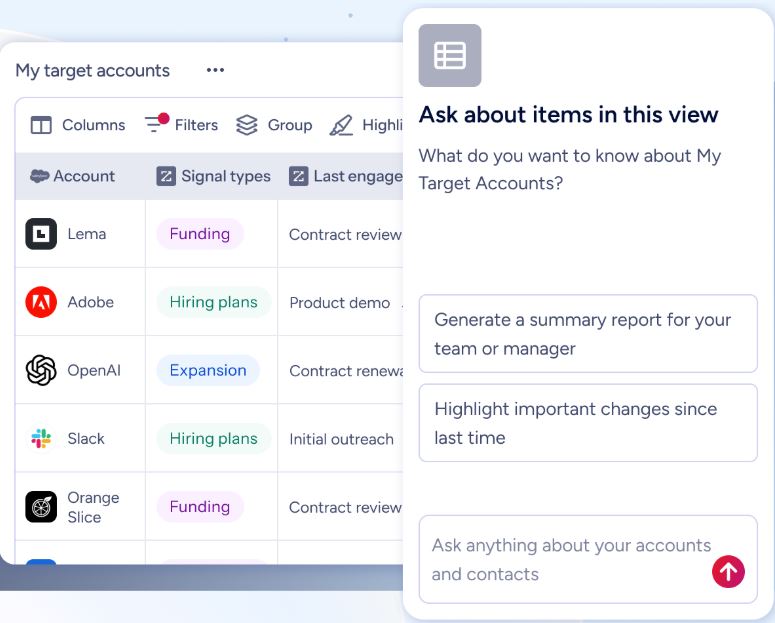
For marketers and RevOps, GTM Studio lets you describe audiences in plain language and launch multi-channel plays targeting accounts that match your win patterns.
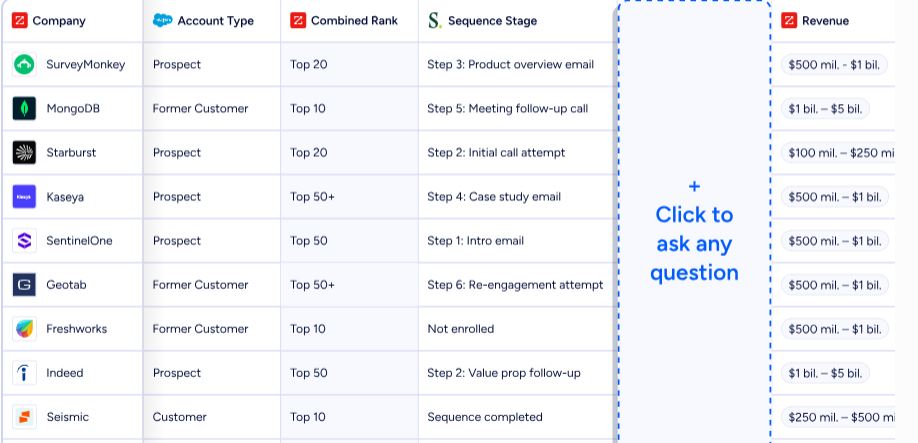
For teams building their own tools, APIs and MCP expose the same intelligence to any application, including HubSpot.
In a Fortune 500 competitive RFP analyzing 25 million contacts across vendors, the independent consultant concluded that "no other competitor came even close."
Seismic attributed 39% of active pipeline to opportunities identified or influenced by ZoomInfo signals, with the sales team boosting productivity by 54% and saving 11.5 hours per week. (Seismic Case Study)
AI capabilities serve different masters
All three platforms use AI, but they apply it to different problems.
Clarify's AI focuses on eliminating CRM busywork. Meeting Intelligence generates briefings 72 hours before calls, records and transcribes conversations across Google Meet, Zoom, and Microsoft Teams in 38 languages, and extracts action items as tasks.
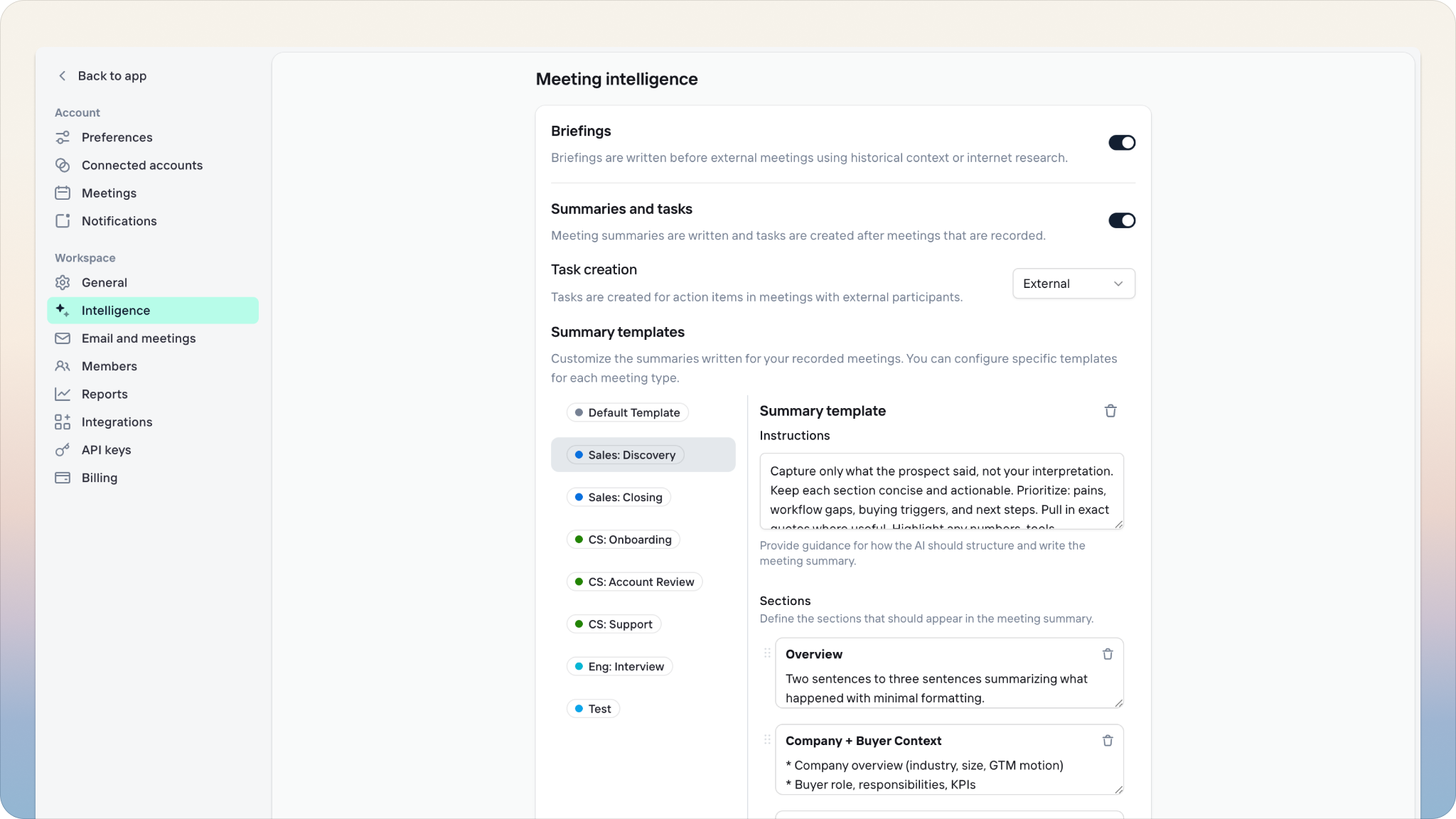
Source: Clarify
AI Fields let you describe what you want to track in plain language; the system configures the field, selects the type, and populates data across records. Rep drafts follow-up emails using context from past meetings and emails. The AI is narrow but effective: it makes a small team's CRM work without a RevOps hire.
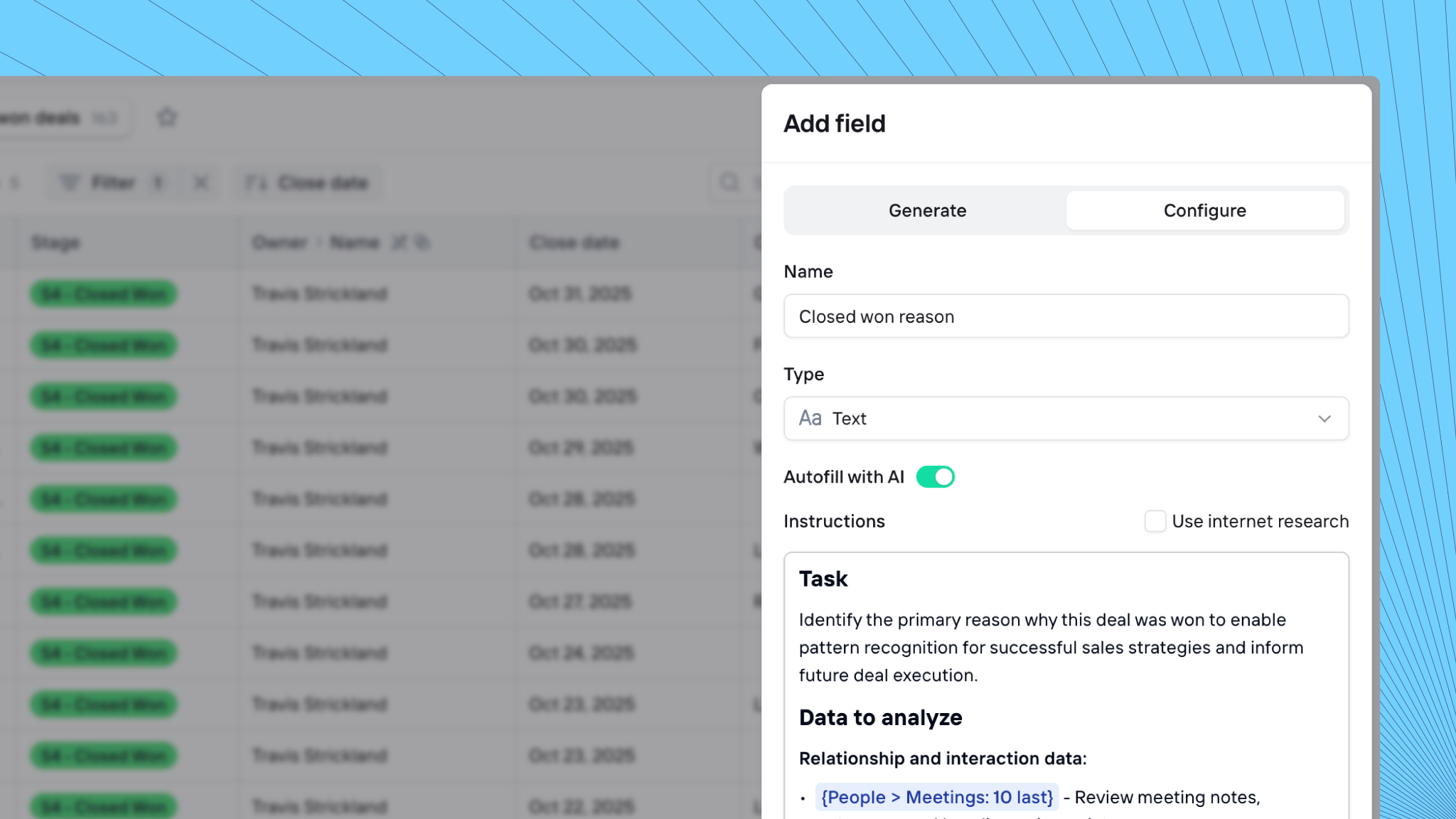
Source: Clarify
HubSpot's AI spans the customer lifecycle. Breeze Prospecting Agent researches prospects and drafts outreach using the complete HubSpot customer history (won deals, support tickets, marketing engagement).
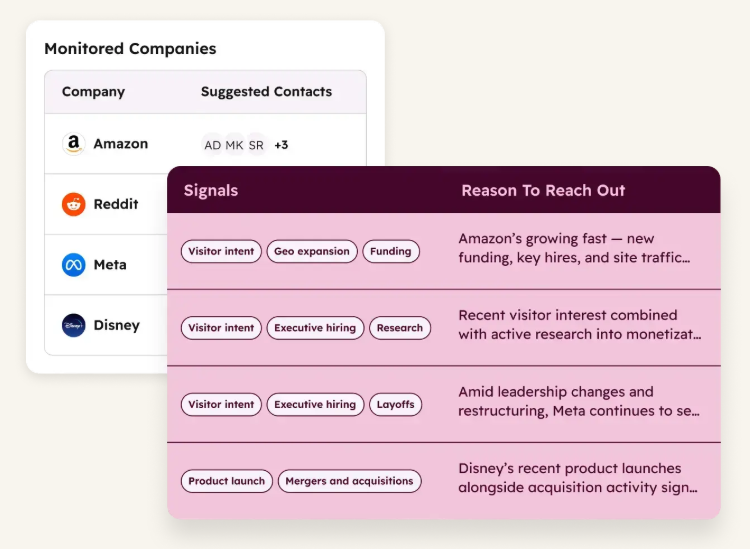
Source: HubSpot
Breeze Customer Agent handles support across chat, WhatsApp, Facebook, email, and voice.
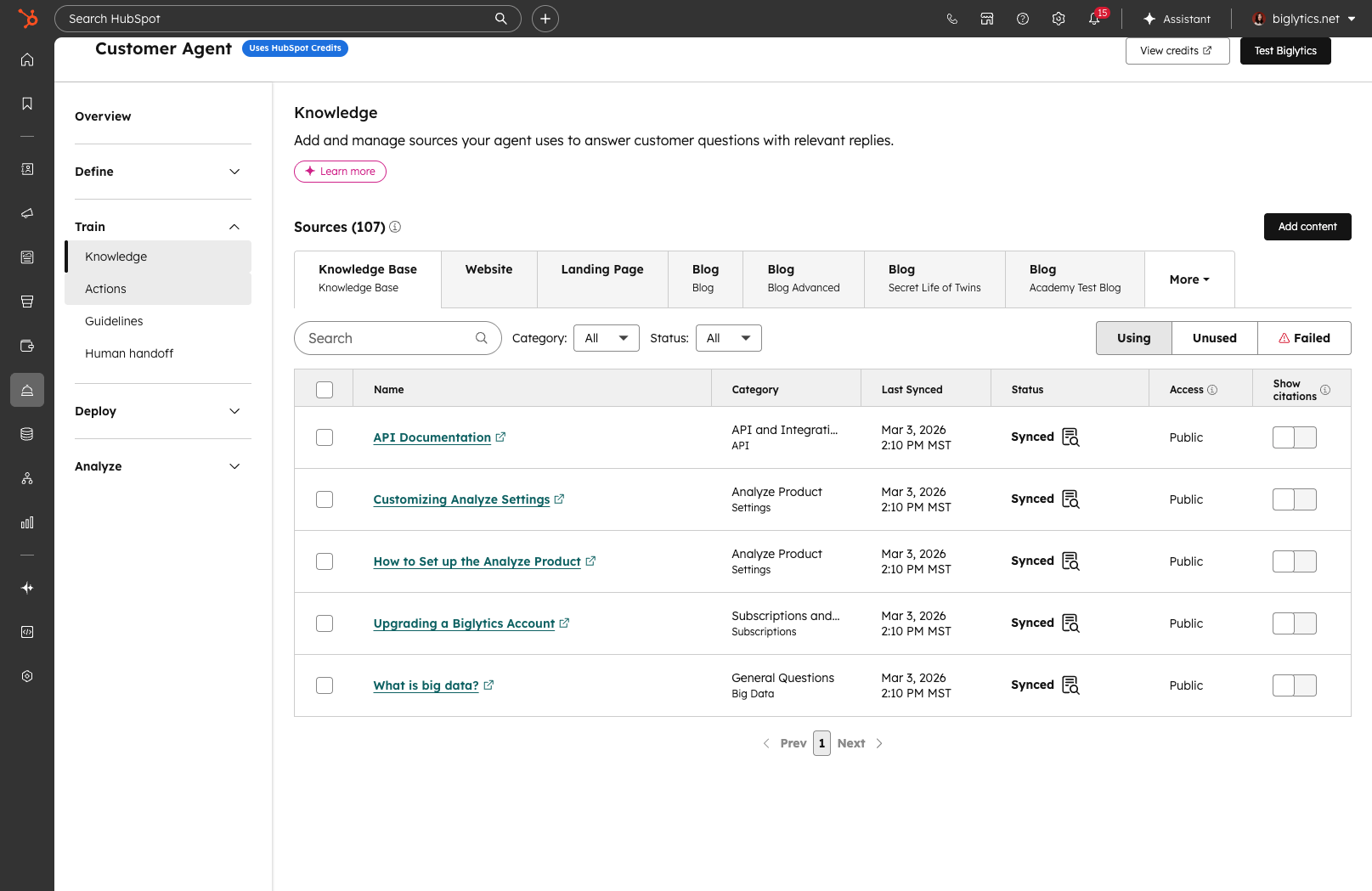
Source: HubSpot
Breeze Data Agent answers business questions across the CRM. Coverage is wide, though several features (AI-Powered Segmentation, Marketing Studio, Knowledge Base Agent) remain in Beta.
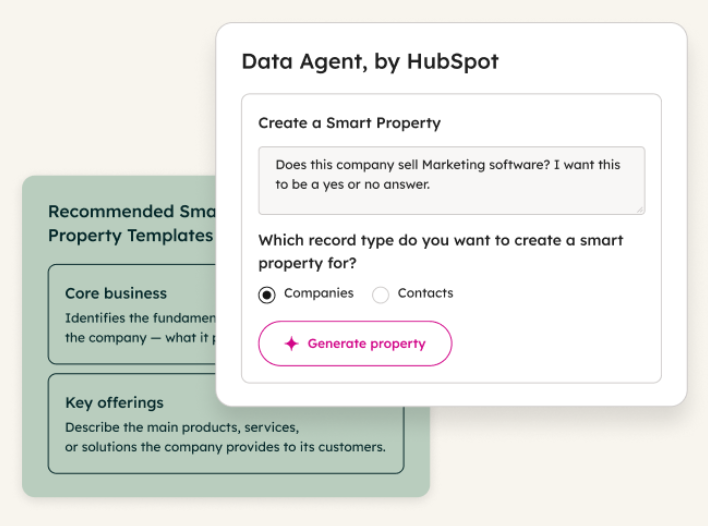
Source: HubSpot
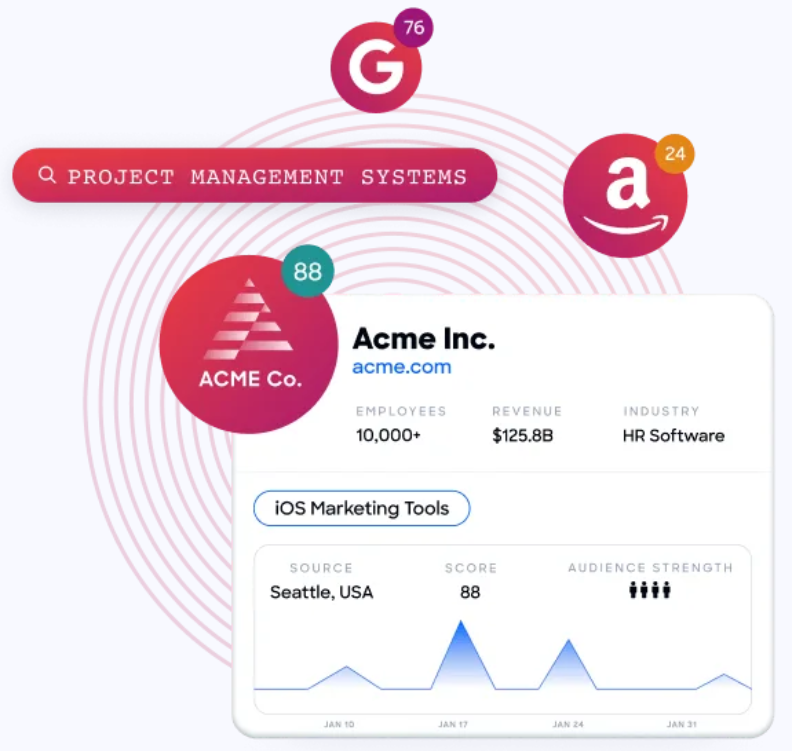
ZoomInfo's AI reasons about deals. The GTM Context Graph connects signals to outcomes across thousands of deals: a CFO joining a late-stage call combined with hiring patterns and competitor research activity matches the pattern behind closed-won deals in your segment.
Guided Intent, exclusive to ZoomInfo, identifies topics historically correlated with deal success rather than requiring manual topic selection.
Chorus captures every call and meeting, then extracts not just what was said but the signals underneath: why a deal accelerated, why a champion went quiet, what a competitive mention predicts about risk.
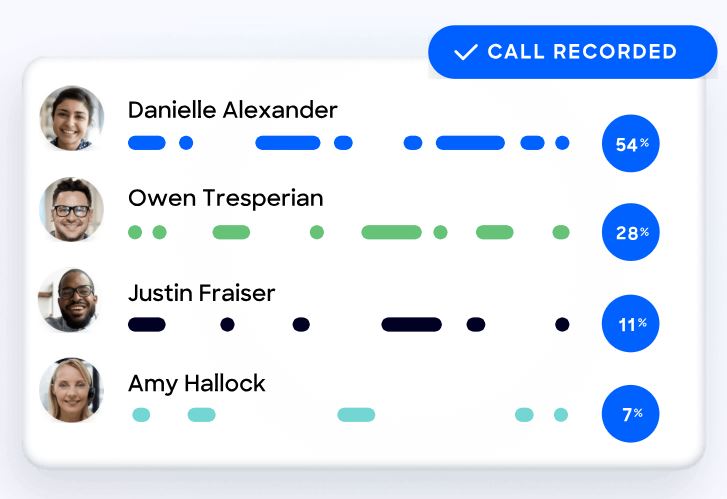
The distinction matters. Clarify's AI makes your CRM easier to use. HubSpot's AI makes your platform more productive. ZoomInfo's AI makes your decisions smarter.
Snowflake uses ZoomInfo data for at least one-third of the most critical features in their Account Propensity Scoring model. Accounts monitored using ZoomInfo-powered scores showed 90% higher opportunity open rates and 2x higher customer conversion rates. (Snowflake Case Study)
Data enrichment exposes the biggest gap
CRM data decays constantly. People change jobs, companies rebrand, phone numbers go stale. How each platform handles enrichment reveals its priorities.
Clarify includes native enrichment on all plans, including the free tier. When contacts enter your CRM from any channel, an enrichment waterfall sequences multiple data providers to compile profiles with job titles, company details, LinkedIn URLs, and funding history. Advanced enrichment (on paid plans) deepens coverage.
Enrichment is free and doesn't consume credits. For a startup CRM, this is useful: you get clean records without paying per lookup.
HubSpot enriches records using signals from inside the platform (emails, call recordings, form submissions) combined with external web data and HubSpot's proprietary dataset. Data Hub adds data quality automation with AI-powered duplicate detection and a Data Studio interface for blending first- and third-party data. It works well for companies already generating inbound activity through HubSpot.
ZoomInfo operates at a different scale. Enrichment isn't a feature added to a CRM. It's the core product: 500M contacts, 100M companies, 135M+ verified phone numbers, and 200M+ verified business email addresses, maintained by 300+ human researchers and automated ML scanning of 28 million site domains daily.
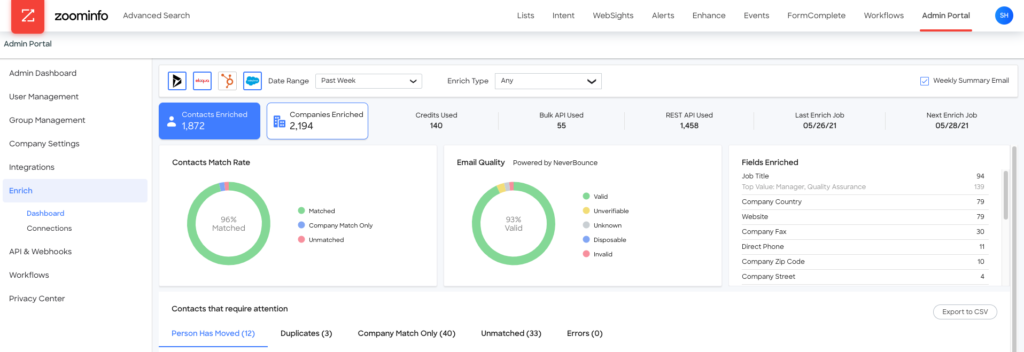
Beyond identity data, ZoomInfo provides Buyer Intent tracking from 210 million IP-to-Organization pairings, technographics across 30+ million companies and 30,000+ technologies, and WebSights that resolve anonymous website visitors to companies.
The practical difference: Clarify enriches the contacts you already have. HubSpot enriches contacts interacting with your platform. ZoomInfo tells you which contacts to find in the first place, gives you verified ways to reach them, and signals when they're actively researching solutions.
Vensure scaled prospecting with ZoomInfo's data: "ZoomInfo gives us the information we need to execute. We don't have to go through and spend our time digging. It's already there, so we can be three steps ahead." (William Kenimer, VP of Revenue Operations, Vensure Case Study)
Pricing models reflect different business models
Clarify keeps pricing simple. The Free plan includes unlimited seats, 1,000 credits per month, standard enrichment, call recording, Rep, and core CRM with 20,000 records. The Starter plan at $50/month adds 5,000 credits, advanced enrichment, 5 active campaigns, and 250,000 records. The Growth plan is custom-priced with unlimited campaigns, workflows, SAML/OIDC authentication, and a dedicated account manager.
Credits power AI features: meeting prep costs 30 credits, deal summarization costs 20, AI autofill costs 3-30 per record. Enrichment is free on all plans. The unlimited seats model means a 10-person startup pays the same $50/month as a 3-person team.
HubSpot's pricing is more intricate. The free CRM supports 2 users with basic tools. Starter runs $20/seat/month (monthly) or $9/seat/month (annual) for Sales Hub, bundling basic automation and email tracking. Sales Hub Professional costs $100/seat/month (monthly) with a $1,500 mandatory onboarding fee. Enterprise runs $150/seat/month (annual only) with a $3,500 onboarding fee.
The complexity shows with multiple Hubs. Marketing Hub Professional costs $890/month with a $3,000 onboarding fee. Combining it with Sales Hub Enterprise means all Core Seats are billed at the Enterprise rate. A team of 10 using Marketing Hub Professional and Sales Hub Professional could easily exceed $2,000/month before onboarding fees.
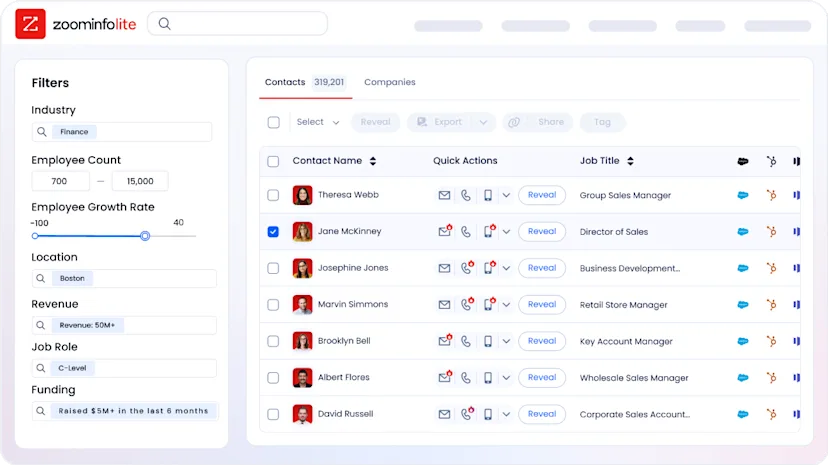
ZoomInfo uses custom, consumption-based pricing with no published prices. Costs depend on seats, monthly credit volume, features, company size, and contract length. The entry point is ZoomInfo Lite, a permanent free tier with access to ZoomInfo's database and 10 monthly export credits. A 7-day free trial of the full platform is also available. ZoomInfo is priced at a premium. The return comes from pipeline it helps generate.
Integration ecosystems show different stages of maturity
Clarify lists 30+ integrations with 15 live (including Google Workspace, Microsoft 365, Slack, Zoom, LinkedIn, Zapier, and a Chrome extension) and 14 more coming. An API with OAuth authentication is available, and MCP integration is in beta. The Zapier connection extends reach to 7,000+ apps, but native integrations with tools like Salesforce, Outreach, and Stripe are still in development.
HubSpot has the deepest ecosystem of the three: over 2,000 apps with 2.5 million active installs. The App Marketplace covers CRM, marketing, sales, service, and operations tools. A mature REST API with custom objects, webhooks, and programmable automation (JavaScript and Python natively in workflows) makes HubSpot a platform to build on.
ZoomInfo takes a different approach. Its App Marketplace lists 120 partner integrations across CRM, marketing automation, sales engagement, and data warehouses. Key integrations include Salesforce, HubSpot, Microsoft Dynamics 365, Snowflake, and Salesloft.
The Enterprise API provides programmatic access to ZoomInfo's data and intelligence, and the MCP server connects AI models directly to ZoomInfo's data as a native tool. API access is included in all relevant plans.
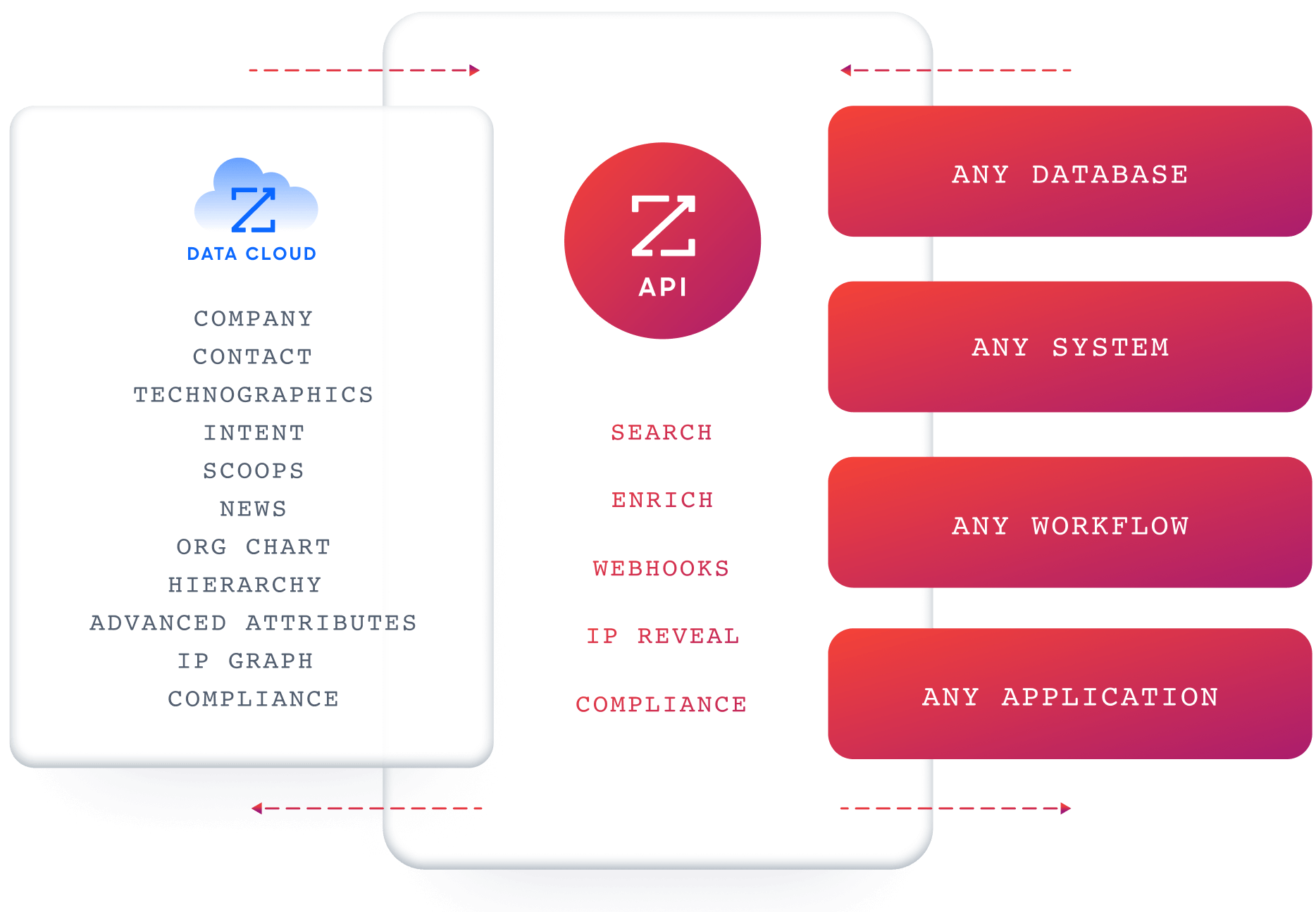
The important detail: ZoomInfo integrates directly with HubSpot. Teams using HubSpot as their CRM can feed ZoomInfo's data, intent signals, and enrichment directly into their HubSpot records and workflows. You don't have to choose between them.
For a direct comparison of what each platform offers on its own, see our HubSpot vs. ZoomInfo breakdown.
BDO Canada activated ZoomInfo's data directly within their internal systems: "The plug-and-play aspect of the API means I can integrate it very easily into any process and get information at a moment's notice," achieving an 87% reduction in time spent on internal data dashboard updates. (Jerry Wilson, Senior Marketing Intelligence Analyst, BDO Canada Case Study)
Security and compliance serve different audiences
Clarify maintains SOC 2 Type I compliance with data hosted on AWS infrastructure in the United States. Features include encryption in transit and at rest, annual penetration testing, and automated secret scanning. SSO and SAML are available on the Growth plan. EU hosting is planned but not yet available. For an early-stage startup serving other startups, this is adequate. For regulated industries, it may not be sufficient.
HubSpot offers SOC 2 Type II, HIPAA attestation, GDPR compliance, and an EU Data Center for data residency requirements. Encryption uses AES-256 at rest and TLS 1.2/1.3 in transit. A bug bounty program on Bugcrowd and regular third-party penetration testing round out the security program.
ZoomInfo carries the broadest compliance stack: ISO 27001, ISO 27701, SOC 2 Type II, TRUSTe GDPR Practices Validation, and TRUSTe CCPA Practices Validation, all renewed annually. ZoomInfo is a registered data broker in California and Vermont. For enterprises in regulated industries, the ISO certifications and privacy management framework matter.
Clarify vs. HubSpot vs. ZoomInfo: Which should you choose?
The right choice depends on where you are, what you need, and what's holding your sales team back.
Choose Clarify if:
You're a founder-led startup with a small sales team
You want a CRM that fills itself in and stays out of your way
Speed to value matters more than feature depth
You need unlimited seats at a predictable price
Your sales motion is relationship-driven, not volume-driven
Choose HubSpot if:
You need marketing, sales, service, and content on one platform
Your team is scaling and needs workflows, automation, and reporting
Integration with 2,000+ apps is important to your stack
You're willing to invest in onboarding and configuration for long-term returns
You want a platform that grows from startup to enterprise
Choose ZoomInfo if:
You need the intelligence layer that tells you who to sell to and when
Verified contact data, direct dials, and buyer intent signals drive your outbound motion
You want AI that understands why deals move, not just what happened
You need a platform that works inside your existing CRM (HubSpot, Salesforce, Dynamics) or through its own GTM Workspace
You're building an AI-powered GTM stack and need data access via API and MCP
Start with ZoomInfo Lite for free or request a demo of the full platform.
Clarify and HubSpot both solve real problems. Clarify removes the CRM tax on small teams. HubSpot unifies the customer platform for growing companies. But neither solves the foundational challenge: having the data and intelligence to know where your next deal is coming from. ZoomInfo provides that foundation, whether you use it through its own products or pipe it into whatever CRM you choose. In a market where the quality of your data determines the quality of your decisions, that foundation makes everything else work better.
Clarify vs. HubSpot vs. ZoomInfo FAQ
What is the core difference between Clarify, HubSpot, and ZoomInfo?
Clarify is an autonomous CRM built for founder-led startups. It uses AI to eliminate data entry, automate meeting prep, and manage pipeline without manual effort. HubSpot is a customer platform combining CRM, marketing automation, sales tools, service, and content creation for scaling companies.
ZoomInfo is a GTM intelligence platform providing the largest B2B contact and company dataset, buyer intent signals, and AI-powered deal reasoning that feeds into your existing CRM or its own seller workspace.
Which platform is best for a small startup with fewer than 10 people?
Clarify is built for this scenario. Its free plan includes unlimited seats, 1,000 AI credits per month, call recording, and native data enrichment. The Starter plan at $50/month covers the entire team regardless of headcount. HubSpot's free CRM is limited to 2 users with basic features, and useful paid plans cost more per seat.
ZoomInfo Lite offers free access to its B2B database with 10 monthly export credits, making it a useful complement even at the earliest stage.
Can ZoomInfo work with HubSpot or Clarify?
ZoomInfo integrates directly with HubSpot, feeding verified contact data, intent signals, and enrichment into HubSpot's CRM and marketing workflows. This is one of ZoomInfo's most established integrations. Clarify currently supports integrations through Zapier and its API, with deeper CRM integrations on its roadmap. ZoomInfo's API and MCP server can connect to any platform that supports programmatic data access.
How does pricing compare across the three platforms?
Clarify is the simplest: free for 1,000 credits/month with unlimited seats, $50/month for the Starter tier. HubSpot starts free but scales quickly. Sales Hub Professional costs $100/seat/month with a $1,500 mandatory onboarding fee, and combining multiple Hubs amplifies per-seat costs. ZoomInfo uses custom consumption-based pricing with no published prices.
ZoomInfo Lite is free with 10 monthly export credits, and a 7-day free trial is available for the full platform.
Which platform has the best AI capabilities?
Each platform applies AI to a different problem. Clarify's AI automates CRM tasks: meeting prep, follow-up drafting, deal tracking, and data entry. HubSpot's Breeze AI spans the customer lifecycle with agents for prospecting, customer service, and data analysis.
ZoomInfo's AI reasons about deals through the GTM Context Graph, connecting buyer intent signals, conversation intelligence, and CRM data to reveal why deals move and which accounts to prioritize. The answer depends on whether your bottleneck is CRM administration, platform productivity, or sales intelligence.
Which platform is best for outbound sales teams?
ZoomInfo is the strongest choice for outbound. It provides 500M contacts with verified phone numbers and emails, buyer intent signals from 210 million IP-to-Organization pairings, and AI-powered outreach through GTM Workspace.
HubSpot's Sales Hub includes sequences, a prospecting agent, and call tracking, but relies on contacts already in your database or entering through inbound channels. Clarify includes basic campaigns (currently in beta) with email sequences, but its outbound capabilities are early-stage.
How do the free tiers compare?
Clarify's free plan is the most generous for CRM use: unlimited seats, 1,000 AI credits, standard enrichment, call recording, and 20,000 records. HubSpot's free CRM supports up to 2 users with basic contact management, email tracking (200 notifications/month), and limited marketing tools with HubSpot branding.
ZoomInfo Lite provides permanent free access to the B2B database with 10 monthly export credits, a Chrome extension, WebSights Lite (10 website visitor reveals/day), and HubSpot integration. None require a credit card.
Which platform is most secure for enterprise use?
ZoomInfo carries the broadest security certification stack: ISO 27001, ISO 27701, SOC 2 Type II, TRUSTe GDPR, and TRUSTe CCPA, all renewed annually. HubSpot offers SOC 2 Type II, HIPAA attestation, GDPR compliance, and an EU data center option. Clarify currently holds SOC 2 Type I with SSO and SAML available on its Growth plan.
For enterprises in regulated industries, ZoomInfo and HubSpot both meet enterprise security requirements, while Clarify is still maturing in this area.
See how HubSpot compares against other CRMs and platforms:
