
Choosing between Kit (formerly ConvertKit) and HubSpot often comes down to these five questions:
Are you an individual creator building an audience, or a company building a sales pipeline?
Do you need email automation and monetization in one tool, or a full CRM with marketing, sales, and service?
Is your growth strategy based on content and community, or on lead generation and deal management?
Do you want simplicity and speed, or are you willing to invest in a platform you'll grow into for years?
How important is it that your contact data is accurate, verified, and enriched with buying signals?
In short, here's what we recommend:
Kit is the email-first platform built for creators who earn a living from their audience. Writers, podcasters, course creators, and coaches use Kit to grow their email lists through the Creator Network (74,000 creators cross-promoting each other), automate subscriber journeys with visual workflows, and sell digital products from the same tool they use to send newsletters.
Kit reports a 99.8% delivery rate and a 40% average open rate across over one billion messages sent per month. The trade-off: Kit is designed for creator businesses, not B2B sales teams. It has no CRM, no pipeline management, and no contact enrichment beyond what subscribers provide themselves.
HubSpot is the all-in-one customer platform for scaling companies. Its six integrated Hubs (Marketing, Sales, Service, Content, Data, and Commerce) share a single Smart CRM that tracks every interaction from first website visit through closed deal and ongoing service.
With 288,706 customers across 135+ countries and AI agents (Breeze) handling tasks from prospecting to customer support, HubSpot offers the breadth that growing B2B companies need. But that breadth comes with complexity. Pricing scales quickly across seats, hubs, and contact tiers, and mandatory onboarding fees at Professional and Enterprise levels add friction before you send your first campaign.
Both platforms help you reach people by email. But neither solves the problem that comes before the email: knowing exactly who to reach, why they're likely to buy, and when they're actively looking. That's where a different kind of platform enters the picture.
ZoomInfo is an AI-powered go-to-market platform built on a data foundation of 500M contacts, 100M companies, 135M+ verified phone numbers, and 200M+ verified business emails. By fusing this data with your CRM records, conversation transcripts, and behavioral signals, ZoomInfo's GTM Context Graph (processing 1.5B + data points daily) reveals the full context of your accounts.
That context shows AI not just what happened, but why it happened, and which actions will capitalize on that momentum. Your team can then drive sales motions from the GTM Workspace, run plays from GTM Studio, or power their own tools through the API and MCP.
If knowing who to contact, when to engage, and what to say sounds like the missing layer in your go-to-market stack, see how ZoomInfo works.
Kit vs. HubSpot vs. ZoomInfo at a glance
Kit | HubSpot | ZoomInfo | |
|---|---|---|---|
Primary function | Email marketing and monetization for creators | All-in-one CRM and marketing platform | AI-powered go-to-market intelligence |
Contact data | Subscriber-provided only | CRM records + basic enrichment | 500M contacts, 200M+ verified emails, 135M+ verified phones |
Email marketing | Core strength: 99.8% delivery rate, 40% avg open rate | Full marketing automation with AI | Not an email sender; enriches and activates the contacts you email |
CRM | None | Full CRM with custom objects, pipelines, and reporting | Integrates with Salesforce, HubSpot, Dynamics |
Sales tools | None | Pipeline management, sequences, AI prospecting agent | GTM Workspace with AI agents, deal intelligence, buying group mapping |
Automation | Visual email workflows for subscriber journeys | Multi-channel workflows across marketing, sales, and service | Signal-triggered GTM plays across channels |
AI capabilities | AI subject line generator, Kitlytics app | Breeze AI agents (Customer, Prospecting, Data, Content) | GTM Context Graph with AI account research, outreach drafting, and deal intelligence |
Free plan | Up to 10,000 subscribers | Free CRM with basic tools (2 users) | ZoomInfo Lite (permanent free tier with 10 monthly exports) |
Starting paid price | $33/month (1,000 subscribers) | $15/seat/month (Starter) | Custom-quoted |
Best for | Individual creators and small creator teams | Scaling B2B companies (20–2,000 employees) | B2B sales, marketing, and RevOps teams |
They solve different problems at different stages
Kit, HubSpot, and ZoomInfo occupy three distinct positions in the growth stack. Understanding those positions matters more than comparing feature lists.
Kit is built for creators who ARE the brand. The platform assumes one person (or a small team) produces content, builds an audience, and monetizes that audience through digital products, paid newsletters, or sponsorships.
Every feature maps to this workflow: the Creator Network grows your list through peer recommendations, Visual Automations nurture subscribers through purchase funnels, and Commerce lets you sell ebooks, courses, and coaching sessions with a 3.5% + $0.30 transaction fee. Kit doesn't try to manage your sales pipeline because creators typically don't have one.
Source: Kit
HubSpot is built for companies with go-to-market teams. Marketing generates leads, sales works deals, service handles tickets, and all three teams need shared visibility into the customer journey.
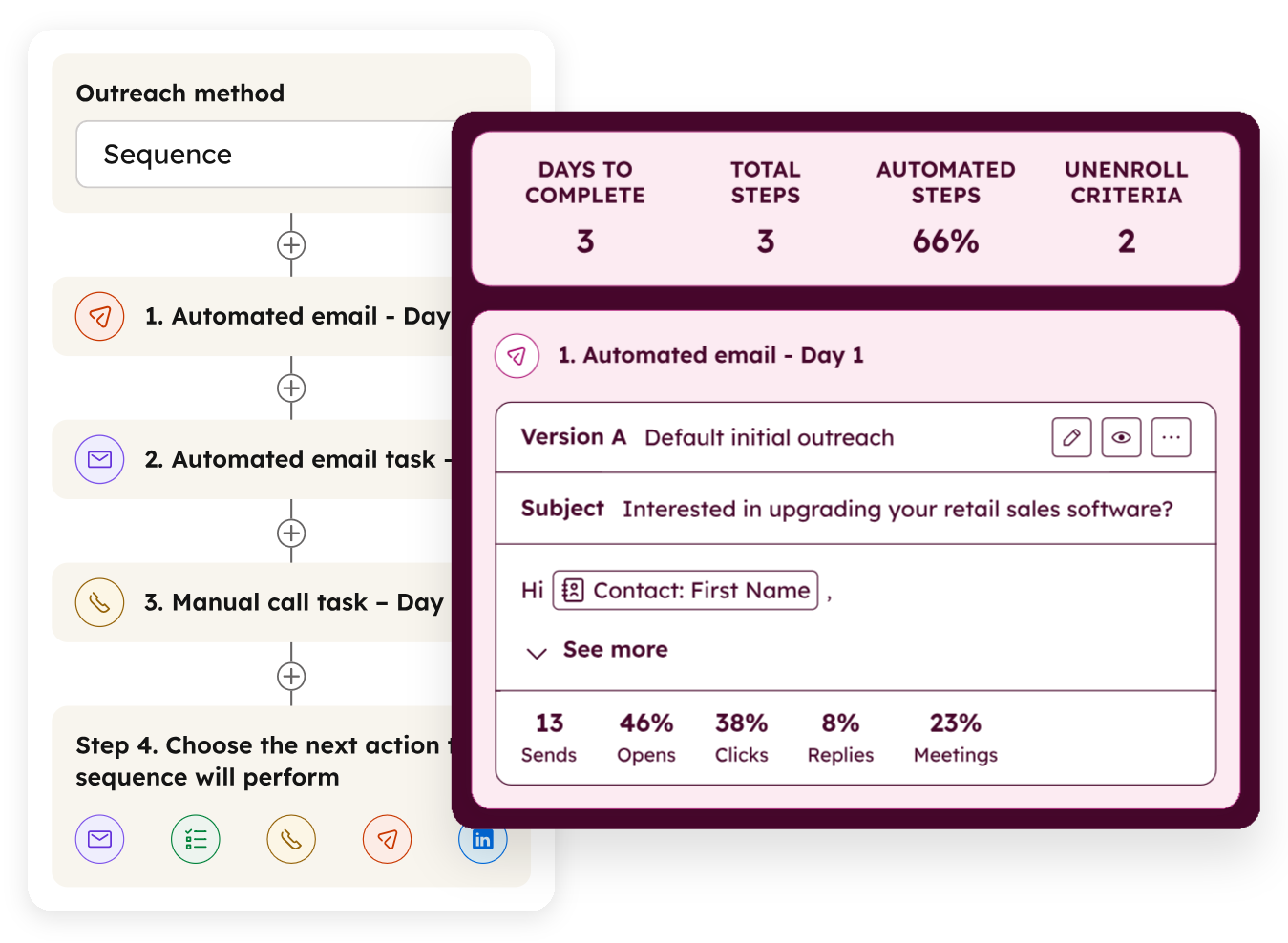
HubSpot's value is consolidation: instead of stitching together a separate email tool, CRM, help desk, and content management system, you get one platform where marketing data flows automatically to sales and customer service teams. The Breeze AI layer adds automation across all these functions, from a Prospecting Agent that drafts personalized outreach to a Customer Agent that resolves support inquiries.
Source: HubSpot
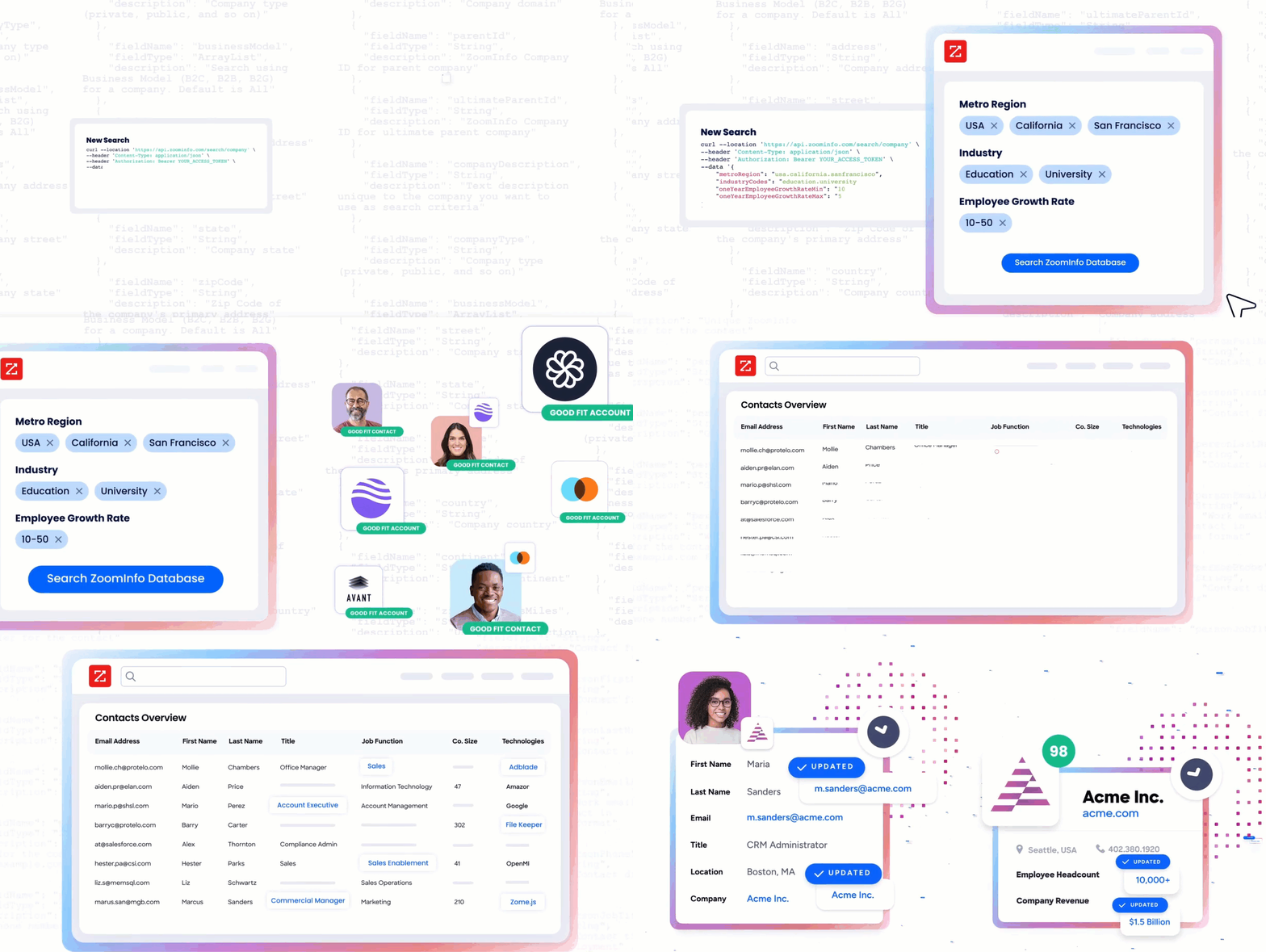
ZoomInfo is built for teams that need to know their market before they work it. While Kit and HubSpot help you communicate with contacts you already have, ZoomInfo helps you find, understand, and prioritize the contacts and accounts you should be pursuing.
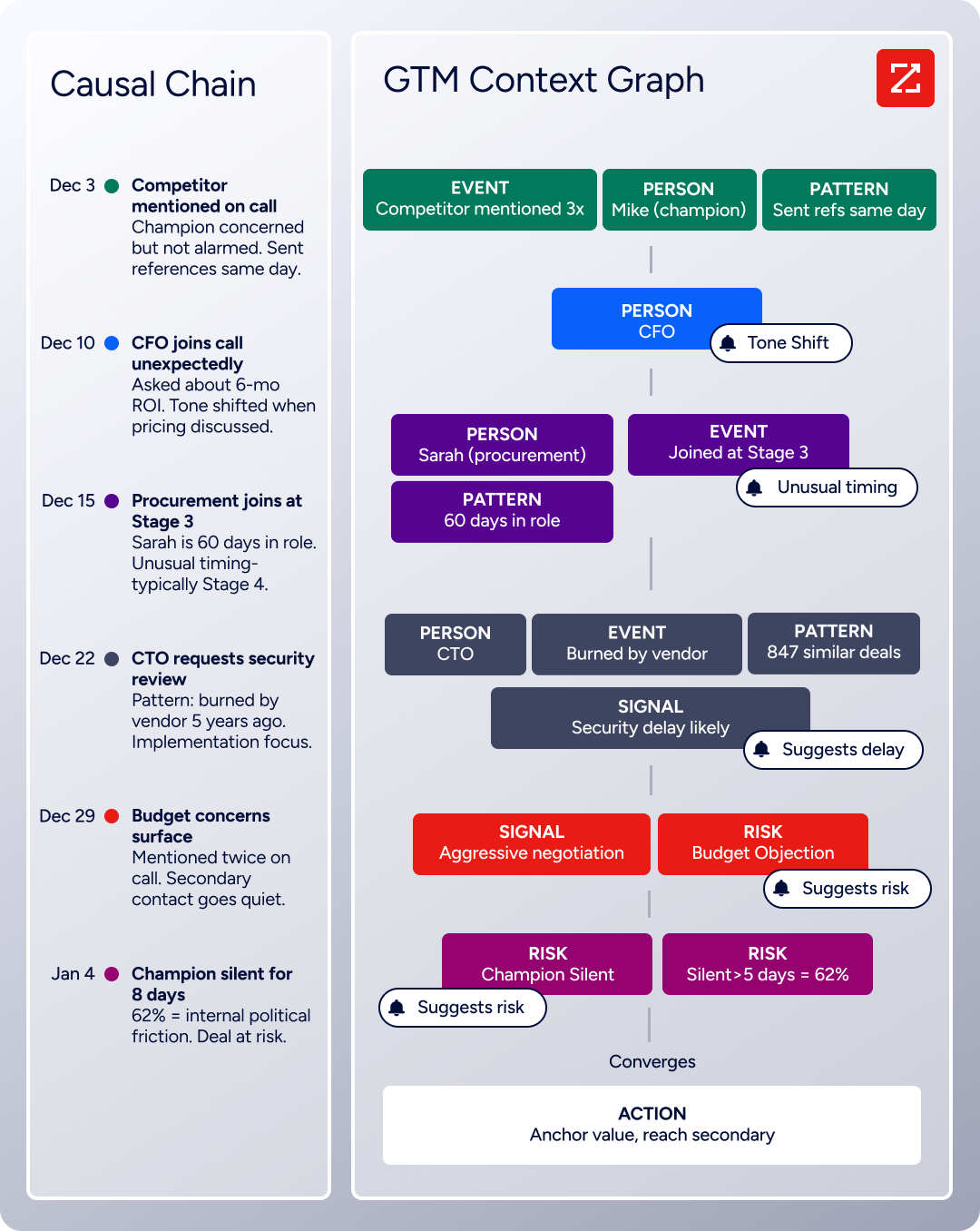
The GTM Context Graph fuses ZoomInfo's third-party intelligence with your CRM records, conversation transcripts, and behavioral signals to capture why deals move or stall.
Source: ZoomInfo
That intelligence powers everything downstream: the AI-drafted outreach in GTM Workspace addresses the specific concern identified in the account context, the plays in GTM Studio target accounts matching your actual win patterns, and the API and MCP deliver that intelligence into any third-party tool.
Source: ZoomInfo
Email marketing is where Kit and HubSpot overlap most
Both Kit and HubSpot send marketing emails. But their design philosophies produce very different experiences.
Kit treats email as the product. The platform organizes around four outcomes: Grow, Send, Automate, and Earn. The email designer favors text-forward, personal-feeling messages, the kind that land in a primary inbox and read like a note from someone you follow, not a marketing blast.
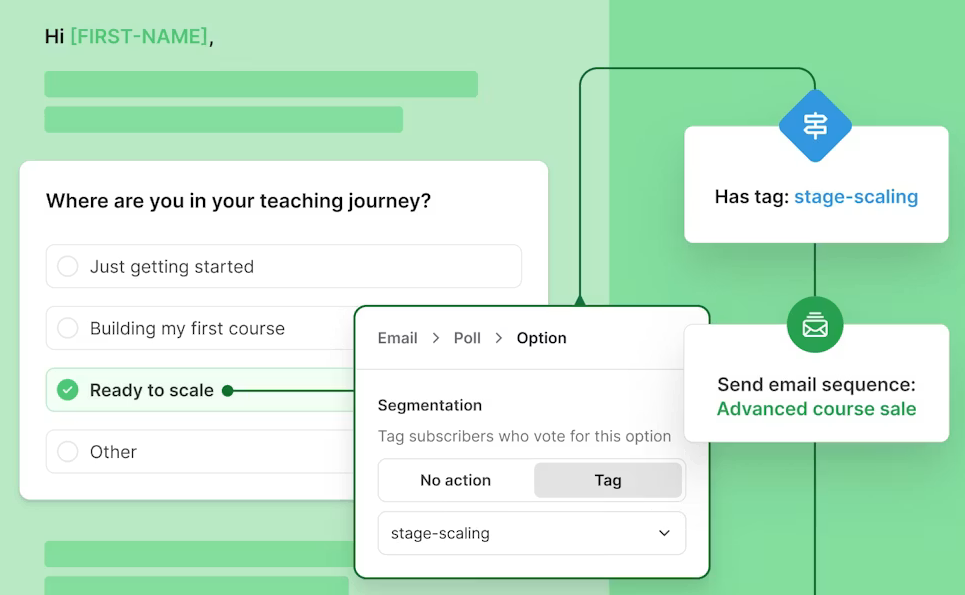
Kit offers 40+ creator-made templates, interactive polls that auto-tag subscribers based on responses, and native integrations with Canva, Unsplash, and Shopify inside the editor.
Source: Kit
Kit's tag-based subscriber system is a notable design choice. Instead of managing separate lists, you have one list where subscribers carry multiple tags. A subscriber who opts into three different lead magnets counts once, not three times, which keeps costs predictable as your audience grows.
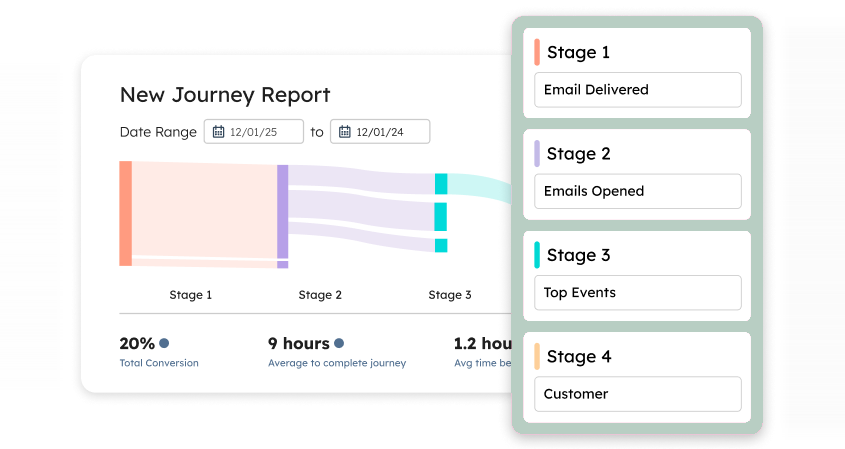
HubSpot treats email as one channel in a larger system. Marketing Hub includes email alongside landing pages, social media management, ad management, SEO tools, and multi-touch attribution reporting. The email builder supports drag-and-drop design, A/B testing, send-time optimization, and AI-generated content.
Source: HubSpot
But the real power is context: because Marketing Hub sits on the same Smart CRM as Sales Hub, every email interaction is visible to the sales team. When a prospect opens a pricing email three times, the rep sees it.
For a solo creator sending a weekly newsletter to 5,000 subscribers, HubSpot's marketing automation is overkill, and its pricing reflects that. For a B2B company running multi-channel campaigns tied to pipeline metrics, Kit's creator-focused tooling falls short.
ZoomInfo doesn't send your emails, but it determines whether they land. The difference between a 30% bounce rate that damages your sender reputation and a clean send that reaches real inboxes starts with data quality.
ZoomInfo's 200M+ verified business email addresses (with up to 95% accuracy) ensure that the contacts flowing into your Kit sequences or HubSpot workflows are real people at real companies. And because ZoomInfo integrates natively with HubSpot, enrichment happens automatically, not as a separate manual step.
Seismic's sales team attributed 39% of active pipeline to opportunities identified or influenced by ZoomInfo signals, reporting 54% productivity gains and 11.5 hours saved per week per seller. (Seismic Case Study)
Automation capabilities reflect each platform's audience
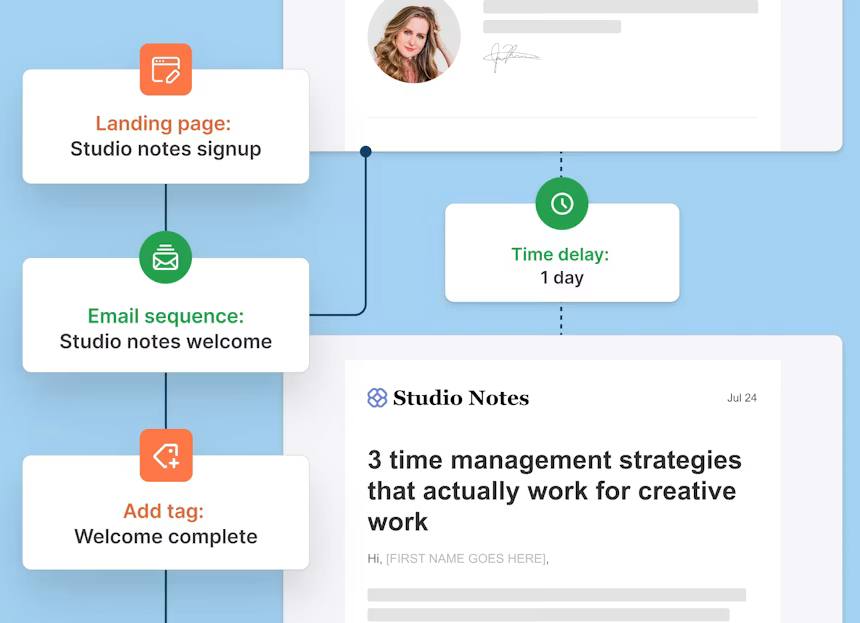
Kit's Visual Automations handle creator workflows: a subscriber fills out a form, receives a lead magnet, enters a welcome sequence, gets tagged by interest, and eventually receives a pitch for a paid product. The canvas interface uses three node types (Events, Actions, and Conditions) that non-technical users can chain together without writing code.
Source: Kit
New templates shipped in early 2026 cover post-webinar sales pitches, self-paced email courses, and community upsells. Kit's automation is limited to email; there's no SMS, no ad retargeting, and no CRM field updates.
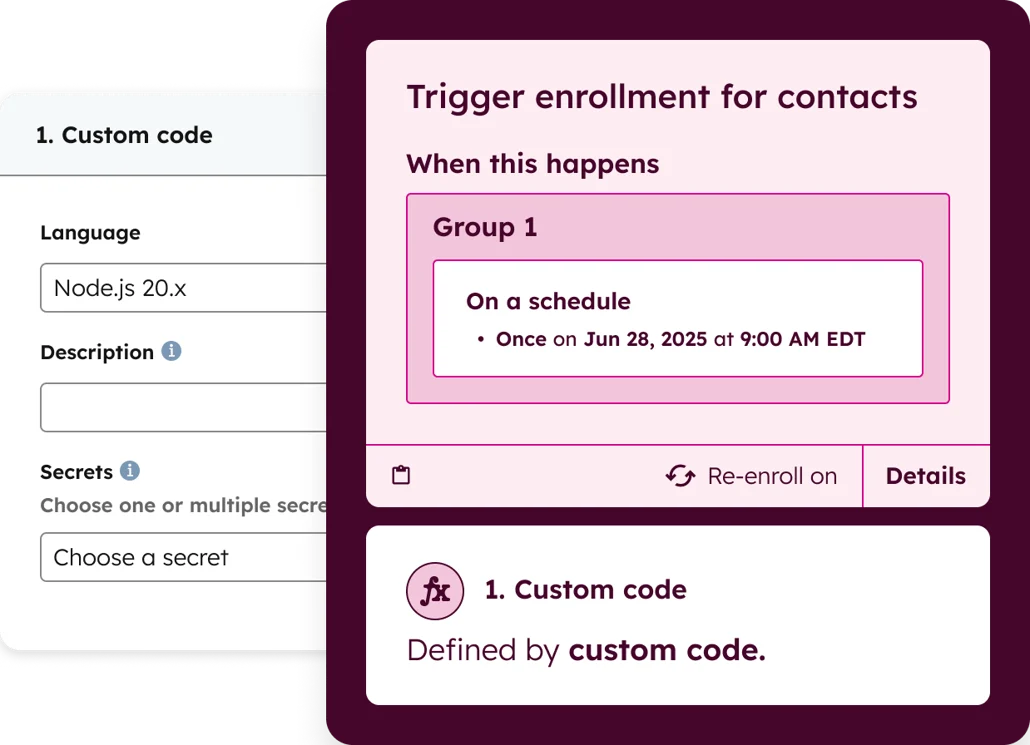
HubSpot's Workflows operate across the entire platform. A single workflow can trigger when a contact fills a form, send a marketing email, assign the lead to a sales rep, create a deal in the pipeline, and notify a Slack channel. With programmable automation at the Data Hub level, developers can write custom JavaScript or Python inside workflow actions, no middleware required.
Source: HubSpot
The breadth is useful but adds complexity: building a multi-branch workflow that spans marketing and sales requires understanding HubSpot's object model, lifecycle stages, and enrollment criteria.
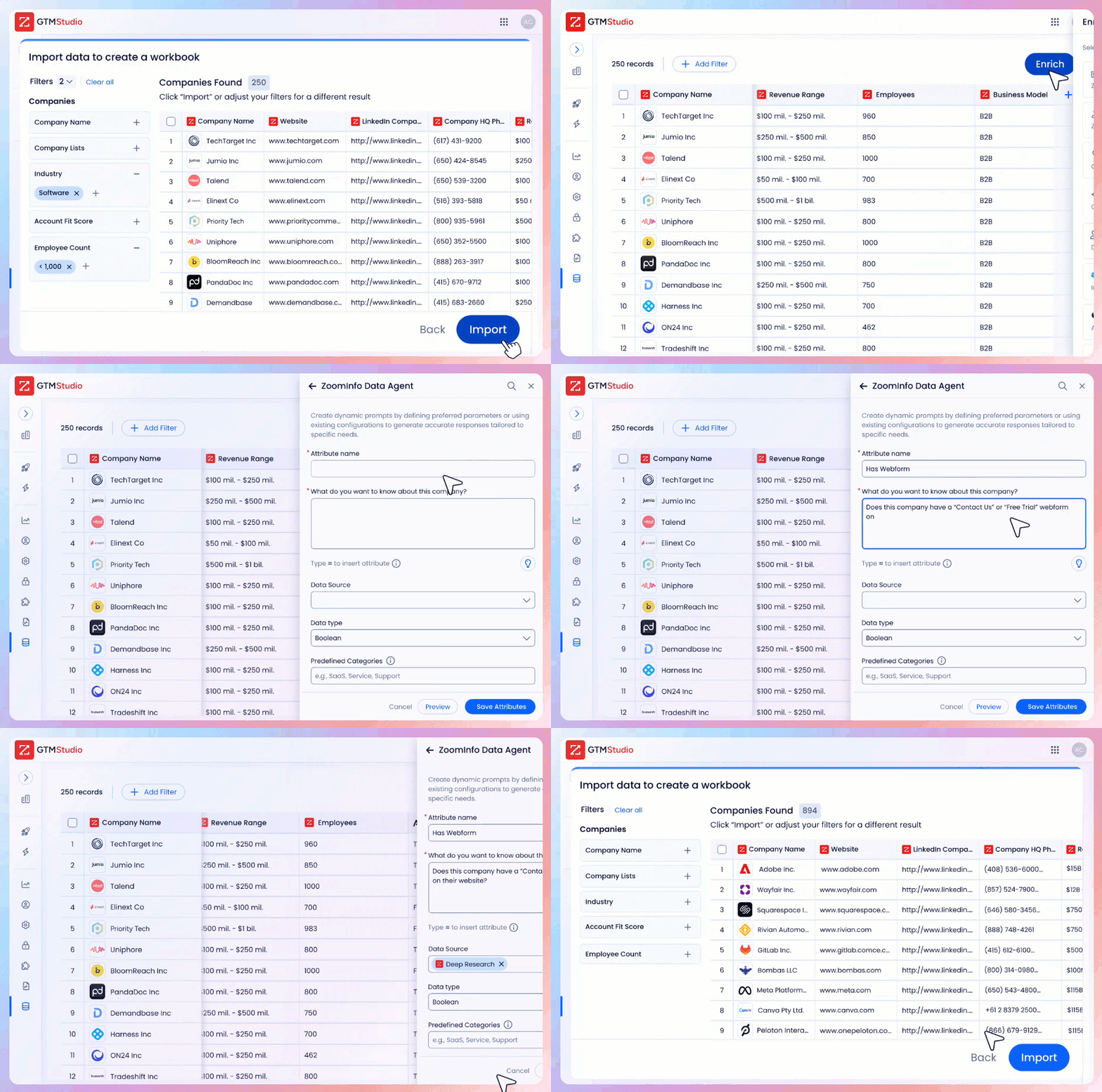
ZoomInfo automates the intelligence layer that feeds both. In GTM Studio, marketers describe audiences in plain language, and AI builds plays that trigger across email, calls, ads, and direct mail based on buyer behavior.
Source: ZoomInfo
When a target account shows intent signals or a champion changes jobs, the play fires automatically. Expansion plays that used to take three weeks now launch in 30 minutes, without engineering support. The plays refine themselves: every click, open, and reply adjusts targeting automatically.
The data gap none of them talk about
Kit knows what its subscribers tell it: name, email address, and whatever custom fields you collect. HubSpot knows more: website visits, email engagement, deal stages, and support tickets, plus basic AI enrichment from conversations and web sources. Both platforms depend on contacts opting in or being manually entered.
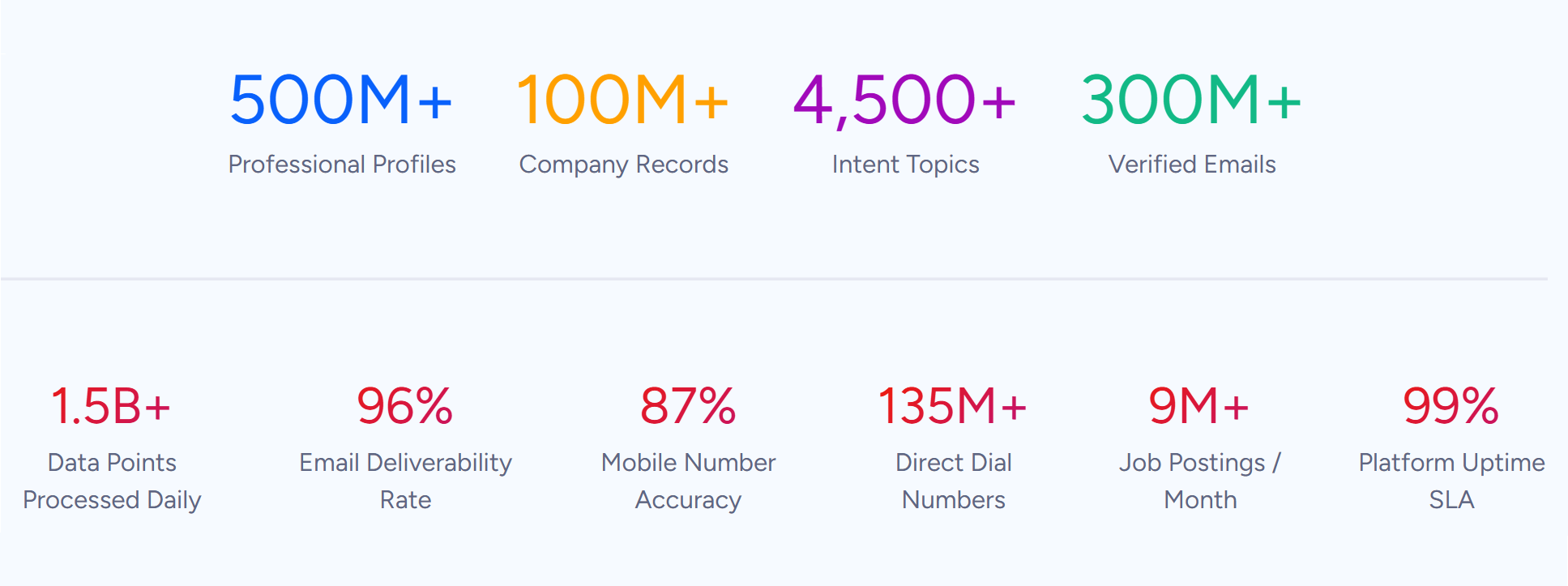
ZoomInfo operates at a different scale. The platform maintains 500M contacts and 100M companies, verified through a multi-source pipeline backed by 300+ human researchers.
This isn't just contact data: it includes 120M direct-dial phone numbers, department org charts, technographic profiles of 30+ million companies tracking 30,000+ technologies, and buyer intent signals from 210 million IP-to-Organization pairings.
Source: ZoomInfo
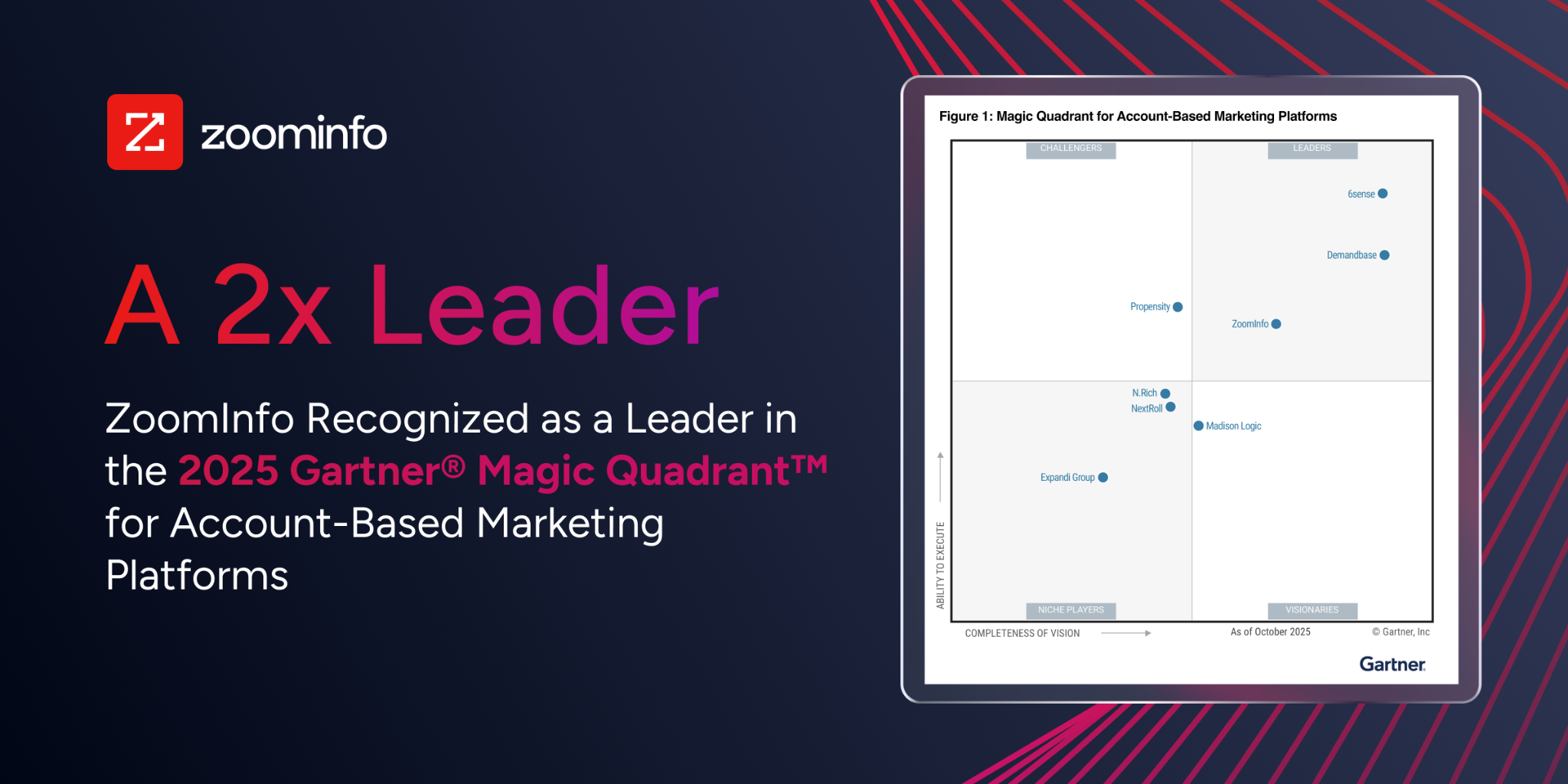
In a Fortune 500 competitive RFP analyzing 25 million contacts across vendors, the independent consultant concluded that "no other competitor came even close." Forrester validated this by naming ZoomInfo a Leader in Intent Data Providers for B2B (Q1 2025) with the highest possible scores across eight criteria. Gartner named ZoomInfo a Leader in ABM Platforms for the second consecutive year.
Source: ZoomInfo
For Kit users, this data doesn't apply: creators grow audiences through content, not prospecting databases. For HubSpot users running B2B go-to-market motions, ZoomInfo fills a gap that HubSpot's native data enrichment cannot. Your CRM is only as useful as the data in it.
"You'll get 10x the value if you think of ZoomInfo as a full platform and not just a tool for one team." — John Kotsuros, Founder and CEO of SpringDB, whose team saw 2x–3x increases in campaign conversions and a 300% increase in database usability after enriching their data with ZoomInfo. (SpringDB Case Study)
Pricing structures tell you who each platform is for
Kit uses subscriber-count pricing with no per-seat fees and no email send limits. The free Newsletter plan supports up to 10,000 subscribers with unlimited broadcasts, landing pages, forms, and commerce features.
The Creator plan starts at $33/month for 1,000 subscribers (billed annually), adding unlimited automations, A/B testing, and the full App Store. The Pro plan starts at $66/month for 1,000 subscribers, adding deliverability reporting, subscriber engagement scoring, collaborative editing, and the SparkLoop referral system (valued at $99/month elsewhere).
Kit's pricing drew criticism after a September 2025 price increase that more than doubled the Creator plan from $15 to $33/month at the 1,000-subscriber tier. For creators not yet earning revenue from their lists, the jump is significant.
HubSpot uses a hybrid model combining per-seat pricing, contact tiers, and hub-specific flat fees. The Starter Customer Platform bundles all Hubs at $15/seat/month (annual). Marketing Hub Professional jumps to $800/month (annual, 3 seats included, 2,000 marketing contacts) with a mandatory $3,000 onboarding fee.
Enterprise reaches $3,600/month with a $7,000 onboarding fee. When you subscribe to multiple Hubs at different tiers, HubSpot bills all Core Seats at the highest tier, a cost multiplier that catches many buyers off guard.
ZoomInfo uses custom-quoted, consumption-based pricing. No prices are published; costs depend on seats, credit volume, features, and contract length. ZoomInfo Lite offers a permanent free tier with access to the B2B database, 10 monthly export credits, and WebSights Lite.
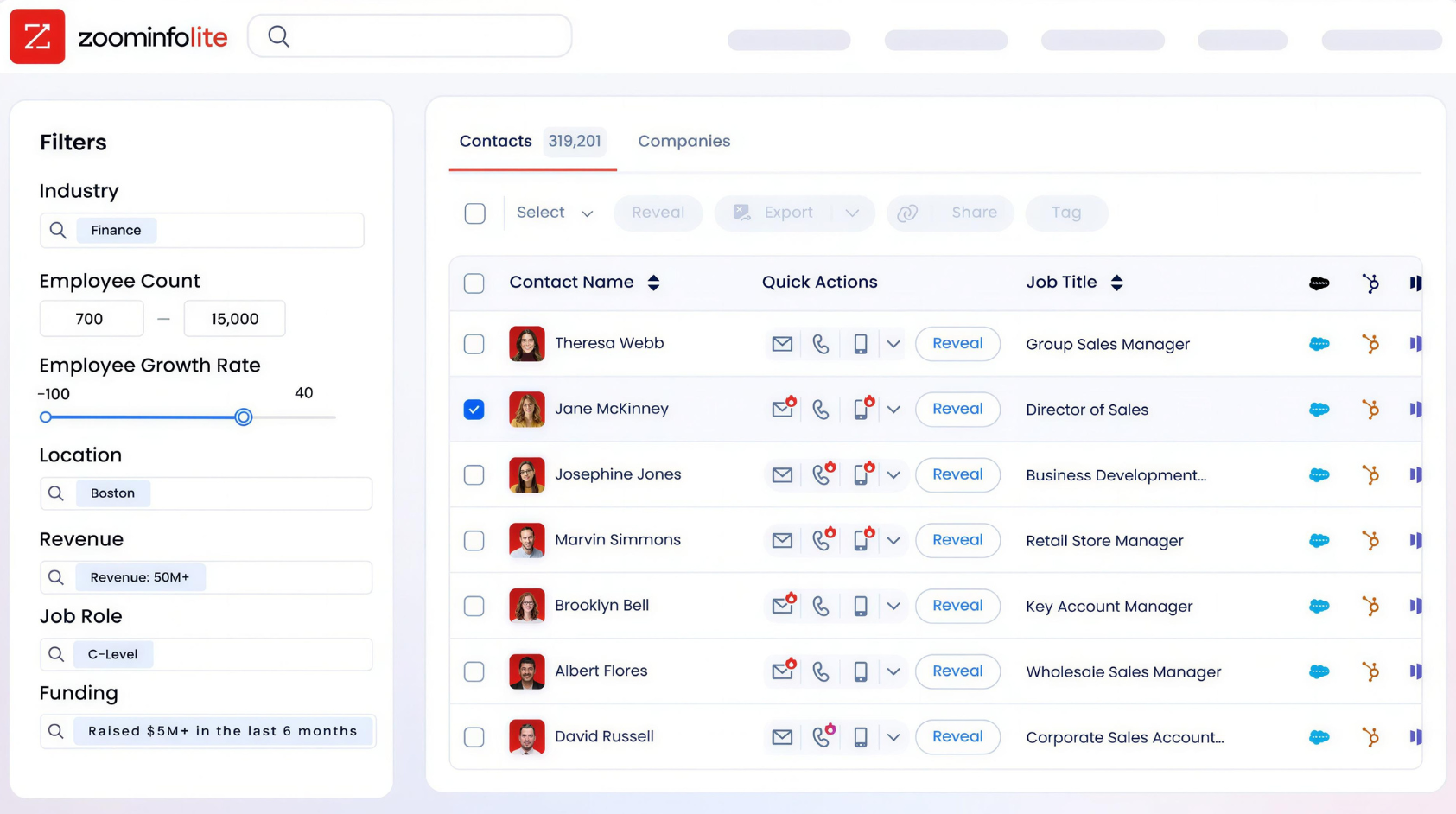
Source: ZoomInfo
A 7-day free trial of the full platform is also available. The pricing reflects ZoomInfo's position as infrastructure for revenue teams: customers like Seismic report 11.5 hours saved per seller weekly and Thomson Reuters increased closed-won deals by 40%.
Growth tools take three different approaches
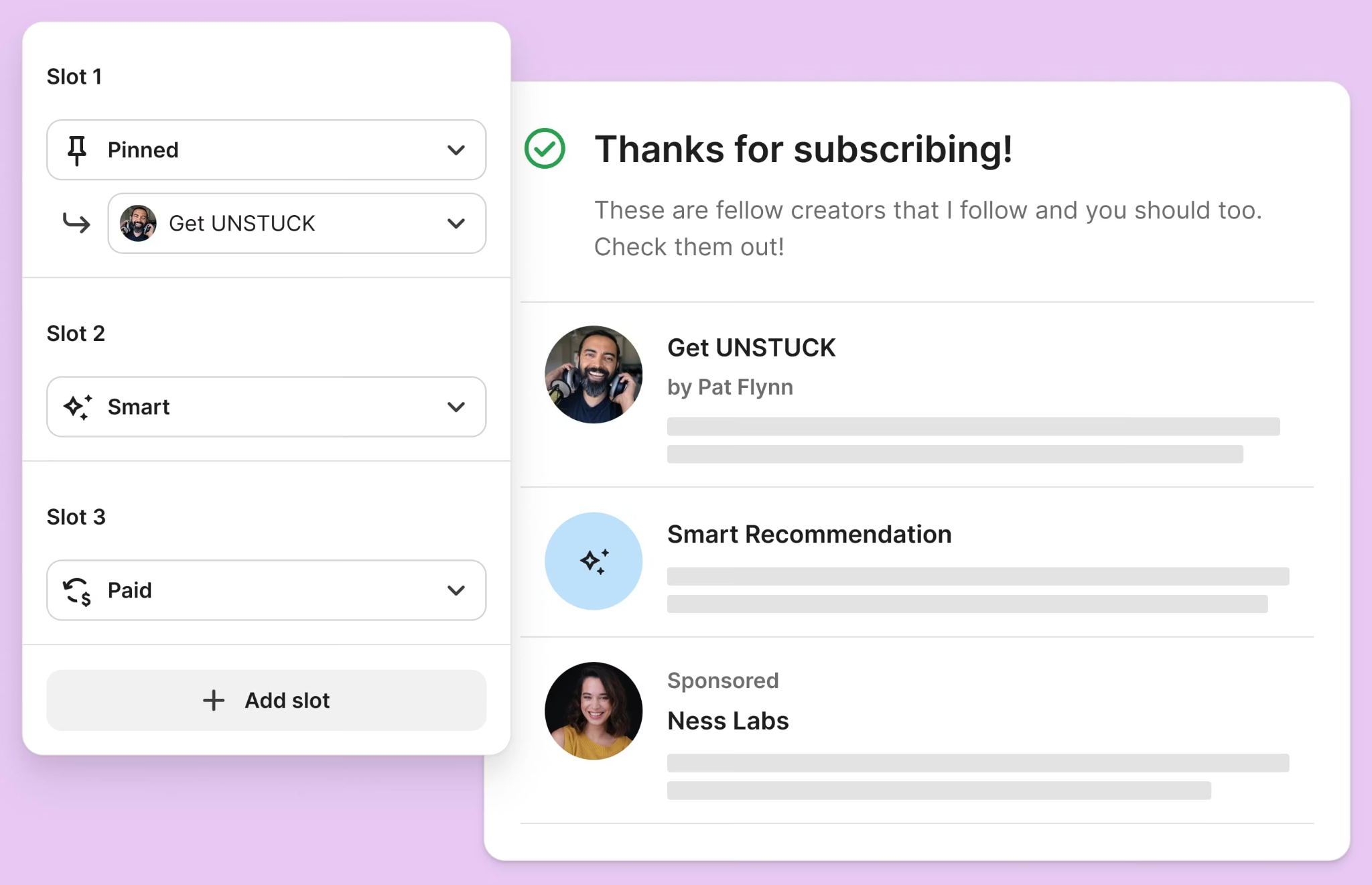
Kit grows audiences through community. The Creator Network enables mutual recommendations between 74,000 creators, with Kit reporting 2x email list growth for participants. Paid Recommendations let creators pay a cost-per-subscriber rate to appear in other creators' recommendation slots, and earn revenue by recommending paying creators to their own audience.
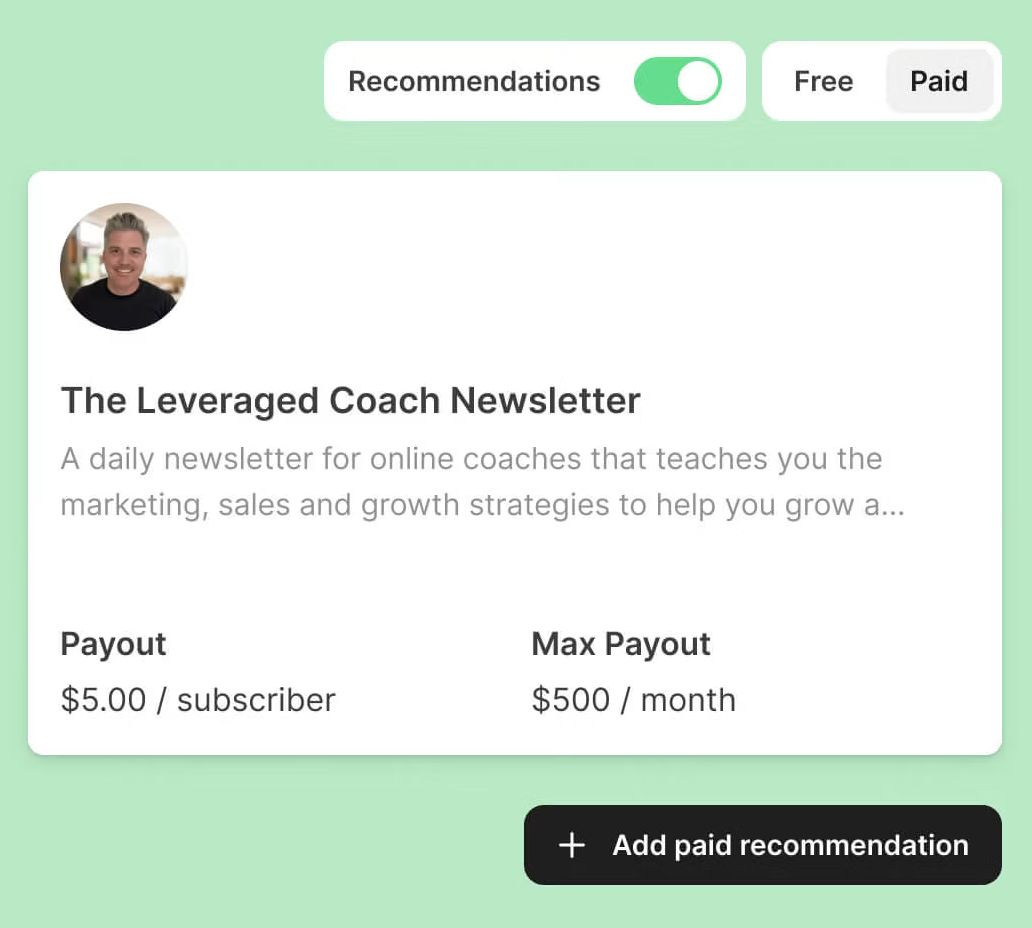
Source: Kit
The cross-platform reach through Kit's SparkLoop partnership means these recommendations aren't limited to Kit users. The network grows stronger as more creators join.
HubSpot grows pipeline through inbound methodology. Content Hub publishes blog posts, landing pages, and podcasts. Marketing Hub captures leads through forms, chatbots, and ad integrations.
The AEO Strategy tool (beta) optimizes content for AI-powered search engines, recognizing that chat-based search engines now intercept up to 25% of traditional search traffic. HubSpot's Lookalike Lists use AI to find prospects who resemble your best customers.
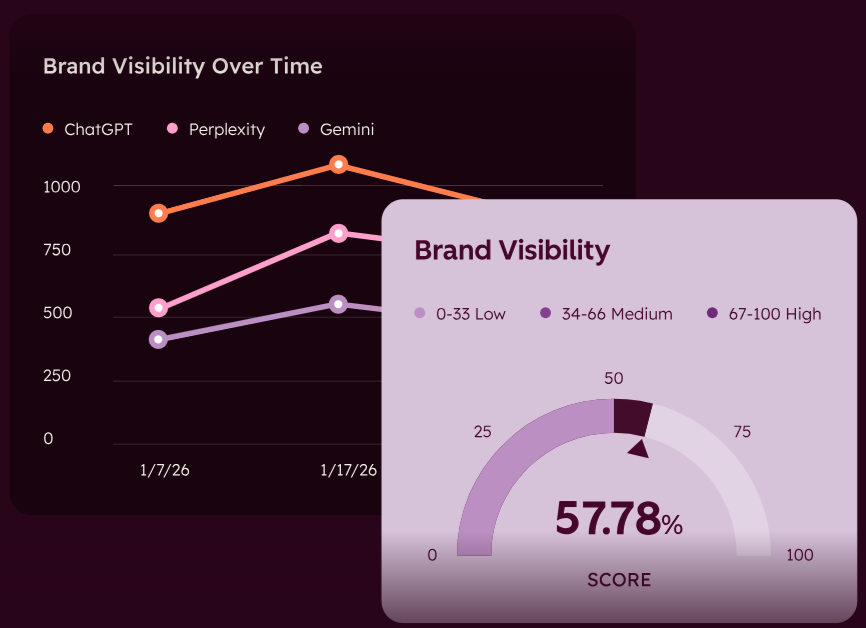
Source: Hubspot
ZoomInfo grows pipeline through intelligence. Instead of waiting for prospects to find you, ZoomInfo identifies companies actively researching your category through buyer intent signals, tracks when key contacts change jobs through the Contact Tracker, and surfaces anonymous website visitors through WebSights.
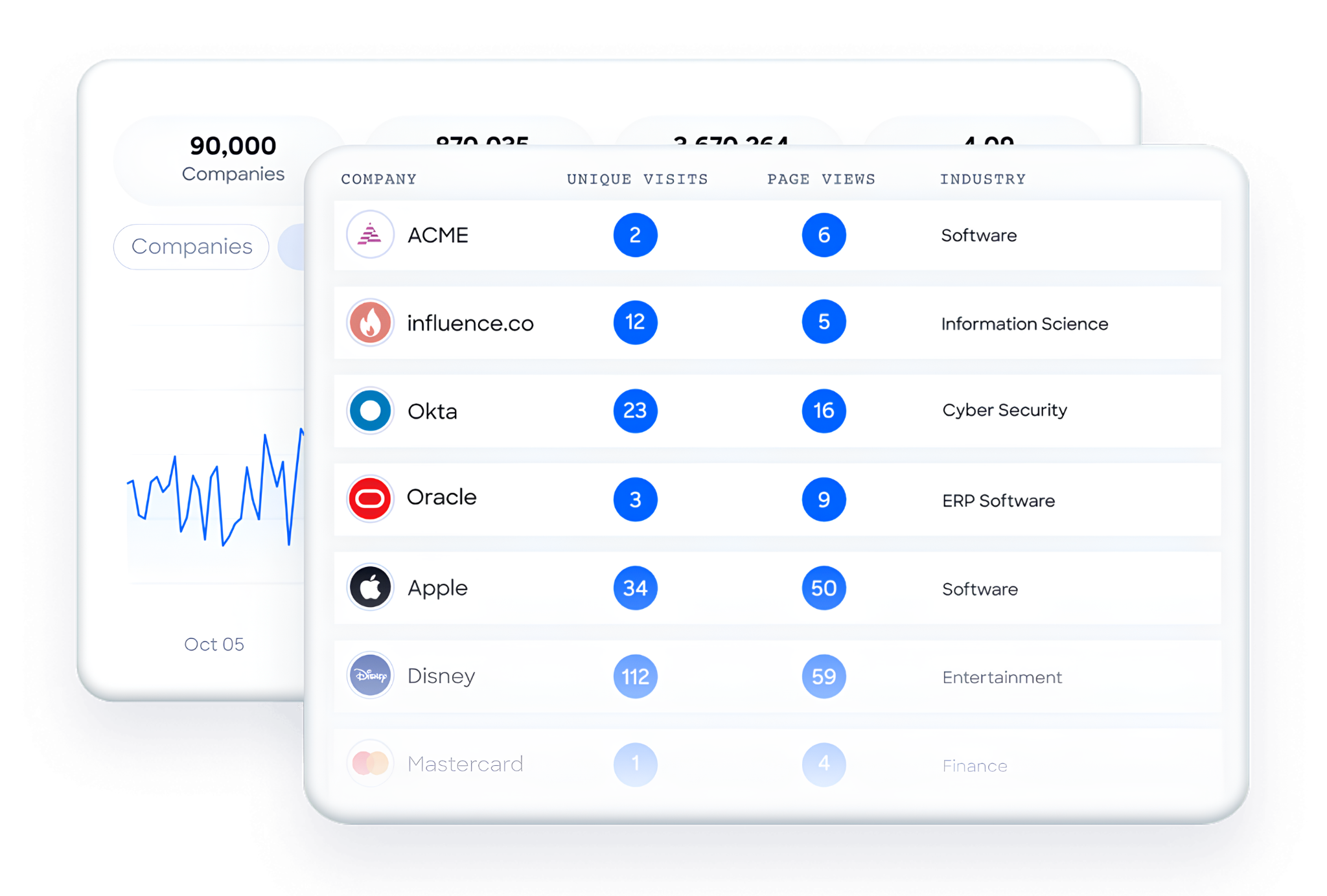
Source: ZoomInfo
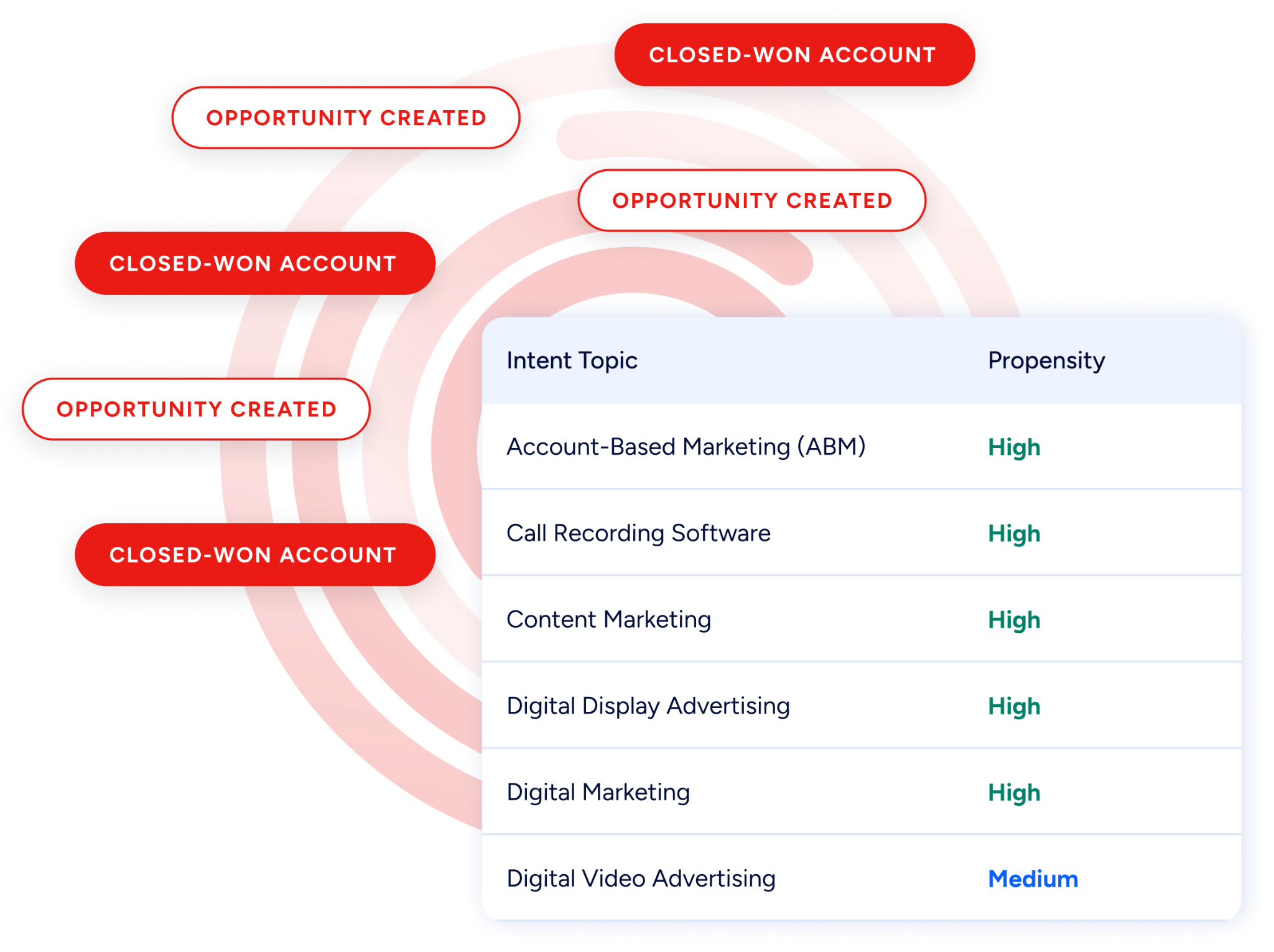
Guided Intent (exclusive to ZoomInfo) identifies topics historically correlated with deal success rather than requiring manual topic selection.
Source: ZoomInfo
Redwood Logistics achieved a 99% reduction in cost-per-click and a 310% increase in click-through rate using ZoomInfo's audience insights, saving 20-25 hours per week. (Redwood Logistics Case Study)
Integration ecosystems reveal each platform's priorities
Kit's App Store covers 14 categories tuned to creator workflows: Canva for design, Kajabi and Teachable for courses, Shopify for e-commerce, Typeform for surveys, and Manychat for Instagram DM automation.
The API (v4) supports OAuth 2.0 and API key authentication, with rate limits of 120 requests per 60 seconds for API keys and 600 for OAuth apps. Kit also offers MCP servers for AI-assisted account management.
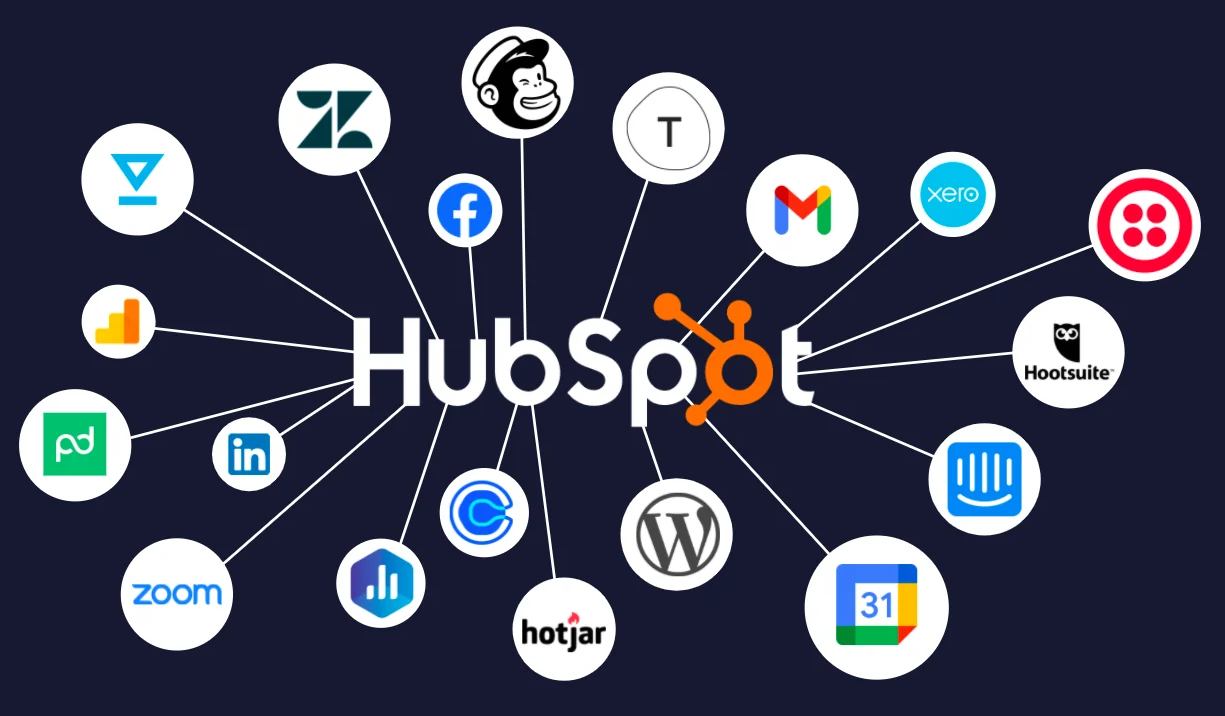
HubSpot's App Marketplace has over 2,000 integrations with 2.5 million active installs, covering Salesforce, Slack, Zoom, LinkedIn, Google Ads, Jira, Snowflake, and hundreds more. HubSpot offers official SDKs in six languages (PHP, Java, Ruby, Go, TypeScript, Python), a date-based API versioning system with 18-month support windows, and a Remote MCP server for AI agent access to CRM data.
Source: Hubspot
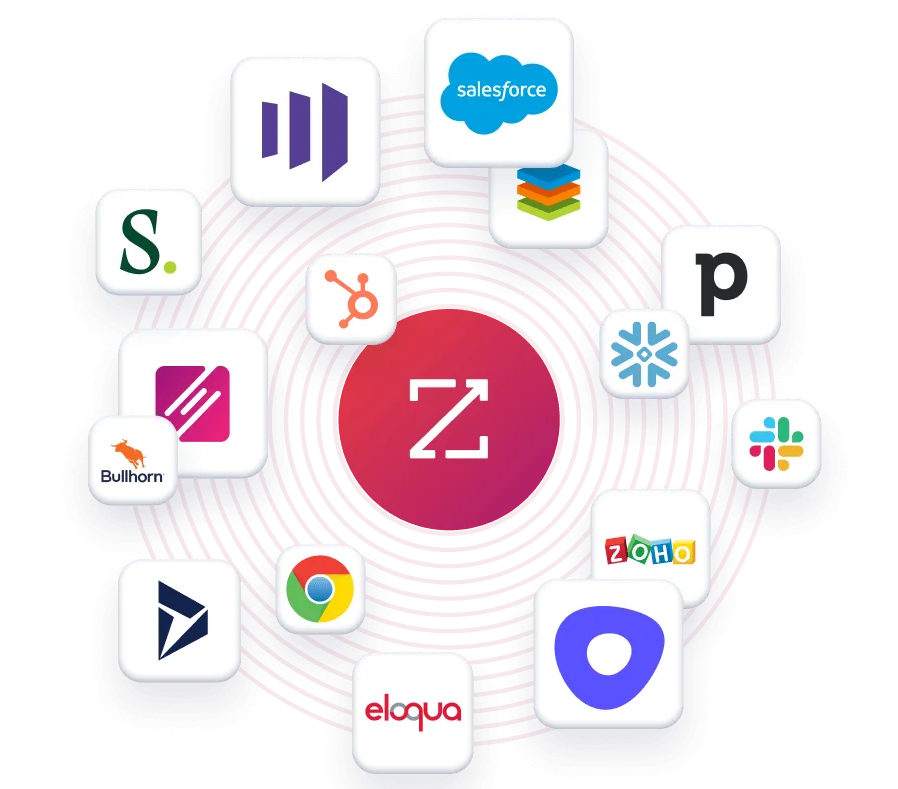
ZoomInfo's Marketplace lists 172+ partners across CRM, cloud data platforms, communications, AI, and sales engagement categories. The Enterprise API provides four endpoint groups: Data API (search and enrich), Copilot API (AI intelligence), Marketing API (audience management), and Platform API (engagement data).
Source: ZoomInfo
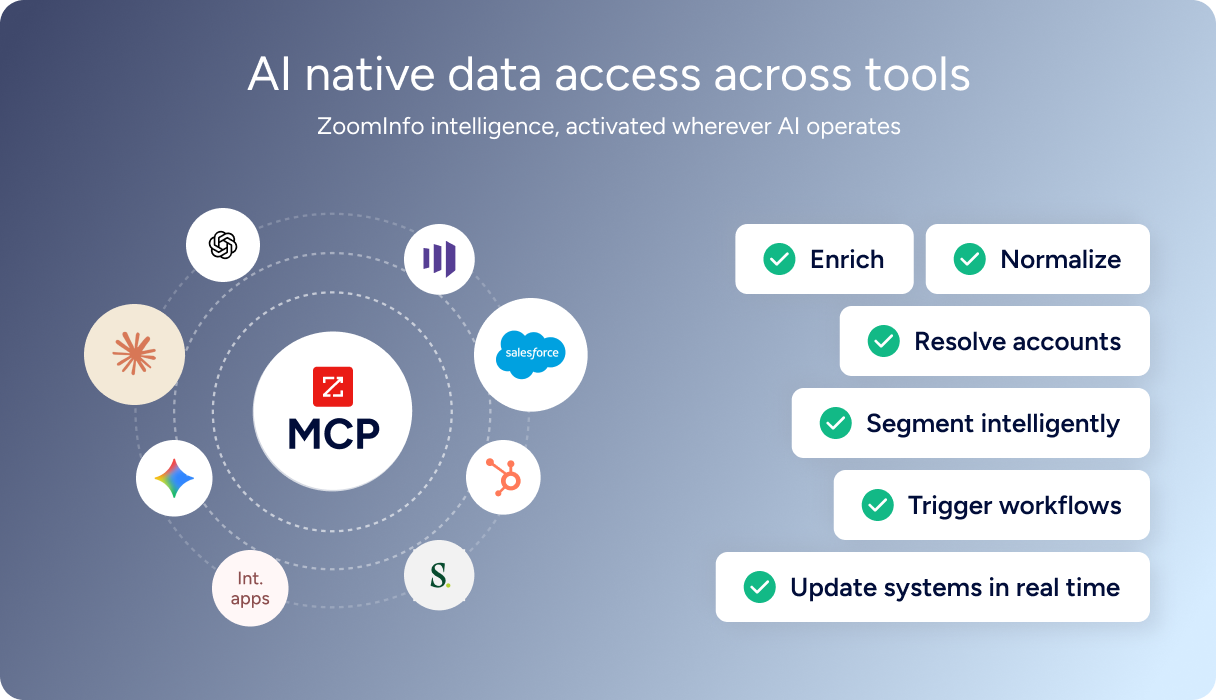
Cloud data delivery through partners like AWS, Google Cloud, Snowflake, and Databricks sends ZoomInfo data directly into data warehouses. The ZoomInfo MCP server connects AI models to ZoomInfo's B2B data, currently supporting Claude and ChatGPT.
Source: ZoomInfo
The integration philosophy differs at each level. Kit's ecosystem is curated for creators. HubSpot's is broad enough to serve as a central platform for any business function. ZoomInfo's is designed to make its intelligence available everywhere (in any tool, any workflow, any AI agent) without locking teams into a single application.
AI capabilities span different domains
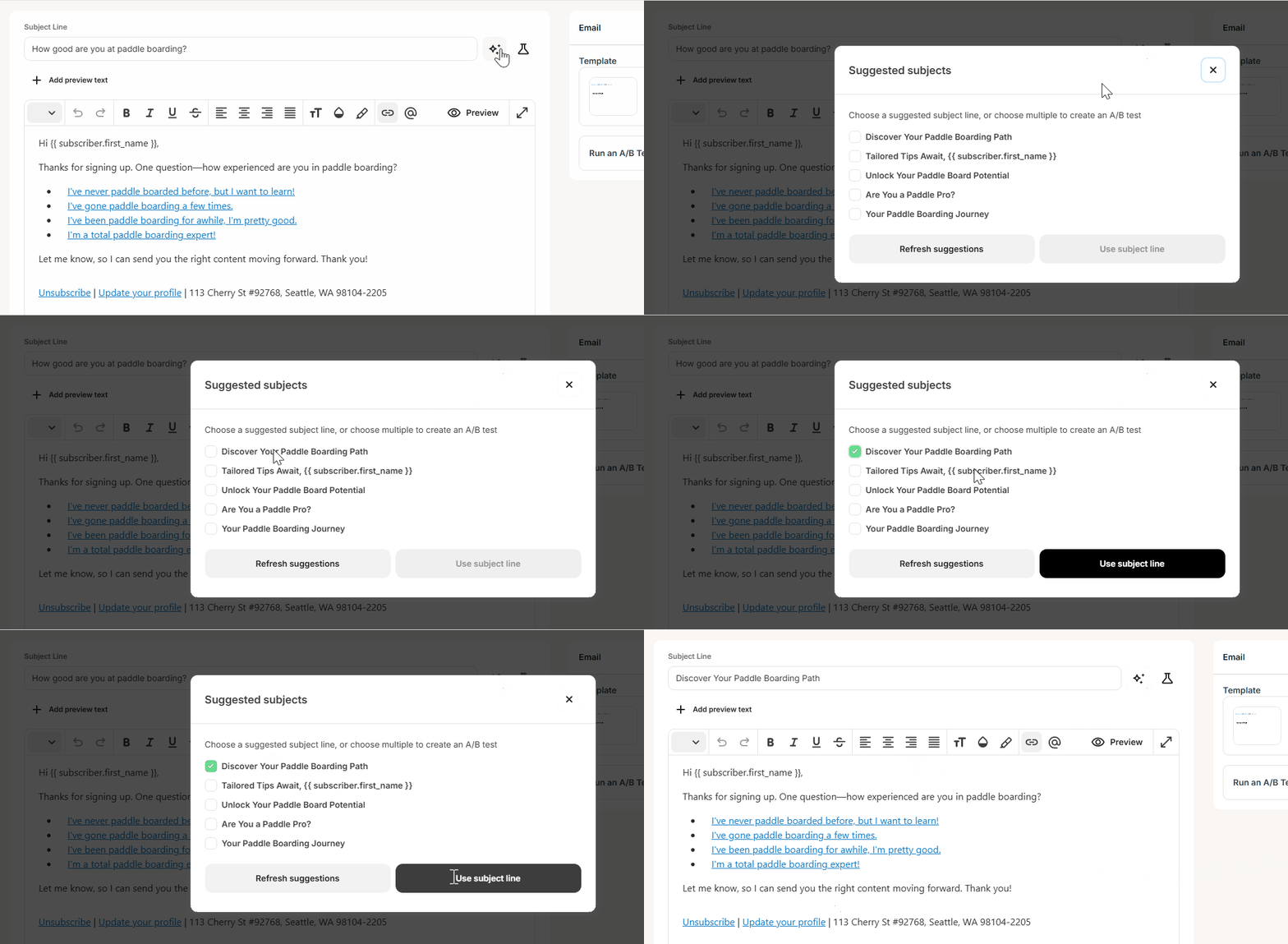
Kit's AI is focused and narrow. An AI subject line generator suggests options based on email content. The Kitlytics app uses AI to analyze email performance and generate campaigns from historical data. These help individual creators move fast, but they don't extend beyond email.
Source: Kit
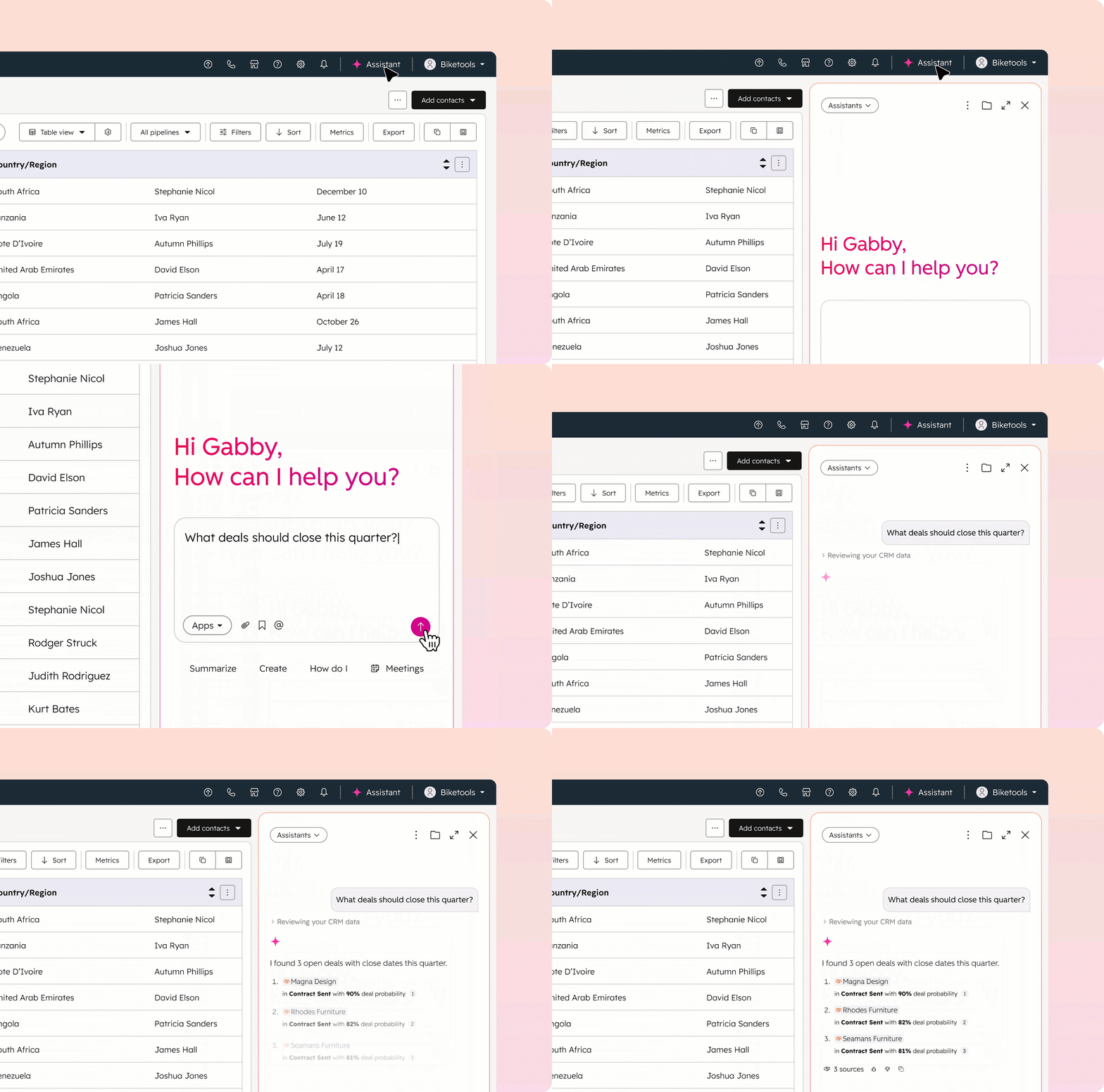
HubSpot's Breeze AI is a platform-wide layer with specialized agents. The Customer Agent resolves support inquiries across chat, email, WhatsApp, and voice. The Prospecting Agent monitors buying signals and drafts personalized outreach.
Source: Hubspot
The Data Agent answers natural-language questions about CRM data. The Content Agent and Blog Research Agent assist content creation. Breeze runs on HubSpot Credits, with allotments included in paid plans and additional credits available for purchase.
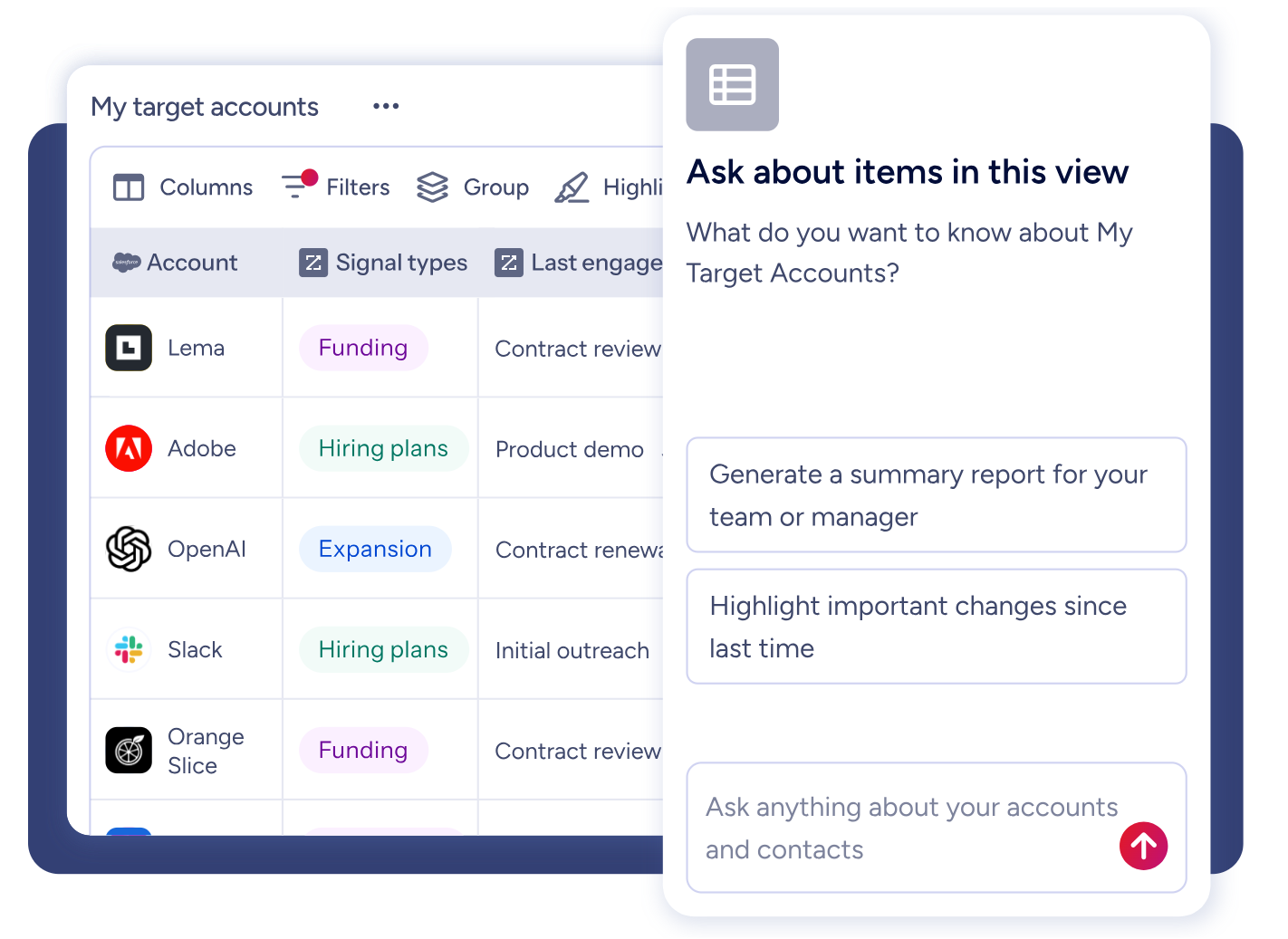
ZoomInfo's AI operates at the intelligence layer. The GTM Context Graph doesn't just store data; it connects CRM records, call transcripts, intent signals, and engagement history to explain why deals advance or stall. AI agents in GTM Workspace handle account research, outreach drafting, CRM updates, and signal monitoring.
Source: ZoomInfo
The Copilot API exposes this intelligence programmatically, with endpoints for Account Summary, Company Insights, Find Similar Companies, Contact Lookalikes, and Contact Recommendations ranked by sales motion (prospecting, deal acceleration, or renewals).
The distinction is depth versus breadth. HubSpot's AI helps across many business functions. ZoomInfo's AI goes deeper on go-to-market intelligence, the problem that matters most to revenue teams: understanding who to pursue, why now, and what to say.
Security and compliance for different audiences
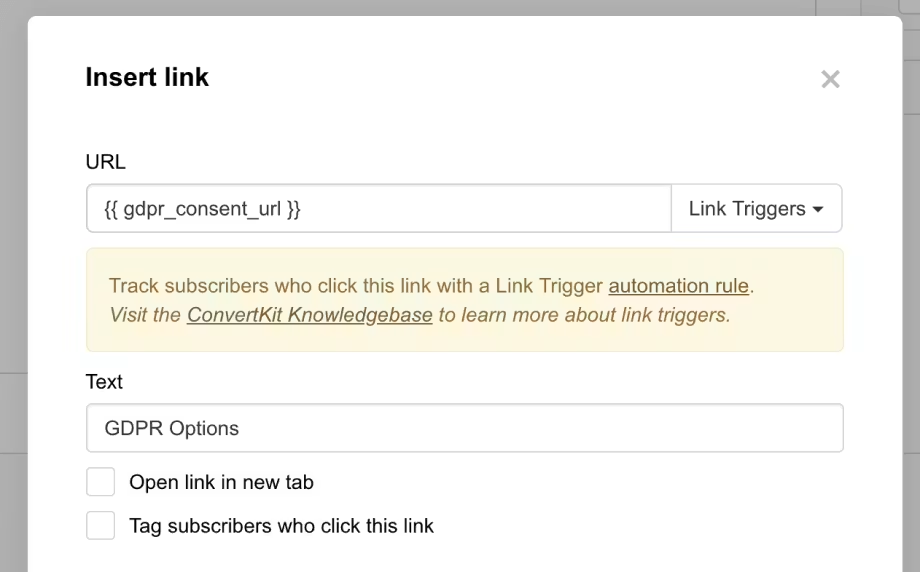
Kit hosts on AWS and Cloudflare, both holding SOC 2 Type II and ISO 27001 certifications. Kit itself does not hold its own SOC 2 report or ISO certification. GDPR compliance tooling includes consent redirects, subscriber filters, and a right-to-erasure workflow. A bug bounty program runs through BugCrowd.
Source: Kit
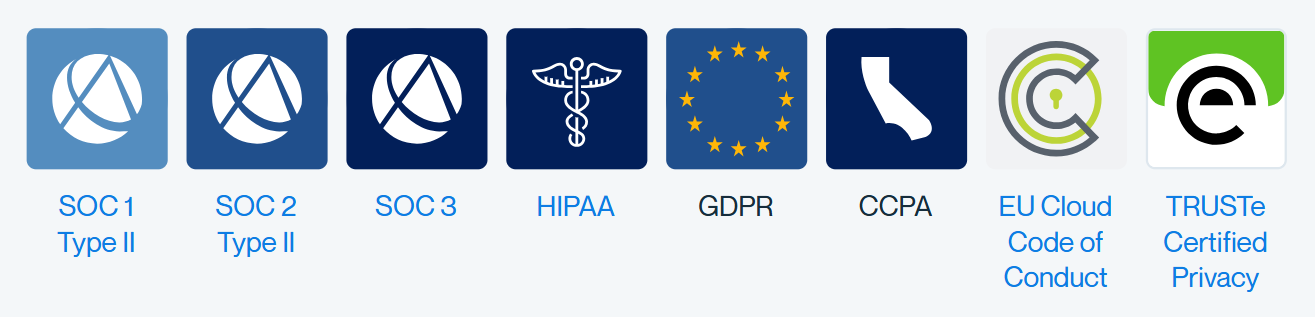
HubSpot maintains SOC 2 Type II, SOC 3, HIPAA attestation, TRUSTe GDPR, and EU Cloud Code of Conduct Level 2 compliance. It encrypts data with AES-256 at rest and TLS 1.2/1.3 in transit. An EU Data Center is available for data residency requirements. HubSpot publishes AI model cards detailing how each AI system handles customer data.
Source: HubSpot
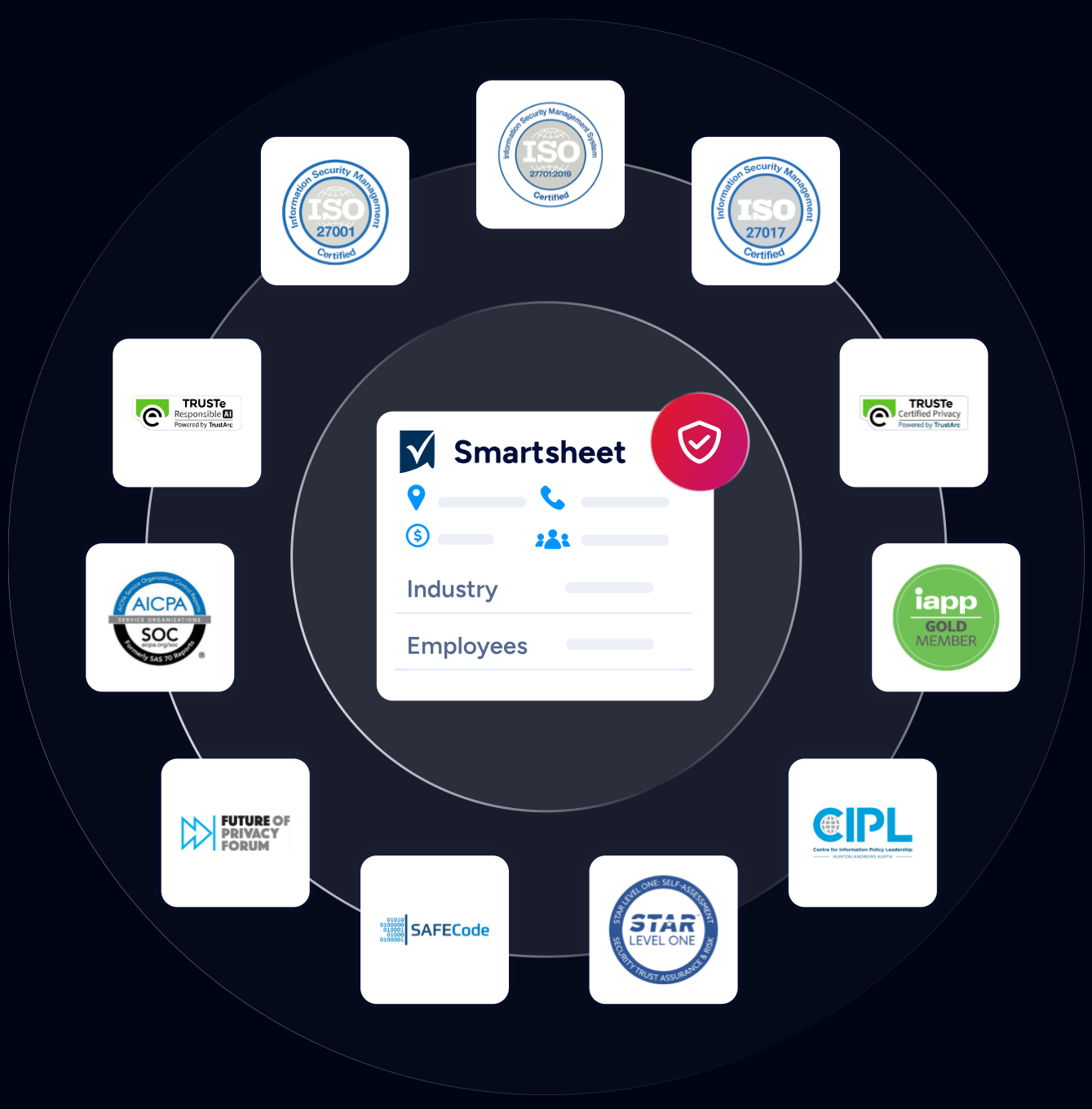
ZoomInfo holds the most comprehensive certification stack of the three, all renewed annually: ISO 27001, ISO 27701, SOC 2 Type II, TRUSTe GDPR, and TRUSTe CCPA. ZoomInfo is a registered data broker in California and Vermont, with a dedicated Trust Center at trust.zoominfo.com. For enterprises in regulated industries, this matters.
Source: ZoomInfo
Kit vs. HubSpot vs. ZoomInfo: Which should you choose?
The right choice depends on what you're building and how you sell.
Choose Kit if:
You're an individual creator or small creator team building an audience through content
Email is your primary revenue channel (newsletters, digital products, courses, coaching)
You want to grow through peer recommendations in the Creator Network rather than paid ads
You need simple, visual automation without a steep learning curve
Your business model doesn't involve sales pipelines, deal management, or B2B prospecting
Choose HubSpot if:
You're a scaling company with marketing, sales, and service teams that need shared customer data
You want a single platform replacing multiple point solutions (email, CRM, help desk, CMS)
Your growth strategy depends on inbound marketing, content, and multi-channel campaigns
You need enterprise features like custom objects, pipeline management, and revenue attribution
You're willing to invest in a platform with a longer learning curve but deeper long-term payoff
Choose ZoomInfo if:
Your revenue depends on finding, prioritizing, and engaging the right accounts and contacts
You need verified B2B data (direct dials, business emails, org charts, technographics) at scale
You want AI that understands why deals move, not just that they moved
Your team needs buyer intent signals to identify in-market accounts before competitors do
You want intelligence that works in any tool, whether that's HubSpot, Salesforce, a custom AI agent, or ZoomInfo's own GTM Workspace and GTM Studio
Try ZoomInfo free to see the data and intelligence firsthand.
Kit, HubSpot, and ZoomInfo aren't competitors in any traditional sense. Kit is the creator's email engine. HubSpot is the scaling company's operational backbone. ZoomInfo is the intelligence layer that tells revenue teams where to focus.
For B2B companies serious about go-to-market execution, HubSpot and ZoomInfo often work together: HubSpot runs the workflows, ZoomInfo provides the data and context that make those workflows reach the right people at the right time.
For a detailed look at how these two platforms compare head-to-head, see our HubSpot vs. ZoomInfo comparison.
The teams that grow fastest aren't choosing between communication tools and intelligence platforms. They're connecting both.
Kit vs. HubSpot vs. ZoomInfo FAQ
What is the fundamental difference between Kit, HubSpot, and ZoomInfo?
Kit is an email marketing and monetization platform built for individual creators (writers, podcasters, course creators) who grow and sell to an email audience. HubSpot is an all-in-one customer platform with six integrated Hubs covering marketing, sales, service, content, data, and commerce for scaling B2B companies.
ZoomInfo is an AI-powered go-to-market intelligence platform that provides verified B2B contact data, buyer intent signals, and contextual deal intelligence to revenue teams.
Which platform is cheapest to get started with?
Kit offers the most generous free tier for email marketing, supporting up to 10,000 subscribers with unlimited broadcasts, landing pages, and commerce features. HubSpot's free CRM has no time limit but caps usage at 2 users with basic tools and HubSpot branding on all customer-facing assets.
ZoomInfo Lite is a permanent free tier with 10 monthly export credits and access to the B2B database. Paid plans start at $33/month for Kit (1,000 subscribers), $15/seat/month for HubSpot Starter, and custom pricing for ZoomInfo.
Can Kit replace HubSpot for email marketing?
For creator businesses focused on newsletters, digital products, and audience monetization, Kit is the stronger choice. It reports a 99.8% delivery rate and 40% average open rate, with a Creator Network of 74,000 creators for organic list growth. However, Kit has no CRM, no sales pipeline, no multi-channel campaign attribution, and no service tools.
For B2B companies that need email marketing connected to deal management, lead scoring, and customer service, HubSpot's Marketing Hub is the more complete solution.
How does ZoomInfo work with HubSpot or Kit?
ZoomInfo integrates natively with HubSpot through a featured marketplace integration, enriching CRM records with verified contact data, company attributes, technographics, and buyer intent signals. This enrichment happens automatically, keeping the data that powers HubSpot's workflows and AI features accurate and current.
ZoomInfo does not have a native Kit integration, which reflects the difference in target audience: Kit serves individual creators, while ZoomInfo serves B2B revenue teams.
Which platform has the best AI capabilities?
Each platform's AI serves a different purpose. Kit's AI is limited to email subject line generation and performance analysis. HubSpot's Breeze AI spans the full platform with agents for customer service, sales prospecting, data analysis, and content creation.
ZoomInfo's AI goes deepest on go-to-market intelligence, with a GTM Context Graph that connects CRM data, conversation transcripts, and intent signals to explain deal dynamics and recommend actions. For revenue teams, ZoomInfo's intelligence layer and HubSpot's operational AI are complementary rather than competing.
Which platform offers the most integrations?
HubSpot leads with over 2,000 app integrations and 2.5 million active installs, plus official SDKs in six programming languages.
ZoomInfo's Marketplace lists 172+ partners with integrations for CRM systems, cloud data platforms, and AI assistants, plus an Enterprise API and MCP server for custom builds. Kit's App Store covers 14 categories with creator-focused integrations, and 70% of Kit customers have at least one integration installed.
Is ZoomInfo only for large enterprises?
No. ZoomInfo Lite offers a permanent free tier for individual users and small teams. The 7-day free trial provides full platform access. While ZoomInfo's paid plans are custom-quoted and oriented toward B2B companies with dedicated revenue teams, the platform serves companies ranging from startups to enterprises like Adobe, Snowflake, and JPMorgan.
Do I need all three platforms?
That depends on your business model. A solo creator needs Kit and nothing else. A B2B startup might start with HubSpot's free CRM and add ZoomInfo when outbound prospecting becomes a priority.
A scaling B2B company with dedicated sales, marketing, and RevOps teams often runs HubSpot as the operational platform and ZoomInfo as the intelligence layer feeding it verified data and buyer signals. The key question is whether your growth is driven by audience building (Kit), inbound marketing and operations (HubSpot), or outbound intelligence and account-based selling (ZoomInfo).
Other Convertkit matchups worth a look:
