
Choosing between HubSpot vs. Kommo comes down to how your customers prefer to buy. HubSpot is built for structured B2B sales through email, web, and phone. Kommo is built for businesses that close deals inside WhatsApp and Instagram threads. They're both CRMs, but they solve different problems for different markets.
The real questions you should be asking are:
Are your customers buying through structured email and web interactions, or through real-time messaging on WhatsApp, Instagram, and TikTok?
Do you need a comprehensive platform covering marketing, sales, service, and content, or a focused tool for managing chat-based deals?
How important is accurate B2B contact data and buyer intent signals for finding and prioritizing prospects?
Are you a small team that needs fast setup and low cost, or a scaling business ready to invest in a unified system?
Is your bigger challenge managing existing customer conversations, running the full customer lifecycle, or finding the right accounts to target in the first place?
Here's what we recommend:
HubSpot is the comprehensive customer platform for scaling B2B businesses. Six interconnected hubs (marketing, sales, service, content, data, and commerce) share a single Smart CRM, giving teams a unified view of every contact and company across the entire customer journey. Its Breeze AI layer automates prospecting, customer support, and content creation platform-wide, and an ecosystem of over 2,000 app integrations extends HubSpot into nearly any workflow. With 288,706 customers across 135+ countries, it's the default choice for companies that want marketing, sales, and service under one roof.
The trade-off: pricing escalates quickly at Professional and Enterprise tiers, mandatory onboarding fees add significant upfront cost, and the platform's breadth can overwhelm smaller teams who only need a fraction of its capabilities.
Kommo is the messenger-first CRM for businesses that sell through WhatsApp, Instagram, TikTok, and other chat apps. Its unified inbox pulls every conversation into a single view tied to a visual pipeline, while a no-code Salesbot handles qualification and follow-ups around the clock. As a Meta Official Partner, Kommo offers deep WhatsApp Business API access for interactive messaging, template broadcasts, and in-chat payments. At $15/user/month, it's affordable for SMBs in markets where messenger-based commerce is the norm.
The limits: basic reporting, no marketing automation beyond broadcasts, and customization constraints that surface as deal volume and team size grow.
Both platforms manage customer relationships and pipelines well in their respective domains. But for B2B teams, the bigger challenge is often upstream: knowing which companies to target, reaching verified decision-makers, and detecting buying intent before competitors do. Neither HubSpot nor Kommo was designed to solve that problem.
ZoomInfo is an all-in-one AI GTM platform built on the industry's most comprehensive B2B data foundation: 500M contacts, 100M companies, 135M+ verified phone numbers, and 200M+ verified business email addresses. Its GTM Context Graph, an intelligence layer processing 1.5B+ data points daily, fuses this data with your CRM records, conversation transcripts, and behavioral signals to reveal not just who your buyers are, but why they're ready to buy now.
Sellers access this intelligence through GTM Workspace, an AI-powered execution environment. Marketers and RevOps teams build and launch plays through GTM Studio. And any custom tool or AI agent can tap in through APIs and MCP. For B2B teams choosing a CRM, ZoomInfo is the intelligence layer that makes either platform (and especially HubSpot, which has a native integration) dramatically more effective at filling and closing pipeline.
If accurate B2B data and buying signals are the missing piece of your sales stack, see how ZoomInfo works with a free trial.
HubSpot vs. Kommo vs. ZoomInfo at a glance
HubSpot | Kommo | ZoomInfo | |
|---|---|---|---|
Core approach | All-in-one CRM and customer platform | Messenger-based sales CRM | B2B data intelligence and GTM platform |
Pipeline management | Full CRM with custom objects and multi-hub workflows | Visual kanban with messenger-native deal tracking | AI-prioritized account feeds with buying group intelligence |
Primary sales channels | Email, phone, web, chat | WhatsApp, Instagram, TikTok, Telegram, Viber | Omnichannel outreach powered by verified contact data |
AI capabilities | Breeze AI agents across all hubs | AI agent for chat, Copilot for reps | GTM Context Graph with AI agents for sellers and marketers |
B2B data and intelligence | Basic CRM enrichment from email signatures and web data | No native B2B data | 500M contacts, intent signals, technographics, org charts |
Marketing tools | Full marketing automation, email, social, ads, content, SEO | WhatsApp broadcasts, Instagram automation | ABM, intent-driven campaigns, native display advertising |
Integrations | 2,000+ app marketplace | 100+ marketplace integrations | 120+ integrations plus API and MCP access |
Starting price | Free CRM; $15/seat/mo (Starter, annual) | $15/user/mo (6-month minimum) | Free (Lite); custom-quoted paid plans |
Free trial | Permanent free tier | 14-day trial | Permanent free tier (Lite) + 7-day full trial |
Best for | Scaling B2B companies needing marketing, sales, and service | SMBs selling through WhatsApp, Instagram, and chat | B2B teams needing prospecting data, intent signals, and account intelligence |
Two CRMs and an intelligence platform
HubSpot and Kommo both manage sales pipelines, but they reflect different assumptions about how deals happen.
A HubSpot user works through a structured sequence: a prospect downloads content, enters an automated nurture flow, books a meeting through a scheduling link, and advances through pipeline stages tracked by a rep. Every interaction (website visits, email opens, form fills, support tickets) logs to the Smart CRM and is visible across marketing, sales, and service teams. The pipeline is one piece of a broader system spanning the full customer lifecycle.
A Kommo user works inside the conversation. A prospect messages on WhatsApp, the AI agent qualifies them with a few questions, a rep picks up the thread, sends a product recommendation with a payment link, and the deal closes without the customer ever opening an email. The pipeline is visual and kanban-style, but the primary workspace is the chat inbox.
ZoomInfo operates upstream of both. Before a CRM can manage a relationship, someone has to identify which accounts to pursue, find the decision-makers, and determine whether those companies are in a buying cycle. ZoomInfo provides this intelligence through its B2B data platform and buyer intent signals, then feeds it into the CRM where the relationship gets managed.
These three platforms aren't interchangeable. HubSpot or Kommo handles the relationship. ZoomInfo tells you which relationships are worth starting.
HubSpot manages the full customer lifecycle
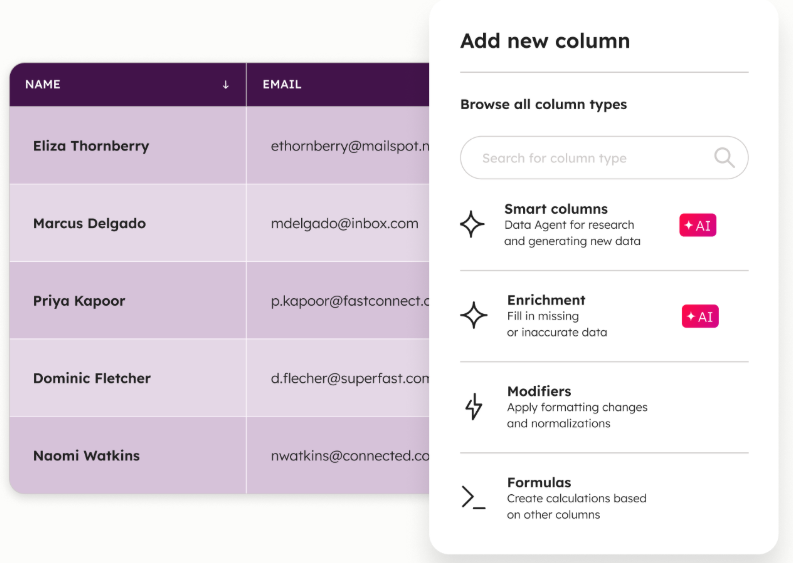
HubSpot's breadth is its defining feature. Marketing Hub handles lead generation, email automation, and campaign analytics. Sales Hub manages pipelines, sequences, and quoting. Service Hub runs the help desk and customer health scoring. Content Hub powers websites and AI-assisted content creation. Commerce Hub handles quoting, invoicing, and payments. Data Hub manages data quality and cross-system integrations.
Source: HubSpot
All six share a single Smart CRM database. A marketing email open, a sales call transcript, and a support ticket all appear on the same contact record.
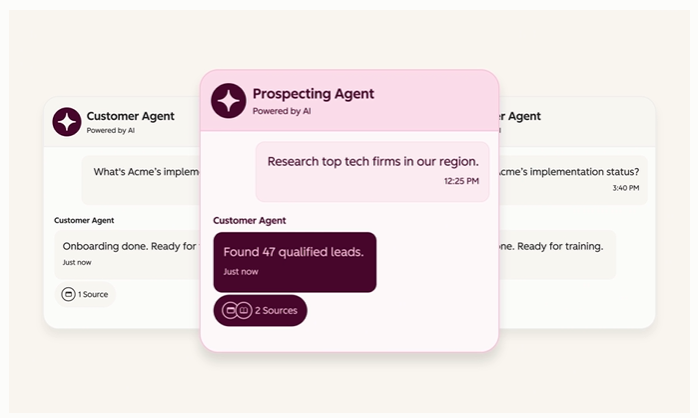
The AI layer, Breeze, runs platform-wide. A Customer Agent handles support inquiries across chat, email, and WhatsApp, reportedly resolving over 50% of conversations autonomously. A Prospecting Agent monitors buying signals and drafts outreach using CRM history. A Data Agent answers natural-language questions about customer data. These agents draw context from HubSpot's own ecosystem, which means they work best for teams whose relevant data already lives in HubSpot.
Source: HubSpot
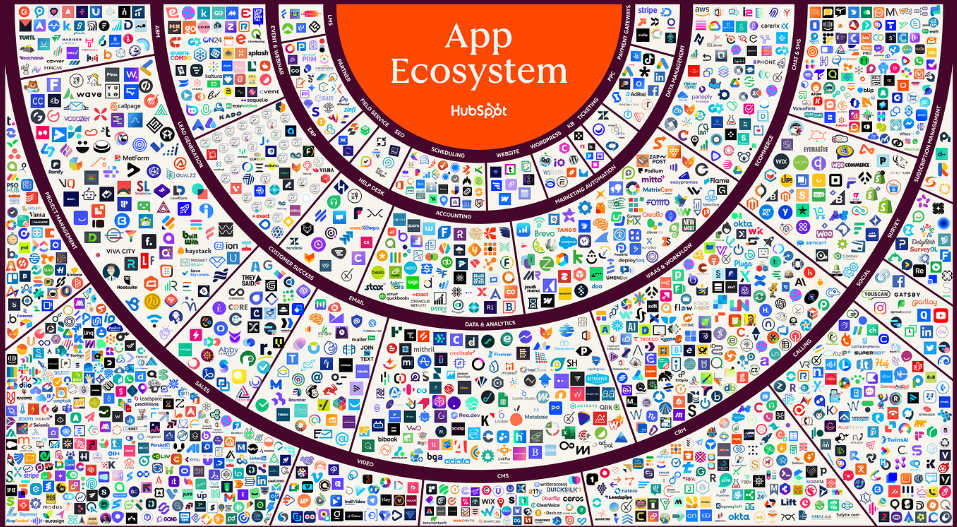
The ecosystem reinforces the platform. Over 2,000 app integrations with 2.5 million active installs extend HubSpot into virtually any workflow. HubSpot Academy has certified over 200,000 professionals.
Source: HubSpot
The trade-off is cost at scale. Marketing Hub Professional starts at $800/month with a $3,000 mandatory onboarding fee. Sales Hub Professional runs $90/seat/month with a $1,500 onboarding fee. And when subscribing to multiple hubs at different tiers, all Core Seats are billed at the rate of the highest tier, a pricing rule that catches organizations mixing hub levels across departments.
Kommo wins where the deal happens in the chat
Kommo took the opposite approach to HubSpot. Instead of covering everything, it focused on one sales motion and built the entire product around it.
The unified inbox consolidates WhatsApp, Instagram, Facebook Messenger, TikTok, Telegram, Viber, WeChat, and email into a single feed. Every conversation links to a deal record in the pipeline. As a Meta Official Partner, Kommo gets full WhatsApp Business API access, unlocking interactive Flows (multi-step forms inside WhatsApp), Carousels, List Messages, and pre-approved template messaging.
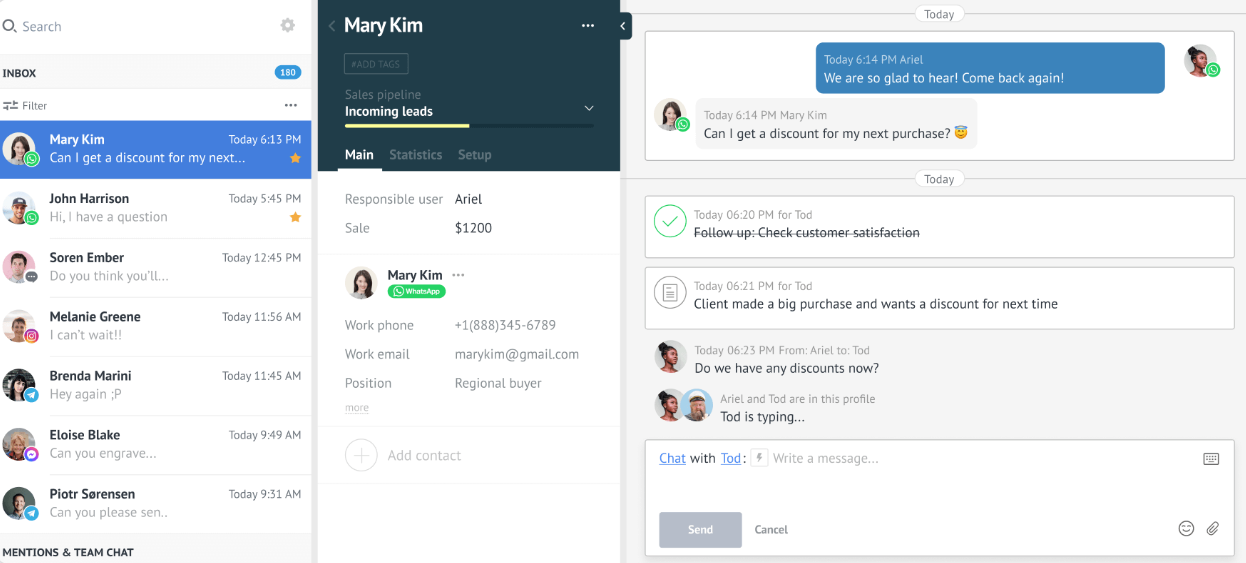
Source: Kommo
The Salesbot is a no-code chatbot builder that qualifies leads, collects contact information, moves deals through pipeline stages, and sends follow-ups, all without a human rep. Unlimited bots are included on every plan.
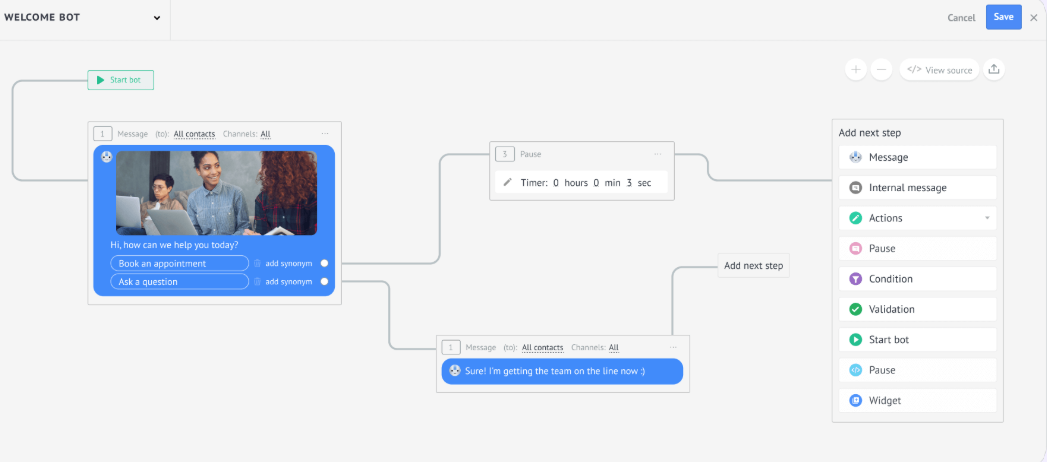
Source: Kommo
The AI agent goes further: it handles full conversations from greeting through product recommendation to payment, with automatic handoff when it reaches its knowledge limits.
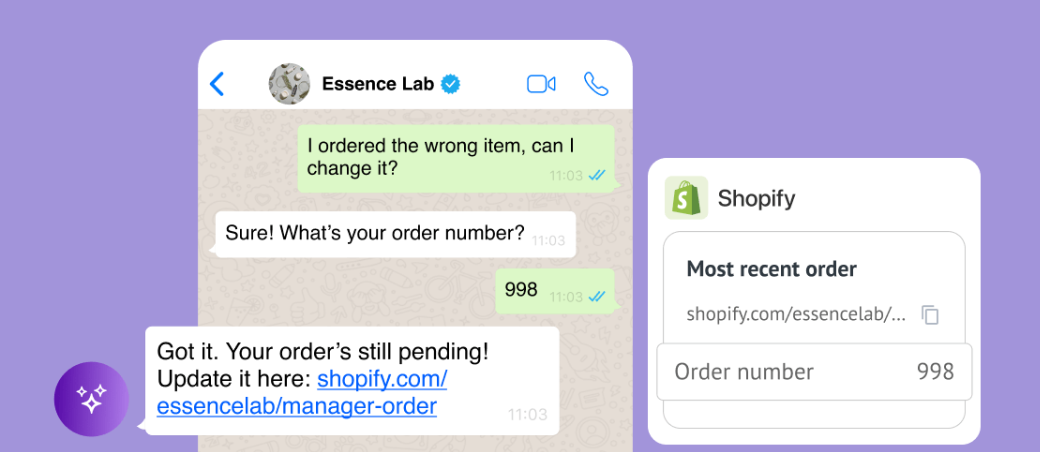
Source: Kommo
For businesses in Latin America, Southeast Asia, and other markets where WhatsApp and Instagram dominate sales communication, Kommo's architecture fits naturally. The platform serves 100,000+ clients across more than 100 countries, with dedicated localization in Portuguese, Spanish, Bahasa Indonesia, and Turkish.
The trade-offs are a natural consequence of that focus. Reporting is limited to basic pipeline analytics and win-loss tracking, with no advanced forecasting or cohort analysis. Marketing tools stop at WhatsApp template broadcasts.
Custom fields and pipeline stages have documented caps (100 fields on Base, 400 on Pro). Reviews on Capterra cite inconsistent support response times and templated replies. And for B2B companies with complex, multi-stakeholder deals, Kommo's flat contact structure lacks the hierarchy and territory management features that larger sales organizations require.
Your pipeline starts with the right data
This is where the comparison shifts from CRM features to a more fundamental question: where does your pipeline come from?
HubSpot's Smart CRM includes enrichment capabilities, pulling company and contact data from email signatures, web sources, and its own dataset. It's useful for filling gaps on existing records. But HubSpot is not a prospecting engine. It doesn't tell you which companies in your addressable market are actively researching solutions this week, give you verified direct dials for the buying committee, or show you what technology stack a prospect currently runs.
Kommo has no native B2B data capabilities. If you want to target a new market segment or build an outbound list, you need a separate tool entirely.
ZoomInfo was built for this problem. The platform covers three data dimensions simultaneously: identity data (who buyers are and how to reach them), company context (company attributes, org charts, technographics across 30,000+ technologies at 30+ million companies), and dynamic signals (buying behavior indicating when accounts are in-market).
The verification pipeline runs through automated ML scanning of 28 million site domains daily, third-party partner data, a contributory community of 200,000+ users, and 300+ human researchers, achieving up to 95% accuracy on first-party data.
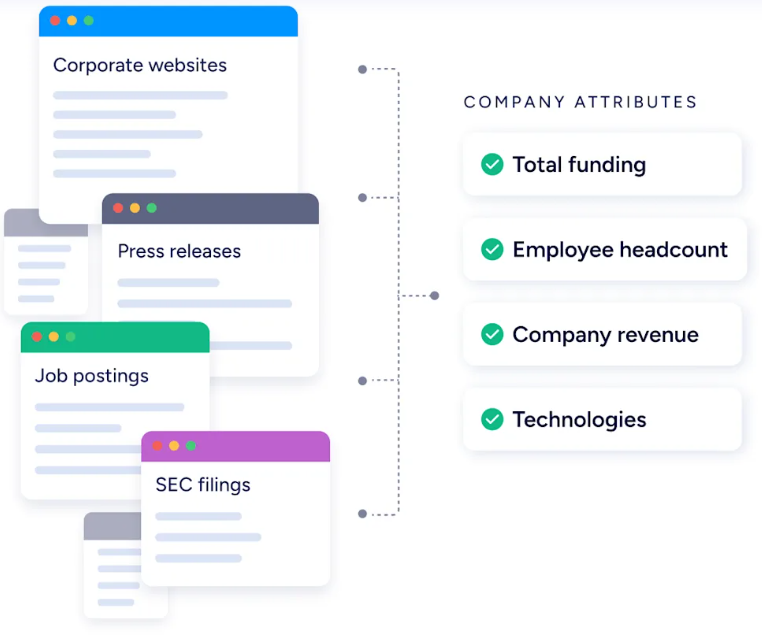
Source: ZoomInfo
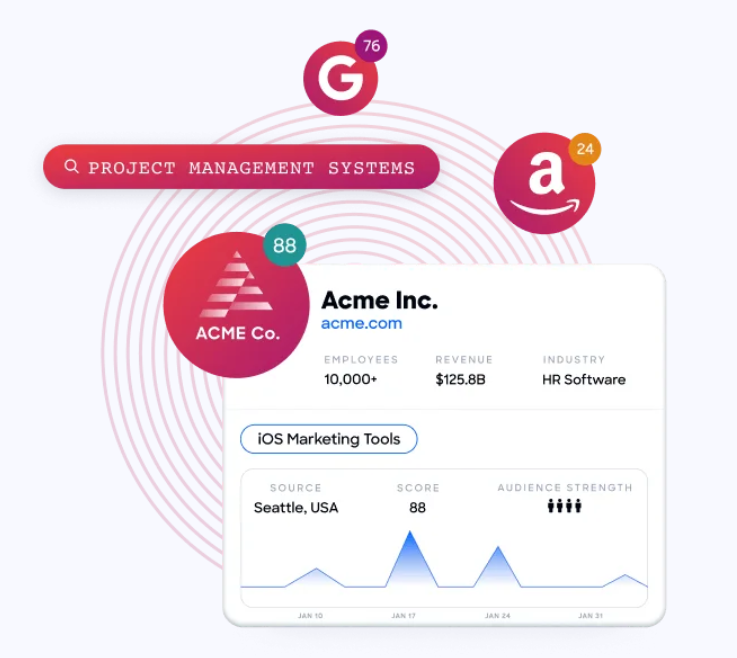
Buyer intent data tracks signals from 210 million IP-to-Organization pairings and 6 trillion+ new keyword-to-device pairings sourced monthly.
Source: ZoomInfo
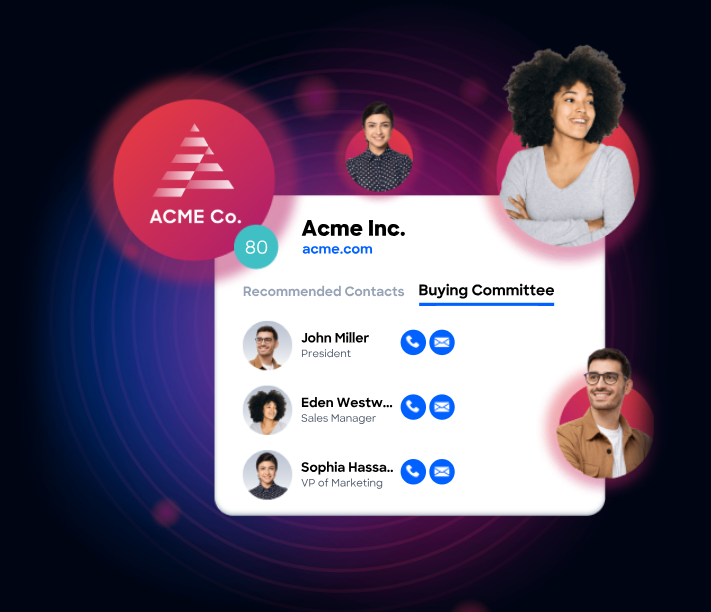
Guided Intent, exclusive to ZoomInfo, identifies topics historically correlated with deal success rather than requiring manual keyword selection. WebSights resolves anonymous website traffic to companies (with automatic bot filtering), then surfaces the buying team's contact information.
Source: ZoomInfo
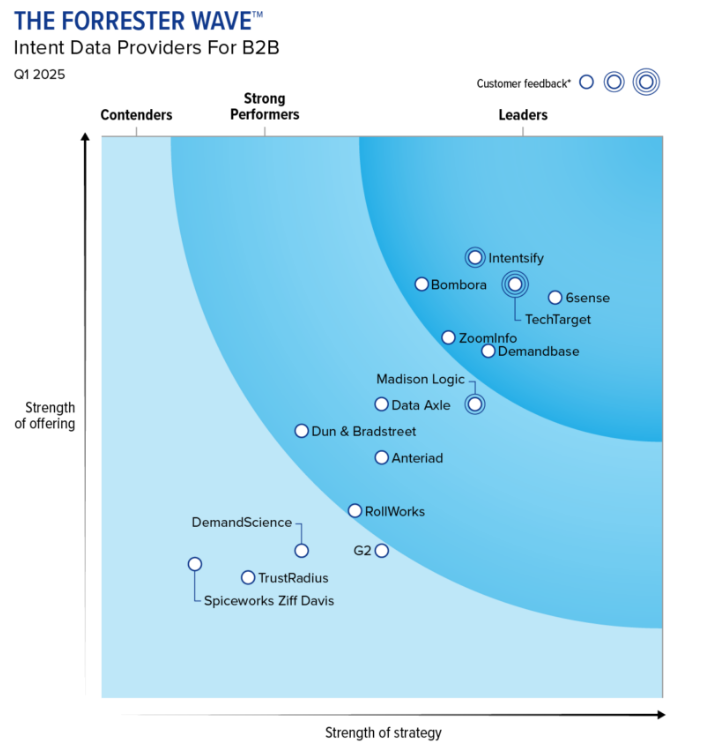
That data depth is externally validated: ZoomInfo holds Leader positions in both the Forrester Wave for Intent Data Providers (Q1 2025) and Gartner's Magic Quadrant for ABM Platforms (2024 and 2025). In a Fortune 500 competitive RFP analyzing 25 million contacts across vendors, the independent consultant concluded that "no other competitor came even close."
Source: ZoomInfo
Vensure scaled prospecting with ZoomInfo's comprehensive data: "ZoomInfo gives us the information we need to execute. We don't have to go through and spend our time digging. It's already there, so we can be three steps ahead." (Vensure)
AI works differently when the data goes deeper
All three platforms have invested in AI. What each AI can do depends on what data it has access to.
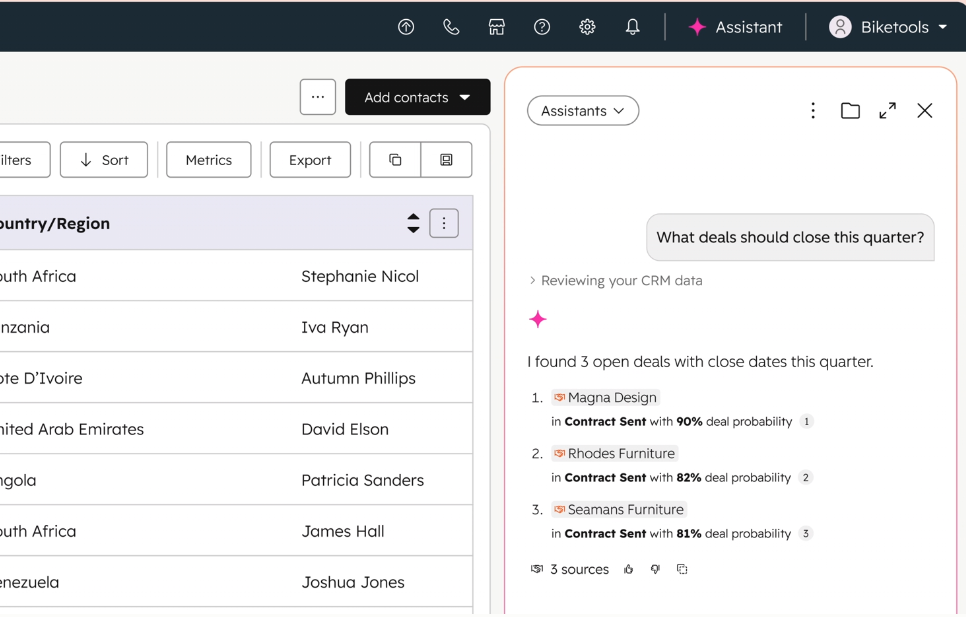
HubSpot's Breeze agents draw on the Smart CRM: contact properties, deal stages, email interactions, support tickets, and website behavior.
Source: HubSpot
The Prospecting Agent drafts outreach personalized by CRM history. The Customer Agent resolves support inquiries by referencing the knowledge base. These work well when the relevant context already lives in HubSpot. The limitation is scope: Breeze knows your CRM data, but not the broader market signals happening around an account.
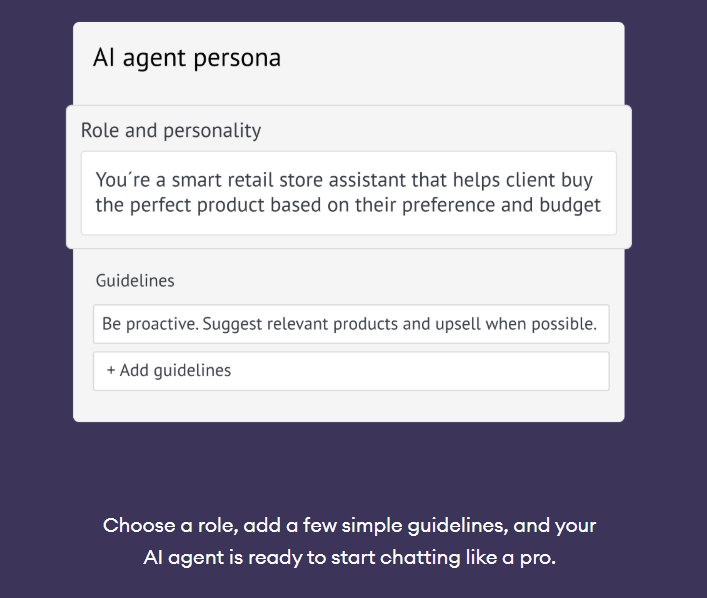
Kommo's AI agent operates within messenger conversations using knowledge sources you upload (PDFs, URLs, product catalogs synced from Shopify or WooCommerce).
Source: Kommo
It responds in 3-8 seconds, handles product recommendations and payment processing in-chat, and escalates to humans automatically when it reaches its limits. Within the messenger context, it's effective. Outside it, the AI has no visibility into market signals, org charts, or buying committee dynamics.
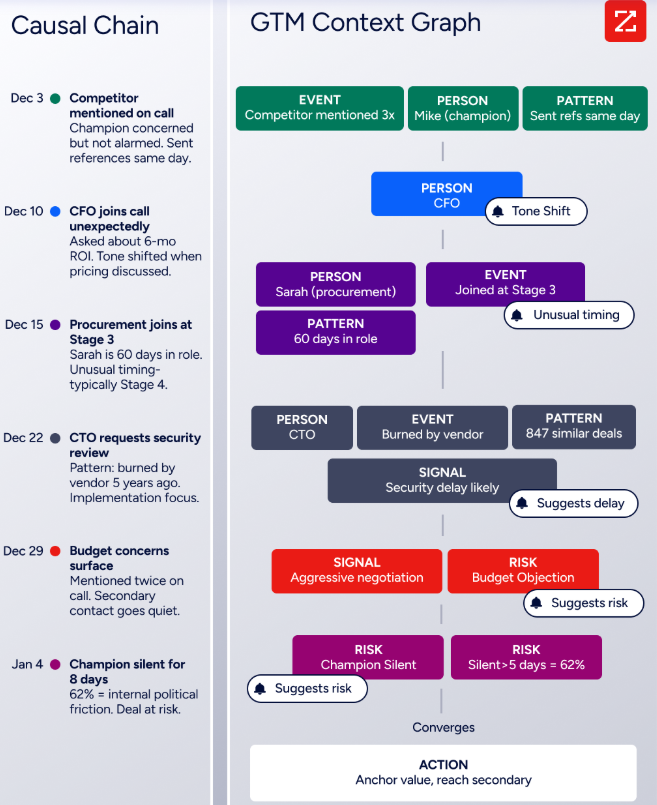
ZoomInfo's AI operates on a fundamentally larger dataset. The GTM Context Graph (processing 1.5B+ data points daily) fuses ZoomInfo's third-party B2B data with a customer's CRM records, conversation transcripts from Chorus (ZoomInfo's conversation intelligence platform), email interactions, and behavioral signals.
Source: ZoomInfo
Instead of recording that a deal moved from Stage 3 to Stage 4, the GTM Context Graph captures why it moved: the CFO joined the last call and asked about six-month ROI, or the champion went quiet because of an internal budget dispute.
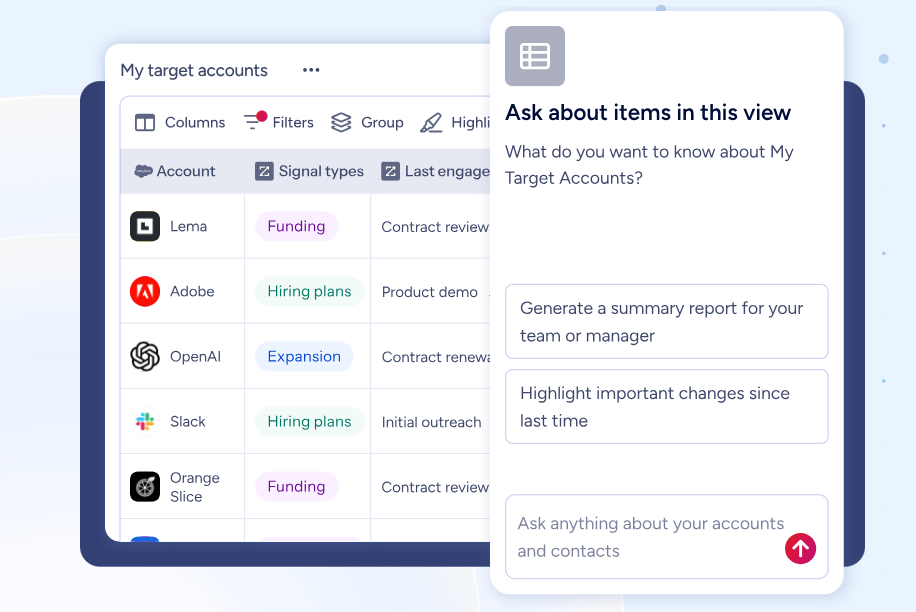
The difference shows up in daily work. When a seller opens GTM Workspace, AI agents have already researched accounts, identified buying committee members, detected intent signals, and drafted outreach informed by the full context of previous interactions, market movements, and patterns from similar deals. This isn't template-based email generation from a contact card. It's recommendations shaped by reasoning across thousands of deal outcomes.
Source: ZoomInfo
Seismic attributed 39% of active pipeline to opportunities identified or influenced by ZoomInfo signals, with 54% productivity gains. (Seismic)
Pricing reflects who each platform serves
The cost structures tell you who built each product and for whom.
HubSpot offers a generous free CRM tier with basic tools for up to 2 users. The Starter Customer Platform bundles all hubs at $15/seat/month (annual) for teams getting started. The jump to Professional is where costs shift: Marketing Hub Professional runs $800/month for 2,000 marketing contacts with a $3,000 mandatory onboarding fee. Sales Hub Professional costs $90/seat/month with a $1,500 onboarding fee. Enterprise tiers reach $150/seat/month for Sales and $3,600/month for Marketing, with $3,500-$7,000 onboarding fees. Subscriptions are non-cancelable mid-contract and non-refundable.
Kommo is the most affordable CRM option. Base starts at $15/user/month, Advanced at $25, and Pro at $45. No onboarding fees. But the minimum commitment is six months with no monthly billing option. Per-seat lead caps (2,500 on Base, 5,000 on Advanced, 10,000 on Pro) mean total costs depend on deal volume. WhatsApp API messaging carries additional charges passed through from Meta's conversation-based pricing. AI credits (750/seat/month on Base, 2,250 on Pro) don't roll over, and additional credit packages aren't priced publicly.
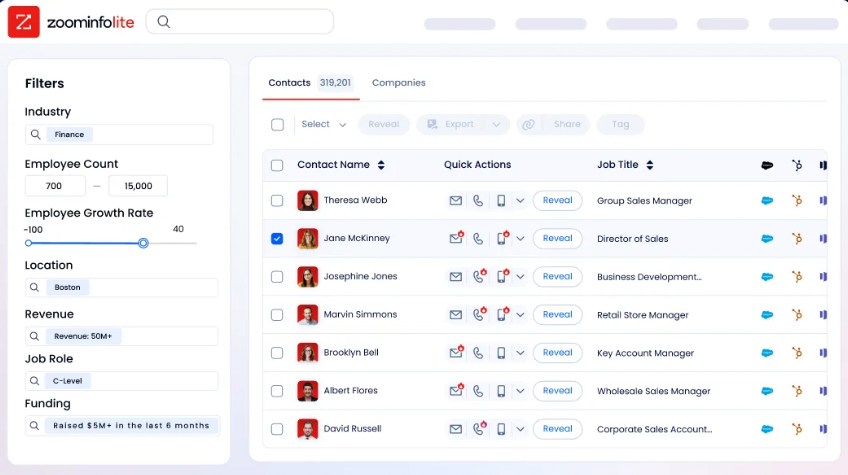
ZoomInfo uses custom-quoted, consumption-based pricing with no published prices, reflecting its enterprise focus. ZoomInfo Lite is a permanent free tier with 10 monthly export credits, basic data access, and a HubSpot integration.
Source: ZoomInfo
A 7-day free trial provides full platform access. Paid plans scale based on seats, credit volume (1 credit = 1 data export), feature tier, and contract length. API access is included in all relevant plans.
For teams evaluating total cost, the relevant question isn't which platform is cheapest. It's which combination delivers the pipeline and revenue to justify the spend.
How the three platforms connect
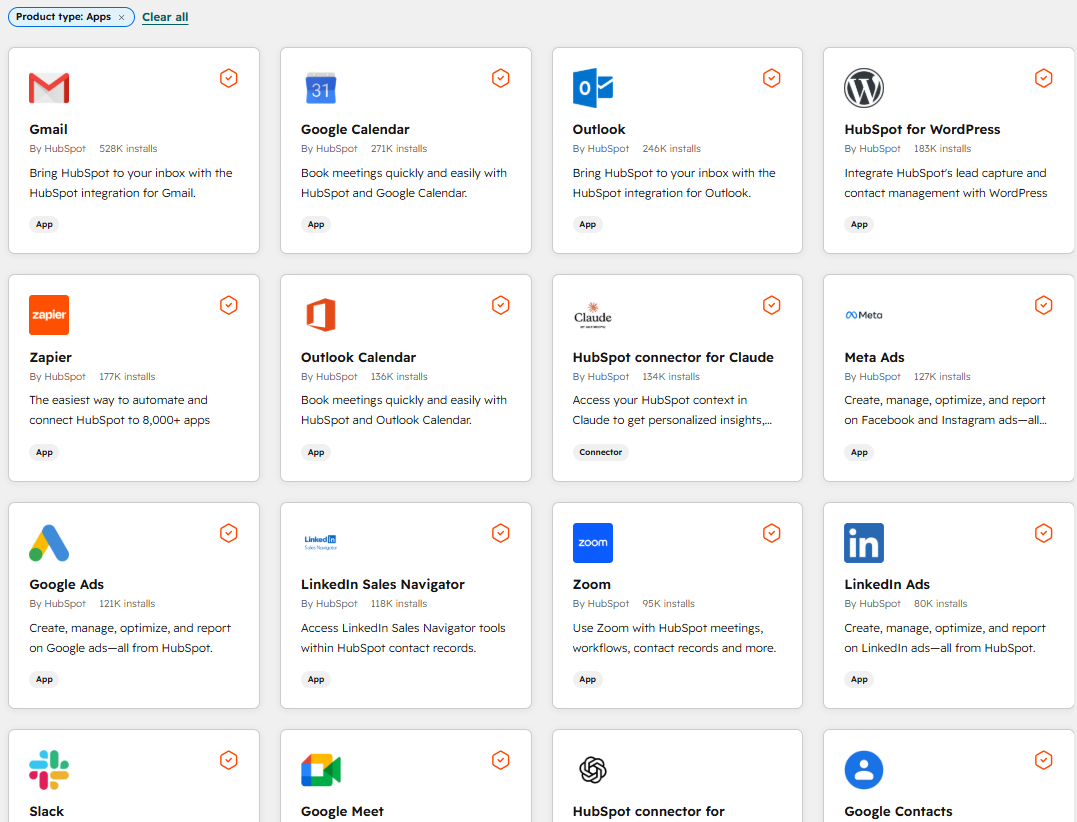
HubSpot's App Marketplace lists over 2,000 integrations with 2.5 million active installs. Kommo's marketplace includes 100+ integrations spanning messaging, telephony, e-commerce, and automation bridges like Zapier and Make. ZoomInfo's App Marketplace lists 120+ partner integrations, including native connectors for Salesforce, HubSpot, and Microsoft Dynamics 365.
Source: HubSpot
The most relevant connection here: ZoomInfo integrates directly with HubSpot. Contact data, company intelligence, and intent signals sync into HubSpot's CRM, enriching records and triggering sales workflows without leaving the HubSpot interface. For teams using both, reps see ZoomInfo's verified contact data and buying signals on every HubSpot record.
For a closer look at how HubSpot and ZoomInfo compare as standalone tools, see our HubSpot vs. ZoomInfo breakdown.
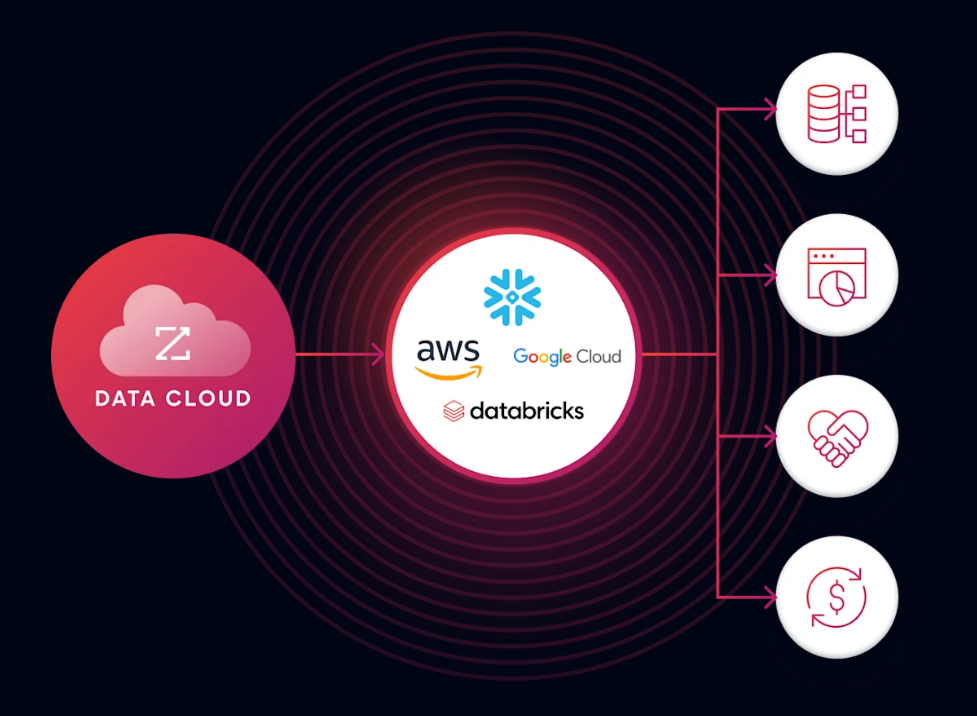
For teams building beyond native integrations, ZoomInfo's Enterprise API and MCP server expose the same data and intelligence to any application, workflow, or AI agent. This means teams using Kommo (or any other tool without a native ZoomInfo connector) can still access ZoomInfo's data programmatically. MCP currently supports Claude and ChatGPT, with additional AI assistants in development.
Source: ZoomInfo
Smartsheet relies on ZoomInfo as their "one source of truth for account data, and even more so for contact data. There's no other provider in the market that provides you with that level of detail." (Smartsheet)
HubSpot vs. Kommo vs. ZoomInfo: Which should you choose?
The right choice depends on your sales motion, your market, and where your biggest gap is today.
Choose HubSpot if:
You run a B2B business with structured sales cycles involving email, phone, and web channels
You need marketing automation, CRM, customer service, and content management in one platform
Your team is scaling and you want a unified system that grows with you
You can invest in Professional or Enterprise tiers to unlock the platform's full power
Integration with ZoomInfo for B2B prospecting data is part of your plan
Choose Kommo if:
Your customers buy through WhatsApp, Instagram, TikTok, or other messaging apps
You need a simple, affordable CRM that puts the chat thread at the center of every deal
Your business operates in Latin America, Southeast Asia, or other messenger-dominant markets
You want no-code chatbot automation without a large setup investment
Your team is small and doesn't need advanced reporting or enterprise account structures
Add ZoomInfo if:
You need accurate B2B contact data, direct-dial phone numbers, and verified emails for prospecting
Identifying which accounts are actively in-market would change how your team prioritizes outreach
You want AI that reasons about deal context, not just automates tasks, to improve every touchpoint
Your CRM data has gaps in contacts, company attributes, technographics, or org charts
You're building custom AI agents or workflows that need access to B2B intelligence via API or MCP
Start with ZoomInfo Lite for free or request a full trial to see the data and intelligence in action.
HubSpot and Kommo each solve the CRM problem well for their respective audiences. But for B2B teams, a CRM without strong data and intelligence behind it is a system for managing relationships you already have, not a system for building the relationships you need. ZoomInfo fills that gap. Combined with HubSpot's CRM (or accessed via API for any other tool), it gives your team the intelligence to prospect with precision, engage at the right moment, and close more of the deals that matter.
HubSpot vs. Kommo vs. ZoomInfo FAQ
What is the core difference between HubSpot, Kommo, and ZoomInfo?
HubSpot is a comprehensive CRM and customer platform with six hubs covering marketing, sales, service, content, data, and commerce, built for scaling B2B businesses. Kommo is a messenger-first CRM designed for businesses that sell through WhatsApp, Instagram, and other chat channels, primarily serving SMBs. ZoomInfo is a B2B data intelligence and go-to-market platform that provides verified contact data for 500M professionals, buyer intent signals, and AI-powered account insights to fuel sales pipelines. HubSpot and Kommo manage relationships; ZoomInfo identifies which relationships to build.
Can ZoomInfo replace HubSpot or Kommo as a CRM?
No. ZoomInfo and CRMs serve different functions. HubSpot and Kommo manage customer relationships, pipelines, and communications. ZoomInfo identifies which accounts and contacts to target, provides verified contact data, and surfaces buying signals that indicate when prospects are ready to engage. ZoomInfo integrates natively with HubSpot and can feed data into other tools via its API and MCP server. The strongest setup for B2B teams is using ZoomInfo alongside a CRM, not instead of one.
Which platform is best for B2B outbound sales?
HubSpot is the strongest CRM choice for structured B2B outbound with email and phone outreach. ZoomInfo complements it by providing the verified contact data, direct-dial phone numbers, intent signals, and account intelligence that power effective prospecting. Combined, HubSpot and ZoomInfo cover the full outbound cycle from identifying target accounts to closing deals. Kommo is designed for messenger-based sales motions and is less suited for traditional B2B outbound involving multi-stakeholder buying committees.
Which platform is most affordable for small teams?
Kommo is the cheapest CRM at $15/user/month with no onboarding fees, though it requires a six-month minimum commitment. HubSpot's free CRM tier offers basic tools at no cost, with the Starter bundle from $15/seat/month on annual billing. ZoomInfo Lite provides permanent free access to basic B2B data with 10 monthly export credits. For small teams with limited budgets, HubSpot's free tier or Kommo's Base plan are the most accessible starting points for CRM.
How does the ZoomInfo and HubSpot integration work?
ZoomInfo connects directly with HubSpot through the HubSpot App Marketplace. The integration syncs ZoomInfo's contact data, company intelligence, and intent signals into HubSpot's CRM. Sales reps can access verified direct dials, business emails, and buying signals directly within HubSpot contact and company records, enriching their pipeline without switching between platforms.
Is Kommo suitable for enterprise B2B sales teams?
Kommo is designed for small to mid-sized businesses with messenger-based sales motions, not enterprise B2B sales cycles. It lacks native B2B data capabilities, advanced forecasting, territory management, and multi-level account hierarchies. Businesses with complex, multi-stakeholder sales processes and large sales organizations are generally better served by HubSpot or a combination of HubSpot and ZoomInfo.
Which platform has the strongest AI for sales?
Each platform's AI excels in its own domain. HubSpot's Breeze AI automates tasks across marketing, sales, and service using CRM data. Kommo's AI agent handles messenger conversations autonomously using uploaded knowledge sources. ZoomInfo's AI, powered by the GTM Context Graph processing 1.5B+ data points daily, operates on the broadest data set, combining third-party B2B intelligence with CRM records, conversation transcripts, and behavioral signals to deliver deeper account insights and more contextual outreach recommendations.
Does ZoomInfo work with CRMs other than HubSpot?
Yes. ZoomInfo integrates natively with Salesforce, Microsoft Dynamics 365, and HubSpot. Its Enterprise API and MCP server make ZoomInfo's data accessible to any tool, including custom-built applications and third-party AI agents like Claude and ChatGPT. Teams using any CRM can access ZoomInfo's data and intelligence through these programmatic interfaces.
Related CRM comparisons to explore:
