
Choosing between Highrise and HubSpot in 2026 is less a comparison than a reality check. Highrise stopped accepting new customers eight years ago. HubSpot serves nearly 300,000 businesses and ships new features quarterly. But if you're still researching both, you're asking the right question underneath: what kind of tool does my team need to manage relationships and grow revenue?
These questions should drive your decision:
Do you need a shared contact book, or a platform that manages your entire customer lifecycle?
How important is it that your tools help you find new buyers, not just organize the ones you already know?
Are you willing to invest in a complex platform, or do you need something your team will use on day one?
Does your sales process depend on high-quality B2B contact data and buying signals?
Do you need marketing automation, prospecting intelligence, and pipeline management alongside your CRM?
In short, here's what we recommend:
Highrise earned devoted fans as the simple CRM from 37signals (the team behind Basecamp). It did one thing well: track people, conversations, and follow-ups without the bloat of enterprise software. GetApp reviewers rated its ease of use 4.6/5, and teams could be running within hours. But Highrise stopped accepting signups on August 20, 2018, and no new features have been added since. For the 10,000+ businesses still using it, 37signals maintains security and infrastructure under an "until the end of the internet" pledge. For everyone else, the door is closed.
HubSpot is the all-in-one customer platform for growing businesses. Its Smart CRM connects marketing, sales, service, content, and commerce, serving 288,706 customers across 135+ countries. A free tier makes it accessible, while Professional and Enterprise tiers add marketing automation, AI agents (Breeze), and pipeline management. The trade-off is pricing complexity: per-seat fees, per-hub costs, mandatory onboarding fees at higher tiers, and a mixed-tier seat billing rule that surprises buyers at contract time.
Both platforms start from the CRM side: organize the contacts you have, then figure out how to engage them. But what if the harder challenge isn't managing contacts you know, but finding the right ones?
ZoomInfo is an AI-powered GTM platform that flips the CRM model. Instead of starting with an empty database you populate by hand, ZoomInfo gives your team access to the buyers who matter and the context to engage them. That depth comes from the GTM Context Graph, a layer built on a large B2B dataset (500M contacts, 100M companies, 135M+ verified phone numbers, and 200M+ verified business emails) unified with your CRM records, conversation transcripts, and behavioral signals. It processes 1.5B+ data points daily to reveal not just what happened in a deal, but why. Your team accesses it through GTM Workspace for sellers, GTM Studio for marketers and RevOps, or APIs and MCP in any front-end, including HubSpot itself.
If starting with B2B data and AI intelligence sounds like a better foundation for your sales motion, see how ZoomInfo works.
Highrise vs. HubSpot vs. ZoomInfo at a glance
Highrise | HubSpot | ZoomInfo | |
|---|---|---|---|
Core approach | Simple shared contact manager | All-in-one CRM and marketing platform | AI-powered GTM intelligence platform |
Status | Frozen since 2018; no new signups | Active; 288,706 customers | Active; 35,000+ customers |
Contact database | Manual entry and import | Manual + AI enrichment | 500M contacts, 200M+ verified emails |
Sales pipeline | 3 stages (pending, won, lost) | Customizable with forecasting | AI-prioritized pipeline with buying signals |
Marketing tools | Basic bulk email (Broadcast) | Full marketing automation suite | Account-based marketing with intent data |
AI capabilities | None | Breeze AI agents across all hubs | GTM Context Graph with AI execution |
Automation | None | Visual workflows and sequences | Signal-triggered plays and AI agents |
Integrations | Zapier + limited third-party | 2,000+ app marketplace | 120+ integrations + API/MCP access |
Free option | None (closed to new users) | Free CRM tier | ZoomInfo Lite (permanent free tier) |
Starting price | N/A (closed) | $0 (free) / $20/seat/mo (Starter) | Custom-quoted |
Three different answers to the CRM question
Highrise, HubSpot, and ZoomInfo each represent a distinct era of thinking about customer relationships.
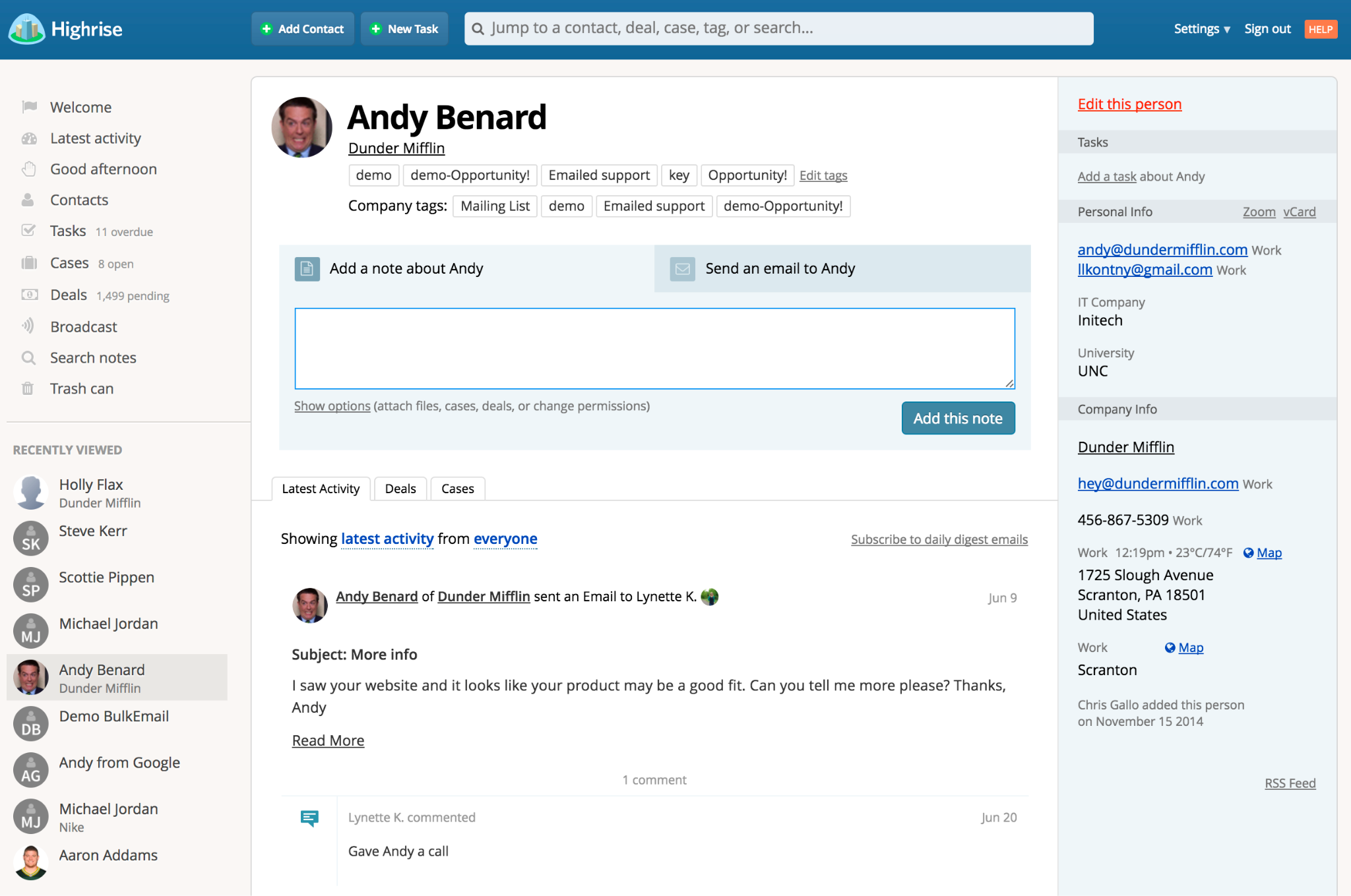
Highrise answered: "Just give me a shared address book." When Jason Fried launched Highrise on March 20, 2007, the pitch was plain: "Your address book doesn't do enough. Traditional CRM software tries to do too much." Highrise was the in-between. Track contacts, log emails, assign follow-up tasks, and move on. Within 36 hours of launch, users had added 150,000 contacts and 15,000 notes.
Source: Highrise
But simplicity has a shelf life. When 37signals renamed itself Basecamp in 2014 and narrowed its focus, Highrise was spun off, then brought back, then frozen in August 2018. Jason Fried's announcement was direct: "Today's version of Highrise is the forever version of Highrise." No new features, ever. For existing customers, 37signals pledged to keep it secure and running. For everyone else, Highrise became a product that chose stability over evolution.
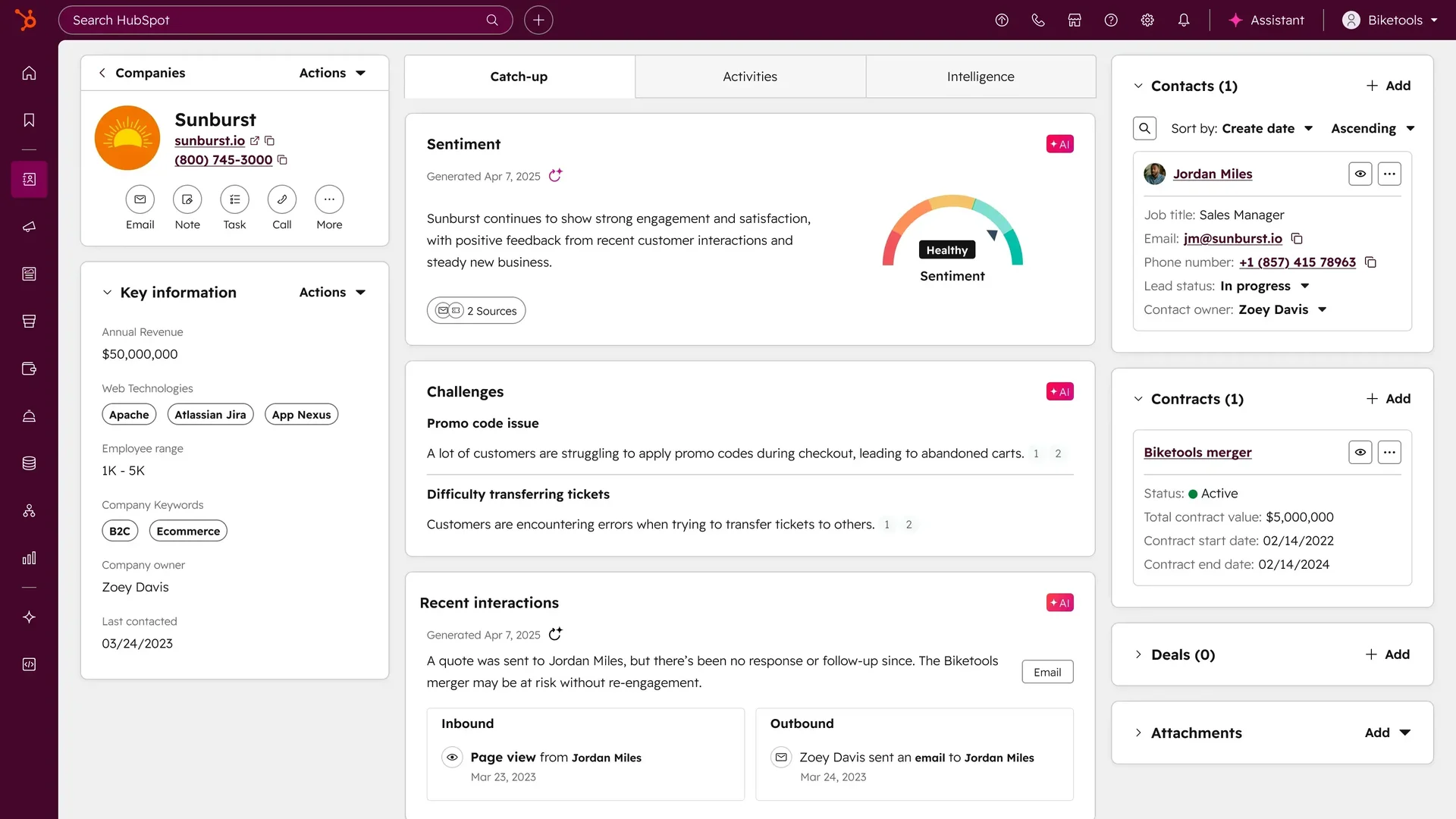
HubSpot answered: "Put everything in one platform." HubSpot evolved from an inbound marketing tool (2006) to what it now calls "the agentic customer platform". It now covers marketing automation, sales pipeline management, customer service ticketing, content management, commerce, and AI agents that handle customer inquiries and draft prospecting emails.
Source: HubSpot
The breadth is real. So is the complexity. HubSpot's per-seat, per-hub pricing means costs compound as teams grow and add capabilities. When subscribing to multiple Hubs at different tiers, all Core Seats are billed at the highest tier rate, a detail that catches many buyers off guard at contract time.
ZoomInfo answered: "Start with the data." While Highrise and HubSpot both begin as databases you fill with contacts, ZoomInfo flips the model. The platform maintains data quality through a verification pipeline backed by 300+ human researchers and achieves up to 95% accuracy on first-party data. In a Fortune 500 competitive RFP analyzing 25 million contacts across vendors, an independent consultant concluded that "no other competitor came even close."
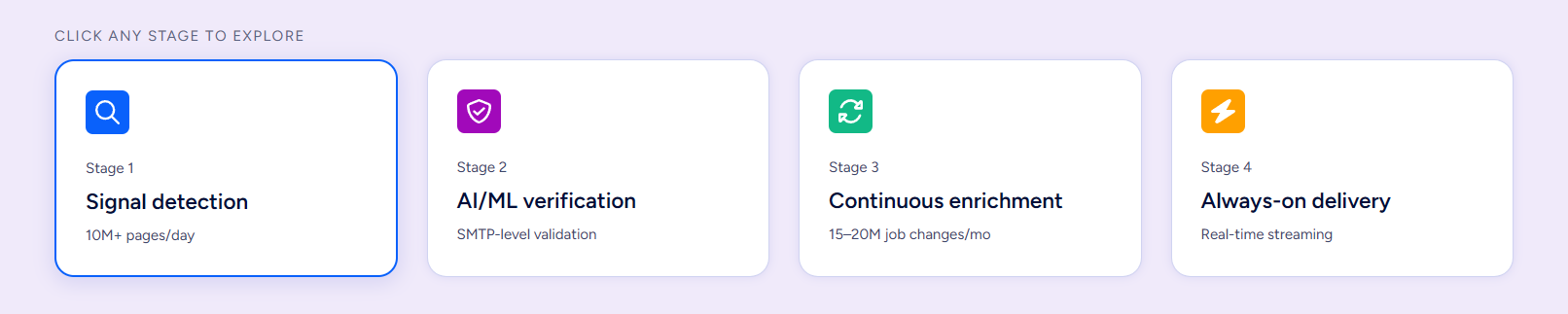
The difference matters at the point of action. A direct dial that rings. An email that lands. An org chart that shows who influences the decision. Outreach depends on data you can trust, and that trust is hard to build from manually entered contact records.
Contact management: manual entry vs. verified intelligence
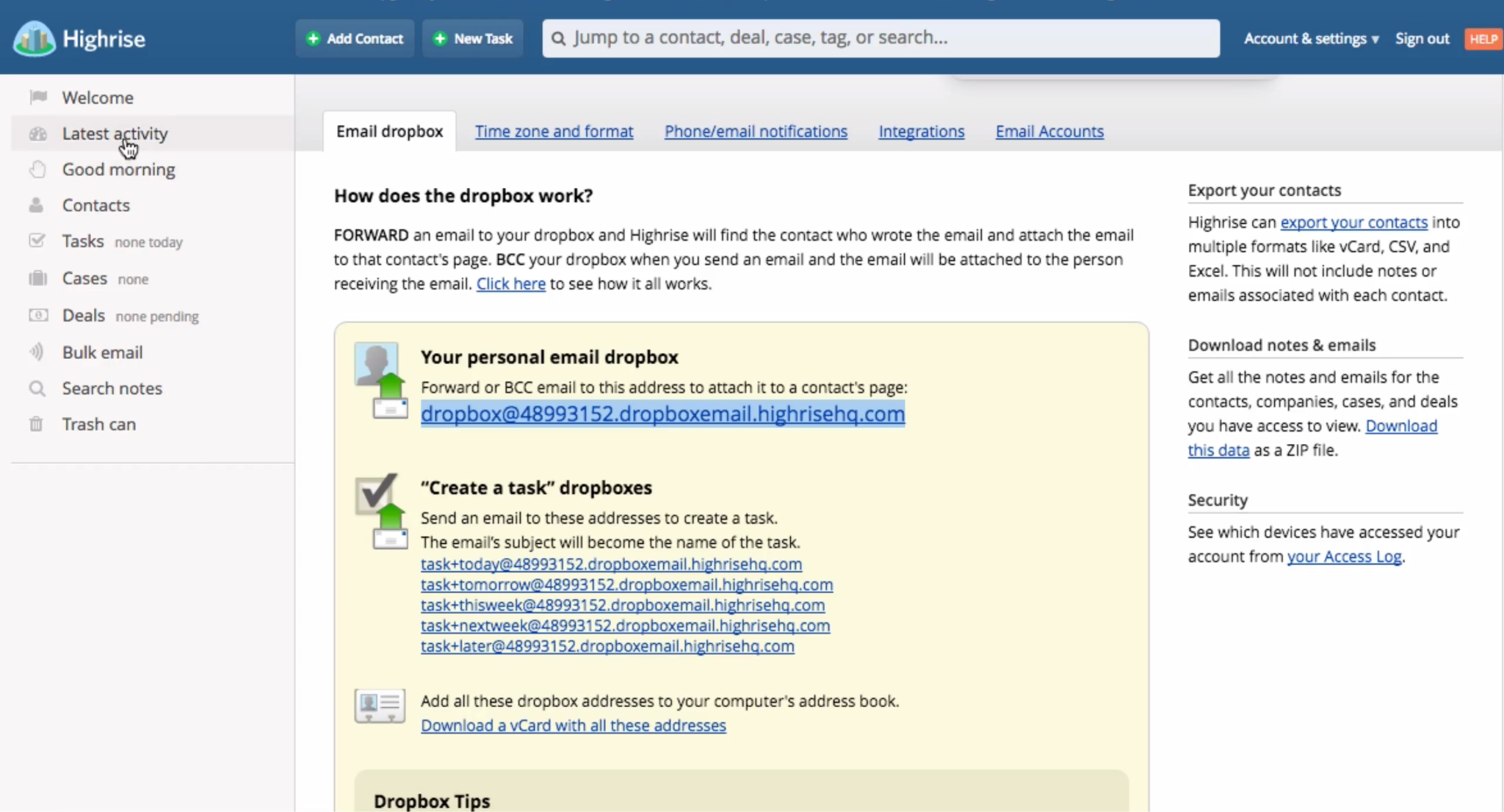
Highrise made adding contacts painless. The email dropbox system let users forward any email to a unique address, creating a contact record without opening the CRM. Tags, custom fields, and company-level communication aggregation kept records organized. You could tag contacts from within a forwarded email via /tag commands without logging into the app. For small teams tracking dozens or hundreds of relationships, it worked.
Source: Highrise
But Highrise's contact data was only as good as what users put in. No enrichment, no verification, no automated deduplication (only manual merging). Deals were limited to three stages (pending, won, lost). And Highrise's own documentation confirms: "Currently, Highrise does not have any built-in sales pipeline reporting." With no new features since 2018 and integration decay as third-party apps evolve past its static API, the gap widens each year.
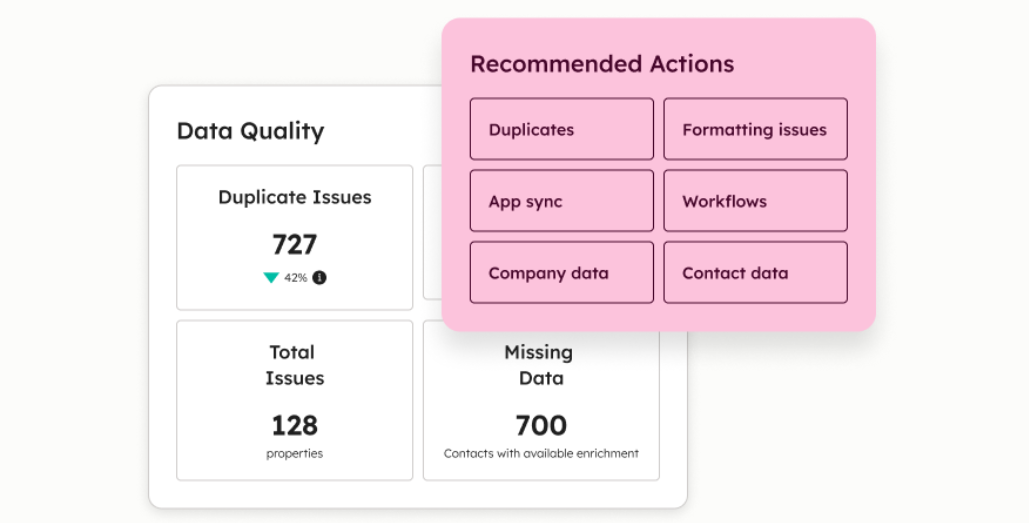
HubSpot's Smart CRM takes the opposite approach: capture everything. Every form submission, email open, website visit, ad click, and sales call feeds into a single contact record. AI-powered data enrichment fills missing fields from email threads, recorded calls, and third-party sources. Automatic duplicate detection merges redundant records continuously. The platform supports up to 15 million contacts, expandable to 50 million. The depth is real. But the data is still primarily first-party: HubSpot knows what happens inside your CRM. It has less visibility into the wider market of buyers you haven't reached yet.
Source: HubSpot
ZoomInfo starts where CRMs stop. Instead of waiting for prospects to fill out a form or reply to an email, ZoomInfo provides 500M contact profiles and 100M company profiles verified through automated scanning of 28 million site domains daily, third-party partner data covering 95 million businesses, and a community of 200,000+ ZoomInfo Lite users who share data back. Each contact comes with direct-dial phone numbers, verified business emails, job title, department, seniority, and company context. In 2025 alone, ZoomInfo added 10.2 million contacts through enhanced title classification and expanded international mobile coverage by 1.8 million numbers across six European markets.
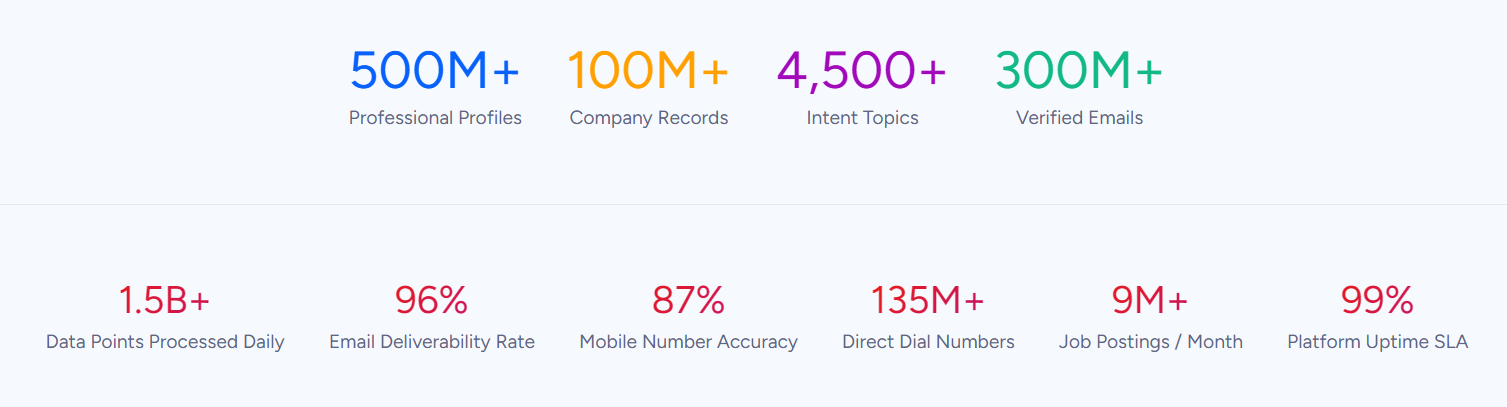
ZoomInfo's verified B2B data helped Vensure scale prospecting by eliminating hours spent hunting for contact information, helping them reach goals and acquire clients faster. (Vensure)
From three deal stages to AI-powered pipeline intelligence
This is where the three platforms diverge most sharply.
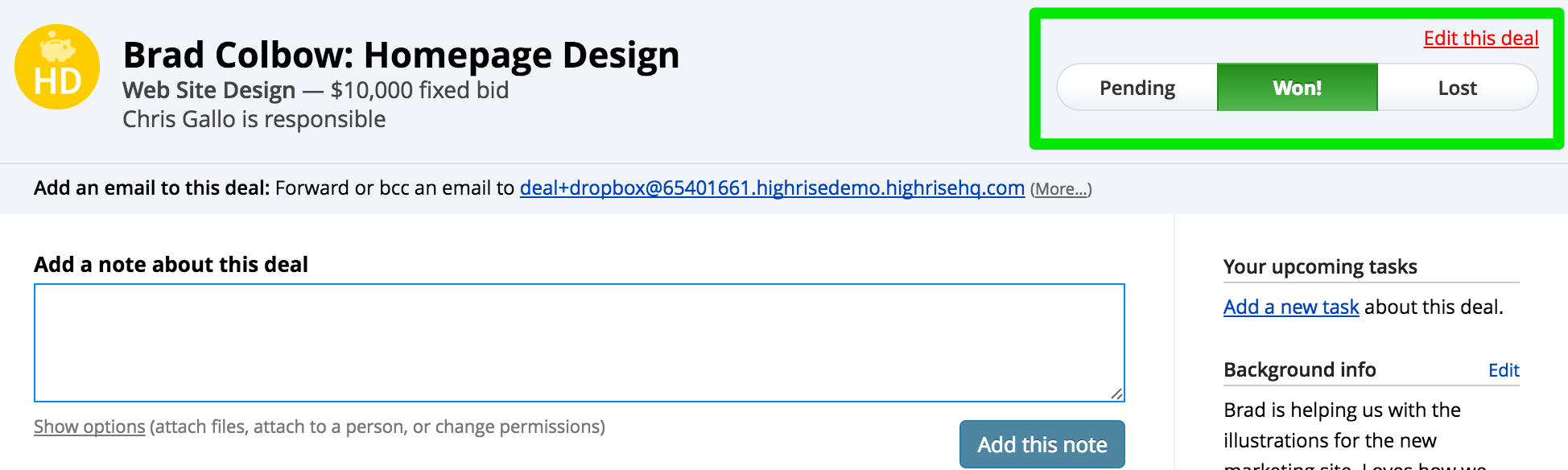
Highrise kept deals minimal. Deals tracked three stages: pending, won, and lost. No configurable pipeline stages, no forecasting, no automation. You could assign a deal to a team member, attach notes and emails, and set a monetary value. Cases served as non-monetary project containers for grouping contacts and communications around an initiative. That simplicity worked for freelancers tracking a handful of proposals.
Source: Highrise
Teams that needed pipeline visibility had to work around these limits. Custom fields combined with categories and CSV exports were the escape hatch for analysis. Every follow-up, status change, and task assignment required manual action. No sequences, no triggers, no workflow automation of any kind.
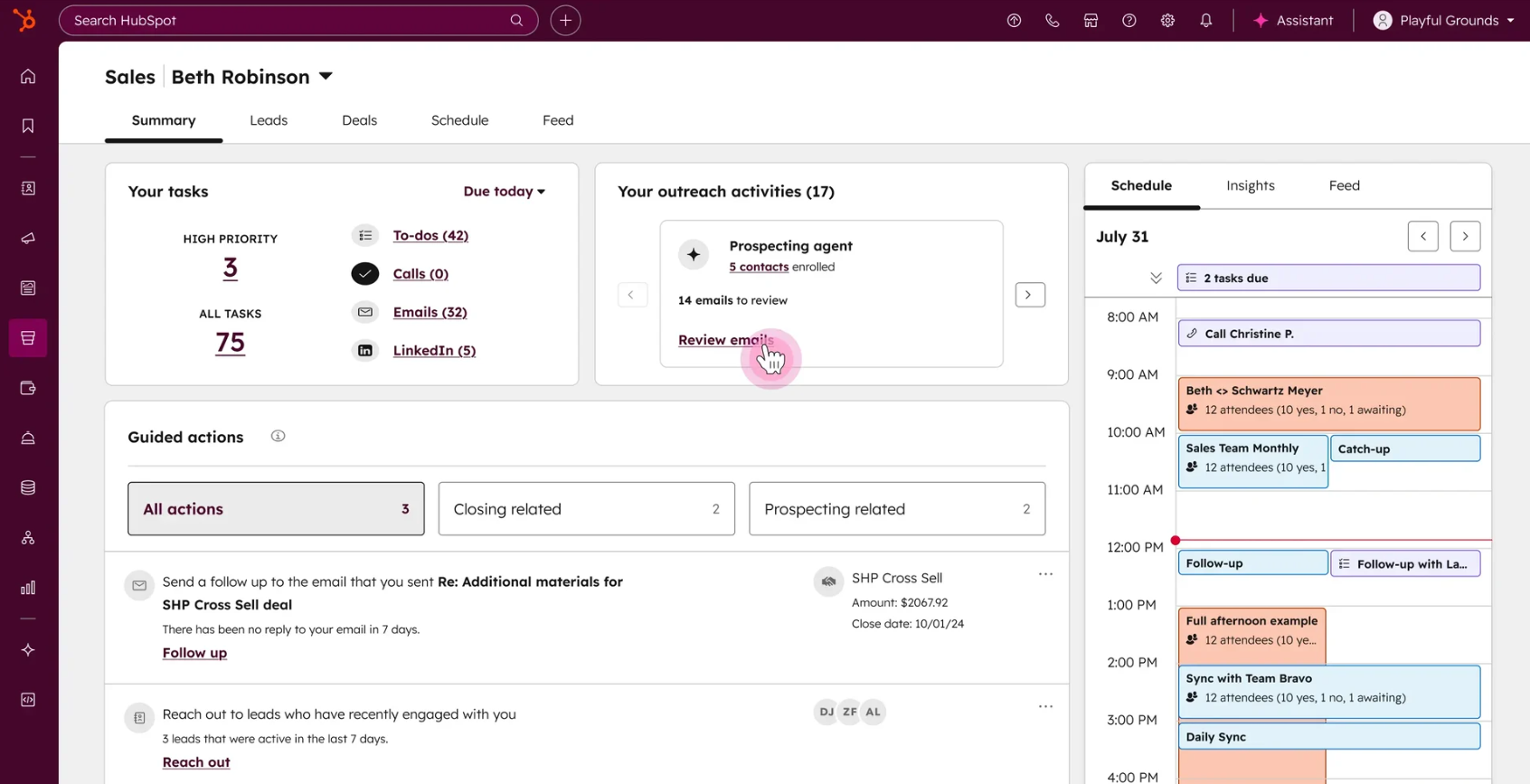
HubSpot built a full sales engine. Sales Hub offers customizable deal pipelines, sequences for automated outreach (emails, calls, and LinkedIn tasks), a CPQ tool for generating quotes, conversation intelligence for call recording and analysis, and AI-powered forecasting. The Breeze Prospecting Agent monitors buying signals, drafts personalized outreach, and can operate in review mode or fully on its own.
Source: HubSpot
Sales Hub is comprehensive. It's also where pricing hits hardest. Professional-tier Sales Hub runs $100/seat/month (monthly billing) with a $1,500 onboarding fee. Enterprise is $150/seat/month (annual only) with a $3,500 onboarding fee. A team of 10 on Sales Hub Professional pays $12,000/year in seat costs alone, before onboarding or any other Hub.
ZoomInfo turns prospecting into an intelligence operation. Rather than giving reps a pipeline to manage by hand, ZoomInfo's GTM Workspace presents a prioritized book of business where AI agents research accounts, generate follow-ups, monitor signals, and draft outreach. The Action Feed streams in-market buyers matched to target criteria, with pre-drafted actions on every signal (G2 comparisons, funding events, executive hires).
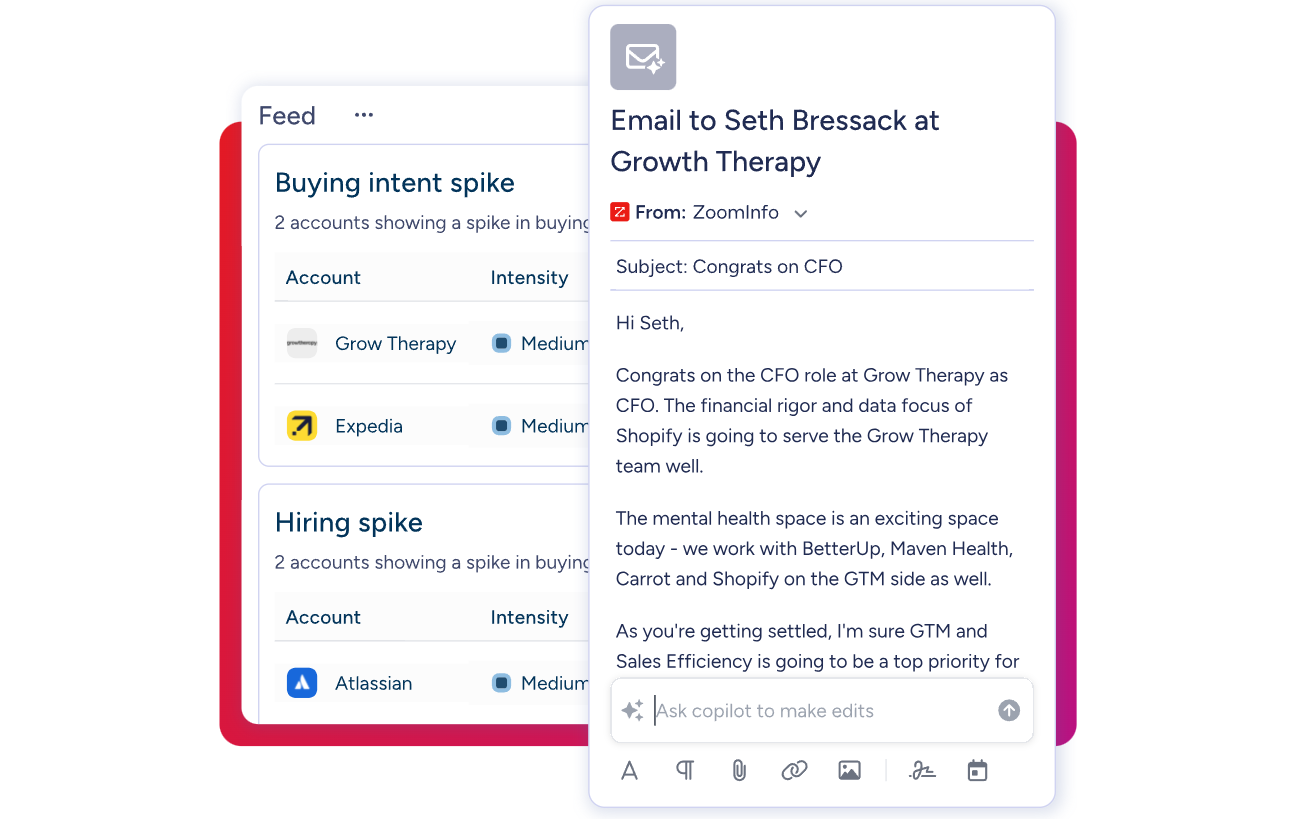
The intelligence underneath separates this from a standard sales tool. Buyer Intent data tracks signals from 210 million IP-to-Organization pairings and 6 trillion+ keyword-to-device pairings sourced monthly. Guided Intent, exclusive to ZoomInfo, identifies topics historically correlated with deal success rather than requiring reps to pick topics manually. WebSights resolves anonymous website traffic to companies and buying teams. These signals tell reps not just who to call, but when the call will matter.
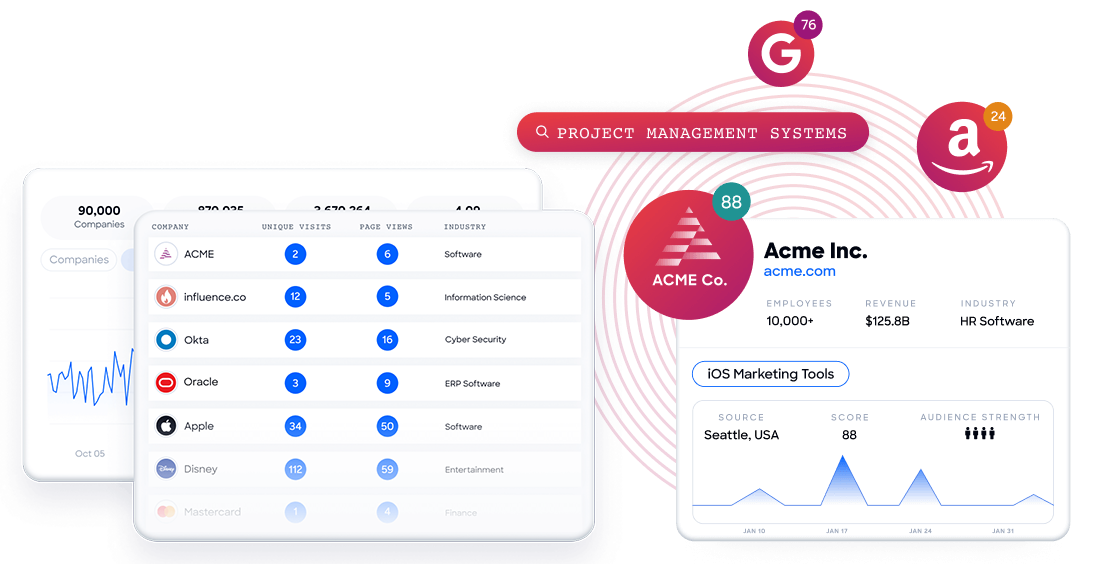
Seismic attributed 39% of active pipeline to opportunities identified or influenced by ZoomInfo signals, while their sales team boosted productivity by 54% and saved 11.5 hours per week. (Seismic)
AI and automation define the gap
The AI divide between these three platforms is not a spectrum. It's a canyon.
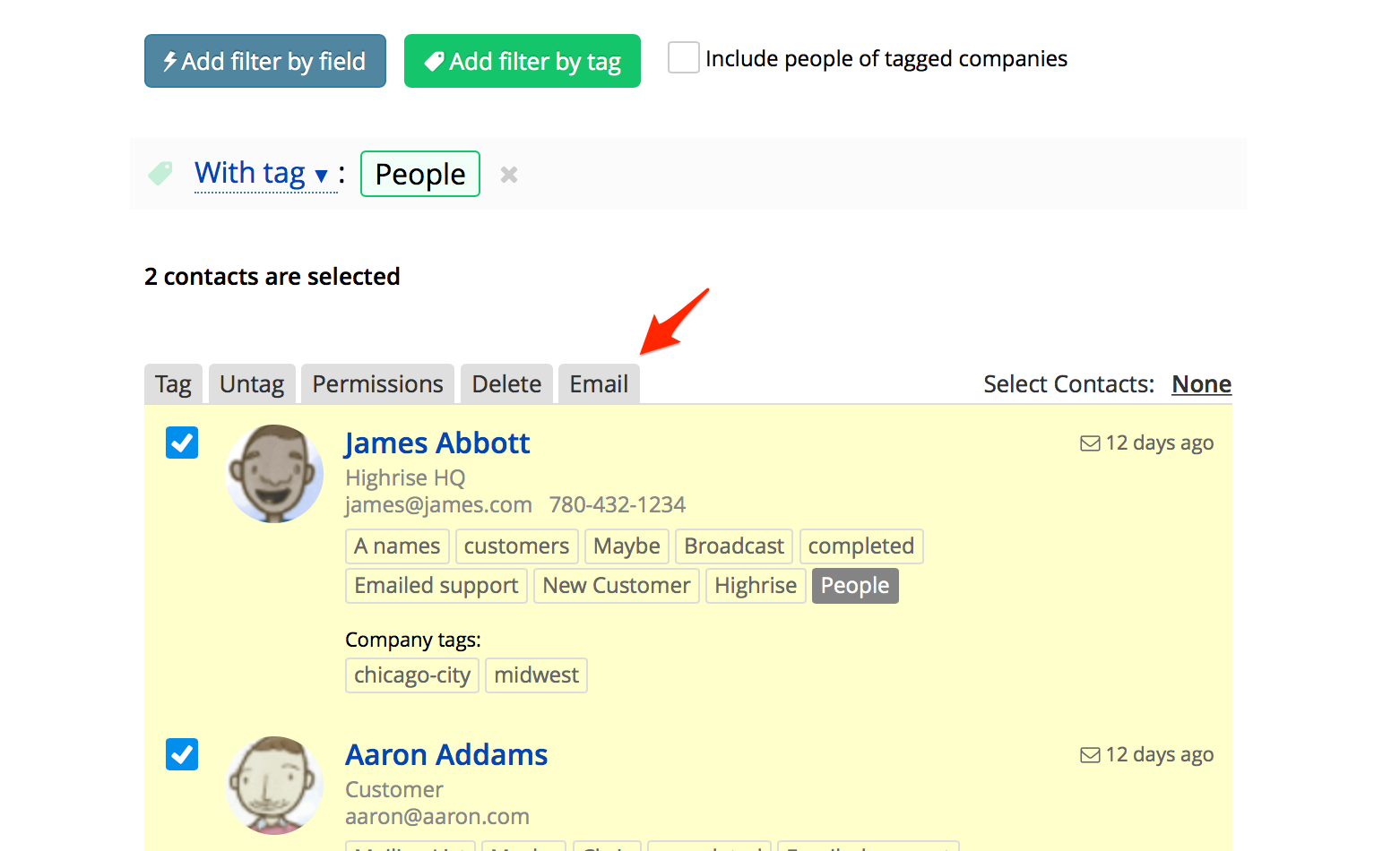
Highrise has no AI or automation. Every follow-up and status change is manual. Email tracking pixels were discontinued in March 2020, so open rates and click data are no longer collected. The Broadcast bulk email feature can send to filtered contact segments, but it's a one-shot send tool with no scheduling, drip sequences, or triggered automations. These were deliberate design choices when Highrise was actively developed; now they're permanent limits.
Source: Highrise
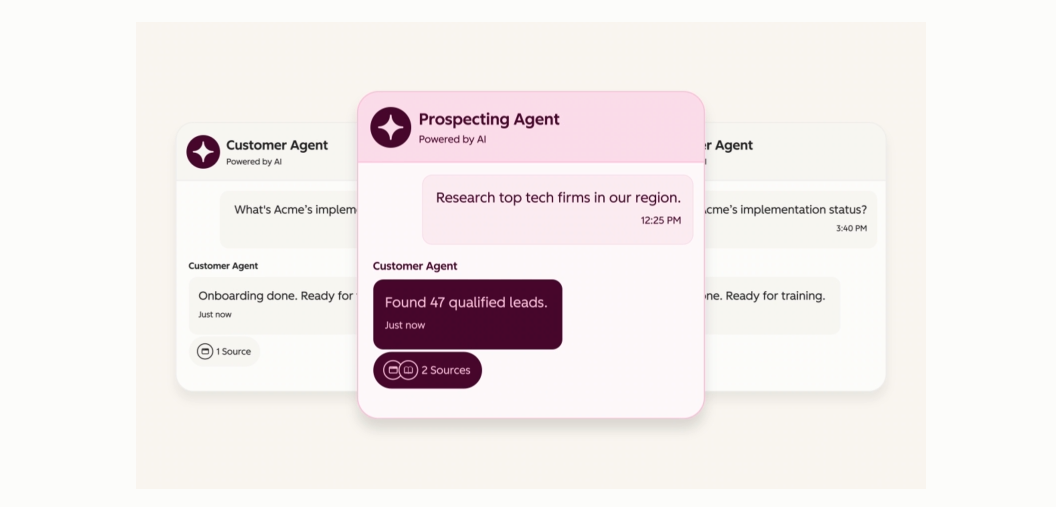
HubSpot has made AI its centerpiece. Breeze is the AI layer across all HubSpot Hubs. The Customer Agent resolves over 50% of customer conversations on its own. The Prospecting Agent monitors buying signals and drafts personalized outreach. The Data Agent answers natural-language questions about CRM data. Marketing automation workflows trigger personalized campaigns based on contact behavior.
Source: HubSpot
Some capabilities are still maturing. Several features (including AI-Powered Segmentation, Personalization, AI-Powered Email, Marketing Studio, and the Knowledge Base Agent) are listed as Beta in the Fall 2025 Spotlight. And Breeze AI runs on HubSpot Credits, a consumption-based system where subscriptions include a monthly allotment and additional credits cost $0.01 each.
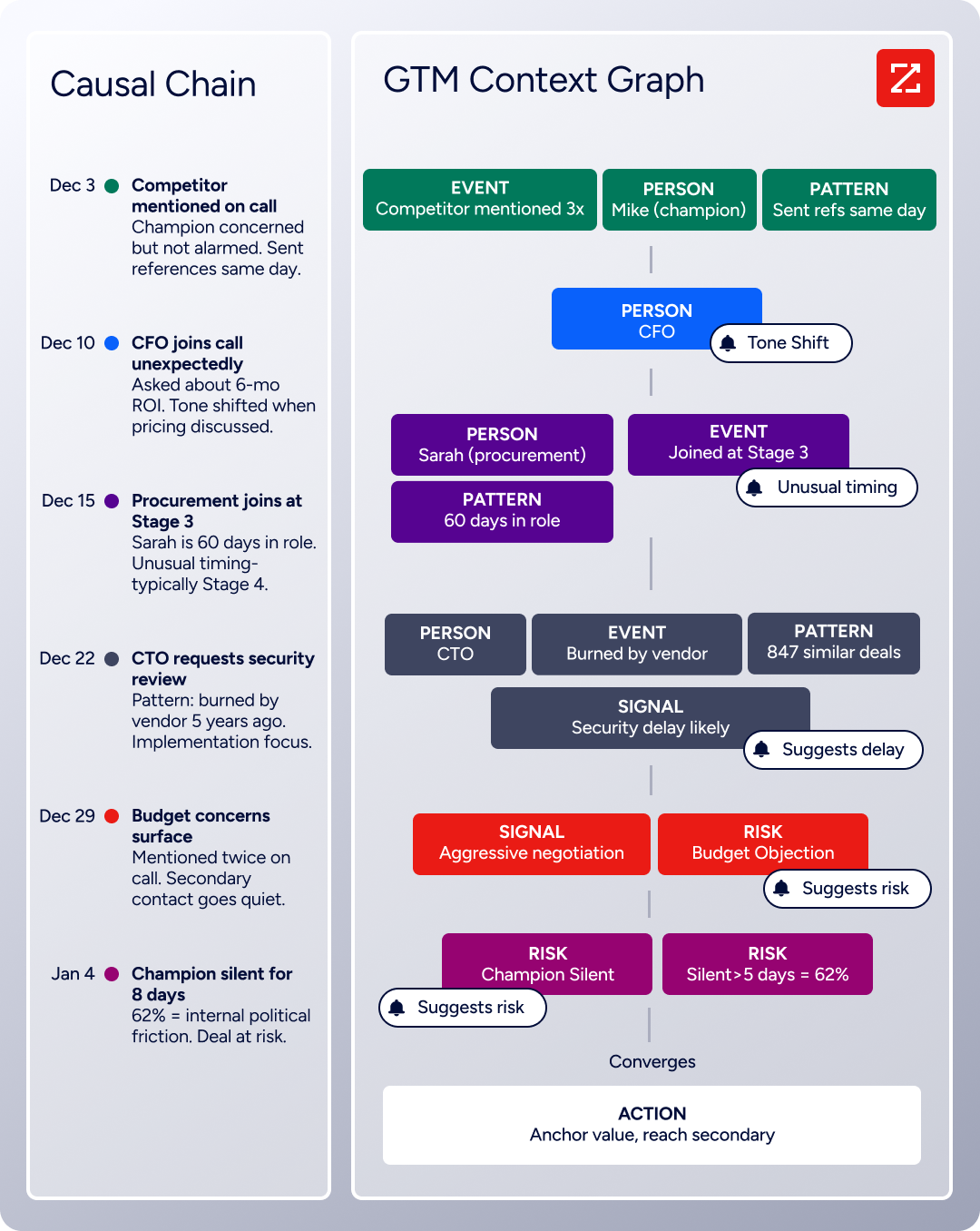
ZoomInfo's AI operates on a different foundation. The distinction isn't the AI models; it's what they have to work with. HubSpot's Breeze draws primarily on CRM data (interactions that happened inside your system). ZoomInfo's GTM Context Graph fuses CRM records, conversation transcripts, and behavioral signals with ZoomInfo's third-party intelligence (500M contacts, intent signals, technographics, org charts) into a single layer that processes 1.5B+ data points daily.
For a direct look at how HubSpot and ZoomInfo compare across the full platform, see our HubSpot vs. ZoomInfo comparison.
As ZoomInfo's CPO Dominik Facher explains: "The CRM recorded the state change. It has no record of why it happened." A CRM might show that a deal moved to Stage 4. The GTM Context Graph shows that the CFO joined the last call and asked about six-month ROI (a pattern that matches closed-won deals in your segment), while the company is simultaneously researching your competitor and hiring three new VPs. That insight flows into every downstream action: the follow-up email, the account score, the forecast.
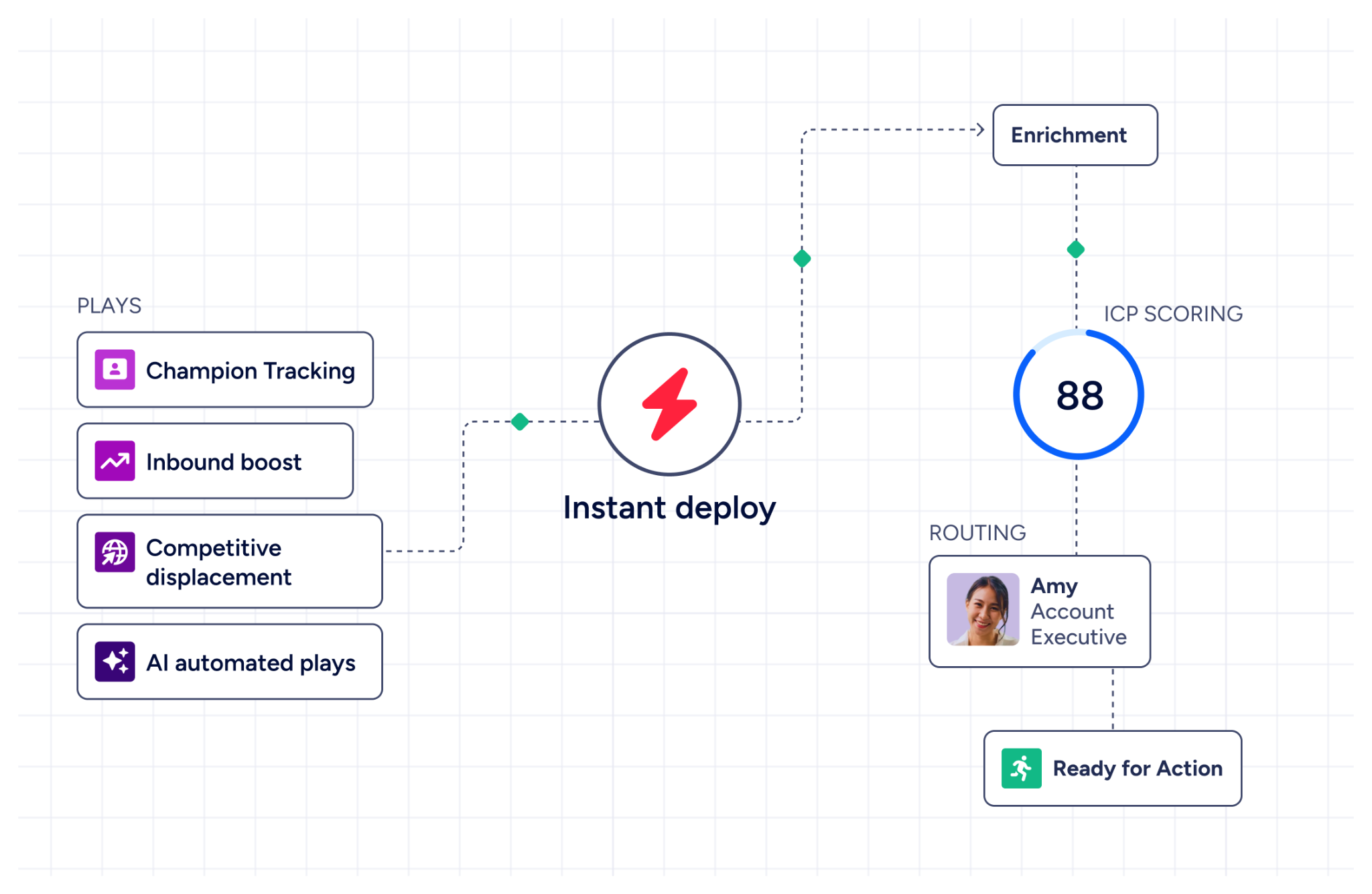
GTM Studio puts this intelligence in the hands of marketers and RevOps teams, letting them describe audiences in natural language, launch multi-channel plays, and measure pipeline impact without engineering tickets. Expansion plays that used to take three weeks now launch in 30 minutes.
Redwood Logistics achieved a 99% reduction in cost-per-click and a 310% increase in click-through rate by using ZoomInfo's audience data to reach the right buyers across the full journey. (Redwood Logistics)
Pricing reflects each platform's scope
Highrise charged a flat monthly rate based on plan tier (users, contacts, storage), not per seat. This made it affordable for small teams. No annual billing was available; monthly only. Pricing details are no longer publicly displayed since signups closed in 2018. Existing customers can view their plan in account settings and upgrade or downgrade freely. A 10% non-profit discount is the only special pricing available.
HubSpot uses a pricing model that combines seat fees, hub fees, contact tiers, onboarding fees, and credit consumption.
The free tier is useful: unlimited contacts (up to 1M records), basic CRM, email tracking, forms, and live chat for up to 2 users. The Starter Customer Platform bundles all Hubs at $15/seat/month (annual).
Costs climb fast from there. Marketing Hub Professional is $800/month (annual) for 3 included seats and 2,000 marketing contacts, with a $3,000 onboarding fee. Sales Hub Professional is $90/seat/month (annual) with a $1,500 onboarding fee. Marketing Hub Enterprise is $3,600/month with a $7,000 onboarding fee. Add in the mixed-tier seat billing rule, and a company subscribing to Marketing Hub Professional plus Sales Hub Enterprise would pay all Core Seats at the Enterprise rate, regardless of which Hub each person primarily uses.
ZoomInfo uses consumption-based pricing with no publicly listed prices. Costs depend on the number of seats, monthly credit volume (1 credit = 1 contact export), features selected, and contract length. Three product lines (Sales, Marketing, and Chorus) each have tiered plans (Professional, Advanced, Enterprise) with increasing capabilities at each level. Annual contracts are standard.
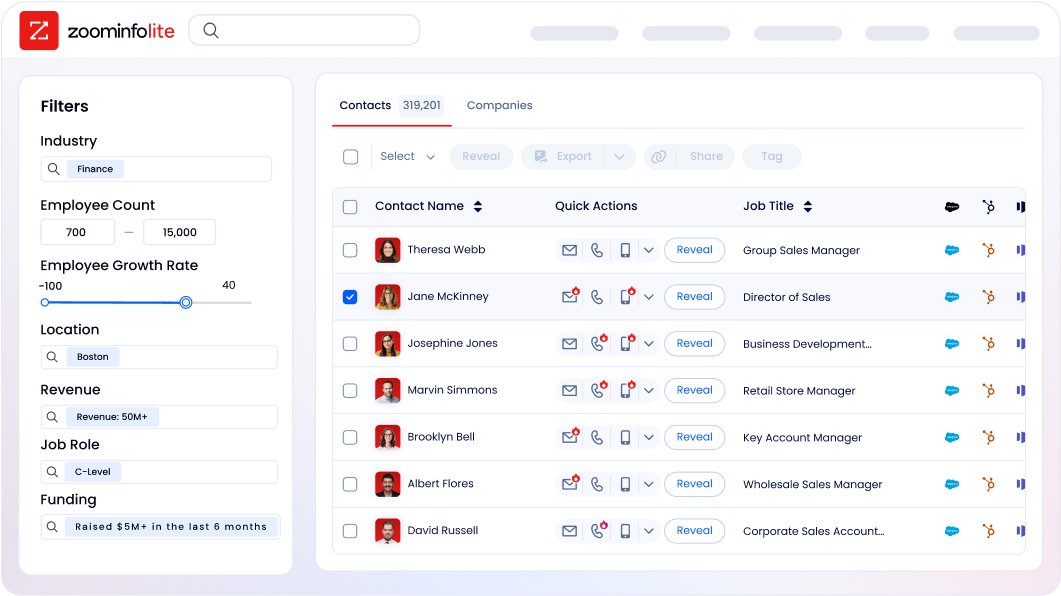
ZoomInfo offers two free entry points. ZoomInfo Lite is a permanent free tier with access to the B2B database, 10 monthly export credits, individual and company searches, the Chrome extension, and HubSpot integration. A separate 7-day free trial provides broader access to paid features.
ZoomInfo is premium-priced. The value case rests on documented outcomes: Snowflake achieved 200% higher conversion rates on accounts monitored using ZoomInfo-powered scores. The question isn't whether ZoomInfo costs more than a basic CRM; it's whether the pipeline it generates justifies the investment.
Integration ecosystems determine long-term flexibility
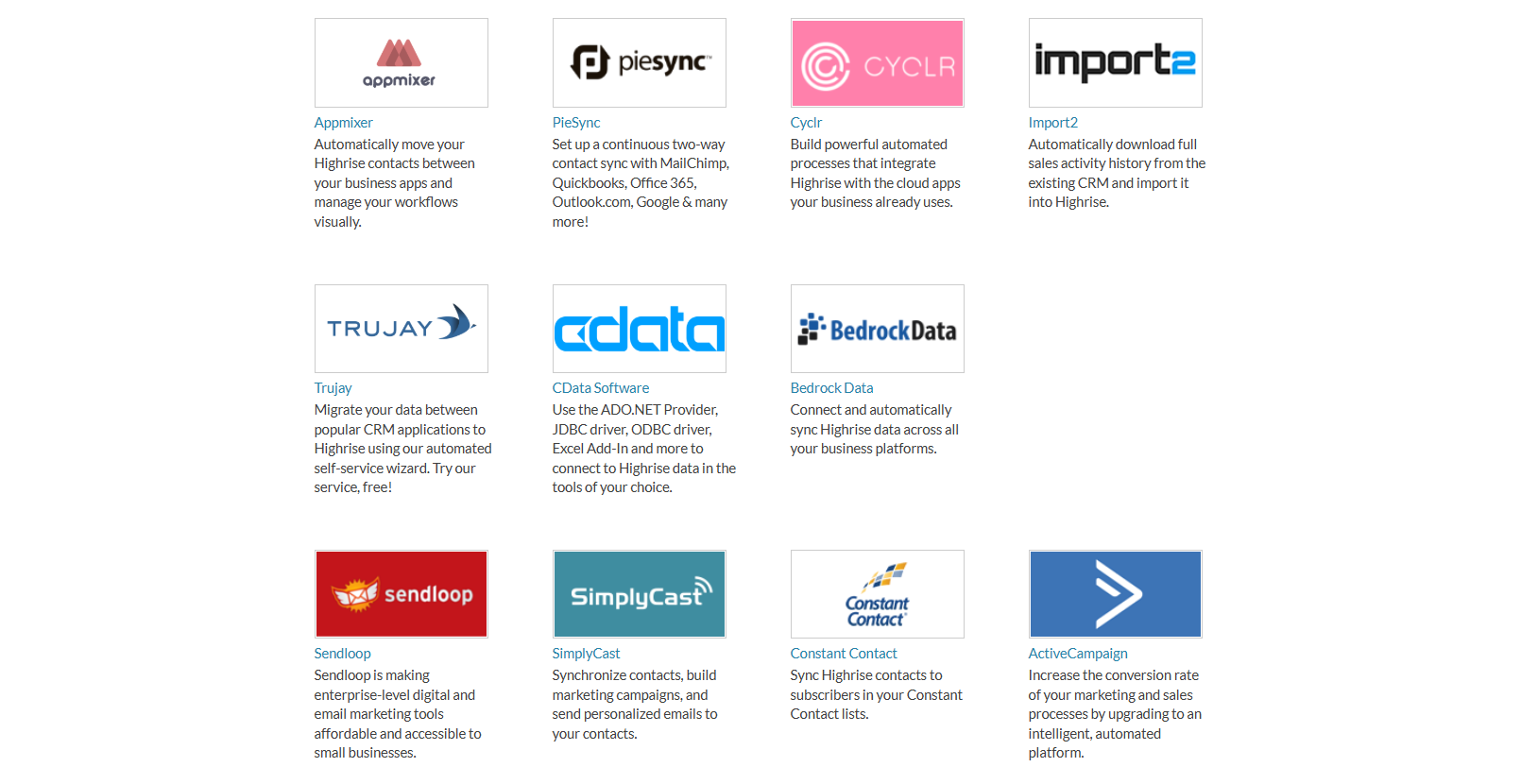
Highrise maintained a curated extras ecosystem including Zapier, FreshBooks, Help Scout, Talkdesk, Mailchimp (via PieSync), and Wufoo. The REST API is documented on GitHub, supporting XML over HTTP with OAuth 2.0 authentication. The limiting factor: Highrise is "not involved" in developing outside integrations. As third-party apps evolve past Highrise's static API, integrations break and stay broken.
Source: Highrise
HubSpot has the largest ecosystem of the three, with over 2,000 apps and 2.5 million active installs in its marketplace. The developer platform supports custom apps, UI extensions, and CMS development. Data Hub provides bidirectional sync with 100+ business apps and programmable automation using JavaScript and Python inside HubSpot workflows, without external middleware. HubSpot Academy has certified over 200,000 professionals, creating a talent pool for implementation and customization.
Source: HubSpot
ZoomInfo approaches integrations through universal access. The Enterprise API covers four areas: Search and Enrich (contacts, companies, intent, technographics), Copilot AI (account summaries, lookalike companies, buying committee recommendations), Marketing (audience management), and Engagements (bidirectional interaction data). The MCP server connects AI models directly to ZoomInfo's data through natural language, currently supporting Claude and ChatGPT. The App Marketplace lists 120+ partner integrations including Salesforce, HubSpot, Microsoft Dynamics 365, and Snowflake. API access is included in all relevant plans.
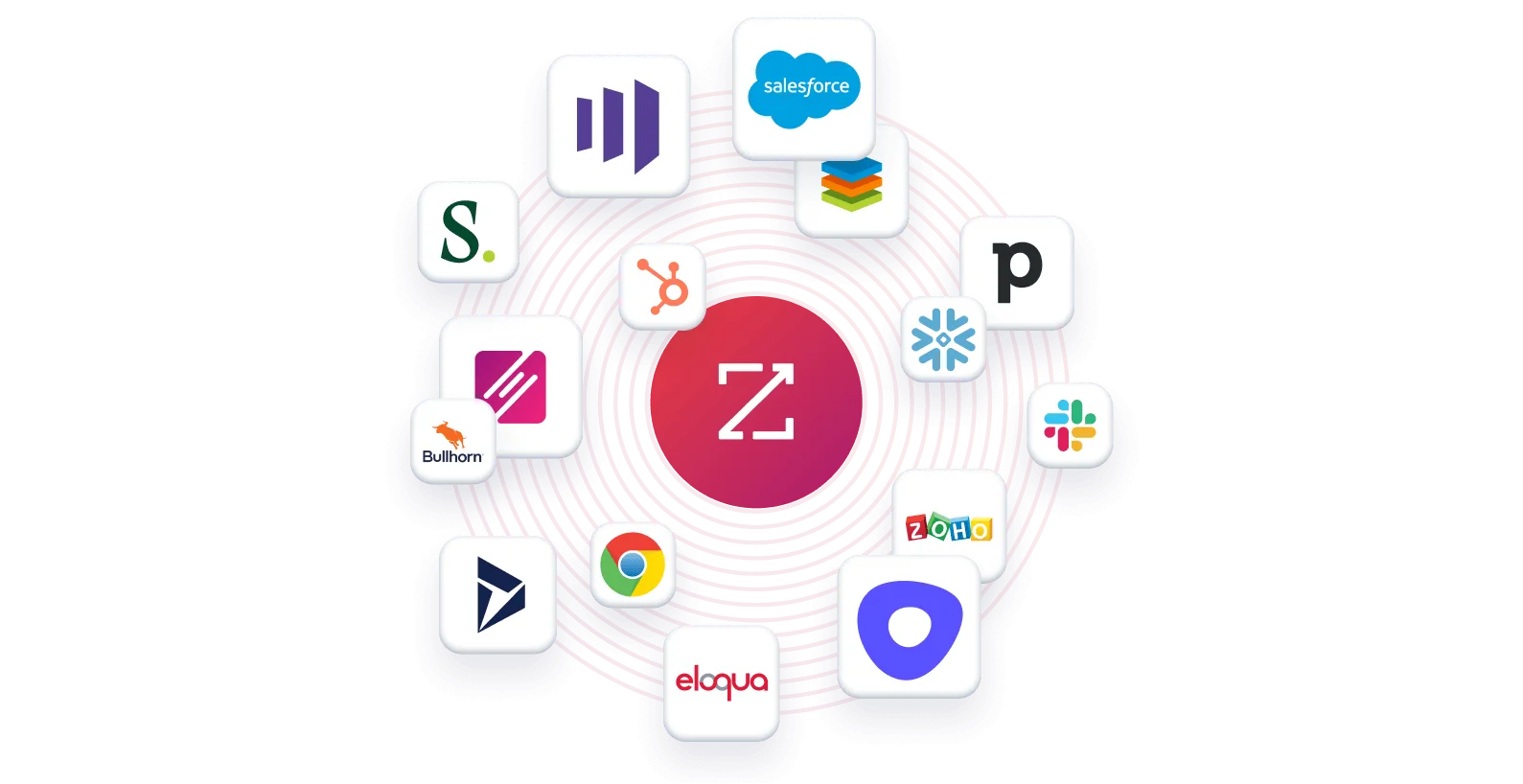
The HubSpot integration is worth noting: ZoomInfo plugs directly into HubSpot CRM, enriching contacts and companies with verified data, intent signals, and company attributes. Teams don't have to choose between ZoomInfo's intelligence and HubSpot's CRM. They can run both, with ZoomInfo feeding verified buyer data into HubSpot's workflows and automation.
Smartsheet relies on ZoomInfo as their single source of truth for account and contact data, calling it essential for understanding their market and making meaningful connections. (Smartsheet)
Highrise vs. HubSpot vs. ZoomInfo: Which should you choose?
The right choice depends on what problem you're solving.
Choose Highrise if:
You're already a customer and the tool still meets your needs
You value stability and simplicity over new features
Your team is small and your contact management needs are basic
You're comfortable on a platform that will never add new capabilities
Choose HubSpot if:
You need an all-in-one platform covering marketing, sales, service, and content
You want a free tier to start with and room to scale
Your team is ready to invest time learning a feature-rich platform
Marketing automation and content management matter as much as CRM
You're comfortable with per-seat, per-hub pricing that grows with your team
Choose ZoomInfo if:
Finding and reaching the right buyers is your team's primary challenge
Data quality and coverage are critical to your sales process
You need buyer intent signals, org charts, and verified direct dials, not just a contact database
AI-powered prospecting and account intelligence would change your pipeline
You want a platform that works alongside your existing CRM or as a standalone GTM engine
Try ZoomInfo Lite for free or request a demo to see the full platform.
The comparison between Highrise and HubSpot is a comparison between two eras. Highrise represented the era when managing contacts was the hard part. HubSpot represents the era when connecting every customer touchpoint into one platform became the priority. ZoomInfo represents what comes next: an intelligence layer that ensures your team is talking to the right people, at the right time, with the right context, regardless of which CRM sits underneath.
For teams serious about revenue growth, the question isn't where to store your contacts. It's where to find the ones that matter.
Highrise vs. HubSpot vs. ZoomInfo FAQ
Is Highrise still available for new users?
No. Highrise stopped accepting new signups on August 20, 2018. Existing customers can continue using the platform indefinitely under 37signals' "until the end of the internet" pledge, which commits to ongoing security and infrastructure maintenance. No new features have been added since 2018, and none will be. Help center articles were last updated as recently as January 2026, confirming active support continues.
Can ZoomInfo replace a CRM like Highrise or HubSpot?
ZoomInfo's GTM Workspace provides a seller-facing workspace with account management, AI-drafted outreach, and deal execution. But ZoomInfo is primarily a GTM intelligence platform, not a traditional CRM for logging every customer interaction. Most teams use ZoomInfo alongside a CRM. The platform integrates directly with Salesforce, HubSpot, and Microsoft Dynamics, enriching CRM data with verified contacts, intent signals, and company attributes that CRMs don't generate on their own.
How does HubSpot's free tier compare to ZoomInfo Lite?
HubSpot's free tier provides CRM functionality (unlimited contacts up to 1M records, basic email integration, forms, and live chat) for up to 2 users, with HubSpot branding on customer-facing tools. ZoomInfo Lite provides access to the B2B database with 10 monthly export credits, contact and company searches, the Chrome extension, website visitor reveals (up to 10 per day), and HubSpot integration. They serve different purposes: HubSpot Free is a CRM starter kit; ZoomInfo Lite is a prospecting data tool.
What happened to Highrise after 37signals spun it off?
Highrise was spun off as a separate subsidiary in August 2014 under CEO Nathan Kontny, with a seven-person team generating millions in annual profit. That team's last day was March 30, 2018. Highrise returned to 37signals in April 2018, and new signups closed in August 2018. 37signals now maintains Highrise alongside Basecamp on shared infrastructure, with no plans for development or revival.
How does ZoomInfo's data compare to HubSpot's contact enrichment?
HubSpot's Smart CRM enriches records using data from emails, calls, and other sources within its platform. ZoomInfo operates a large independent B2B data platform, covering 500M contacts, 100M companies, 135M+ verified phone numbers, and 200M+ verified business email addresses. That data is maintained through automated scanning of 28 million domains daily, 300+ human researchers, and a community of 200,000+ users who share data back. In a Fortune 500 competitive evaluation analyzing 25 million contacts, an independent consultant concluded that no other vendor came close to ZoomInfo's coverage.
Which platform is best for small teams with limited budgets?
HubSpot's free CRM tier offers the most capability at no cost for small teams that need contact management, basic email marketing, and simple sales tools. ZoomInfo Lite provides free access to B2B prospecting data with limited exports. For small teams focused on outbound sales, ZoomInfo Lite combined with HubSpot Free can provide both a CRM and a prospecting data source at zero cost. Highrise's flat-rate pricing was historically affordable for small teams, but it is no longer available to new customers.
Does ZoomInfo integrate with HubSpot?
Yes. ZoomInfo integrates directly with HubSpot CRM, enriching contact and company records with verified data, intent signals, and company attributes. The integration lets teams use HubSpot as their CRM while using ZoomInfo's B2B intelligence for prospecting, data enrichment, and account prioritization. ZoomInfo Lite includes HubSpot integration in its free tier.
What are the main reasons Highrise users migrate away?
Common reasons include the absence of automation (no sequences, workflows, or triggered tasks), no pipeline reporting, growth past plan limits (users, contacts, storage), integration decay as third-party apps evolve past Highrise's static API, and the lack of AI features or modern CRM capabilities. Common destinations for migrating Highrise users include HubSpot, Pipedrive, Less Annoying CRM, Nutshell, and Act!.
Comparing Highrise and HubSpot? These related breakdowns go deeper:
